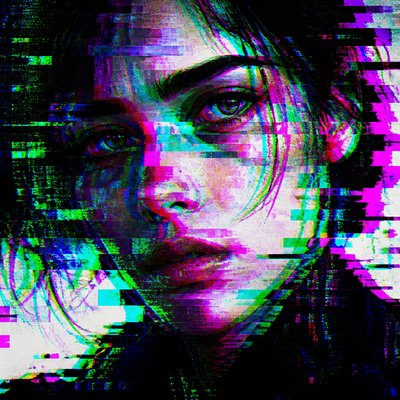
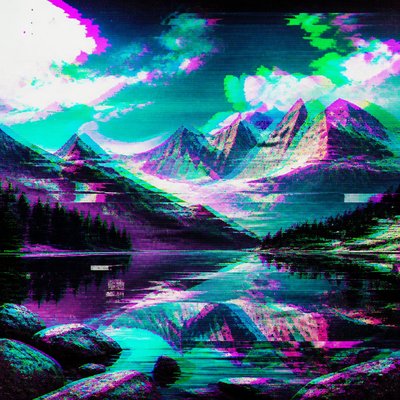
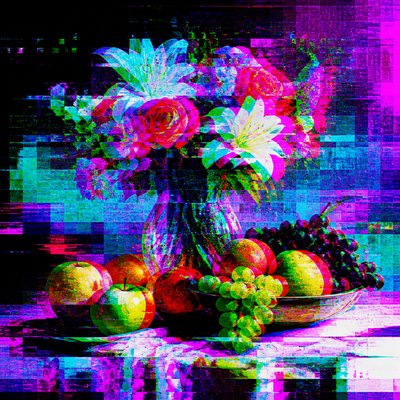
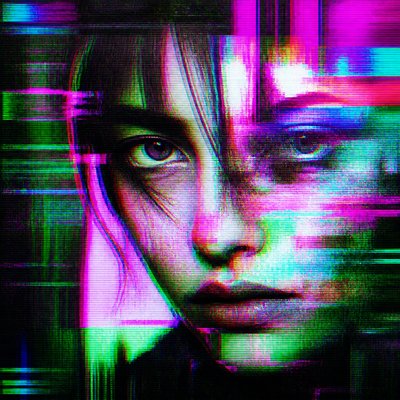
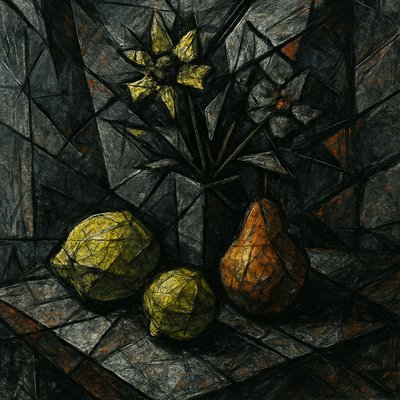
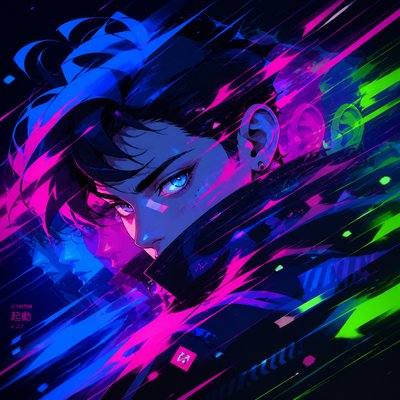
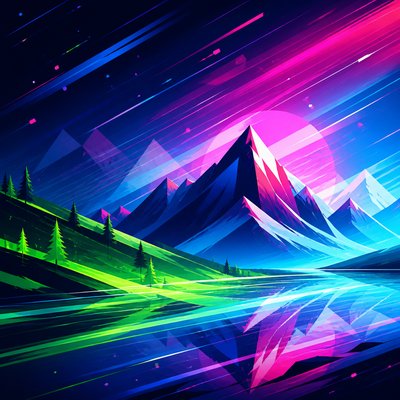
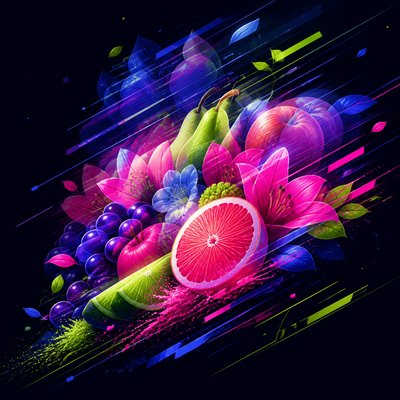
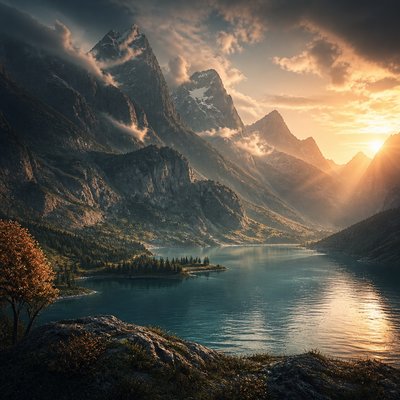
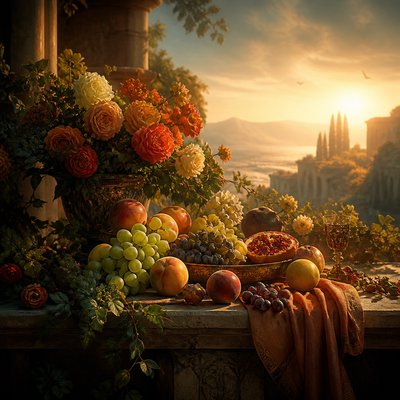
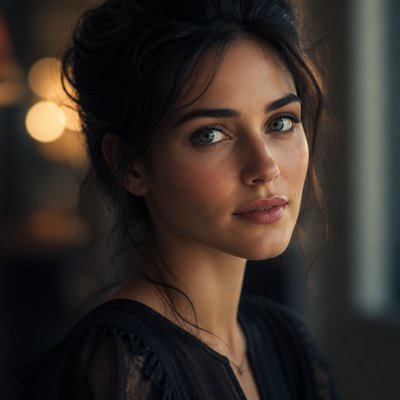
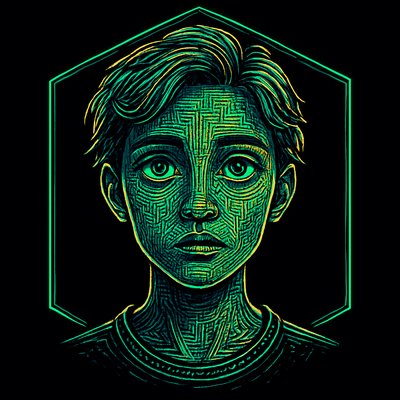
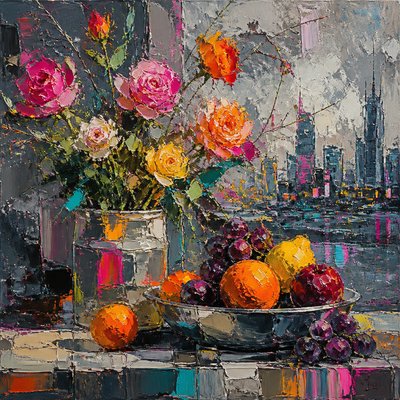
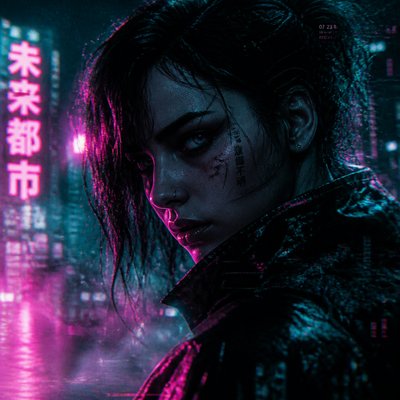
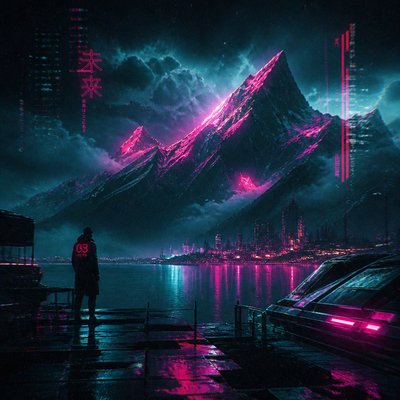
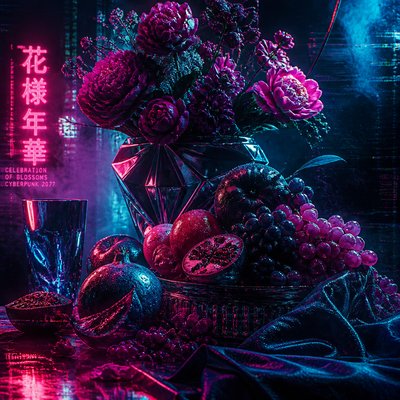
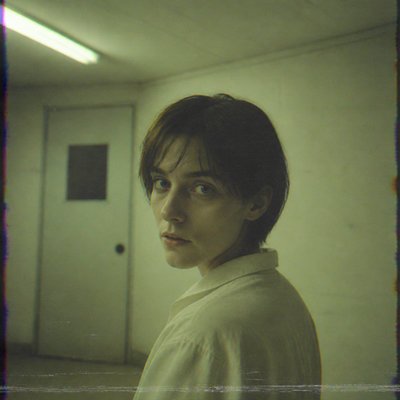
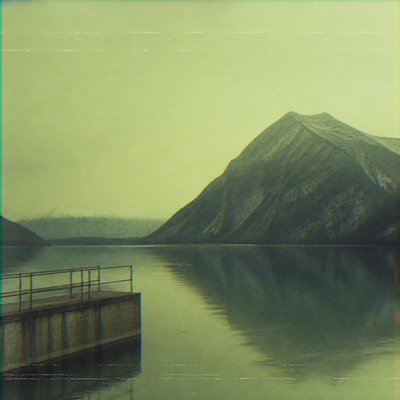
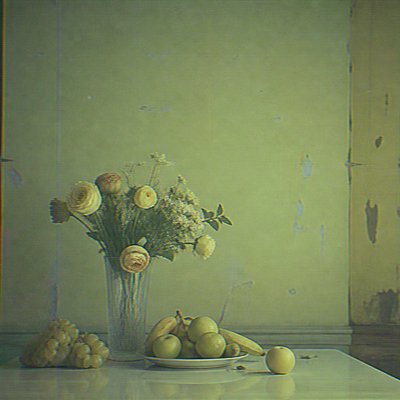
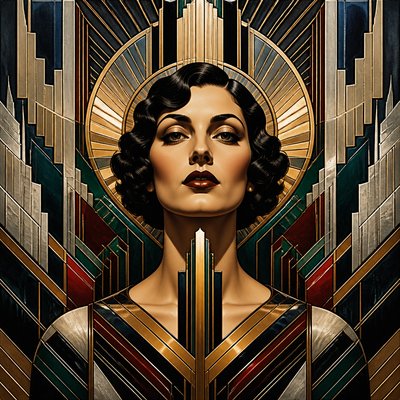
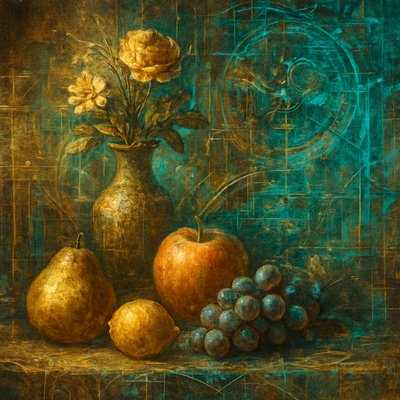
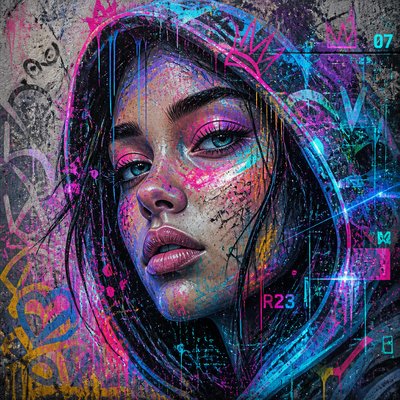
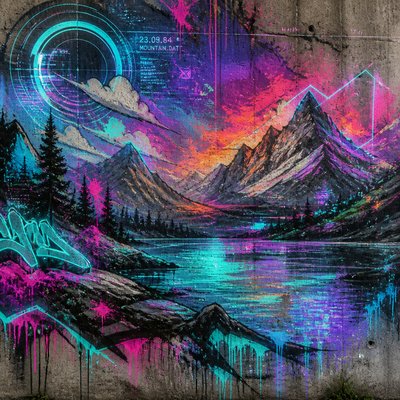
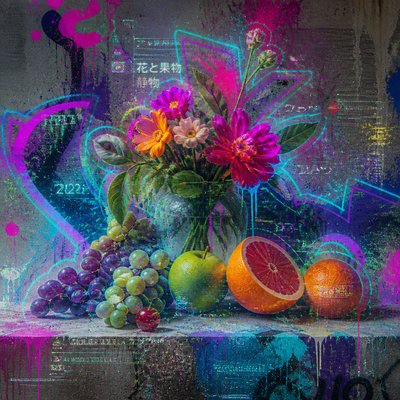
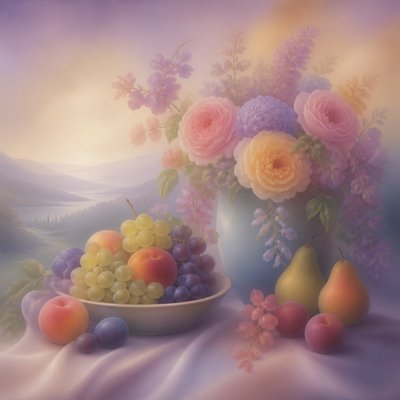
Digital Glitch Modern Art Style
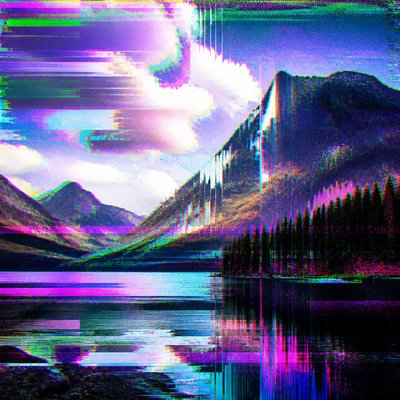
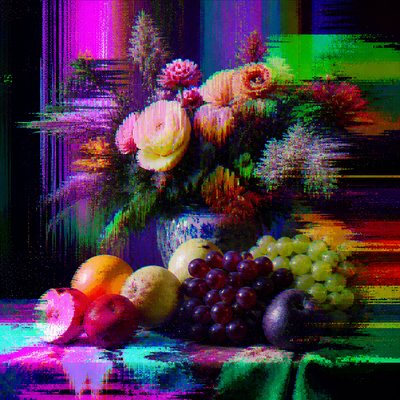
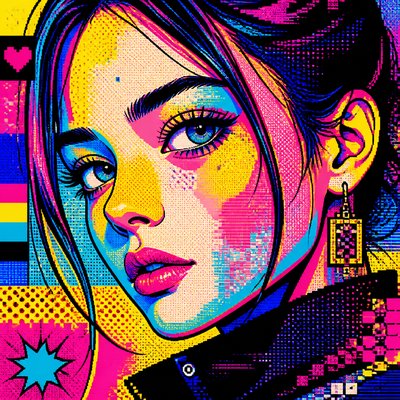
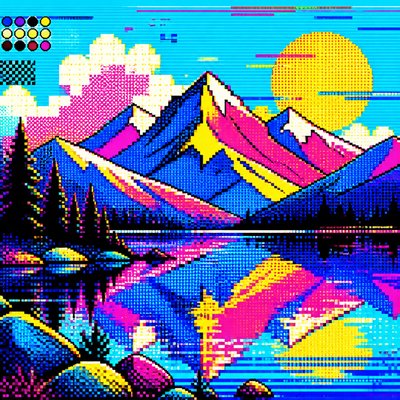
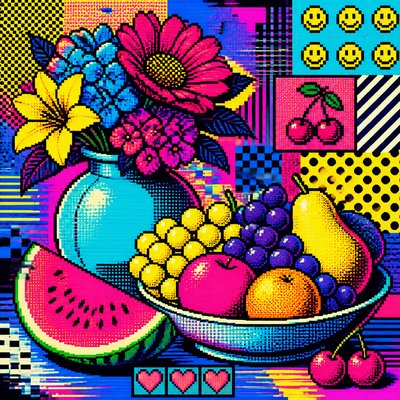
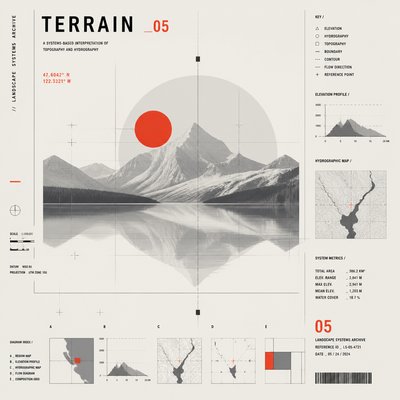
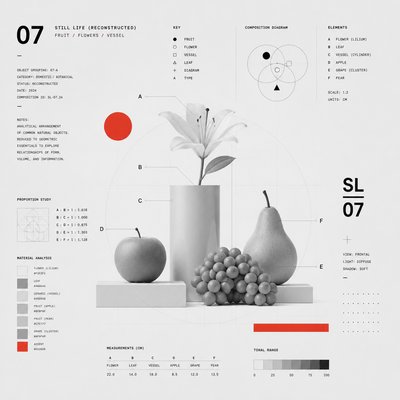
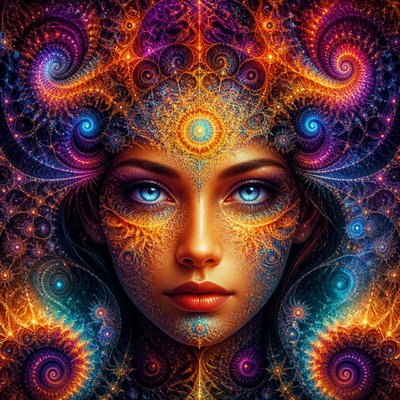
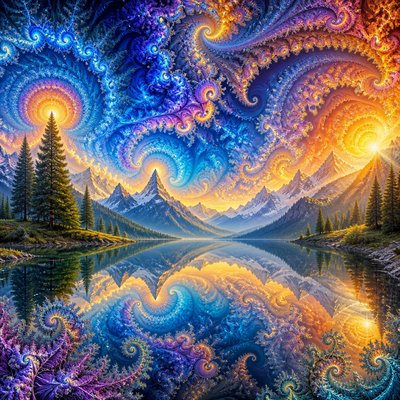
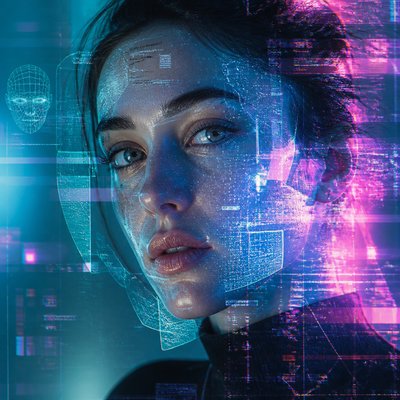
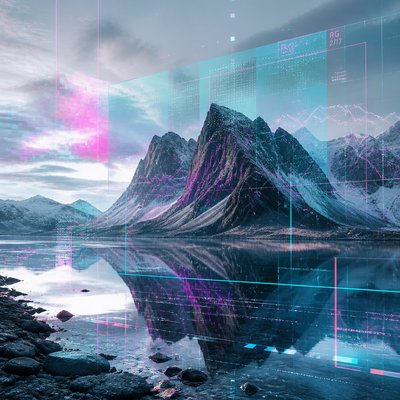
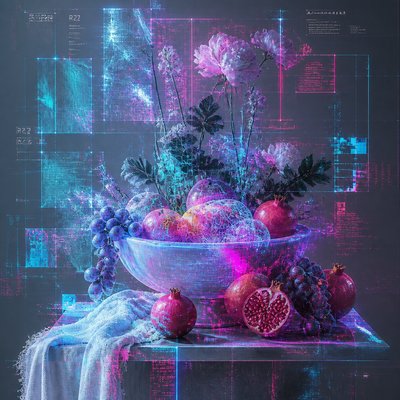
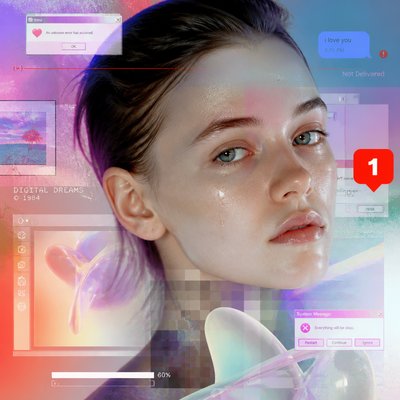
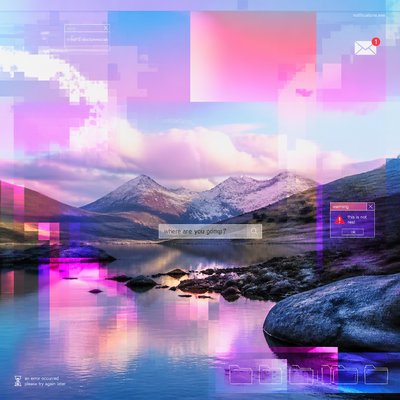
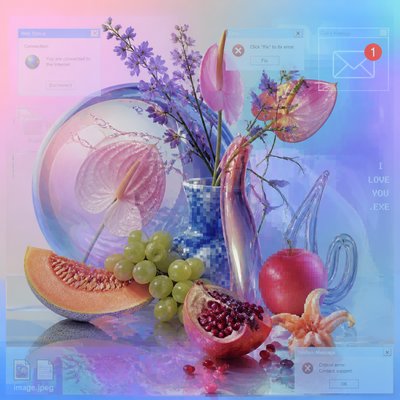
Glitch art aesthetic using pixel corruption, RGB shifts, scan tearing, and compression artifacts to turn digital errors into design.
Instantly rendered in Digital Glitch Modern — or transform a photo
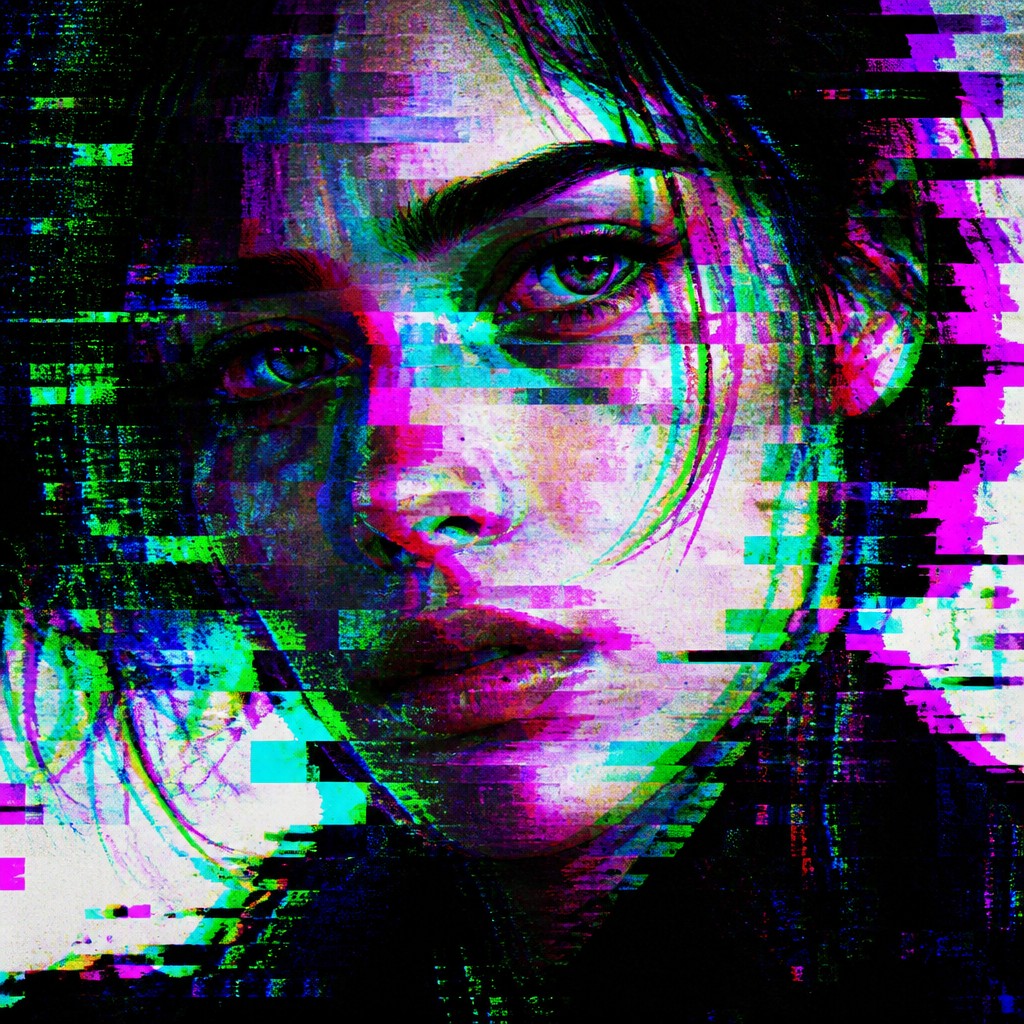
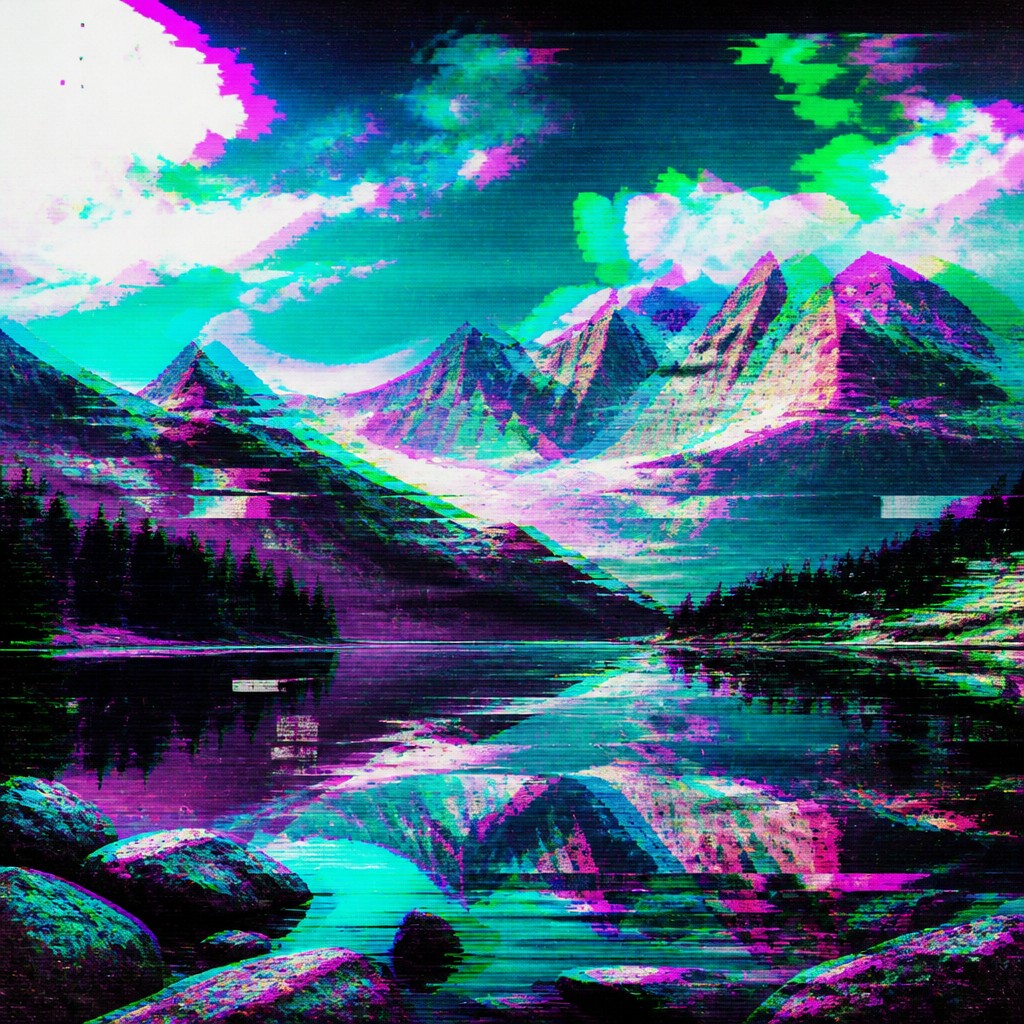
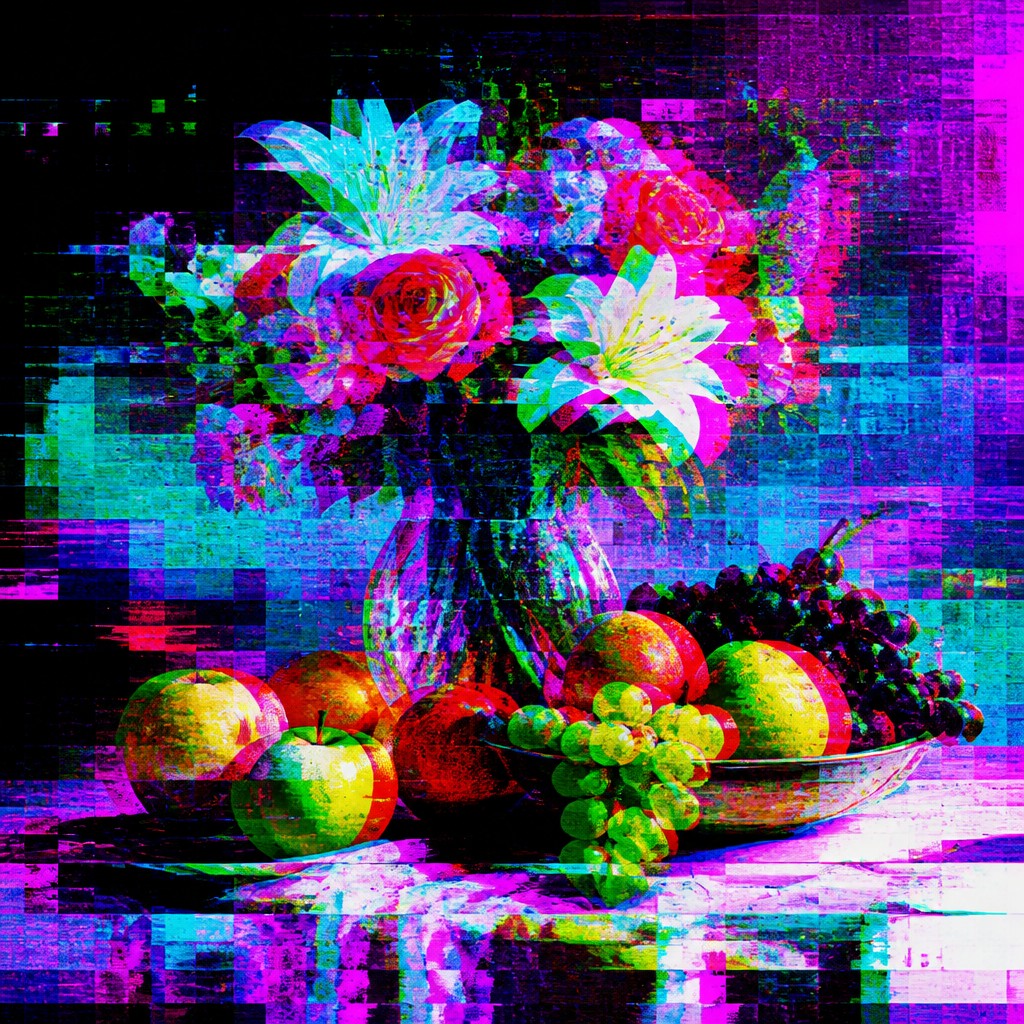
Digital Glitch Modern Gallery
Tap any artwork to explore it
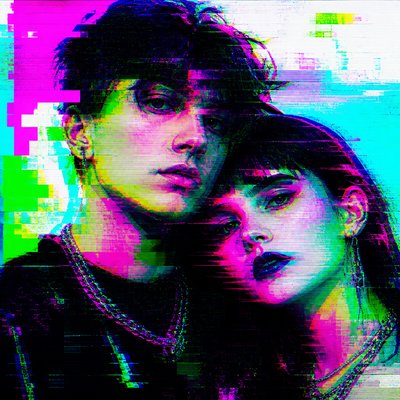
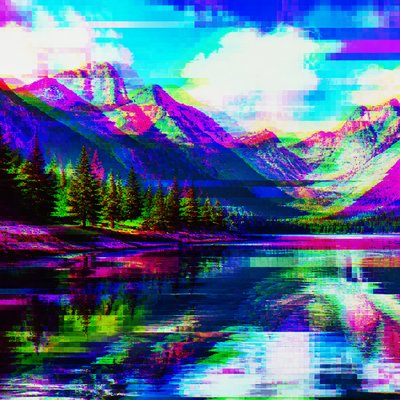
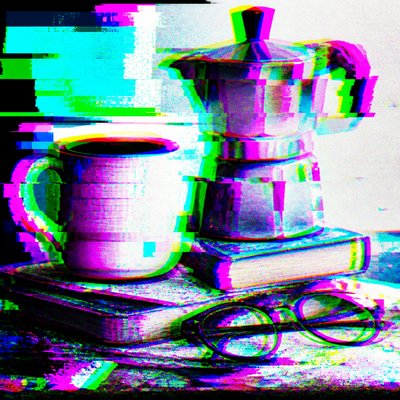
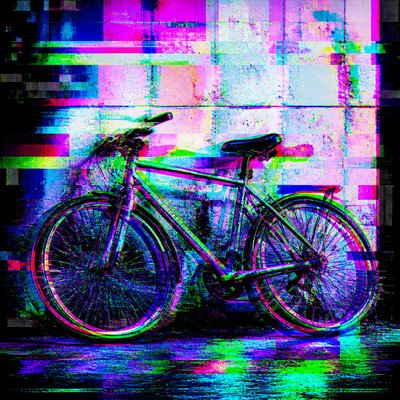
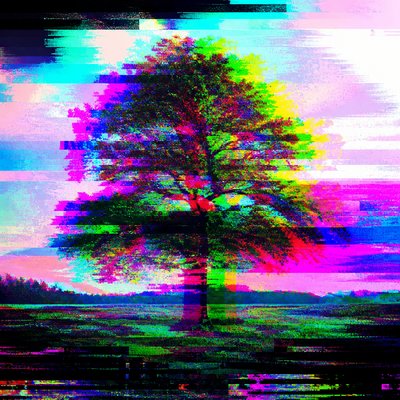
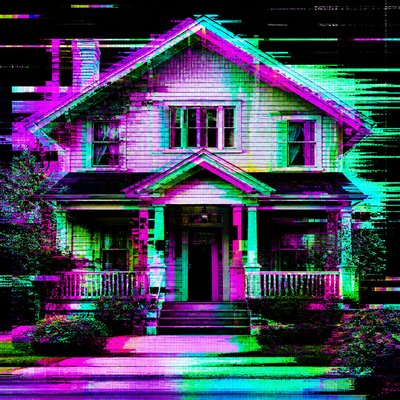
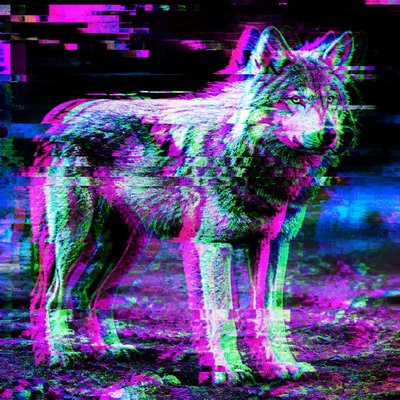
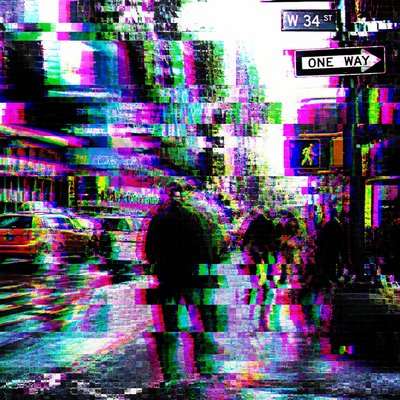
What is Digital Glitch Modern Art Style?
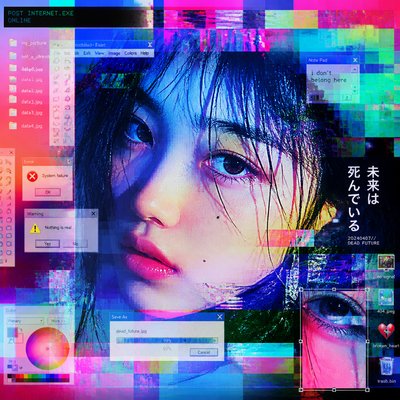
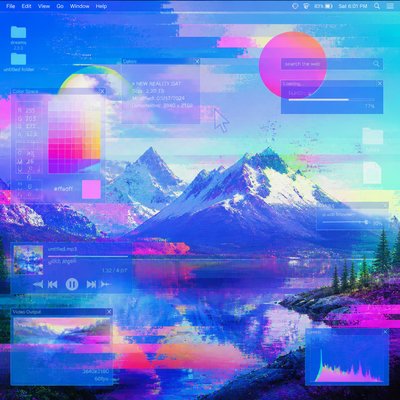
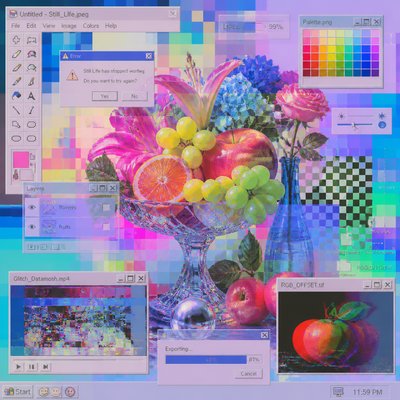
Digital Glitch Modern Art is an image-making style that treats technological failure as a visual language. It is built from corrupted pixels, broken compression, displaced channels, scan-line tearing, and other artifacts associated with screens, codecs, and unstable digital systems.
Its look is not simply “messy” or random. The style uses recognizable error patterns—macro-blocking, color banding, frame ghosting, and signal interference—to create images that feel fractured, unstable, and electronically mediated. The result is often sleek and contemporary in subject matter, but disrupted by the visual evidence of malfunction, as if the image is struggling to hold itself together.
Try It On Your Photos
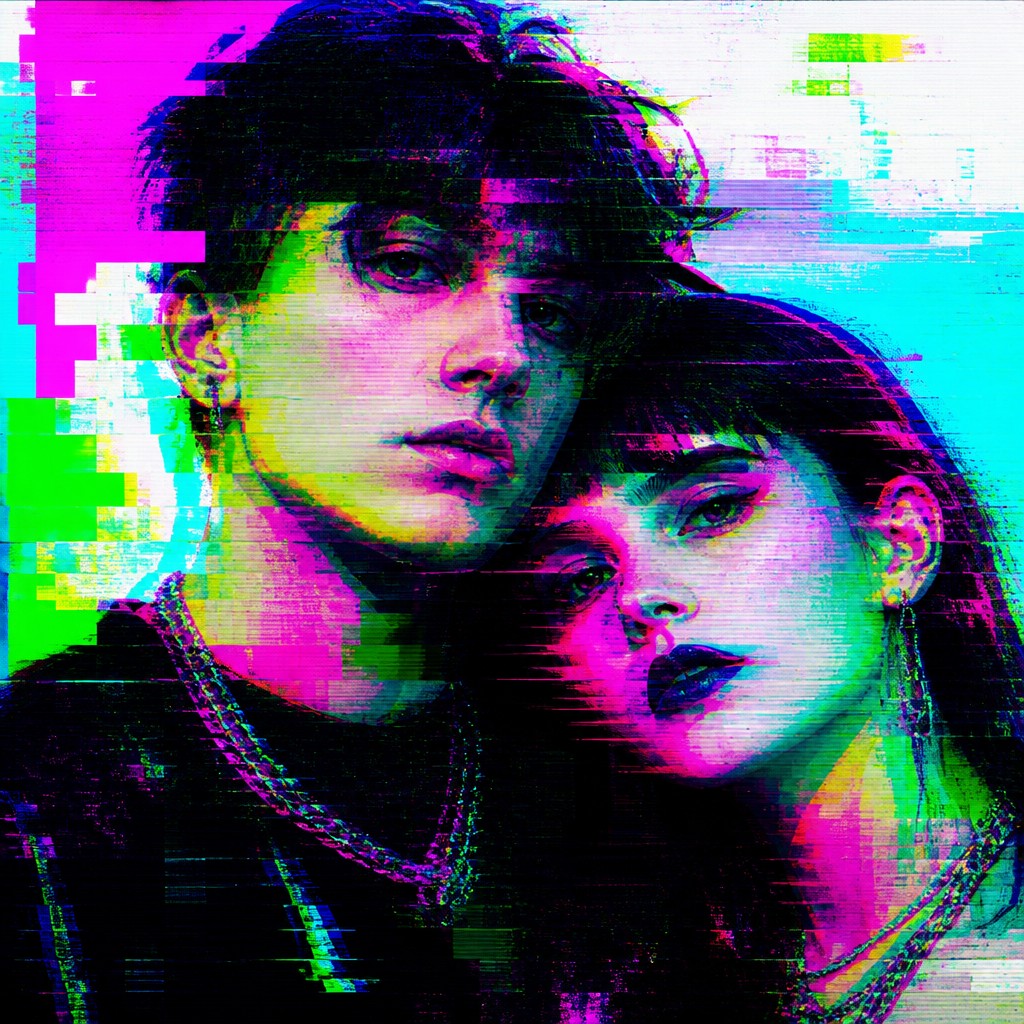
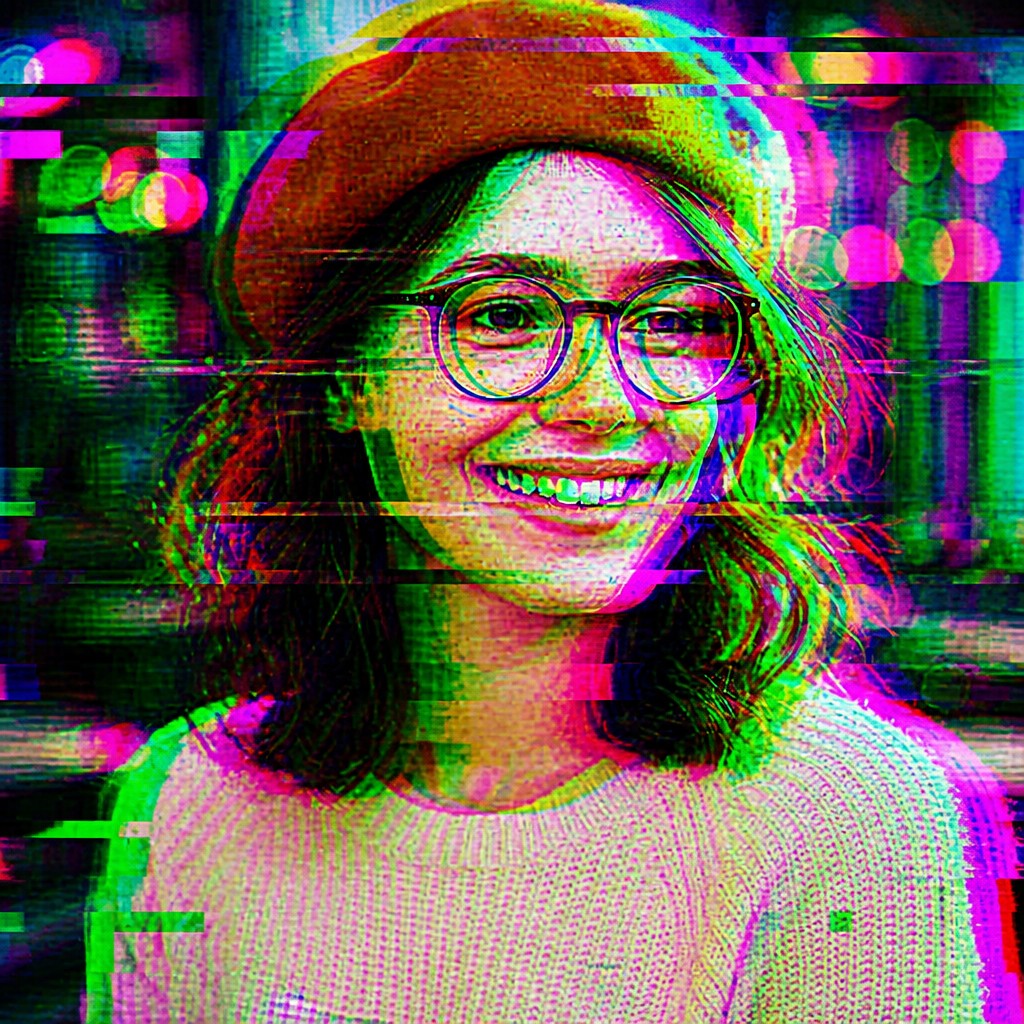
Upload any photo and convert it into Digital Glitch Modern Art Style — drag the sliders to compare before and after.


What Defines Digital Glitch Modern Art Style
The signature details, up close
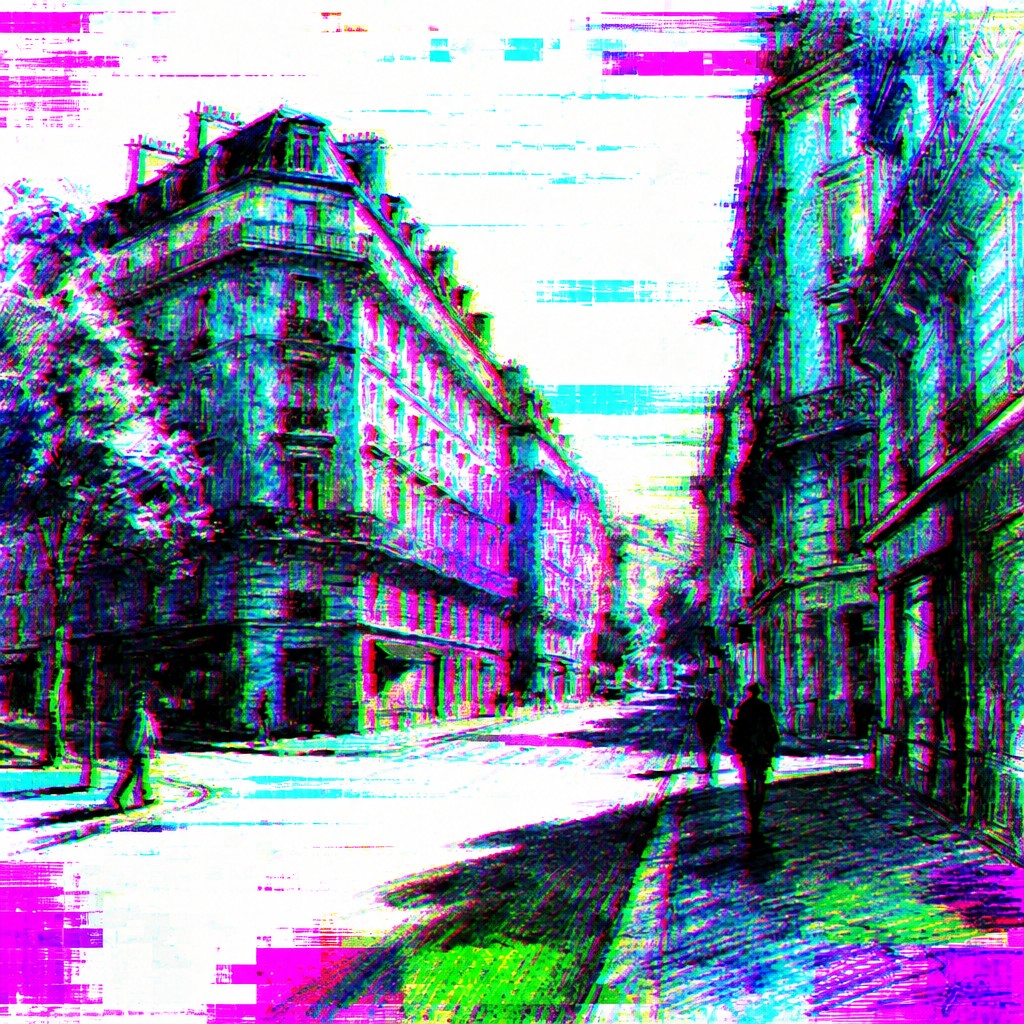
Pixel displacement and block corruption
Large clusters of pixels appear shifted, fragmented, or replaced by rectangular blocks. This evokes broken image data and unstable file compression.
RGB channel separation
Red, green, and blue layers are offset from one another, producing prismatic halos and chromatic doubling. The effect suggests misalignment in the digital signal.
Compression artifacts and banding
JPEG-like blocks, harsh gradients, and visible banding make the image feel over-compressed or degraded. These imperfections are often used as a primary design element rather than hidden.
Scan tearing and frame interference
Horizontal tears, frozen lines, and partial frame shifts create the impression of playback failure. The image may seem caught between stillness and motion.
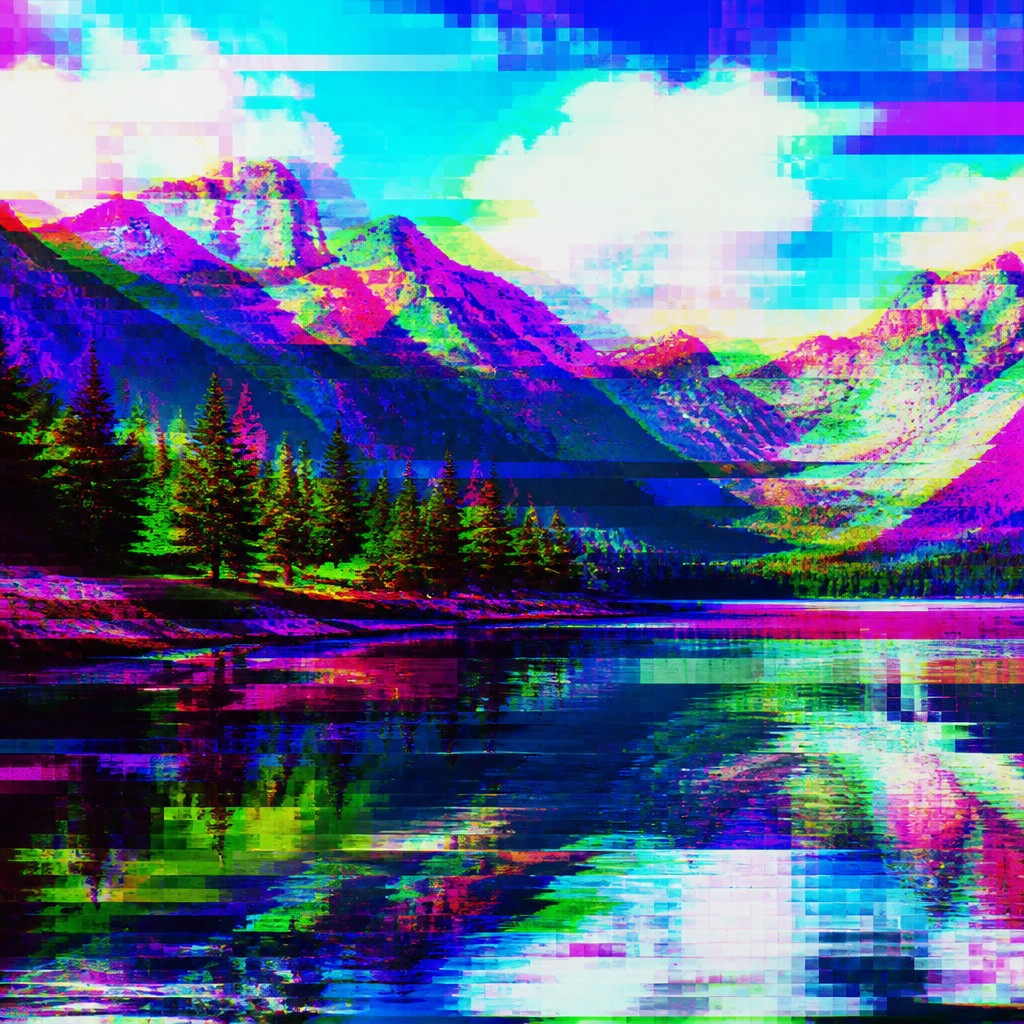
Temporal ghosting
Multiple moments appear collapsed into one another, leaving afterimages or duplicate contours. This produces a sense of corrupted time and unstable memory.
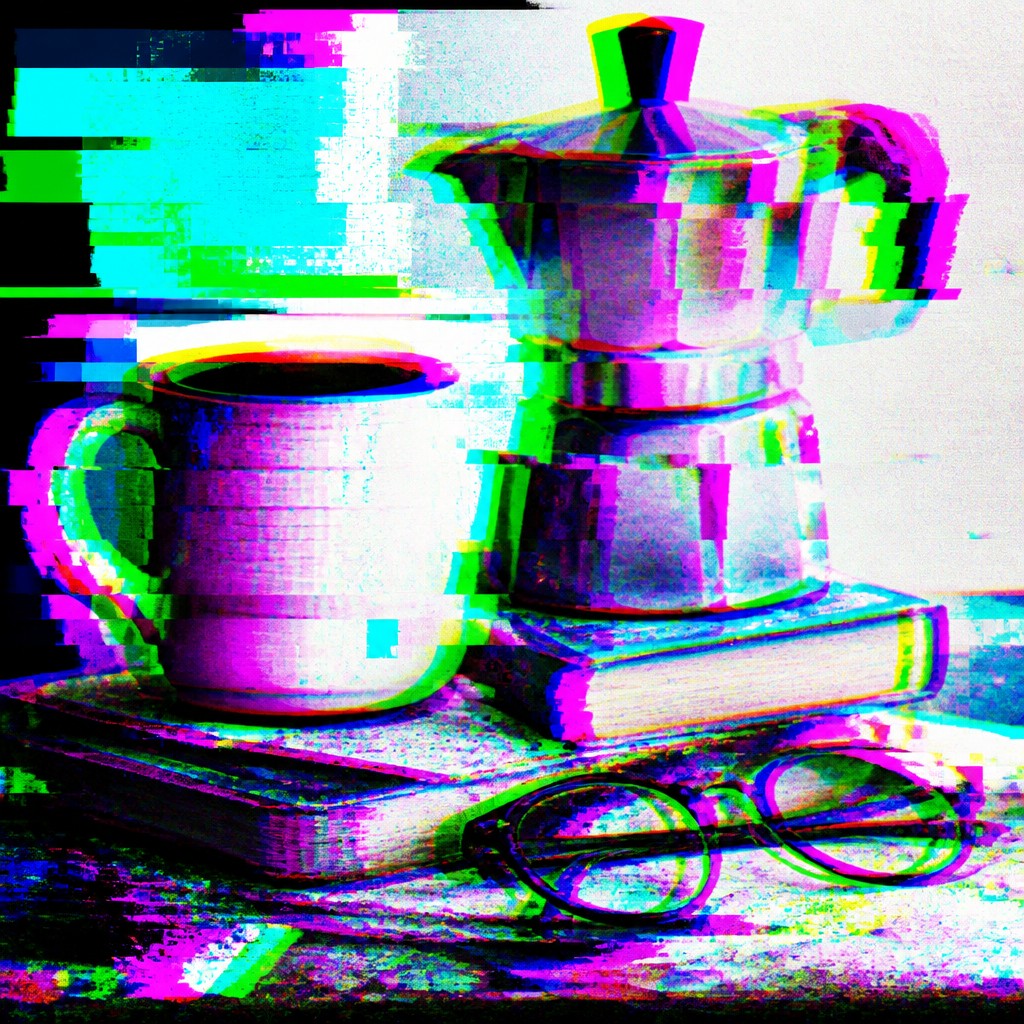
Bit-crushed texture and harsh contrast
Fine digital grain, clipped whites, and crushed blacks give the work a hard electronic edge. The palette often feels intense, synthetic, and high-contrast.
Try It
Create Videos in Digital Glitch Modern Art Style
Styles aren't just for stills — describe a scene or animate an image and get a short video rendered in Digital Glitch Modern. Press play to see this pond come to life.
Make a VideoDigital Glitch Modern Prompt Ideas
Start from an idea — each one opens the generator with the style ready to go. See all 40 Digital Glitch Modern prompts →
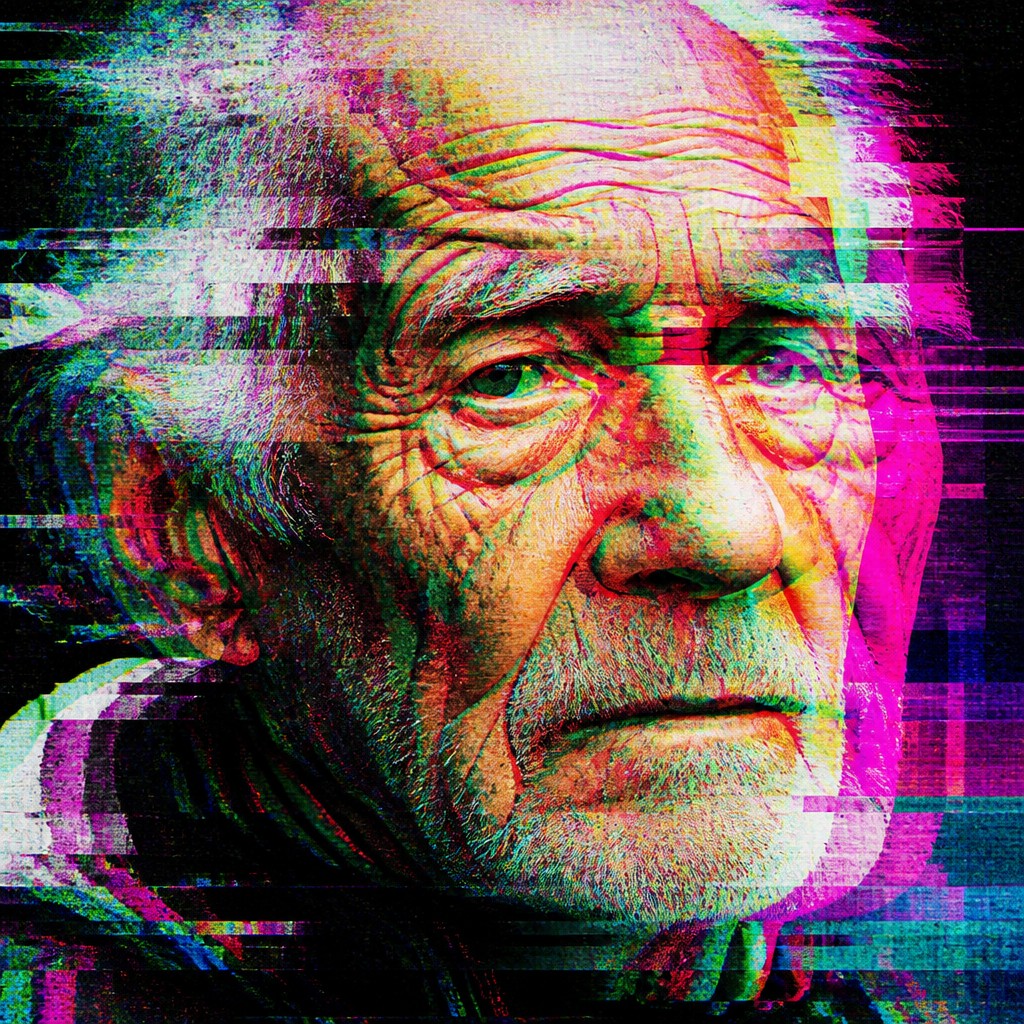
“close-up portrait of an elderly person with expressive weathered features”
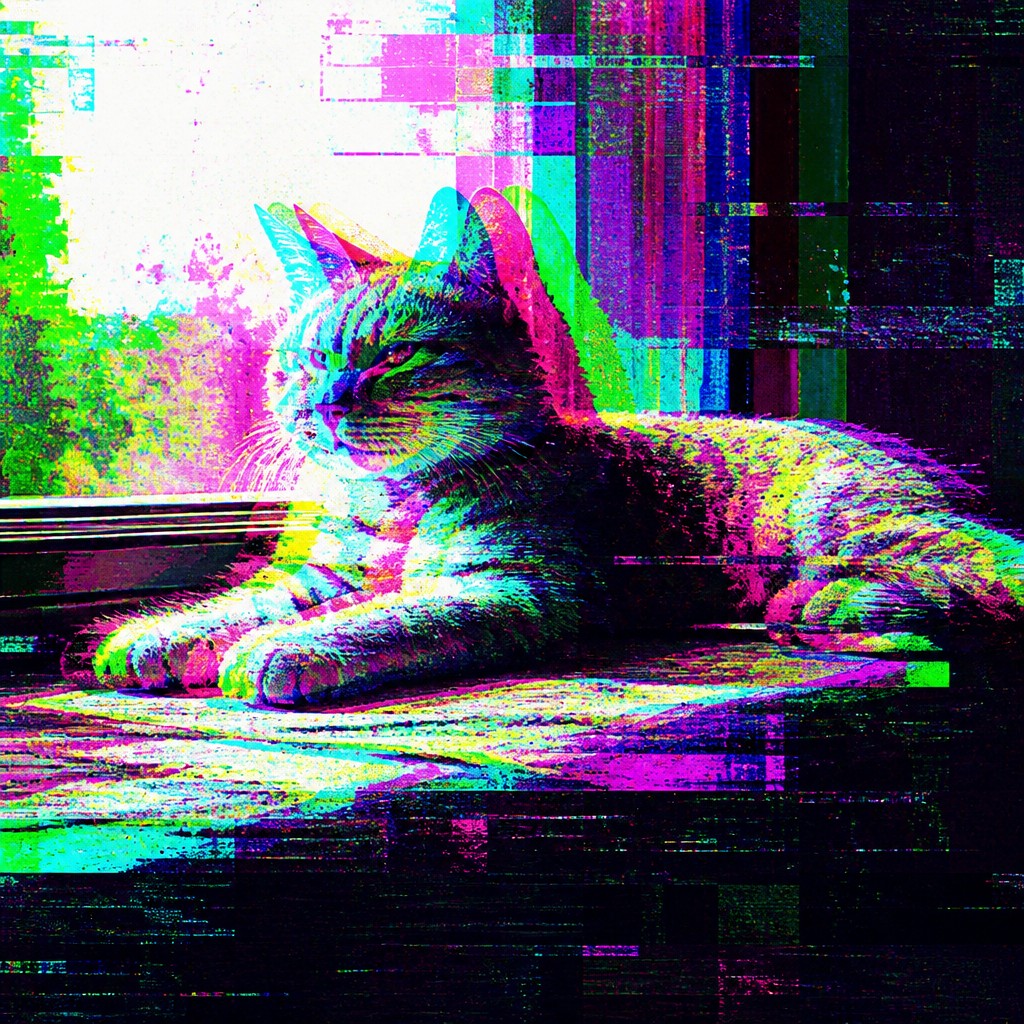
“a cat lounging in a sunlit window”
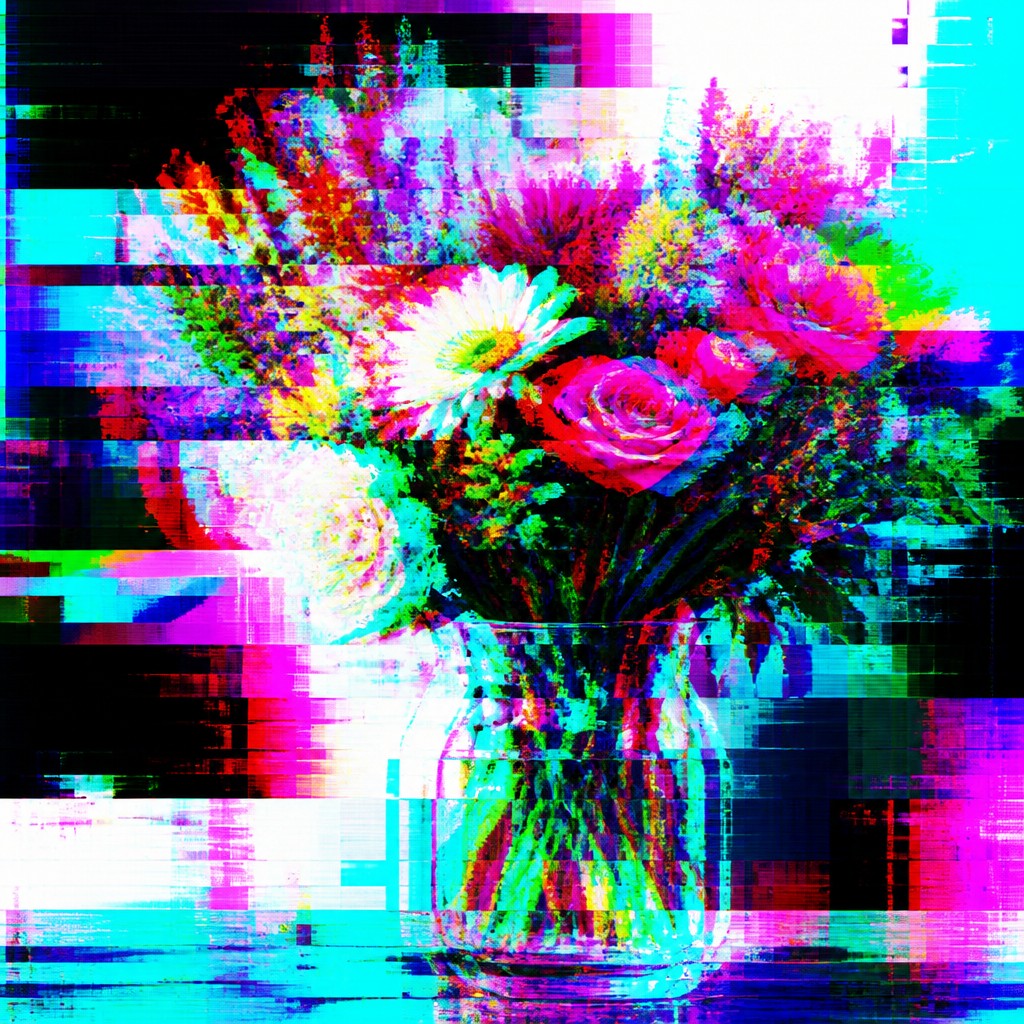
“bouquet of flowers in a glass vase”
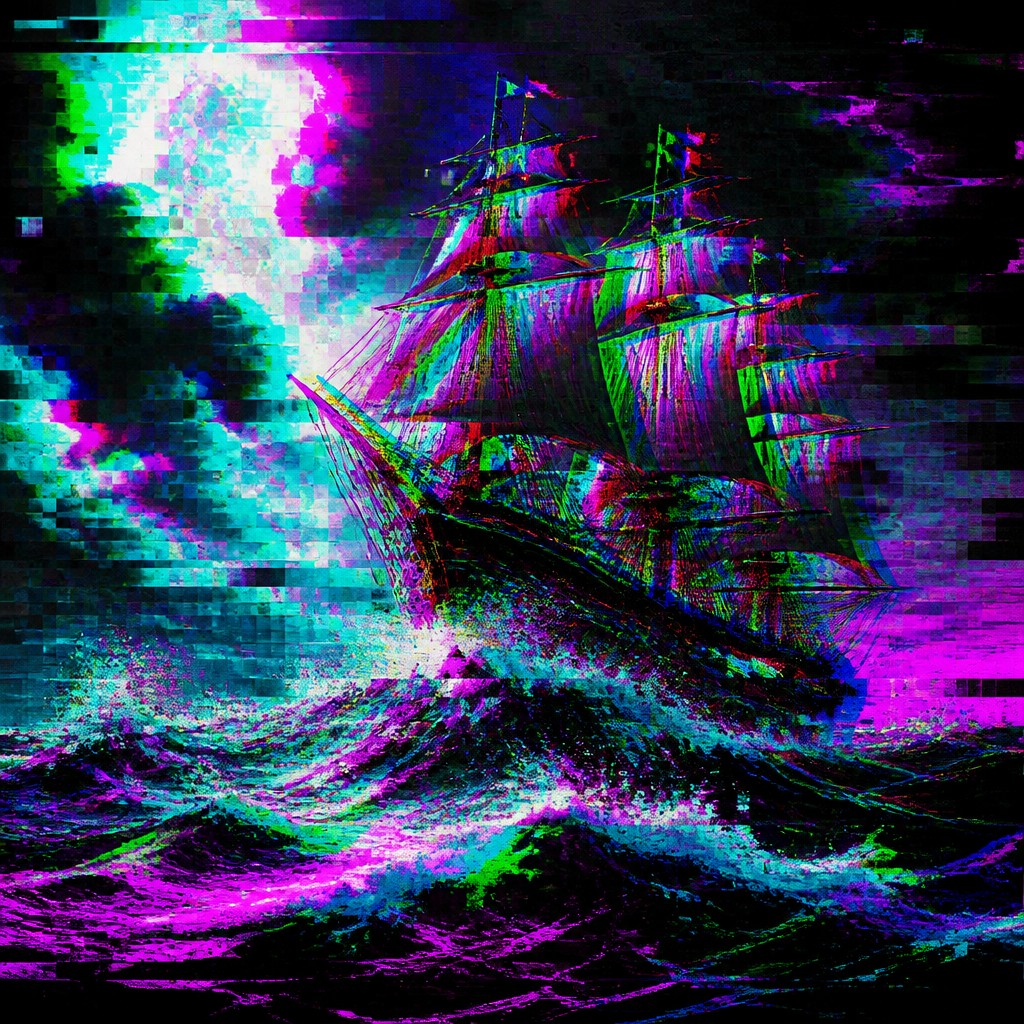
“sailing ship on a stormy sea”
How to Create Digital Glitch Modern Art
Master the craft step by step — or skip straight to creating. Read the full guide →
- 1
Build a clean base image first
Start with a clear portrait, landscape, product shot, or abstract composition before adding corruption. Glitch effects read best when there is an underlying image structure for the distortion to disrupt.
- 2
Use channel offsets and selective distortion
In digital editing, separate RGB channels, shift them by small amounts, and apply horizontal smears or block shifts in specific regions. Vary the intensity so the image feels intentionally unstable rather than uniformly damaged.
- 3
Simulate compression and data loss
Introduce posterization, macro-blocking, posterized gradients, and low-bit-depth textures. You can also degrade an image through repeated saves, datamoshing-style edits, or aggressive compression settings.
- 4
Control the color palette
Use electric cyan, magenta, acid green, and stark neutral blacks and whites to emphasize the synthetic feel. High contrast and clipped tones help the corruption read as luminous rather than muddy.
- 5
Balance chaos with composition
Place the strongest glitches where they reinforce the subject’s silhouette or motion. Even in damaged imagery, the eye should still find a clear focal point, rhythm, or structure.
- 6
Prompt for specific error states
When generating images, describe the subject first and then add concrete corruption terms such as pixel blocks, RGB split, scan tearing, frame ghosting, and JPEG artifacts. The more precise the error vocabulary, the more consistently the style will appear.

The Story
History & Origins of Digital Glitch Modern
Digital glitch art emerged from the broader history of digital media, especially as artists and designers began using the visible failures of software, hardware, and file formats as deliberate aesthetic material. Its lineage includes databending, datamoshing, codec experimentation, and the reuse of corrupted image files, alongside earlier interests in chance, error, and mechanical breakdown found in modern and postmodern art.
The style is closely related to internet-native visual culture and the rise of low-level digital editing in the 2000s and 2010s. It draws from experimental media art, post-internet aesthetics, and graphic design that embraces pixelation, scan noise, and compression artifacts as expressive rather than defective.
Influences: This style draws from glitch art, databending, datamoshing, and experimental digital media practices, as well as the broader visual language of post-internet art and cyberpunk graphics. It also echoes earlier modernist interests in fragmentation and mechanical process, though its specific look is shaped by software failure and compressed media rather than paint or print alone. Related historical sensibilities include Dada’s embrace of chance and breakdown, and Conceptual and postmodern art’s skepticism toward seamless images, but the key visual sources are contemporary digital systems and their errors.
Frequently Asked Questions
What defines Digital Glitch Modern Art?
It is defined by visible digital failure: pixel blocks, corrupted frames, RGB misalignment, scan tearing, and compression artifacts. The style uses these errors deliberately as design elements rather than treating them as mistakes to remove.
Is glitch art the same as vaporwave or cyberpunk?
Not exactly. Vaporwave often uses retro internet nostalgia, soft pastel palettes, and consumer imagery, while cyberpunk emphasizes futuristic urban and technological themes. Glitch art can overlap with both, but its core identity is the presence of digital corruption itself.
What kinds of subjects work best in this style?
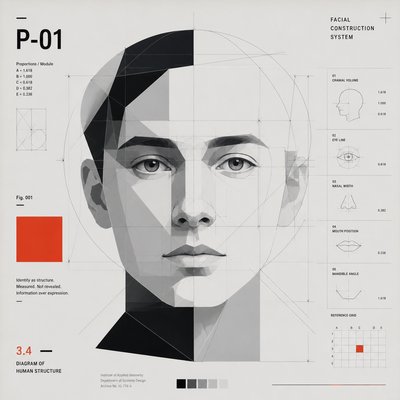
Portraits, sci-fi scenes, cityscapes, product images, and abstract compositions all work well because they provide clear forms for distortion. Subjects with strong silhouettes or strong color contrast tend to make the glitch effects more legible.
How is this style different from simple pixel art or low-resolution art?
Pixel art is usually intentional, controlled, and built from discrete pixels as a design choice. Glitch art, by contrast, imitates instability, corruption, or codec failure, often using blocks and banding as evidence of breakdown rather than construction.
Can this style be made with photography?
Yes. Photographs can be edited to include channel splitting, compression damage, scan-line overlays, and frame ghosting, or they can be corrupted through file manipulation and repeated encoding. Portraits and street scenes often translate especially well.
Where is this style commonly used?
It is common in album covers, poster design, editorial illustration, motion graphics, web visuals, and experimental photography. It is also popular in contemporary digital art because it communicates speed, instability, and mediation through screens.
Create your first Digital Glitch Modern artwork
Describe anything — or upload a photo — and see it in Digital Glitch Modern Art Style in seconds.
Make Something with Digital Glitch Modern
Compare Digital Glitch Modern
Related Styles
Discover similar art styles