Mid-Century Modern Furniture Art
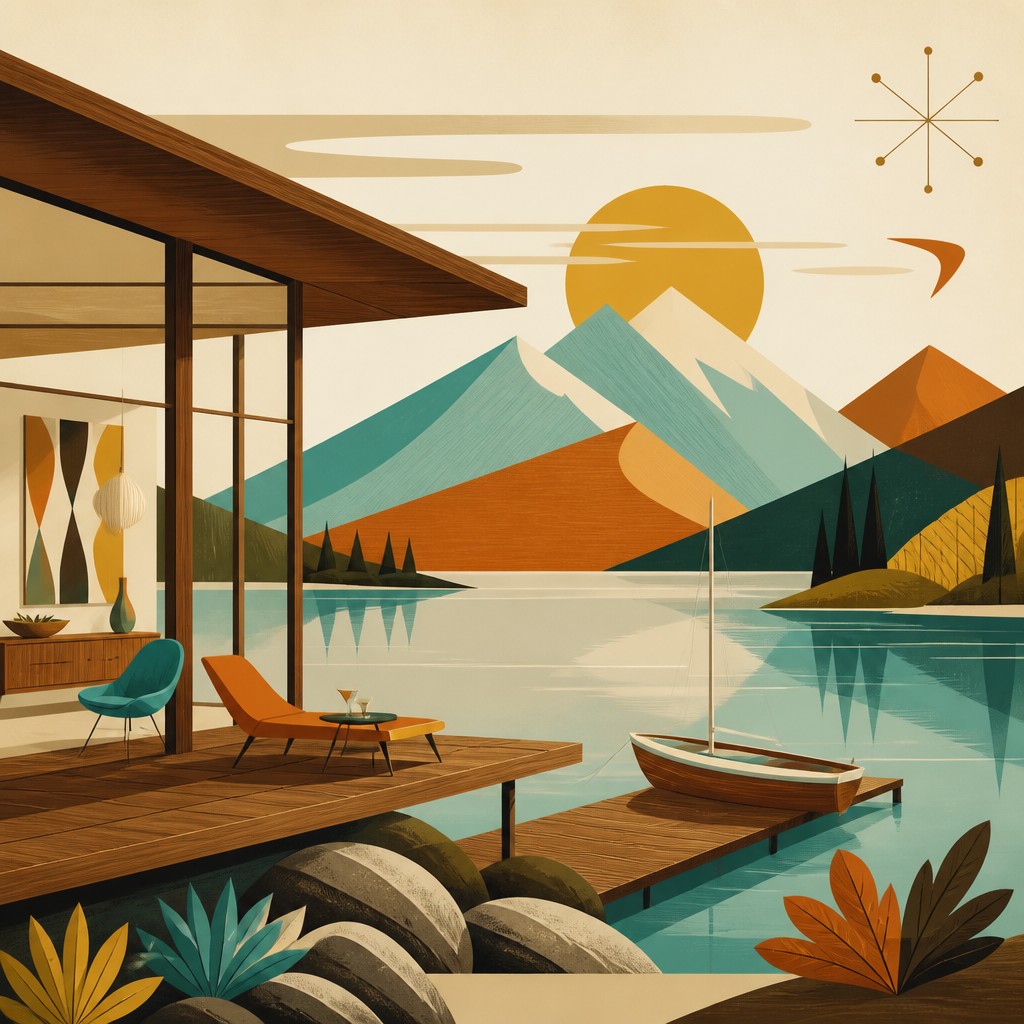
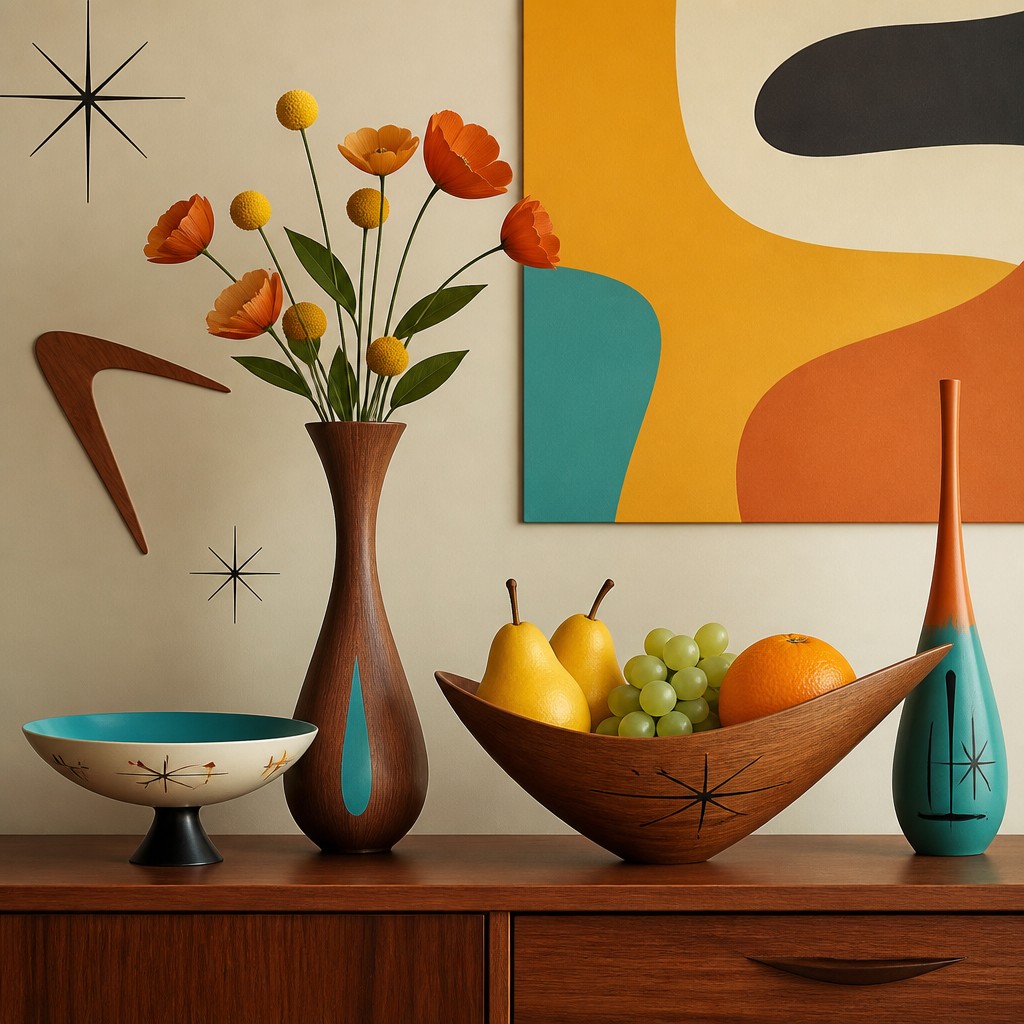
Clean lines, walnut wood, tapered legs, and atomic-age accents define this enduring 1950s–60s furniture design aesthetic.
Instantly rendered in Mid-Century Modern Furniture — or transform a photo
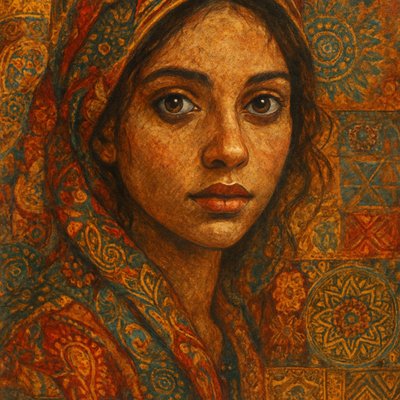
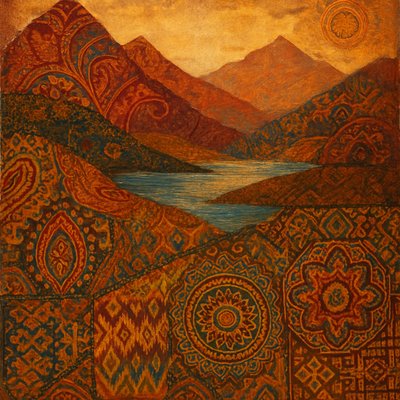
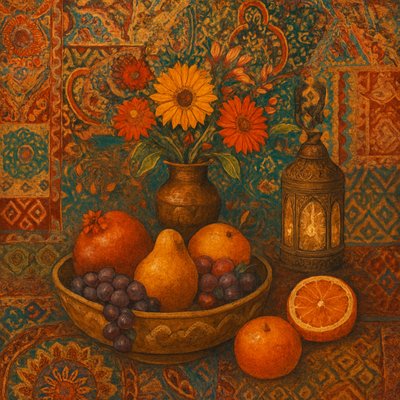
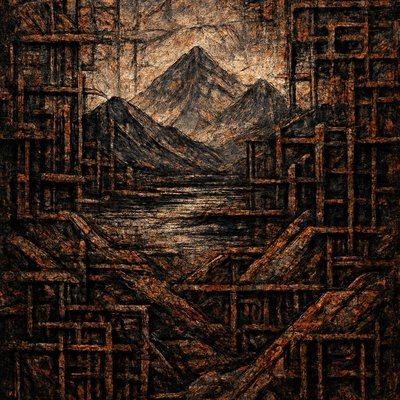
Mid-Century Modern Furniture Gallery
Tap any artwork to explore it

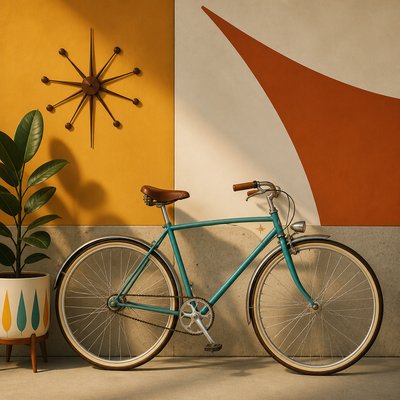
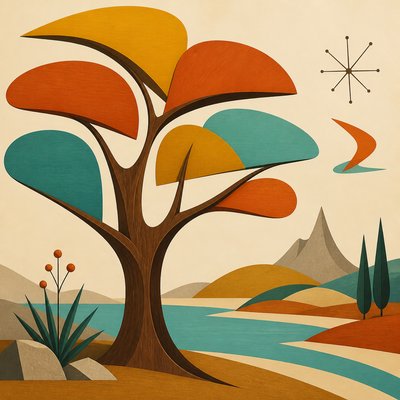
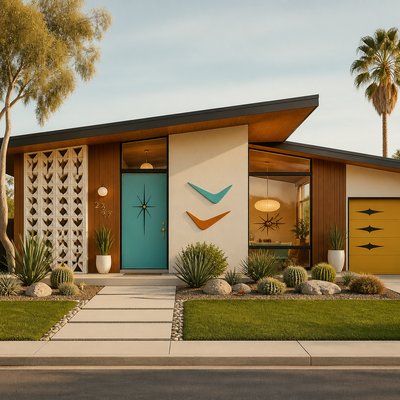
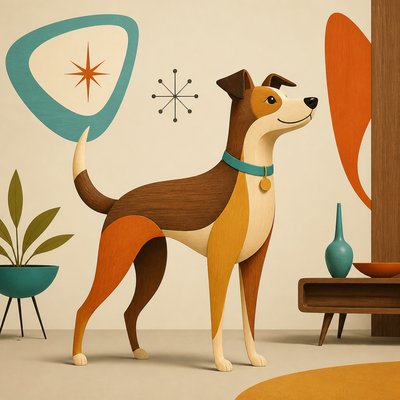
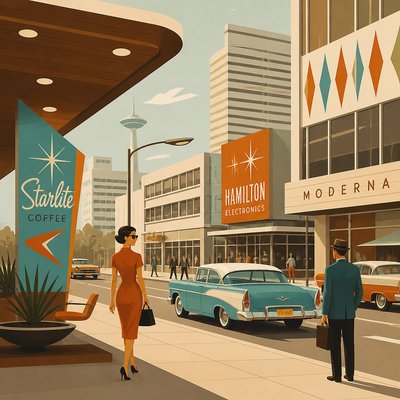
What is Mid-Century Modern Furniture Art?
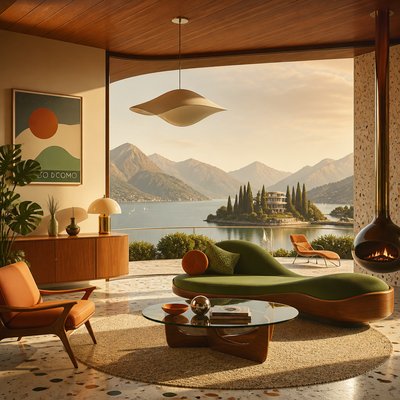
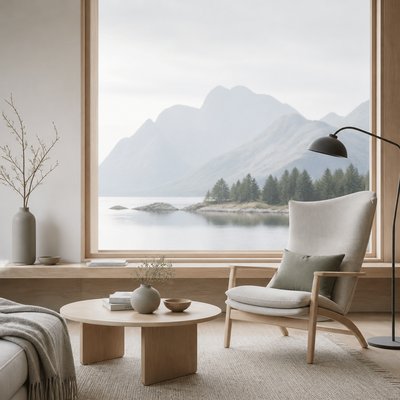
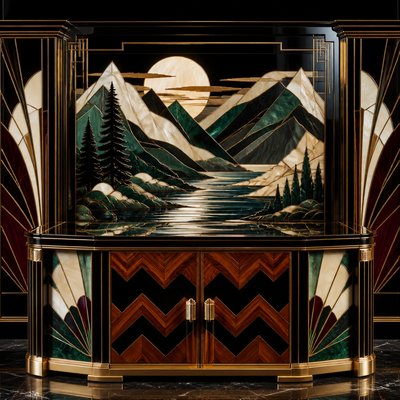
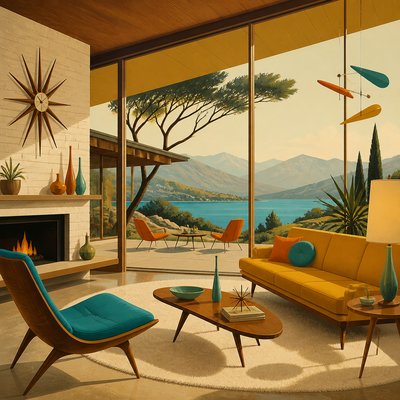
Mid-Century Modern Furniture Art is a design aesthetic centered on the furniture forms that emerged in the 1940s through the 1960s, especially in the United States and Scandinavia. It is defined by clean lines, functional simplicity, restrained ornament, and a balance between geometric clarity and softer organic curves. Typical pieces include low-profile sofas, molded chairs, tapered-legged tables, sideboards, and lounge chairs in wood, leather, and molded plastic.
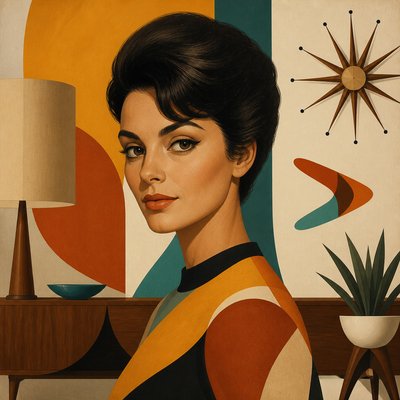
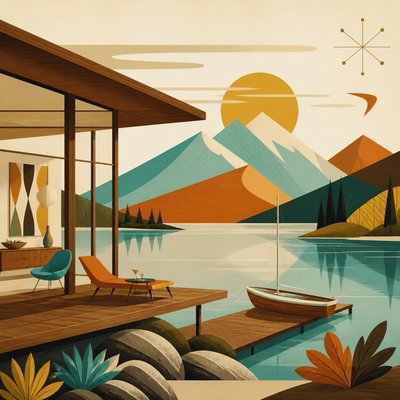
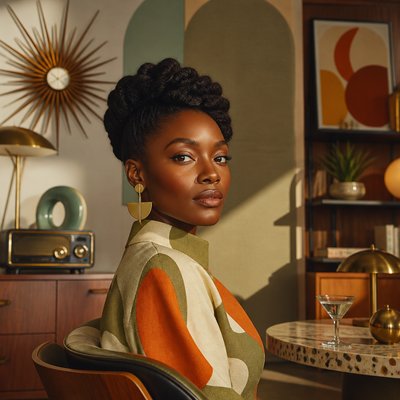
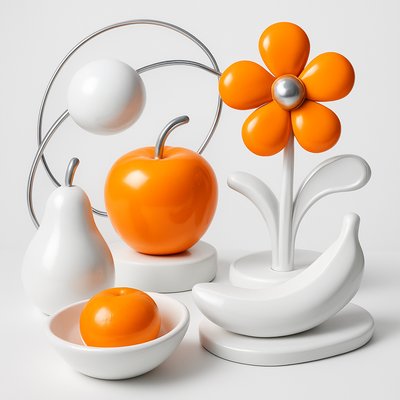
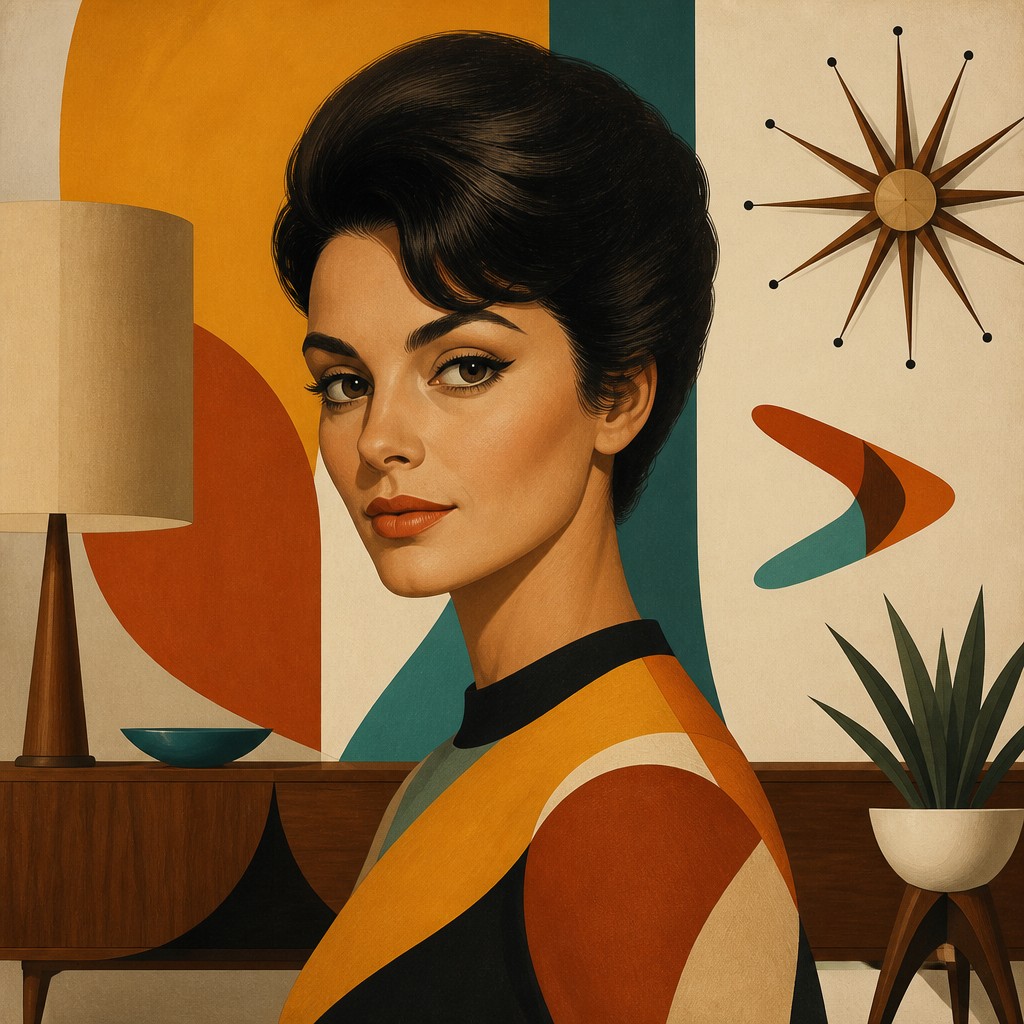
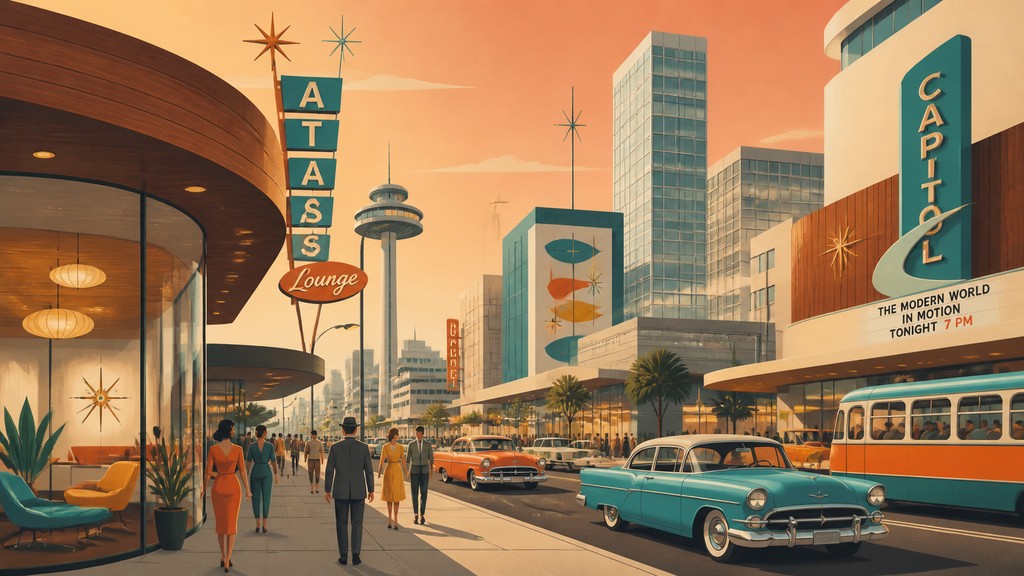
Its visual identity comes from a postwar belief that good design should be practical, affordable, and visually light. The look often combines warm walnut or teak, matte finishes, open space, and a limited palette of muted neutrals with accent colors such as mustard, orange, teal, and avocado green. In images, the style reads as calm, efficient, and optimistic, with subtle references to the atomic age and the era’s domestic interiors.
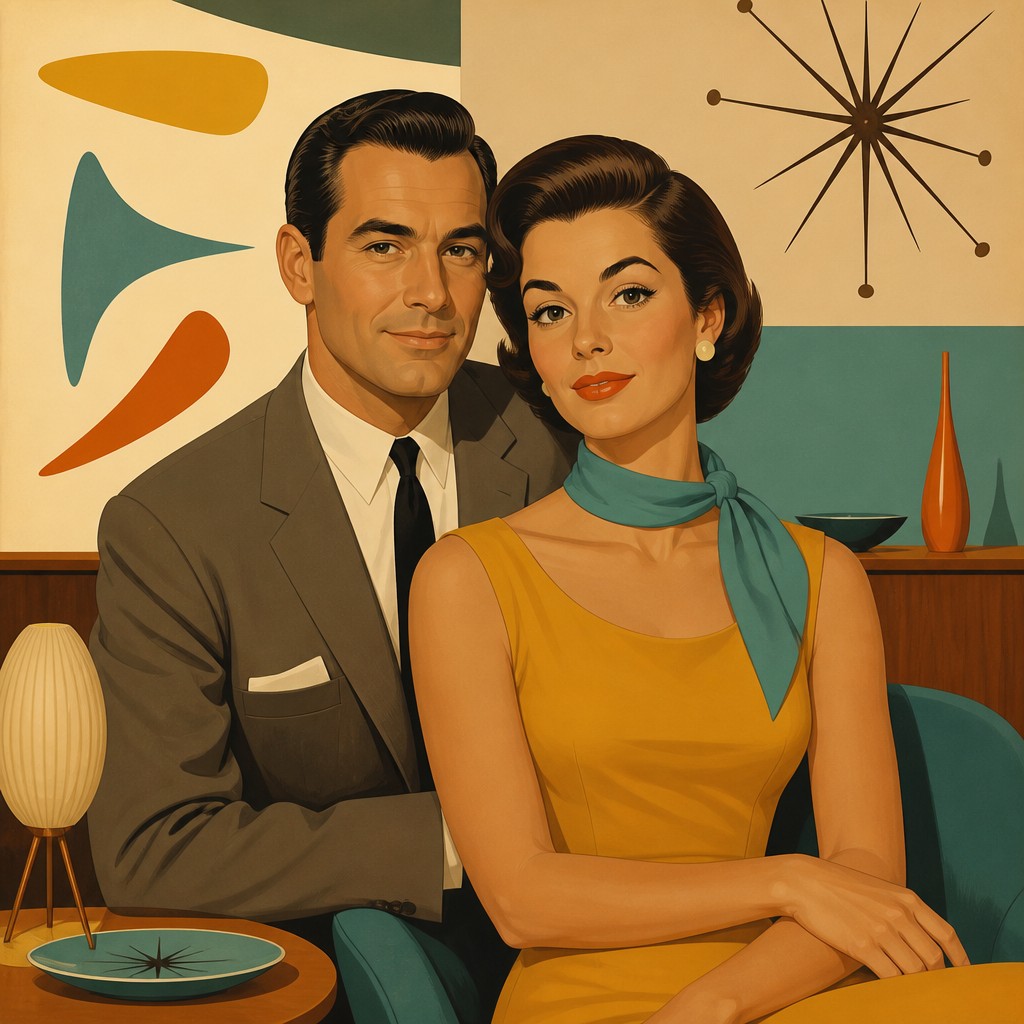
Try It On Your Photos
Upload any photo and convert it into Mid-Century Modern Furniture Art — drag the sliders to compare before and after.


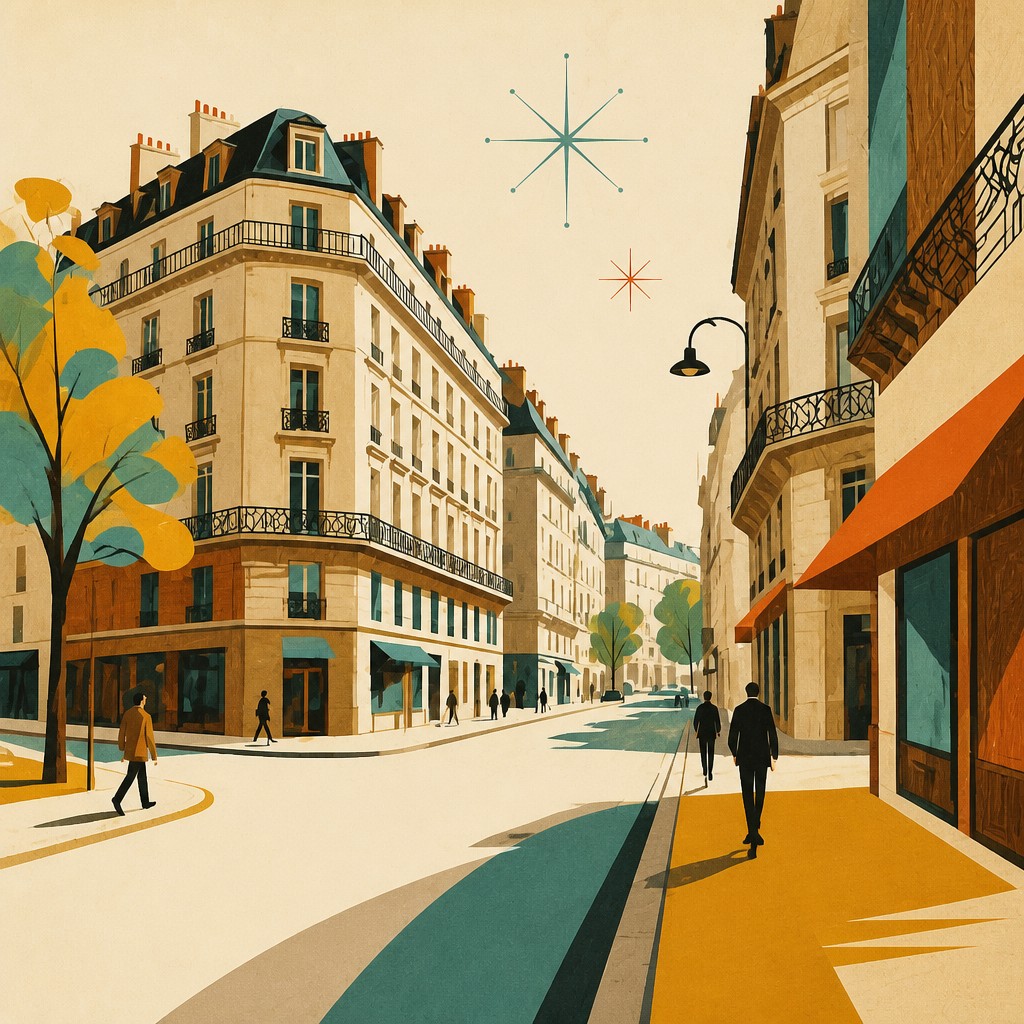

What Defines Mid-Century Modern Furniture Art
The signature details, up close
Tapered and lifted silhouettes
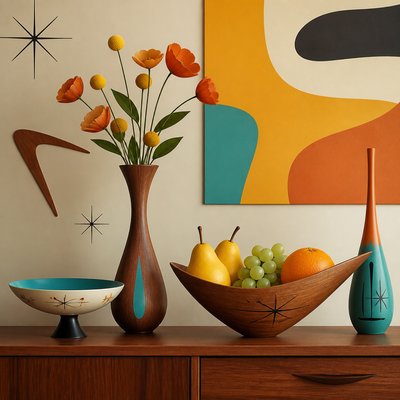
Legs are often slim, angled, and slightly splayed, giving cabinets, tables, and chairs a sense of lift. This keeps furniture visually light and prevents heavy blocks from dominating the room.
Clean geometry with soft curves
The style balances rectilinear structure with rounded corners, oval tabletops, and molded contours. That tension between order and comfort is one of its most recognizable traits.
Warm wood grains
Walnut and teak are especially associated with the style, often shown with visible grain and satin or matte finishes. Wood is frequently used to signal craftsmanship and warmth.
Functional simplicity
Decoration is minimal and usually integrated into the form rather than added on. Handles, seams, and supports are often expressed honestly as part of the design.
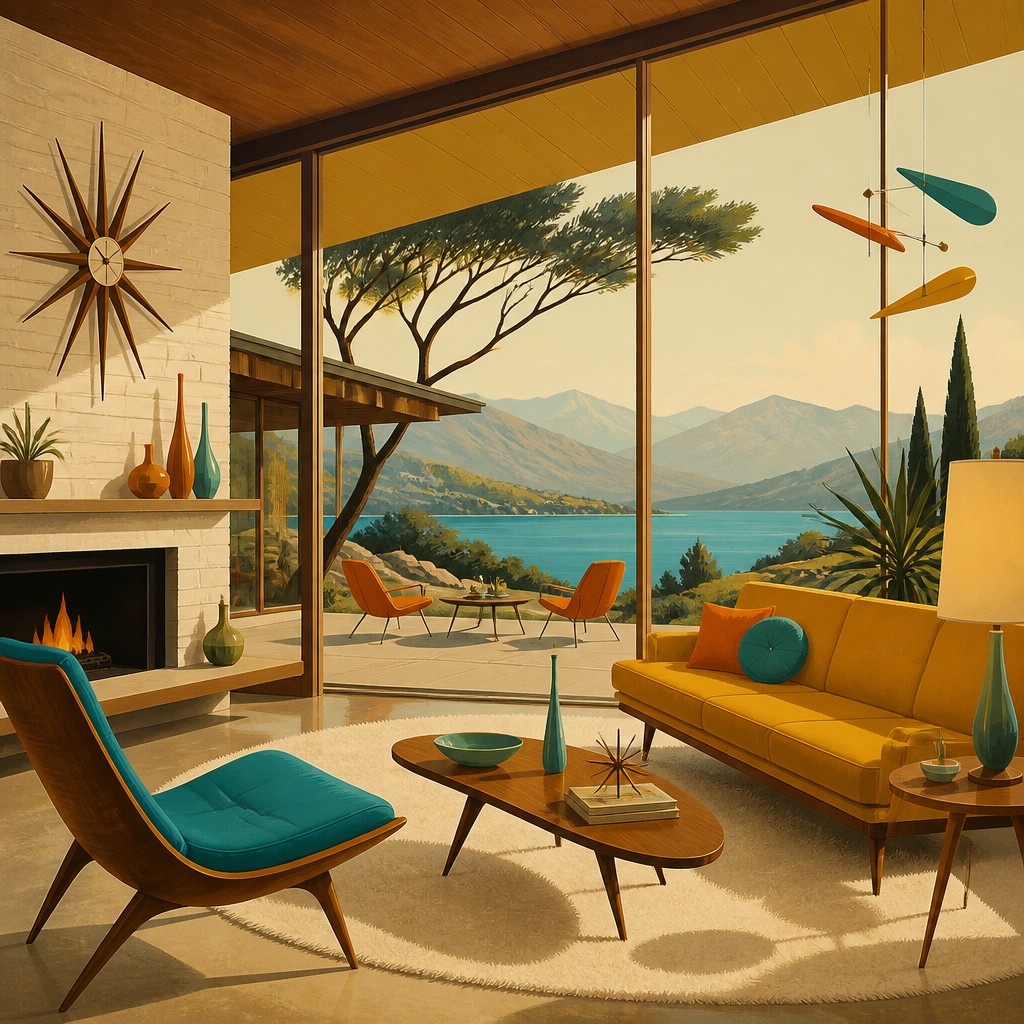
Controlled color accents
Neutrals dominate, but accent colors such as mustard, turquoise, burnt orange, olive, and rust appear in upholstery or accessories. These colors usually arrive in flat, deliberate blocks rather than busy patterns.
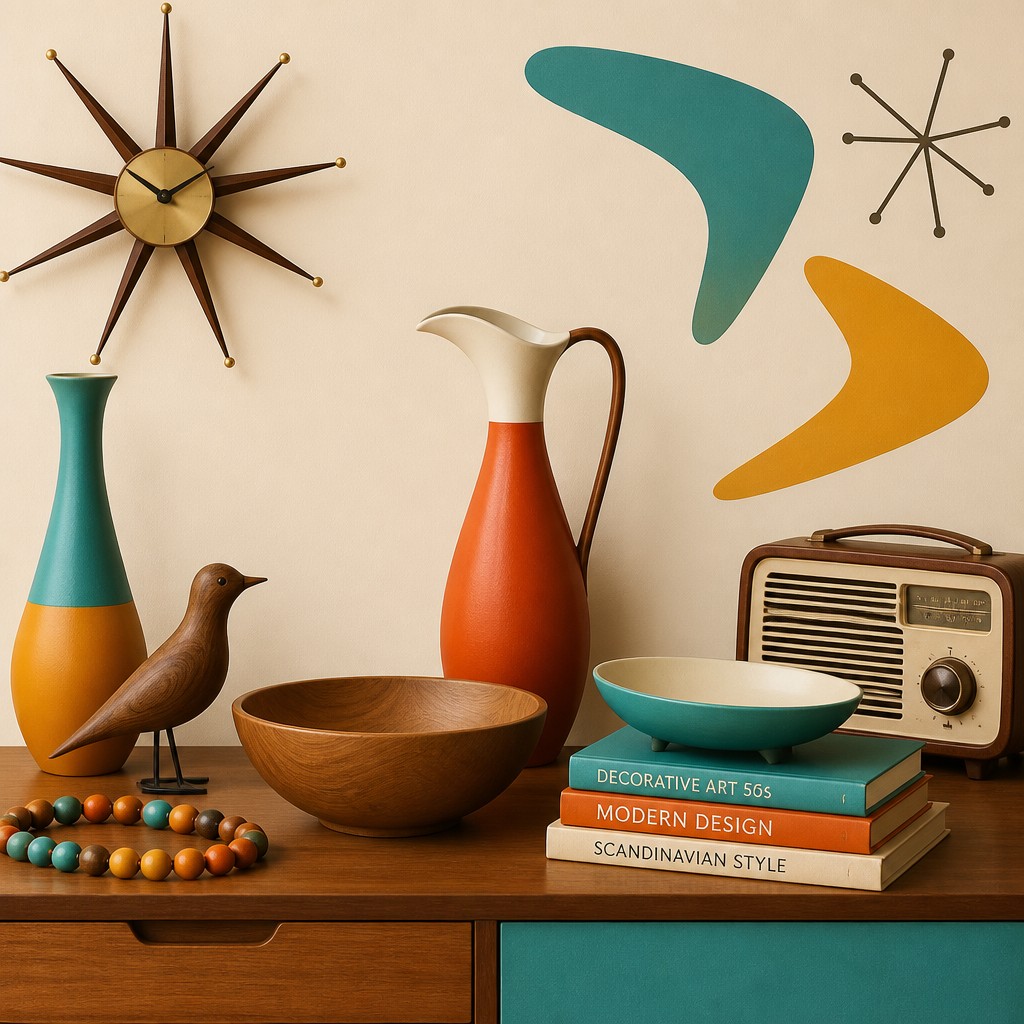
Atomic-age details
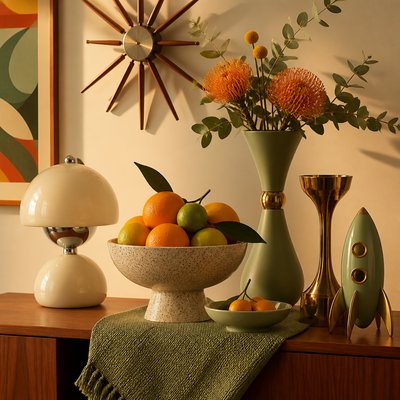
Starbursts, boomerangs, and other abstract motifs occasionally appear in wallpaper, clocks, textiles, or decorative objects. Used sparingly, they reinforce the period character without overwhelming the furniture.
Try It
Create Videos in Mid-Century Modern Furniture Art
Styles aren't just for stills — describe a scene or animate an image and get a short video rendered in Mid-Century Modern Furniture. Press play to see this pond come to life.
Make a VideoMid-Century Modern Furniture Prompt Ideas
Start from an idea — each one opens the generator with the style ready to go. See all 40 Mid-Century Modern Furniture prompts →

“close-up portrait of an elderly person with expressive weathered features”
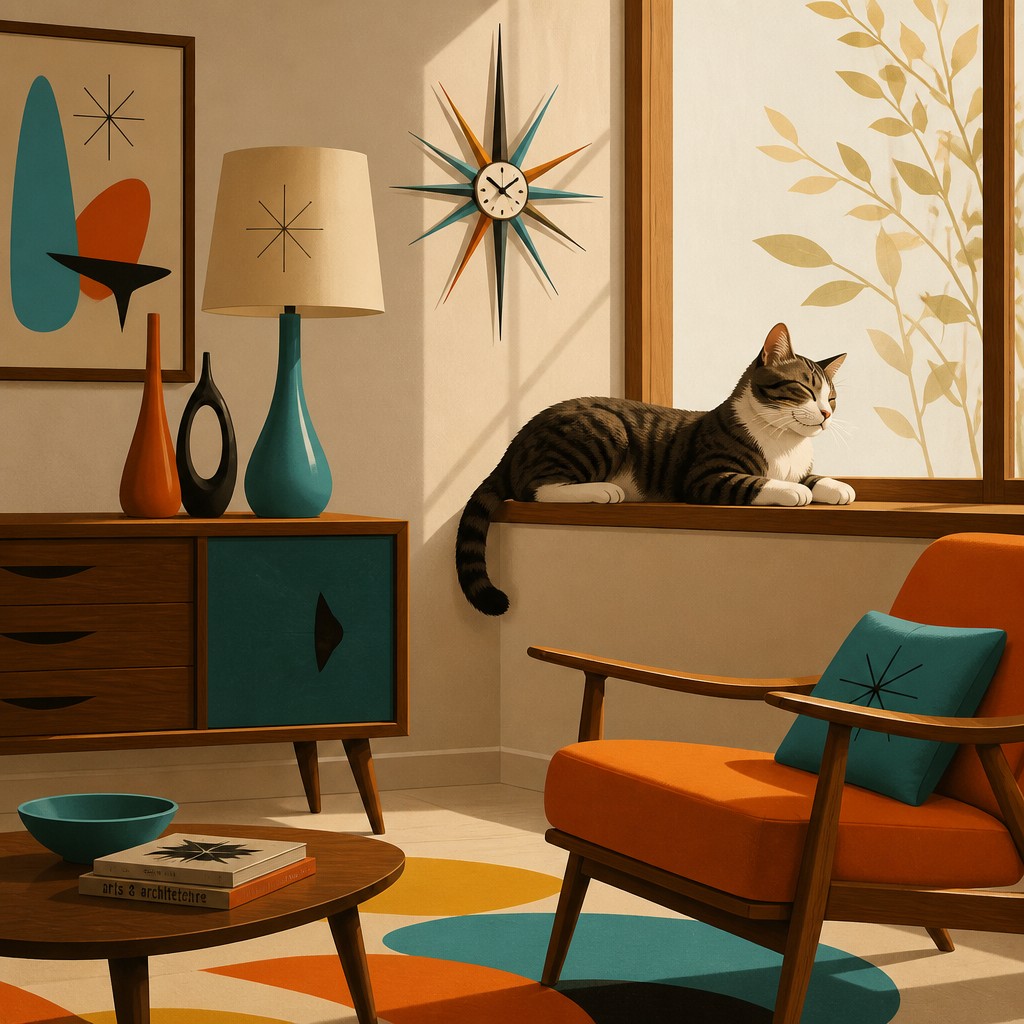
“a cat lounging in a sunlit window”
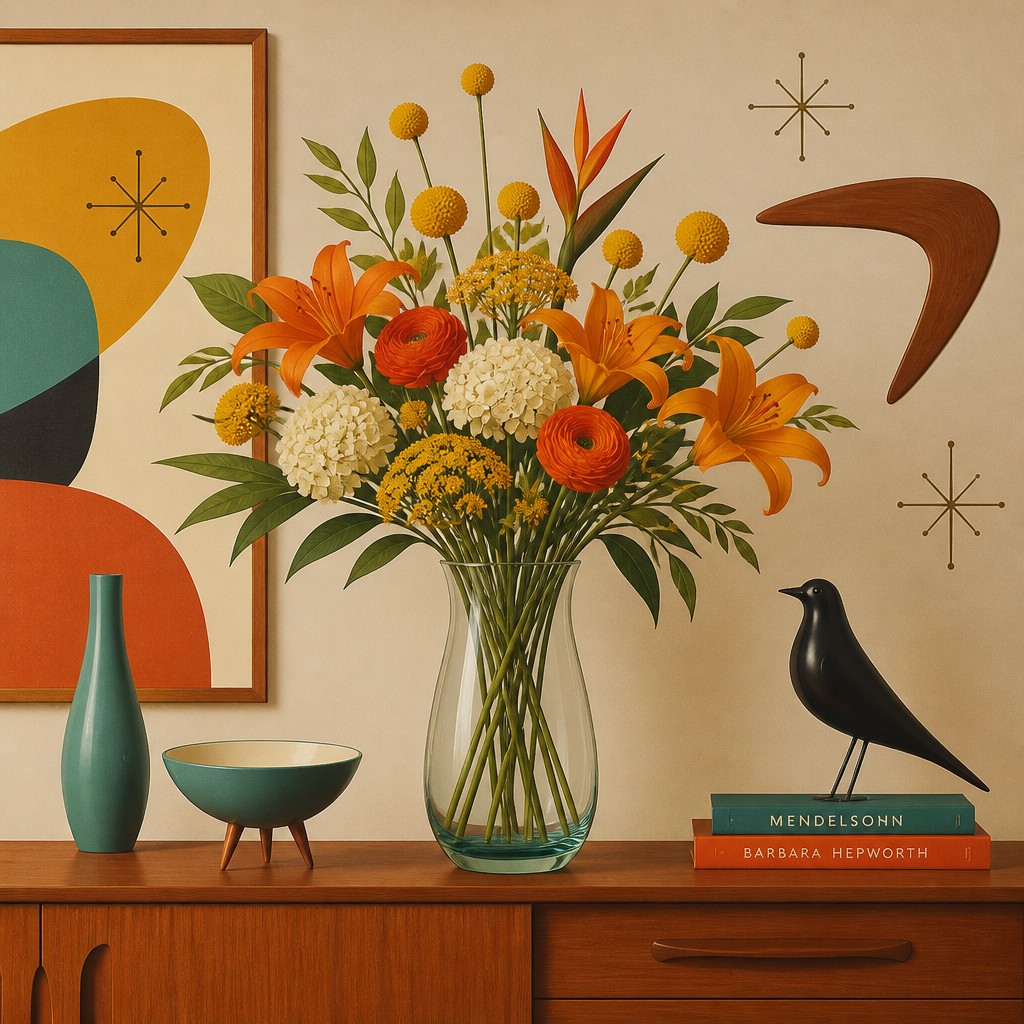
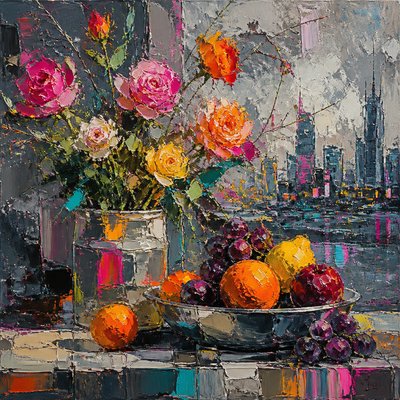
“bouquet of flowers in a glass vase”

“sailing ship on a stormy sea”
How to Create Mid-Century Modern Furniture Art
Master the craft step by step — or skip straight to creating. Read the full guide →
- 1
Build the form first
Start with a simple silhouette and make sure every line serves the object’s function. In drawing or painting, emphasize proportion, tapered supports, and clear negative space before adding texture or color.
- 2
Use materials that read as authentic
Render walnut, teak, molded plastic, brushed metal, and wool upholstery with understated surface detail. Keep finishes smooth and matte or lightly satin so the forms feel refined rather than glossy.
- 3
Limit the palette
Choose neutrals for the main field and reserve strong hues for accents. A restrained palette helps the furniture’s geometry and wood tone stay central.
- 4
Stage the room simply
Place the furniture in uncluttered interiors with open floor space and a few period-appropriate objects. In digital work, avoid overcrowding so the shape language remains readable.
- 5
Control light and shadow
Use soft diffused lighting and gentle shadows to emphasize volume without harsh contrast. This suits both traditional illustration and 3D or photo-based transformations.
- 6
Prompt for recognizable era cues
When generating images, specify tapered legs, teak or walnut grain, atomic-age motifs, and flat color accents. Include the object type and setting so the output stays grounded in furniture design rather than generic retro decoration.

The Story
History & Origins of Mid-Century Modern Furniture
Mid-century modern furniture grew out of several overlapping design movements in the early and middle 20th century, including Bauhaus functionalism, Scandinavian modern design, and American industrial design. After World War II, new manufacturing methods, plywood molding, fiberglass, and mass production made it possible to produce furniture that was both elegant and accessible. Leading postwar furniture designers from the United States and Scandinavia helped define the era’s most recognizable forms.
The style was not confined to a single country or decade, but its peak influence came during the 1950s and 1960s, when suburban housing, open-plan interiors, and changing domestic lifestyles encouraged lighter, more versatile furniture. Its revival in later decades reflects its adaptability: the forms are visually clear, easy to recognize, and still compatible with contemporary interiors and digital illustration alike.
Influences: Mid-century modern furniture draws from Bauhaus functionalism, Scandinavian modern design, and postwar American industrial design. Its canonical designers include leading postwar furniture designers from the United States and Scandinavia whose work helped establish the era’s emphasis on clarity, utility, and new materials. It also shares visual affinities with atomic-age graphic design and 1950s interior decoration, though the furniture itself remains more restrained than the period’s more playful graphic imagery.
Frequently Asked Questions
What defines Mid-Century Modern Furniture Art?
It is defined by streamlined furniture forms, tapered legs, organic curves, and a practical, uncluttered approach to design. The style often uses warm wood tones, limited upholstery colors, and simple, well-proportioned shapes. The overall effect is elegant but unfussy.
How is it different from Scandinavian modern design?
The two overlap heavily, but Scandinavian modern tends to emphasize lighter woods, softer minimalism, and a stronger sense of craft. Mid-century modern furniture in a broader sense also includes more American, industrial, and atomic-age influences, with bolder color accents and more varied materials.
What colors are most associated with this style?
Common colors include walnut brown, teak, cream, beige, charcoal, mustard yellow, turquoise, burnt orange, olive, and muted red. The palette is usually controlled, with bright colors used as accents rather than as all-over decoration.
What materials are typical?
Wood is central, especially walnut and teak, often paired with leather, wool, molded plastic, fiberglass, metal, and glass. Surfaces are usually smooth and understated, with an emphasis on honest material character rather than heavy ornament.
Where is this style commonly used today?
It appears frequently in interior design, product illustration, editorial graphics, and home decor branding. The style remains popular because its furniture forms are clear, adaptable, and easy to recognize in both realistic and stylized imagery.
How can I make my image feel more authentic?
Use period-correct silhouettes such as low sofas, sideboards, and lounge chairs with slender legs. Keep the room uncluttered, choose warm wood and muted upholstery, and add only a few era cues like a starburst clock or boomerang-shaped accessory.
Create your first Mid-Century Modern Furniture artwork
Describe anything — or upload a photo — and see it in Mid-Century Modern Furniture Art in seconds.
Make Something with Mid-Century Modern Furniture
Compare Mid-Century Modern Furniture
Related Styles
Discover similar art styles