Hudson River School Art Style
American landscape tradition with sublime wilderness, luminous detail, and dramatic light. Learn Hudson River School origins, traits, and prompts.
Instantly rendered in Hudson River School — or transform a photo
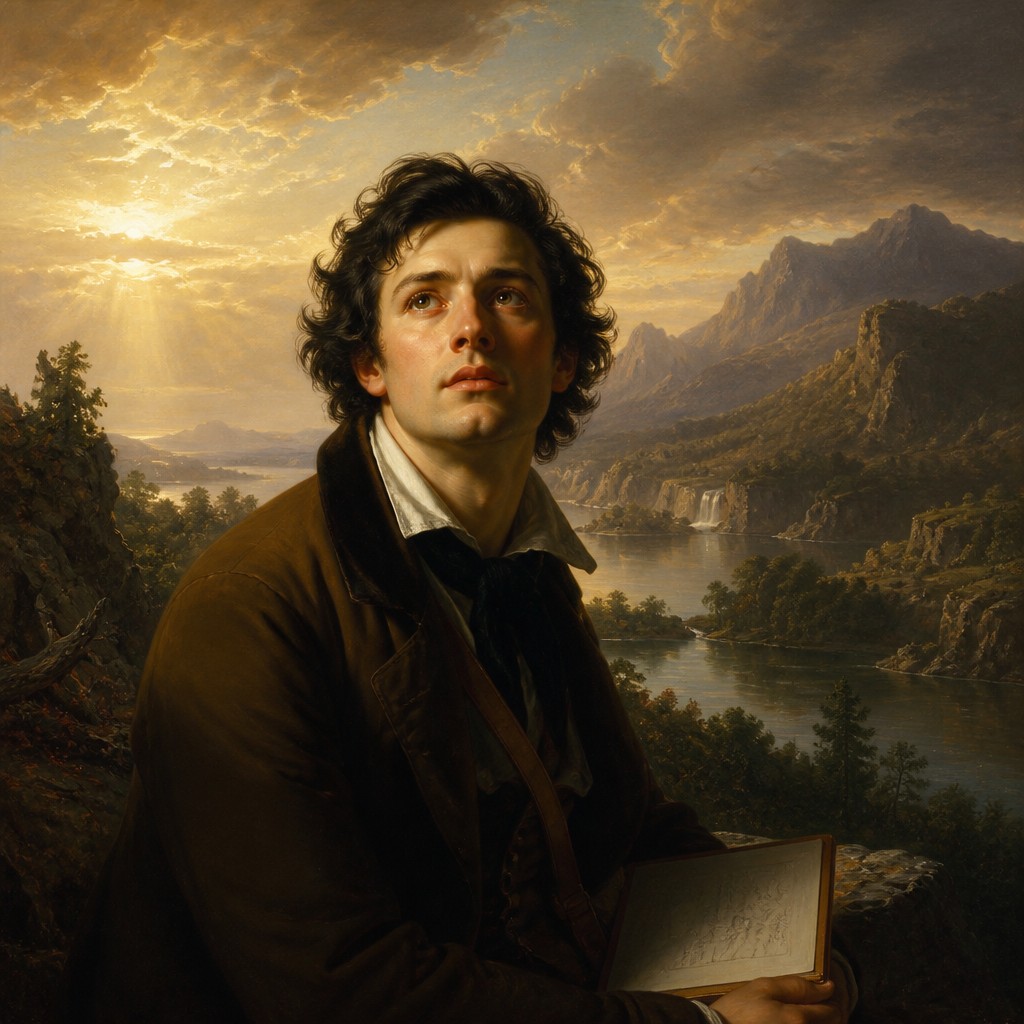
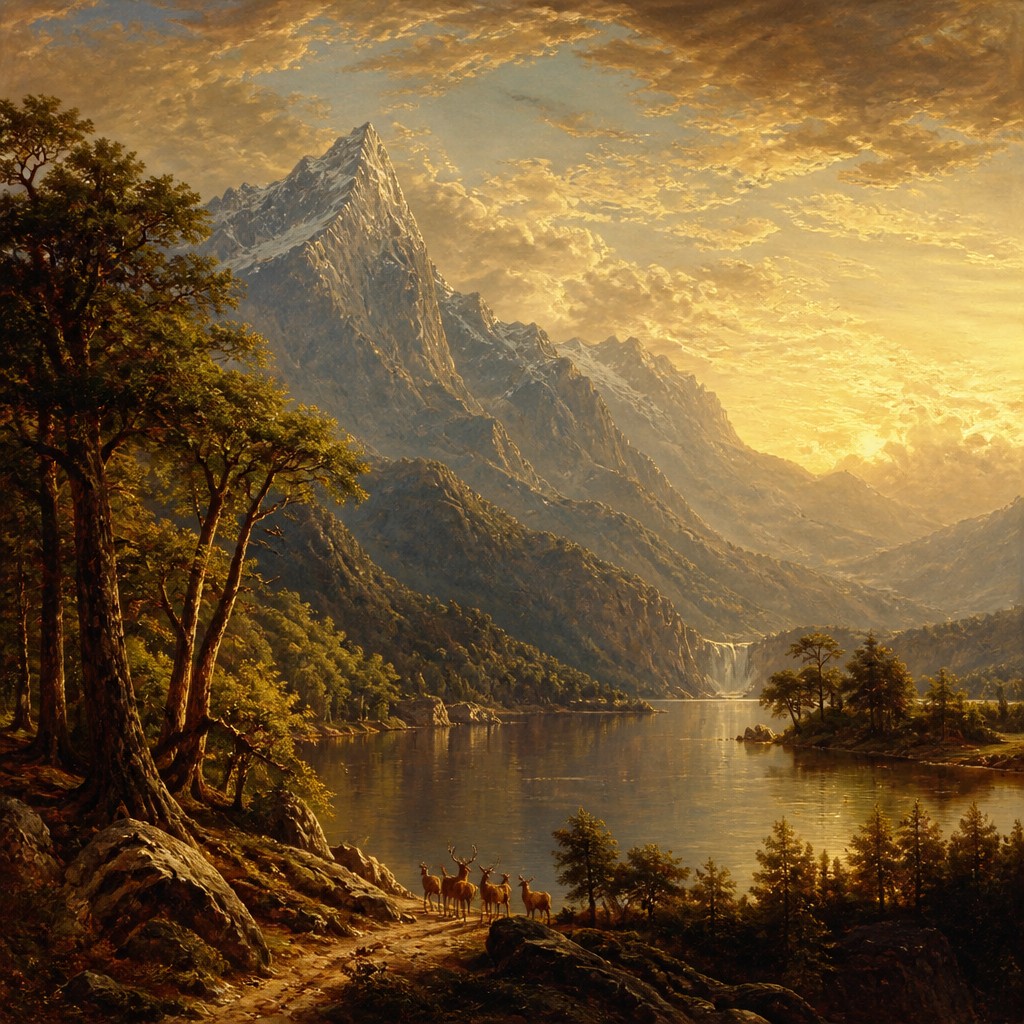
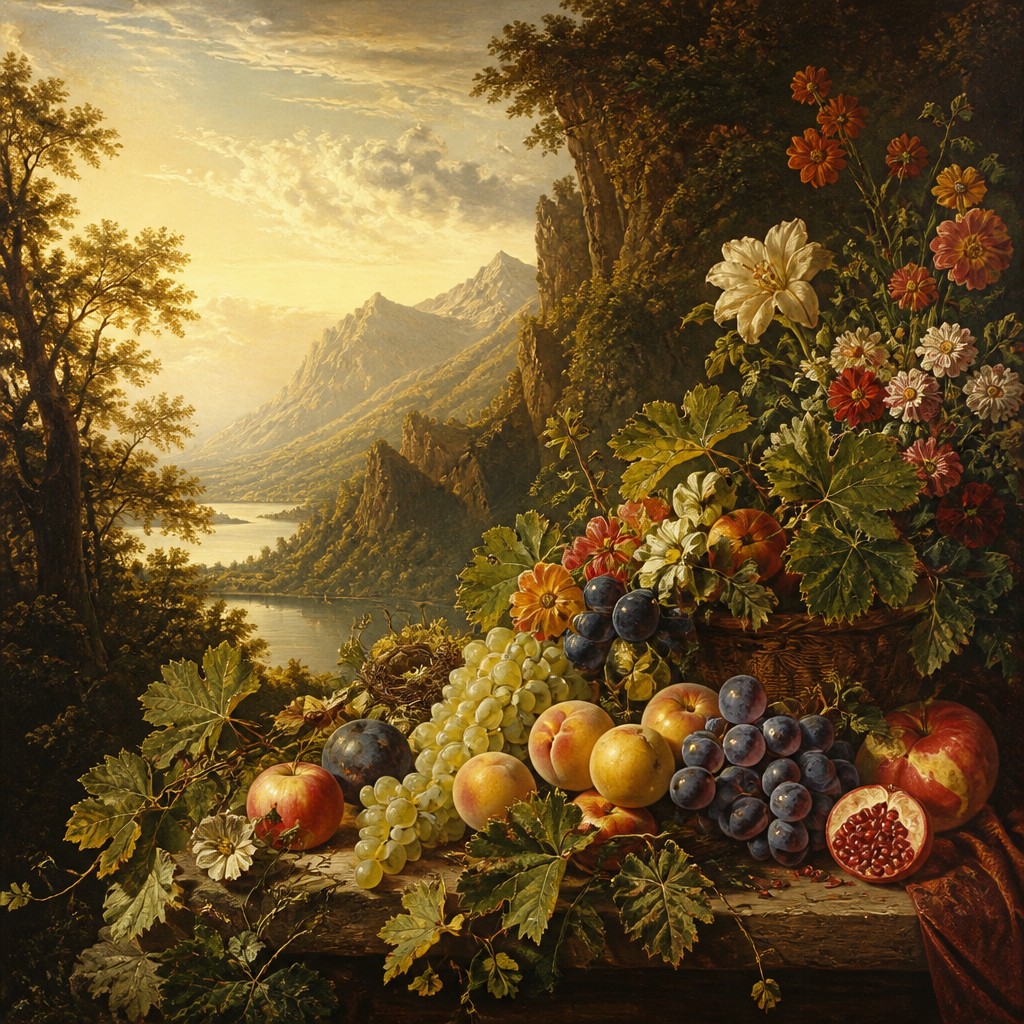
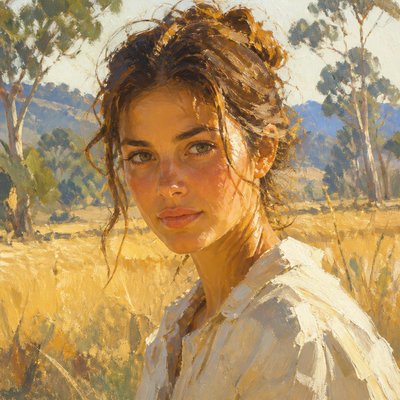
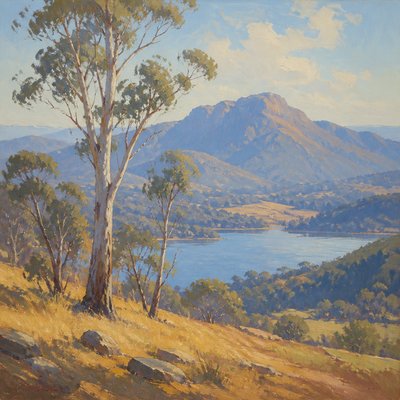
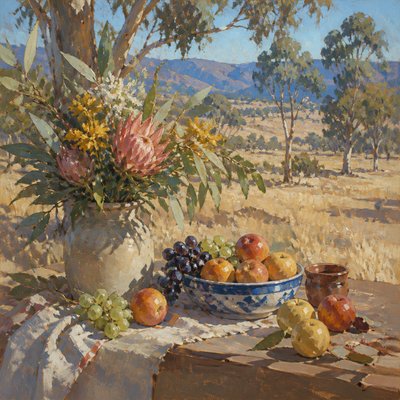
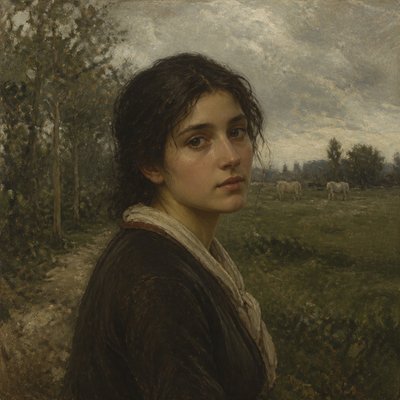
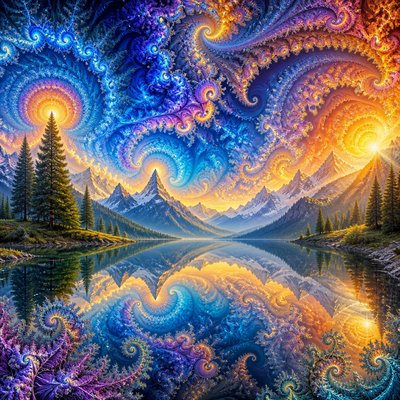
Hudson River School Gallery
Tap any artwork to explore it
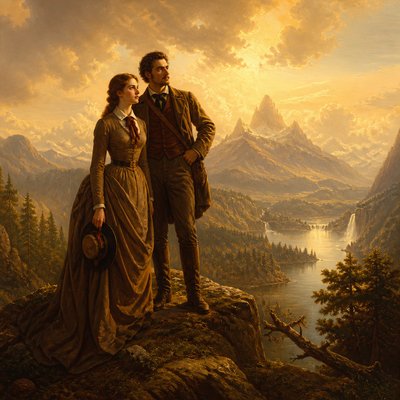
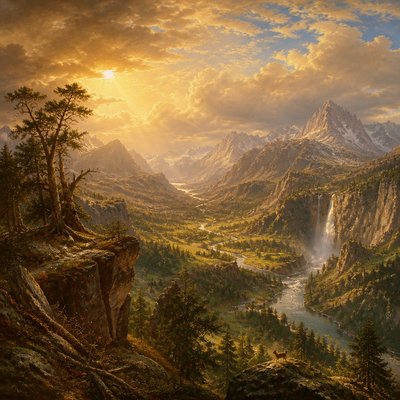
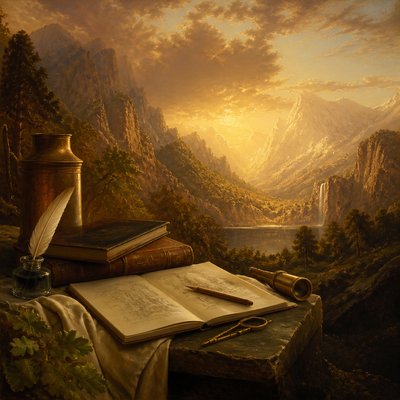
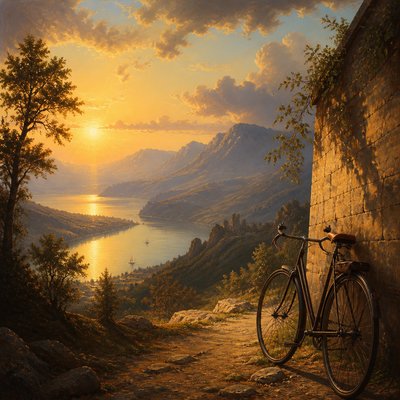
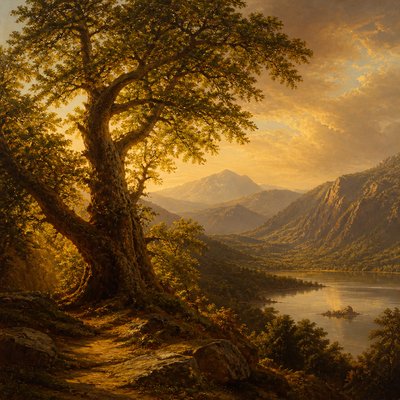
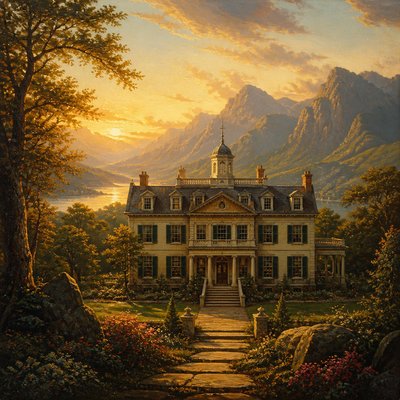
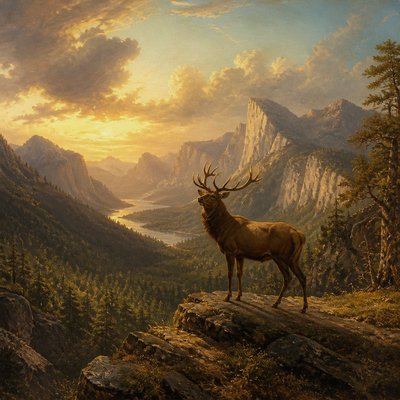
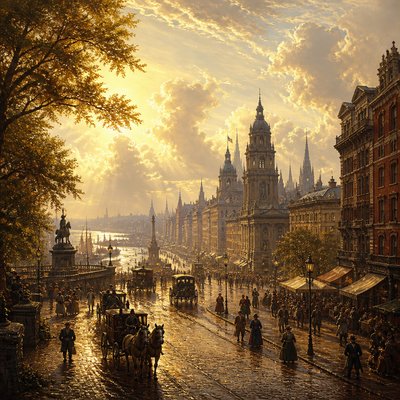
What is Hudson River School Art Style?
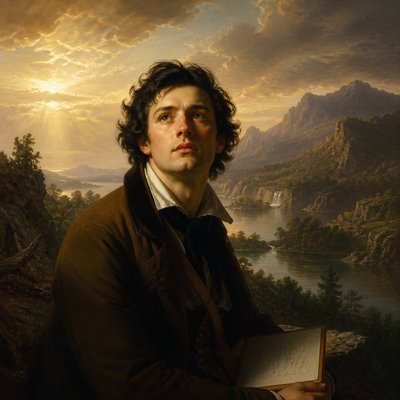
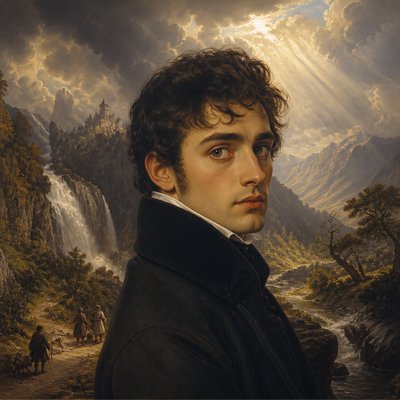
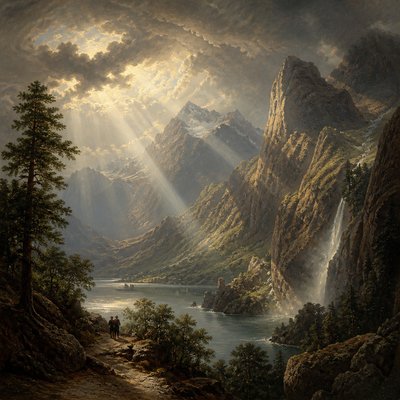
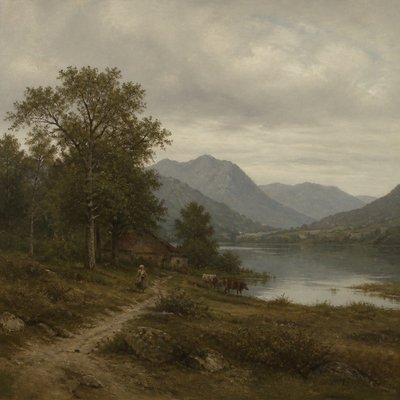
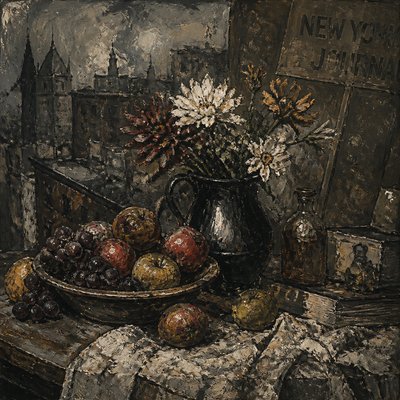
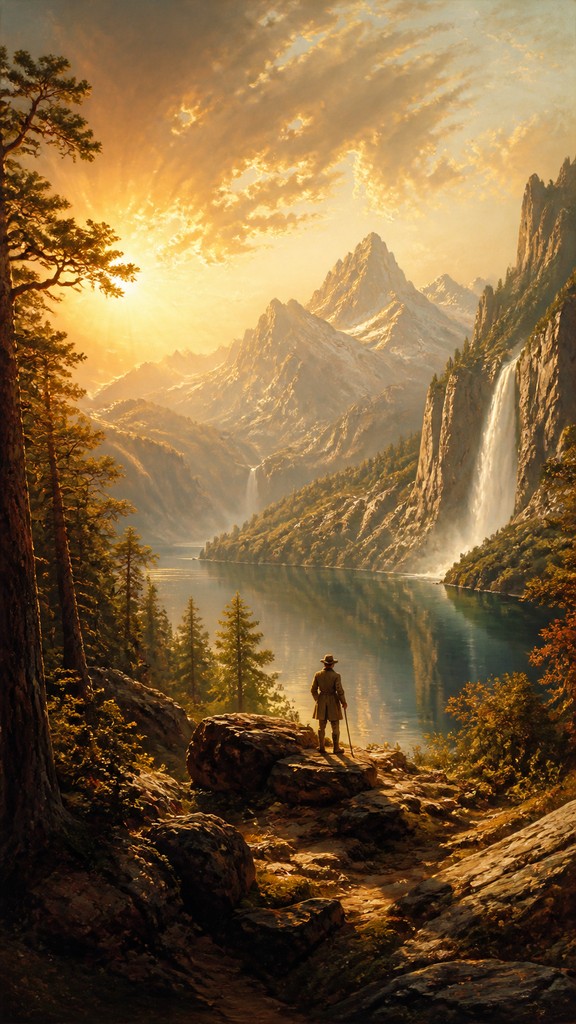
Hudson River School is the first major American landscape tradition, centered on the grandeur of the natural world and the belief that wilderness could express national identity, spiritual feeling, and moral truth. It developed in the 19th century and is associated above all with expansive views of rivers, mountains, forests, and skies rendered with careful realism and heightened dramatic effect.
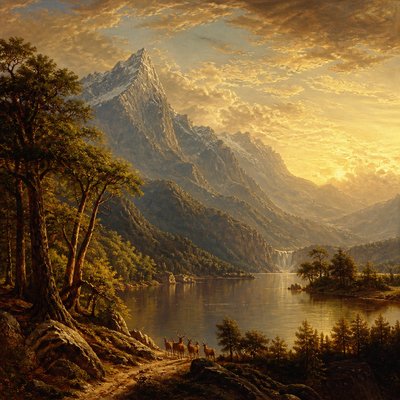
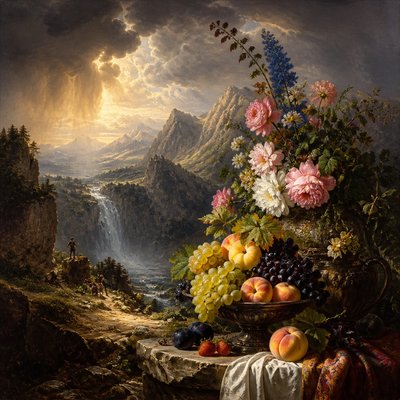
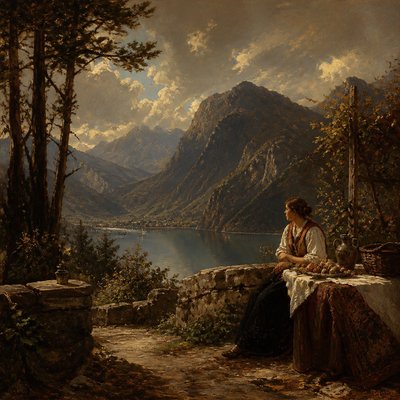
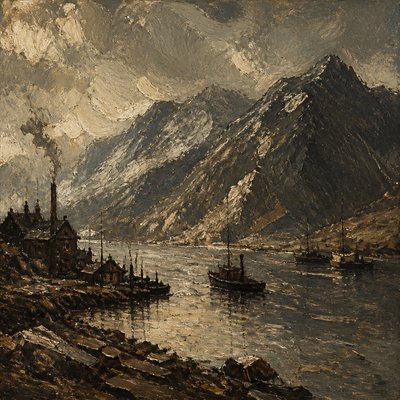
Visually, the style combines meticulous natural detail with romantic composition. Sunlit peaks, storm fronts, reflective water, and deep atmospheric distance are arranged to create a sense of awe: the land feels vast, pristine, and almost sacred. The result is not plain topographical record but idealized landscape painting shaped by observation, tonal harmony, and a search for the sublime.
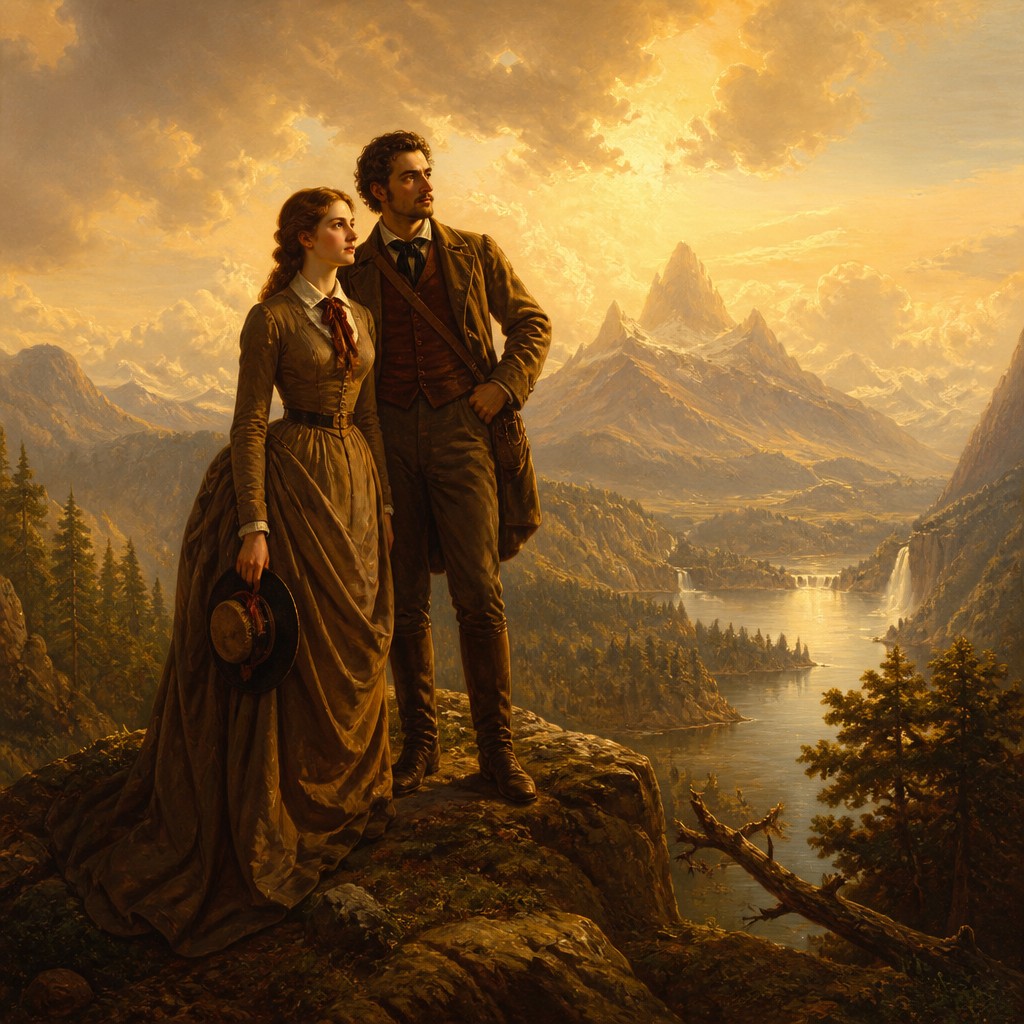
Try It On Your Photos
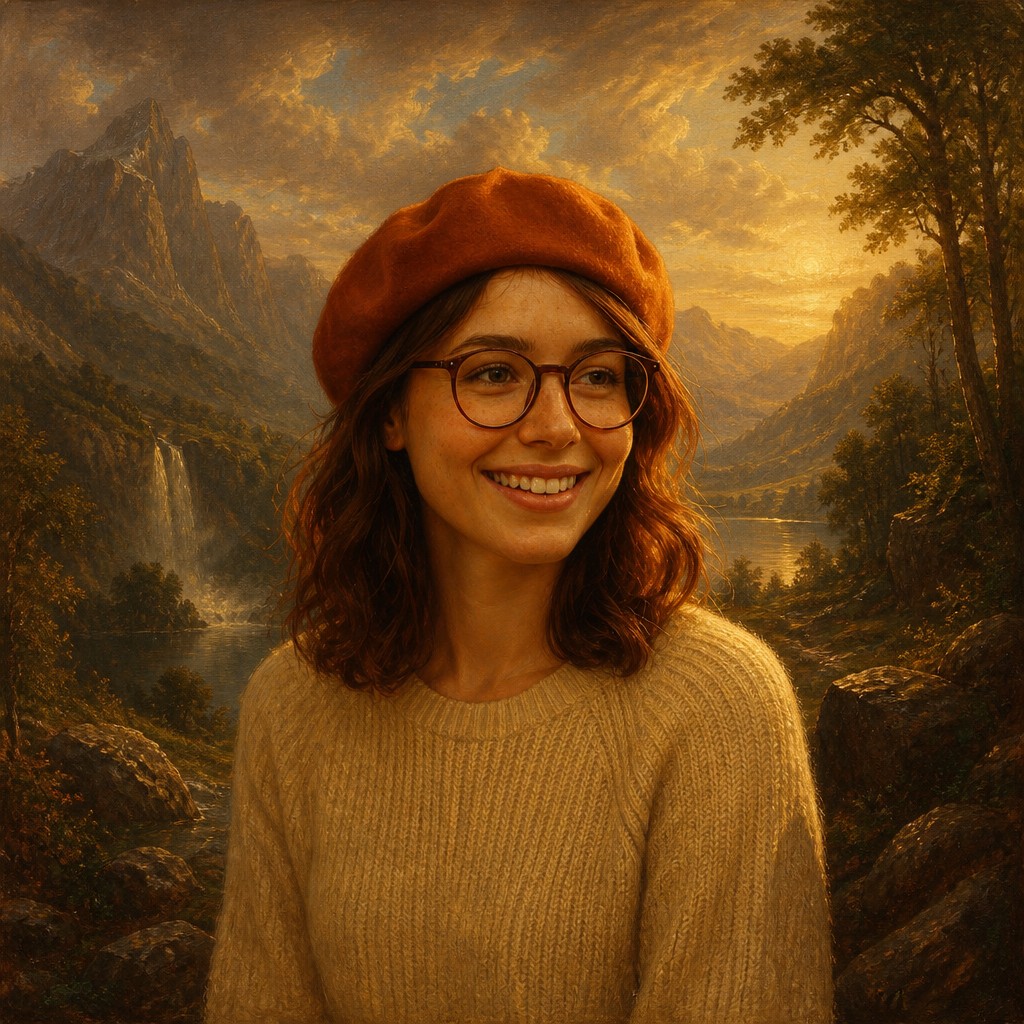
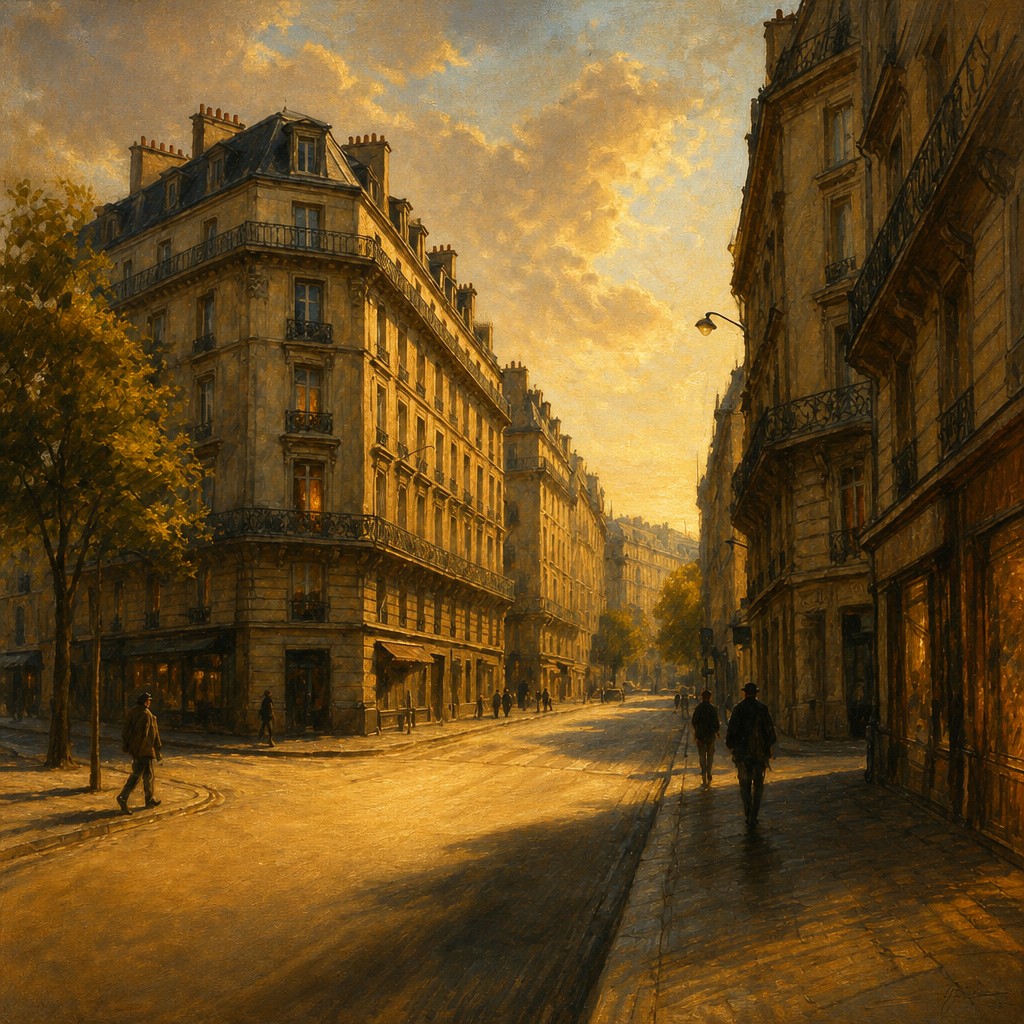
Upload any photo and convert it into Hudson River School Art Style — drag the sliders to compare before and after.


What Defines Hudson River School Art Style
The signature details, up close
Sublime wilderness
Landscapes are composed to feel vast, powerful, and emotionally overwhelming. Mountains, cliffs, waterfalls, and skies often dominate the scene to suggest nature’s grandeur and human smallness.
Crystalline realism
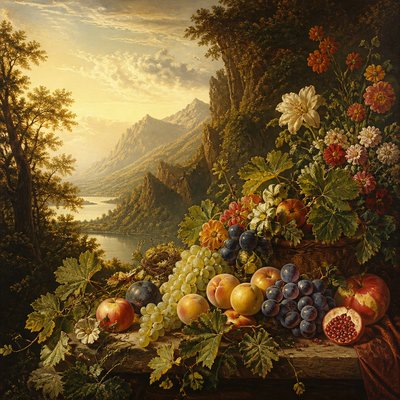
Trees, rocks, water, and foliage are described with precise detail and clear edges. Even highly romantic scenes retain the look of close observation.
Dramatic light and atmosphere
Golden-hour glow, luminous clouds, shafts of sunlight, and misty distance are essential. Light often carries the emotional meaning of the painting, turning the landscape into a vision rather than a snapshot.
Layered depth
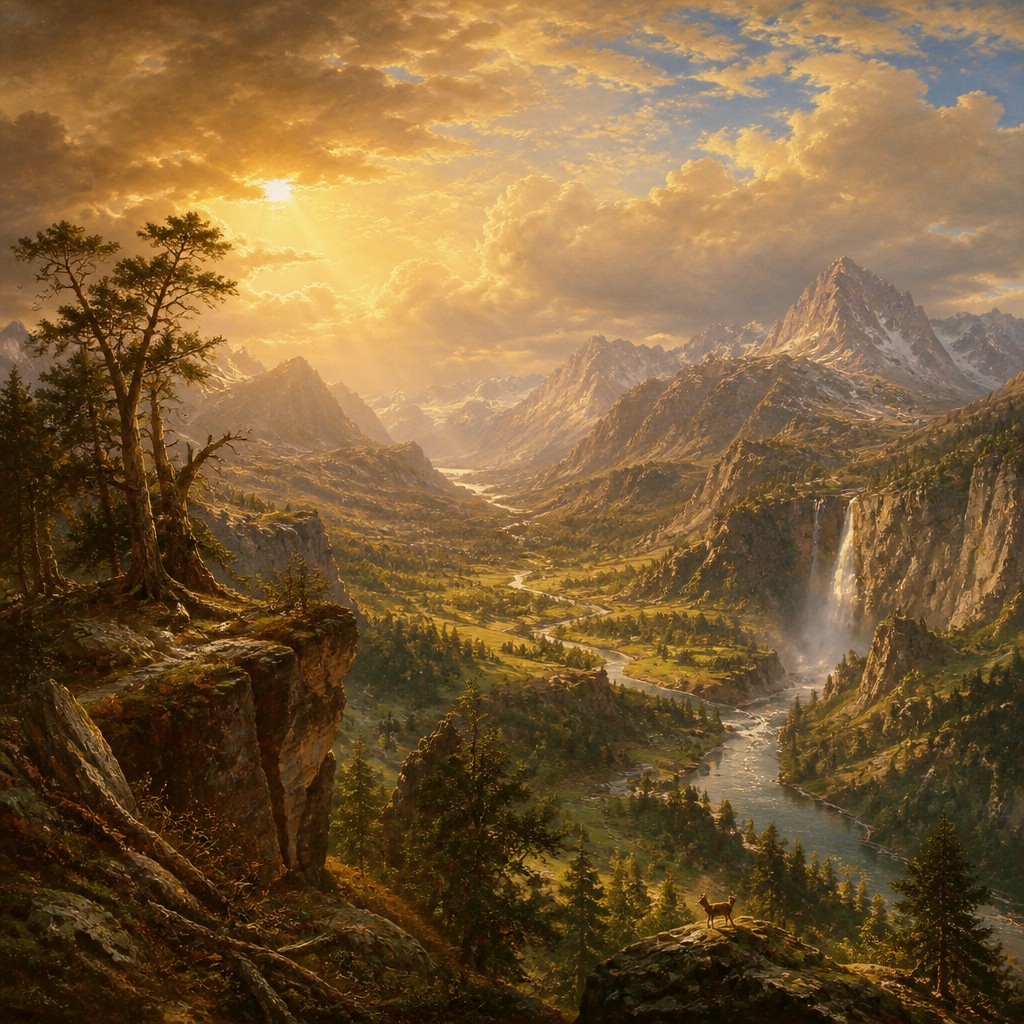
Compositions usually move from a detailed foreground into a middle ground and then into cool, hazy distance. This spatial recession creates a sense of scale and air.
Balanced romantic composition
Sweeping diagonals, framed vistas, and carefully arranged masses guide the eye through the scene. The structure is often theatrical, but it remains orderly and legible.
Rich natural palette
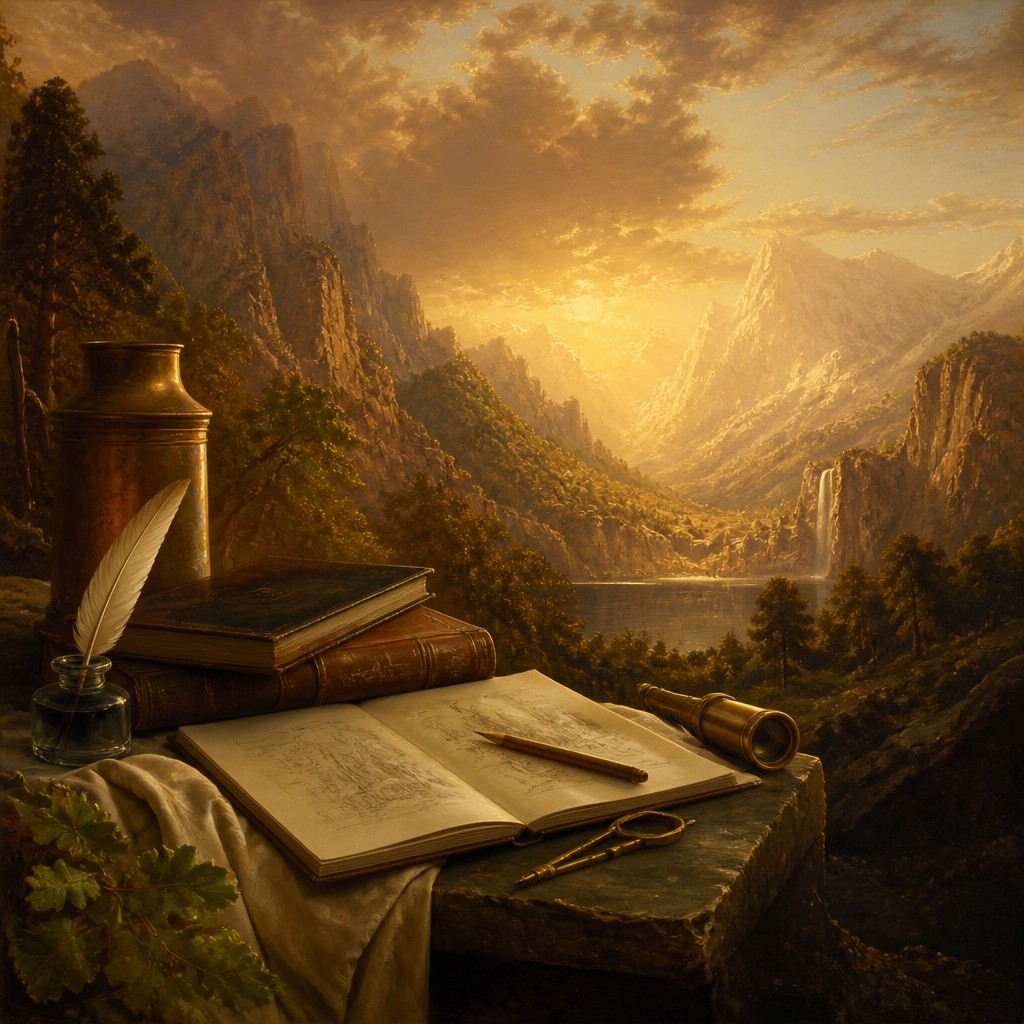
Earth tones, deep greens, ochres, warm browns, and blue-gray atmospheric notes are typical. Colors often become cooler and softer as they recede into the distance.
Try It
Create Videos in Hudson River School Art Style
Styles aren't just for stills — describe a scene or animate an image and get a short video rendered in Hudson River School. Press play to see this pond come to life.
Make a VideoHudson River School Prompt Ideas
Start from an idea — each one opens the generator with the style ready to go. See all 40 Hudson River School prompts →
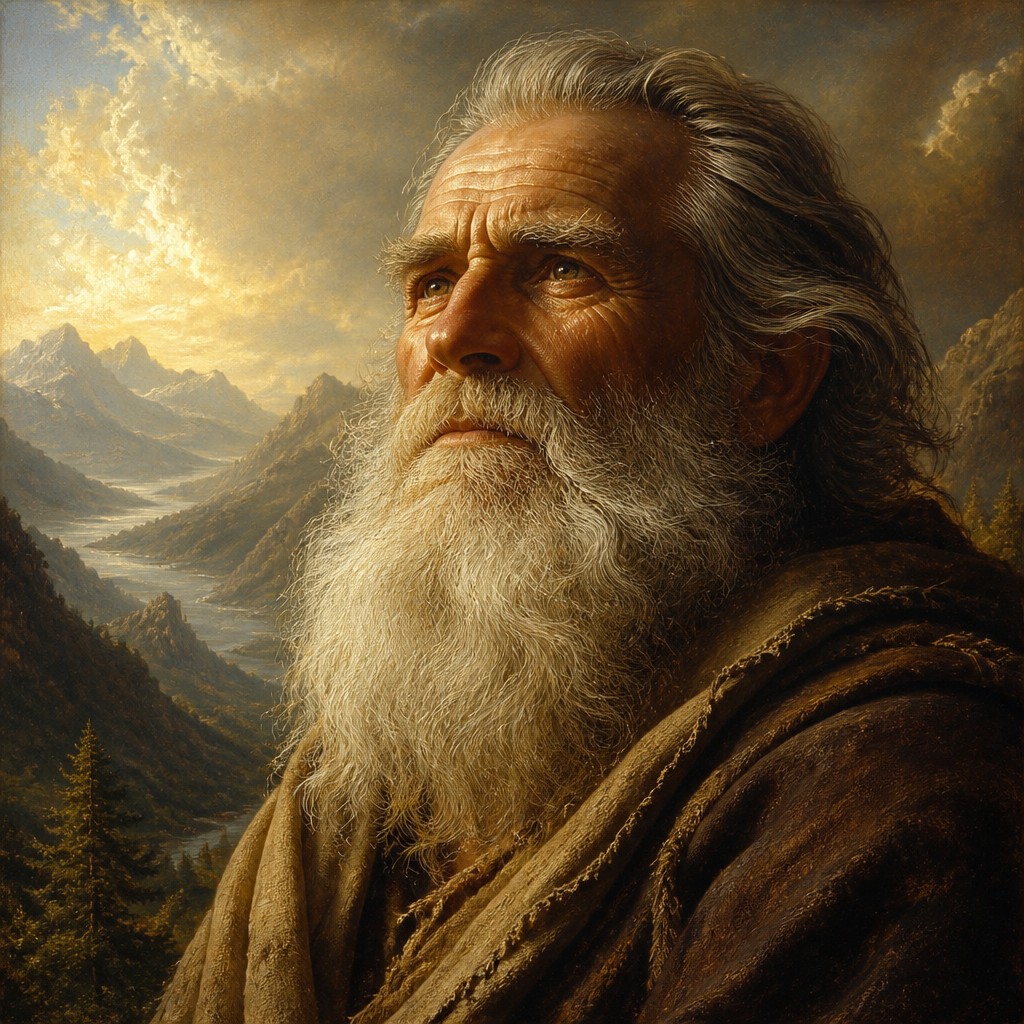
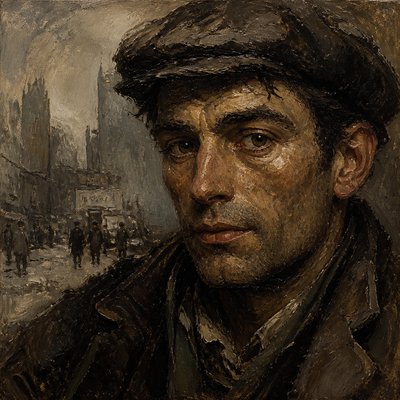
“close-up portrait of an elderly person with expressive weathered features”
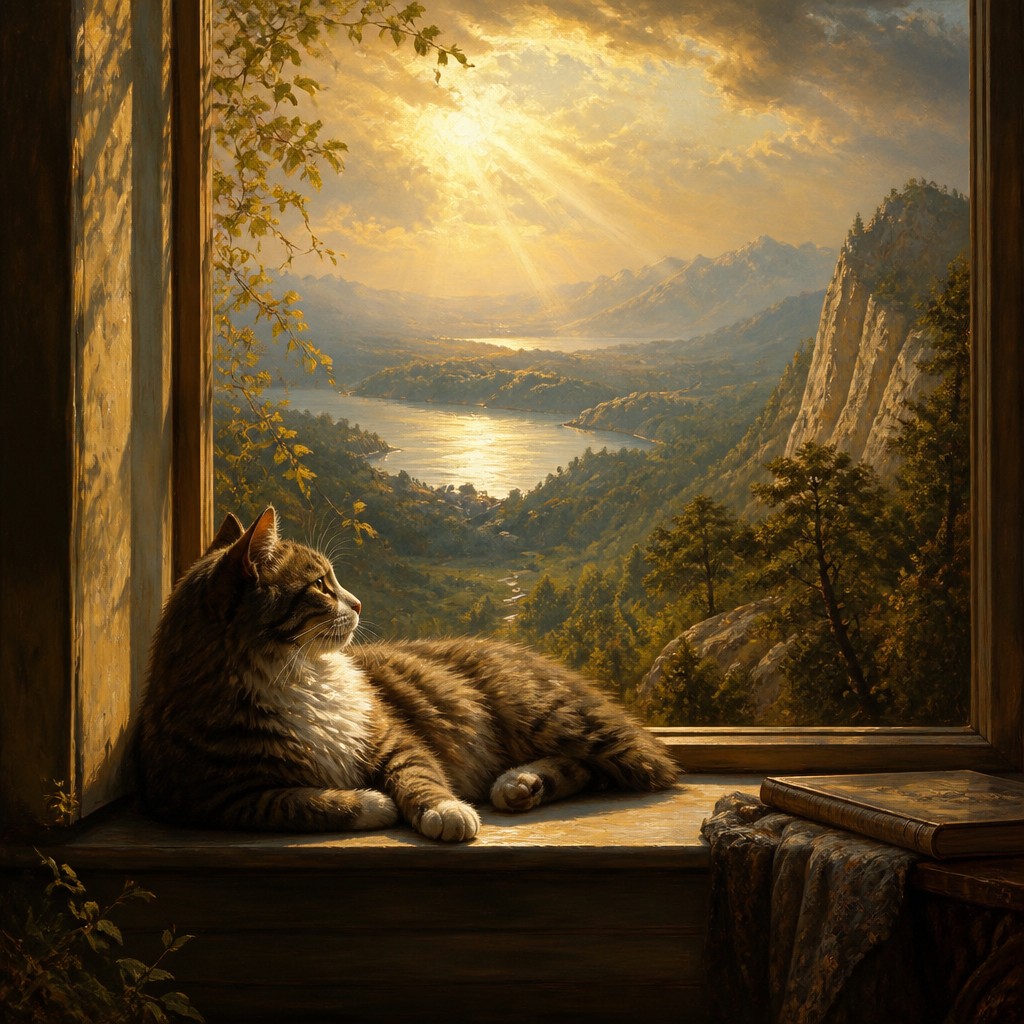
“a cat lounging in a sunlit window”
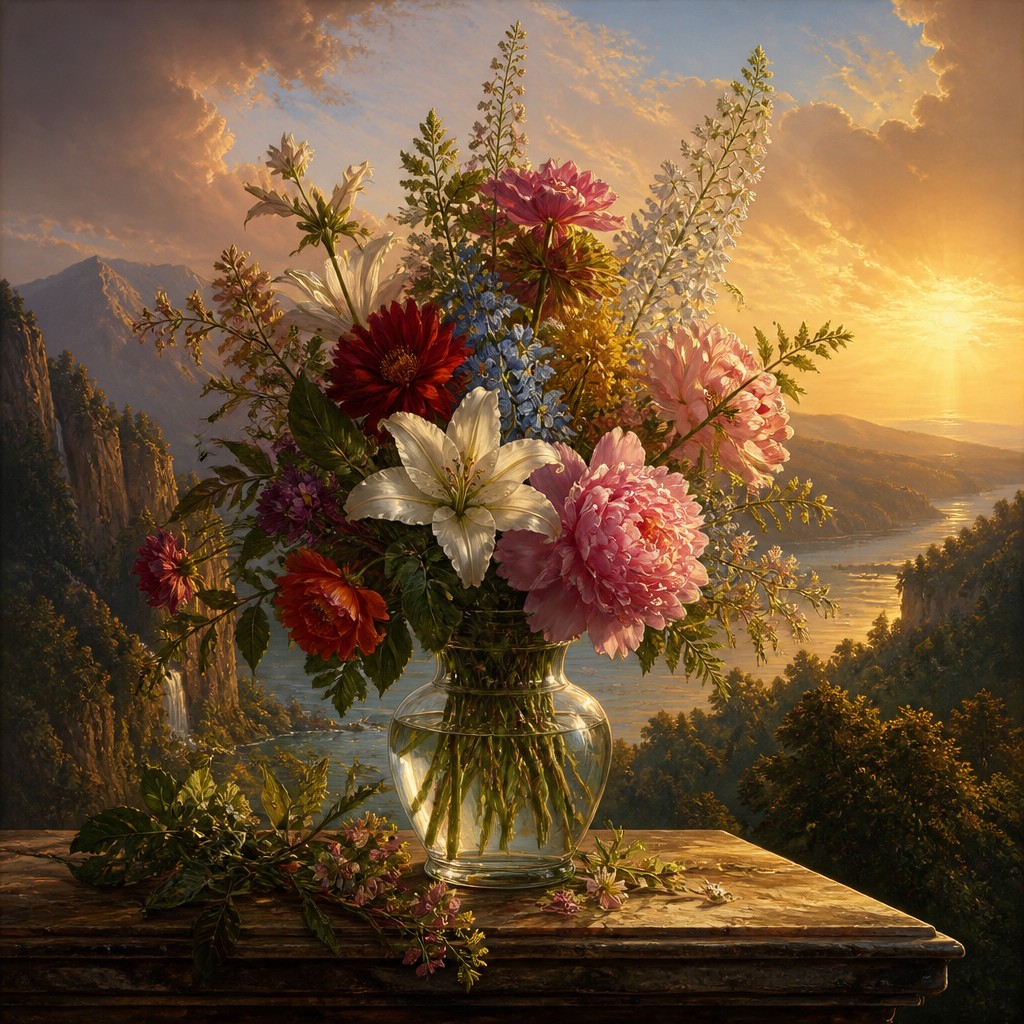
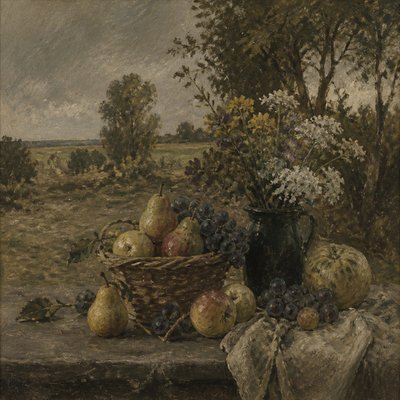
“bouquet of flowers in a glass vase”
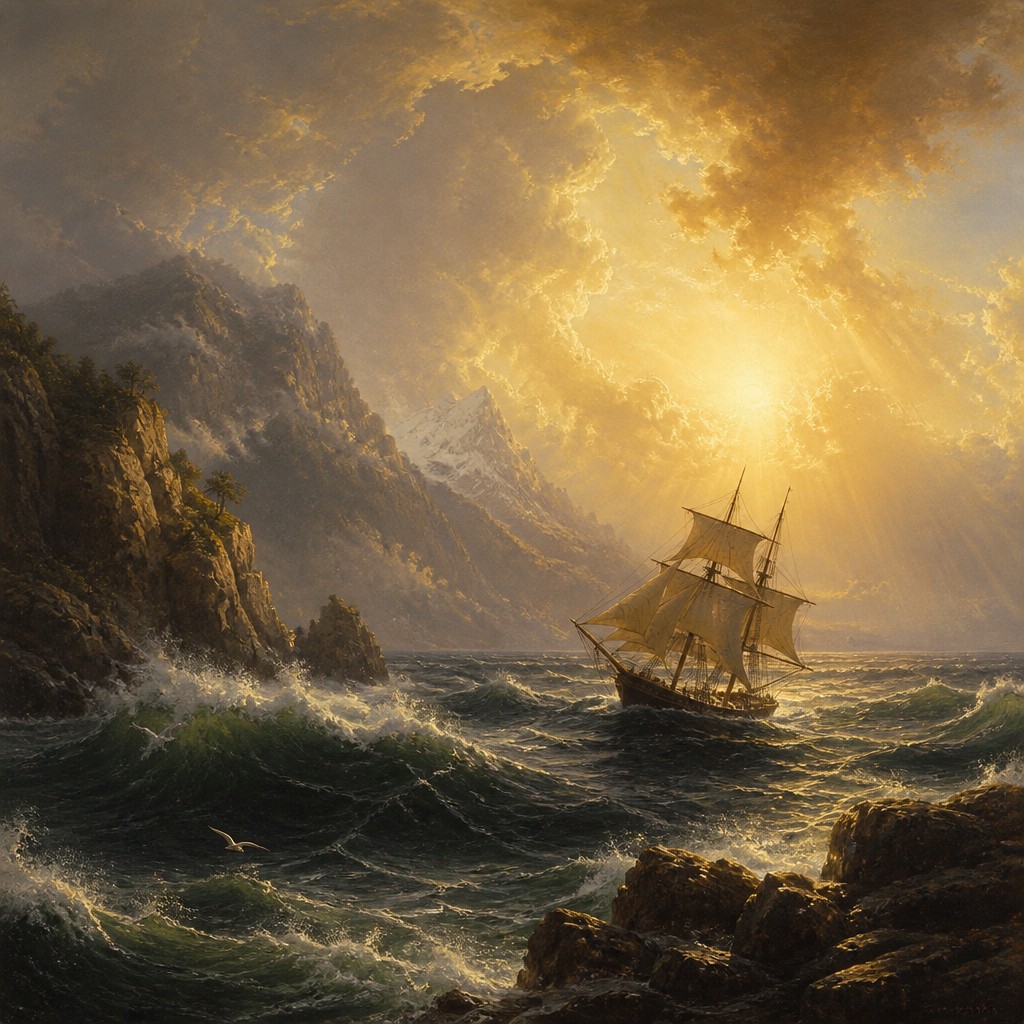
“sailing ship on a stormy sea”
How to Create Hudson River School Art
Master the craft step by step — or skip straight to creating. Read the full guide →
- 1
Build the landscape in layers
Start with a clearly readable foreground, then place a middle ground and distant horizon to create depth. In traditional painting, work from broad tonal masses into fine detail; in digital work, use separate layers for atmospheric haze, foliage, water, and sky.
- 2
Use dramatic but believable light
Choose sunrise, sunset, or post-storm conditions to get luminous contrasts and glowing highlights. Prompt-based generation works best when the lighting is specific: mention warm light, cool distance, mist, clouds, or reflected water.
- 3
Emphasize natural detail without overcrowding
Render leaves, rock surfaces, and water reflections carefully, but preserve clarity in the overall composition. The style depends on precision, not texture overload, so keep major forms clean and organized.
- 4
Compose for scale and awe
Include a tiny human figure, a boat, or a distant cabin if you want to intensify the sense of wilderness scale. When generating, ask for sweeping diagonals, panoramic framing, and monumental landforms to evoke the movement’s heroic mood.
- 5
Favor oil-paint handling and glazing effects
For a traditional look, use transparent layers to create glow and depth rather than flat opaque color. In prompts, phrases such as luminous oil technique, translucent glazes, and crystalline clarity help steer results toward the period feel.
The Story
History & Origins of Hudson River School
The Hudson River School emerged in the United States in the early to mid-19th century, beginning with the paintings of a pioneering American landscape painter associated with the Hudson River Valley and expanding into a broader national landscape movement. Although the name refers to a school, it was never a formal academy; it describes a loose group of painters whose work shared an interest in American scenery, romantic grandeur, and detailed natural description. Key associated artists include a pioneering American landscape painter, a leading tonal landscape painter, a major late Romantic landscape painter, an important painter of autumnal scenery, and a famous painter of sweeping mountain panoramas.
The movement developed in dialogue with European Romantic landscape painting, but it adapted those ideas to American terrain and ideas of expansion, spirituality, and national destiny. Later phases included the more panoramic and luminous scale of the second generation, especially in major late Romantic landscape painters, while some artists moved toward more intimate studies of nature. By the late 19th century, changing tastes and the rise of other landscape traditions reduced its dominance, but its image of American wilderness remained influential in art and visual culture.
Influences: Hudson River School grew from European Romantic landscape painting, especially the work of leading British Romantic landscapists and French classical landscape painters, while adapting those lessons to American scenery and ideals. Its careful observation and tonal structure also connect it to landscape study from life, but its emotional aim is more closely tied to the sublime than to pure naturalism. Later American landscape painting, including the luminist tradition, inherited its interest in atmospheric effects and expansive views.

Frequently Asked Questions
What defines Hudson River School painting?
It is defined by grand American landscapes painted with detailed realism, dramatic light, and a romantic sense of the sublime. The scenes often feature rivers, mountains, forests, and skies arranged to inspire awe rather than simply document a location.
Is Hudson River School the same as luminism?
No. The two are related, and both value atmosphere and light, but Hudson River School is broader and often more dramatic and narrative in composition. Luminism tends to be quieter, smoother, and more focused on stillness and optical clarity.
Who are the main artists associated with it?
The most securely associated artists are a pioneering American landscape painter, a leading tonal landscape painter, a major late Romantic landscape painter, an important painter of autumnal scenery, and a famous painter of sweeping mountain panoramas. The pioneering figure is especially important as a founder, while the later panoramic artists helped expand the scale and spectacle of the tradition.
Why do these paintings look so idealized?
They are based on observation, but the artists often composed different elements into a single perfected scene. The goal was to express the grandeur and moral significance of nature, not simply reproduce a specific view exactly as seen.
How do I make an image in this style?
Use a wide landscape composition, detailed foreground elements, deep atmospheric recession, and warm golden or late-day lighting. Mention specific features like luminous clouds, misty distance, rich earth tones, and fine oil-paint detail to guide the image.
Where is this style commonly used today?
It appears in landscape illustration, historical art references, book covers, game environments, and images meant to evoke American wilderness or classic romantic scenery. It is also used when artists want a majestic, contemplative, and highly detailed natural setting.

Create your first Hudson River School artwork
Describe anything — or upload a photo — and see it in Hudson River School Art Style in seconds.
Make Something with Hudson River School
Related Styles
Discover similar art styles