Fauvism Art Style
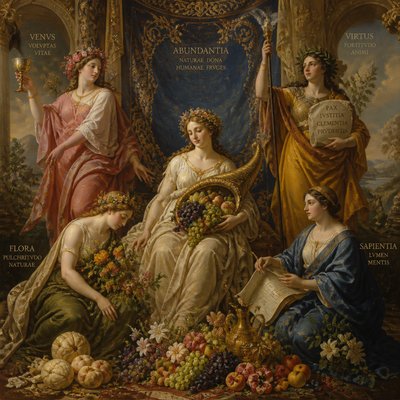
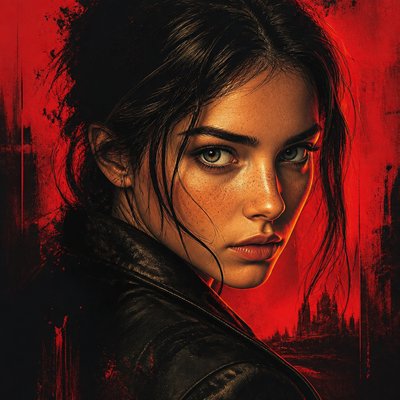
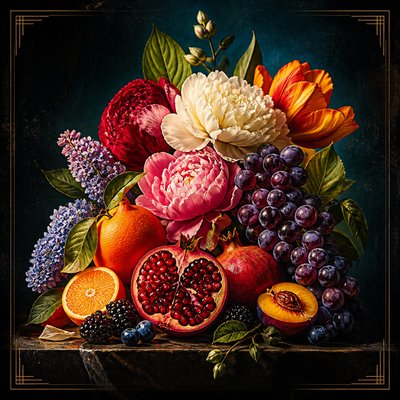
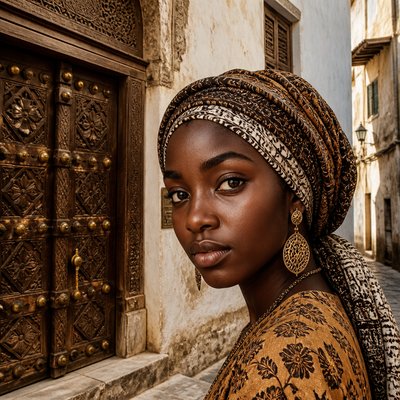
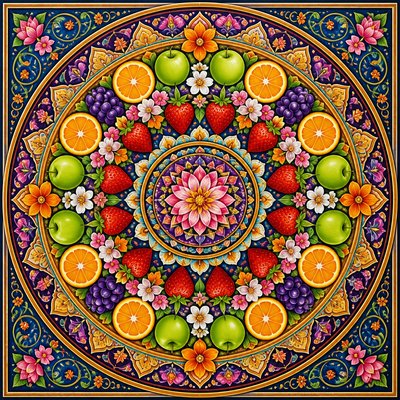
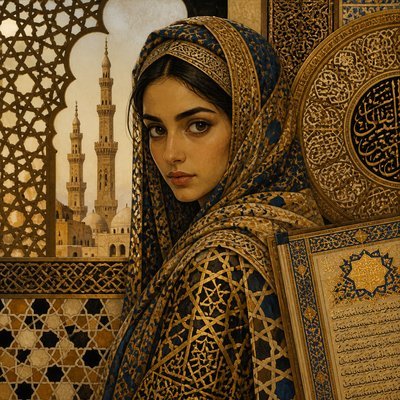
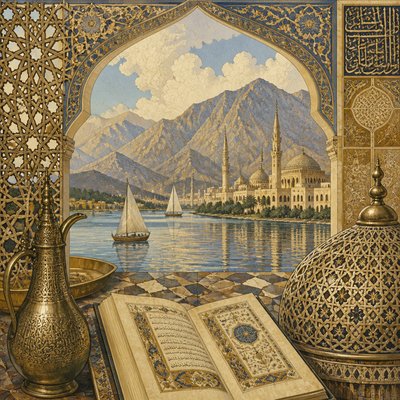
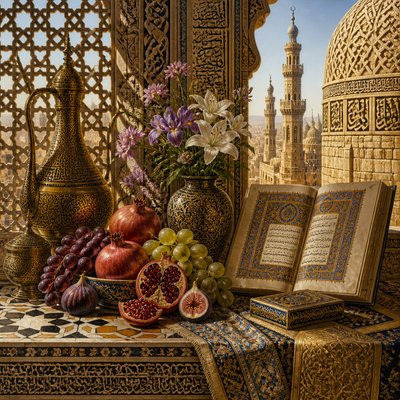
Fauvism: a modern art style of pure color, bold brushwork, and expressive, non-naturalistic palettes.
Instantly rendered in Fauvism — or transform a photo
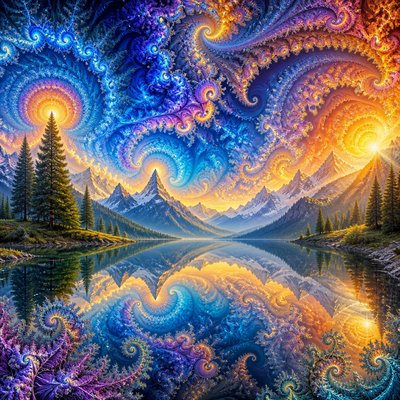
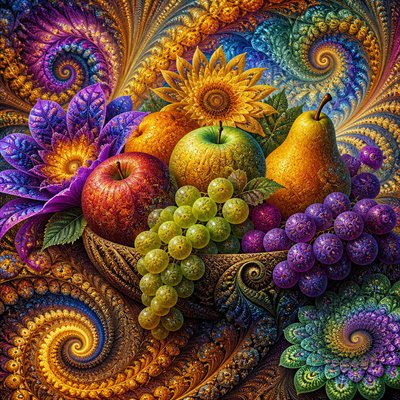
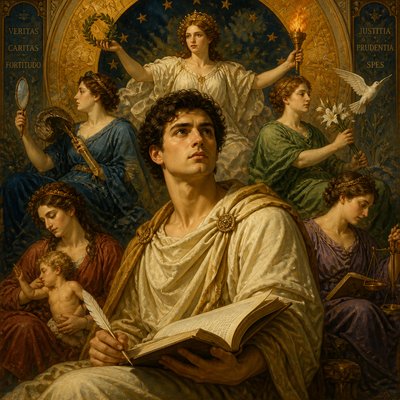
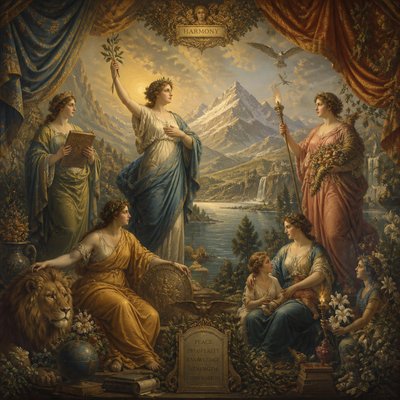
Fauvism Gallery
Tap any artwork to explore it
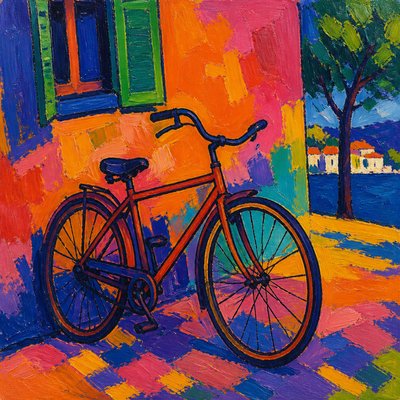
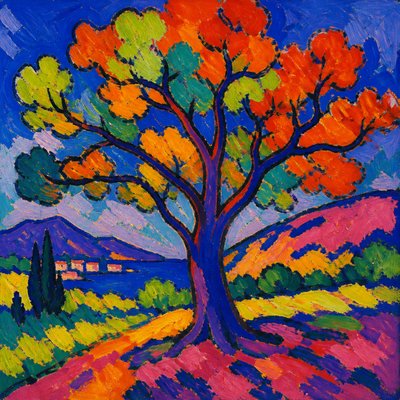
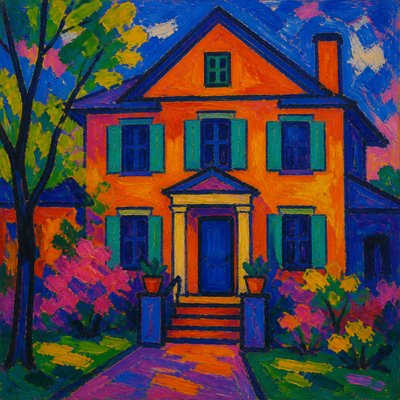
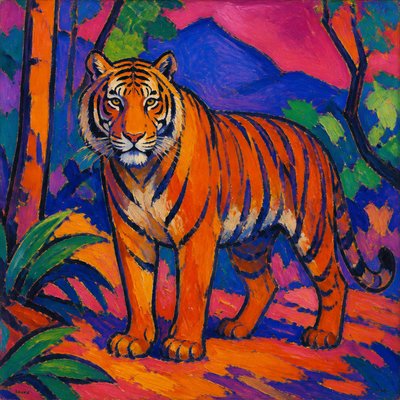
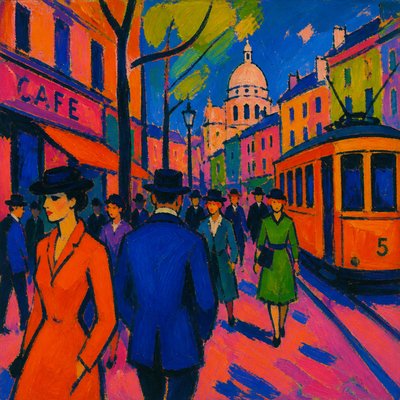
What is Fauvism Art Style?
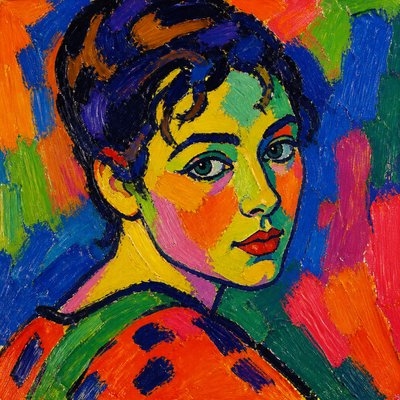
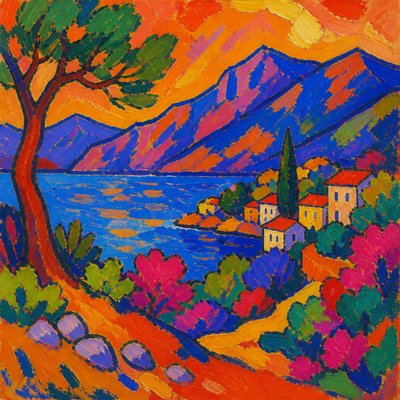
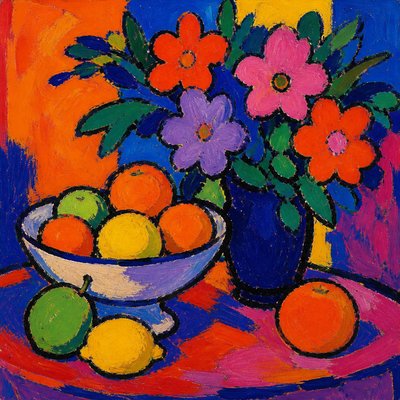
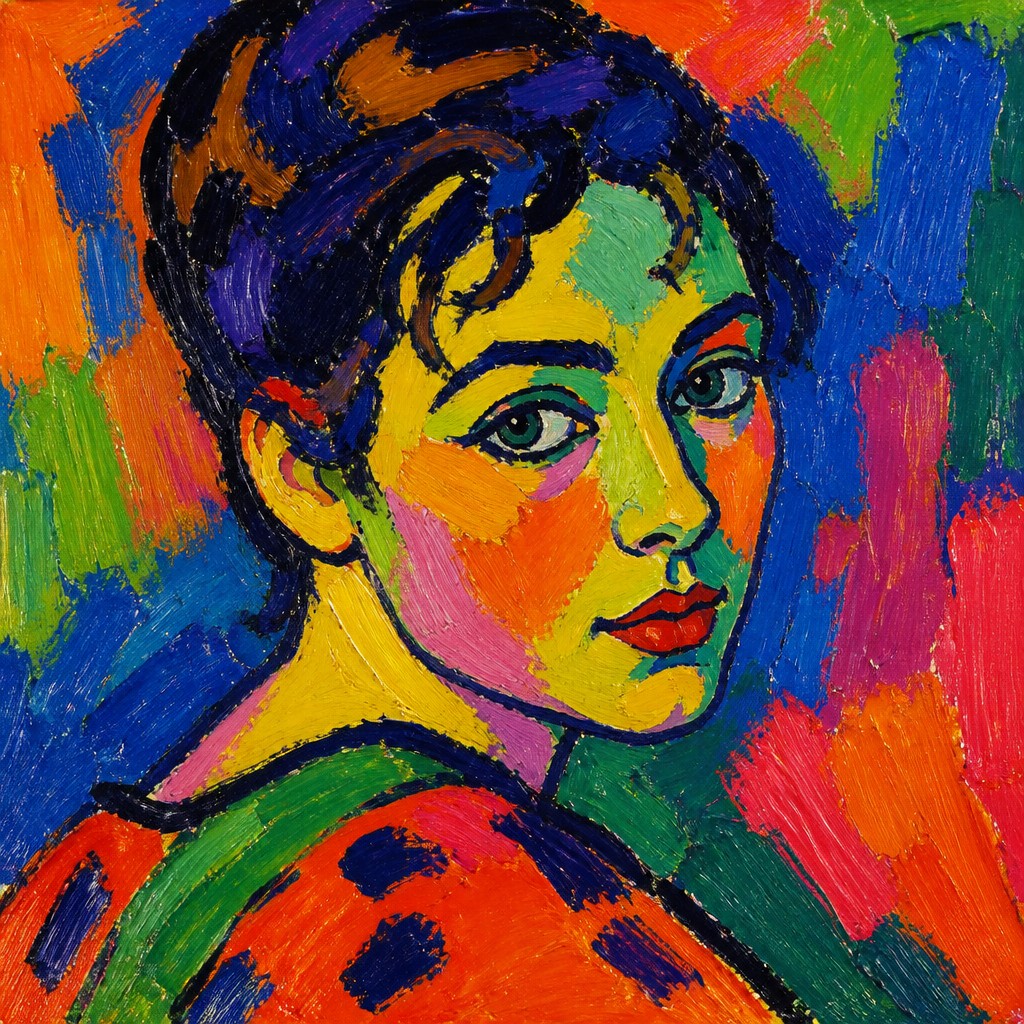
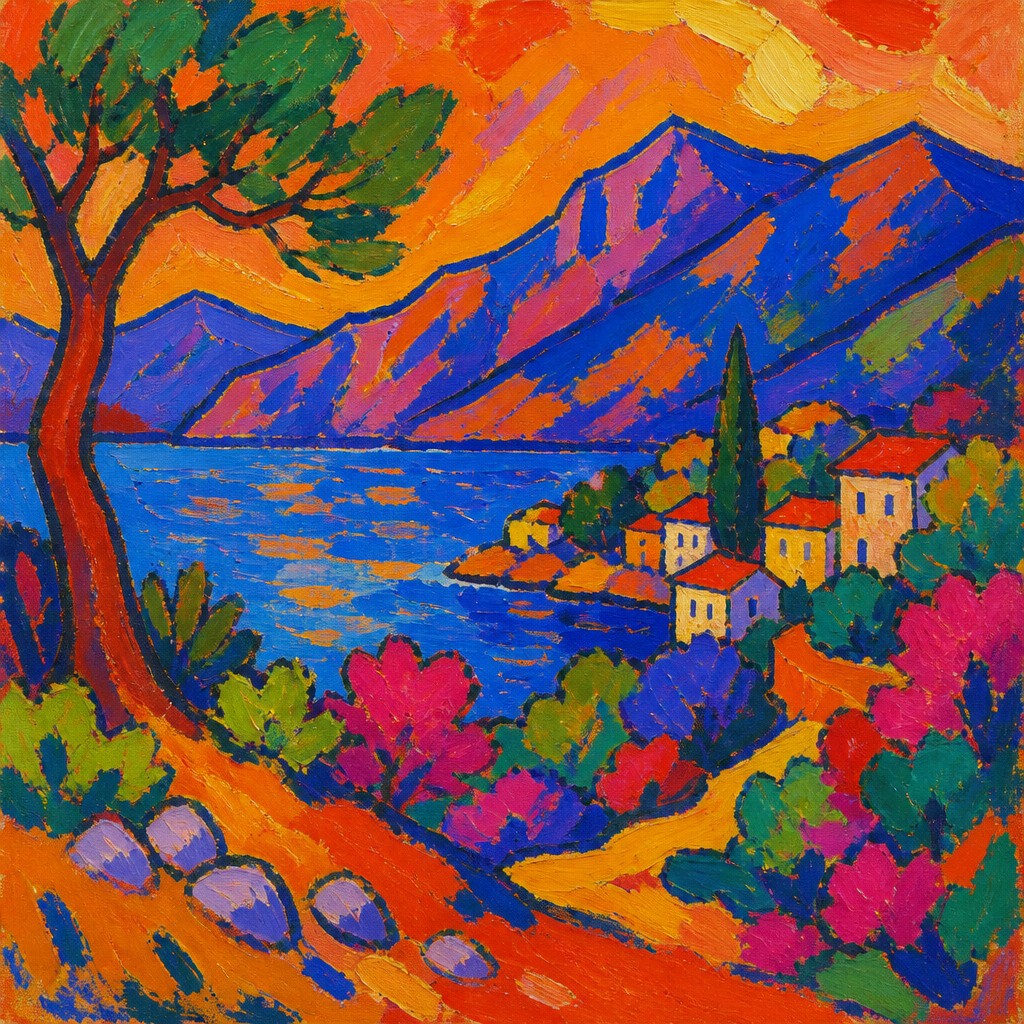
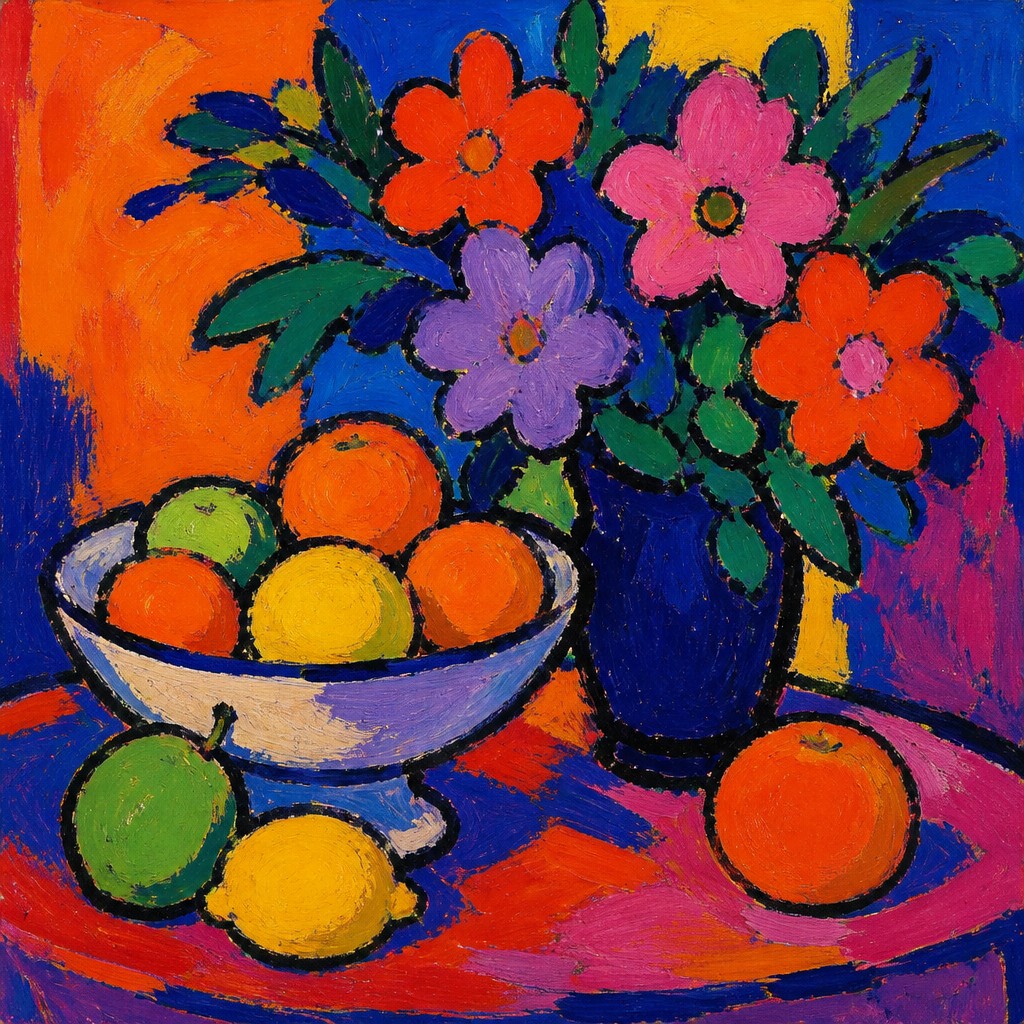
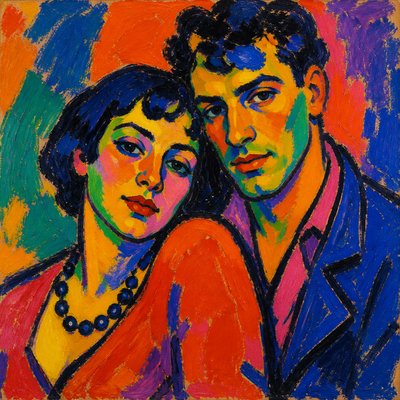
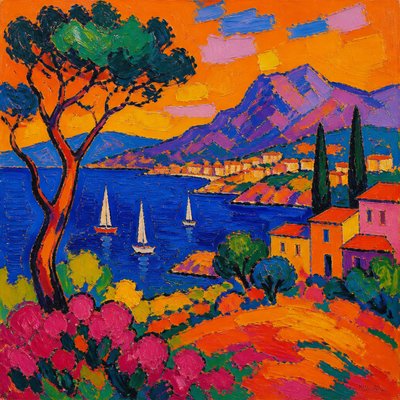
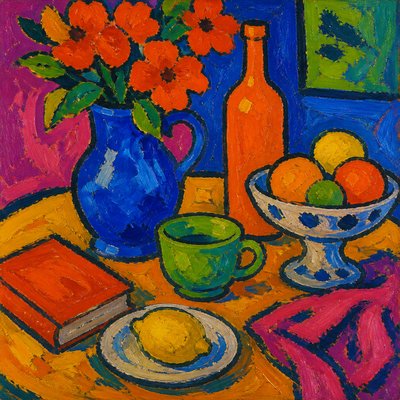
Fauvism is an early modernist painting style defined by intense, unmixed color, simplified forms, and vigorous brushwork. Rather than describing the world faithfully, it uses color for emotional impact: skies may be orange, shadows green, and skin tones violet if those choices strengthen the picture’s expressive force.
The style’s visual identity comes from flat areas of saturated pigment, strong contours, and visible, energetic paint handling. Fauvist works often feel immediate and liberated because they reject academic modeling and naturalistic color in favor of direct sensation, decorative rhythm, and painterly freedom.
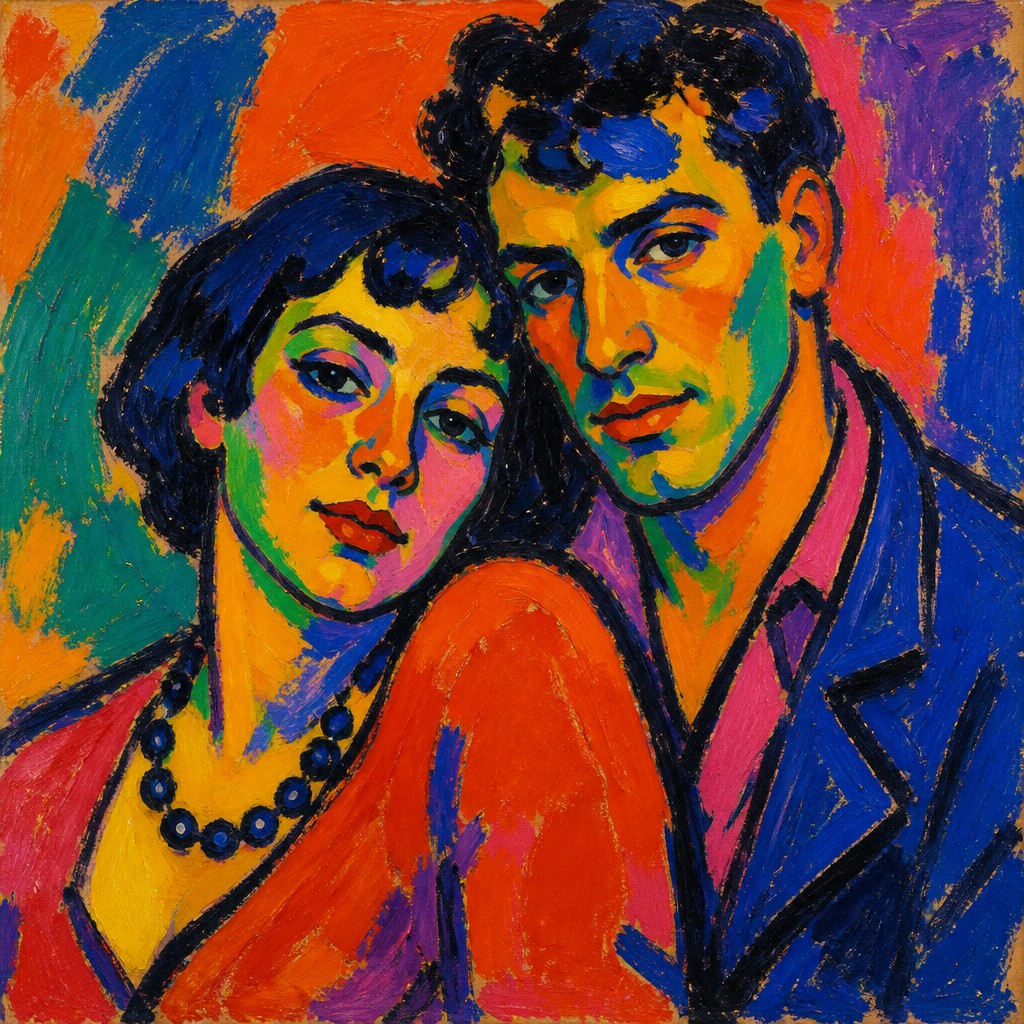
Try It On Your Photos
Upload any photo and convert it into Fauvism Art Style — drag the sliders to compare before and after.
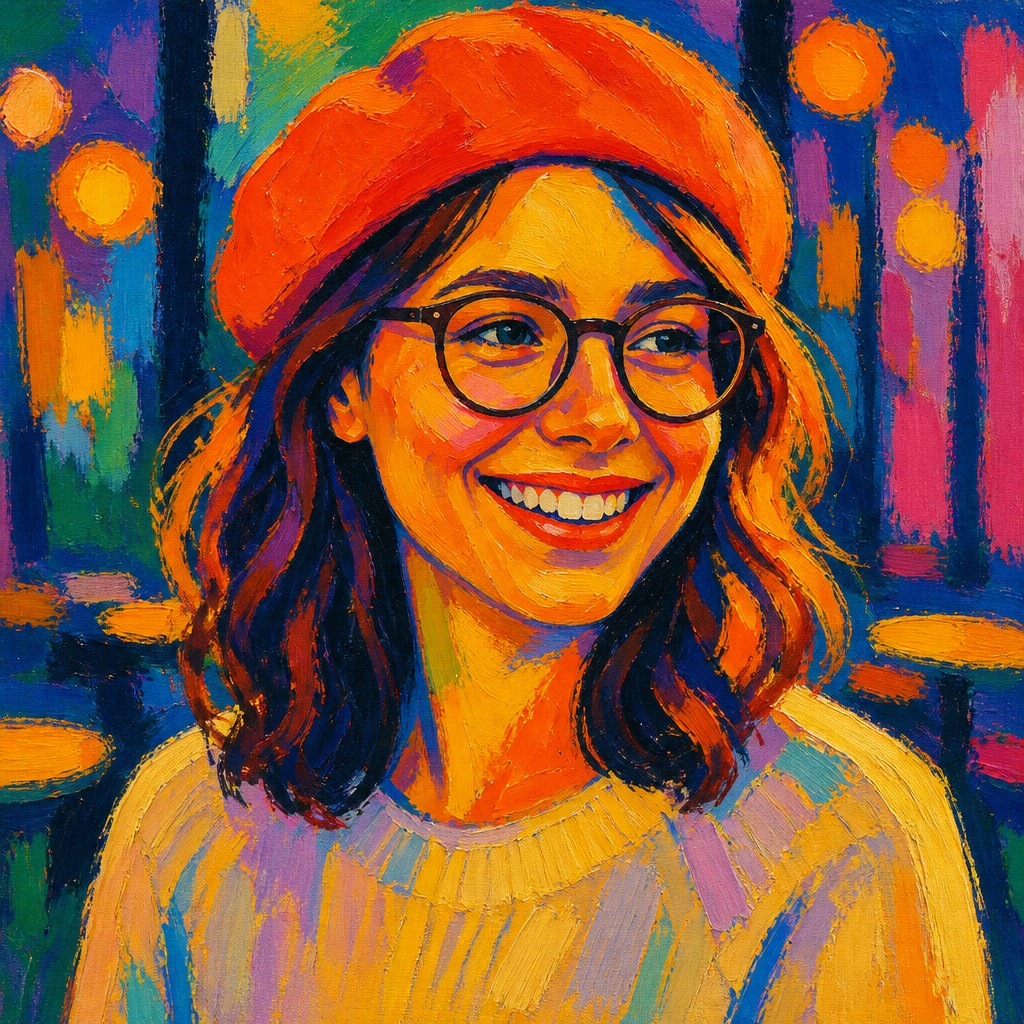

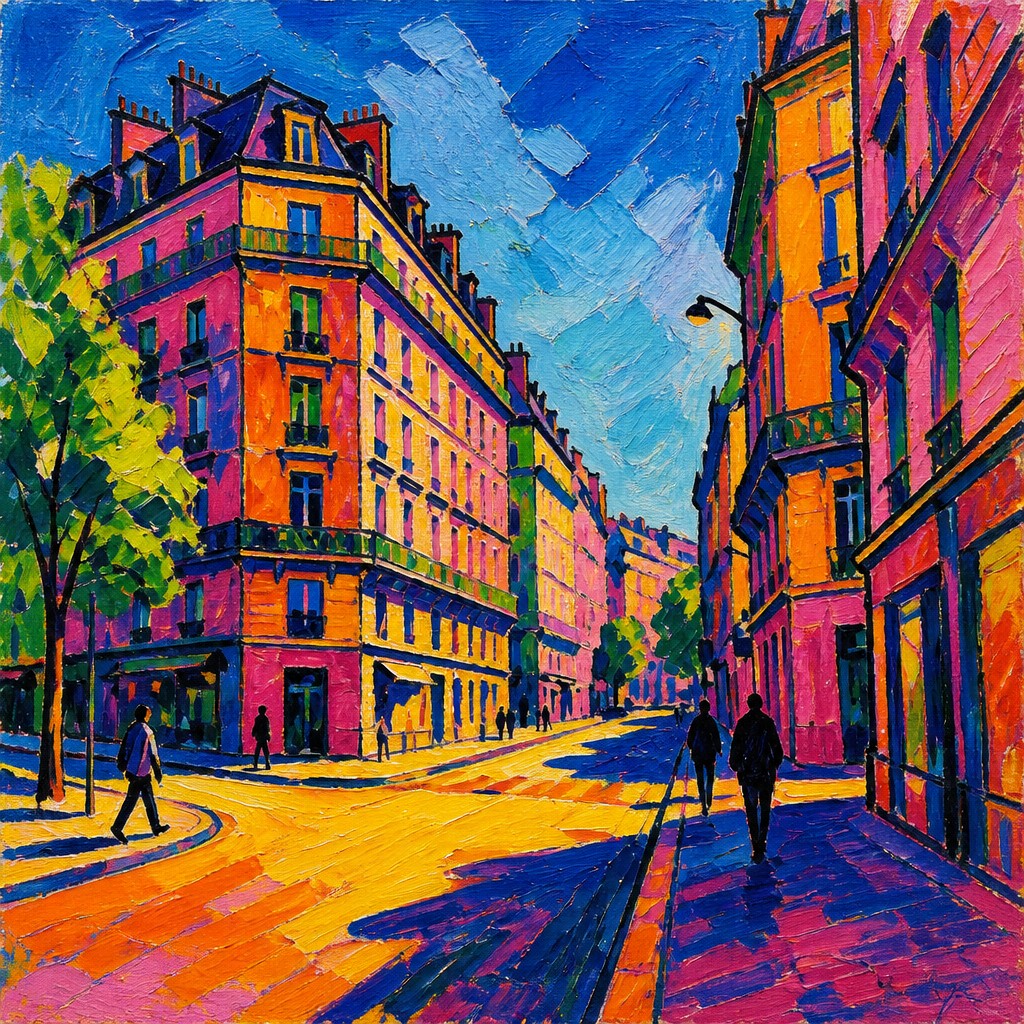

What Defines Fauvism Art Style
The signature details, up close
Pure, non-naturalistic color
Fauvist paintings often use bright, unmixed pigments placed directly from the tube or with minimal blending. Color is chosen for expressive effect rather than local realism.
Bold, visible brushwork
Brushstrokes remain open, confident, and clearly present on the surface. The paint handling adds energy and can make the image feel spontaneous and alive.
Simplified shapes and contours
Forms are reduced to broad masses and strong outlines instead of carefully modeled volumes. This simplification helps the color fields read clearly and decoratively.
High-contrast color relationships
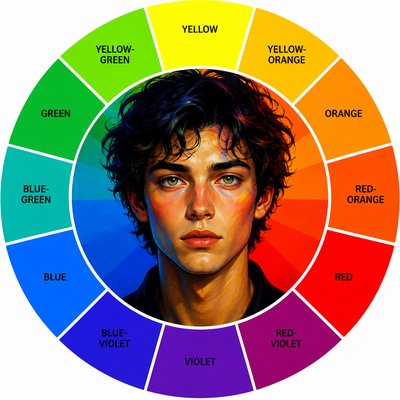
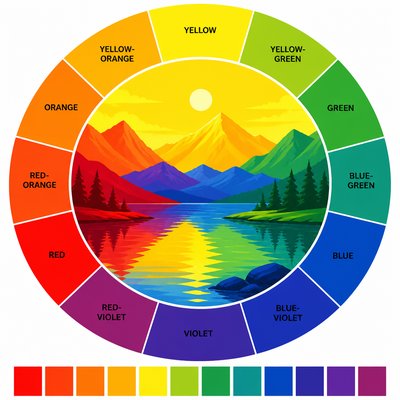
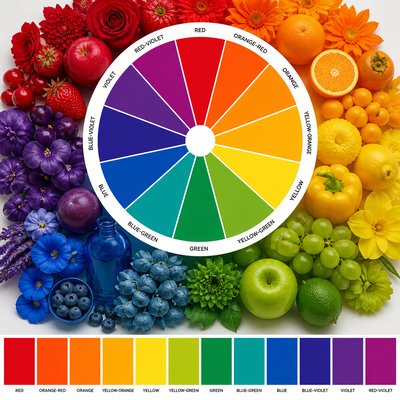
Complementary colors are often placed side by side to intensify vibration and visual tension. Orange, blue, green, red, and magenta combinations are especially common.
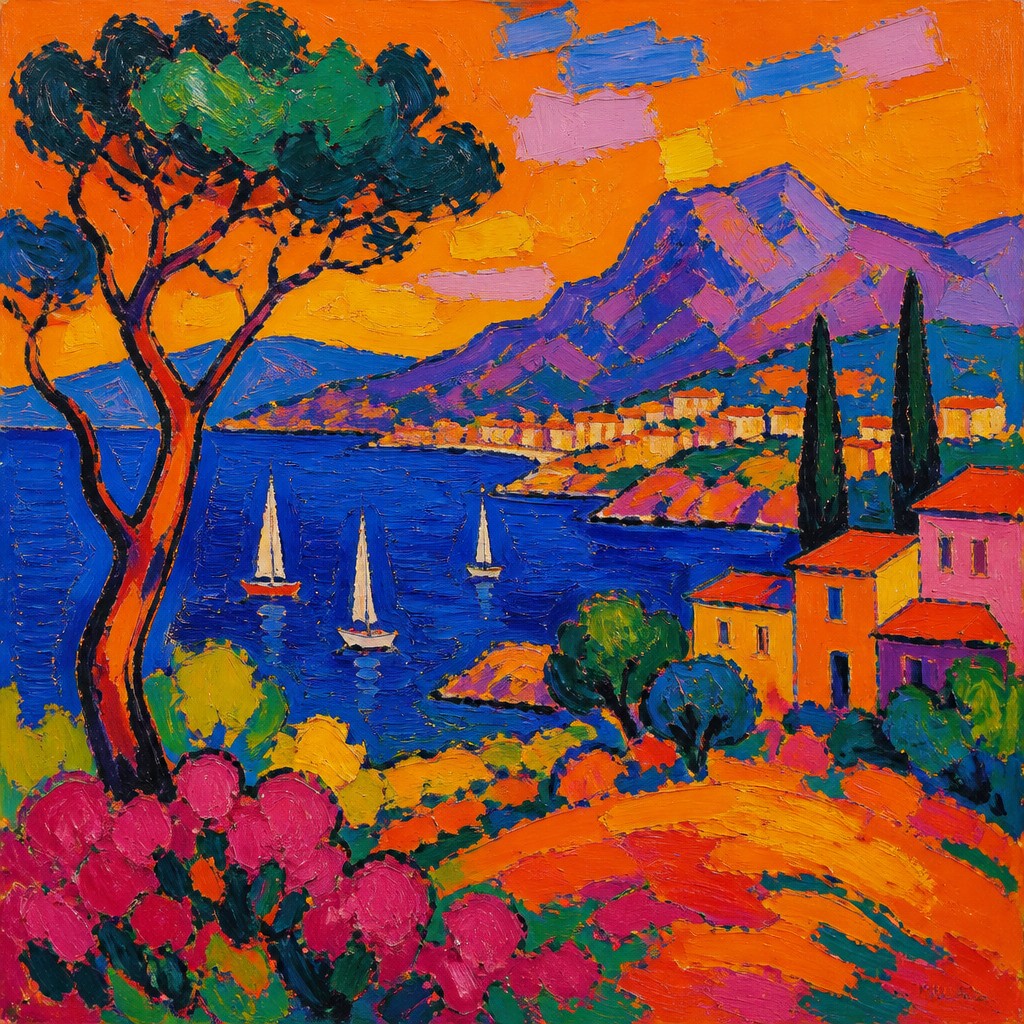
Flattened pictorial space
Rather than deep illusionistic space, Fauvism often emphasizes the two-dimensional surface of the canvas. Depth may be suggested, but it is secondary to the design of color and shape.
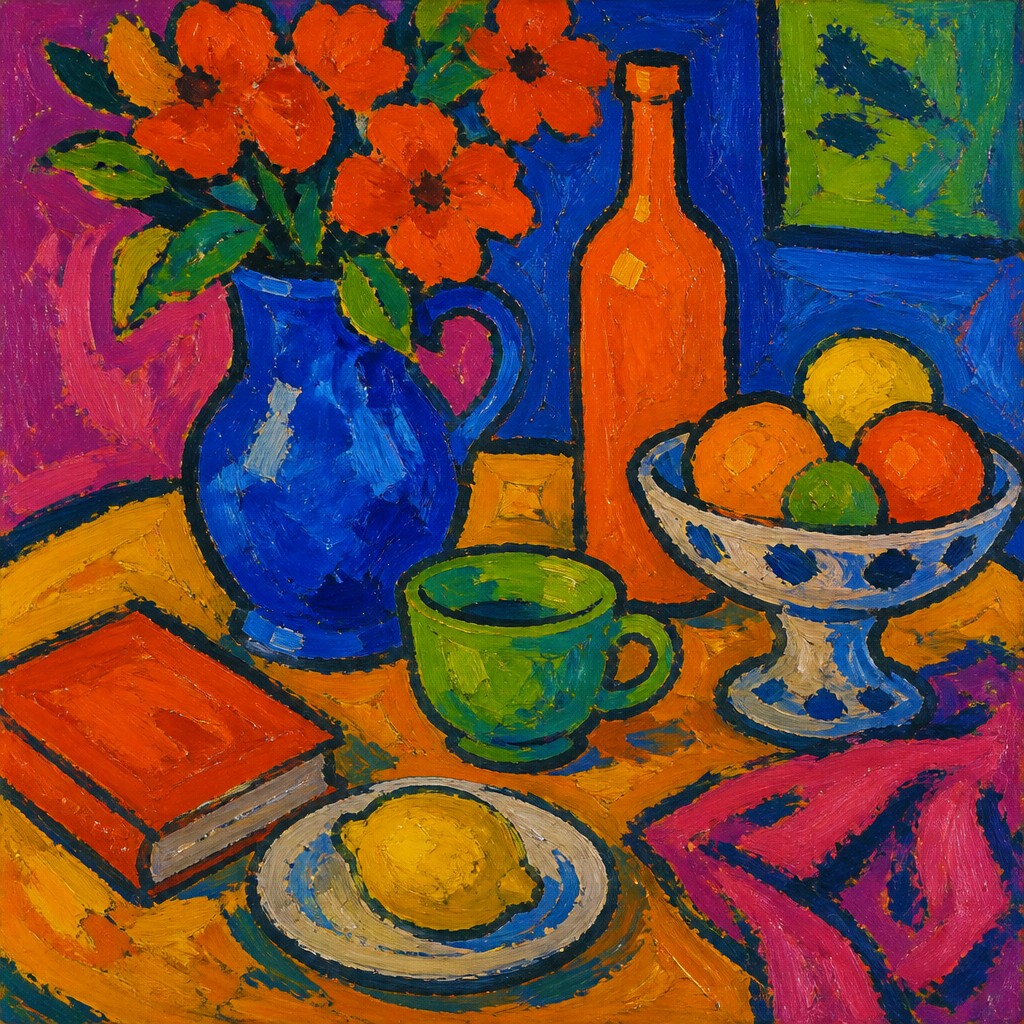
Emotional immediacy
The style prioritizes sensation, mood, and painterly presence over detailed description. The result can feel joyous, raw, restless, or intensely personal.
Try It
Create Videos in Fauvism Art Style
Styles aren't just for stills — describe a scene or animate an image and get a short video rendered in Fauvism. Press play to see this pond come to life.
Make a VideoFauvism Prompt Ideas
Start from an idea — each one opens the generator with the style ready to go. See all 40 Fauvism prompts →
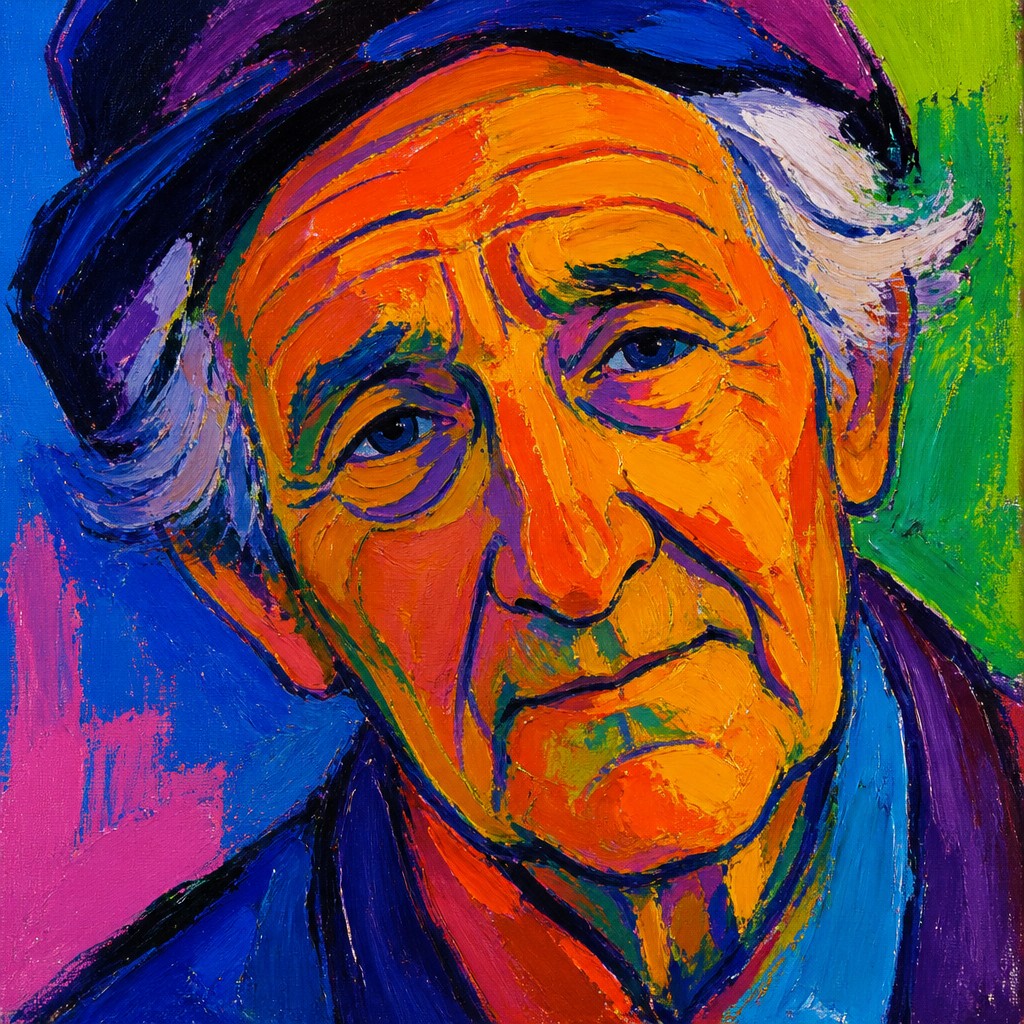
“close-up portrait of an elderly person with expressive weathered features”
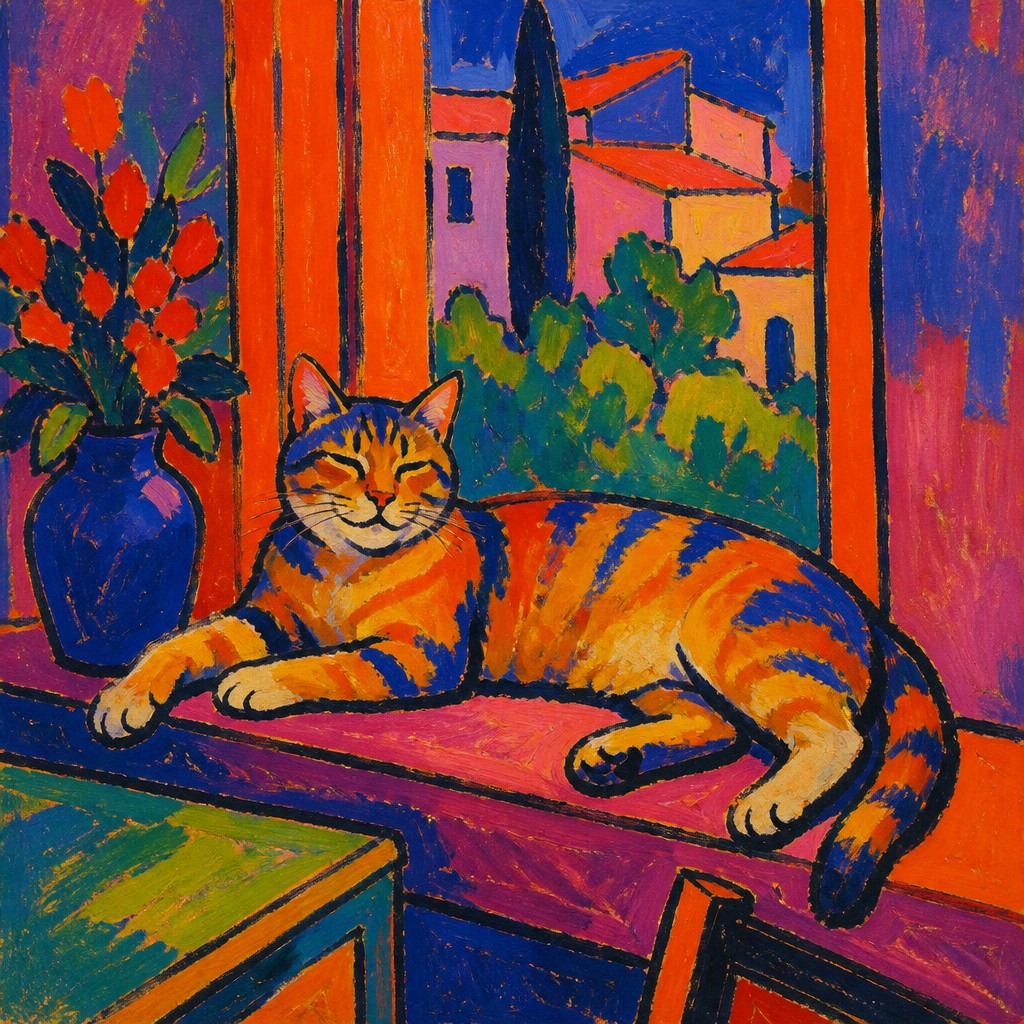
“a cat lounging in a sunlit window”
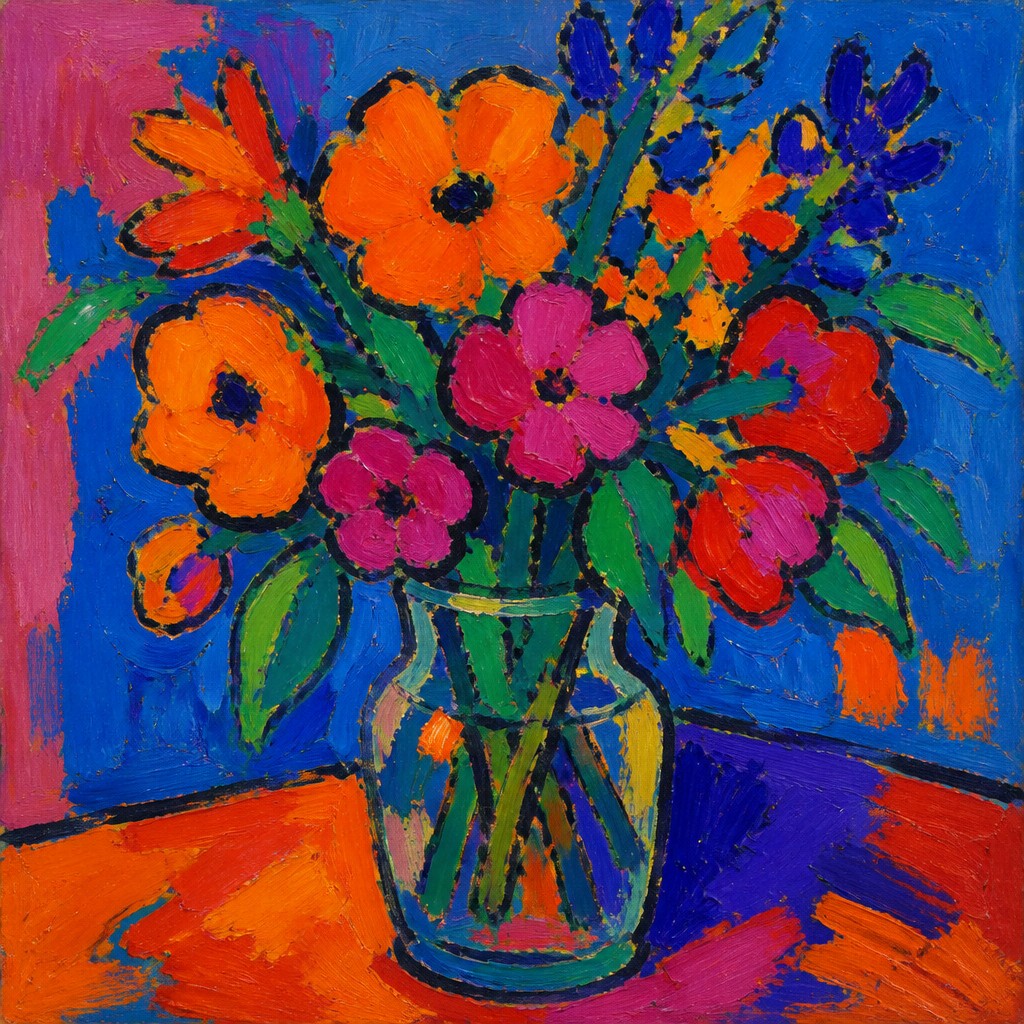
“bouquet of flowers in a glass vase”
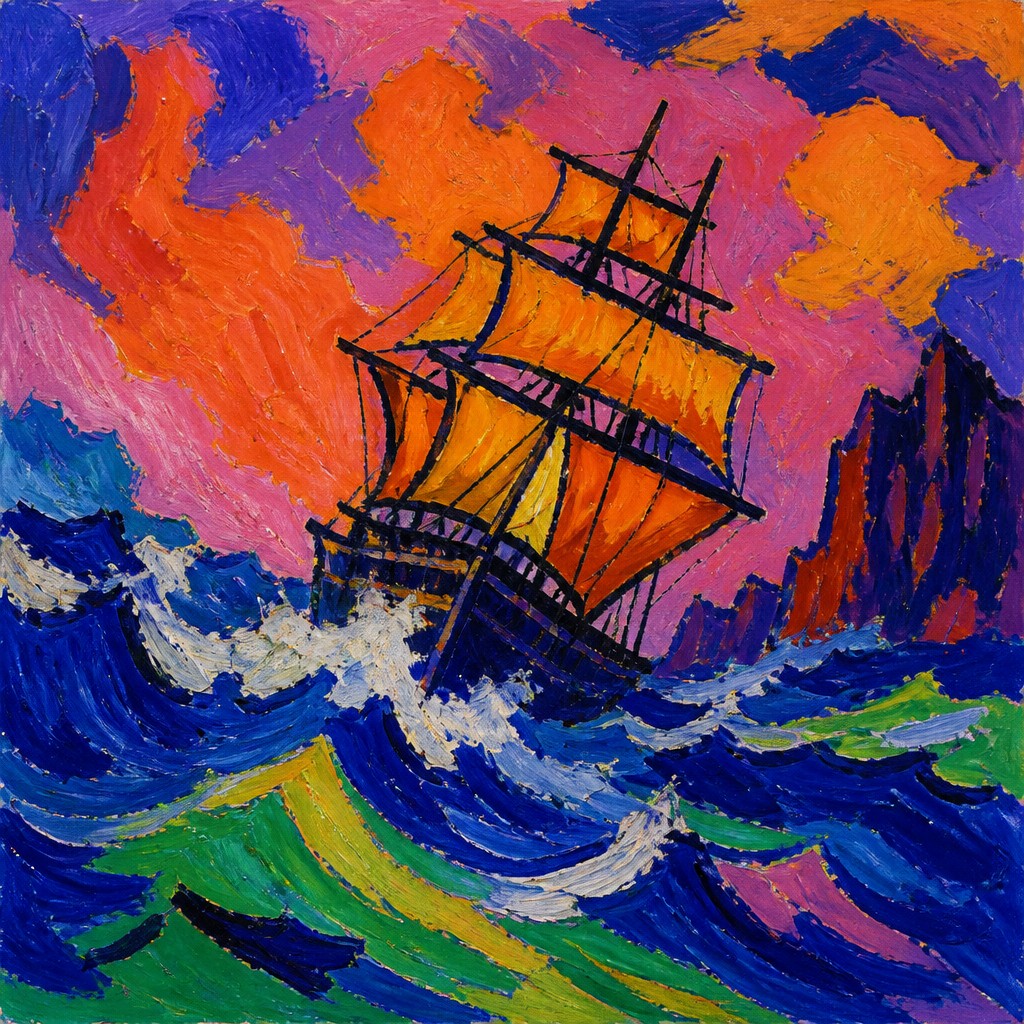
“sailing ship on a stormy sea”
How to Create Fauvism Art
Master the craft step by step — or skip straight to creating. Read the full guide →
- 1
Start with a simplified composition
Block in the main forms with clear silhouettes and avoid overcomplicated detail. Fauvism works best when the subject can be expressed through large, readable shapes.
- 2
Choose color for mood, not accuracy
Assign hues based on emotional force and visual contrast rather than what the subject literally looks like. Push shadows into unexpected greens or violets, and use saturated complementary pairs to make the image vibrate.
- 3
Use confident, broken brushwork
Apply paint in short, energetic strokes or broad directional marks that remain visible in the final image. In digital work, use textured brushes and avoid smoothing everything into a polished finish.
- 4
Keep outlines and edges strong
Define major forms with dark contours or abrupt color boundaries so shapes stay legible against flat fields of hue. This helps preserve the decorative clarity characteristic of the style.
- 5
Preserve the surface quality
Let canvas texture, dry-brush effects, or layered pigment remain visible instead of overblending. In prompt-based generation, specify pure pigments, bold gestural brushstrokes, flat saturated color, and raw canvas texture.

The Story
History & Origins of Fauvism
Fauvism emerged in France in the early 20th century, especially around 1905–1908, and is associated with a group of leading French modern painters. The movement crystallized at the 1905 Salon d’Automne in Paris, where the vivid, aggressive color of these paintings led a prominent French art critic to call the painters the “fauves,” or “wild beasts.”
Its roots lie in Post-Impressionism, especially the color experiments of leading late-19th-century painters, as well as the decorative flatness of cloisonnism and certain aspects of primitivism and non-Western art as understood by European artists at the time. Fauvism was brief as a coherent movement, but its approach to color and simplification strongly influenced Expressionism, later modern painting, and design-oriented uses of bold color.
Influences: Fauvism is closely related to Post-Impressionism and shares a concern with expressive color found in leading Post-Impressionist painters, while differing from them in its more radical simplification and chromatic intensity. It also connects to Expressionism, particularly in the way it uses color to convey feeling rather than optical truth, and to the decorative flattening seen in cloisonnism and some aspects of Japanese prints and non-Western visual traditions as filtered through European modernism.
Frequently Asked Questions
What defines Fauvism?
Fauvism is defined by intense color, simplified forms, and bold brushwork used for emotional expression. It is not about realism; it treats color as an expressive instrument.
How is Fauvism different from Impressionism?
Impressionism studies light and changing atmosphere with broken brushwork and natural color, while Fauvism pushes color away from realism toward emotional and decorative effect. Fauvist paintings are usually more saturated, flatter, and more deliberately exaggerated.
How is Fauvism different from Expressionism?
Both styles can be emotionally charged and use distorted color, but Fauvism is typically brighter, more decorative, and more focused on the direct pleasure of color relationships. Expressionism often leans darker or more psychologically strained, though there is overlap.
What subjects work well in Fauvist style?
Landscapes, portraits, interiors, still lifes, and street scenes all work well because their forms can be simplified into strong shapes. The style is especially effective for subjects with clear silhouettes and rich color contrasts.
Can Fauvism be made digitally?
Yes. Use saturated color fields, visible textured brushstrokes, and strong edges rather than smooth gradients. In a generation prompt, emphasize pure pigments, bold gestural marks, flat blocks of hue, and emotionally driven color choices.
Why is it called Fauvism?
The name comes from a prominent French art critic who described the painters as “fauves,” meaning “wild beasts,” after seeing their vivid work at the 1905 Salon d’Automne. The label originally referred to the shocking intensity of their color.
Create your first Fauvism artwork
Describe anything — or upload a photo — and see it in Fauvism Art Style in seconds.
Make Something with Fauvism
Compare Fauvism
Related Styles
Discover similar art styles