Fauvism vs Impressionism: What's the Difference?
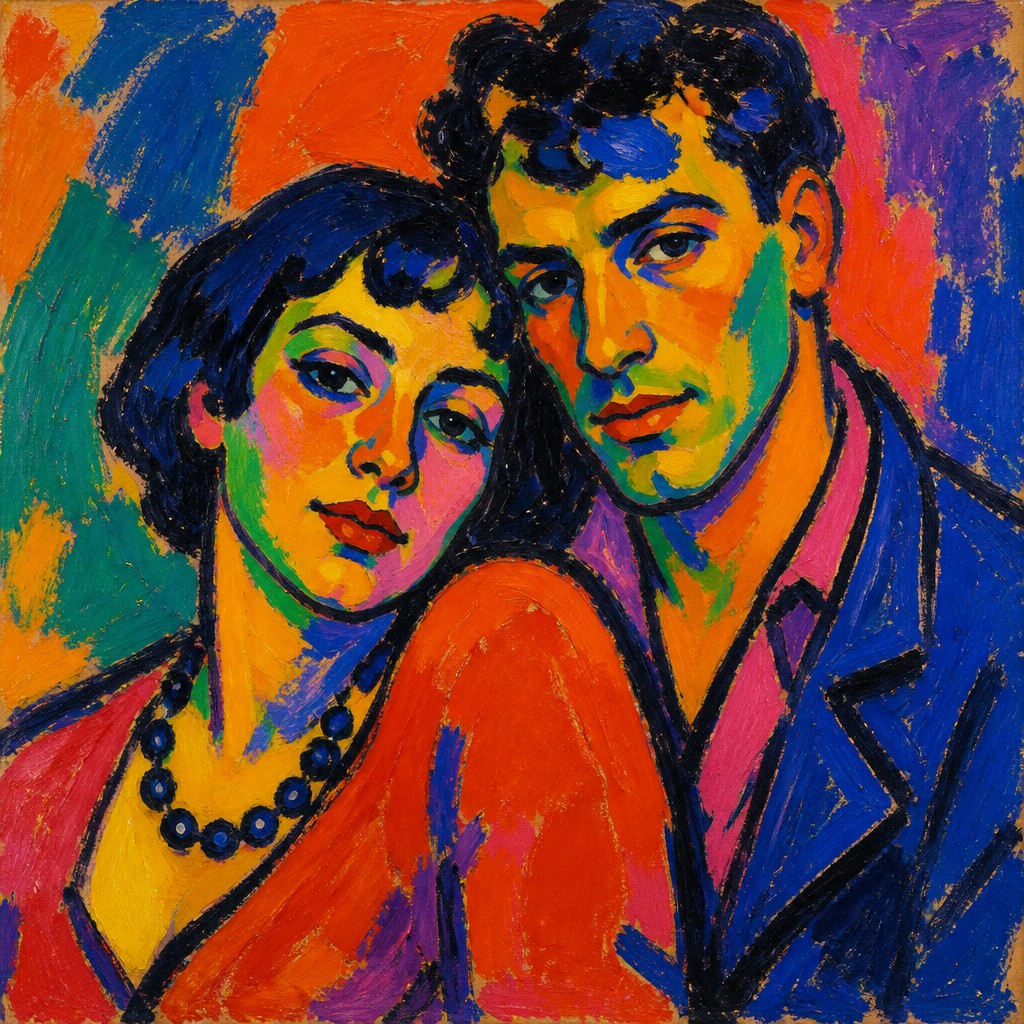
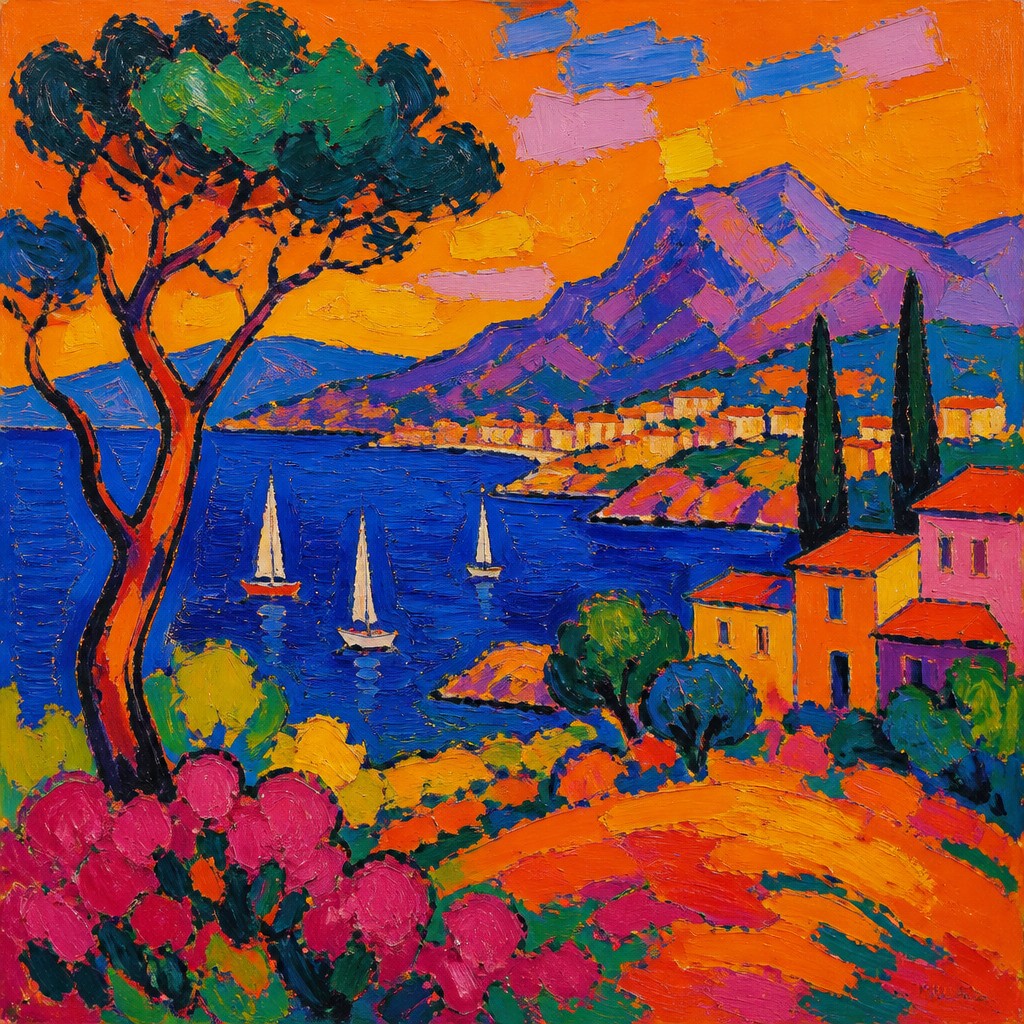
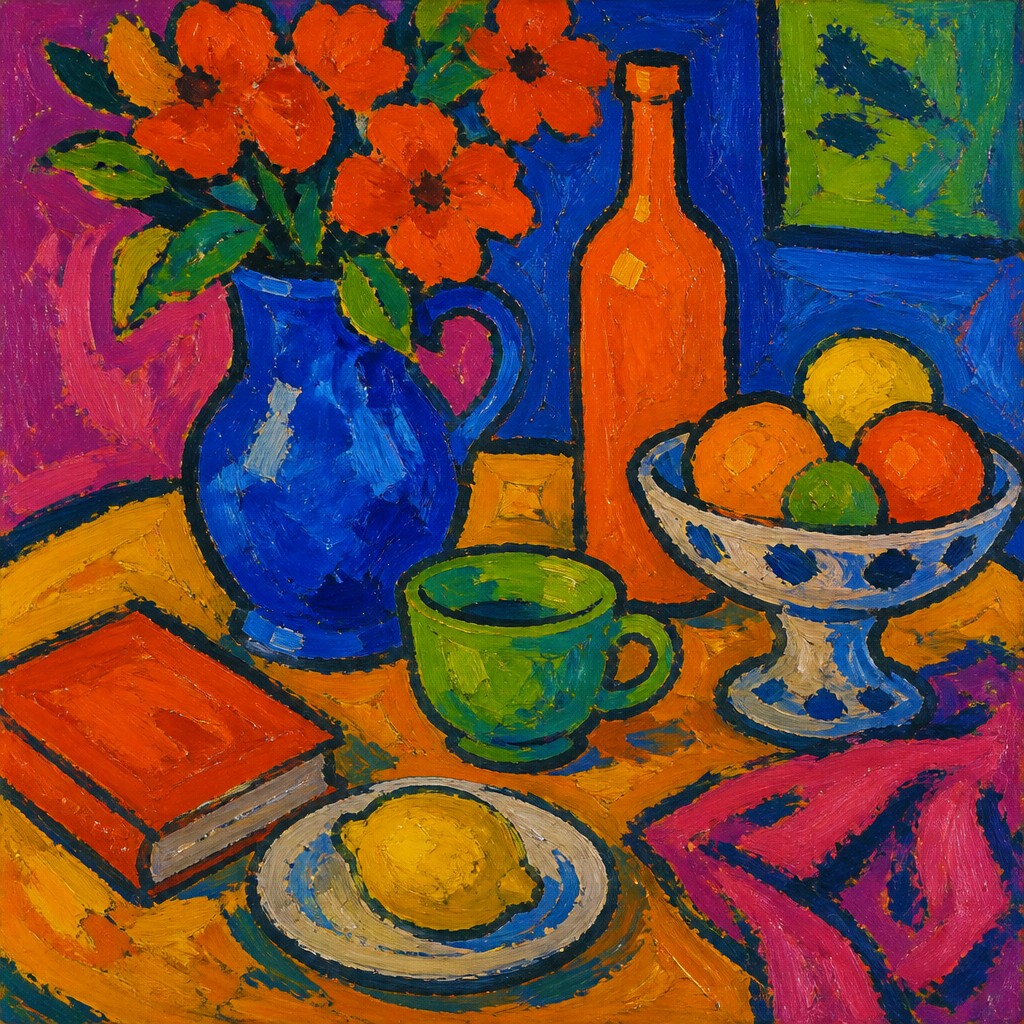
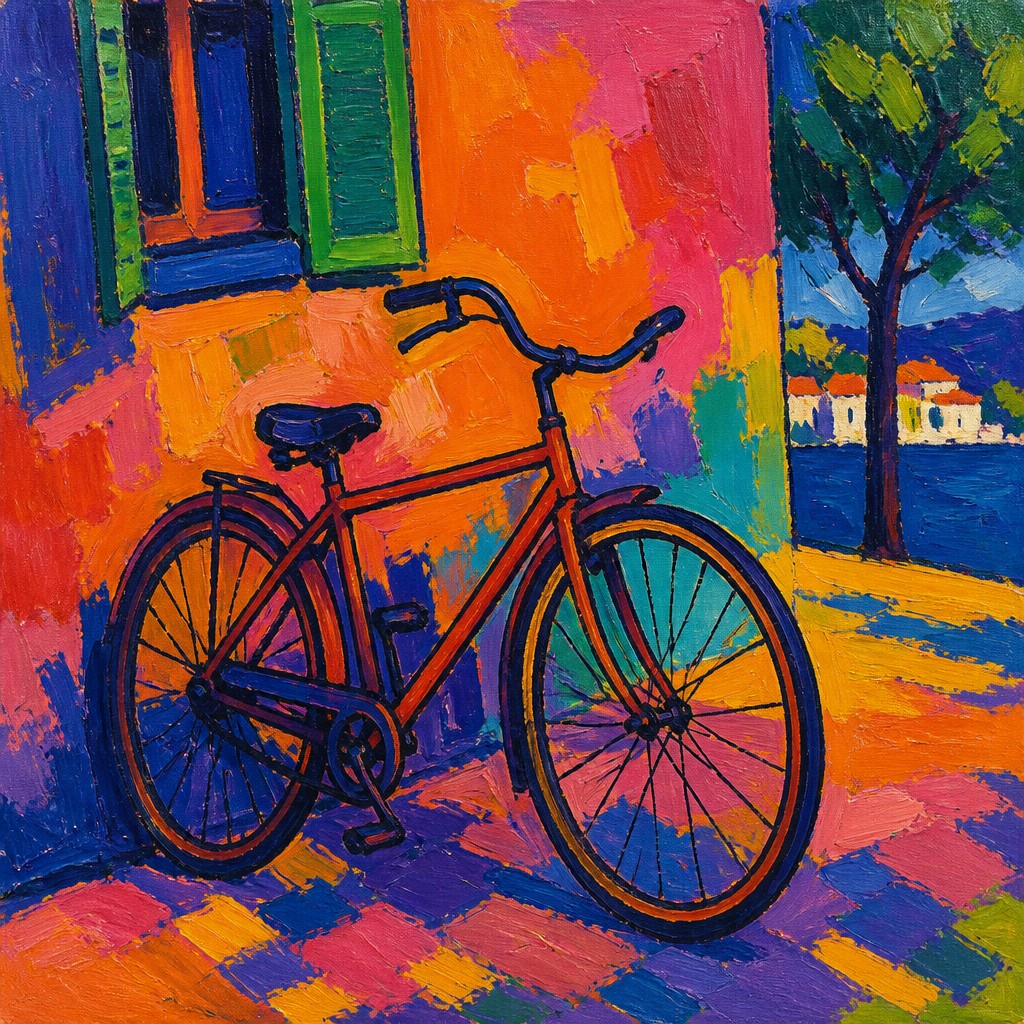
Fauvism is a modern art style defined by bold brushwork, intense pure color, and expressive palettes that often depart from natural appearance. It favors strong visual impact over realistic color, using simplified forms and energetic contrasts to create emotional immediacy.
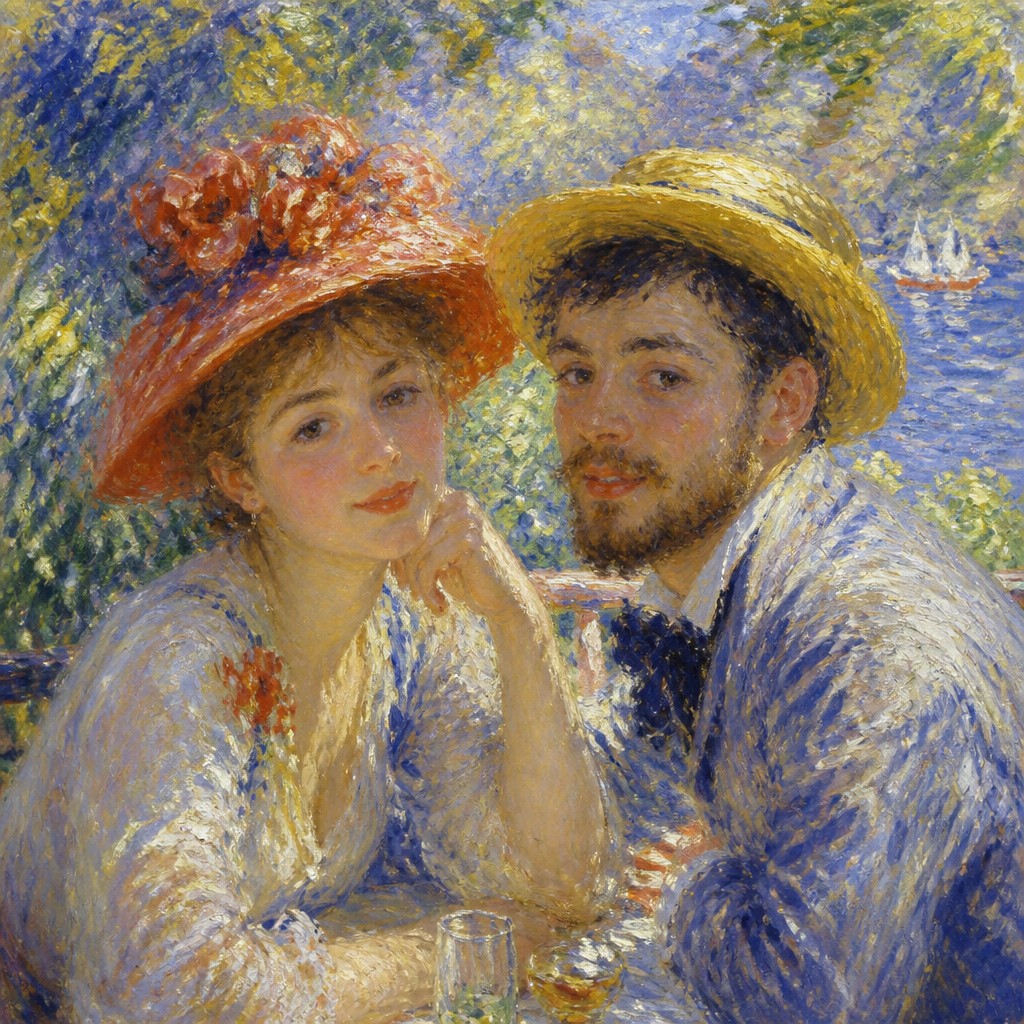
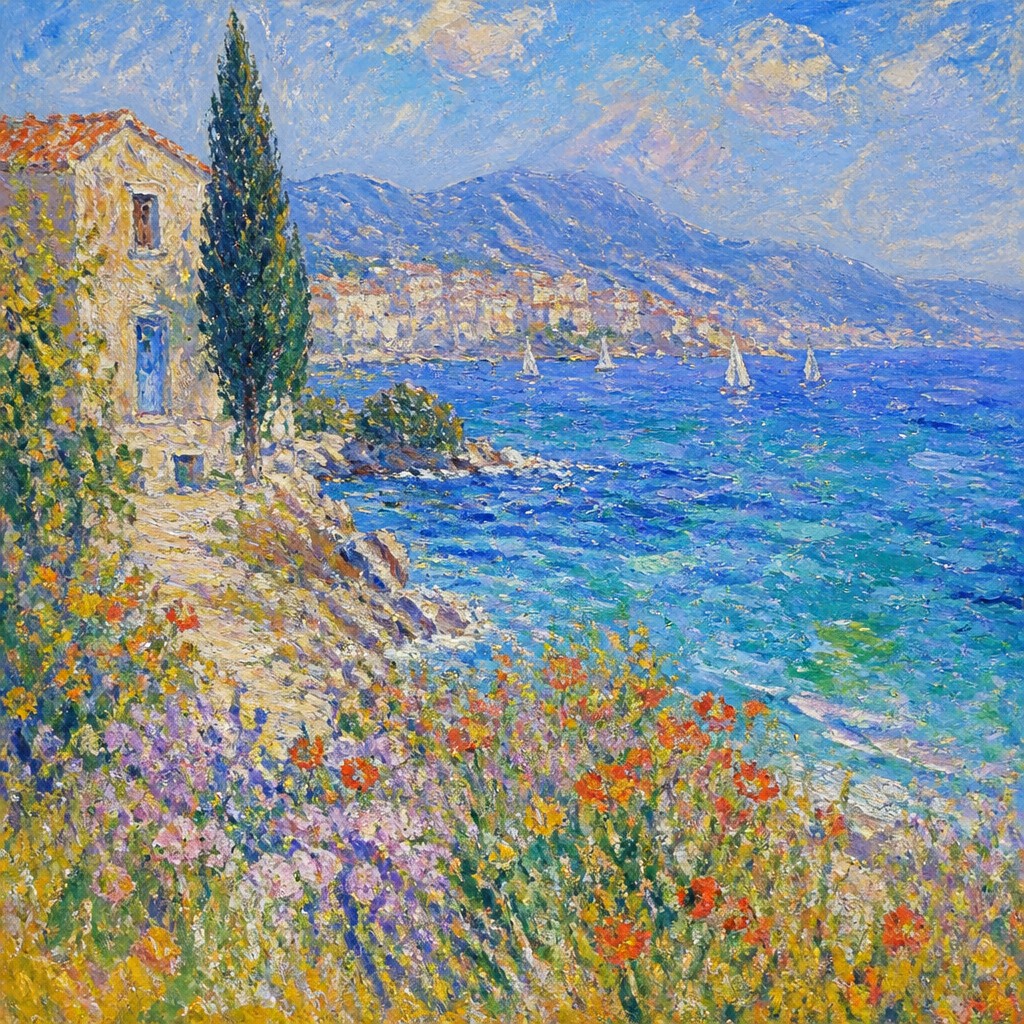
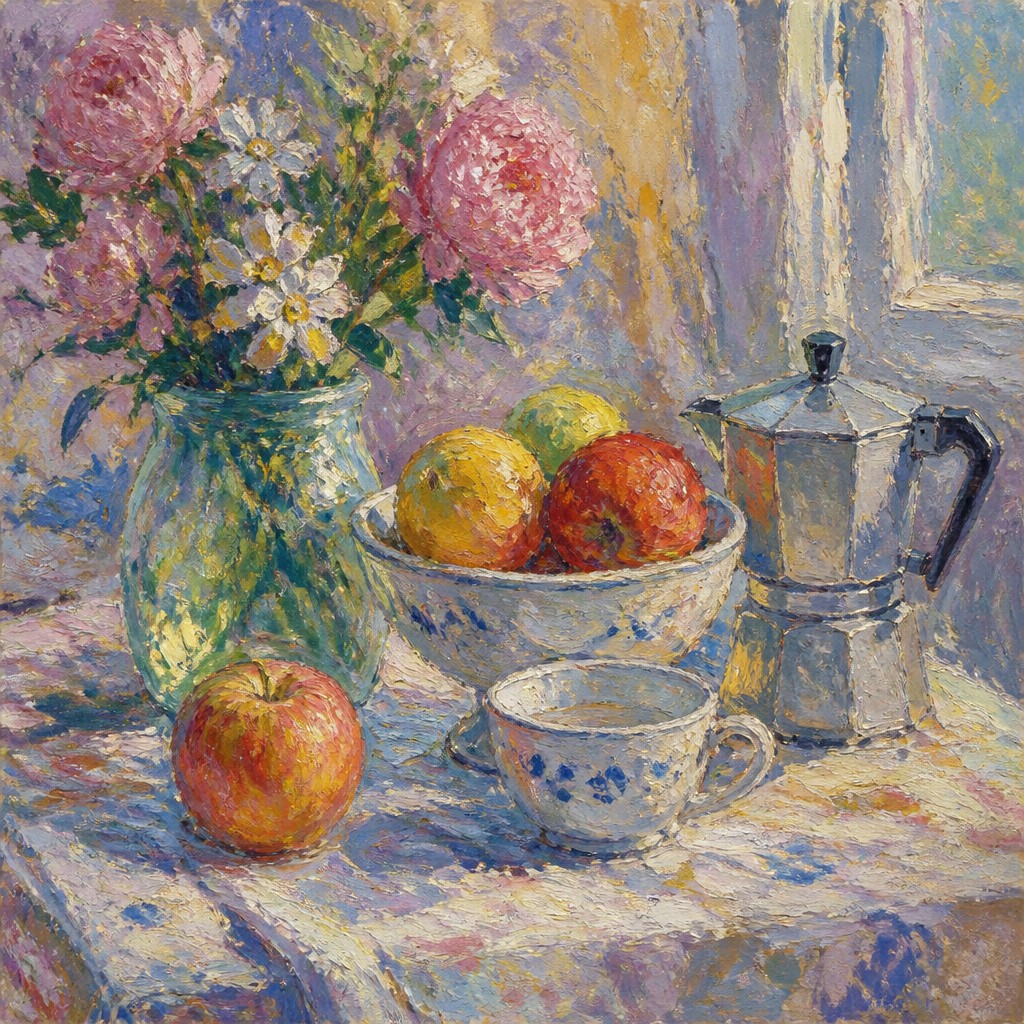
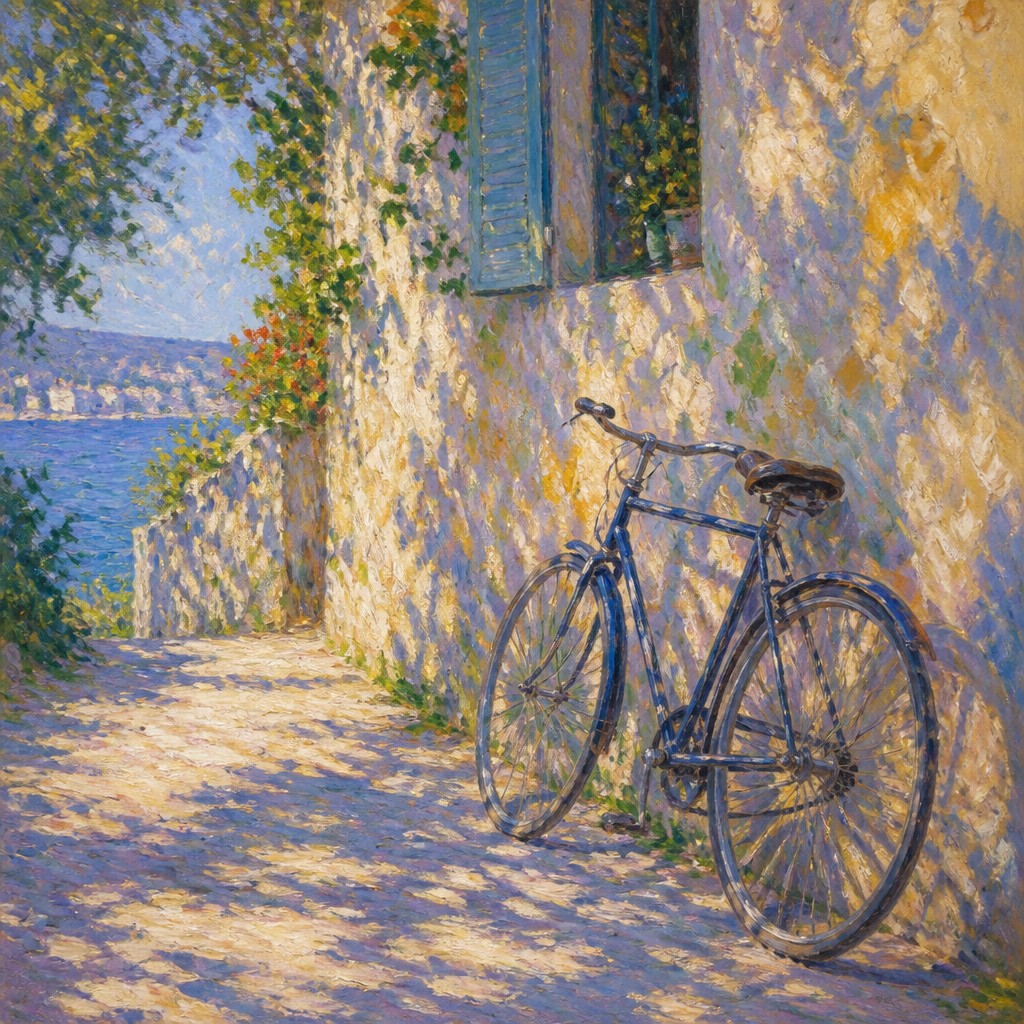
Impressionism is a light-filled painting style built around visible brushstrokes, broken color, and scenes that capture fleeting moments, especially outdoors. The two styles are often compared because both reject strict realism and use expressive color and painterly marks, yet they differ in purpose: Impressionism observes changing light, while Fauvism pushes color further for expression.
Same Prompt, Both Styles
Each pair below was generated from the identical prompt — only the style changed.
“portrait of two people together”
“wide landscape with natural scenery”
“still life with everyday objects”
“bicyle resting against a wall”
Key Differences
| Fauvism | Impressionism | |
|---|---|---|
| Color use | Uses pure, vivid, often unnatural color for expressive force. | Uses broken, light-reactive color to record natural effects. |
| Main goal | Prioritizes emotional impact and bold visual expression. | Prioritizes capturing atmosphere and momentary light. |
| Brushwork | Brushstrokes are energetic, direct, and visibly assertive. | Brushstrokes are loose, quick, and often shimmering. |
| Form and detail | Forms are simplified and often flattened for stronger color. | Forms remain more recognizable, with softer edges and detail. |
| Relationship to nature | Nature is a starting point, then color is freely transformed. | Nature is observed closely, especially changing light and weather. |
| Typical mood | Feels intense, vibrant, and sometimes dramatic or wild. | Feels airy, transient, and often calm or luminous. |
| Mood | bold, expressive, vibrant, rebellious | airy, luminous, fleeting, serene, evocative |
| Energy | intense | lively |
| Detail level | moderate | moderate |
| Color | saturated, unmixed, non-naturalistic primaries | bright, pure, light-washed, atmospheric |
| Texture | loose, vigorous, visible brushstrokes | visible brushstrokes, painterly, soft-edged |
| Origin | early 20th-century France | 19th-century France |
| Best for | posters, album covers, editorial art, decorative paintings, fashion graphics | landscapes, garden scenes, posters, editorial illustrations, album covers, wall art |
| Difficulty | moderate | moderate |
Which Should You Choose?
Choose Fauvism if you want artwork that feels bold, emotionally charged, and dominated by expressive color rather than realism. Choose Impressionism if you want a softer, light-sensitive look that captures atmosphere, movement, and the feel of a passing moment.
Frequently Asked Questions
Is Fauvism just brighter Impressionism?
Not exactly. Both use visible brushwork and non-photographic approaches, but Fauvism pushes color much farther from natural appearance. Impressionism usually aims to show how light truly looks in a moment, while Fauvism uses color more freely for expression.
Which style is more realistic?
Impressionism is generally closer to observed reality, especially in light and color relationships. Fauvism is more intentionally non-naturalistic, so it usually feels less realistic overall.
Do both styles use outdoor scenes?
Yes, but for different reasons. Impressionism often focuses on outdoor scenes to study changing light and atmosphere. Fauvism may also use landscapes or outdoor subjects, but color and expression are usually the main focus.
Which style is easier to recognize?
Fauvism is often easier to spot because of its intense, unnatural colors and simplified forms. Impressionism can be subtler, since it may look more natural at first glance while still using broken brushwork and luminous color.