Urban Impressionism Art Style
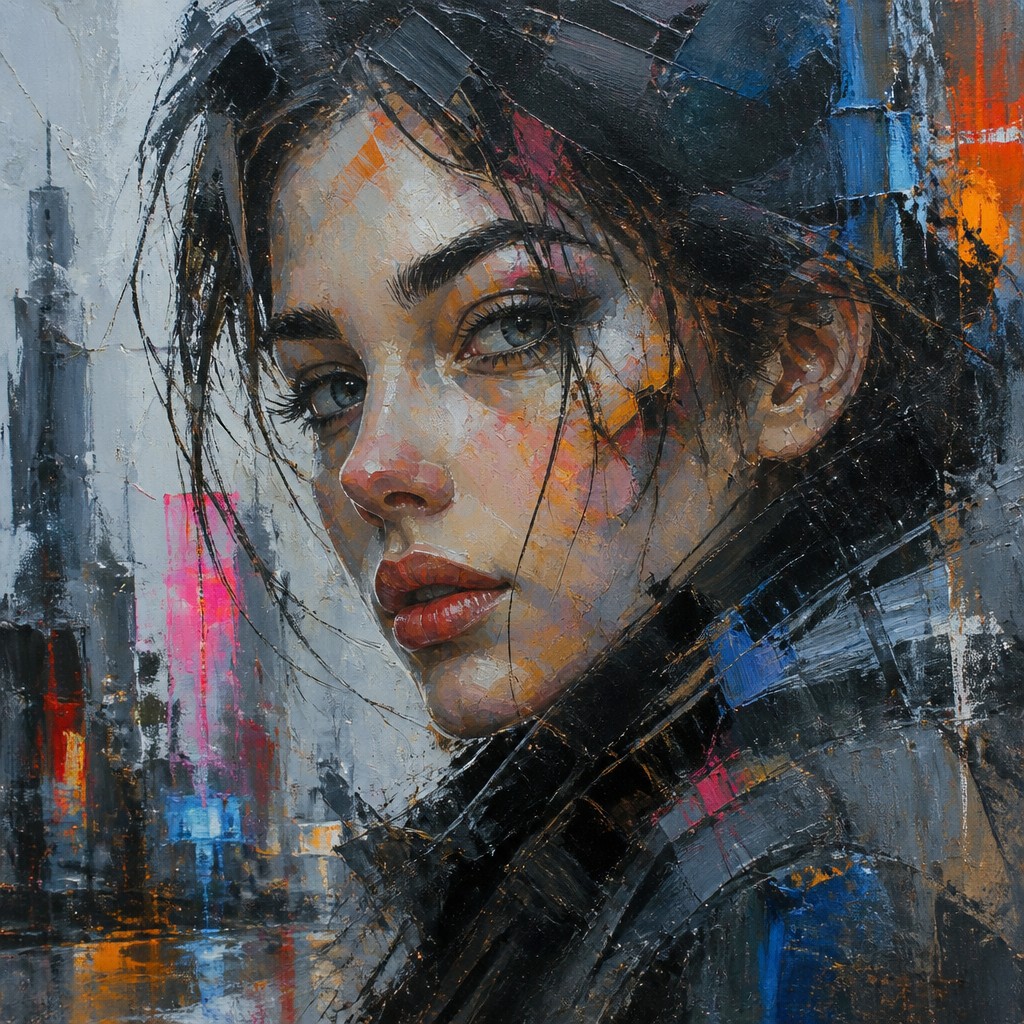
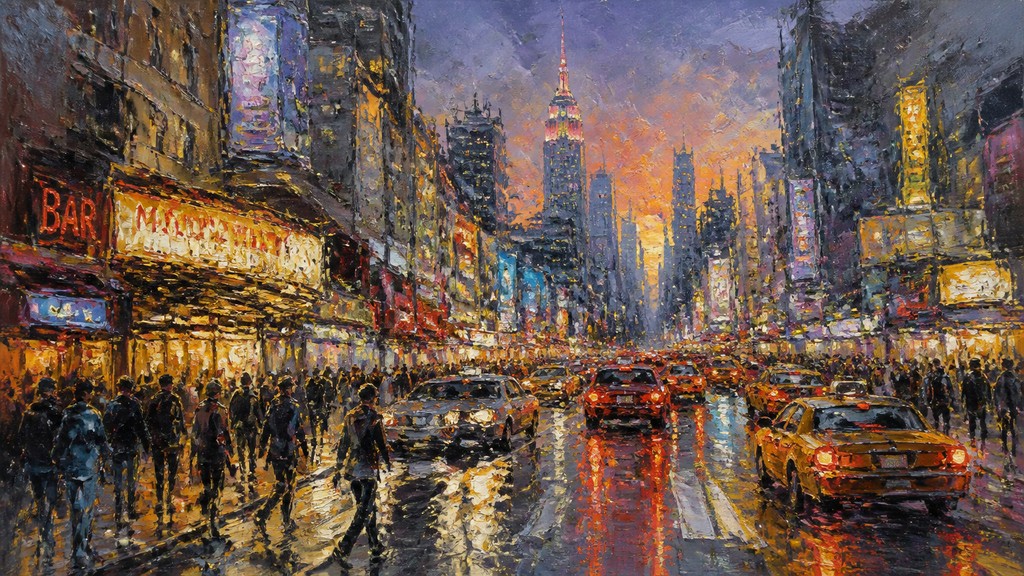
Urban Impressionism turns city scenes into vibrating color and motion with rapid brushwork, impasto texture, and neon-lit atmosphere.
Instantly rendered in Urban Impressionism — or transform a photo
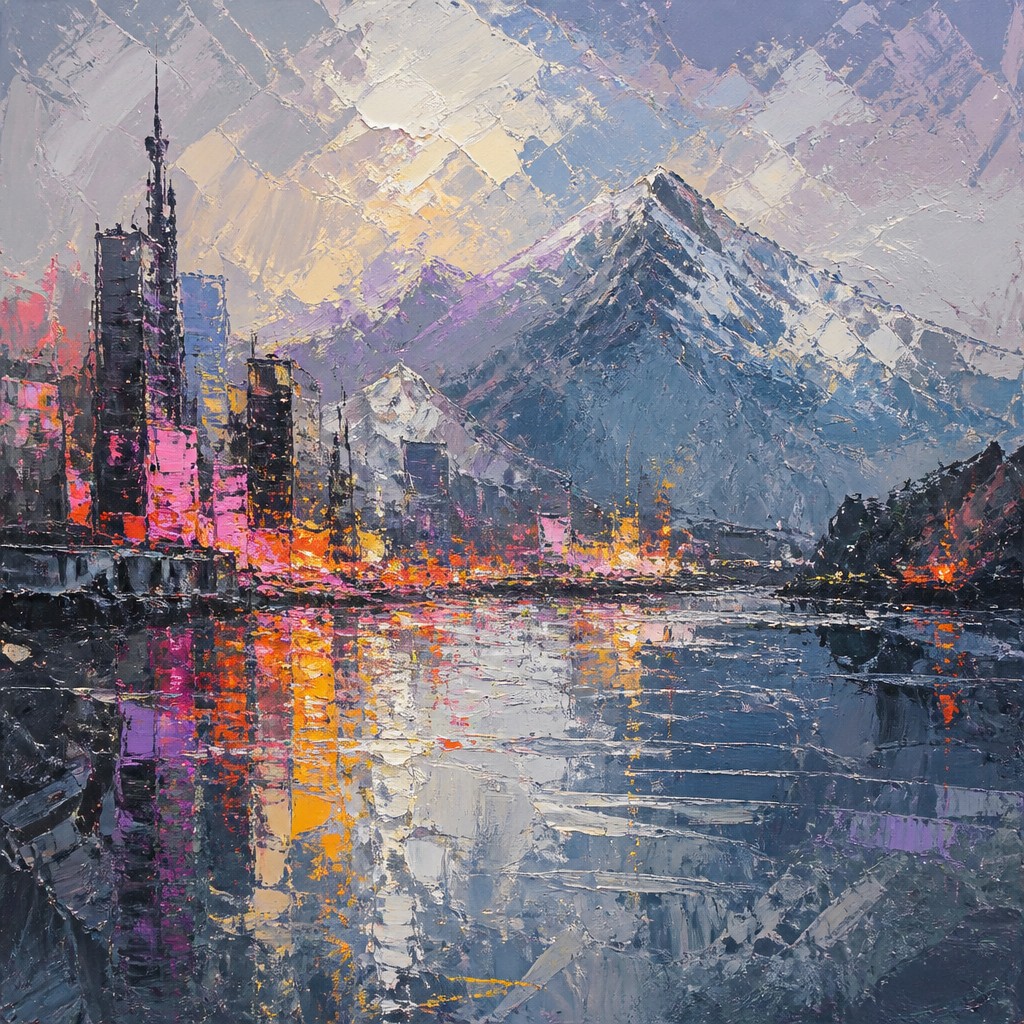
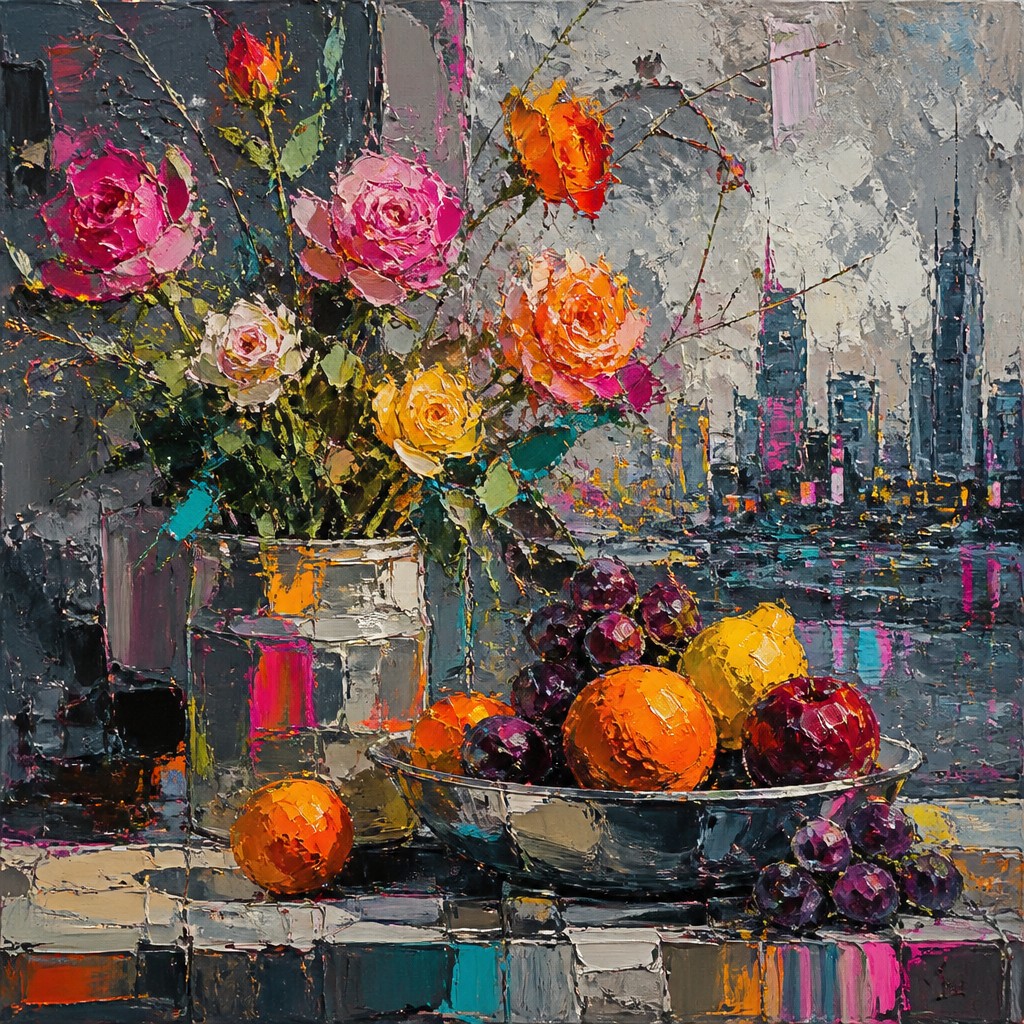
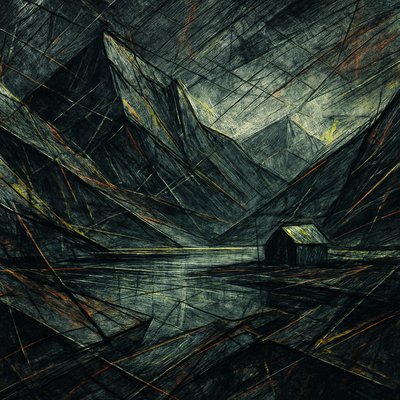
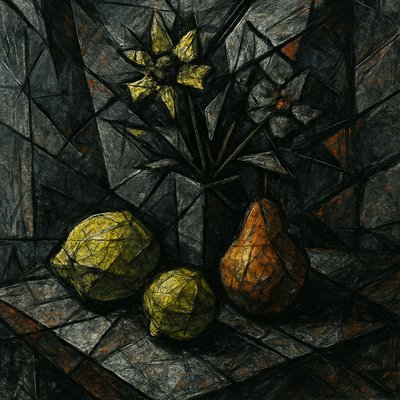
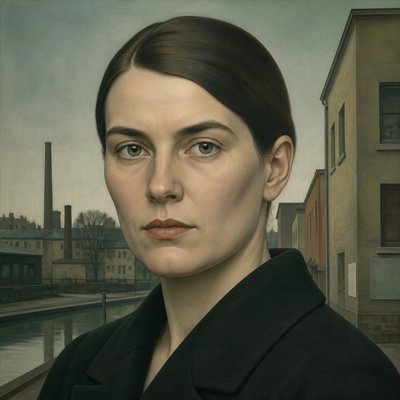
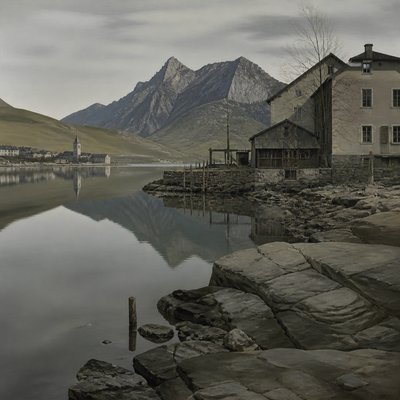
Urban Impressionism Gallery
Tap any artwork to explore it
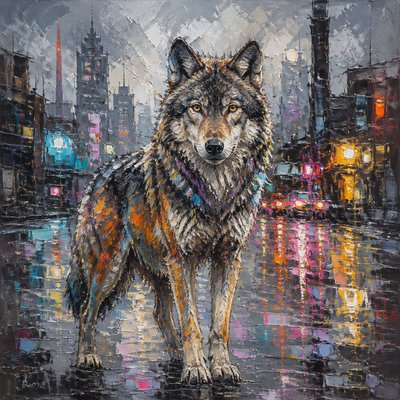
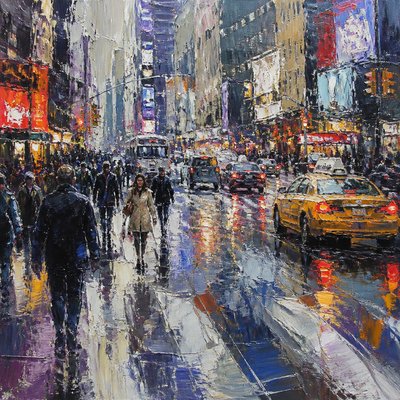
What is Urban Impressionism Art Style?
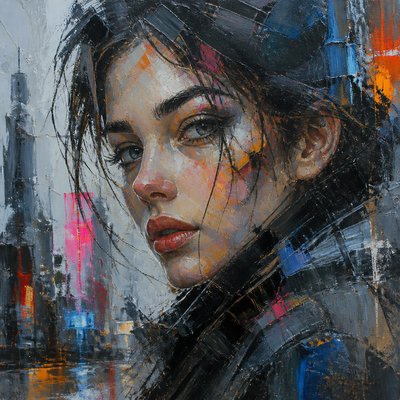
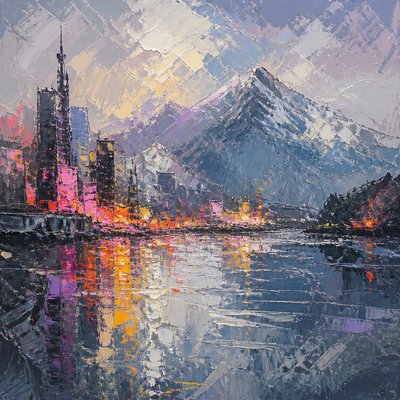
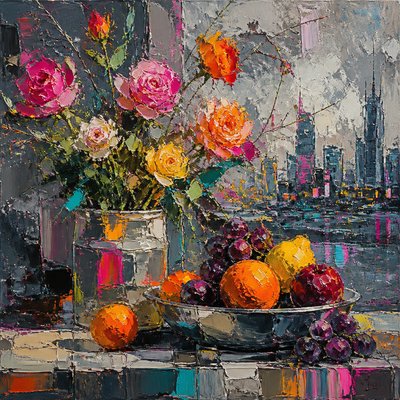
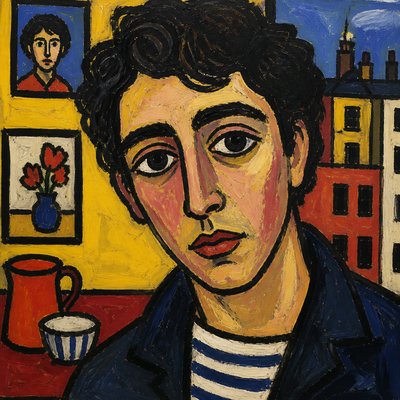
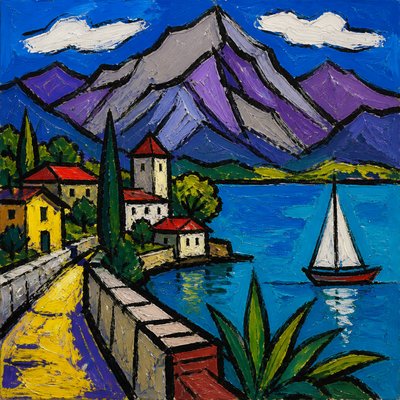
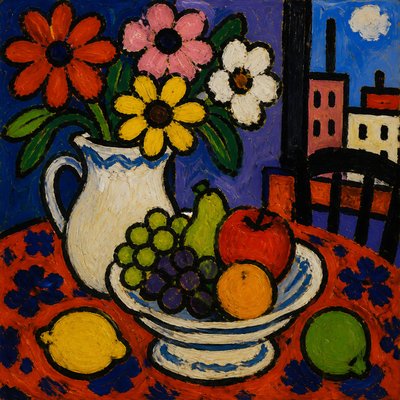
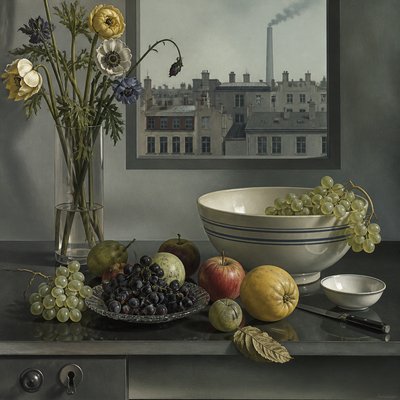
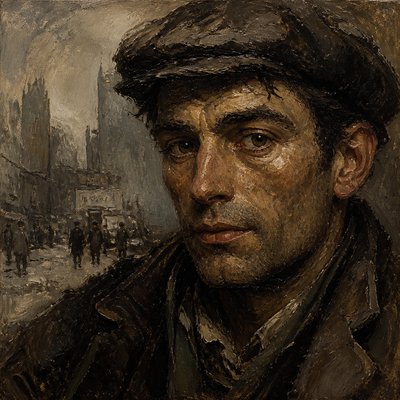
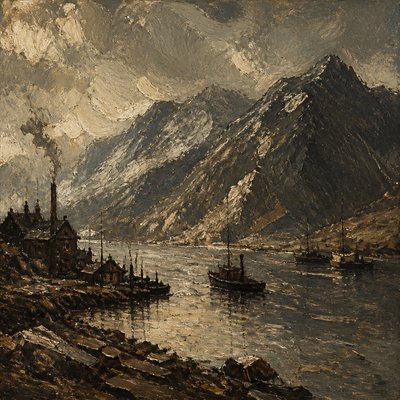
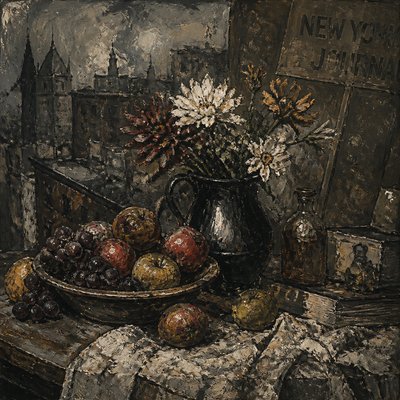
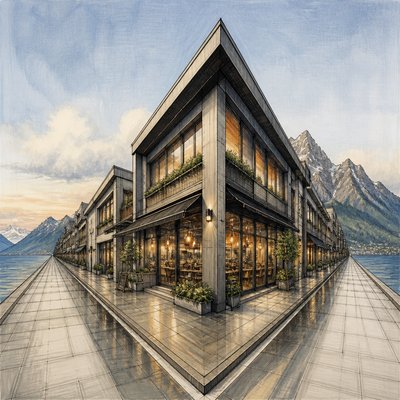
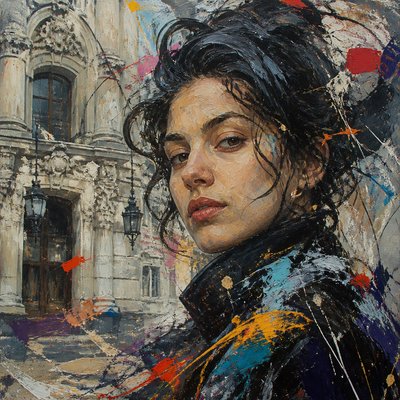
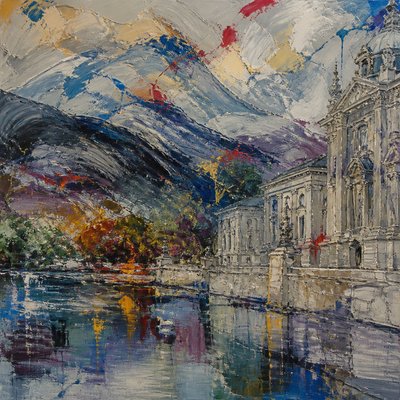
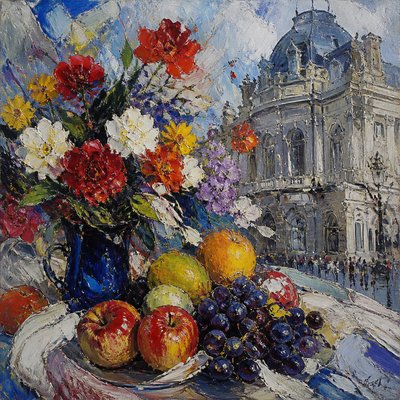
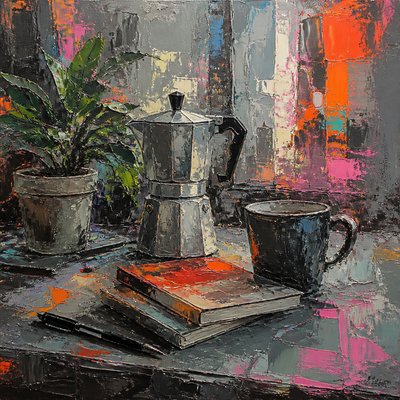
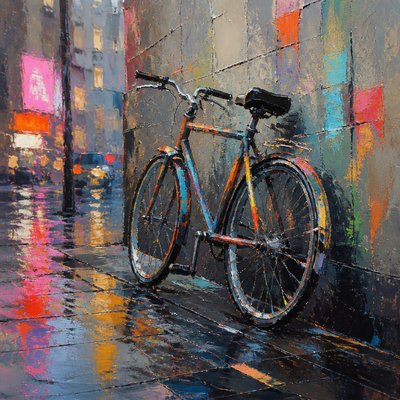
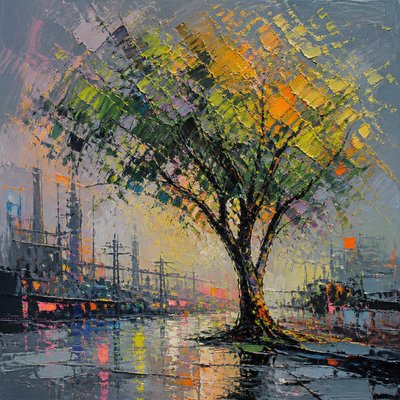
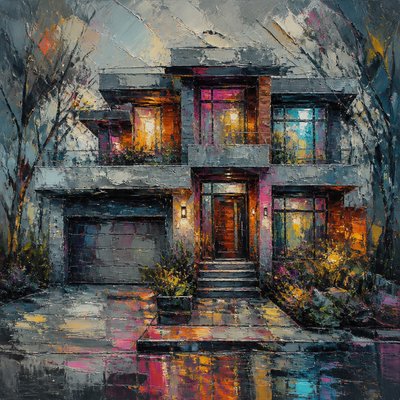
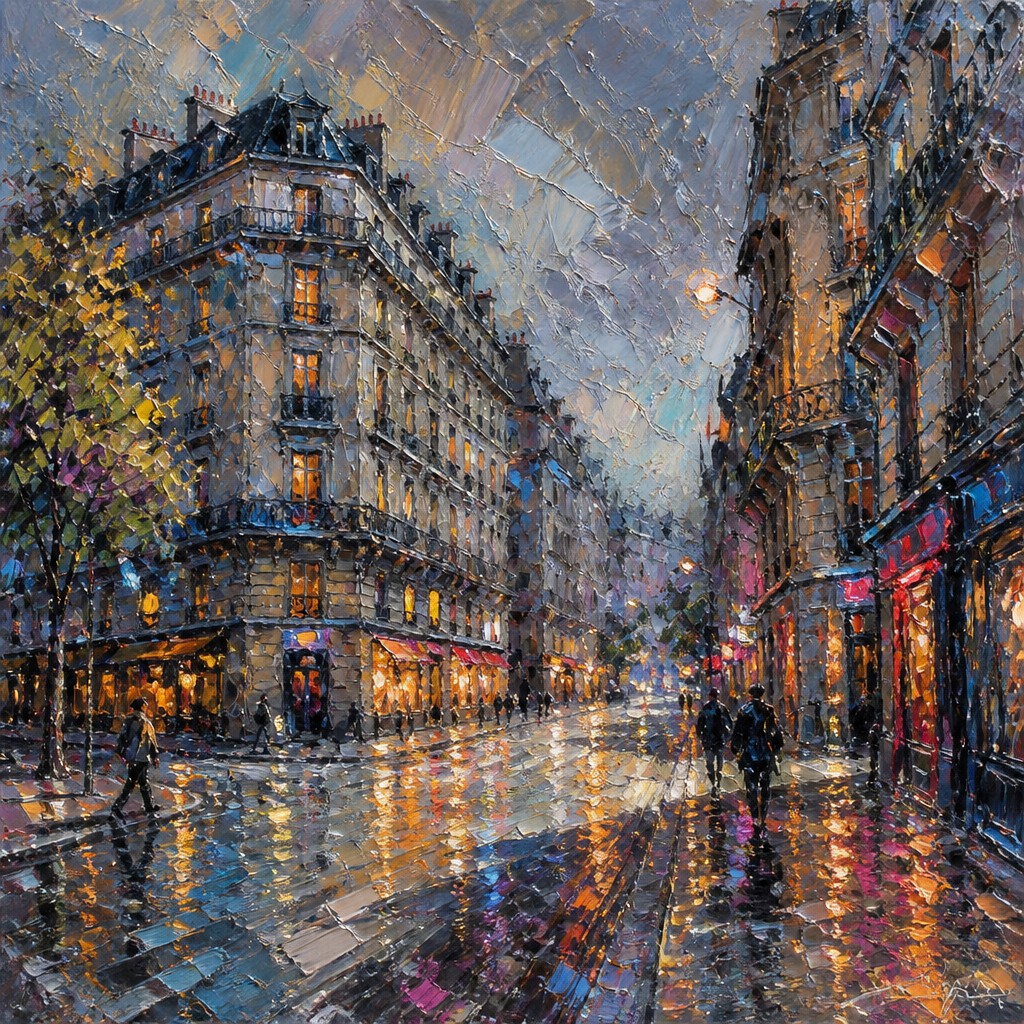
Urban Impressionism is a contemporary city-based painterly style that applies Impressionist principles to modern streets, transit, skylines, and interiors. Rather than describing architecture with crisp contour, it treats the city as a field of shifting light, reflected color, and momentary movement. Concrete, glass, steel, traffic, and crowds are translated into broken strokes and luminous patches that suggest sensation before detail.
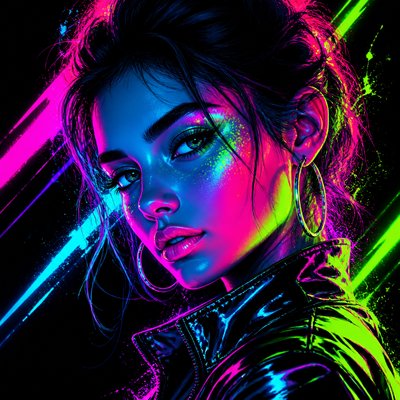
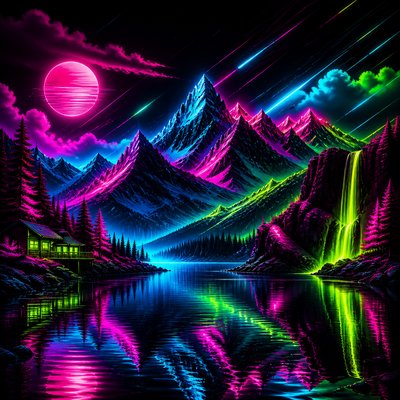
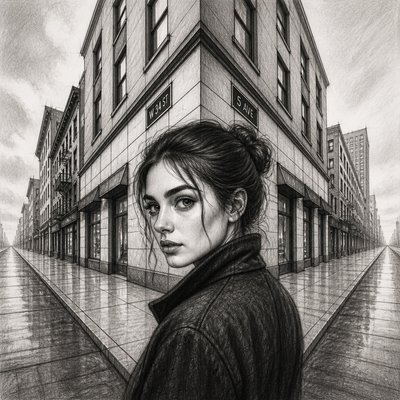
Its visual identity comes from the tension between structure and dissolution. Buildings may still be legible, but their edges soften into atmospheric haze, while passing cars, neon signs, wet pavement, and twilight reflections are rendered as flickering color relationships. The result is energetic and immediate: a modern urban scene seen as a sequence of visual impressions rather than a fixed architectural record.
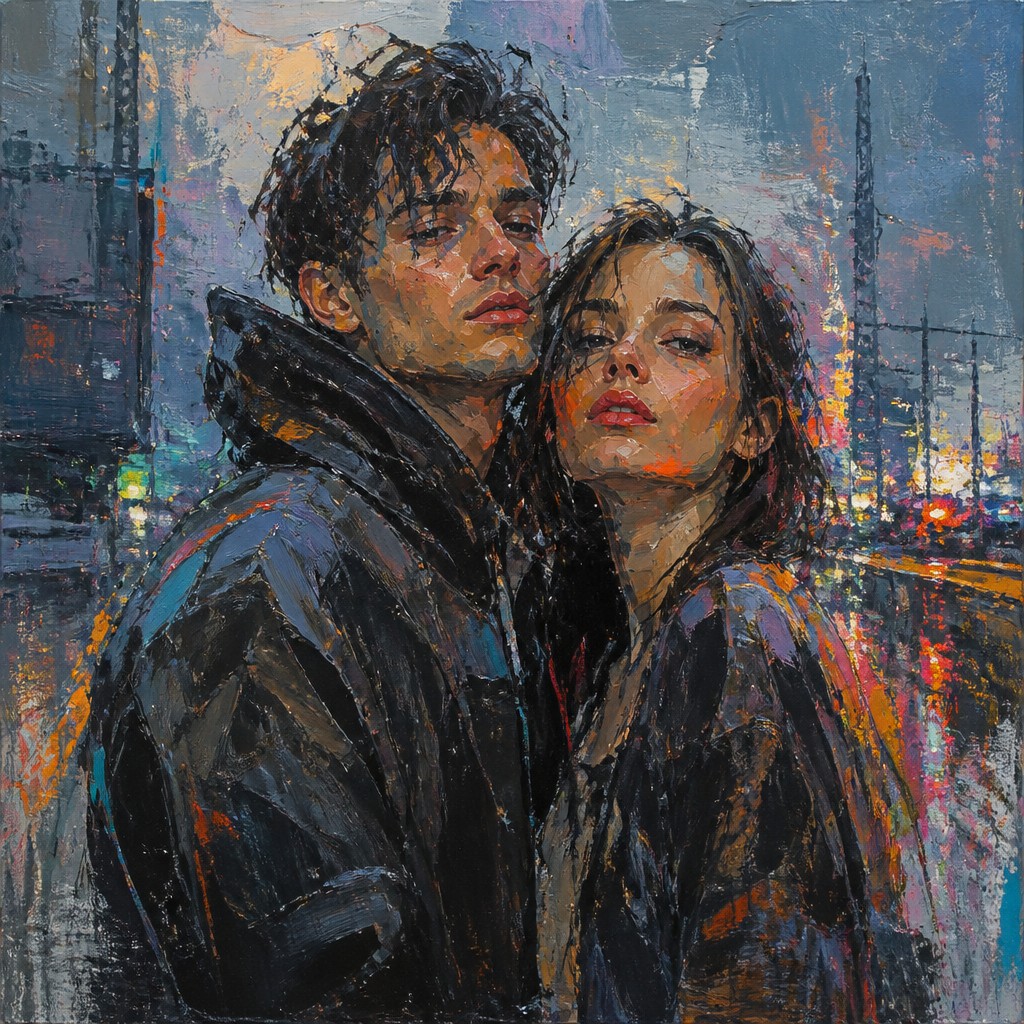
Try It On Your Photos
Upload any photo and convert it into Urban Impressionism Art Style — drag the sliders to compare before and after.
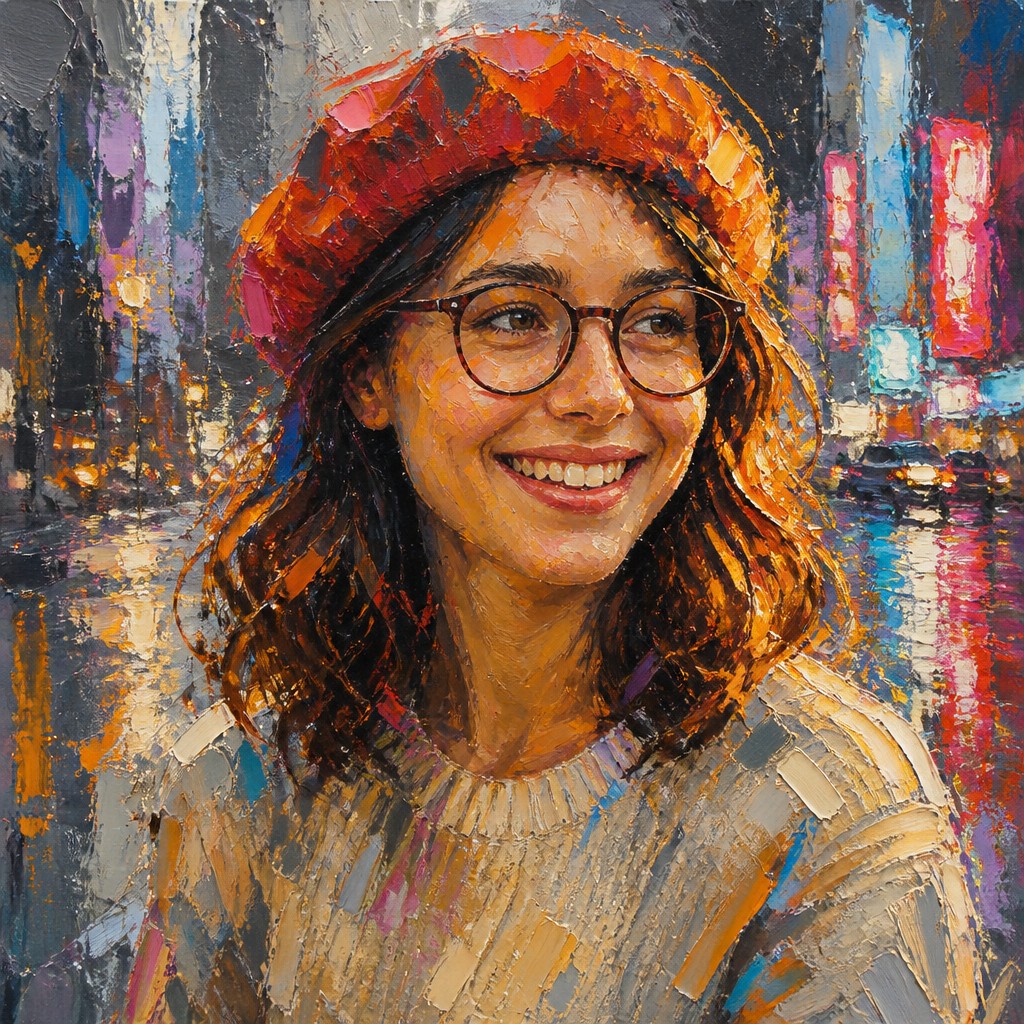


What Defines Urban Impressionism Art Style
The signature details, up close
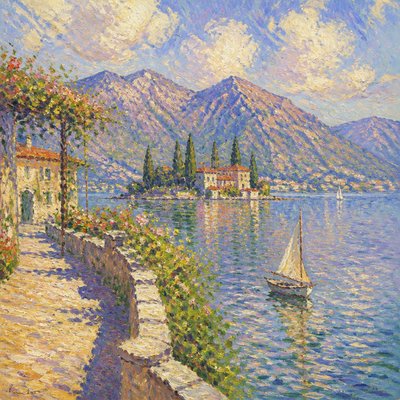
Broken brushwork
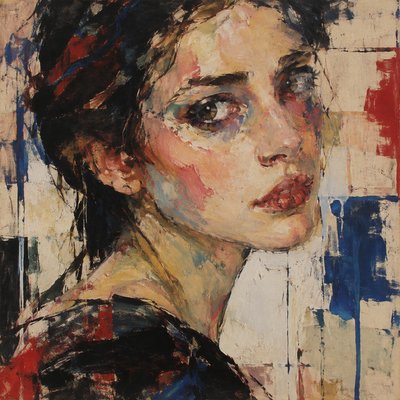
Forms are built from rapid, visible strokes rather than smooth blending. The brushwork often remains directional and energetic, making the surface feel active and unfinished in a deliberate way.
Vibrating color contrasts
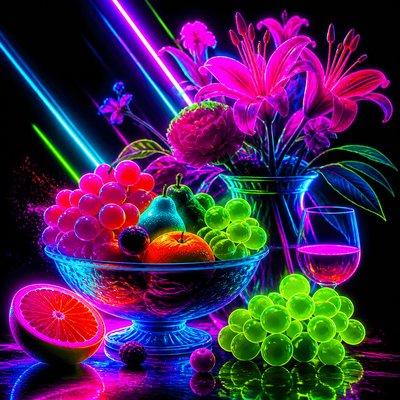
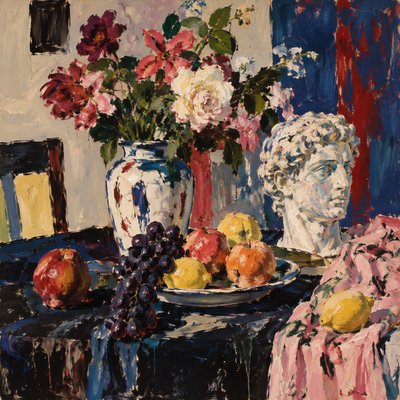
Complementary hues are placed side by side to create optical shimmer. Greys and neutrals are enlivened by blues, violets, reds, and neon highlights that seem to pulse against one another.
Impasto texture
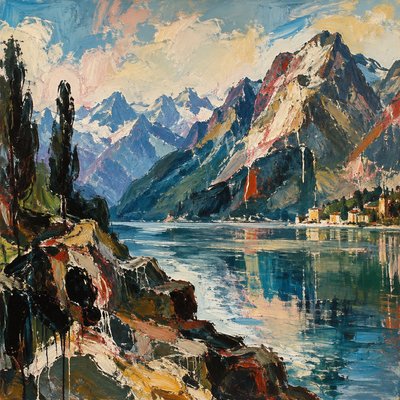
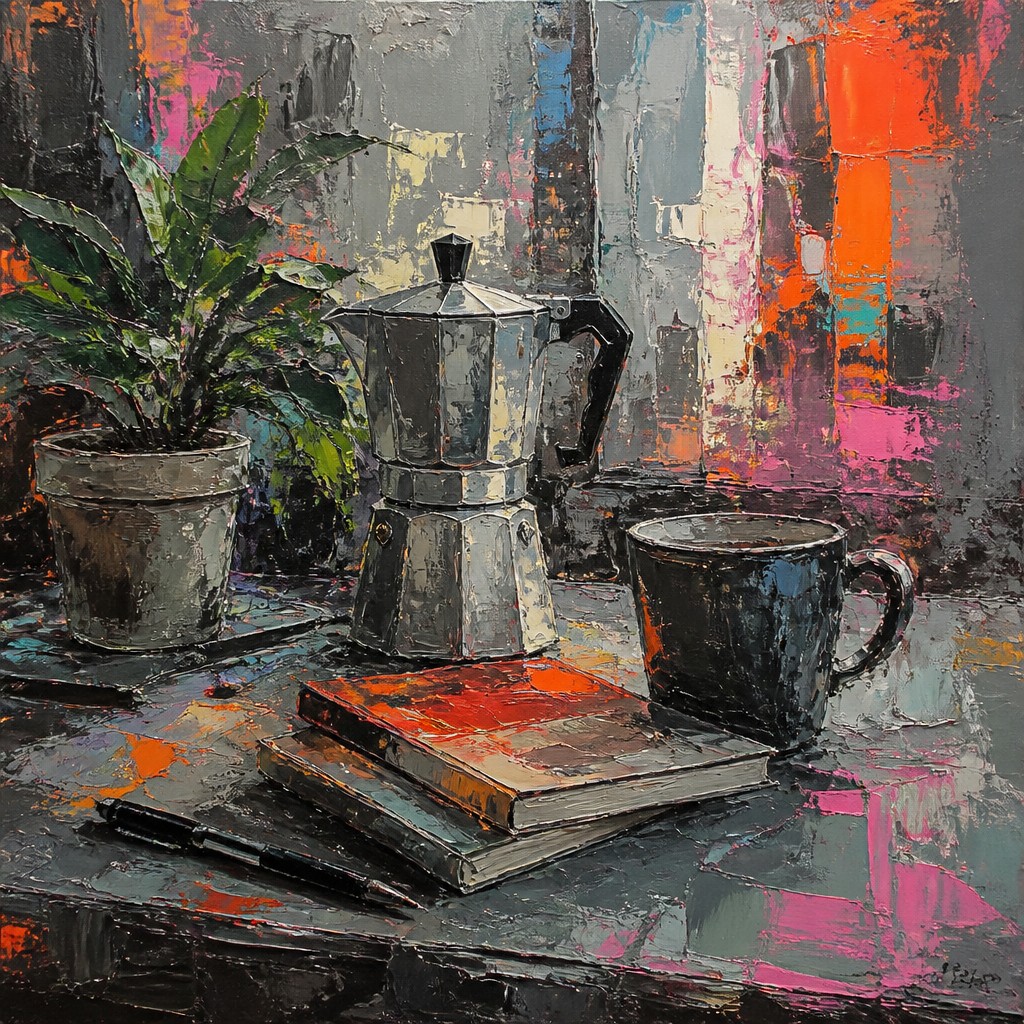
Paint handling is thick and tactile, with ridges, loaded bristles, and layered pigment. This physical surface quality helps the scene read as painted light rather than polished illustration.
Atmospheric urban light
Streetlamps, shop signs, headlights, reflected windows, and rainy haze provide the main illumination effects. Light is often fragmented across surfaces instead of modeled with clean tonal gradients.
Industrial palette with accents
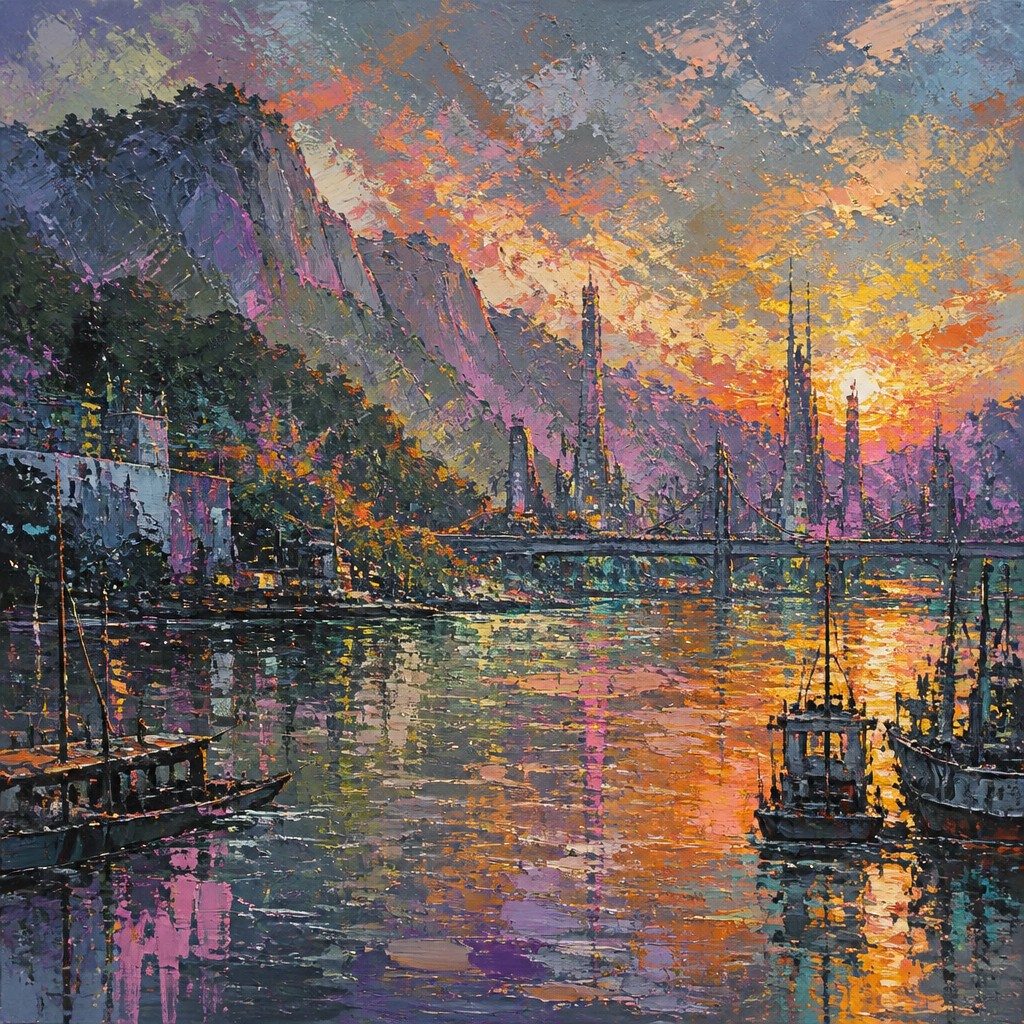
The base palette usually centers on steel greys, asphalt blacks, concrete whites, and muted browns. These are energized by saturated accent colors such as electric blue, magenta, amber, or acid green.
Motion and transience
People, vehicles, and weather are frequently suggested through blur, streaking, or partial abstraction. The scene feels like a passing moment captured in paint rather than a static architectural study.
Try It
Create Videos in Urban Impressionism Art Style
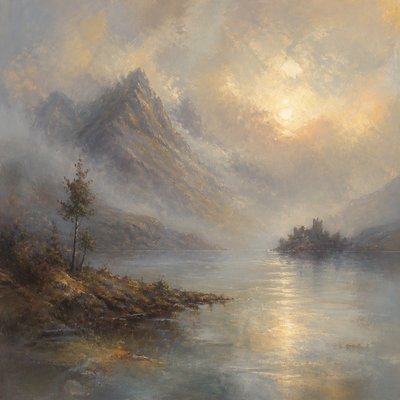
Styles aren't just for stills — describe a scene or animate an image and get a short video rendered in Urban Impressionism. Press play to see this pond come to life.
Make a VideoUrban Impressionism Prompt Ideas
Start from an idea — each one opens the generator with the style ready to go. See all 40 Urban Impressionism prompts →
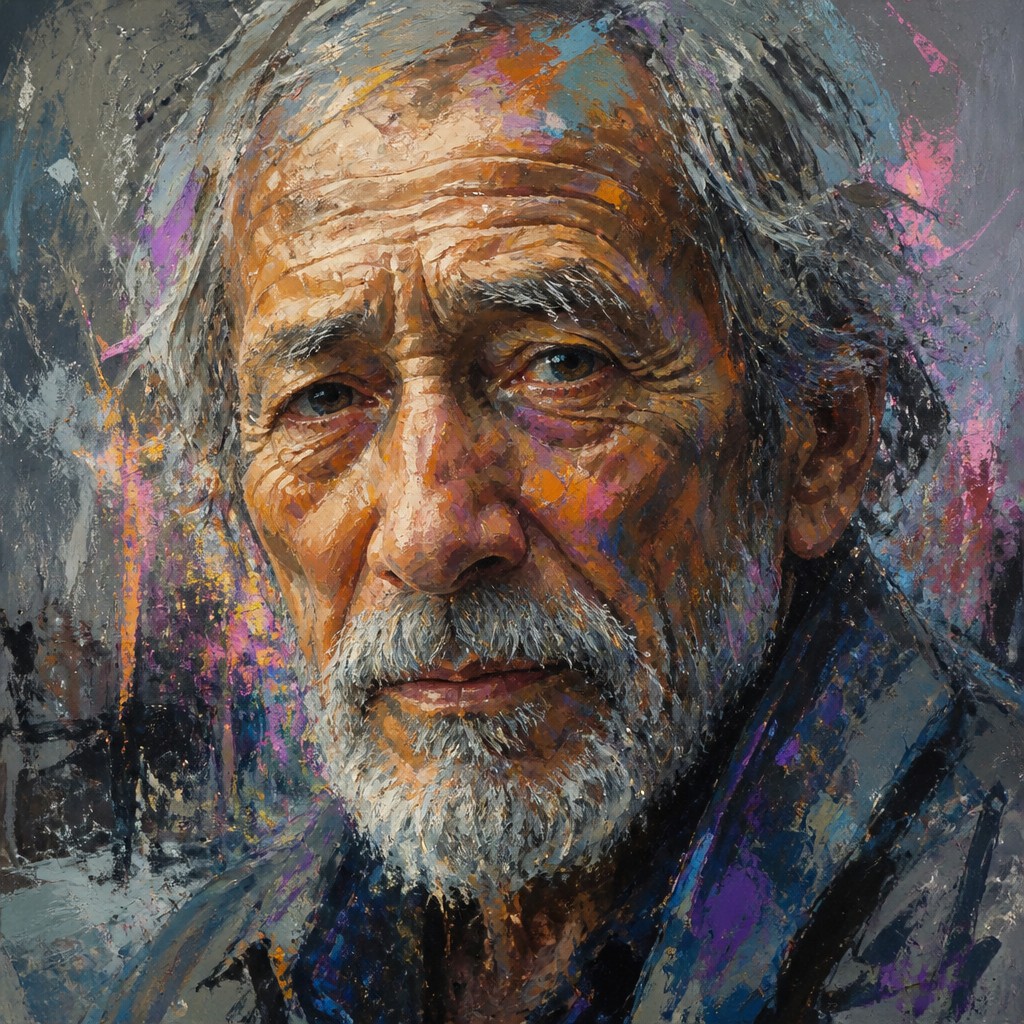
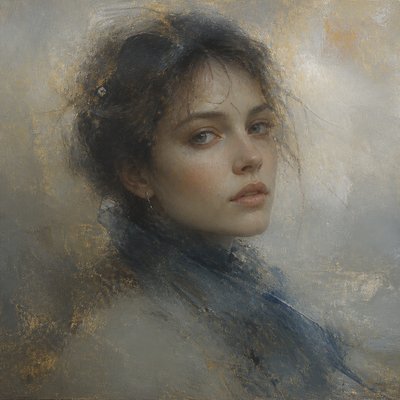
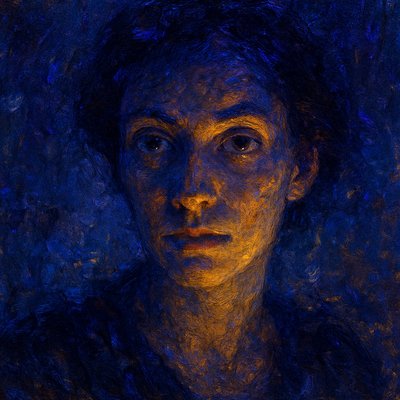
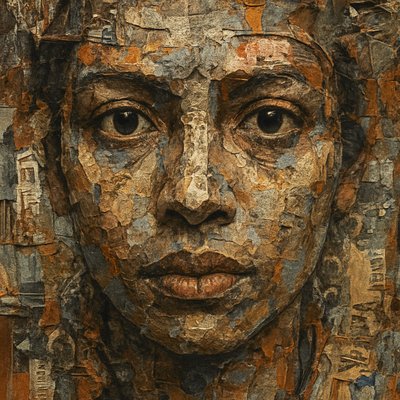
“close-up portrait of an elderly person with expressive weathered features”
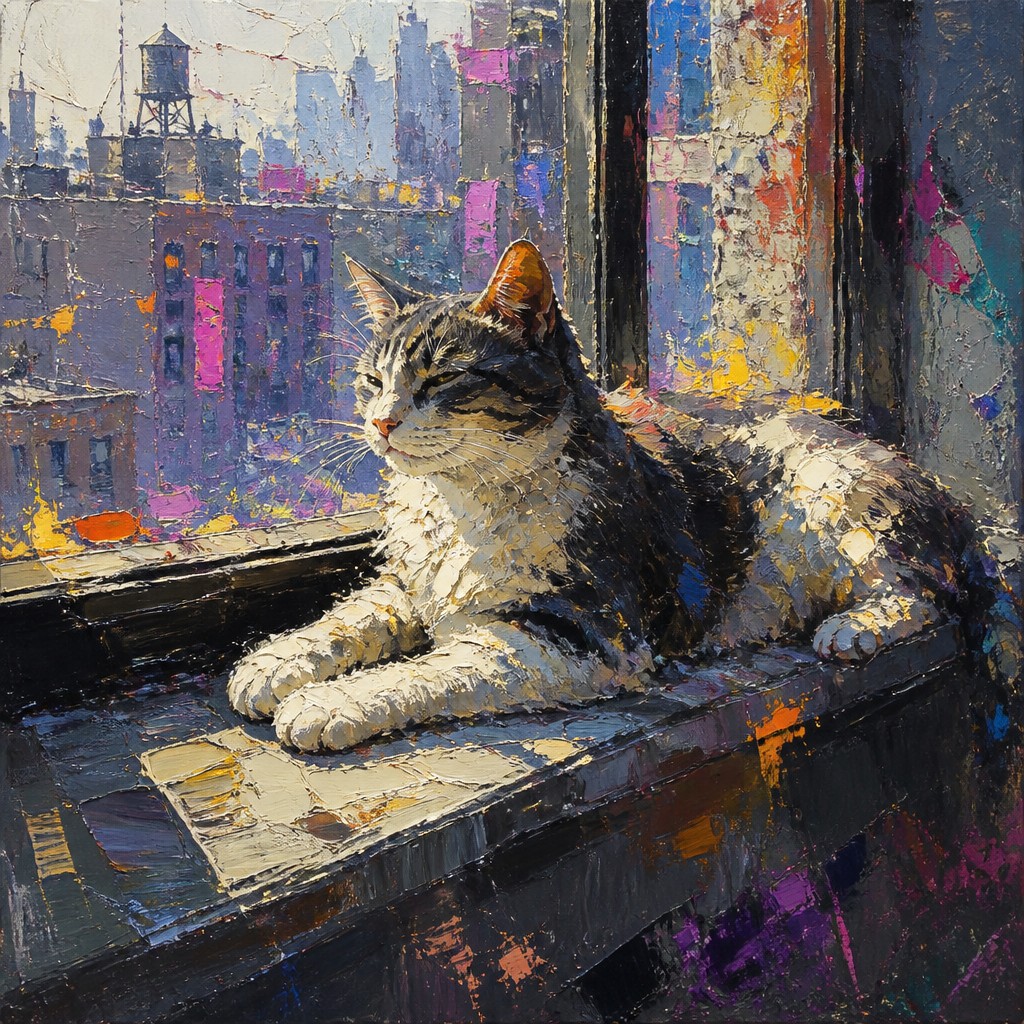
“a cat lounging in a sunlit window”
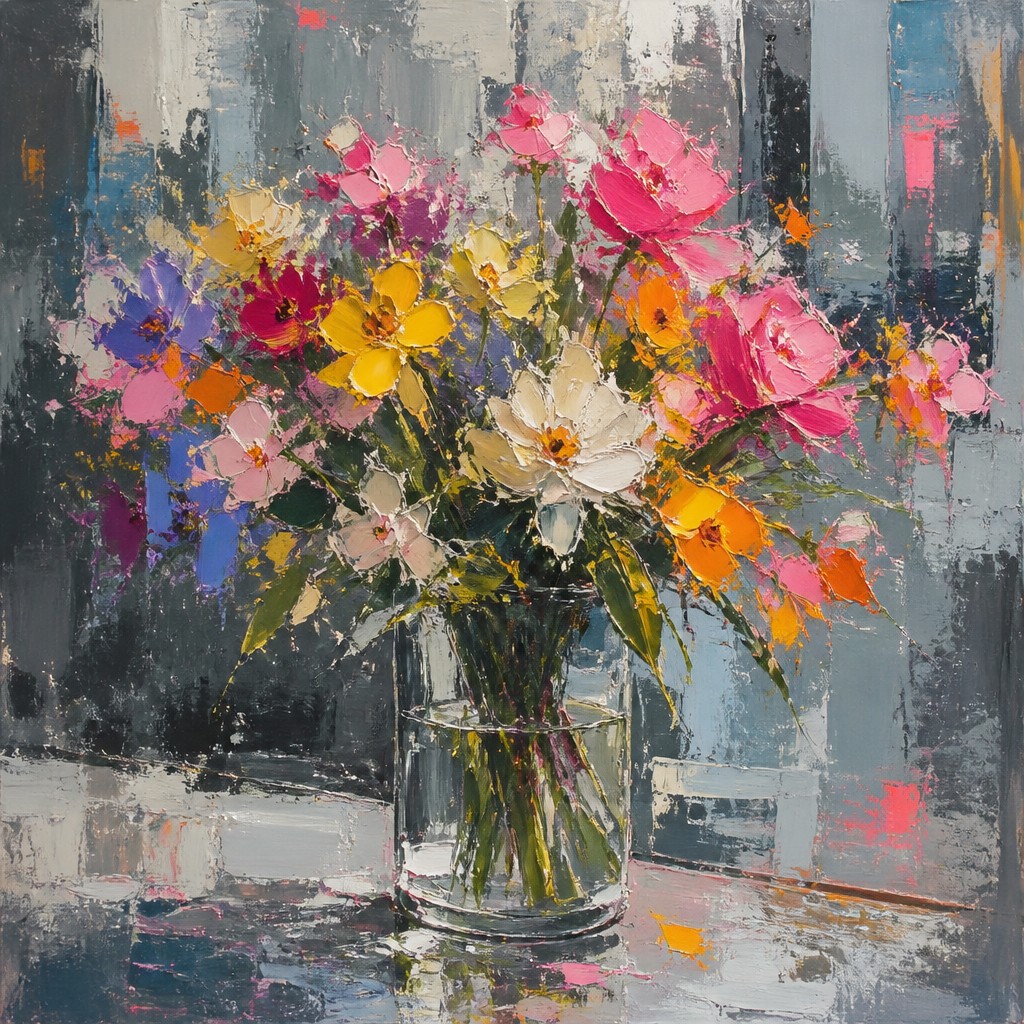
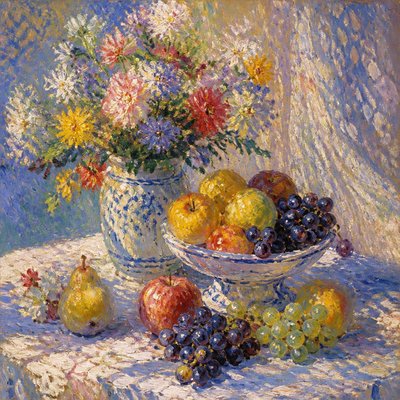
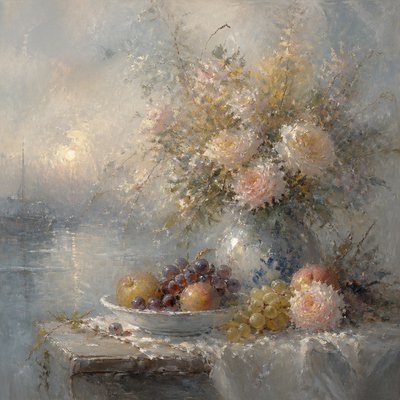
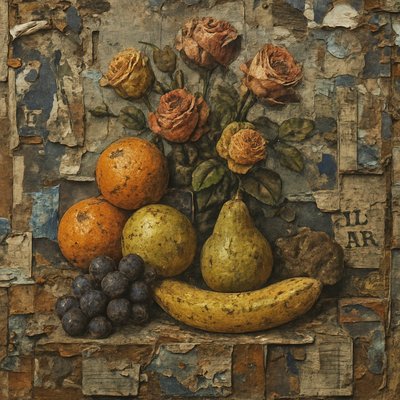
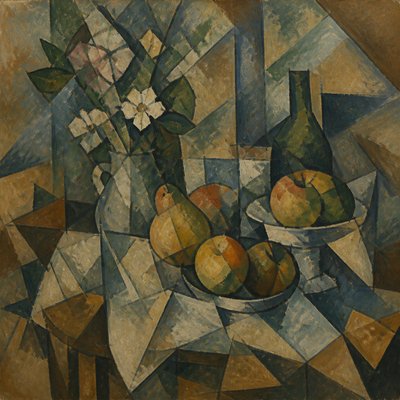
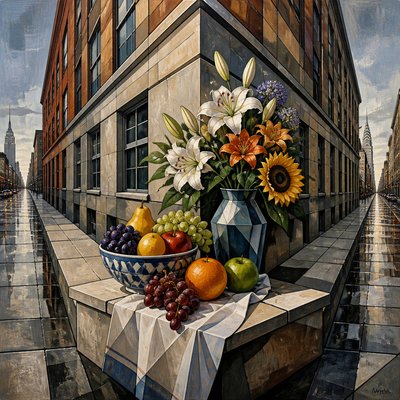
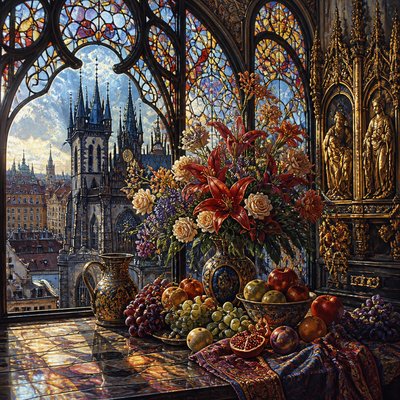
“bouquet of flowers in a glass vase”
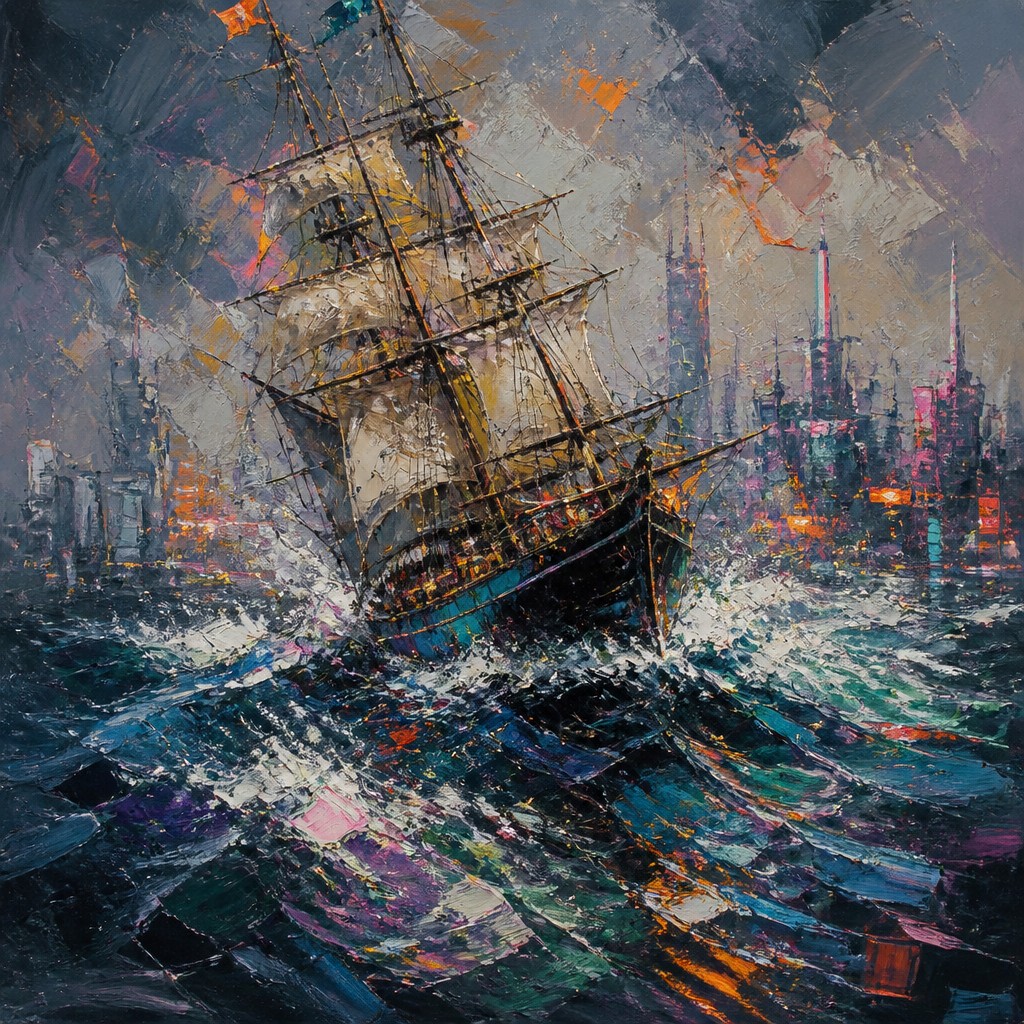
“sailing ship on a stormy sea”
How to Create Urban Impressionism Art
Master the craft step by step — or skip straight to creating. Read the full guide →
- 1
Build the scene from light sources first
Start by identifying the brightest urban accents—windows, signage, traffic, reflections, or sunset glow—and organize the composition around them. In traditional painting, block these areas in early with broken strokes; in digital work, use layered brushes and textured blending to preserve a painted surface.
- 2
Use short, directional strokes instead of outlines
Avoid hard contour drawing except where a structural edge is necessary. Shape buildings, roads, and figures through clusters of strokes that follow form and movement, so the city appears constructed from paint rather than line art.
- 3
Limit the palette, then electrify it
Keep most of the image in restrained urban neutrals, then introduce a few high-chroma accents for contrast. Prompt-based generation works well when you specify steel greys, concrete neutrals, neon highlights, haze, and broken complementary color.
- 4
Emphasize wet surfaces and reflected color
Rain, puddles, glass, and polished pavement are ideal because they create opportunities for fragmented reflections. In prompts, mention wet streets, reflective windows, evening traffic, or mist to encourage luminous, painterly color scattering.
- 5
Let edges dissolve
Keep the core of buildings or figures readable, but soften peripheral details into abstract patches. This creates the impression of movement and atmosphere, especially when rendering crowds, trains, or city lights.
- 6
Describe the mark-making explicitly in prompts
For digital or AI-assisted generation, include terms like rapid gestural brushstrokes, thick impasto, visible paint application, wet-on-wet handling, and vibrating optical shimmer. These cues help push the image away from realism and toward painterly urban impression.

The Story
History & Origins of Urban Impressionism
Urban Impressionism is not a single historical movement with a fixed founding date; it is a contemporary aesthetic lineage that extends the aims of Impressionism into the subject matter of modern urban life. It draws on the Impressionists’ concern with transient light, direct observation, and broken color, but shifts the setting from gardens, rivers, and leisure scenes to streets, subways, skylines, and industrial environments.
Its development is also shaped by later painterly traditions that embraced gestural mark-making and urban subject matter, including Post-Impressionism and aspects of Expressionism. In digital and illustrative practice, the style often synthesizes plein-air looking with layered paint effects, allowing artists to evoke rain-slick pavement, reflected signage, and night city glow through brushwork rather than photographic detail.
Influences: Urban Impressionism is most closely related to Impressionism, especially the work of leading French Impressionist painters whose paintings prioritized transient light and broken color. It also overlaps with Post-Impressionism and Expressionism in its willingness to stylize form and intensify mood, while borrowing from modern city photography, plein-air painting, and painterly digital illustration.
Frequently Asked Questions
What defines Urban Impressionism?
It is defined by impressionist brushwork applied to city subjects: streets, skylines, transit, crowds, and industrial architecture. The style emphasizes fleeting light, movement, and optical vibration rather than crisp realism. Its surfaces usually show visible paint texture and broken color relationships.
How is it different from traditional Impressionism?
Traditional Impressionism often focused on rural scenes, gardens, leisure, and changing natural light, especially in the late 19th century. Urban Impressionism keeps the same attention to momentary perception but shifts the subject matter to contemporary city life and industrial environments. The palette is often cooler and more concrete, with neon or artificial light playing a larger role.
Is Urban Impressionism a historical art movement?
No single canonical historical movement is universally known by that exact name. It is better understood as a contemporary aesthetic lineage built from Impressionist painting, later painterly modernism, and urban subject matter. The style is useful as a descriptive category for modern works that merge city imagery with impressionist handling.
What subjects work best in this style?
Rainy streets, skylines at dusk, subway stations, rooftops, cafes, intersections, and industrial waterfronts all work especially well. Scenes with reflections, haze, and strong artificial lighting tend to produce the most characteristic effects. People and vehicles should usually be treated as moving elements rather than sharply detailed figures.
How can I make a photo look like this style?
Use painterly transformation that softens edges, introduces visible brush texture, and shifts the image toward broken color and atmospheric haze. Prioritize luminous highlights, reduce microscopic detail, and preserve the underlying city structure only where it supports the composition. Wet pavement, neon signage, and twilight lighting are especially effective source images.
Where is Urban Impressionism commonly used?
It is often used for cityscape paintings, editorial illustration, poster art, album artwork, and concept imagery for contemporary urban themes. The style suits scenes that need both atmosphere and motion, especially when the goal is to make a familiar city feel transient and alive.
Create your first Urban Impressionism artwork
Describe anything — or upload a photo — and see it in Urban Impressionism Art Style in seconds.
Make Something with Urban Impressionism
Compare Urban Impressionism
Related Styles
Discover similar art styles