Two-Point Perspective Art Style
Explore two-point perspective art: architectural scenes shaped by dual vanishing points, sharp corners, converging lines, and dramatic urban depth.
Instantly rendered in Two-Point Perspective — or transform a photo
Two-Point Perspective Gallery
Tap any artwork to explore it
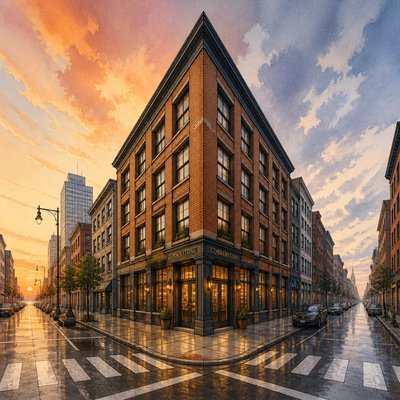
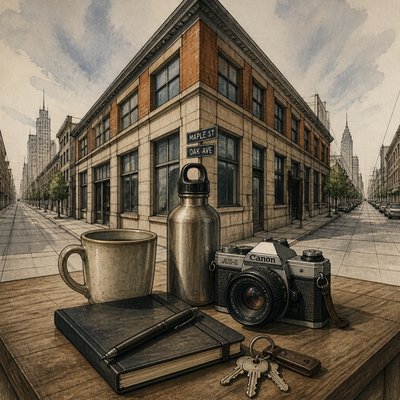
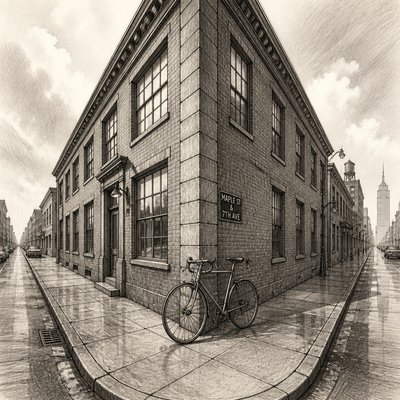
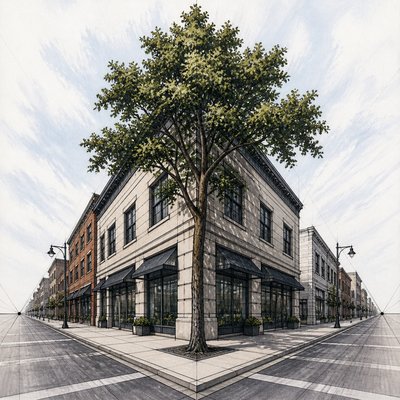
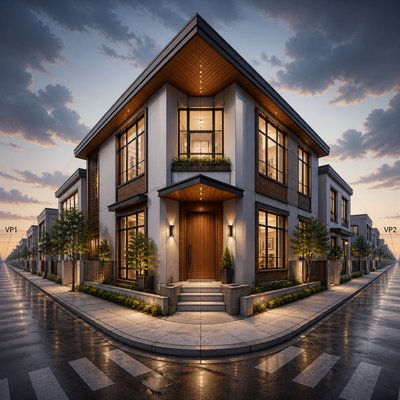
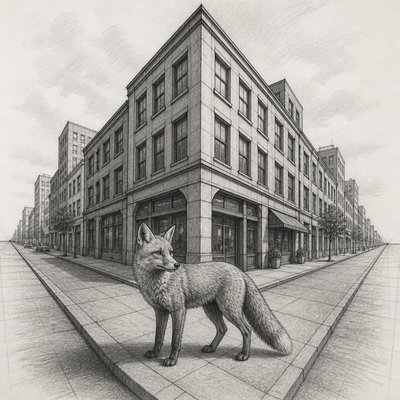
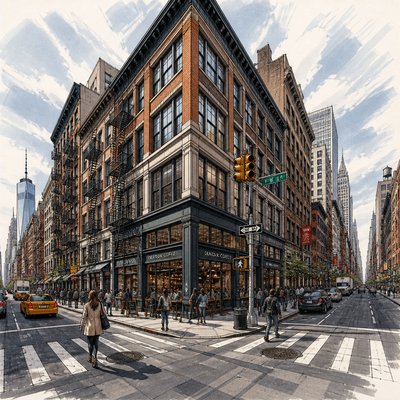
What is Two-Point Perspective Art Style?
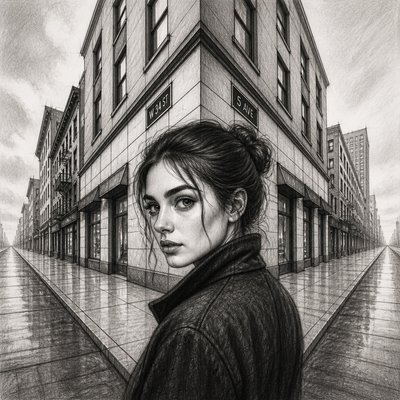
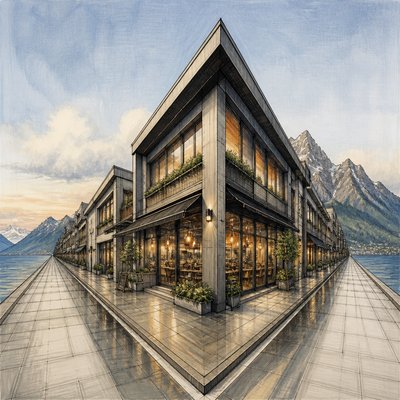
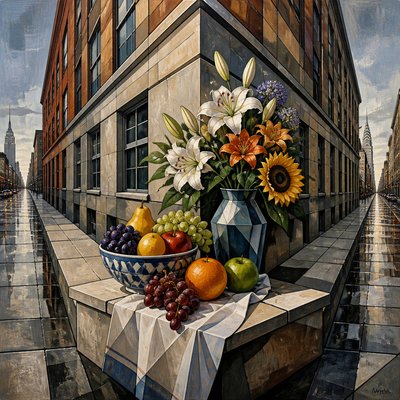
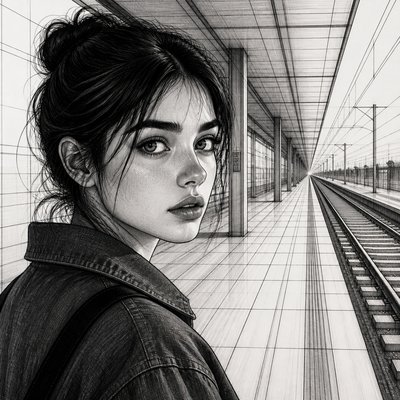
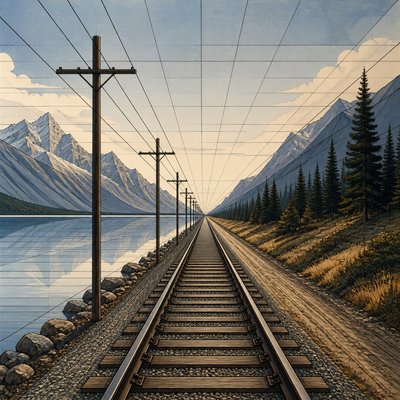
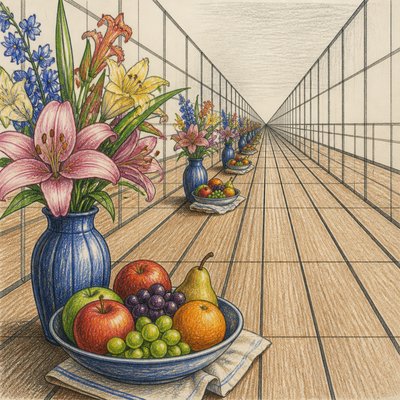
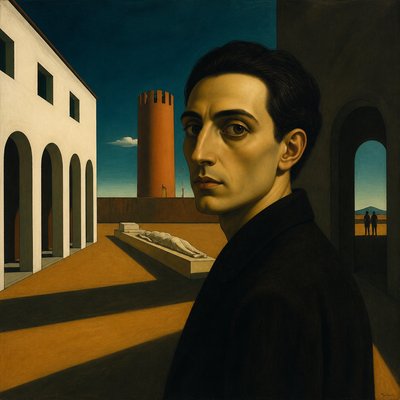
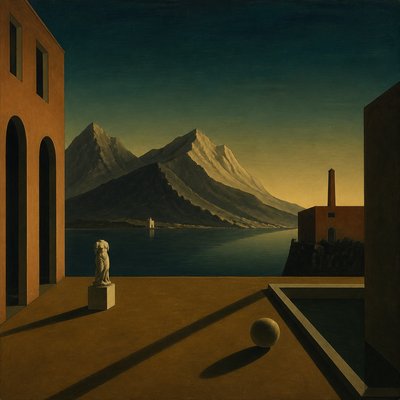
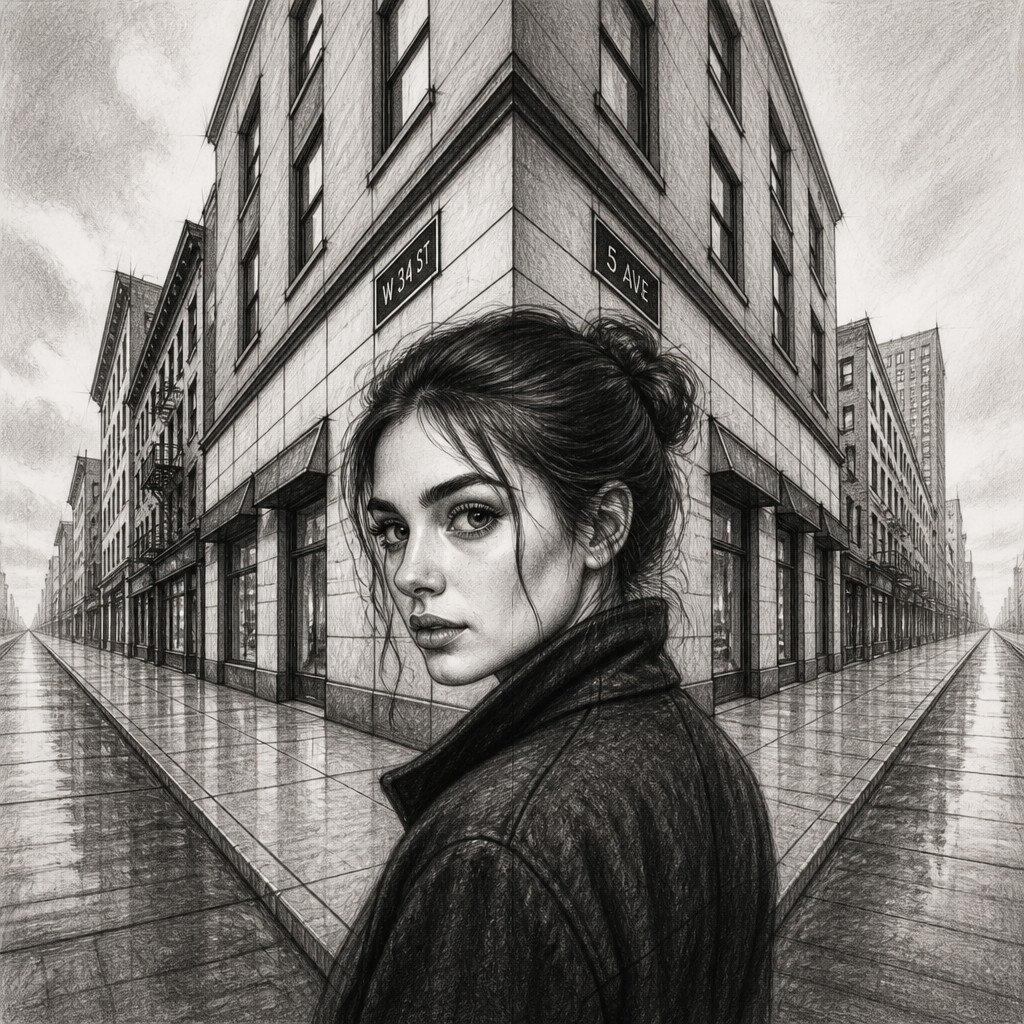
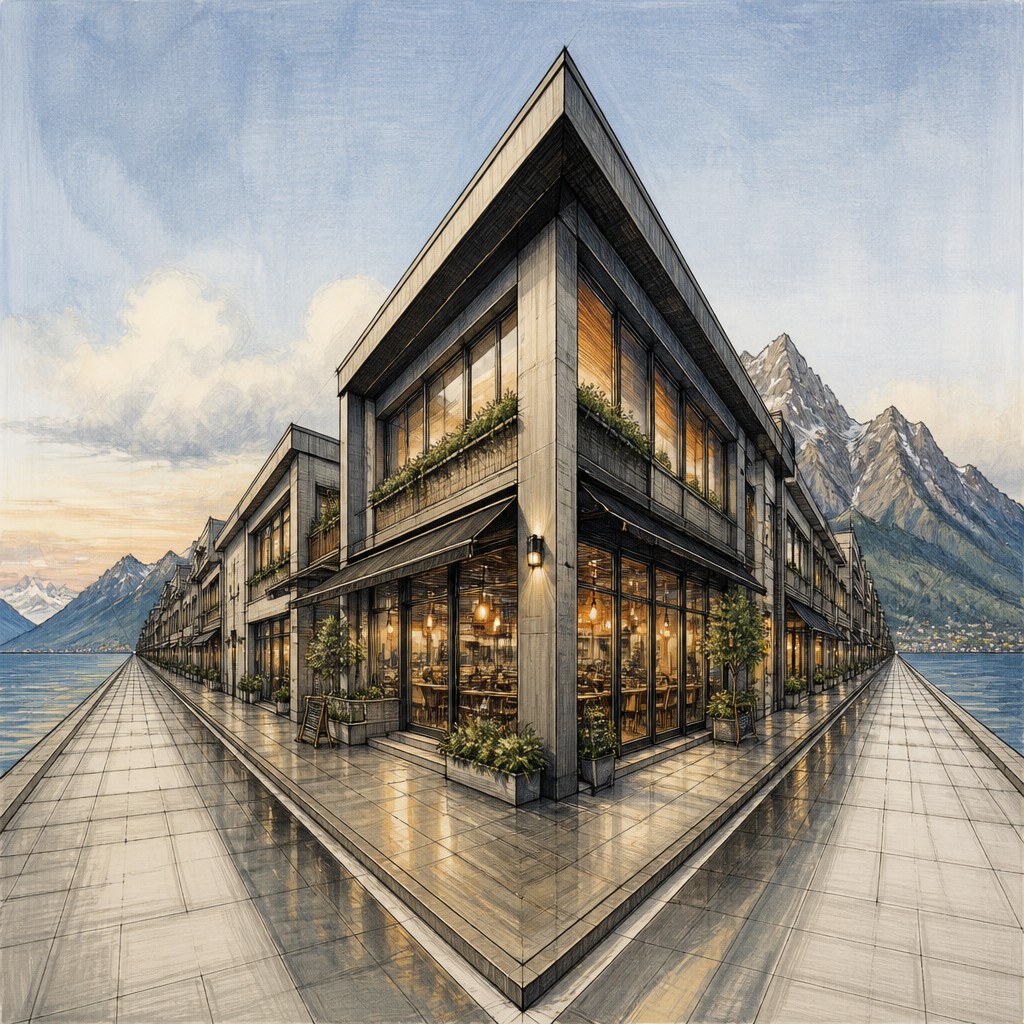
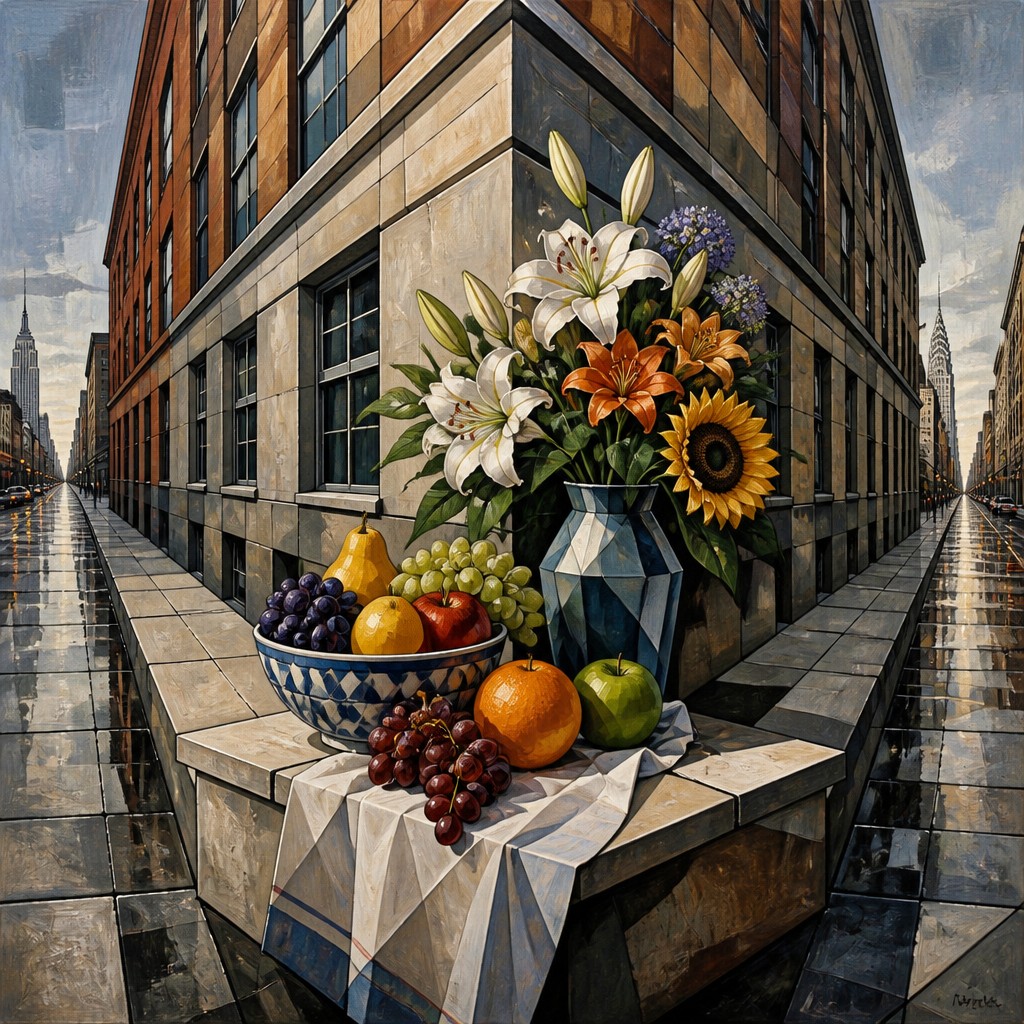
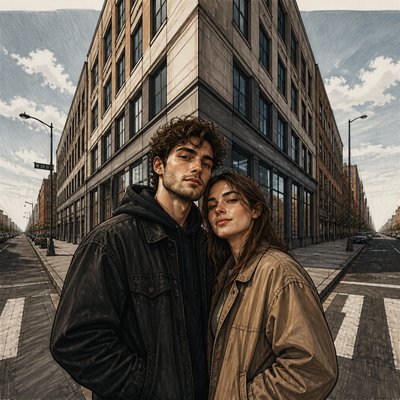
Two-Point Perspective Art Style is an architectural and spatial image-making approach built around two vanishing points on a shared horizon line. Instead of keeping one face of a subject parallel to the picture plane, it turns the viewer toward a corner, allowing the left and right planes of a building, street, vehicle, or object to recede in different directions.
The result is a strongly three-dimensional image defined by angular corners, converging rooflines, narrowing window grids, and emphatic depth. The style can be precise and diagrammatic, atmospheric and cinematic, or highly graphic, but its visual identity depends on the controlled tension between the two vanishing systems and the solid geometry they construct.
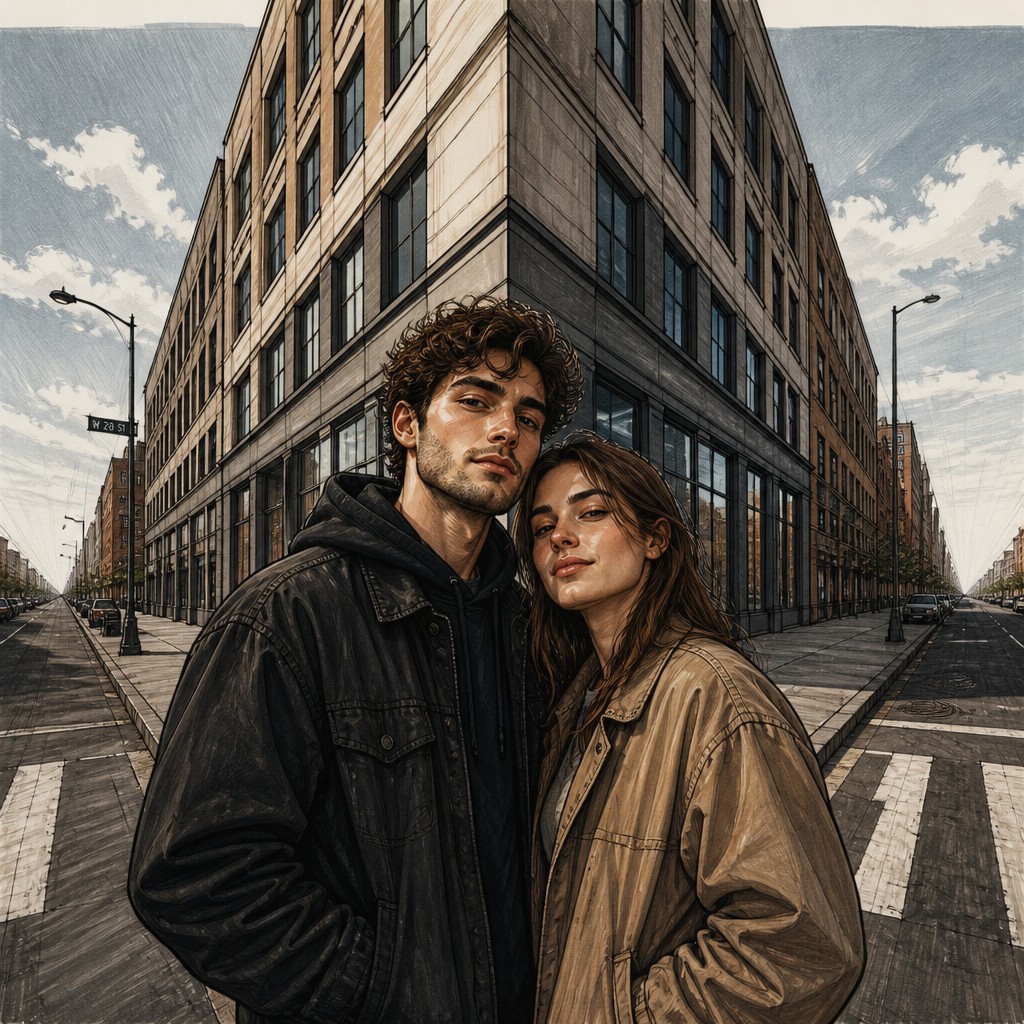
Try It On Your Photos
Upload any photo and convert it into Two-Point Perspective Art Style — drag the sliders to compare before and after.
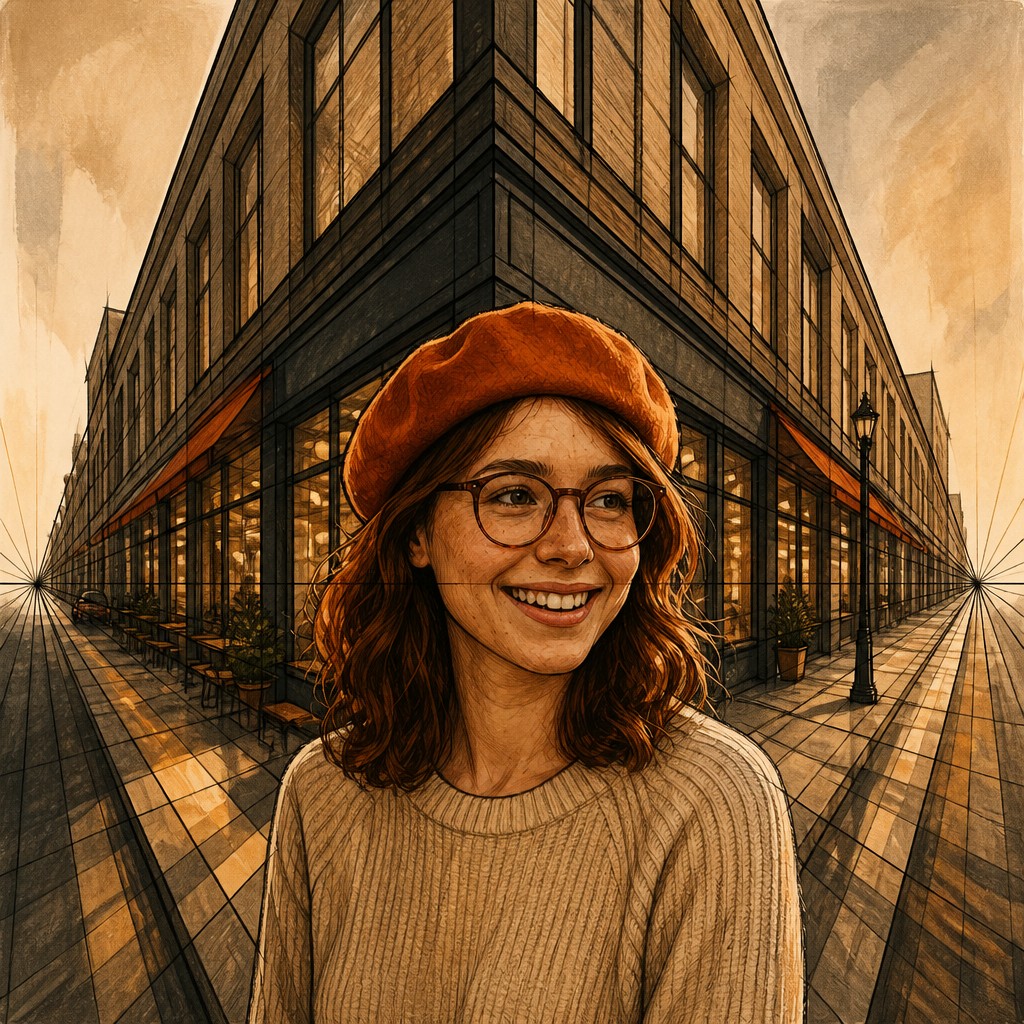

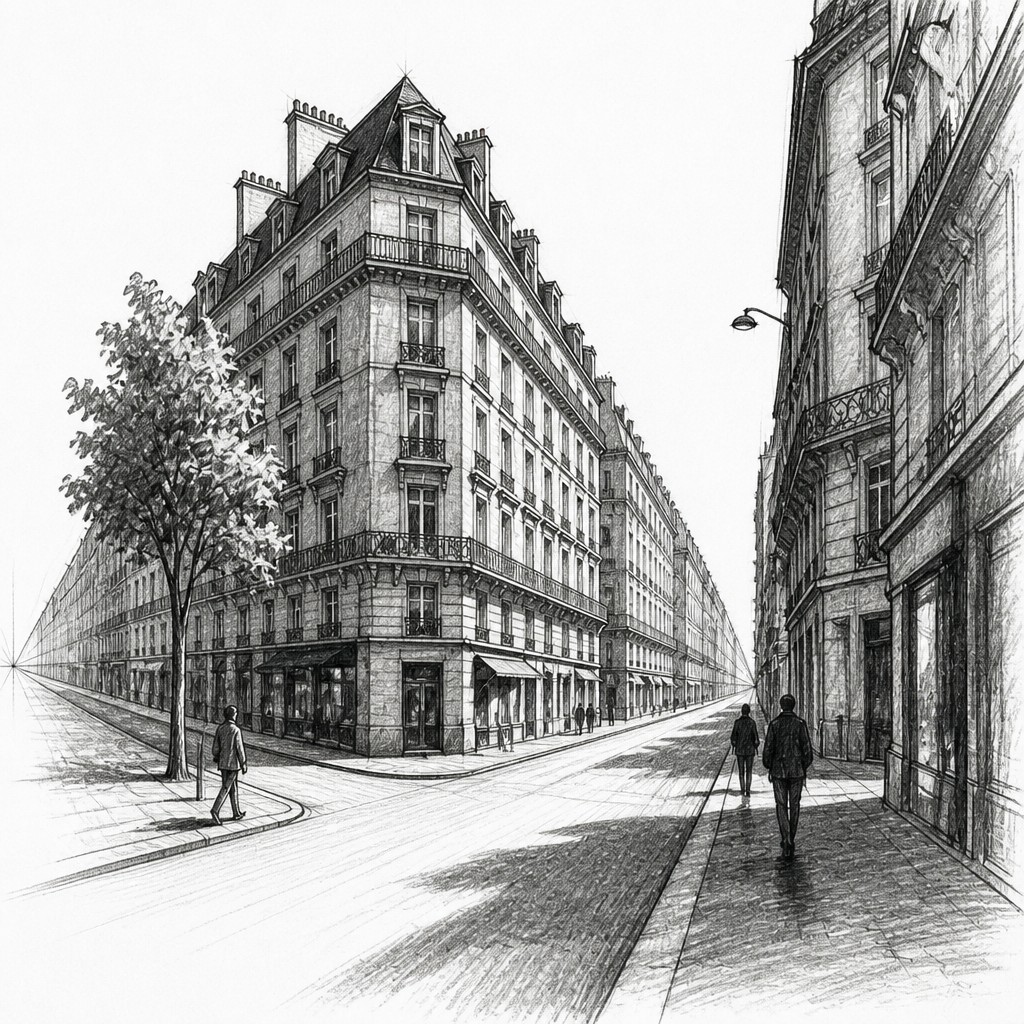

What Defines Two-Point Perspective Art Style
The signature details, up close
Dual vanishing points
Horizontal edges recede toward two separate points positioned on the horizon, usually to the left and right of the subject. This makes a visible corner the central anchor of the composition.
Corner-focused composition
Buildings and objects are commonly viewed from an angle rather than straight on, exposing two adjoining planes. The corner may sit near the center, creating a clear structural axis and strong visual depth.
Converging architectural grids
Windows, balconies, bricks, rooflines, sidewalks, and facade divisions diminish toward their respective vanishing points. Repeated details reinforce scale and make recession easy to read.
Sharp angular geometry
Diagonal walls, projecting ledges, triangular gaps, and intersecting planes give the image a crisp, constructed character. Edges are often cleaner and more deliberate than in atmospheric or painterly cityscapes.
Dramatic spatial depth
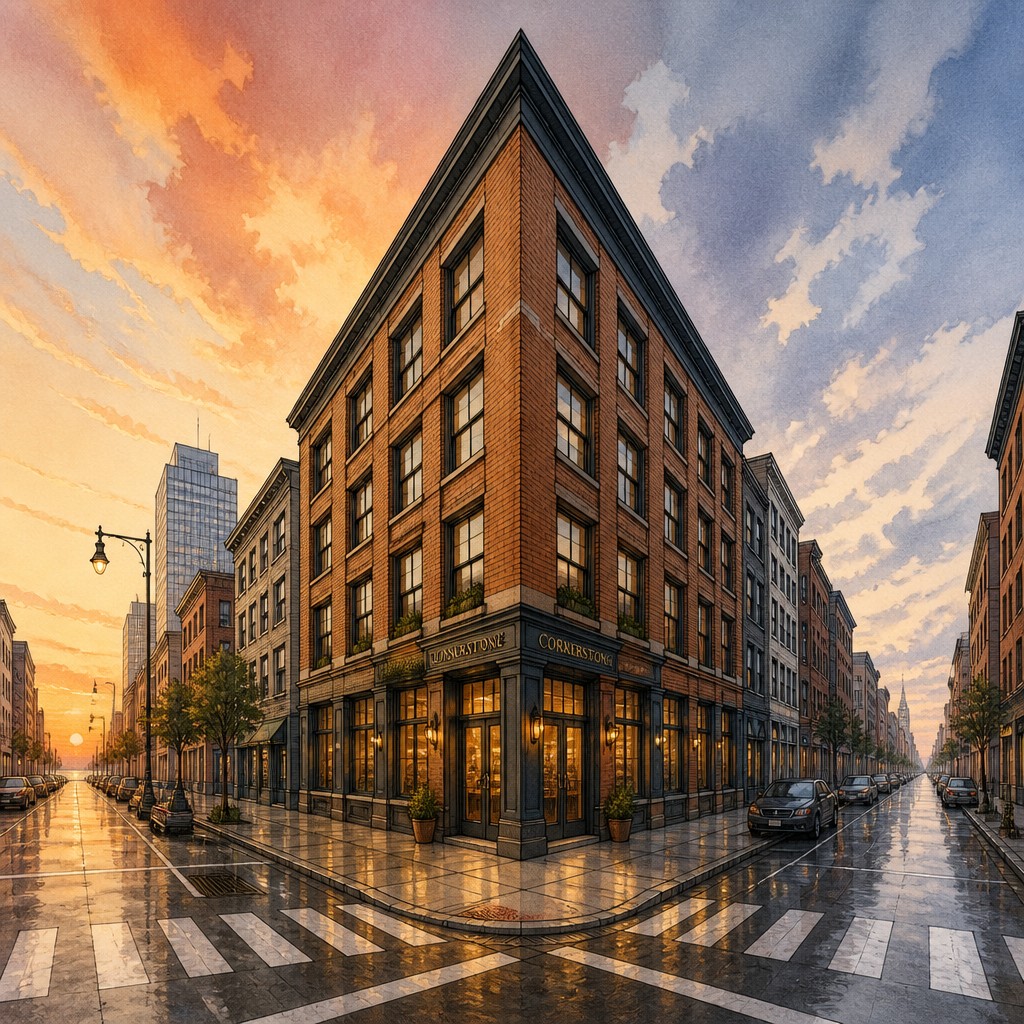
Foreground corners and nearby structures are enlarged while distant forms compress rapidly. Wide-angle framing, elevated viewpoints, or low street-level views can intensify the sense of immersion.
Controlled distortion
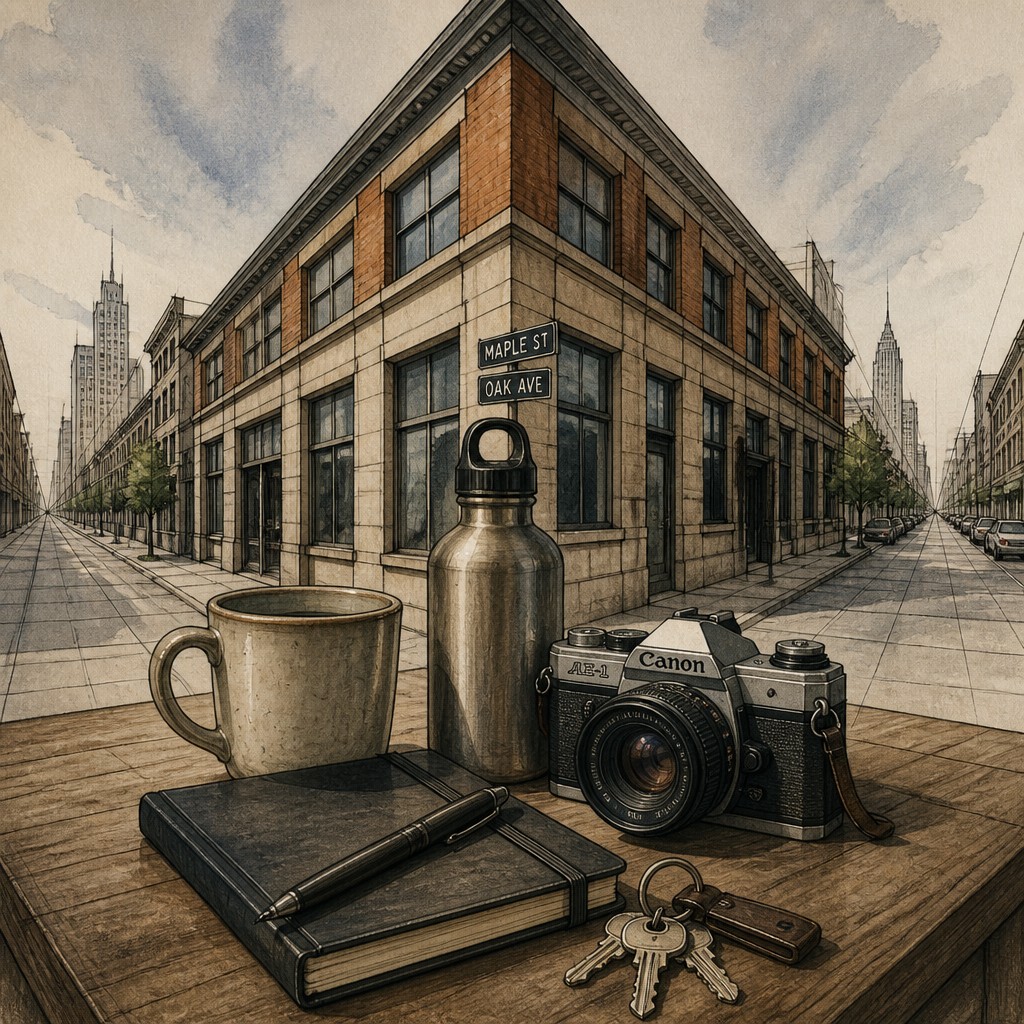
The perspective system may remain technically consistent while proportions, vanishing-point distance, or lens exaggeration are adjusted for expressive effect. This allows monumental, futuristic, uneasy, or cinematic results.
Two-Point Perspective Prompt Ideas
Start from an idea — each one opens the generator with the style ready to go. See all 40 Two-Point Perspective prompts →
How to Create Two-Point Perspective Art
Master the craft step by step — or skip straight to creating. Read the full guide →
- 1
Establish the horizon and vanishing points
Begin with a horizontal eye-level line and place two vanishing points far enough apart to avoid excessive distortion. Draw the nearest vertical corner first, then project the building's horizontal edges toward each point.
- 2
Build from large planes
Block in facades, roofs, streets, and major masses before adding windows or surface texture. Keep verticals parallel unless you intentionally want a three-point or tilted-camera effect.
- 3
Use a measured detail grid
Space repeated elements along receding guide lines, reducing their interval as they move into the distance. Light construction lines, rulers, perspective guides, or 3D blockouts help maintain consistency.
- 4
Shape the lighting around the geometry
Use light and shadow to separate the two visible planes, such as placing one facade in sun and the other in shade. Long cast shadows and reflective surfaces can emphasize the directional structure.
- 5
Choose a medium that supports precision
Graphite, technical pen, ink wash, gouache, painting, vector drawing, 3D modeling, and digital painting all work well. In digital workflows, perspective rulers or a rough 3D scene can provide a reliable scaffold beneath the final marks.
- 6
Describe the structure explicitly in prompts
For prompt-based generation, specify a visible street corner, two vanishing points on the horizon, converging facade details, sharp diagonal walls, and the desired viewpoint or lighting. Add limits such as straight verticals or a clean architectural grid when structural clarity matters.
The Story
History & Origins of Two-Point Perspective
Two-point perspective is not a historical art movement but a longstanding system of linear perspective used in architectural drawing, technical illustration, painting, photography, and visual development. It belongs to the broader Western perspective tradition that formalized horizon lines, vanishing points, and proportional recession during the Renaissance, while also sharing practical concerns with architectural drafting and urban image-making.
As an identifiable contemporary style, it draws on architectural visualization, cityscape illustration, geometric modernism, comic-book backgrounds, concept art, and digital 3D workflows. Its current appearance often combines the accuracy of drafting with exaggerated camera angles, cinematic lighting, and selectively distorted scale.
Influences: The style is related to Renaissance linear perspective, architectural drafting, technical illustration, urban sketching, geometric modernism, precisionist city imagery, comic and storyboard backgrounds, architectural photography, and digitally constructed environment art. It also borrows from 3D modeling and cinematic wide-angle composition, where camera placement, field of view, and controlled distortion determine how strongly space expands toward the viewer.
Frequently Asked Questions
What defines two-point perspective art?
Its defining feature is the use of two vanishing points on a common horizon line for edges receding to the left and right. A visible corner usually separates the two planes, while vertical edges remain parallel in a conventional setup.
How is it different from one-point perspective?
One-point perspective directs receding lines toward a single central vanishing point and is suited to frontal views such as corridors or straight roads. Two-point perspective presents a turned view, so the two sides of a building or object recede in different directions.
Is two-point perspective an art movement?
No. It is a perspective construction method rather than a period-bound movement with a single historical origin. Images made with it can belong to architectural illustration, painting, photography, concept art, comics, or digital art.
How can beginners draw a two-point perspective scene?
Place a horizon line, set two vanishing points, and draw the nearest vertical corner before projecting its edges outward. Add major masses first, then divide facades and streets with guides that converge consistently toward the appropriate point.
Can organic subjects be used with this style?
Yes, although the method is most apparent in structures with planar or rectilinear forms. Vehicles, furniture, robots, bridges, trees in rows, and even stylized figures can be arranged within a two-point spatial framework.
Where is this approach commonly used?
It appears in architectural visualization, urban illustration, environment design, technical drawing, comics, storyboards, game backgrounds, product sketches, and photography. It is especially useful when a scene must communicate scale, construction, and directional depth.
Create your first Two-Point Perspective artwork
Describe anything — or upload a photo — and see it in Two-Point Perspective Art Style in seconds.
Related Styles
Discover similar art styles