Pre-Raphaelite Art Style
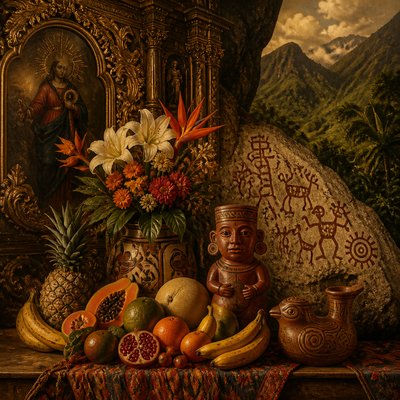
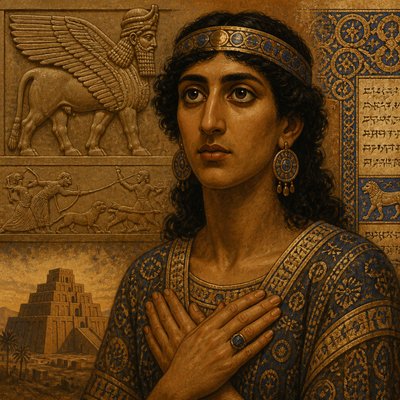
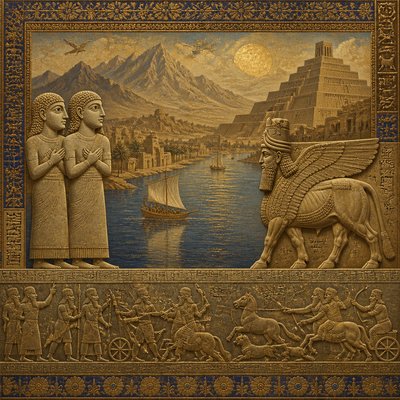
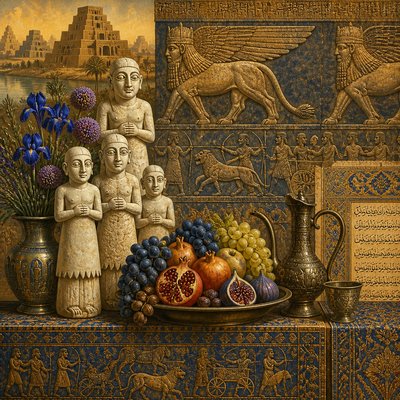
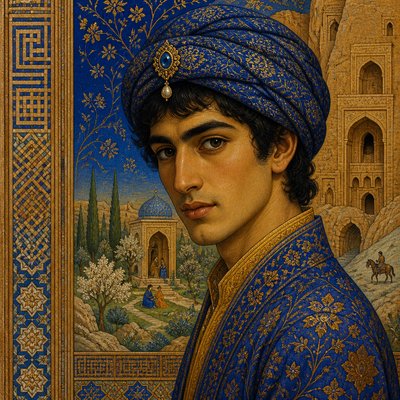
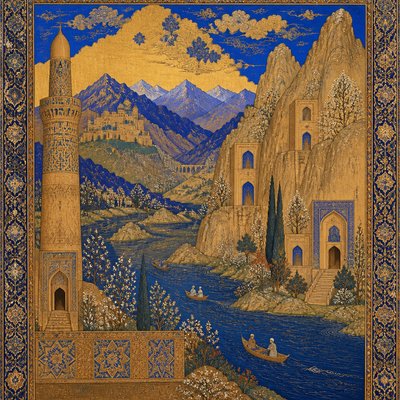
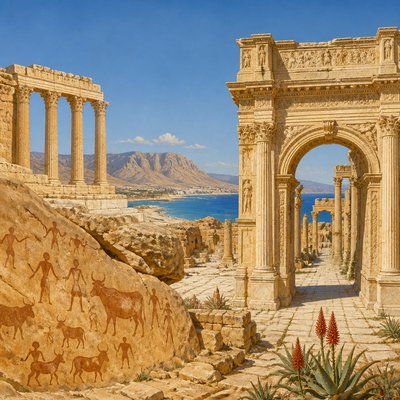
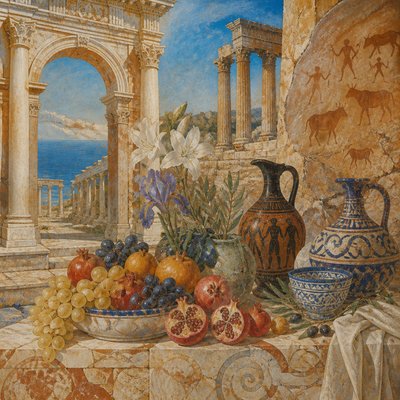
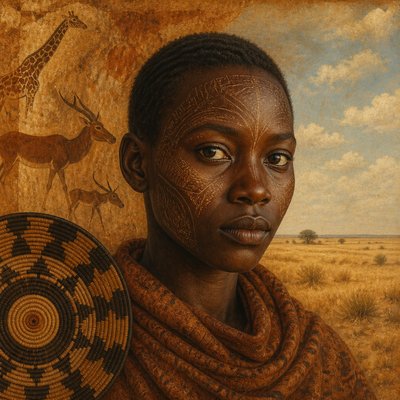
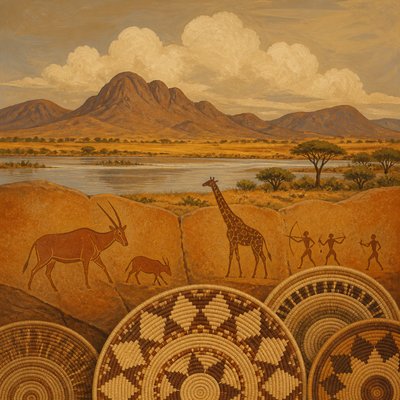
Pre-Raphaelite art: jewel-like colors, medieval romance, botanical detail, literary subjects, and moral symbolism from the 19th century.
Instantly rendered in Pre-Raphaelite — or transform a photo
Pre-Raphaelite Gallery
Tap any artwork to explore it
What is Pre-Raphaelite Art Style?
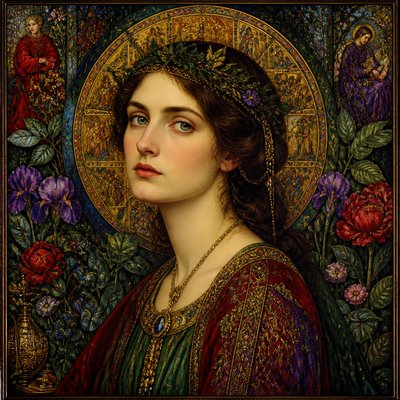
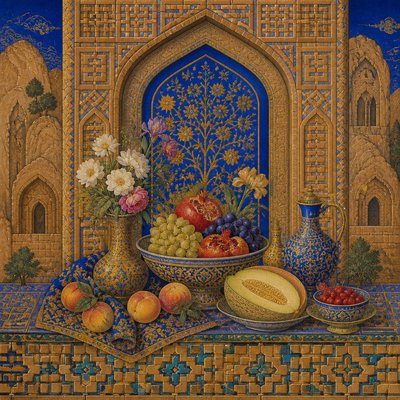
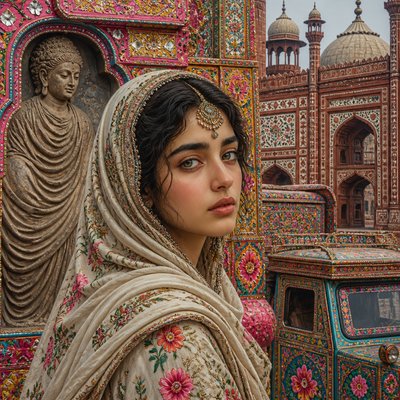
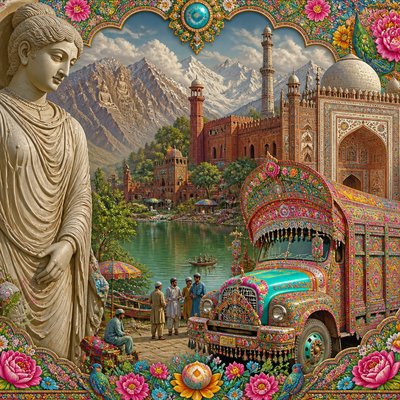
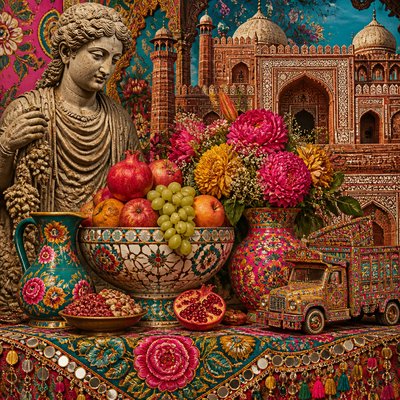
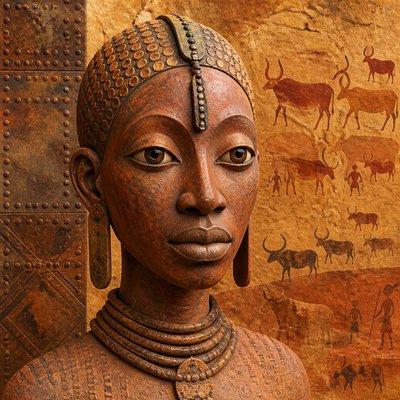
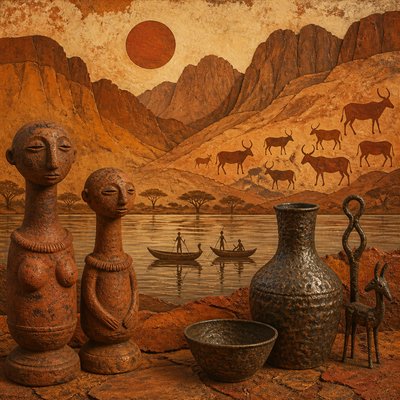
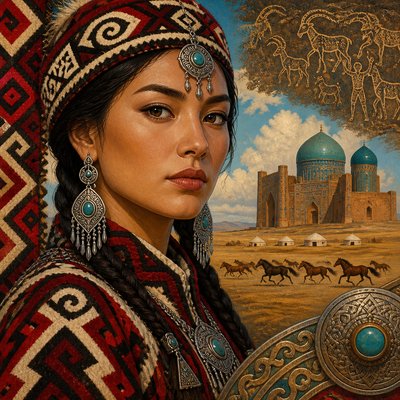
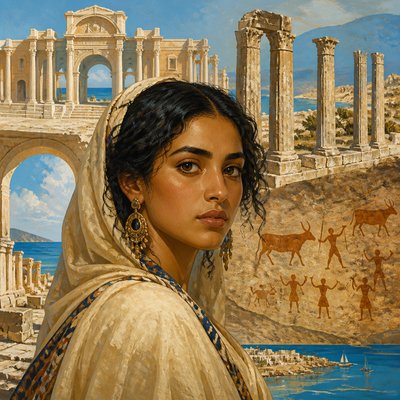
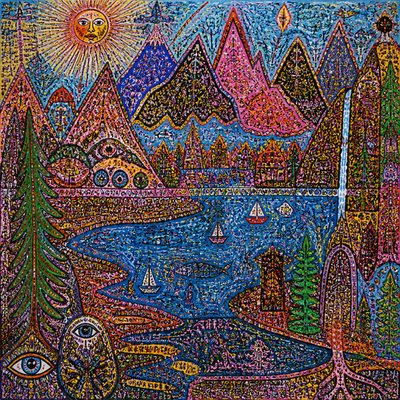
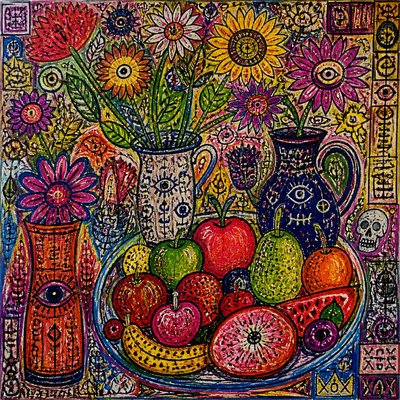
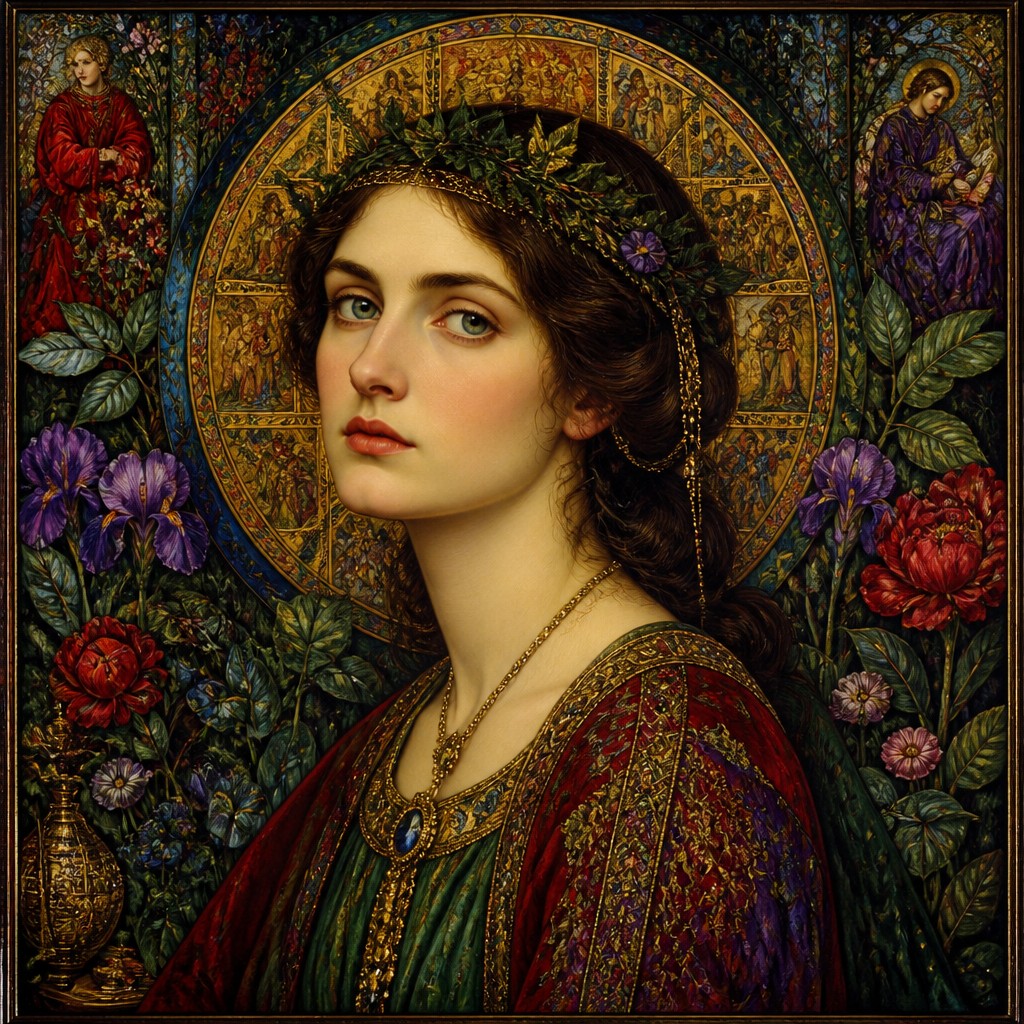
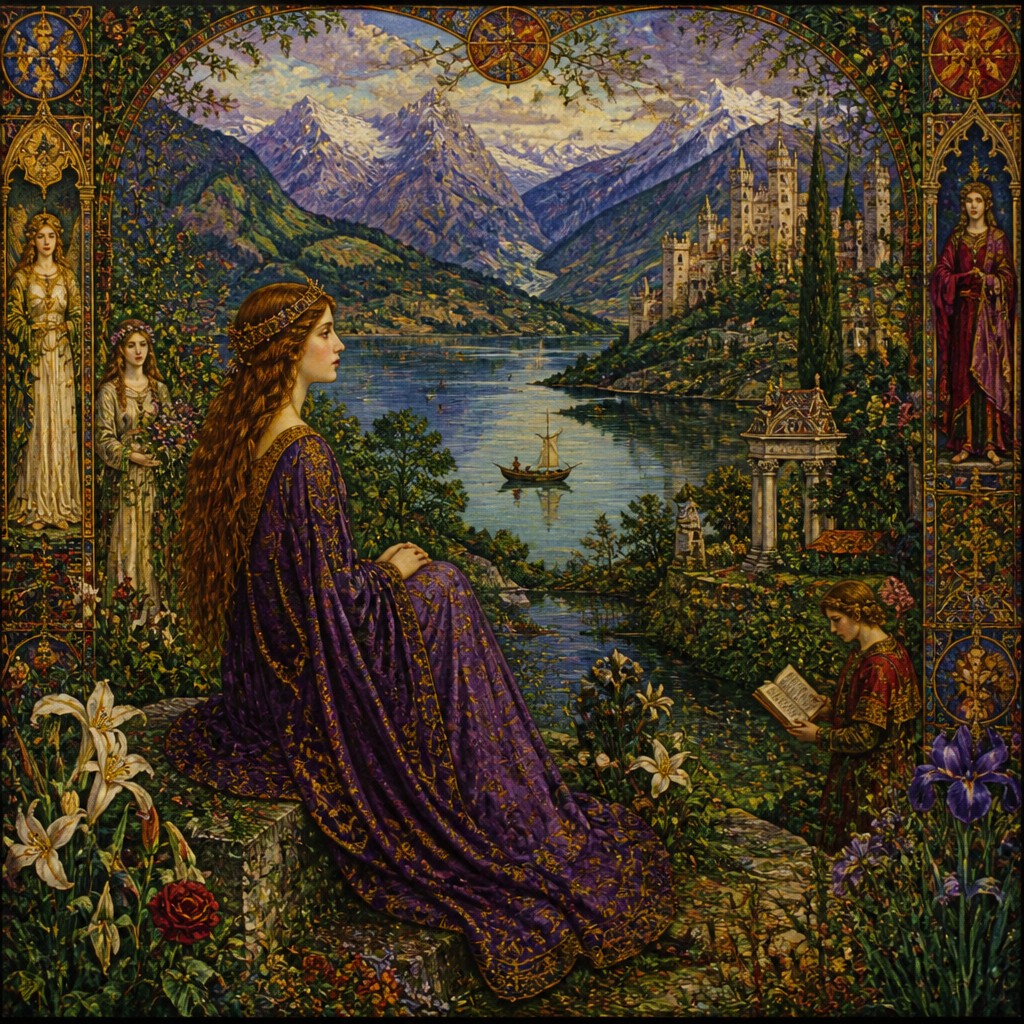
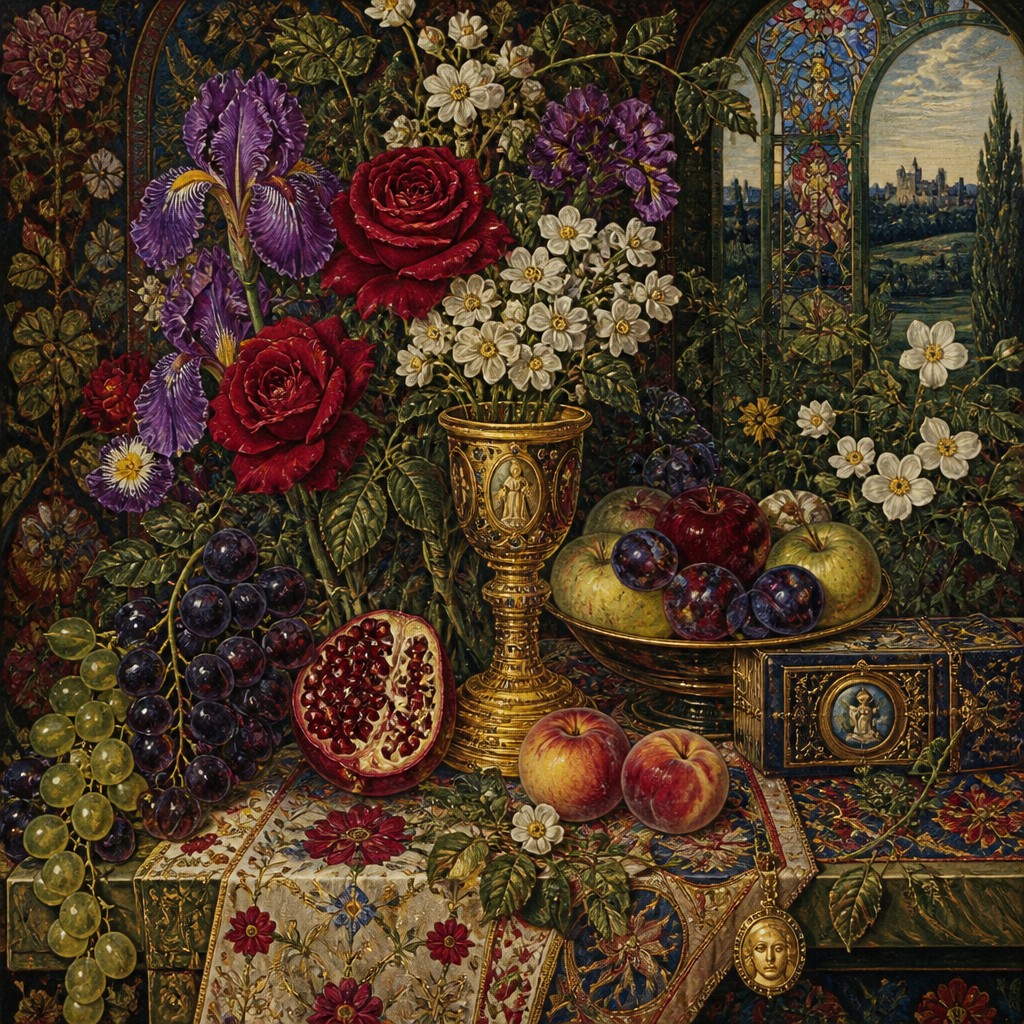
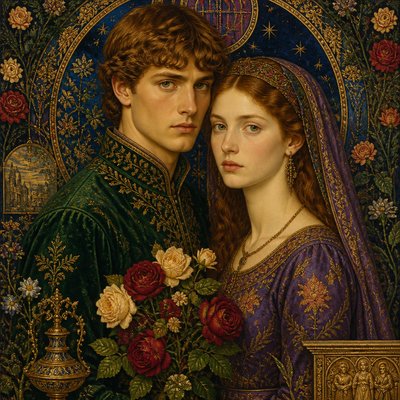
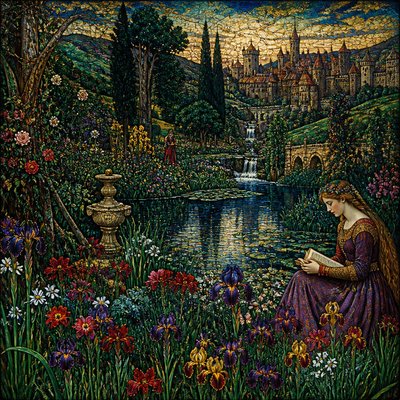
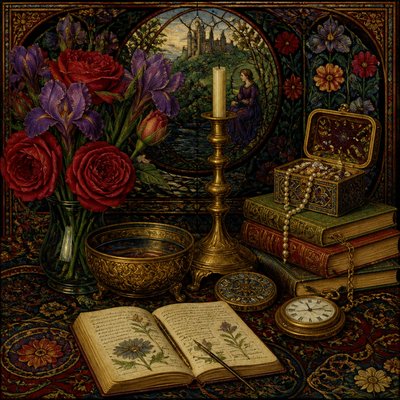
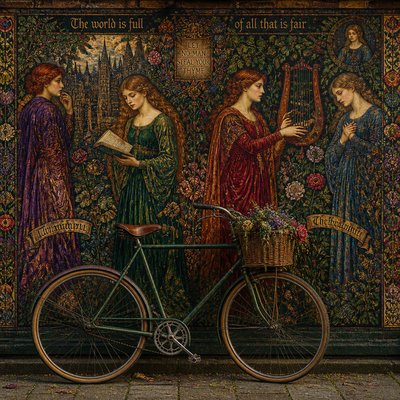
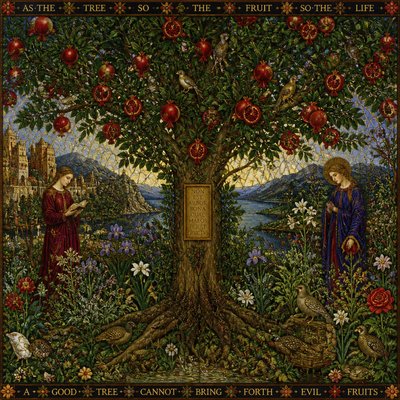
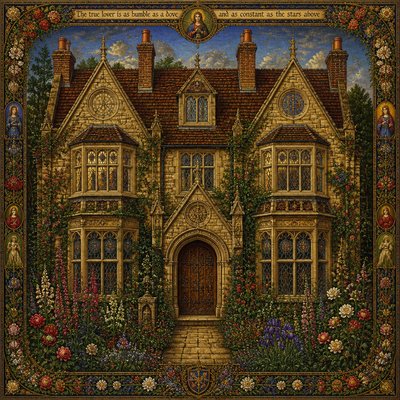
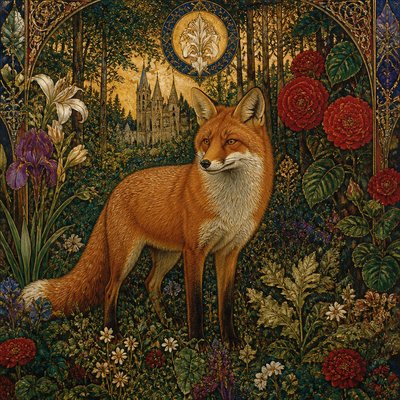
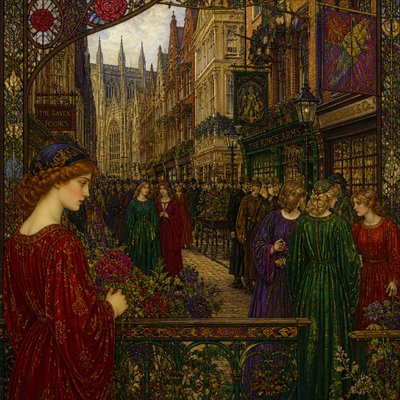
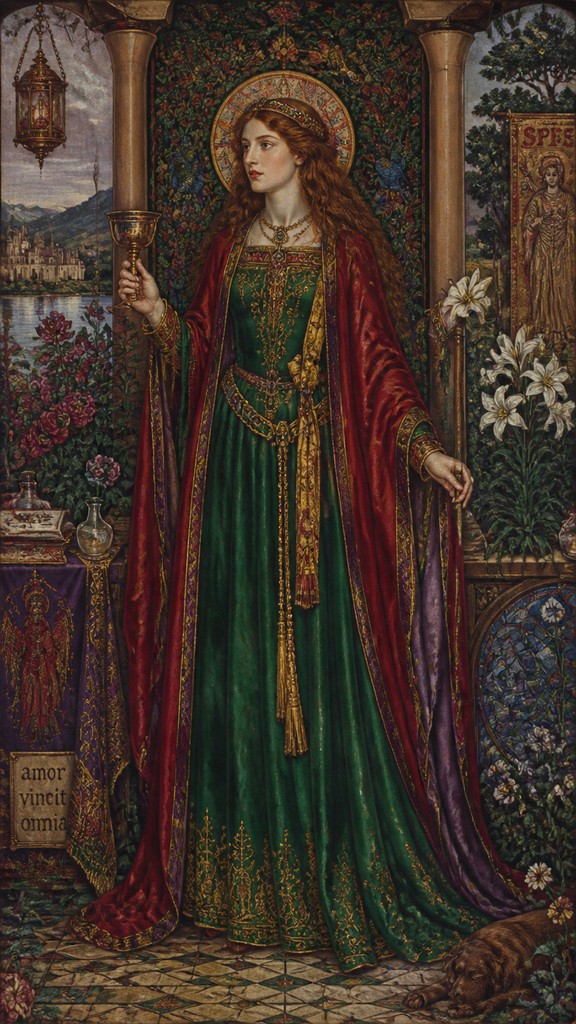
Pre-Raphaelite art is a 19th-century British style and movement known for its intensely detailed surfaces, luminous color, and subjects drawn from literature, legend, religion, and moral allegory. Its images often feel both romantic and exacting: flowers, fabrics, hair, stone, and skin are rendered with near-obsessive specificity, while the compositions favor clear outlines, decorative arrangement, and a sense of arrested time.
The style emerged as a reaction against what its makers saw as the academic conventions of contemporary painting. Pre-Raphaelite works typically combine medieval revivalism, close observation of nature, and symbolic storytelling. Their look is shaped by careful draftsmanship, transparent glazing, saturated pigments, and a preference for natural forms that carry emotional or moral meaning.
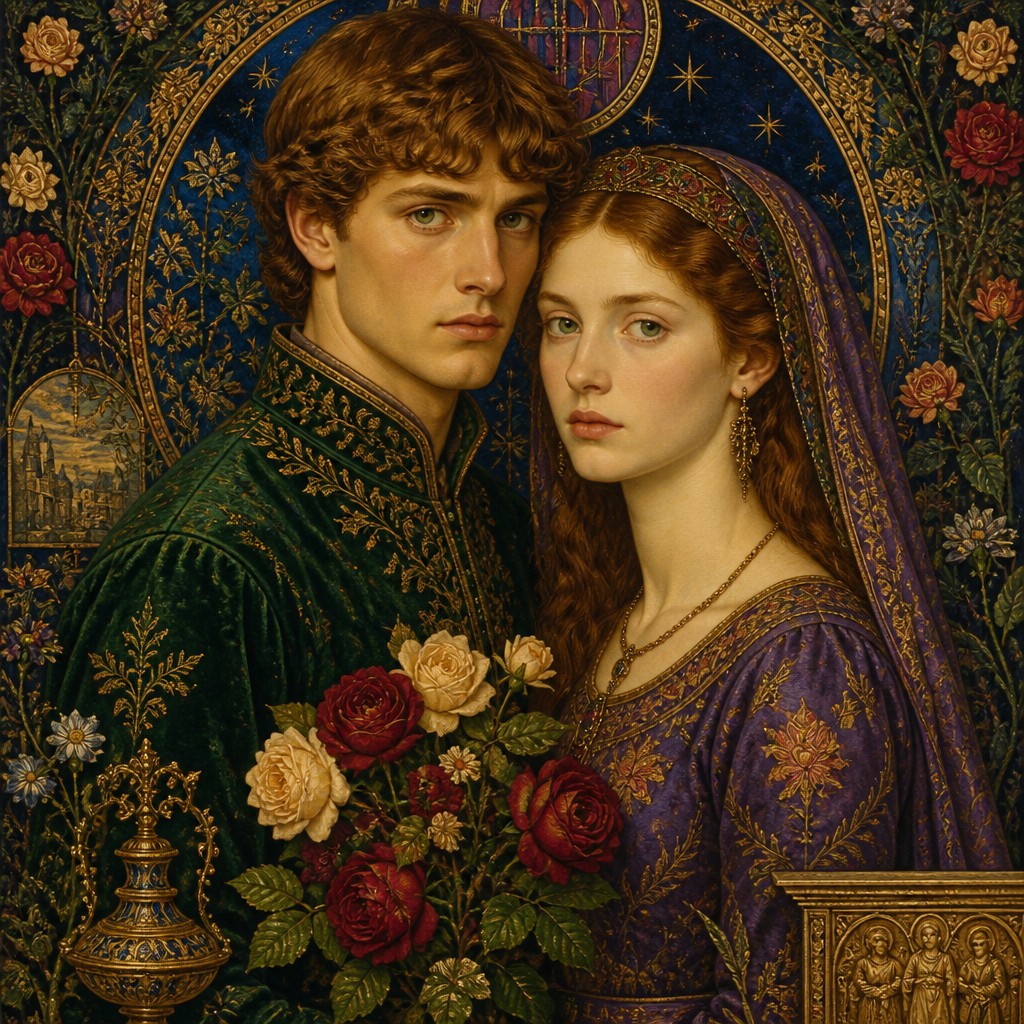
Try It On Your Photos
Upload any photo and convert it into Pre-Raphaelite Art Style — drag the sliders to compare before and after.


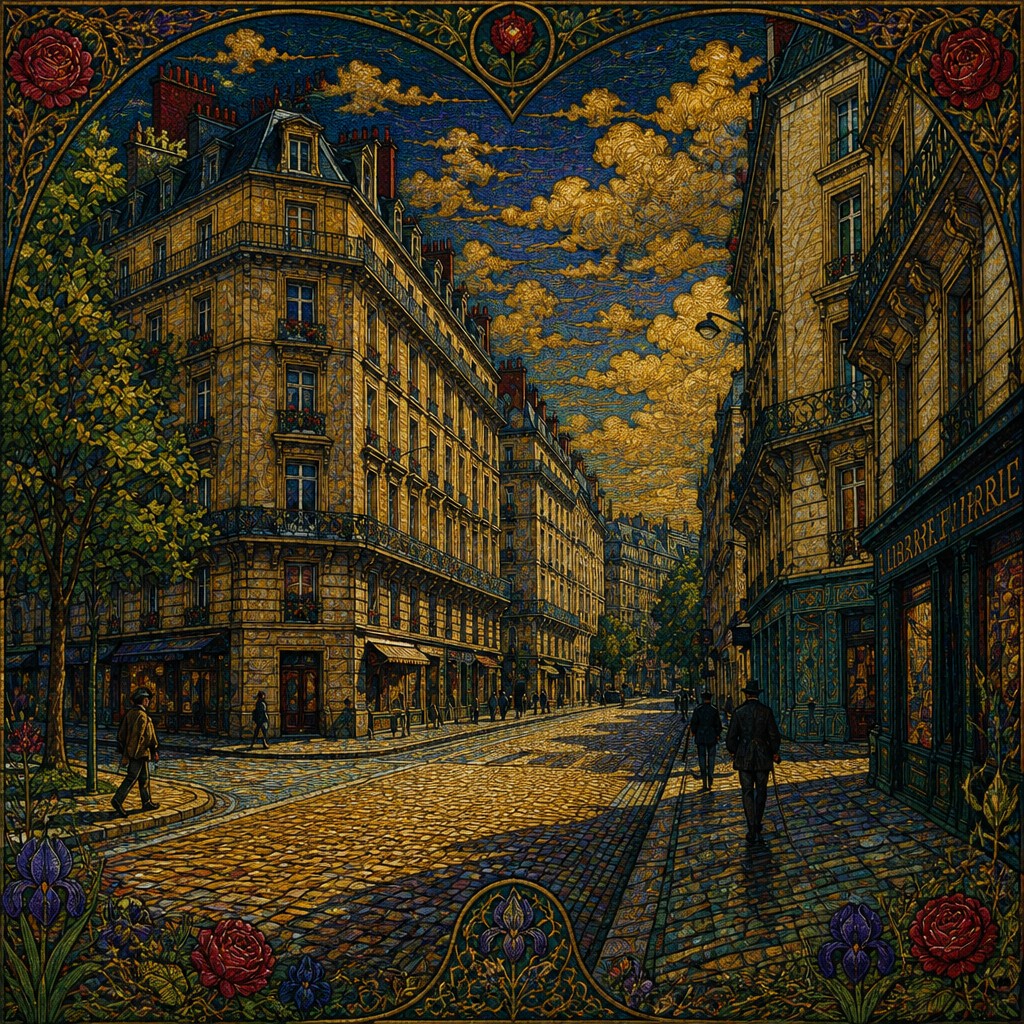

What Defines Pre-Raphaelite Art Style
The signature details, up close
Minute natural detail
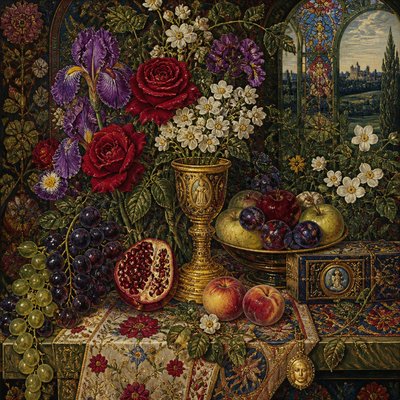
Leaves, flowers, hair, stone, and fabric are described with meticulous precision. Organic forms are often observed directly from nature rather than generalized.
Jewel-like color
The palette favors saturated greens, reds, blues, purples, and golds. Colors often appear luminous and translucent, as if built up through layered glazing.
Literary and moral subjects
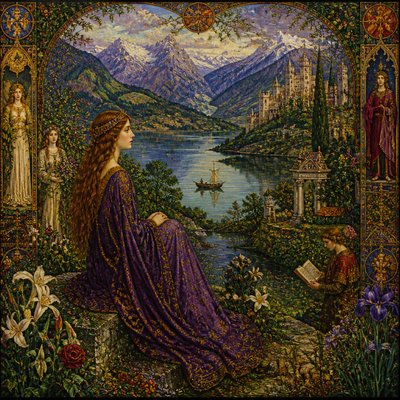
Scenes frequently come from Shakespeare, medieval romance, the Bible, classical legend, or Victorian moral narrative. The imagery often invites symbolic reading.
Medieval-revival atmosphere
Costumes, interiors, and architecture often evoke the Middle Ages or early Renaissance. Compositions may feel archaic, ceremonial, or courtly.
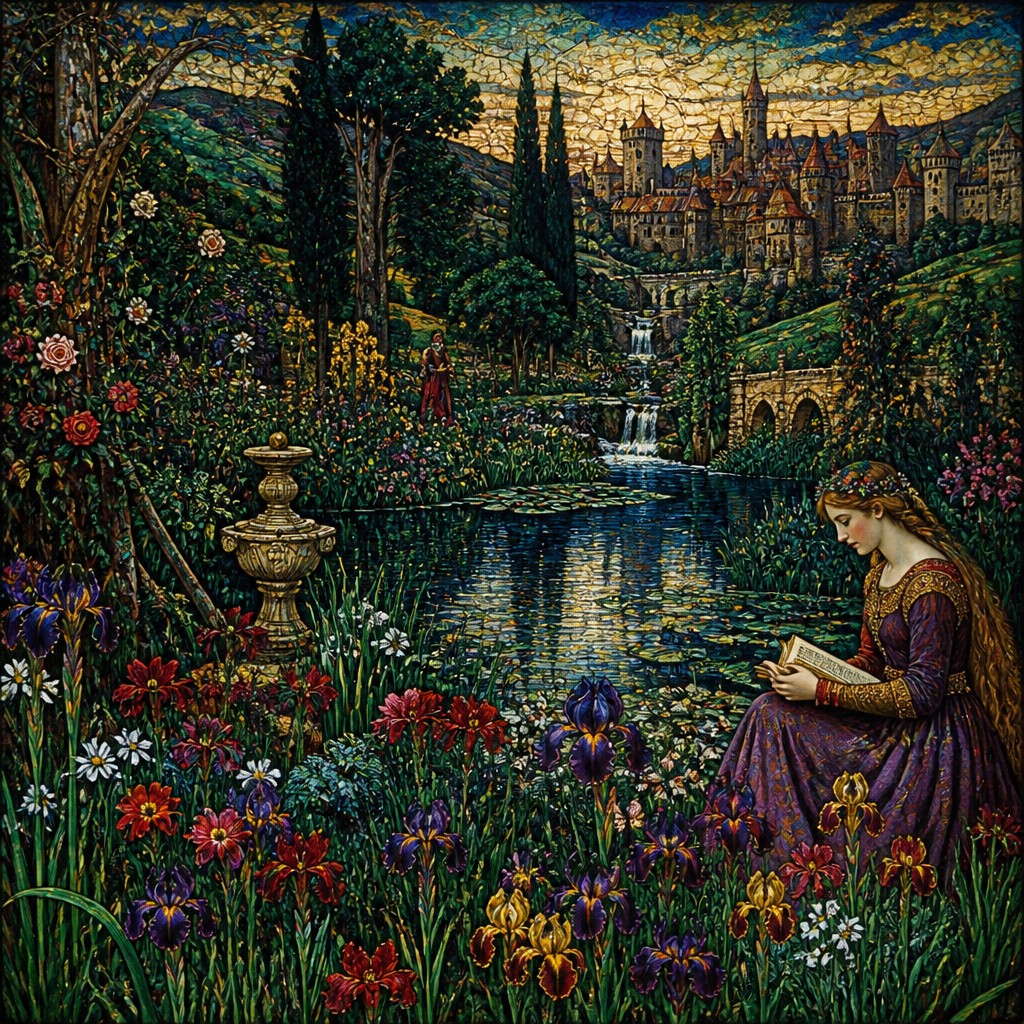
Decorative density
Surfaces are richly filled with patterned textiles, botanical motifs, and ornament. Empty space is limited, and every part of the picture tends to carry visual interest.
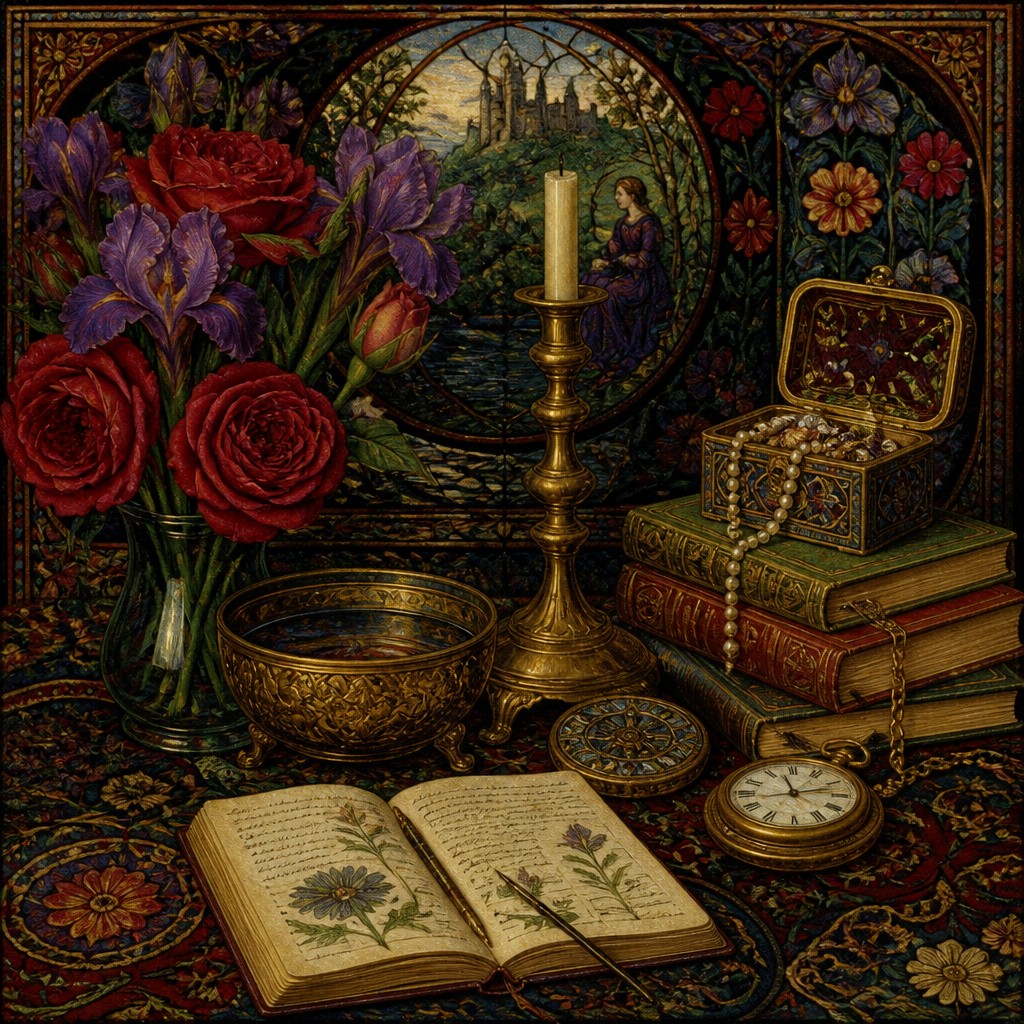
Sharp focus and clear contour
Forms are usually outlined distinctly and described evenly across foreground and background. The image tends to avoid loose brushwork or atmospheric blur.
Try It
Create Videos in Pre-Raphaelite Art Style
Styles aren't just for stills — describe a scene or animate an image and get a short video rendered in Pre-Raphaelite. Press play to see this pond come to life.
Make a VideoPre-Raphaelite Prompt Ideas
Start from an idea — each one opens the generator with the style ready to go. See all 40 Pre-Raphaelite prompts →
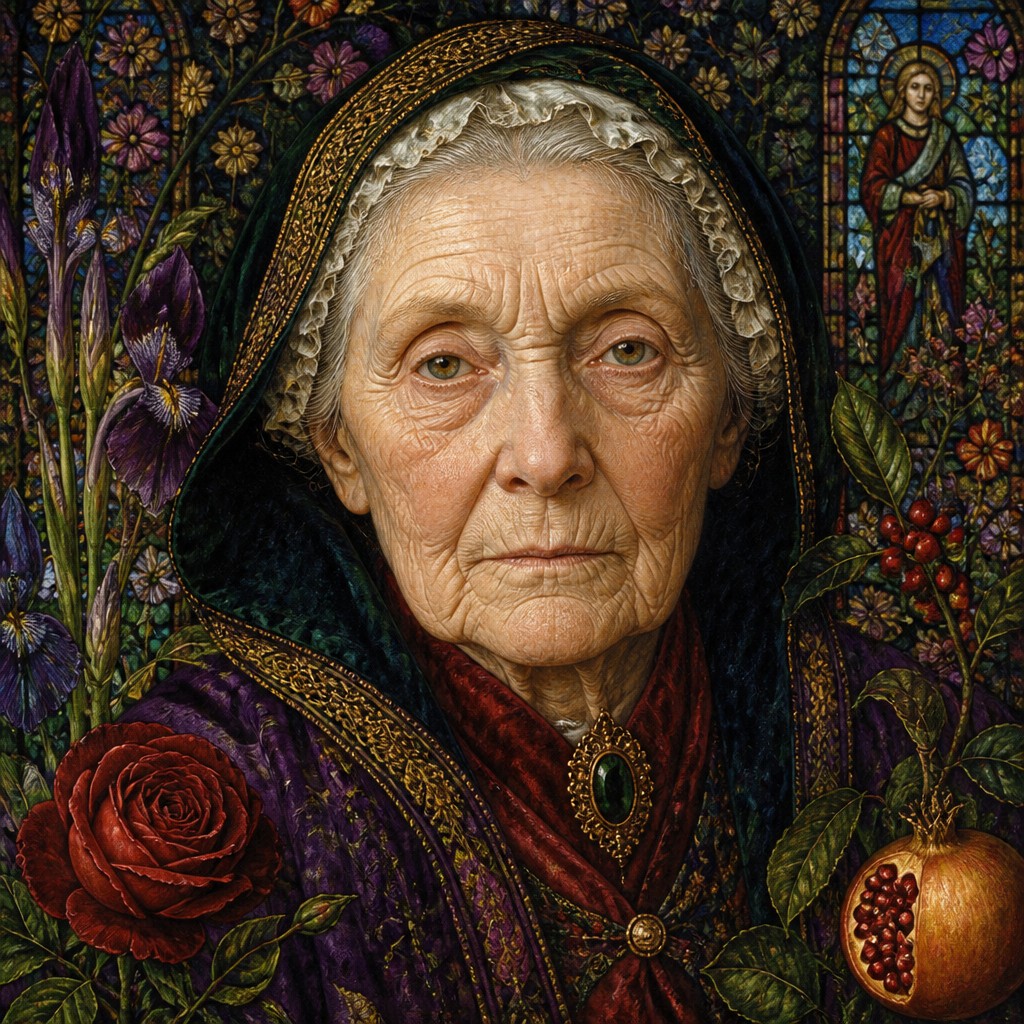
“close-up portrait of an elderly person with expressive weathered features”
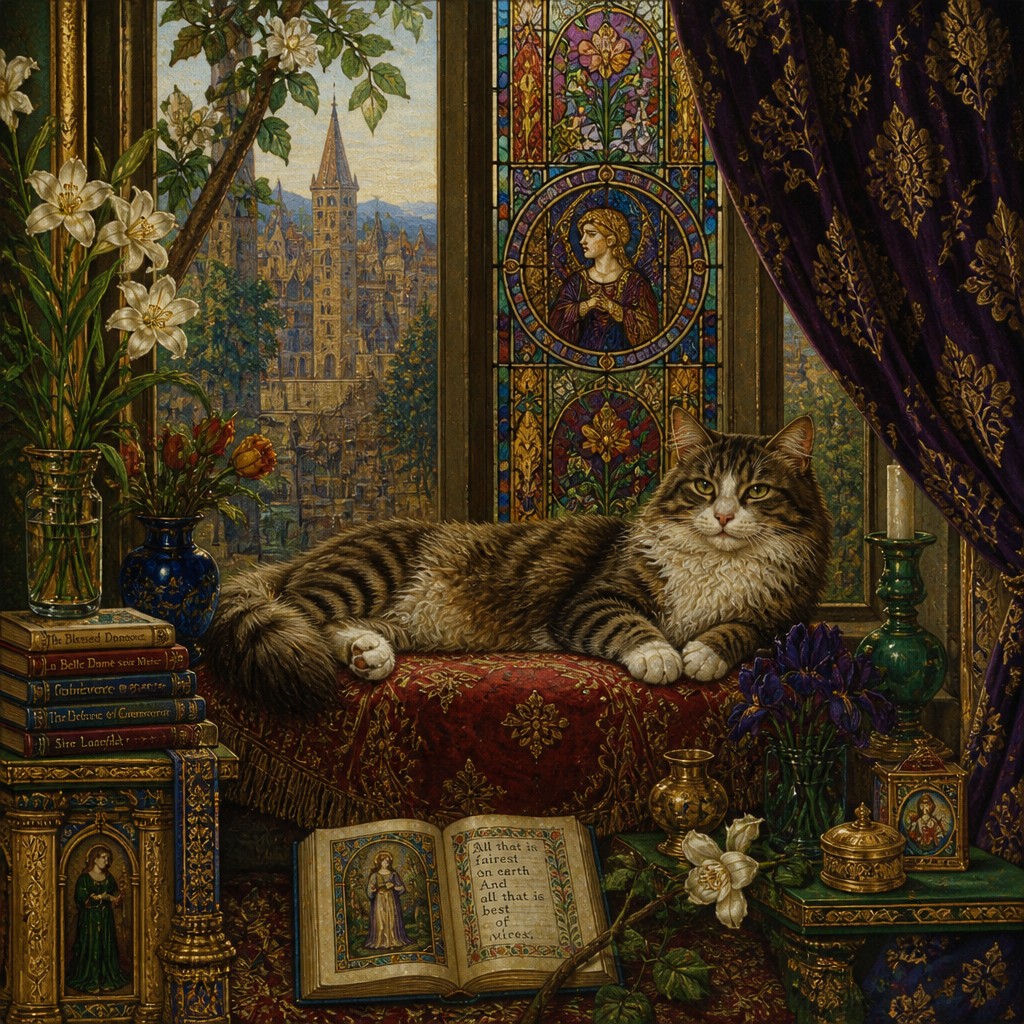
“a cat lounging in a sunlit window”
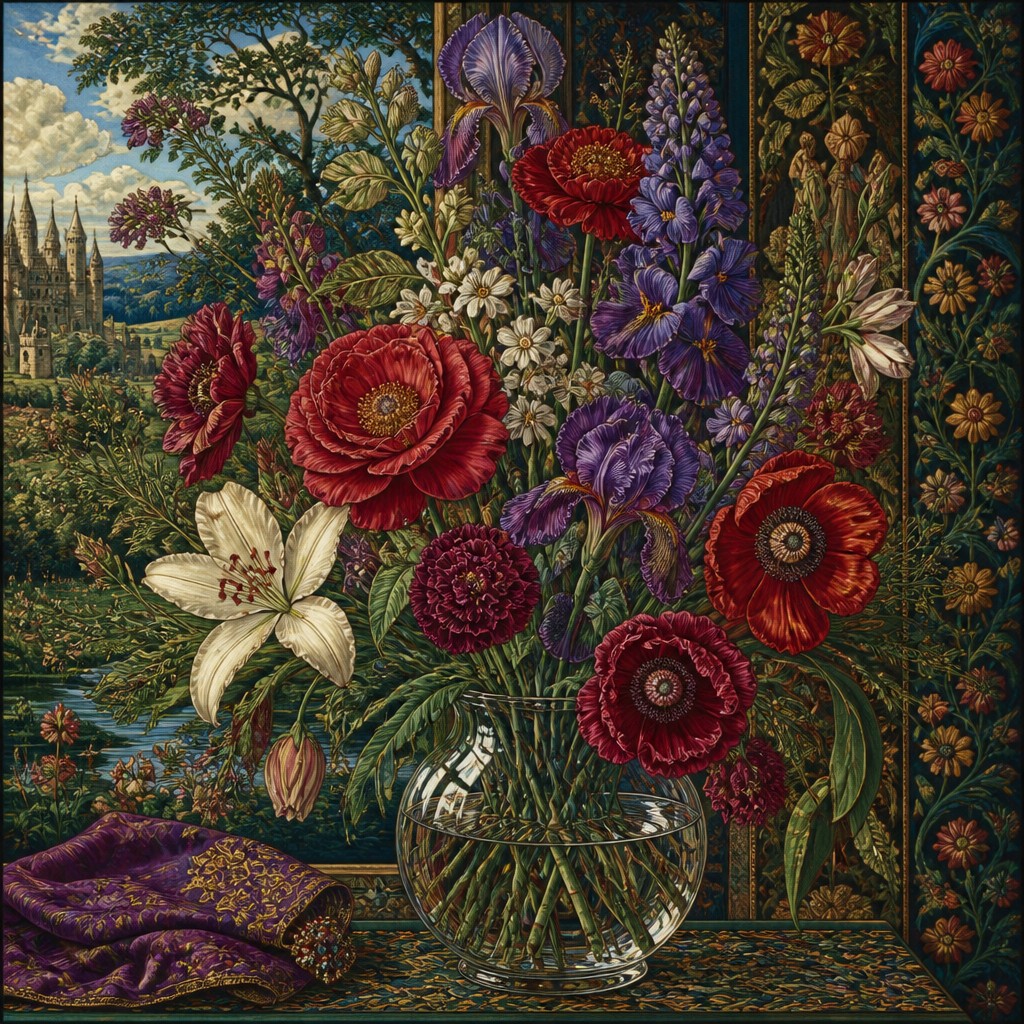
“bouquet of flowers in a glass vase”
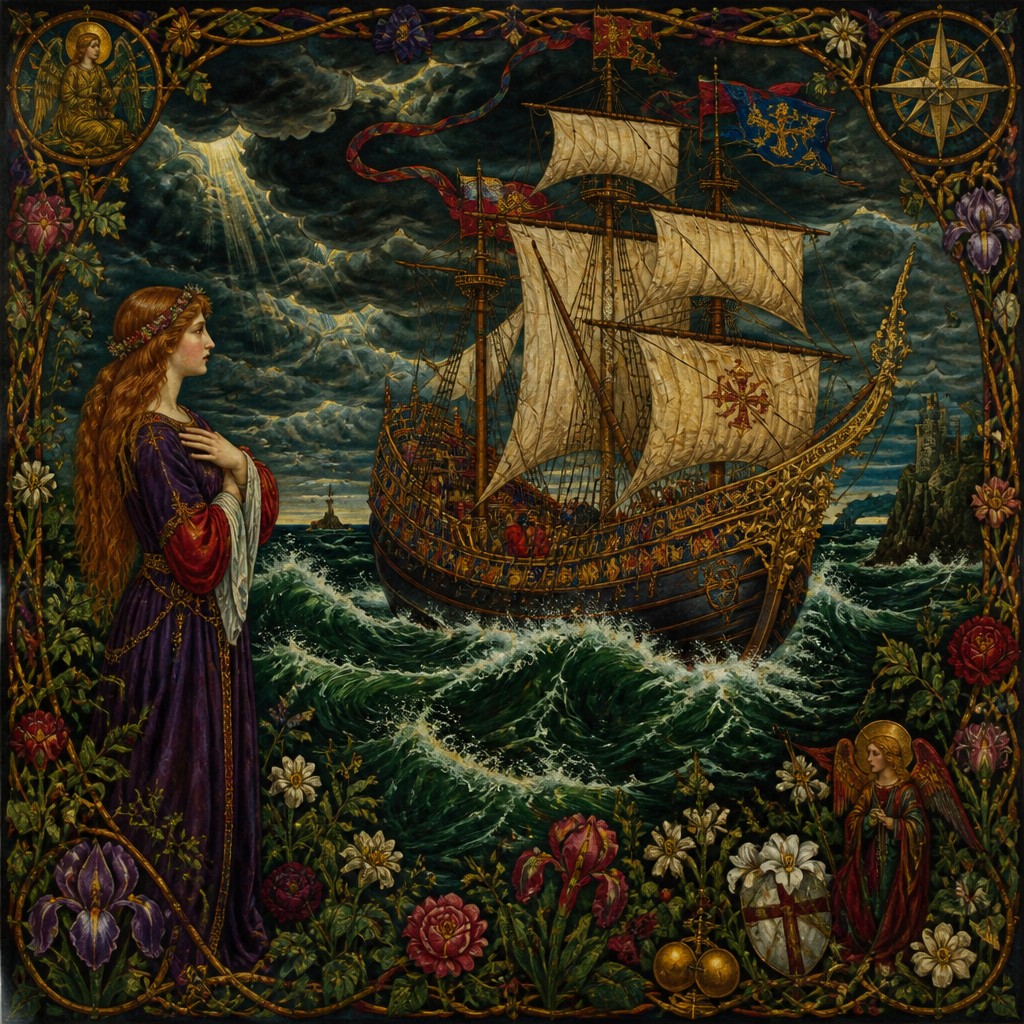
“sailing ship on a stormy sea”
How to Create Pre-Raphaelite Art
Master the craft step by step — or skip straight to creating. Read the full guide →
- 1
Build the image around observation
Start with real botanical or textile references and draw each form carefully, including veins, seams, embroidery, and surface texture. Even in fantasy subjects, base details on observed natural structure so the image feels precise rather than generic.
- 2
Use a luminous layered palette
Paint or color in transparent layers to achieve deep, glowing reds, greens, and golds. In digital work, combine strong local color with subtle glazing, controlled highlights, and restrained shadows rather than heavy diffusion.
- 3
Compose decoratively, not loosely
Arrange figures and objects so the entire surface feels intentional and patterned, with textiles, foliage, and props contributing to the design. A slightly flattened perspective and clear silhouette structure help evoke the period look.
- 4
Choose subjects with narrative weight
Scenes from myth, legend, sacred history, poetry, or tragic romance fit the style best. If using prompt-based generation, specify literary or medieval subject matter, botanical precision, jewel-tone colors, and a devotional or wistful mood.
- 5
Keep the focus consistent across the scene
Avoid shallow depth-of-field effects or painterly blur; the style depends on everything being read clearly. For AI prompts, ask for sharp focus held across every depth plane, ornate detail, and stained-glass-like saturation.
The Story
History & Origins of Pre-Raphaelite
The Pre-Raphaelite Brotherhood was founded in London in 1848 by a small group of young British painters, later joined by other artists and associates. The movement rejected the formulaic techniques taught by the Royal Academy and looked back to Italian art before Raphael, as well as to medieval literature, early Renaissance painting, and close study of the natural world. Key figures associated with the broader Pre-Raphaelite circle include a leading symbolic painter of dreamlike figures and, in related decorative and design work, a major Arts and Crafts designer who helped shape the movement's visual legacy.
The movement developed through the mid-19th century into a wider aesthetic current that influenced painting, illustration, decorative arts, and book design. Early Pre-Raphaelite works were often naturalistic and narrative-driven, while later artists emphasized dreamlike beauty, elongated figures, rich patterning, and symbolic atmosphere. Its legacy extends into Symbolism, Arts and Crafts design, and later fantasy illustration, especially where medieval romance and lush ornamental detail are central.
Influences: Pre-Raphaelite art draws from medieval manuscript illumination, early Italian Renaissance painting before Raphael, Gothic revival design, and close botanical observation. It also overlaps with Victorian literary illustration and later Symbolist art; among canonical figures, leading Pre-Raphaelite painters and influential designer-decorators are the most strongly associated names.

Frequently Asked Questions
What defines Pre-Raphaelite art?
Its defining traits are minute detail, luminous color, medieval and literary subject matter, and a strong sense of symbolic or moral meaning. Figures and settings are usually rendered with clear outlines and careful attention to nature, textiles, and ornament.
Is Pre-Raphaelite art the same as Victorian art?
Not exactly. It emerged during the Victorian era, but it is a specific movement within that period with its own aesthetics and ideals. Many Victorian paintings are academic or genre-based without the Pre-Raphaelite emphasis on detail, medievalism, and symbolic intensity.
How is it different from Romanticism?
Both can be emotional and literary, but Pre-Raphaelite art is usually more precise and decorative. Romantic art often prioritizes mood, drama, and painterly effects, while Pre-Raphaelite work favors sharp contour, botanical specificity, and richly worked surfaces.
What subjects work best in this style?
Literary scenes, medieval tales, saints, allegories, solitary women in gardens, and nature-laden symbolic narratives are especially effective. The style is less about modern action and more about still, contemplative moments charged with meaning.
How do I make a Pre-Raphaelite-looking image?
Use a detailed subject, saturated jewel tones, ornate fabrics, flowers, and a slightly flattened composition with clear focus everywhere. If painting digitally or traditionally, prioritize layered color, crisp drawing, and botanical accuracy over loose brushwork.
Where is Pre-Raphaelite art used today?
It appears in editorial illustration, fantasy art, costume and fashion imagery, book covers, theatrical design, and decorative posters. Its blend of romance and precision also makes it popular for portraits and narrative scenes with a historical or mythic feel.

Create your first Pre-Raphaelite artwork
Describe anything — or upload a photo — and see it in Pre-Raphaelite Art Style in seconds.
Make Something with Pre-Raphaelite
Related Styles
Discover similar art styles