Installation Art Style
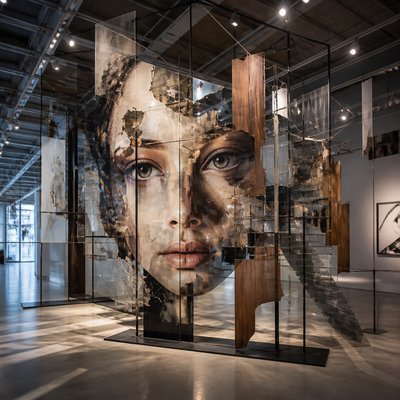
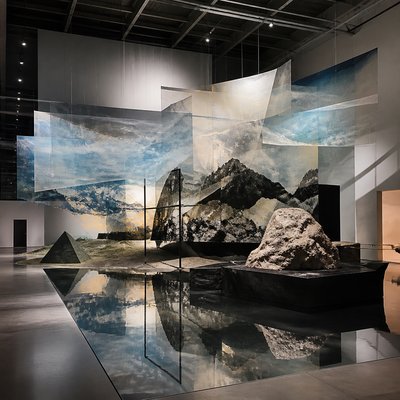
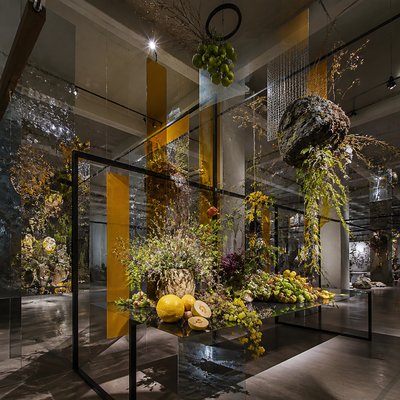
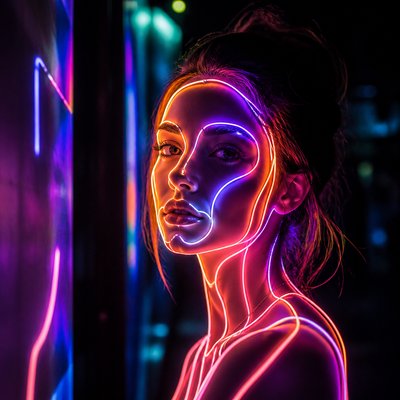
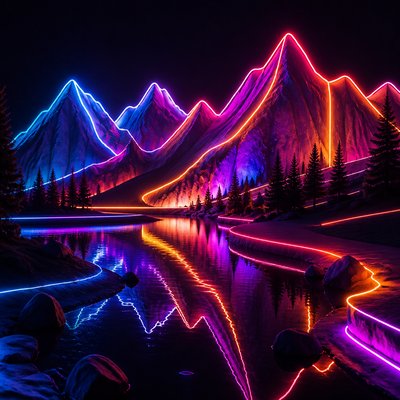
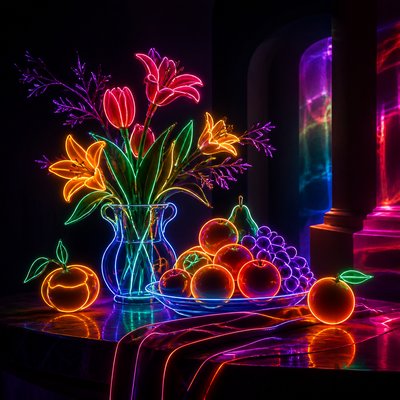
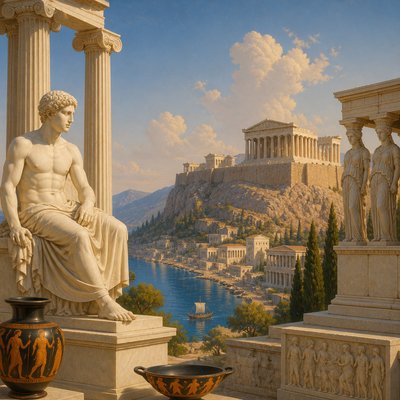
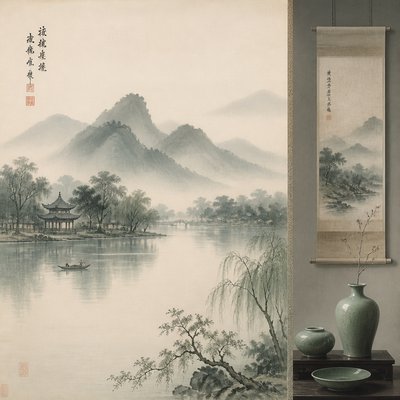
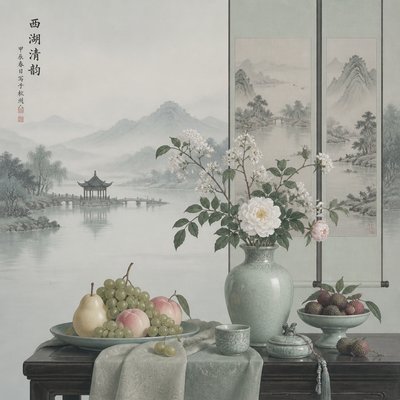
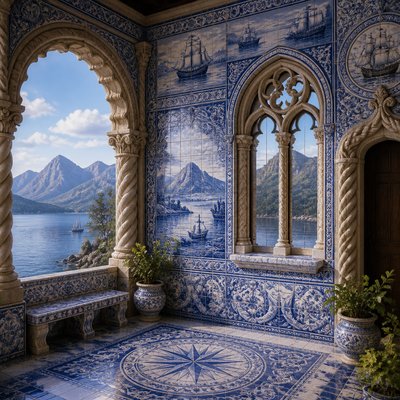
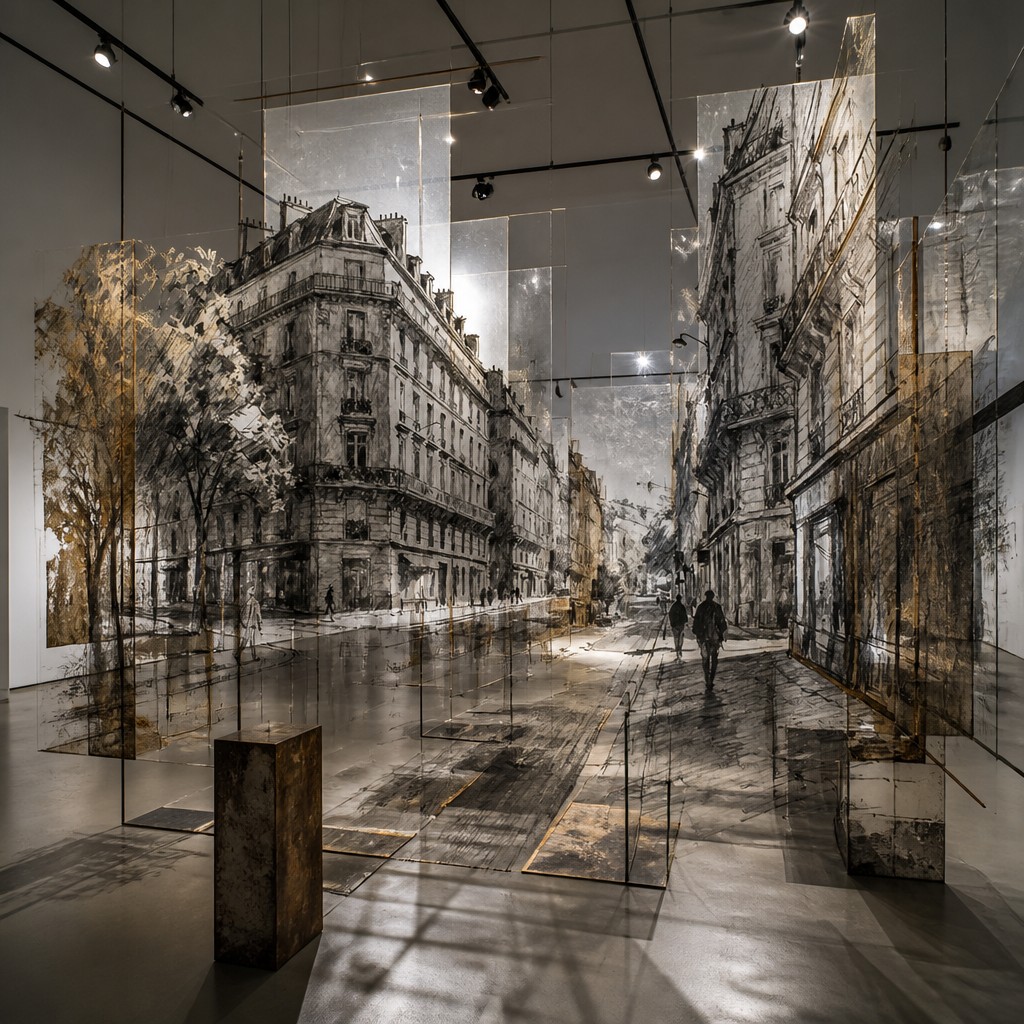
Immersive three-dimensional artworks that transform spaces with mixed media, site-specific elements, light, shadow, and spatial composition.
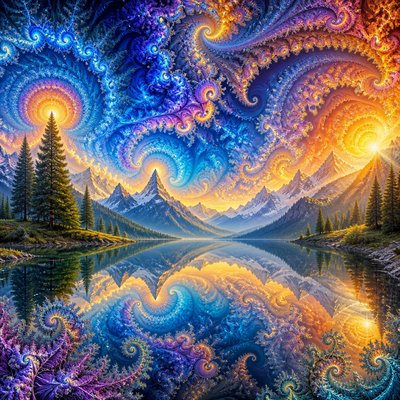
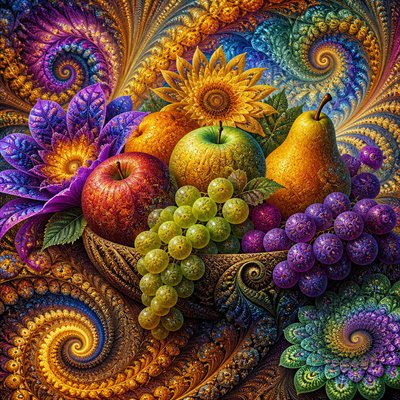
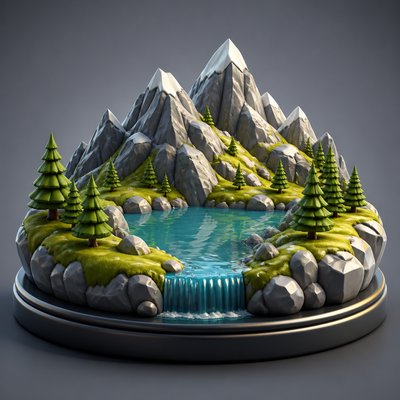
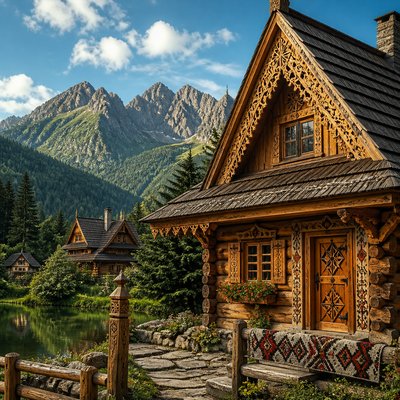
Instantly rendered in Installation — or transform a photo
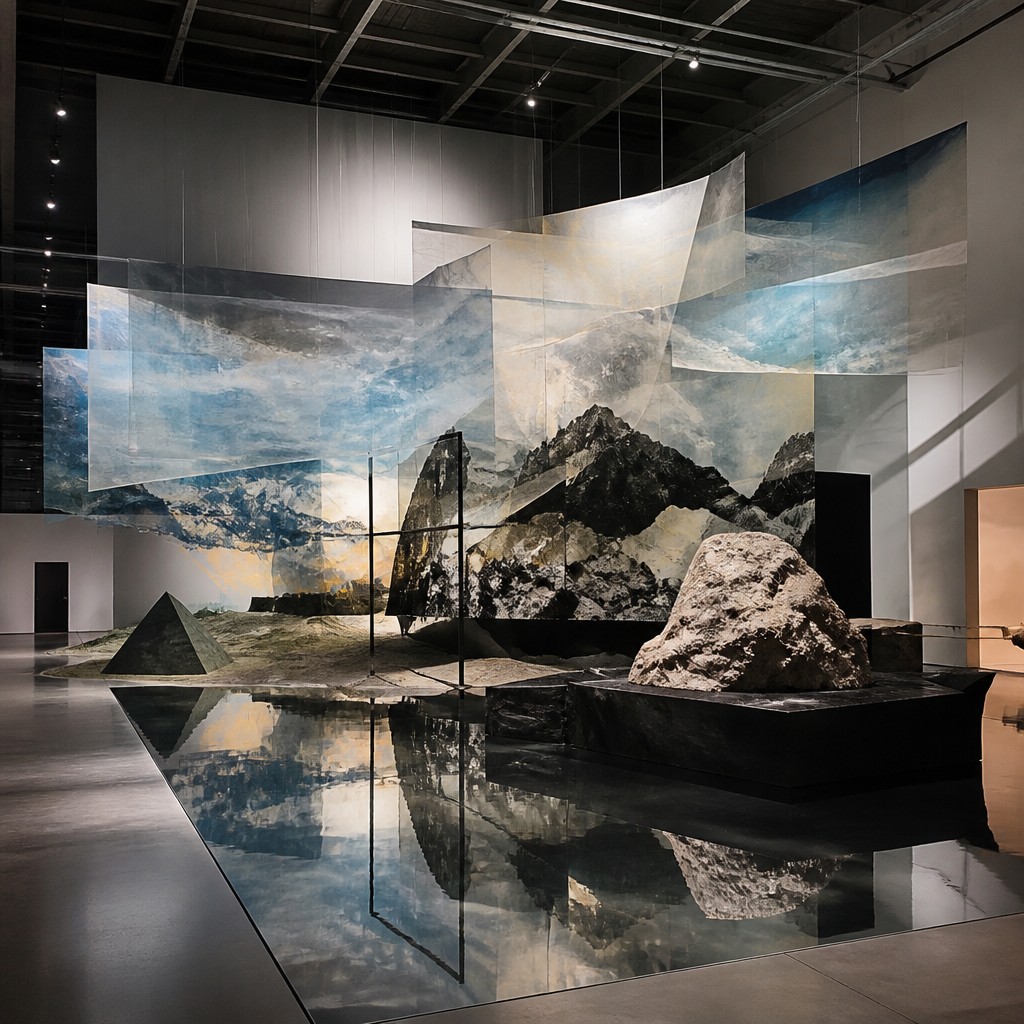
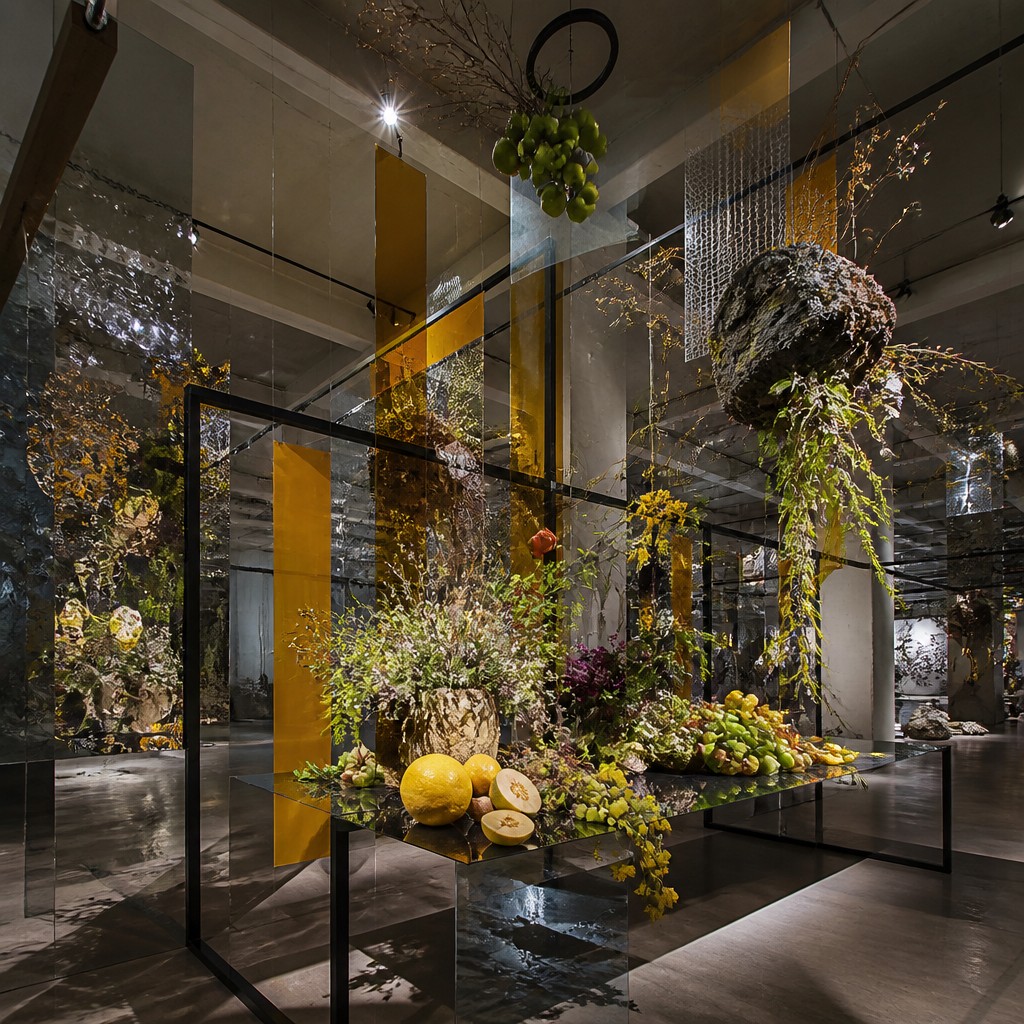
Installation Gallery
Tap any artwork to explore it
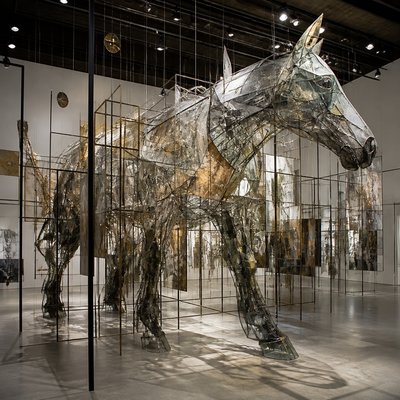
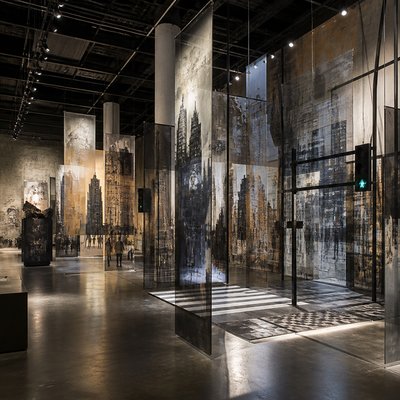
What is Installation Art Style?
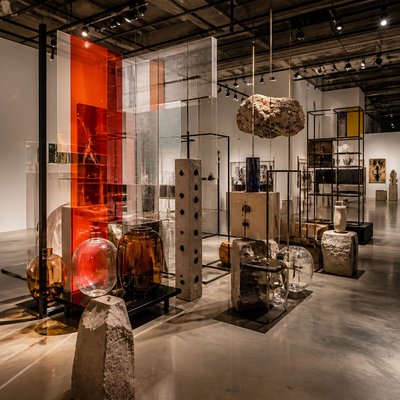
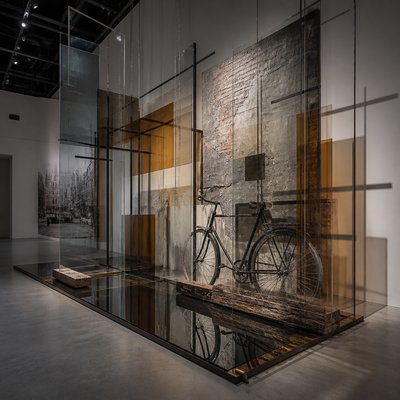
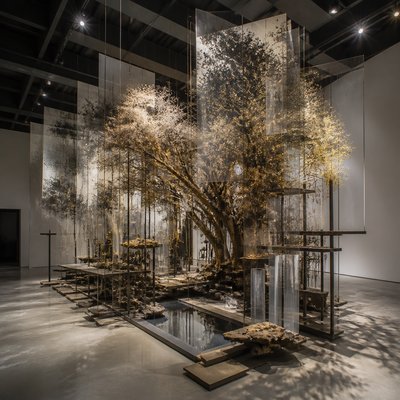
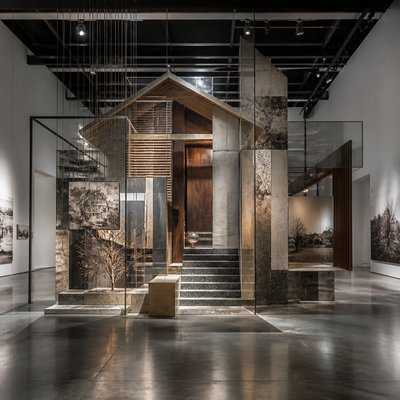
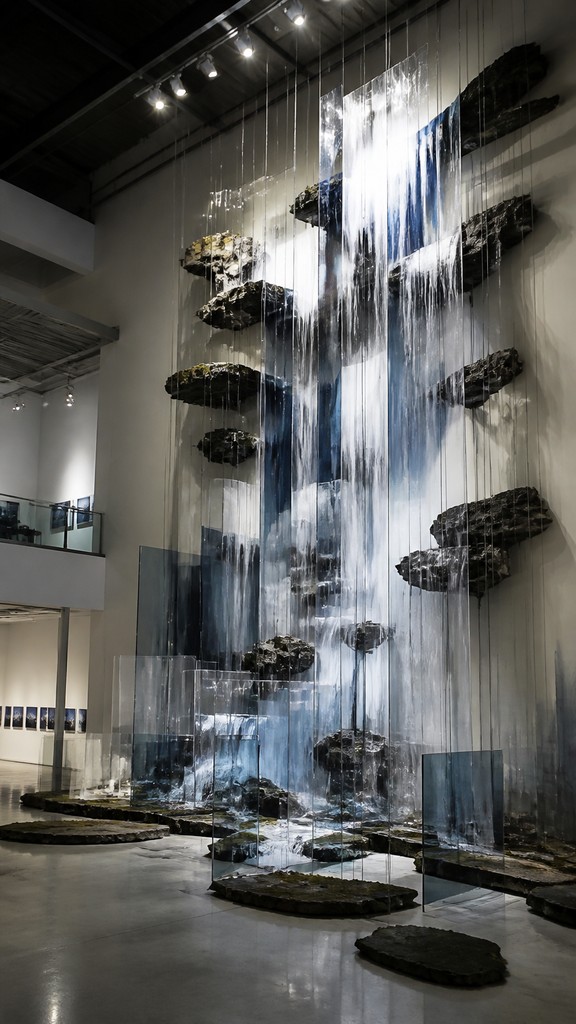
Installation art is a form of contemporary three-dimensional art that turns a room, gallery, outdoor site, or architectural environment into a total visual experience. Rather than presenting a single object to be viewed from one angle, installation works are built around space, scale, movement, light, sound, and viewer circulation. The artwork is often site-specific, meaning it responds to the dimensions, history, or function of the place where it is installed.
Its visual identity comes from the way it combines sculpture, architecture, collage, assemblage, and sometimes performance or media art. Materials may include industrial objects, fabric, glass, mirrors, found items, projections, organic matter, or fabricated structures. The result is usually immersive and spatially complex: viewers do not simply look at installation art, they enter it, walk around it, and experience how the work changes with perspective and proximity.
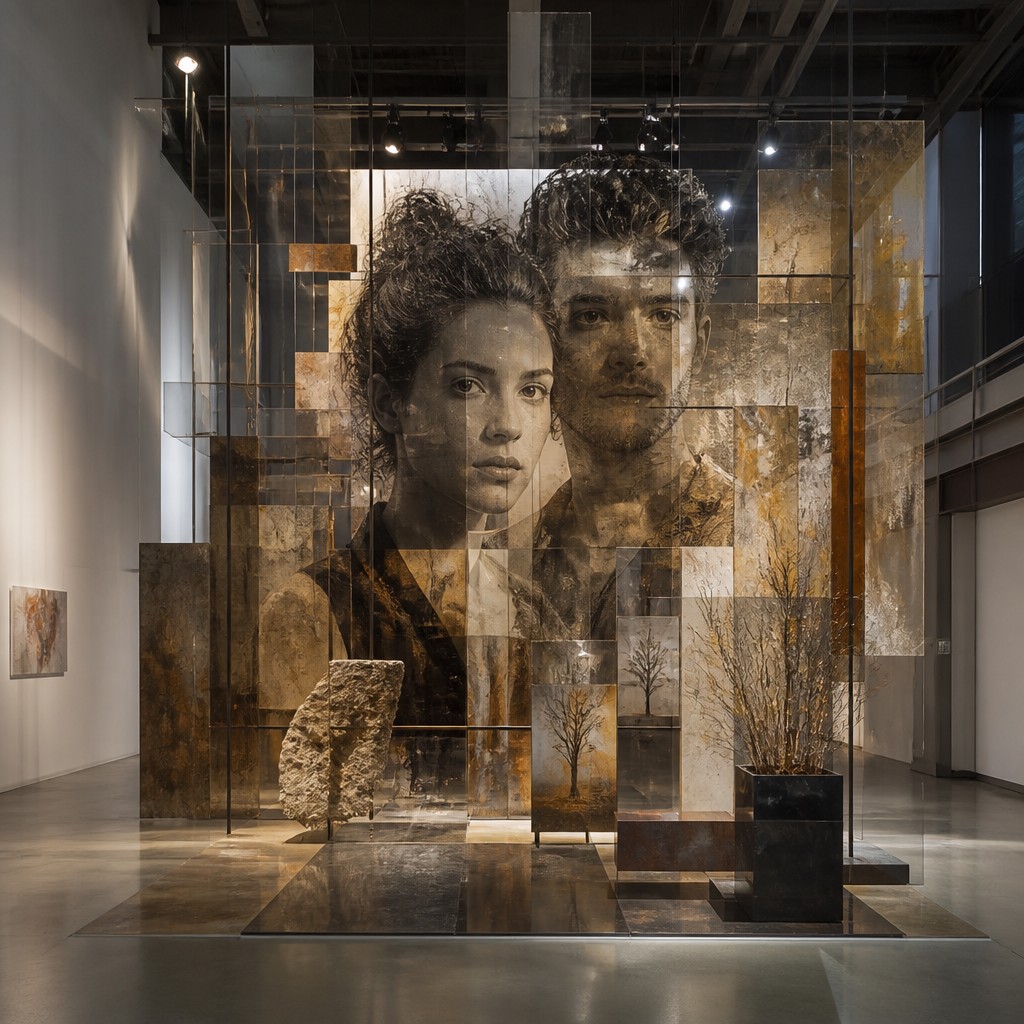
Try It On Your Photos
Upload any photo and convert it into Installation Art Style — drag the sliders to compare before and after.
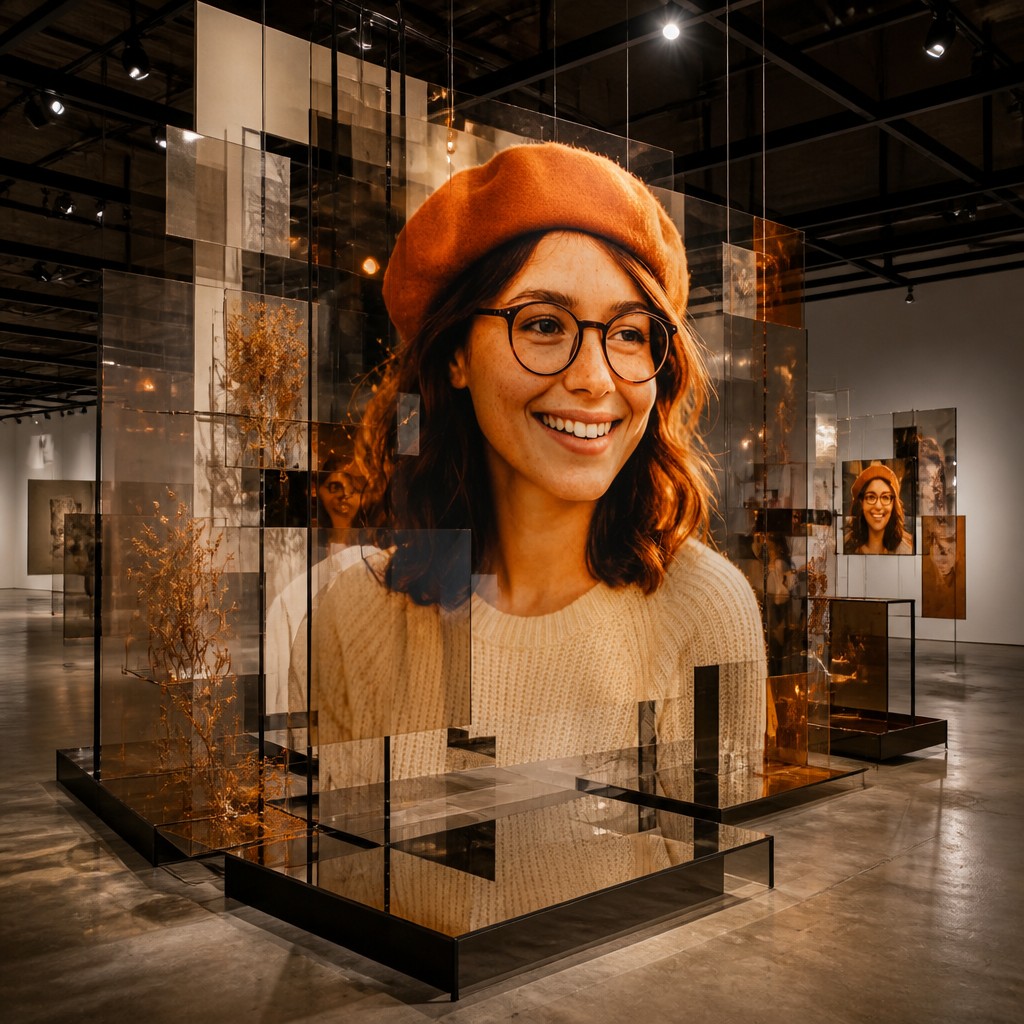


What Defines Installation Art Style
The signature details, up close
Immersive spatial composition
The work is designed to be entered or walked around, with the arrangement of objects shaping the viewer’s movement and attention. Space is not a neutral backdrop; it is an active part of the artwork.
Mixed-media construction
Installation pieces often combine sculpture, found objects, fabrication, projection, sound, and light. This layered material approach creates a sense of complexity and unpredictability.
Site-specific logic
Many installations respond to a particular room, building, or landscape, fitting their proportions or referencing their history. Removing the work from its site may change or diminish its meaning.
Interplay of transparency and opacity
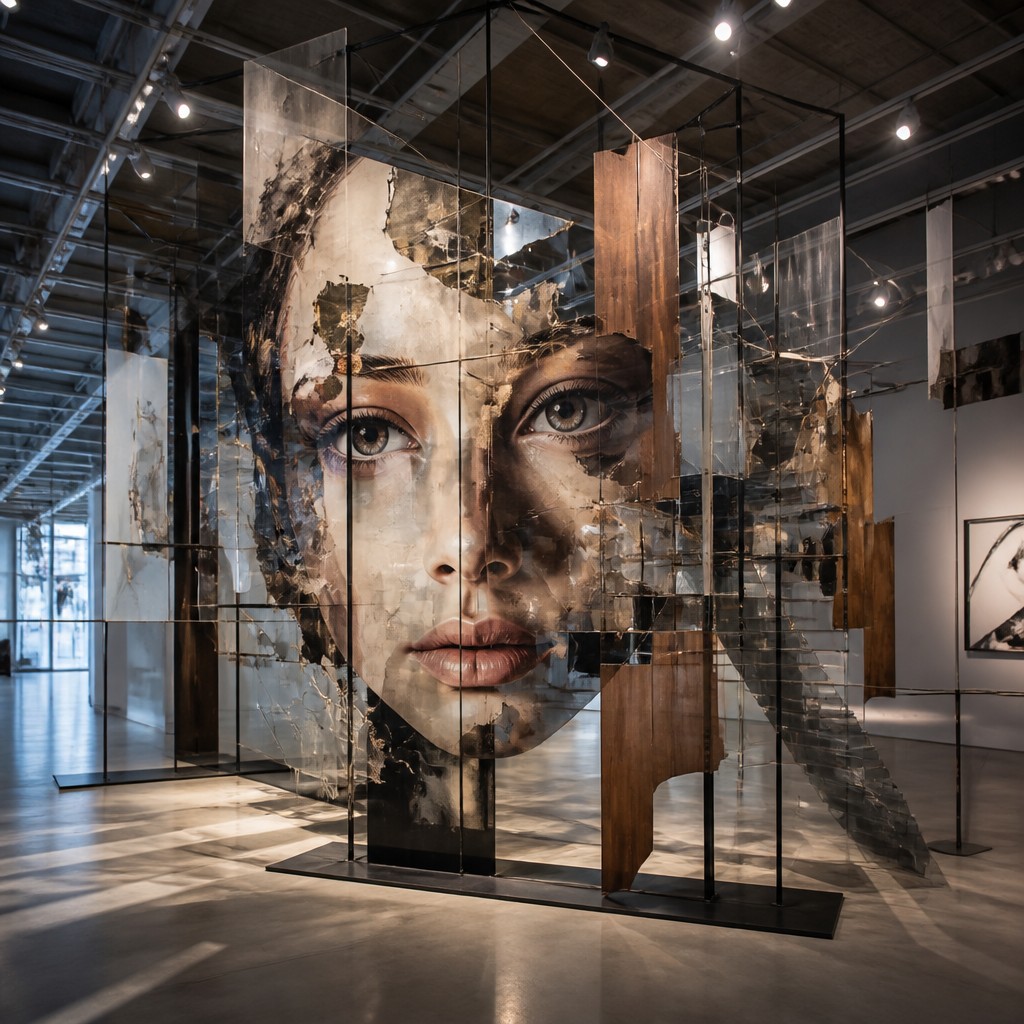
Artists often use glass, plastic, scrim, mesh, mirrors, or translucent panels alongside dense materials like metal, wood, stone, or fabric. This contrast produces depth, partial visibility, and shifting reflections.
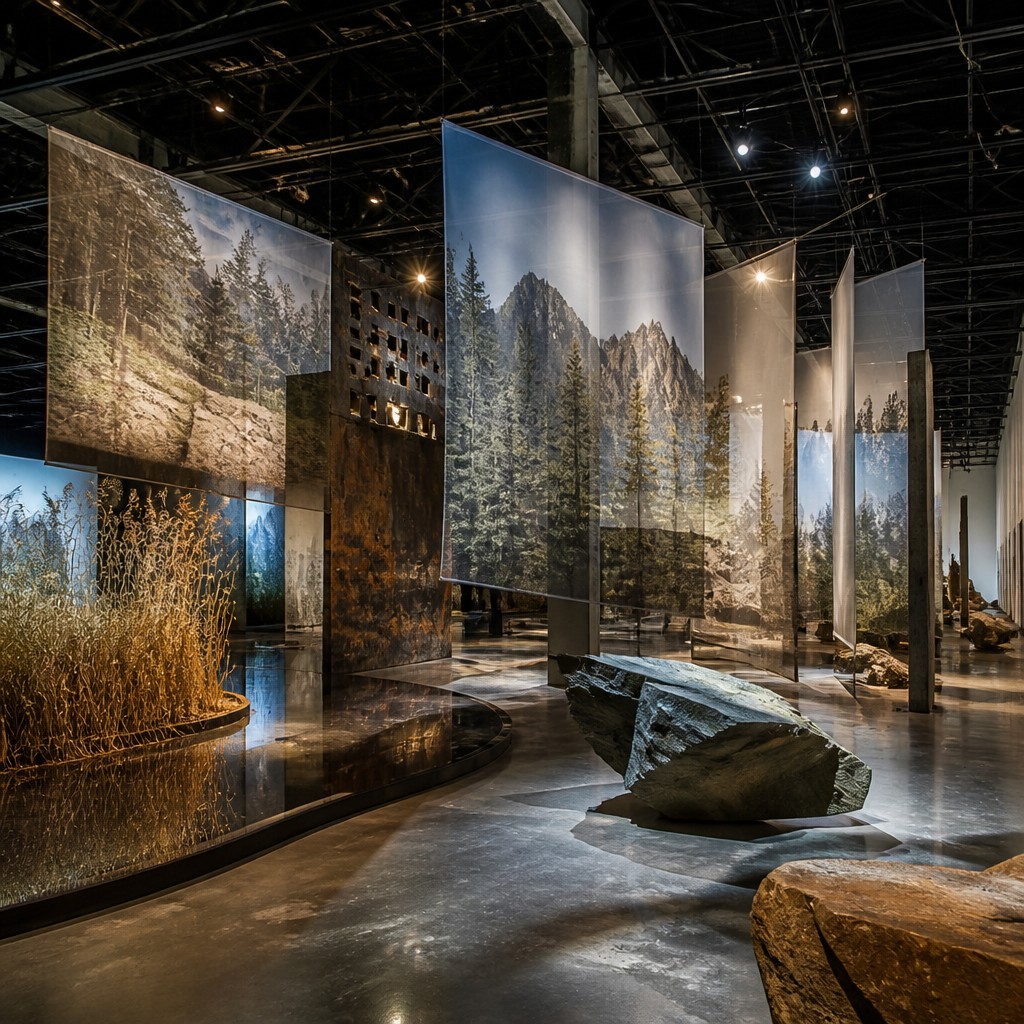
Architectural framing
Structures may echo scaffolding, partitions, corridors, chambers, or suspended systems. The installation frequently feels like a constructed environment rather than a single freestanding object.
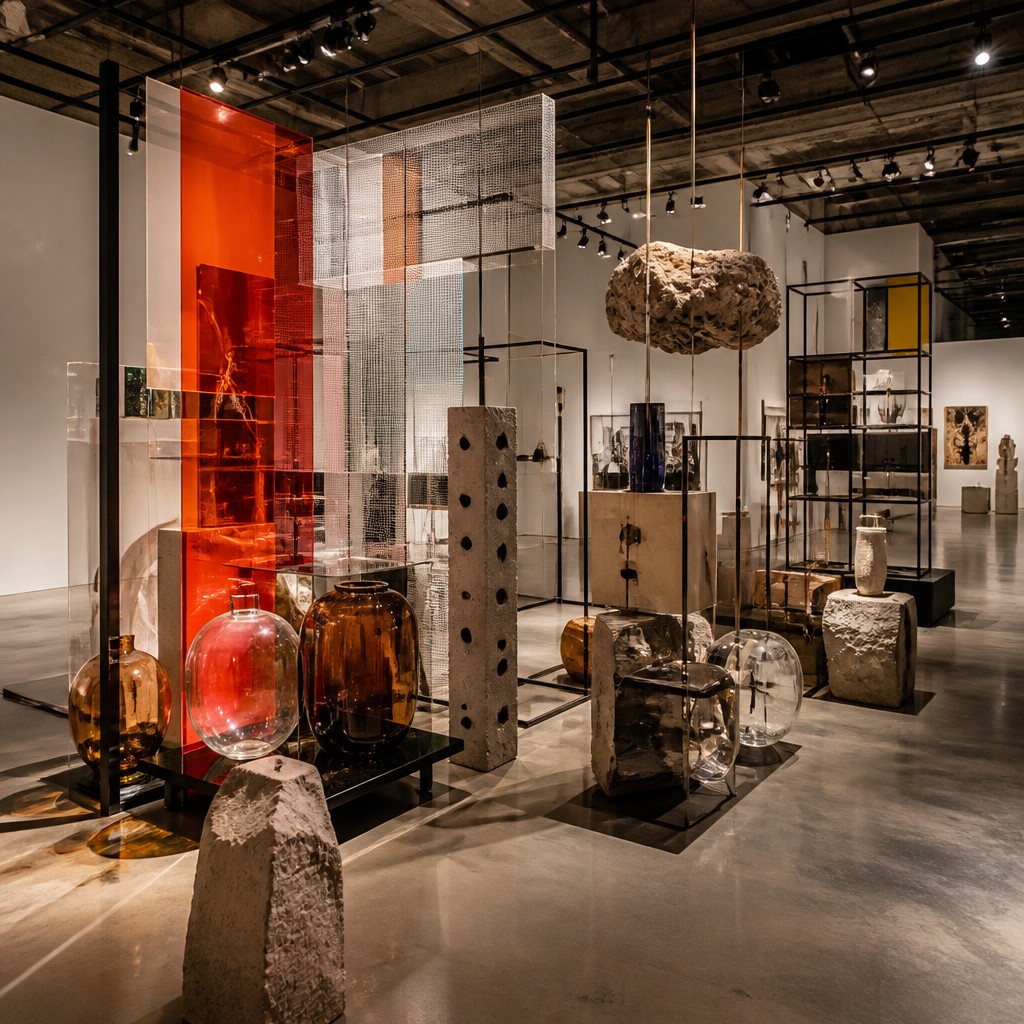
Light and shadow as form
Spotlights, ambient fill, projected imagery, or natural daylight often shape the work as strongly as the physical materials. Shadows, glare, and reflections become part of the composition.
Try It
Create Videos in Installation Art Style
Styles aren't just for stills — describe a scene or animate an image and get a short video rendered in Installation. Press play to see this pond come to life.
Make a VideoInstallation Prompt Ideas
Start from an idea — each one opens the generator with the style ready to go. See all 40 Installation prompts →
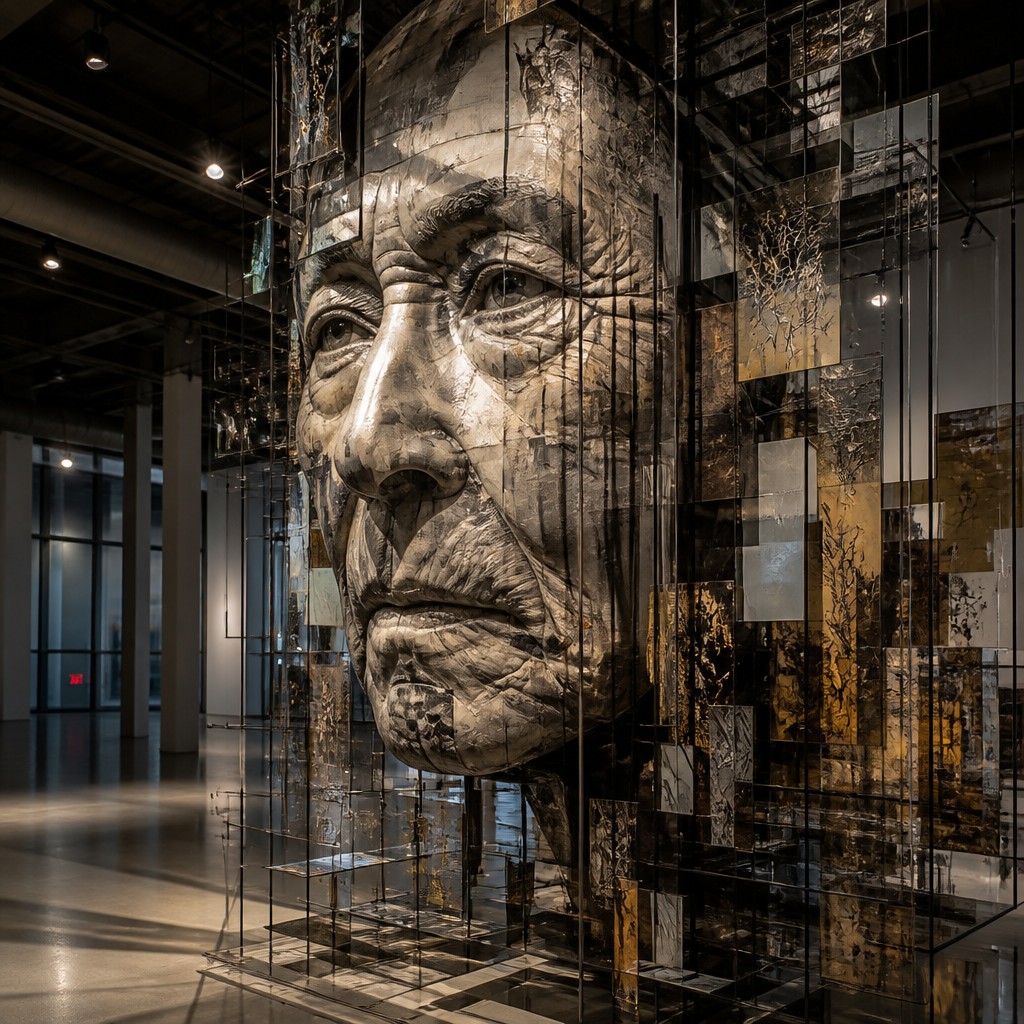
“close-up portrait of an elderly person with expressive weathered features”
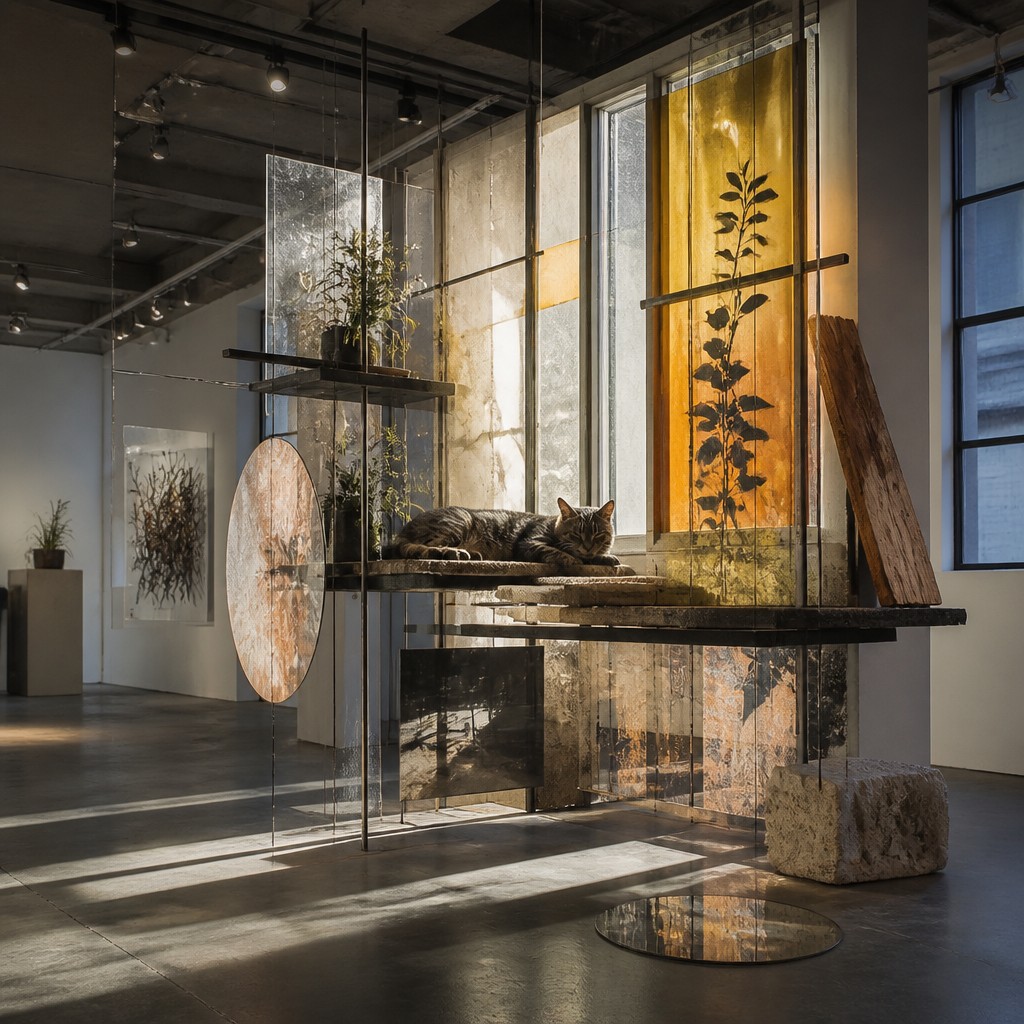
“a cat lounging in a sunlit window”
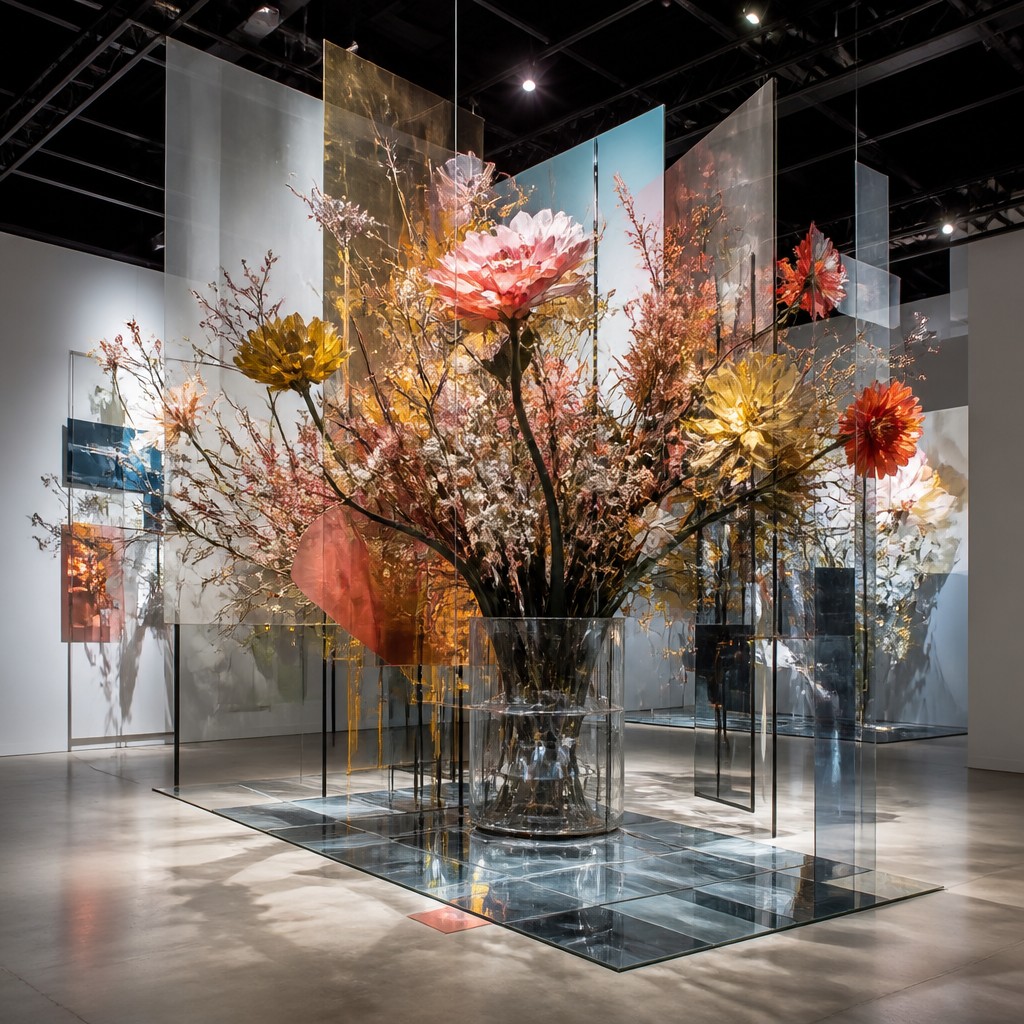
“bouquet of flowers in a glass vase”
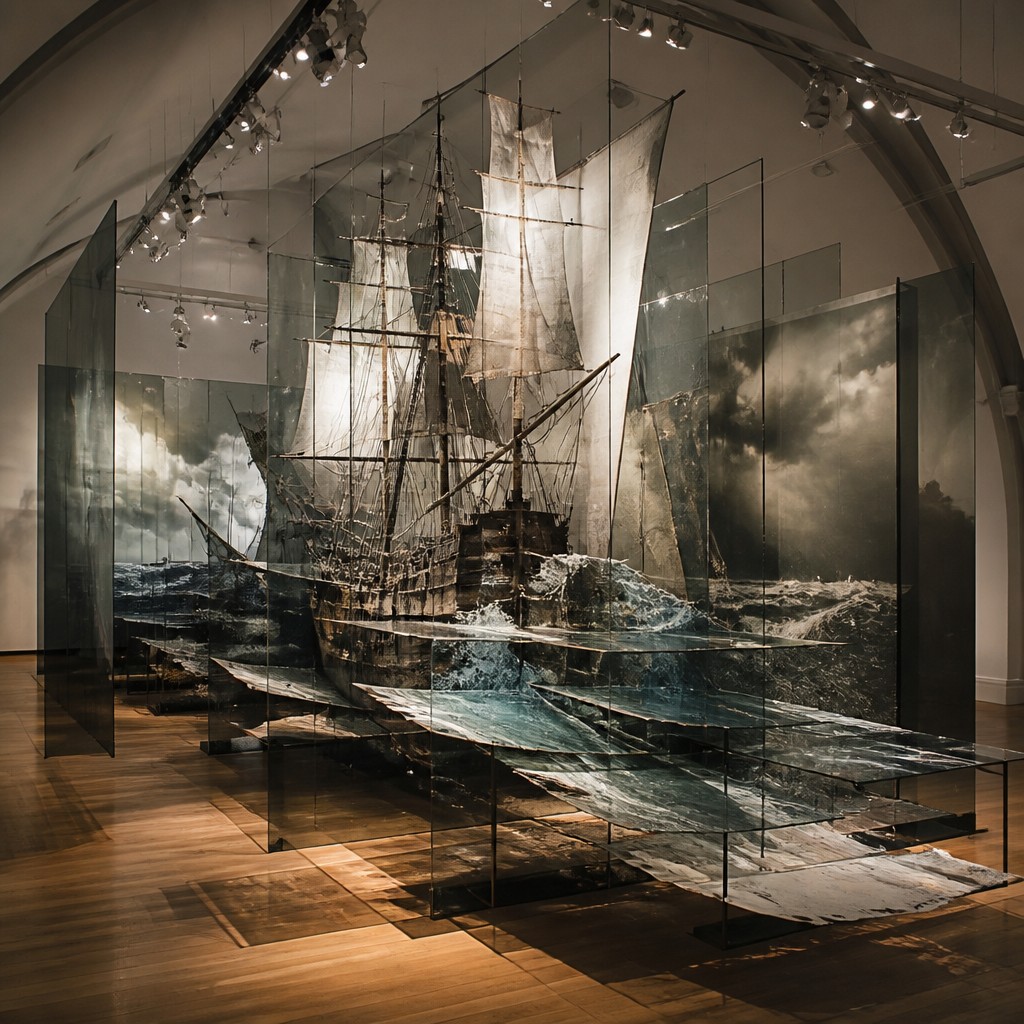
“sailing ship on a stormy sea”
How to Create Installation Art
Master the craft step by step — or skip straight to creating. Read the full guide →
- 1
Build around a space, not just an object
Start by planning how viewers will move through the work and what they will see from different points in the room. In traditional making, sketch floor plans and elevation views before building; in digital workflows, describe the environment, camera perspective, and spatial arrangement as carefully as the subject itself.
- 2
Combine contrasting materials
Use a mix of industrial and organic elements, such as metal frames with fabric, mirrors with wood, or translucent plastic with stone or paper. Contrast helps create the layered, experiential quality associated with installation practice.
- 3
Use light as a structural element
Plan illumination deliberately, because spotlighting, backlighting, and ambient fill can alter depth and mood. For image generation, specify dramatic spotlights, soft fill, and shadow patterns; for physical work, test the piece under the actual lighting conditions where it will be shown.
- 4
Create depth through layering
Place objects at varying heights and distances to avoid a flat arrangement. Overlapping planes, suspended components, and reflected images help the environment feel expansive and interconnected.
- 5
Make the site visible in the work
Respond to the architectural features around you, such as walls, ceilings, doorways, columns, or flooring. A convincing installation usually looks inseparable from the site it inhabits rather than merely placed inside it.
- 6
Write prompts with spatial specificity
When generating images, describe the installation as a photographed environment: include materials, room type, lighting, camera angle, and scale. Strong prompts often mention a wide-angle documentary perspective, clean architectural setting, suspended elements, and reflective or translucent surfaces.
The Story
History & Origins of Installation
Installation art emerged in the twentieth century from several overlapping developments in avant-garde art. Its roots can be traced to assemblage, constructivism, surrealist environments, Dada, and later the expanded practices of postwar art that rejected the traditional framed picture and pedestal sculpture. By the 1960s and 1970s, artists increasingly treated exhibition space itself as the medium, creating works that transformed the viewer’s physical experience of art. Important figures associated with the development of installation practices include major happening artists, influential assemblage sculptors, prominent socially engaged art practitioners, and leading light-and-space artists, among others.
The form continued to expand through postminimalism, conceptual art, environmental art, and contemporary museum practice. It became closely associated with temporary, site-responsive works in galleries, public spaces, and biennials, often addressing politics, memory, ecology, or perception. Because installation art is defined less by one visual formula than by its spatial and experiential logic, it has absorbed influences from architecture, theater, design, and new media while remaining centered on the transformation of place into artwork.
Influences: Installation art draws from assemblage, environments, and site-specific sculpture, as well as Surrealism, Constructivism, Dada, and Minimalism. It also overlaps with performance art, conceptual art, and postminimalist practices, including the experimental environments of major happening artists, the object-based assemblages of influential assemblage sculptors, the material investigations of prominent socially engaged art practitioners, and the perceptual installations of leading light-and-space artists. Its contemporary forms are further shaped by architecture, theater design, and museum display conventions.
Frequently Asked Questions
What defines installation art?
Installation art is defined by its relationship to space and viewer experience. Instead of being a single autonomous object, it is an environment or situation assembled from multiple materials that alters how a place is perceived.
How is installation art different from sculpture?
Traditional sculpture is usually understood as an object viewed from the outside, even when it is large-scale. Installation art typically occupies a whole environment and depends on the viewer’s movement through that environment.
Is installation art always temporary?
Not always, but many installations are designed for a specific venue or exhibition period. Temporary construction is common because the work often responds to a particular site, event, or curatorial context.
What materials are commonly used in installation art?
Artists often use found objects, wood, metal, glass, fabric, paper, mirrors, plastic, light, projections, and sound. The material choice usually supports the spatial and conceptual goals of the piece rather than a single finished surface.
How can I make an installation-style image?
Describe a three-dimensional environment with layered materials, visible structure, and strong lighting effects. For best results, include room type, camera angle, scale cues, and the relationship between the subject and the surrounding space.
Where is installation art commonly shown?
It is commonly shown in galleries, museums, biennials, public spaces, abandoned buildings, and landscape sites. Because it is often site-responsive, the location can be essential to the meaning of the work.

Create your first Installation artwork
Describe anything — or upload a photo — and see it in Installation Art Style in seconds.
Make Something with Installation
Compare Installation
Related Styles
Discover similar art styles