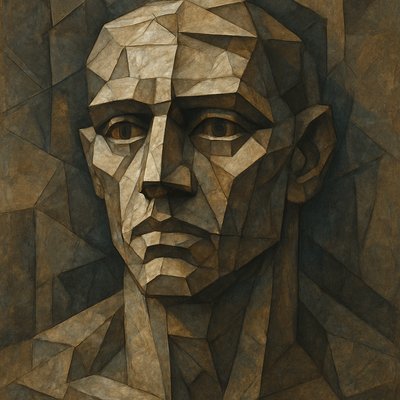
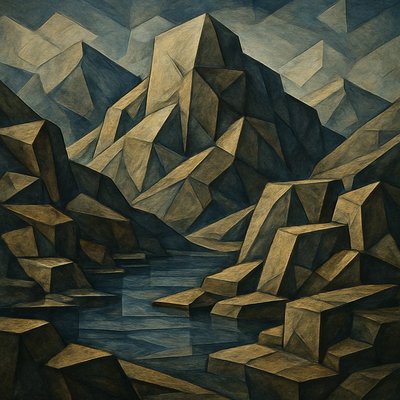
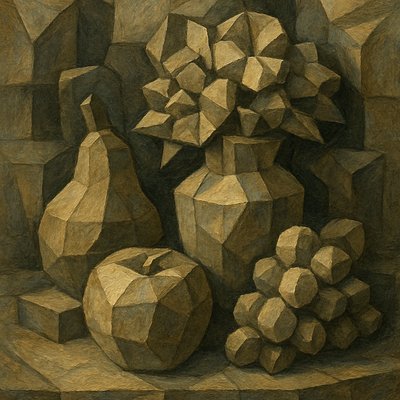
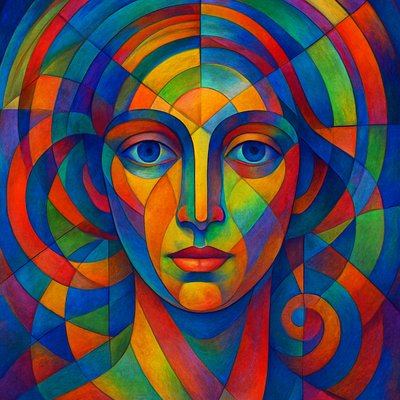
Synthetic Cubism Art Style
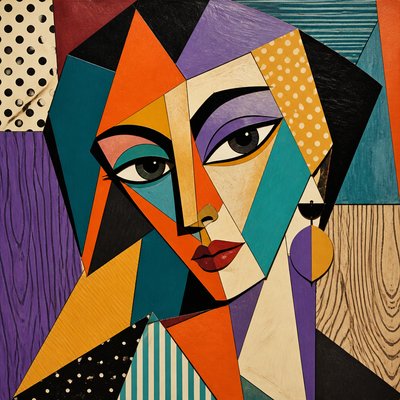
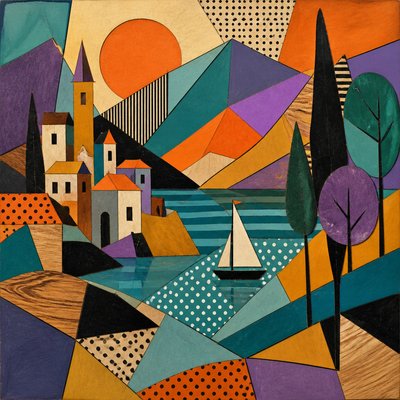
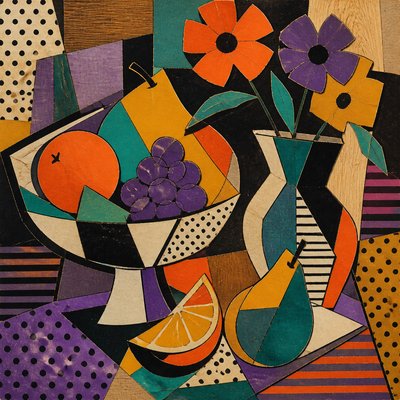
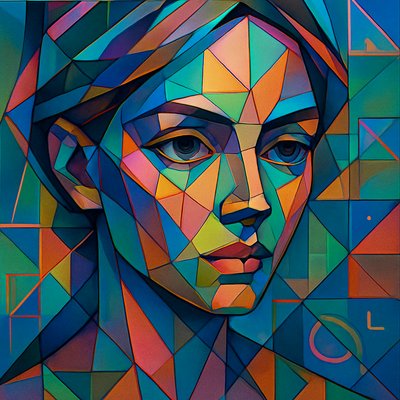
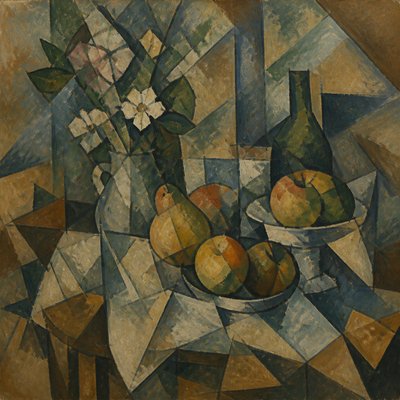
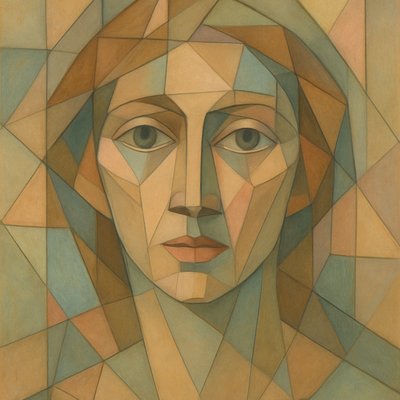
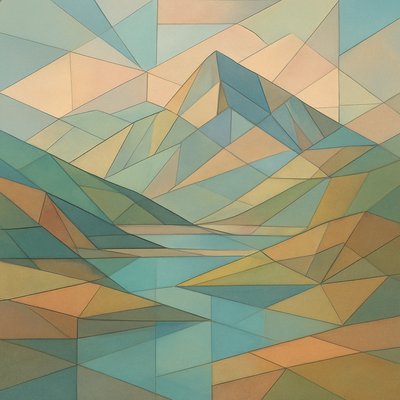
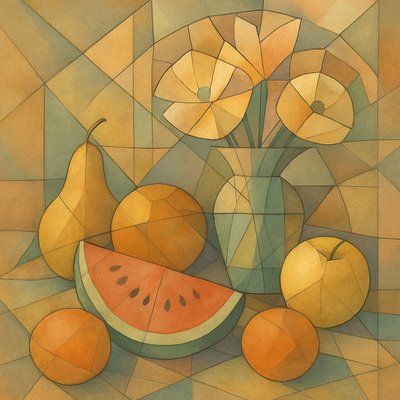
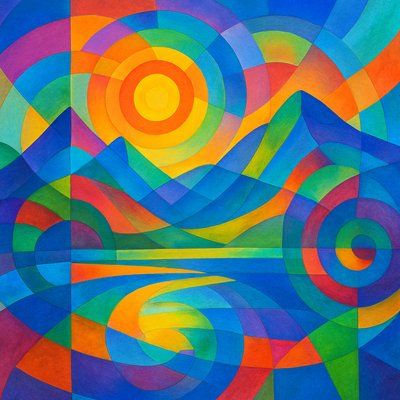
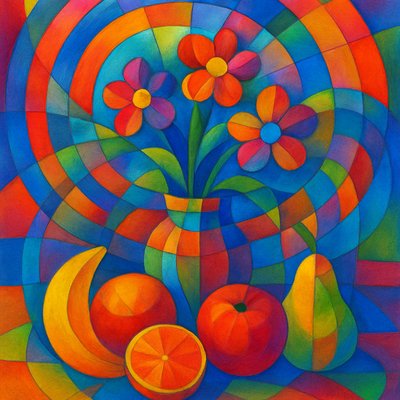
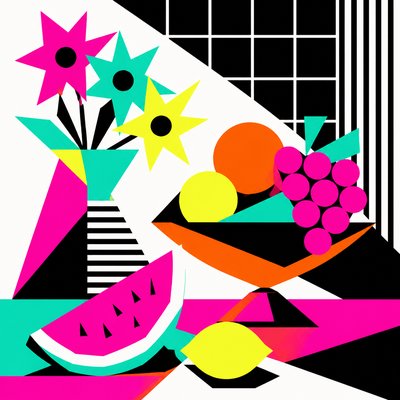
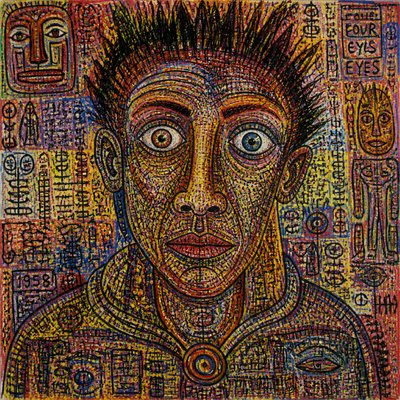
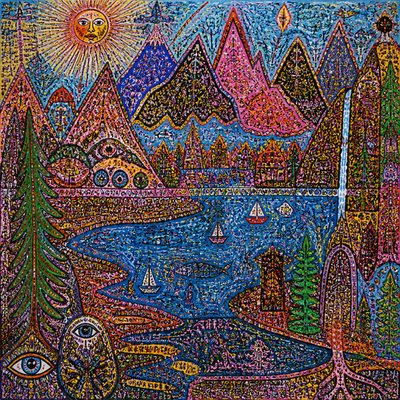
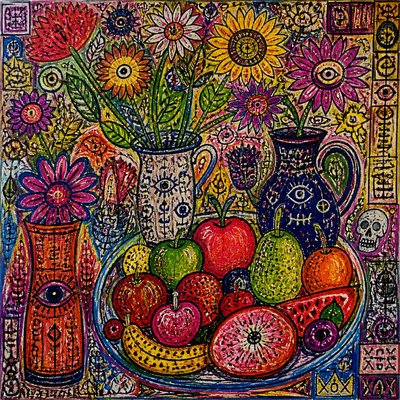
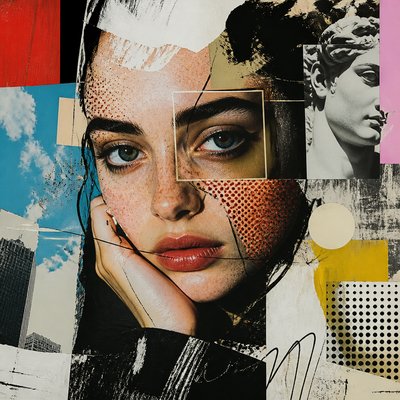
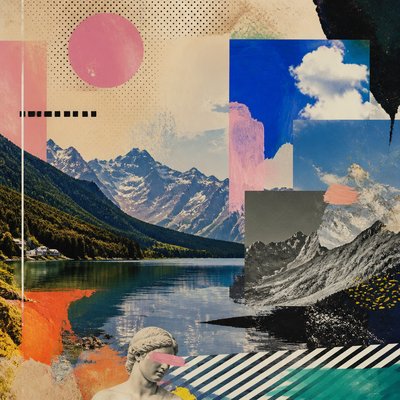
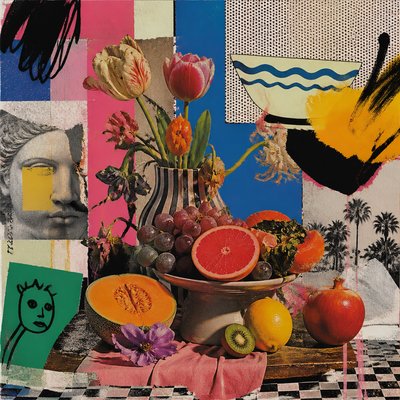
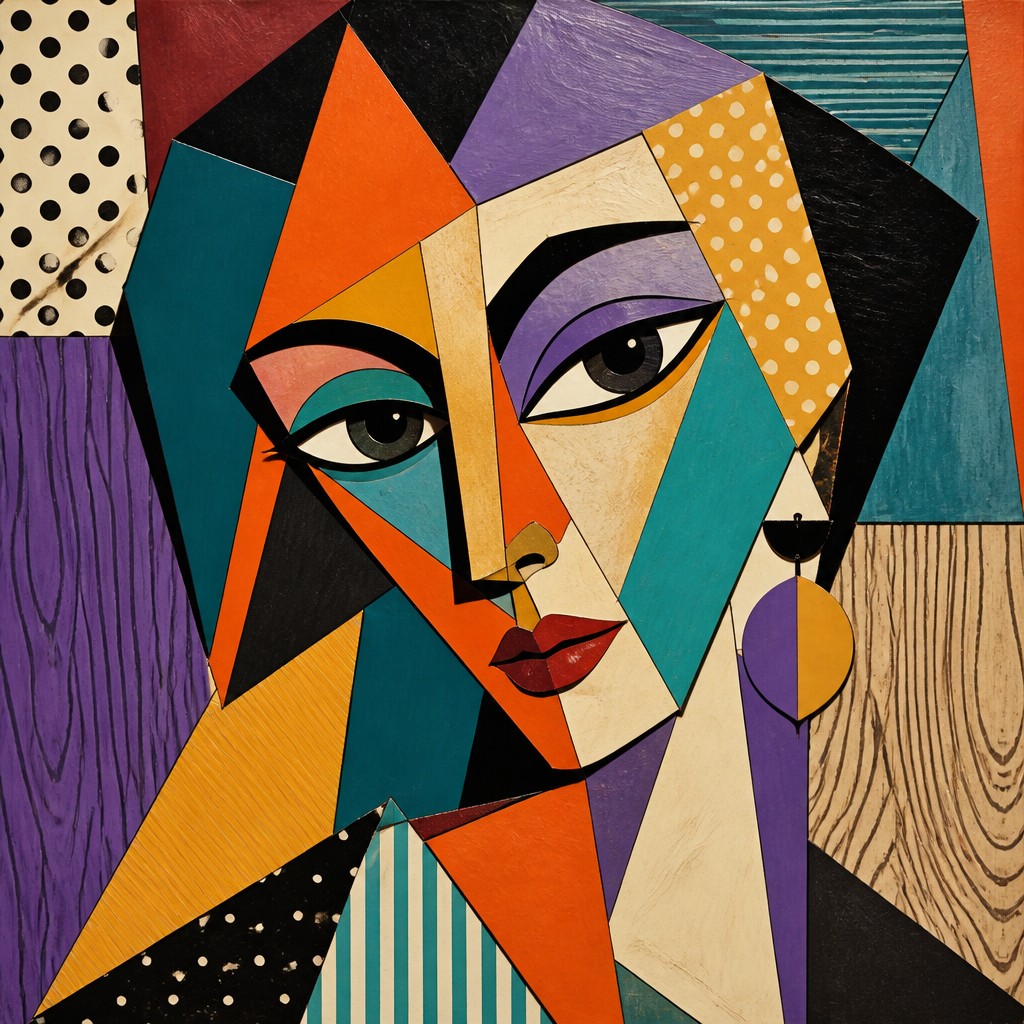
Synthetic cubism uses collage-like shapes, bold color, and mixed textures to rebuild subjects into flat, layered compositions.
Instantly rendered in Synthetic Cubism — or transform a photo
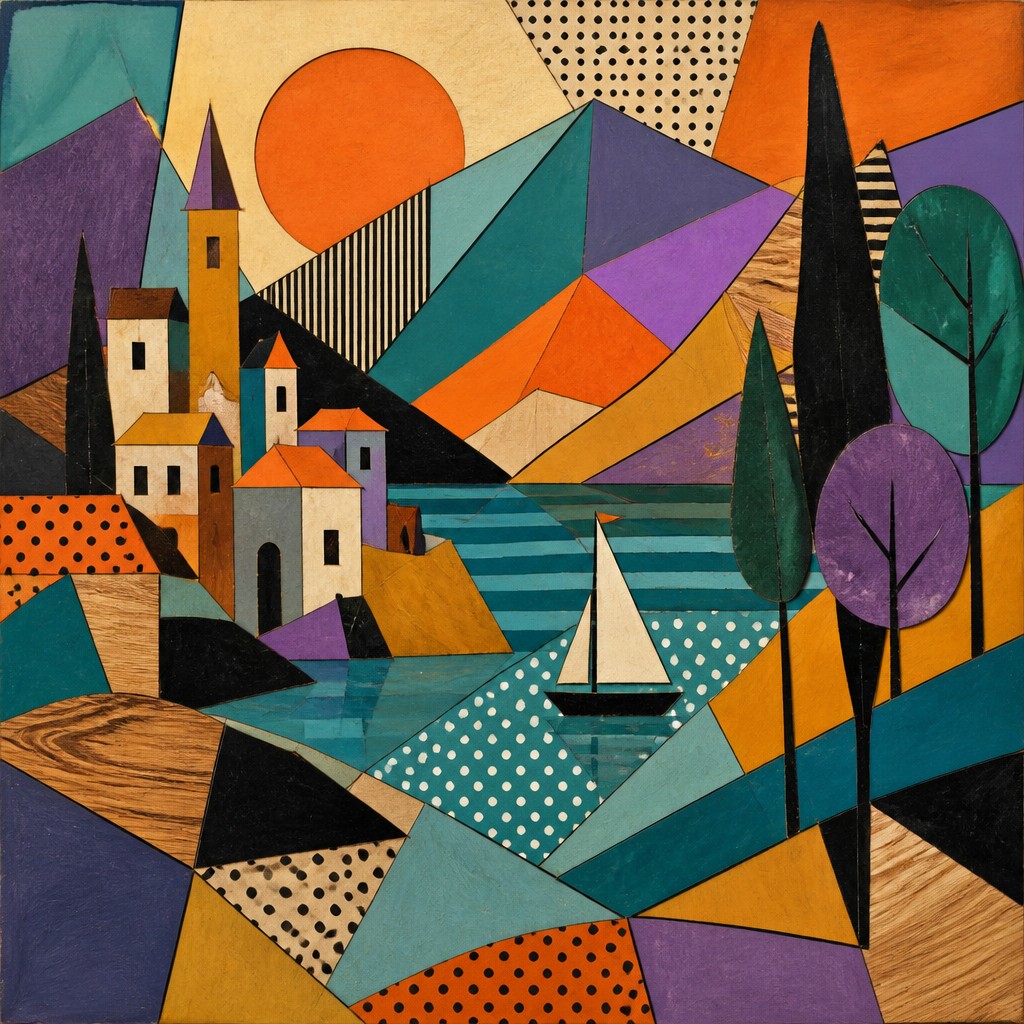
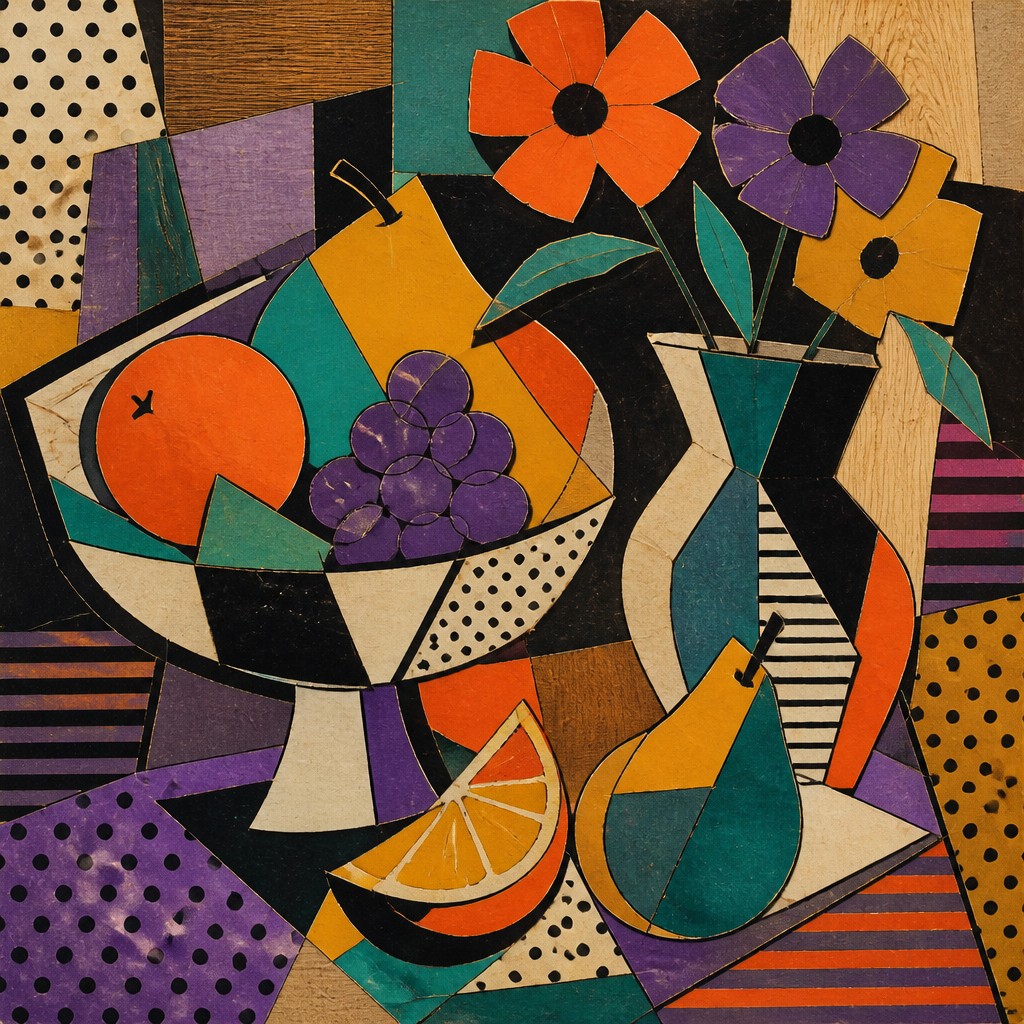
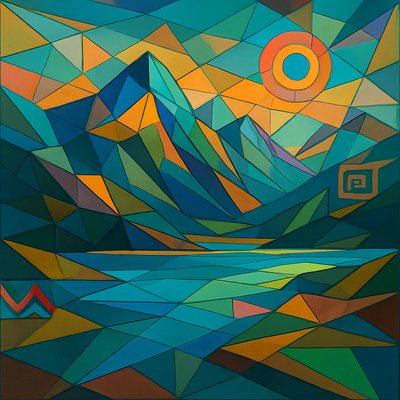
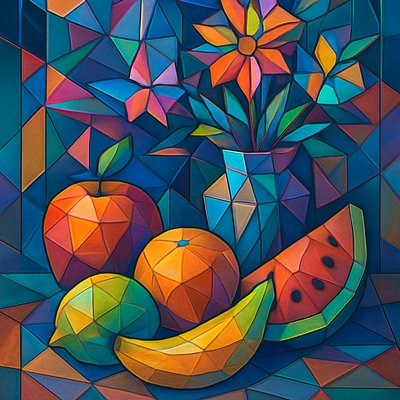
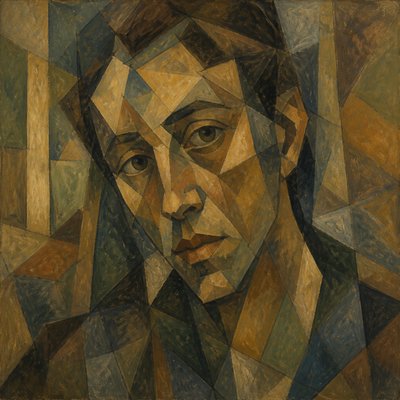
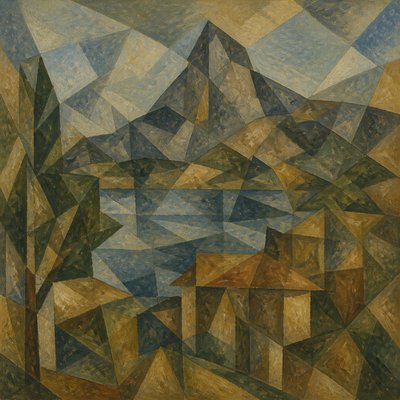
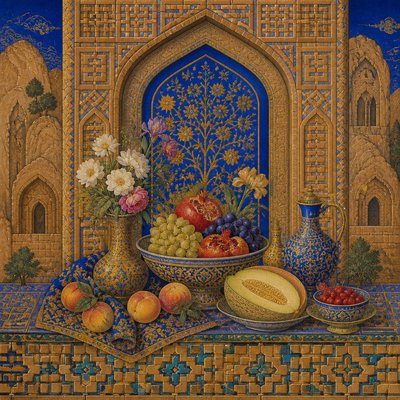
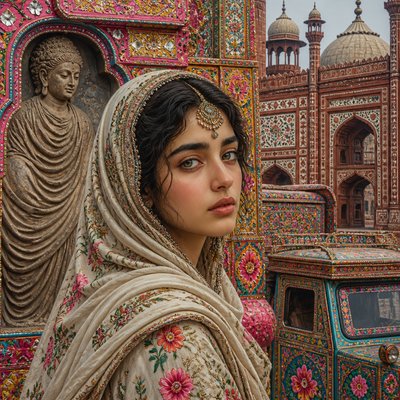
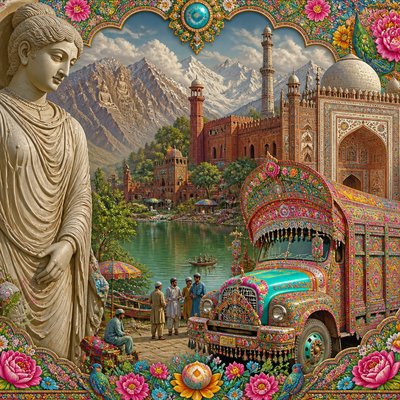
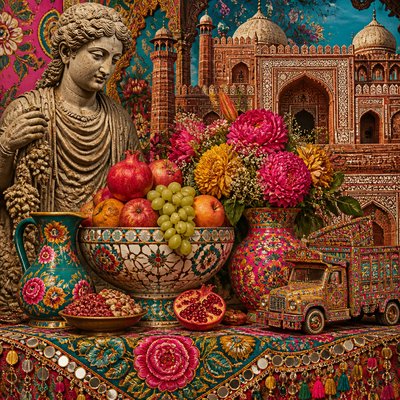
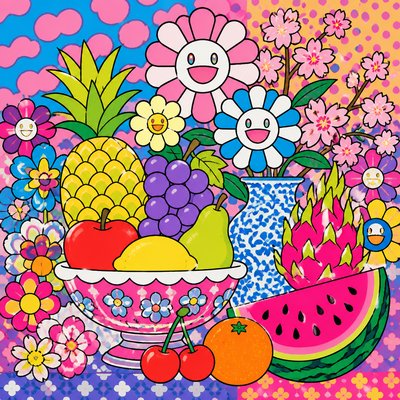
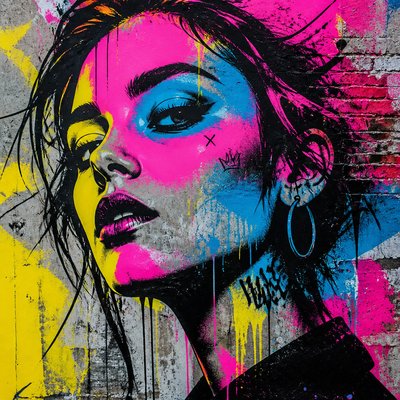
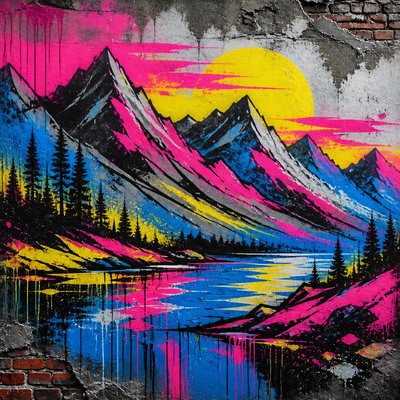
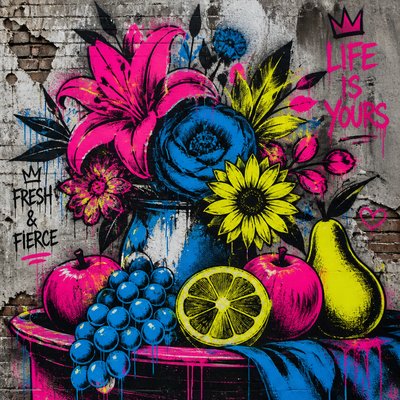
Synthetic Cubism Gallery
Tap any artwork to explore it
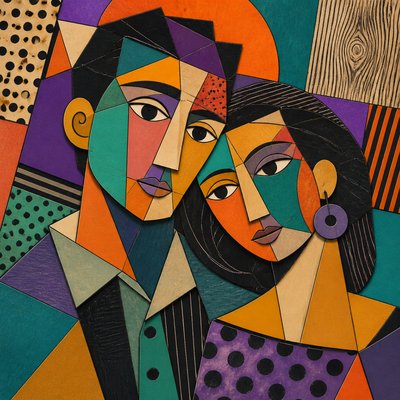
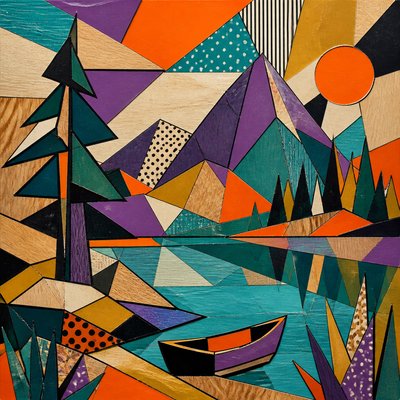
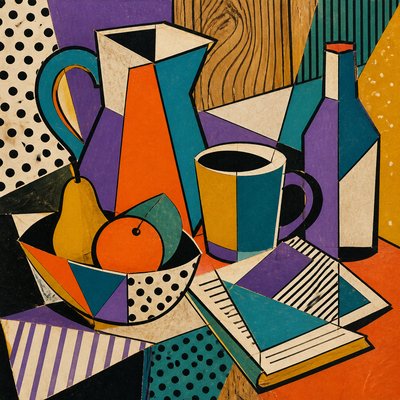
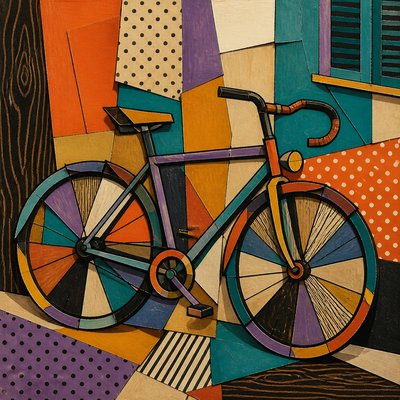
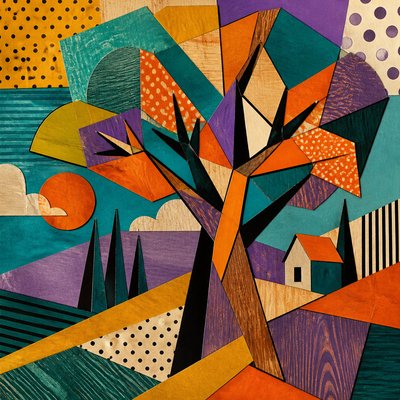
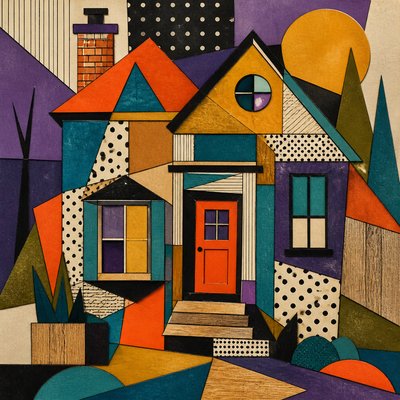
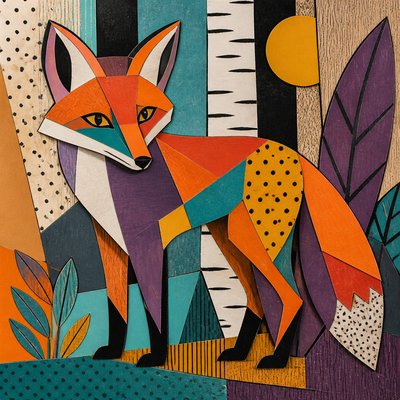
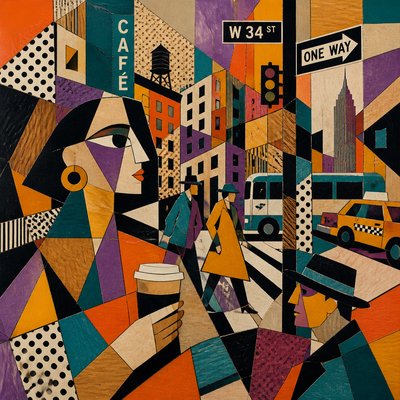
What is Synthetic Cubism Art Style?
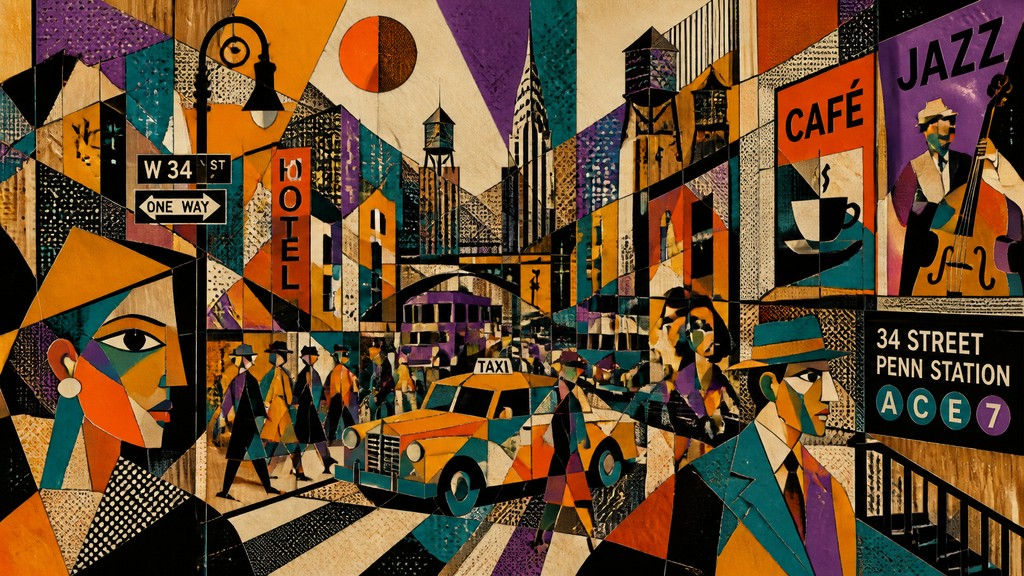
Synthetic cubism is the later, more decorative phase of Cubism, in which artists build images from simplified planes, bright color, and collage-like fragments rather than breaking forms down analytically. Instead of treating a subject as something to dissect, it treats the picture as something constructed: flat shapes, patterned passages, and visible edges assemble a new visual reality on the surface of the canvas.
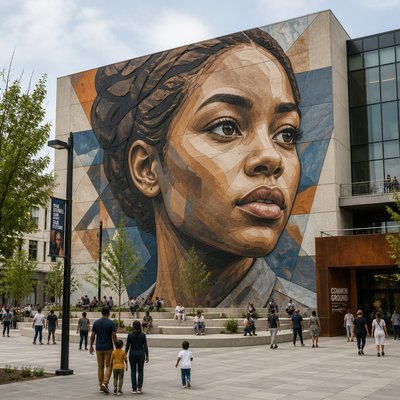
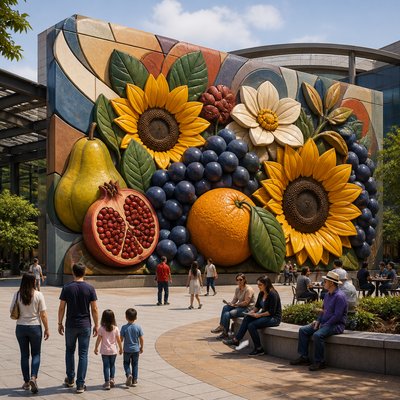
Its look comes from the fusion of painting and collage. Figures, objects, and spaces are reduced to bold geometric pieces that overlap in layered arrangements, often with cut-paper effects, faux textures, printed motifs, and strong outlines. The result is less concerned with naturalistic depth than with surface structure, decorative balance, and the energy of recombination.
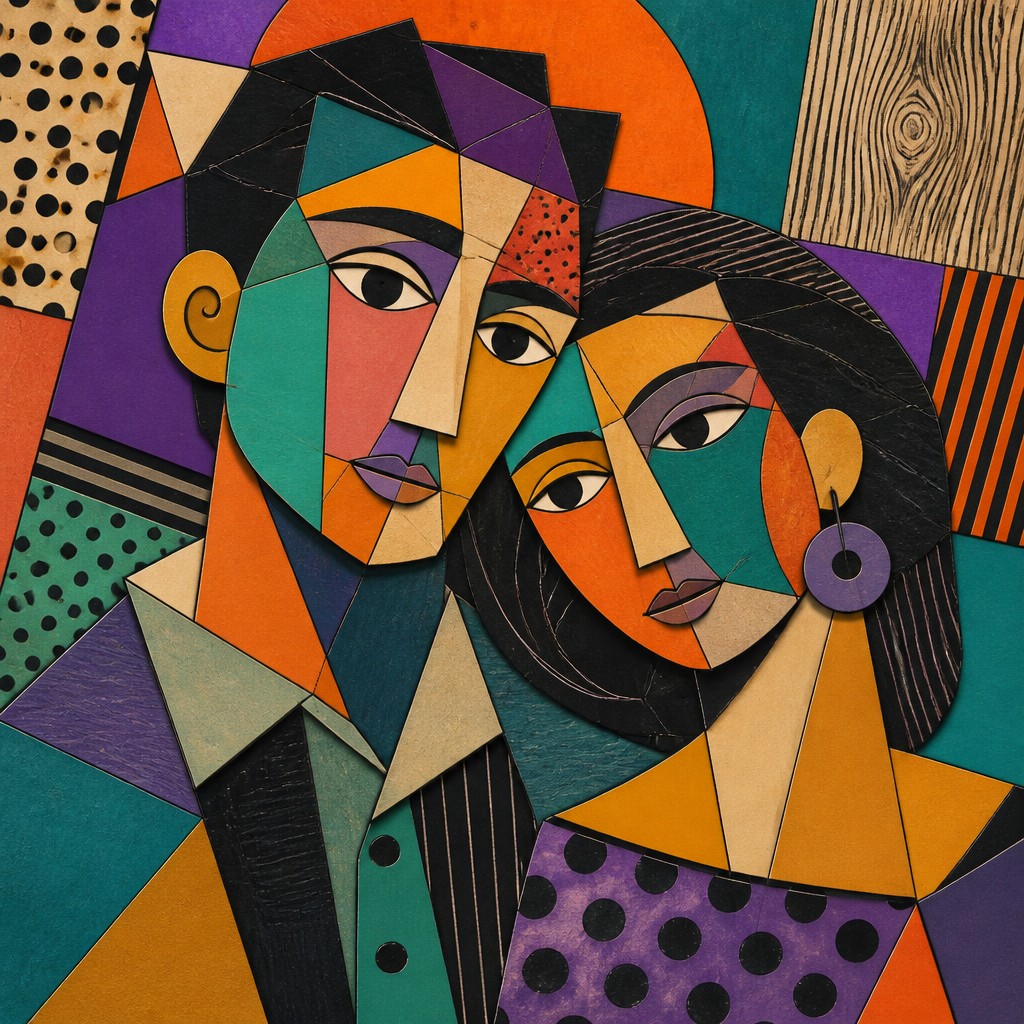
Try It On Your Photos
Upload any photo and convert it into Synthetic Cubism Art Style — drag the sliders to compare before and after.
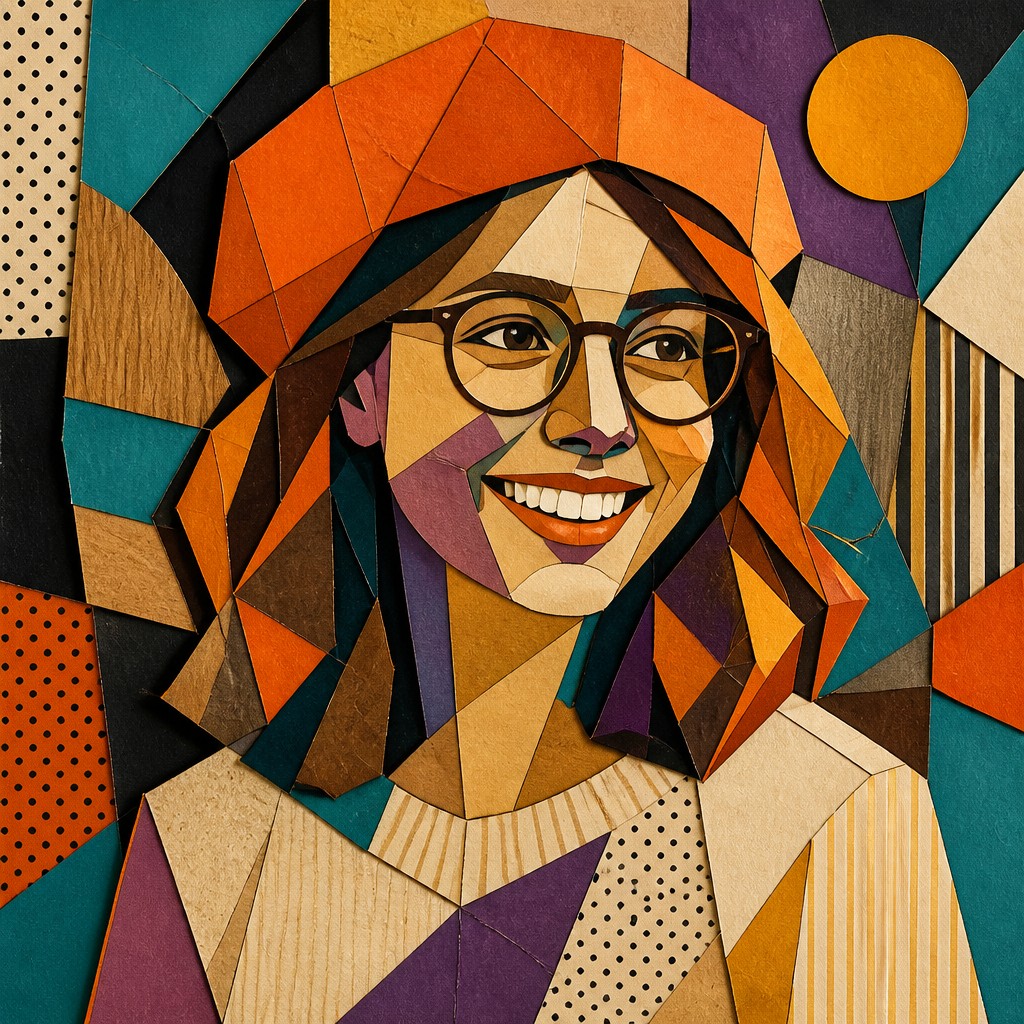

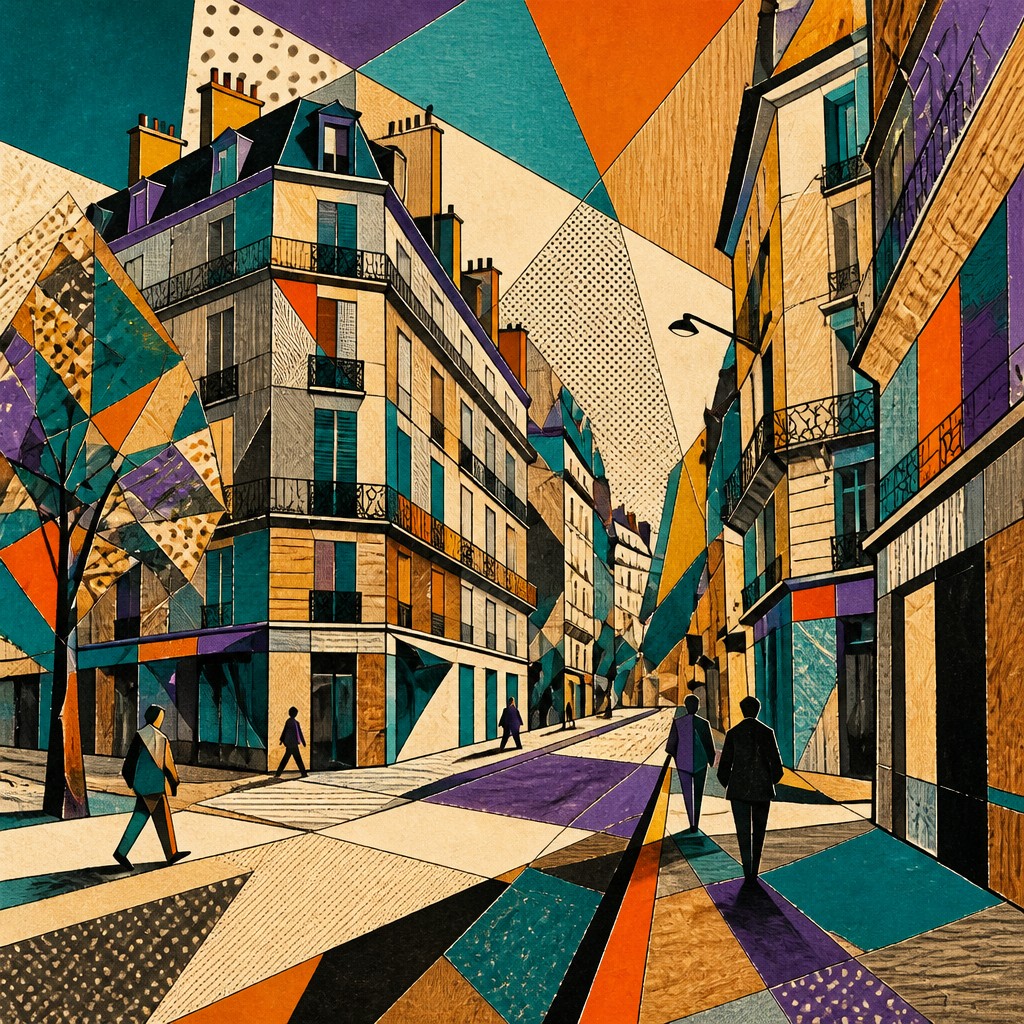

What Defines Synthetic Cubism Art Style
The signature details, up close
Flat constructed planes
Forms are built from broad, simplified geometric pieces rather than modeled with smooth shading. The image often feels assembled from cut components laid side by side.
Collage-like surfaces
Synthetic cubism frequently imitates or directly uses collage methods, including pasted-paper effects, layered fragments, and abrupt shifts in material appearance. These seams are often left visible rather than concealed.
Bright, invented color
Compared with analytic cubism, the palette is more vivid and decorative, with oranges, blues, greens, violets, and yellows appearing in bold contrasts. Color is used to organize the composition as much as to describe the subject.
Pattern and texture
Printed-looking motifs such as dots, stripes, faux wood grain, wallpaper patterns, or type-like marks often appear within the composition. These textures reinforce the sense of mixed media and surface play.
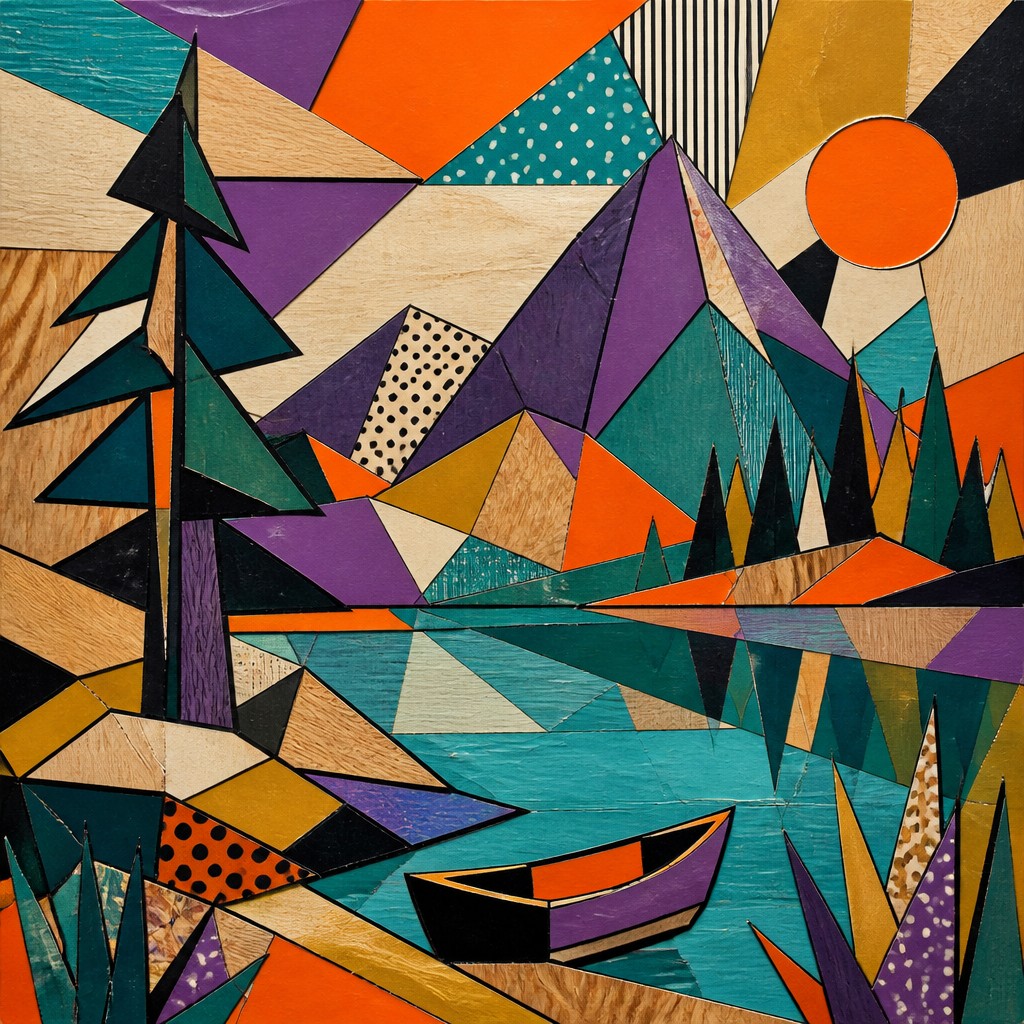
Merged viewpoints
Multiple angles of the same object or figure can be combined on one flattened plane. Rather than creating depth through perspective, the style presents several views at once.
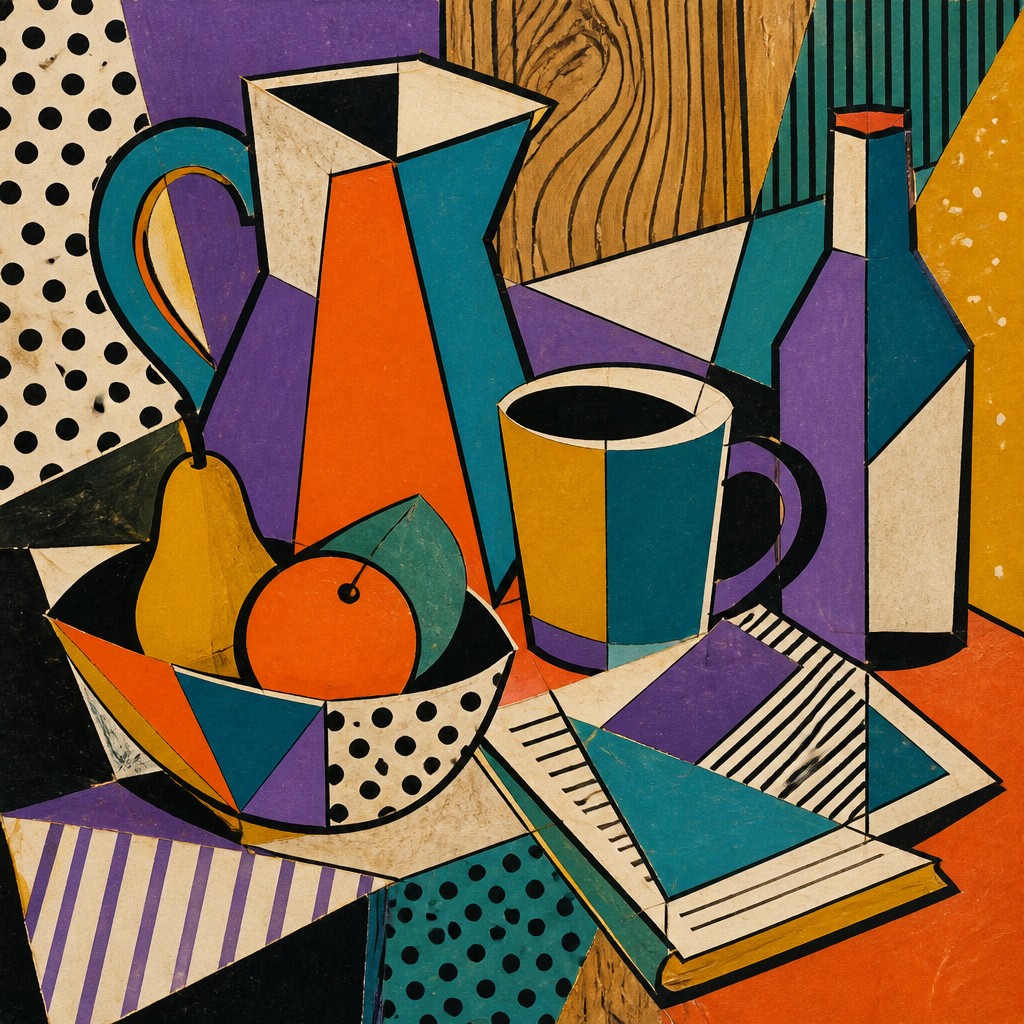
Strong contours and seams
Black outlines, hard edges, and visible joins help separate the different shapes. The boundaries between fragments are part of the composition’s visual rhythm.
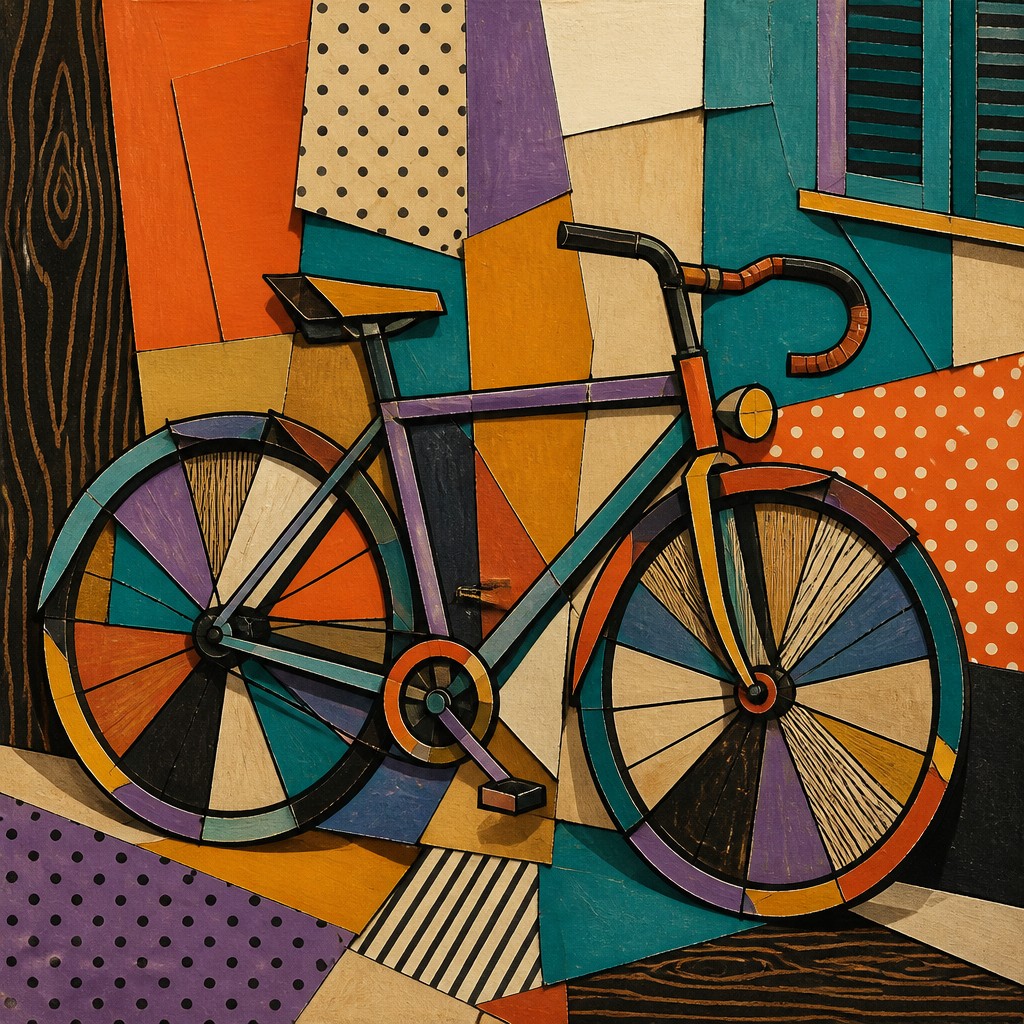
Balanced asymmetry
Compositions often feel carefully arranged without being symmetrical. The eye moves among competing shapes, creating tension, order, and playful movement across the picture surface.
Try It
Create Videos in Synthetic Cubism Art Style
Styles aren't just for stills — describe a scene or animate an image and get a short video rendered in Synthetic Cubism. Press play to see this pond come to life.
Make a VideoSynthetic Cubism Prompt Ideas
Start from an idea — each one opens the generator with the style ready to go. See all 40 Synthetic Cubism prompts →
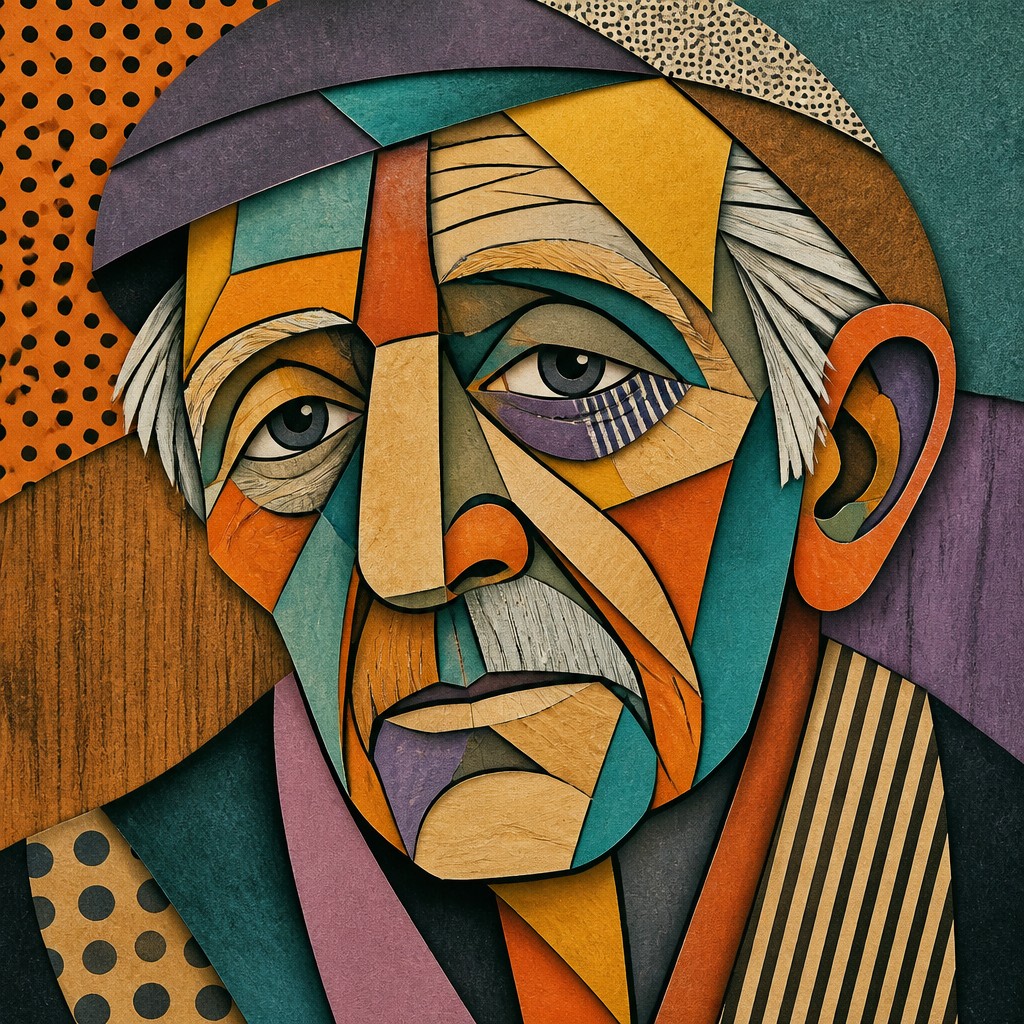
“close-up portrait of an elderly person with expressive weathered features”
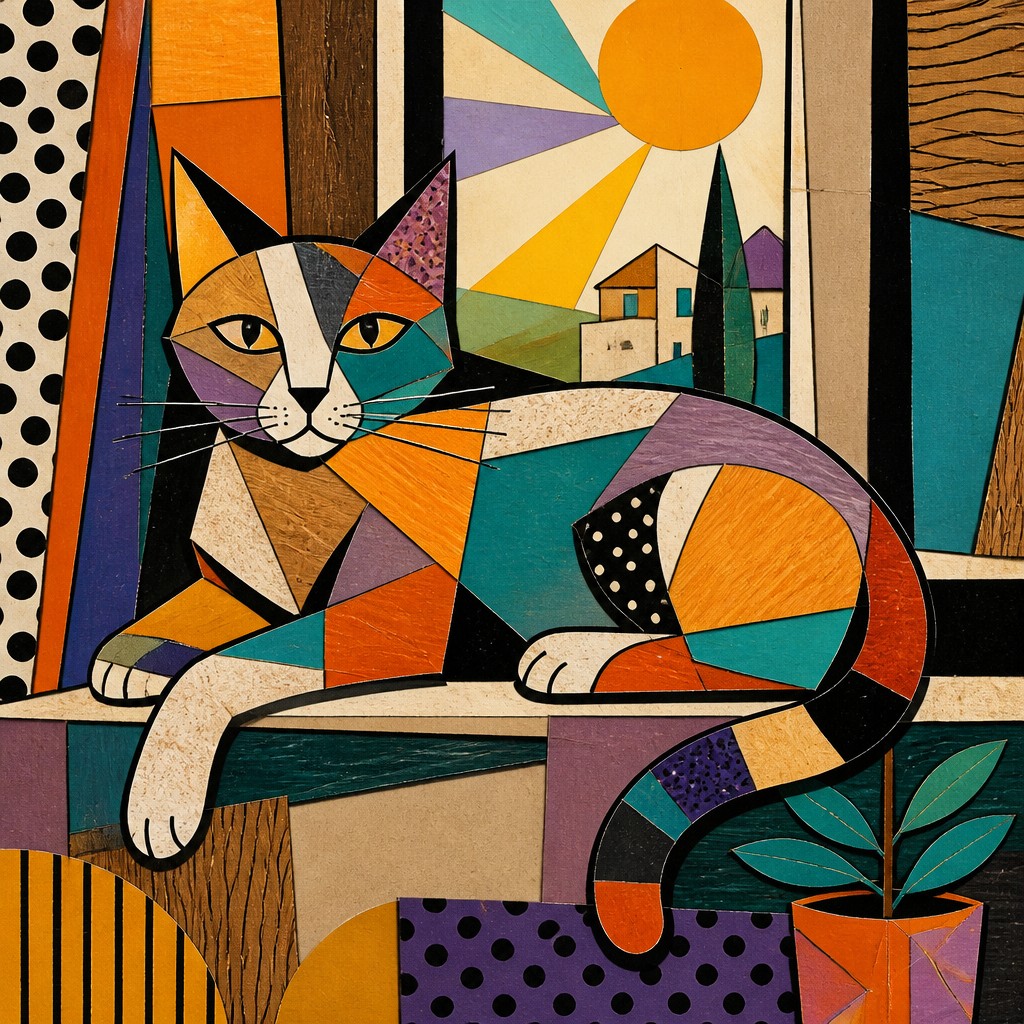
“a cat lounging in a sunlit window”
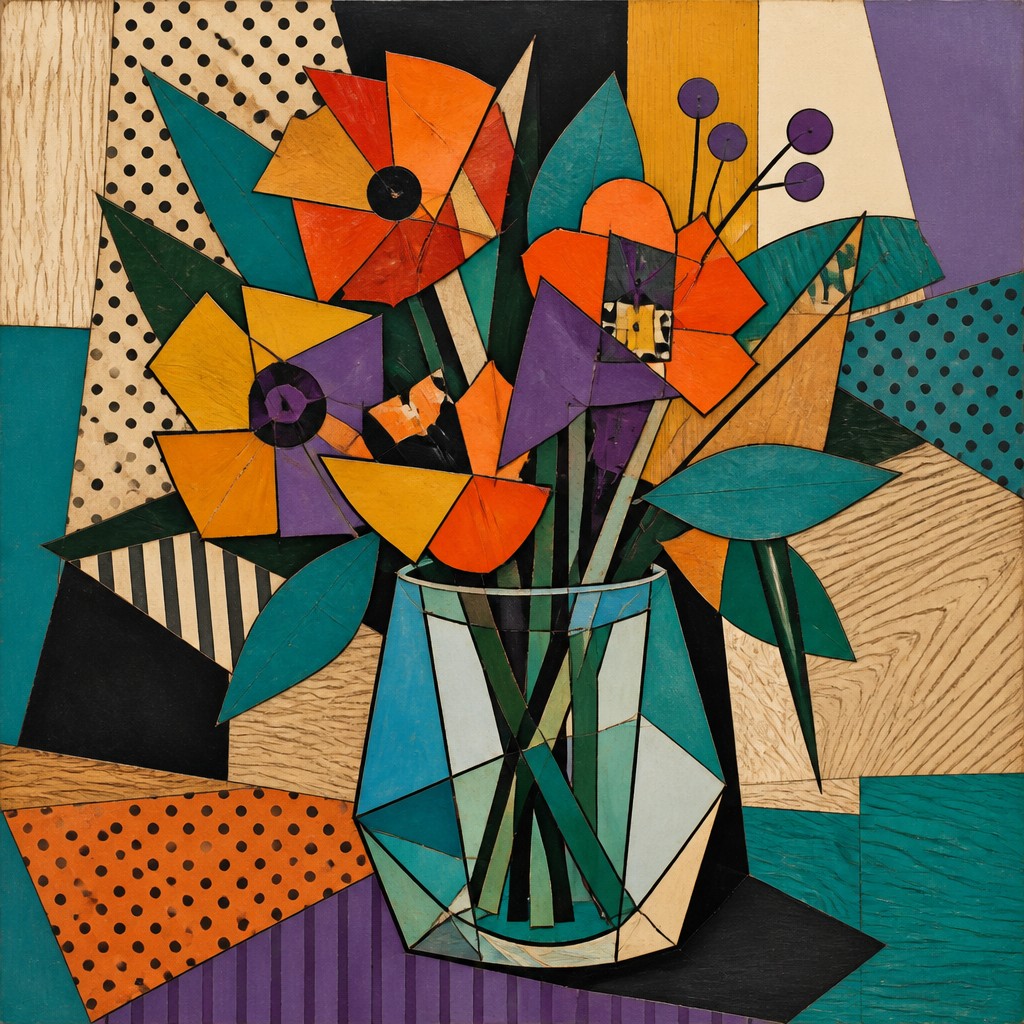
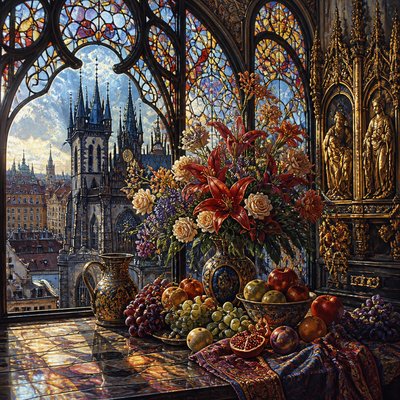
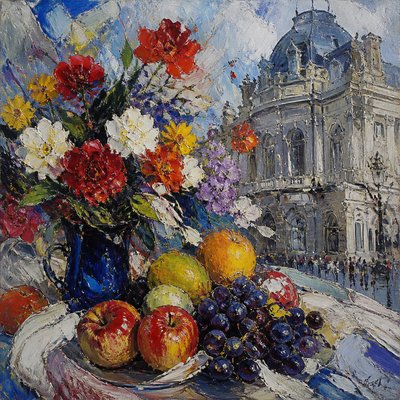
“bouquet of flowers in a glass vase”
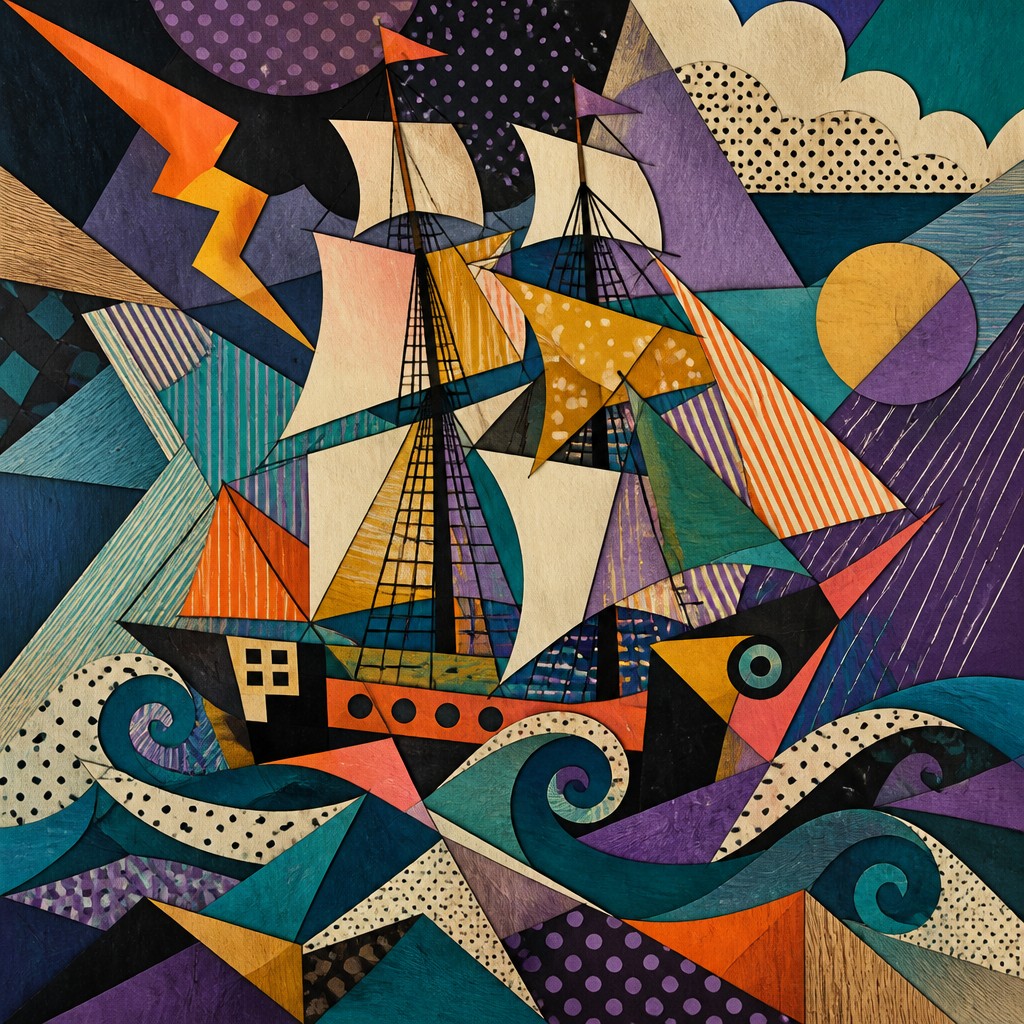
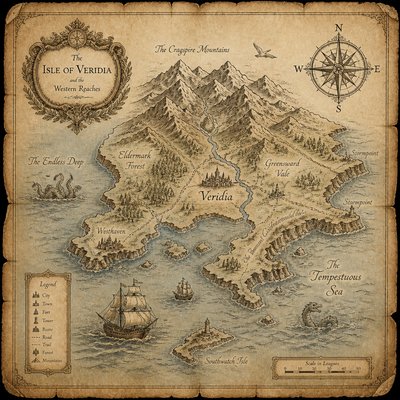
“sailing ship on a stormy sea”
How to Create Synthetic Cubism Art
Master the craft step by step — or skip straight to creating. Read the full guide →
- 1
Simplify the subject into planar fragments
Start by reducing your subject to large, flat shapes instead of realistic volumes. Break the form into overlapping polygons, curves, and angular pieces that can be rearranged across the page.
- 2
Mix painted forms with collage textures
Combine painted color fields with paper textures, printed patterns, newsprint, or cut-paper edges. In digital work, layer scanned textures and masks; in traditional work, glue, stencil, or paint over collage fragments.
- 3
Use a vivid but controlled palette
Choose a small range of saturated colors and let them contrast strongly. Synthetic cubism looks coherent when bold hues are balanced by repeated tones and clear shape relationships.
- 4
Keep the surface flat and organized
Avoid deep perspective and atmospheric blending; let the image read as an arranged surface. Edges, seams, and overlapping shapes should remain visible so the construction is apparent.
- 5
For prompt-based generation, specify the construction logic
Describe the subject, then request flat overlapping planes, cut-paper collage structure, bold contours, patterned textures, and invented colors. If using digital tools, add terms such as layered fragments, faux wood grain, printed pattern, and visible seams.

The Story
History & Origins of Synthetic Cubism
Synthetic cubism emerged in Paris between about 1912 and 1914 as the second major phase of Cubism, following analytic cubism. It is most closely associated with Pablo Picasso and Georges Braque, who began introducing collage materials, stenciled letters, and simplified shapes into their work; Juan Gris also became a key figure in developing its more ordered, chromatic form. The style grew out of experiments with papier collé, in which real materials were incorporated into paintings, collapsing the distinction between representation and object.
Aesthetic influences include African and Iberian sculpture, late 19th-century Post-Impressionist painting emphasis on underlying structure, and modern print culture such as posters, wallpaper, and commercial typography. Synthetic cubism helped shift modern art toward assembled imagery, paving the way for later collage practices, Dada, Constructivism, and many forms of abstraction and graphic design.
Influences: Synthetic cubism is rooted in the broader Cubist project of Picasso, Braque, and Juan Gris, while also drawing from late 19th-century Post-Impressionist painting structural painting, collage traditions, and the visual language of modern print culture. Its emphasis on flattening, fragmentation, and assembled surface also connects it to later modernist developments such as Dada collage, Constructivism, and graphic abstraction.

Frequently Asked Questions
What defines synthetic cubism?
Synthetic cubism is defined by the construction of images from simplified shapes, layered fragments, and collage-like surfaces. It emphasizes flatness, pattern, and decorative color rather than breaking forms into many small analytical facets.
How is synthetic cubism different from analytic cubism?
Analytic cubism breaks objects into dense, muted facets to examine structure from multiple angles, often making the subject hard to read. Synthetic cubism is more legible, colorful, and decorative, assembling the image from larger shapes and collage elements.
What materials are associated with synthetic cubism?
Paper collage, newspaper, wallpaper, stenciled lettering, and painted imitation of those materials are all closely associated with the style. The technique often makes the artwork feel built from real fragments rather than painted illusion alone.
Which artists are most associated with synthetic cubism?
Pablo Picasso, Georges Braque, and Juan Gris are the central artists linked to synthetic cubism. Picasso and Braque pioneered collage experiments, while Gris developed a particularly refined and structured version of the style.
Can synthetic cubism work in digital art?
Yes. Digital tools are well suited to layering flat shapes, masking textures, and combining cut-paper effects with patterned surfaces. The key is to preserve the assembled, collage-like look rather than smoothing everything into a seamless illustration.
Where is synthetic cubism used today?
It appears in fine art, illustration, poster design, editorial graphics, and stylized portrait work. Its modular shapes and bold surface design also make it influential in contemporary branding and mixed-media composition.
Create your first Synthetic Cubism artwork
Describe anything — or upload a photo — and see it in Synthetic Cubism Art Style in seconds.
Make Something with Synthetic Cubism
Compare Synthetic Cubism
Related Styles
Discover similar art styles