Cubism Art Style
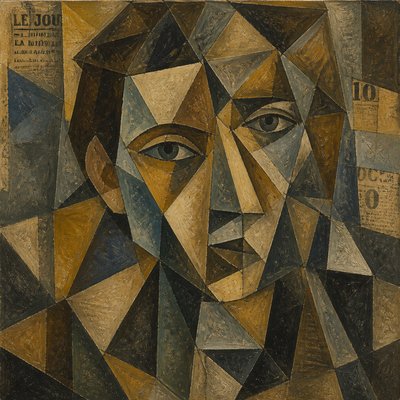
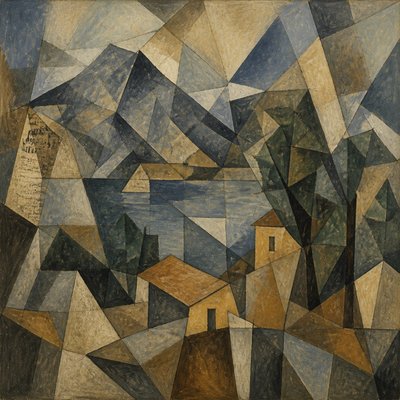
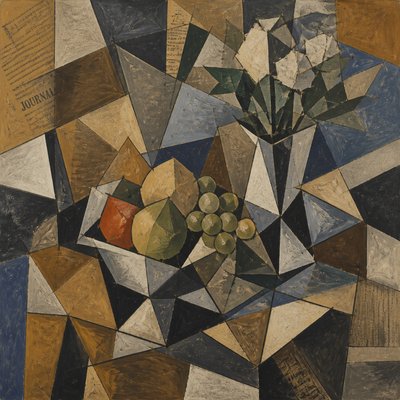
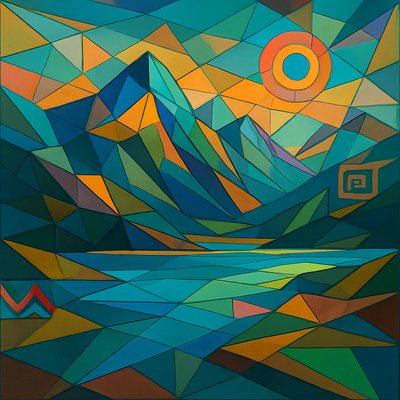
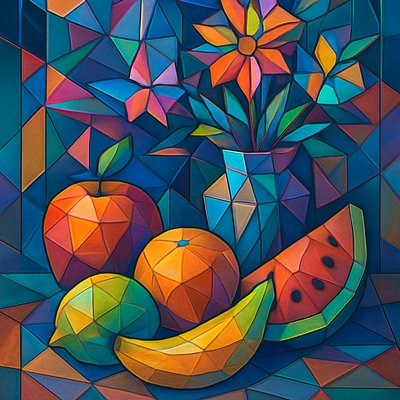
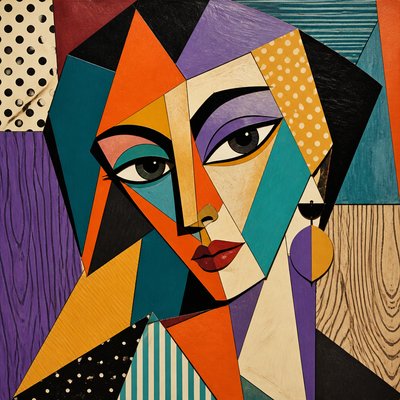
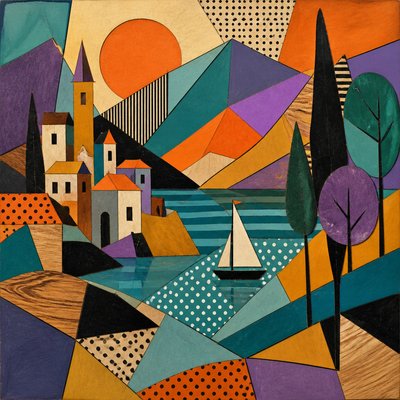
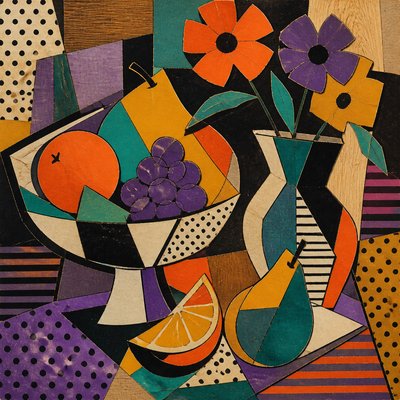
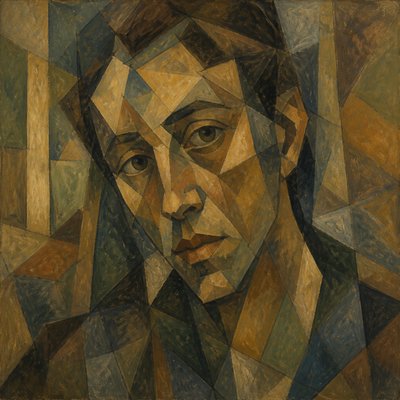
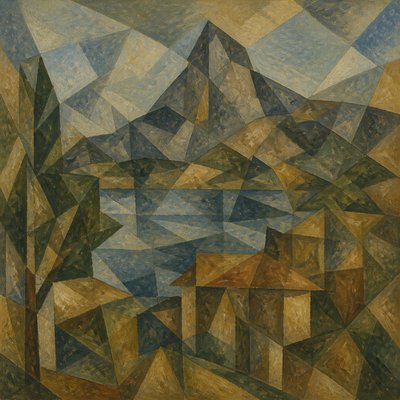
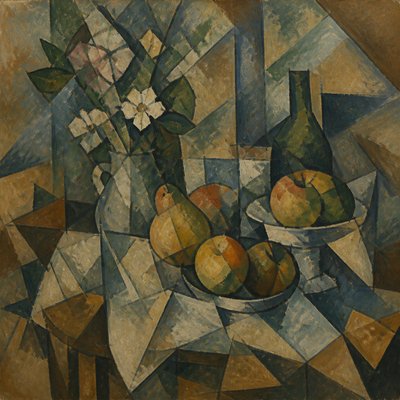
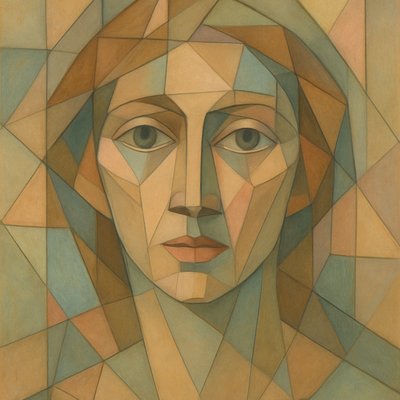
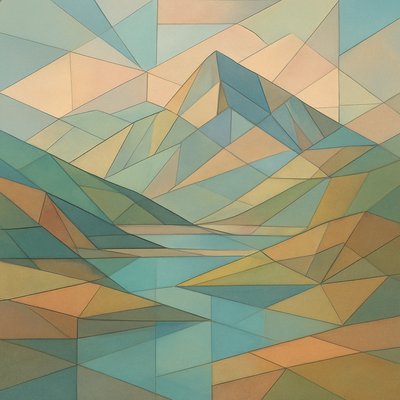
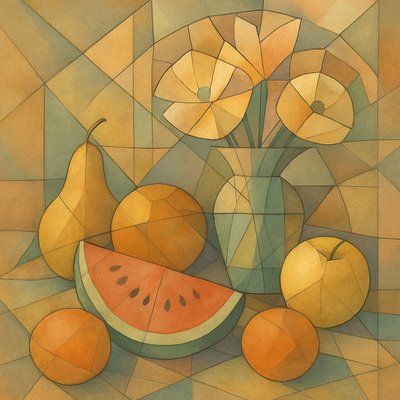
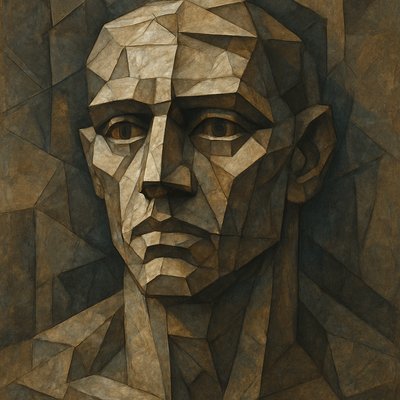
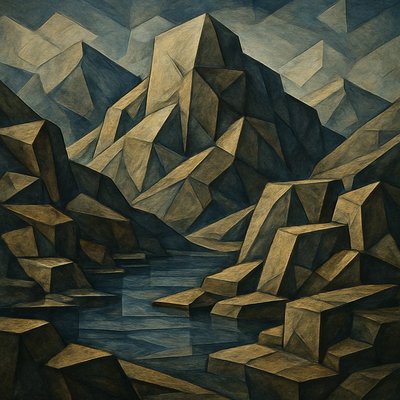
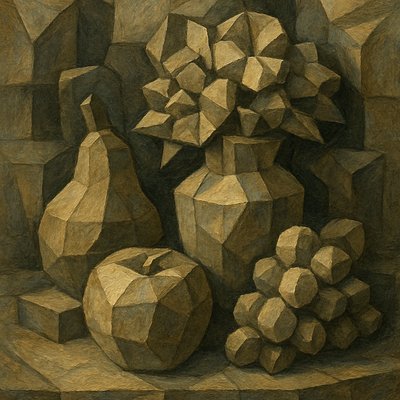
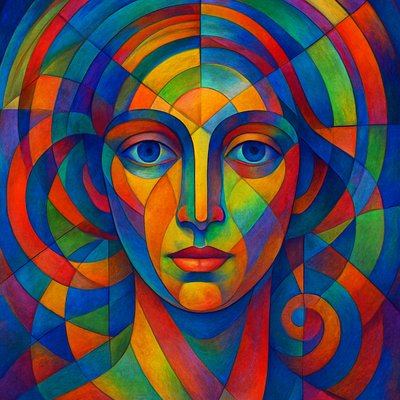
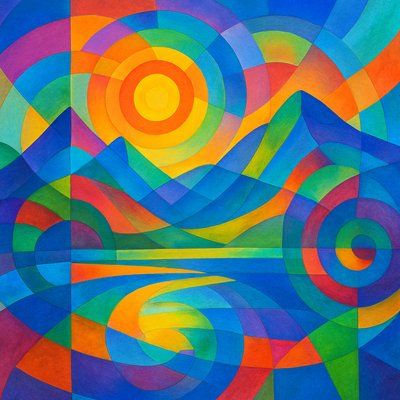
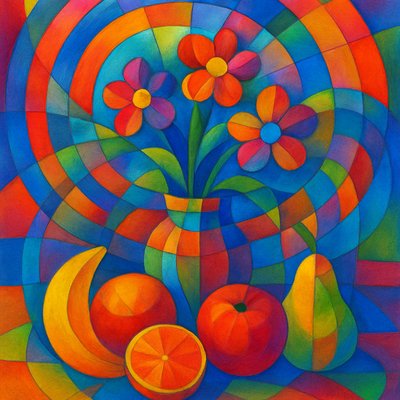
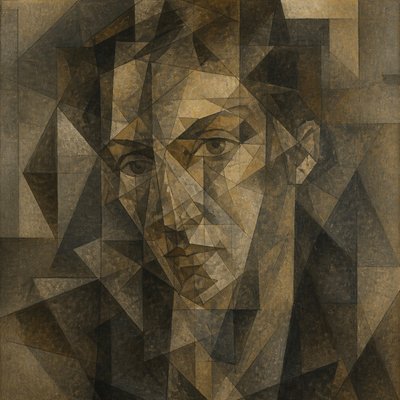
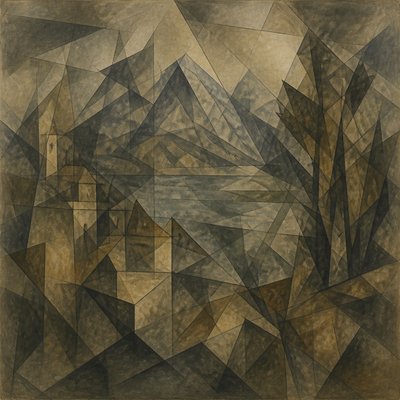
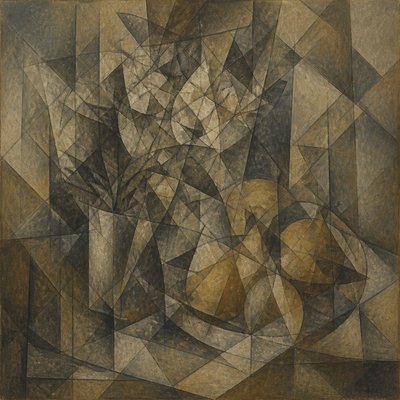
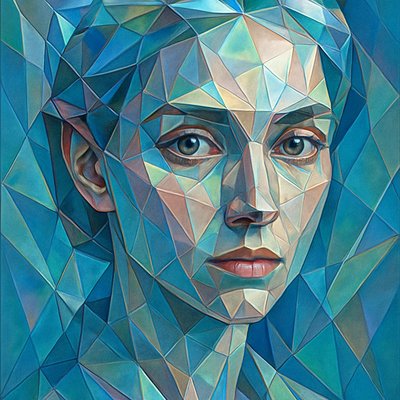
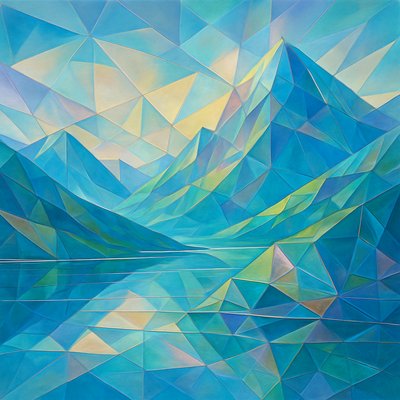
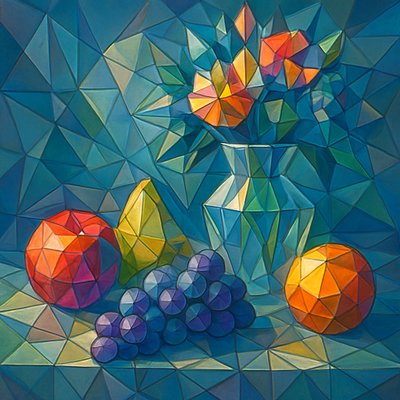
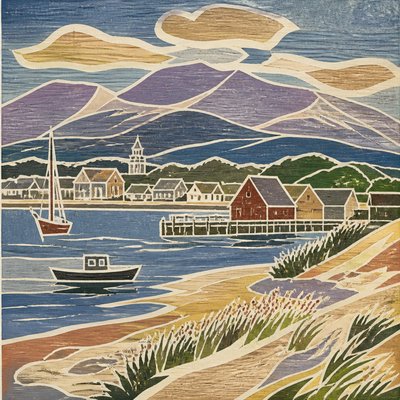
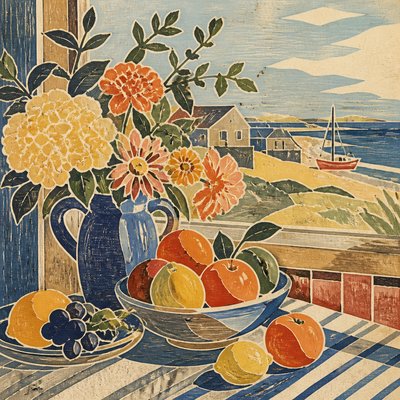
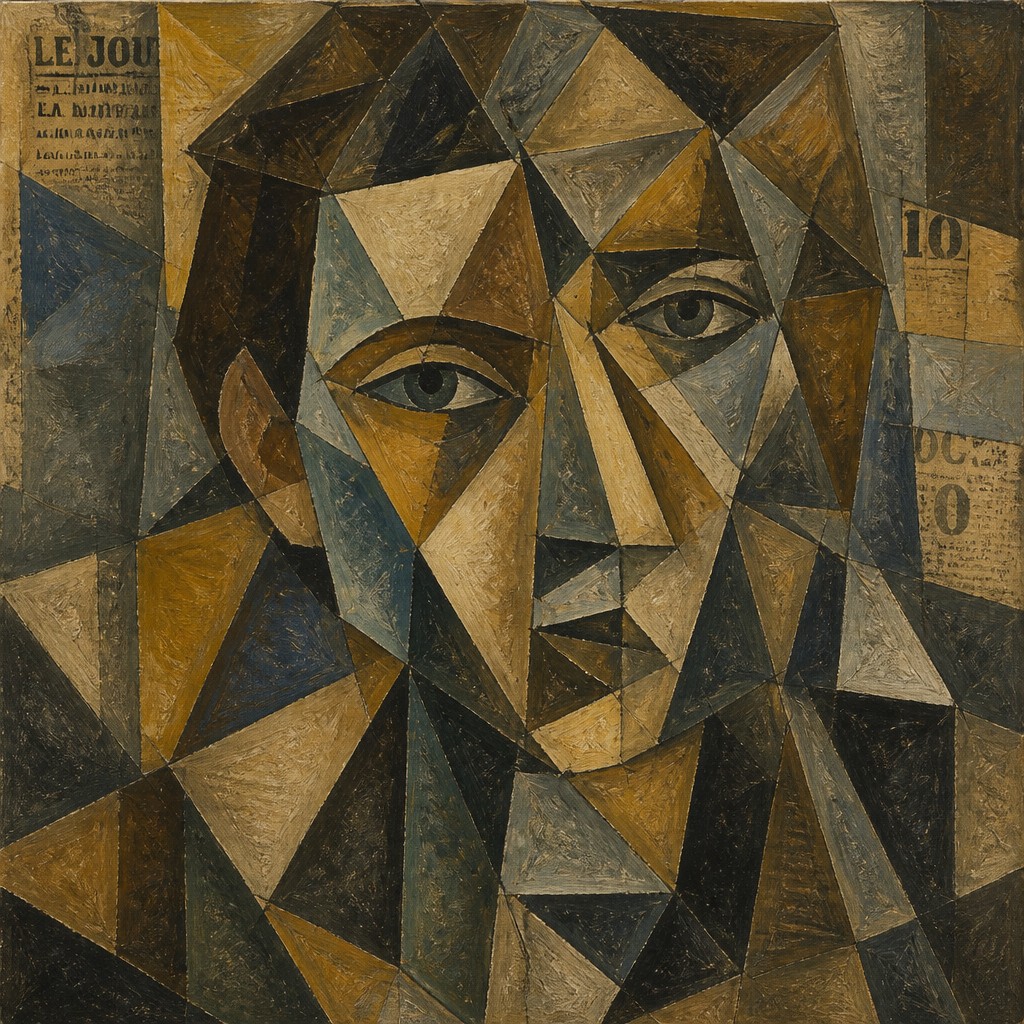
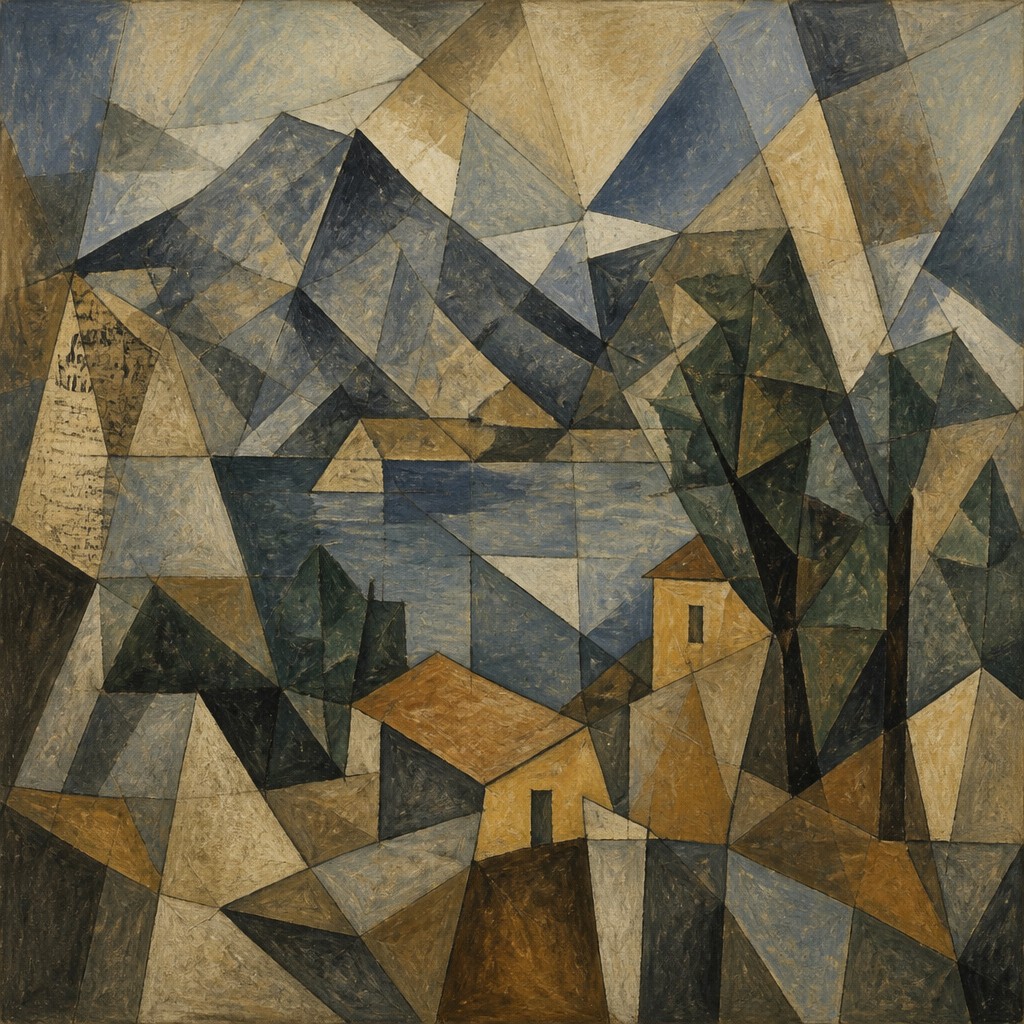
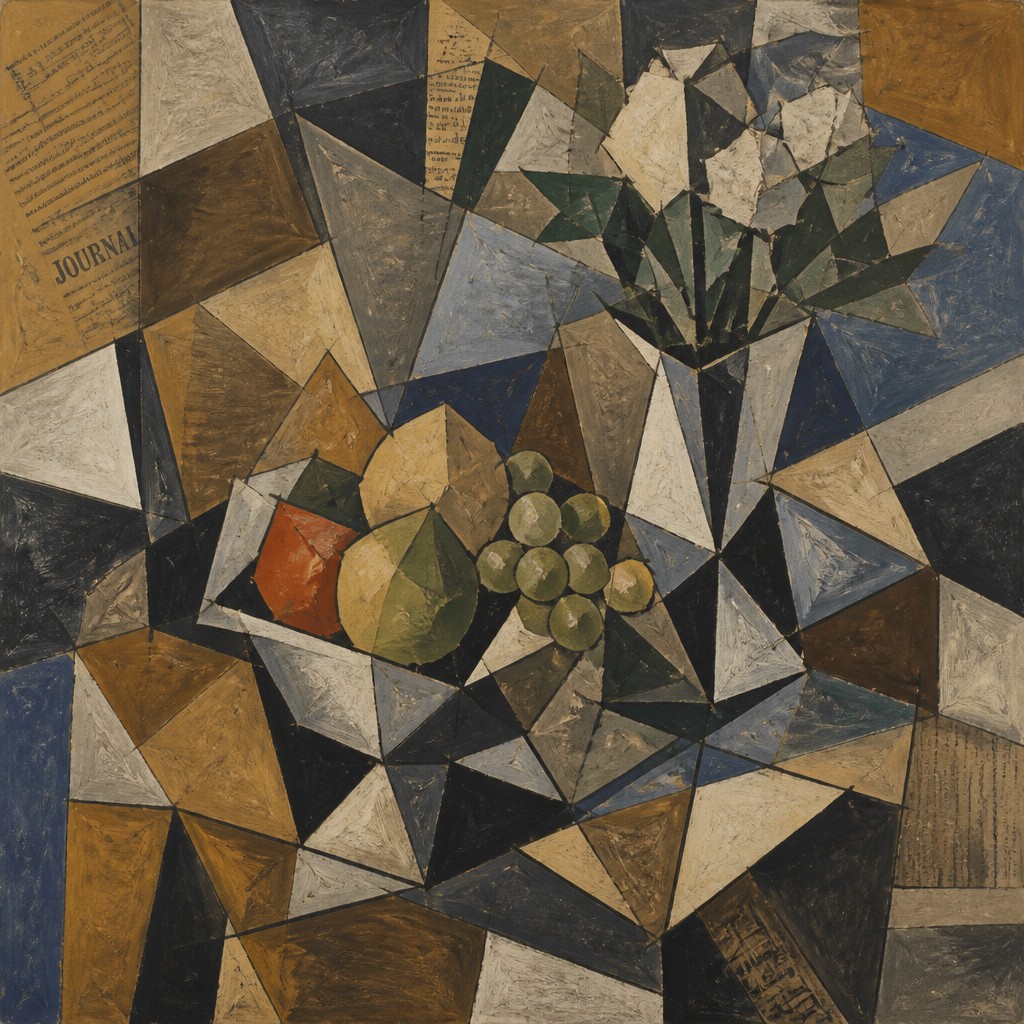
Cubism fractures subjects into geometric facets and multiple viewpoints, creating abstracted compositions with muted color and rhythmic planes.
Instantly rendered in Cubism — or transform a photo
Cubism Gallery
Tap any artwork to explore it
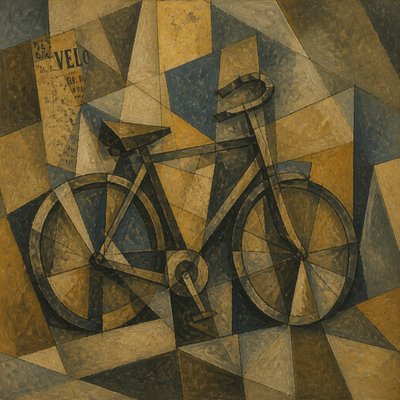
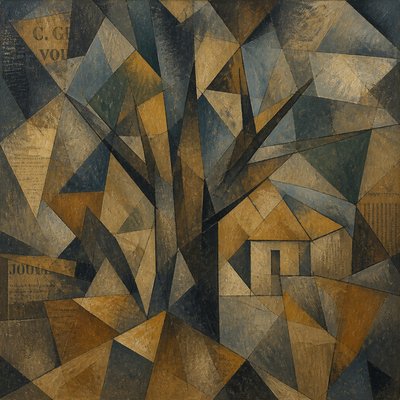
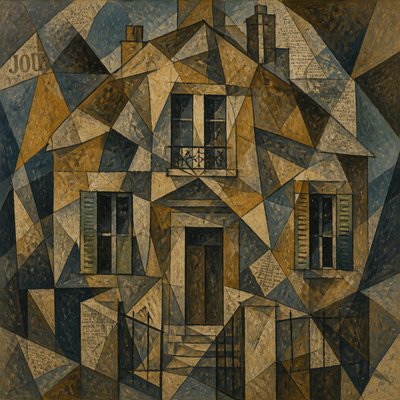
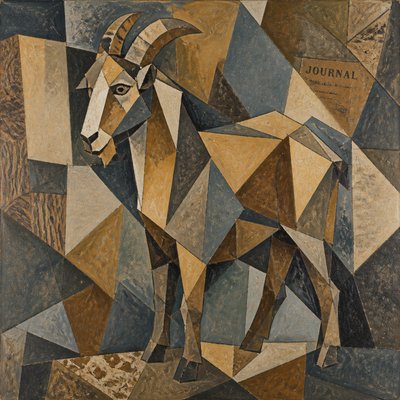
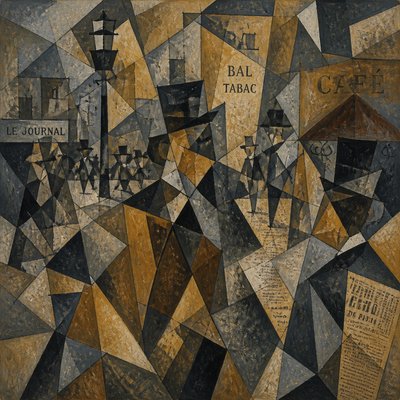
What is Cubism Art Style?
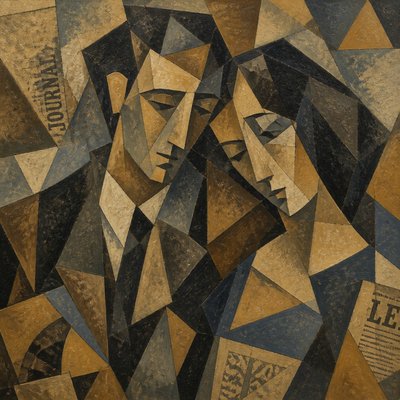
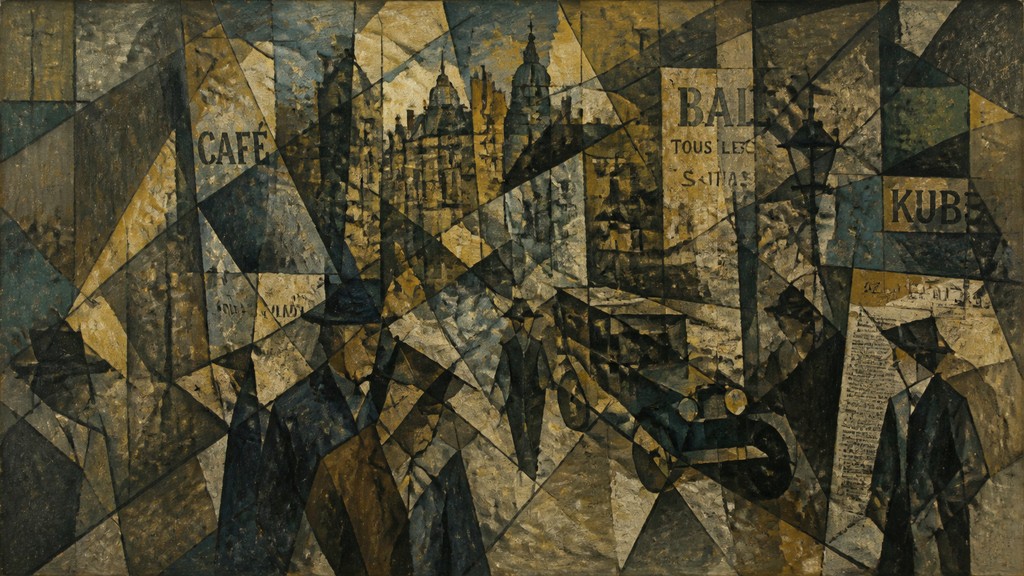
Cubism is an early modernist art movement that breaks objects, figures, and spaces into interlocking geometric planes. Instead of presenting a single viewpoint, it shows several angles at once, flattening depth and turning recognizable subjects into fractured, rhythmic compositions.
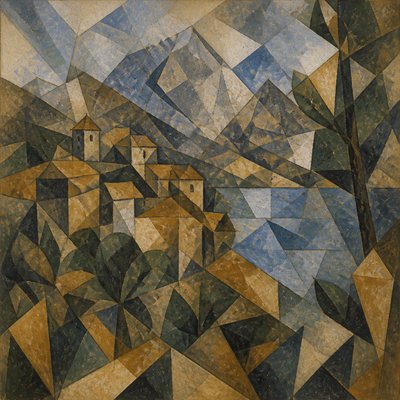
Its visual identity comes from the collapse of traditional perspective. Forms are simplified into facets, contours are split and reassembled, and color is often restrained to ochres, browns, grays, and dusty blues. The result is art that feels analytical and constructed, as if the image were built from overlapping pieces rather than observed from one fixed position.
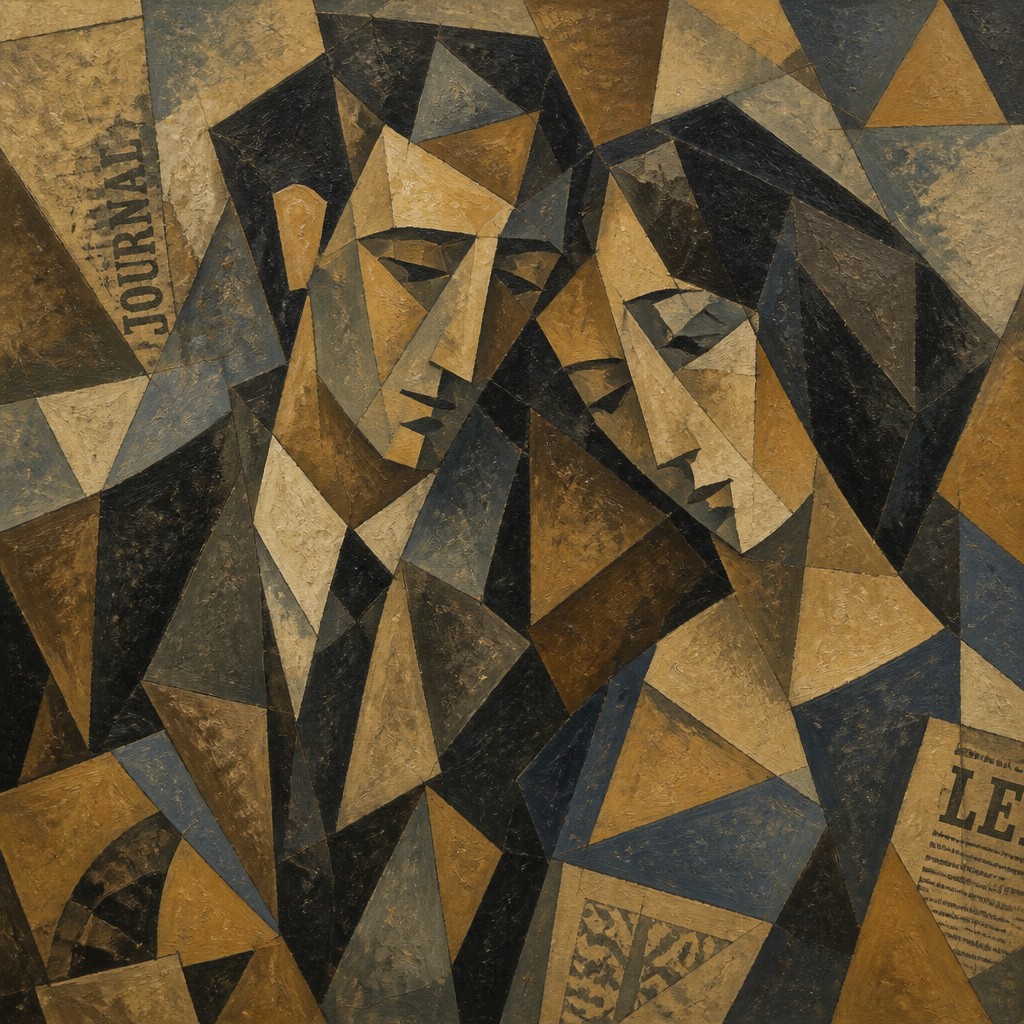
Try It On Your Photos
Upload any photo and convert it into Cubism Art Style — drag the sliders to compare before and after.
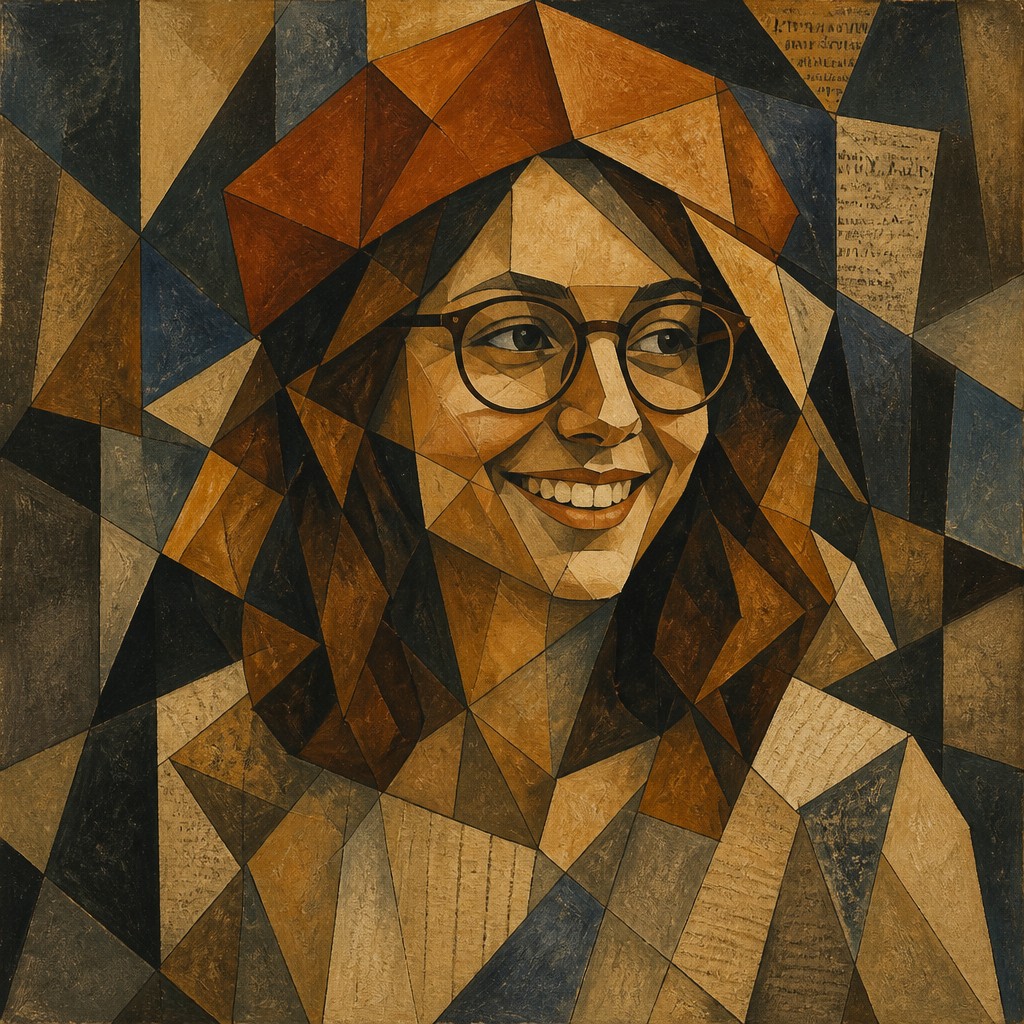

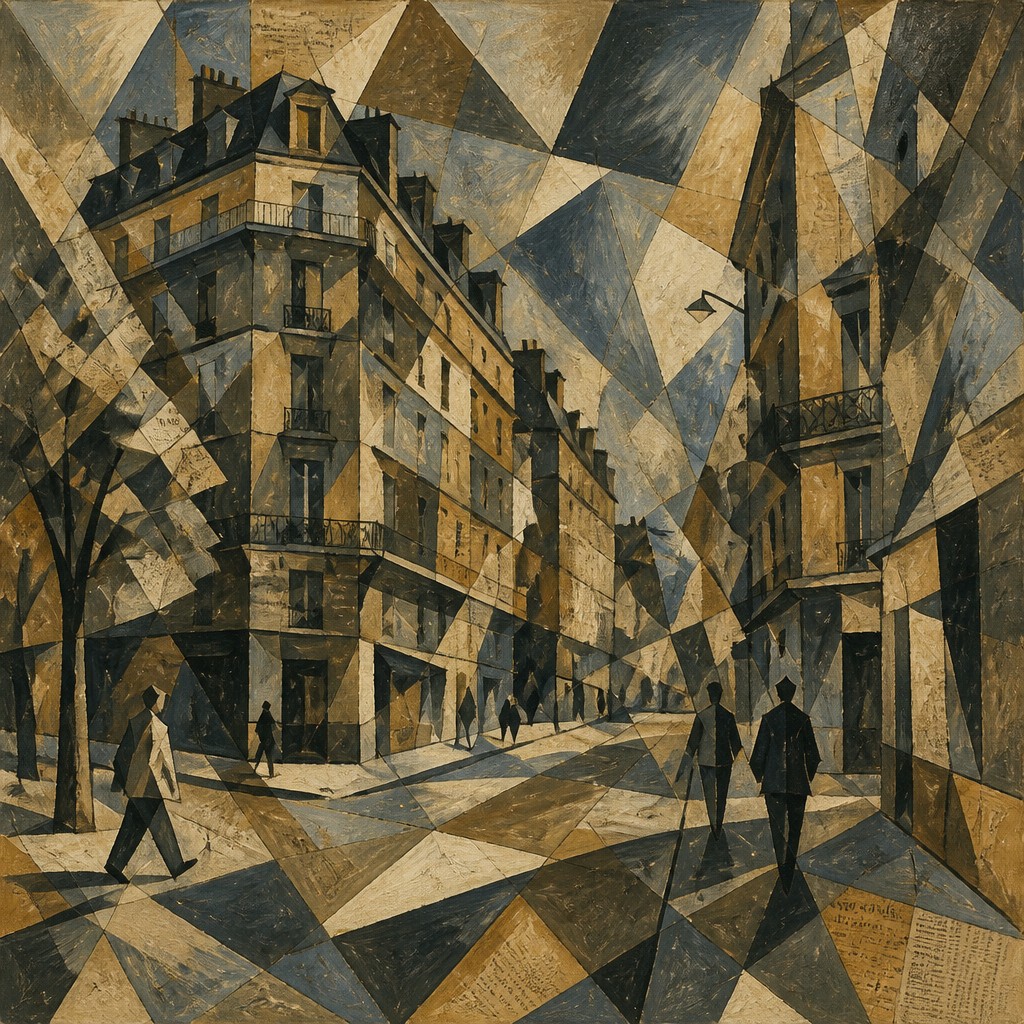

What Defines Cubism Art Style
The signature details, up close
Multiple viewpoints
Cubist images often combine front, side, and oblique views in a single composition. This creates a sense that the subject is being examined from several positions at once.
Geometric fragmentation
Faces, bodies, still lifes, and interiors are broken into angular facets and interlocking shapes. These segments replace smooth modeling and give the image a constructed, faceted look.
Flattened space
Traditional depth cues are reduced or disrupted, so foreground and background can feel compressed together. The picture plane becomes an active surface rather than a window into illusionistic space.
Muted earth-toned palette
Early Cubism often uses subdued colors such as ochre, umber, gray, charcoal, and dusty blue. Restrained color keeps attention on structure, rhythm, and form.
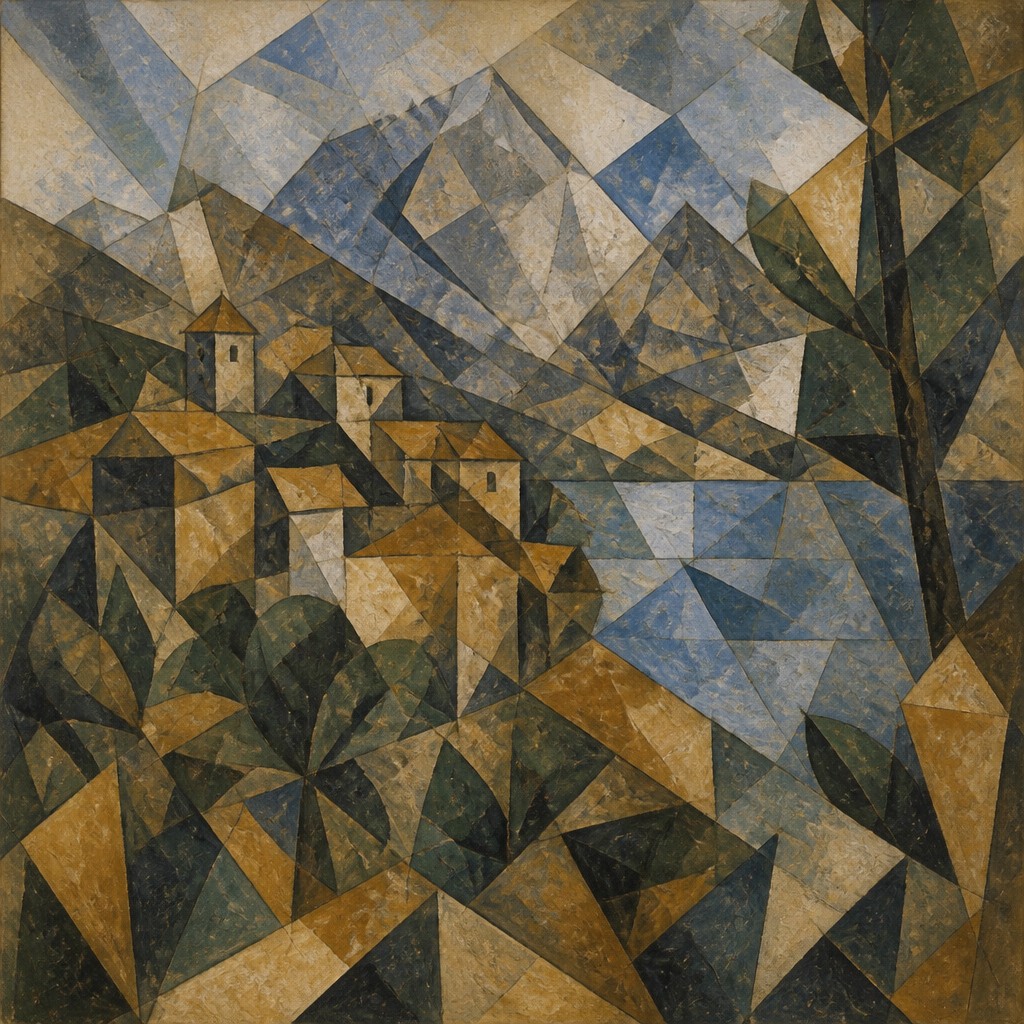
Rhythmic arrangement
Although fragmented, Cubist compositions are carefully organized. Repeated angles, overlapping planes, and directional lines create visual movement and coherence.
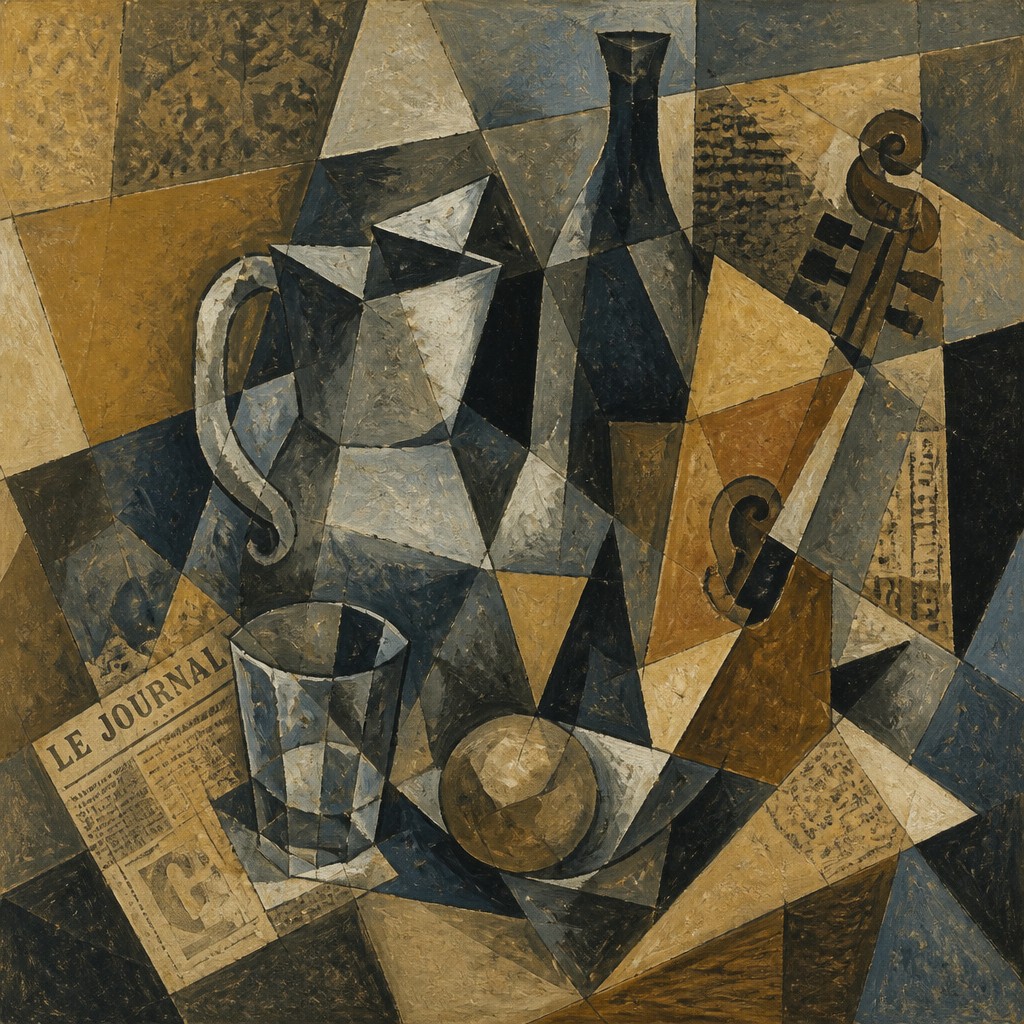
Textural surface
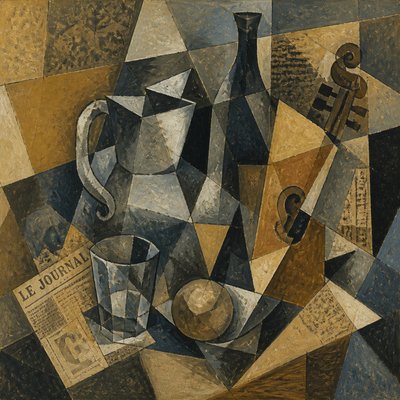
Brushwork, pasted paper, and simulated collage textures are important to the style. These surfaces emphasize the artwork as a made object and reinforce the sense of assembled fragments.
Try It
Create Videos in Cubism Art Style
Styles aren't just for stills — describe a scene or animate an image and get a short video rendered in Cubism. Press play to see this pond come to life.
Make a VideoCubism Prompt Ideas
Start from an idea — each one opens the generator with the style ready to go. See all 40 Cubism prompts →
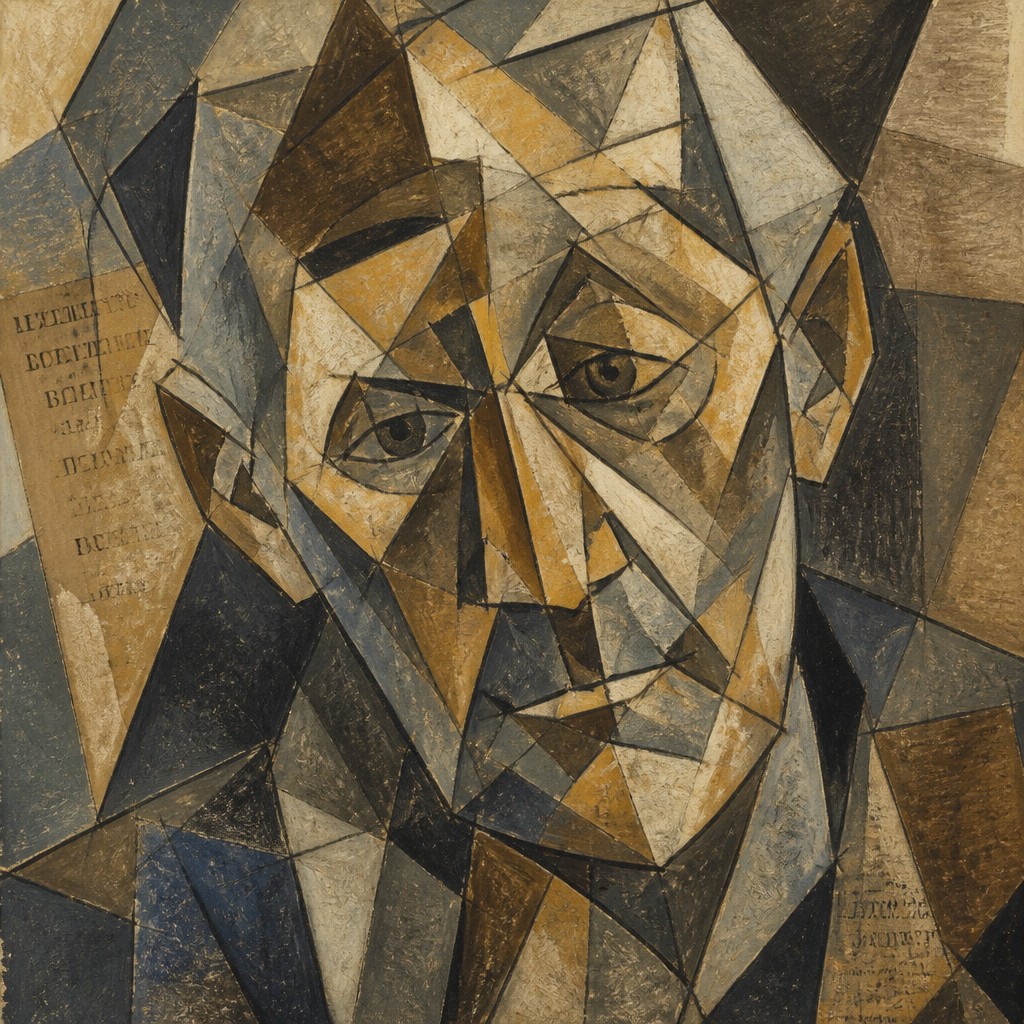
“close-up portrait of an elderly person with expressive weathered features”
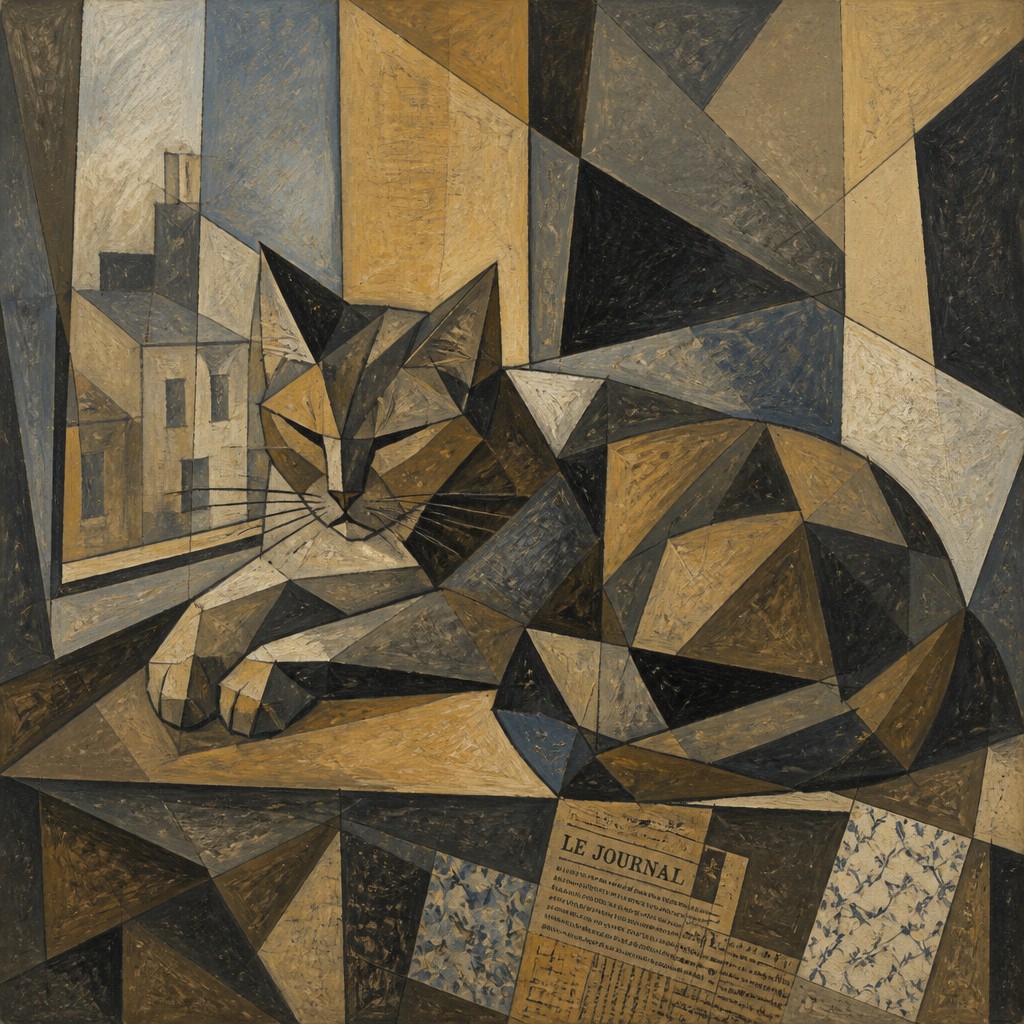
“a cat lounging in a sunlit window”
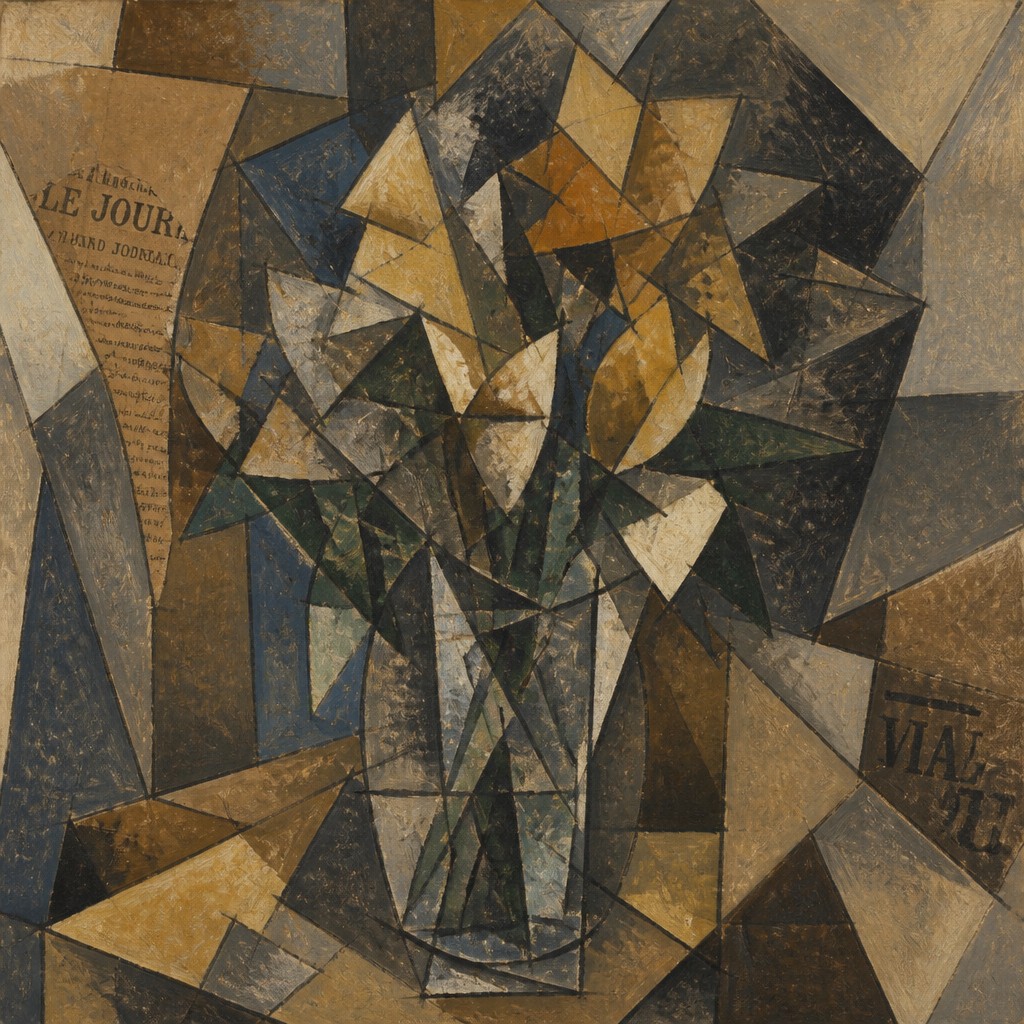
“bouquet of flowers in a glass vase”
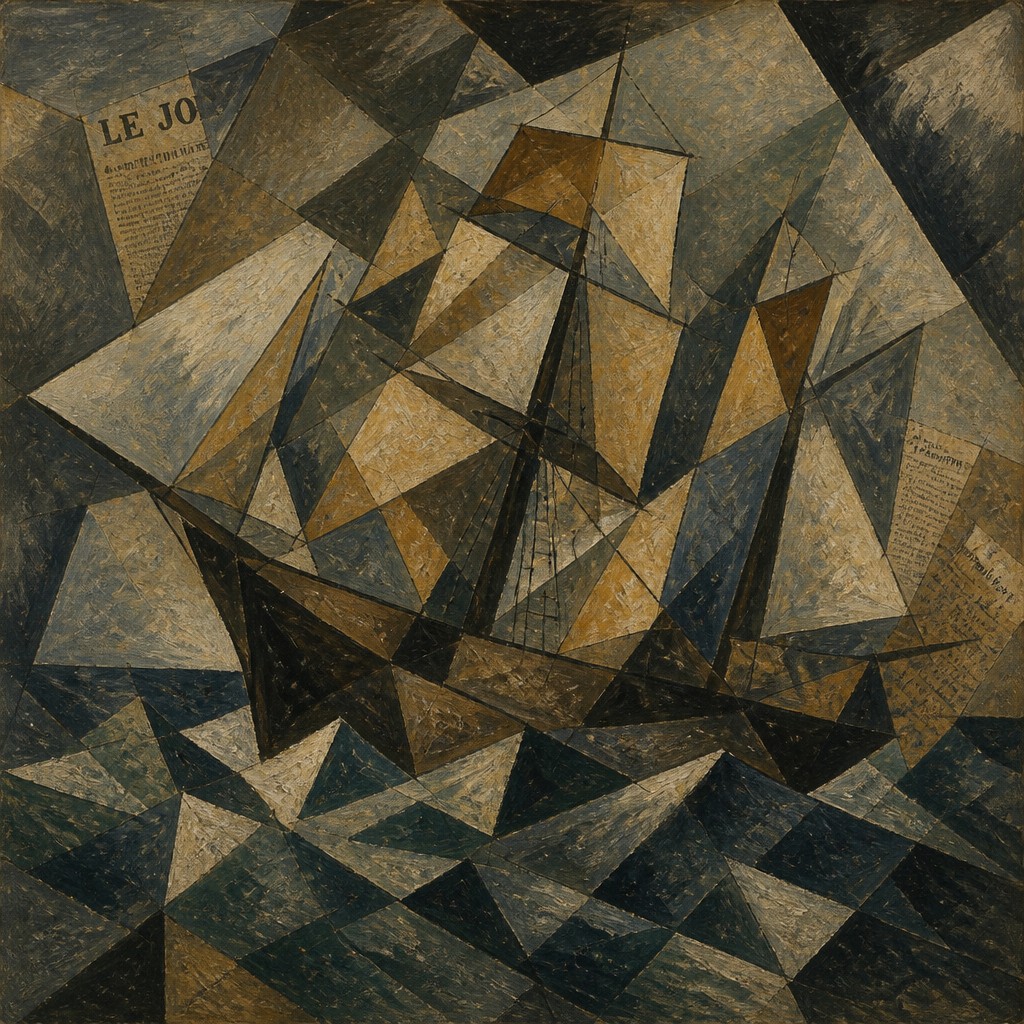
“sailing ship on a stormy sea”
How to Create Cubism Art
Master the craft step by step — or skip straight to creating. Read the full guide →
- 1
Reduce the subject to planes
Start with a simple object or figure and simplify it into wedges, facets, and overlapping geometric shapes. Keep recognizable anchors, such as a profile, a guitar body, or a tabletop, so the image remains legible.
- 2
Show more than one angle
Draw the main subject from multiple viewpoints and merge those views into one structure. Shift eyes, nose, hands, or instruments slightly out of alignment to suggest simultaneous observation.
- 3
Limit and harmonize color
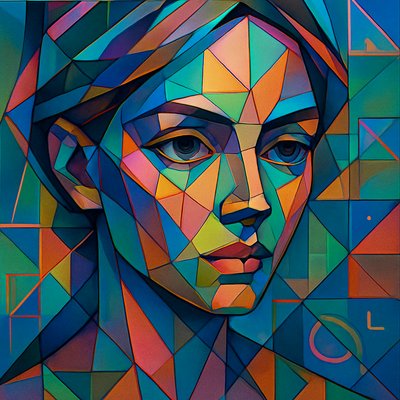
Use a restrained palette of earth tones, grays, and muted blues, especially for analytical Cubist results. If you want a synthetic feel, introduce small blocks of stronger color or paper-like collage elements while keeping the palette controlled.
- 4
Flatten depth with layered shapes
Avoid realistic perspective and use overlapping planes to define space instead. In digital work, build the image from separate shape layers; in traditional media, paint or draw distinct facets with visible edges and overlaps.
- 5
Use collage logic
Combine painted, drawn, and cut-paper effects to echo synthetic Cubism’s material experiments. Even in prompt-based generation, ask for paper fragments, pasted textures, and visible seams to strengthen the constructed look.
- 6
Prompt with structure, not realism
When generating images, specify fractured geometry, intersecting facets, and collapsed perspectives rather than generic abstraction. Mention the subject clearly, then direct the image toward angular planes, muted color, and early-modernist treatment.
The Story
History & Origins of Cubism
Cubism emerged in Paris in the years leading up to 1910, most closely associated with two pioneering French artists who pushed the style’s first breakthroughs. Its early development was shaped by the structural approach to form associated with late 19th-century French modern painting, African and Iberian sculpture’s emphasis on bold abstraction, and the broader modernist drive to challenge academic perspective. The movement is usually divided into an early analytical phase, with densely fragmented forms and muted palettes, and a later synthetic phase, which introduced flatter shapes, brighter color, and collage elements.
By the 1910s and 1920s, Cubist ideas spread widely through European modern art and influenced painting, sculpture, printmaking, design, and architecture. A major later Cubist painter developed a more orderly, lucid version of the style, while collage became an important innovation in synthetic Cubism. Even after the historical movement declined, Cubism remained foundational for later abstraction and for any visual language that treats representation as a construction of planes and viewpoints rather than a literal copy of appearance.
Influences: Cubism is closely related to the structural lessons of late-19th- and early-20th-century French modern painters, whose works simplified nature into cylinders, spheres, and cones. It also draws from African and Iberian sculpture, which helped modern artists rethink how a face or figure could be abstracted, and it opened paths toward Futurism, Constructivism, and later abstract art. Within the movement itself, the most canonical names are the two pioneering French artists and a major later Cubist painter.
Frequently Asked Questions
What defines Cubism in art?
Cubism is defined by the breakdown of subjects into geometric facets and the presentation of multiple viewpoints in one image. Instead of using traditional perspective, it flattens and reassembles forms into a structured, fragmented composition. The result is often recognizable but deliberately dislocated.
How is Cubism different from abstract art?
Cubism can be abstract, but it usually begins with a real subject such as a person, bottle, guitar, or room. Pure abstraction may not refer to any visible object at all, while Cubism typically keeps some identifiable anchor even when the form is heavily fractured.
What are the main types of Cubism?
The movement is commonly described in two broad phases: analytical Cubism and synthetic Cubism. Analytical Cubism features dense fragmentation, muted color, and complex interlocking planes, while synthetic Cubism uses flatter shapes, stronger color accents, and collage materials such as pasted paper.
Who are the key Cubist artists?
The central figures of Cubism are the two pioneering French artists, with a major later Cubist painter also serving as a key name. Other artists participated in Cubist developments, but these three are the most unambiguous canonical names associated with the style.
How do you make something look Cubist?
Break the subject into angular planes, show several sides at once, and reduce the realism of depth and shading. A restrained palette and visible surface texture help the image feel historically Cubist rather than just generically abstract.
Where is Cubism used today?
Cubist aesthetics appear in painting, illustration, poster design, album art, editorial graphics, and stylized digital images. It is often used when a subject needs to feel modern, analytical, and visually dynamic without becoming fully non-representational.
Create your first Cubism artwork
Describe anything — or upload a photo — and see it in Cubism Art Style in seconds.
Make Something with Cubism
Compare Cubism
Related Styles
Discover similar art styles