Analytical Cubism Art Style
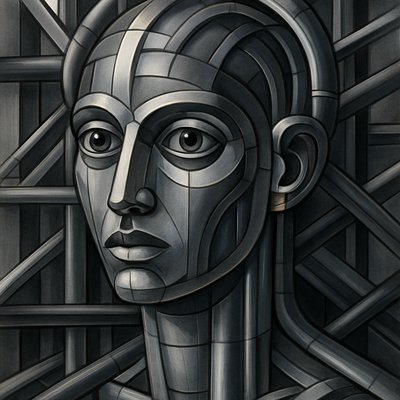
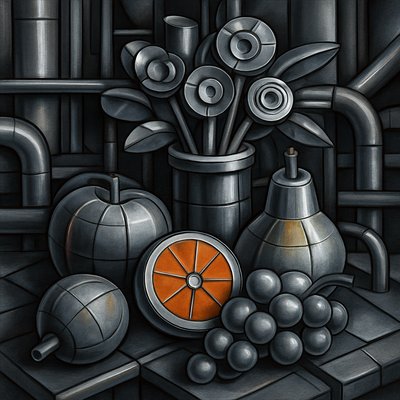
Analytical Cubism breaks subjects into faceted planes, muted tones, and multiple viewpoints for a fragmented, cerebral look.
Instantly rendered in Analytical Cubism — or transform a photo
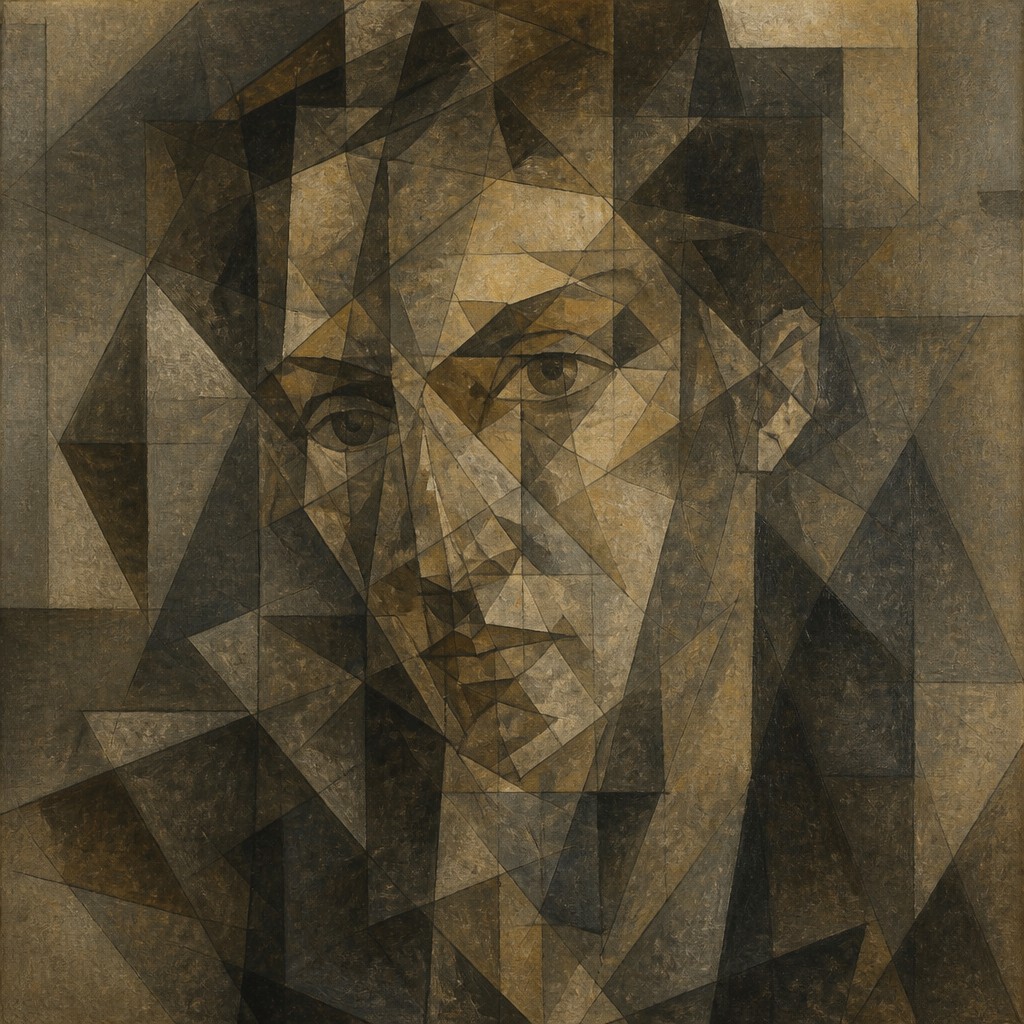
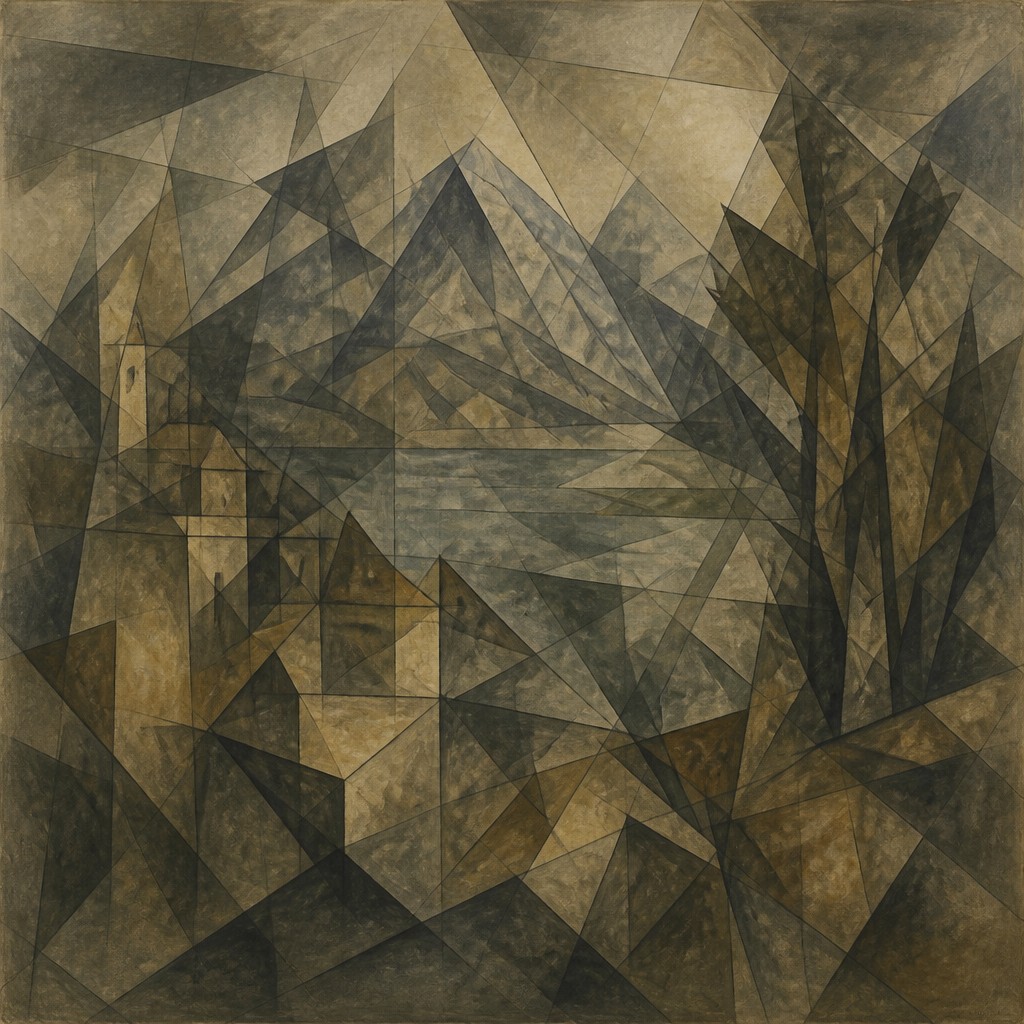
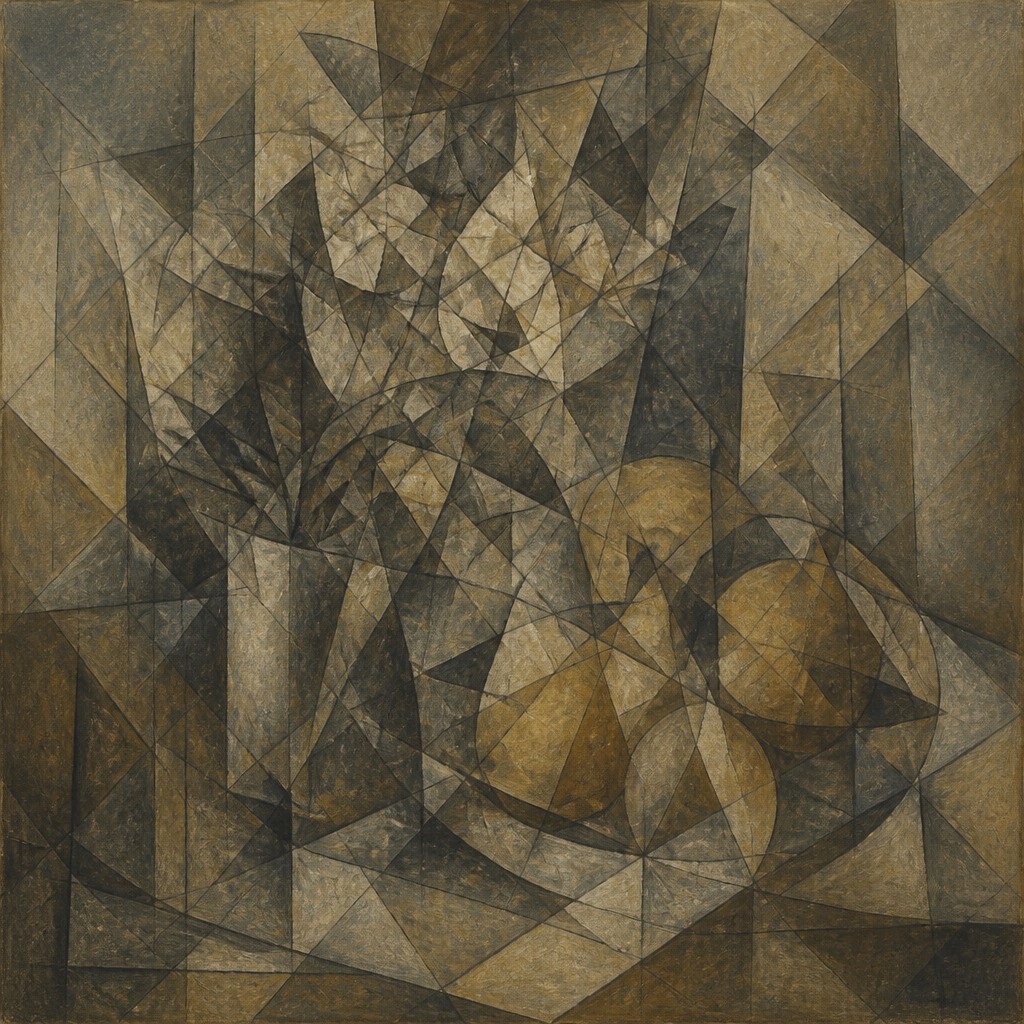
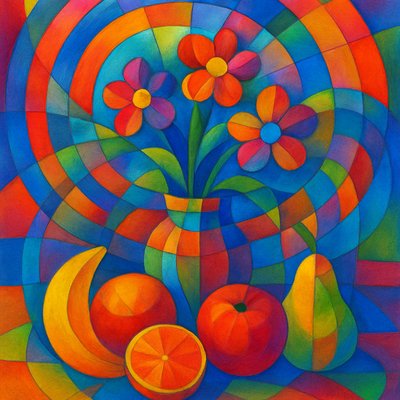
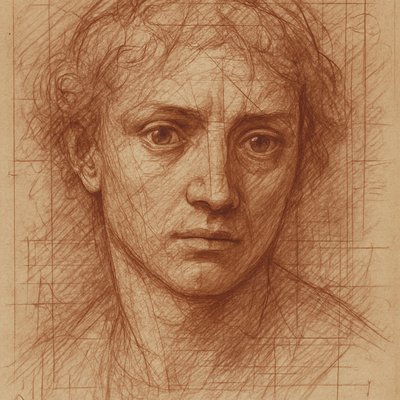
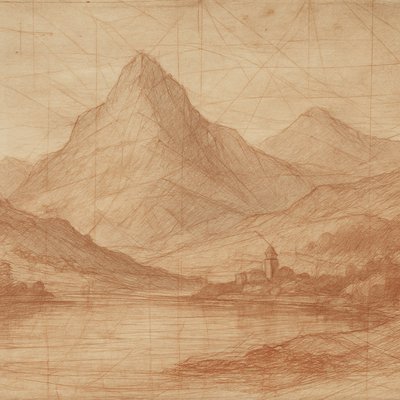
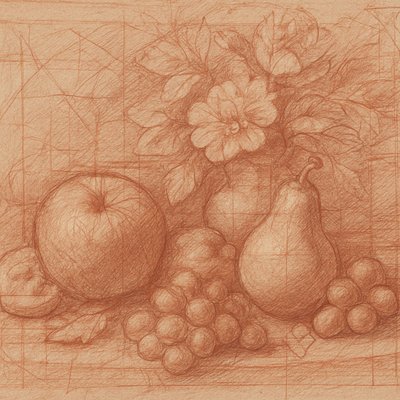
Analytical Cubism Gallery
Tap any artwork to explore it
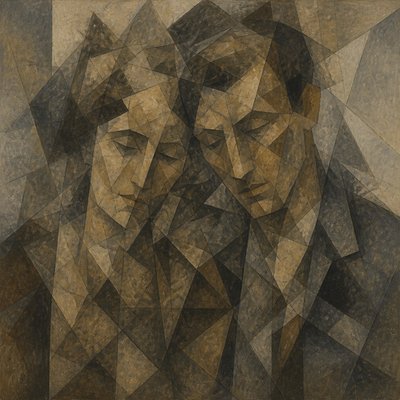
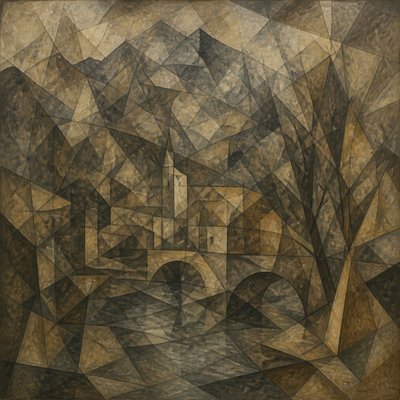
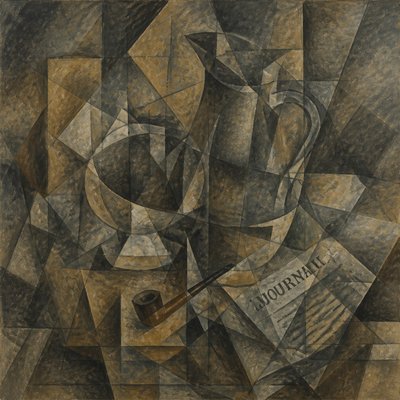
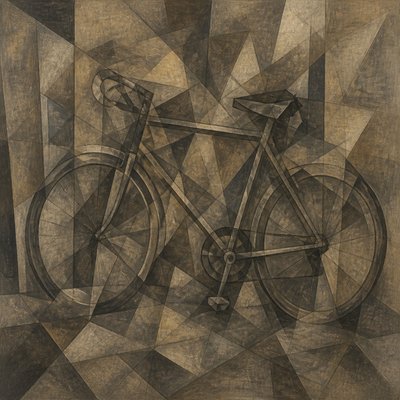
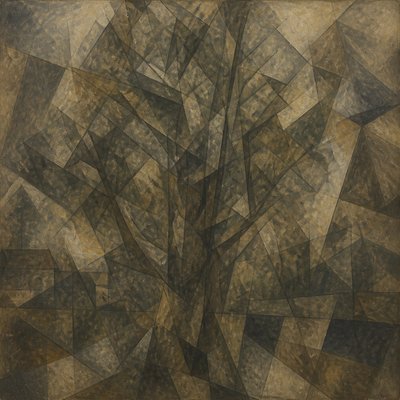
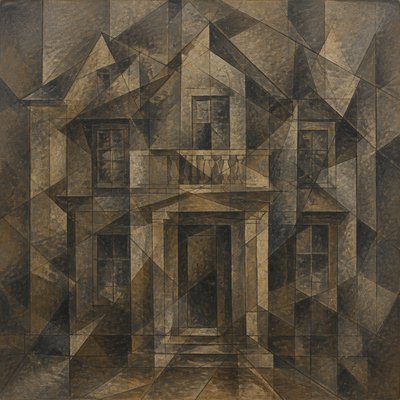
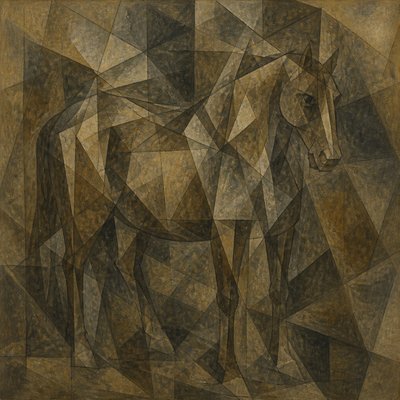
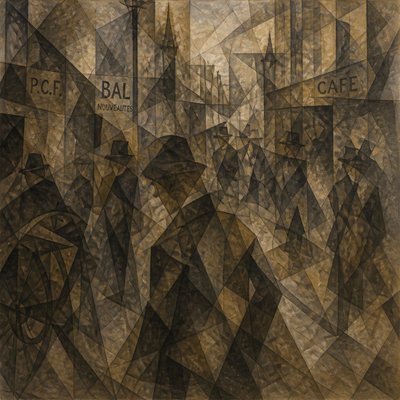
What is Analytical Cubism Art Style?
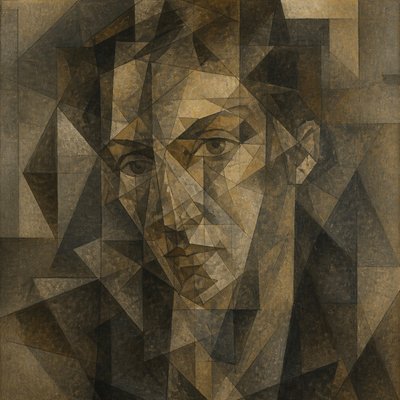
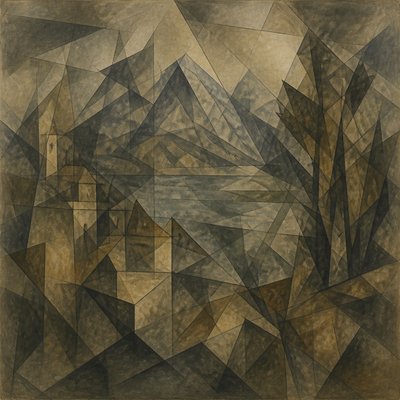
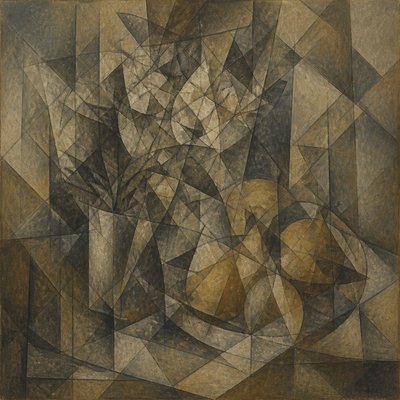
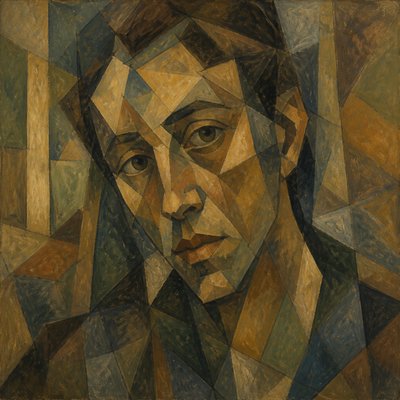
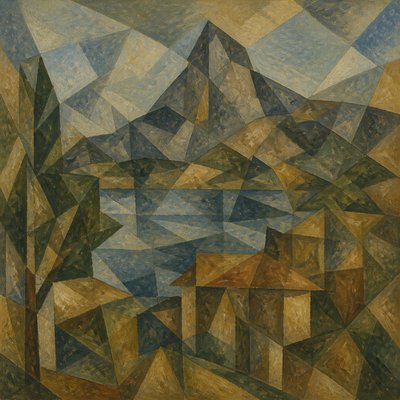
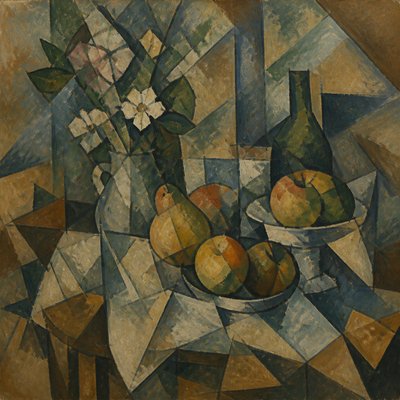
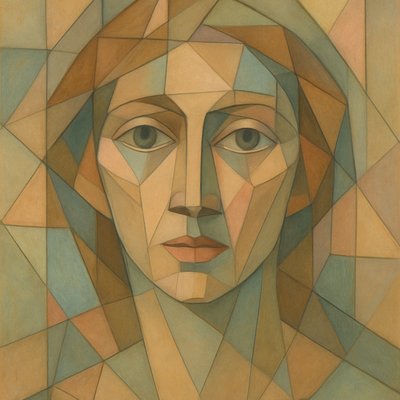
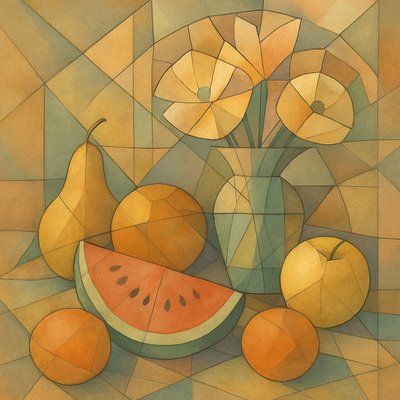
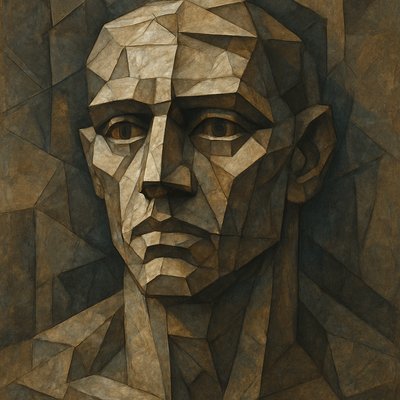
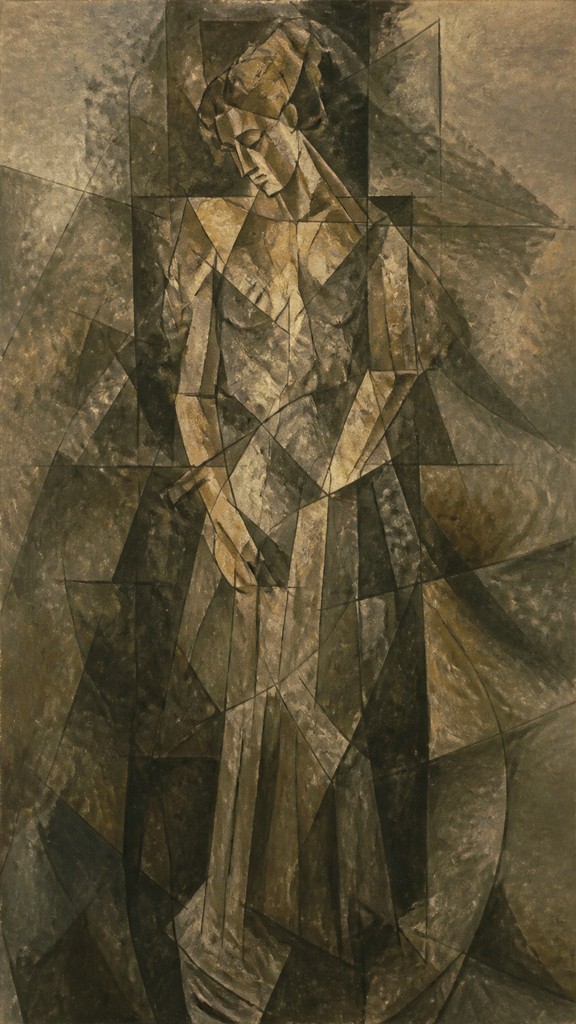
Analytical Cubism is an early twentieth-century art movement that breaks objects and figures into interlocking geometric fragments, often shown from several viewpoints at once. Instead of depicting a subject from a single stable angle, it analyzes form and rebuilds it on the canvas through overlapping planes, compressed space, and shifting contours.
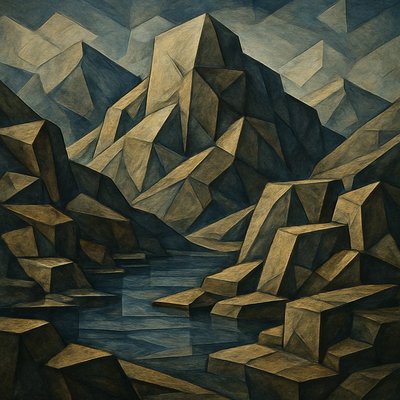
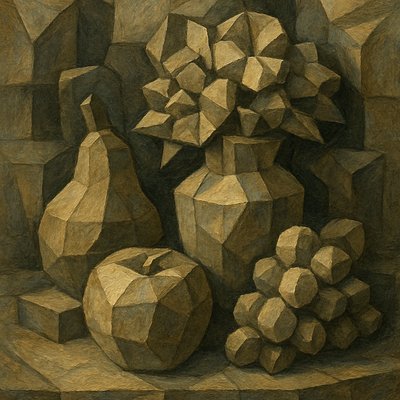
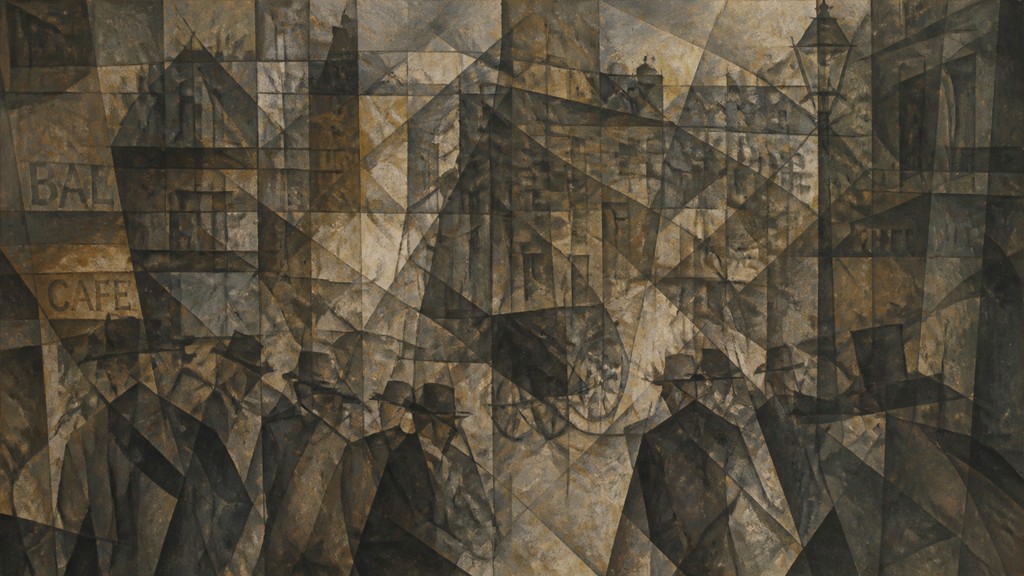
Its visual identity is usually restrained and tonal rather than colorful: browns, grays, ochres, and subdued blacks dominate, allowing structure to take precedence over local color. The result is a dense, intellectually rigorous image in which volume, depth, and outline are intentionally destabilized, yet the subject remains just legible enough to be recognized.
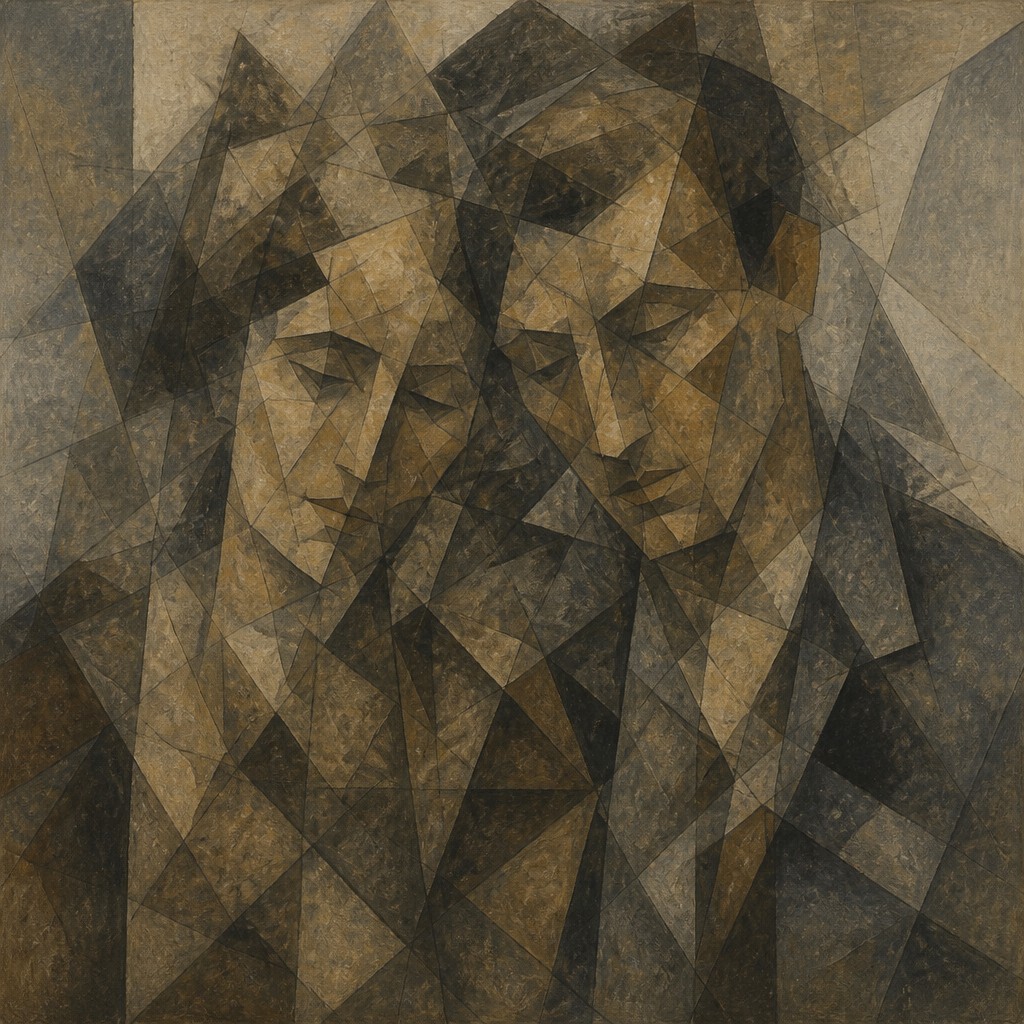
Try It On Your Photos
Upload any photo and convert it into Analytical Cubism Art Style — drag the sliders to compare before and after.
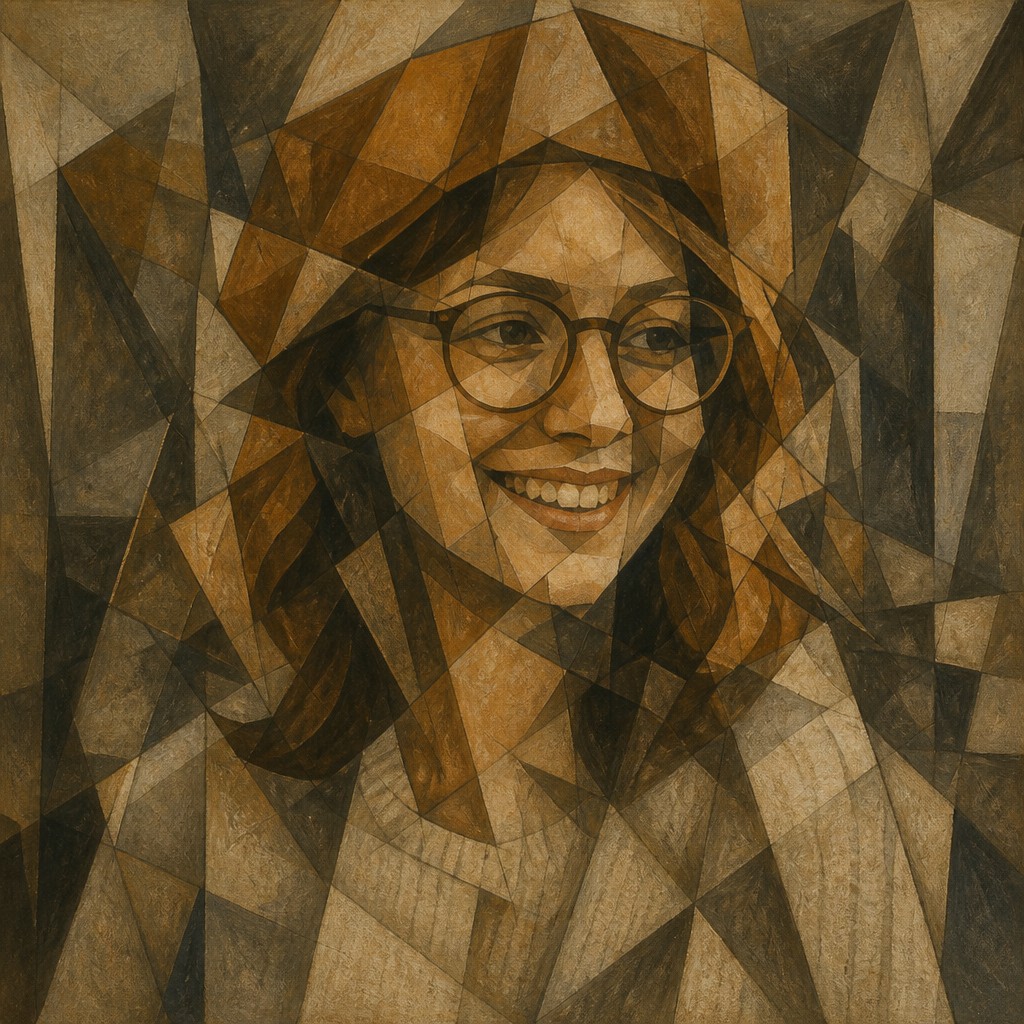

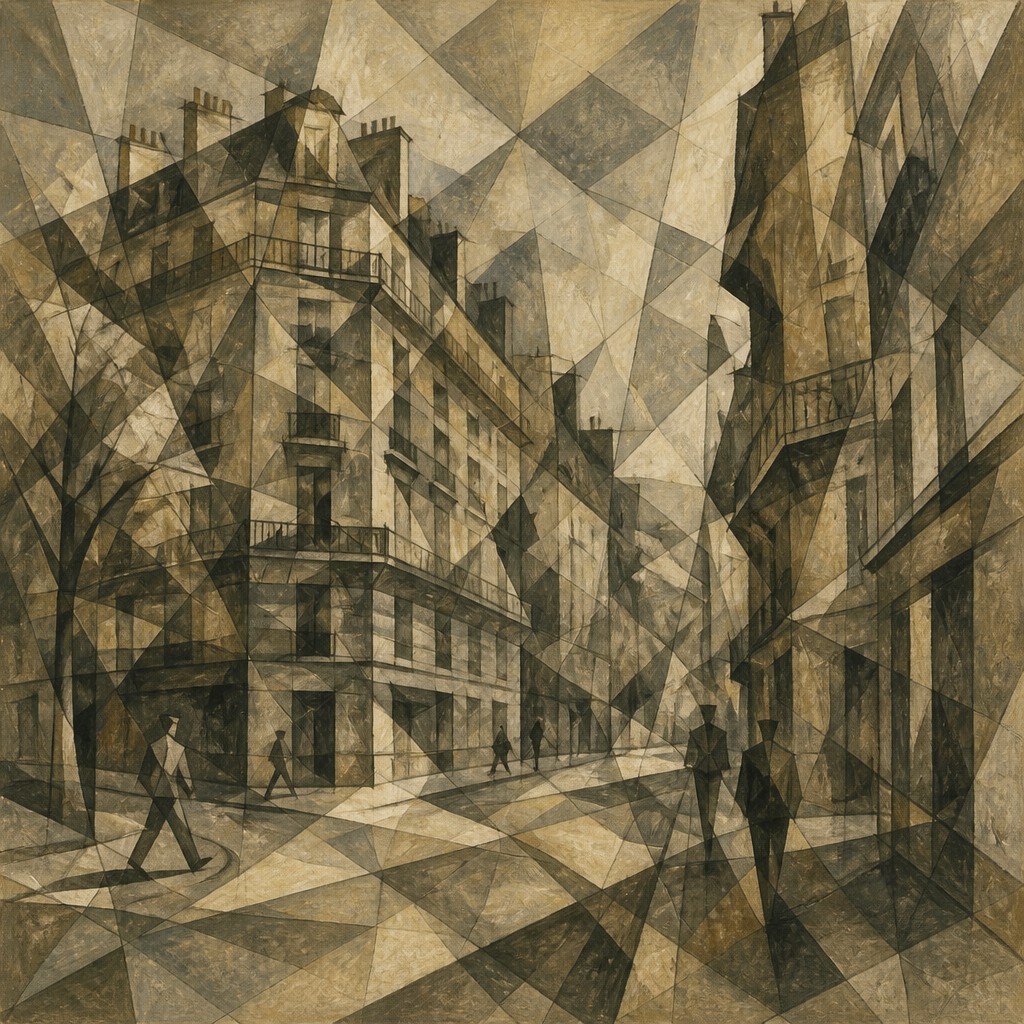

What Defines Analytical Cubism Art Style
The signature details, up close
Multiple viewpoints
Objects are shown as if viewed from more than one angle at the same time. This simultaneity is one of the clearest signs of the style.
Faceted geometry
Forms are broken into angular shards, facets, and intersecting planes. The subject is reconstructed as a puzzle of shifting geometric pieces.
Muted monochrome palette
The palette is usually limited to browns, grays, blacks, ochres, and off-whites. Subtle tonal variation replaces bright color as the main means of differentiation.
Flattened, compressed space
Depth is suggested but not stabilized; foreground and background often merge. The canvas feels shallow, dense, and structurally compressed.
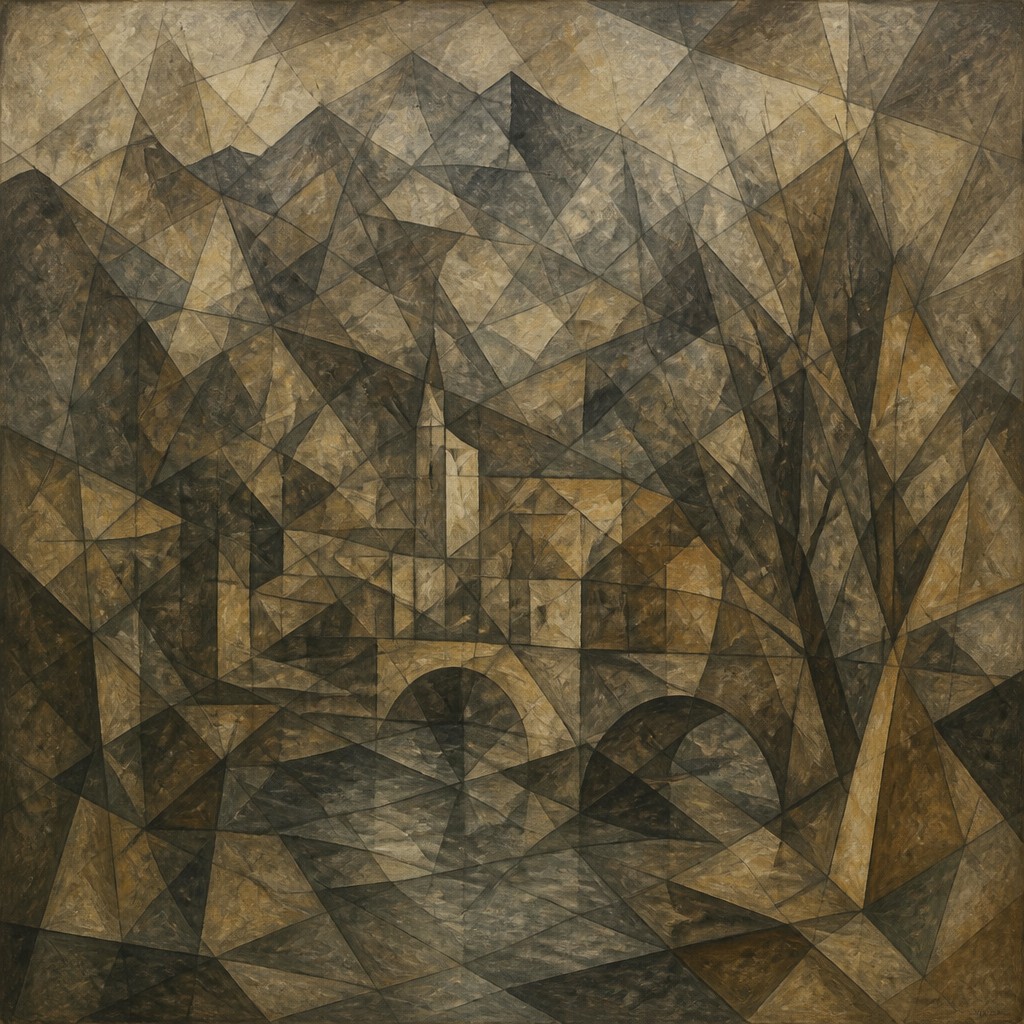
Tonal modeling over color
Light and shadow are indicated through small shifts in value rather than dramatic contrast. This gives the image a sculptural but uncertain presence.
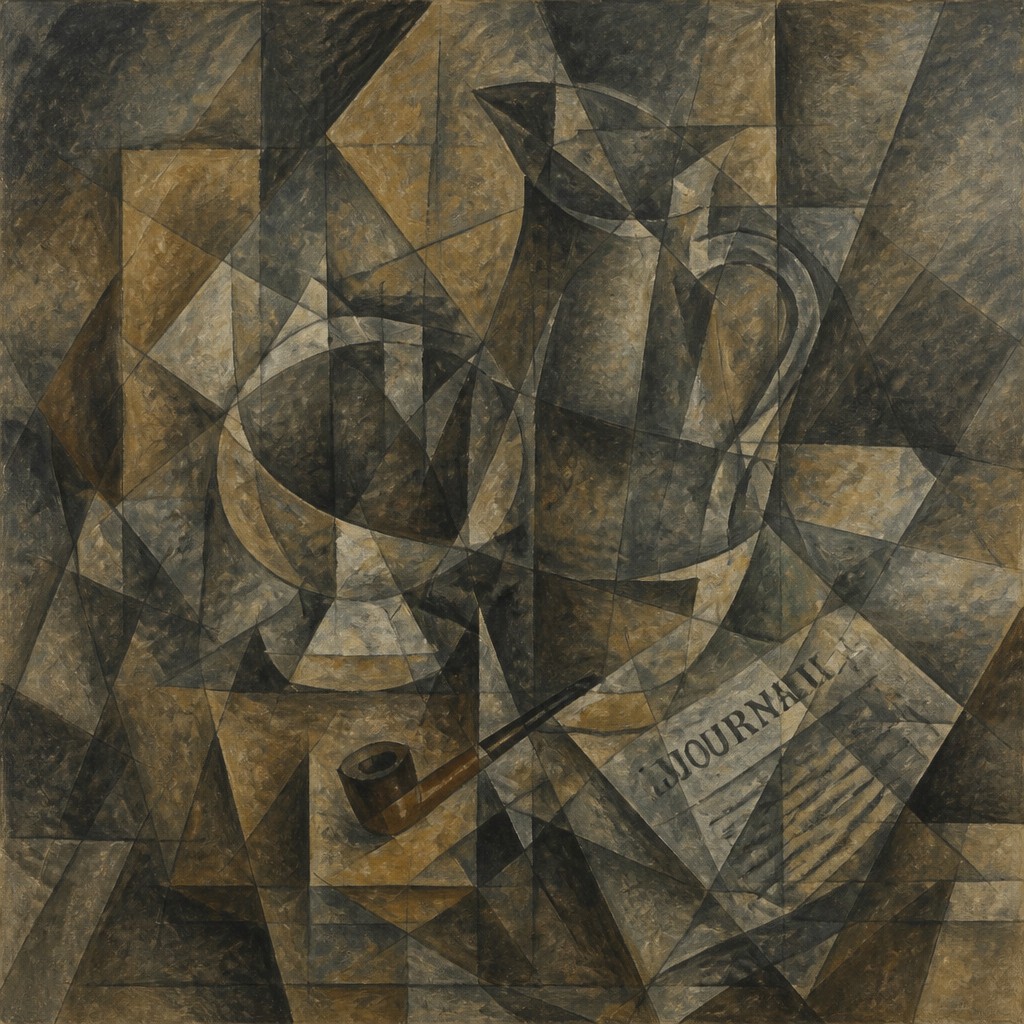
Legible yet fragmented subjects
Portraits, still lifes, instruments, and bottles are often still identifiable, but only after the viewer assembles the broken cues. Recognition is part of the experience.
Try It
Create Videos in Analytical Cubism Art Style
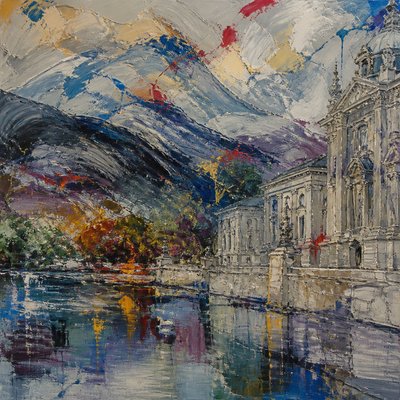
Styles aren't just for stills — describe a scene or animate an image and get a short video rendered in Analytical Cubism. Press play to see this pond come to life.
Make a VideoAnalytical Cubism Prompt Ideas
Start from an idea — each one opens the generator with the style ready to go. See all 40 Analytical Cubism prompts →
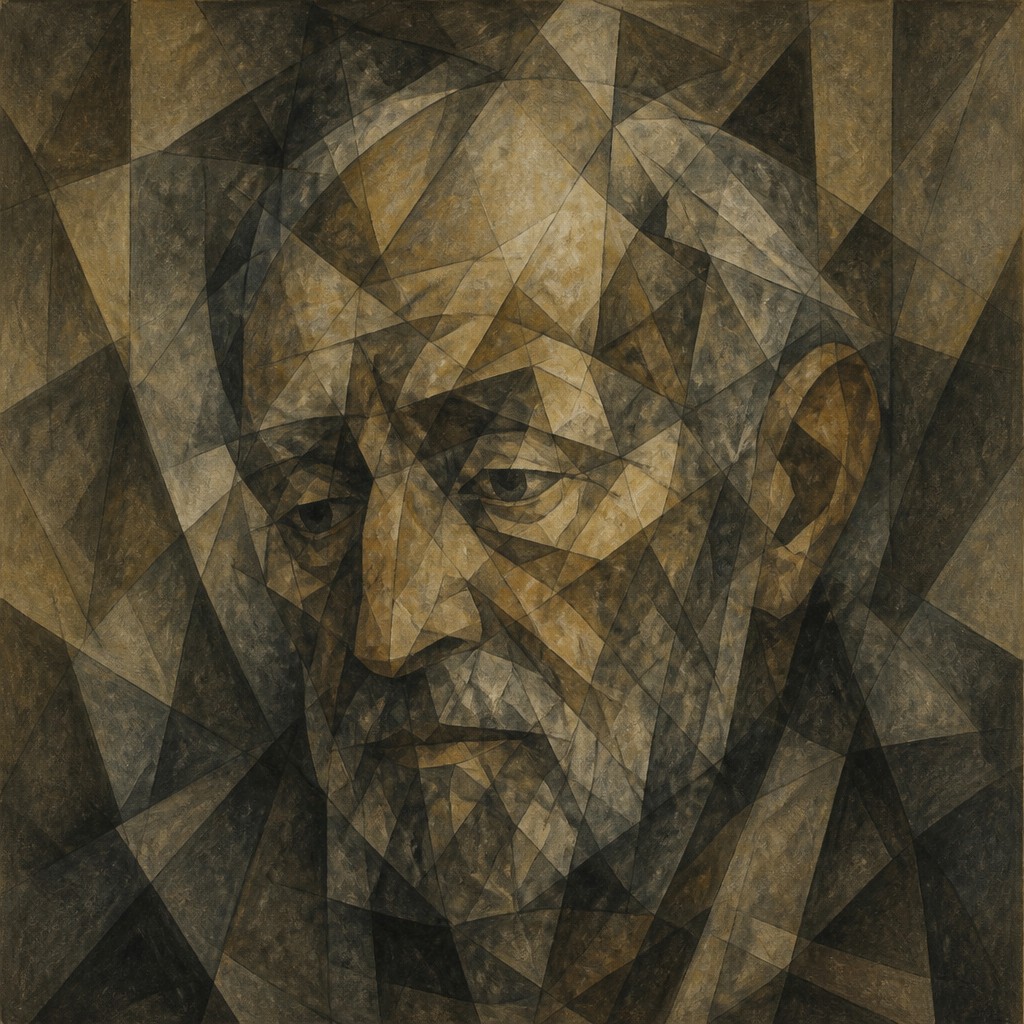
“close-up portrait of an elderly person with expressive weathered features”
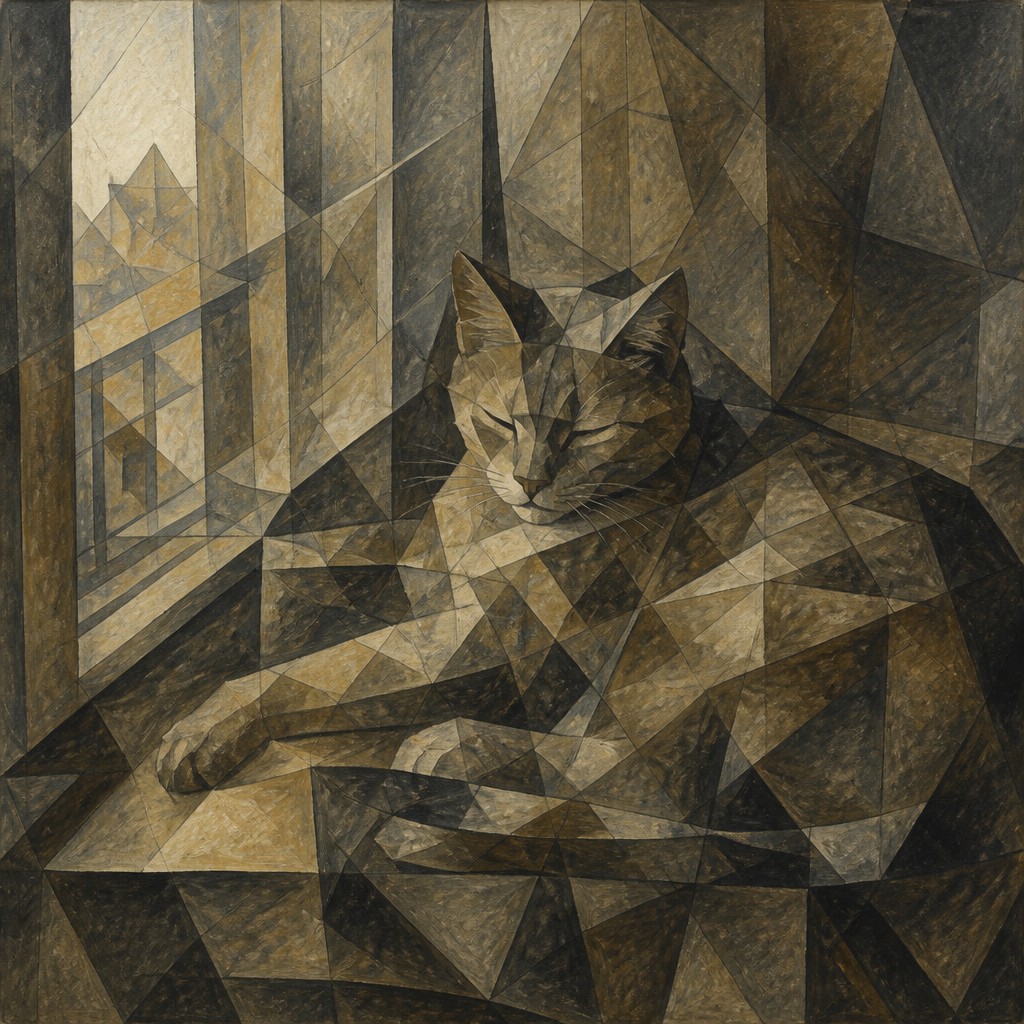
“a cat lounging in a sunlit window”
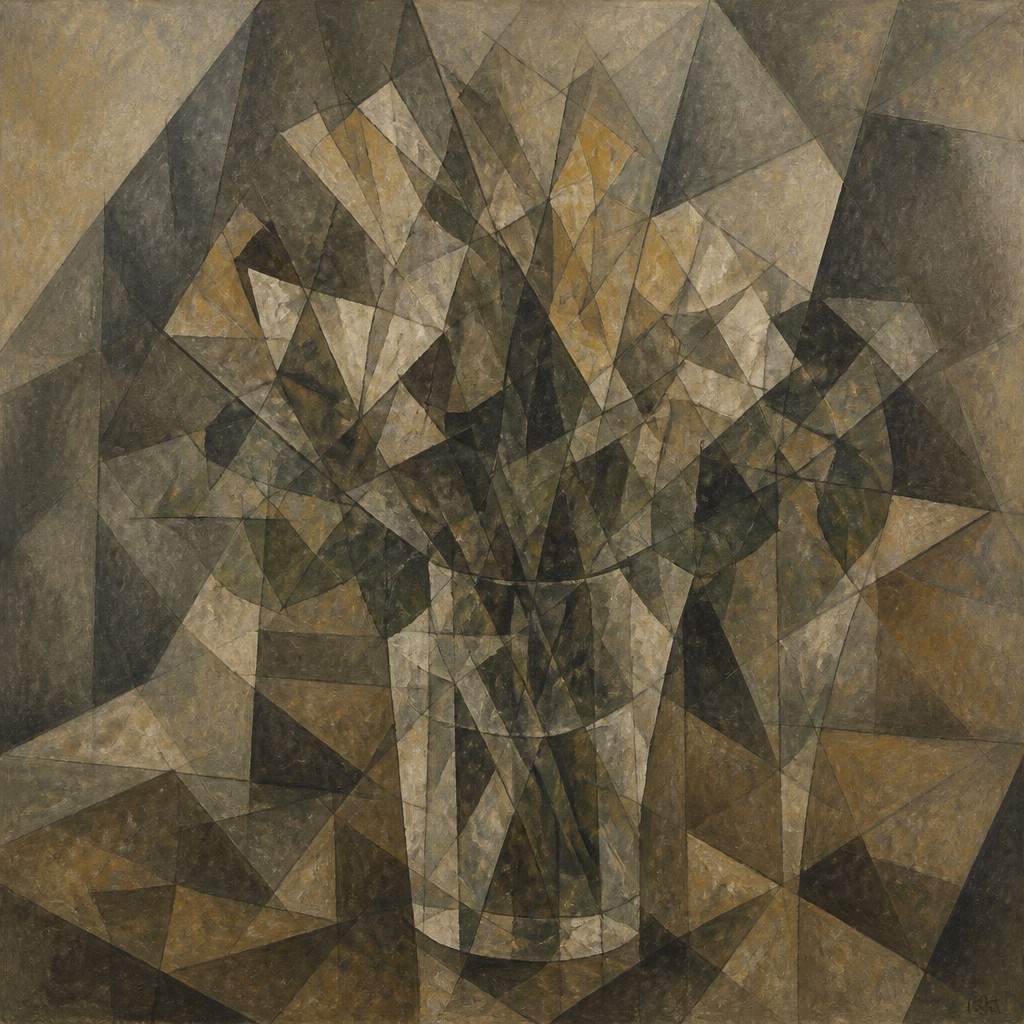
“bouquet of flowers in a glass vase”
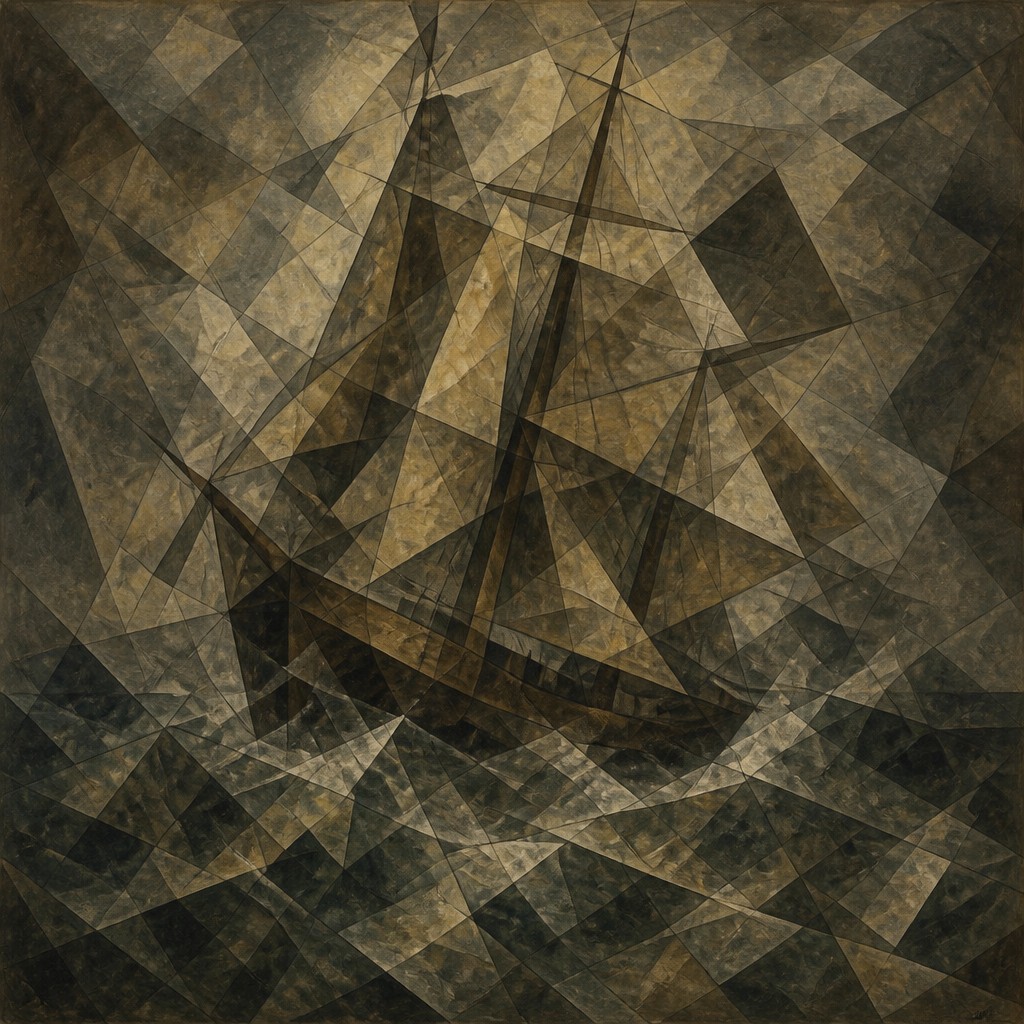
“sailing ship on a stormy sea”
How to Create Analytical Cubism Art
Master the craft step by step — or skip straight to creating. Read the full guide →
- 1
Start with a simplified subject
Choose a recognizable form such as a face, violin, bottle, or chair, then reduce it to its major structural axes before adding fragments. In drawing or painting, think of the object as planes rather than outlines.
- 2
Split form into overlapping facets
Use angular divisions that cross the object from several directions, allowing edges to interrupt one another. In digital work, layer semi-transparent shapes and linework to create the sense of analytical decomposition.
- 3
Restrict the palette
Work mostly in muted browns, grays, blacks, and ochres, with small tonal shifts to separate planes. If you use color, keep it subdued so structure remains the focus.
- 4
Keep space shallow and ambiguous
Avoid clear perspective lines and strong atmospheric depth. Let background and subject interlock so the image reads as an organized field rather than a window onto deep space.
- 5
Prioritize edges, values, and rhythm
Make the composition depend on fine linear boundaries and tonal relationships. For prompt-based generation, describe overlapping angular facets, multiple viewpoints, monochrome tones, and translucent planes.
The Story
History & Origins of Analytical Cubism
Analytical Cubism emerged in Paris around 1908 and developed mainly between 1909 and 1912. It is most closely associated with two close collaborators in the early Cubist period, who worked in close dialogue as they rethought how painting could represent three-dimensional reality without relying on Renaissance perspective. Their approach transformed objects into fractured facets and translucent planes, emphasizing analysis of form over optical illusion.
The style grew out of post-Impressionism and especially the structural experiments of a pioneering post-Impressionist painter, whose insistence on reducing nature to cylinders, spheres, and cones helped open the way for Cubist thinking. Analytical Cubism was followed by Synthetic Cubism, which became more colorful, flatter, and collage-based; together, these phases established Cubism as one of the foundational movements of modern art.
Influences: Analytical Cubism is inseparable from the experiments of the movement’s two central early practitioners, and from the structural lessons of a pioneering post-Impressionist painter. It also relates to African and Iberian sculpture through the broader modernist interest in simplified, forceful form, though the Cubists transformed those influences into a distinctly European pictorial analysis. Later abstract art, Constructivism, and collage-based practices inherited Cubism’s emphasis on structure, fragmentation, and the autonomy of the picture plane.

Frequently Asked Questions
What defines analytical cubism?
It is defined by the fragmentation of subjects into angular planes and the presentation of multiple viewpoints at once. The palette is usually restrained, and the image often feels like a careful analysis of form rather than a naturalistic depiction.
How is analytical cubism different from synthetic cubism?
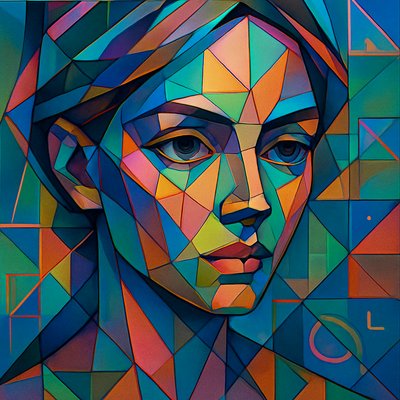
Analytical Cubism is more fragmented, tonal, and structurally complex, with objects broken down into many small facets. Synthetic Cubism that followed is generally flatter, more colorful, and often incorporates collage elements and larger, simpler shapes.
Which artists are most associated with this style?
The movement’s two central early practitioners are the artists most associated with this style. Their work in Paris between about 1909 and 1912 established the movement’s core visual language.
What subjects are common in analytical cubism?
Portraits, musicians, violins, bottles, newspapers, tables, and other still-life objects are common because their forms can be fractured while remaining recognizable. The style often favors intimate, manageable subjects over sweeping scenes.
How do I make a photo look like analytical cubism?
Reduce the photo to its main contours, then segment those contours into overlapping geometric planes. Limit the colors to subdued monochrome values and emphasize edge fragmentation, shallow space, and multiple angle cues.
Why does analytical cubism look so muted?
The limited palette helps direct attention to structure, value, and spatial ambiguity. By suppressing bright color, the style concentrates on how objects are broken apart and reassembled across the canvas.
Create your first Analytical Cubism artwork
Describe anything — or upload a photo — and see it in Analytical Cubism Art Style in seconds.
Make Something with Analytical Cubism
Compare Analytical Cubism
Related Styles
Discover similar art styles