Neoclassical Art Style
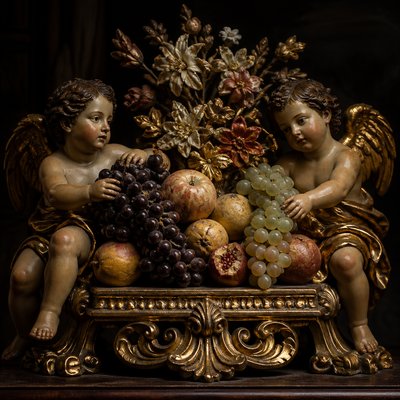
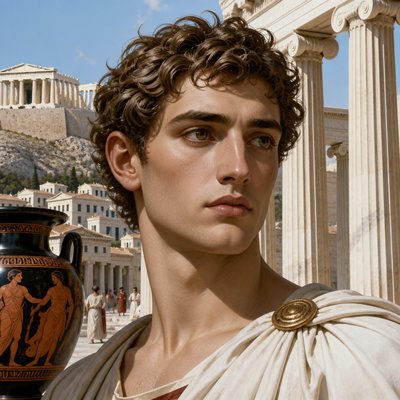
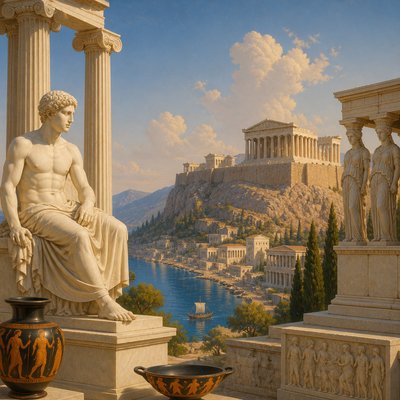
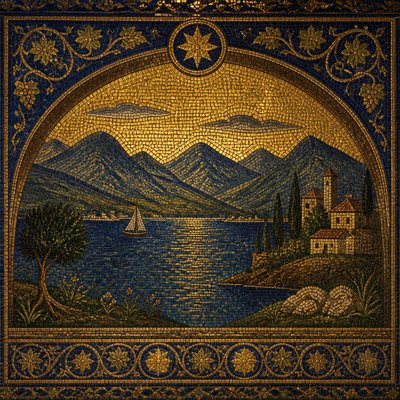
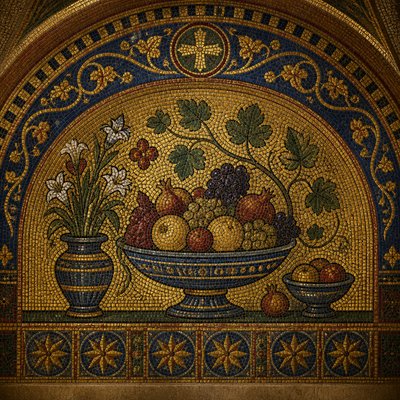
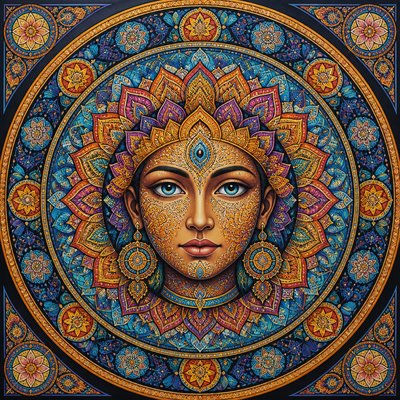
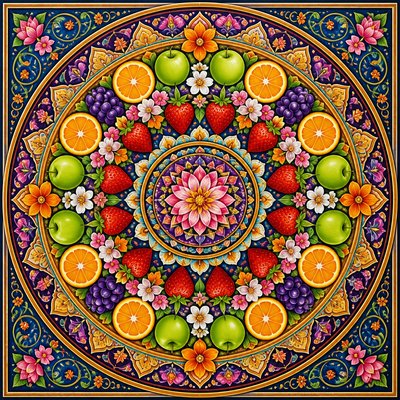
Neoclassical art revives Greco-Roman ideals with clean lines, symmetry, and moral seriousness rooted in Enlightenment taste.
Instantly rendered in Neoclassical — or transform a photo
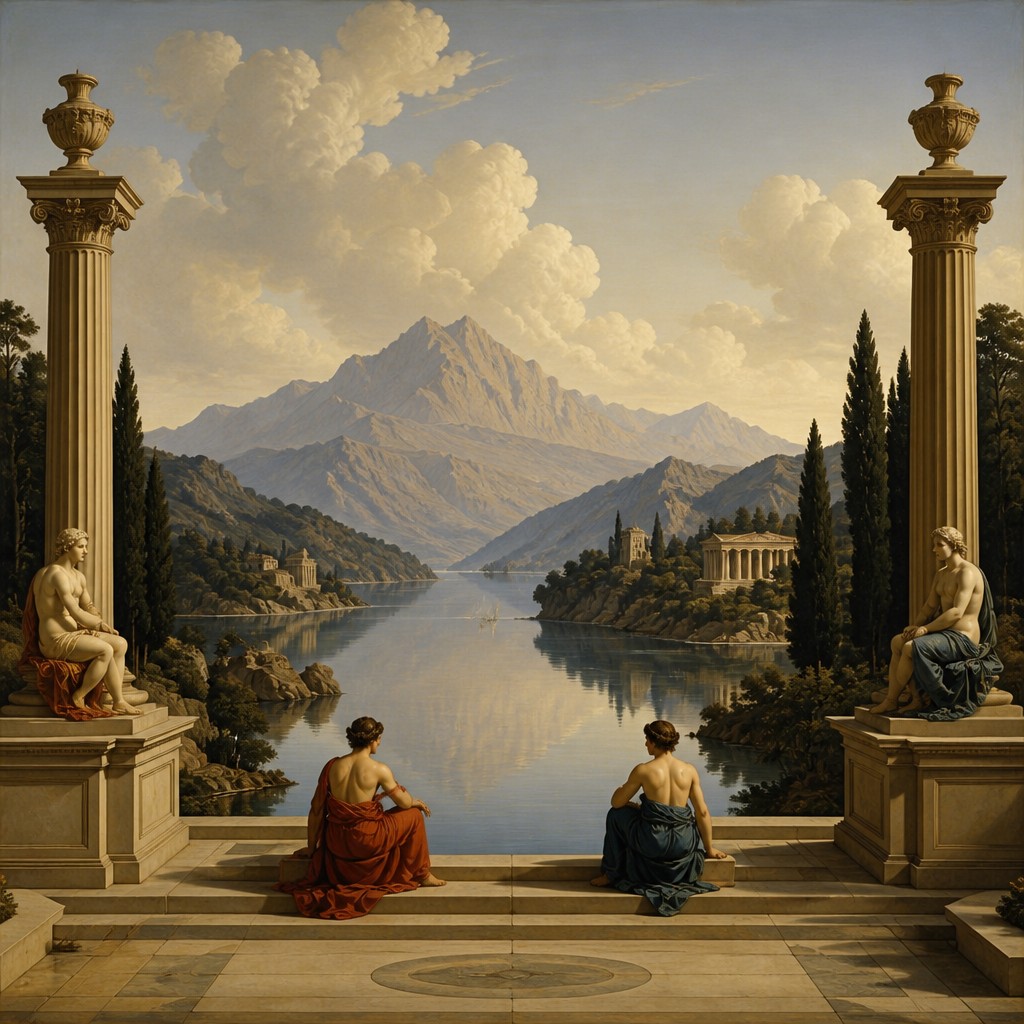
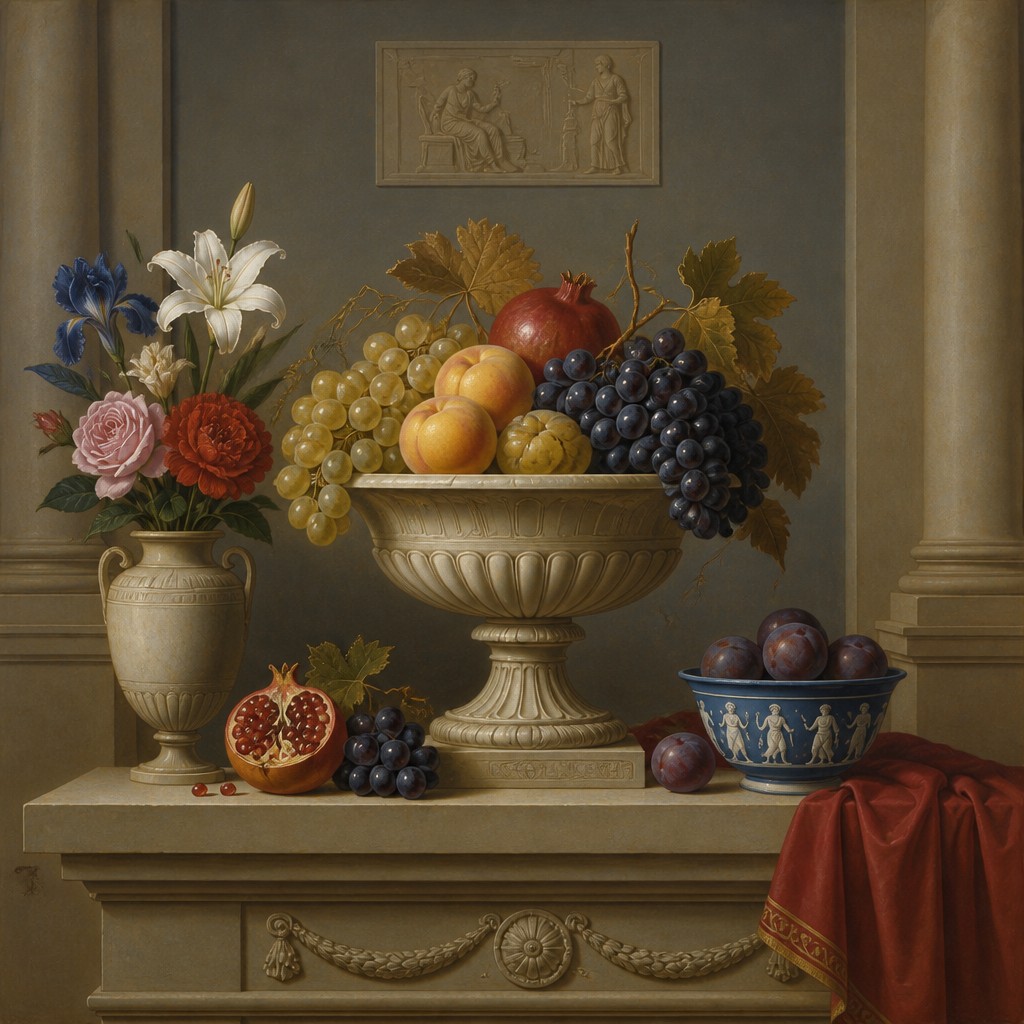
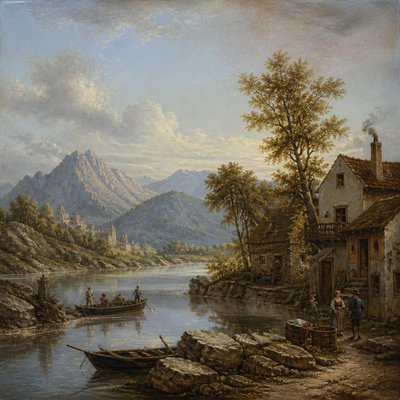
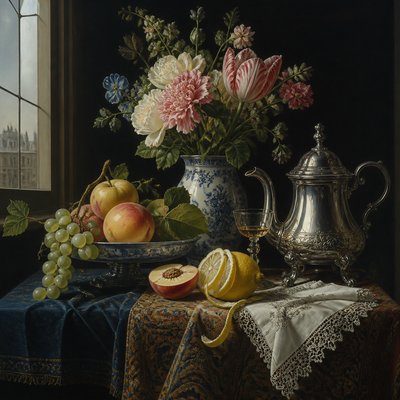
Neoclassical Gallery
Tap any artwork to explore it
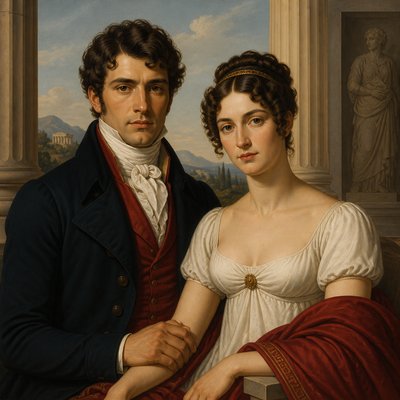
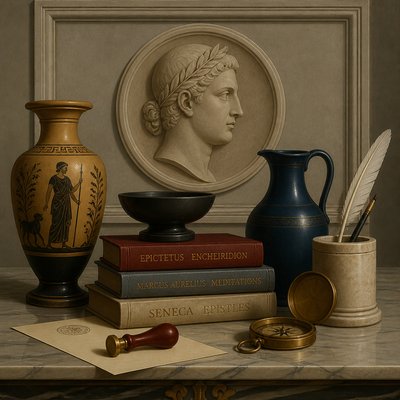
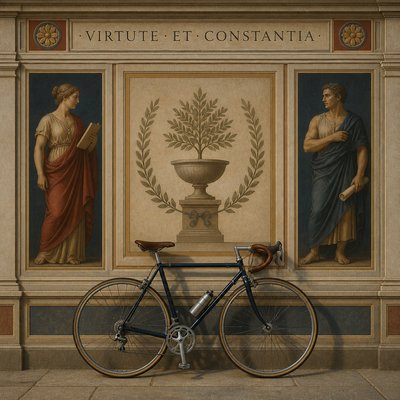
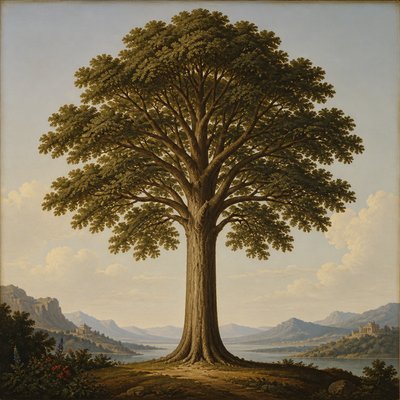
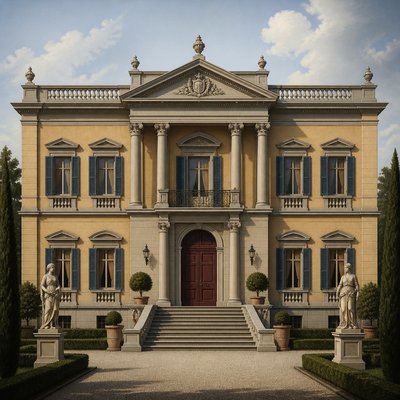
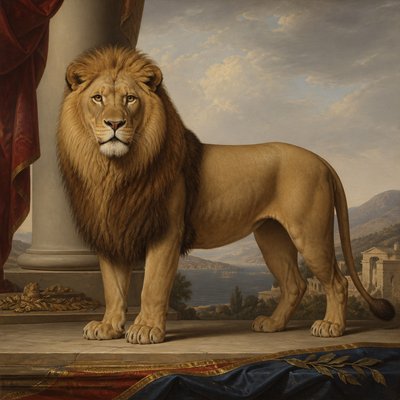
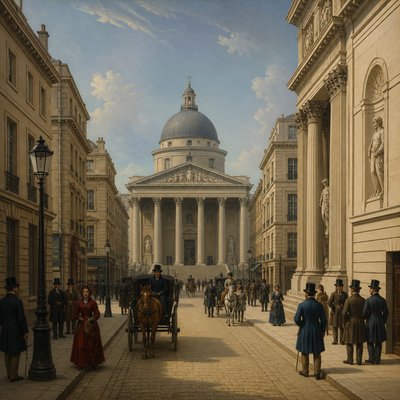
What is Neoclassical Art Style?
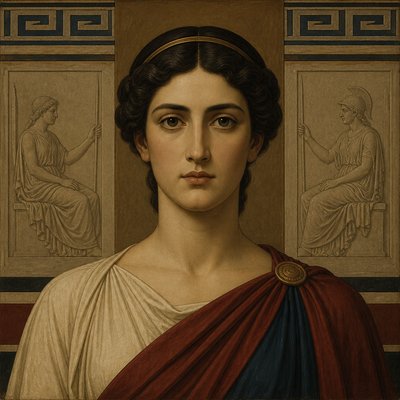
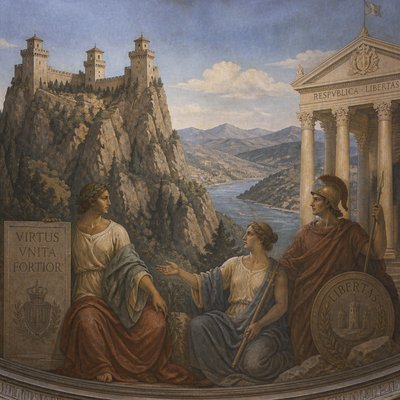
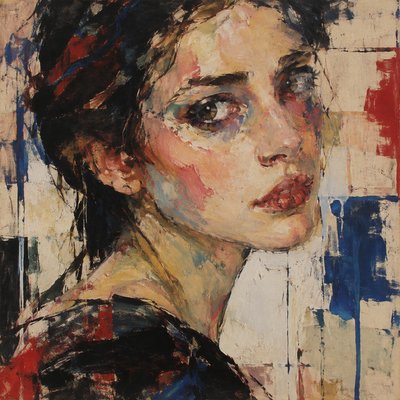
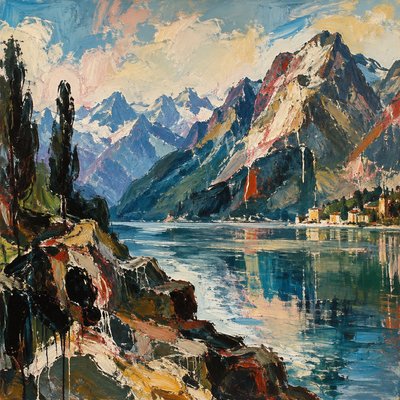
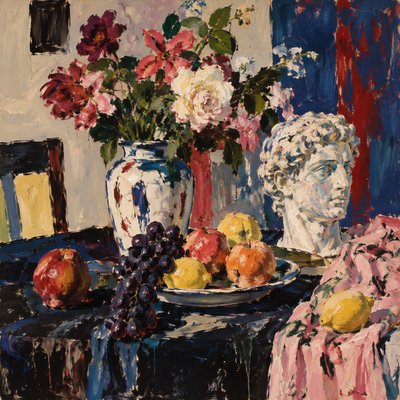
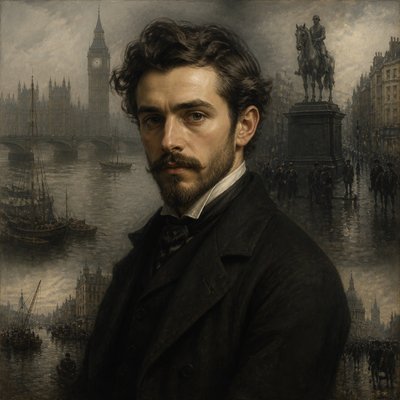
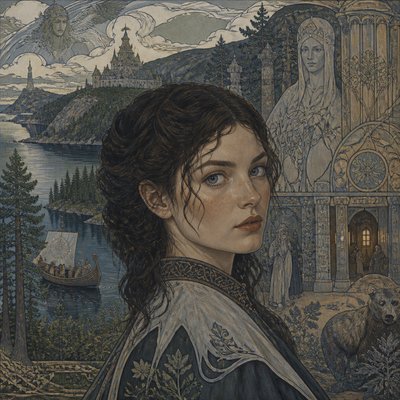
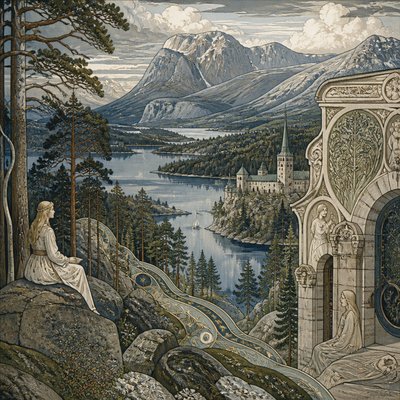
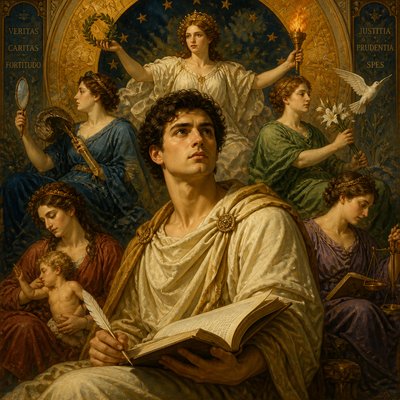
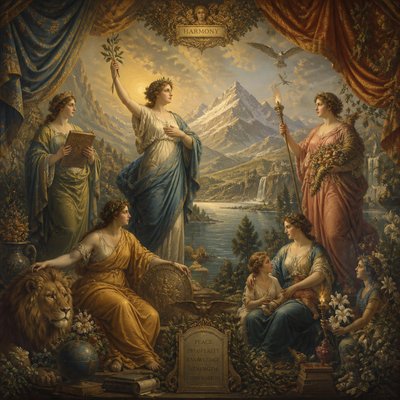
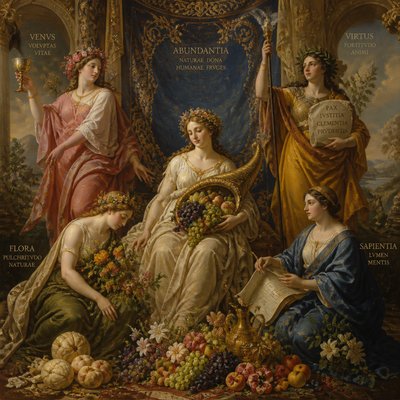
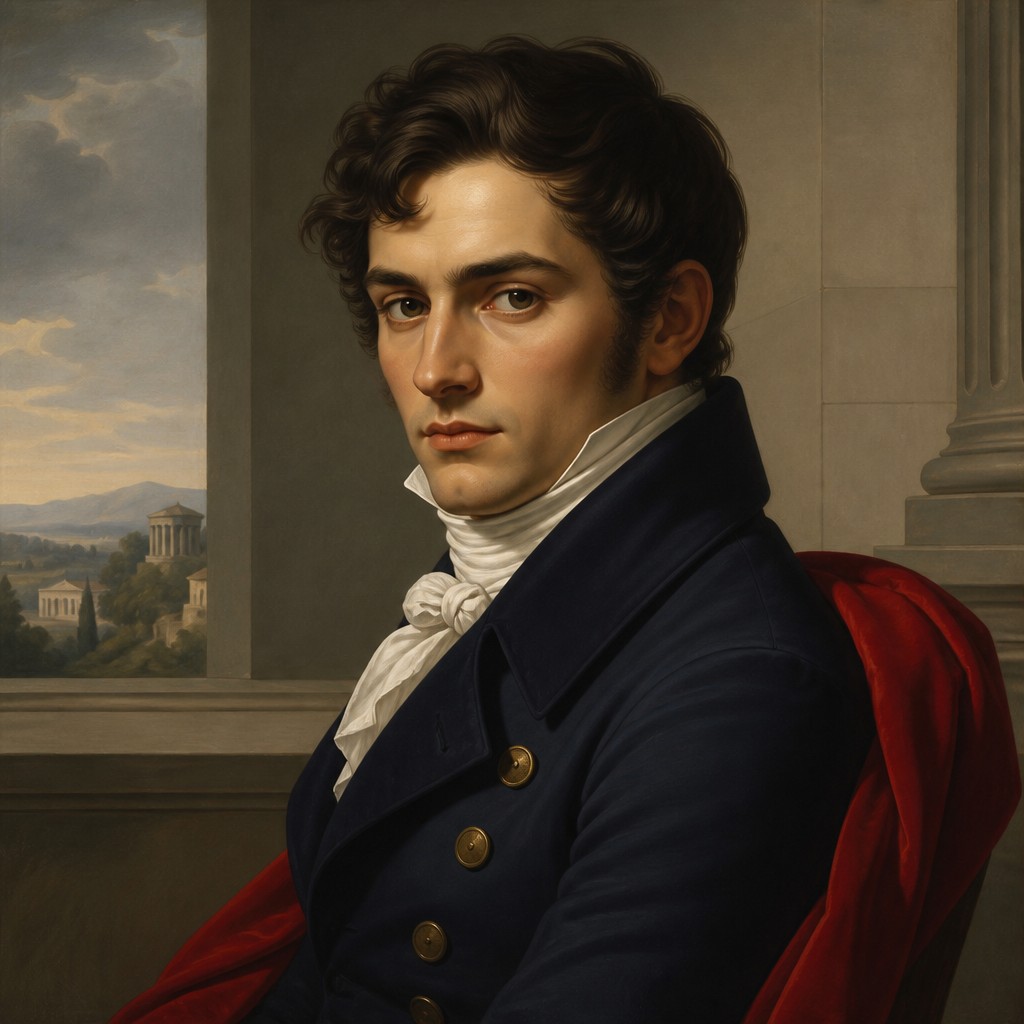
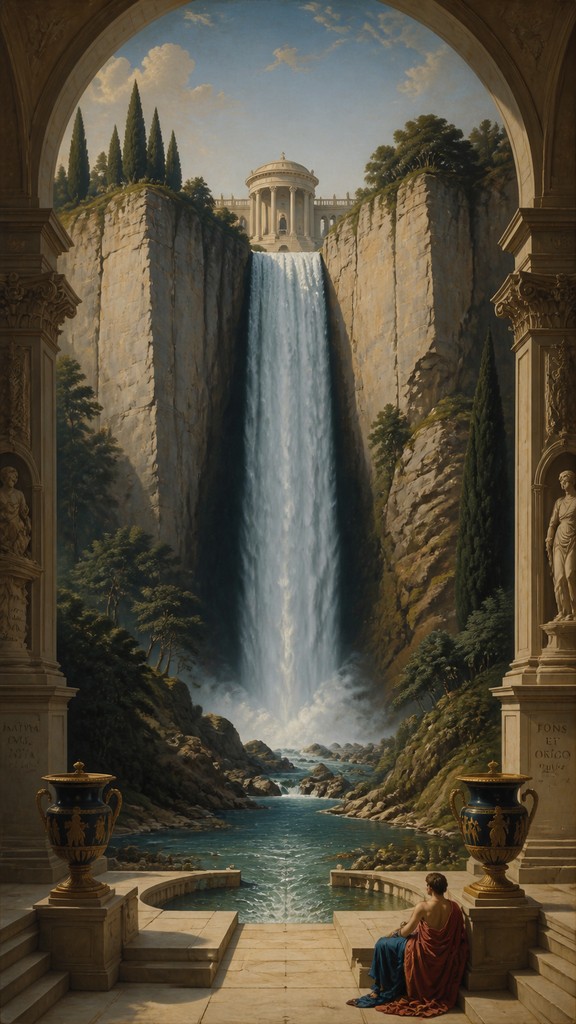
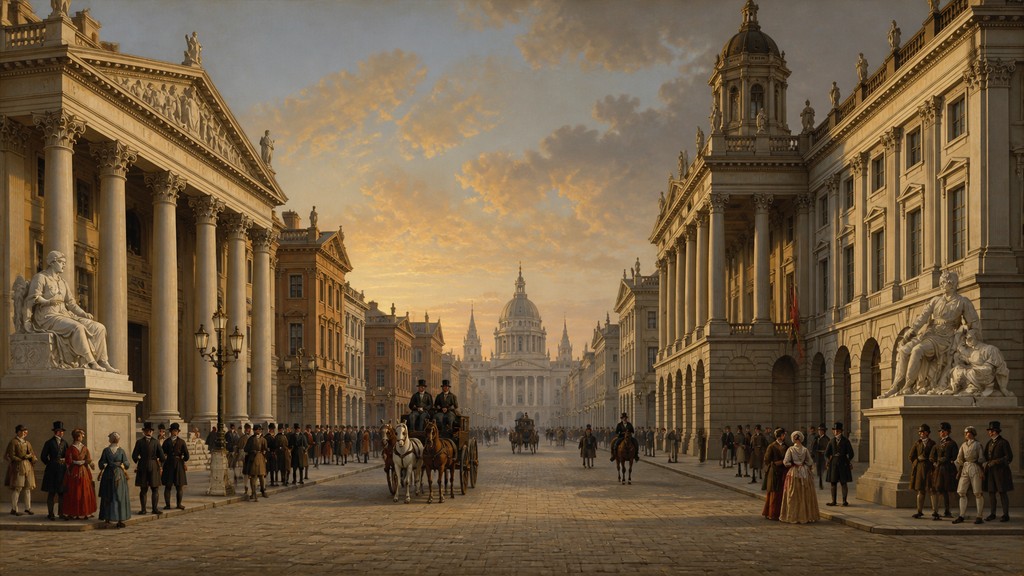
Neoclassical art is a late-18th- and early-19th-century European movement that looked to ancient Greece and Rome for visual authority and moral clarity. It favors balanced compositions, precise drawing, restrained color, and idealized figures arranged with sculptural calm. Rather than emphasizing spontaneity or overt emotion, it presents subjects with discipline, clarity, and a sense of civic or ethical purpose.
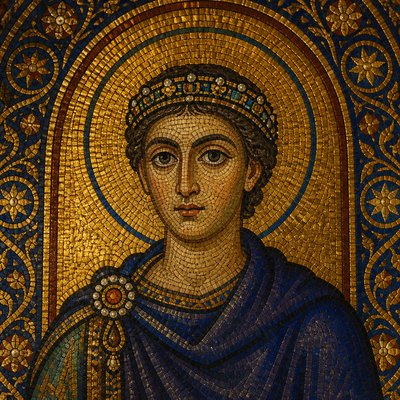
Its visual identity comes from the union of archaeological classicism and Enlightenment thought. Artists and patrons admired antiquity as a model of reason, virtue, and public duty, so the style often uses marble-like finishes, linear contours, and theatrical but controlled lighting to make figures appear timeless and exemplary. The result is an art of order and dignity, where ancient forms are used to express modern ideals.
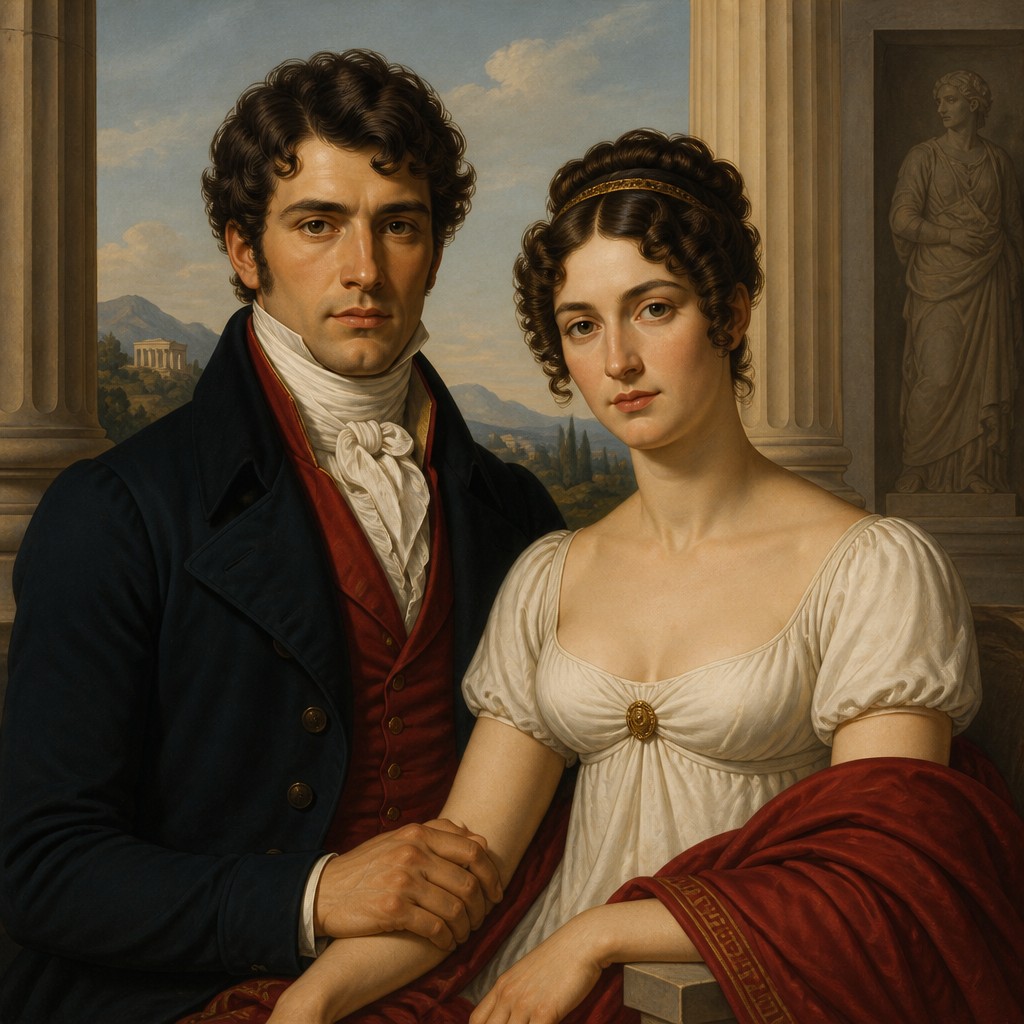
Try It On Your Photos
Upload any photo and convert it into Neoclassical Art Style — drag the sliders to compare before and after.
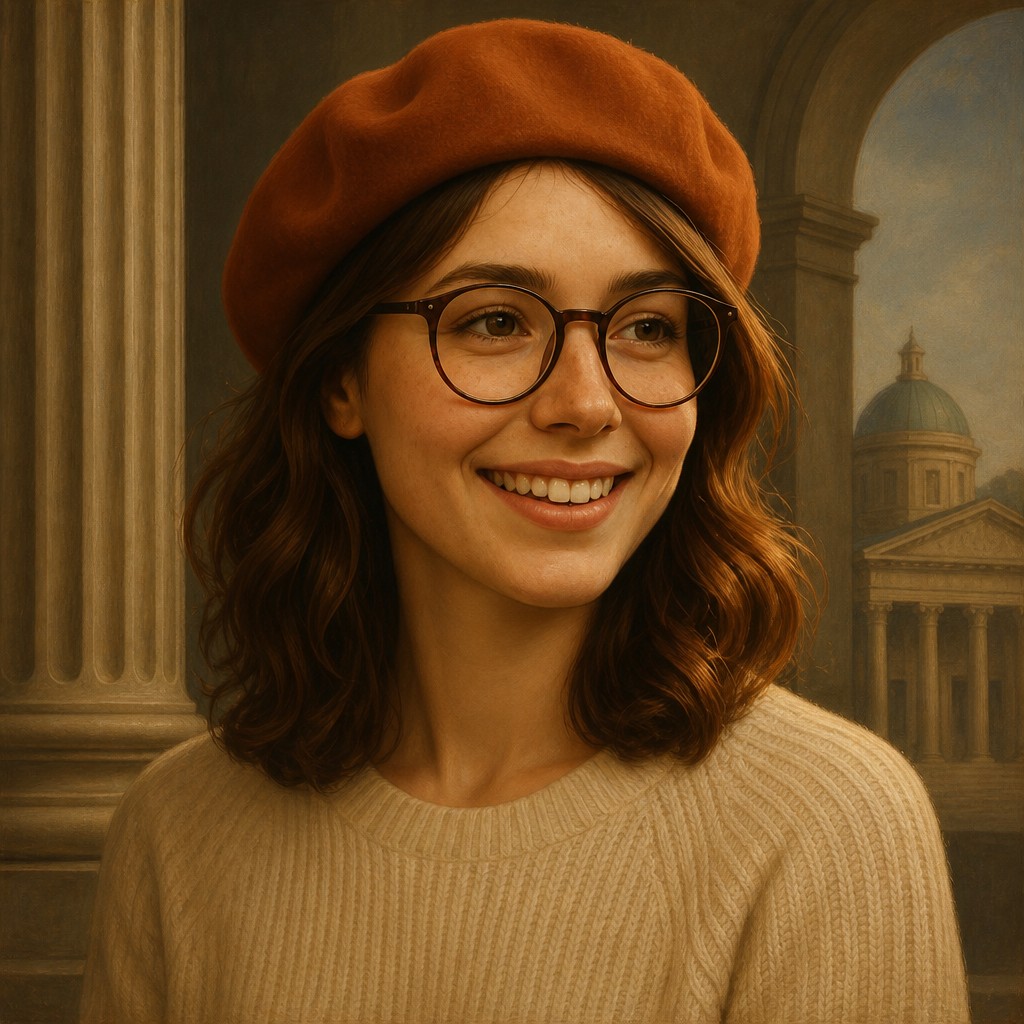

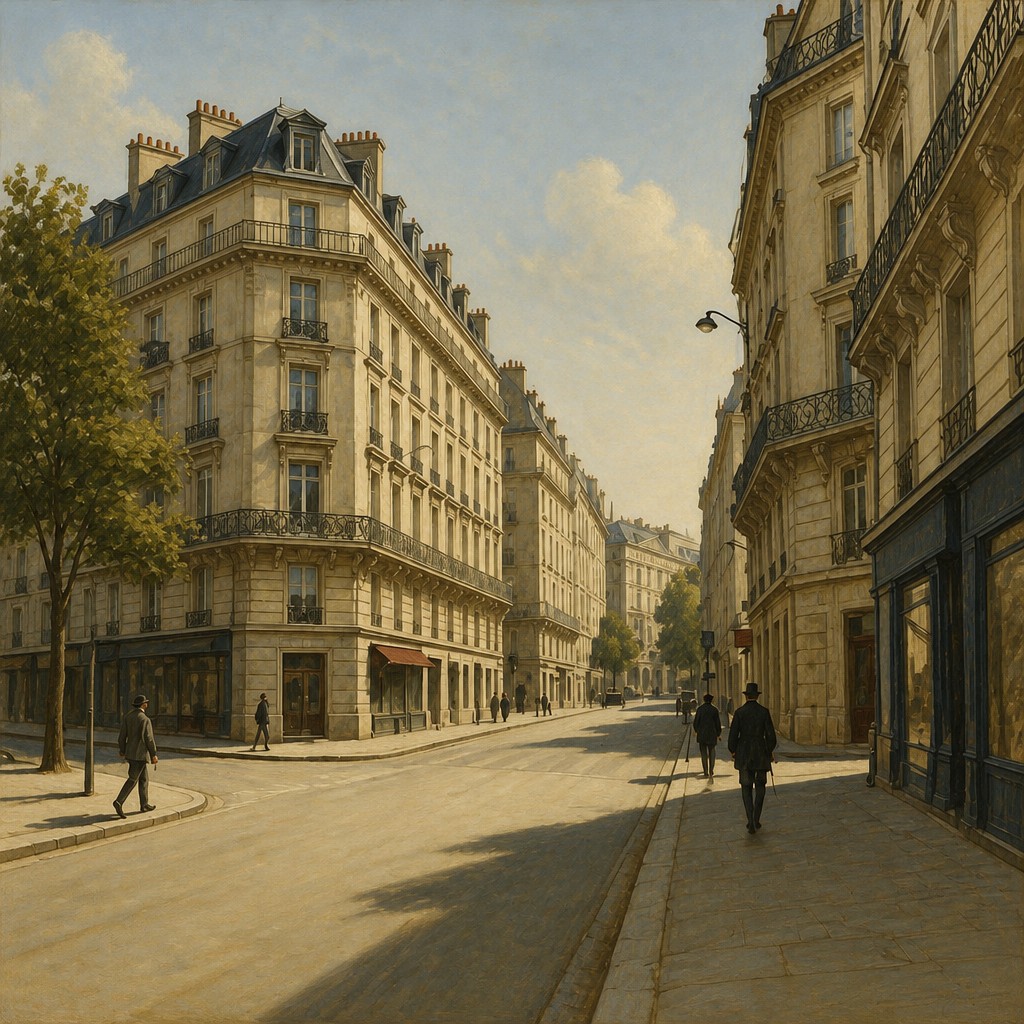

What Defines Neoclassical Art Style
The signature details, up close
Classical composition
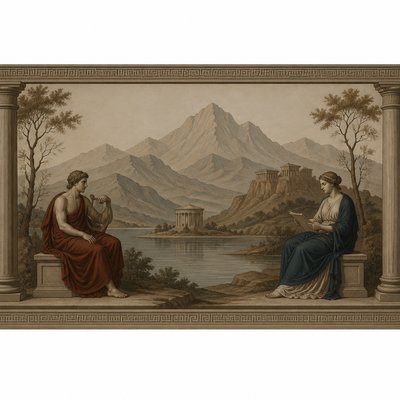
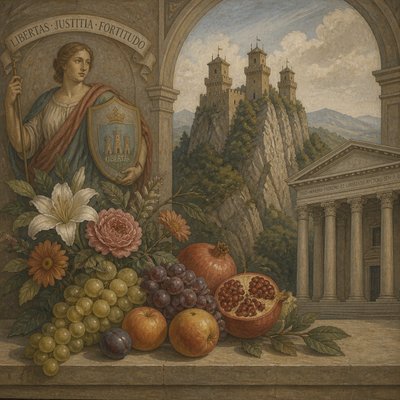
Figures are arranged in stable, symmetrical, and carefully balanced groupings. The organization often feels architectural, with clear geometry and a strong sense of proportion.
Clean contour and drawing
Outline matters more than visible brush texture. Forms are defined with crisp edges and precise draftsmanship, giving the image a lucid, controlled appearance.
Idealized anatomy
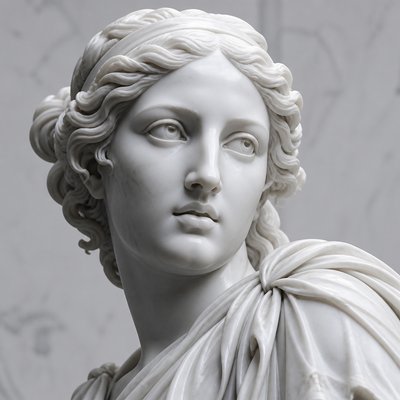
Bodies are rendered with calm, polished modeling and often resemble sculpture more than flesh. Musculature, drapery, and facial features are refined to suggest dignity and timelessness.
Restrained palette
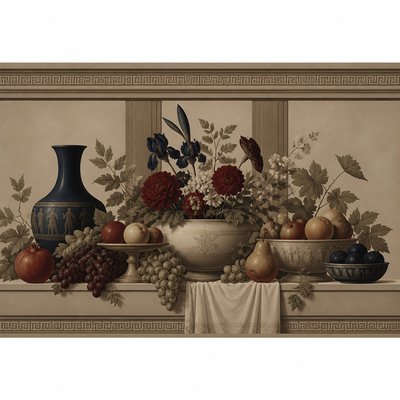
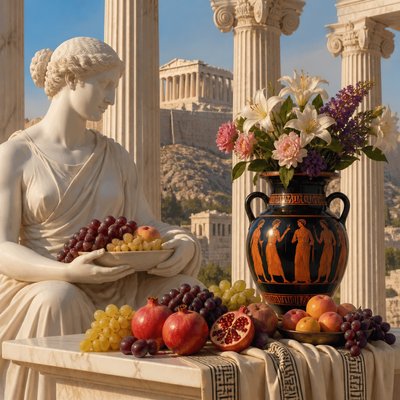
Color is usually subdued, using warm ochres, stone grays, muted earth tones, and limited accents of red or blue. The limited palette supports the style’s sober, disciplined mood.
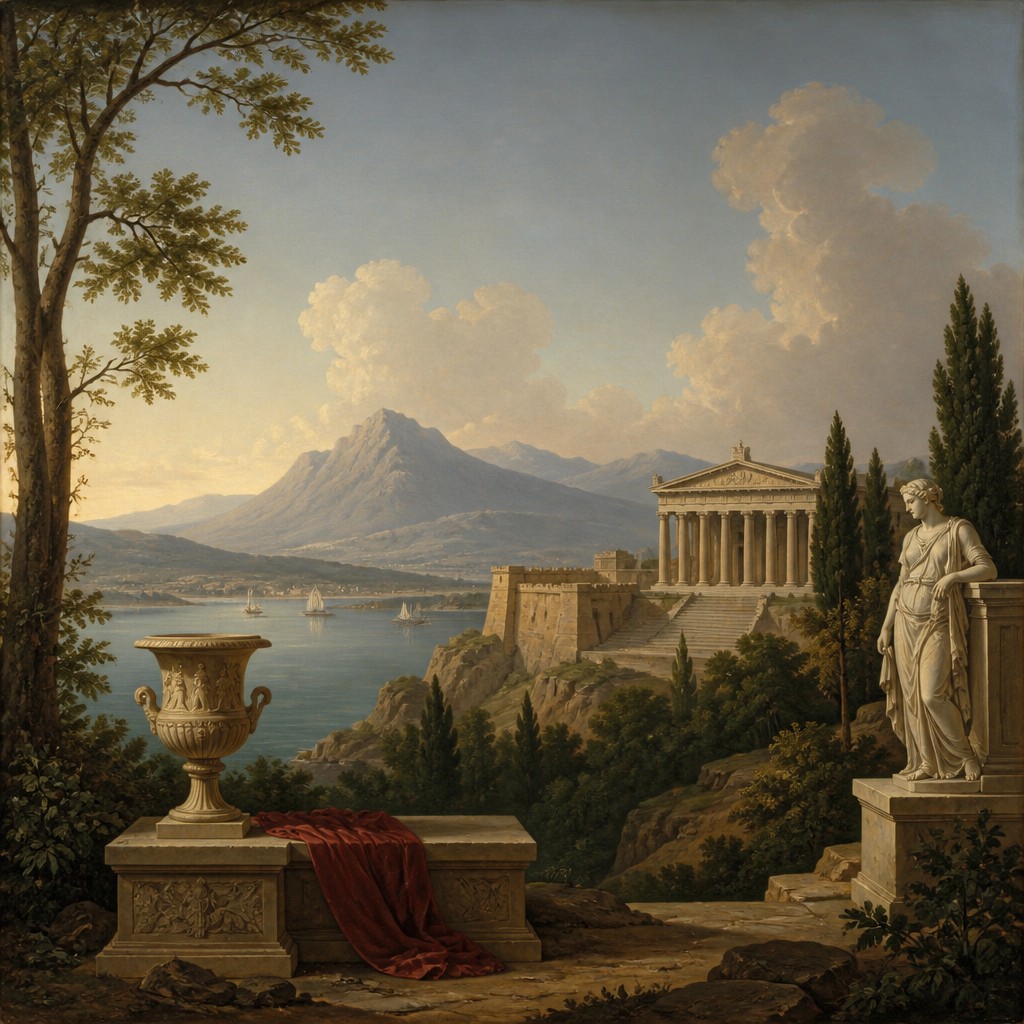
Moral or civic subject matter
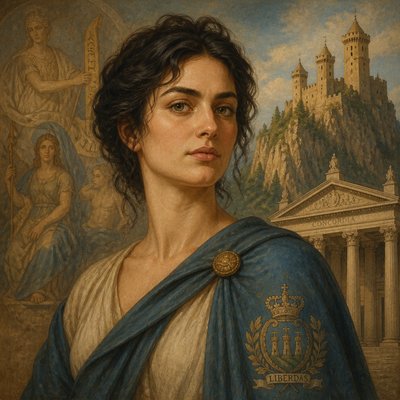
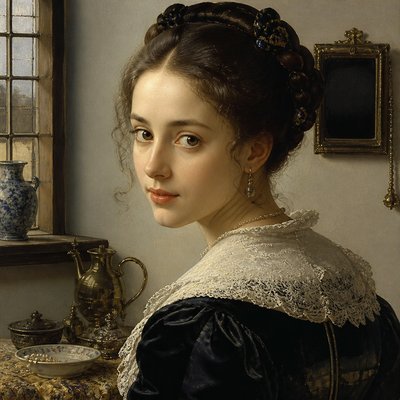
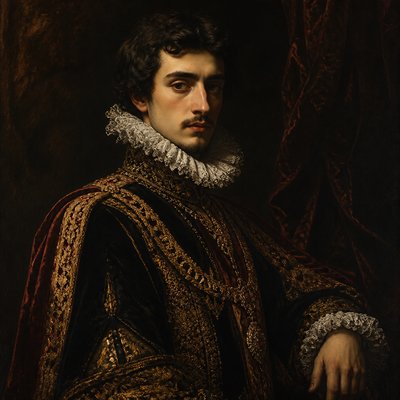
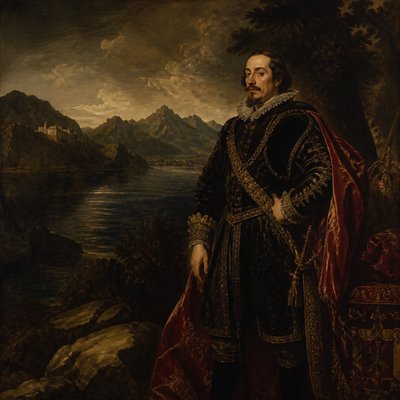
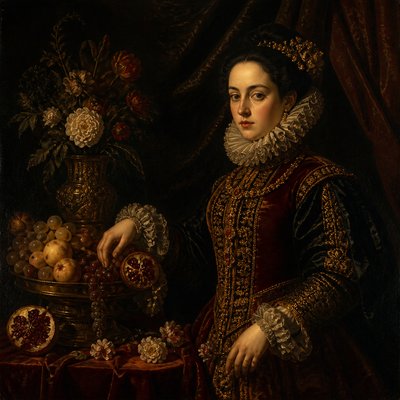
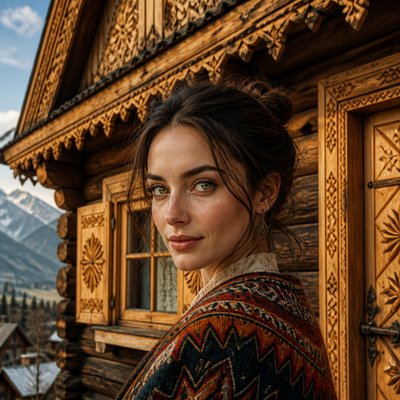
Scenes frequently depict history, myth, sacrifice, duty, or exemplary behavior. Even portraits tend to present sitters as composed, rational, and socially elevated.
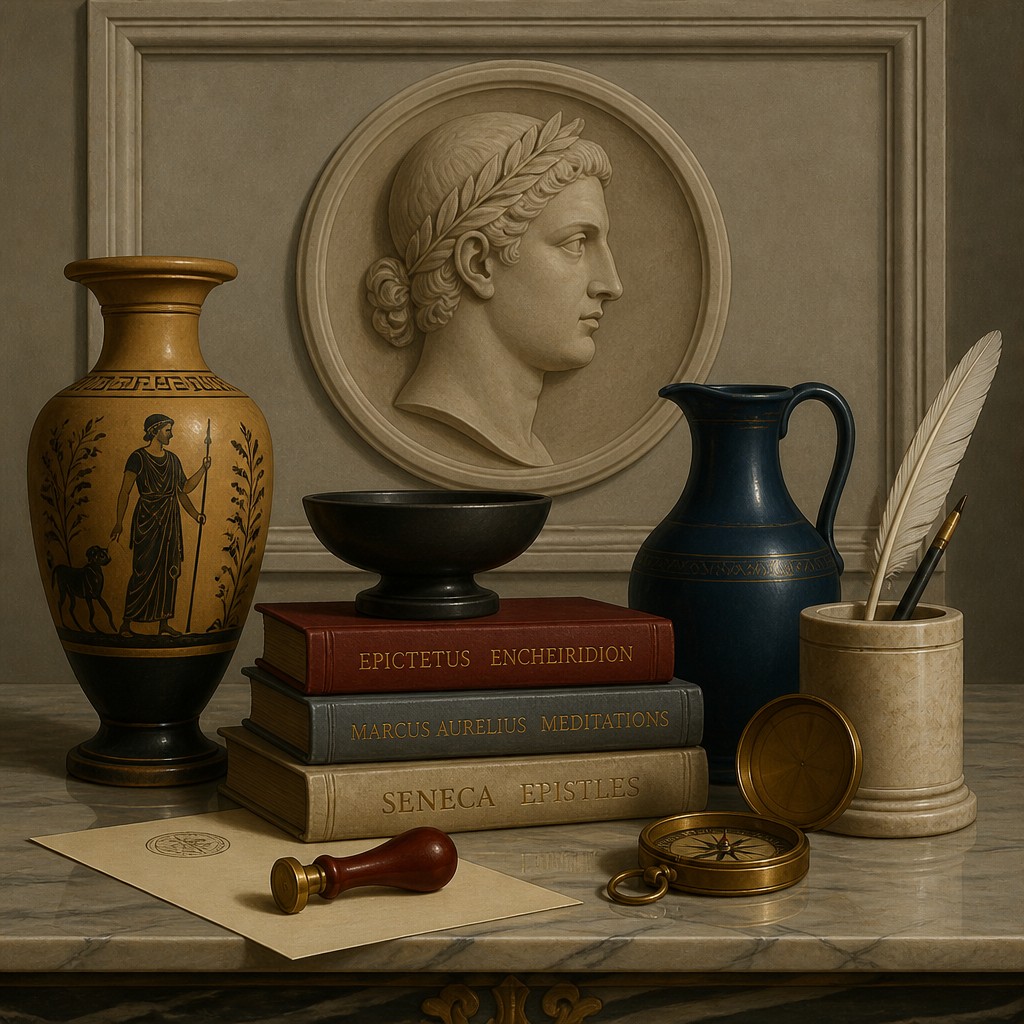
Polished surfaces and clear light
Paint handling is smooth and often nearly invisible, with sculptural chiaroscuro used to clarify form rather than create drama. The overall effect is marble-like clarity and finish.
Try It
Create Videos in Neoclassical Art Style
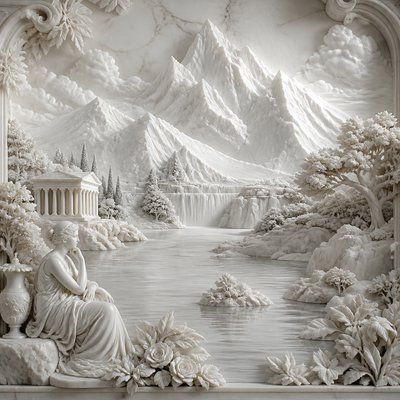
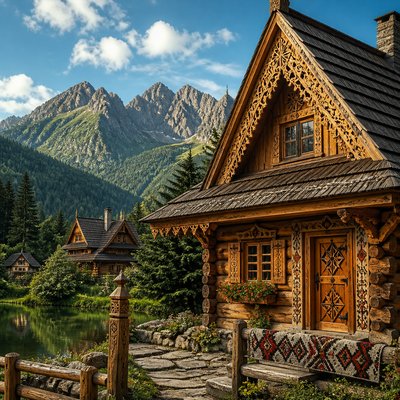
Styles aren't just for stills — describe a scene or animate an image and get a short video rendered in Neoclassical. Press play to see this pond come to life.
Make a VideoNeoclassical Prompt Ideas
Start from an idea — each one opens the generator with the style ready to go. See all 40 Neoclassical prompts →
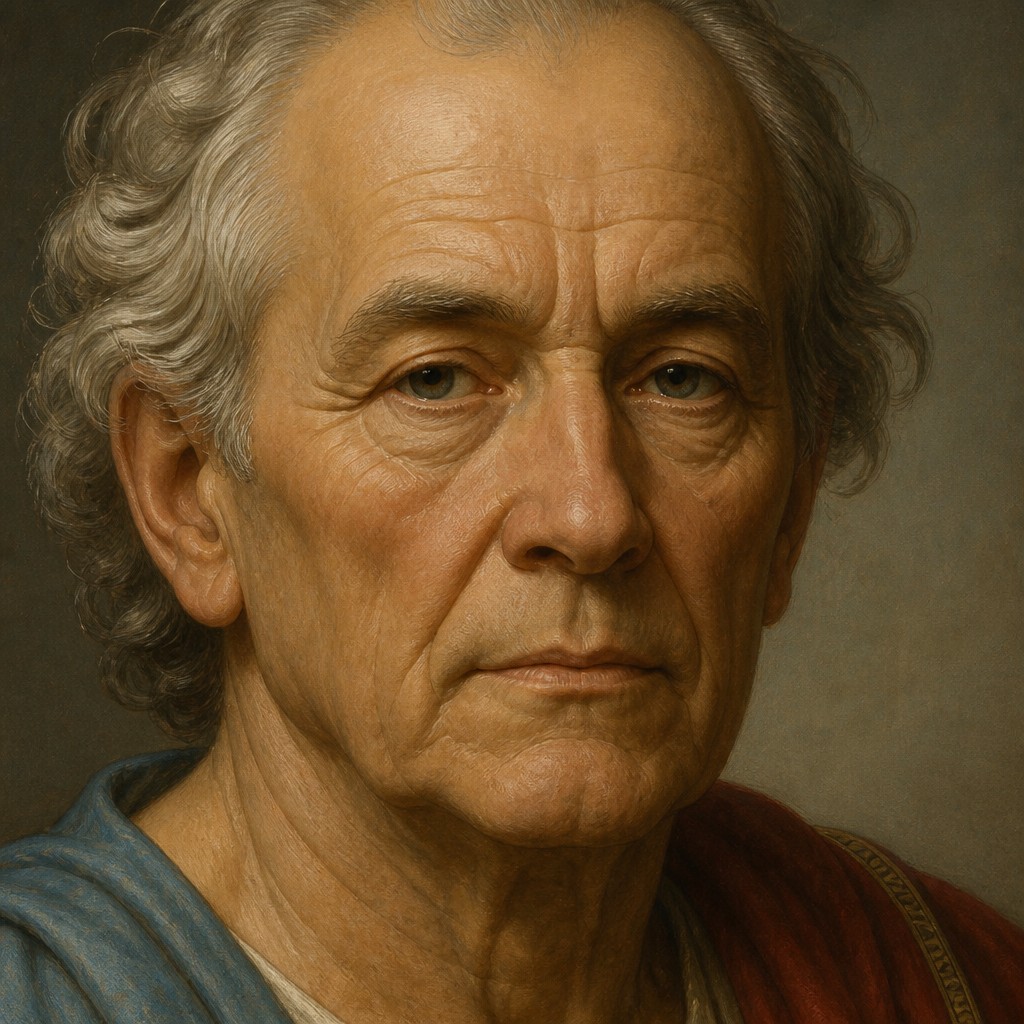
“close-up portrait of an elderly person with expressive weathered features”
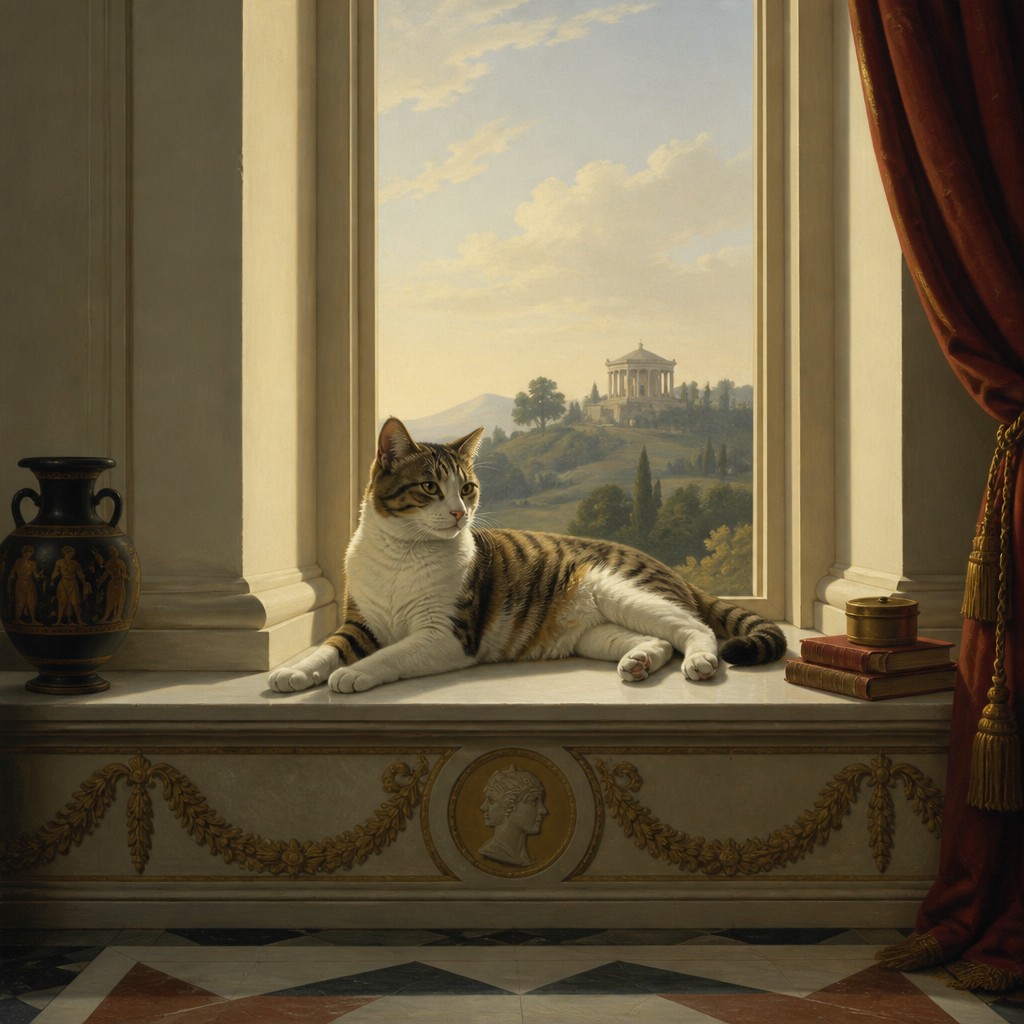
“a cat lounging in a sunlit window”
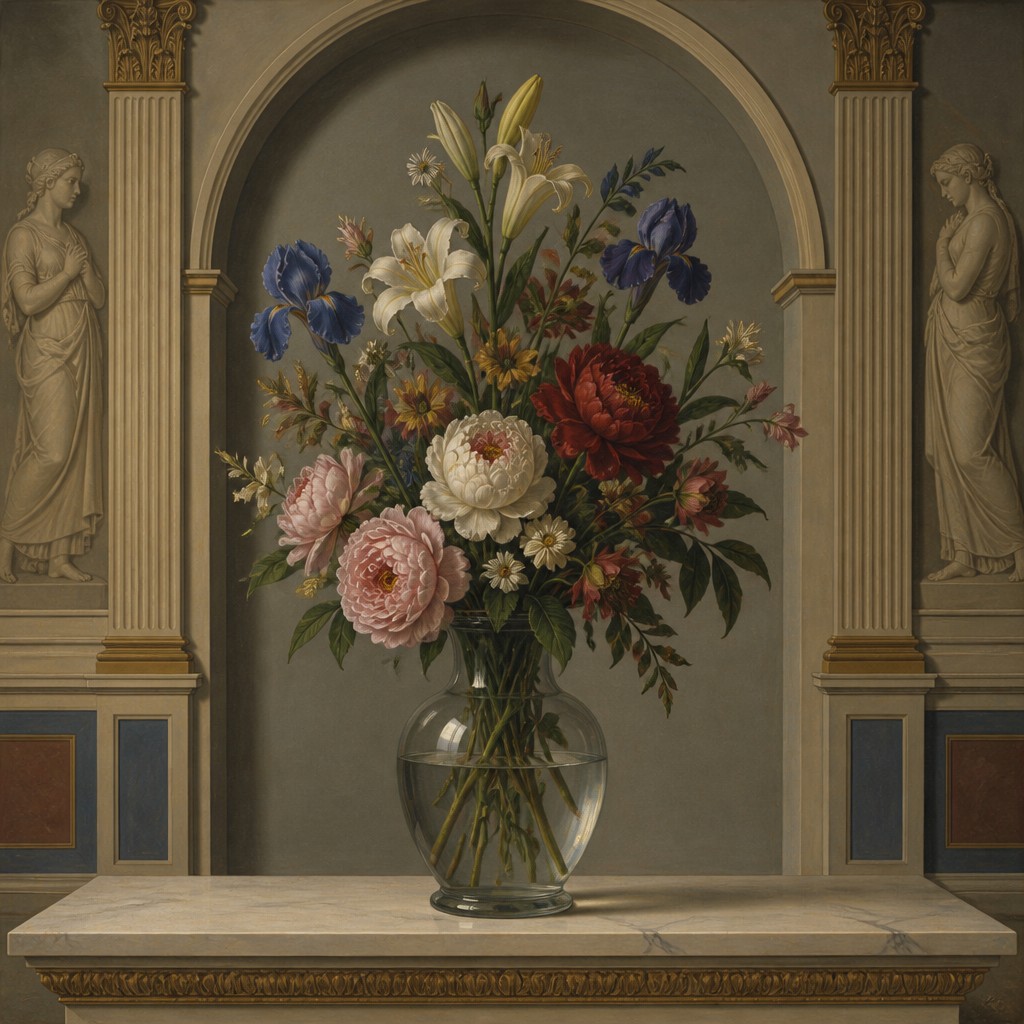
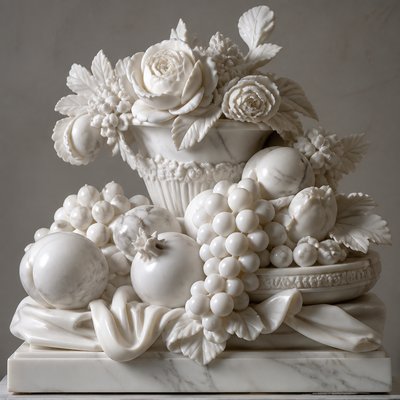
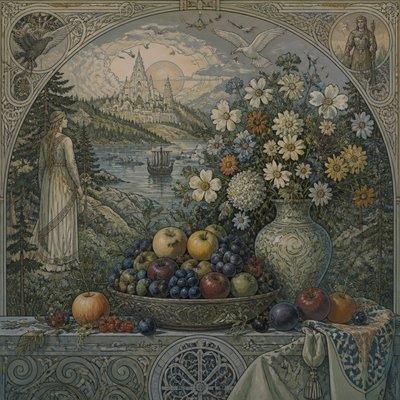
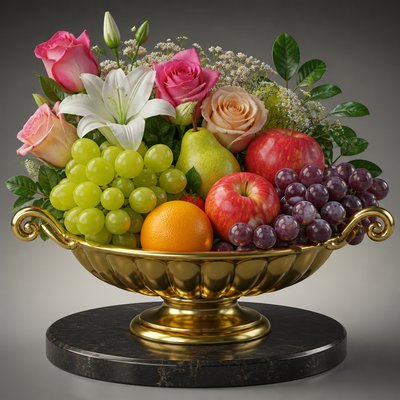
“bouquet of flowers in a glass vase”
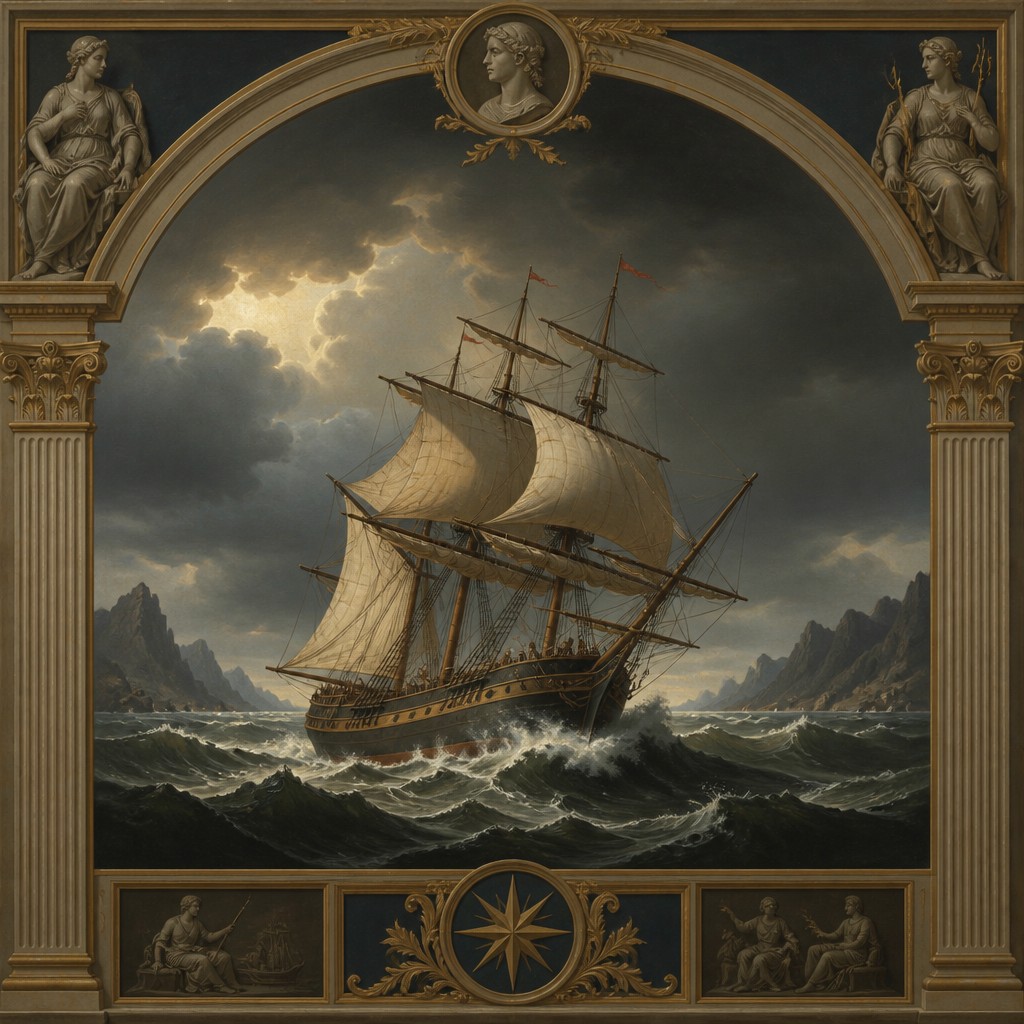
“sailing ship on a stormy sea”
How to Create Neoclassical Art
Master the craft step by step — or skip straight to creating. Read the full guide →
- 1
Build the composition on symmetry and proportion
Start with a stable arrangement: triangles, rectangles, and centered figures work well. Keep the horizon, architecture, and gestures orderly so the image reads as composed rather than spontaneous.
- 2
Prioritize line before texture
Use careful underdrawing or crisp digital sketching to establish contours, anatomy, and drapery folds. Reduce visible brushstroke texture so the final image feels polished and controlled.
- 3
Model forms like sculpture
Think in terms of solid volumes lit by clear, directional light. Gentle chiaroscuro should describe bone, muscle, and fabric with marble-like precision rather than dramatic contrast.
- 4
Restrict color and simplify surfaces
Choose a muted palette of stone, parchment, ochre, gray, and deep but measured reds or blues. Avoid saturated, broken color; the harmony should feel restrained and intellectually ordered.
- 5
Use historically plausible details when relevant
For mythological or ancient subjects, include accurate armor, architecture, drapery, and objects inspired by antiquity. In prompt-based creation, specify classical ruins, Roman togas, sculptural anatomy, and formal balance to steer the image toward the style.
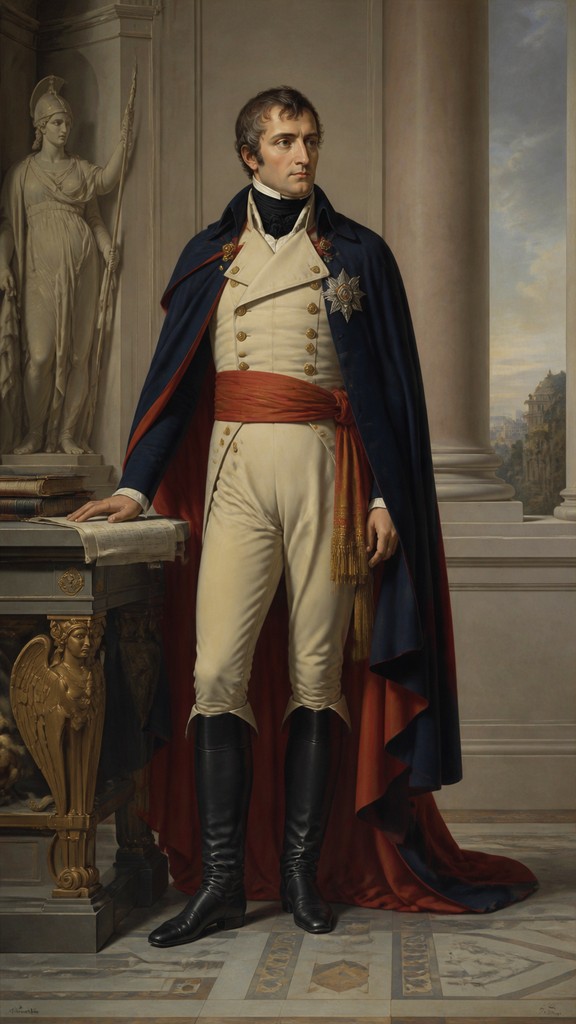
The Story
History & Origins of Neoclassical
Neoclassicism emerged in the mid-18th century as excavations at Pompeii and Herculaneum, along with renewed study of classical antiquity, sharpened European interest in Greco-Roman art. It developed partly in reaction to Rococo’s decorative lightness, replacing playfulness with seriousness, symmetry, and moral narrative. The movement became especially influential in France during the period of the Enlightenment and the Revolution.
Among its canonical painters are leading French Neoclassical painters, prominent Anglo-German and Central European academic painters associated with classical revival, and admired figures of moralizing genre painting, with sculptors such as major Italian and Scandinavian Neoclassical sculptors shaping the style in three dimensions. In the early 19th century, Neoclassicism broadened into academic art and influenced public monuments, portraiture, history painting, and architectural decoration. Even where later movements reacted against it, its ideals of clarity, proportion, and classical restraint remained foundational to European academic training.
Influences: Neoclassicism draws from ancient Greek and Roman sculpture, reliefs, architecture, and painted antiquity as understood through archaeology and scholarly revival. It is closely related to the academic tradition and often opposed in spirit to Rococo, while also serving as a foil for Romanticism. In painting, its clearest exemplars include leading French Neoclassical painters and major representatives of the polished academic drawing tradition; in sculpture, foremost Neoclassical sculptors distilled its ideal of serene classical finish.
Frequently Asked Questions
What defines Neoclassical art style?
Neoclassical art is defined by its use of classical antiquity as a model for beauty, clarity, and moral seriousness. It typically features balanced compositions, precise drawing, restrained color, and idealized figures. The style often treats history, myth, and civic virtue as important subjects.
How is Neoclassical art different from Romantic art?
Neoclassicism emphasizes order, discipline, and reason, while Romanticism emphasizes emotion, movement, and individual expression. Neoclassical works tend to be controlled and symmetrical, whereas Romantic works often feel more dramatic, atmospheric, and turbulent. The difference is especially clear in subject matter and treatment of light.
What are common subjects in Neoclassical painting?
Common subjects include scenes from Greek and Roman history, mythology, and moral exempla, as well as portraits of statesmen or elite patrons. Artists also painted allegories, civic ceremonies, and heroic acts meant to communicate virtue, duty, or sacrifice. The subject is usually presented as exemplary rather than intimate or casual.
How do I make an image look Neoclassical?
Use clean lines, balanced composition, and a restrained palette. Keep surfaces smooth, figures idealized, and lighting clear enough to model form without heavy drama. If working digitally or from prompts, include classical architecture, marble-like finish, and dignified poses.
Is Neoclassical art only about ancient subjects?
No. Although it often uses ancient themes, the style was also used for modern portraits, state imagery, and contemporary history painting. What makes it Neoclassical is the visual language: clarity, order, restraint, and classical idealization. The subject can be modern as long as it is treated with that vocabulary.
Where is Neoclassical style used today?
It appears in fine art, academic illustration, historical drama design, book covers, film concepts, and formal portraiture. It is also used in architecture and interior design when artists want a sense of grandeur, permanence, and classical discipline. Contemporary creators often borrow its composition and finish even when the subject is modern.
Create your first Neoclassical artwork
Describe anything — or upload a photo — and see it in Neoclassical Art Style in seconds.
Make Something with Neoclassical
Compare Neoclassical
Related Styles
Discover similar art styles