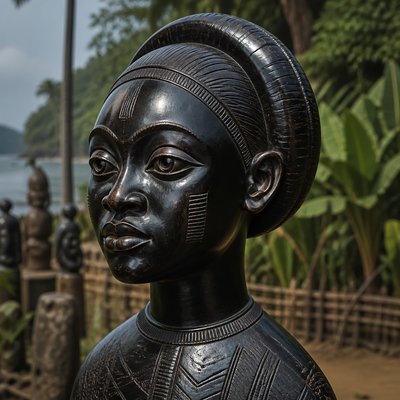
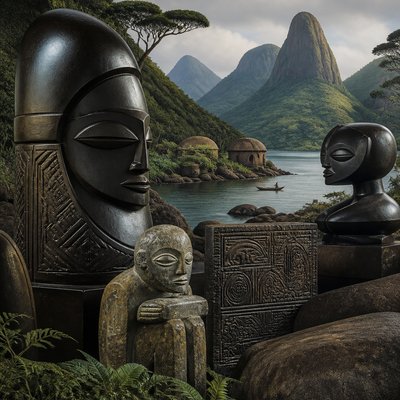
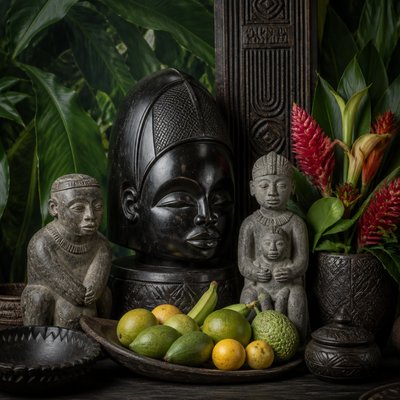
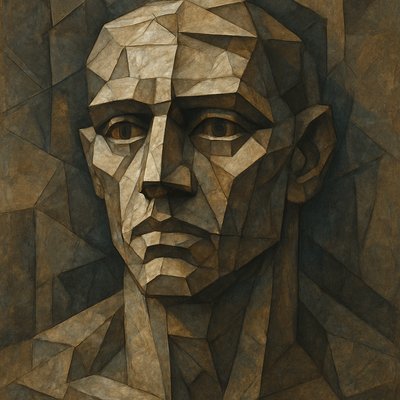
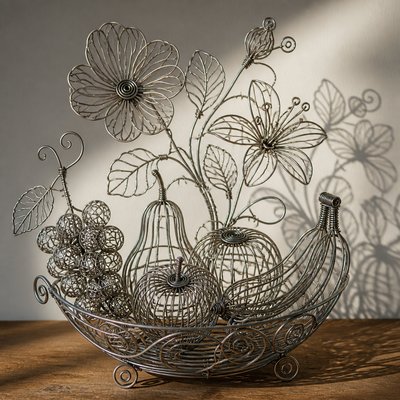
Classical Marble Sculpture Art Style
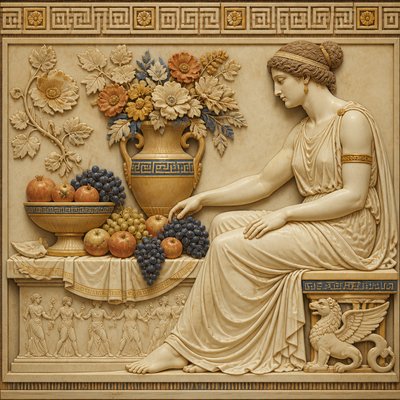
Timeless white-stone sculpture with idealized forms, polished marble surfaces, and classical drapery inspired by Greco-Roman and Renaissance art.
Instantly rendered in Classical Marble Sculpture — or transform a photo
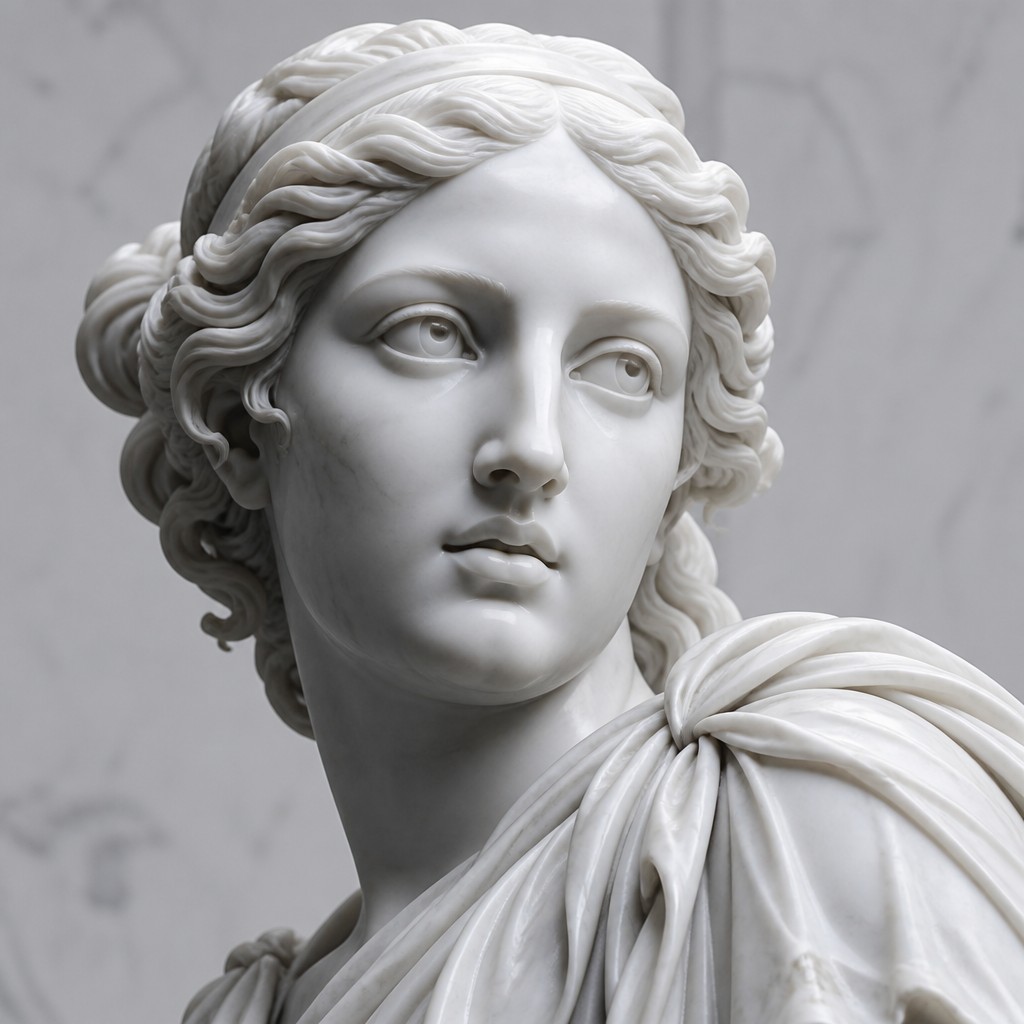
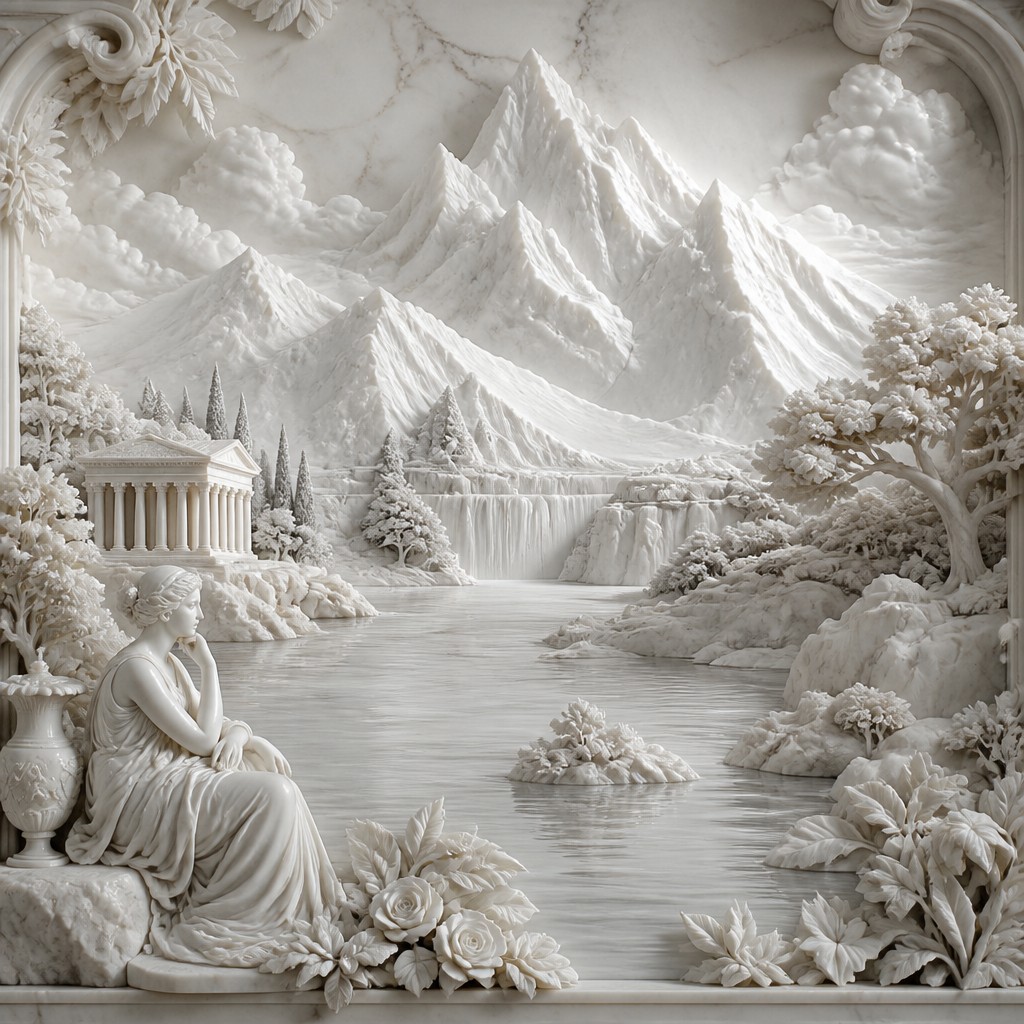
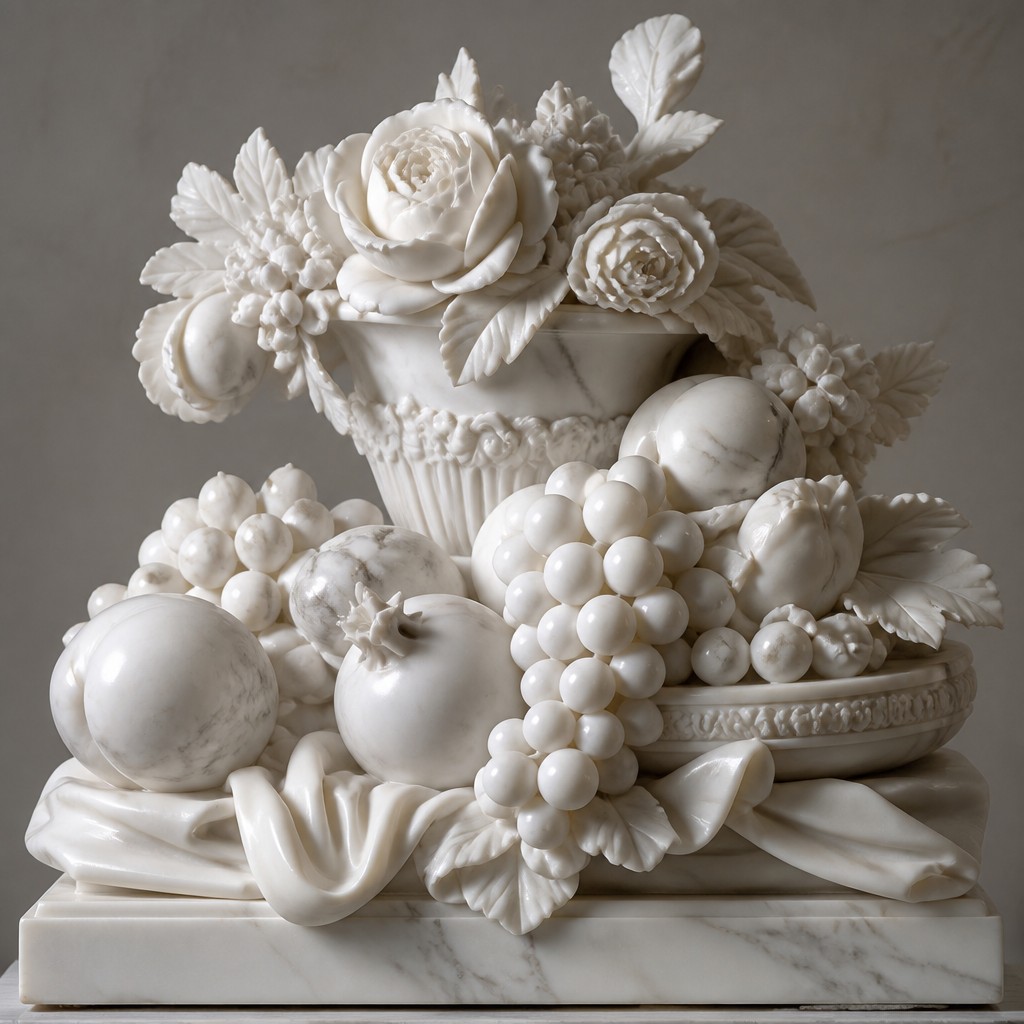
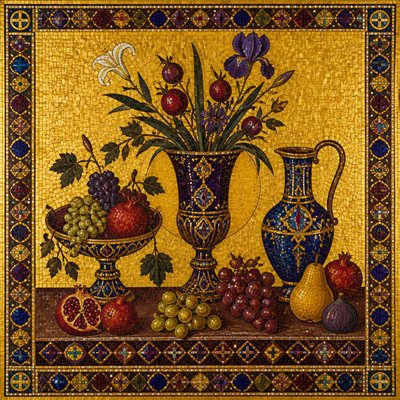
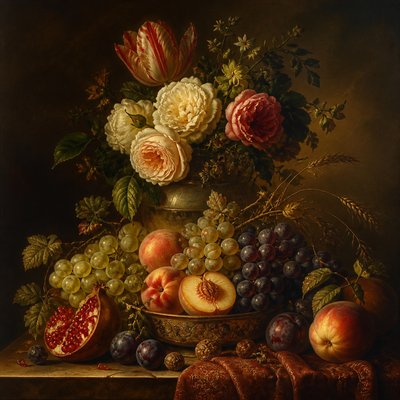
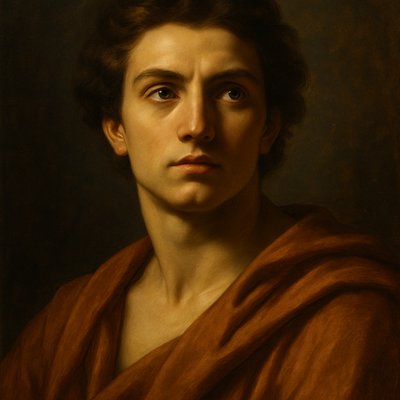
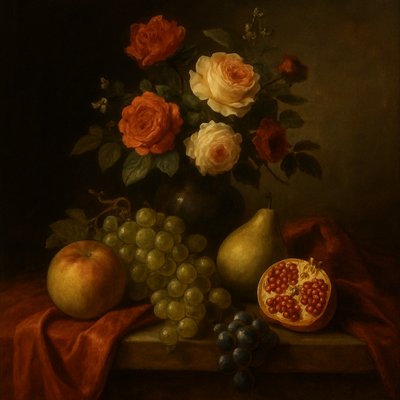
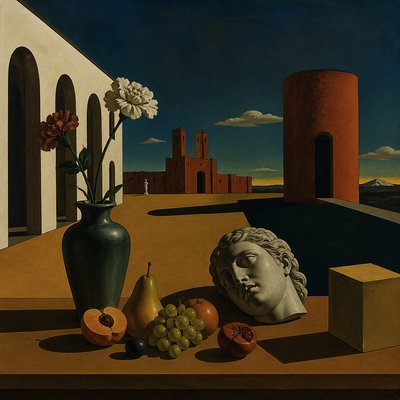
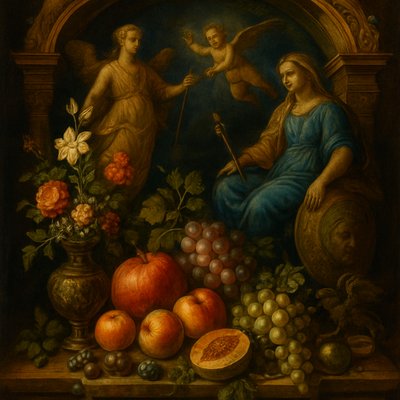
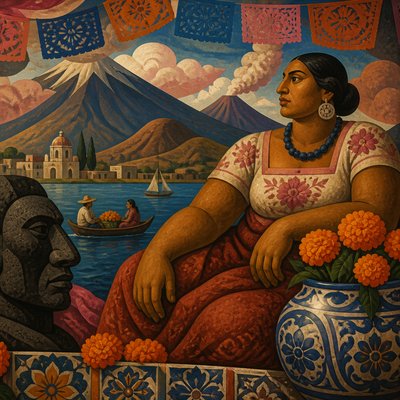
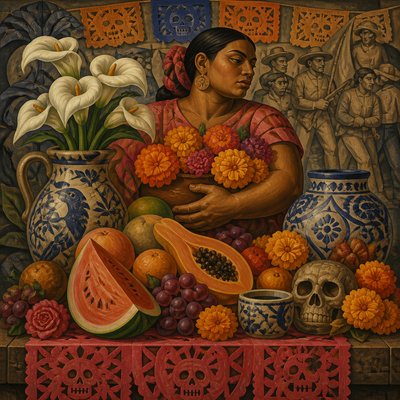
Classical Marble Sculpture Gallery
Tap any artwork to explore it
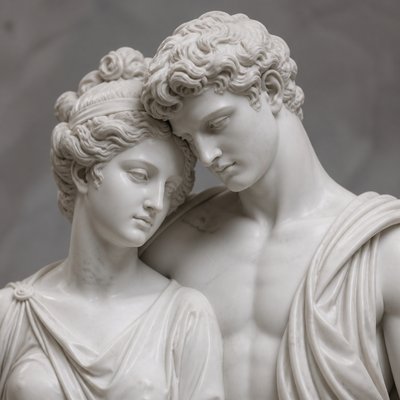
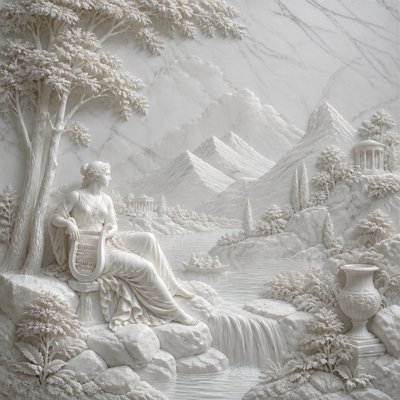

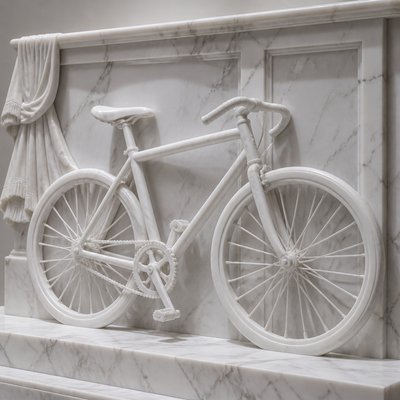
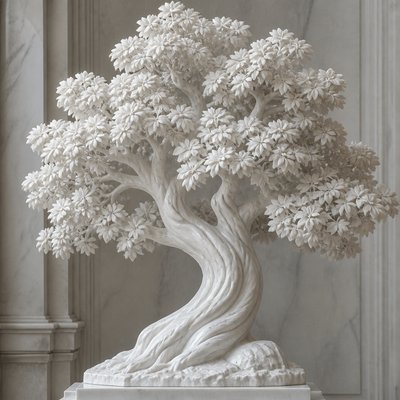
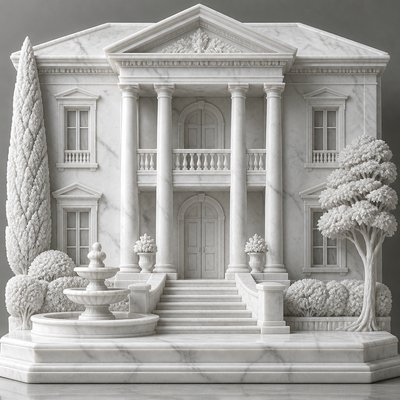
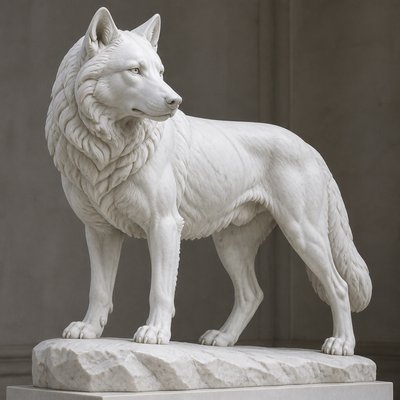

What is Classical Marble Sculpture Art Style?
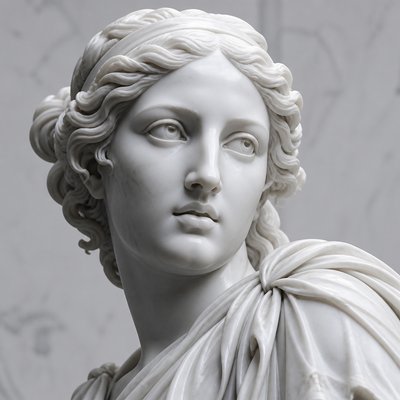
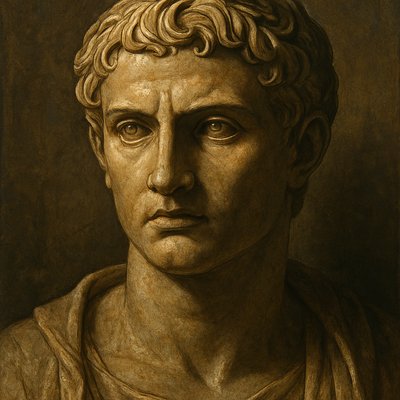
Classical marble sculpture is a sculptural style associated with ancient Greek and Roman art and later revived in the Renaissance and Neoclassical periods. It presents the human figure through idealized anatomy, balanced proportions, and controlled emotion, often in white marble with smooth, luminous surfaces and carefully carved drapery.
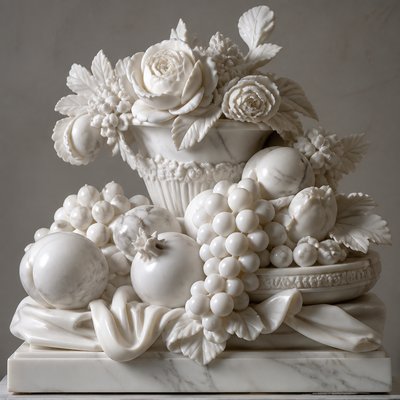
Its visual identity comes from the properties of stone itself: marble can hold fine anatomical detail, crisp edges, deep folds, and subtle shifts of light across polished planes. The style appears timeless because it combines naturalistic observation with idealization, turning bodies, garments, and gestures into highly resolved forms that feel both physical and elevated.
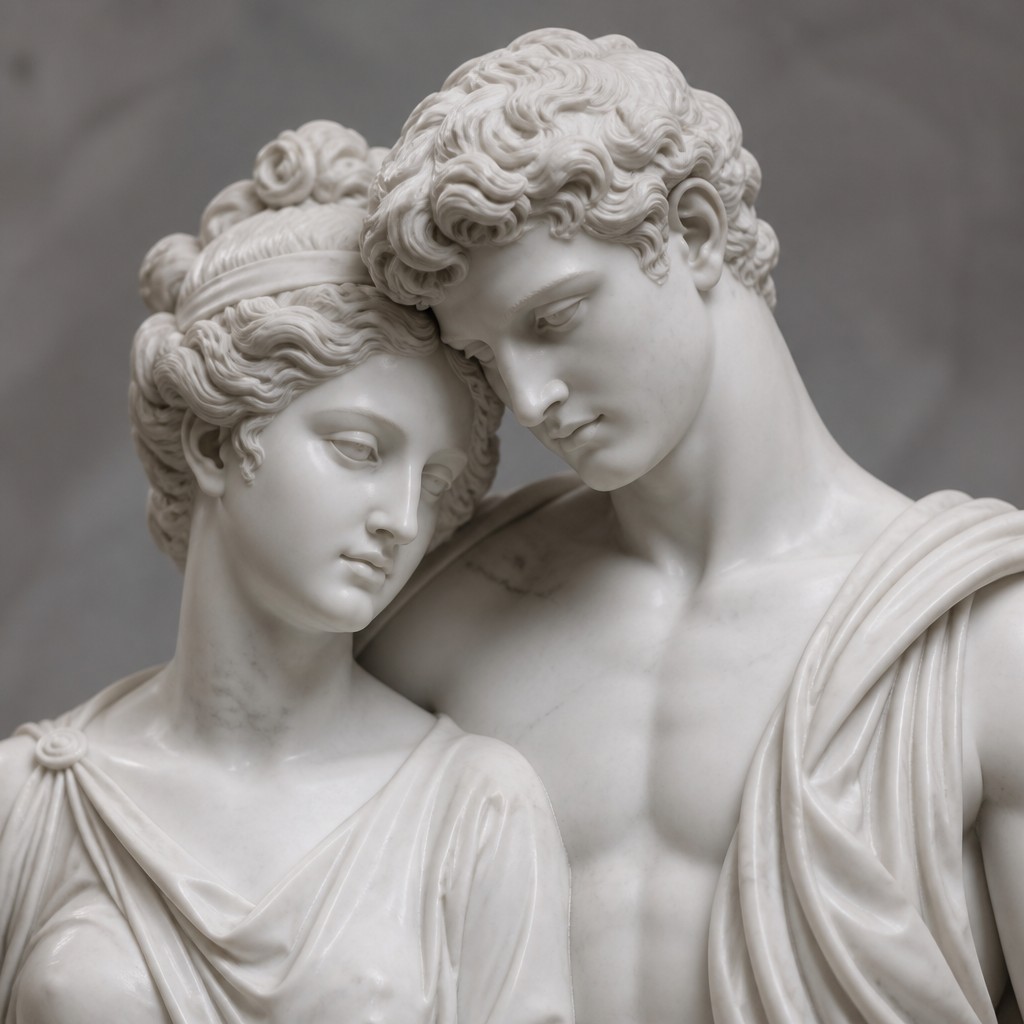
Try It On Your Photos
Upload any photo and convert it into Classical Marble Sculpture Art Style — drag the sliders to compare before and after.


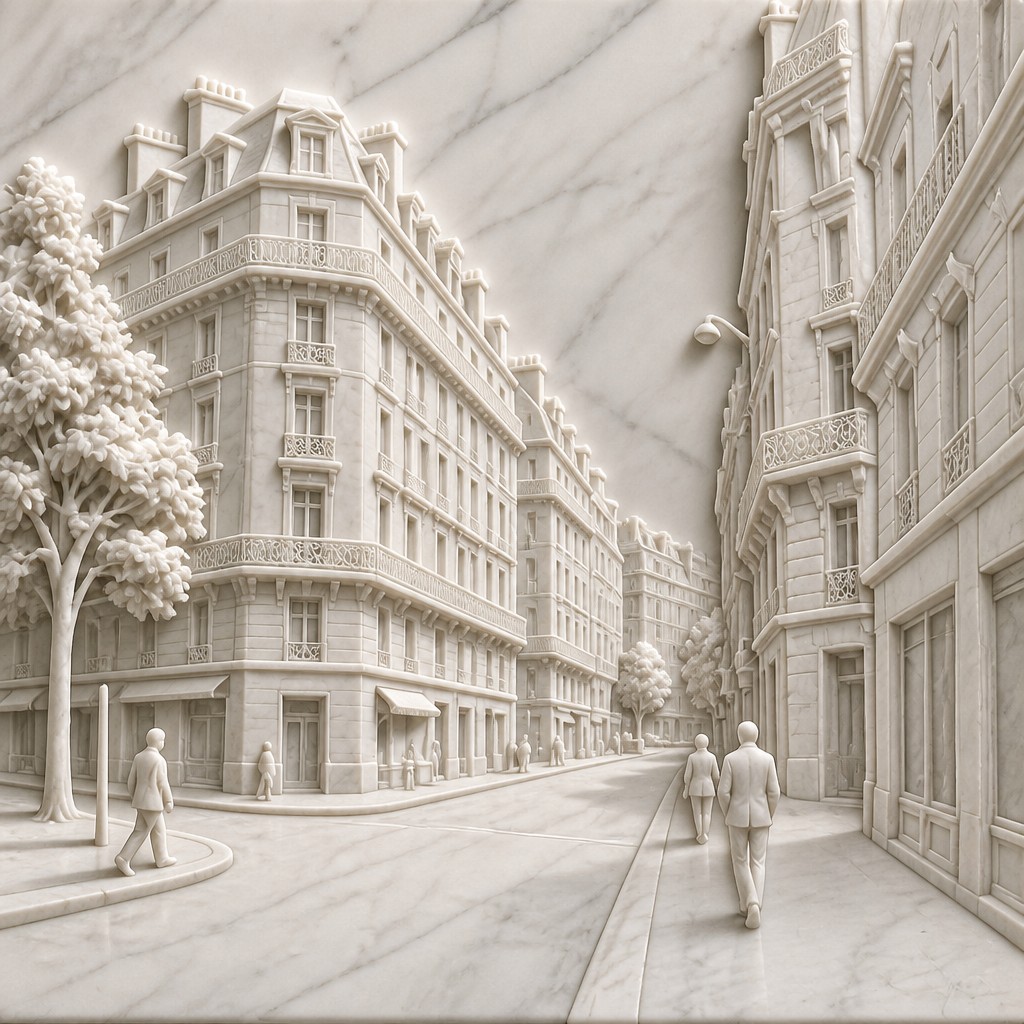

What Defines Classical Marble Sculpture Art Style
The signature details, up close
Idealized anatomy
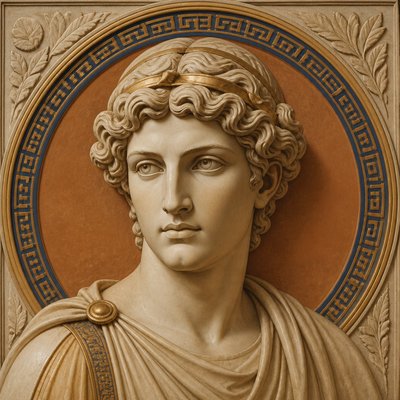
Figures are modeled with carefully balanced proportions, refined musculature, and an emphasis on harmony rather than raw realism. Even when the body is naturalistic, it is often edited toward an elevated, timeless ideal.
White marble surface
The defining material is pale Carrara-like marble, often rendered in whites, creams, and cool greys. Fine veining, slight translucency at thin edges, and polished highlights help the stone feel luminous.
Contrapposto and balance
Bodies often stand in a relaxed asymmetrical pose with weight shifted onto one leg. This creates a sense of living poise and allows the composition to feel stable without becoming rigid.
Deep drapery carving
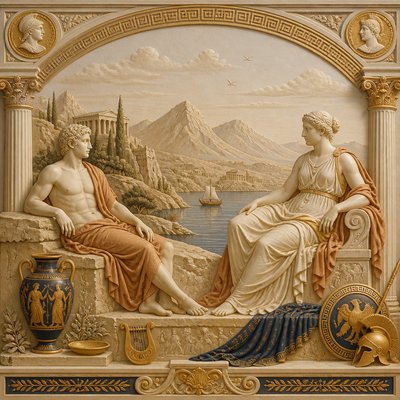
Garments are frequently carved with deep folds, sharp undercuts, and flowing rhythms that reveal the body beneath. The drapery is not incidental; it is a major part of the sculptural composition and light play.
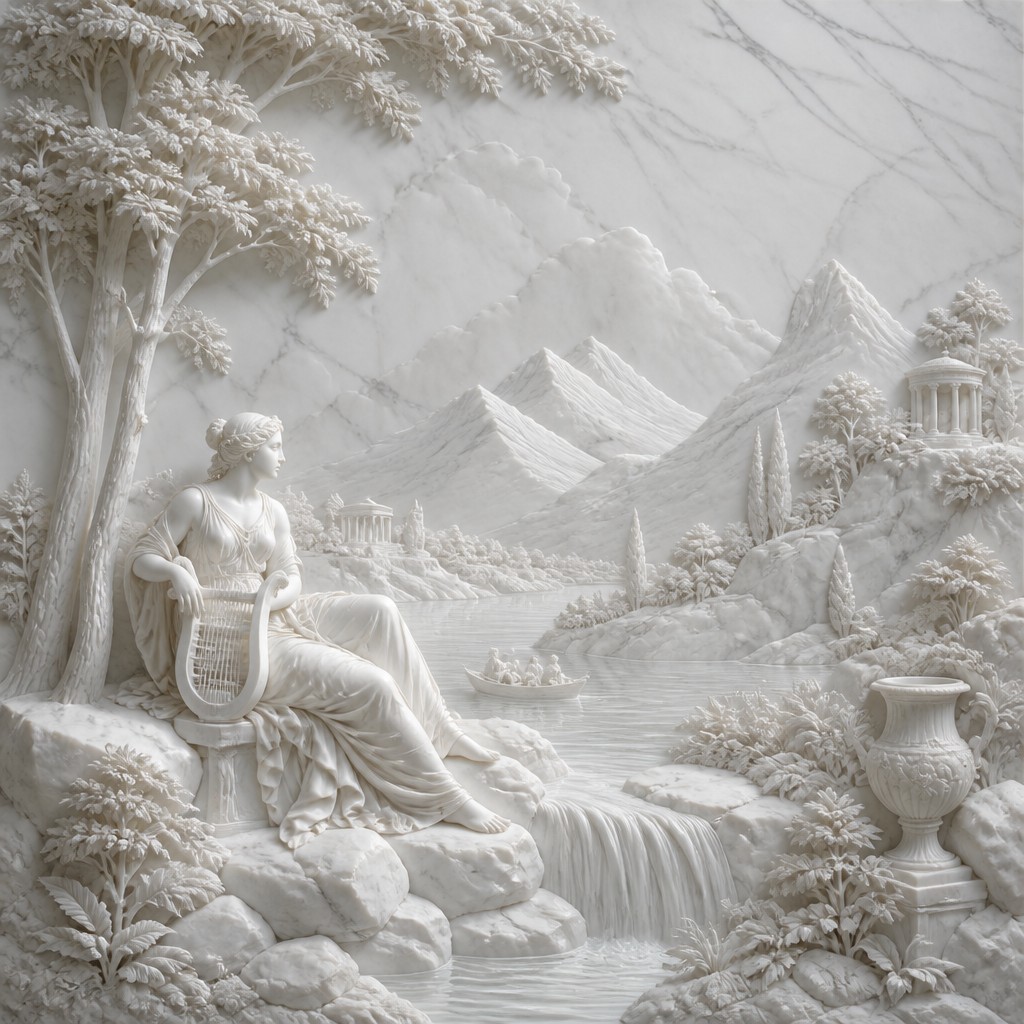
Chiaroscuro through form
Because marble is sculpted in depth, lighting creates soft shadows in recesses and bright highlights along edges and planes. The style depends on this subtle contrast to define volume and elegance.
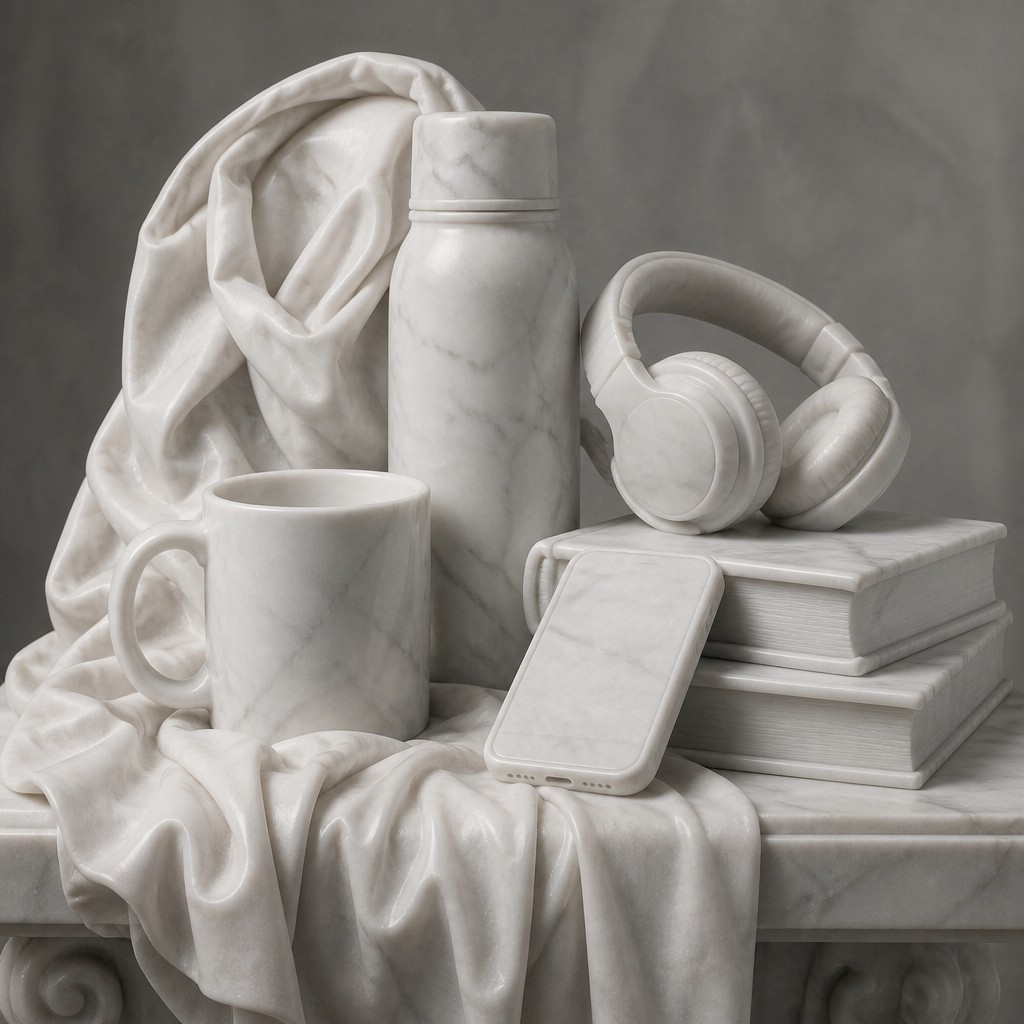
Controlled expression
Faces and gestures tend to be calm, restrained, and composed. Emotional intensity is usually implied through posture and anatomy rather than dramatic facial distortion.
Try It
Create Videos in Classical Marble Sculpture Art Style
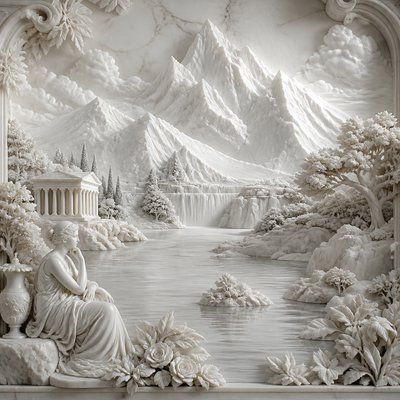
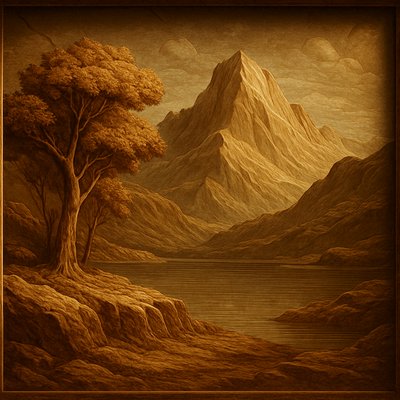
Styles aren't just for stills — describe a scene or animate an image and get a short video rendered in Classical Marble Sculpture. Press play to see this pond come to life.
Make a VideoClassical Marble Sculpture Prompt Ideas
Start from an idea — each one opens the generator with the style ready to go. See all 40 Classical Marble Sculpture prompts →
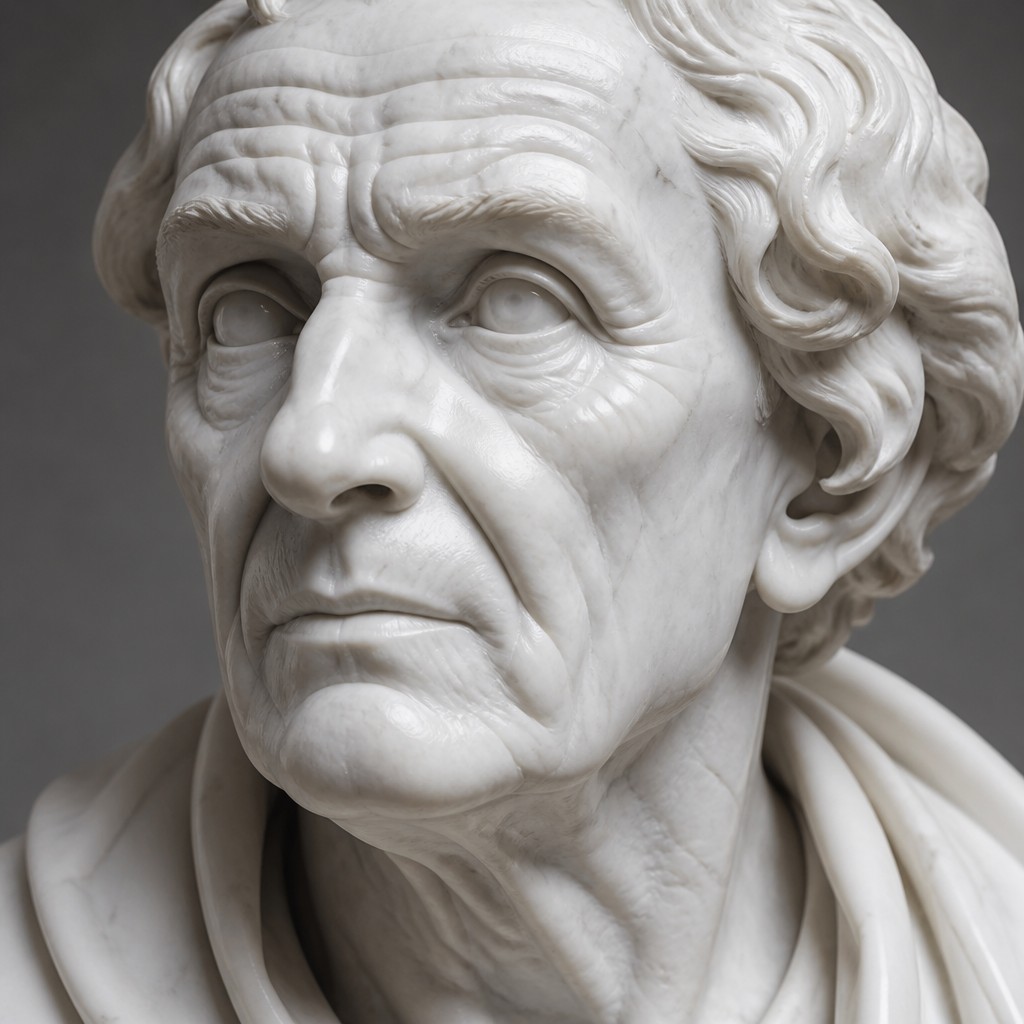
“close-up portrait of an elderly person with expressive weathered features”
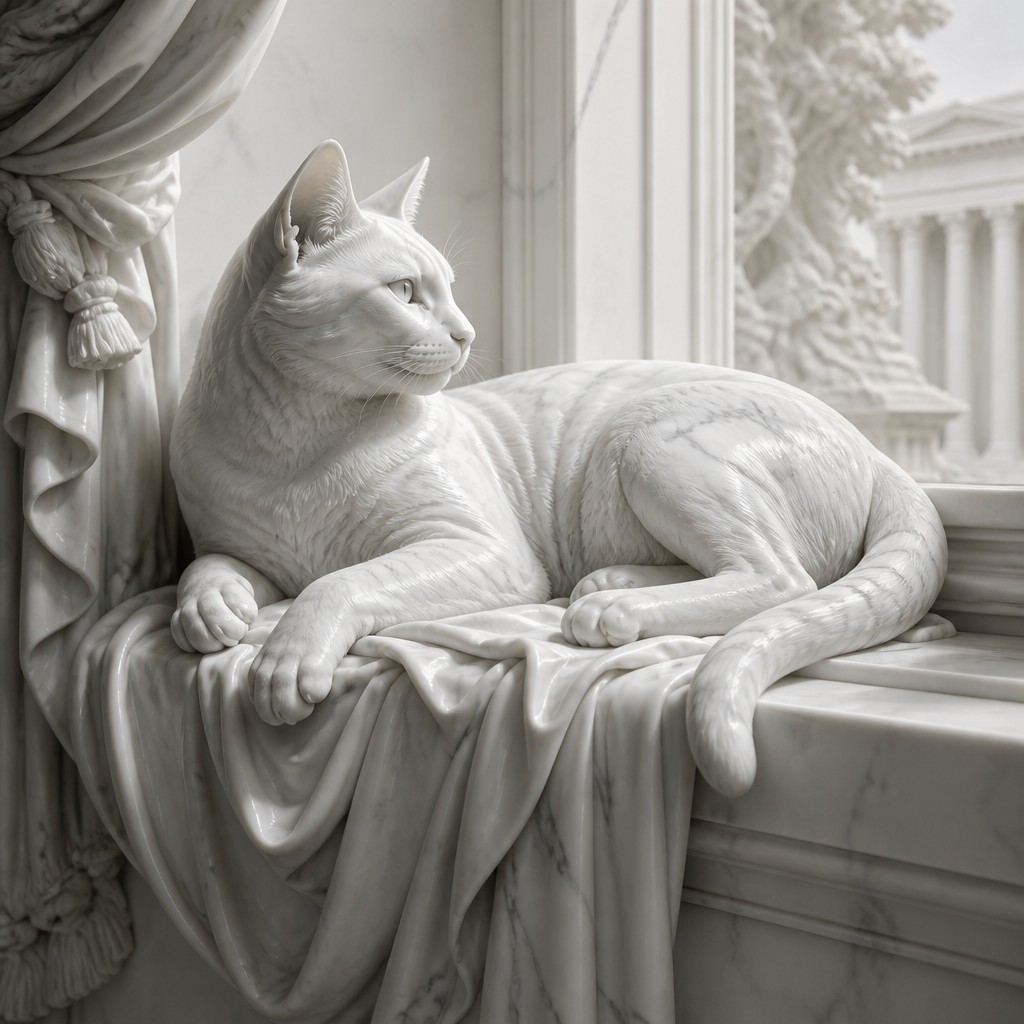
“a cat lounging in a sunlit window”
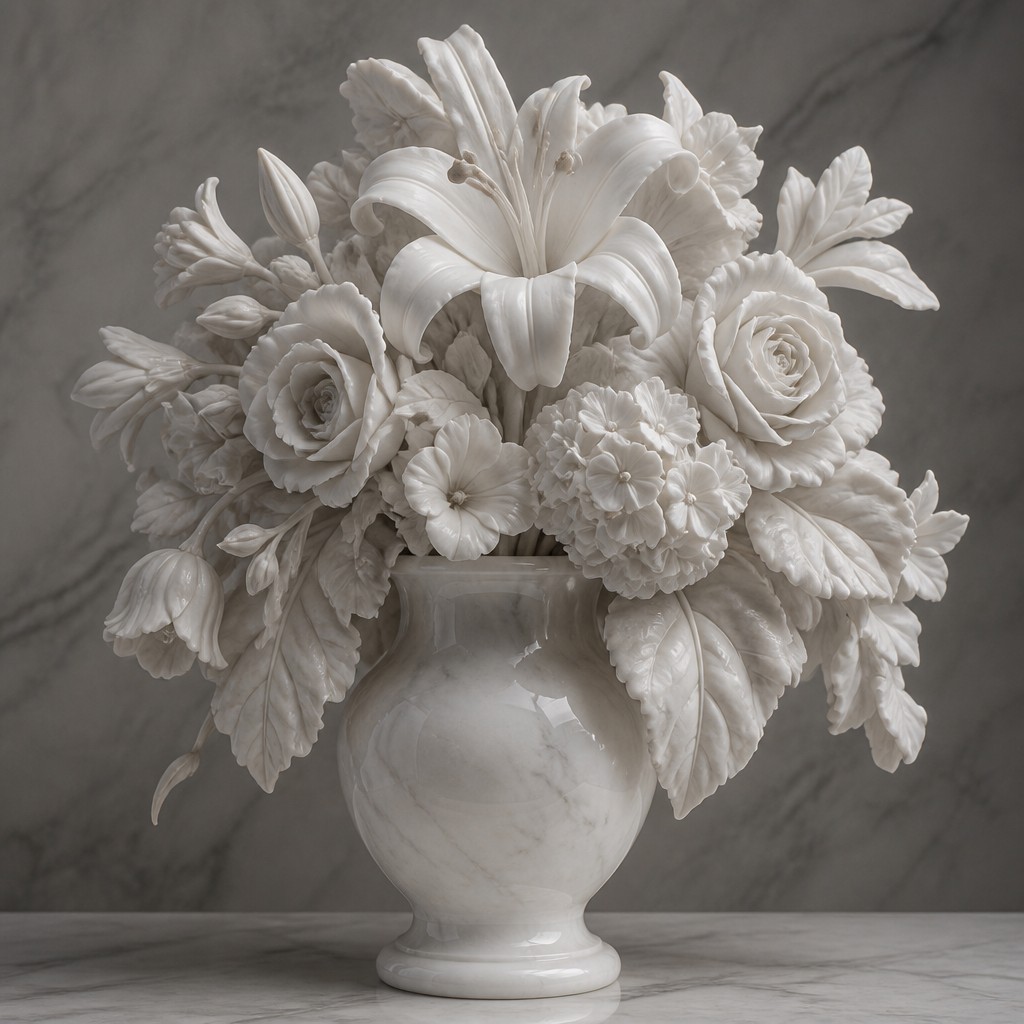
“bouquet of flowers in a glass vase”
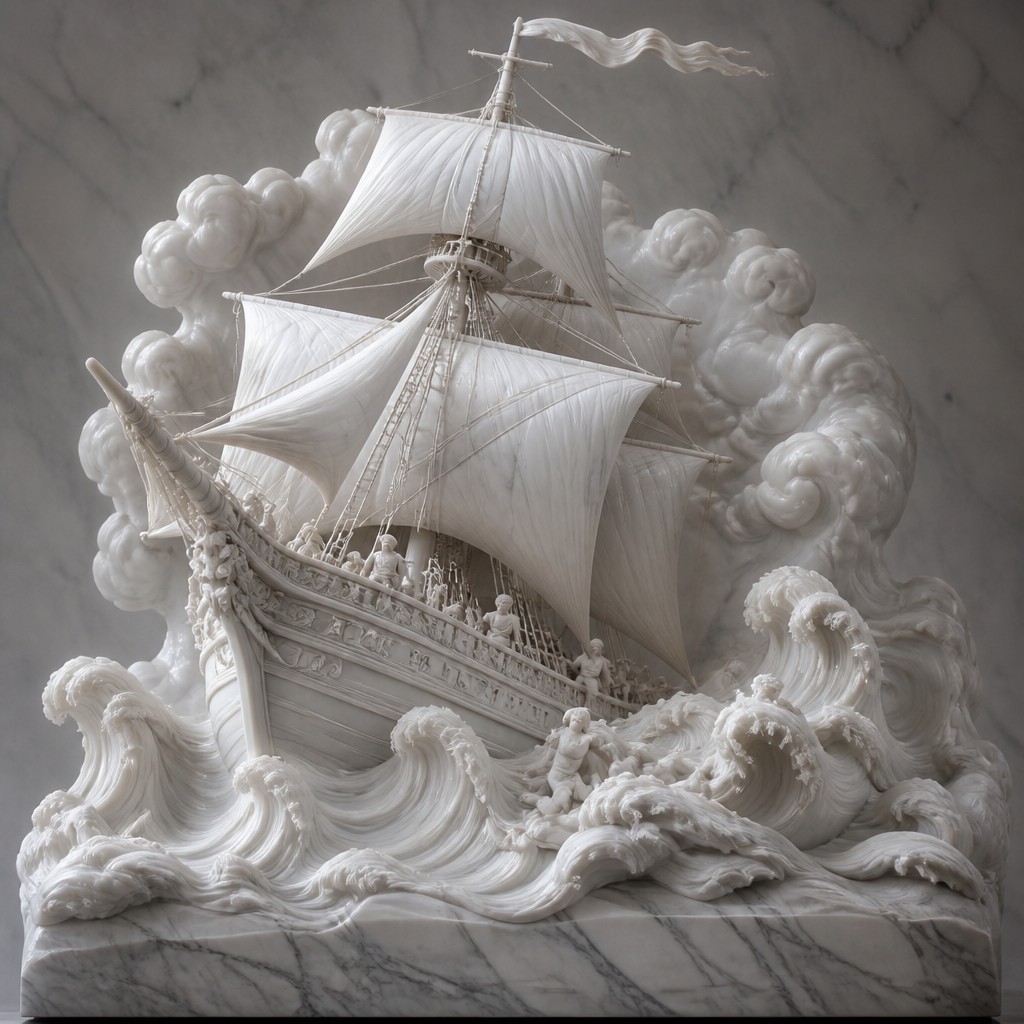
“sailing ship on a stormy sea”
How to Create Classical Marble Sculpture Art
Master the craft step by step — or skip straight to creating. Read the full guide →
- 1
Model forms as if carved, not painted
In traditional sculpture, start with large masses and refine only after the silhouette and balance feel correct. In digital work, think in terms of planar carving, edge control, and depth rather than brushy texture.
- 2
Use a monochrome material palette
Keep the surface mostly in white, pearl, ivory, and cool grey, with shadow as the main source of contrast. If you add color, use it sparingly and only where historical polychromy or environmental effects are intentionally referenced.
- 3
Emphasize lighting that reveals volume
Museum-style, soft directional light works best because it creates readable highlights and shadows without flattening the stone. Avoid harsh colored lighting unless you want a modern reinterpretation.
- 4
Carve drapery with clear structure
Drapery should describe weight, gravity, and movement through long folds, compressed bunching, and deep recesses. In prompt-based creation, specify undercuts, crisp folds, and shadowed creases to keep the cloth sculptural.
- 5
Keep anatomy believable but idealized
Study skeletal landmarks, muscle groups, and joint structure, then smooth away accidental asymmetry or distortion. For image generation, mention balanced proportions, classical anatomy, and graceful pose to avoid overly stylized figures.
- 6
Frame the subject like a gallery object
A plain background, pedestal, or museum setting helps the figure read as sculpture rather than illustration. If generating from text, include terms like isolated statue, gallery lighting, and pristine stone surface for a cleaner result.

The Story
History & Origins of Classical Marble Sculpture
The roots of classical marble sculpture lie in ancient Greek and Roman sculpture, where marble became a major medium for statues of gods, athletes, rulers, funerary monuments, and civic decoration. Greek sculptors developed the canon of idealized proportion and contrapposto, while Roman artists adapted Greek models and expanded portrait sculpture and architectural relief. Many surviving works are Roman copies or later restorations, but they established the visual vocabulary now associated with classical sculpture.
The style was revived powerfully during the Italian Renaissance, when artists studied surviving antiquities and sought to reconcile classical ideals with Christian and humanist themes. In the Neoclassical era of the 18th and early 19th centuries, leading Neoclassical sculptors further refined the language of smooth marble surfaces, restrained emotion, and ideal beauty. Modern uses of the style continue to draw on this long lineage of Greco-Roman naturalism, Renaissance classicism, and neoclassical purity.
Influences: This style draws directly from ancient Greek and Roman sculpture, especially the classical canon of ideal proportion, contrapposto, and monumental civic or mythological statuary. Its later refinement comes from the Renaissance rediscovery of antiquity and the Neoclassical sculpture of leading Neoclassical sculptors, whose works emphasized ideal beauty, polished surfaces, and measured emotion. It also shares visual concerns with academic sculpture, which treated anatomy, drapery, and finish as marks of mastery.
Frequently Asked Questions
What defines classical marble sculpture style?
It is defined by idealized human anatomy, balanced composition, carved drapery, and the luminous look of white marble. The style aims for harmony and permanence rather than spontaneity or rough surface texture.
How is it different from modern sculpture?
Modern sculpture often embraces abstraction, rough materials, visible process, or fragmented form. Classical marble sculpture tends to preserve coherent anatomy, polished finish, and references to Greco-Roman ideals of proportion and beauty.
Is this style always made from real marble?
Historically, marble is the canonical material, but the style can be represented in plaster, resin, stone-look digital rendering, or 3D sculpture. What matters most is the visual language of carved white stone and classical modeling.
What subjects work best in this style?
Figures from mythology, history, religion, portrait busts, athletes, and allegorical subjects are especially common. The style also works well for any subject that benefits from dignity, symmetry, and sculptural clarity.
How do I make an image look like marble sculpture?
Use smooth white material, shallow and deep carved planes, soft directional lighting, and a gallery-like presentation. In digital or prompt-based work, specify marble veining, polished surfaces, undercut folds, and classical proportions.
Why does classical marble sculpture often look so serene?
The tradition values composure, balance, and ideal form over overt emotional display. Even dramatic scenes are usually filtered through controlled pose and formal clarity, which gives the work its calm authority.
Create your first Classical Marble Sculpture artwork
Describe anything — or upload a photo — and see it in Classical Marble Sculpture Art Style in seconds.
Make Something with Classical Marble Sculpture
Related Styles
Discover similar art styles