Ice Sculpture Art Style
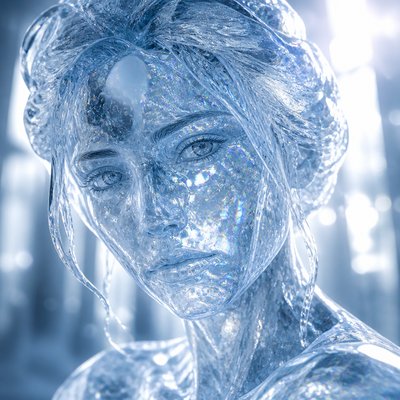
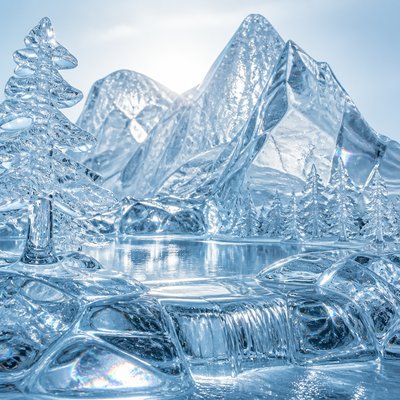
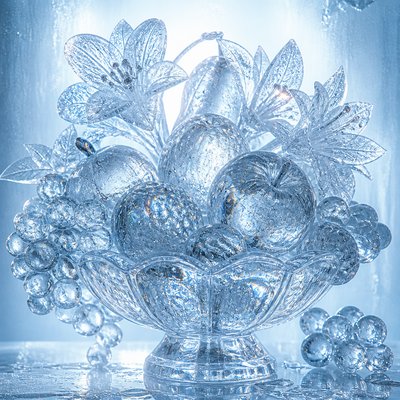
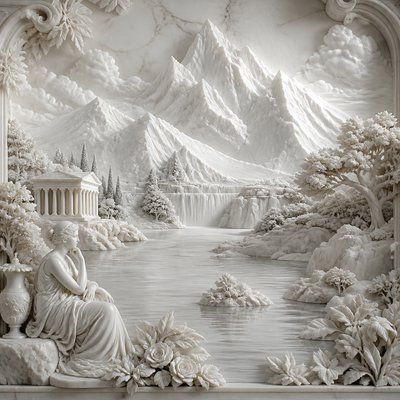
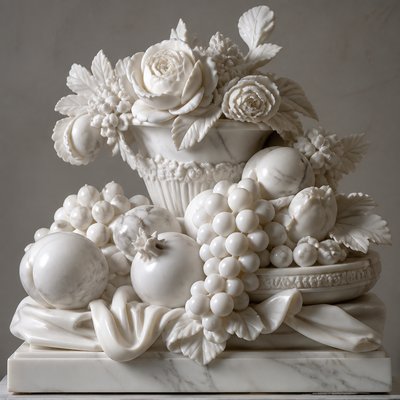
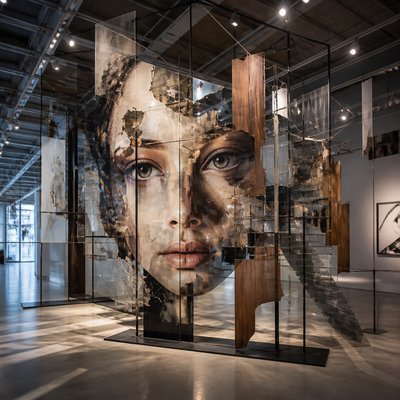
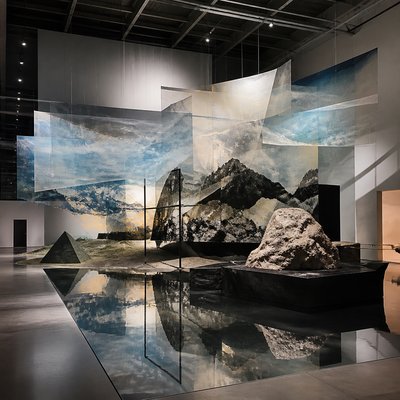
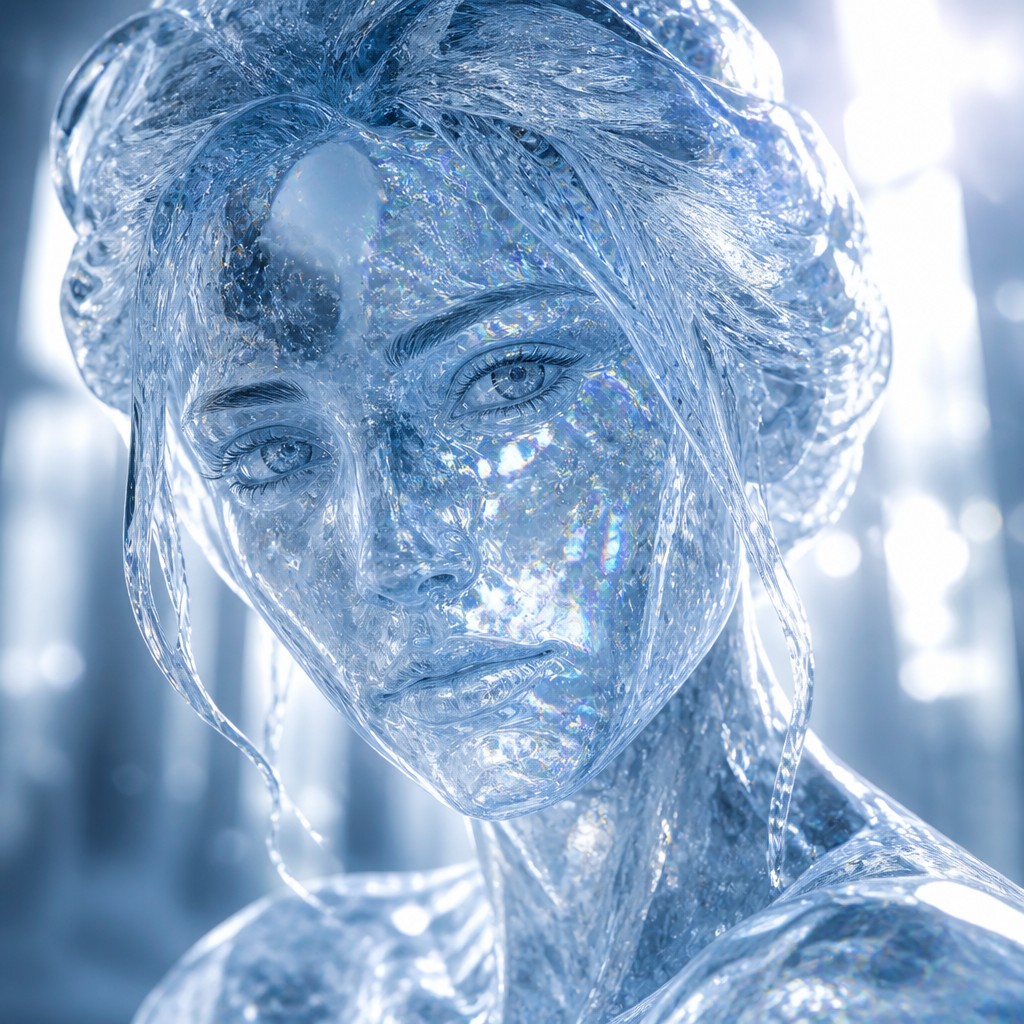
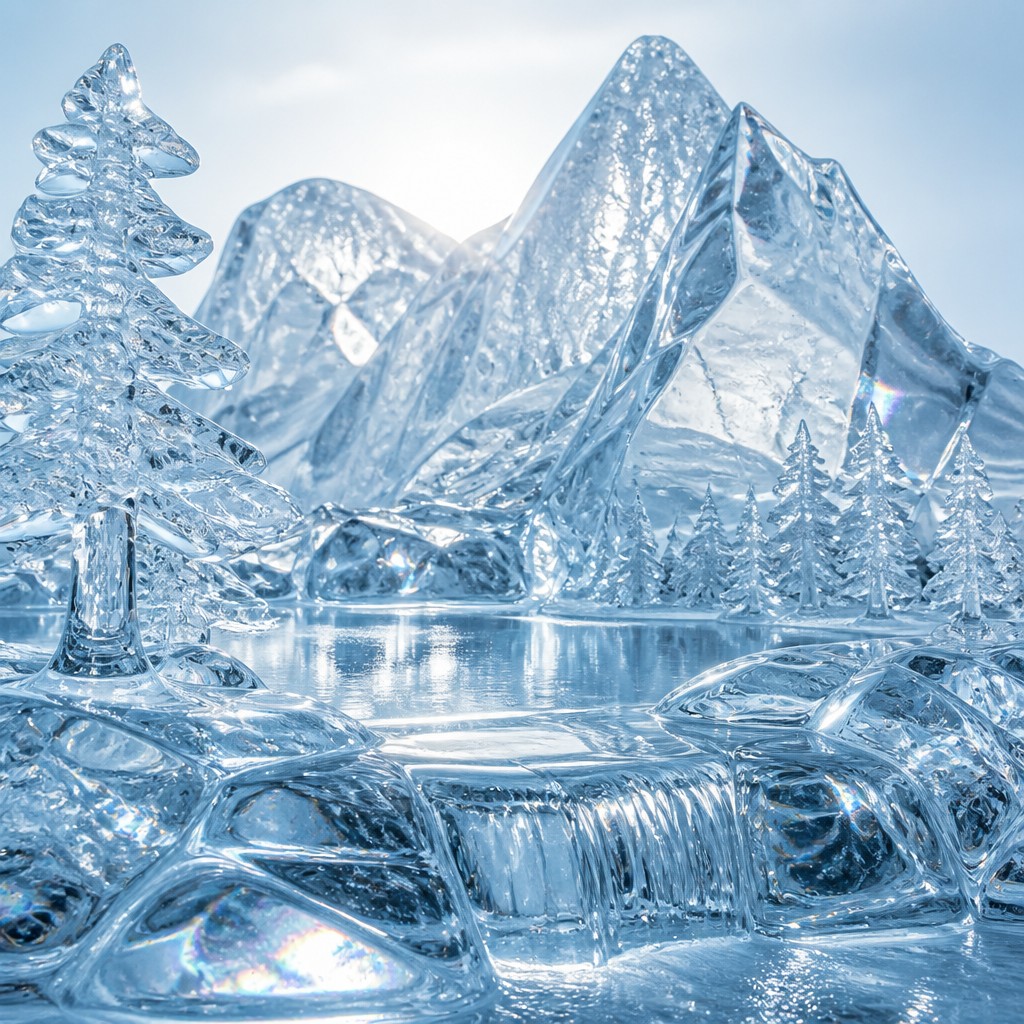
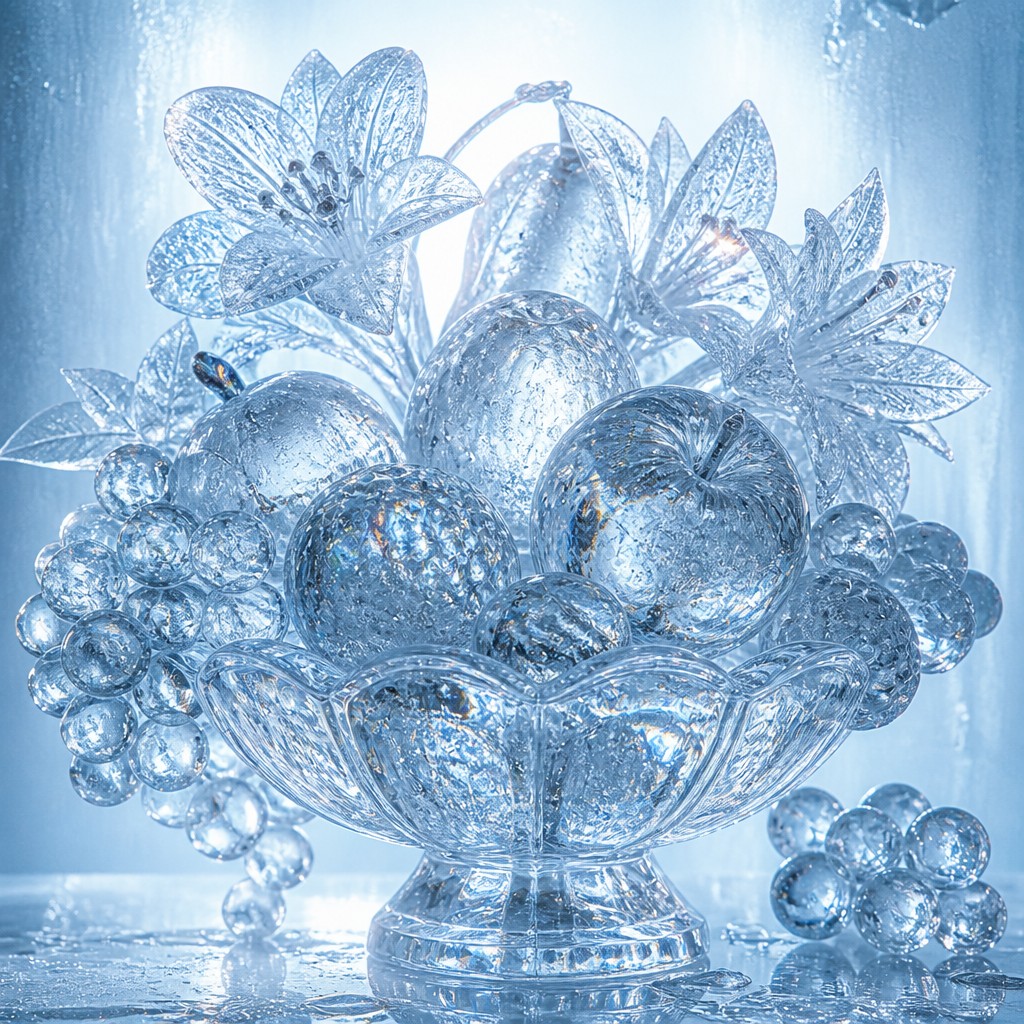
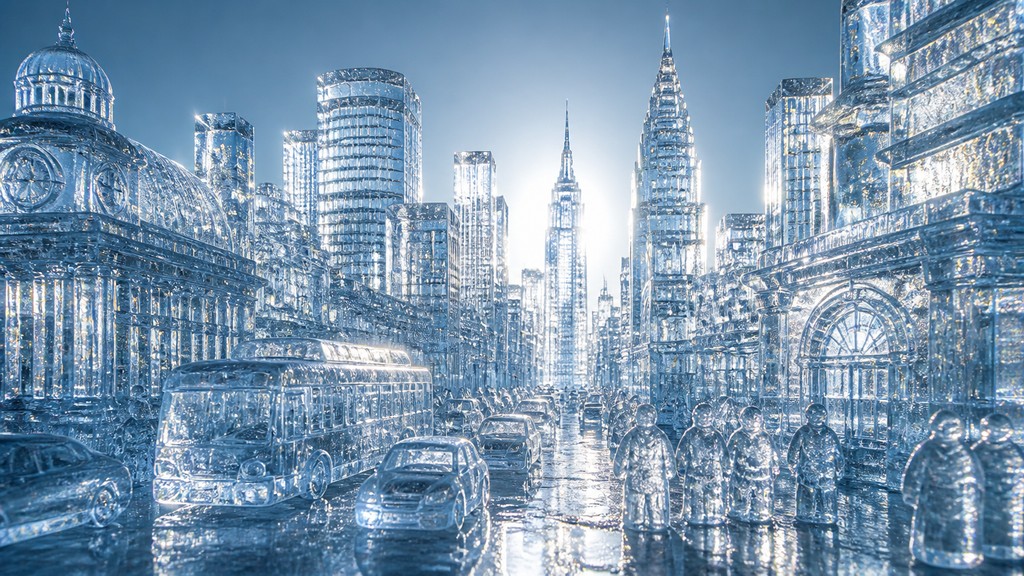
Ephemeral sculptural art in ice and frost, defined by crystal clarity, refractions, and delicate carved surfaces.
Instantly rendered in Ice Sculpture — or transform a photo
Ice Sculpture Gallery
Tap any artwork to explore it
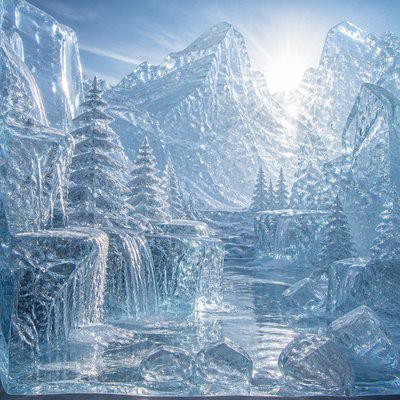

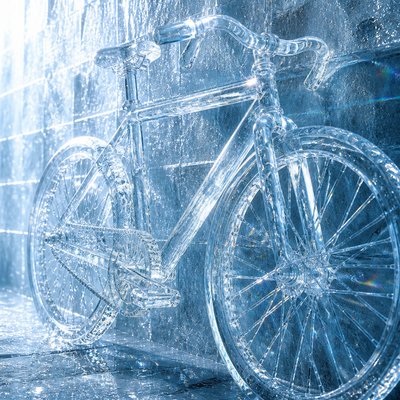
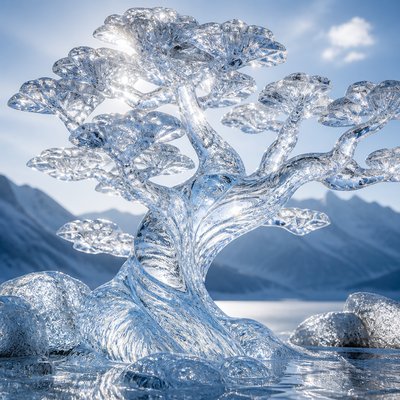

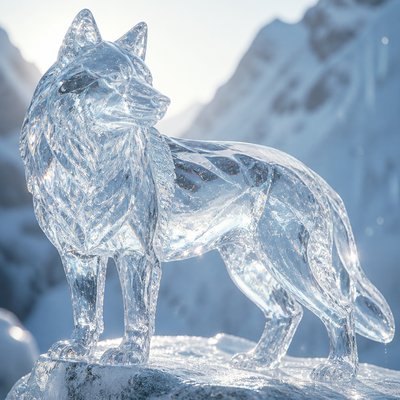
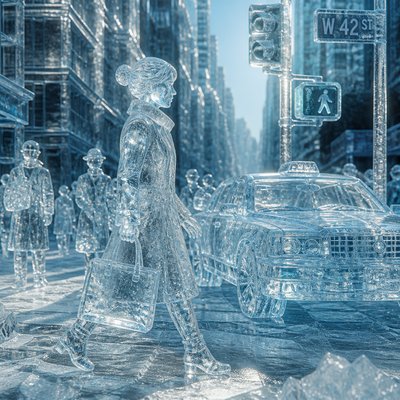
What is Ice Sculpture Art Style?
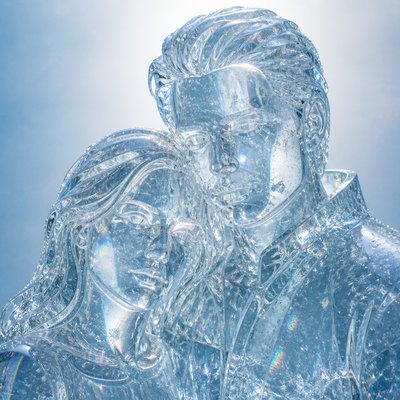
Ice sculpture art is a three-dimensional visual style built around the look of carved frozen water: translucent bodies, polished planes, crisp edges, and interior light effects that make the object seem lit from within. Its appeal comes from the tension between solidity and fragility. Even when represented in still images, it suggests a material that is hard to shape but impossible to keep, so the finished form often feels temporary, ceremonial, and quietly dramatic.
The style is defined by clarity and optics as much as by form. Light passing through ice produces refractions, bright caustic highlights, pale blue shadows, trapped air bubbles, and hairline cracks that become part of the design. Artists and image-makers using this style usually emphasize backlighting, smooth-to-chiseled transitions, frost accumulation, and subtle condensation to communicate cold temperature and imminent melting. The result is a sculptural image language that reads as elegant, precise, and ephemeral.
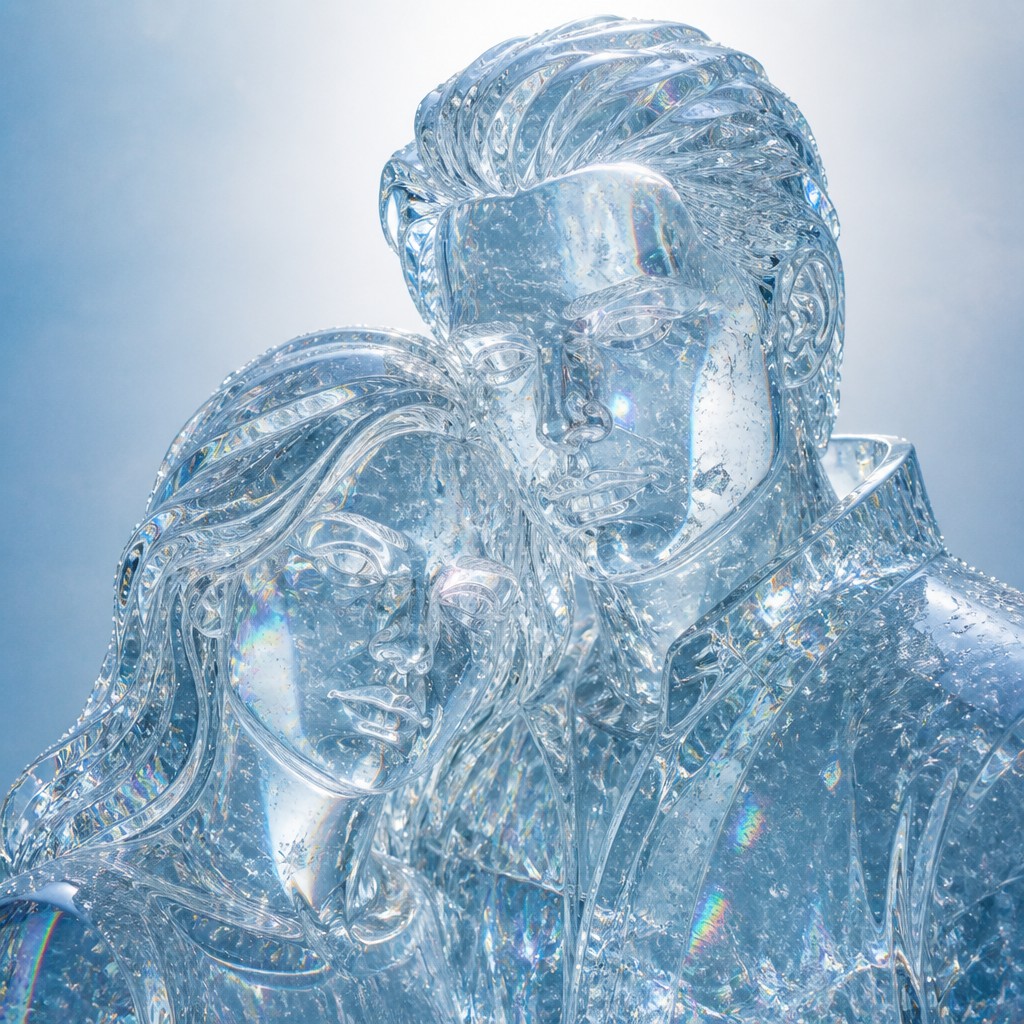
Try It On Your Photos
Upload any photo and convert it into Ice Sculpture Art Style — drag the sliders to compare before and after.
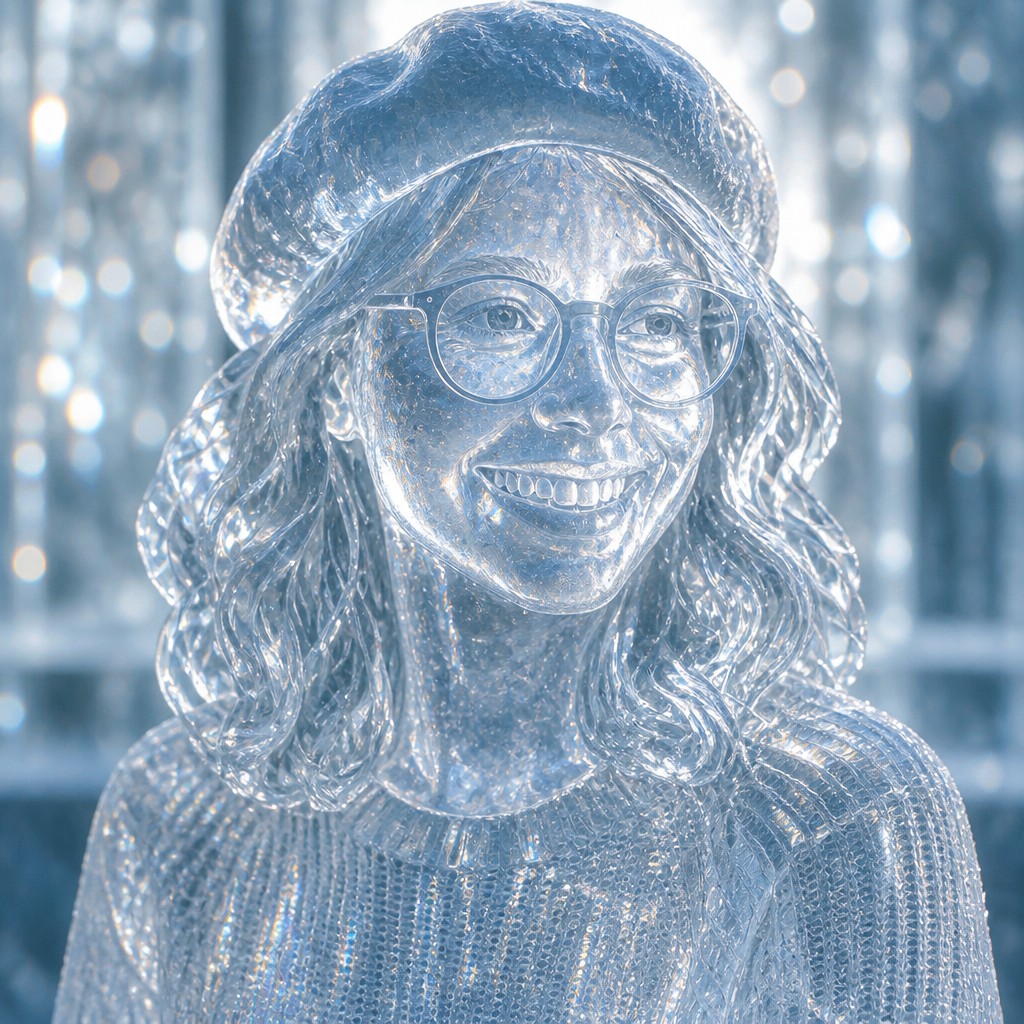

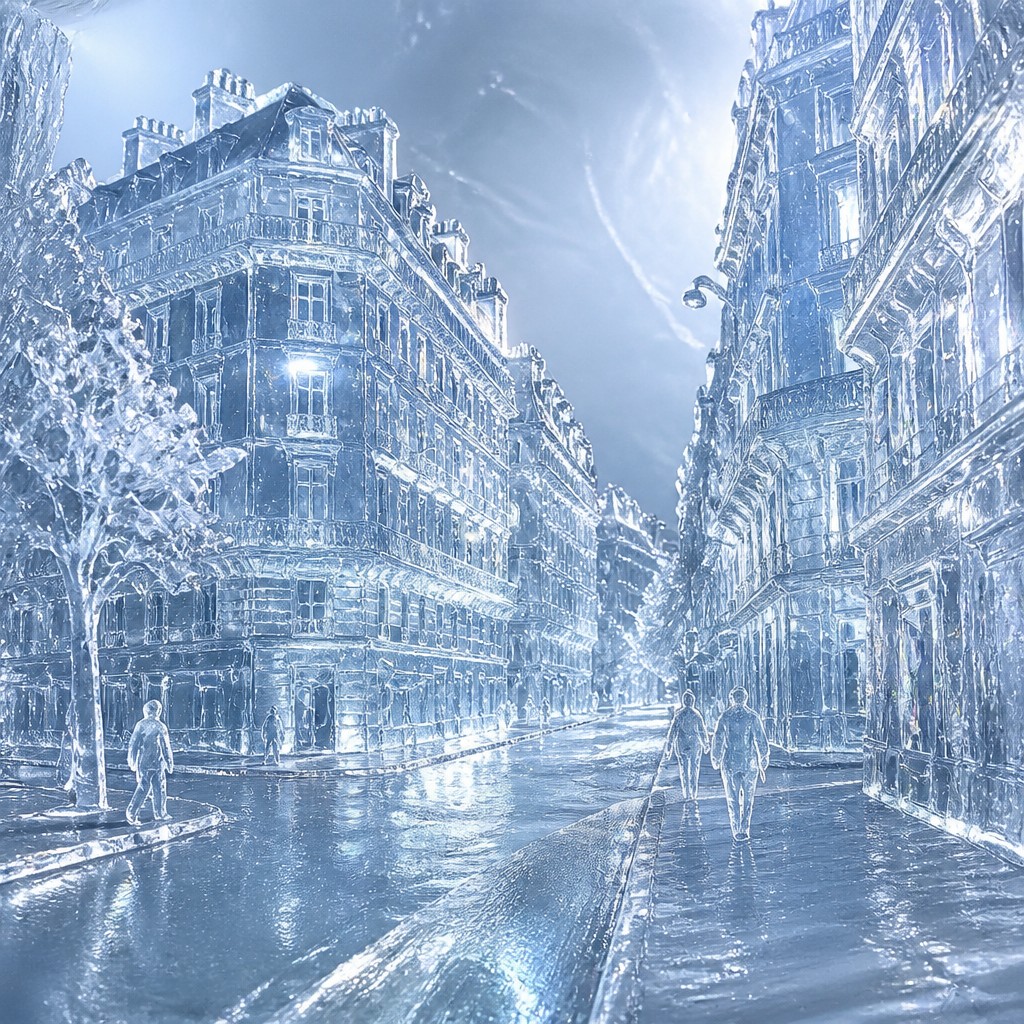

What Defines Ice Sculpture Art Style
The signature details, up close
Translucent frozen material
The subject appears carved from clear or milky ice rather than painted to resemble ice. Transparency is essential: viewers should be able to see depth, thickness, and internal variation within the form.
Internal refractions and glints
Light bends through the sculpture, creating prismatic flashes, bright seams, and luminous edges. These optical effects give the image its crystalline character.
Chiseled facets and polished planes
Good ice sculpture design balances rough tool marks with refined surfaces. Facets catch light sharply, while polished areas read as slick, finished, and reflective.
Frost, bubbles, and cracks
Surface frost, trapped air bubbles, and hairline fractures add authenticity and texture. They help the object feel physically cold and materially specific rather than generically transparent.
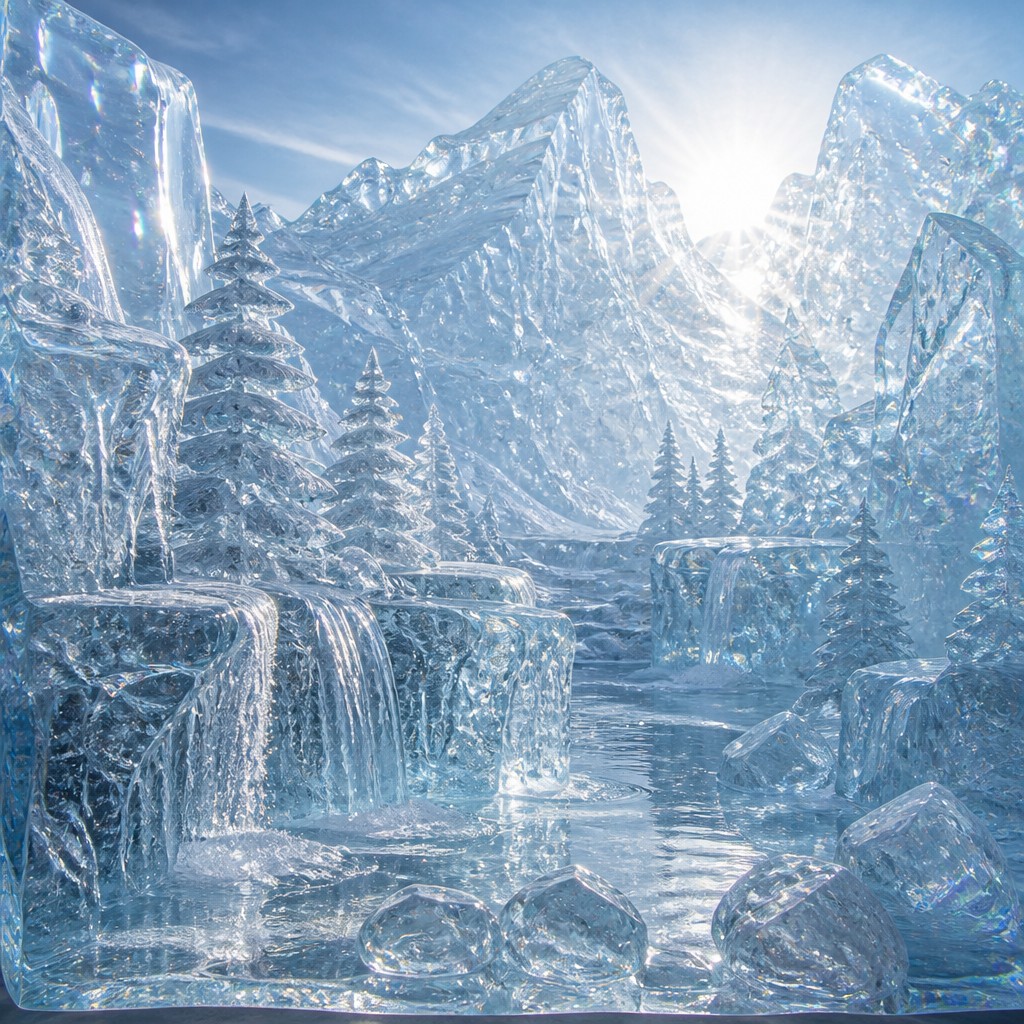
Cool backlit palette
Blue-white lighting is the most common solution because it reinforces the sensation of cold and reveals structure. Backlighting and rim light are especially important for making the interior readable.
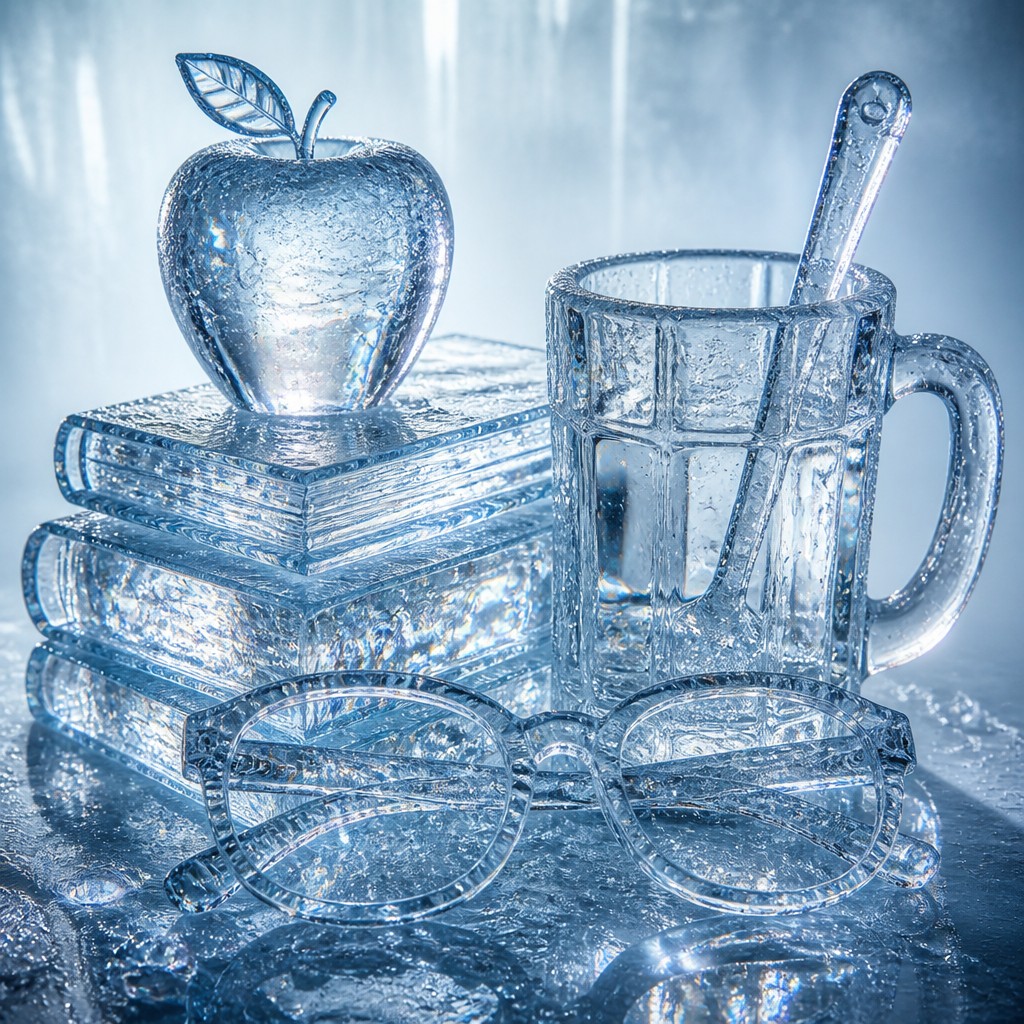
Ephemeral atmosphere
A slight sense of melt, condensation, or softening edges suggests that the sculpture is temporary. This fragility is part of the style’s emotional effect, even when the image is perfectly still.
Try It
Create Videos in Ice Sculpture Art Style
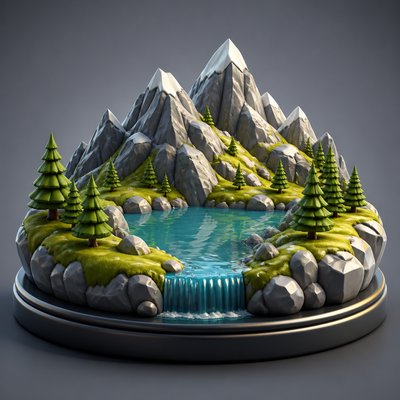
Styles aren't just for stills — describe a scene or animate an image and get a short video rendered in Ice Sculpture. Press play to see this pond come to life.
Make a VideoIce Sculpture Prompt Ideas
Start from an idea — each one opens the generator with the style ready to go. See all 40 Ice Sculpture prompts →
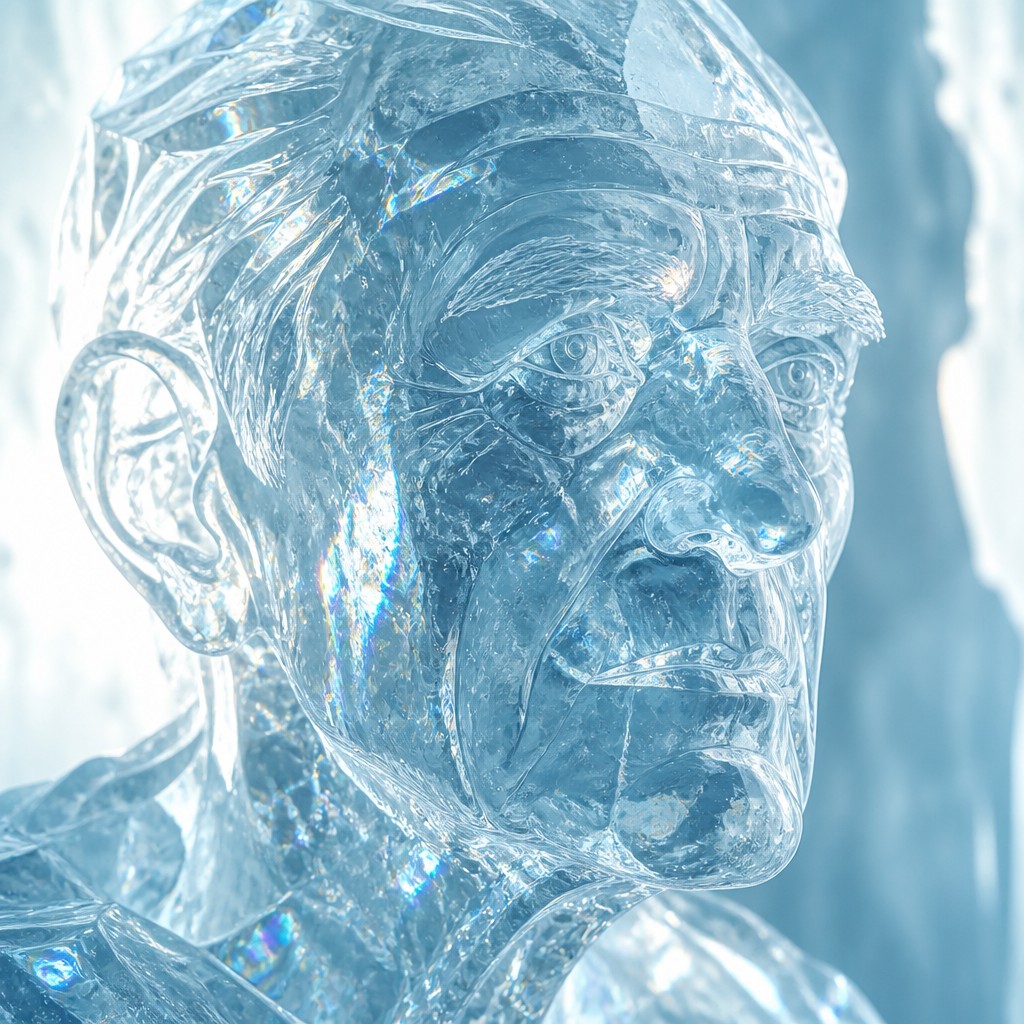
“close-up portrait of an elderly person with expressive weathered features”
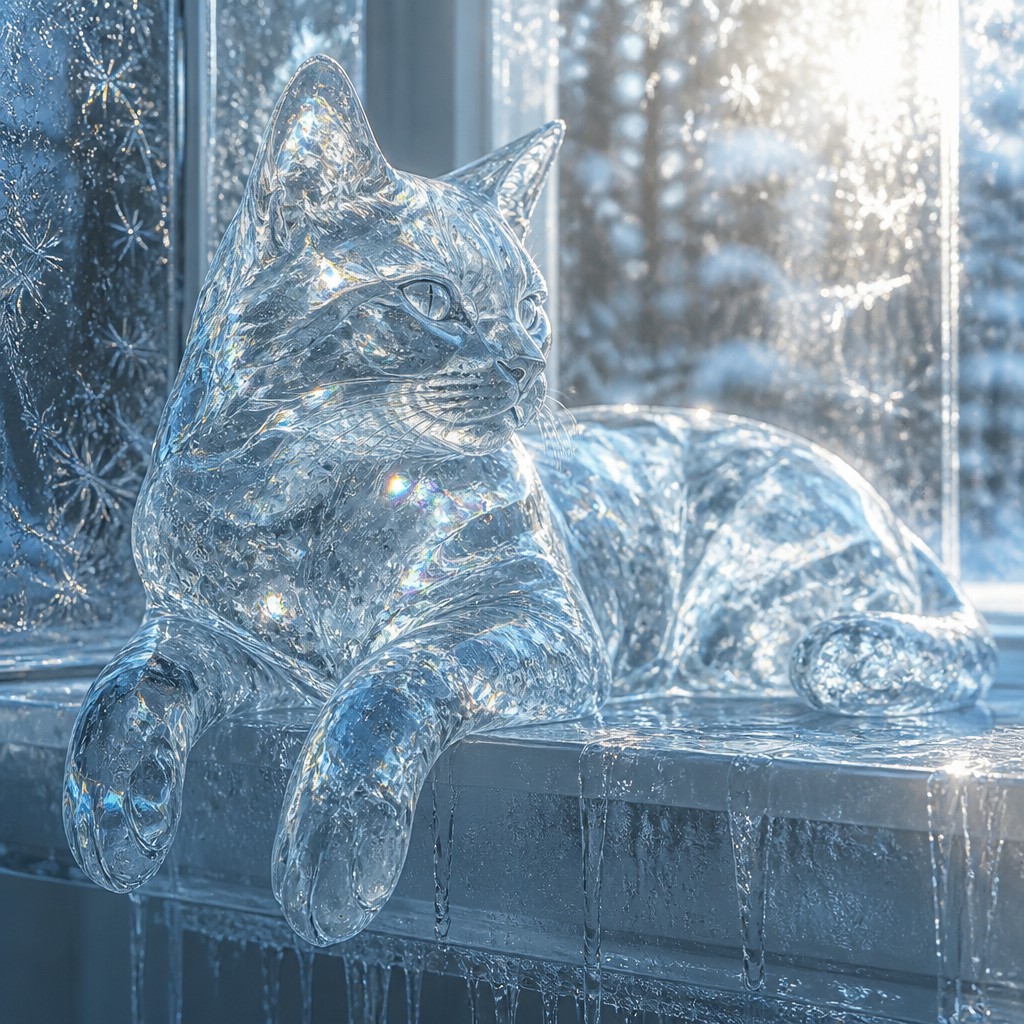
“a cat lounging in a sunlit window”
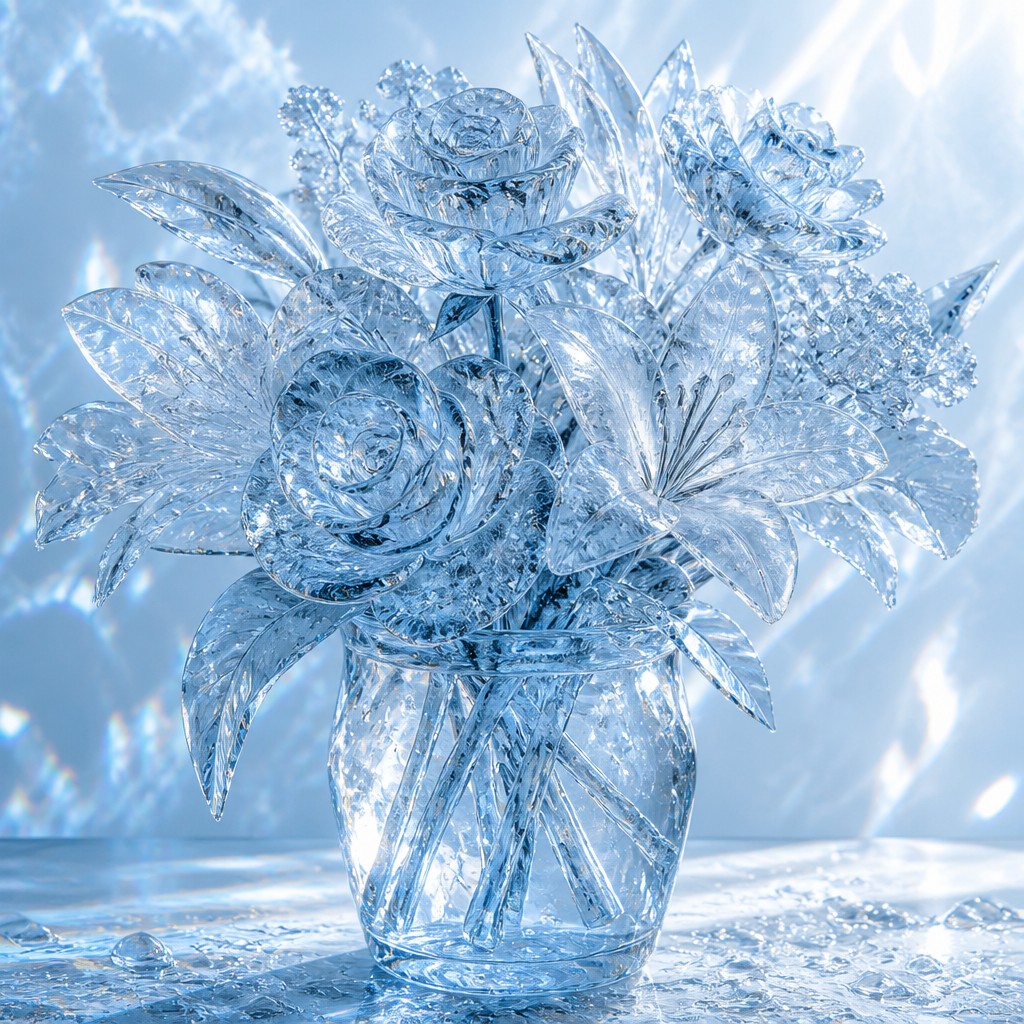
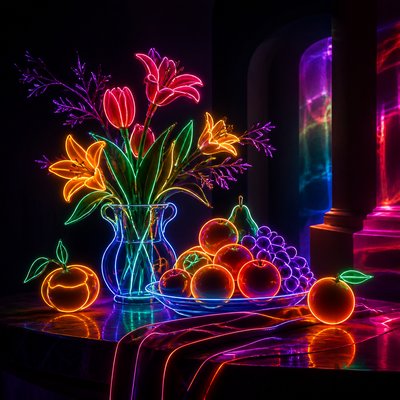
“bouquet of flowers in a glass vase”
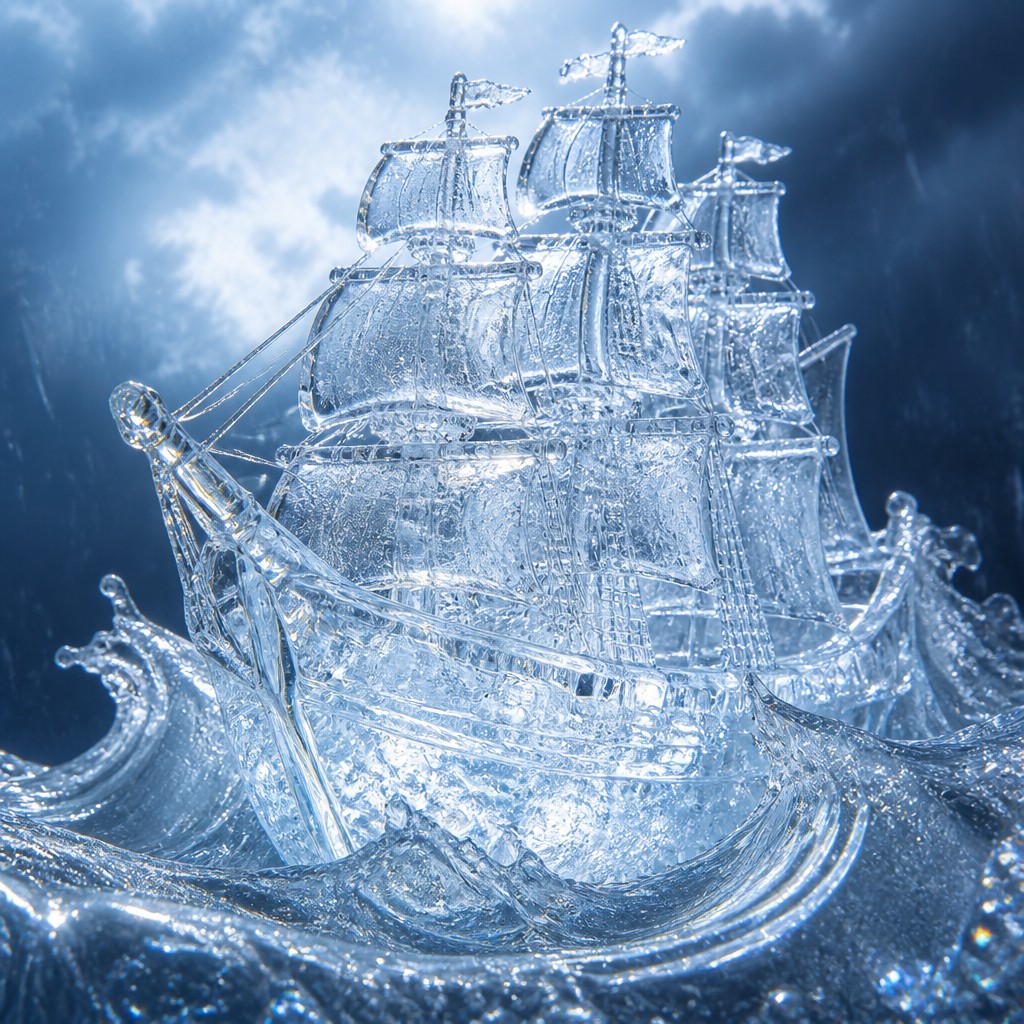
“sailing ship on a stormy sea”
How to Create Ice Sculpture Art
Master the craft step by step — or skip straight to creating. Read the full guide →
- 1
Design for translucency
Whether working by hand or digitally, choose subjects with clear silhouettes and layered forms so the ice can read internally. Avoid overly dense details that would disappear inside the material; instead, simplify shapes into readable volumes and planes.
- 2
Use strong directional light
Backlight the sculpture or place a bright source behind it to reveal depth, edges, and internal refractions. In digital work, combine cool ambient light with concentrated highlights and subtle bloom to simulate the way ice catches illumination.
- 3
Balance smooth and carved surfaces
Real ice sculptures combine polished zones with tool-defined facets, and the contrast is what makes them convincing. If painting or rendering, alternate reflective flats, sharp cuts, and frosted patches so the object feels hand-shaped rather than uniformly glossy.
- 4
Add cold surface details sparingly
Use trapped bubbles, fine cracks, fogging, condensation, and rim frost as accents rather than noise. A few well-placed details communicate material reality more effectively than heavy overtexturing.
- 5
Think in terms of temporary form
A strong ice image often implies time pressure, melt, and impermanence. In prompt-based generation, specify clarity, internal refraction, frost, and subtle melting; in traditional work, soften a few edges or introduce small runoff areas to suggest the sculpture is vulnerable to heat.
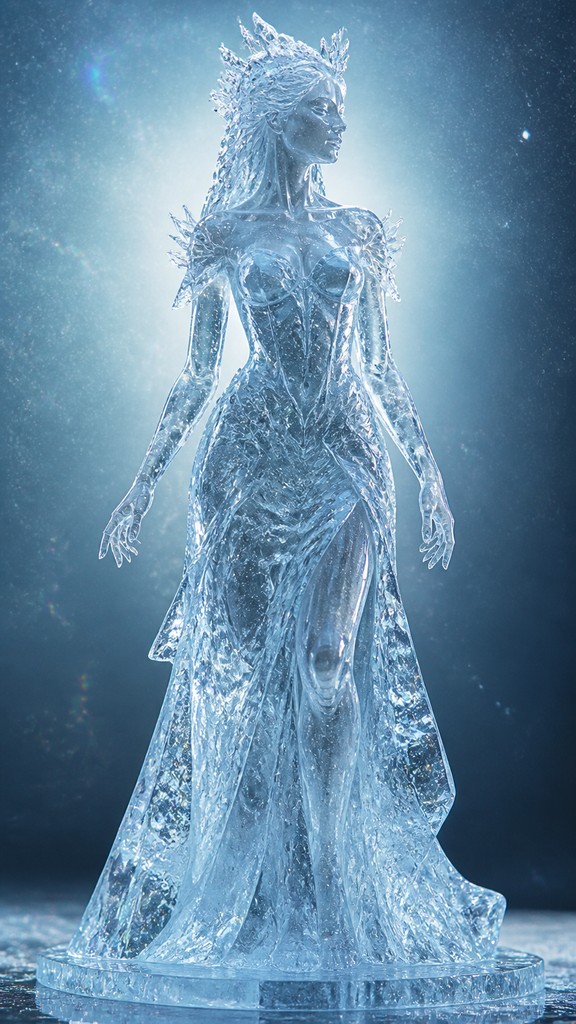
The Story
History & Origins of Ice Sculpture
Ice sculpture has no single historical origin in the way a painting movement does; it developed as a ceremonial and decorative practice in cold regions, banquet culture, winter festivals, and later in hospitality and event design. Its visual logic comes from the real behavior of ice as a medium: transparency, brittleness, and the way carving tools can create both smooth optical surfaces and sharp facets. Over time, photographers, set designers, and contemporary sculptors have turned those material properties into a recognizable aesthetic of crystal-like refinement and fleeting spectacle.
As an image style, it draws lineage from several traditions: sculpture, ceremonial display, winter iconography, and the optical interests of still-life and light studies. In digital and illustrative contexts, it also overlaps with fantasy art and concept design, where ice is often used to signal magic, cold power, or a hostile environment. The modern visual shorthand for the style—blue-white palette, internal glow, prismatic highlights, and frost detail—comes less from any canonical art movement than from accumulated visual conventions around ice as both substance and symbol.
Influences: This style is most closely related to sculpture and decorative display traditions rather than a single fine-art movement. It shares concerns with chiaroscuro and optical realism from painting, but its modern visual vocabulary also overlaps with fantasy illustration, stage design, and concept art. In historical terms, the attention to light and material can be compared broadly to Dutch and Flemish still life, while the emphasis on carved form connects to sculpture traditions associated with leading Renaissance sculptors and major nineteenth-century French sculptors, though ice sculpture itself follows a separate material logic.
Frequently Asked Questions
What defines ice sculpture art style?
It is defined by the appearance of a subject carved from translucent frozen water. The most important features are crystal clarity, internal refractions, sharp facets, frost textures, and a cool luminous palette. The style usually feels elegant but temporary, because the material suggests melting and decay.
How is this different from glass art?
Glass can look similarly transparent, but ice is usually softer in tone, more atmospheric, and more visibly fragile. Ice often includes frost, bubbles, cloudy zones, and melt condensation, while glass tends to read as cleaner, harder, and more uniform. Ice also carries a stronger sense of impermanence.
What subjects work best in this style?
Subjects with clear contours and symbolic presence work best: animals, faces, crowns, flowers, architecture, and fantasy creatures. Complex subjects can work too, but the structure needs to remain readable through the transparent material. Strong silhouettes help the ice effects stay visible.
How do you make ice sculpture images look realistic?
Use strong backlighting, cool color temperature, and a clear separation between polished surfaces and frosted areas. Add subtle cracks, bubbles, and condensation, but keep them controlled. Realism improves when the image suggests weight, thickness, and the optical depth of solid ice.
Where is this style commonly used?
It appears in event display, winter festival design, hospitality decoration, advertising, fantasy imagery, and seasonal illustration. In conceptual and digital work, it is also used for magical objects, cold-themed characters, and dramatic environmental scenes. The material naturally signals luxury, ceremony, and winter.
Can this style be created digitally?
Yes. Digital painting and 3D rendering are common ways to create it, because they allow precise control over translucency, lighting, and refraction. The key is to simulate how light travels through ice rather than simply painting the surface blue.
Create your first Ice Sculpture artwork
Describe anything — or upload a photo — and see it in Ice Sculpture Art Style in seconds.
Make Something with Ice Sculpture
Related Styles
Discover similar art styles