Vaporwave Art Style
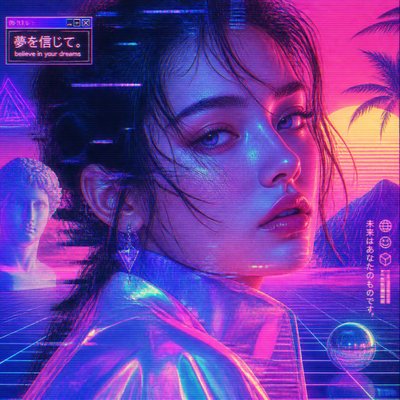
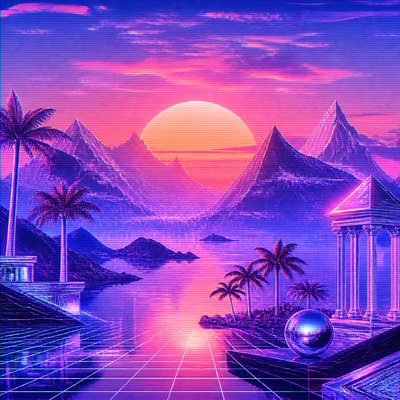
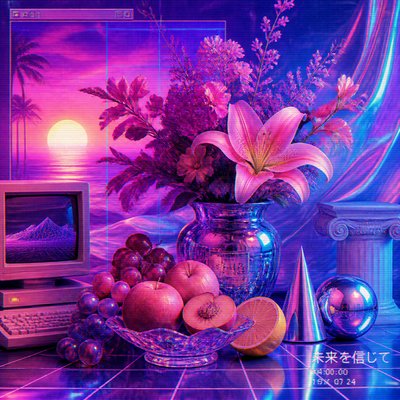
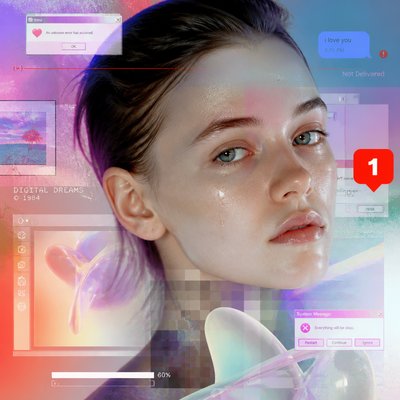
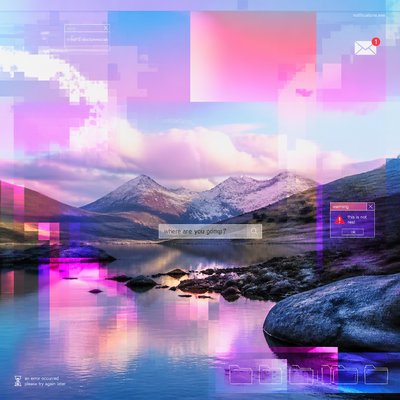
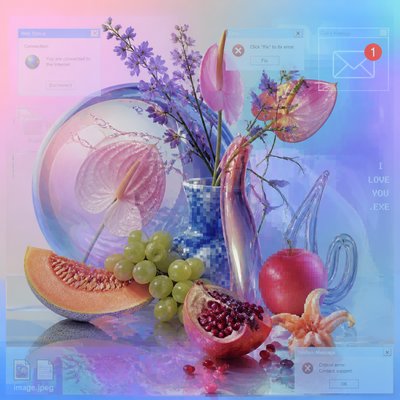
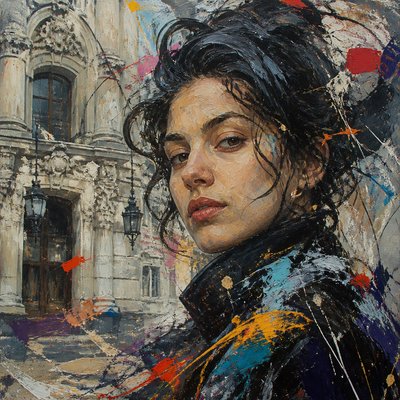
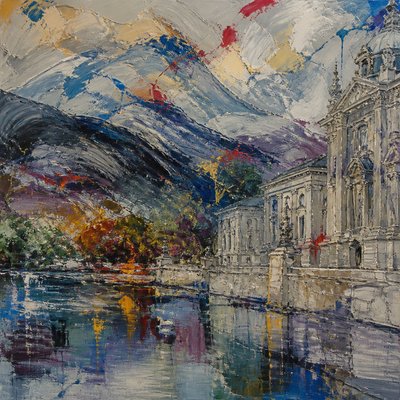
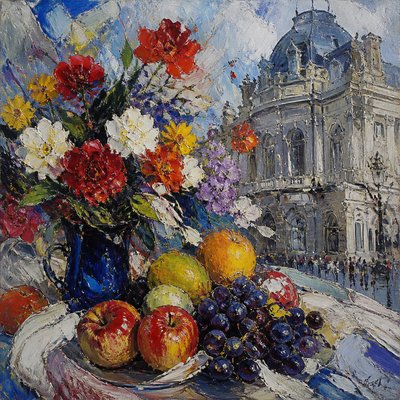
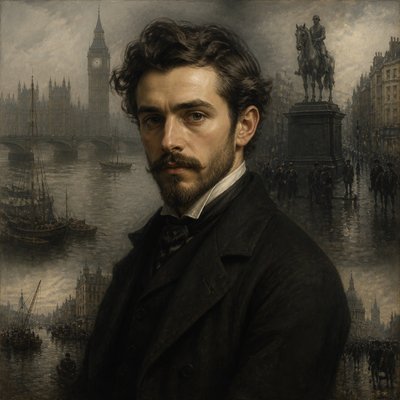
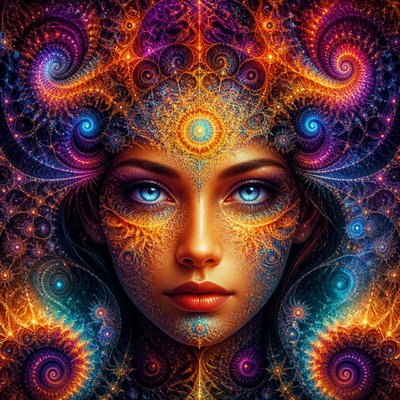
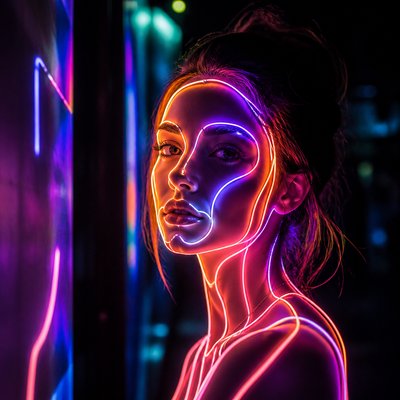
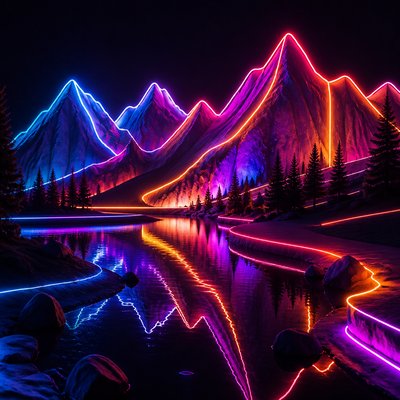
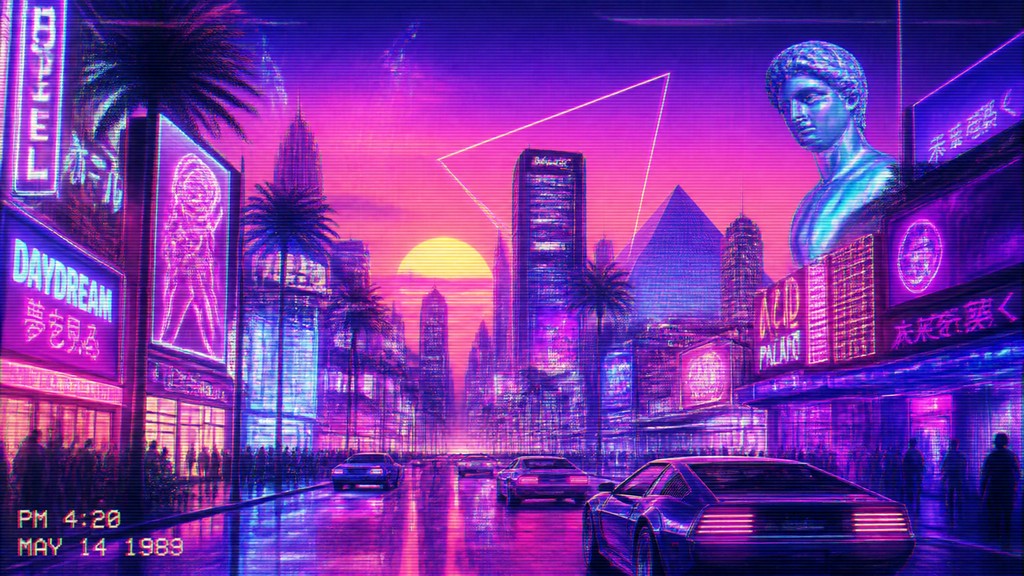
Vaporwave art: neon pink and purple nostalgia, retro computers, glitch effects, chrome, and surreal digital sunsets.
Instantly rendered in Vaporwave — or transform a photo
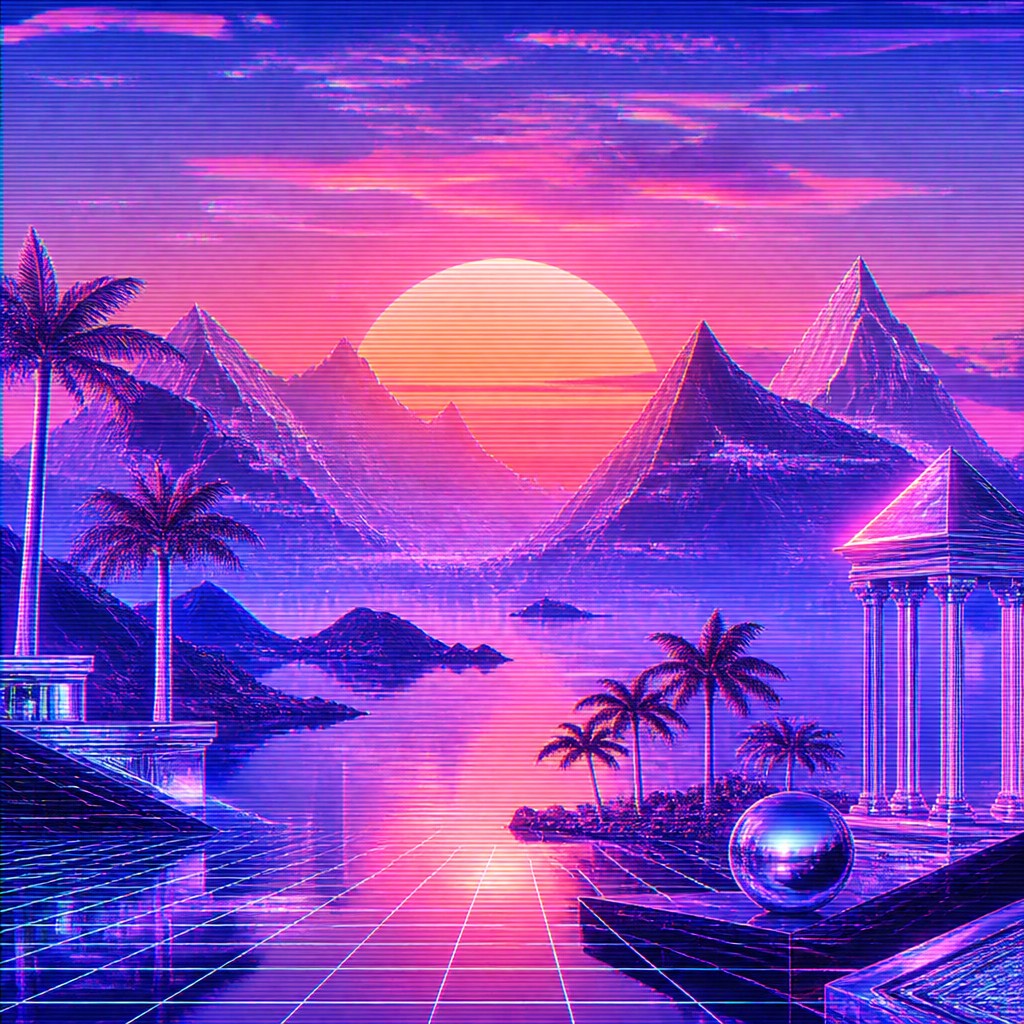
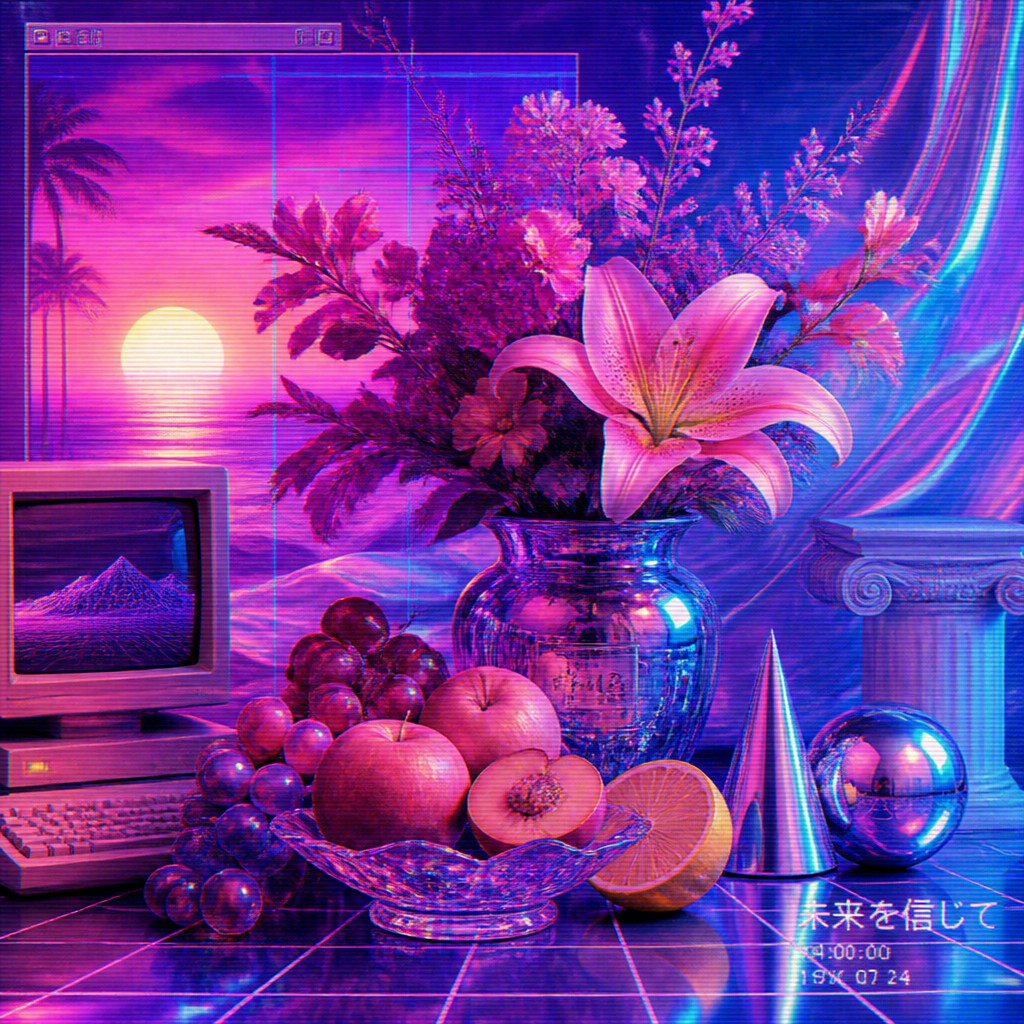
Vaporwave Gallery
Tap any artwork to explore it
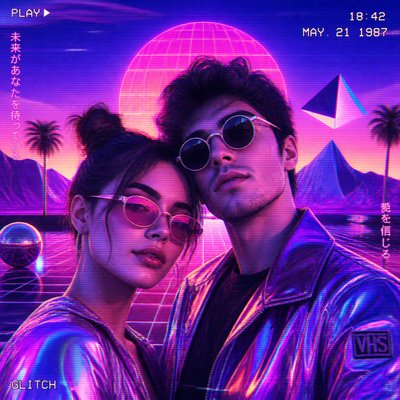
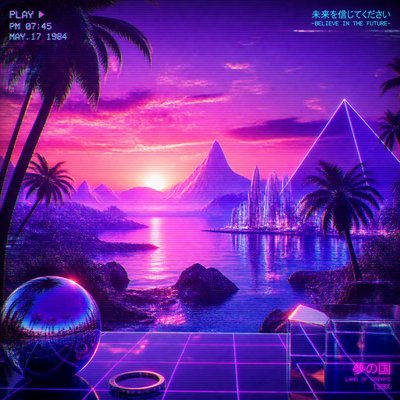
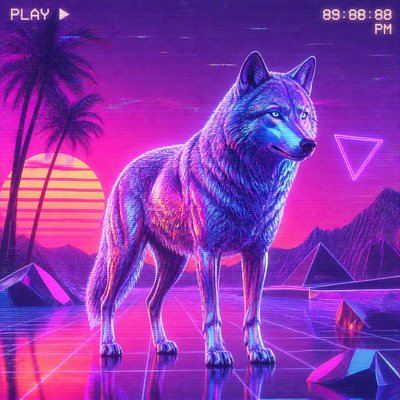
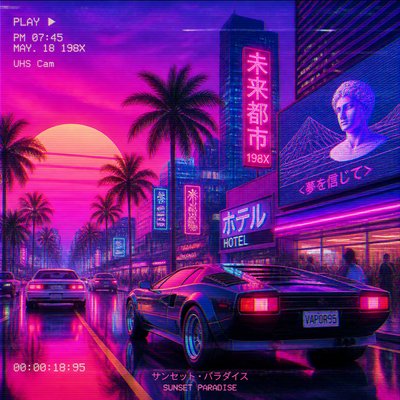
What is Vaporwave Art Style?
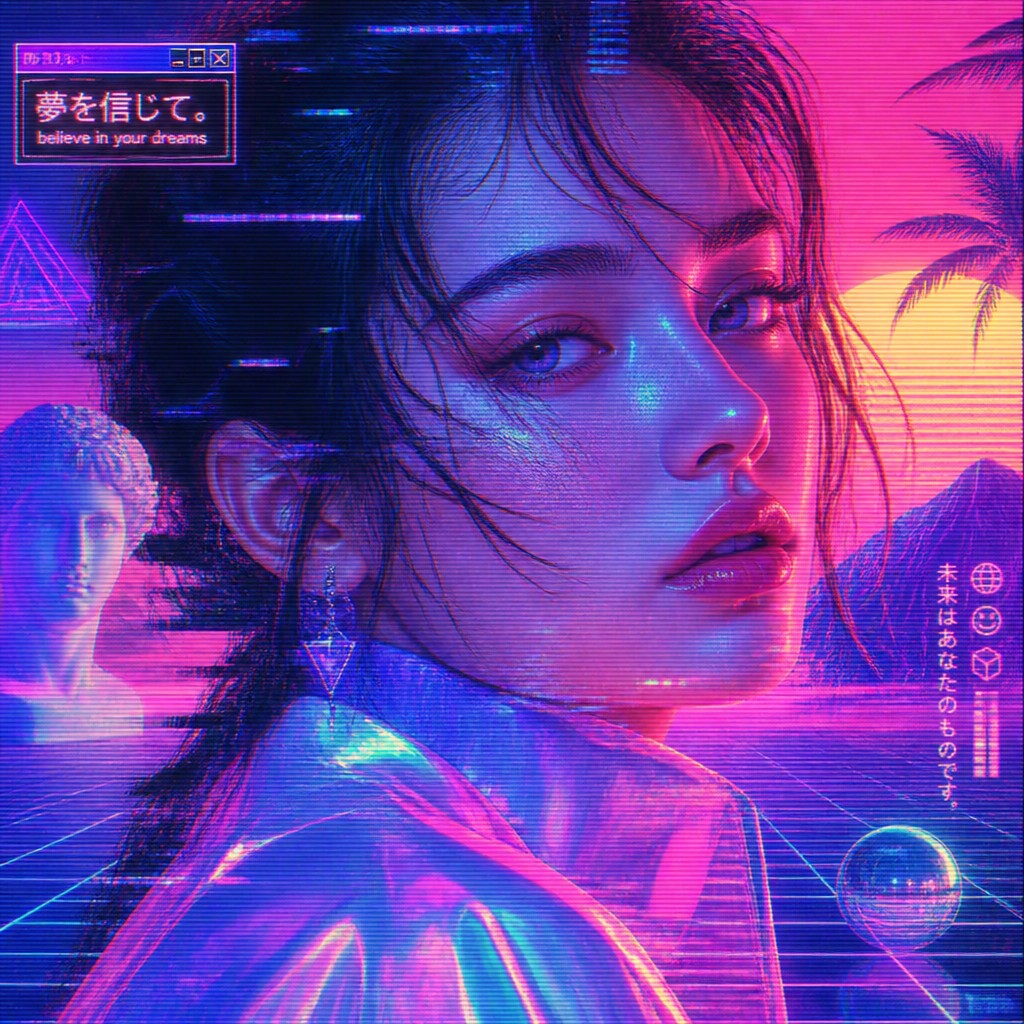
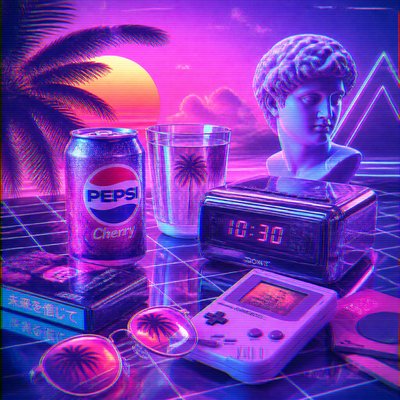
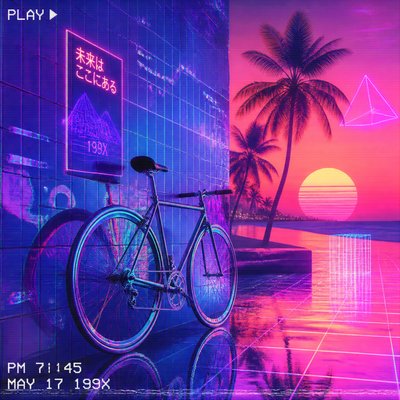
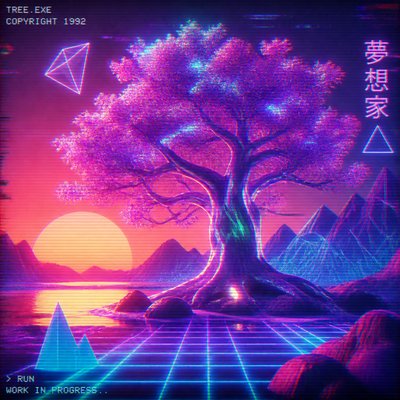
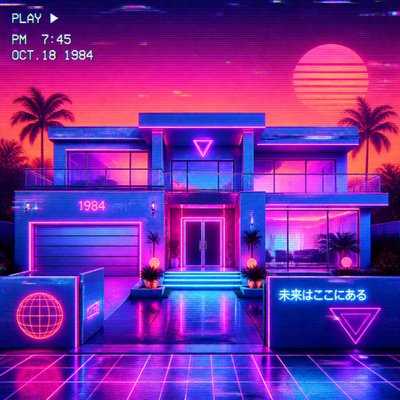
Vaporwave is an internet-born aesthetic built from the visual language of late-20th-century digital culture, corporate imagery, and nostalgic media detritus. Its hallmark look combines saturated pinks and purples, cyan highlights, chrome reflections, grid floors, palm trees, classical sculpture, mall interiors, early-3D graphics, and glitchy CRT-era textures. The result is a synthetic dreamscape that feels both familiar and unreal, as if a remembered past has been re-rendered through obsolete software.
The style looks the way it does because it is fundamentally remix culture: it repurposes logos, screenshots, stock imagery, consumer interfaces, and retro technology into a mood of ironic longing. Visual artifacts such as VHS scan lines, chromatic aberration, low-poly forms, and haze evoke older display technologies, while neon gradients and glossy surfaces create an artificial paradise. Vaporwave is less a single technique than a curated atmosphere of nostalgia, alienation, and digital excess.
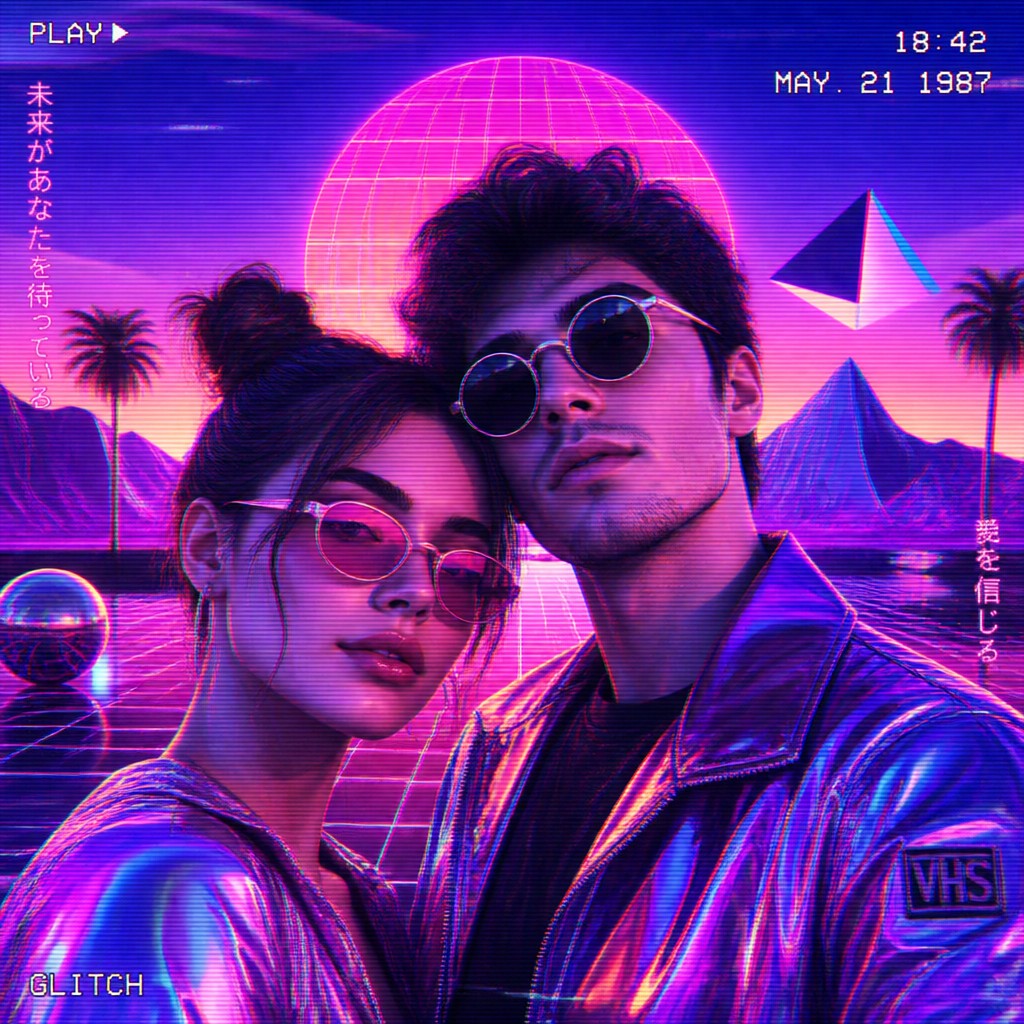
Try It On Your Photos
Upload any photo and convert it into Vaporwave Art Style — drag the sliders to compare before and after.
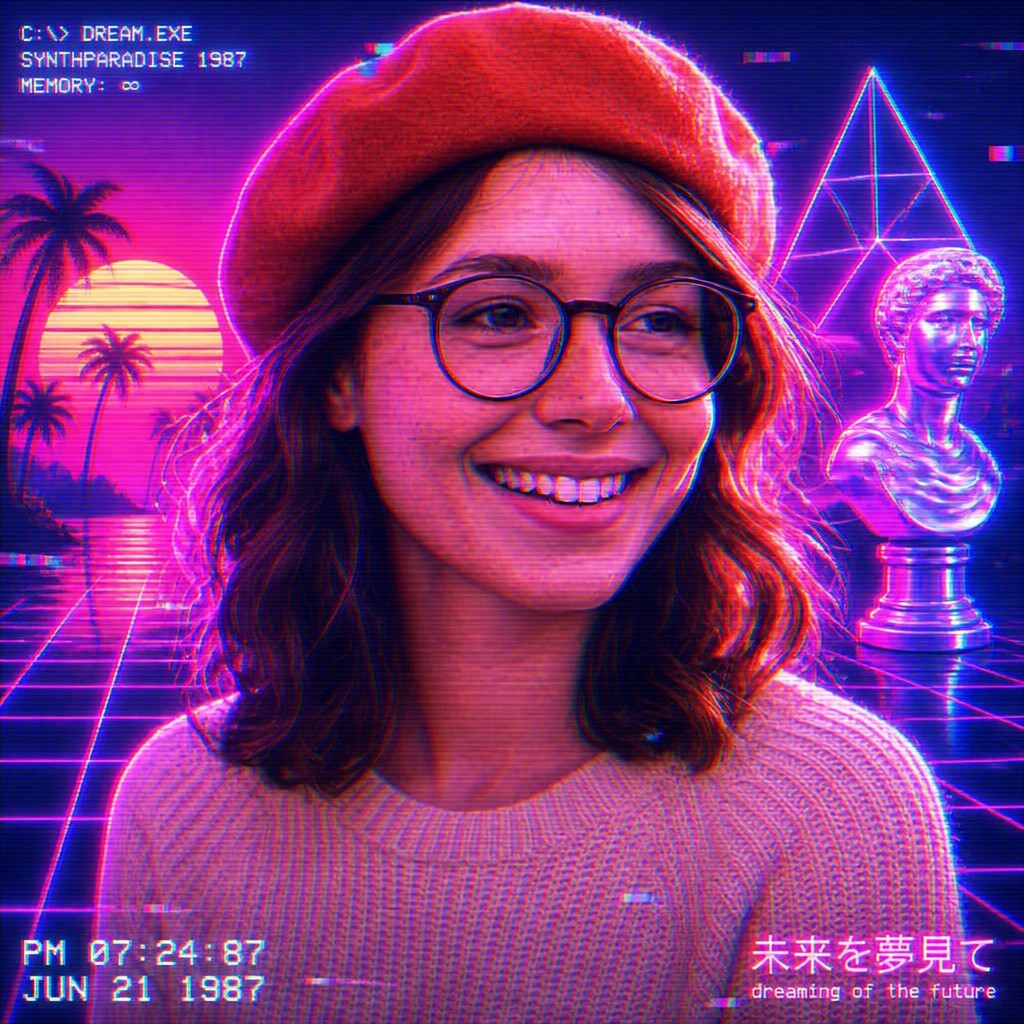

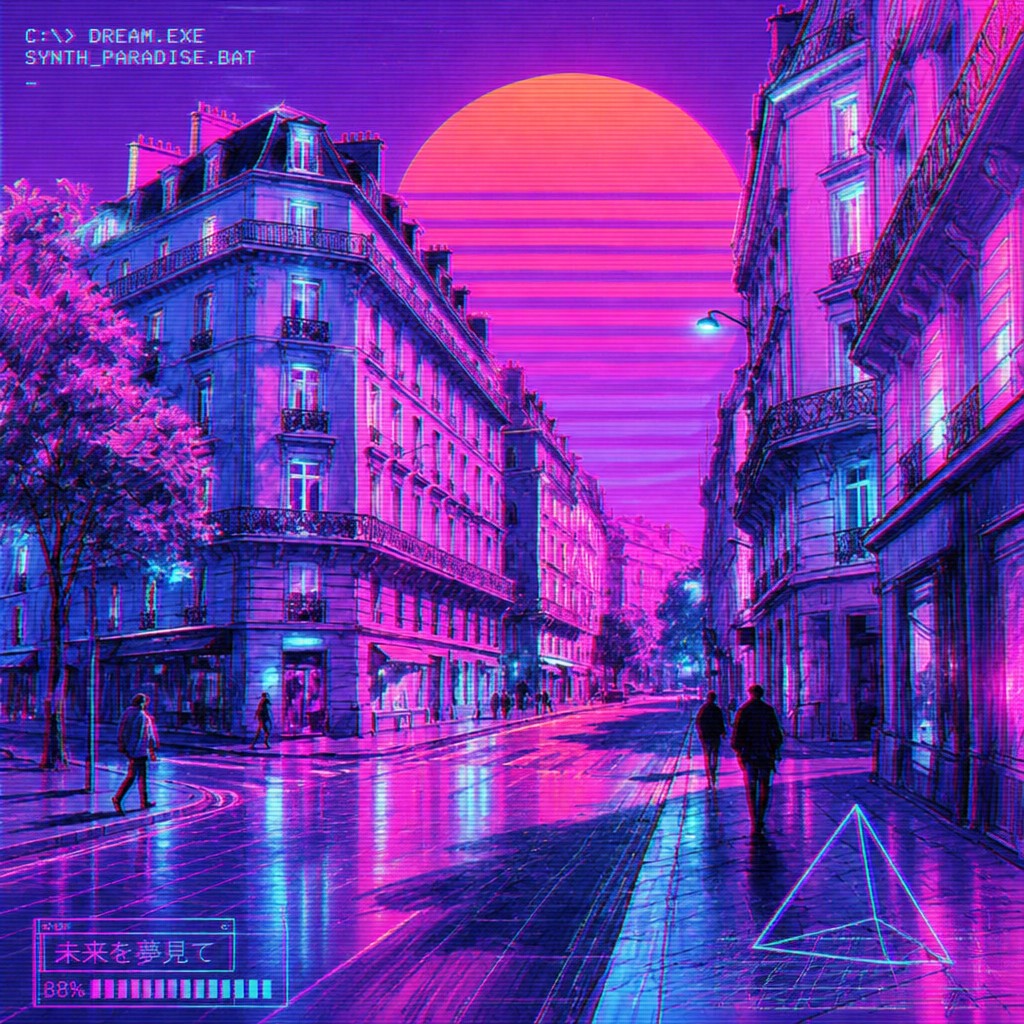

What Defines Vaporwave Art Style
The signature details, up close
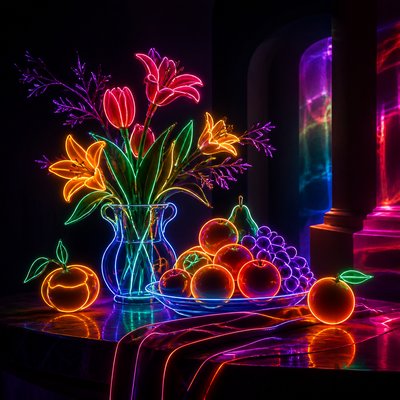
Neon gradient color palette
The style typically uses saturated pinks, purples, magentas, and cyans, often blended into dusk-like gradients. These colors create a dreamy, synthetic atmosphere that reads as nostalgic and futuristic at the same time.
Retro-computer and early-3D imagery
Low-poly models, primitive 3D render shading, and awkward perspective are common references. This look recalls late-1980s and 1990s computer graphics, when digital imagery still felt new and slightly uncanny.
Glitch and analog-video artifacts
Scan lines, VHS noise, chromatic aberration, compression blocks, and digital distortion are used to make the image feel mediated. These artifacts suggest obsolete screens, corrupted data, and the instability of memory.
Chrome, glass, and holographic surfaces
Shiny reflections, iridescent materials, and glassy highlights give objects a highly polished, artificial finish. This material language reinforces the aesthetic’s consumer-culture and futurist associations.
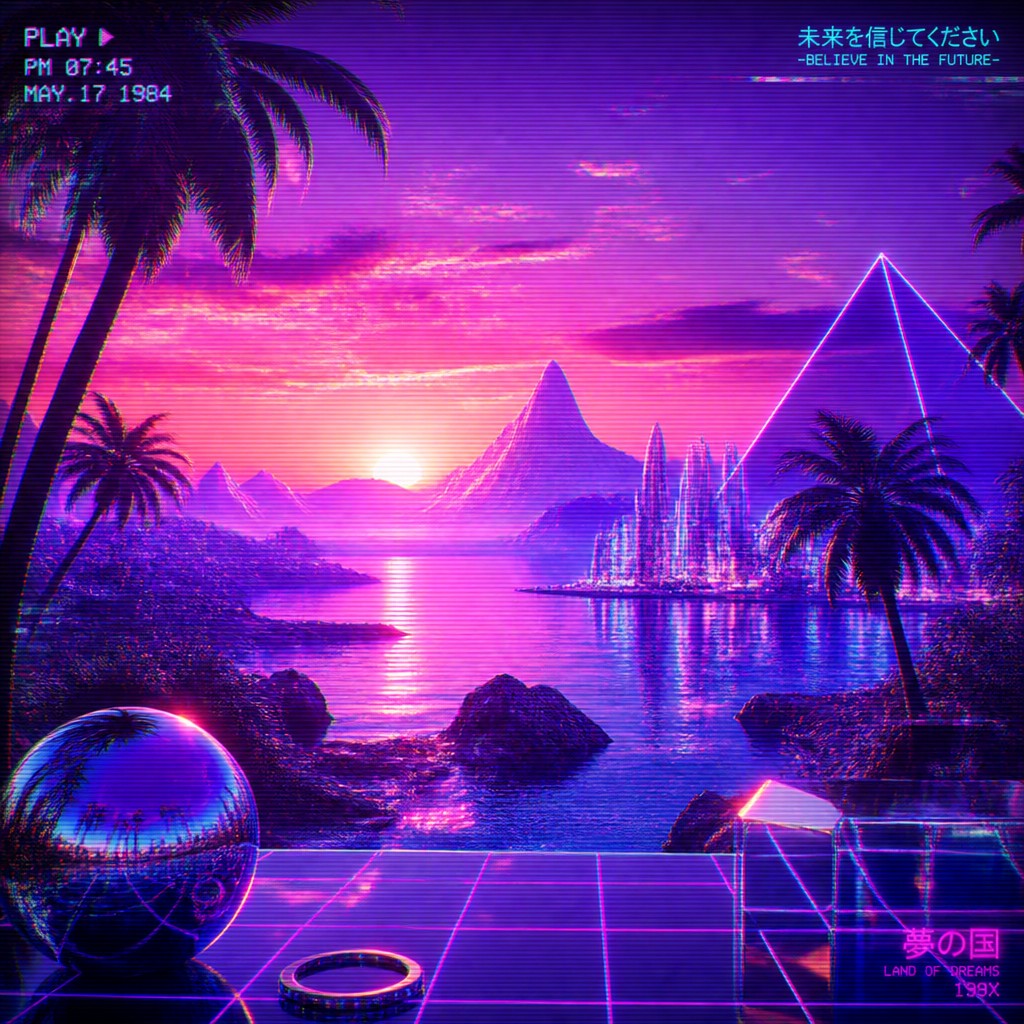
Nostalgic corporate and consumer imagery
Office towers, mall interiors, product mockups, logos, payment terminals, and branded environments frequently appear. These motifs turn ordinary commercial spaces into surreal monuments to late-capitalist culture.
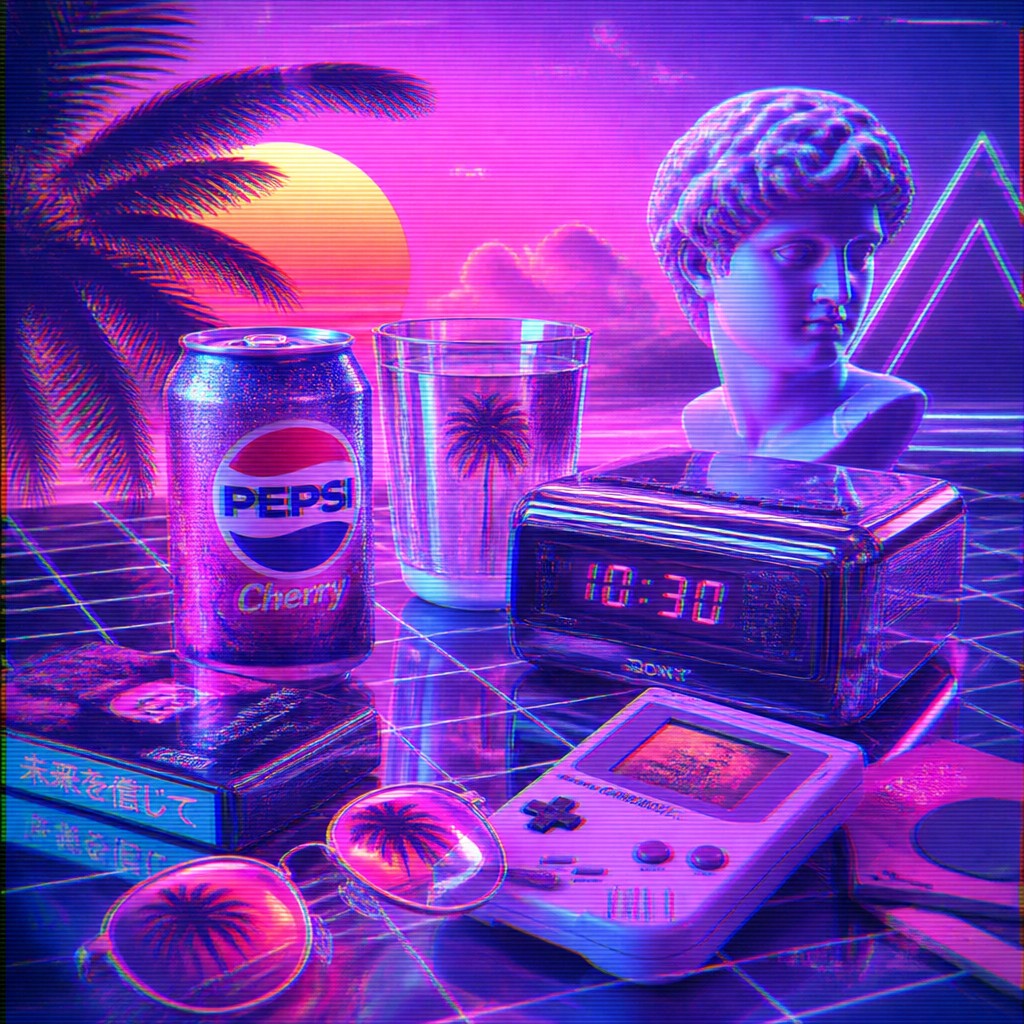
Synthetic paradise atmosphere
Palm trees, sunsets, pools, marble statues, and empty plazas are often arranged as idealized dreamscapes. The mood is tranquil but detached, as though the scene is a memory of leisure filtered through a screen.
Try It
Create Videos in Vaporwave Art Style
Styles aren't just for stills — describe a scene or animate an image and get a short video rendered in Vaporwave. Press play to see this pond come to life.
Make a VideoVaporwave Prompt Ideas
Start from an idea — each one opens the generator with the style ready to go. See all 40 Vaporwave prompts →
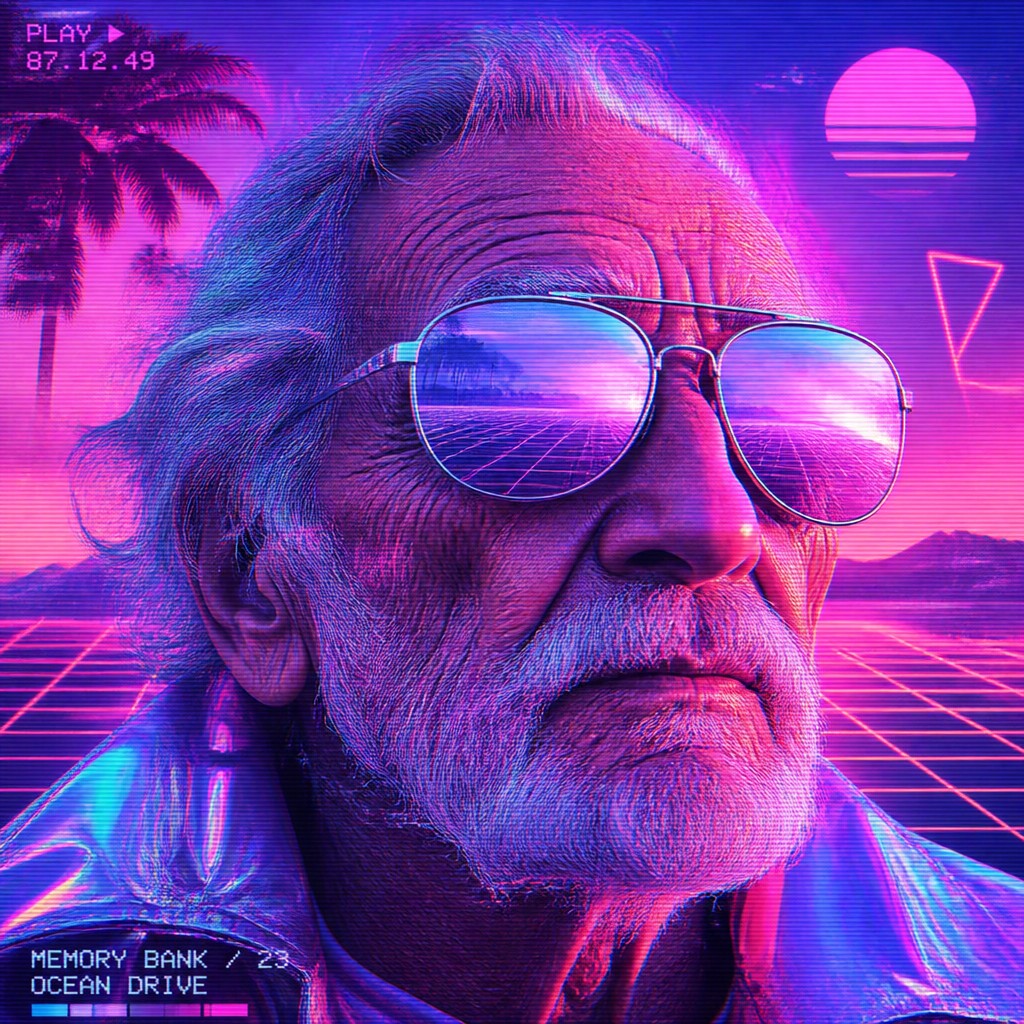
“close-up portrait of an elderly person with expressive weathered features”
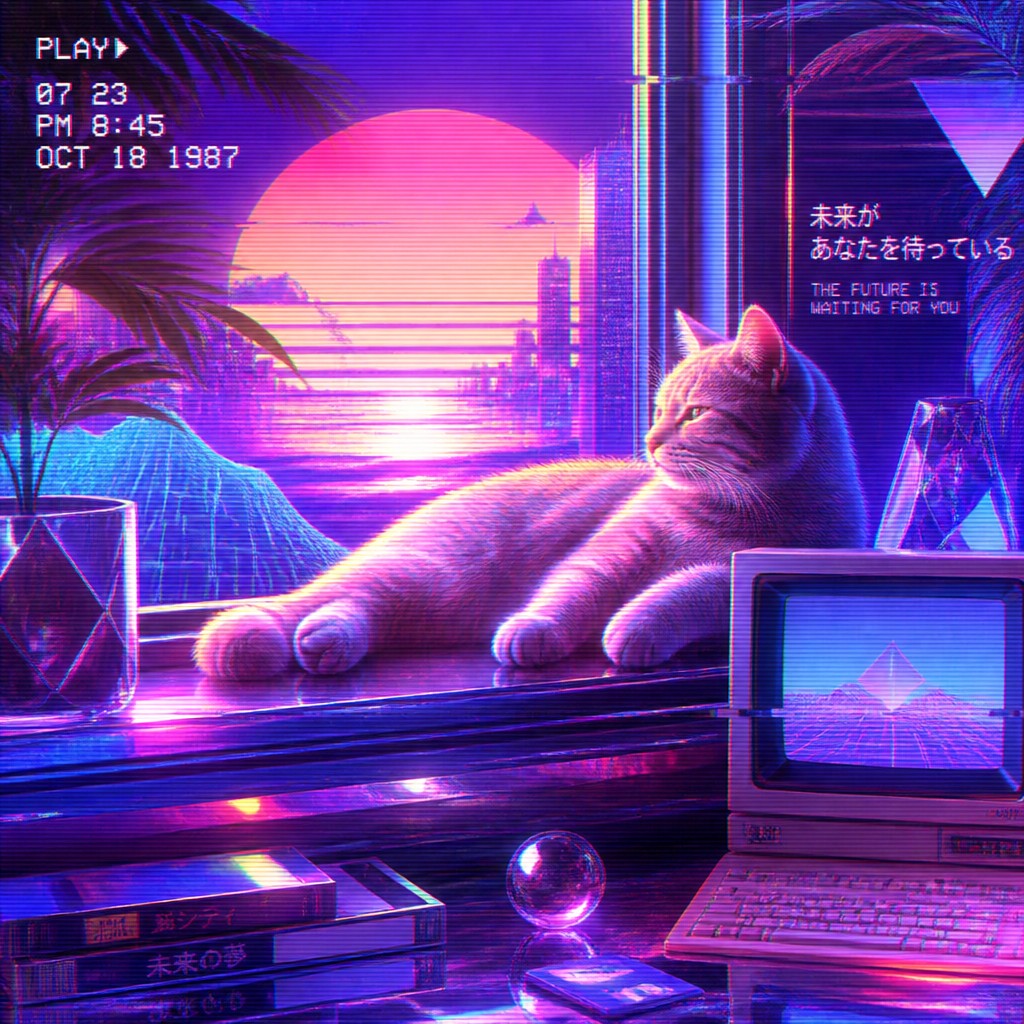
“a cat lounging in a sunlit window”
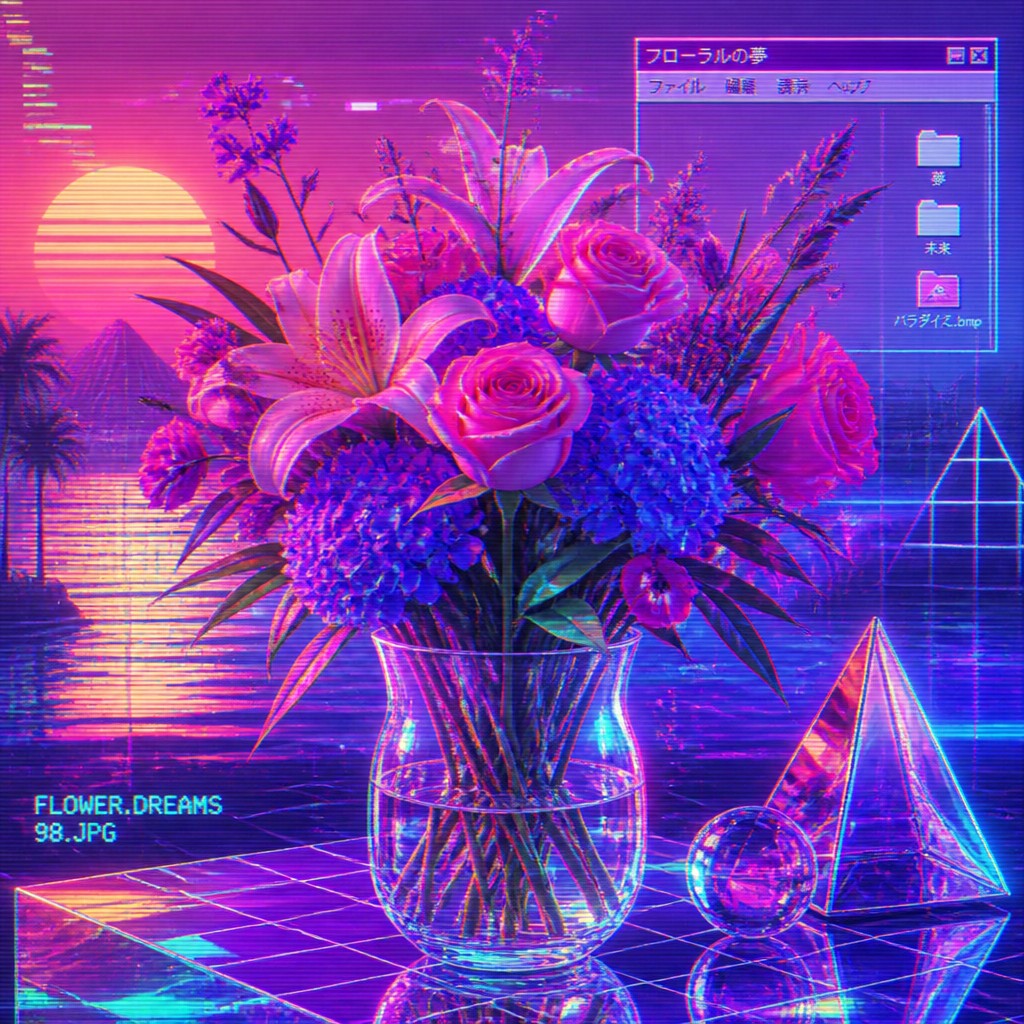
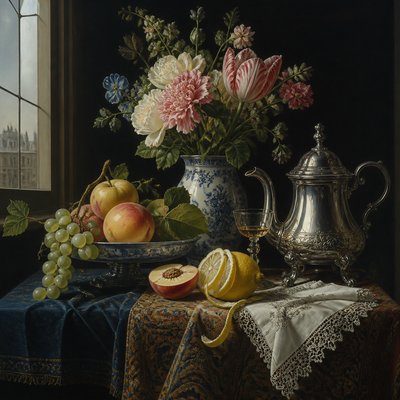
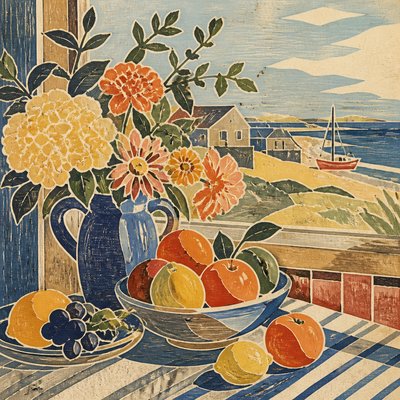
“bouquet of flowers in a glass vase”
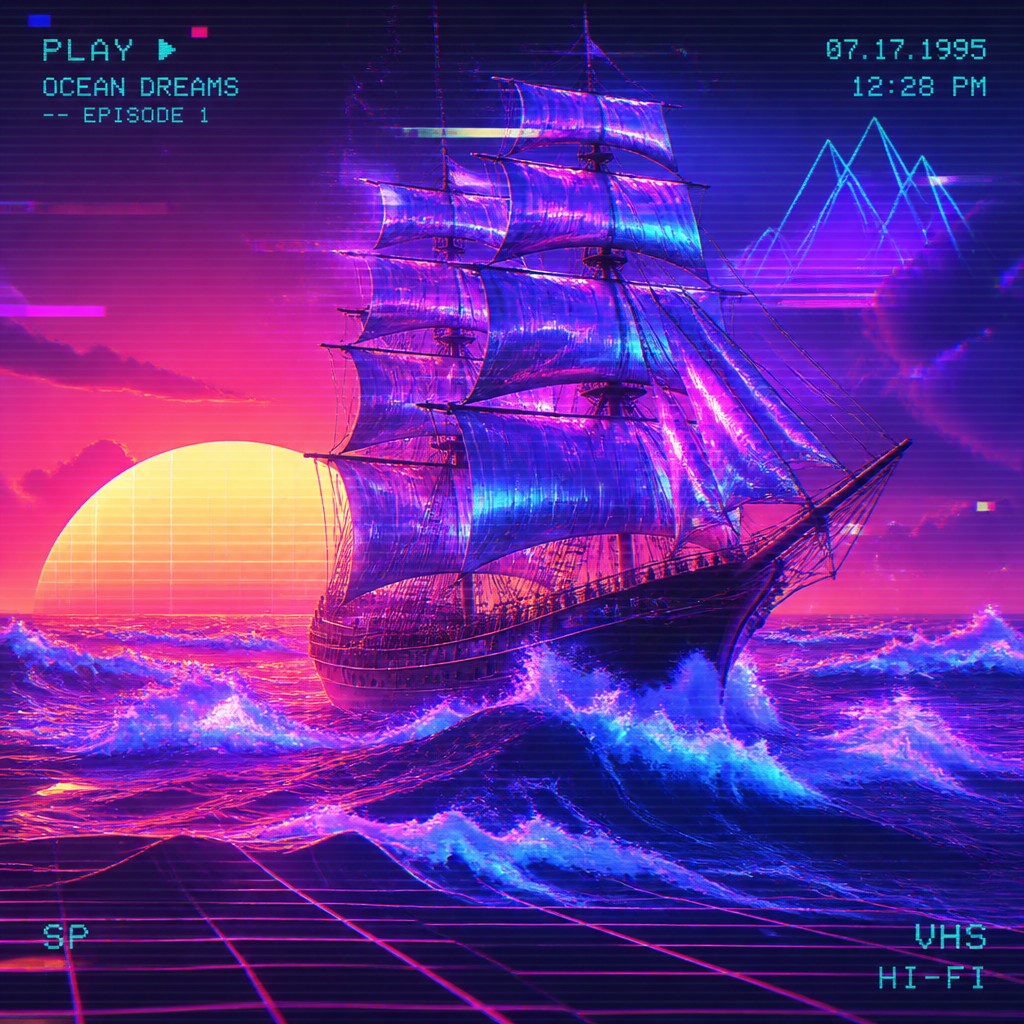
“sailing ship on a stormy sea”
How to Create Vaporwave Art
Master the craft step by step — or skip straight to creating. Read the full guide →
- 1
Build a retro-futurist palette first
Start with magenta, violet, cyan, and blue-black values, then add soft coral or lavender sunset transitions. Keep contrast high enough for neon elements to glow, but use haze and bloom to preserve the dreamlike quality.
- 2
Use obsolete display textures
Add CRT curvature, scan lines, VHS noise, compression artifacts, and slight blur to simulate older media. In digital work, layer subtle distortion and chromatic shift rather than overloading the image with random effects.
- 3
Combine corporate and classical motifs
Place familiar commercial objects beside marble busts, columns, palm trees, or empty plazas to create the style’s signature irony. The tension between luxury, commerce, and antiquity is central to the aesthetic.
- 4
Favor simple geometry and glossy rendering
Use low-poly forms, grid floors, and basic architectural shapes, then finish them with chrome, glass, or holographic materials. In traditional media, this can be suggested through crisp edges, reflective highlights, and smooth tonal gradients.
- 5
Control the atmosphere with haze and light
Build scenes around dusk lighting, glowing fog, and soft edge transitions so the image feels suspended in time. For prompt-based generation, specify neon gradients, retro computer rendering, glitch artifacts, and synthetic nostalgic ambiance.
- 6
Balance subject clarity with visual noise
Keep the main object readable while surrounding it with layered digital interference and environmental glow. In prompts, a useful formula is subject + environment + surface treatment + media artifacts + mood.

The Story
History & Origins of Vaporwave
Vaporwave emerged in the early 2010s as an internet-based art and music aesthetic, first circulating through online communities, album covers, and image macros. It developed from a mix of microgenres and visual subcultures including chillwave, synthwave, plunderphonics, glitch art, and meme culture, while drawing heavily on the visual residue of 1980s and 1990s consumer media, software interfaces, and advertising. Rather than originating as a formal art movement, it grew as a networked aesthetic language shaped by remixing and recontextualization.
Its visual lineage reaches back to retrofuturism, early computer graphics, advertising design, corporate visual identity, and the glossy imagery of shopping malls, home video, and desktop computing. It also borrows from classical sculpture, Japanese pop imagery, and the visual syntax of obsolete display technologies such as CRTs and VHS. Over time, vaporwave expanded from music packaging and social-media-era graphics into broader digital illustration, motion design, fashion, and experimental 3D imagery.
Influences: Vaporwave draws from retrofuturism, glitch art, synth-based digital illustration, and the visual culture of 1980s–1990s consumer media, desktop computing, and advertising. It also overlaps with the broader lineage of pop appropriation and recontextualization associated with major postwar pop artists and British pop-art figures, though vaporwave is not a continuation of Pop Art in a formal sense. Its look further echoes the polished artificiality of commercial graphic design, the synthetic lighting of early 3D rendering, and the atmospheric color sensibility of synthwave and neon noir.
Frequently Asked Questions
What defines vaporwave art?
Vaporwave is defined by neon pink and purple gradients, retro computer graphics, glitch effects, and nostalgic references to late-20th-century consumer culture. It often combines corporate imagery, classical sculpture, and digital haze to create a surreal, synthetic mood.
Is vaporwave the same as synthwave?
They overlap, but they are not the same. Synthwave usually leans more toward 1980s action-movie futurism, grids, sunsets, and fast car imagery, while vaporwave is more ironic, collage-like, and focused on consumer nostalgia, malls, office spaces, and media artifacts.
Where did vaporwave come from?
It emerged online in the early 2010s as an internet aesthetic tied to music, image remixing, and meme culture. Its visual language developed from retro graphics, glitch art, and the reuse of old commercial and digital media.
What subjects work best in this style?
Subjects that fit include malls, computers, statues, palm trees, office interiors, arcade rooms, product mockups, and empty urban plazas. Ordinary objects become especially effective when they are lit with neon gradients or placed in surreal digital environments.
How do you make vaporwave art look authentic?
Use a limited palette of neon pink, purple, and cyan, then add CRT scan lines, chromatic aberration, glow, and soft haze. The style works best when the image feels like a remembered advertisement or outdated screen rather than a clean futuristic render.
What is vaporwave used for today?
It is widely used in album art, posters, social media graphics, motion design, gaming visuals, and editorial illustration. The style remains popular because it can signal nostalgia, irony, digital weirdness, and retro-futuristic mood at once.
Create your first Vaporwave artwork
Describe anything — or upload a photo — and see it in Vaporwave Art Style in seconds.
Make Something with Vaporwave
Compare Vaporwave
Related Styles
Discover similar art styles