Realism Art Style
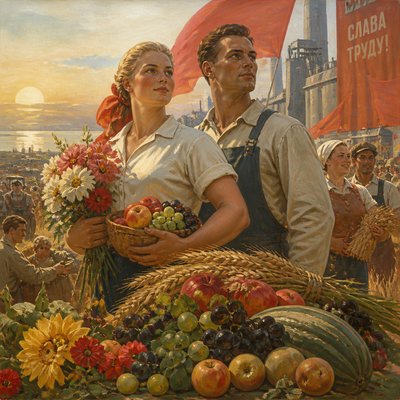
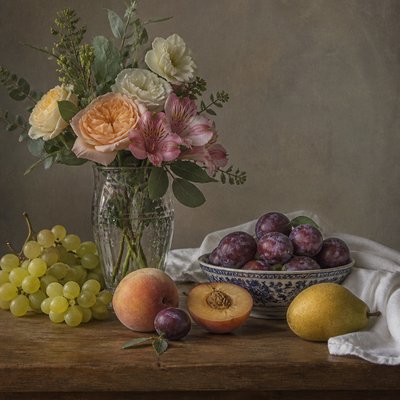
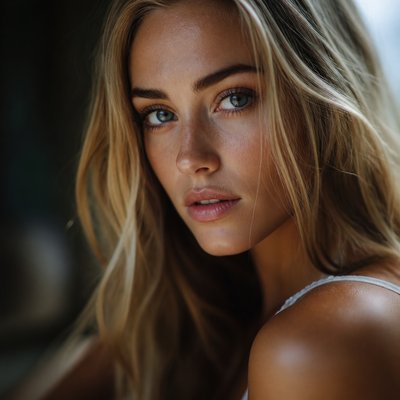
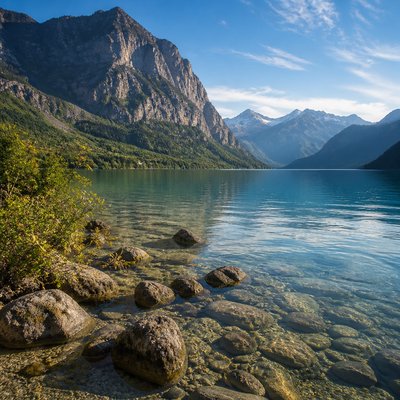
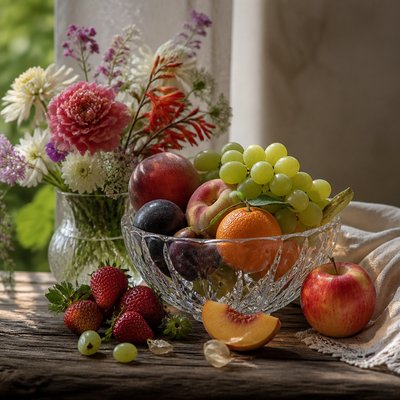
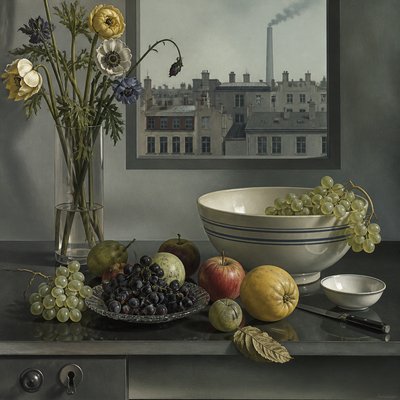
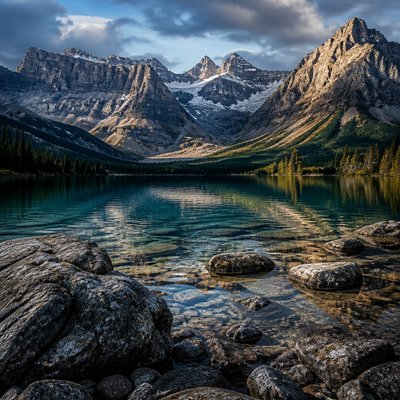
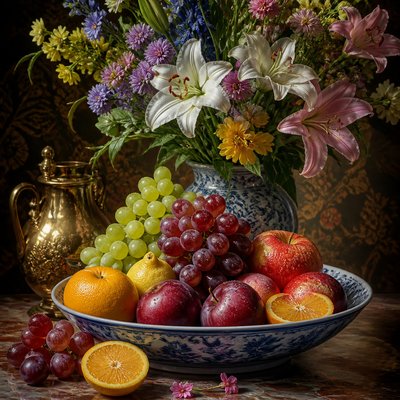
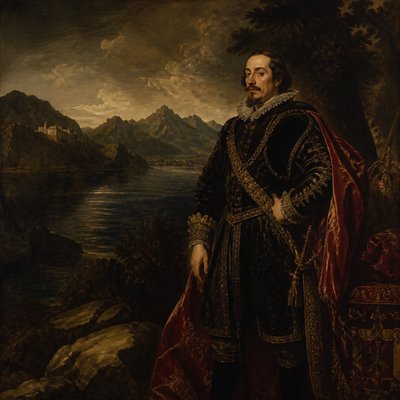
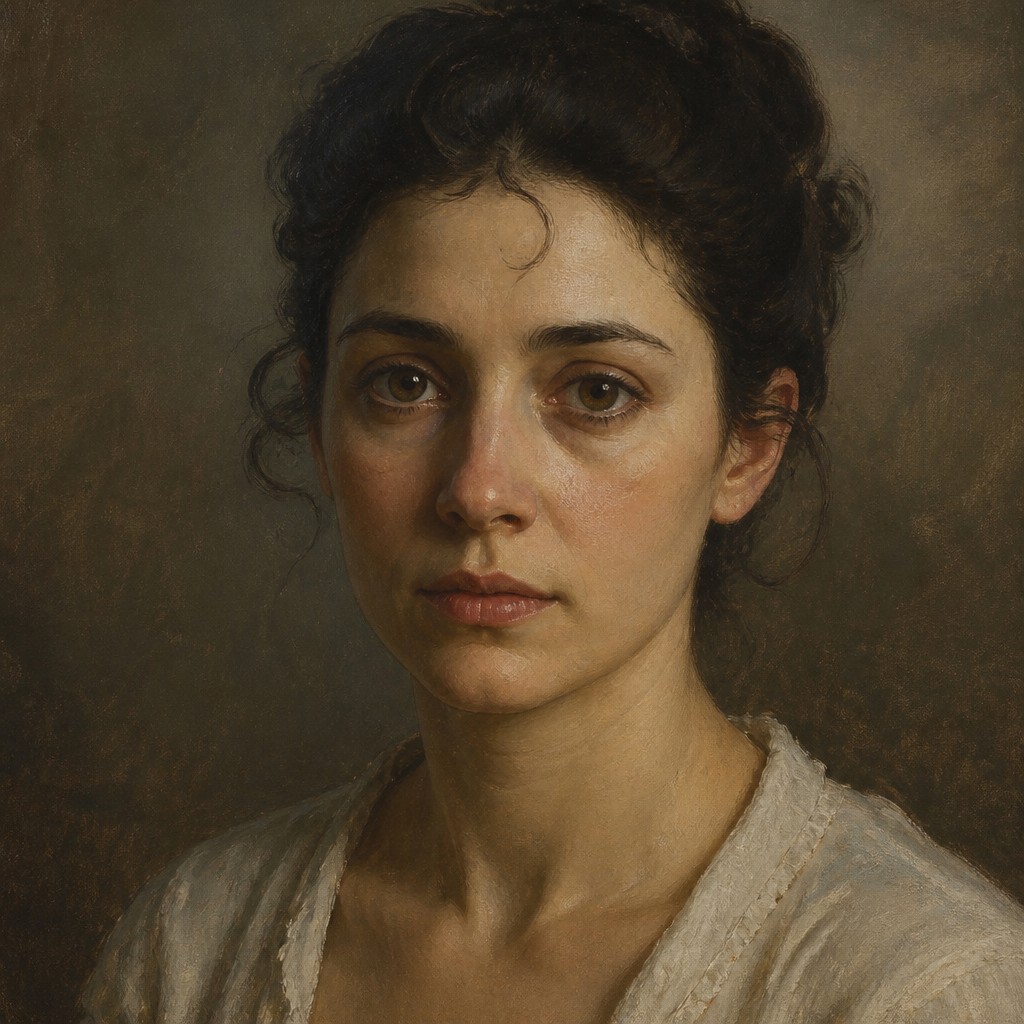
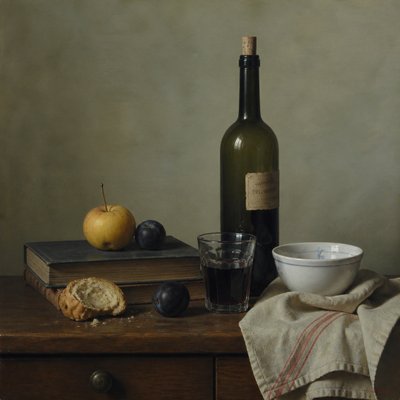
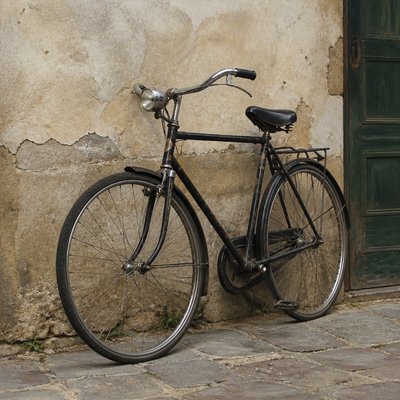
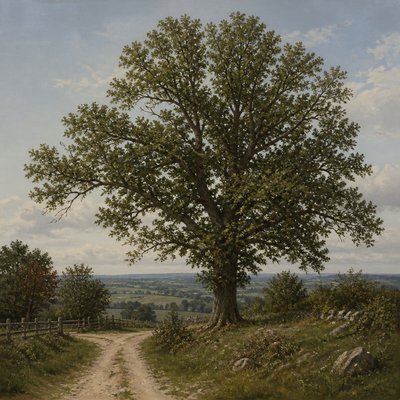
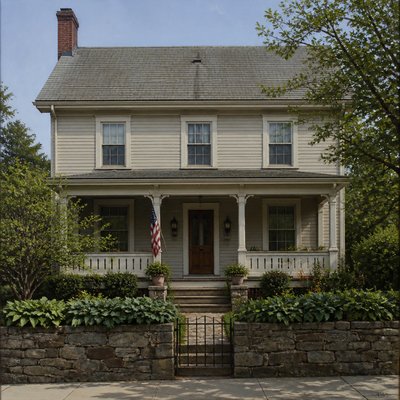
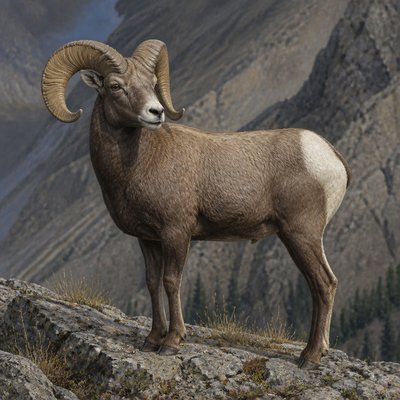
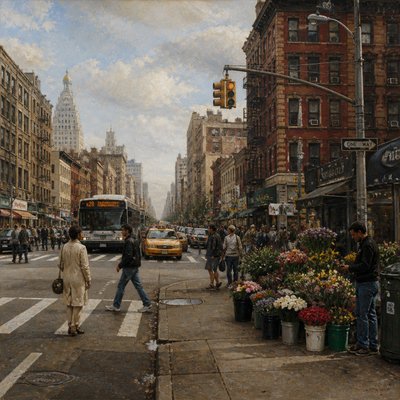
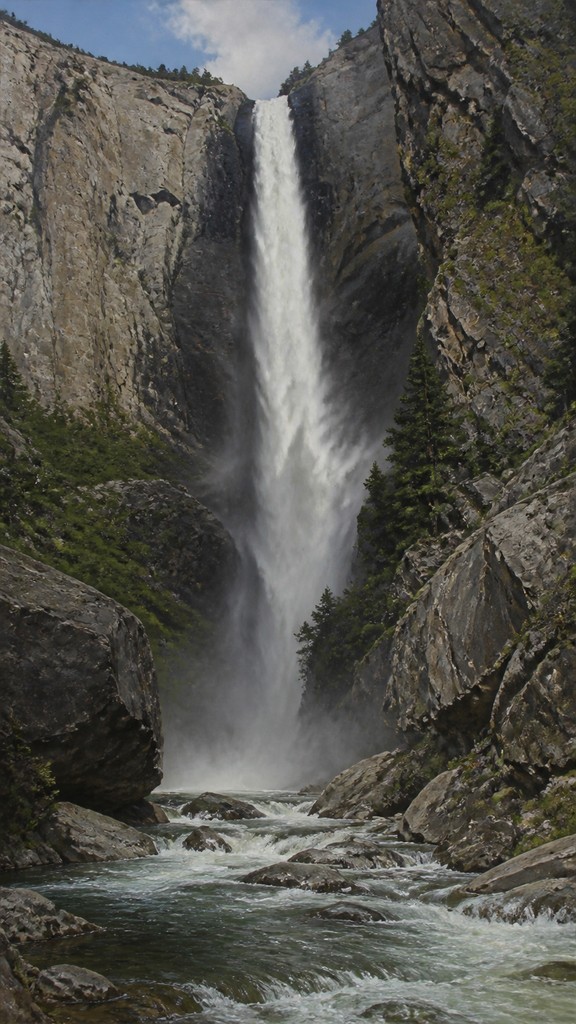
Realism focuses on accurate, unidealized depiction of life with exact proportions, natural light, and convincing detail.
Instantly rendered in Realism — or transform a photo
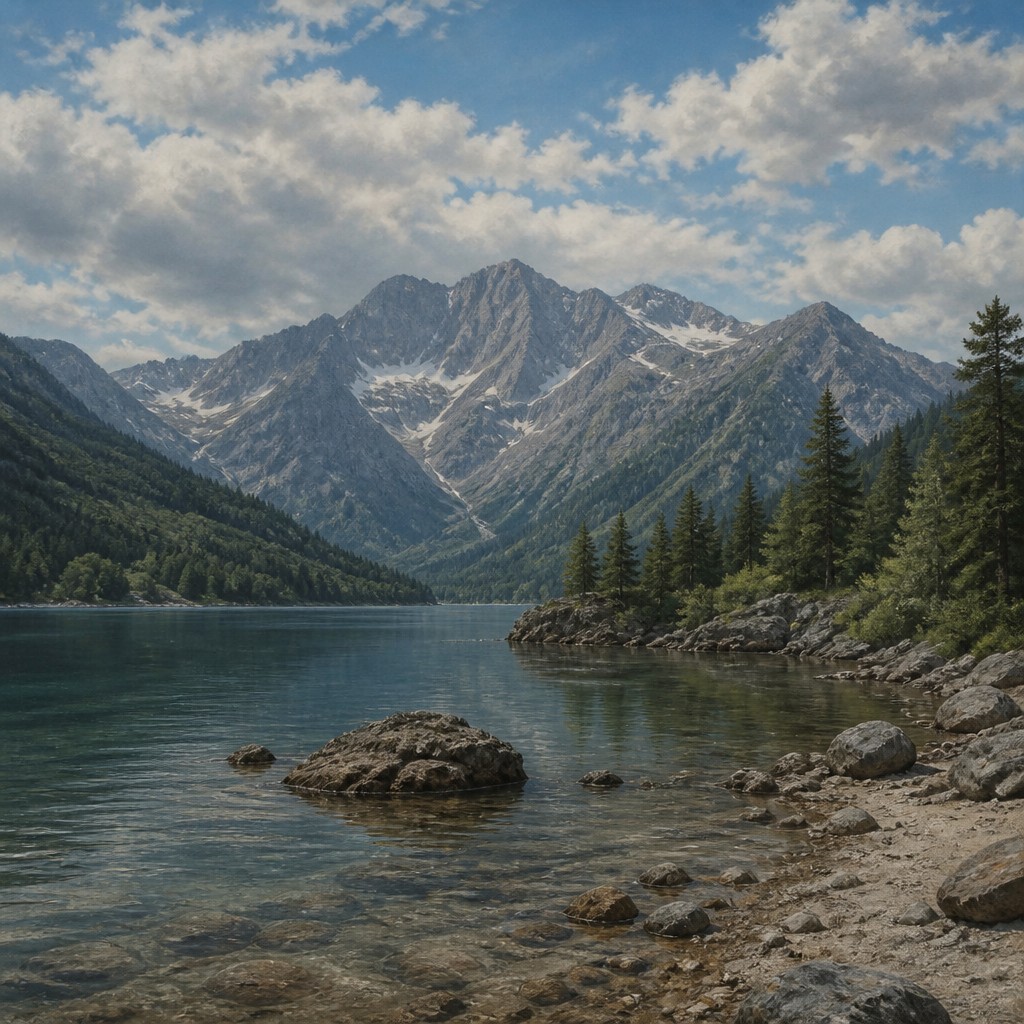
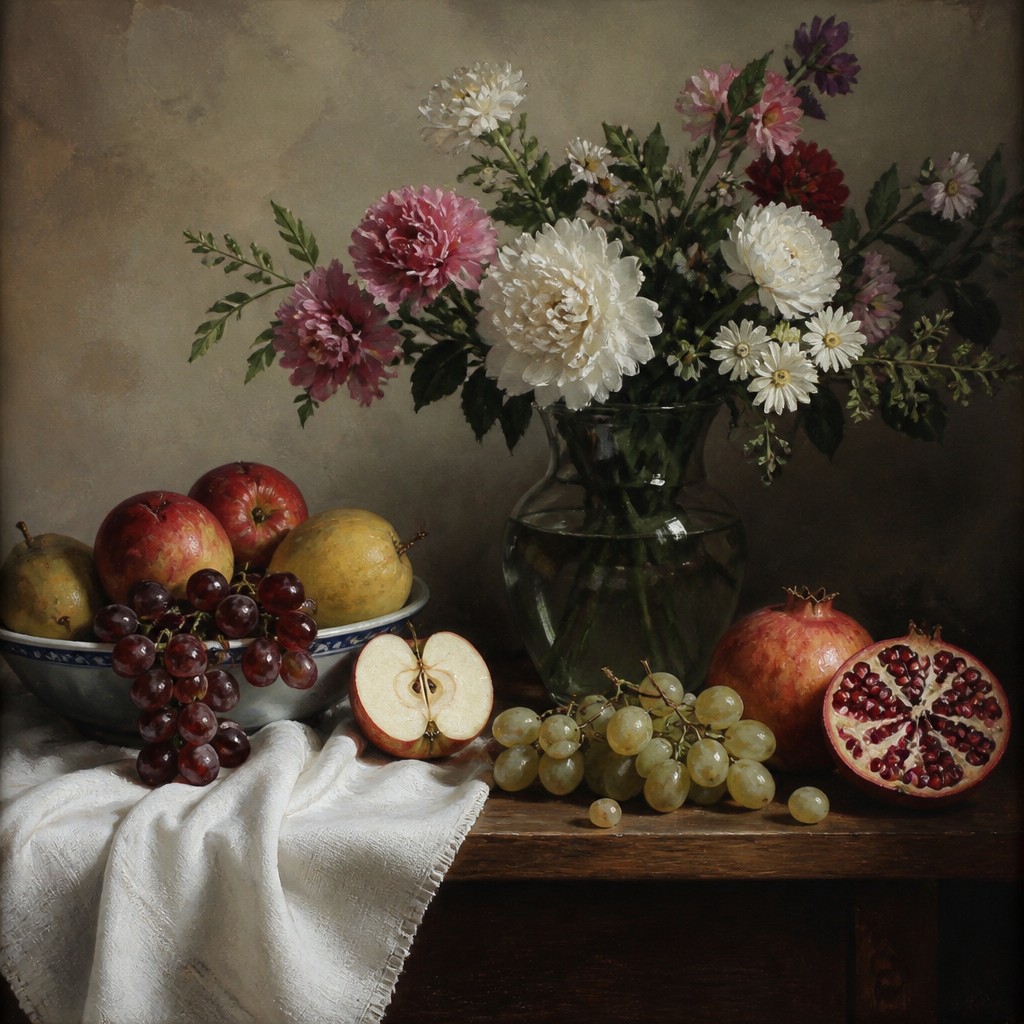
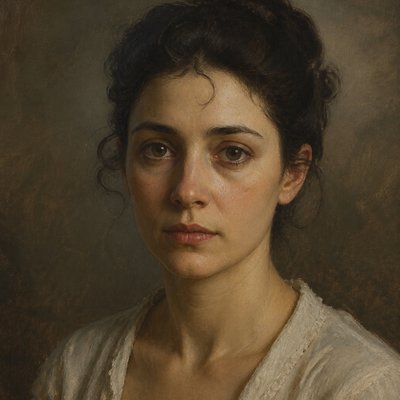
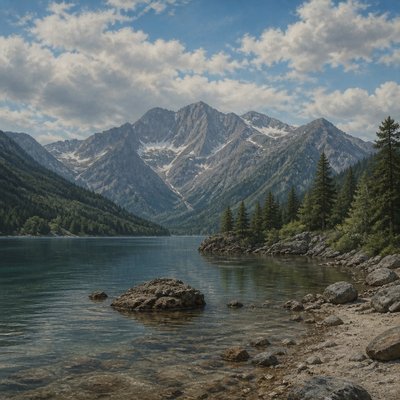
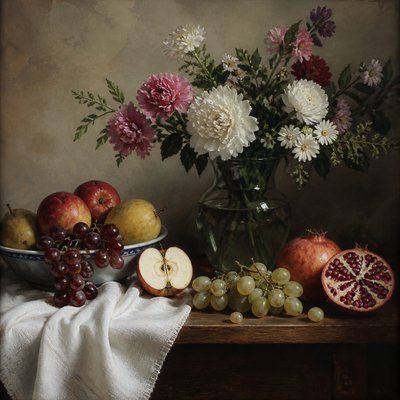
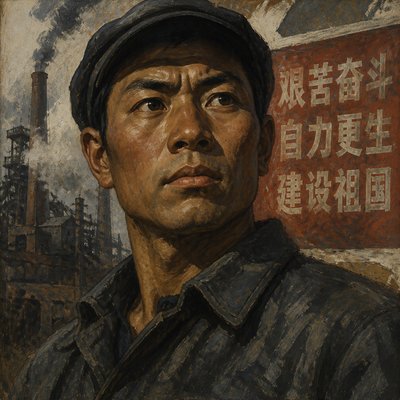
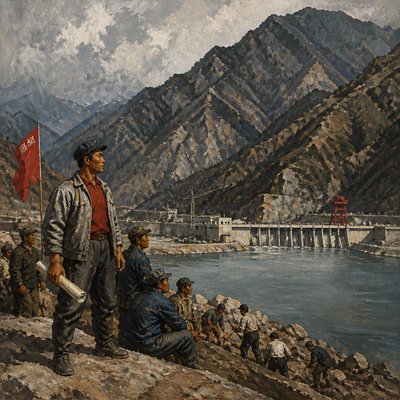
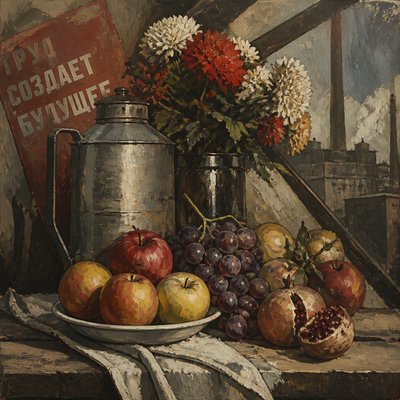
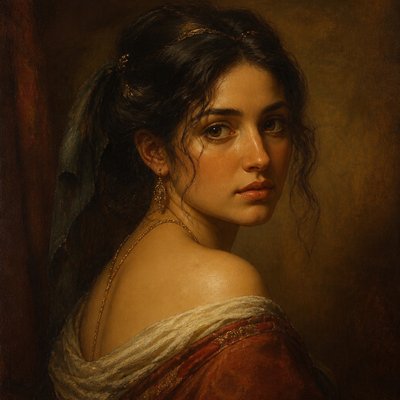
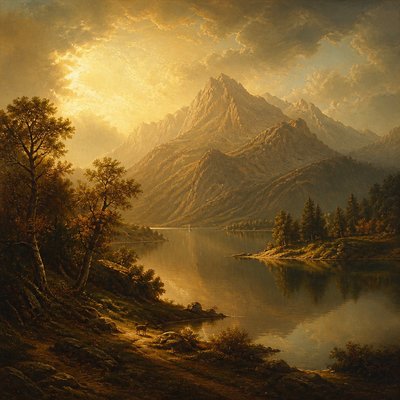
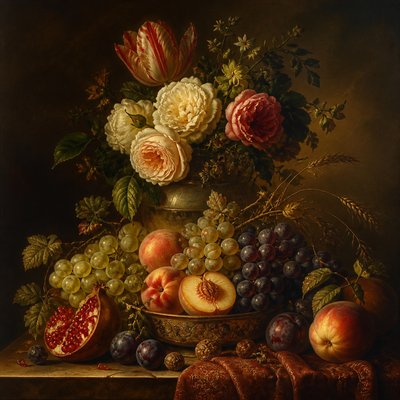
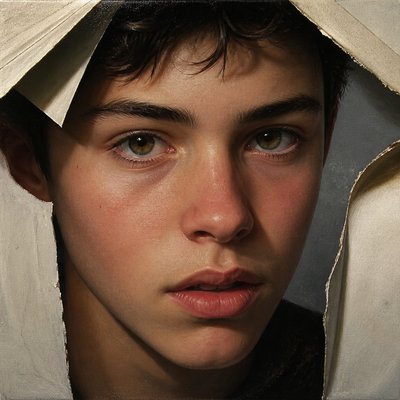
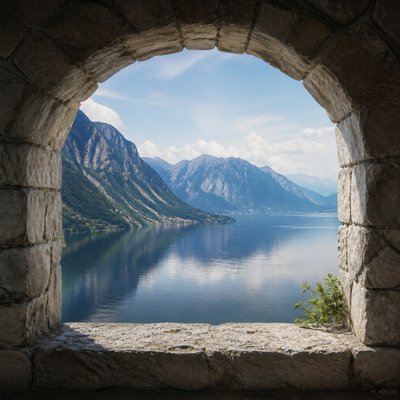
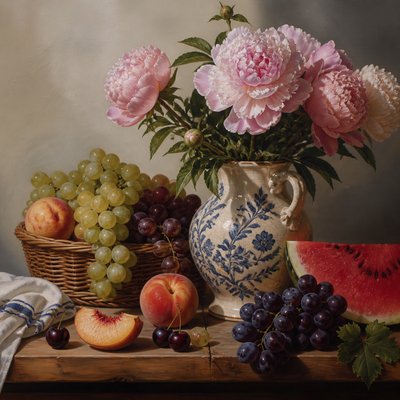
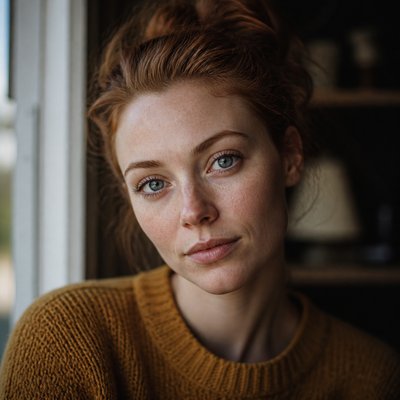
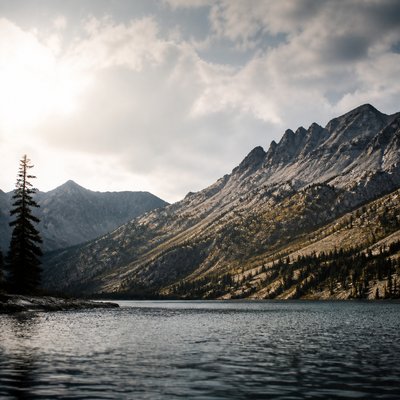
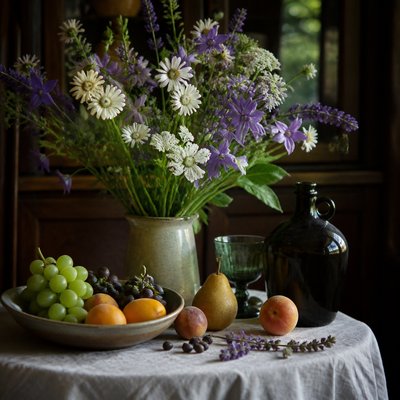
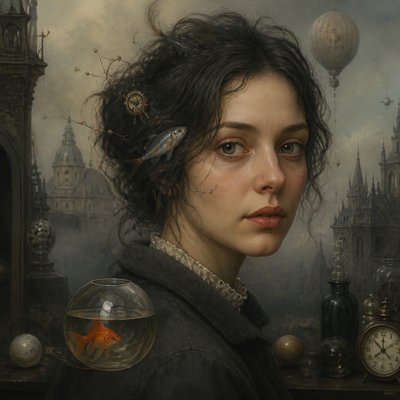
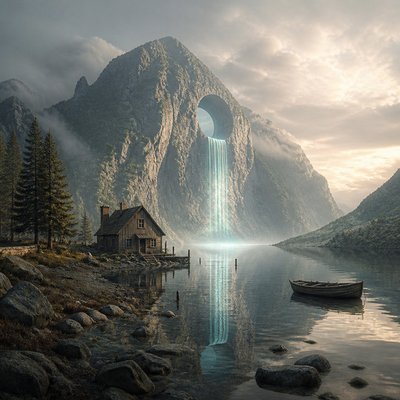
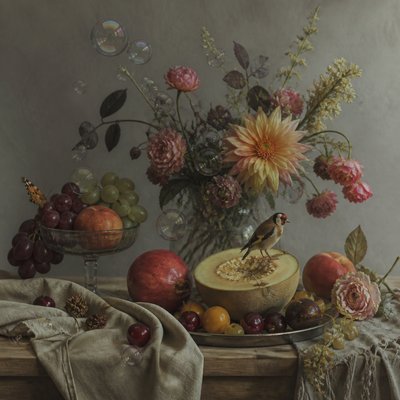
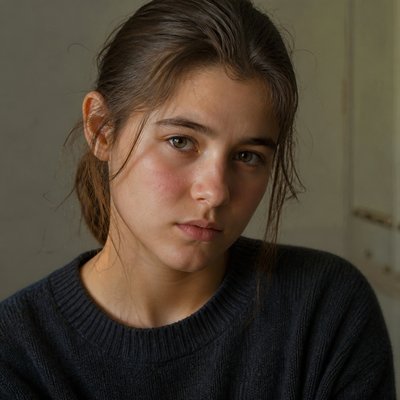
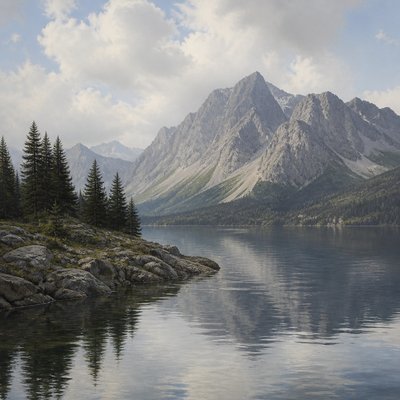
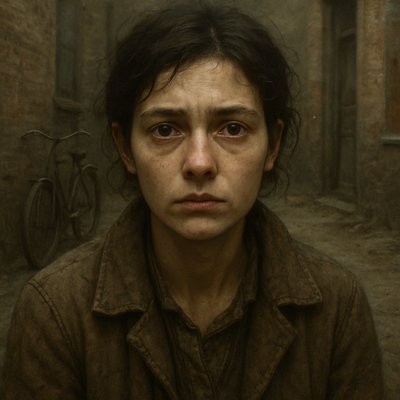
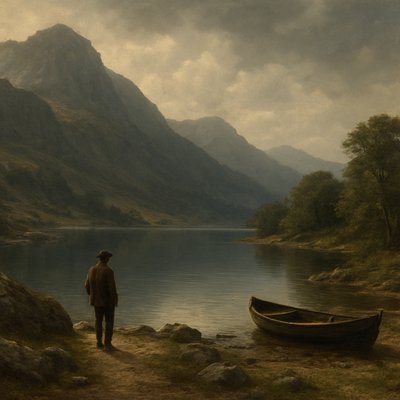
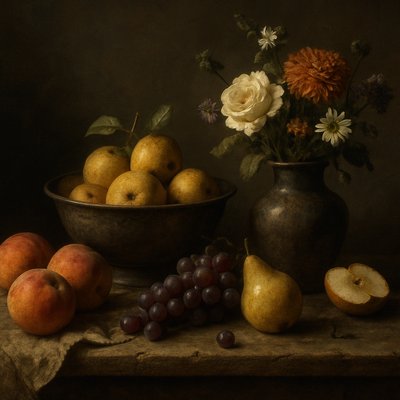
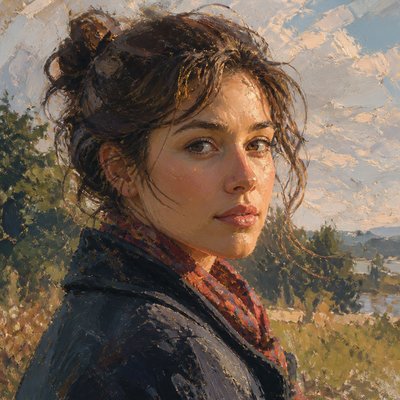
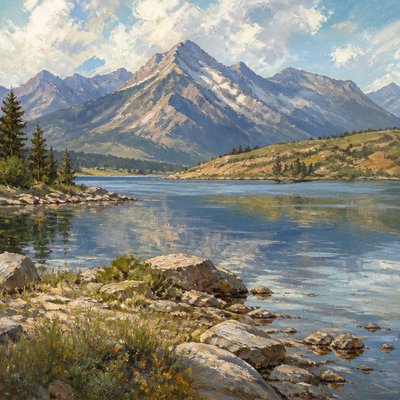
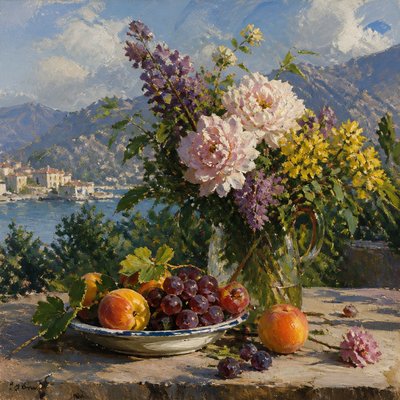
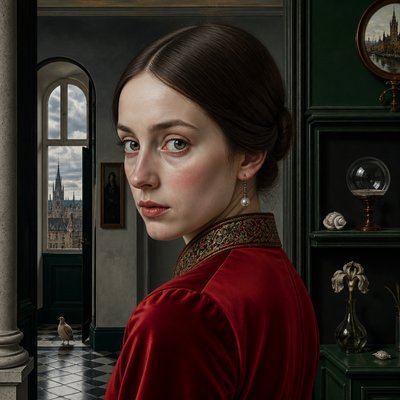
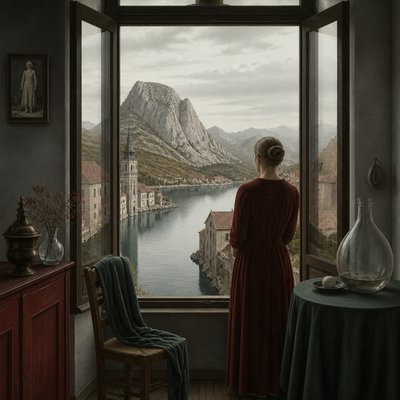
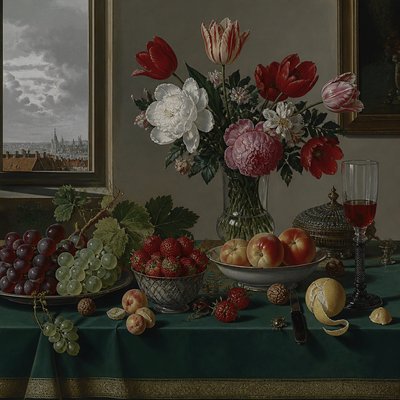
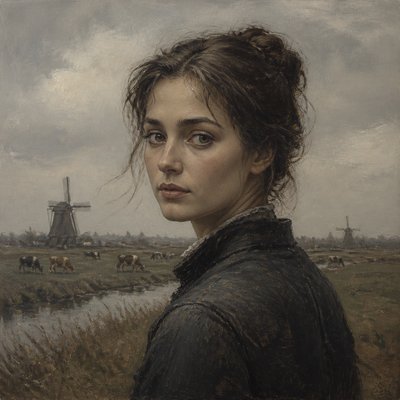
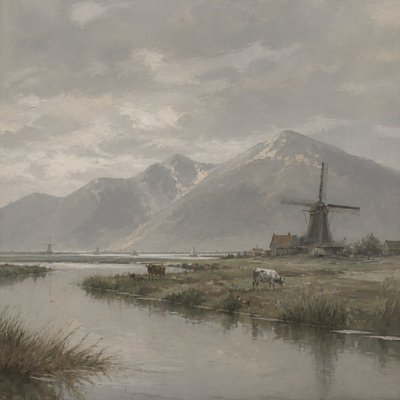
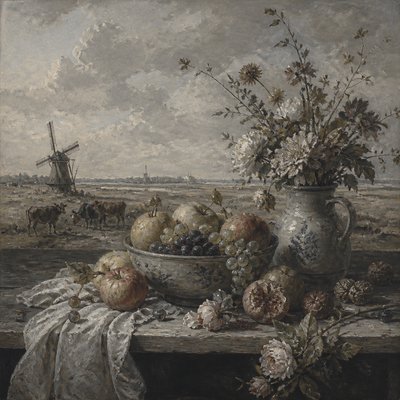
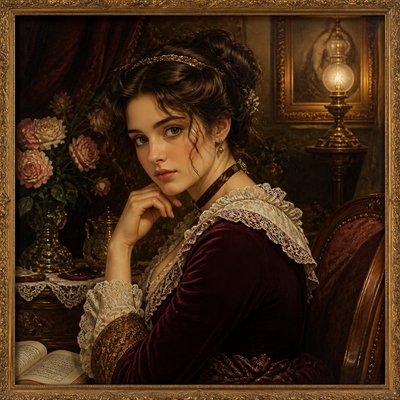
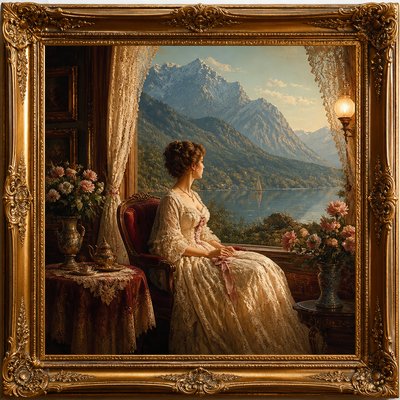
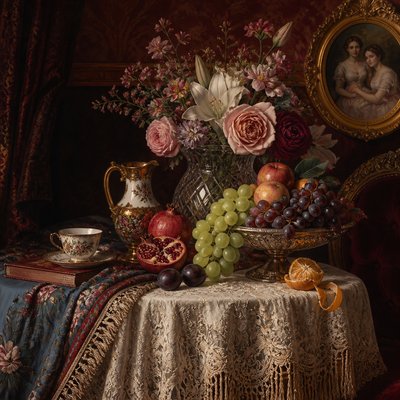
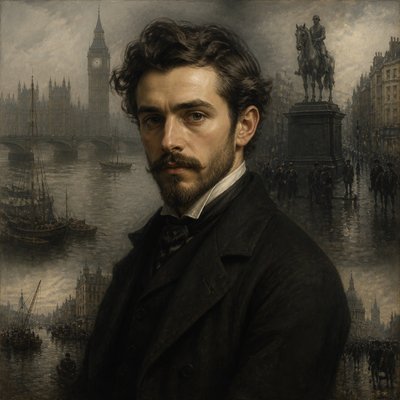
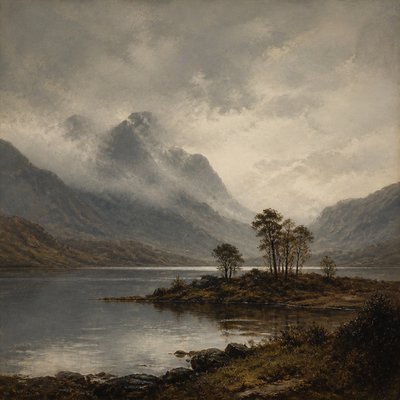
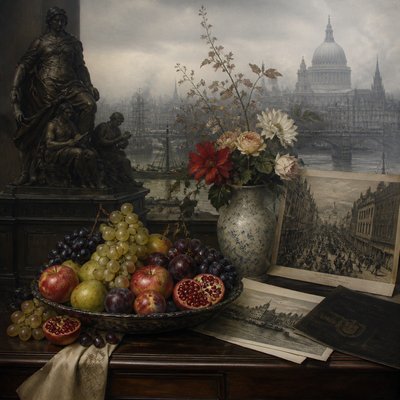
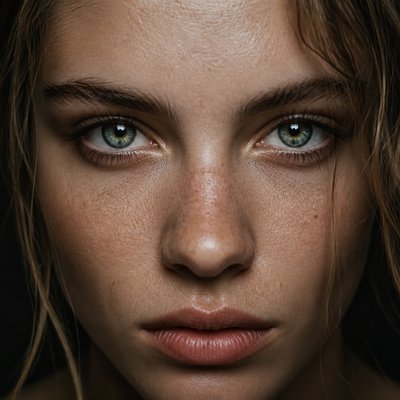
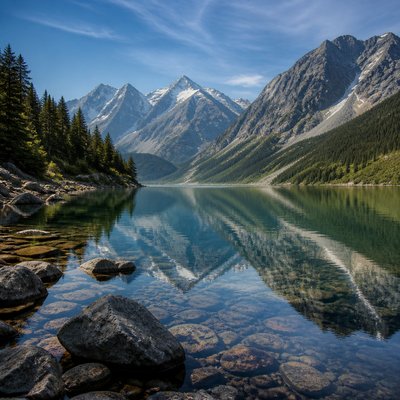
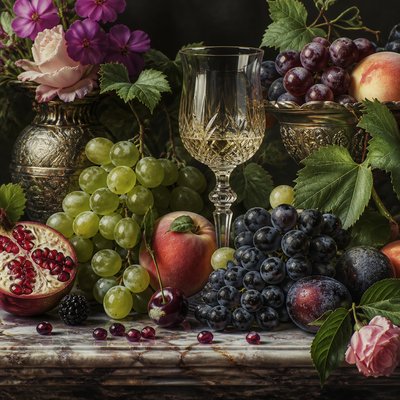
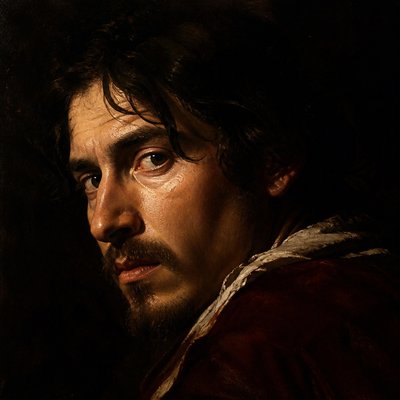
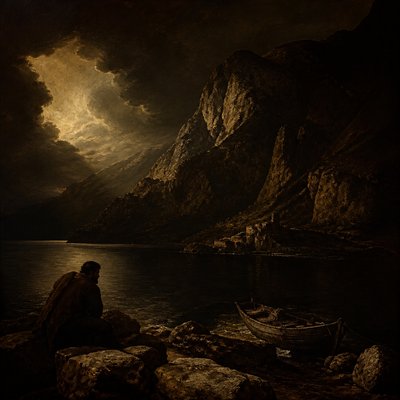
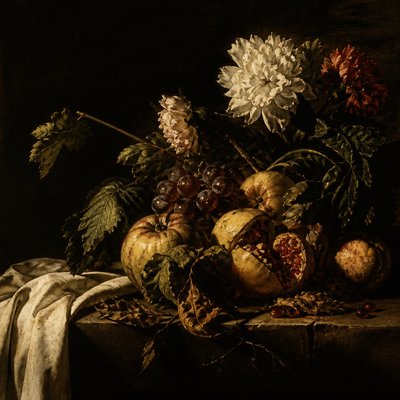
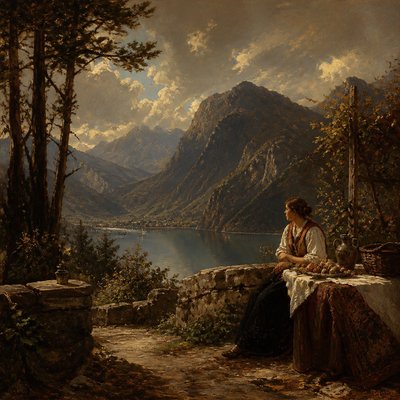
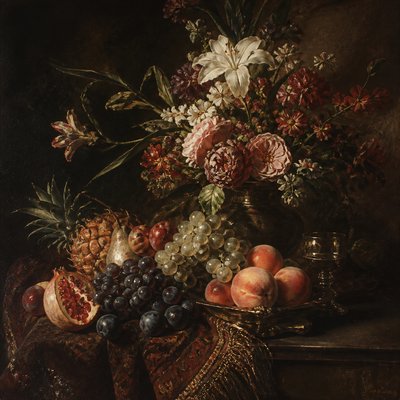
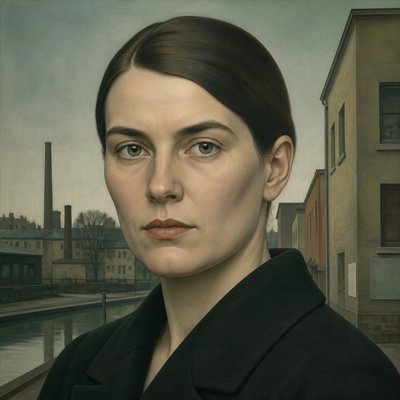
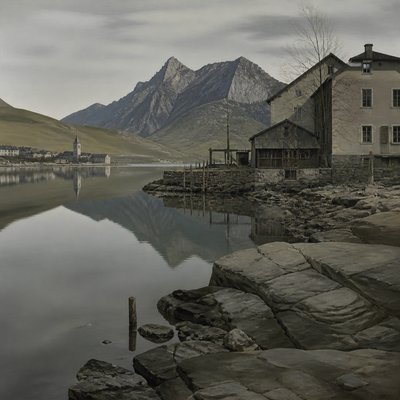
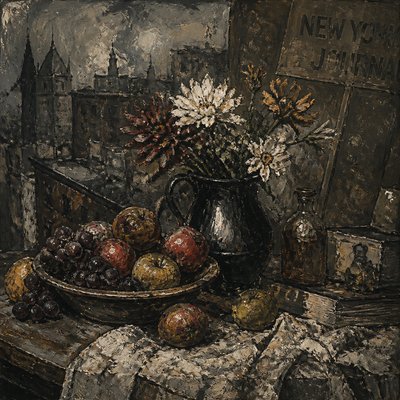
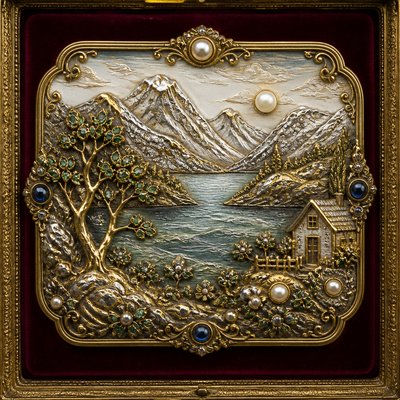
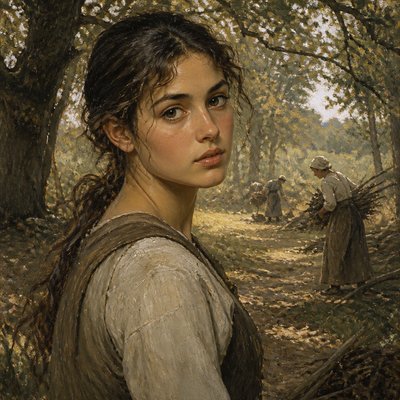
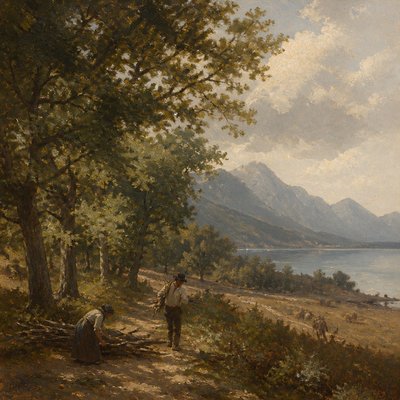
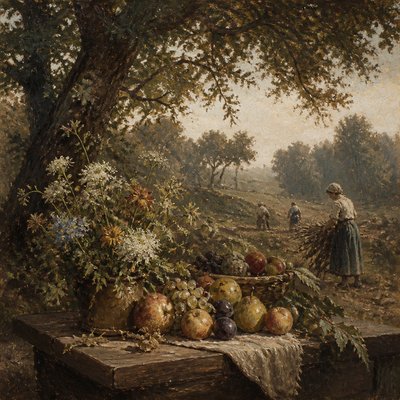
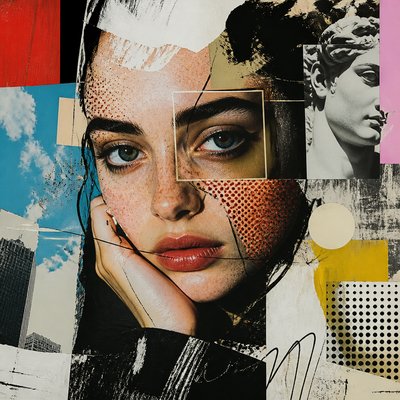
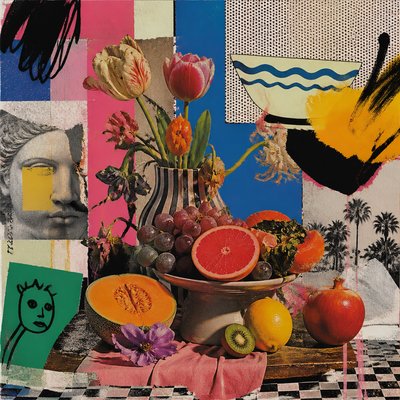
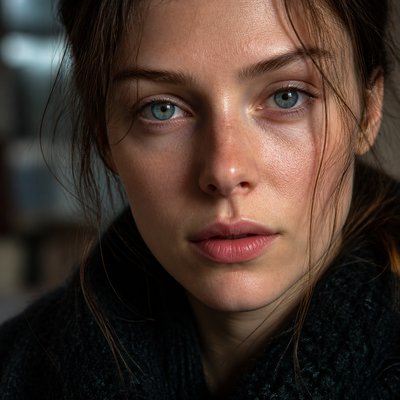
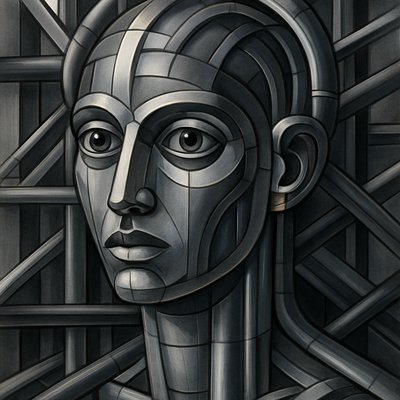
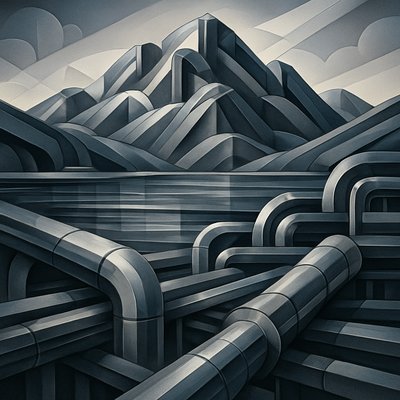
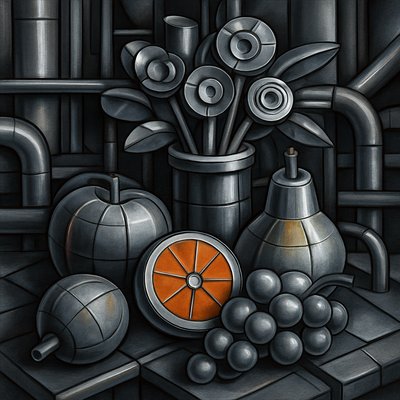
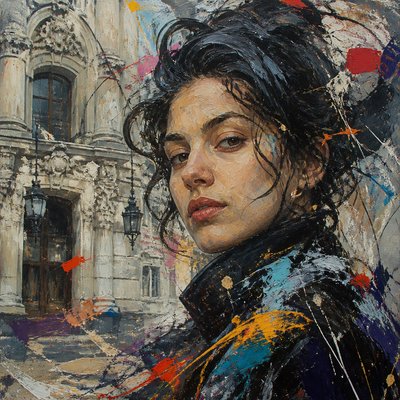
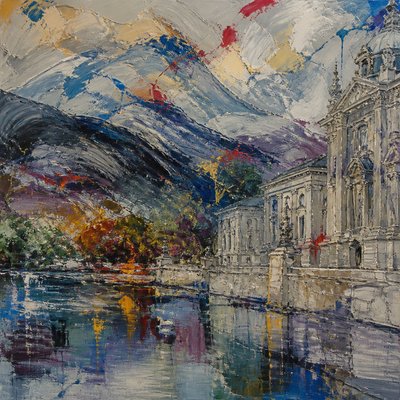
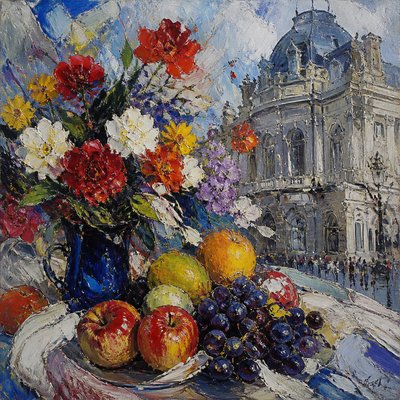
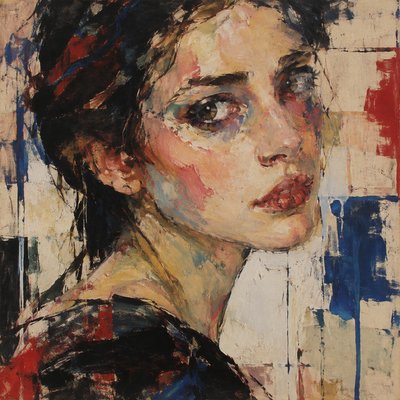
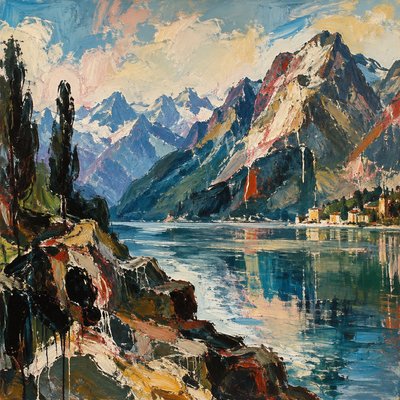
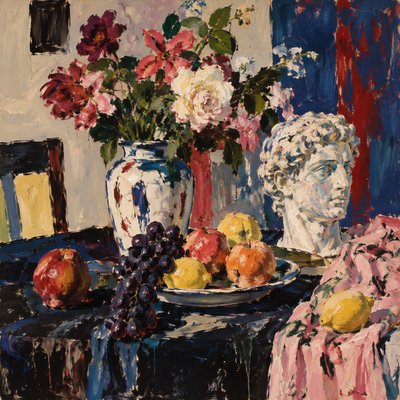
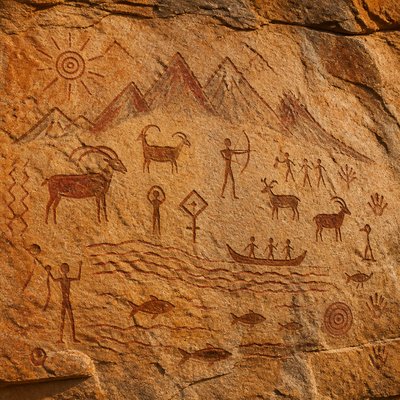
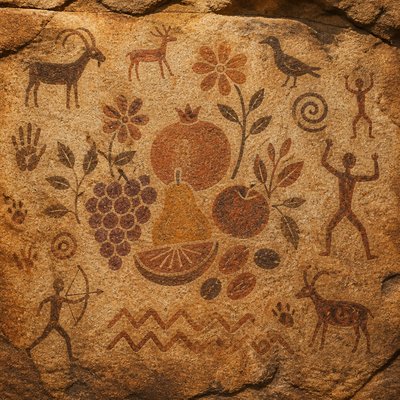
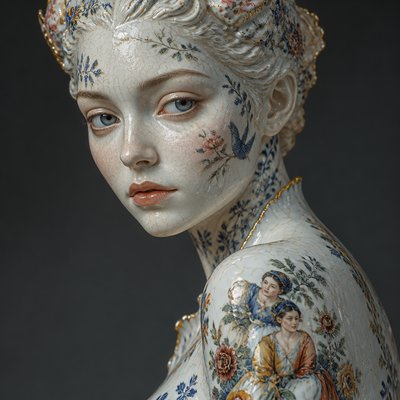
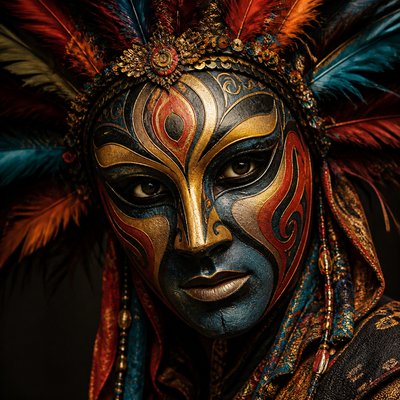
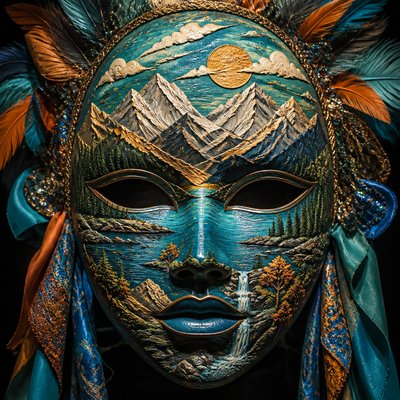
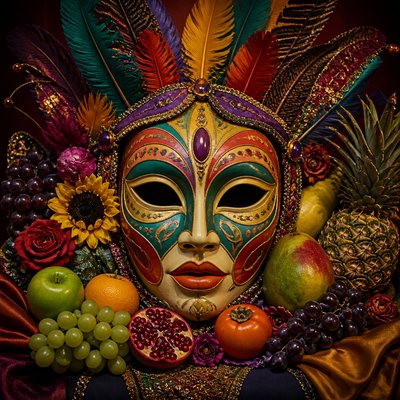
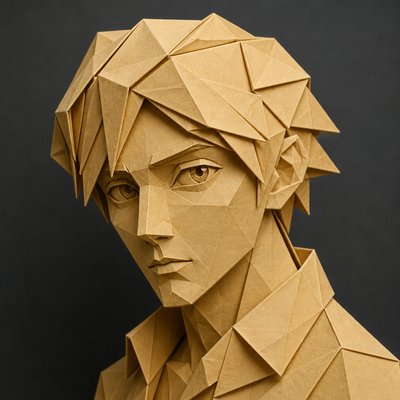
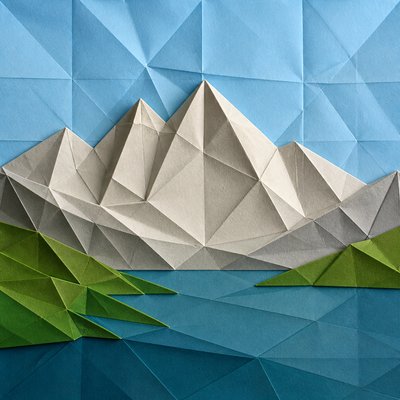
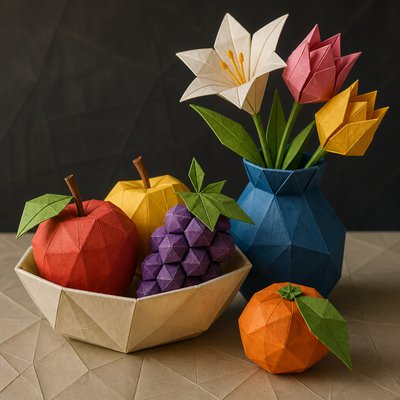
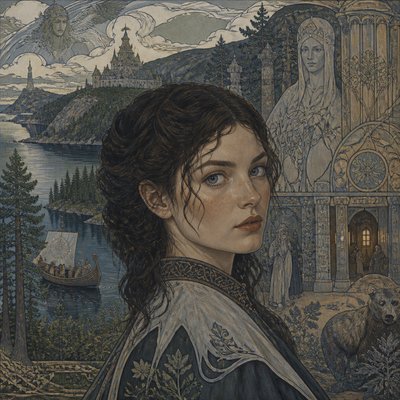
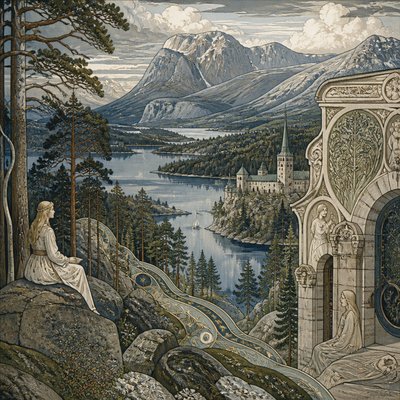
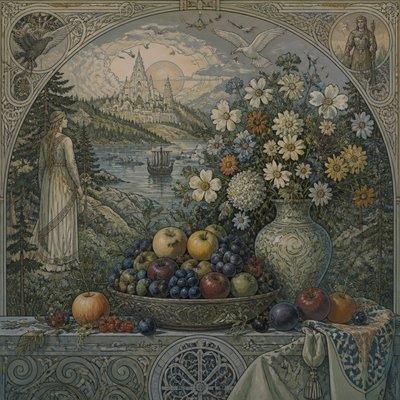
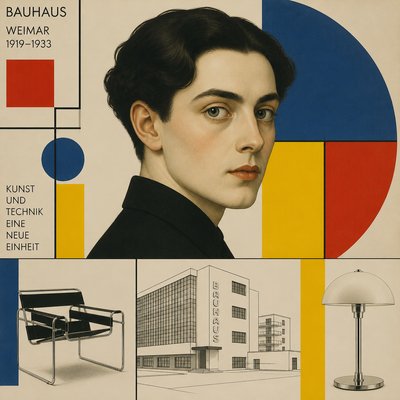
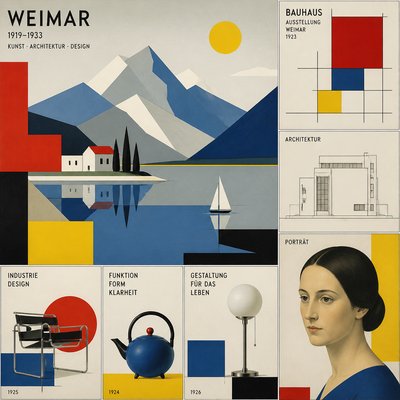
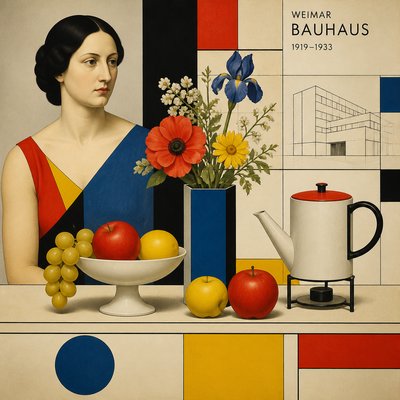
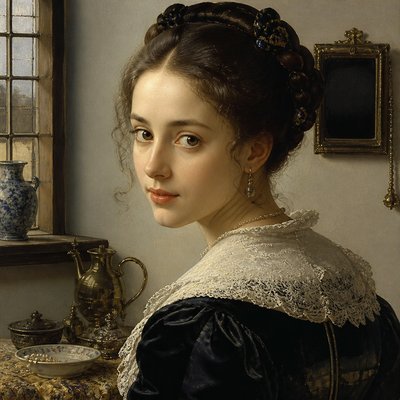
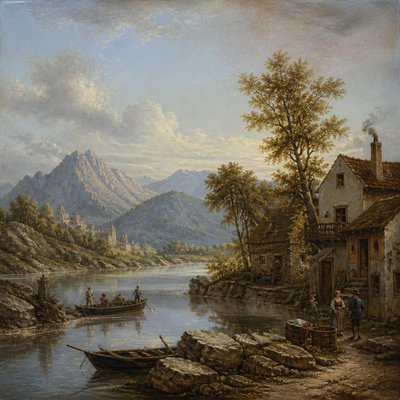
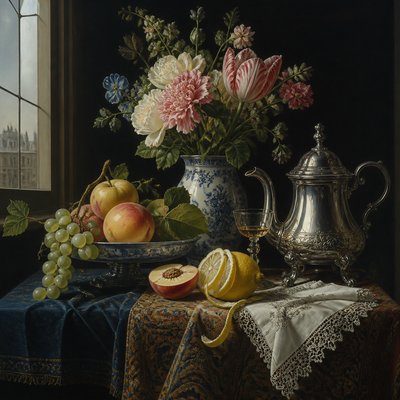
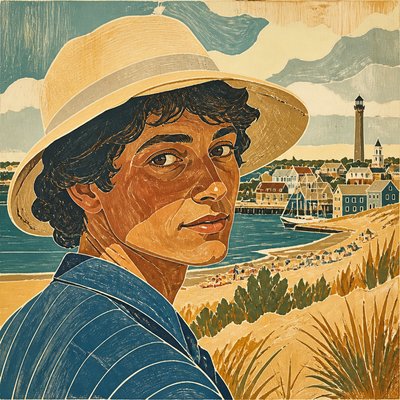
Realism Gallery
Tap any artwork to explore it
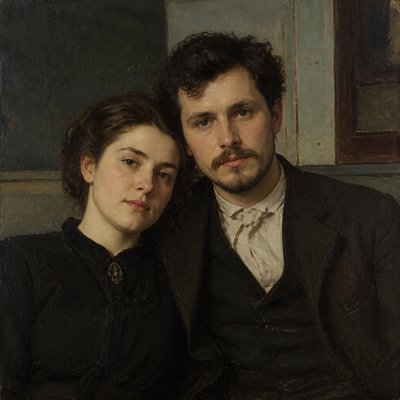
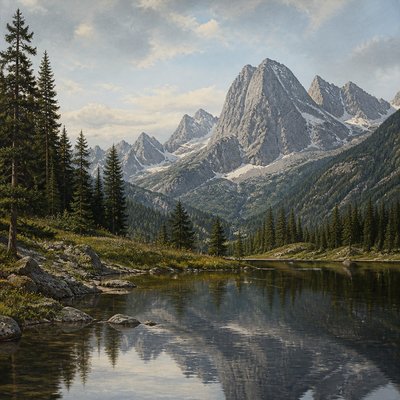
What is Realism Art Style?
Realism is an approach to art that seeks to represent subjects truthfully, as they appear in everyday life, without romantic exaggeration, symbolic distortion, or idealization. Its visual identity depends on close observation: accurate anatomy, believable space, natural light, and surfaces rendered with enough specificity that forms feel physically present.
The style looks the way it does because it prioritizes objective seeing over expressive simplification. Color is usually grounded in natural relationships rather than heightened palette effects, while modeling, perspective, and texture are used to make figures, objects, and environments read with documentary clarity. In practice, realism can range from tightly finished academic painting to more direct observational drawing, but its core commitment remains the same: fidelity to observed reality.
Try It On Your Photos
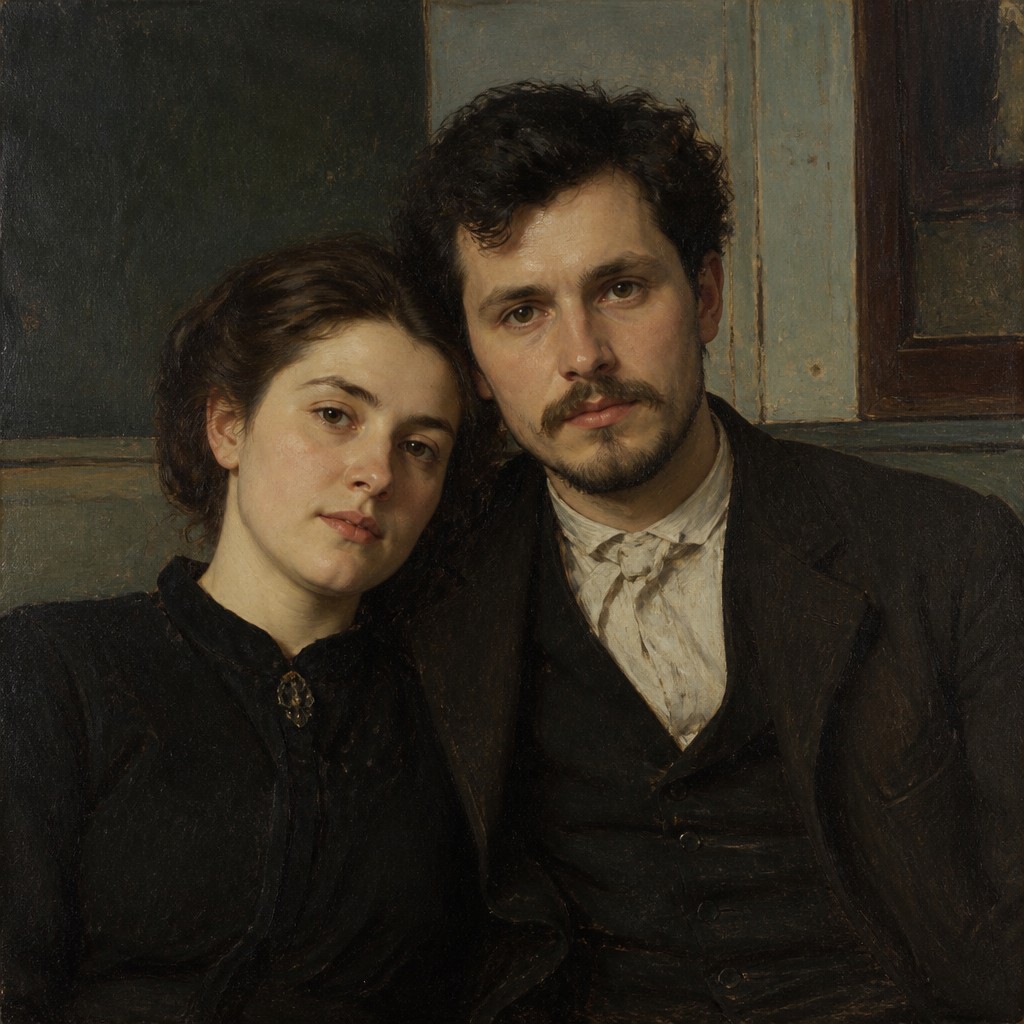
Upload any photo and convert it into Realism Art Style — drag the sliders to compare before and after.

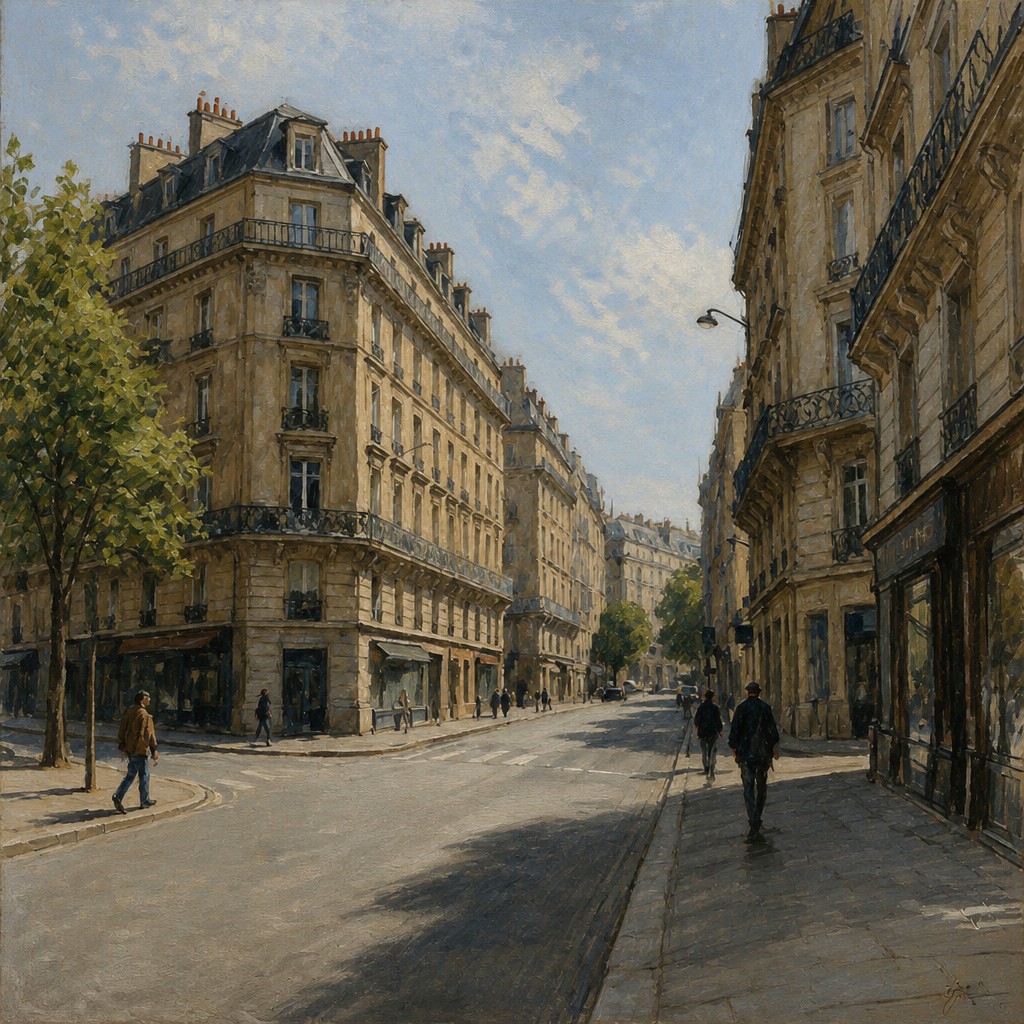

What Defines Realism Art Style
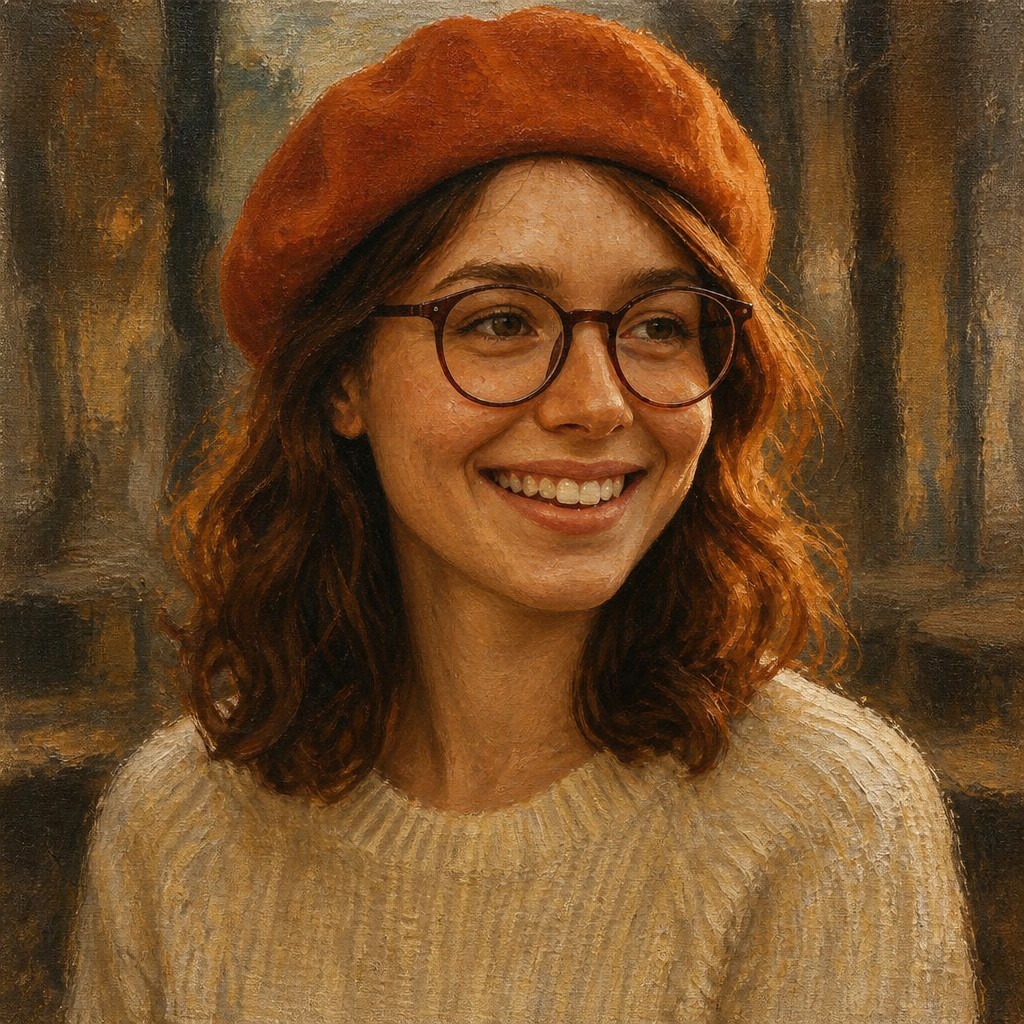
The signature details, up close
Accurate proportion and anatomy
Figures and objects are built from careful measurement and believable structure. The body is shown with convincing joints, weight, and spatial placement rather than stylized distortion.
Naturalistic color and value
Color relationships follow observed light and local color, with tonal values that make forms feel solid. Shadows, highlights, and reflected light are handled subtly rather than theatrically.
Convincing depth and perspective
Space is organized so that foreground, middle ground, and background read clearly. Perspective, foreshortening, and scale changes help create a stable three-dimensional world.
Material and surface truth
Fabrics, skin, wood, metal, stone, and other textures are rendered to preserve their distinctive qualities. The viewer can often infer touch, density, and finish from the handling.
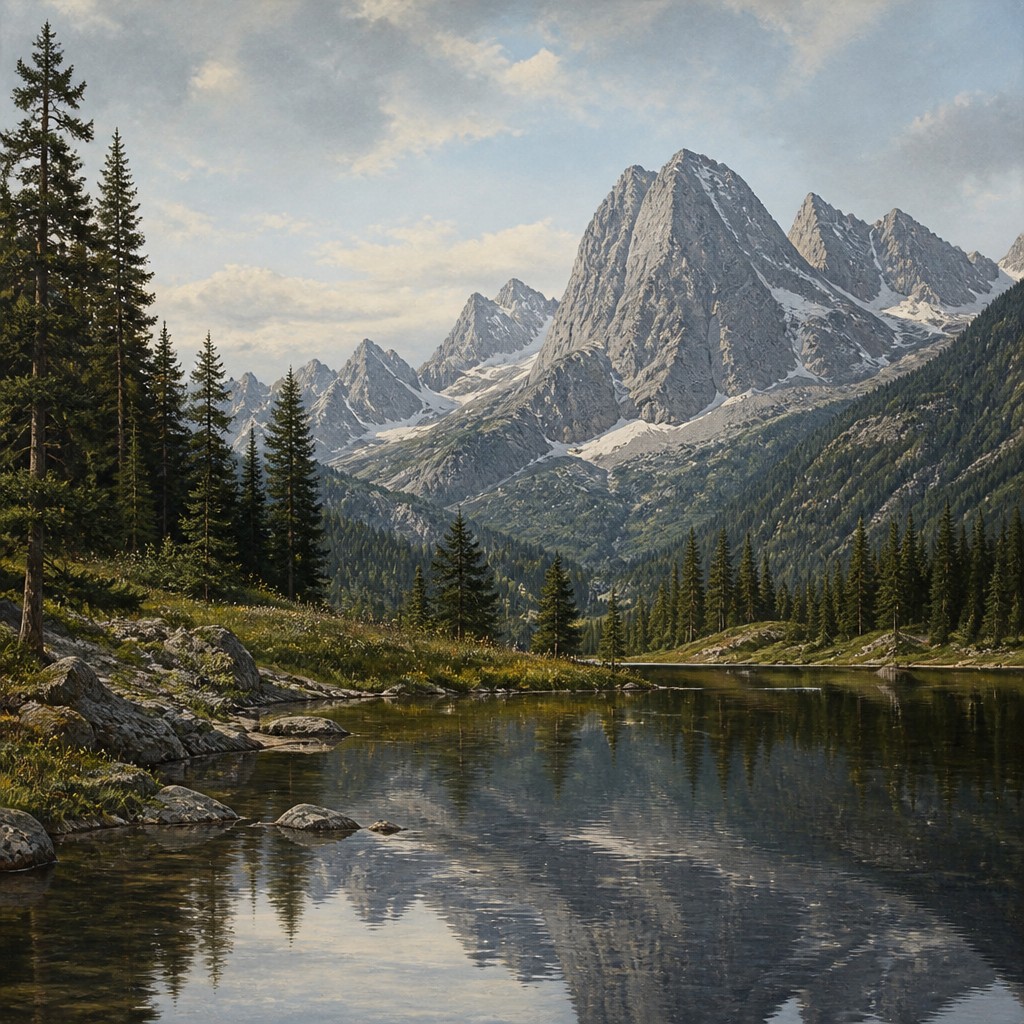
Controlled brushwork or mark-making
Strokes are typically subordinate to the illusion of the subject. Whether painted or drawn, the marks are organized to clarify form and avoid calling attention to themselves.
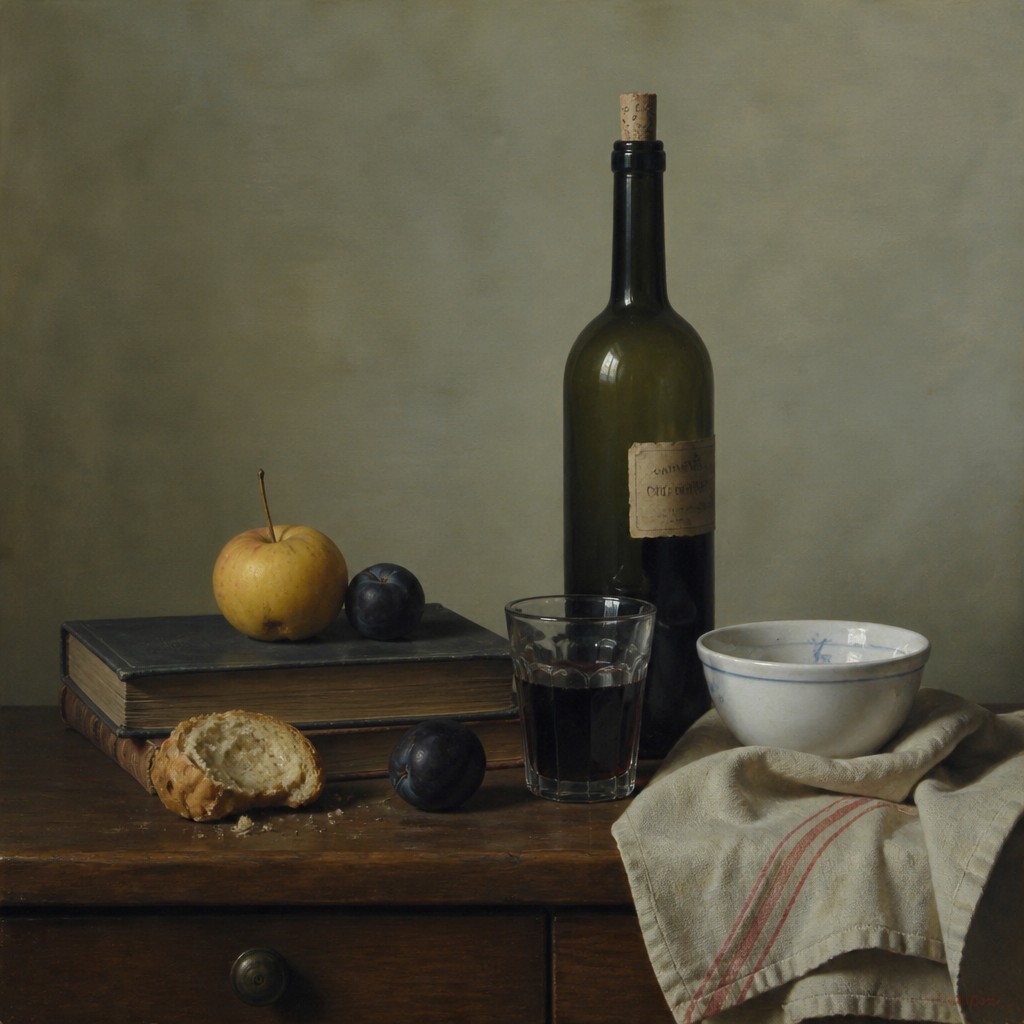
Unidealized observation
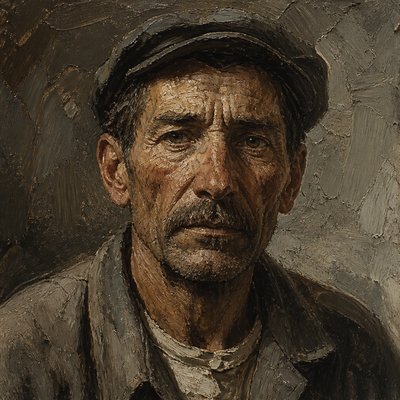
Realism does not smooth away wrinkles, asymmetry, wear, or ordinary details. The goal is credible presence, even when the subject is humble, aged, imperfect, or mundane.
Try It
Create Videos in Realism Art Style
Styles aren't just for stills — describe a scene or animate an image and get a short video rendered in Realism. Press play to see this pond come to life.
Make a VideoRealism Prompt Ideas
Start from an idea — each one opens the generator with the style ready to go. See all 40 Realism prompts →
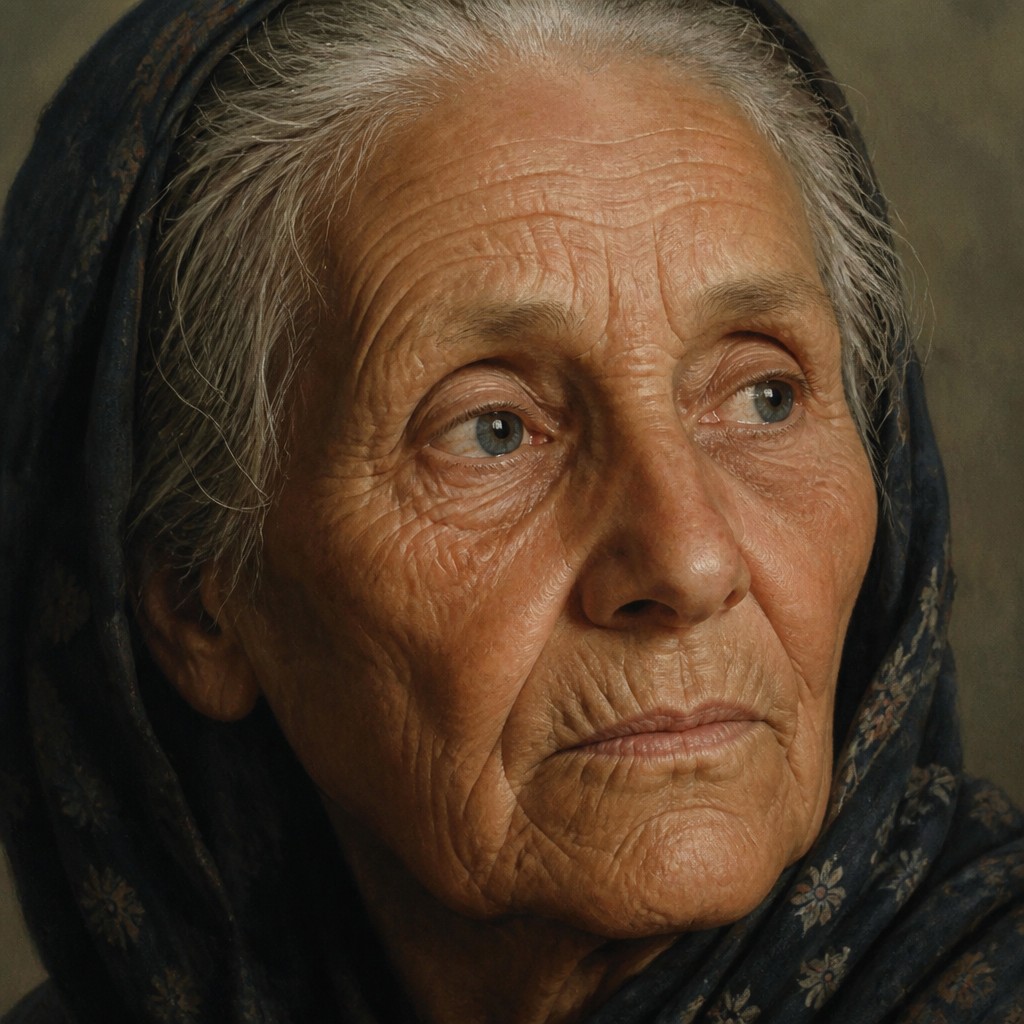
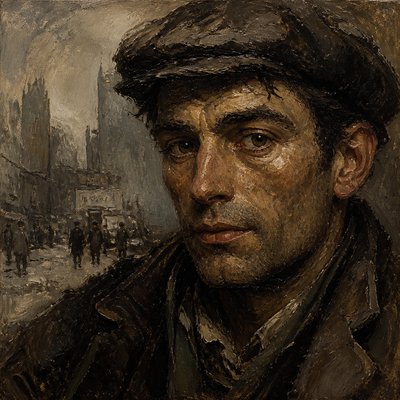
“close-up portrait of an elderly person with expressive weathered features”
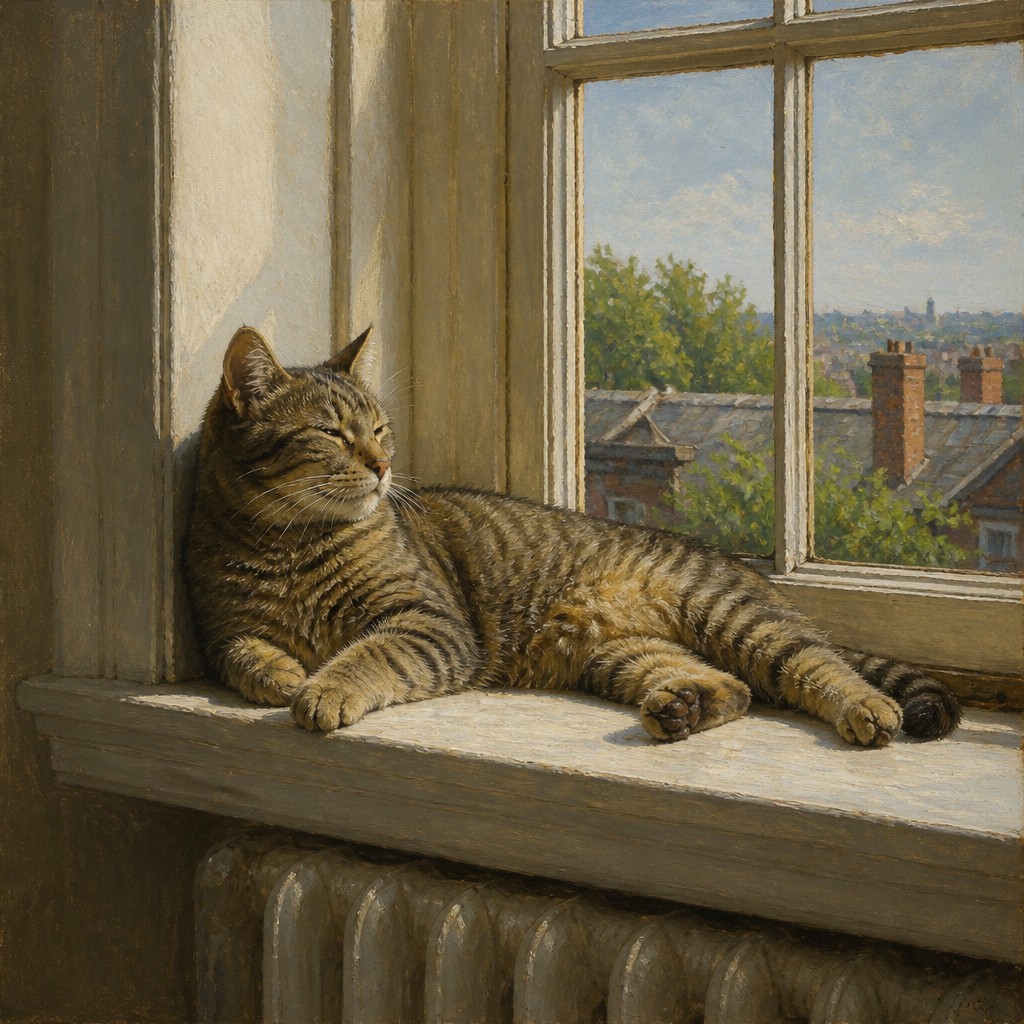
“a cat lounging in a sunlit window”
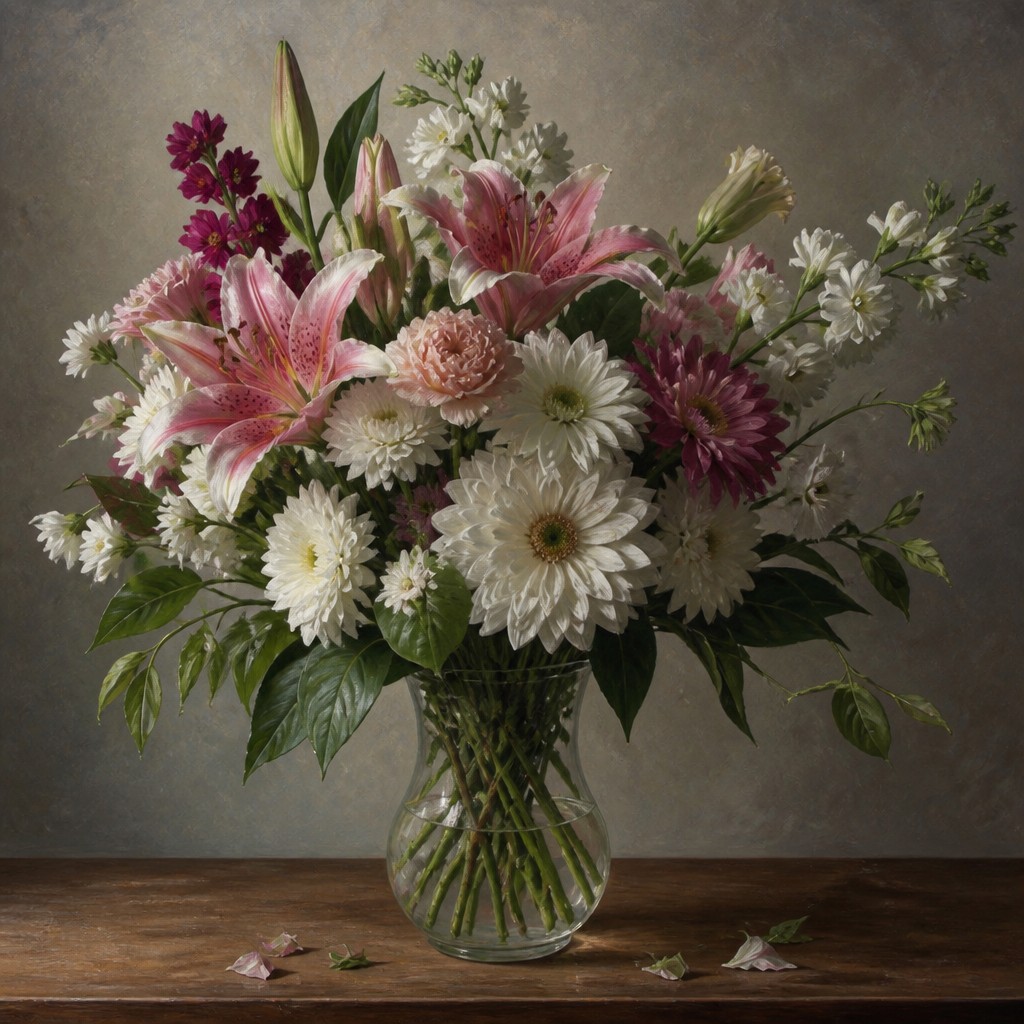
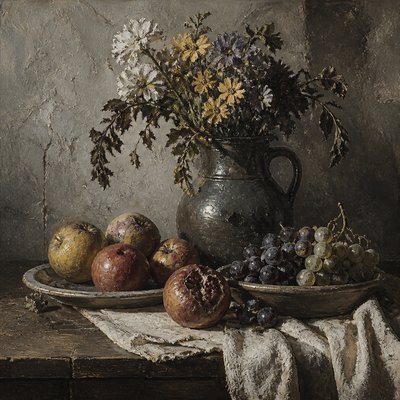
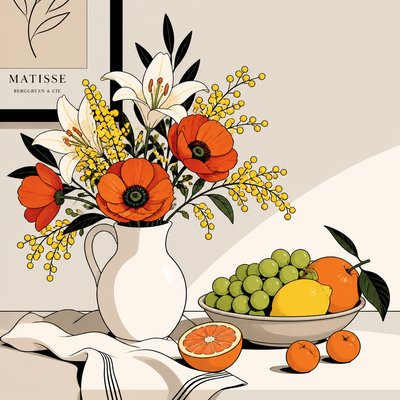
“bouquet of flowers in a glass vase”
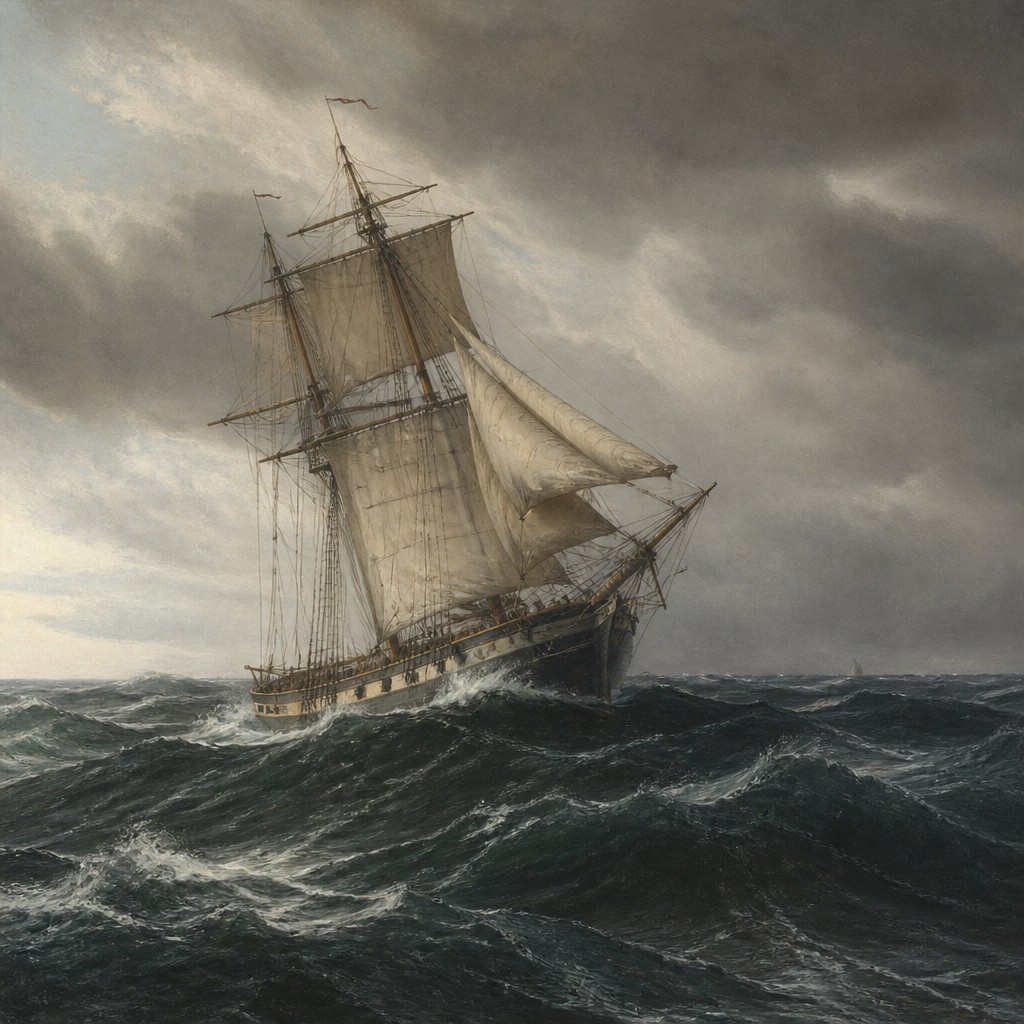
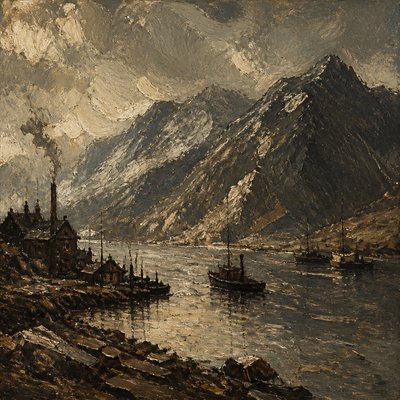
“sailing ship on a stormy sea”
How to Create Realism Art
Master the craft step by step — or skip straight to creating. Read the full guide →
- 1
Begin with careful observation
Use life drawing, photo reference, or direct observation to establish accurate proportions, gesture, and spatial relationships before adding detail. Measure major shapes first, then refine secondary forms and edges.
- 2
Build form with values
Think in light and shadow rather than outlines alone. In painting or digital work, model forms with gradual transitions so the subject turns convincingly in space.
- 3
Match color to lighting conditions
Avoid using local colors in isolation; adjust them according to the scene's light temperature, surrounding reflections, and atmosphere. For digital work, keep saturation under control unless the real subject justifies stronger color.
- 4
Render textures selectively
Describe only the textures that matter to the subject, such as skin pores, worn fabric, polished metal, or rough plaster. Over-rendering every area equally can flatten the image and reduce realism.
- 5
Use a prompt that emphasizes observation
When generating images, specify accurate proportions, natural light, true-to-life detail, and unidealized documentation. Subject terms work best when paired with concrete cues such as setting, material, lens-like framing, or era.
- 6
Keep stylization minimal
If working from a prompt or transforming a photo, avoid heavy abstraction, exaggerated contrast, or decorative effects that compete with faithful depiction. The strongest results come from clear subject description and restrained visual direction.
The Story
History & Origins of Realism
As a distinct artistic program, realism emerged in 19th-century France, where artists and critics used the term to describe a break with idealized academic history painting and sentimental subject matter. Painters such as leading French realist painters and a major rural-life painter made ordinary people, labor, rural life, and contemporary conditions central subjects, insisting that modern life could be represented with seriousness and honesty.
The broader realist tradition, however, reaches back much further, including Dutch and Spanish naturalism, genre painting, and the observational discipline of academic training. In the 19th and 20th centuries, realism expanded into socially engaged painting, portraiture, realist drawing, documentary illustration, and later photographic realism and hyperrealism, while retaining its emphasis on visible fact, material credibility, and the careful study of the world as it is seen.
Influences: Realism is closely related to the broader traditions of naturalism, academic drawing, genre painting, and documentary observation. In historical painting, artists such as leading French realist painters, a major rural-life painter, and a major satirical realist draftsman are central to its development, while earlier precedents can be seen in the careful naturalism of Dutch painters such as a major Dutch chiaroscuro master and a leading Dutch interior painter, and in Spanish painting such as a leading Baroque court painter. Later realist practice also overlaps with portraiture, social realism, and photography's commitment to visible fact.
Frequently Asked Questions
What defines realism in art?
Realism is defined by faithful, unidealized depiction of the visible world. It emphasizes accurate anatomy, believable space, natural light, and honest detail rather than symbolism or exaggeration.
How is realism different from photorealism?
Realism aims for convincing natural depiction, but it does not require the image to look exactly like a photograph. Photorealism is narrower and more mechanically precise, often reproducing photographic detail and surface effects with extreme exactness.
Is realism the same as naturalism?
The two terms overlap, but realism usually refers to truthful representation of everyday subjects and conditions, while naturalism often stresses observation of nature and the human body in a more scientific or descriptive way. In practice, many artworks share elements of both.
What subjects work best in realism?
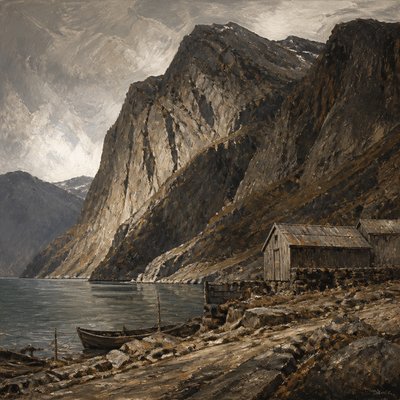
Nearly any subject can be treated realistically, but portraiture, still life, landscapes, interiors, labor scenes, and ordinary daily life are especially common. These subjects reward close observation of light, texture, and proportion.
What techniques help make an image look realistic?
Strong draftsmanship, accurate perspective, careful value structure, and subtle color relationships are essential. Attention to edges, reflected light, and varied texture also helps create convincing physical presence.
Where is realism used today?
Realism remains common in painting, drawing, illustration, film concept work, editorial imagery, figurative sculpture, and representational digital art. It is widely used whenever clarity, credibility, and recognizable likeness are important.

Create your first Realism artwork
Describe anything — or upload a photo — and see it in Realism Art Style in seconds.
Make Something with Realism
Related Styles
Discover similar art styles