Realism vs Hyperrealism: What's the Difference?
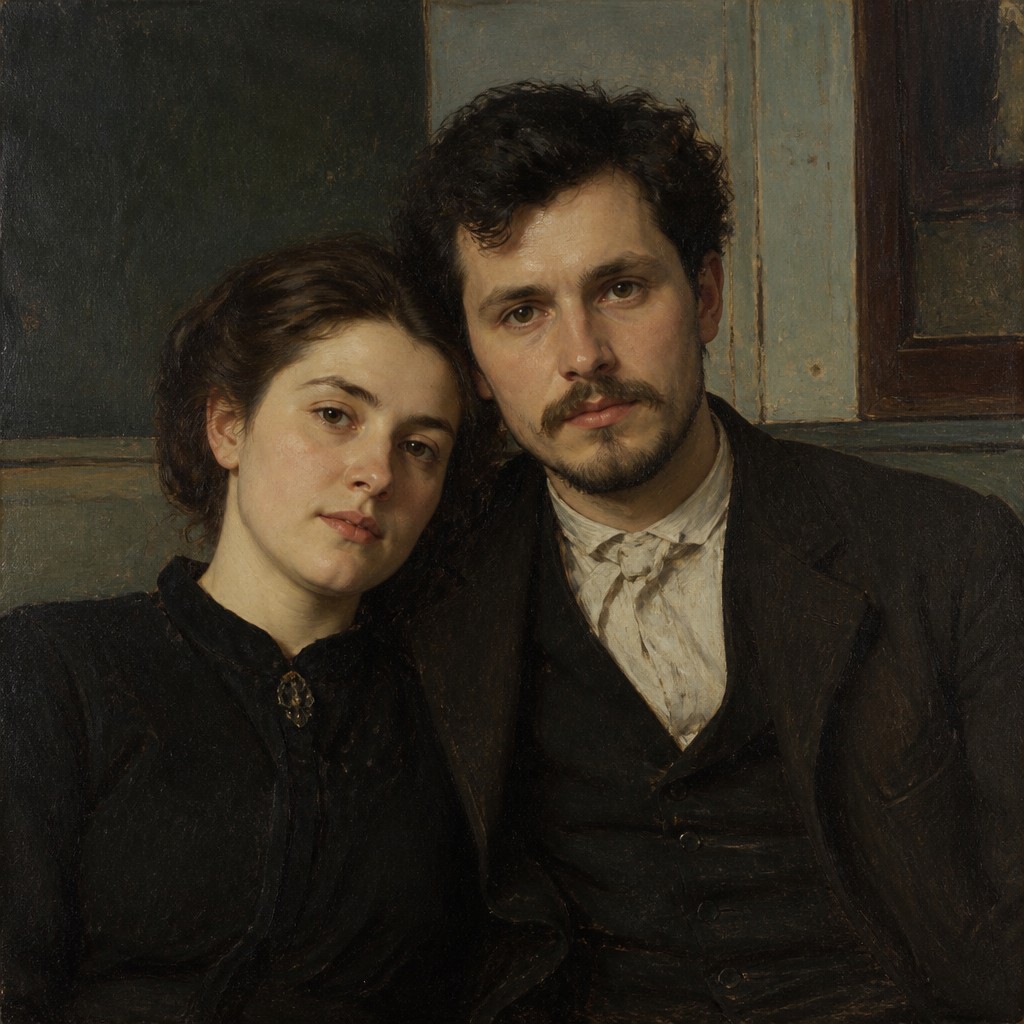
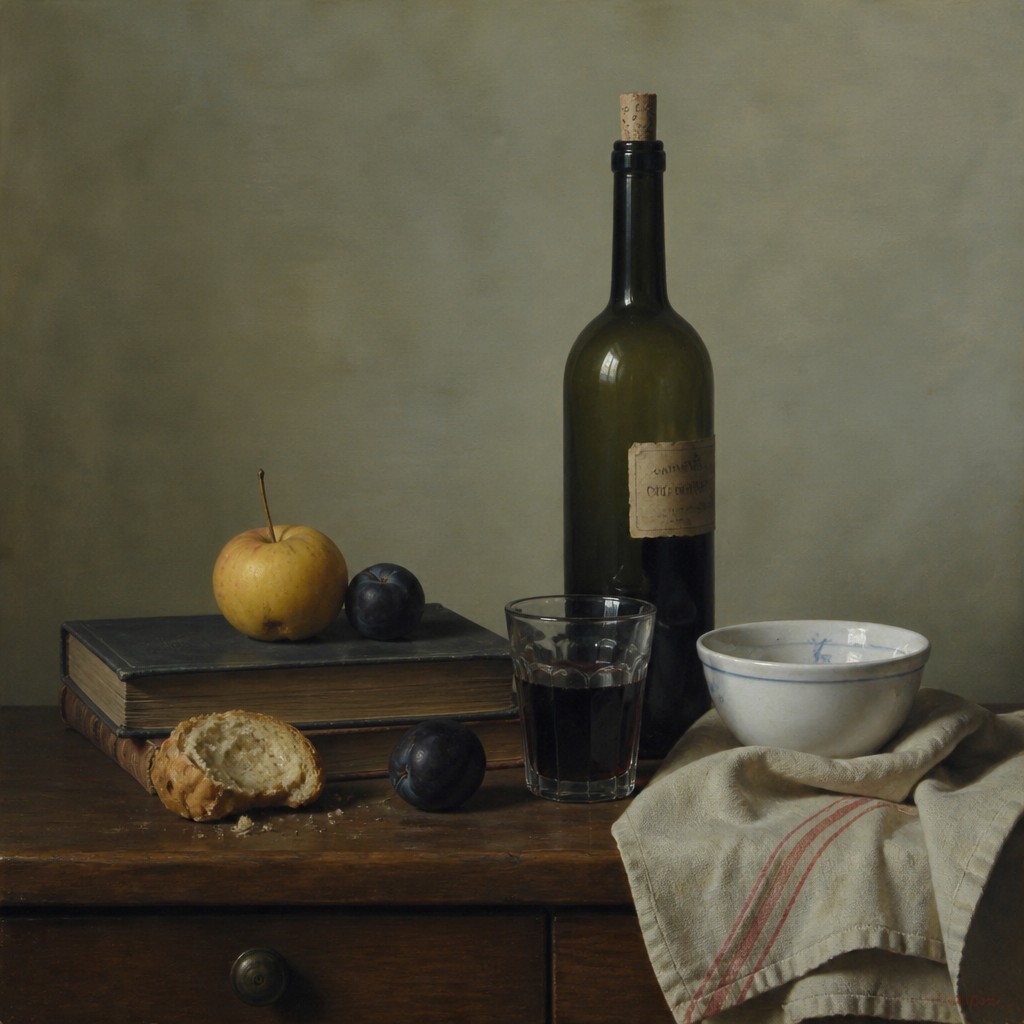
Realism art aims to portray people, objects, and scenes as they appear in everyday life. It emphasizes accurate proportions, natural lighting, believable space, and honest detail without idealizing the subject. The goal is recognition and truthfulness rather than exaggeration or stylistic distortion.
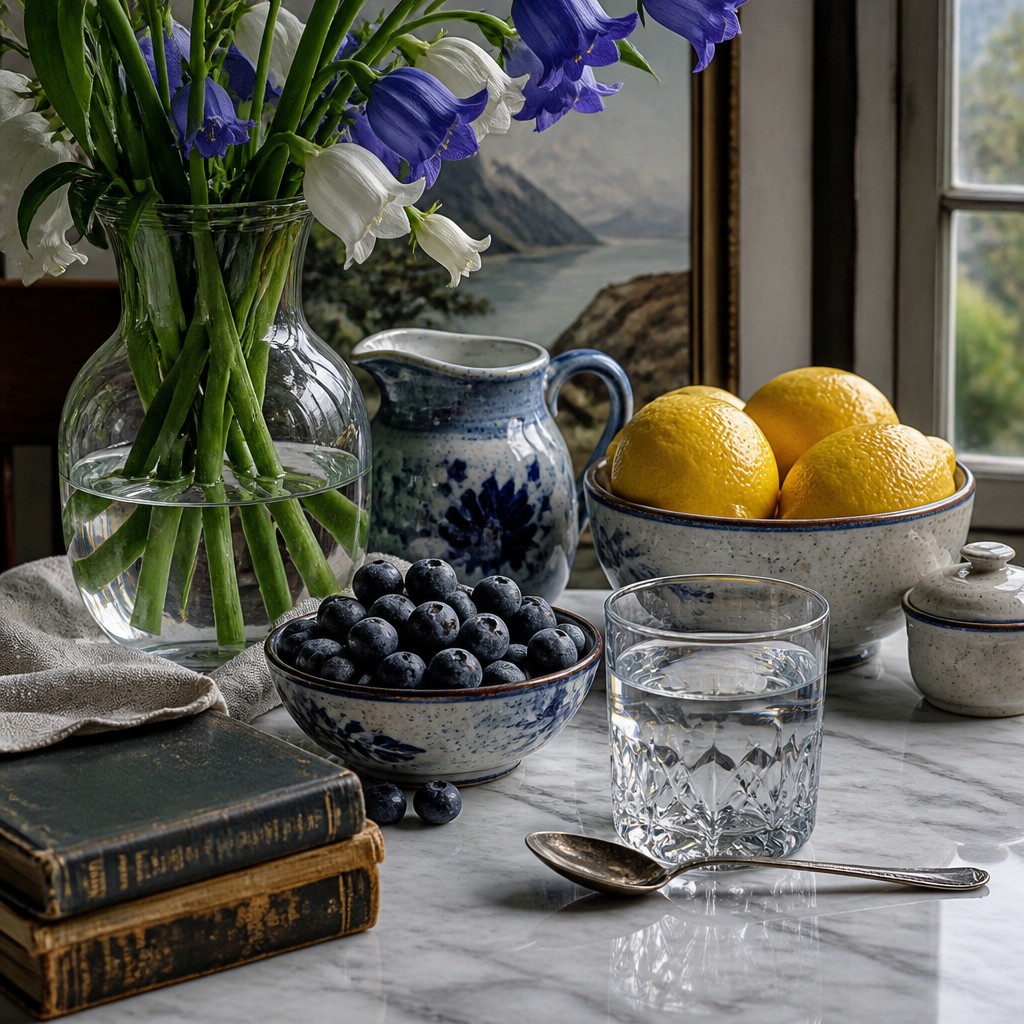
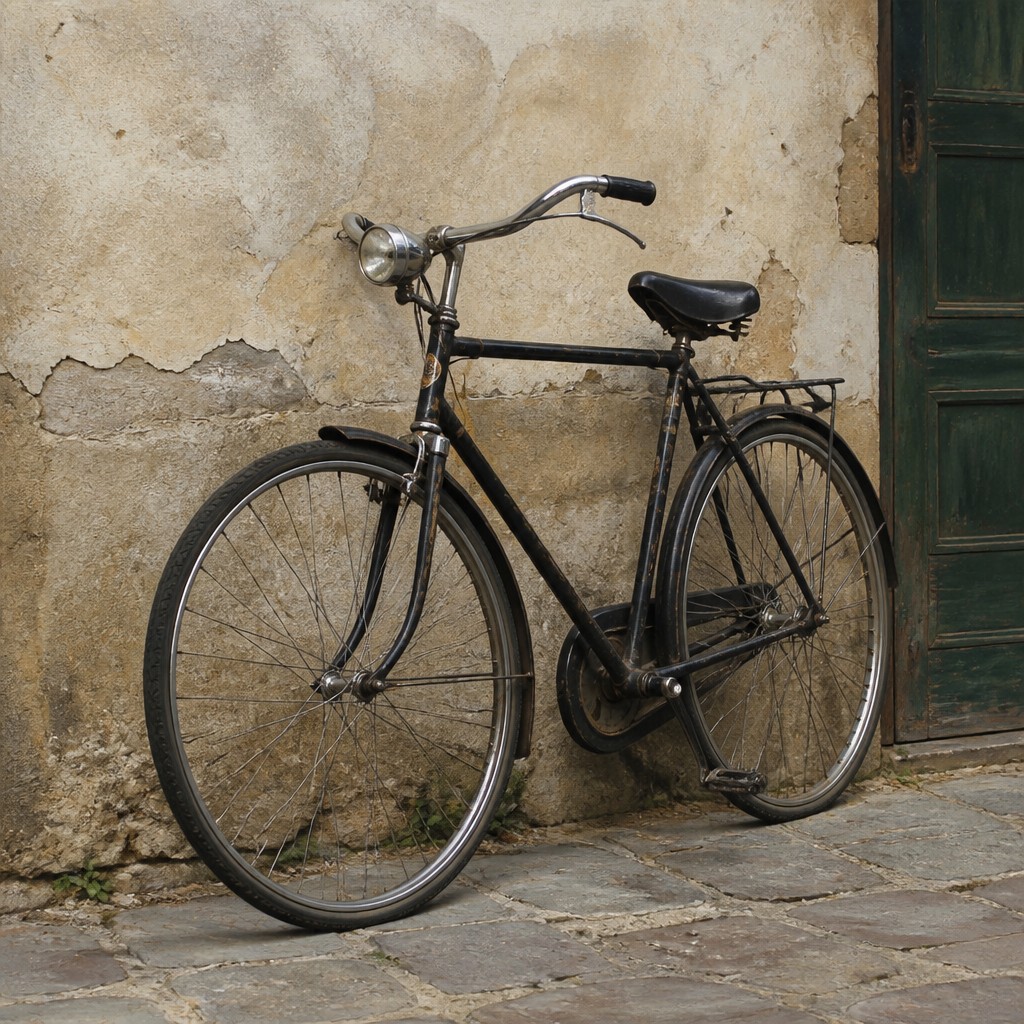
Hyperrealism takes that same commitment to accuracy and pushes it further, creating images so detailed and sharp they can look more precise than a photograph. Artists often intensify textures, reflections, and tiny surface details to produce a heightened sense of presence. People compare the two because both value realism, but hyperrealism is more exacting, more polished, and more visually intensified.
Same Prompt, Both Styles
Each pair below was generated from the identical prompt — only the style changed.
“portrait of two people together”

“wide landscape with natural scenery”


“still life with everyday objects”
“bicyle resting against a wall”

Key Differences
| Realism | Hyperrealism | |
|---|---|---|
| Level of detail | Accurate detail, but usually limited to what supports realism. | Extremely fine detail, often including every visible texture and reflection. |
| Visual effect | Looks natural and grounded, like a truthful observation. | Looks strikingly lifelike, often sharper and more intense than a photo. |
| Purpose | To depict life honestly and without idealization. | To create a highly convincing illusion of reality. |
| Surface treatment | Brushwork or marks may remain visible or subtly present. | Surfaces are rendered with minimal visible marks and extreme smoothness. |
| Lighting and contrast | Uses believable light and shadow in a natural way. | Often heightens contrast and clarity for stronger visual impact. |
| Relationship to photography | May resemble a photograph, but stays rooted in direct observation. | May exceed photographic detail, enhancing what a camera captures. |
| Mood | grounded, naturalistic, observant, unembellished | precise, immersive, clinical, awe-inspiring |
| Energy | balanced | intense |
| Detail level | detailed | intricate |
| Color | natural, restrained, lifelike tones | naturalistic, high-fidelity, true-to-life tones |
| Texture | realistic surfaces, subtle material variation | razor-sharp, surface-rich realism |
| Origin | 19th-century Europe | late 20th-century realism, global contemporary art |
| Best for | portraits, historical scenes, editorial illustration, museum displays, book covers, character studies | portrait studies, product visuals, editorial illustrations, poster art, advertising imagery, fine-art prints |
| Difficulty | advanced | advanced |
Which Should You Choose?
Choose realism if you want honest, recognizable representation with natural proportions and a more subdued, observational feel. Choose hyperrealism if you want maximum visual impact, razor-sharp detail, and a highly polished image that feels more vivid than ordinary seeing. Realism suits subjects where truthfulness and naturalness matter most, while hyperrealism suits work meant to impress through precision and intensity.
Frequently Asked Questions
Is hyperrealism just realistic art with more detail?
In a sense, yes, but the difference is more than quantity. Hyperrealism usually pushes clarity, texture, and finish far beyond standard realism, creating a heightened visual effect.
Do realism and hyperrealism both use photographs?
They can, but they do not have to. Realism often relies on direct observation, while hyperrealism may use photos as reference and then refine details beyond what the camera shows.
Which style is harder to make convincingly?
Both are demanding, but hyperrealism often requires more time and technical control because small errors are easier to notice. Realism is also challenging because the artist must capture believable proportion, light, and form without exaggeration.
Can a painting be realistic without being hyperrealistic?
Yes. A work can be fully realistic if it depicts subjects truthfully and convincingly, even if it does not include extreme detail. Hyperrealism is a more intensified version of that approach, not a requirement for realism.