Classical Realism vs Realism: What's the Difference?
Classical Realism is a representational art style that adapts older atelier and Old Master methods to create polished, luminous images with carefully arranged composition, controlled chiaroscuro, and refined surfaces. It often idealizes subjects slightly, emphasizing harmony, beauty, and technical finish while still remaining believable.
Realism also depicts the visible world faithfully, but it aims for everyday accuracy rather than idealization. It focuses on exact proportions, natural light, and convincing detail. People compare the two because both look lifelike and technically skilled, yet they differ in purpose: Classical Realism seeks a composed, elevated image, while Realism seeks truthful observation without embellishment.
Same Prompt, Both Styles
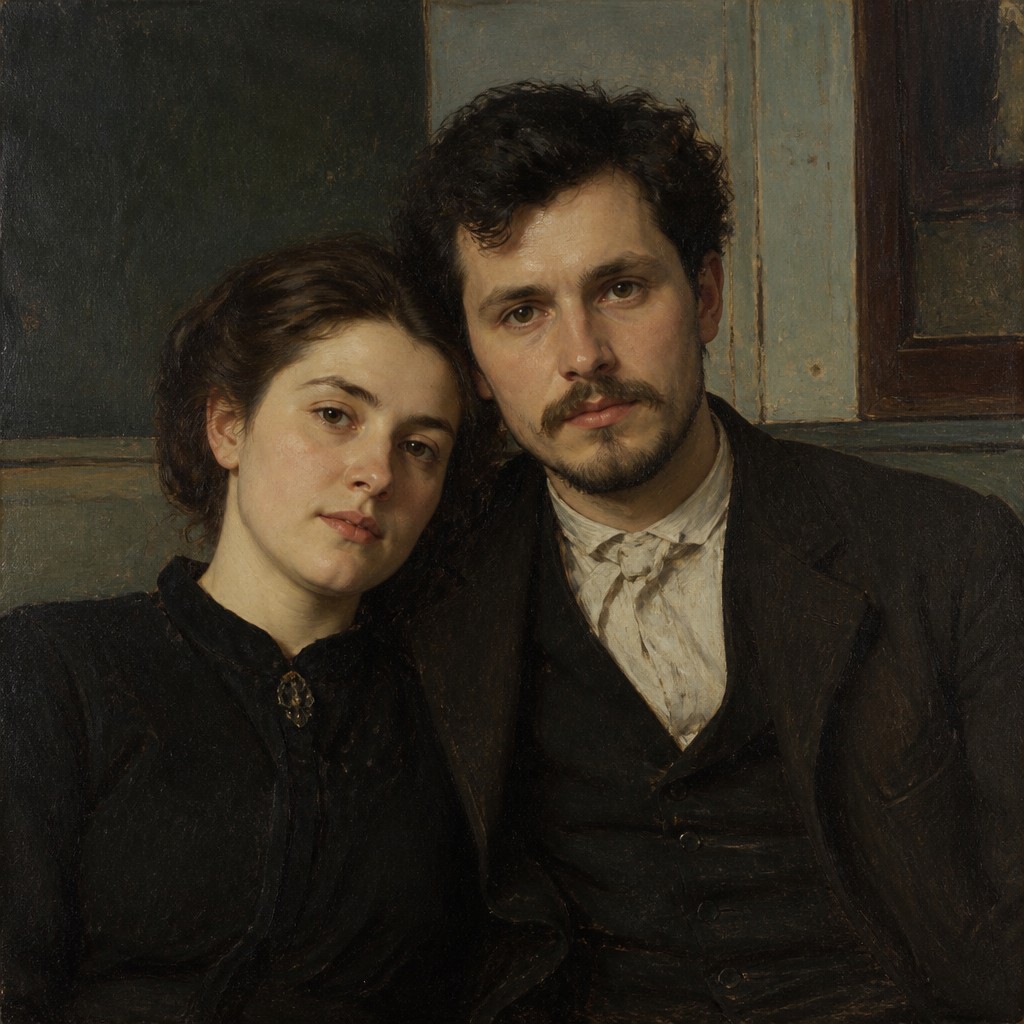
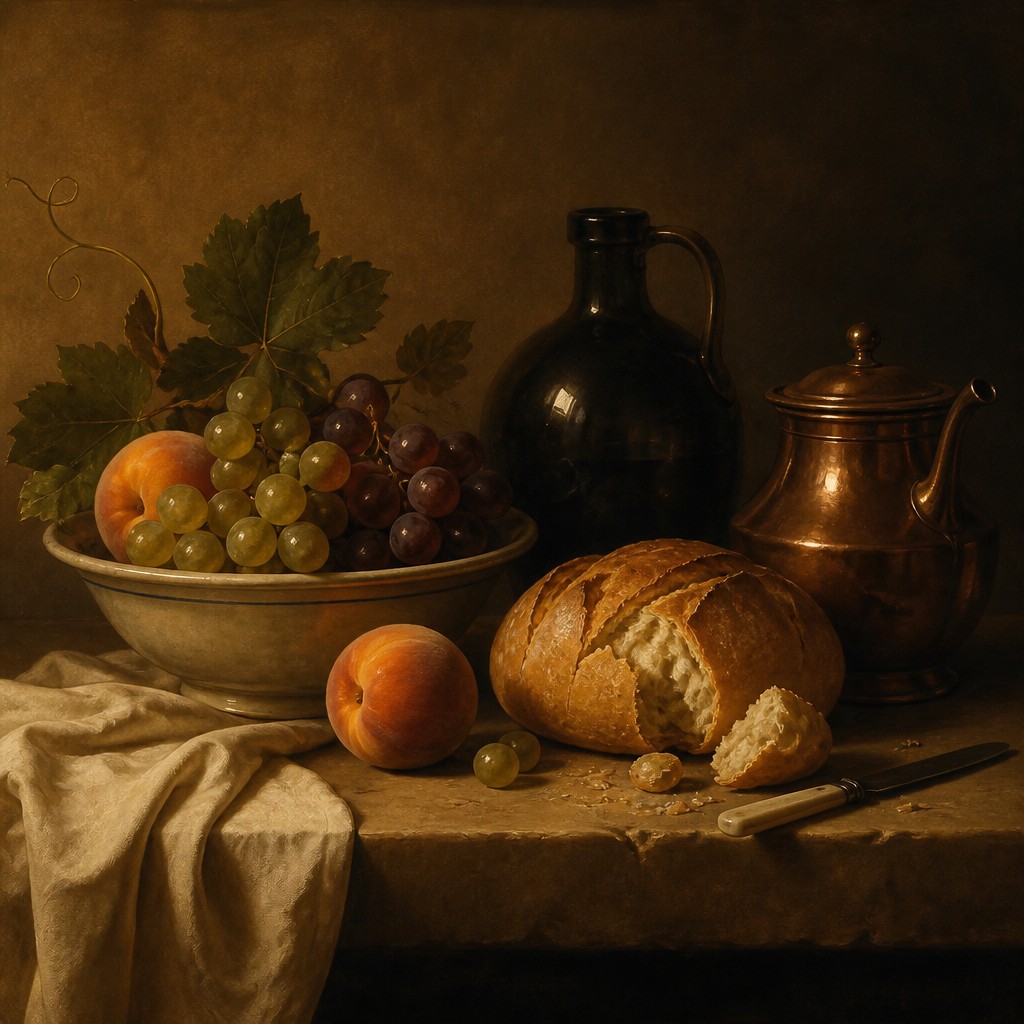
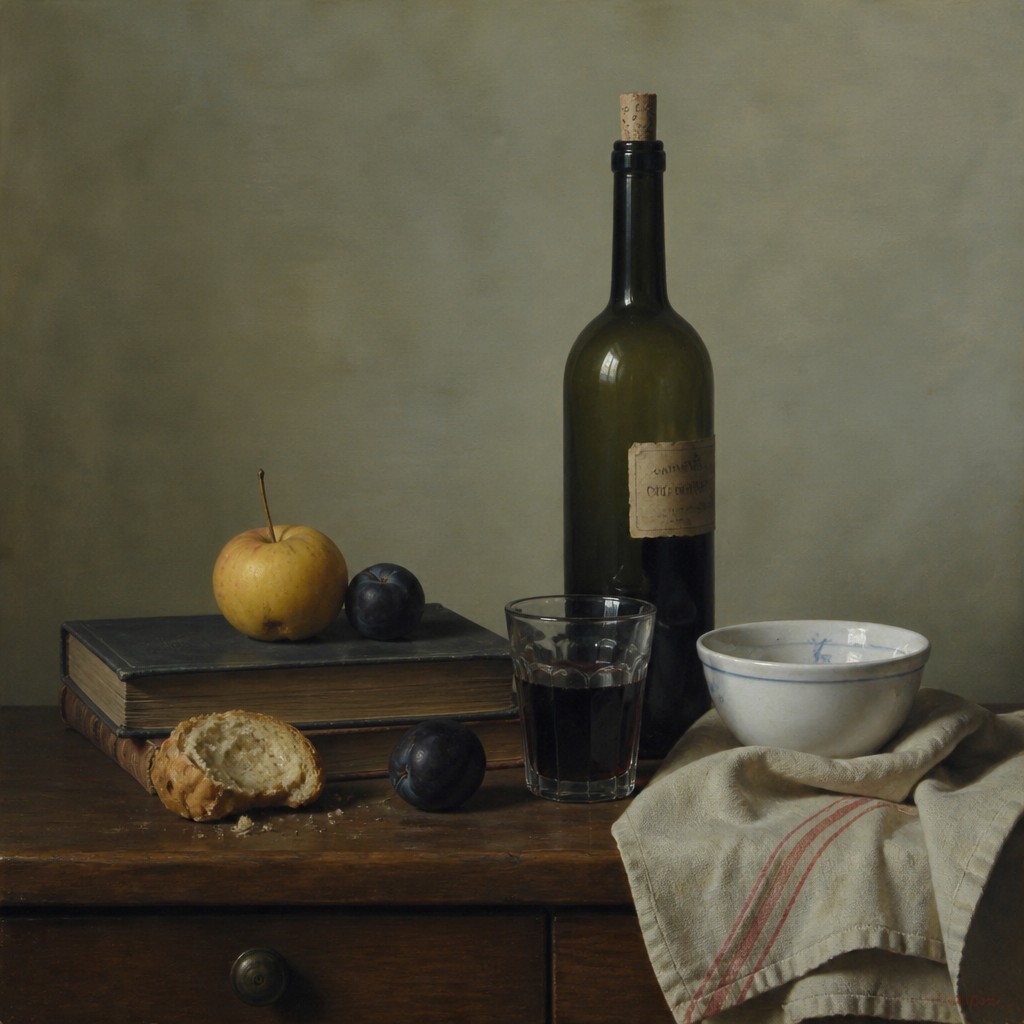
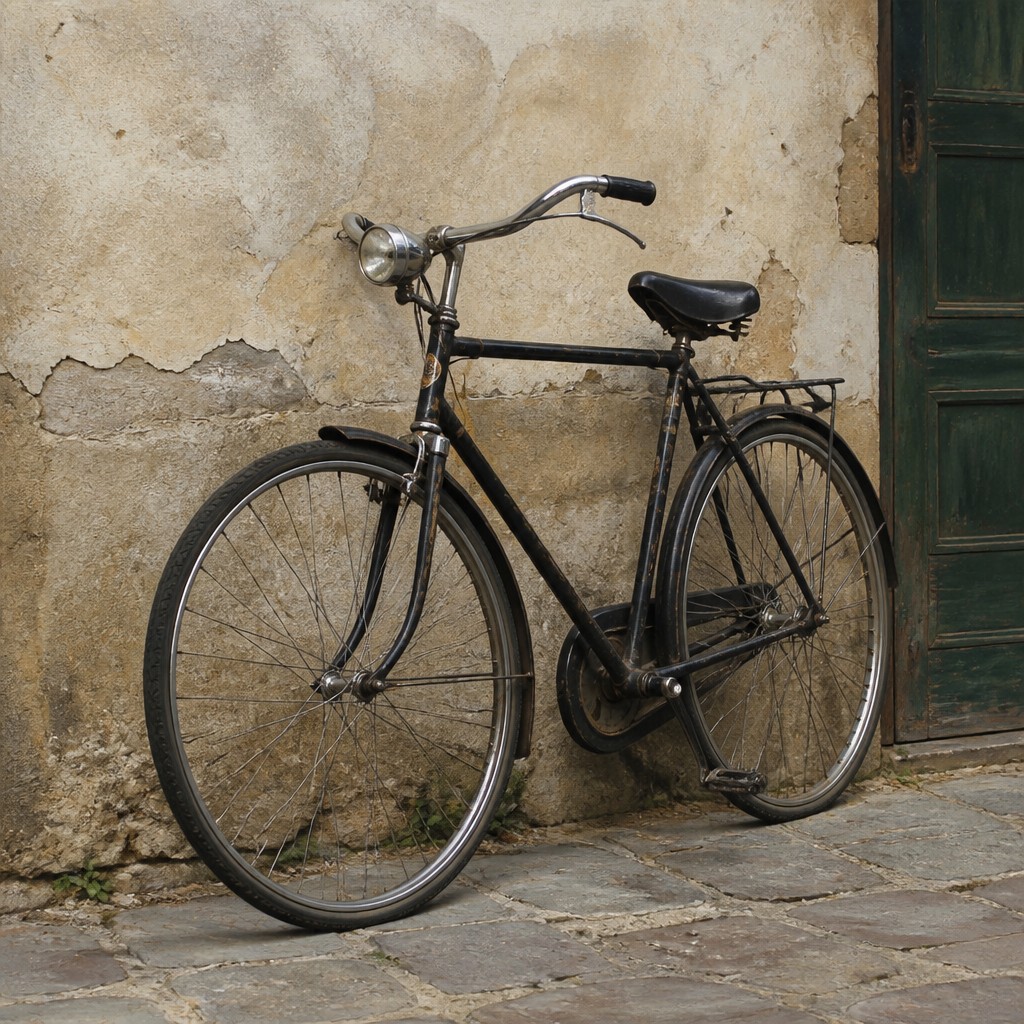
Each pair below was generated from the identical prompt — only the style changed.
“portrait of two people together”

“wide landscape with natural scenery”


“still life with everyday objects”
“bicyle resting against a wall”

Key Differences
| Classical Realism | Realism | |
|---|---|---|
| Purpose | Presents reality with harmony, beauty, and an elevated mood. | Presents life as observed, without idealizing or beautifying it. |
| Figure treatment | May refine features and proportions for an idealized effect. | Keeps proportions and features strictly true to the subject. |
| Light and shadow | Uses dramatic chiaroscuro to model form and create depth. | Uses natural light more neutrally to match the scene. |
| Composition | Carefully staged and balanced for clarity and visual harmony. | Can feel more candid, centered on truthful scene arrangement. |
| Surface detail | Smooth, polished finish with controlled transitions and fine detail. | Detailed but may preserve roughness, texture, and everyday imperfection. |
| Mood | Elevated, timeless, and often more dramatic. | Immediate, ordinary, and rooted in lived experience. |
| Mood | timeless, dignified, serene, elevated | grounded, naturalistic, observant, unembellished |
| Energy | calm | balanced |
| Detail level | detailed | detailed |
| Color | warm, natural, muted, luminous earth tones | natural, restrained, lifelike tones |
| Texture | smooth layered oil surfaces | realistic surfaces, subtle material variation |
| Origin | Renaissance and Academic Europe | 19th-century Europe |
| Best for | portraits, historical scenes, fine art prints, book covers, museum posters, classical interiors | portraits, historical scenes, editorial illustration, museum displays, book covers, character studies |
| Difficulty | advanced | advanced |
Which Should You Choose?
Choose Classical Realism if you want a refined, highly composed image that feels timeless, elegant, and technically polished. Choose Realism if you want an honest depiction of a person, place, or moment with minimal idealization and strong observational accuracy. If your goal is classical beauty and formal balance, pick A; if your goal is straightforward truthfulness and everyday authenticity, pick B.
Frequently Asked Questions
Are Classical Realism and Realism the same thing?
No. Both are representational and technically skilled, but Classical Realism emphasizes idealized harmony and older painting methods, while Realism prioritizes direct, unidealized observation. They overlap in craftsmanship, not in intent.
Which style is more historically traditional?
Classical Realism is more directly tied to older academic and atelier traditions. Realism is also historical, but it developed as a stronger rejection of idealization and grand heroic subjects.
Which style is better for portraits?
Classical Realism works well when you want a flattering, polished, timeless portrait. Realism is better when you want the sitter to look exactly as they do, including natural asymmetry and ordinary details.
Can a painting have elements of both styles?
Yes. Many artworks combine accurate observation with classical composition or lighting. A piece may be realistic in anatomy and detail while still using Classical Realism's refinement and tonal control.