Realism vs Social Realism: What's the Difference?
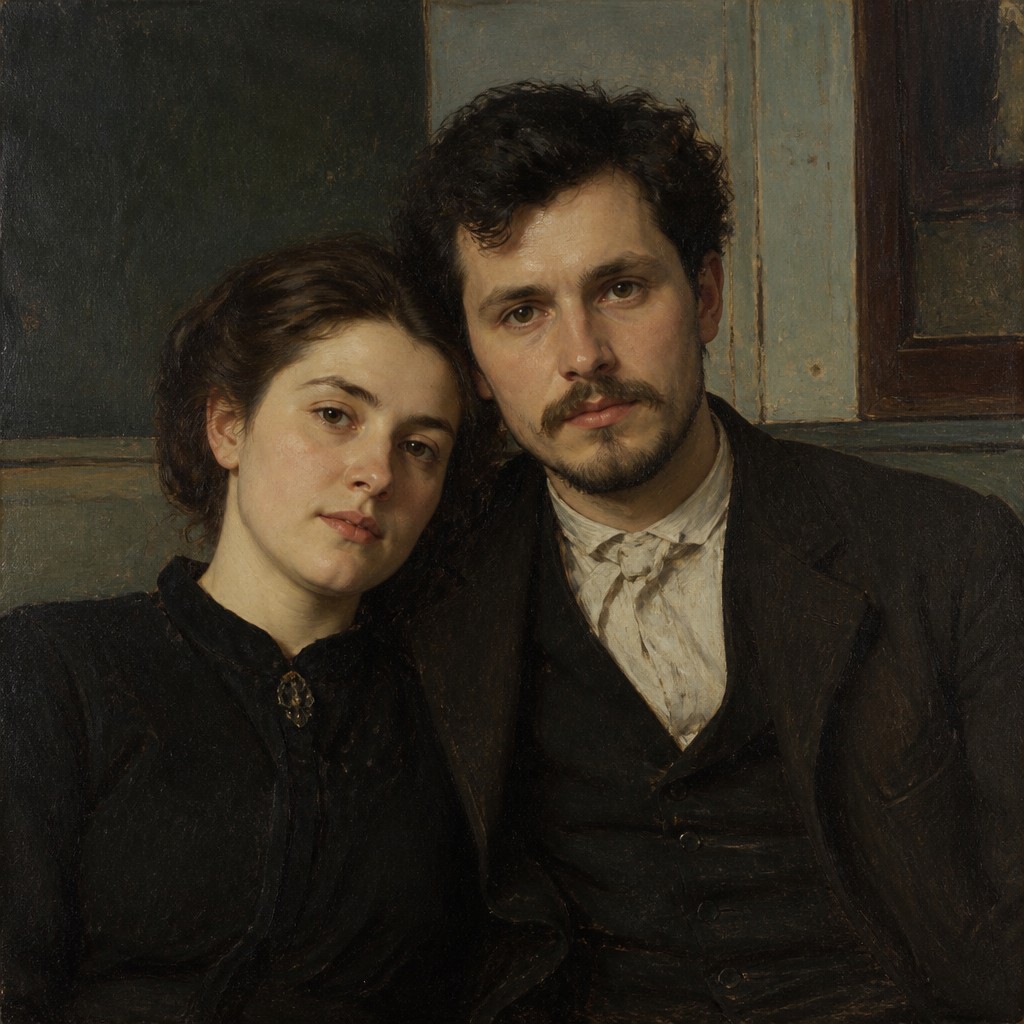
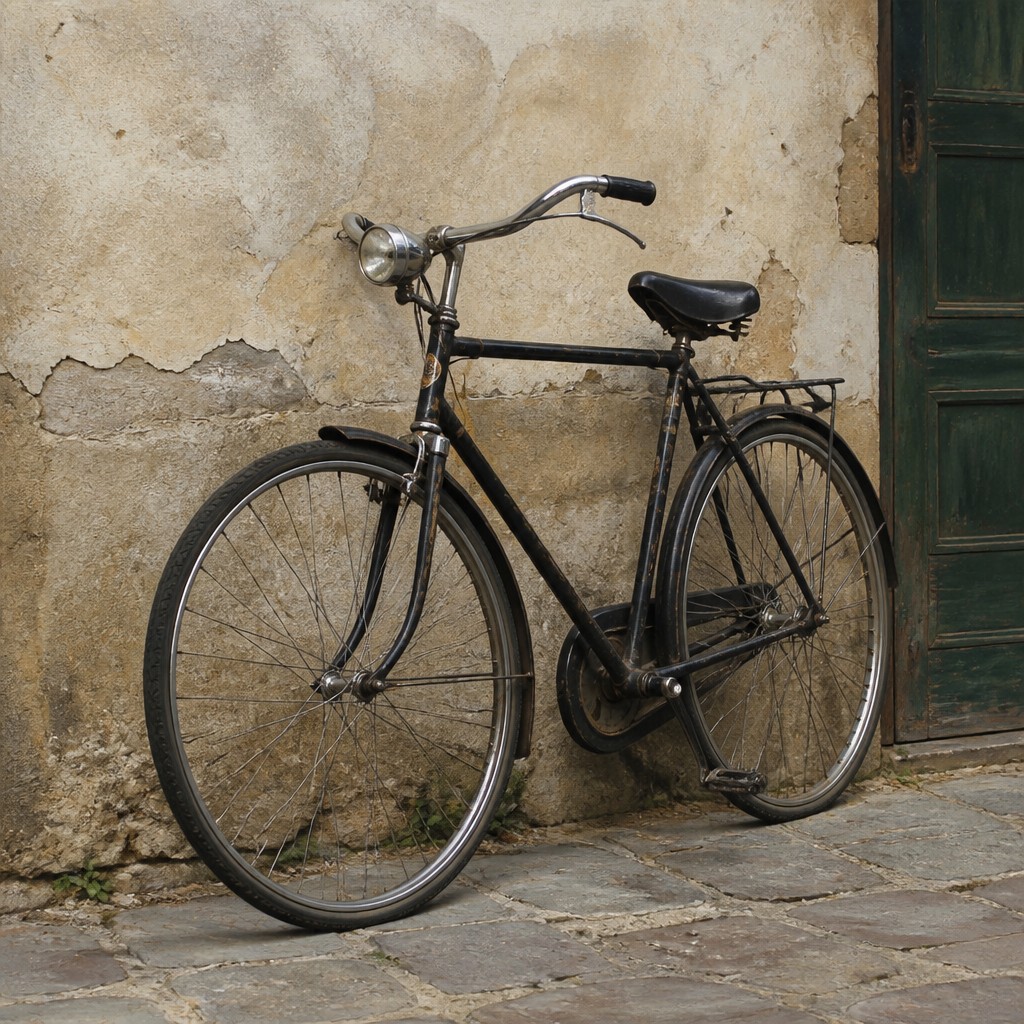
Realism is an art style focused on depicting everyday life as it appears, with accurate proportions, natural light, and convincing detail. It avoids idealization and aims to show people, objects, and settings truthfully, including ordinary features and imperfections.
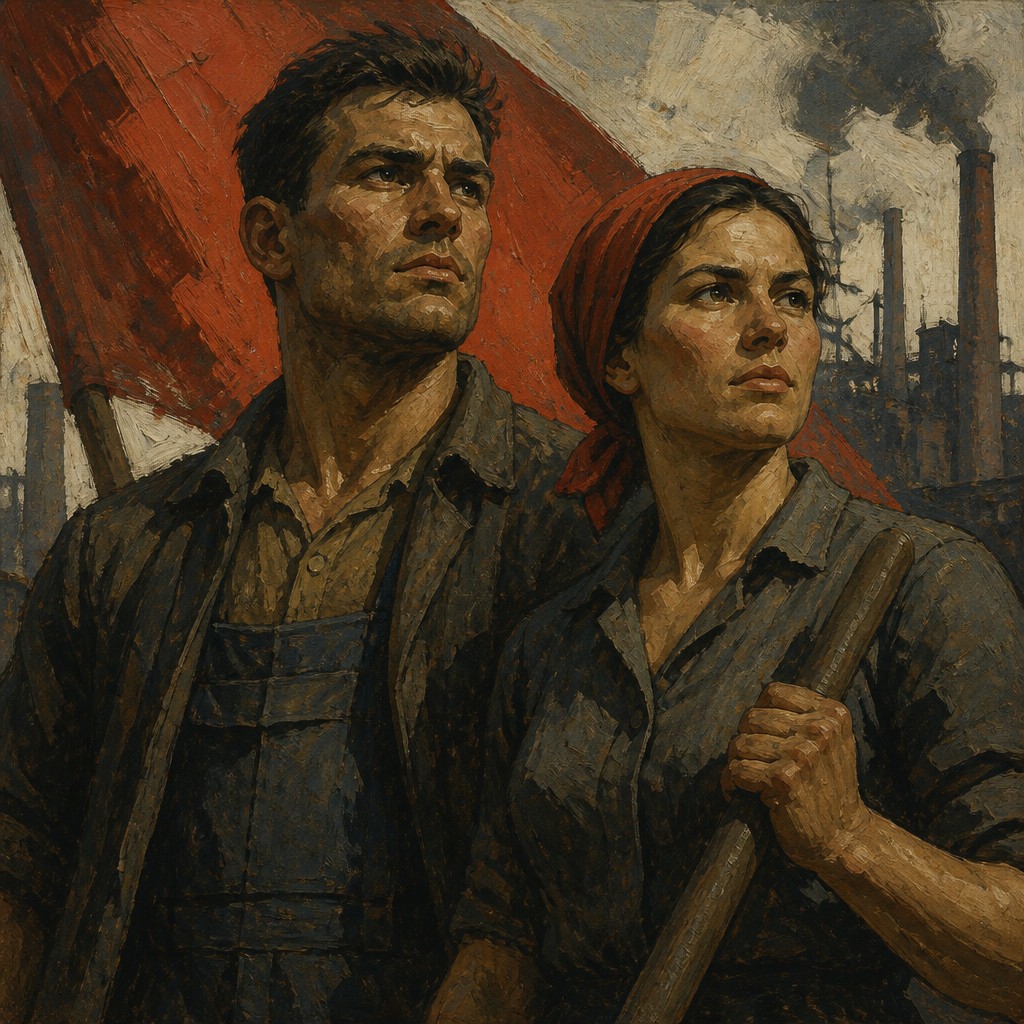
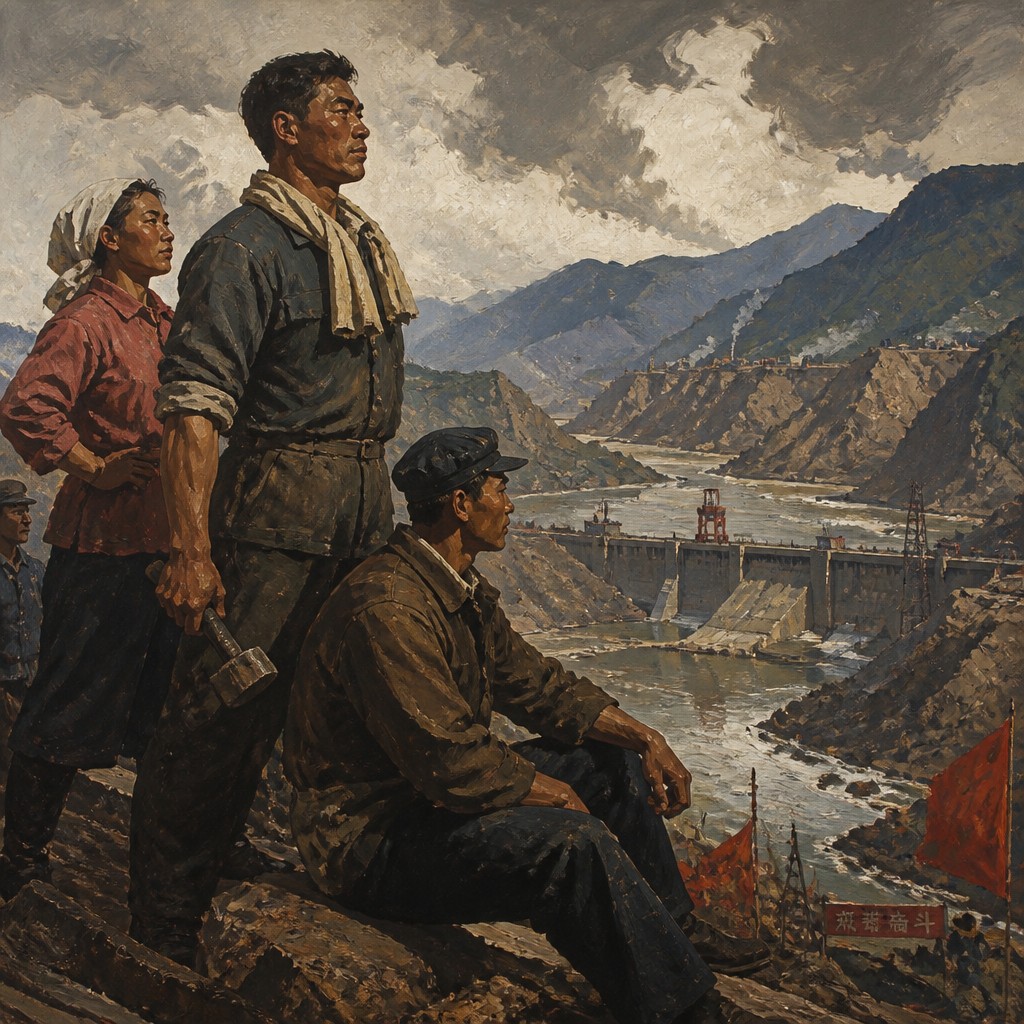
Social Realism also uses believable depiction, but it centers on working-class life, labor, poverty, and social injustice. People compare the two because both rely on recognizable reality, yet Social Realism uses that realism for a more explicit social message.
Same Prompt, Both Styles
Each pair below was generated from the identical prompt — only the style changed.
“portrait of two people together”
“wide landscape with natural scenery”

“still life with everyday objects”


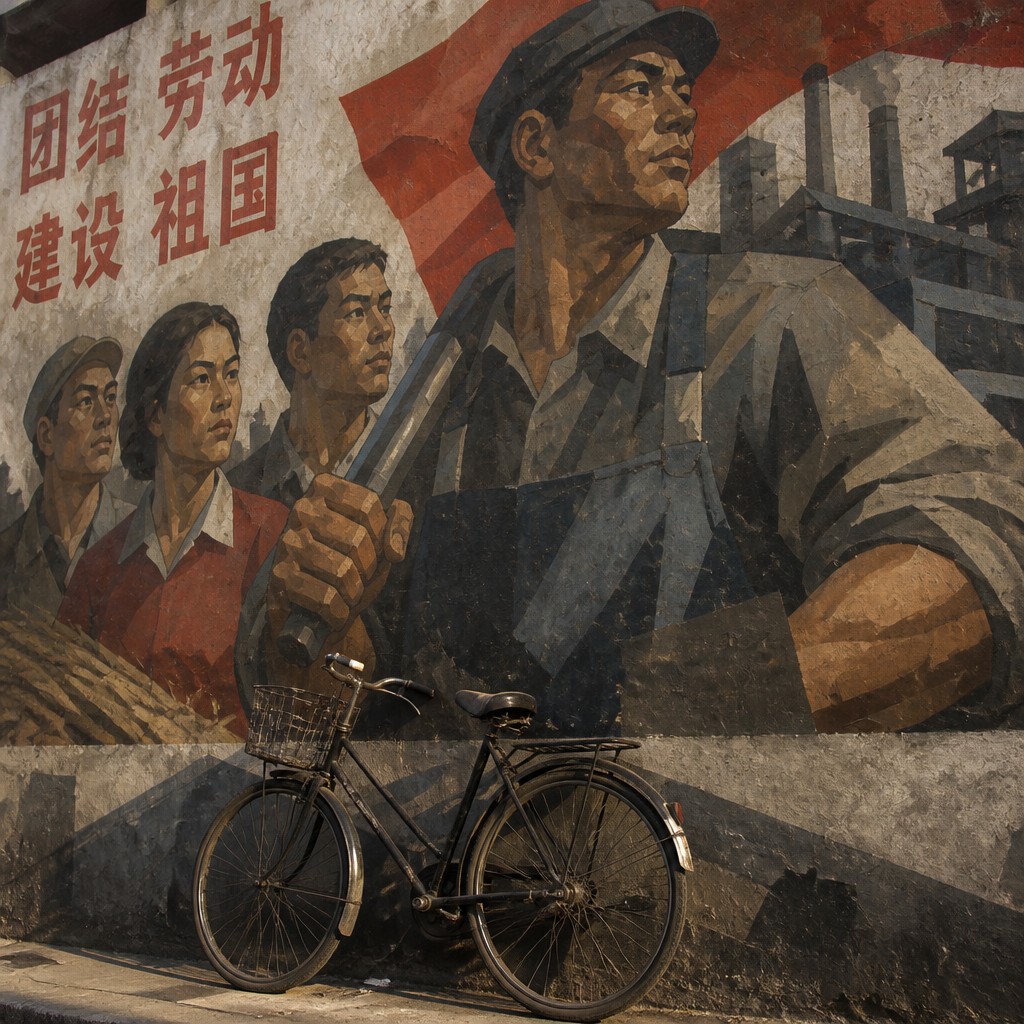
“bicyle resting against a wall”
Key Differences
| Realism | Social Realism | |
|---|---|---|
| Main purpose | To represent life truthfully and accurately. | To highlight social conditions and promote awareness. |
| Subject matter | Everyday scenes, people, and objects of any kind. | Workers, hardship, inequality, and public struggle. |
| Emotional tone | Often neutral, observational, and understated. | Often serious, empathetic, and morally urgent. |
| Color palette | Natural colors matched to observed light. | Often muted or subdued to reinforce gravity. |
| Symbolism | Usually minimal, with emphasis on direct observation. | Often used to strengthen dignity, hardship, or critique. |
| Social message | May be present, but is not required. | Central to the style’s meaning and impact. |
| Mood | grounded, naturalistic, observant, unembellished | serious, empathetic, resolute, somber |
| Energy | balanced | intense |
| Detail level | detailed | detailed |
| Color | natural, restrained, lifelike tones | earthy, muted, naturalistic, restrained |
| Texture | realistic surfaces, subtle material variation | solid forms, painterly realism, tactile surfaces |
| Origin | 19th-century Europe | 20th-century Europe and Soviet-era public art |
| Best for | portraits, historical scenes, editorial illustration, museum displays, book covers, character studies | political posters, labor murals, editorial illustrations, historical scenes, social commentary |
| Difficulty | advanced | moderate |
Which Should You Choose?
Choose Realism if you want to focus on accurate appearance, subtle observation, and the believable rendering of form, light, and detail. Choose Social Realism if your goal is to portray real people and environments while clearly addressing labor, inequality, or injustice. Both can look similar on the surface, but Social Realism is more openly narrative and socially critical.
Frequently Asked Questions
Are Realism and Social Realism the same style?
No. They share a commitment to believable depiction, but Social Realism adds a specific focus on social conditions and injustice. Realism is broader and can depict any subject without a political aim.
Does Social Realism always use dark or muted colors?
Not always, but subdued colors are common because they support the serious subject matter. The key feature is the social message, not a fixed palette. Some works may use stronger color while still remaining Social Realist.
Can a Realist artwork also be Social Realist?
Yes, if it depicts life truthfully and also centers on working-class experience or social critique. The difference is purpose: Realism emphasizes accurate representation, while Social Realism uses that accuracy to comment on society.
Which style is better for everyday scenes?
Realism is usually better if you want an impartial, observational approach to daily life. Social Realism is better if the everyday scene should also communicate labor, struggle, or inequality.