Contemporary Realism Art Style
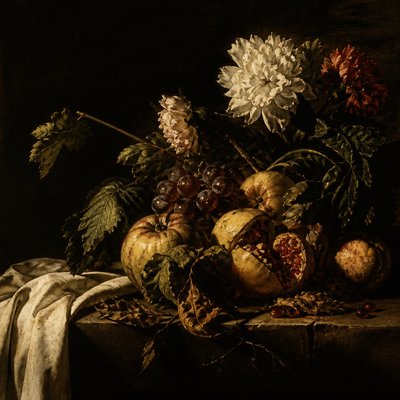
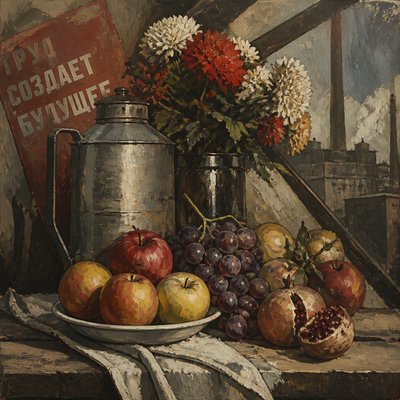
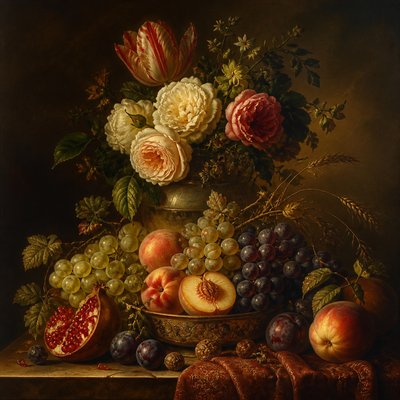
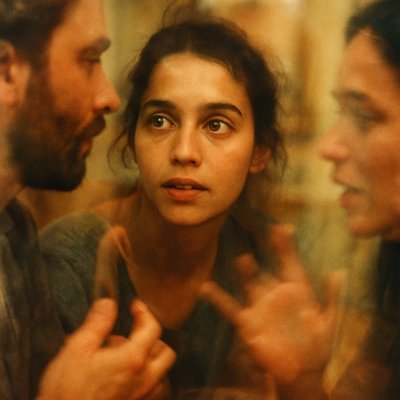
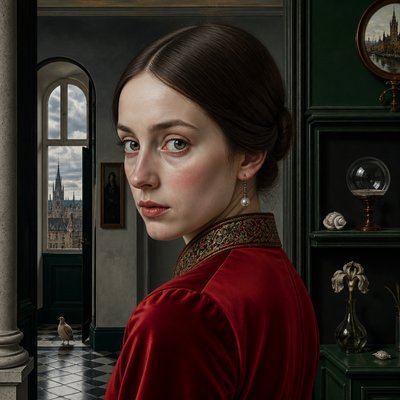
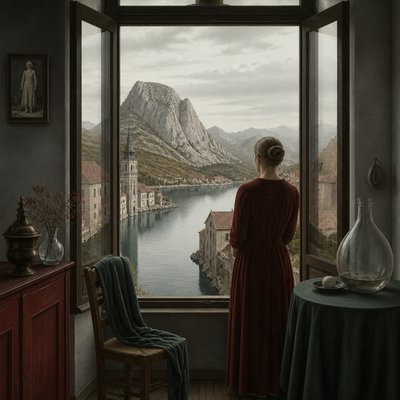
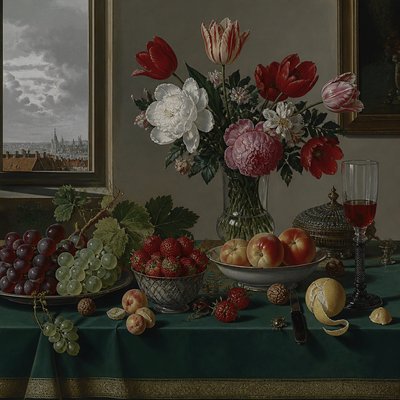
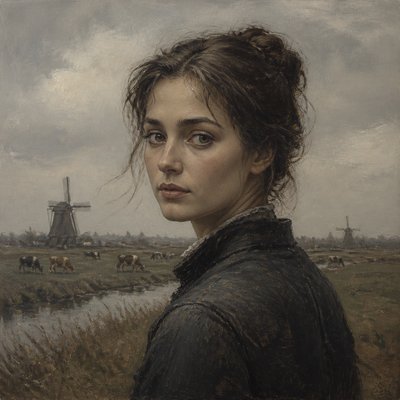
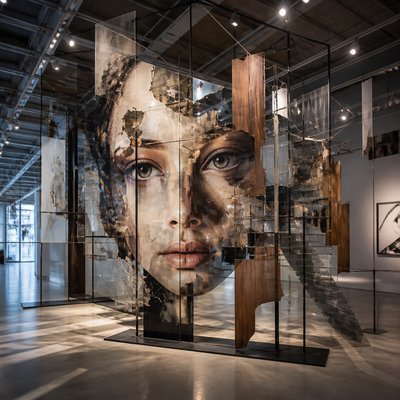
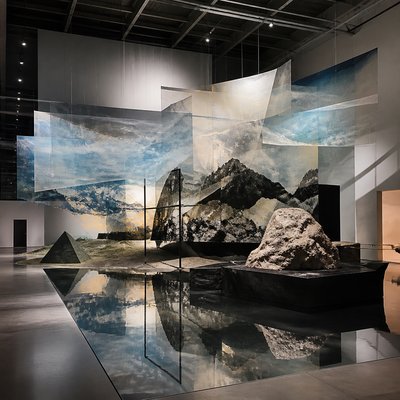
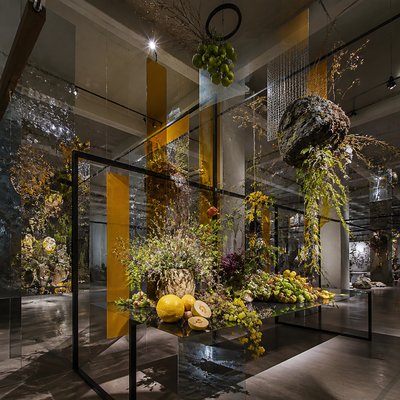
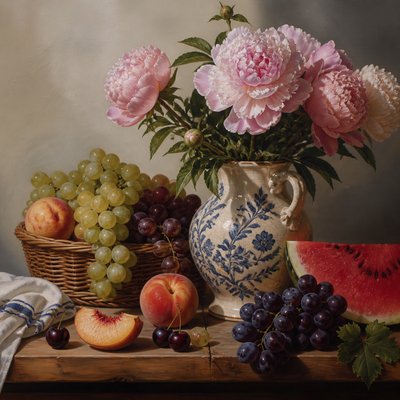
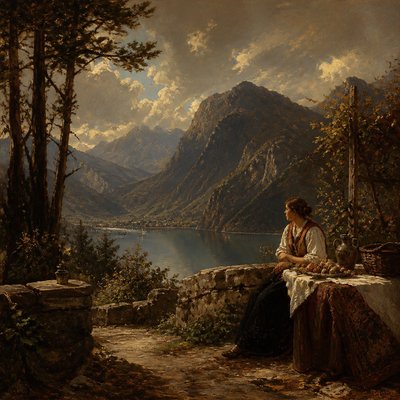
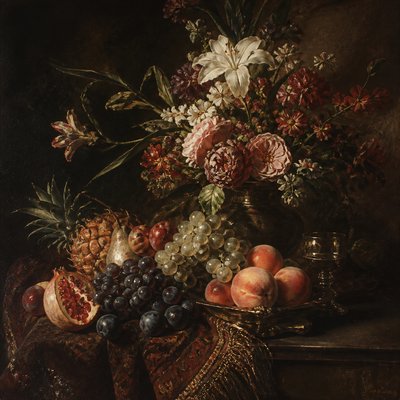
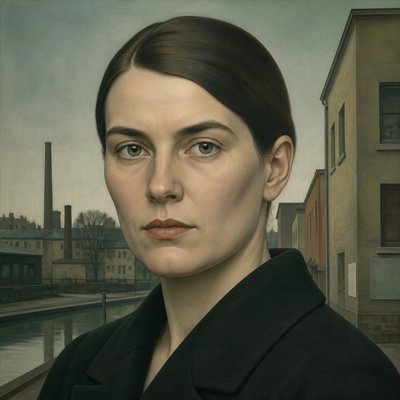
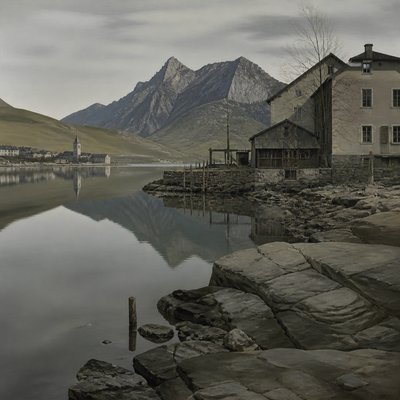
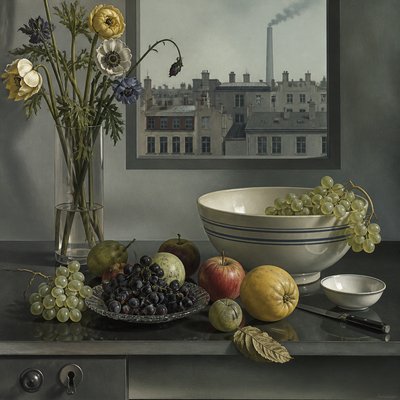
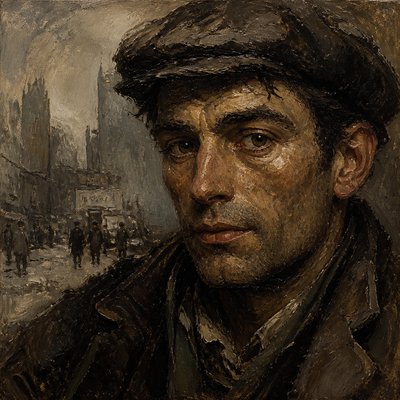
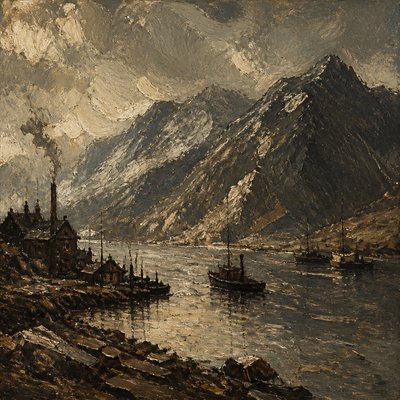
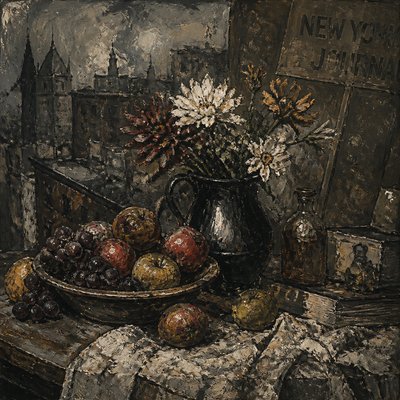
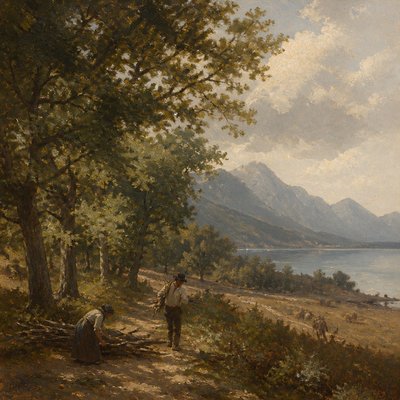
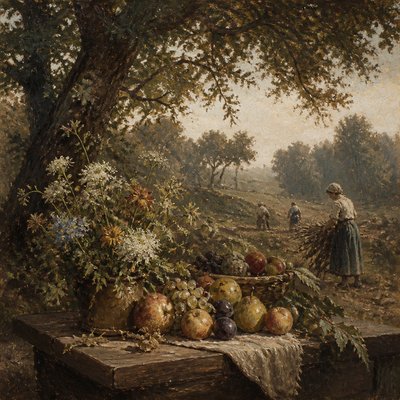
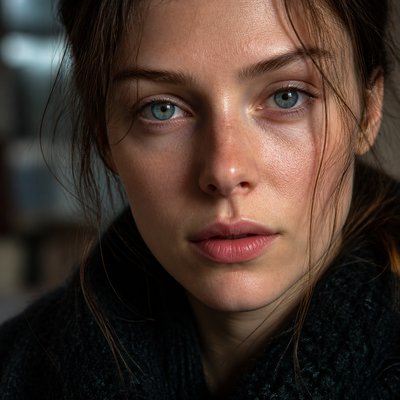
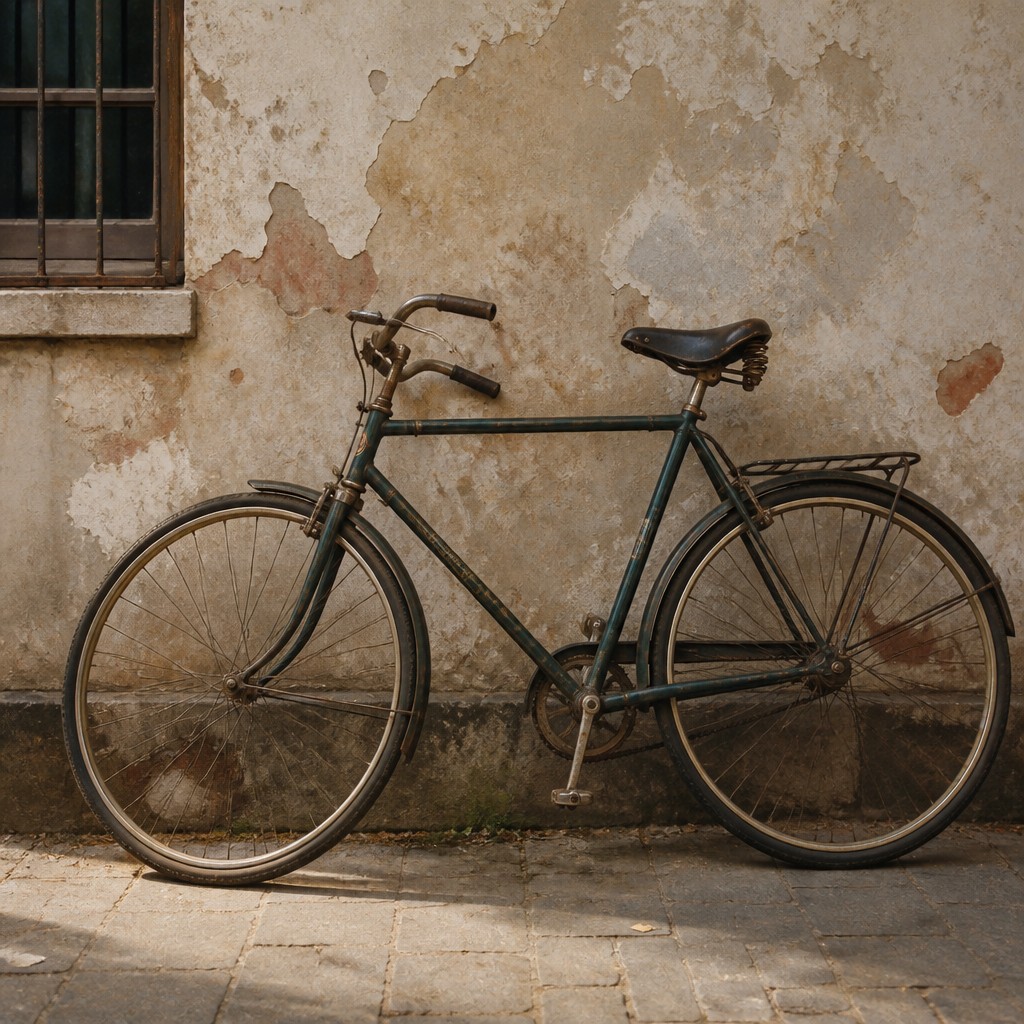
Contemporary realism depicts modern life with precise observation, natural light, truthful color, and restrained emotional depth.
Instantly rendered in Contemporary Realism — or transform a photo

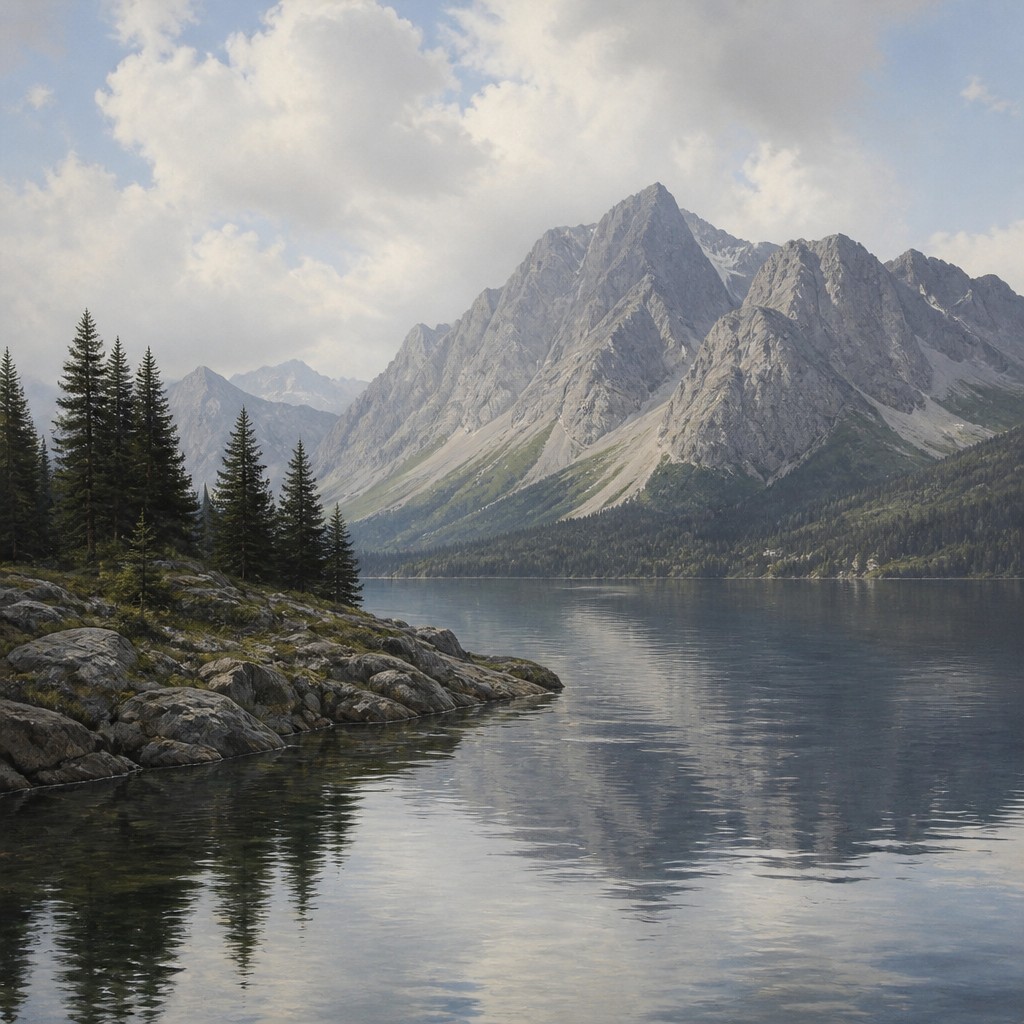
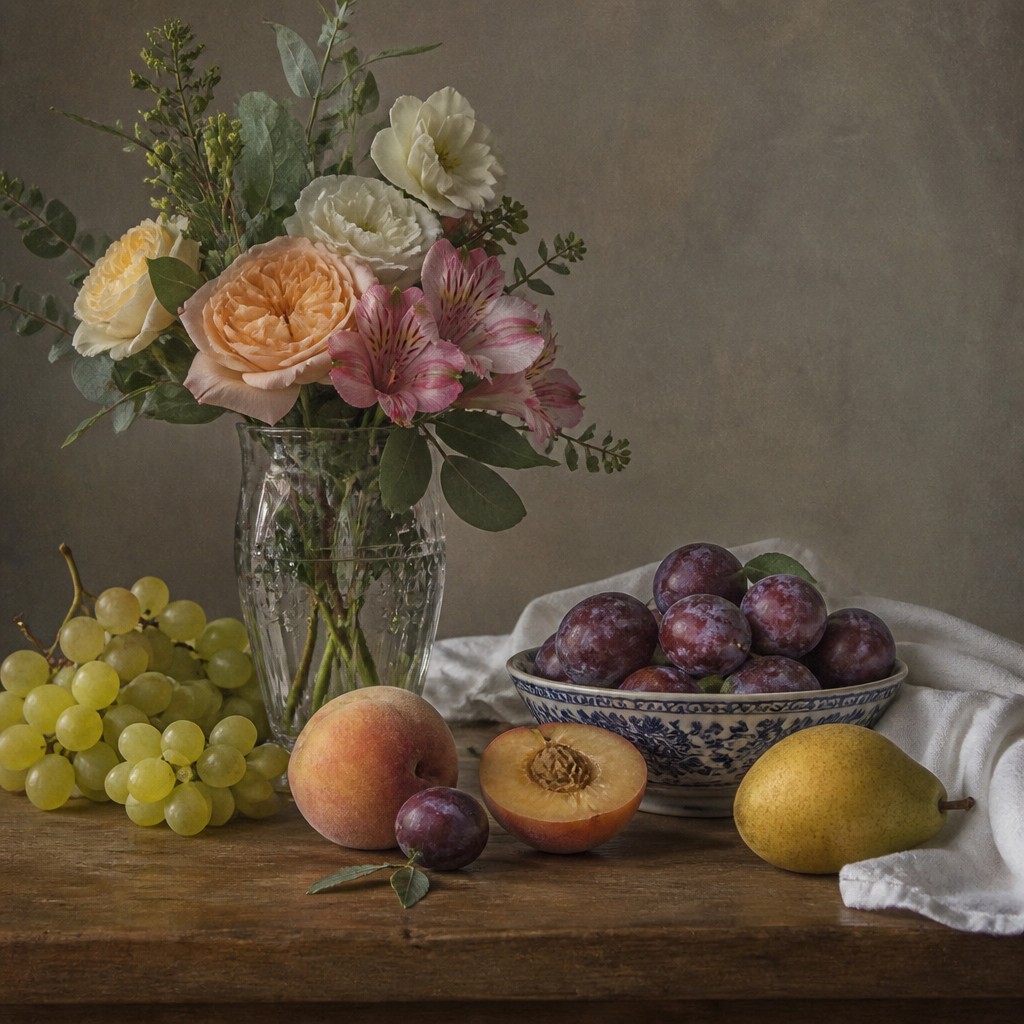
Contemporary Realism Gallery
Tap any artwork to explore it


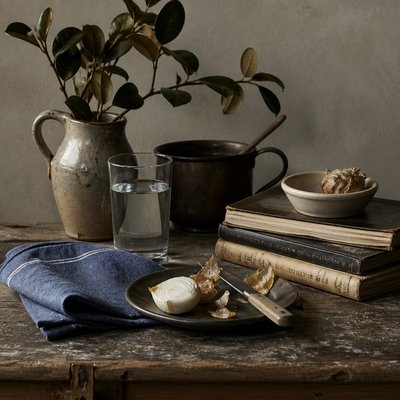
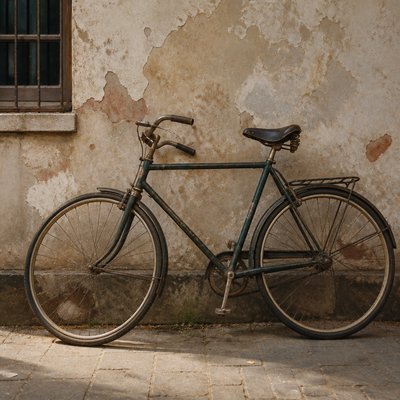

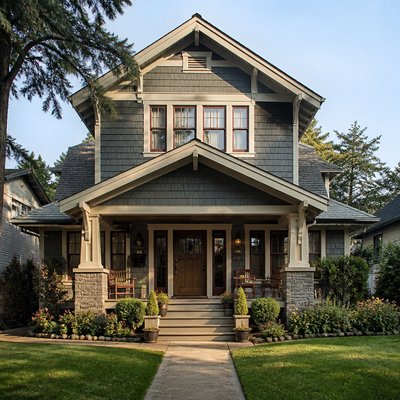
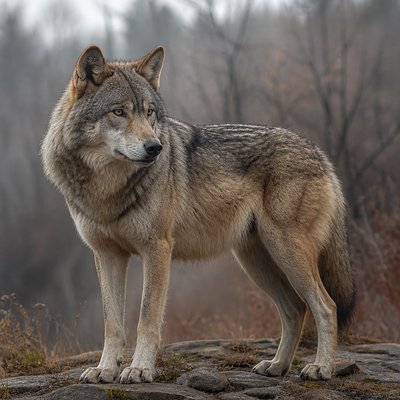

What is Contemporary Realism Art Style?
Contemporary realism is a current figurative approach that portrays people, places, and objects with close attention to visible reality while still allowing room for interpretation. It favors accurate proportions, convincing textures, and naturalistic light, but it is not merely mechanical imitation; the artist’s judgment remains visible in composition, color restraint, and subtle emotional emphasis.
The style often looks calm, lucid, and unforced. Everyday scenes, portraiture, interiors, and urban subjects are rendered with clarity and tactile detail, yet the image usually feels lived-in rather than polished into perfection. Its visual identity comes from the combination of observational rigor, traditional draftsmanship, and a contemporary sensitivity to atmosphere, psychology, and ordinary modern experience.
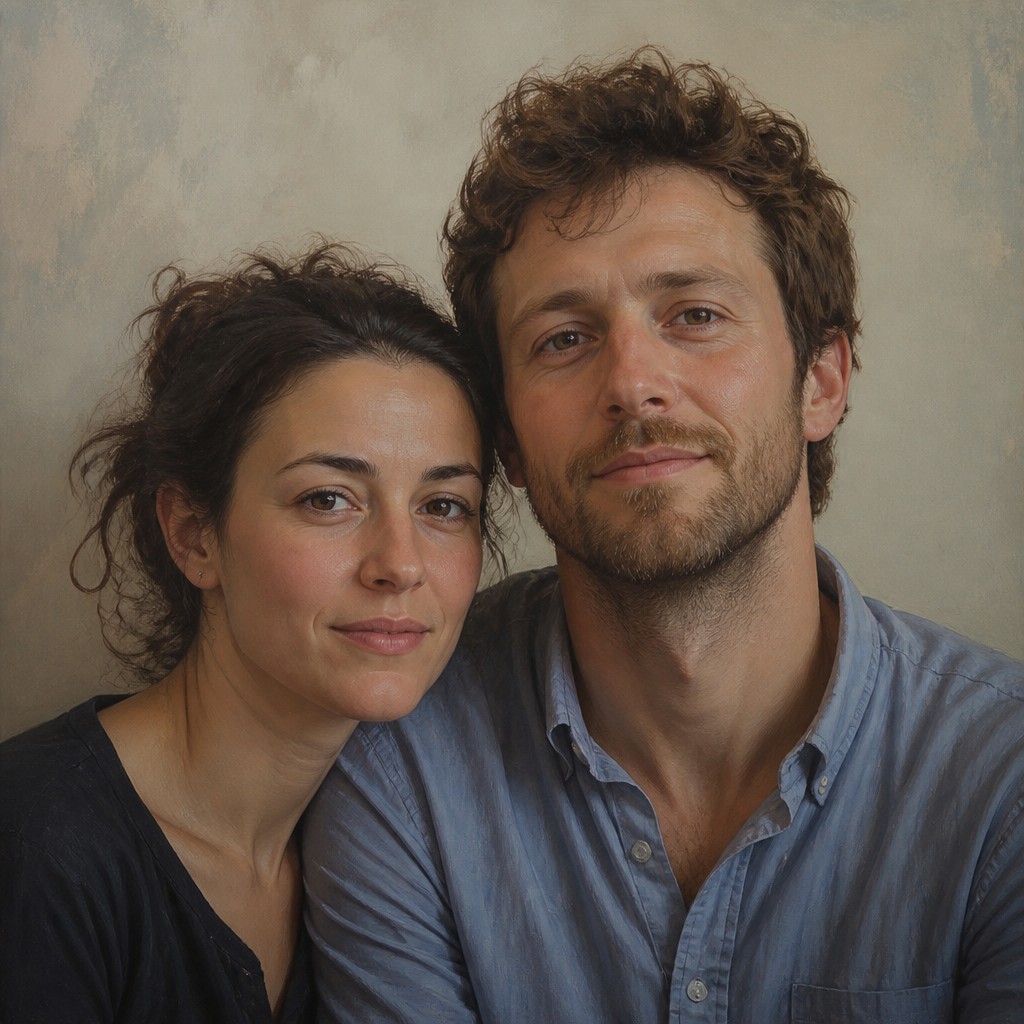
Try It On Your Photos
Upload any photo and convert it into Contemporary Realism Art Style — drag the sliders to compare before and after.


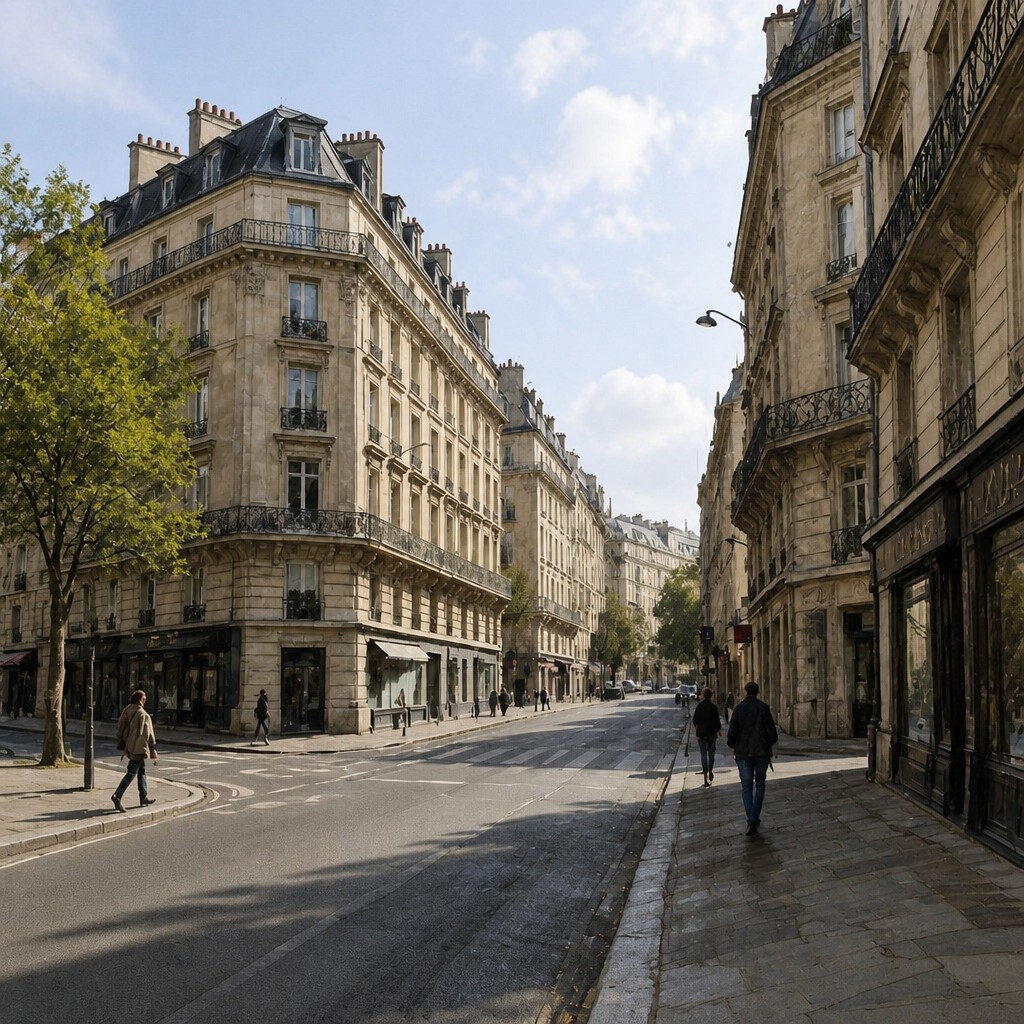

What Defines Contemporary Realism Art Style
The signature details, up close
Accurate observation
Forms are drawn and modeled from careful looking, with believable proportions, perspective, and spatial relationships. The image should feel grounded in what a subject actually looks like in real light.
Natural light and shadow
Lighting is usually soft, directional, and physically plausible, with gradual transitions across surfaces. Shadows define form without harsh stylization, creating a calm, coherent sense of volume.
Truthful, restrained color
Color tends to stay close to observed values rather than becoming decorative or exaggerated. Even when the palette is subdued, temperature shifts and muted chroma give the image depth and realism.
Convincing textures and materials
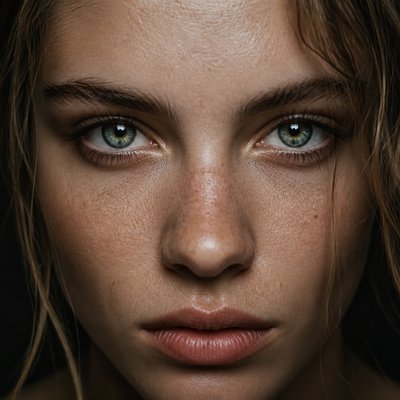
Skin, fabric, glass, metal, wood, and concrete are differentiated through edge control, highlight behavior, and surface detail. The viewer should be able to sense how each material would feel and reflect light.

Crisp edges with selective softness
Important contours are clear, but not every passage is equally sharp. Soft transitions are used where forms turn away or where atmosphere reduces contrast, producing a balanced, lifelike image.
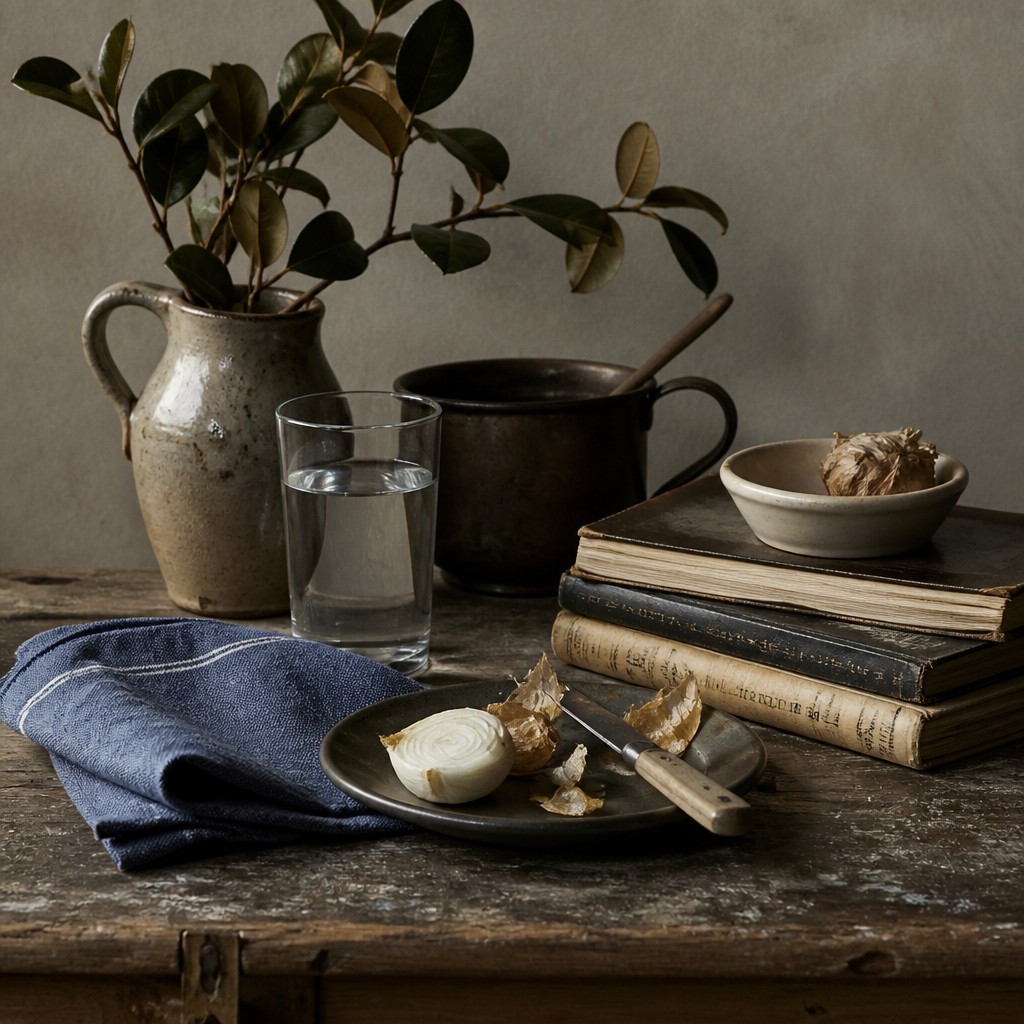
Unidealized human presence
People are shown with natural asymmetry, real skin variation, and subtle signs of age, fatigue, or individuality. The style values honesty over beautification, which gives portraits emotional credibility.
Quiet emotional resonance
Rather than dramatic gesture or symbolic exaggeration, meaning emerges through pose, light, and atmosphere. The result often feels reflective, intimate, or contemplative.
Try It
Create Videos in Contemporary Realism Art Style
Styles aren't just for stills — describe a scene or animate an image and get a short video rendered in Contemporary Realism. Press play to see this pond come to life.
Make a VideoContemporary Realism Prompt Ideas
Start from an idea — each one opens the generator with the style ready to go. See all 40 Contemporary Realism prompts →
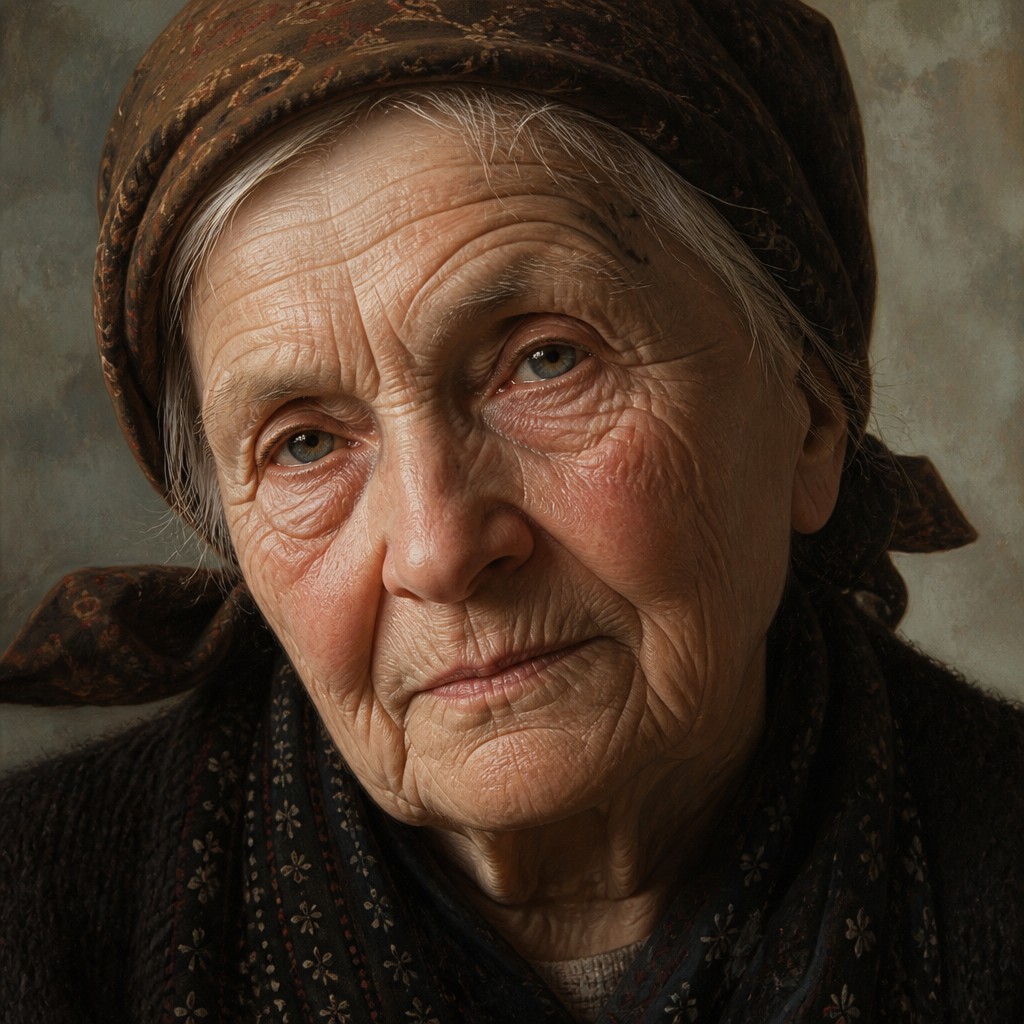
“close-up portrait of an elderly person with expressive weathered features”
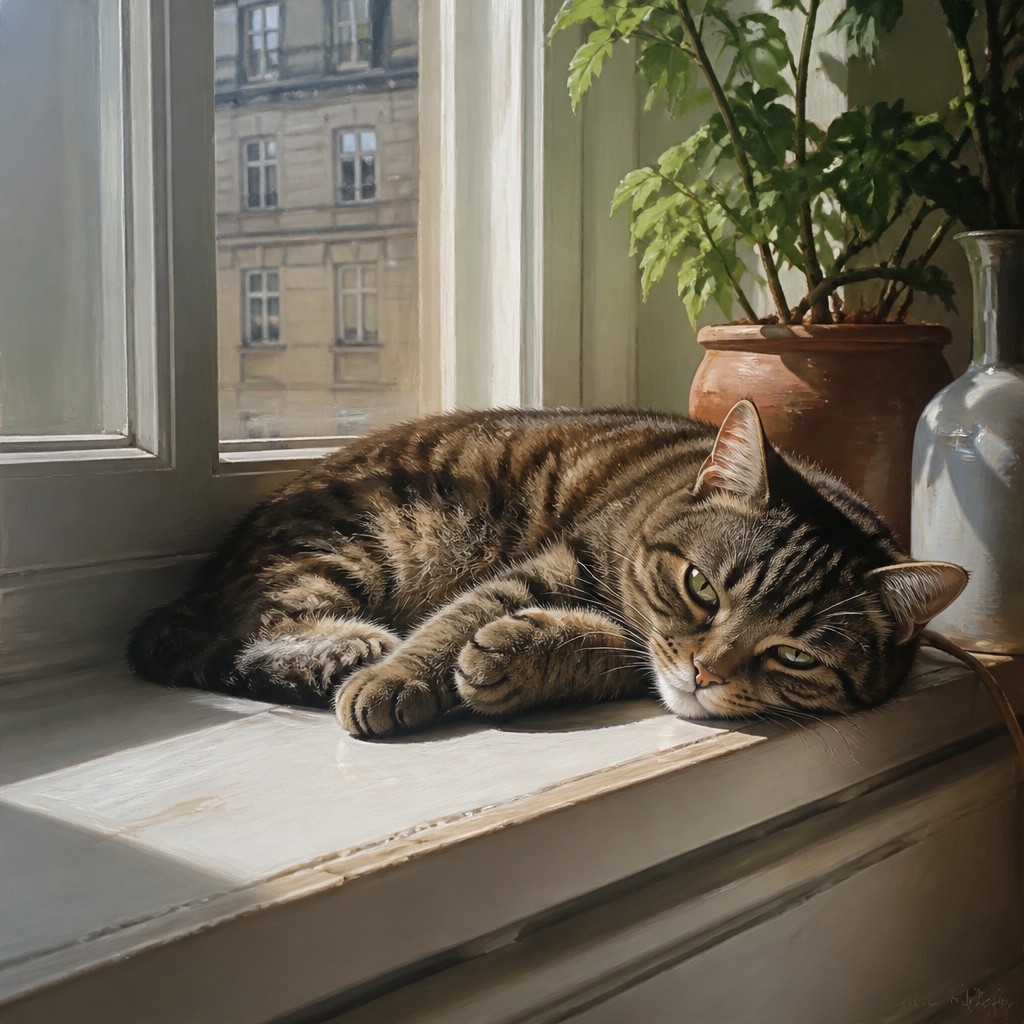
“a cat lounging in a sunlit window”

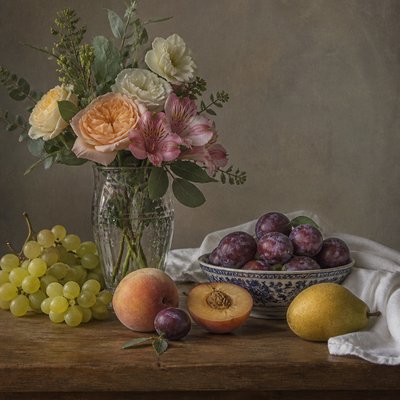
“bouquet of flowers in a glass vase”

“sailing ship on a stormy sea”
How to Create Contemporary Realism Art
Master the craft step by step — or skip straight to creating. Read the full guide →
- 1
Begin with direct observation
In traditional work, start from life drawing, photographic reference, or plein-air study to establish correct proportion and value relationships. In digital work, build the image from a clear reference board and block in the major forms before adding surface detail.
- 2
Model form with value first
Establish the light source, shadow family, and midtone structure before focusing on texture. Accurate value control is what makes the figure or object feel solid and present in space.
- 3
Use a restrained palette
Choose colors that match the environment and avoid over-saturation unless the subject clearly calls for it. Subtle temperature shifts between warm lights and cooler shadows help preserve realism without flattening the image.
- 4
Control edges and detail hierarchy
Reserve the sharpest detail for focal points such as the face, hands, or key surfaces, and let less important areas soften. This prevents the image from becoming overworked and keeps attention where it matters.
- 5
Preserve individuality
Do not erase asymmetry, imperfections, or signs of lived experience. In a prompt-based workflow, ask for honest, unidealized features, natural skin texture, and believable everyday context rather than polished glamour.
- 6
Prompt for material truth
Describe the subject, lighting, and environment specifically, then add terms such as natural light, convincing textures, subtle shadows, and restrained color. If generating digitally, avoid conflicting stylistic language so the result stays grounded and coherent.
The Story
History & Origins of Contemporary Realism
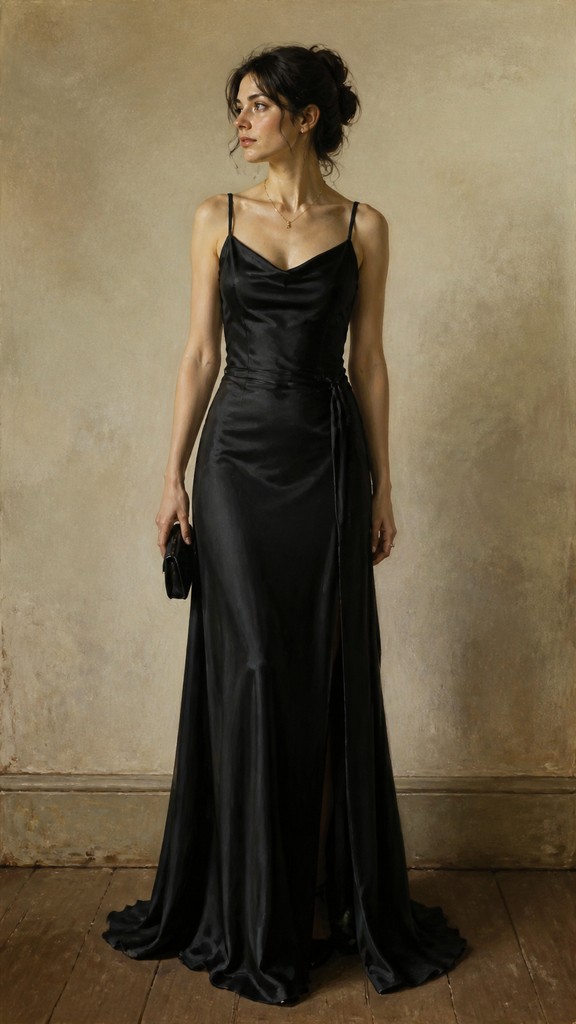
Contemporary realism is best understood as a continuation of long realist traditions rather than a single historical movement with a fixed founding moment. It draws from 19th-century realism, academic figure painting, and the observational discipline of representational art, while also absorbing the tonal subtlety and color discipline seen in 20th-century figurative painting. In the late 20th and early 21st centuries, many painters and illustrators renewed interest in direct observation, life drawing, and technically refined representation as an alternative to abstraction and conceptualism.
Its aesthetic lineage also includes realist photography, cinematic naturalism, and atelier-based instruction, all of which encouraged close study of light, anatomy, materials, and everyday subject matter. In digital media, contemporary realism has expanded into concept art, portrait illustration, and editorial imagery, where artists use modern tools to achieve the same goals of believable form, truthful color, and expressive restraint.
Influences: Contemporary realism is related to 19th-century realism and naturalism, as well as academic figure painting and atelier training that emphasize observation and draftsmanship. It also overlaps with photographic realism and the work of many figurative painters who kept representation central, including leading landscape realists, major French realist painters, a prominent Russian realist painter, and a notable French modern painter from different historical contexts. In a broader sense, it shares values with documentary photography, cinematic realism, and contemporary figurative painting that privileges everyday life and believable light.
Frequently Asked Questions
What defines contemporary realism?
It is defined by careful observation of real subjects, convincing light and materials, and an honest, unidealized approach to representation. The style remains recognizably realistic, but it is shaped by the artist’s sensitivity to atmosphere, mood, and composition.
How is contemporary realism different from photorealism?
Photorealism often aims to reproduce the visual information of a photograph with extreme precision and minimal visible interpretation. Contemporary realism is usually less dependent on optical exactness and more interested in believable presence, painterly judgment, and emotional restraint.
Is contemporary realism only used in painting?
No. It appears in drawing, illustration, digital art, and concept work as well as painting. The key is not the medium but the commitment to observed reality, naturalistic light, and credible material depiction.
What subjects work best in this style?
Portraits, interiors, quiet street scenes, still lifes, and ordinary moments of modern life are especially effective. The style thrives when there is something concrete to observe: skin, fabric, architecture, weather, or everyday objects.
How can I make my image feel more contemporary and less classical?
Choose present-day clothing, environments, and objects, and avoid antique compositions or theatrical poses unless intentionally desired. Keep the rendering disciplined and realistic, but let the subject matter reflect current life and modern settings.
Where is contemporary realism commonly used?
It is common in portraiture, editorial illustration, fine art painting, game and film concept art, and narrative imagery. Artists use it when they want an image that feels credible, human, and visually legible without becoming stylized or abstract.
Create your first Contemporary Realism artwork
Describe anything — or upload a photo — and see it in Contemporary Realism Art Style in seconds.
Make Something with Contemporary Realism
Related Styles
Discover similar art styles