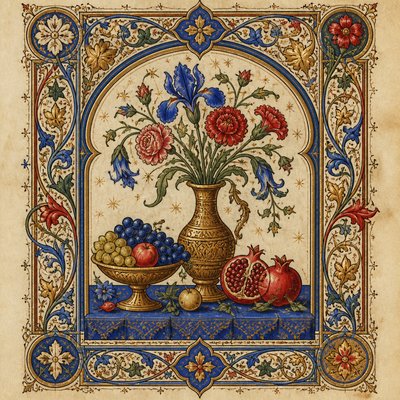
Contemporary Religious Art
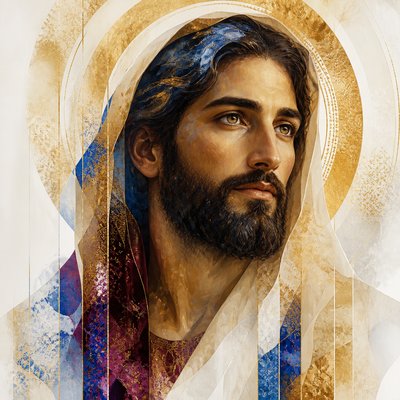
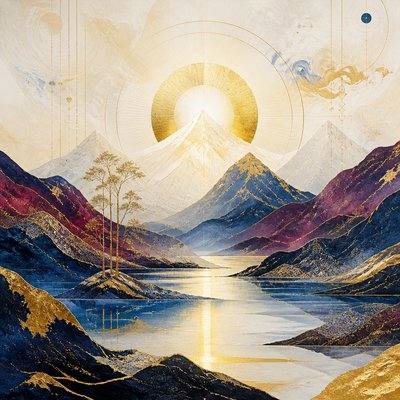
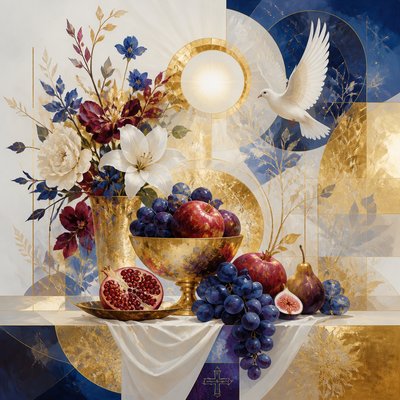
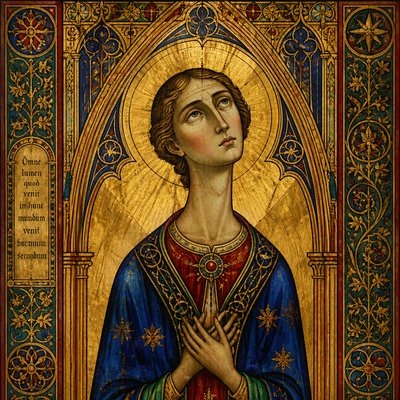
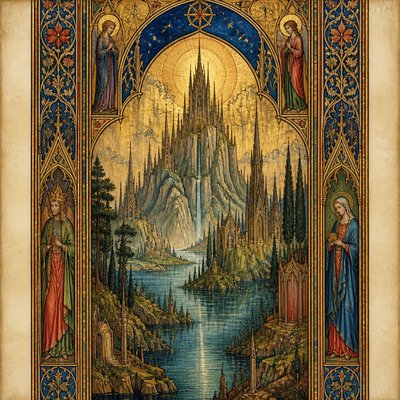
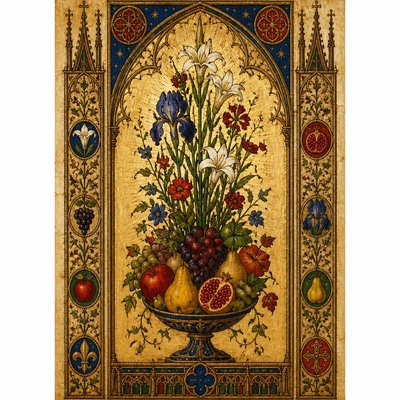
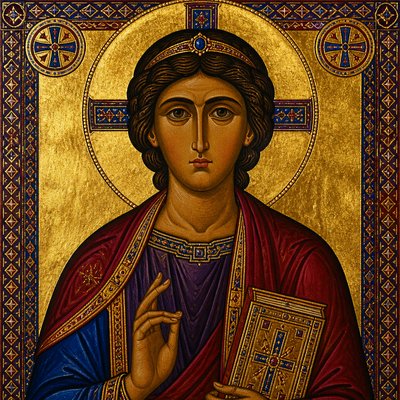
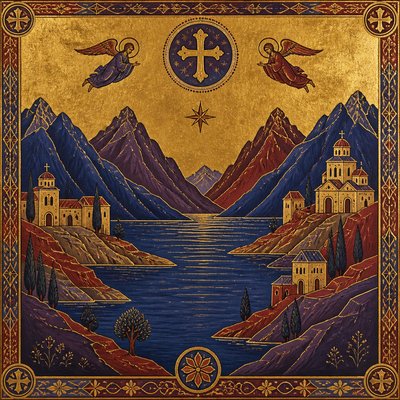
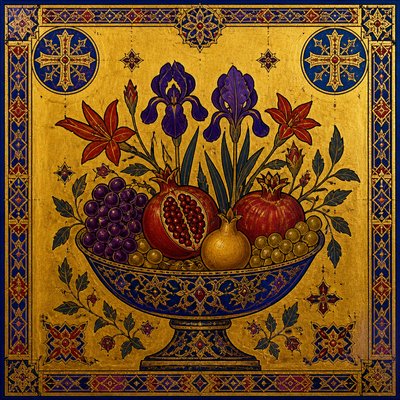
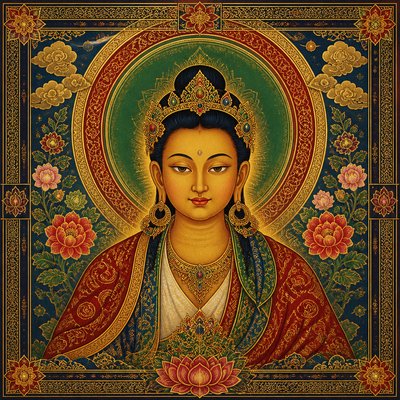
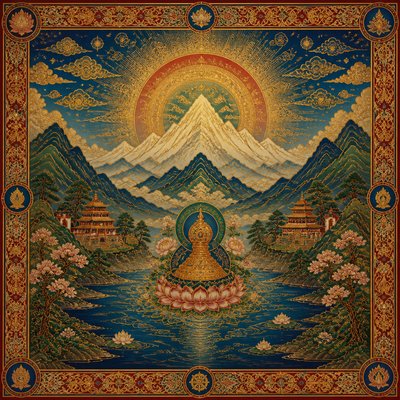
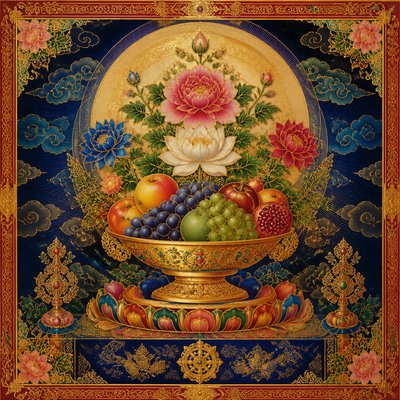
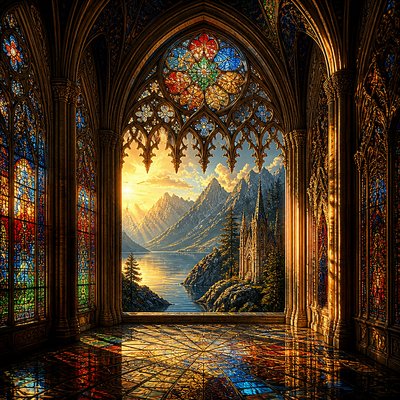
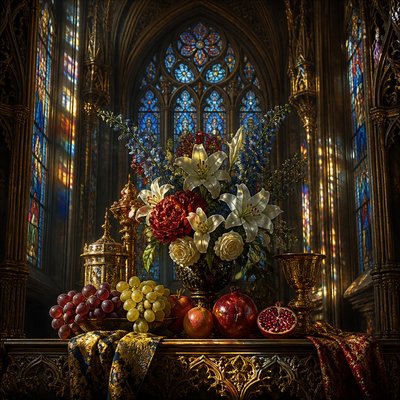
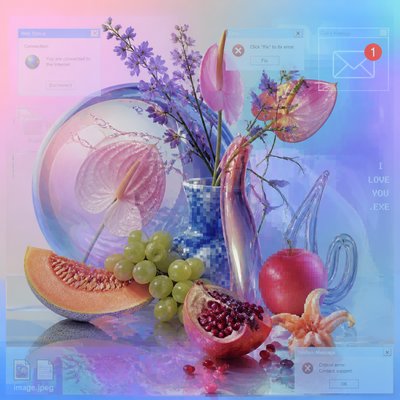
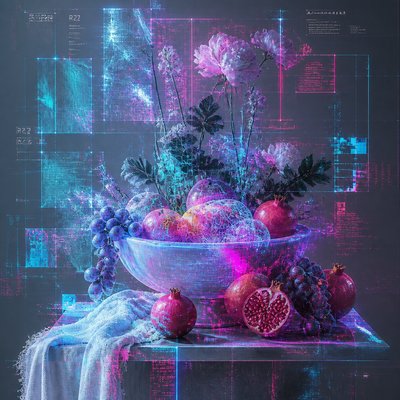
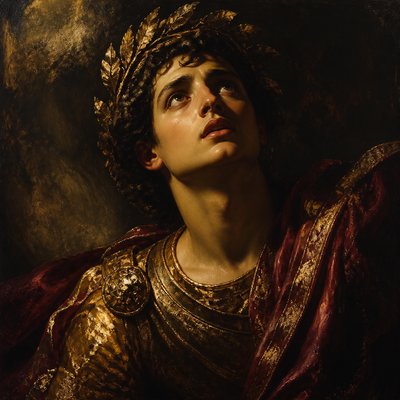
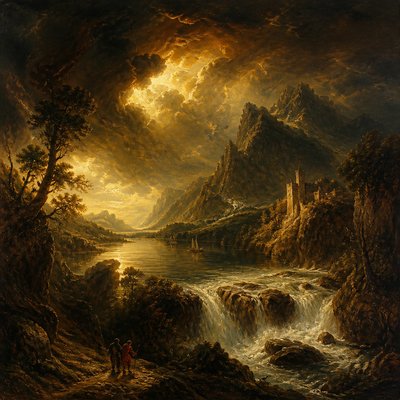
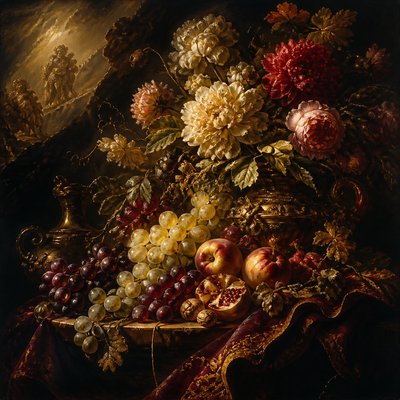
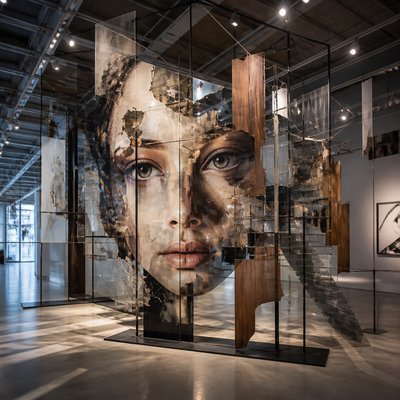
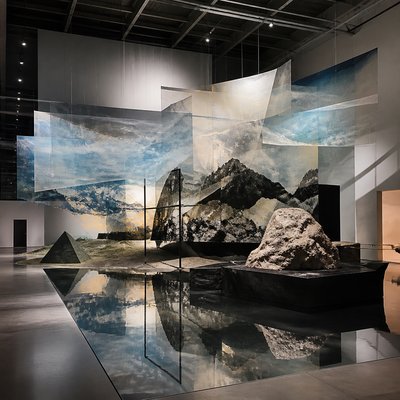
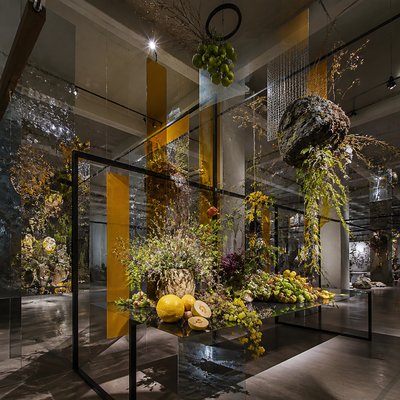
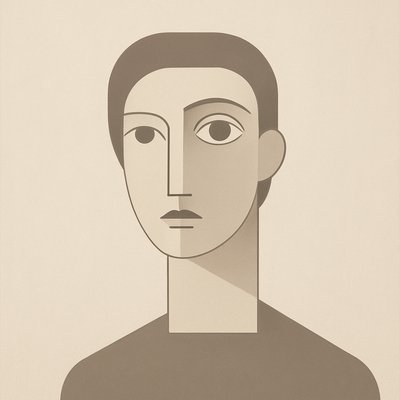
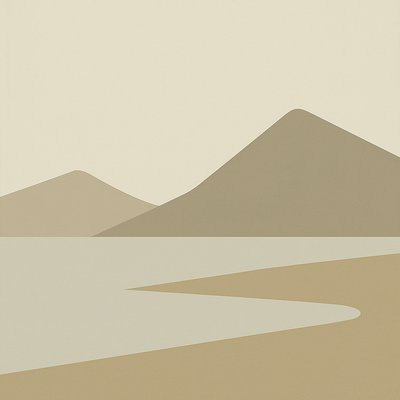
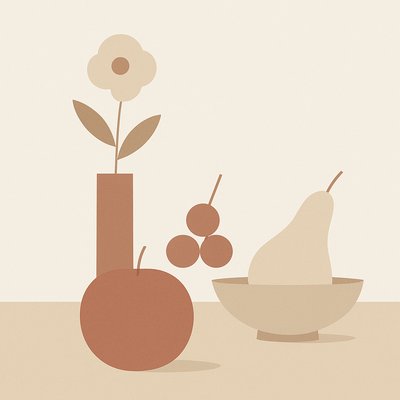
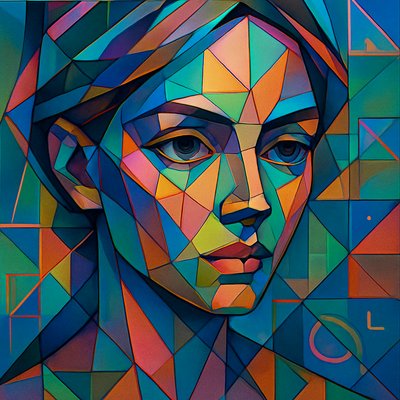
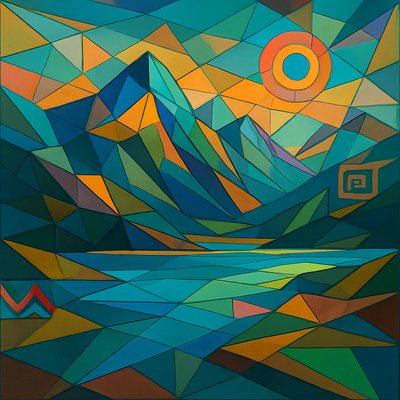
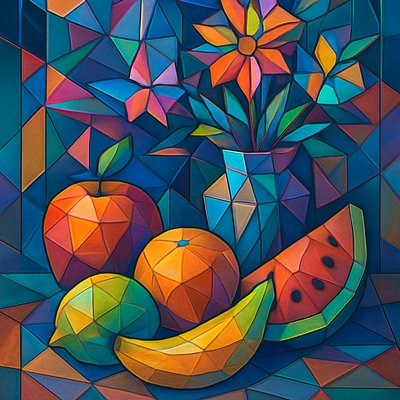
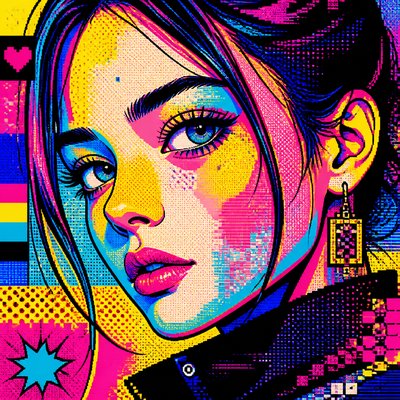
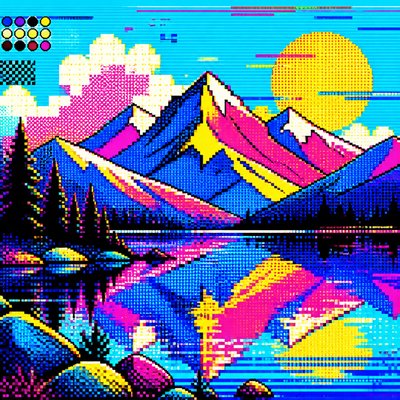
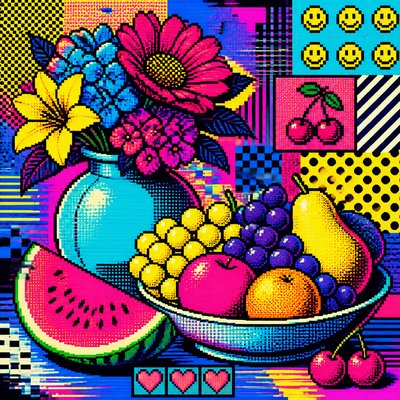
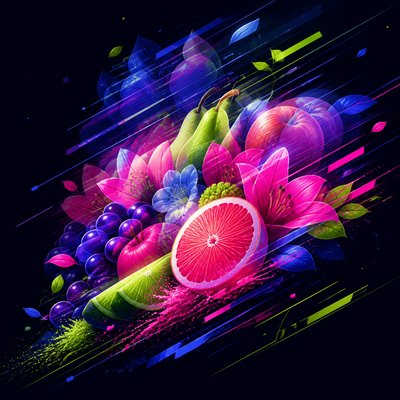
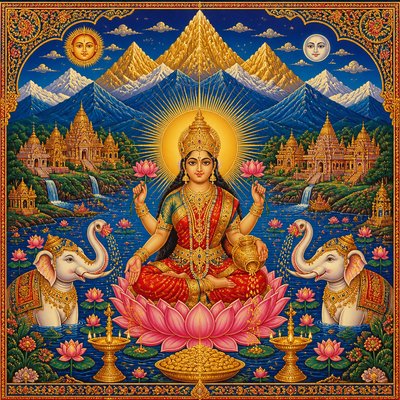
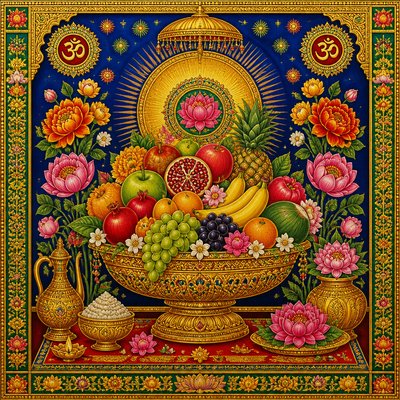
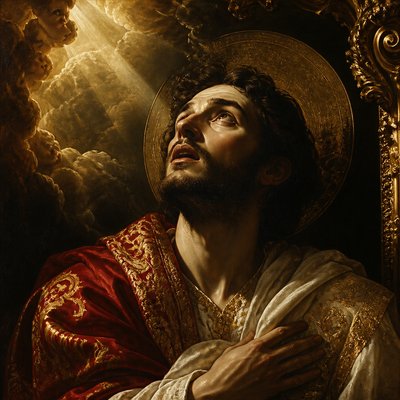
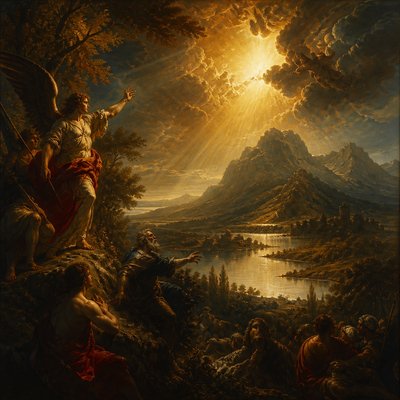
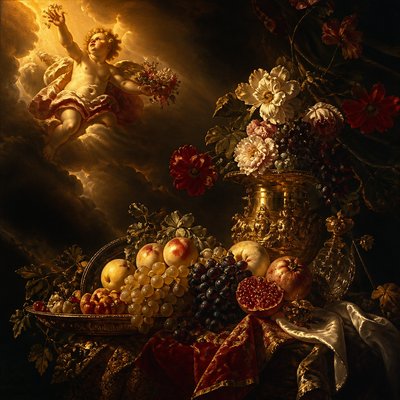
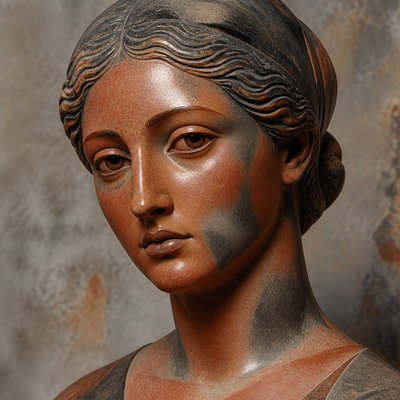
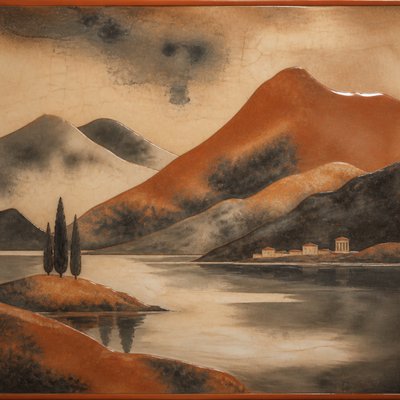
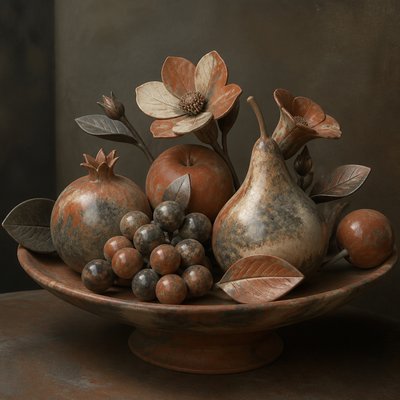
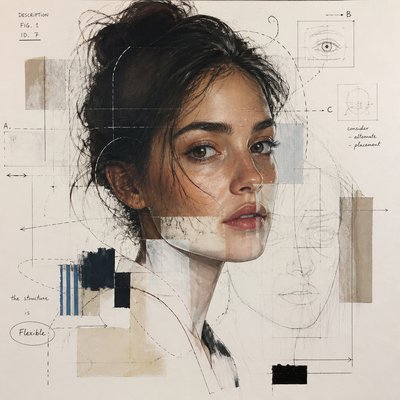
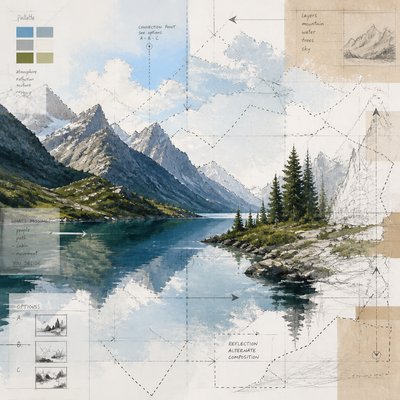
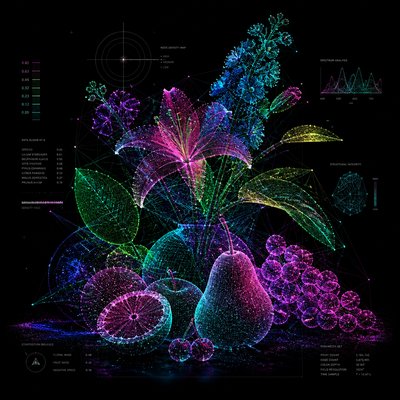
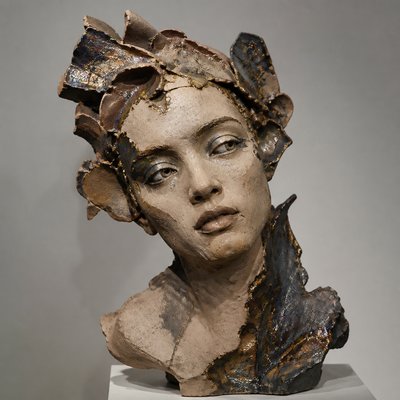
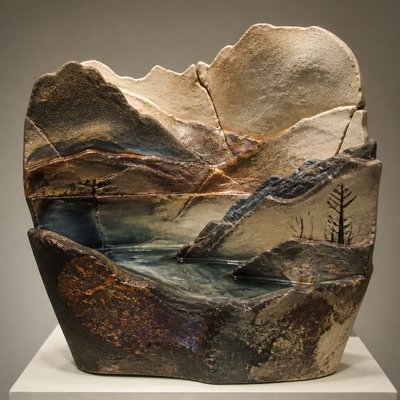
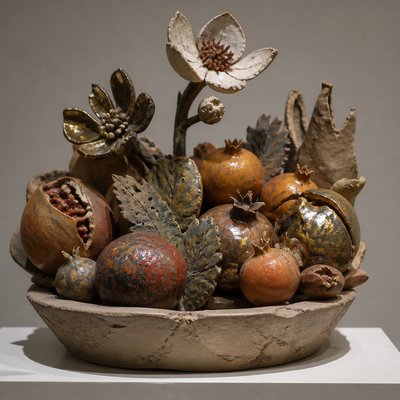
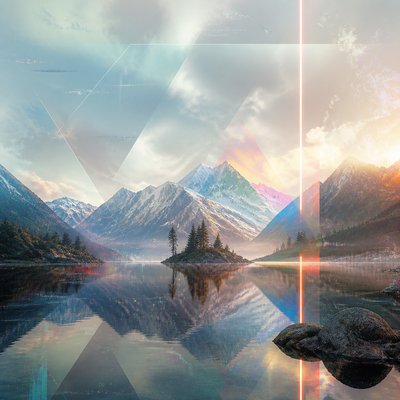
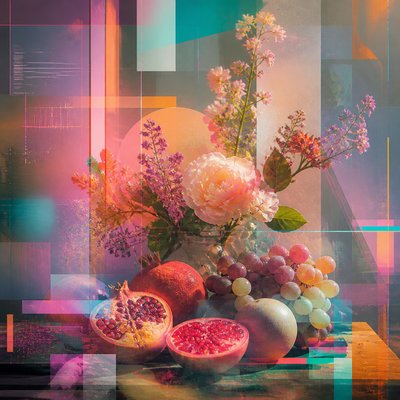
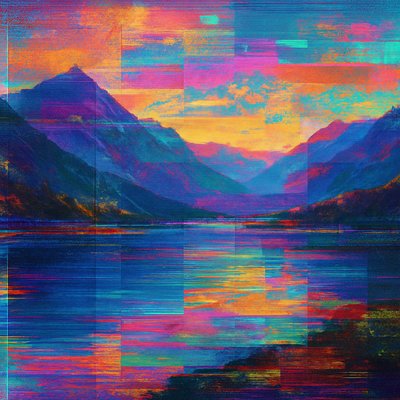
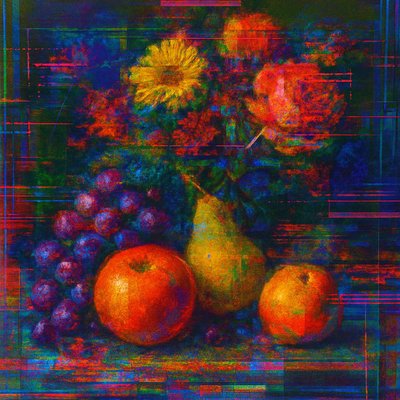
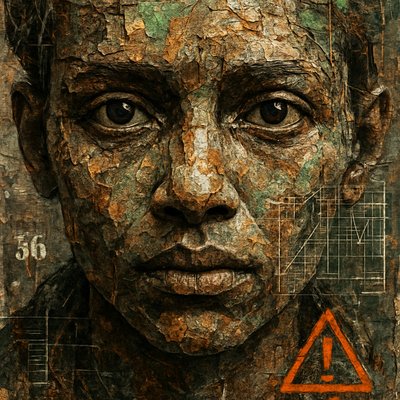
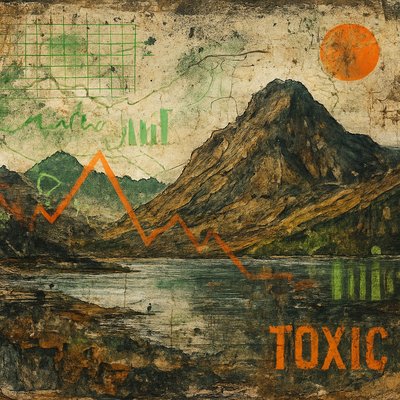
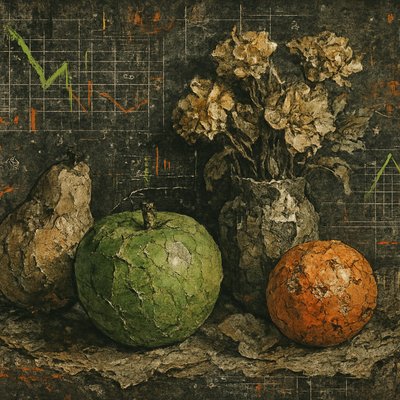
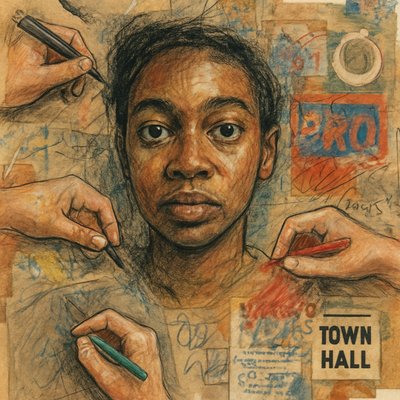
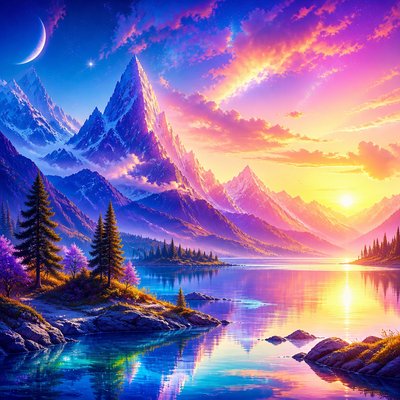
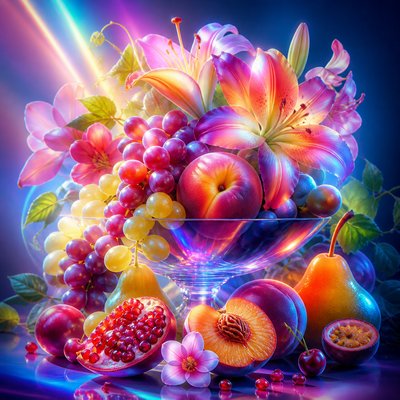
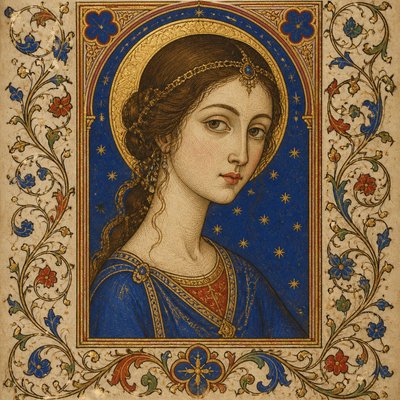
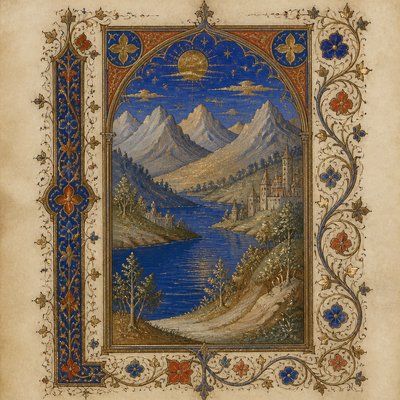
Modern sacred imagery using luminous light, jewel tones, gold accents, and reverent composition for contemporary spiritual art.
Instantly rendered in Contemporary Religious — or transform a photo
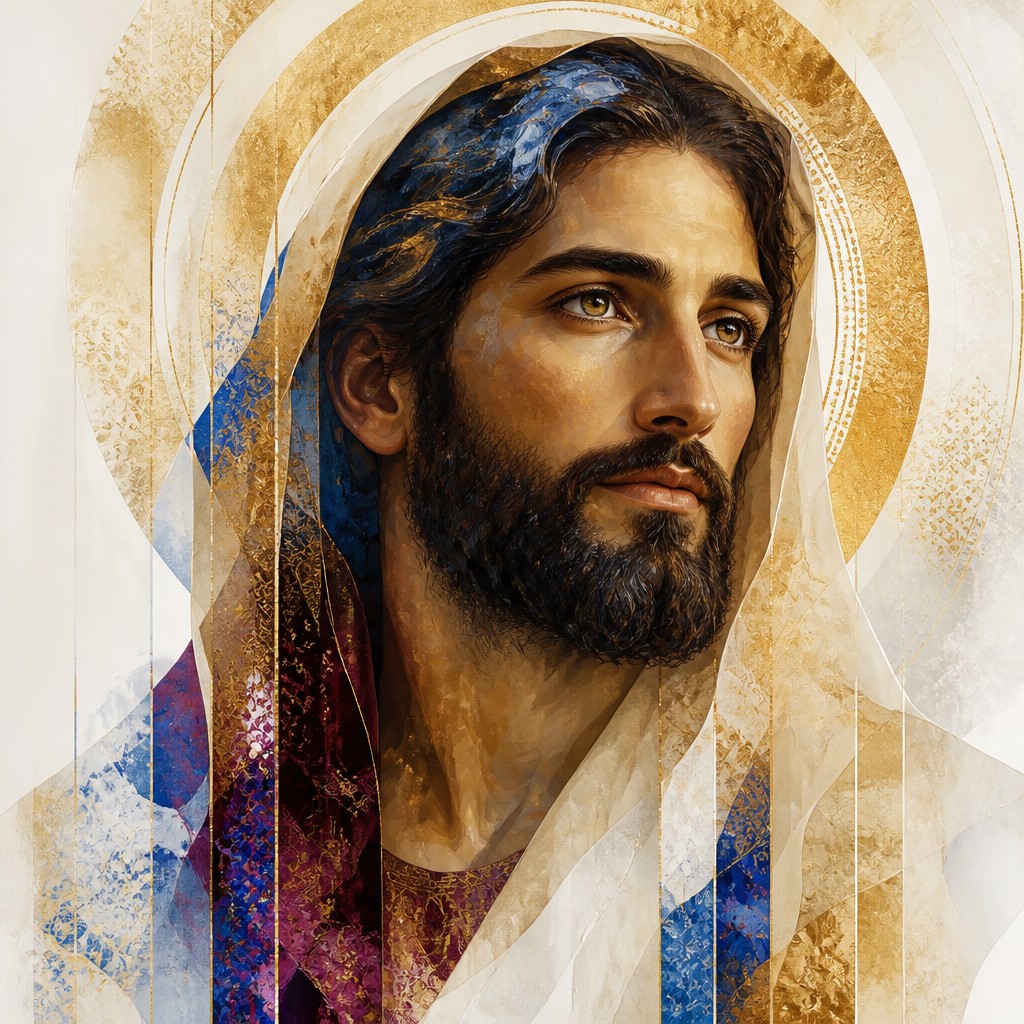
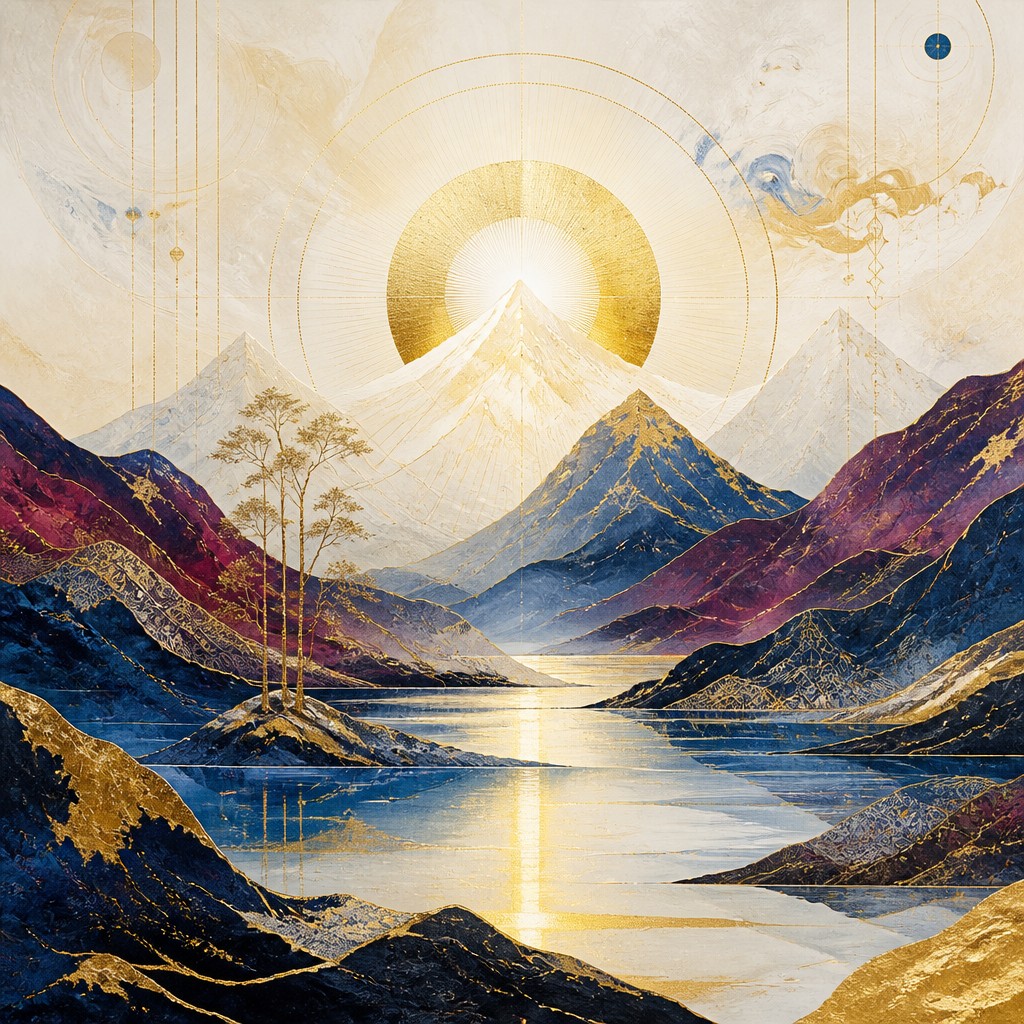
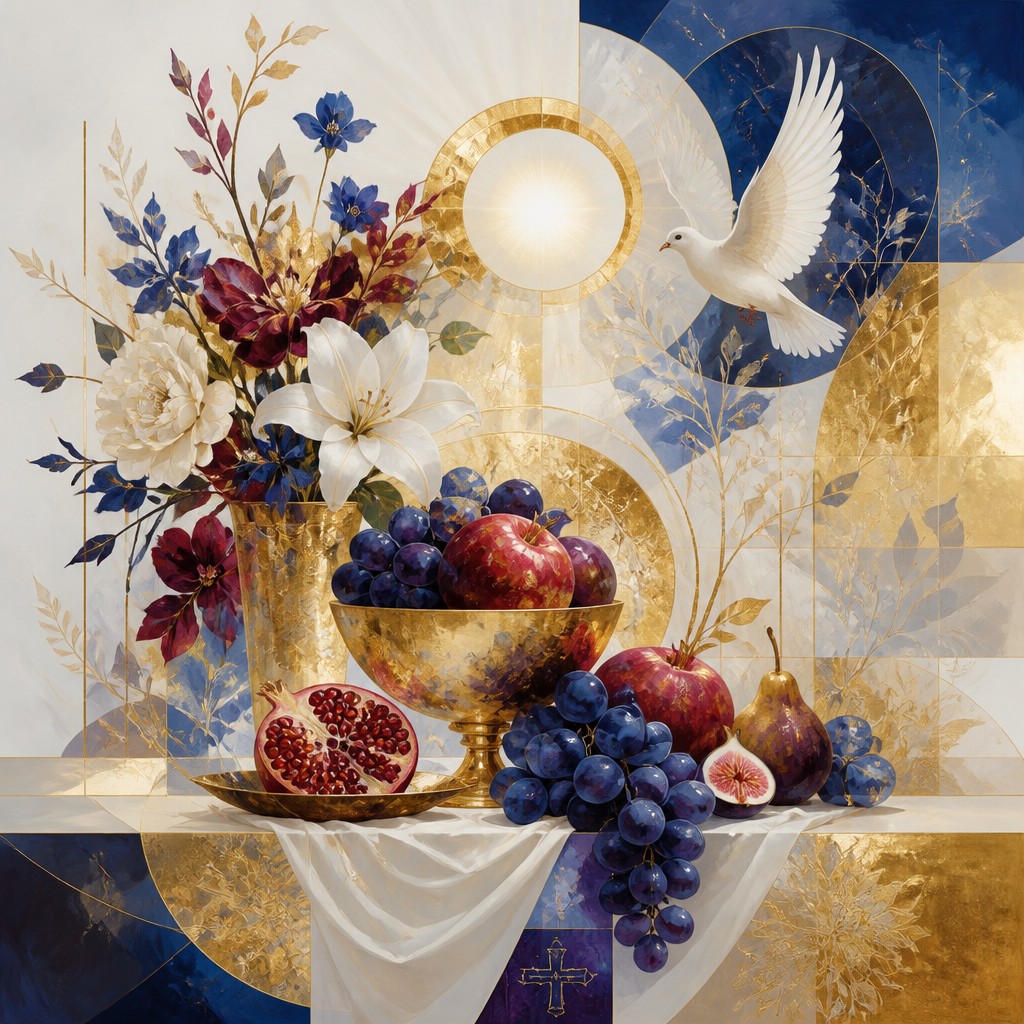
Contemporary Religious Gallery
Tap any artwork to explore it

What is Contemporary Religious Art?
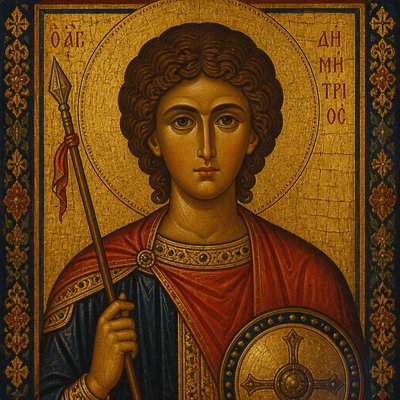
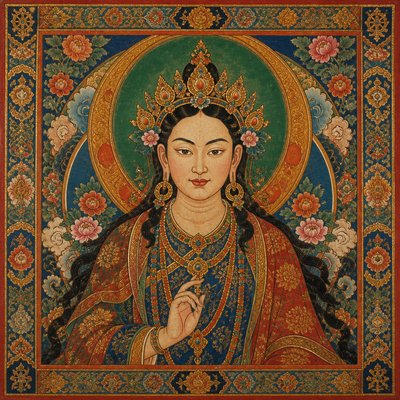
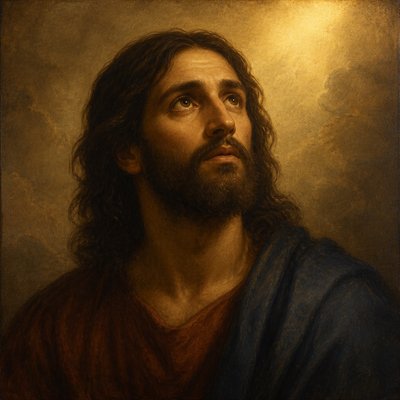
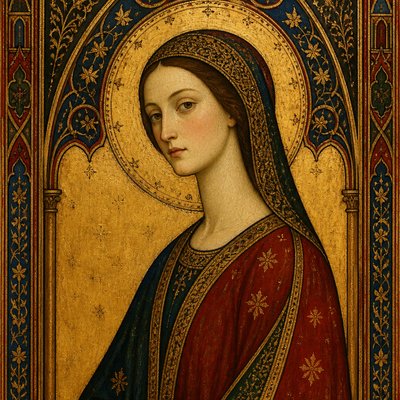
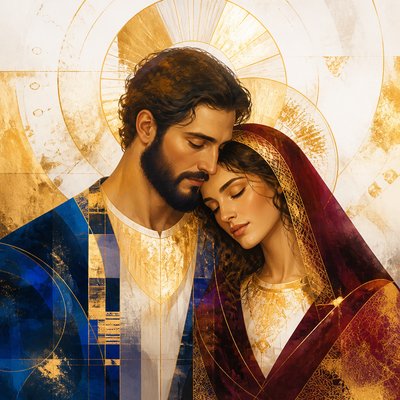
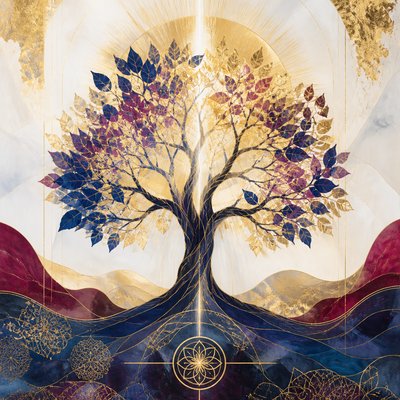
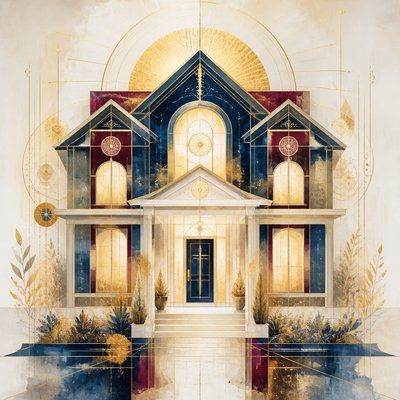
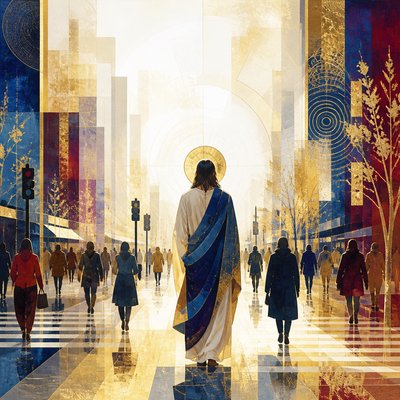
Contemporary Religious Art is a modern approach to sacred imagery that reinterprets spiritual subjects through current visual languages while preserving reverence, symbolism, and devotional feeling. It can depict traditional figures such as saints, angels, bodhisattvas, prophets, and holy narratives, or more abstract meditations on transcendence, prayer, and divine presence.
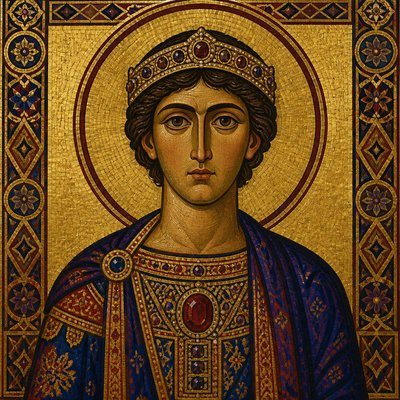
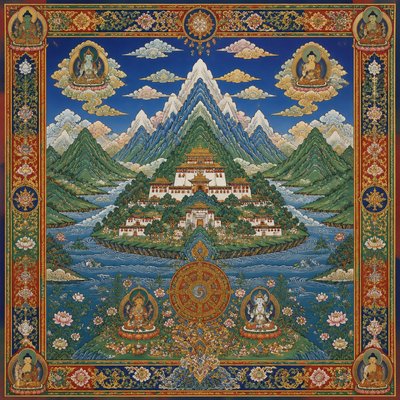
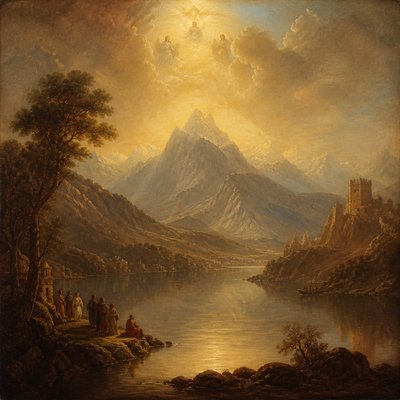
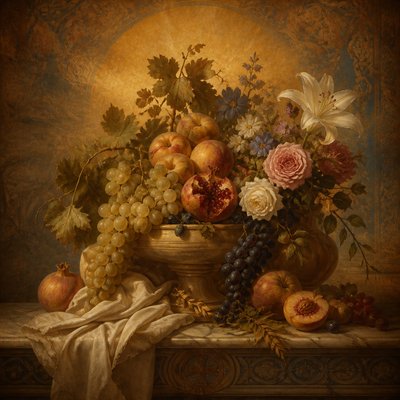
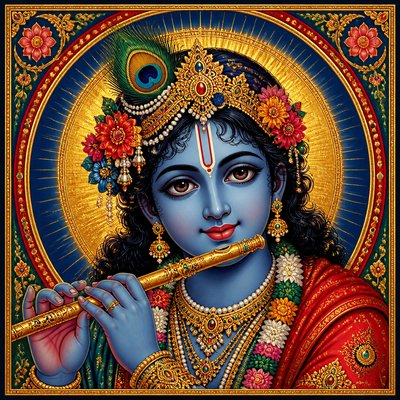
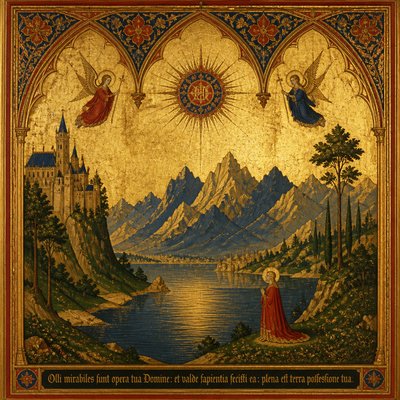
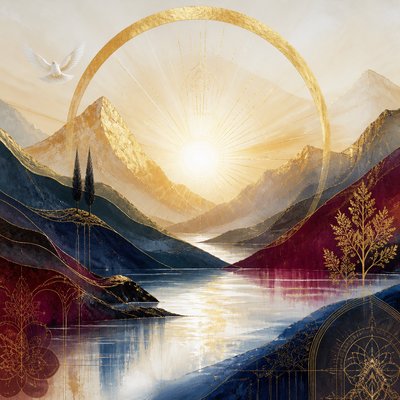
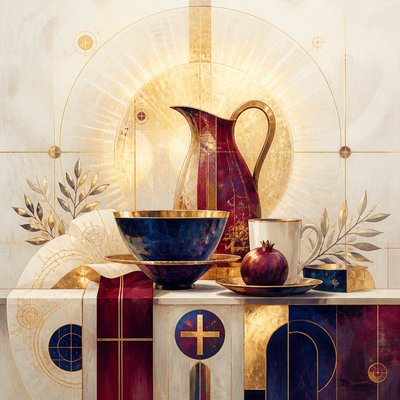
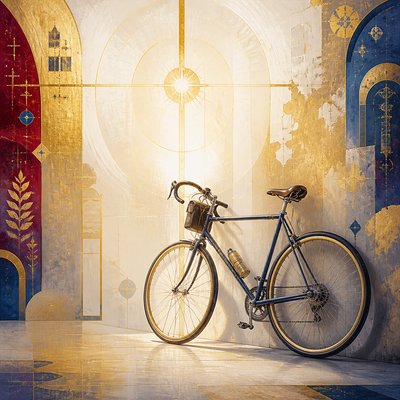
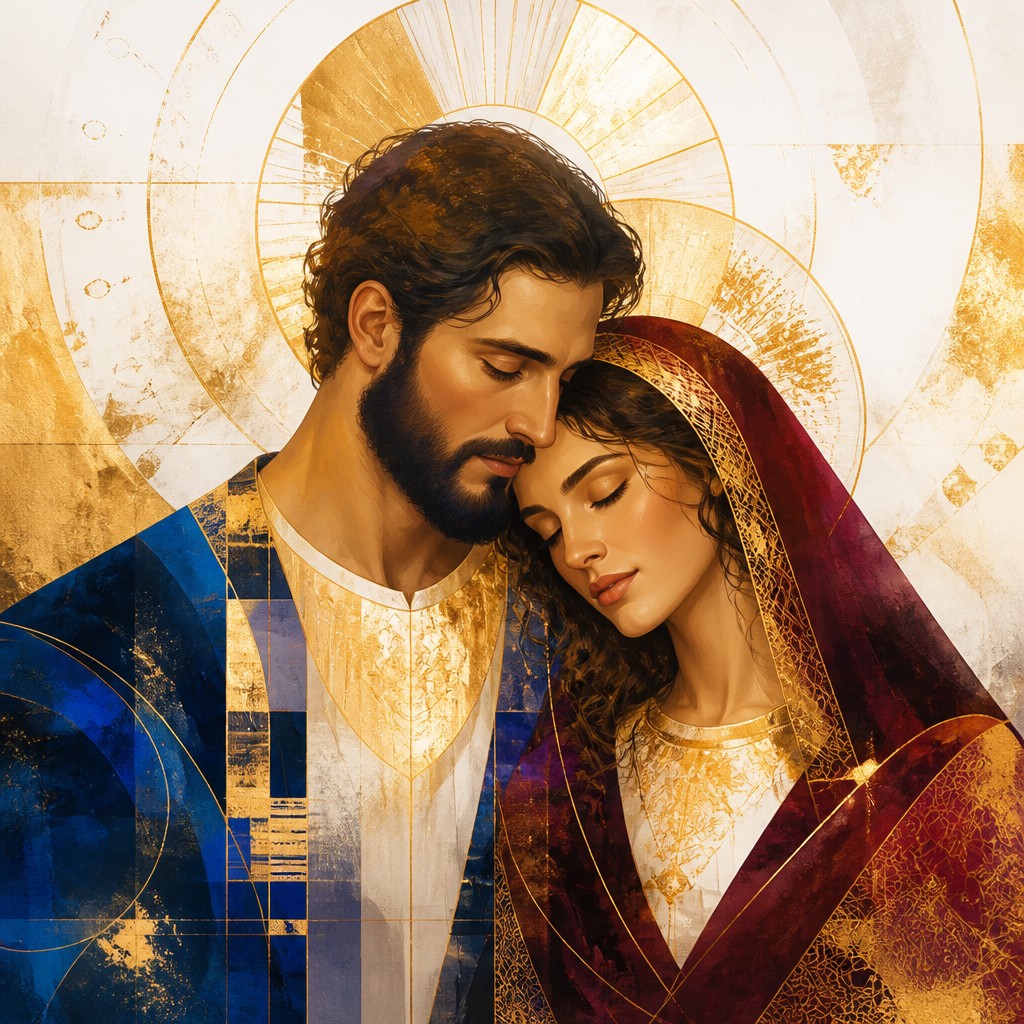
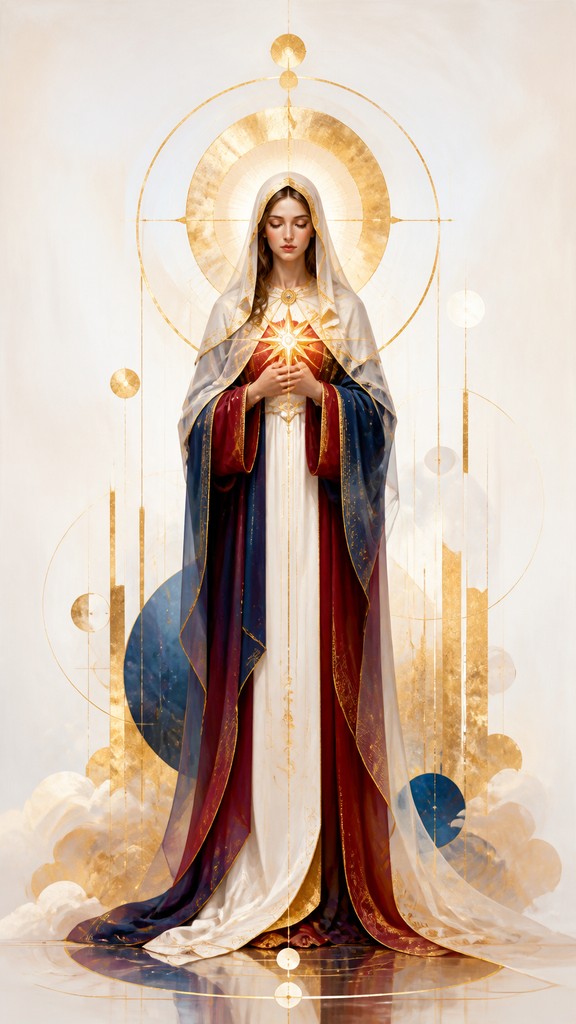
Its visual identity usually combines luminous, internal-looking light, jewel-toned color, gold accents, and carefully balanced negative space. The style often merges minimalist composition with intricate ornament, creating works that feel both contemporary and timeless: accessible to modern viewers, yet visually linked to long traditions of icons, altarpieces, manuscript illumination, and sacred mural painting.
Try It On Your Photos
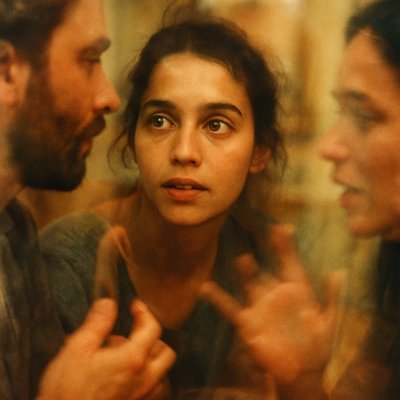
Upload any photo and convert it into Contemporary Religious Art — drag the sliders to compare before and after.


What Defines Contemporary Religious Art
The signature details, up close
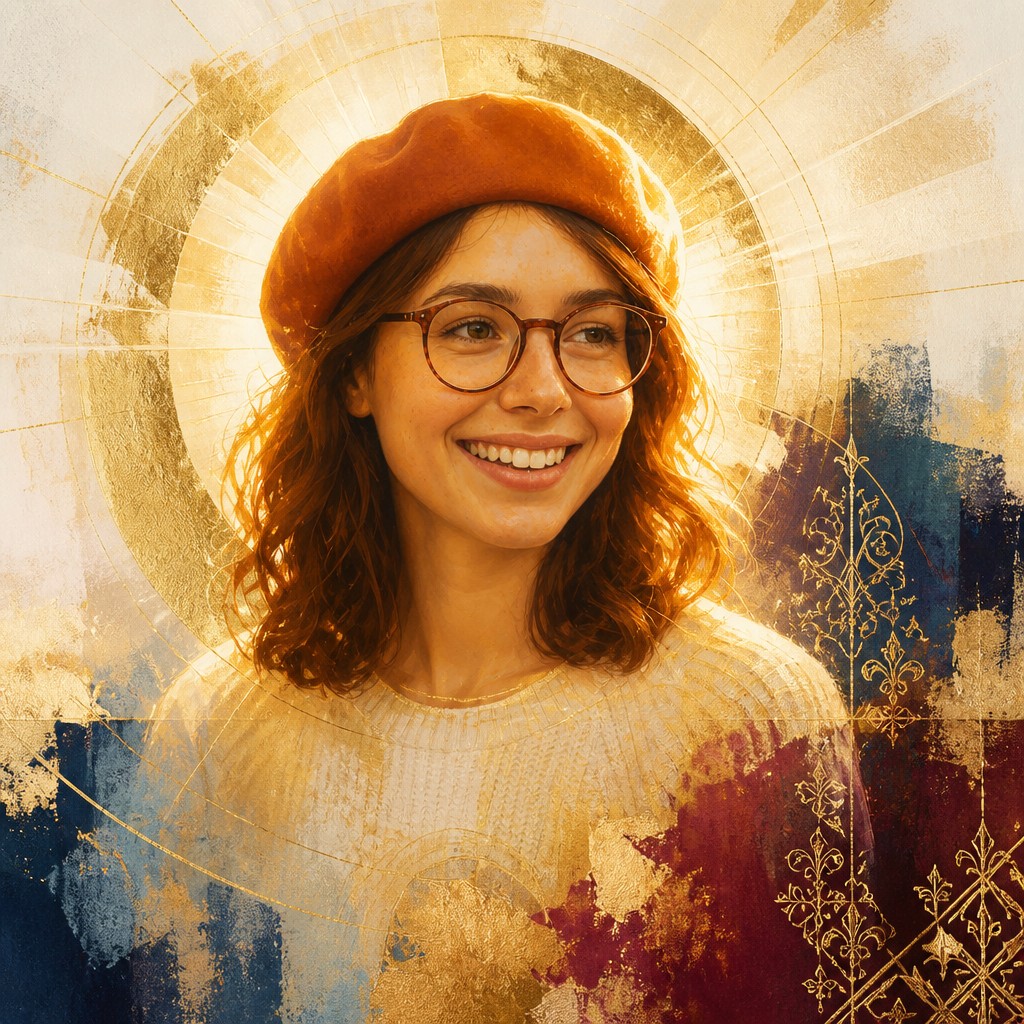
Luminous internal light
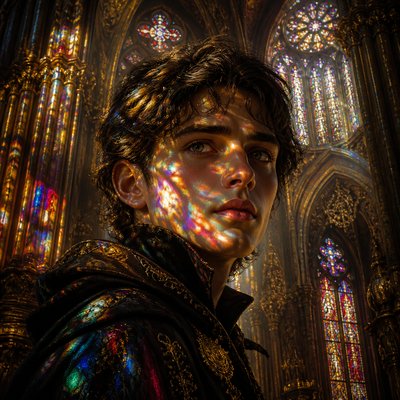
Figures and objects often appear to glow from within, with halos, radiance, or soft beams that suggest spiritual presence rather than literal illumination. This creates a contemplative atmosphere and reinforces the sense of transcendence.
Jewel-toned sacred palette
Deep sapphire, burgundy, emerald, and gold are common, often balanced against white, cream, or pale ground colors. The contrast gives the imagery solemnity, richness, and a ceremonial quality.
Gold-leaf and iridescent accents
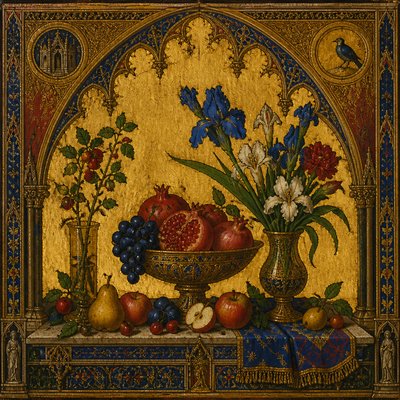
Metallic highlights evoke icons, reliquaries, and illuminated manuscripts, translating traditional sacred luxury into a modern visual register. Even when actual gold leaf is absent, the effect is often simulated through reflective paint, digital shimmer, or warm reflective edges.
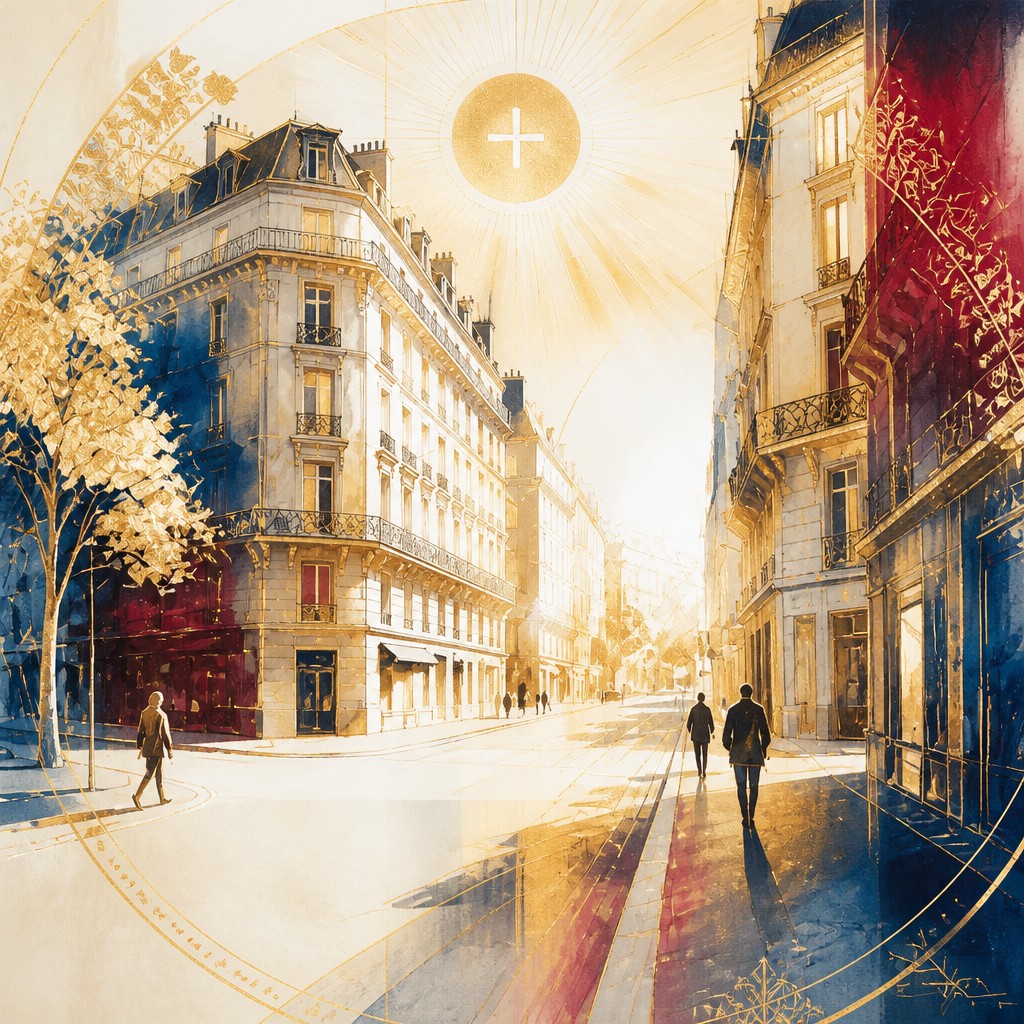
Minimal space with ornamental detail
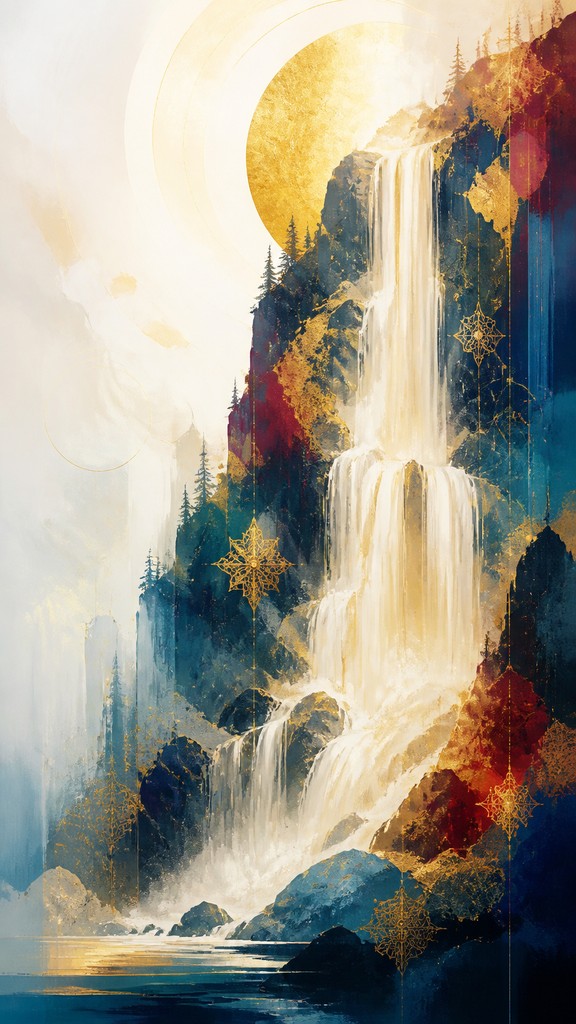
Large quiet areas may surround a central figure or symbol, while selected regions carry dense pattern, filigree, or sacred geometry. This controlled contrast keeps the composition modern without losing ceremonial depth.
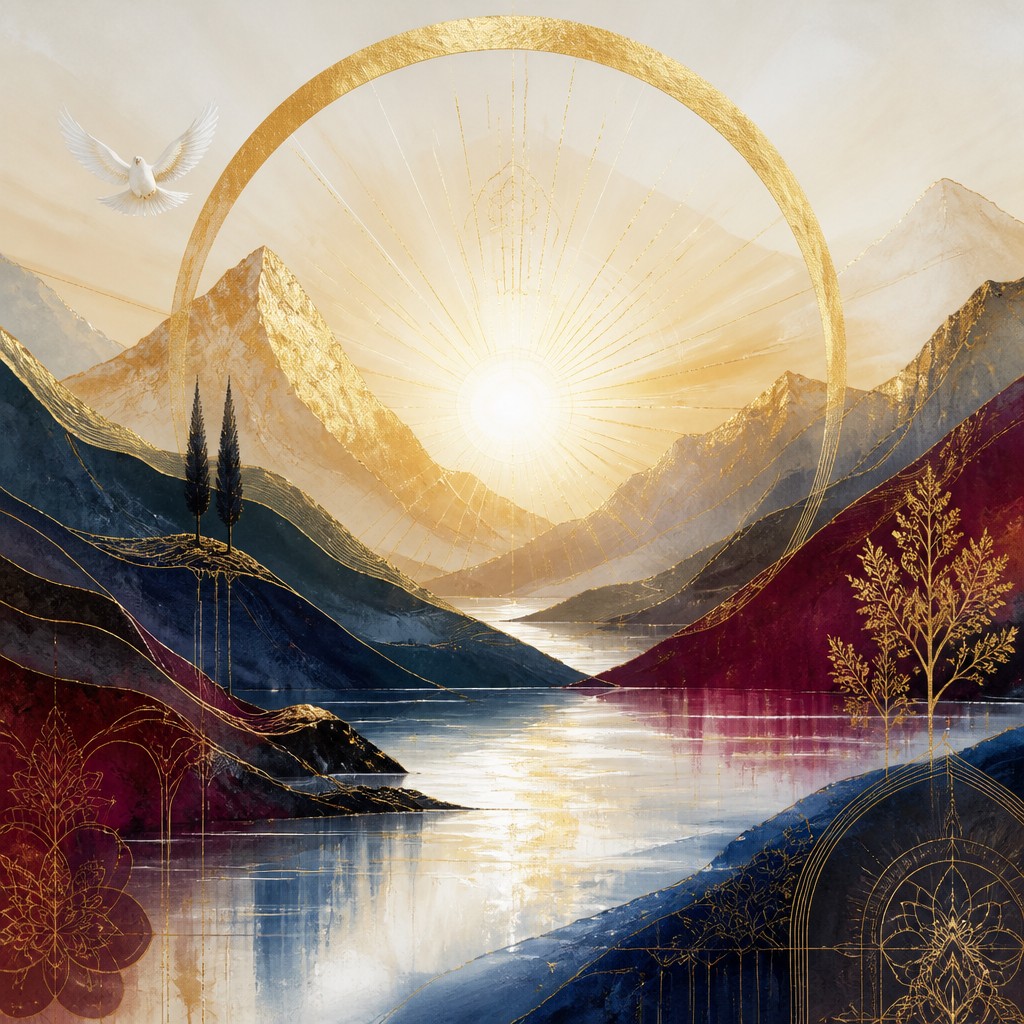
Translucent layering
Veils of color, overlapping forms, and semi-transparent planes create a sense of mystery and spiritual depth. The layering can resemble stained glass, icon varnish, watercolor glazing, or digital compositing.
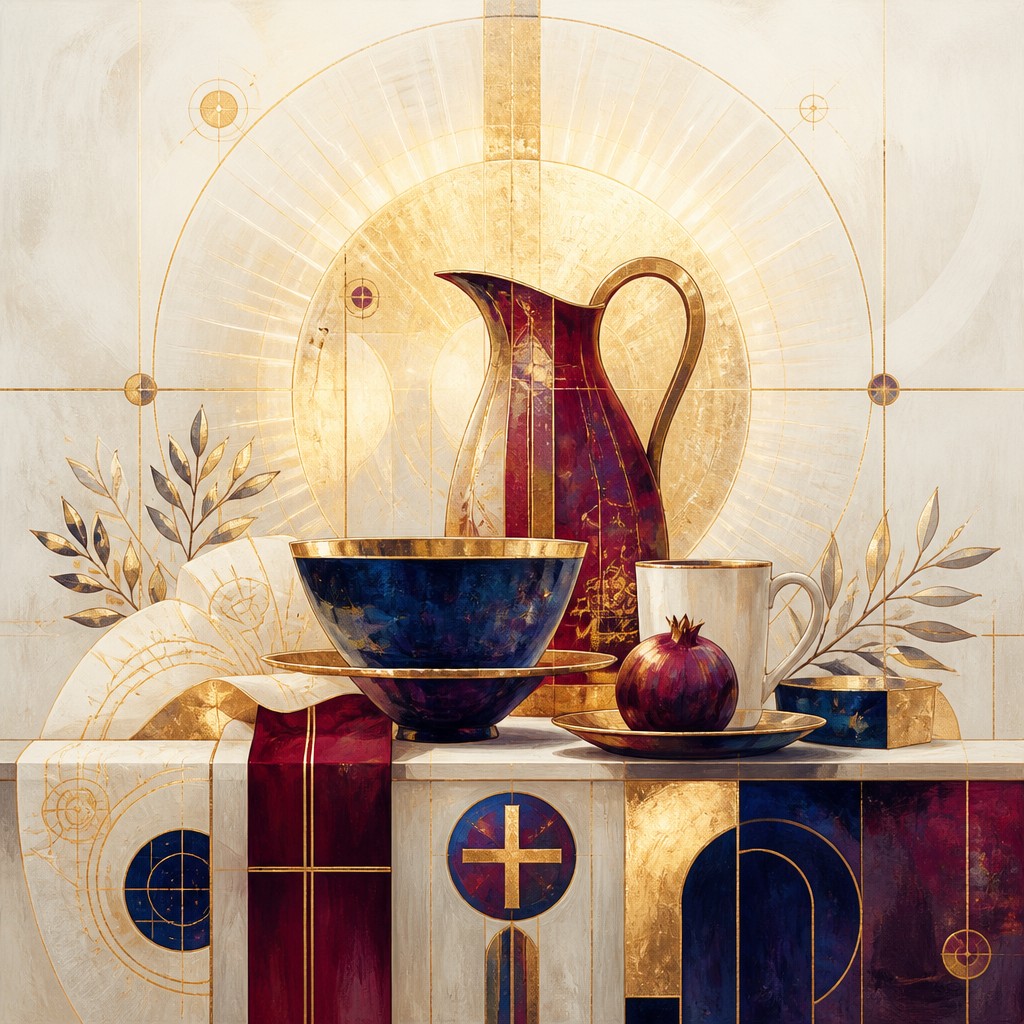
Reverent symbolic composition
The arrangement usually feels balanced, frontal, and intentional, with poses or motifs chosen for dignity and clarity. Even abstract works often preserve an altar-like center of gravity.
Try It
Create Videos in Contemporary Religious Art
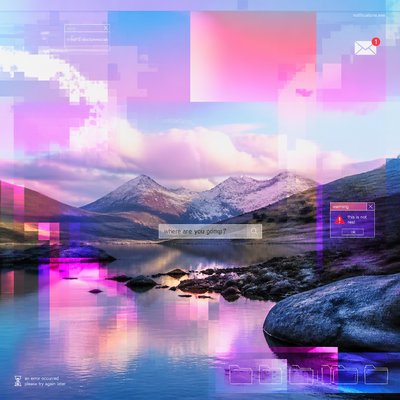
Styles aren't just for stills — describe a scene or animate an image and get a short video rendered in Contemporary Religious. Press play to see this pond come to life.
Make a VideoContemporary Religious Prompt Ideas
Start from an idea — each one opens the generator with the style ready to go. See all 40 Contemporary Religious prompts →
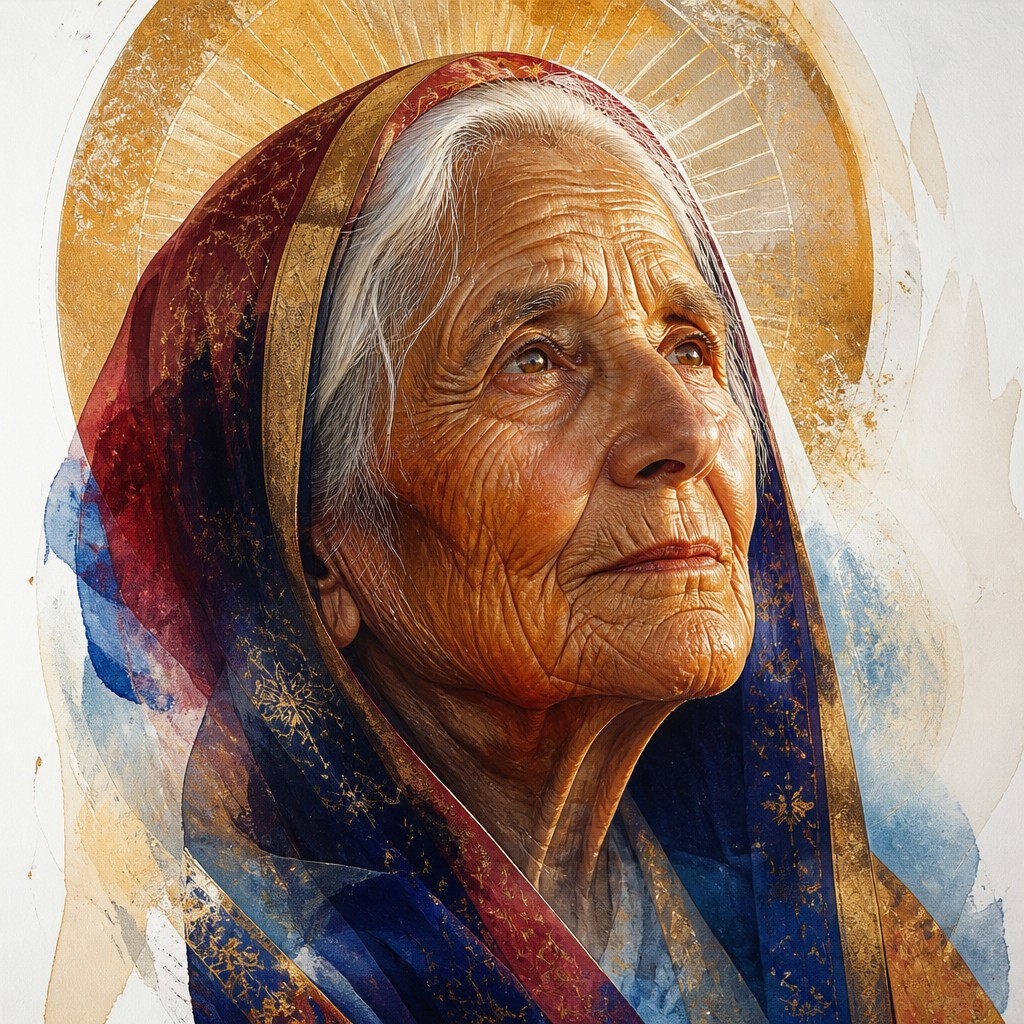
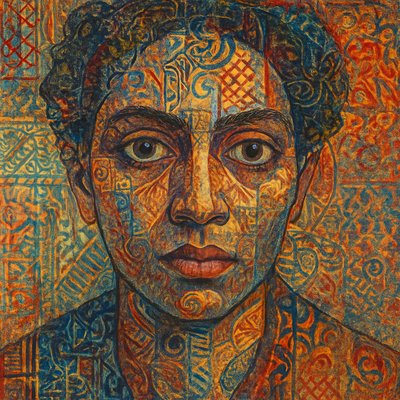
“close-up portrait of an elderly person with expressive weathered features”
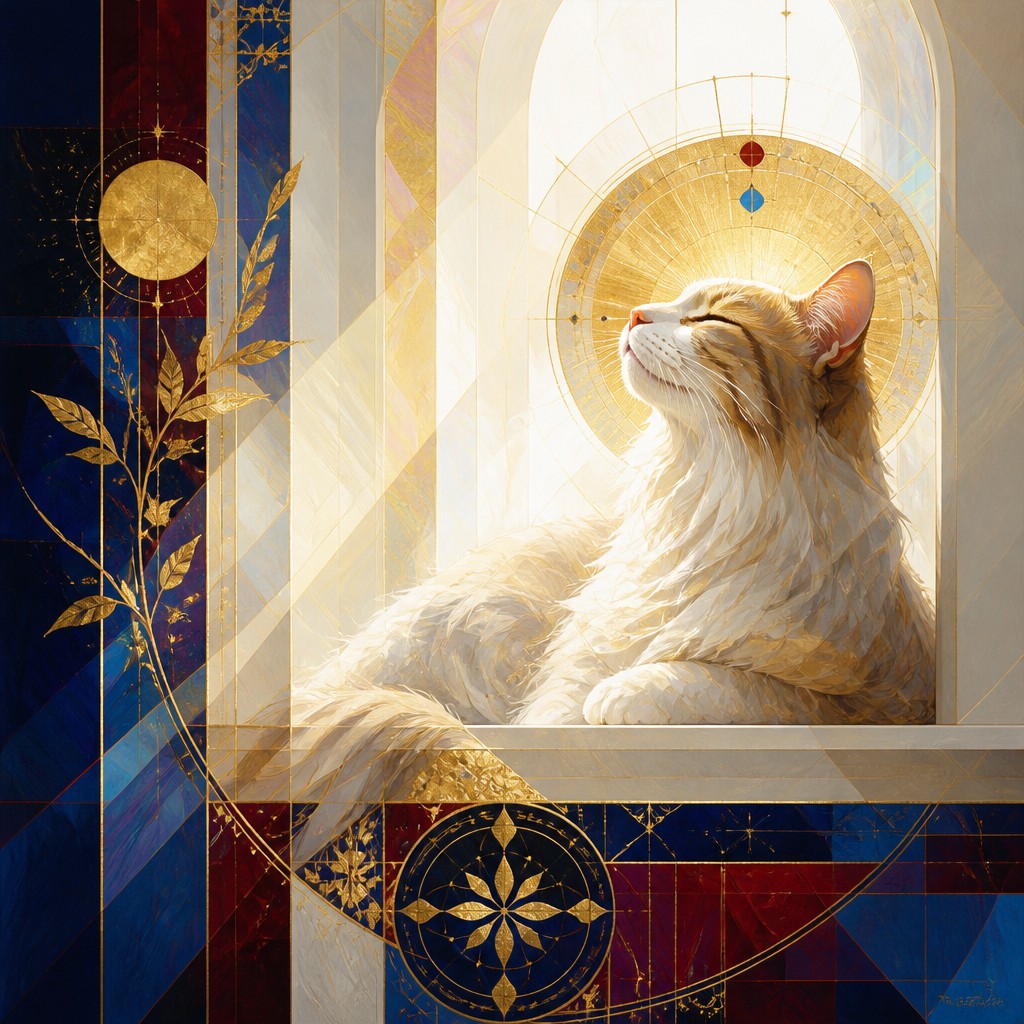
“a cat lounging in a sunlit window”
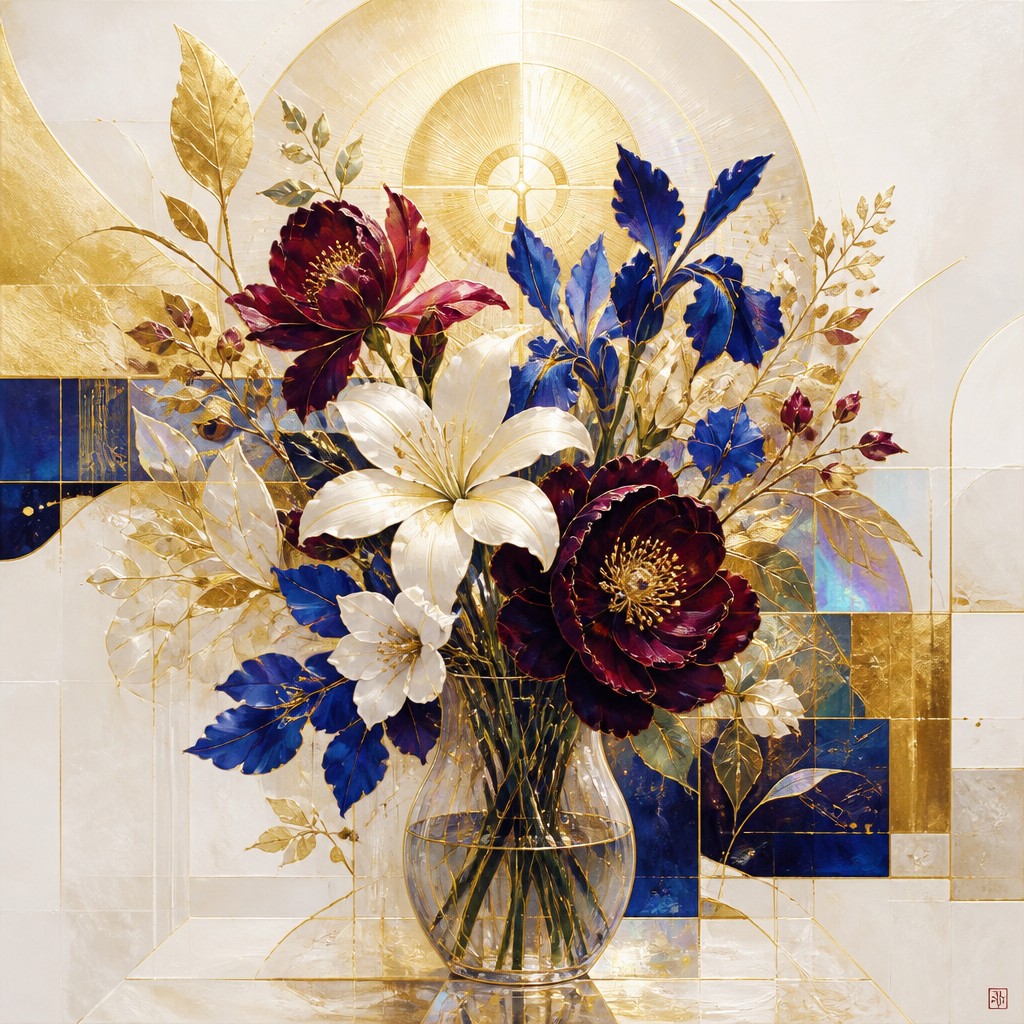
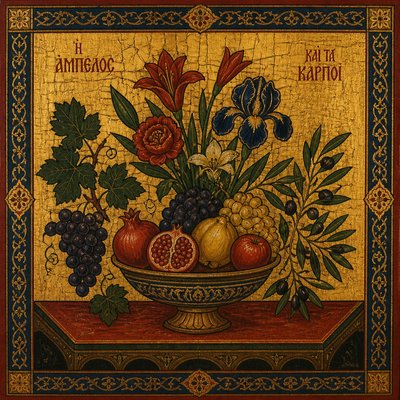
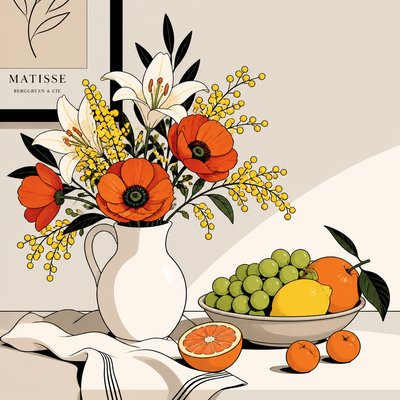
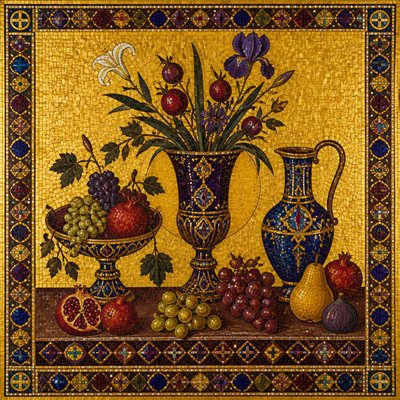
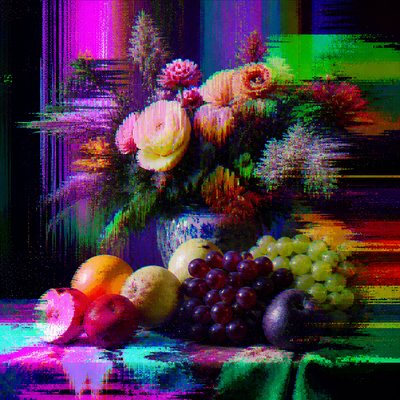
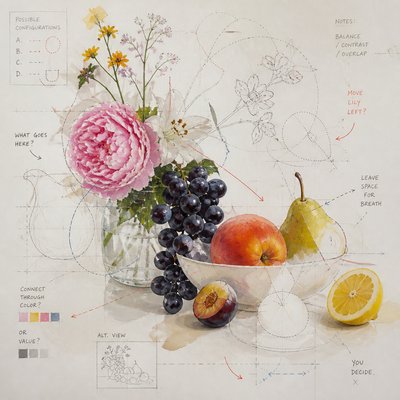
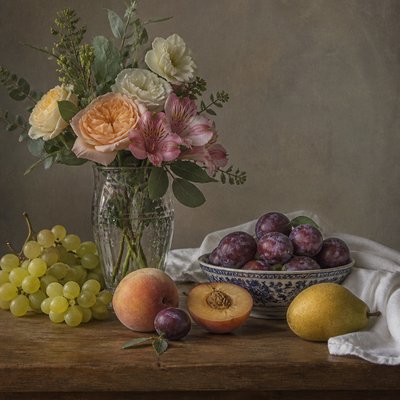
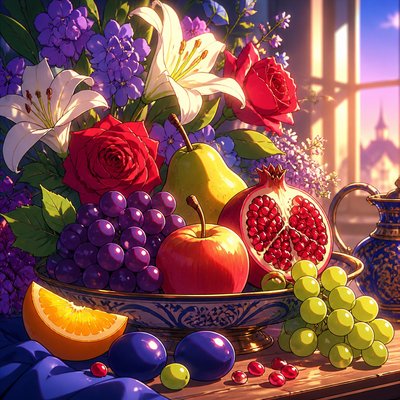
“bouquet of flowers in a glass vase”
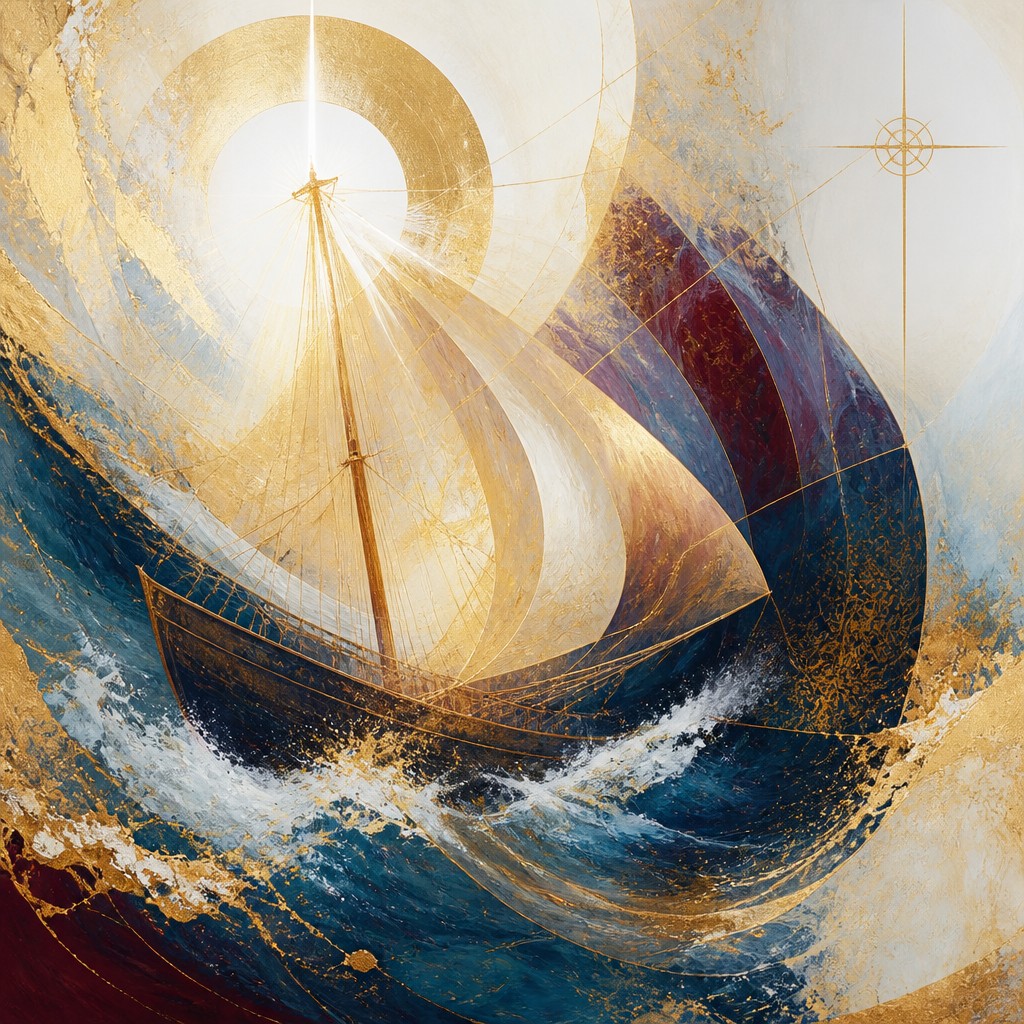
“sailing ship on a stormy sea”
How to Create Contemporary Religious Art
Master the craft step by step — or skip straight to creating. Read the full guide →
- 1
Build a devotional focal structure
Start with a simple, centered composition or an asymmetrical but balanced arrangement that directs attention to a sacred subject or symbol. In traditional media, use underdrawing and glazing to preserve clarity; in digital work, block in large shapes first and refine the focal glow afterward.
- 2
Use controlled light as meaning
Make the light feel symbolic rather than merely realistic: halos, radiance, and backlit edges should suggest presence, grace, or revelation. If painting physically, layer transparent color over a light ground; if working digitally, use soft bloom, additive highlights, and subtle gradients.
- 3
Combine restraint with ornament
Keep much of the image quiet and spacious, then concentrate pattern, linework, or gold accents in specific areas such as garments, borders, or halos. This balance helps the work feel contemporary while still honoring sacred decorative traditions.
- 4
Choose a palette with ceremonial contrast
Pair deep saturated hues with ivory, cream, or white so the image feels elevated and legible. In a prompt, specify jewel tones, gold accents, translucent layers, and a contemplative mood to guide the generation toward the intended tone.
- 5
Reference tradition without copying it
Borrow the visual logic of icons, manuscripts, stained glass, or temple decoration while developing your own forms and symbolism. For image-to-image work, use a reference only as a structural guide and simplify details so the final image reads as contemporary rather than historical pastiche.
- 6
Protect reverence in prompt wording
Name the subject clearly, describe the intended mood, and avoid contradictory cues that push the image toward satire, horror, or decorative kitsch. Phrases such as 'reverent,' 'contemplative,' 'sacred,' 'radiant,' and 'icon-like' help keep the result aligned with the style.
The Story
History & Origins of Contemporary Religious
Contemporary Religious Art is not a single historical movement with a fixed founding date; it is an ongoing aesthetic category shaped by late 19th-century modernism, 20th-century abstraction, and renewed interest in sacred imagery across painting, design, and public art. It draws especially from icon painting, Byzantine and Orthodox traditions, Christian devotional art, Islamic geometric ornament, illuminated manuscripts, and modern approaches to abstraction and minimal composition.
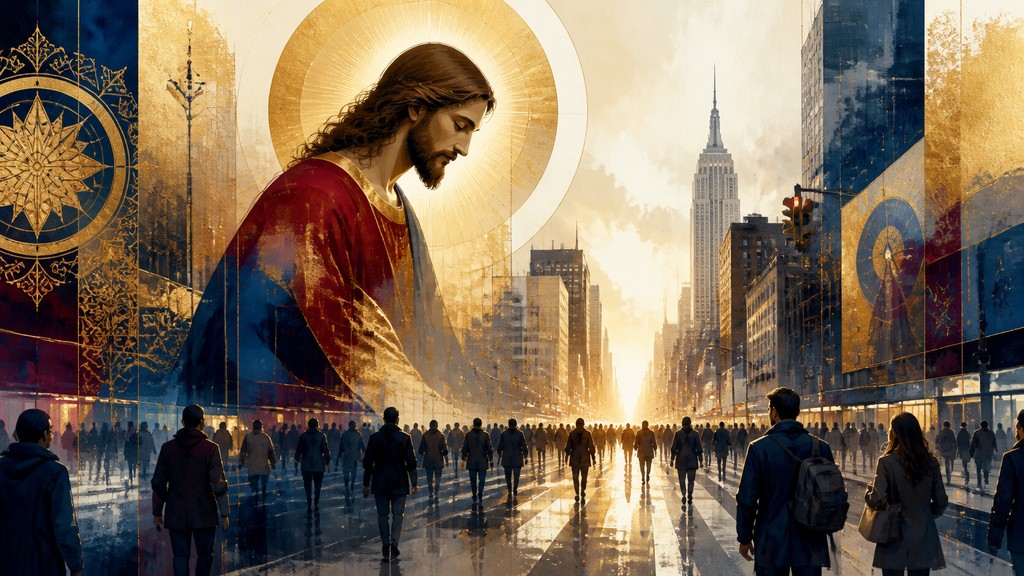
In the 20th and 21st centuries, artists and designers have continued to revisit religious themes using modern materials, simplified forms, photographic references, digital layering, and experimental color. The result is less a unified school than a contemporary lineage: sacred art adapted to modern visual culture, where symbolism, atmosphere, and meditative space matter as much as narrative detail.
Influences: This style is related to Byzantine and Orthodox icon painting, medieval illuminated manuscripts, Gothic altar art, and the symbolic use of gold and frontal composition in sacred painting. It also draws on modern abstraction, minimalism, and contemporary installation art, especially where artists use light, negative space, and material restraint to evoke transcendence. In a broader sense, it intersects with devotional traditions across cultures, including sacred geometry and ornament in Islamic art, though individual works may emphasize different religious lineages depending on subject matter.
Frequently Asked Questions
What defines Contemporary Religious Art?
It is sacred or spiritually themed imagery created with modern visual techniques and sensibilities. The style is defined by reverent mood, symbolic composition, luminous light, and a blend of contemporary restraint with traditional devotional ornament.
How is it different from traditional religious art?
Traditional religious art usually follows older iconographic conventions more closely, while this style reinterprets those conventions through modern palettes, simplified forms, abstraction, and contemporary composition. It keeps the spiritual intent but updates the visual language.
Can Contemporary Religious Art be nonliteral or abstract?
Yes. Many works in this style use abstract light, geometric symbolism, or color fields to suggest the sacred without depicting a specific figure or scene. The key is that the image still carries devotional weight or contemplative purpose.
What subjects work best in this style?
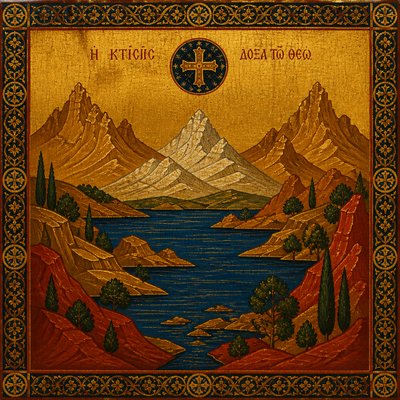
Common subjects include saints, angels, the Madonna, prophets, prayer, the crucifixion, halos, sacred objects, and symbolic landscapes. It also works well for more universal themes such as peace, grace, renewal, and inner transformation.
How can I make my image feel respectful rather than decorative?
Use balanced composition, restrained symbolism, and a serious tone. Avoid excessive irony, cartoonish exaggeration, or random sacred symbols placed without context, and let the lighting and structure carry the meaning.
Where is this style used?
It appears in gallery painting, church commissions, book illustration, altar design, digital devotional art, and contemplative poster or cover design. It is also popular in personal spiritual imagery because it can bridge tradition and modern aesthetics.
Create your first Contemporary Religious artwork
Describe anything — or upload a photo — and see it in Contemporary Religious Art in seconds.
Make Something with Contemporary Religious
Related Styles
Discover similar art styles