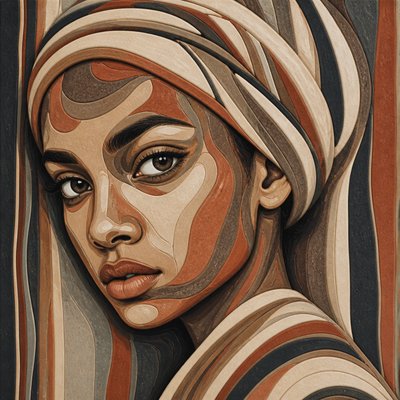
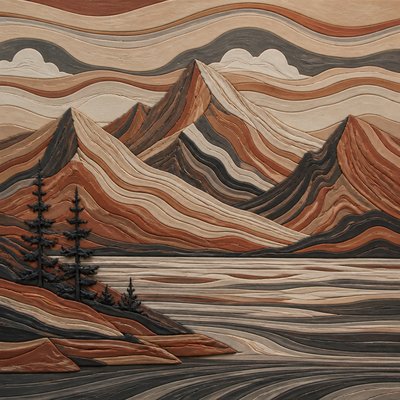
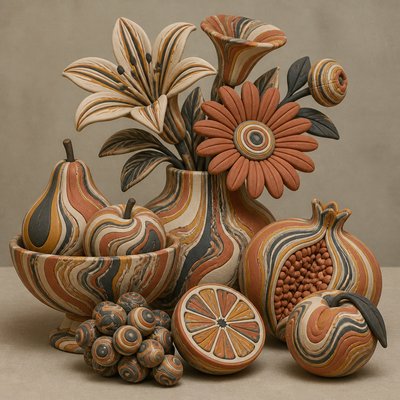
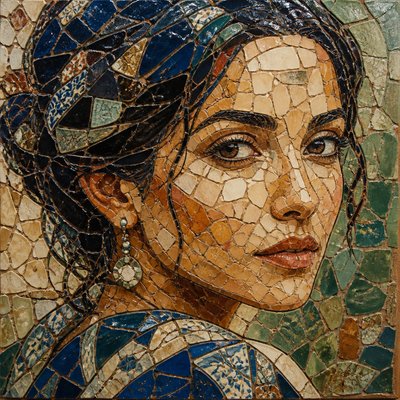
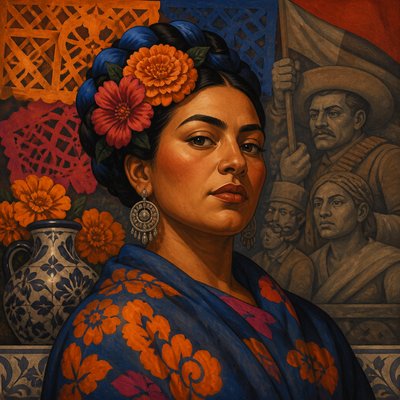
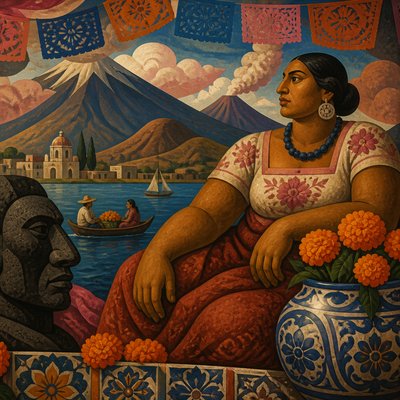
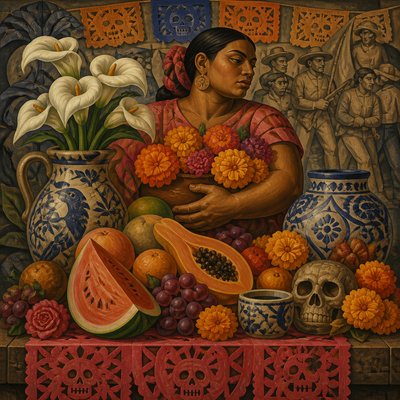
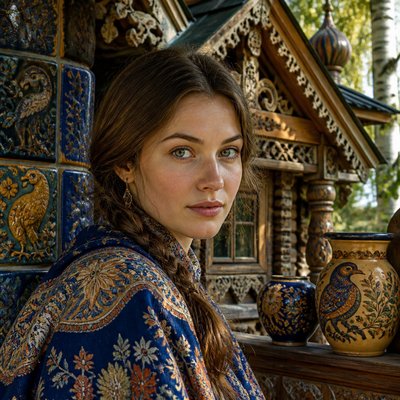
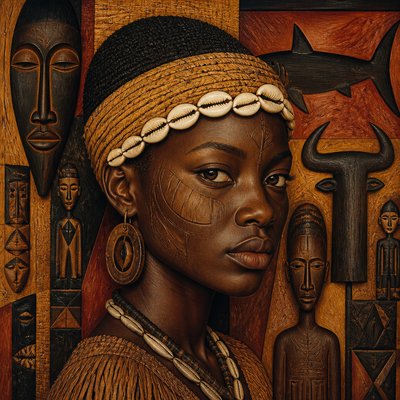
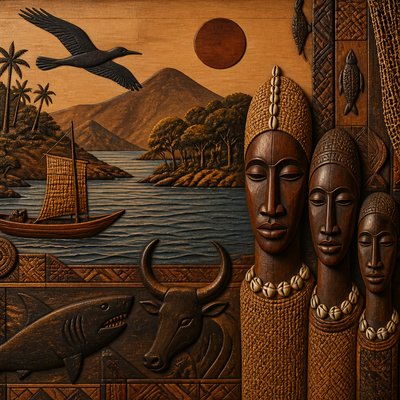
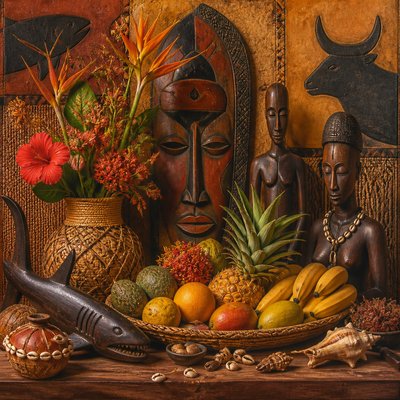
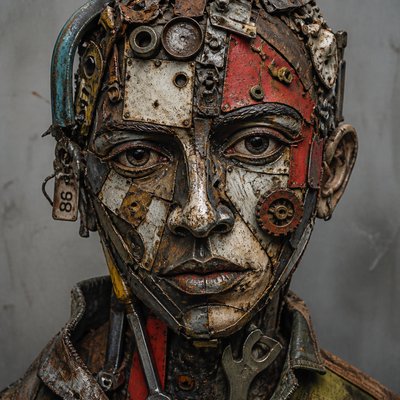
Contemporary Sculptural Ceramic Art Style
Experimental clay art with hand-built forms, mixed media, matte glaze, and conceptual sculptural surfaces.
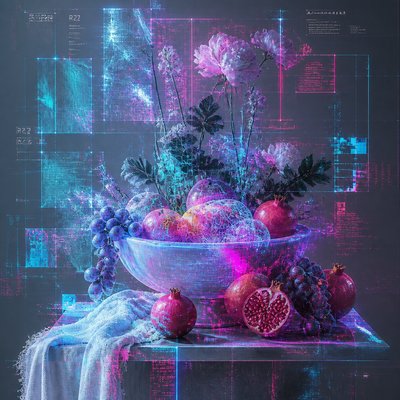
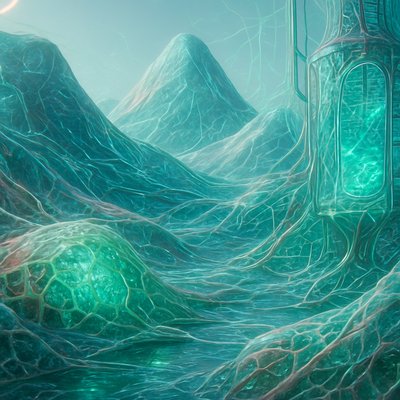
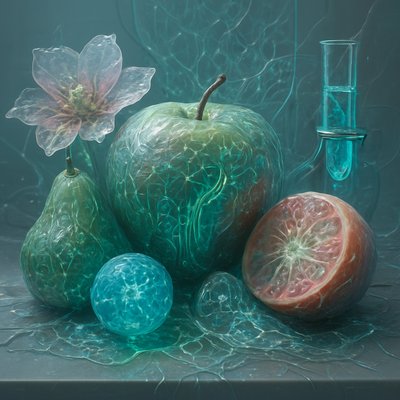
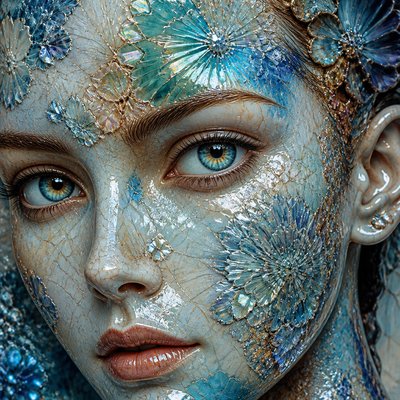
Instantly rendered in Contemporary Sculptural Ceramic — or transform a photo
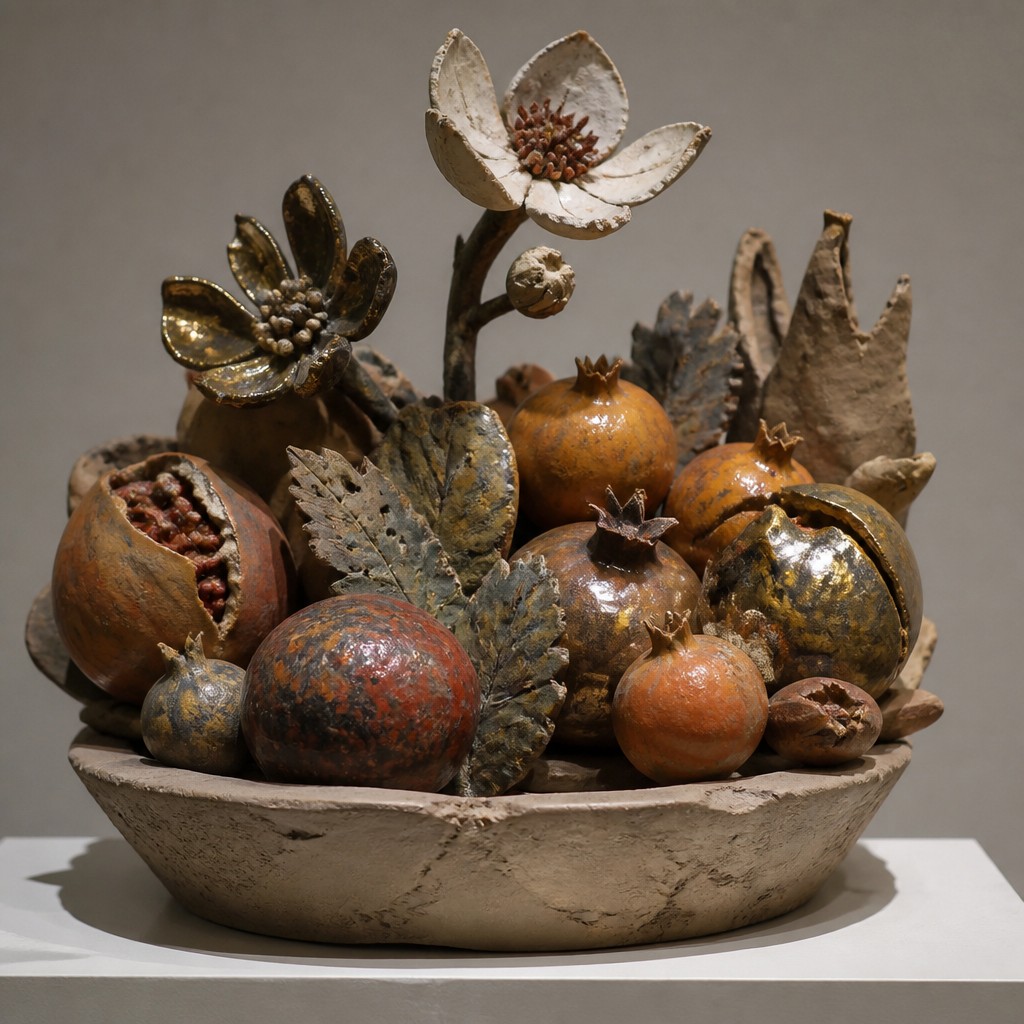
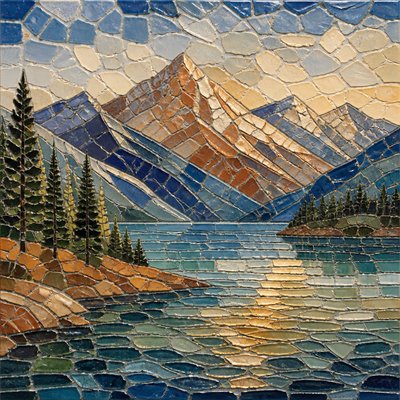
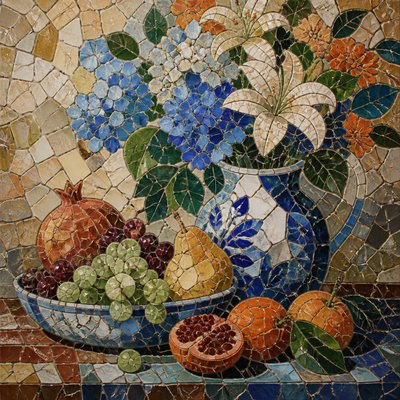
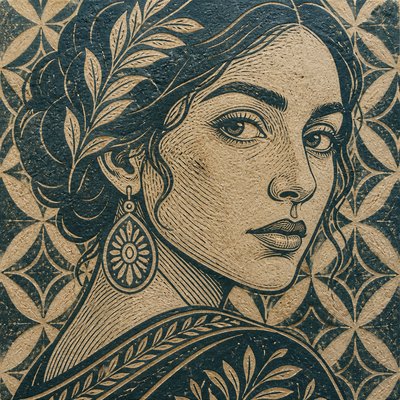
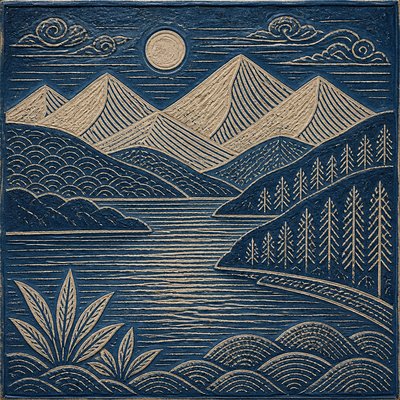
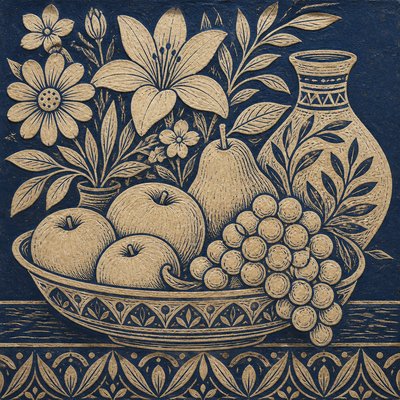
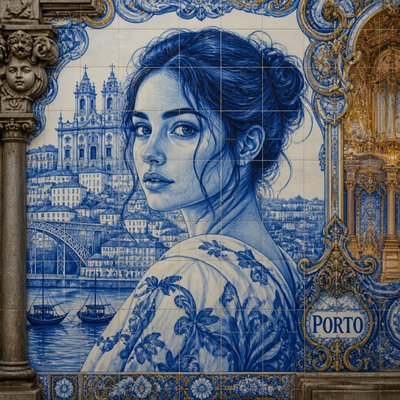
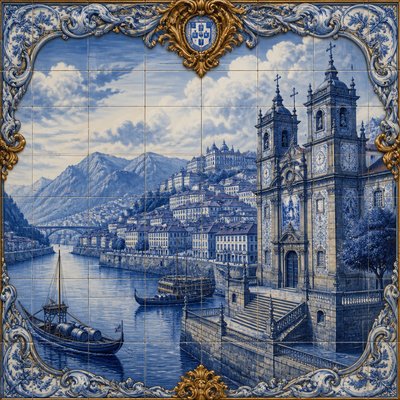
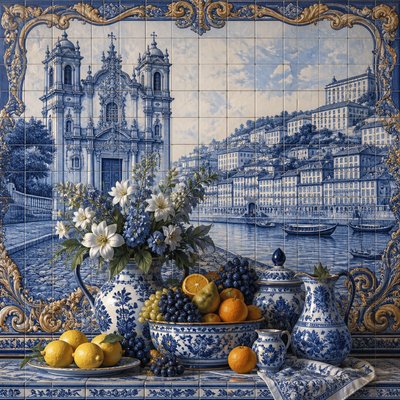
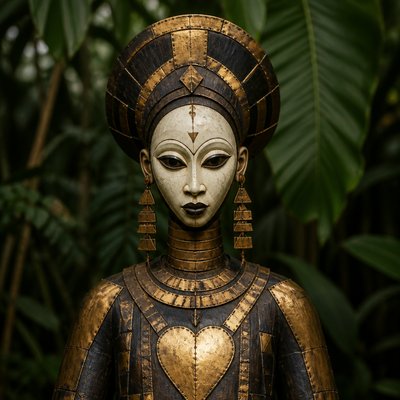
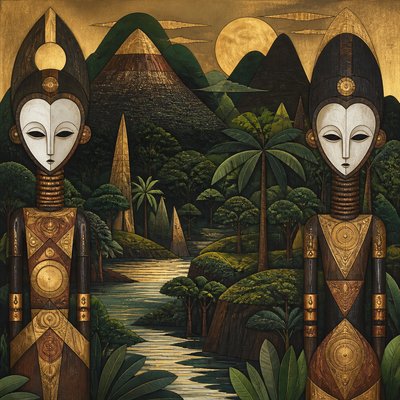
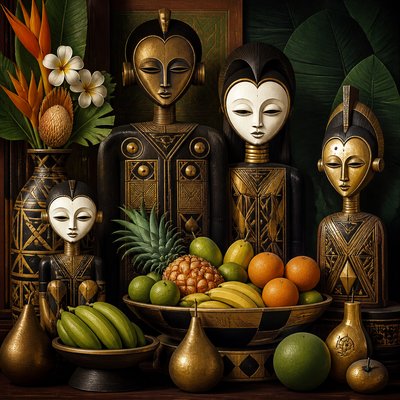
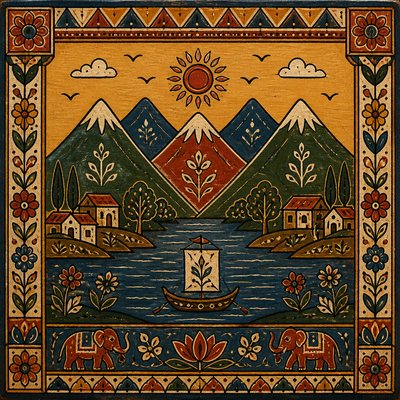
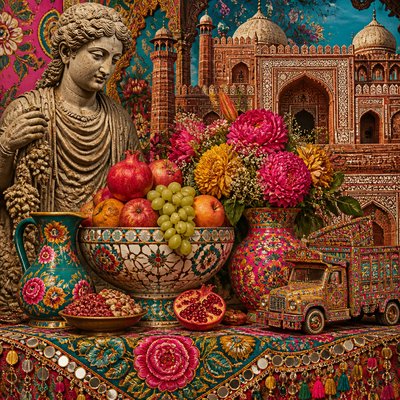
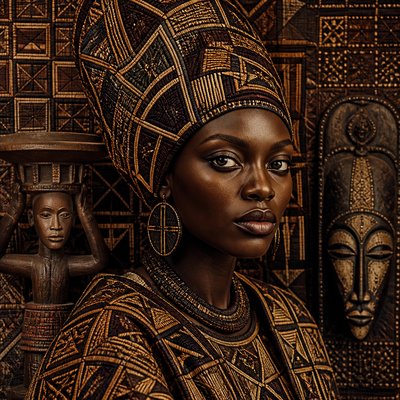
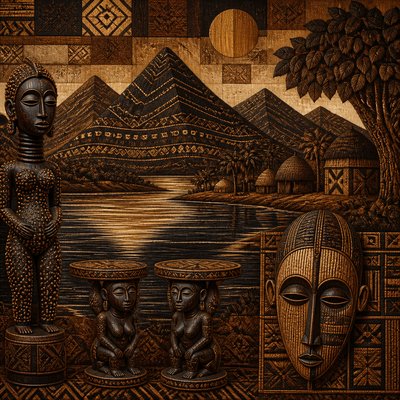
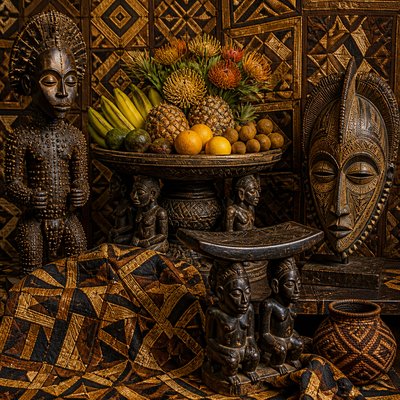
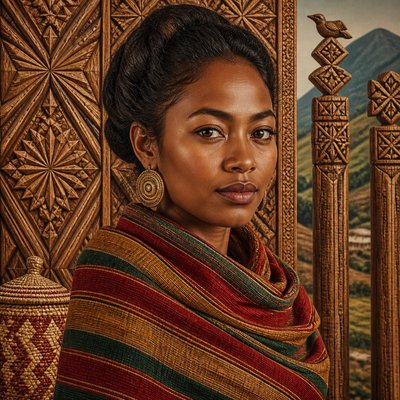
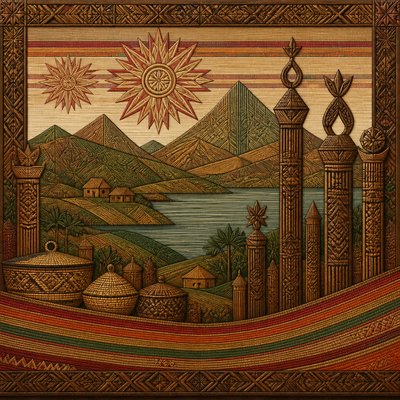
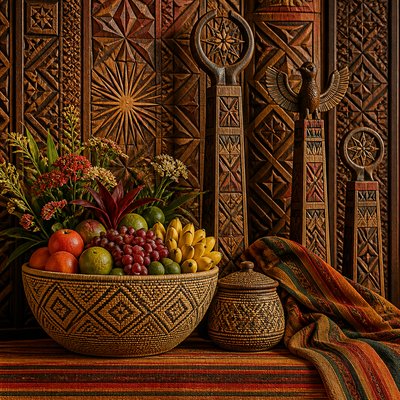
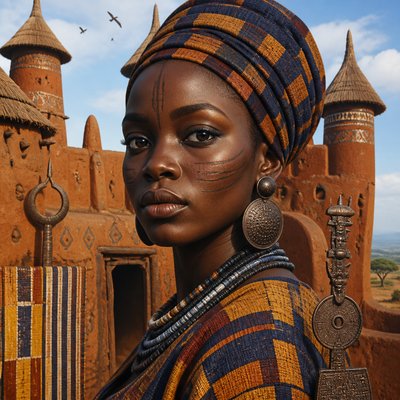
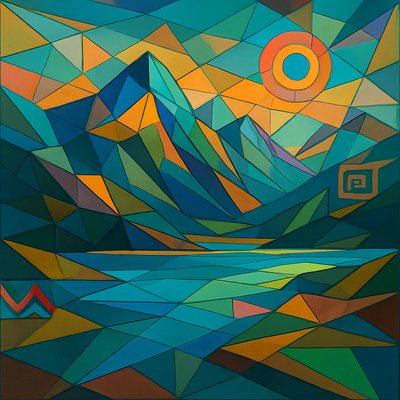
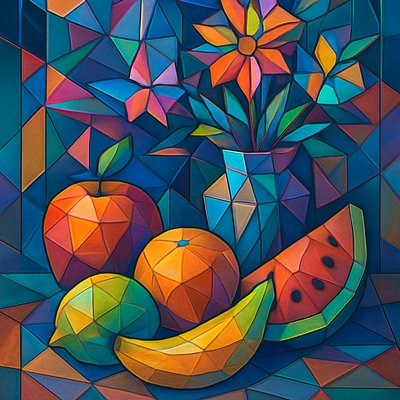
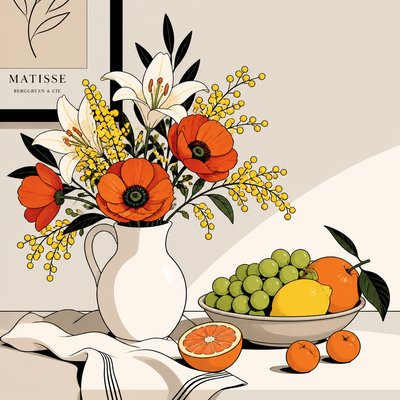
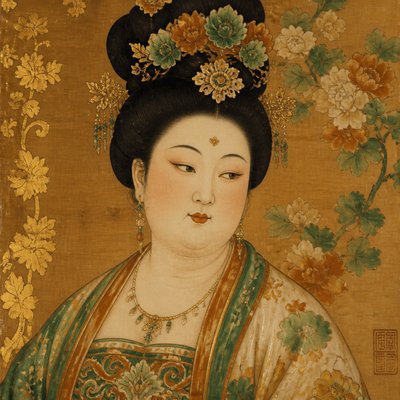
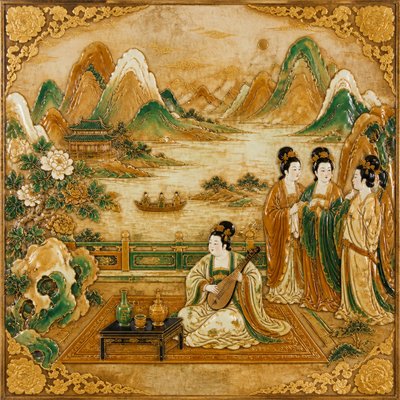
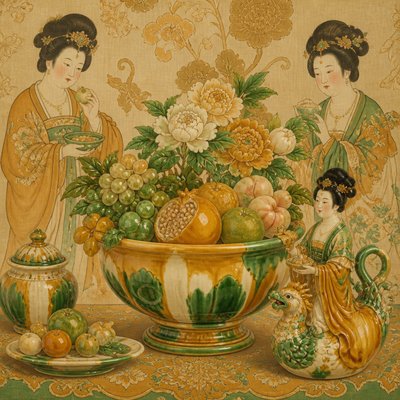
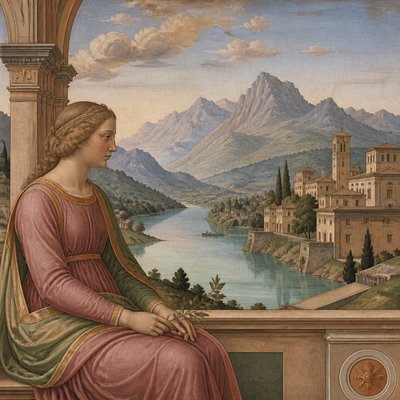
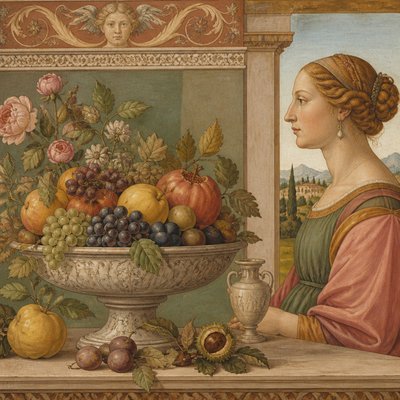
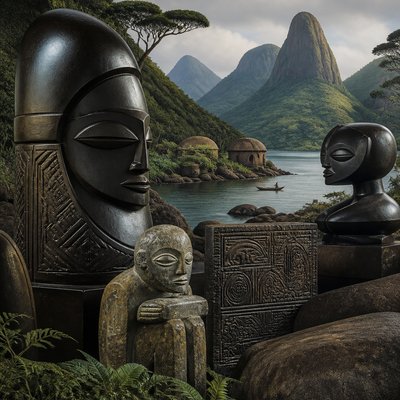
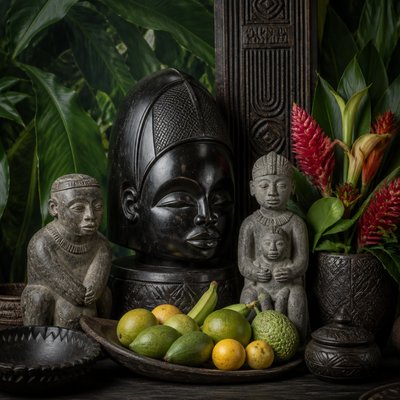
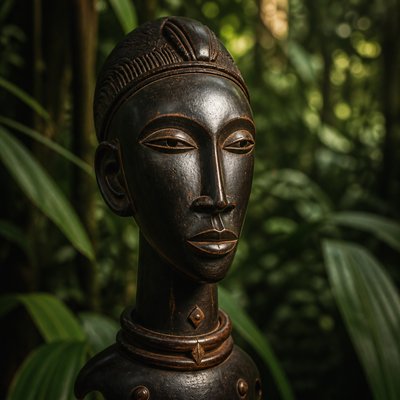
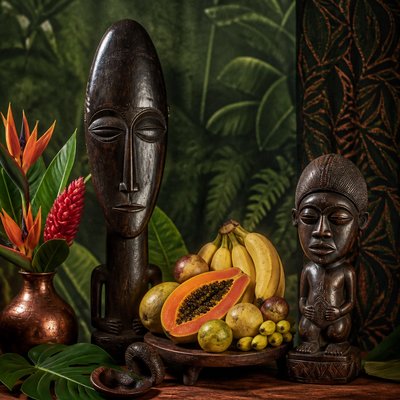
Contemporary Sculptural Ceramic Gallery
Tap any artwork to explore it
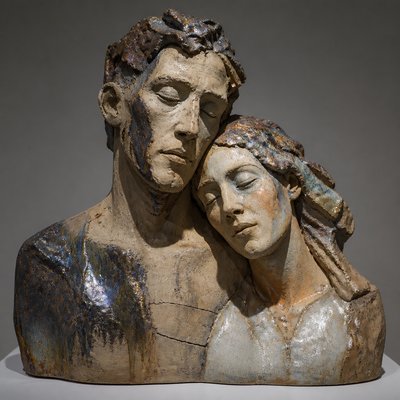
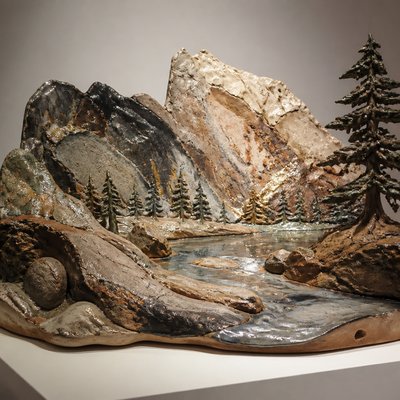
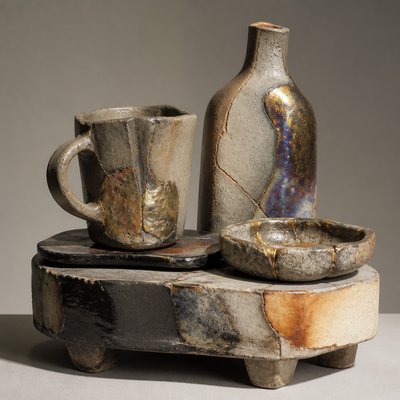
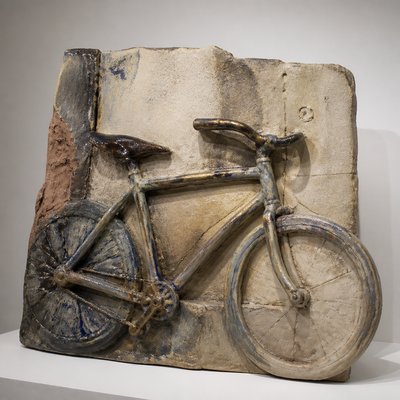
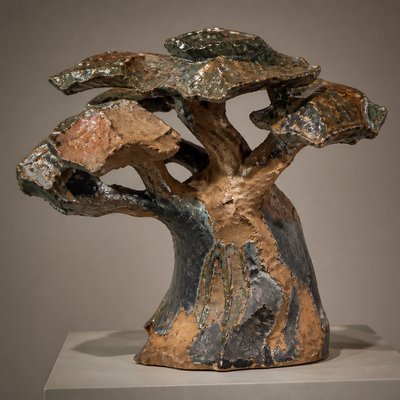
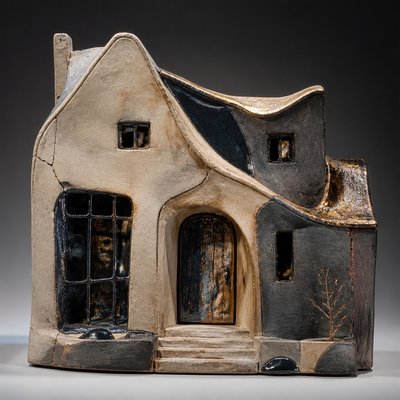
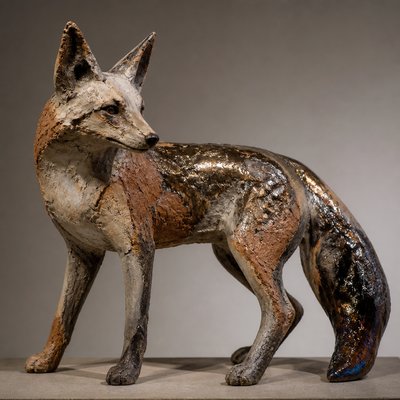
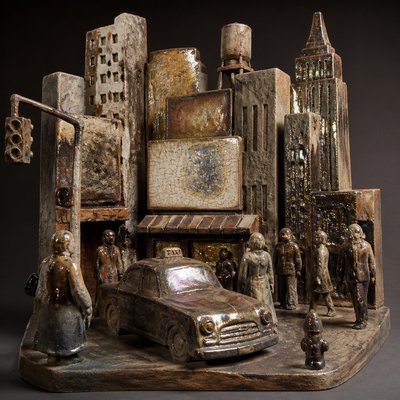
What is Contemporary Sculptural Ceramic Art Style?
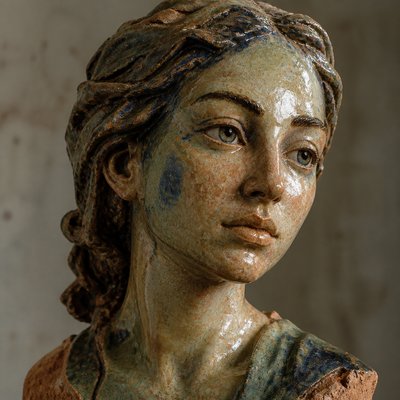
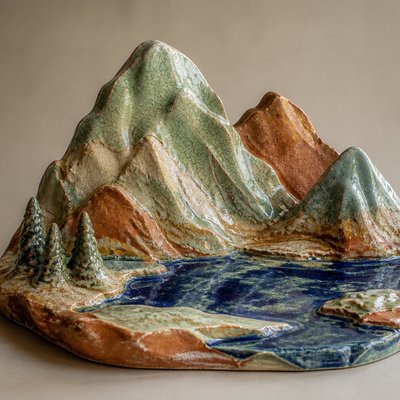
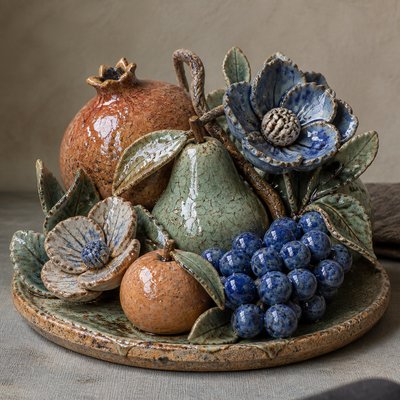
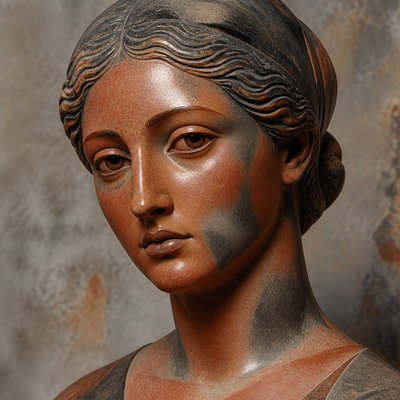
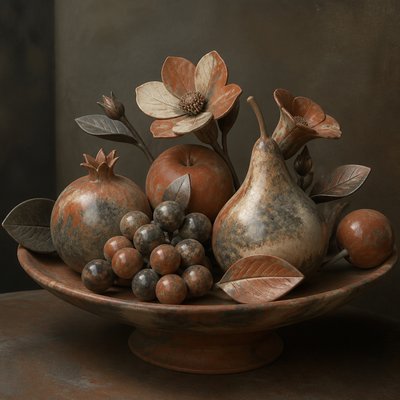
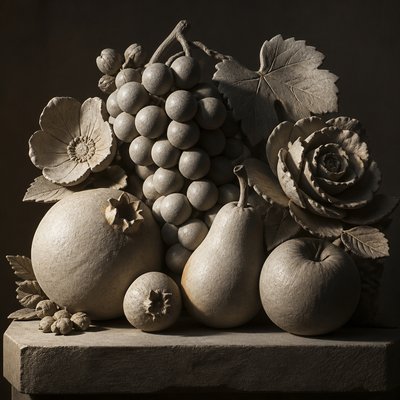
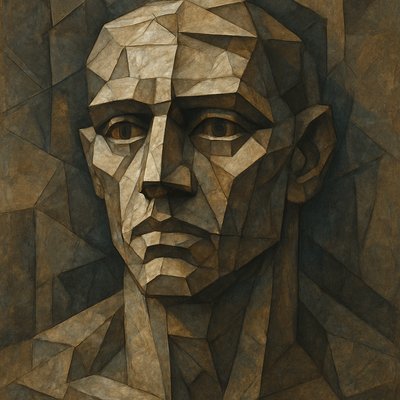
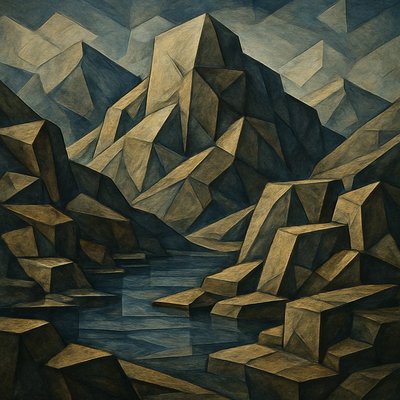
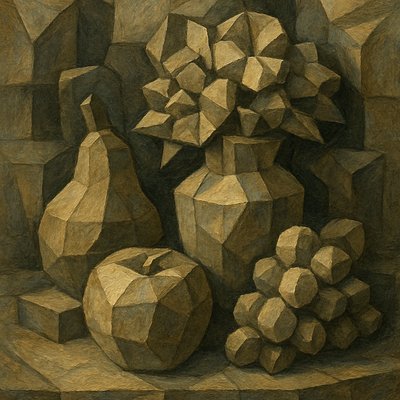
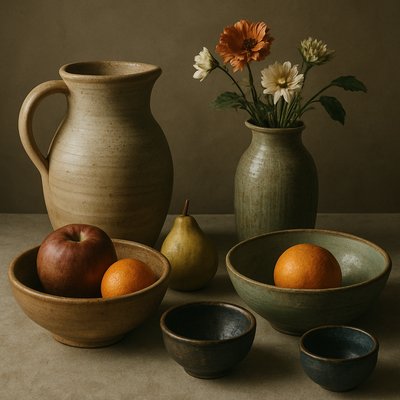
Contemporary sculptural ceramic art is a present-day approach to clay that treats ceramics as a fine-art medium rather than as a vessel-based craft. It emphasizes form, surface, and concept: hand-built structures, asymmetry, visible tool marks, and material contrasts replace the symmetry and utility associated with traditional pottery.
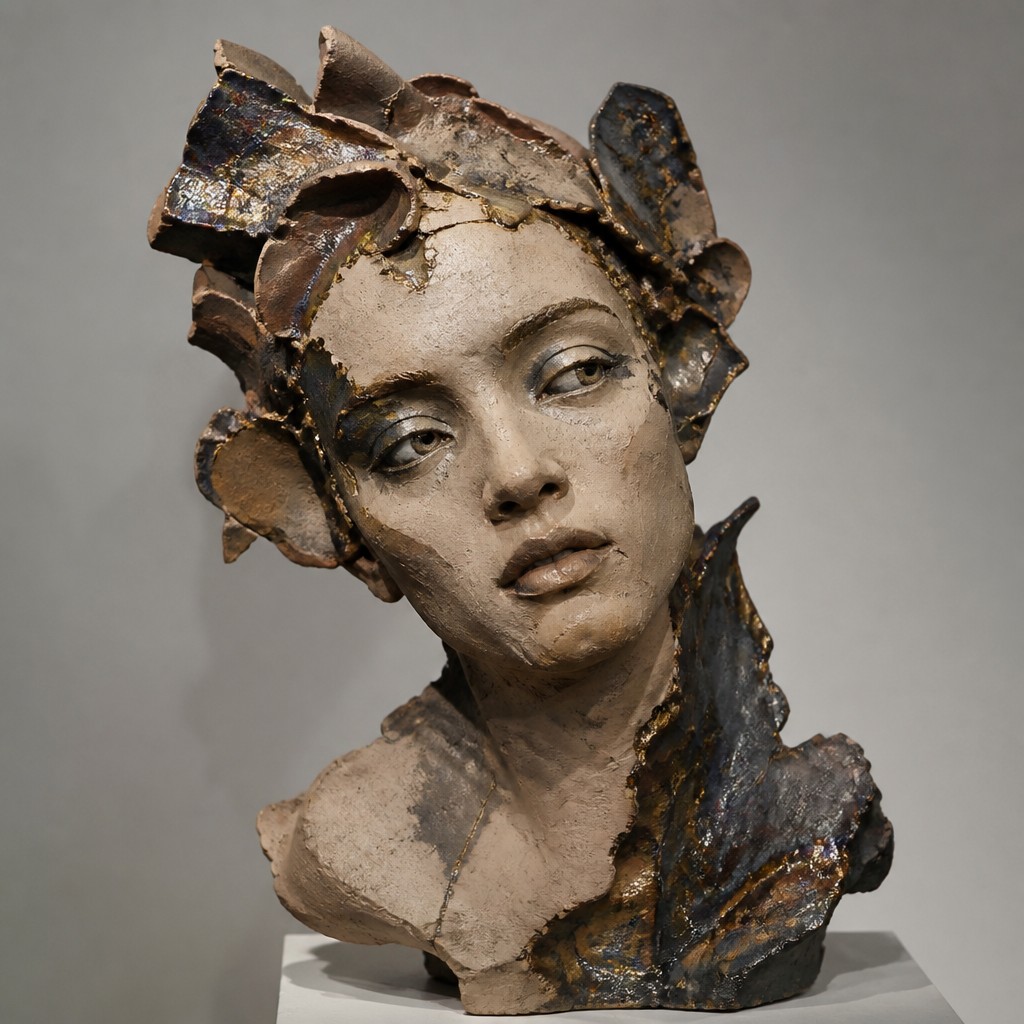
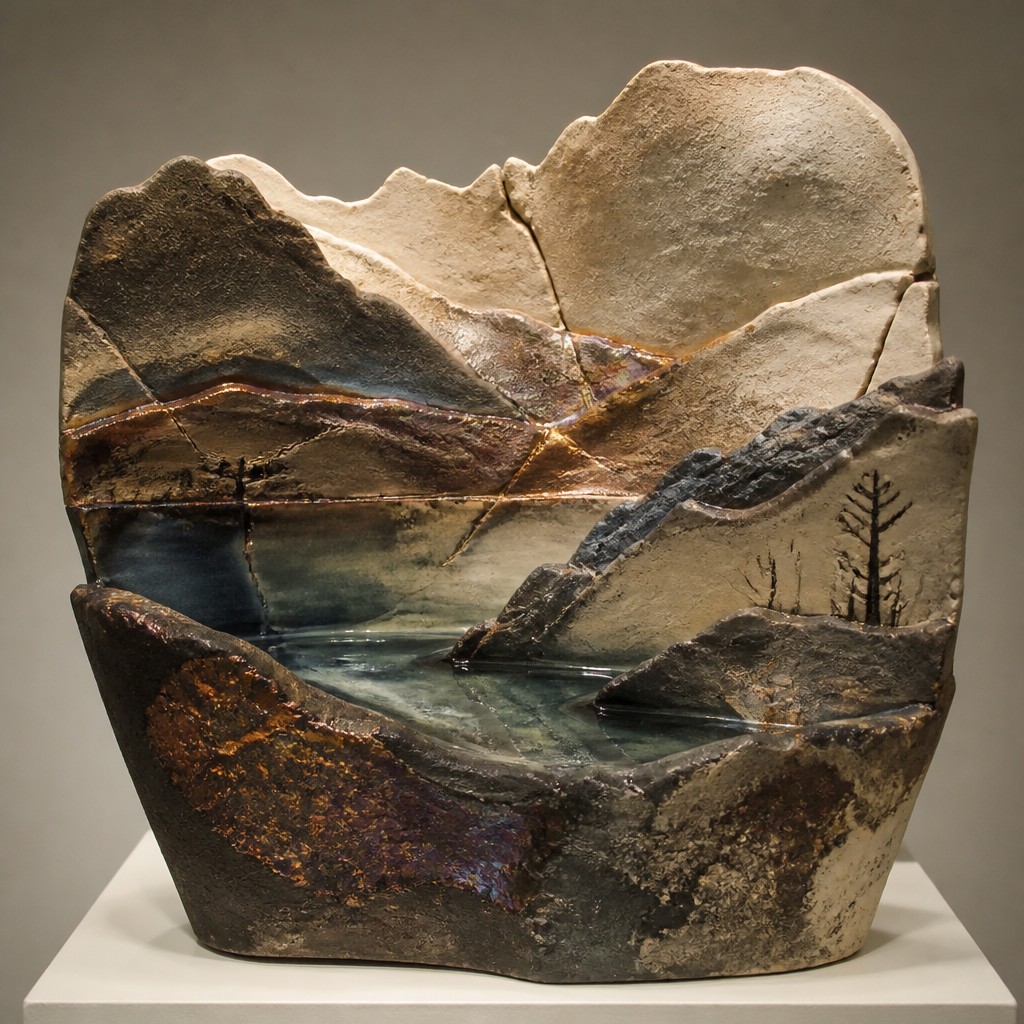
The style often combines raw clay, slips, stains, glaze, fired surfaces, and non-ceramic materials to create works that feel tactile, experimental, and intellectually driven. Its visual identity comes from the physical behavior of clay itself—stretching, cracking, collapsing, accumulating, and responding to fire—so the finished work often preserves traces of process, repair, and transformation.
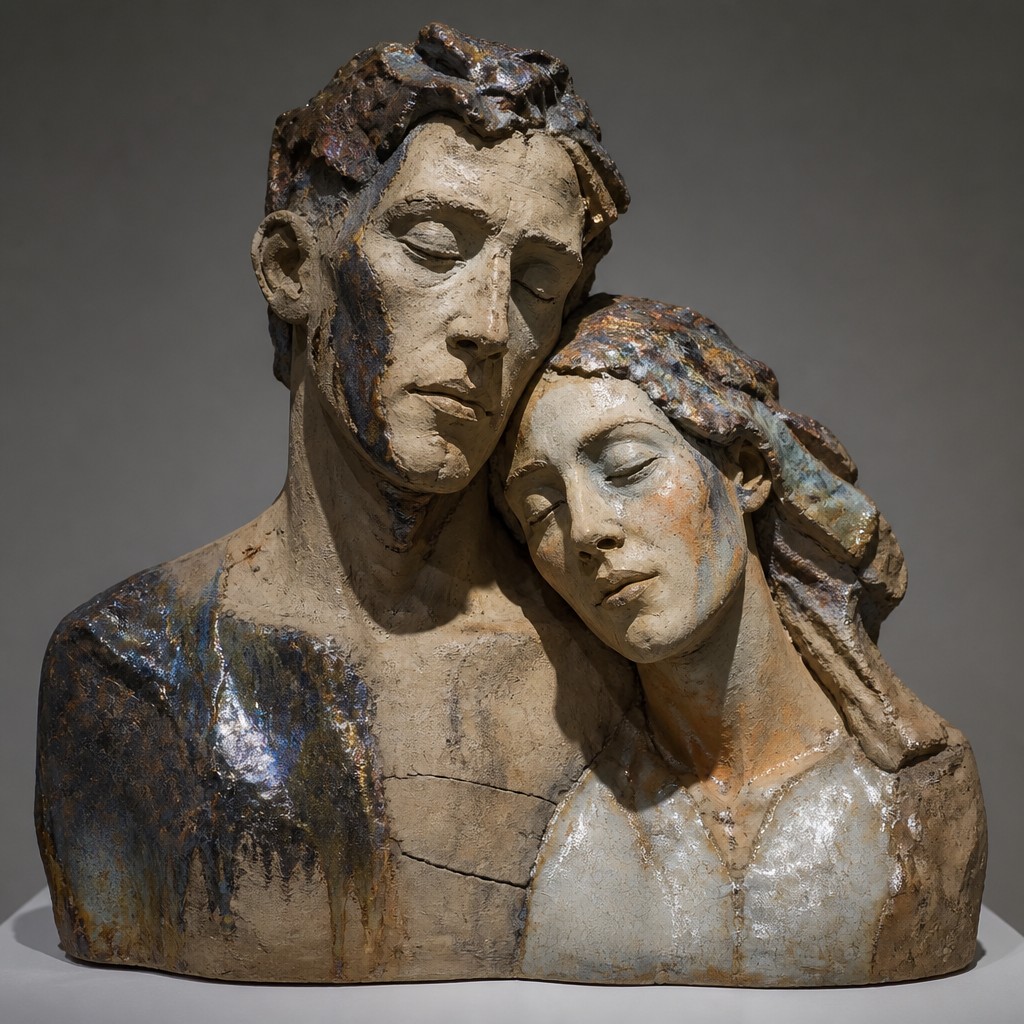
Try It On Your Photos
Upload any photo and convert it into Contemporary Sculptural Ceramic Art Style — drag the sliders to compare before and after.
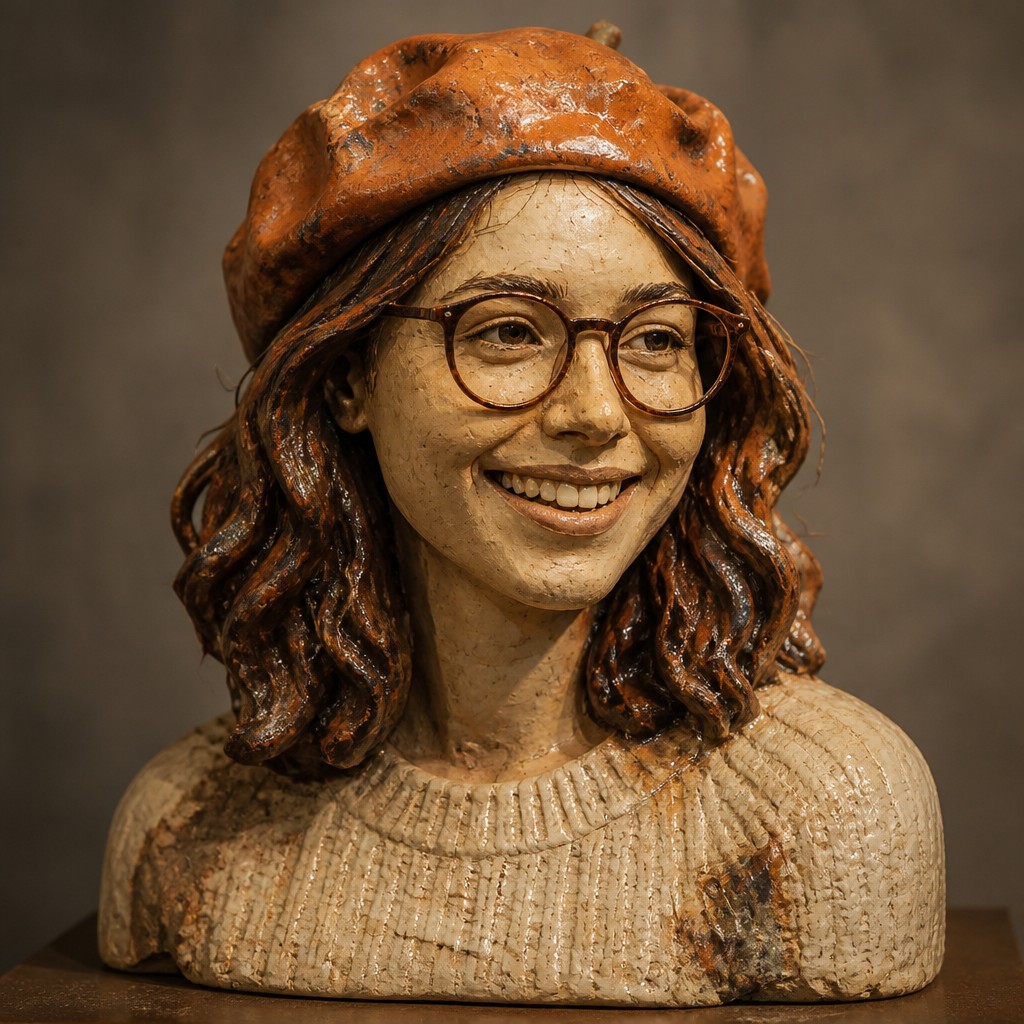

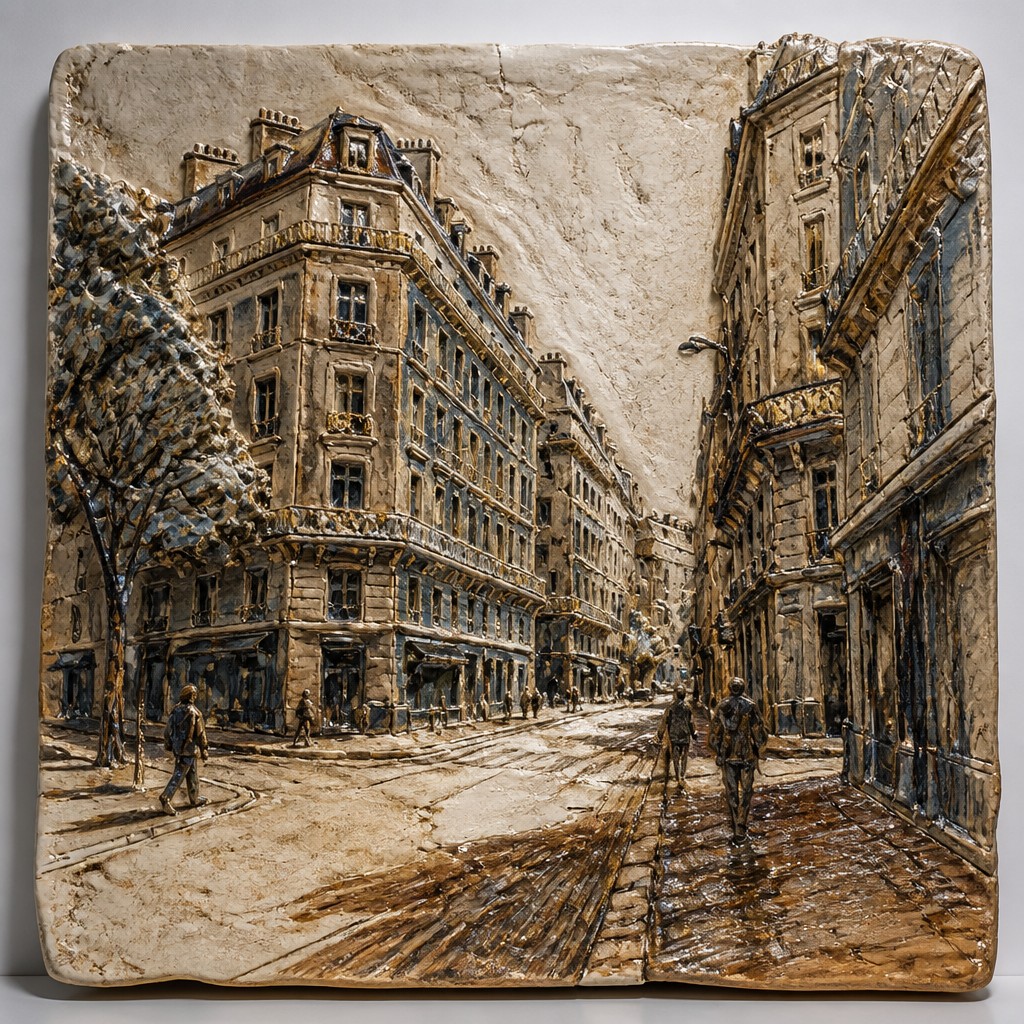

What Defines Contemporary Sculptural Ceramic Art Style
The signature details, up close
Hand-built asymmetry
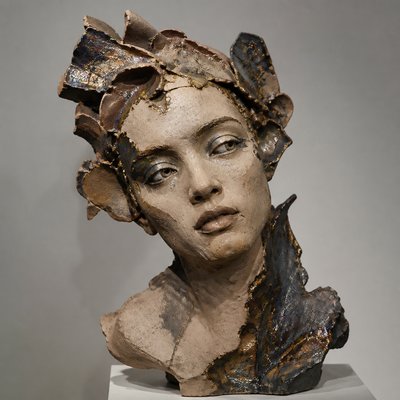
Forms are typically modeled, pinched, slab-built, coiled, or assembled by hand rather than thrown on a wheel. Uneven silhouettes and irregular balance make the object feel alive and materially specific.
Visible making marks
Finger impressions, seams, scoring, scraping, and tool traces are often left visible. These marks function as both texture and evidence of process.
Mixed surface language
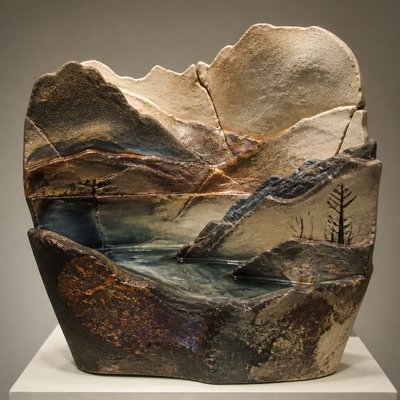
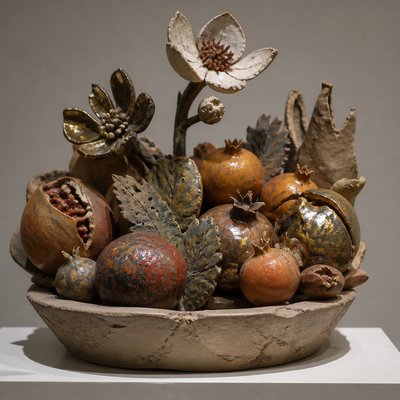
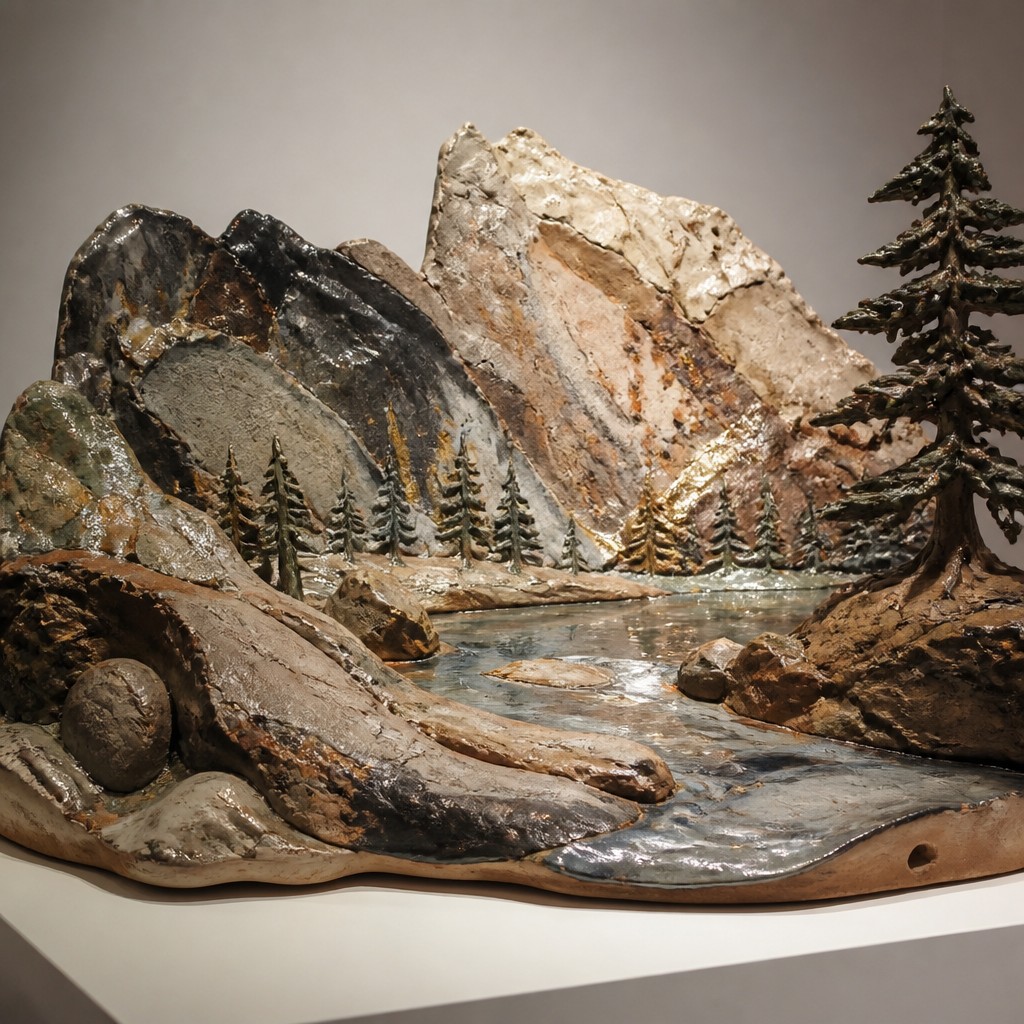
Raw unglazed clay is frequently contrasted with glossy glaze, burnished areas, slips, stains, or engobes. The tension between matte and reflective passages gives the surface depth.
Earthy and fired color effects
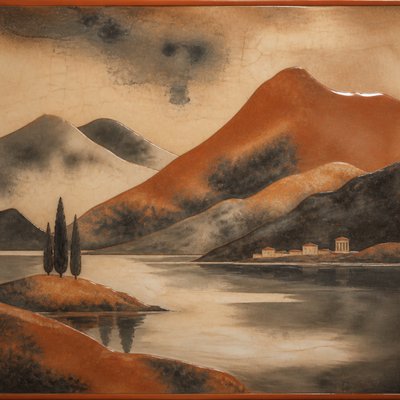
Color palettes often include clay reds, ochres, umbers, soot grays, and ash tones, sometimes interrupted by metallic lusters or accidental kiln effects. Atmospheric firing can produce smoky halos, speckling, and subtle gradients.
Conceptual sculptural intent
The work is usually organized around an idea, emotion, or formal investigation rather than utility. Even when it resembles a vessel or figure, its purpose is primarily expressive or critical.
Tactile imperfection
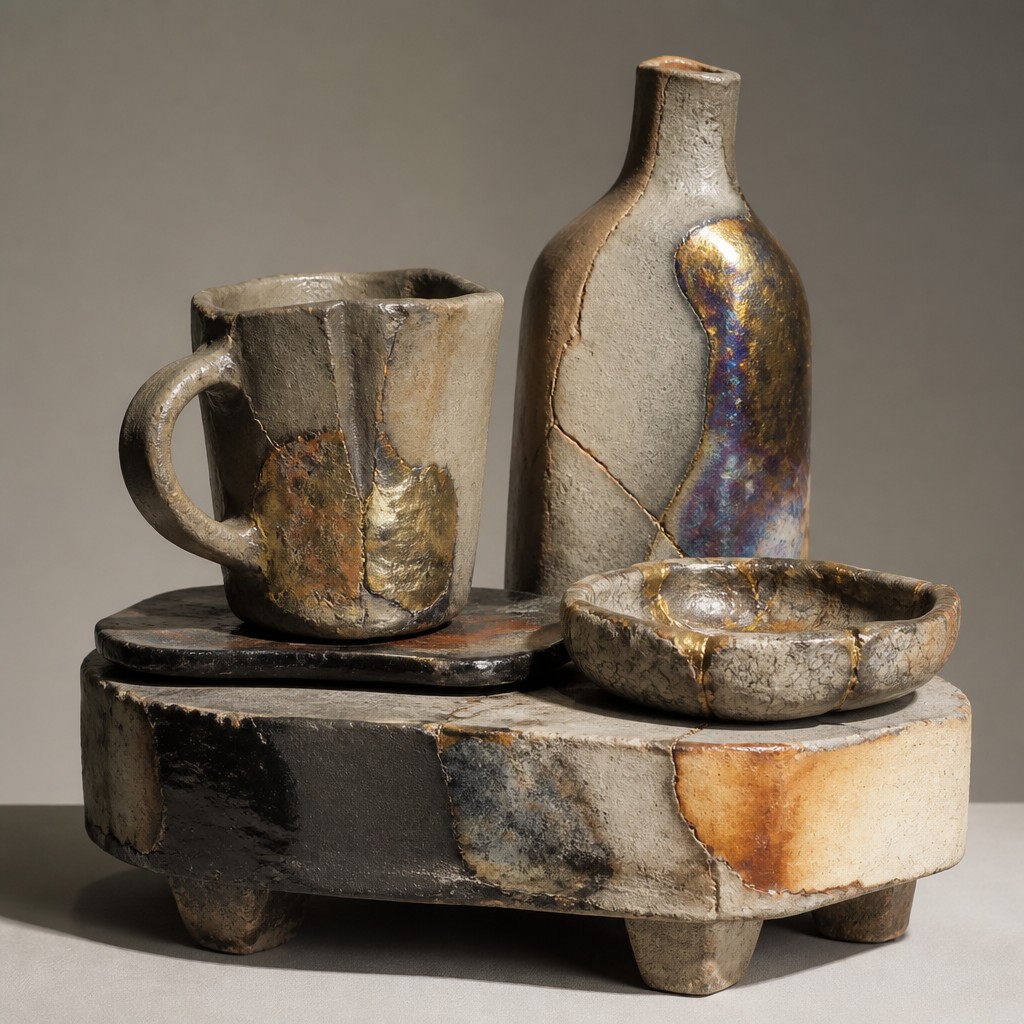
Cracks, repairs, rough edges, and burnished spots may be incorporated deliberately. These imperfections contribute to the sense of fragility, authenticity, and physical presence.
Try It
Create Videos in Contemporary Sculptural Ceramic Art Style
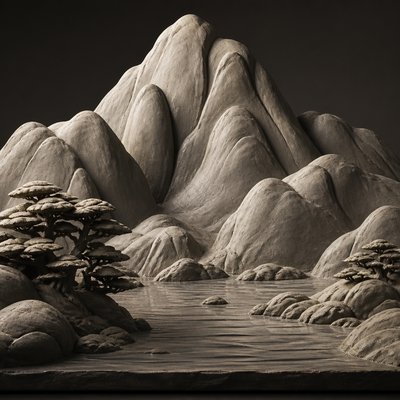
Styles aren't just for stills — describe a scene or animate an image and get a short video rendered in Contemporary Sculptural Ceramic. Press play to see this pond come to life.
Make a VideoContemporary Sculptural Ceramic Prompt Ideas
Start from an idea — each one opens the generator with the style ready to go. See all 40 Contemporary Sculptural Ceramic prompts →
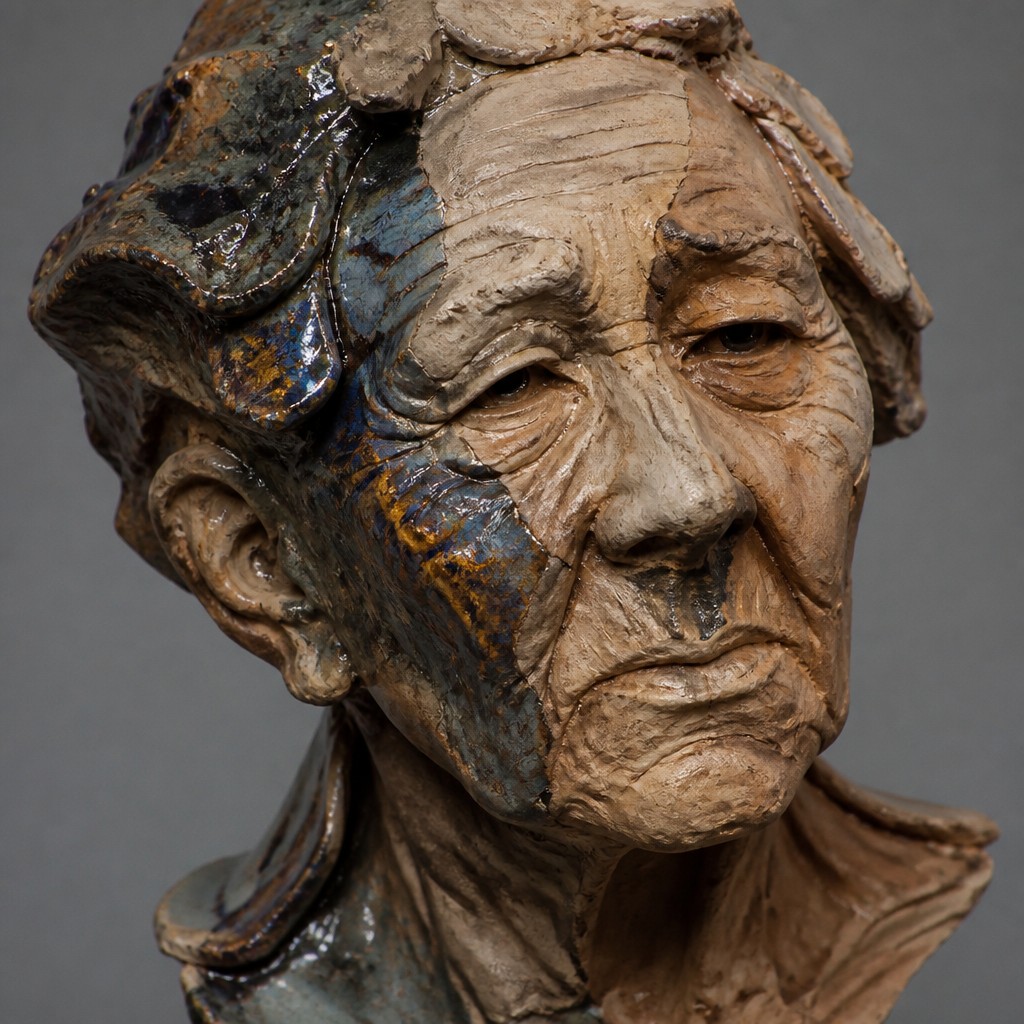
“close-up portrait of an elderly person with expressive weathered features”
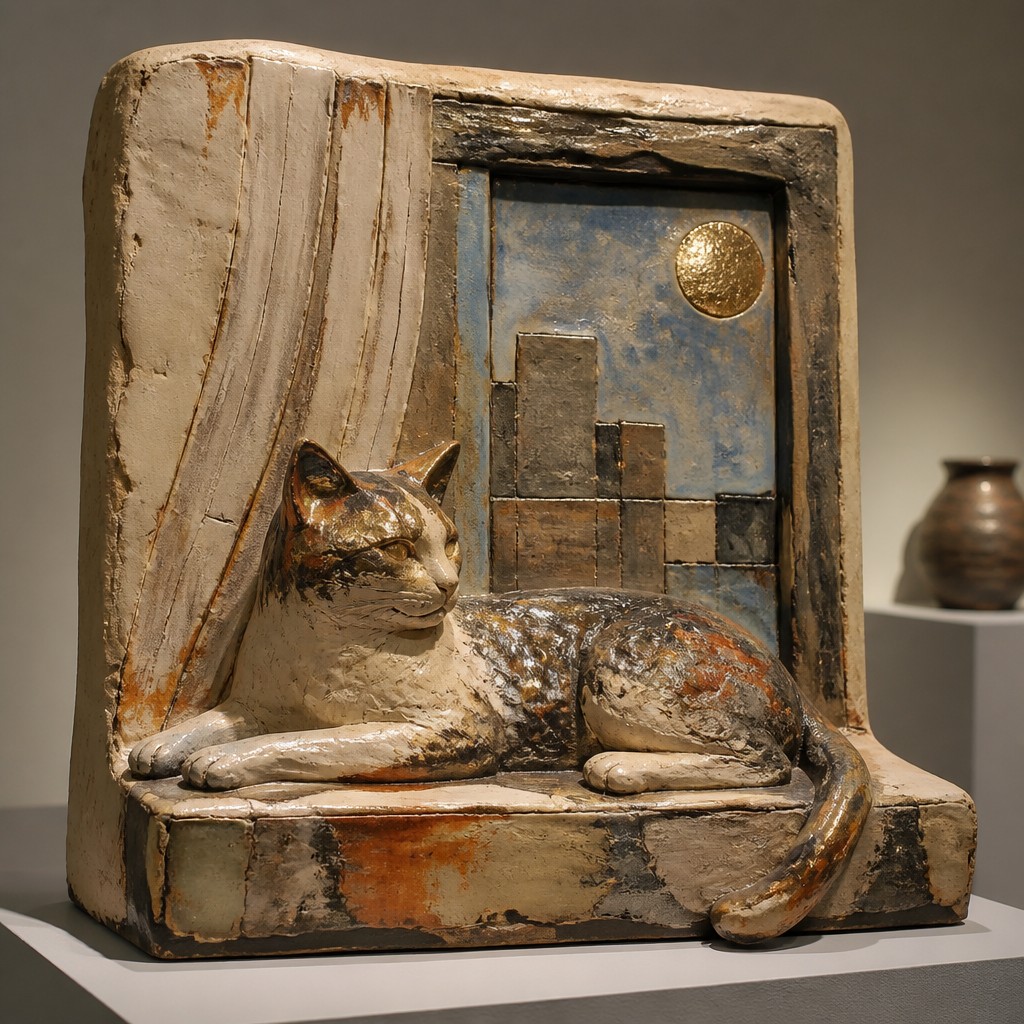
“a cat lounging in a sunlit window”
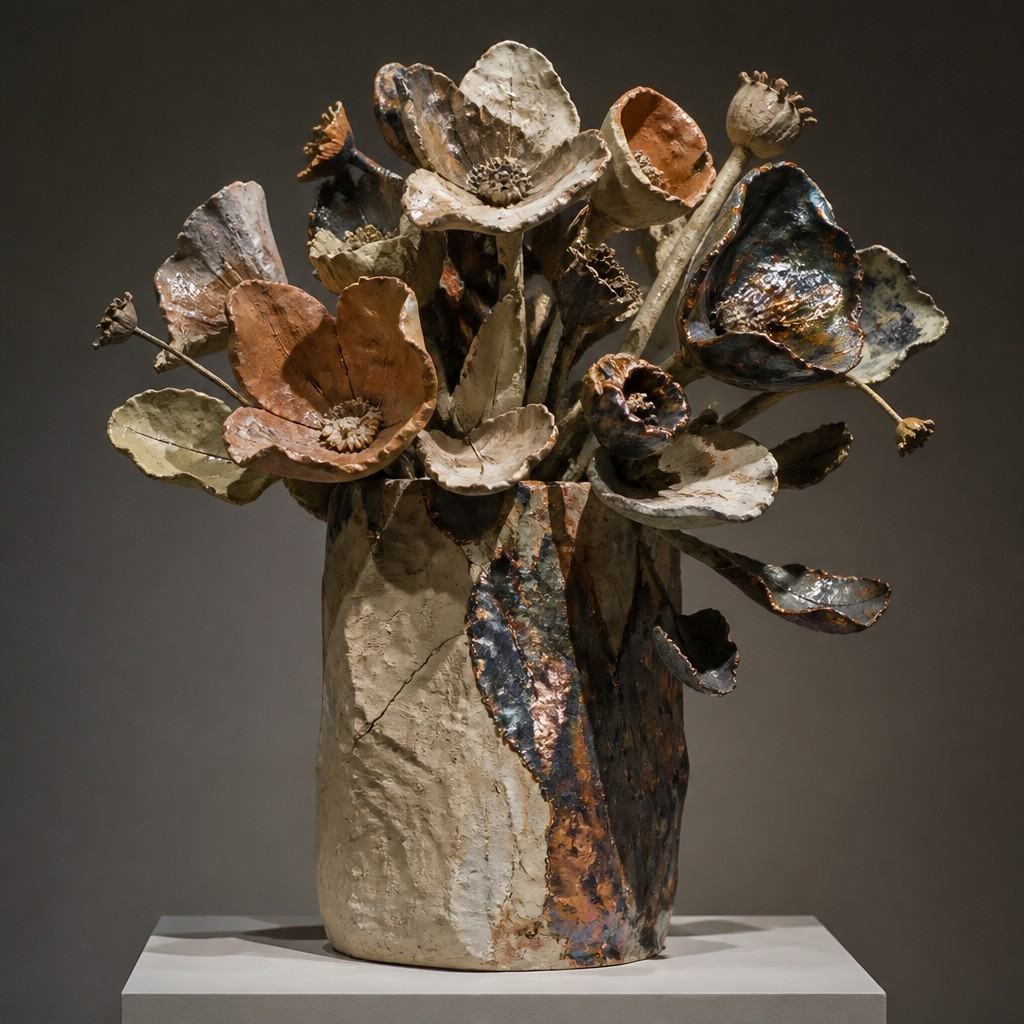
“bouquet of flowers in a glass vase”
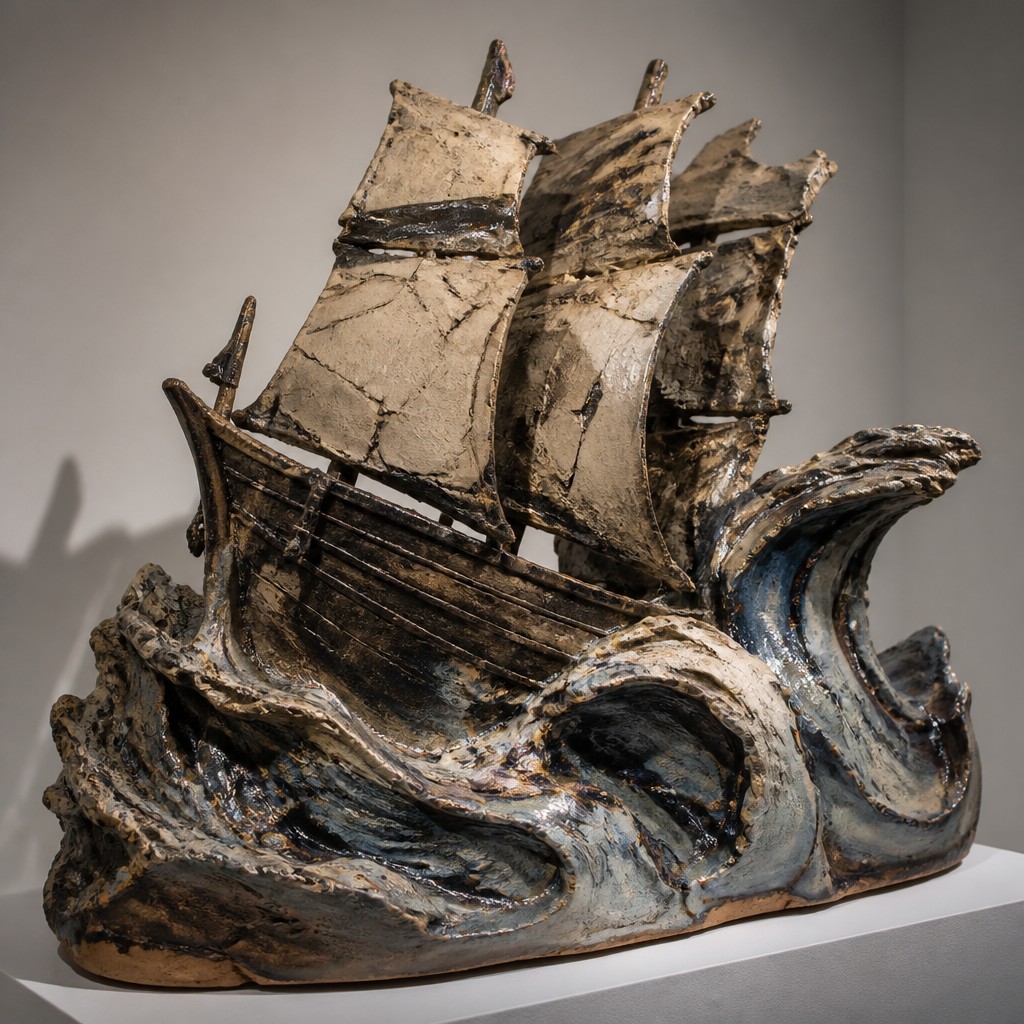
“sailing ship on a stormy sea”
How to Create Contemporary Sculptural Ceramic Art
Master the craft step by step — or skip straight to creating. Read the full guide →
- 1
Build the form by hand
Use pinching, coiling, slab construction, or additive modeling to create organic, asymmetrical shapes. Avoid overly perfect geometry unless the concept depends on it; the hand-made irregularity is central to the look.
- 2
Design the surface in layers
Combine slips, underglazes, stains, glaze, and bare clay to create contrast. Let some passages remain matte and earthy while others become glossy, metallic, or pooled through firing.
- 3
Let material behavior show
Plan for seams, tool marks, and controlled cracks as part of the aesthetic rather than flaws to hide. In traditional ceramics, careful drying and firing are crucial; in digital work, simulate these marks as believable surface evidence.
- 4
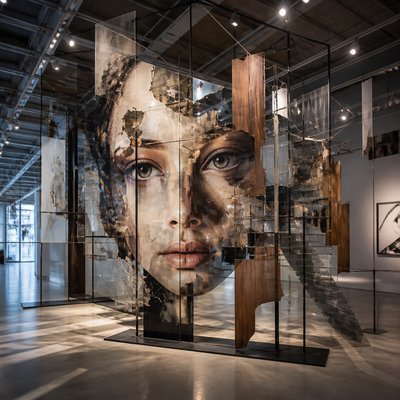
Add mixed media thoughtfully
If the piece includes metal, wood, textile, or found objects, use them to extend the sculptural idea rather than decorate the form. The integration should feel structurally and conceptually necessary.
- 5
Use lighting to reveal texture
Present the work under soft gallery lighting that grazes the surface and makes relief, glaze variation, and fired texture visible. For image generation, specify material realism, matte-to-gloss contrast, and close attention to clay texture.
- 6
In digital or prompt-based creation, specify ceramic processes
Describe hand-built clay, visible finger marks, atmospheric firing, raw unglazed passages, selective glaze, and tactile cracks. The more explicitly you name ceramic surface behaviors, the more convincingly the image will read as sculptural clay art.

The Story
History & Origins of Contemporary Sculptural Ceramic
Contemporary sculptural ceramic art emerges from the broader shift in 20th-century ceramics away from functional ware and toward studio-based sculpture. Its lineage includes modernist studio ceramics, postwar craft experimentation, and the later blurring of boundaries between ceramics, installation, and mixed-media sculpture. Rather than a single historical movement, it is best understood as an evolving field shaped by artists who treated clay as an expressive sculptural material with conceptual possibilities.
Its visual language draws from several traditions: hand-built ceramic vessel forms, ceramic sculpture, process art, and contemporary installation practices. It also reflects the influence of post-minimalism and conceptual art, where surface, repetition, fragility, and material presence matter as much as depiction. In recent decades, artists have expanded the medium further through unconventional firing methods, atmospheric surfaces, and the integration of wood, metal, fabric, and found objects.
Influences: This style is related to studio ceramics, ceramic sculpture, postwar craft experimentation, post-minimalism, process art, and conceptual sculpture. It also draws from vessel traditions in many cultures, but reworks them through modern sculptural priorities rather than functional use. Important historical touchstones for ceramic modernism and experimentation include pioneering mid-20th-century ceramic modernists, influential studio potters and sculptors, experimental postwar ceramic innovators, and major female ceramic artists who each helped expand clay’s role beyond conventional pottery.
Frequently Asked Questions
What defines contemporary sculptural ceramic art?
It is defined by clay used as a sculptural and conceptual medium rather than primarily as a functional vessel. The style typically emphasizes hand-built form, visible process, surface experimentation, and the physical presence of fired clay.
How is it different from traditional pottery?
Traditional pottery often prioritizes utility, symmetry, and finish, while this style focuses on expressive form and artistic intent. A piece may resemble a vessel, but it is usually made to be looked at as sculpture, not used as an object of daily life.
What materials and techniques are common in this style?
Common techniques include pinching, coiling, slab-building, carving, layering slips, using matte and glossy glazes, and atmospheric firing. Artists may also incorporate mixed media such as metal, wood, or fabric when it supports the sculptural idea.
Can this style be abstract or figurative?
Yes. It can range from highly abstract forms to figures, heads, creatures, and vessel-like structures. What unites the examples is the emphasis on materiality, texture, and sculptural expression rather than literal realism.
How do I make my image look like fired clay?
Include details such as finger marks, seams, burnished areas, subtle cracks, rough edges, and glaze pooling. Lighting should be soft and directional so the surface texture and material depth are clearly visible.
Where is this style used?
It appears in contemporary gallery sculpture, studio ceramics, public art, interior design objects, and editorial imagery. In image-making, it is often used when the goal is to make a subject feel tactile, handmade, and materially grounded.

Create your first Contemporary Sculptural Ceramic artwork
Describe anything — or upload a photo — and see it in Contemporary Sculptural Ceramic Art Style in seconds.
Make Something with Contemporary Sculptural Ceramic
Compare Contemporary Sculptural Ceramic
Related Styles
Discover similar art styles