Nerikomi Ceramic Art Style
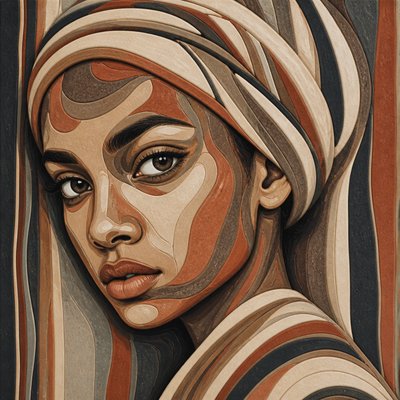
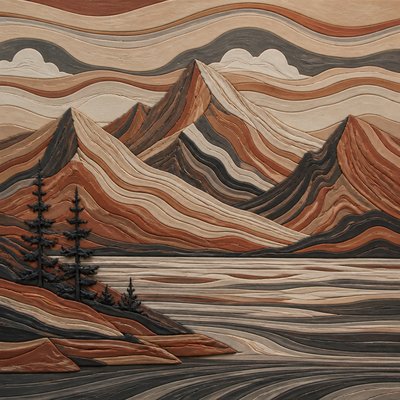
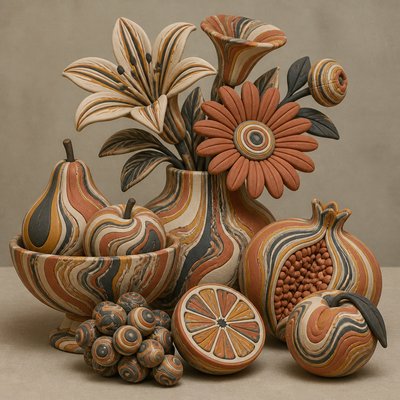
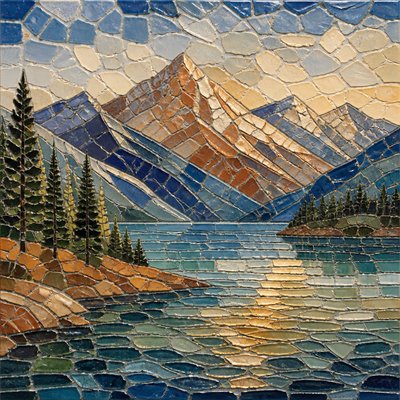
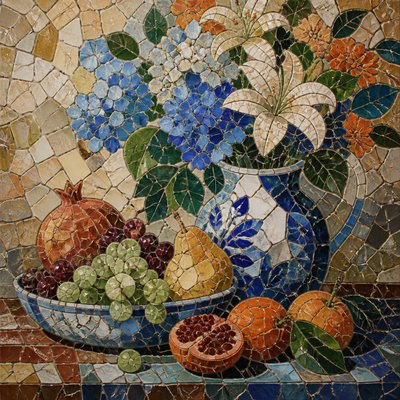
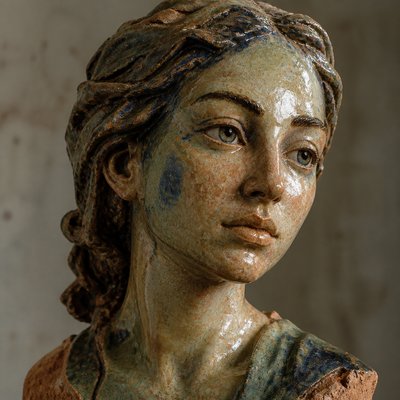
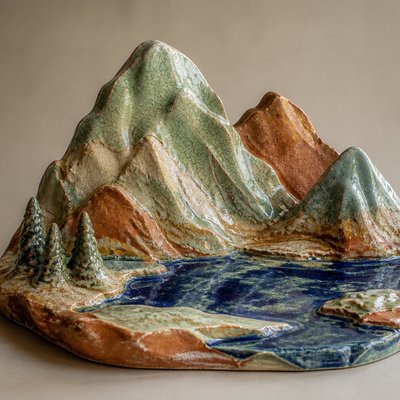
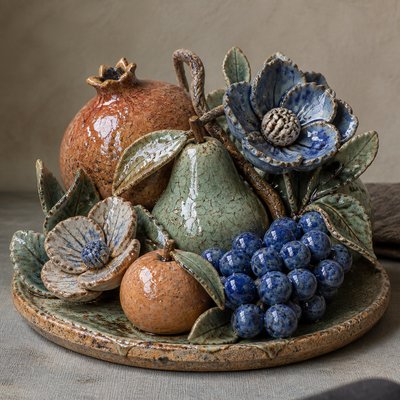
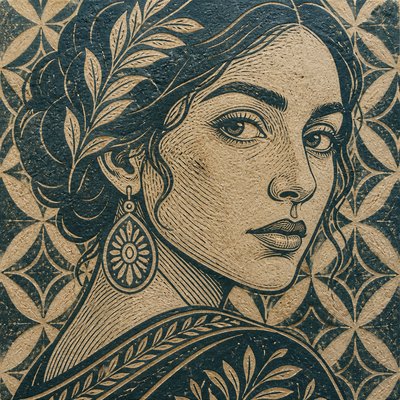
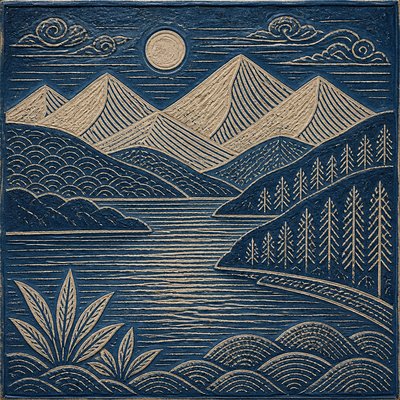
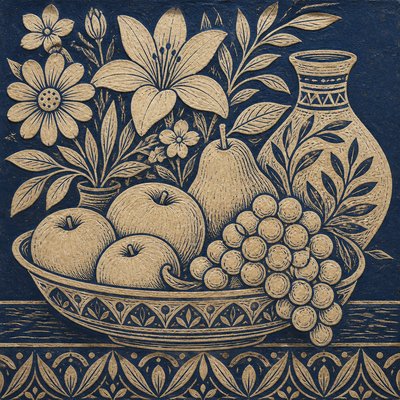
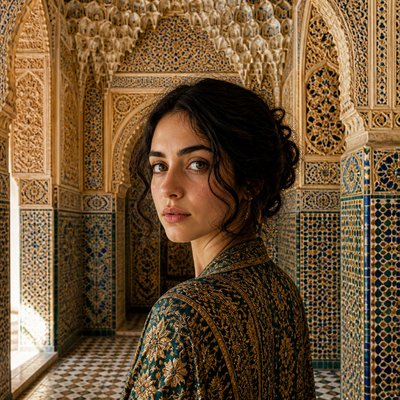
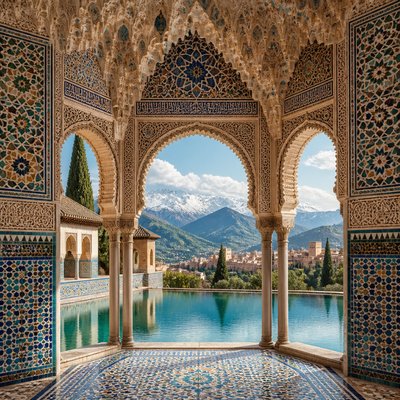
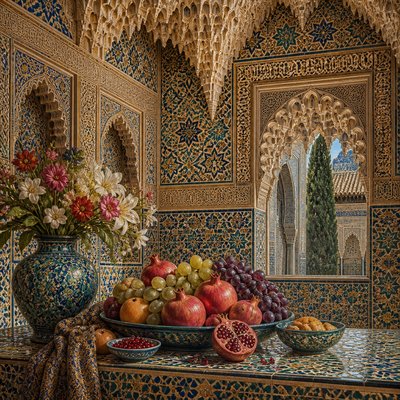
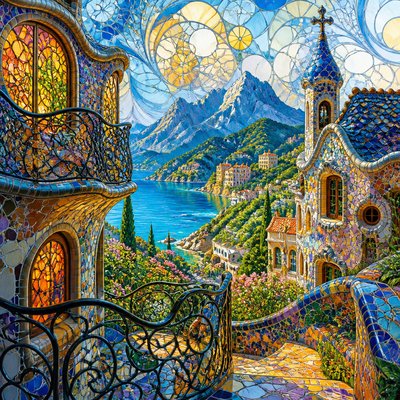
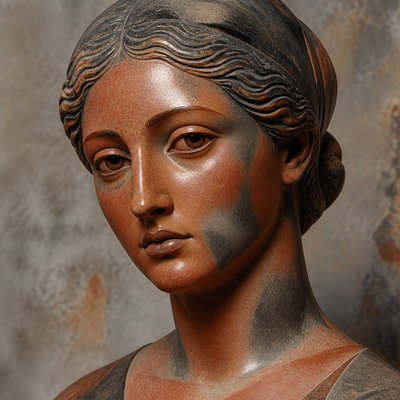
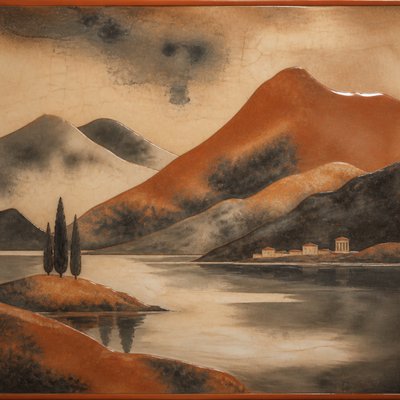
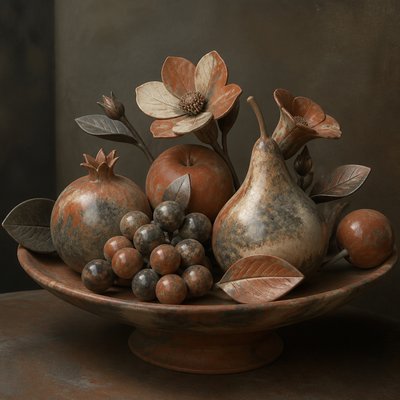
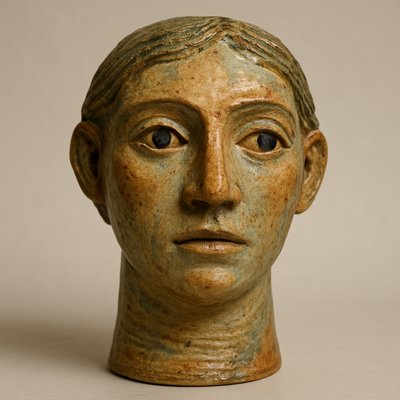
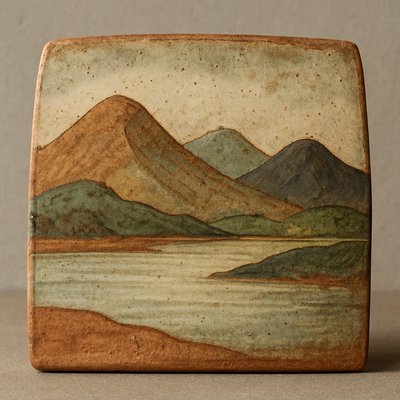
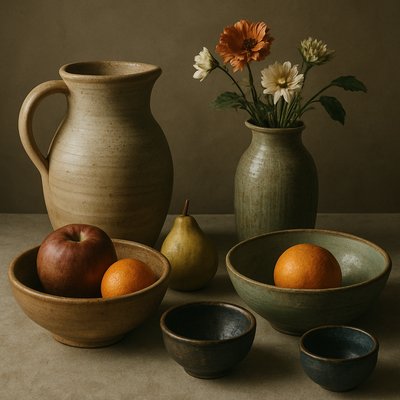
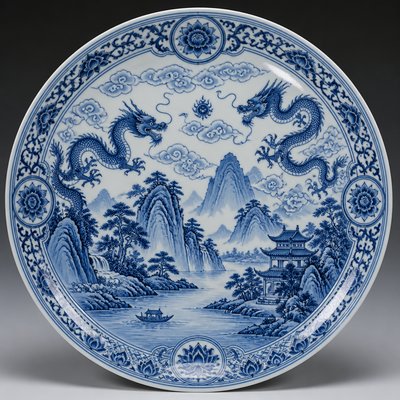
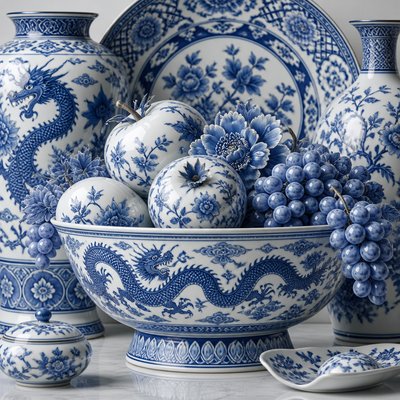
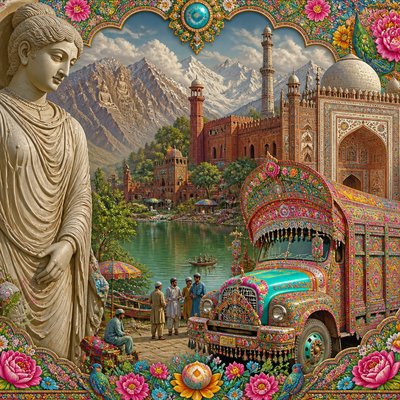
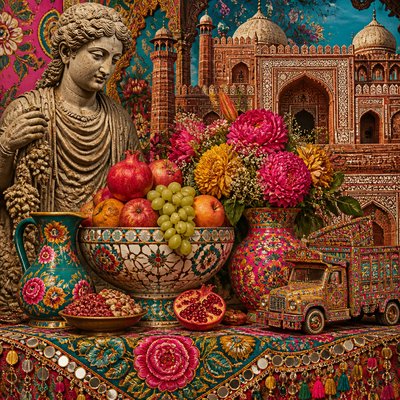
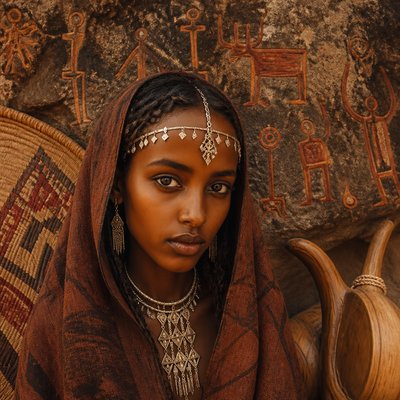
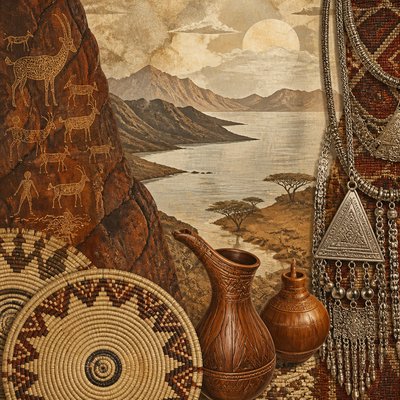
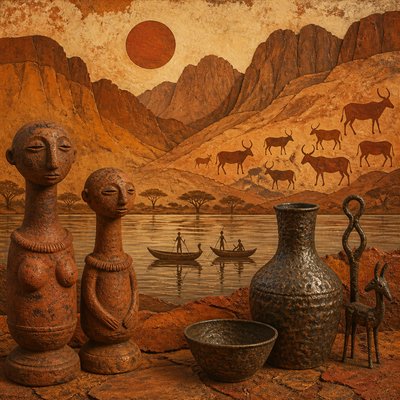
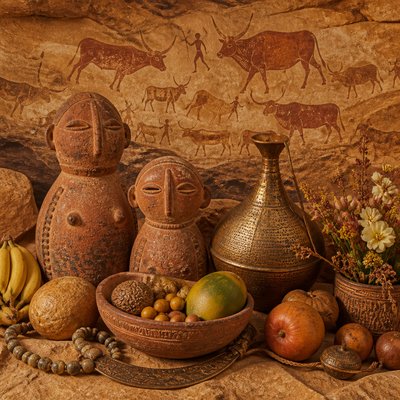
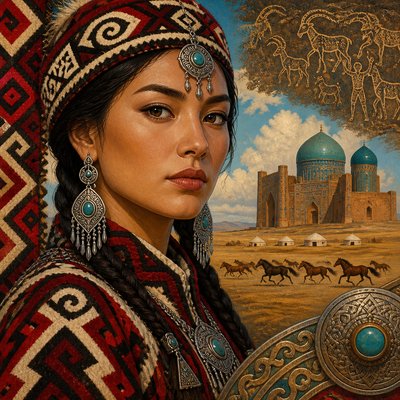
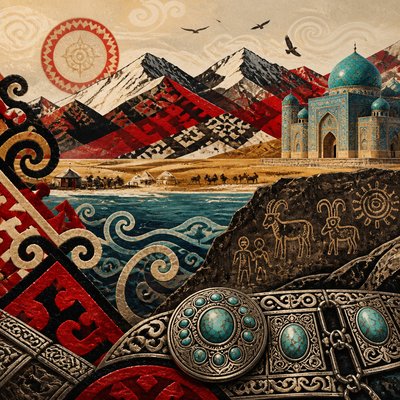
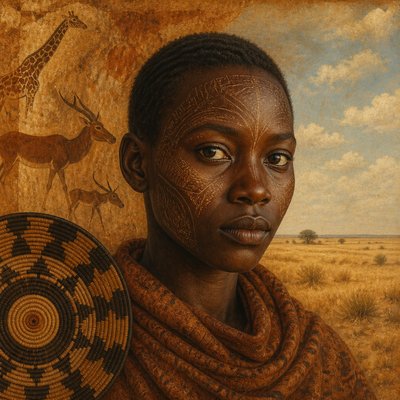
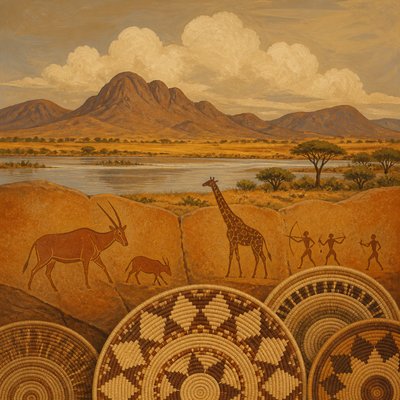
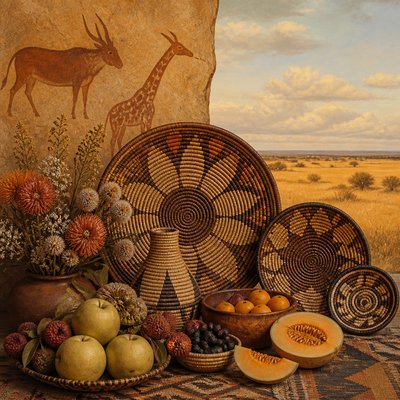
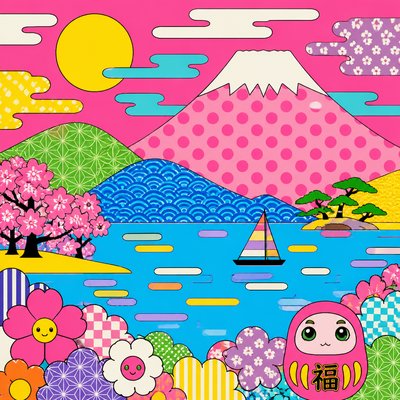
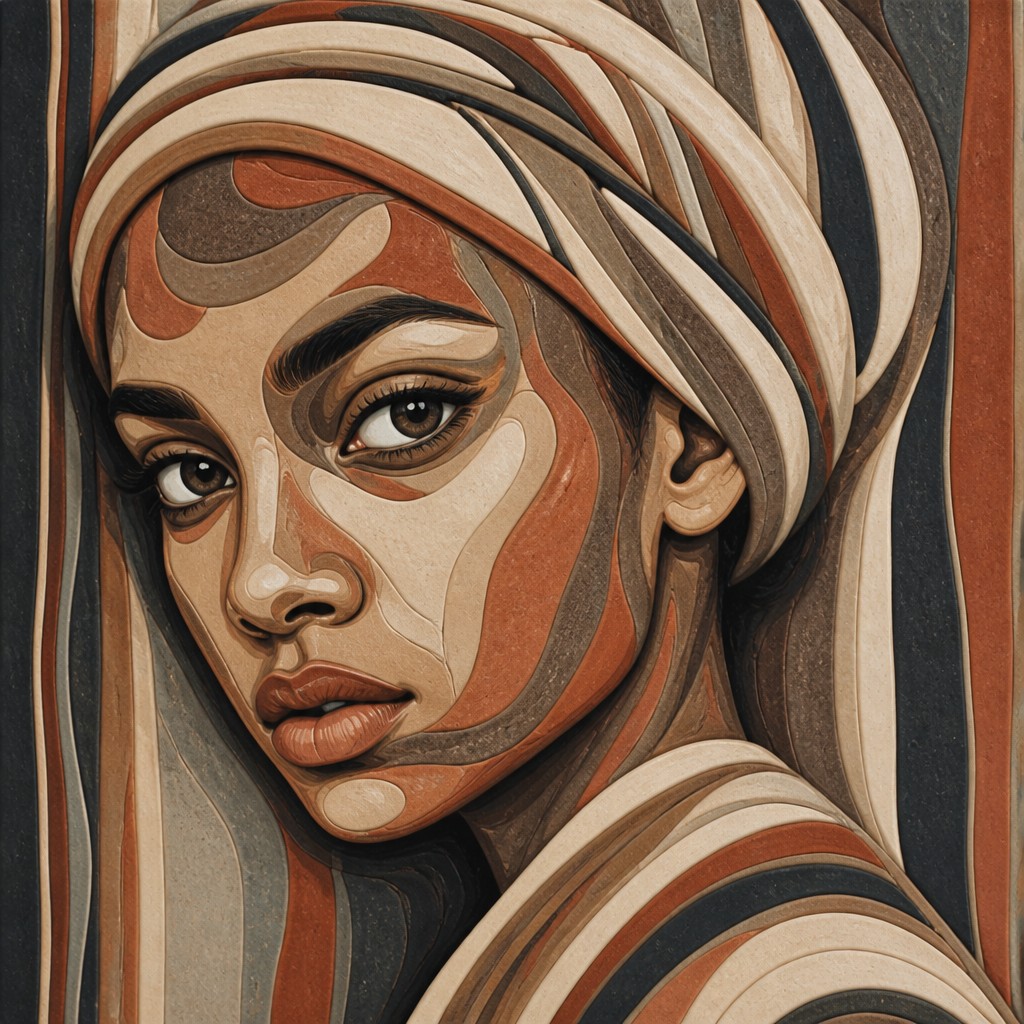
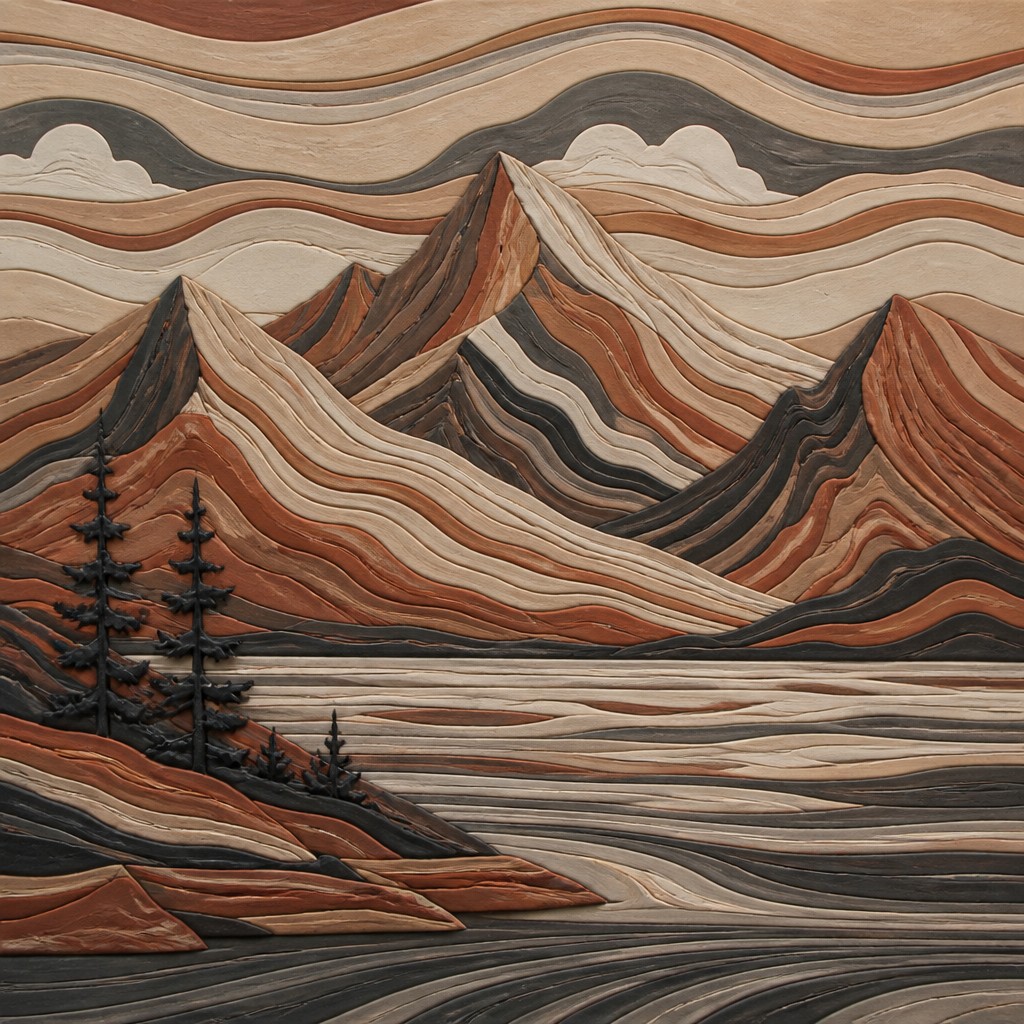
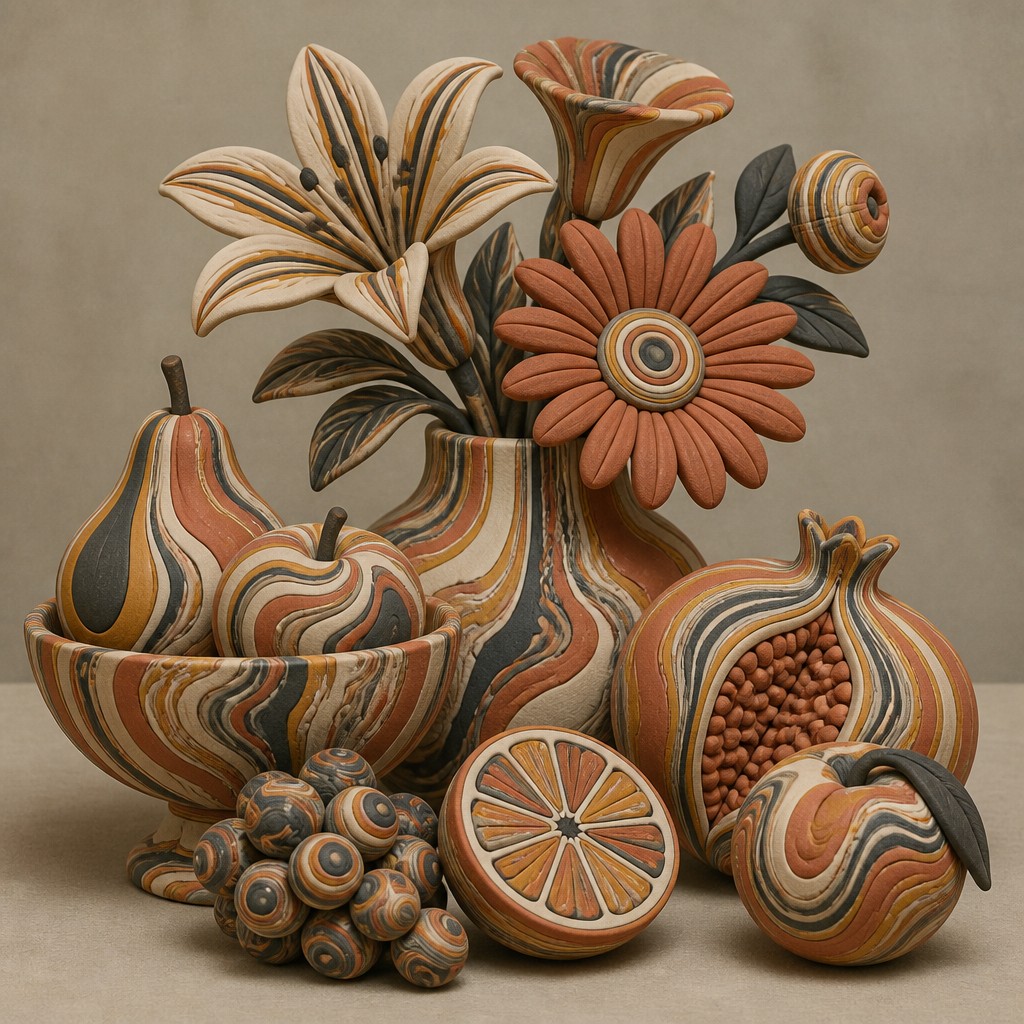
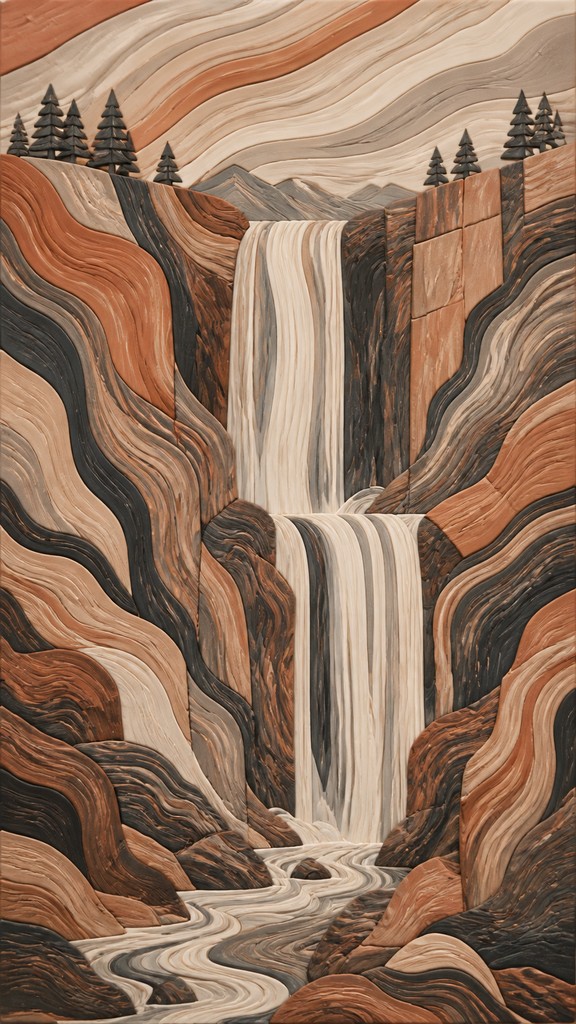
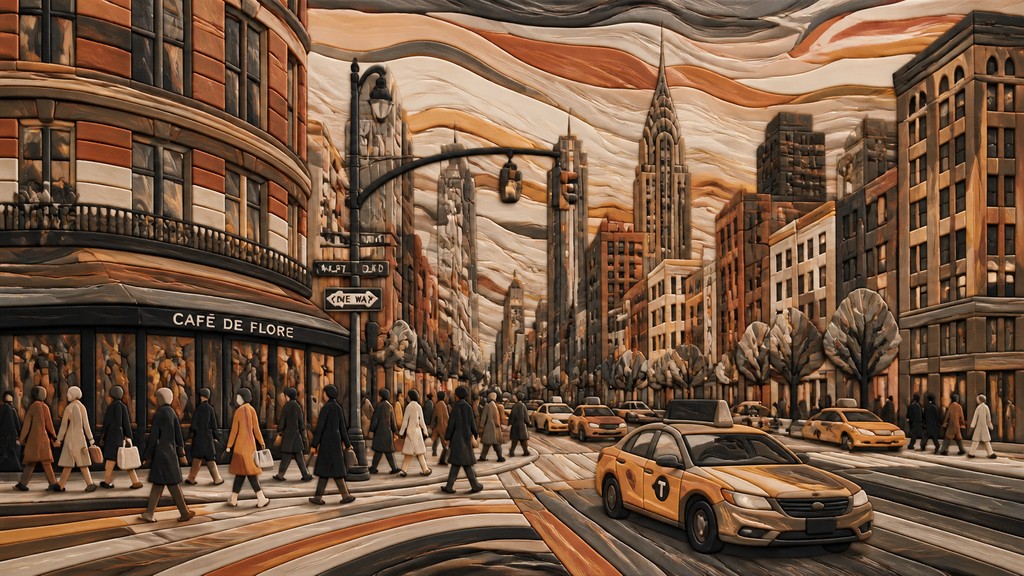
Nerikomi ceramic art uses colored clay layers to create integrated marbled patterns with crisp seams, matte surfaces, and handmade precision.
Instantly rendered in Nerikomi Ceramic — or transform a photo
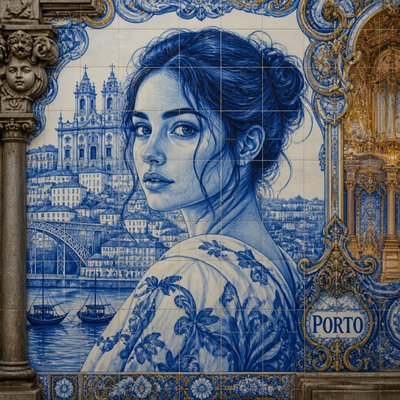
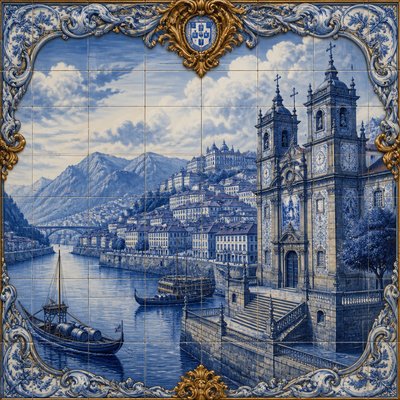
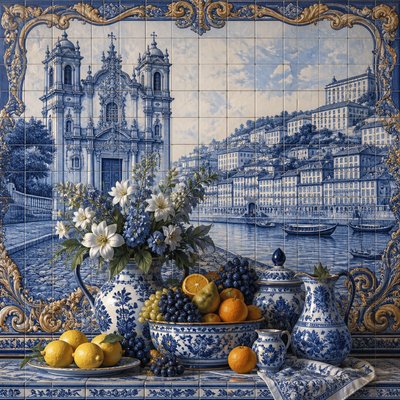
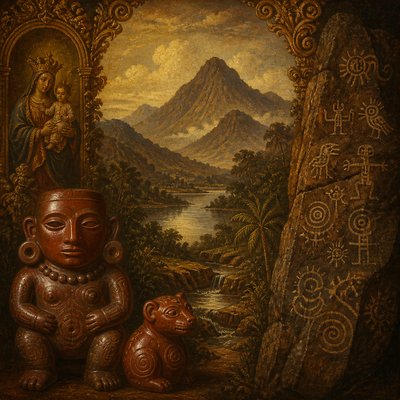
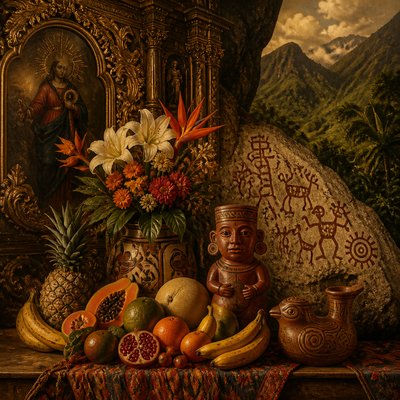
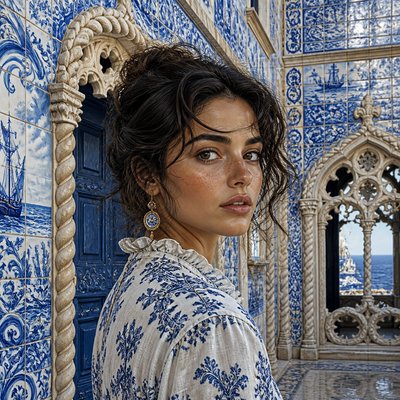
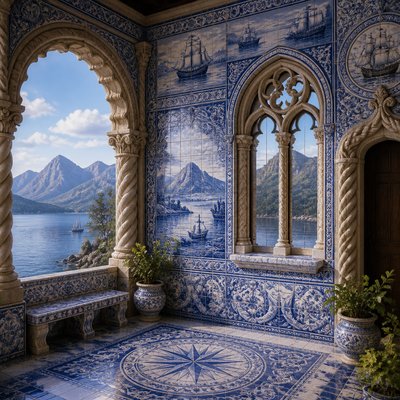
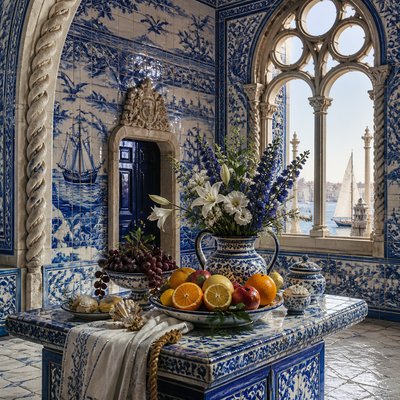
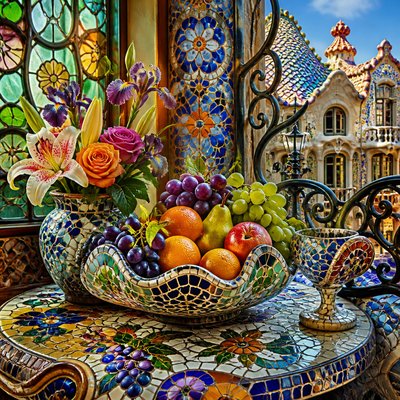
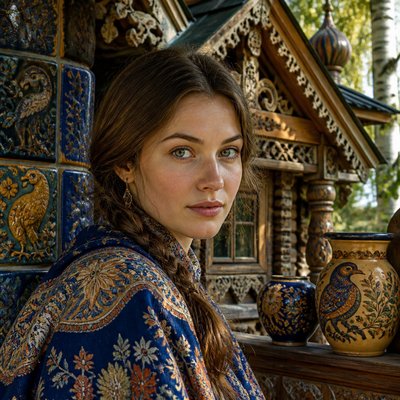
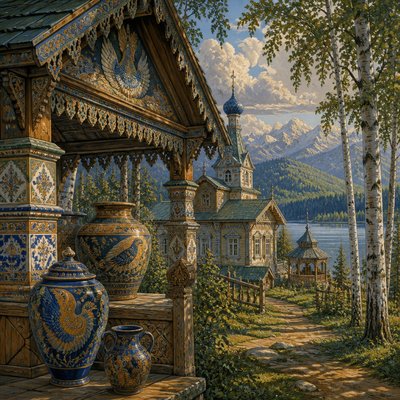
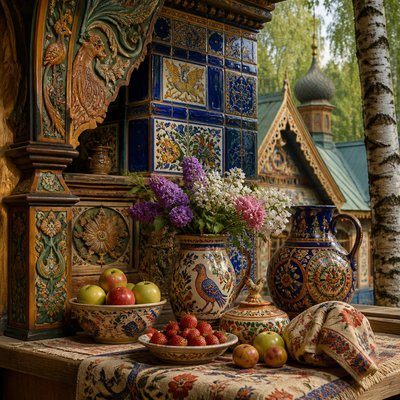
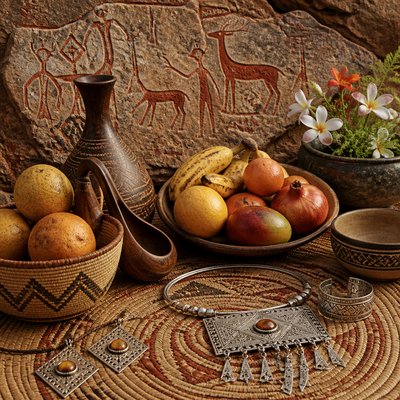
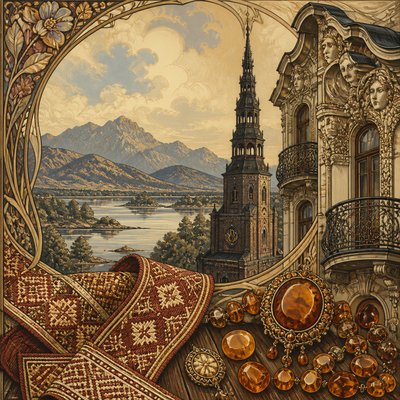
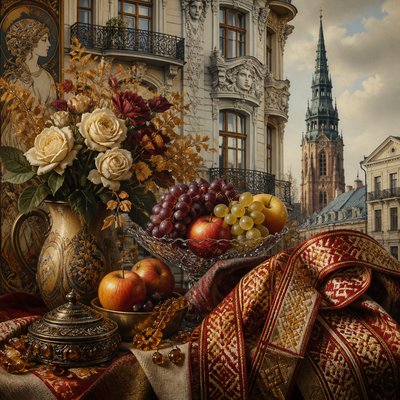
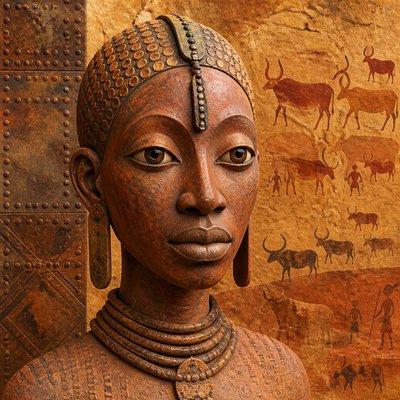
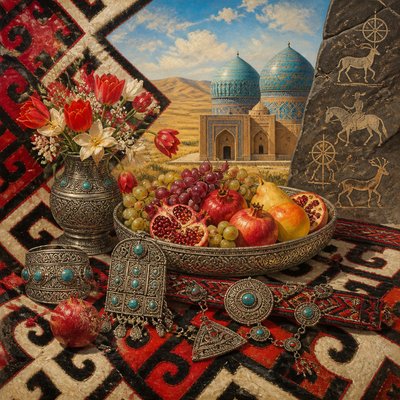
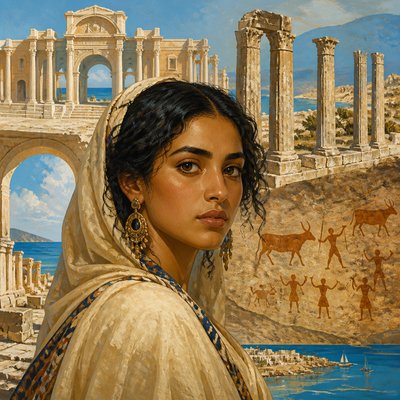
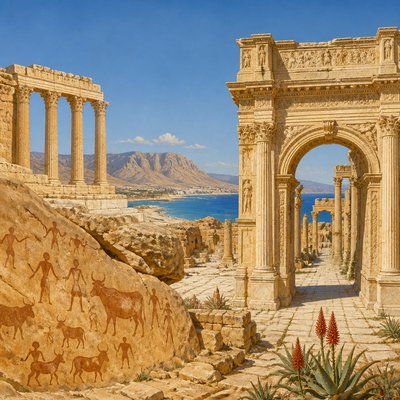
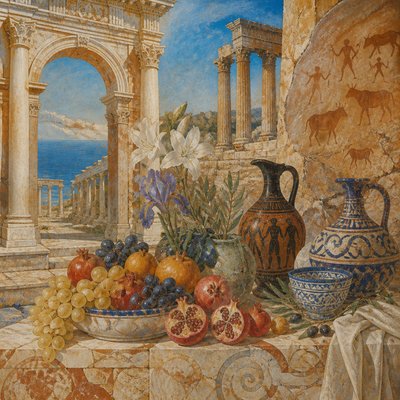
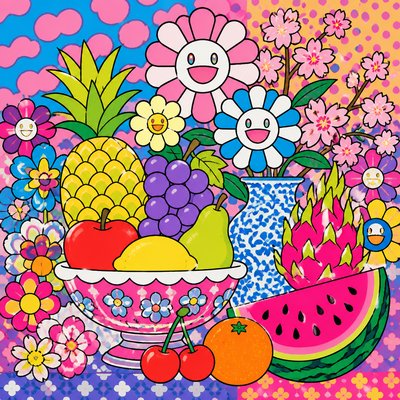
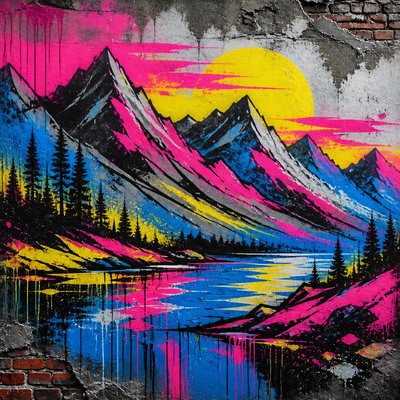
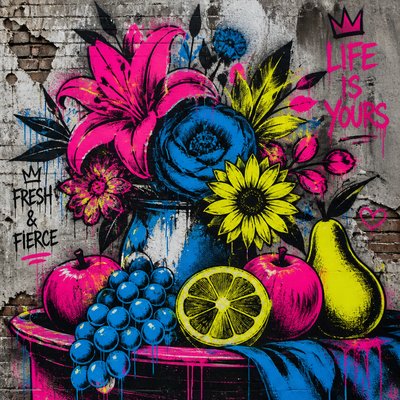
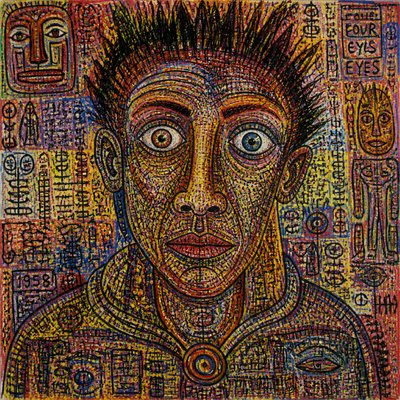
Nerikomi Ceramic Gallery
Tap any artwork to explore it

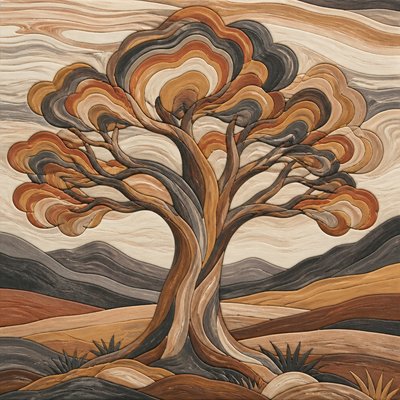
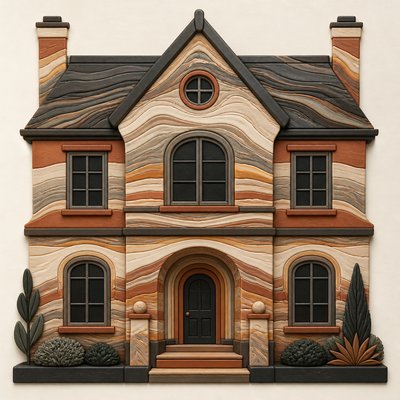
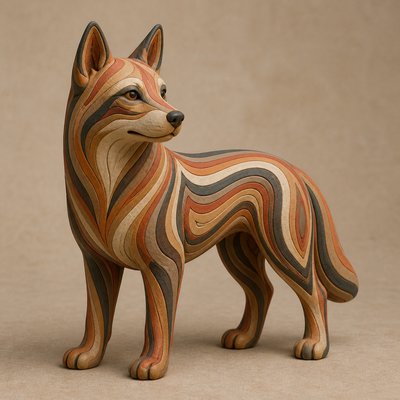
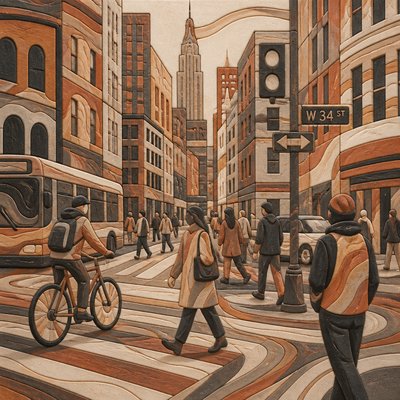
What is Nerikomi Ceramic Art Style?
Nerikomi is a ceramic surface and construction technique in which differently colored clays are layered, folded, sliced, and recombined so that the pattern becomes part of the clay body itself. Instead of being painted on after firing, the design runs through the vessel or sculpture, making the decoration structural as well as visual.
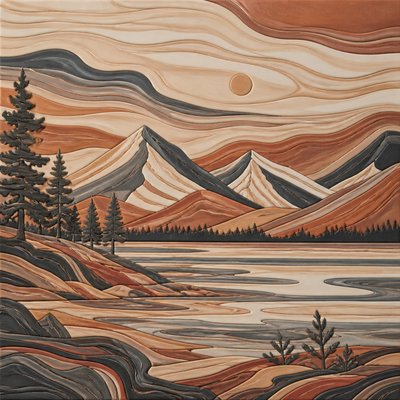
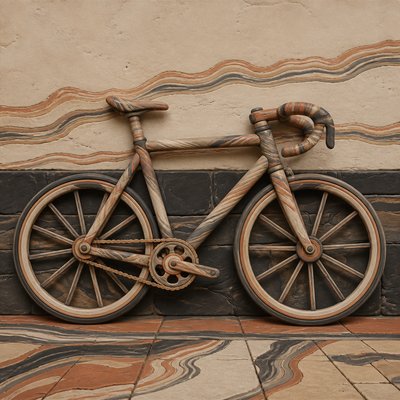
Its look is defined by visible strata, marbled bands, geometric repeats, and softly flowing organic swirls, often in earthy tones such as ochre, terracotta, cream, gray, and charcoal. The style reads as quiet and handcrafted because the visual pattern is produced by material transformation: compression, cutting, alignment, and firing all preserve the interior logic of the clay.

Try It On Your Photos
Upload any photo and convert it into Nerikomi Ceramic Art Style — drag the sliders to compare before and after.


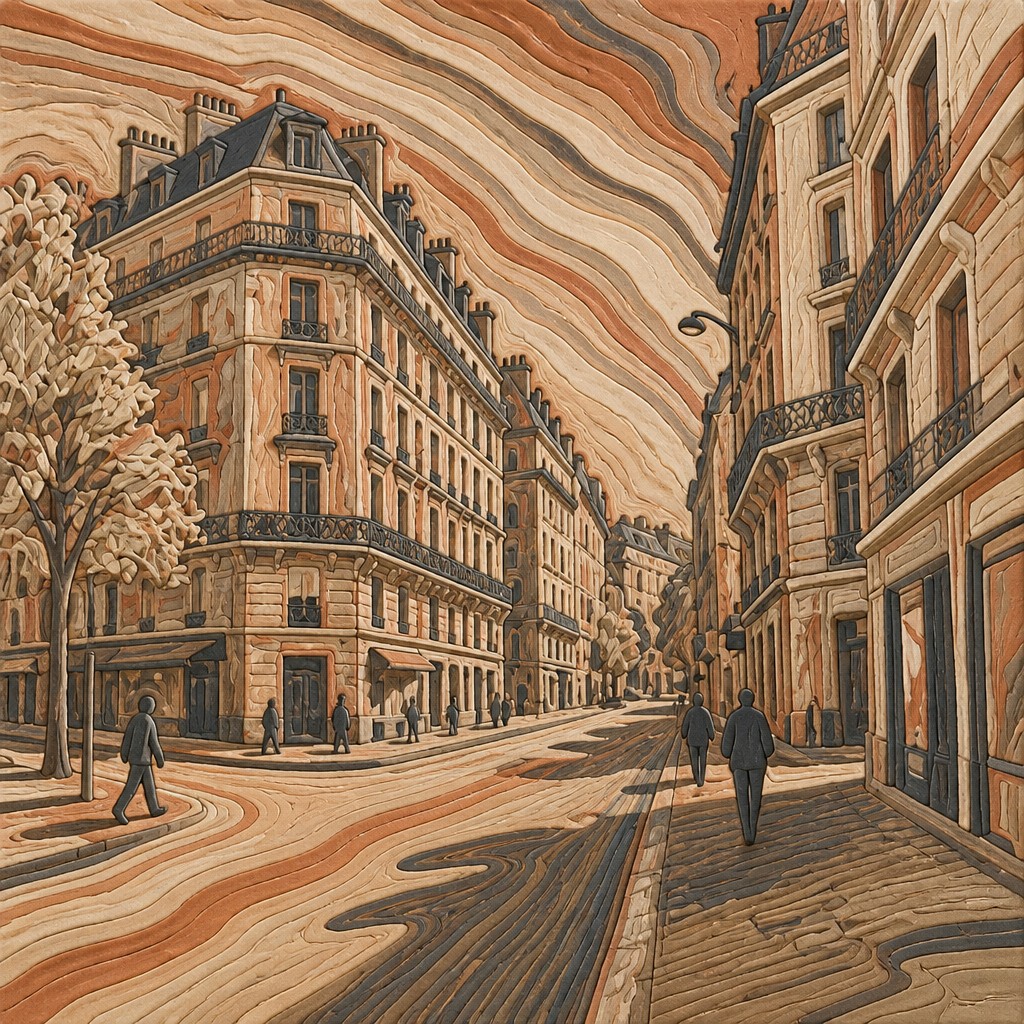

What Defines Nerikomi Ceramic Art Style
The signature details, up close
Pattern built into the clay body
The defining trait of nerikomi is that color and design are integral to the material, not applied on top. Even when the surface is polished or altered, the pattern remains visible through the thickness of the clay.
Layered marbling and strata
Bands of clay are stacked, rolled, compressed, or cut to form bands, rings, chevrons, waves, or grids. The result often resembles geologic strata, wood grain, or folded textiles.
Crisp transitions between colors
Unlike painterly blending, nerikomi often preserves clean edges where colored clays meet. This creates a sense of precision and makes the construction method legible.
Earth-toned or muted palette
Many works use natural clay colors—white, buff, iron red, brown, charcoal, and black—though more saturated pigments are also possible. The palette usually feels restrained and tactile rather than glossy.
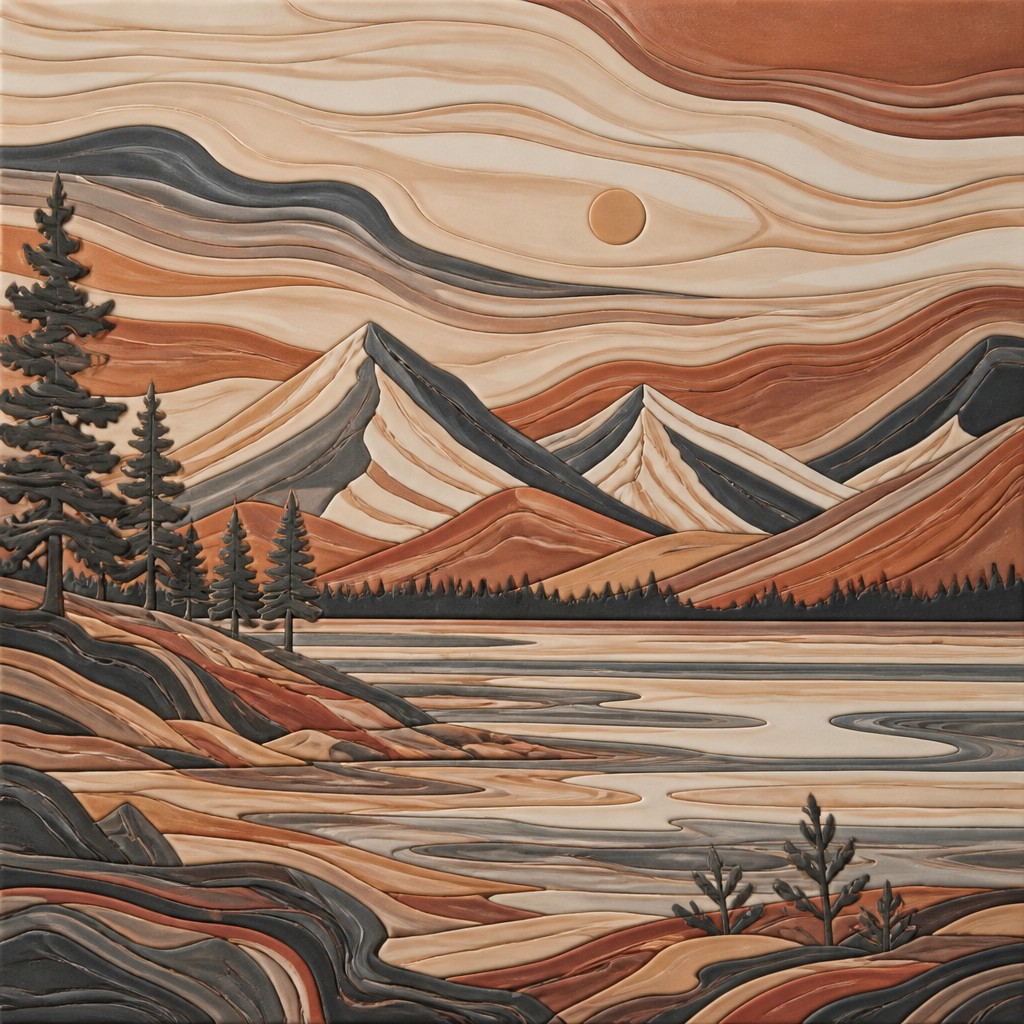
Matte, material surface
The finish is often softly matte or minimally glazed, allowing light to be absorbed rather than reflected strongly. This keeps attention on the internal pattern and the feel of the ceramic body.
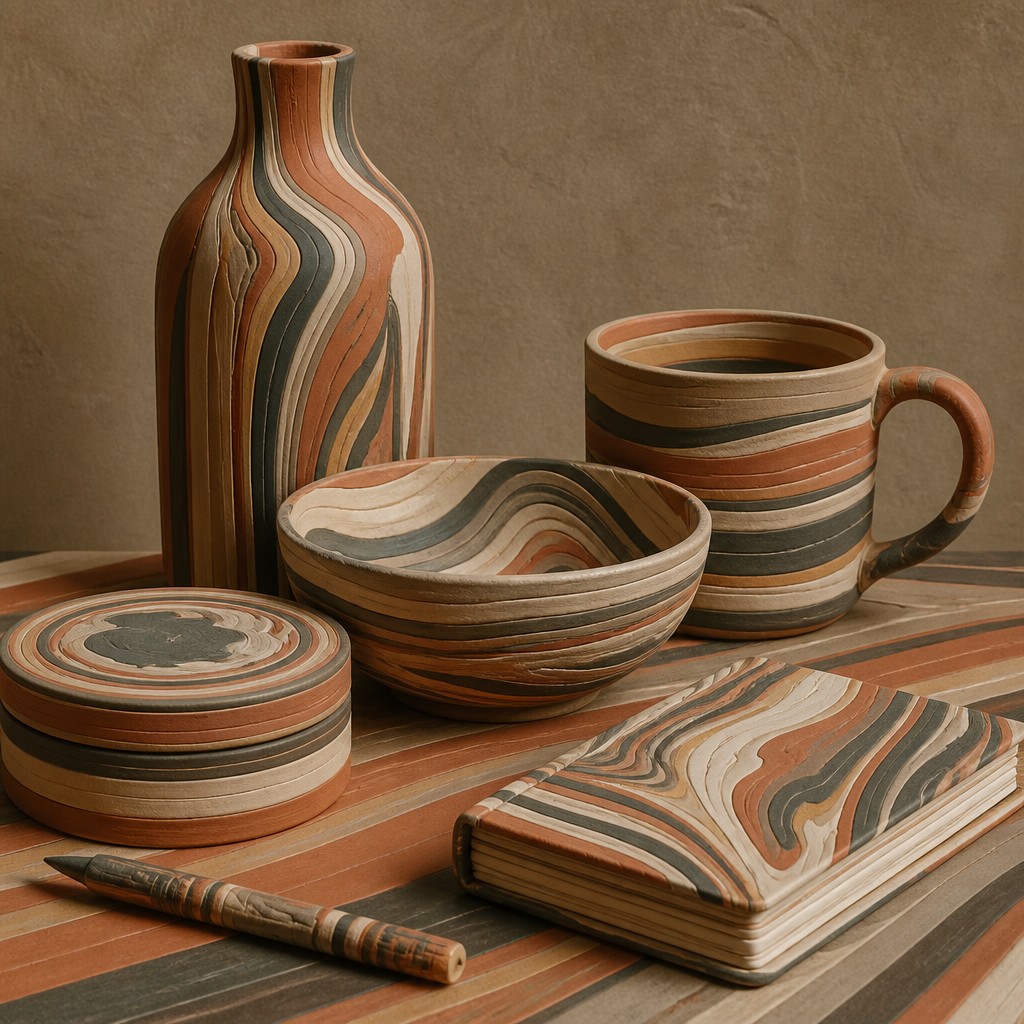
Balance of geometry and movement
Some pieces emphasize strict repeated geometry, while others reveal fluid, organic shifts caused by cutting and recombining the clay. The tension between control and drift is central to the style.
Try It
Create Videos in Nerikomi Ceramic Art Style
Styles aren't just for stills — describe a scene or animate an image and get a short video rendered in Nerikomi Ceramic. Press play to see this pond come to life.
Make a VideoNerikomi Ceramic Prompt Ideas
Start from an idea — each one opens the generator with the style ready to go. See all 40 Nerikomi Ceramic prompts →
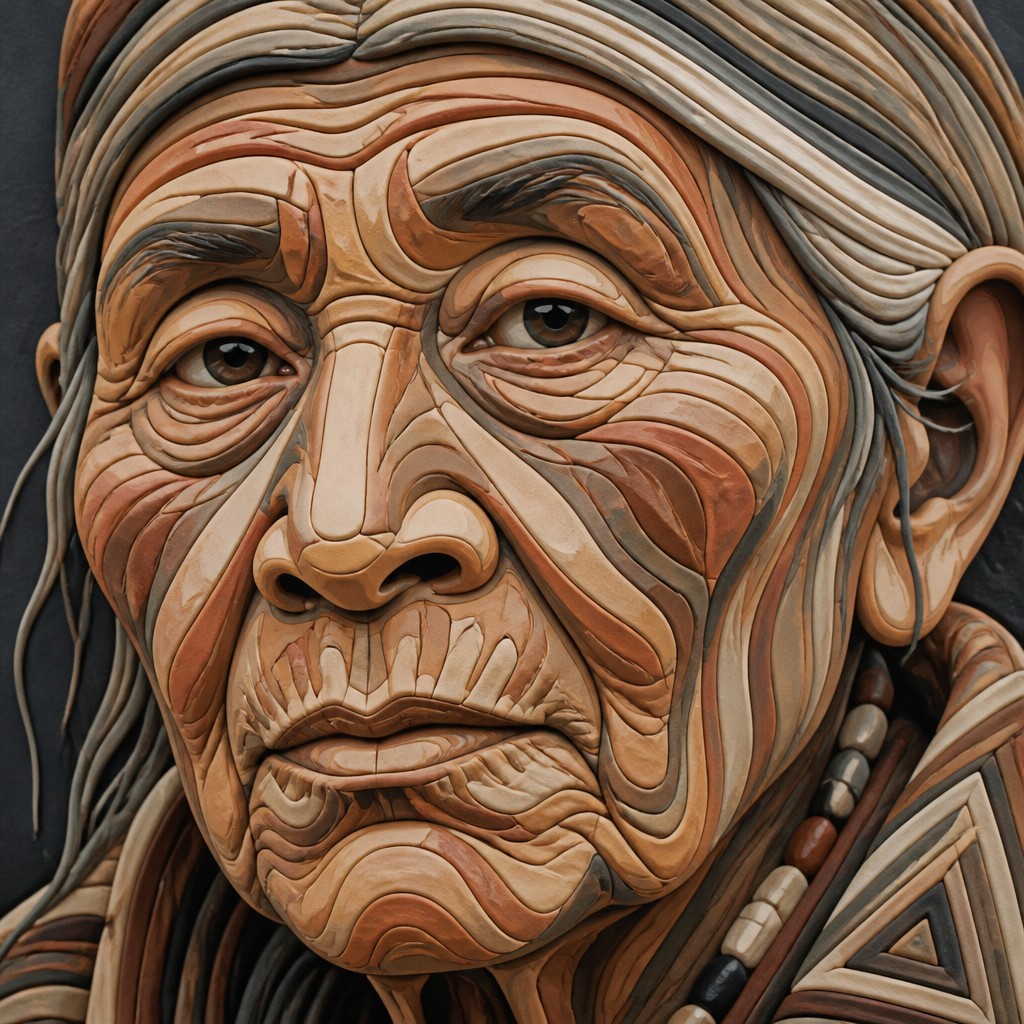
“close-up portrait of an elderly person with expressive weathered features”
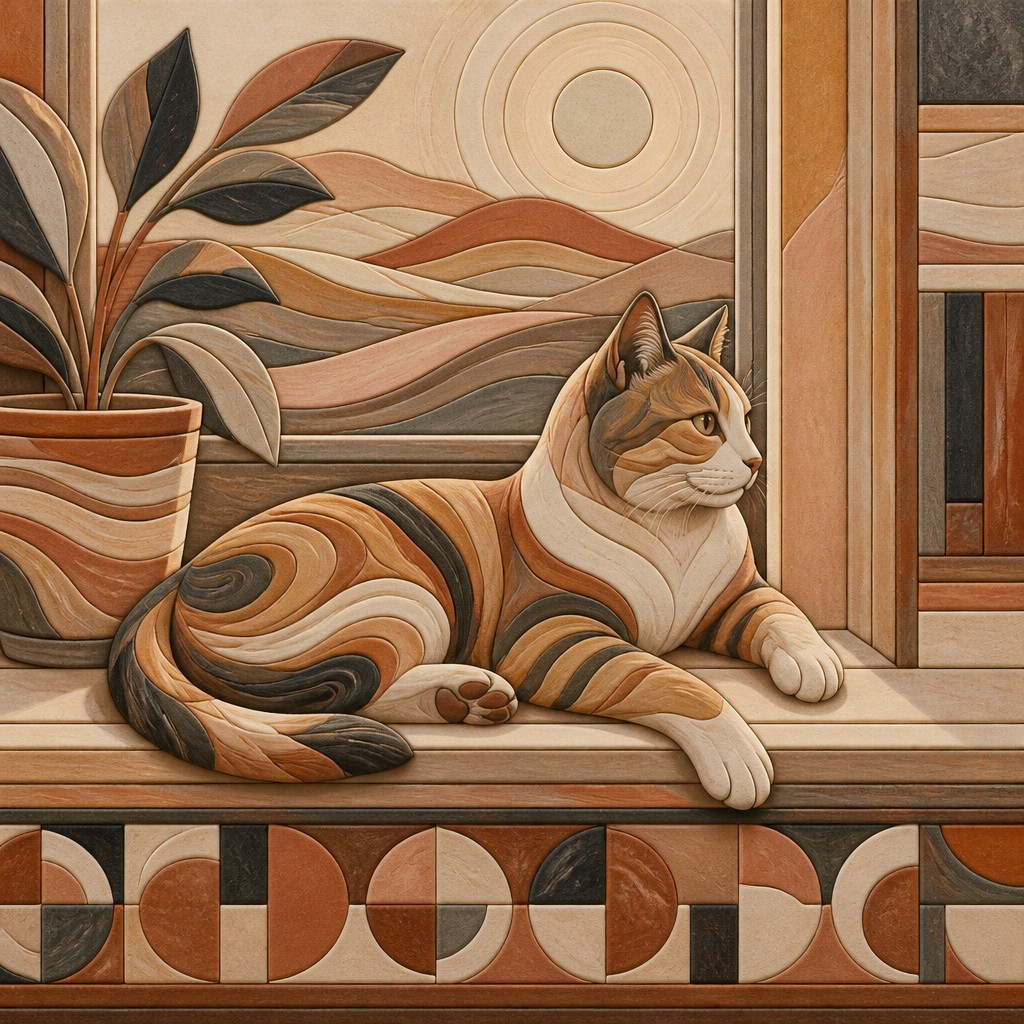
“a cat lounging in a sunlit window”
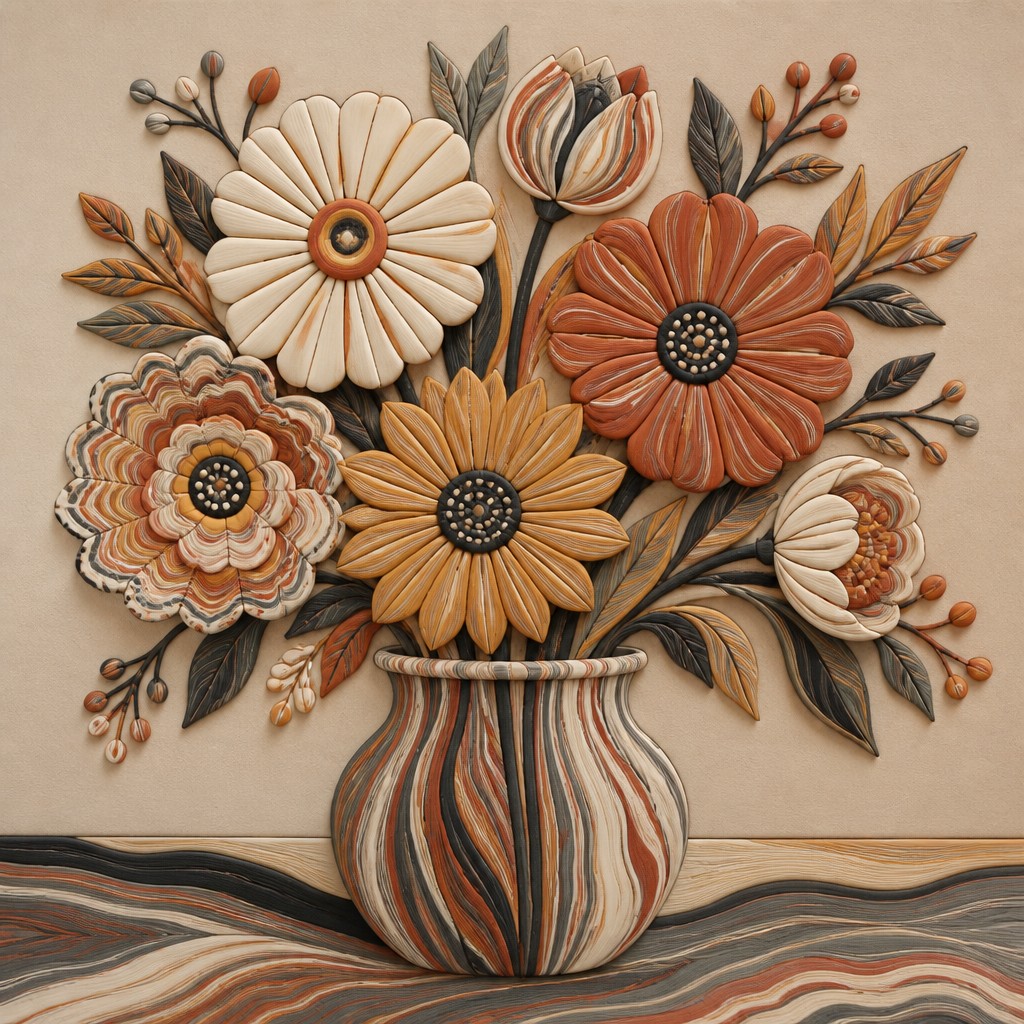
“bouquet of flowers in a glass vase”
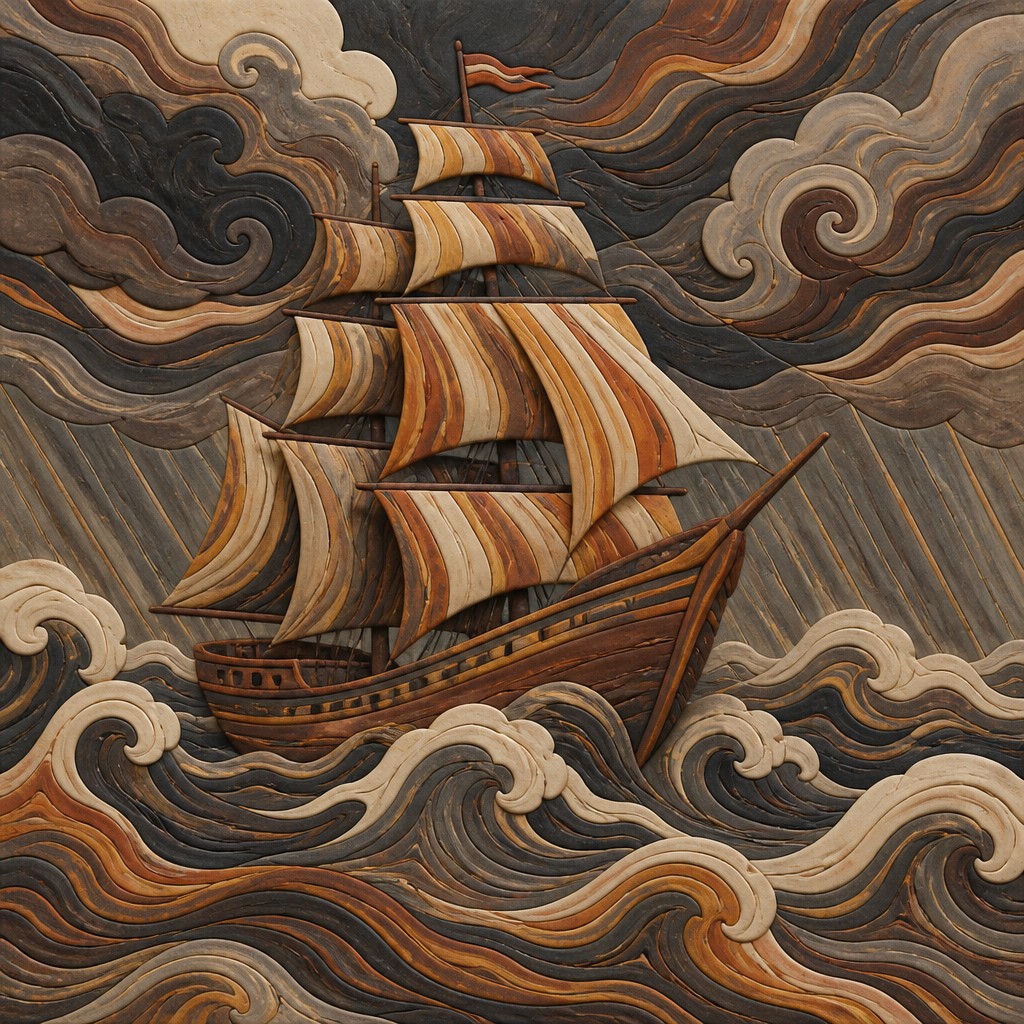
“sailing ship on a stormy sea”
How to Create Nerikomi Ceramic Art
Master the craft step by step — or skip straight to creating. Read the full guide →
- 1
Prepare multiple colored clay bodies
Traditionally, mix stains or pigments into separate clay batches and wedge each one thoroughly so the color is even. Control moisture carefully, because nerikomi depends on clays with similar plasticity and shrinkage.
- 2
Design the pattern as a cross-section
Plan the motif as if you were drawing inside the clay, not on the surface. Stack slabs, coils, or blocks into a patterned core, then slice or stretch the form to reveal the design throughout the body.
- 3
Cut cleanly and avoid smearing
Use sharp wire, blade, or rib tools to keep boundaries crisp. Excess handling can blur the layers, so compression should be deliberate and gentle rather than kneaded continuously.
- 4
Choose subtle finishing methods
A light burnish, matte slip, or restrained transparent glaze can preserve the clarity of the pattern. High-gloss surfaces may overpower the layered clay effect unless used very intentionally.
- 5
For digital or AI creation, describe the material logic
Prompt for laminated clay, marbled bands, crisp seams, matte ceramic texture, and visible layered construction. Specify the subject separately from the style so the model builds the object out of patterned clay rather than merely adding a pattern to it.
The Story
History & Origins of Nerikomi Ceramic
Nerikomi belongs to the broader family of Japanese ceramic techniques for constructing patterned clay bodies, especially methods associated with layered clays and cut-and-reassembled forms. It is closely related to nerikawa and other laminated-clay practices, and in modern studio ceramics it has become a recognized field of experimentation for achieving complex decoration without glaze or surface painting.
Its aesthetic lineage draws from Japanese ceramic craft, contemporary studio pottery, and broader traditions of marbling and material patterning found in stone, paper, textiles, and wood. Rather than emerging as a single named art movement, nerikomi developed as a technical and artistic approach within ceramics, valued for precision, restraint, and the visible record of handwork embedded in the object itself.
Influences: Nerikomi is related to Japanese ceramic craft traditions and to studio pottery practices that emphasize hand construction and material truth. It also resonates with the visual logic of marbling, topographical stratification, and textile-like patterning, and can be compared in spirit to the disciplined formal order found in Japanese design, though it is a ceramic technique rather than a painting movement.
Frequently Asked Questions
What defines nerikomi ceramic art?
Nerikomi is defined by the use of differently colored clays layered together so that the pattern exists throughout the ceramic body. The design is revealed by cutting, shaping, and firing the clay rather than by painting on the surface.
How is nerikomi different from painted ceramics or glaze decoration?
Painted or glazed decoration sits on the surface, while nerikomi pattern is embedded in the clay itself. That means the design remains structurally present even if the object is cut, polished, or viewed in cross-section.
Is nerikomi the same as marbling?
It is related to marbling, but nerikomi is more controlled and structural. Marbling can refer broadly to swirling color effects, whereas nerikomi specifically uses layered clay bodies and careful construction to create integrated ceramic patterns.
What kinds of objects are commonly made in nerikomi?
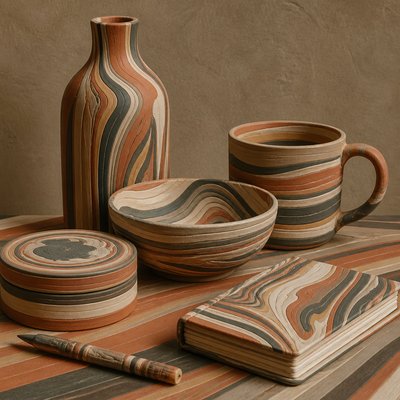
Common forms include bowls, cups, teapots, vases, tiles, and abstract sculptural vessels. The technique works especially well on forms that reveal a continuous surface, since the pattern can wrap around the object.
Can nerikomi be made with bright colors?
Yes, but many artists prefer muted, earthy palettes because they harmonize with the material qualities of clay. Bright colors are possible if the stains and clay bodies are compatible and the desired effect is carefully tested.
What should I ask for when generating or commissioning a nerikomi look?
Ask for laminated colored clay, crisp layered seams, marbled or striped clay bodies, and a matte ceramic surface. If you want a specific object, name it clearly and specify whether the pattern should be geometric, organic, or a mix of both.
Create your first Nerikomi Ceramic artwork
Describe anything — or upload a photo — and see it in Nerikomi Ceramic Art Style in seconds.
Make Something with Nerikomi Ceramic
Compare Nerikomi Ceramic
Related Styles
Discover similar art styles