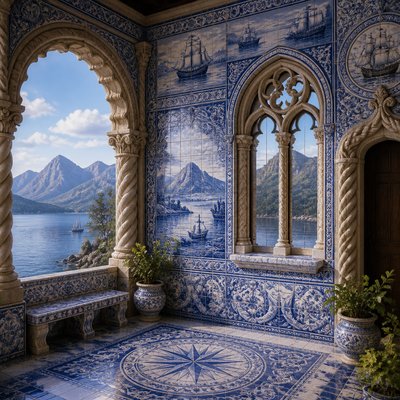
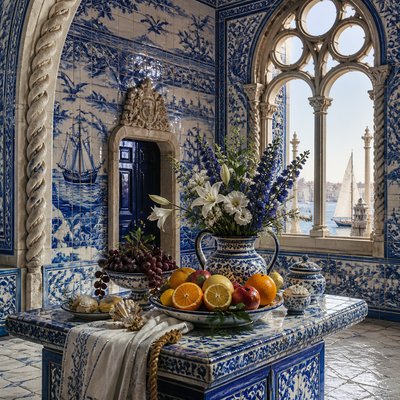
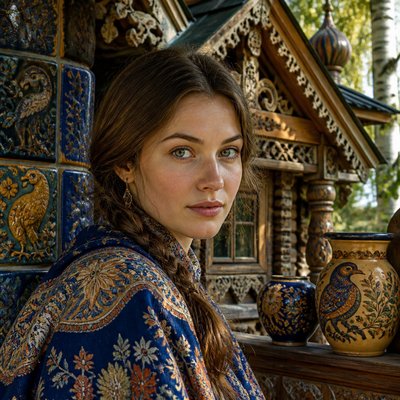
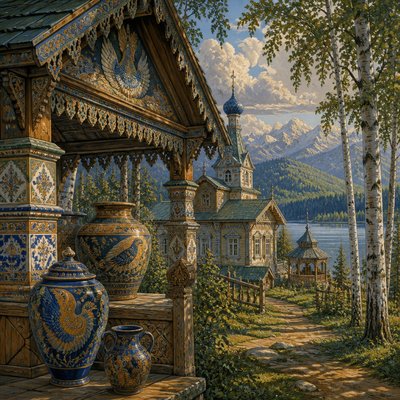
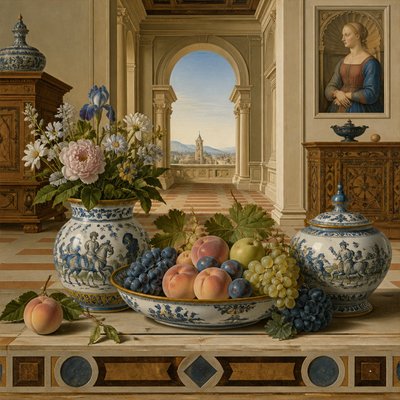
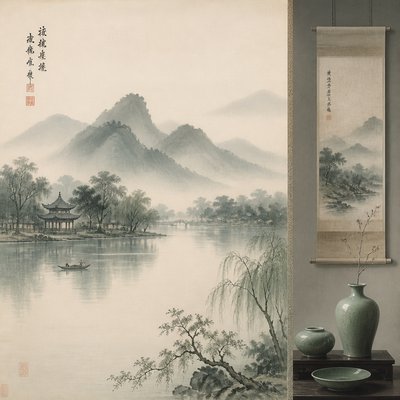
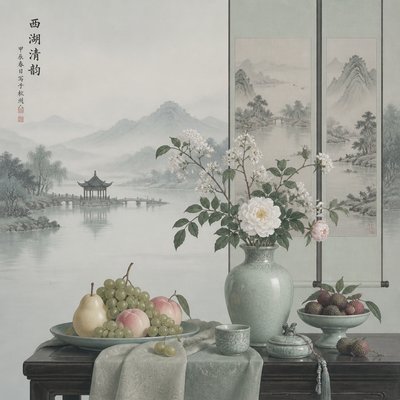
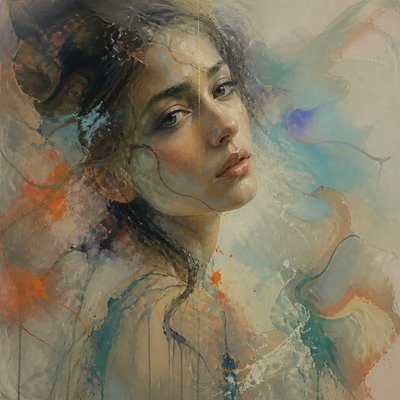
Crystalline Glaze Ceramic Art Style
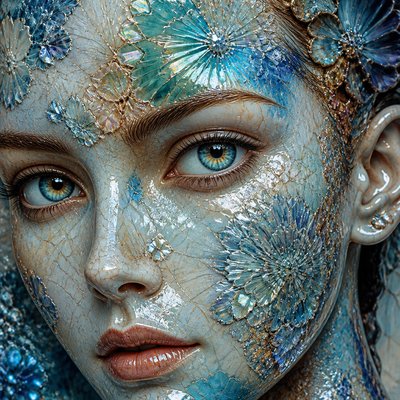
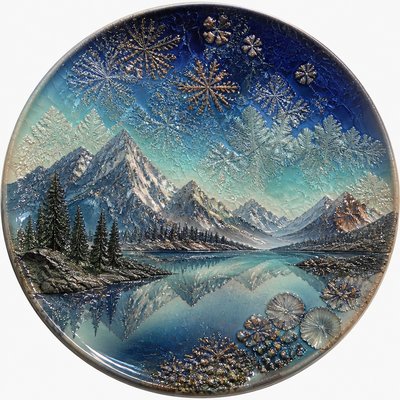
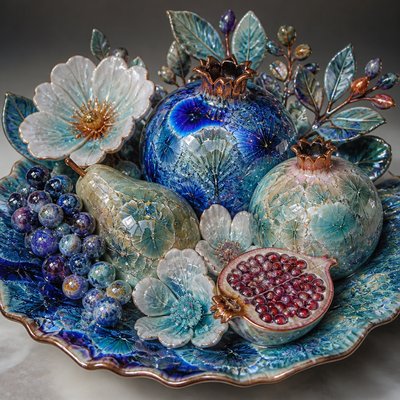
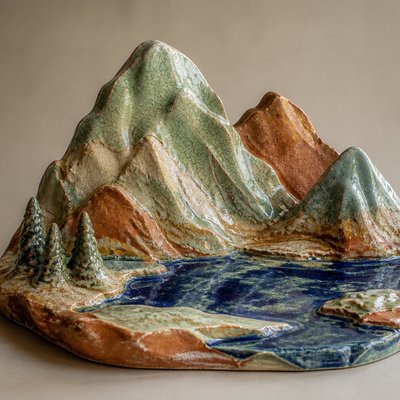
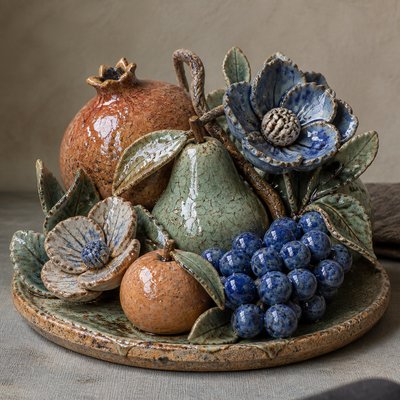
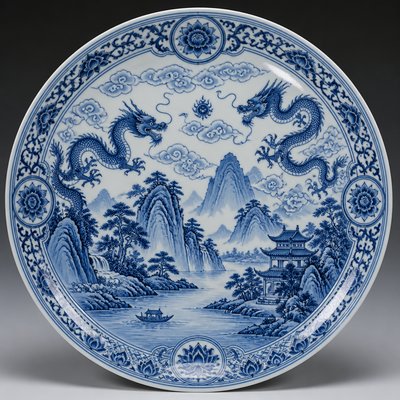
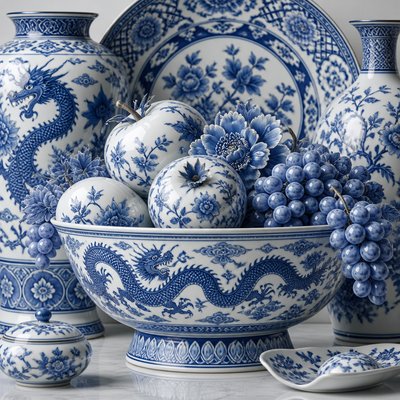
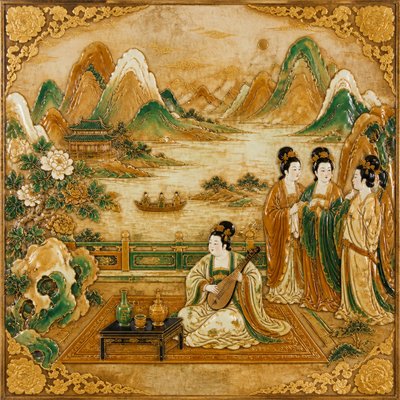
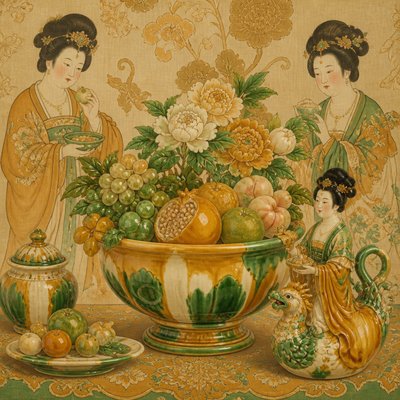
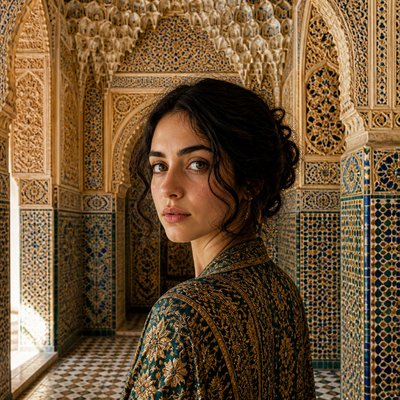
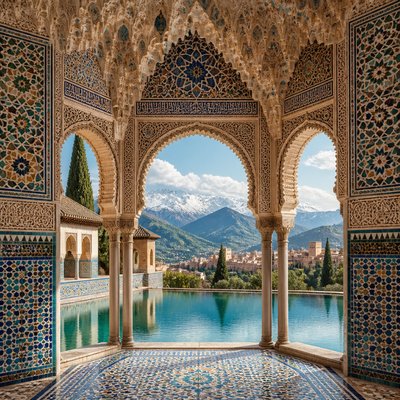
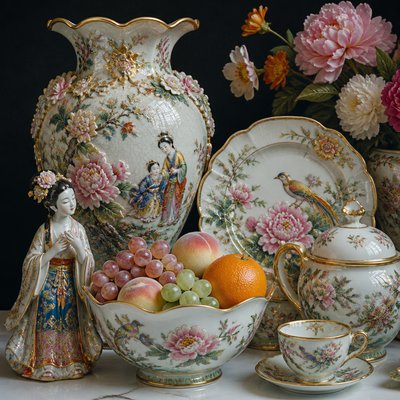
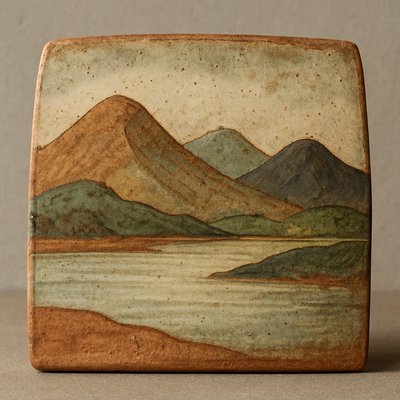
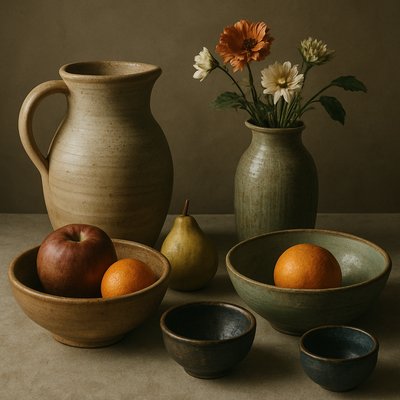
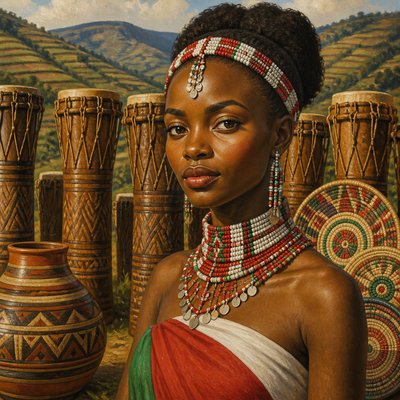
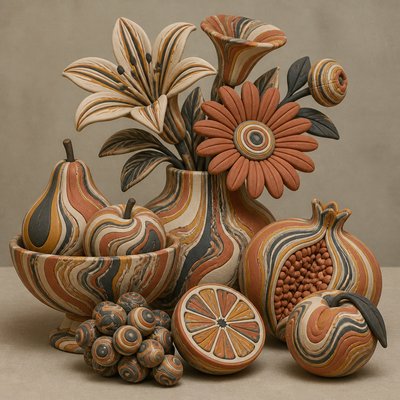
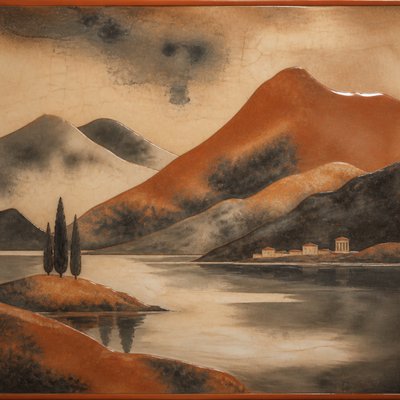
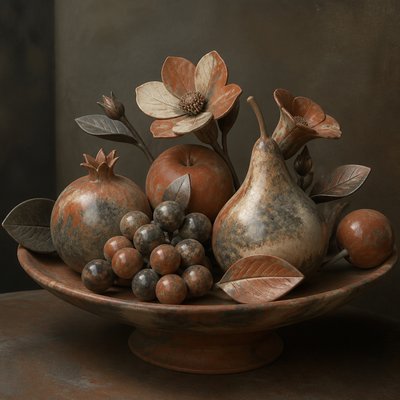
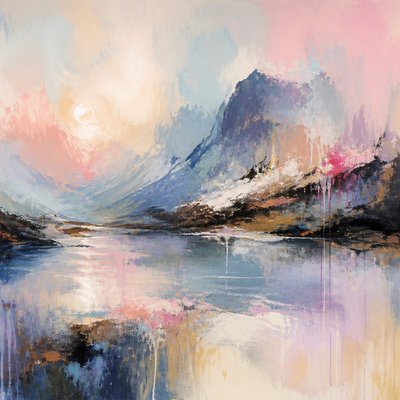
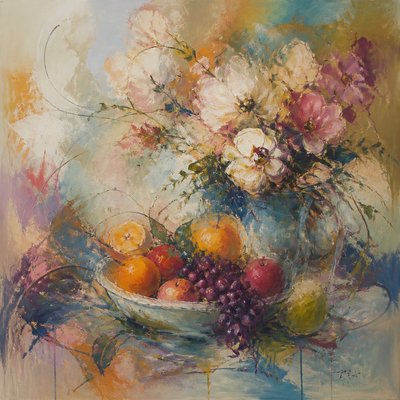
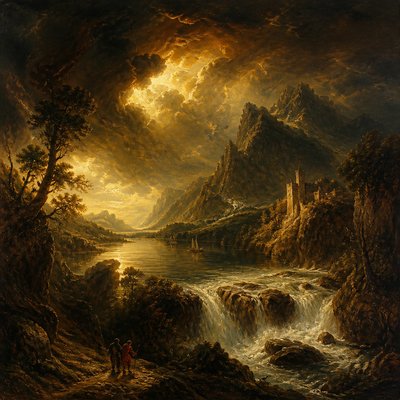
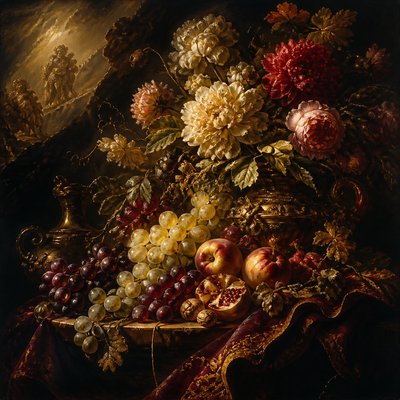
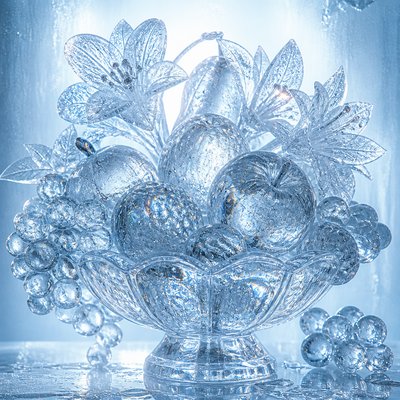
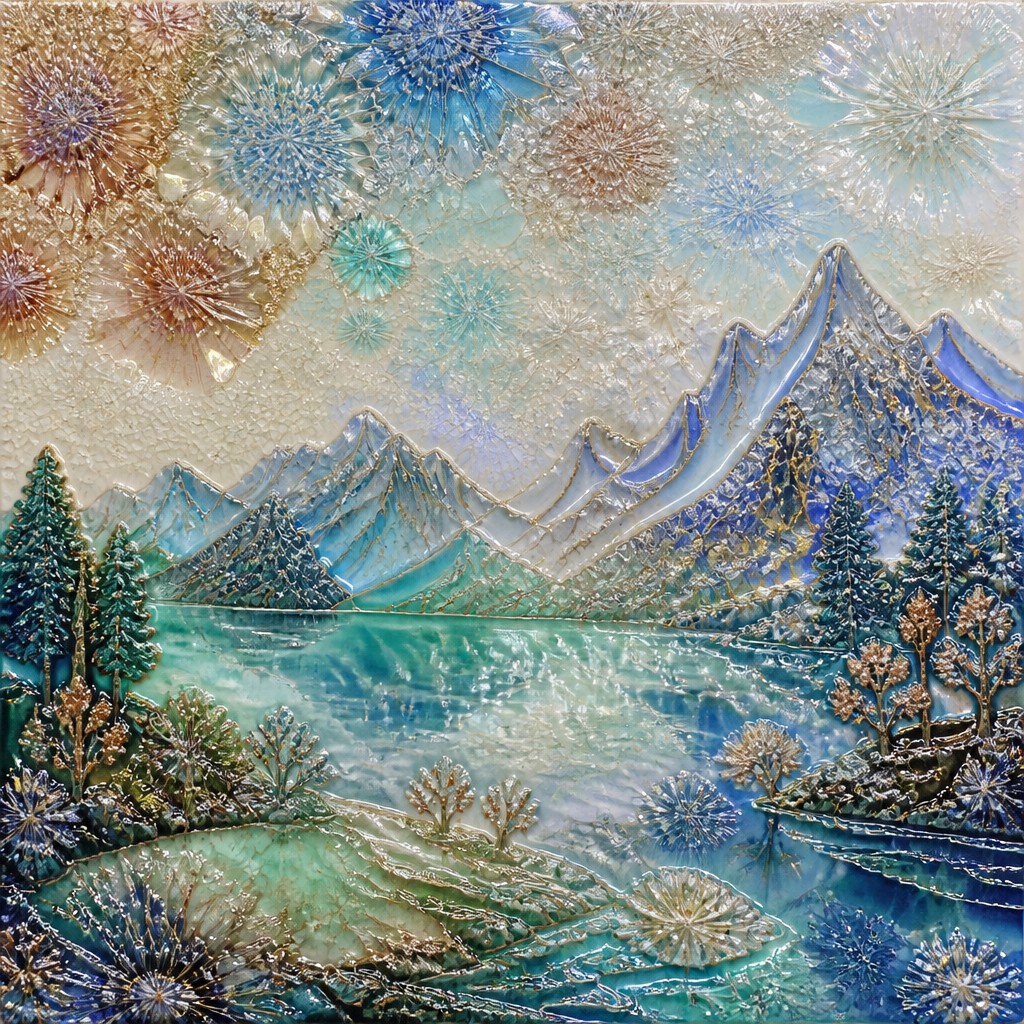
Ceramic surfaces with blooming crystal patterns, iridescent glazes, and one-of-a-kind mineral formations created during firing.
Instantly rendered in Crystalline Glaze Ceramic — or transform a photo
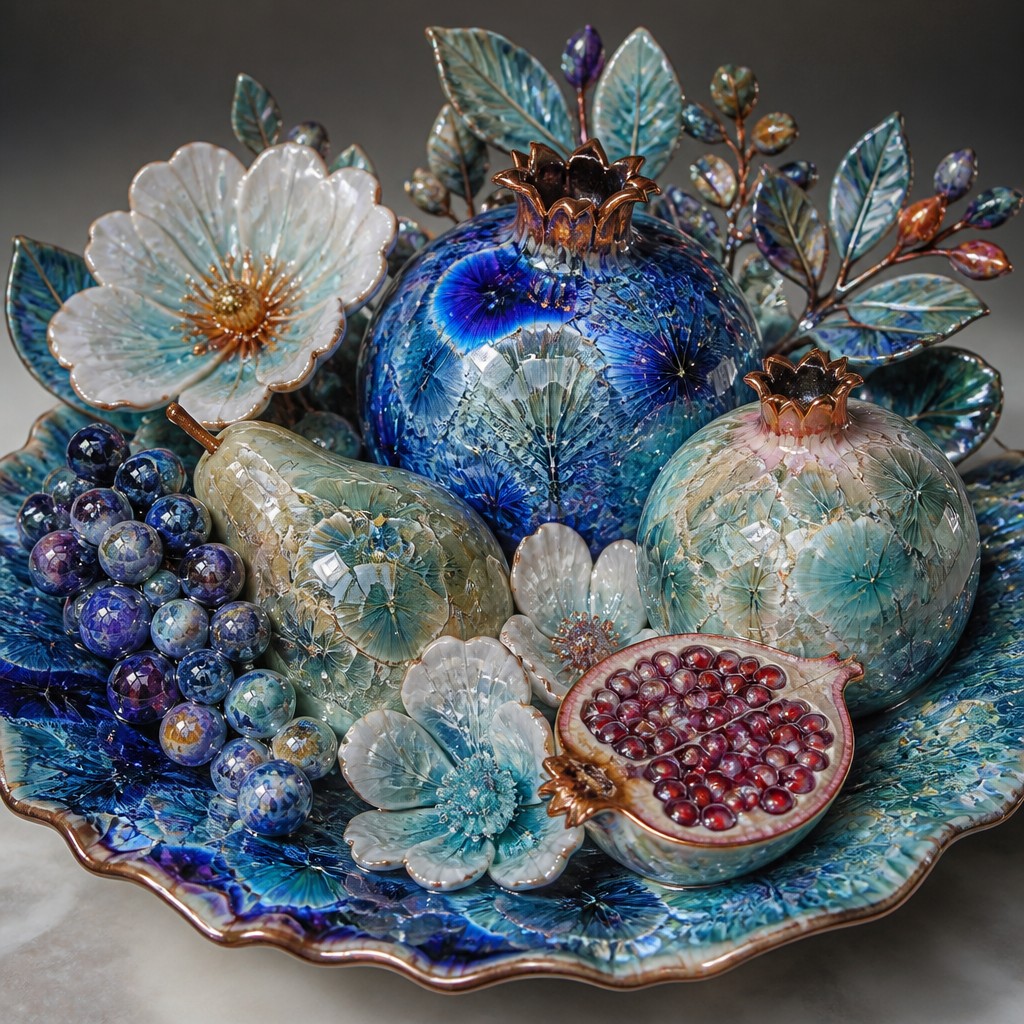
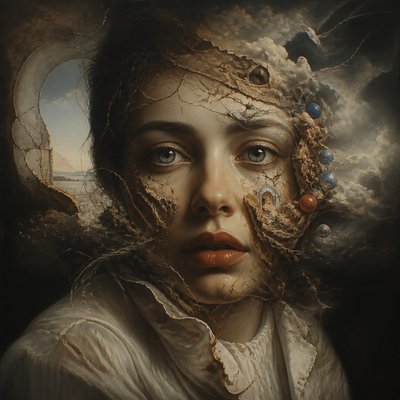
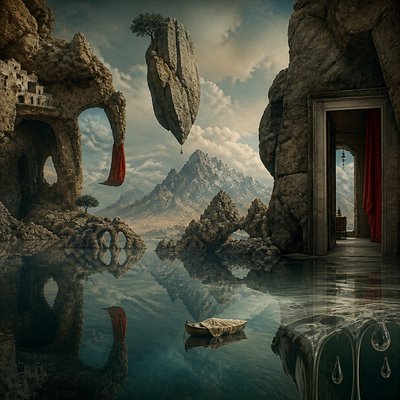
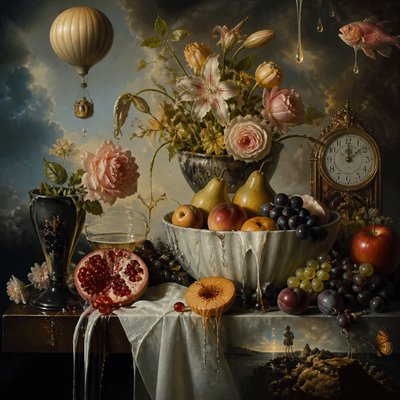
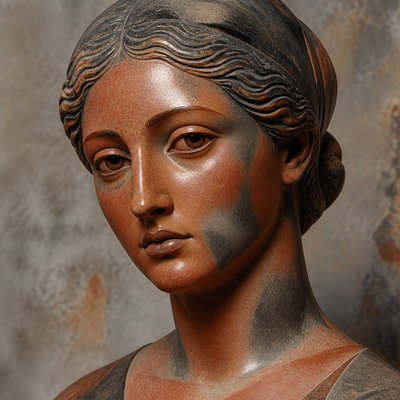
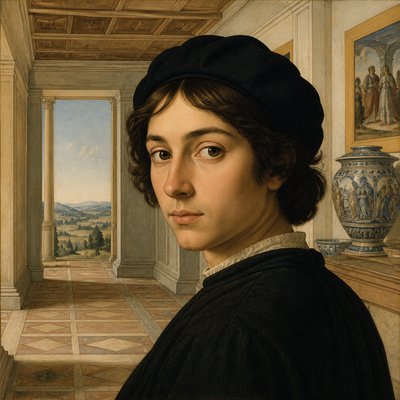
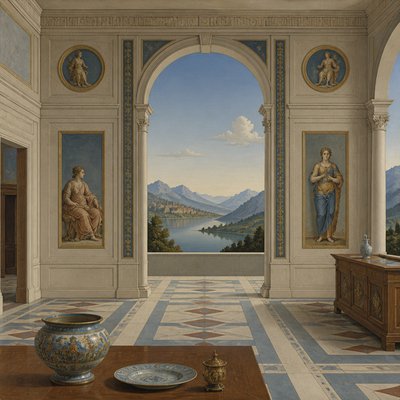
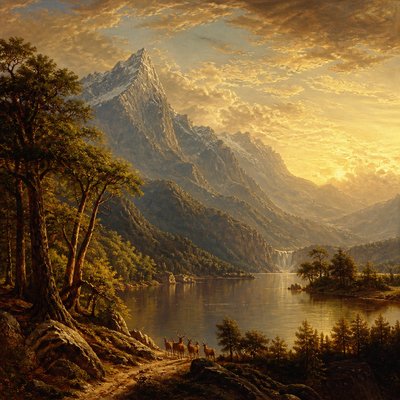
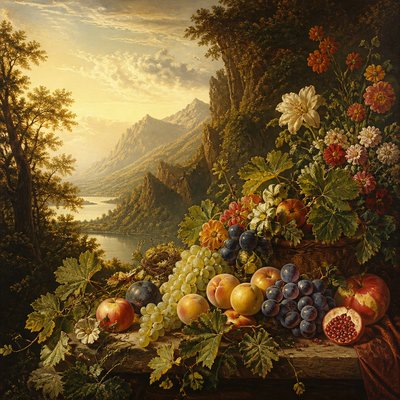
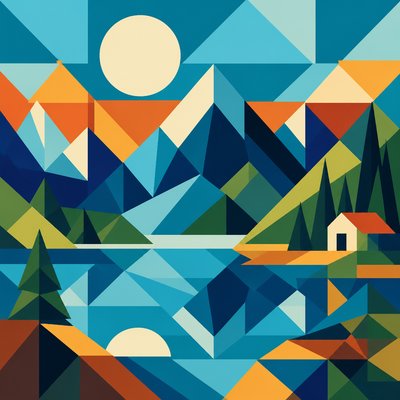
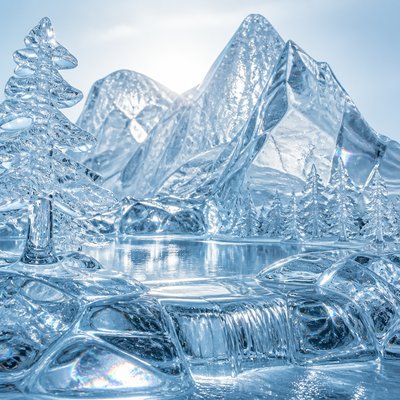
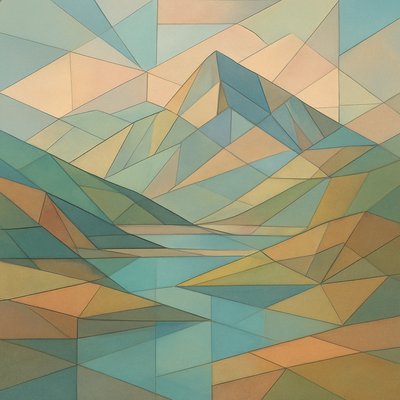
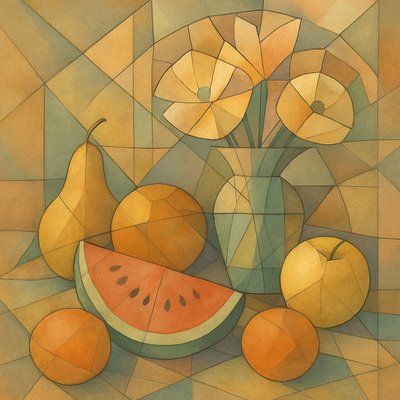
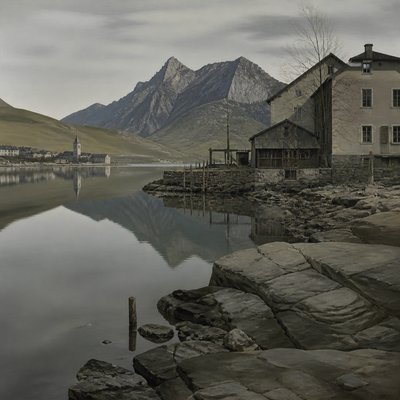
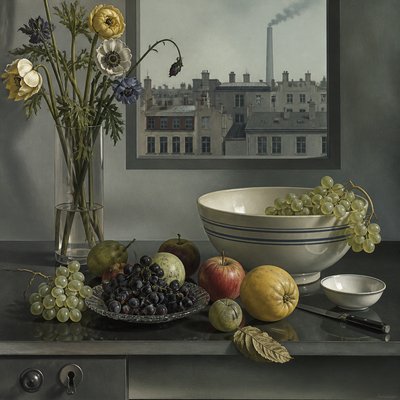
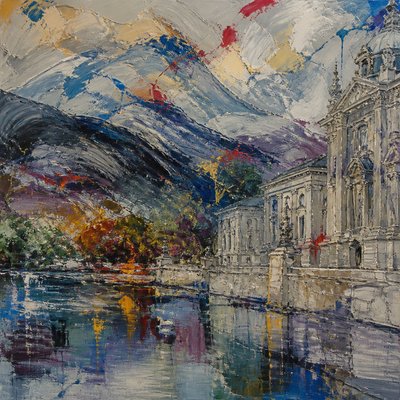
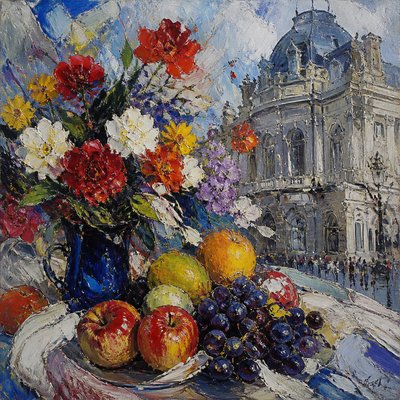
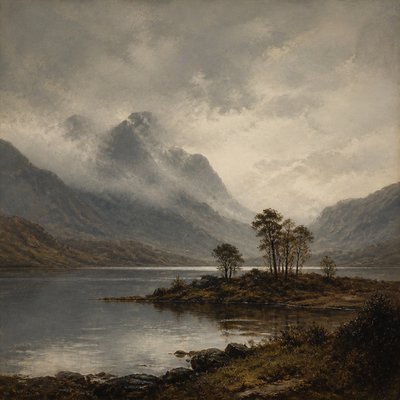
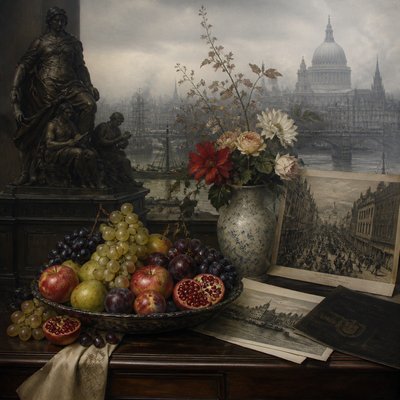
Crystalline Glaze Ceramic Gallery
Tap any artwork to explore it
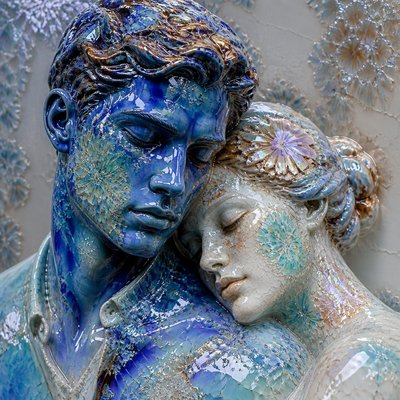
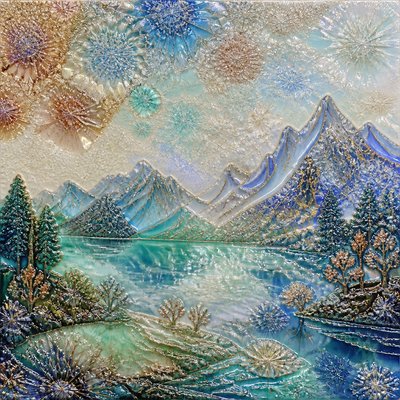
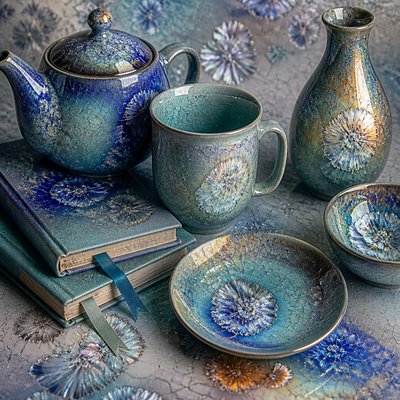
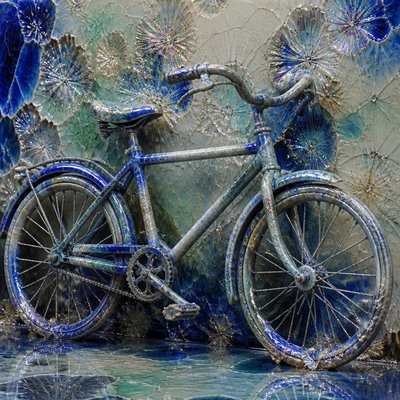
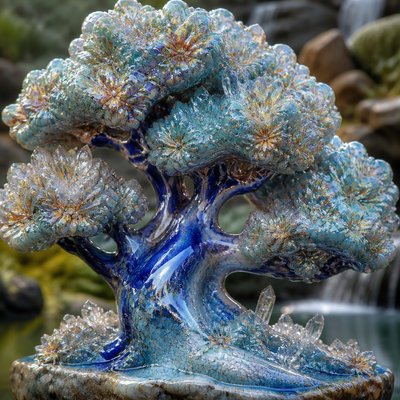
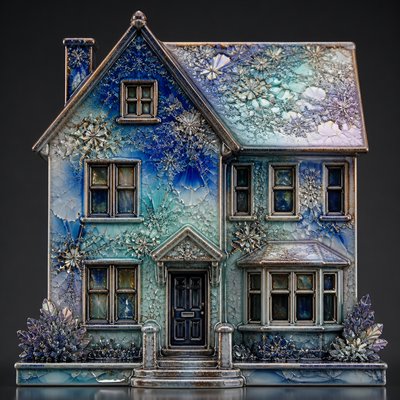
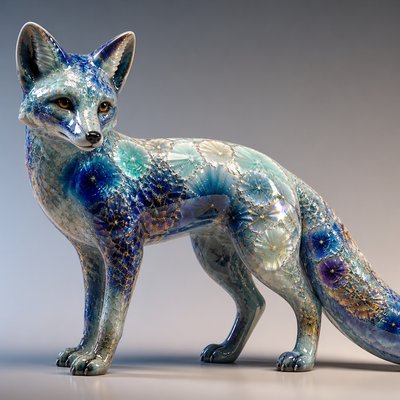
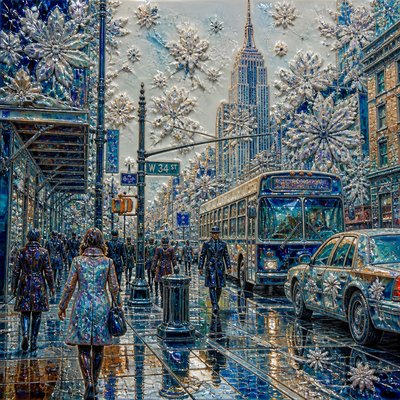
What is Crystalline Glaze Ceramic Art Style?
Crystalline glaze ceramic art is a high-fire ceramic technique in which crystals grow within the glaze during controlled cooling, producing surfaces that look like mineral blooms, frozen flowers, or starbursts. The effect is not painted on: it emerges from the chemistry of zinc- and silica-rich glazes as they cool, making each piece visually singular.
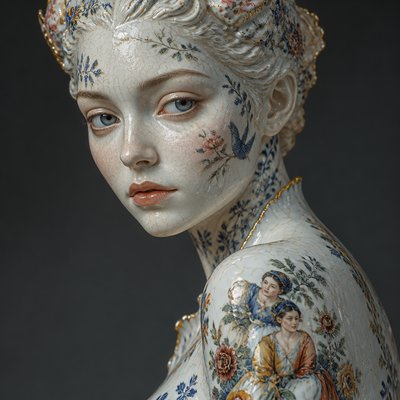
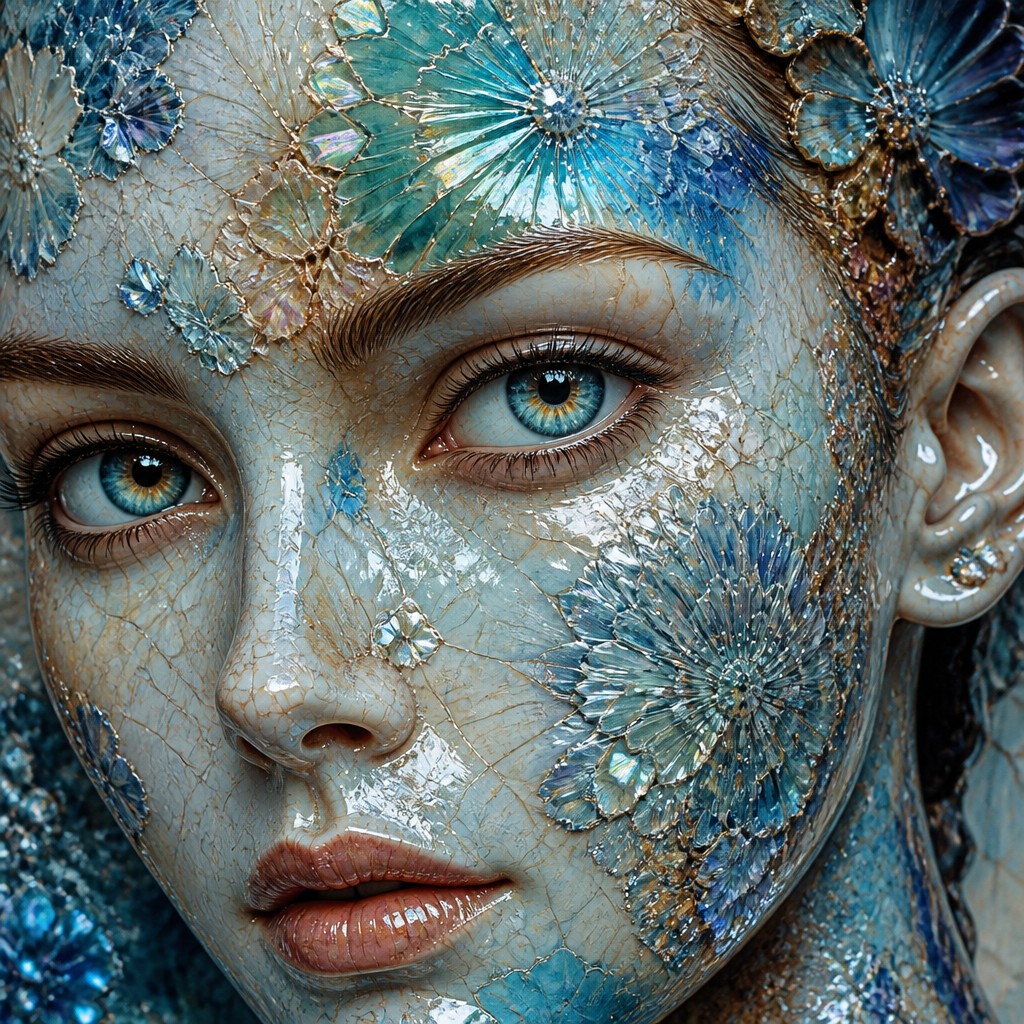
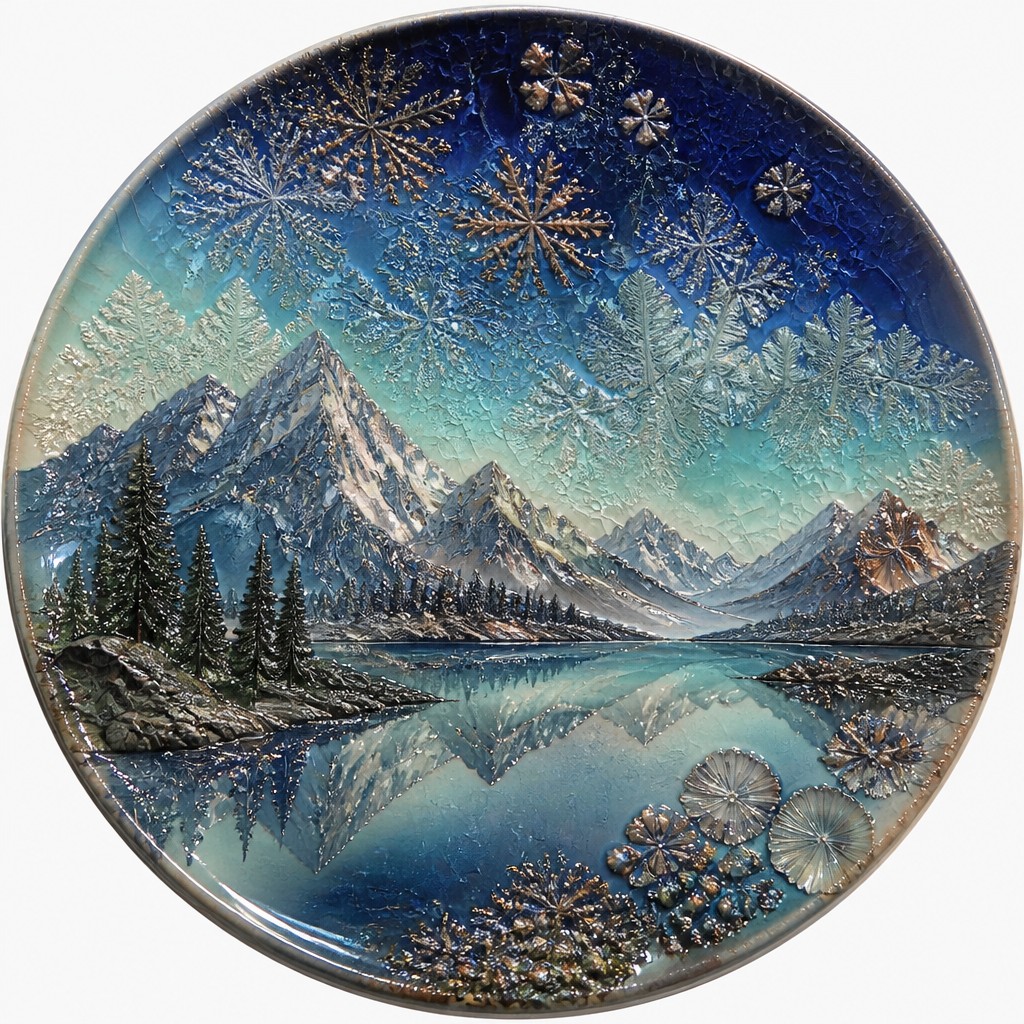
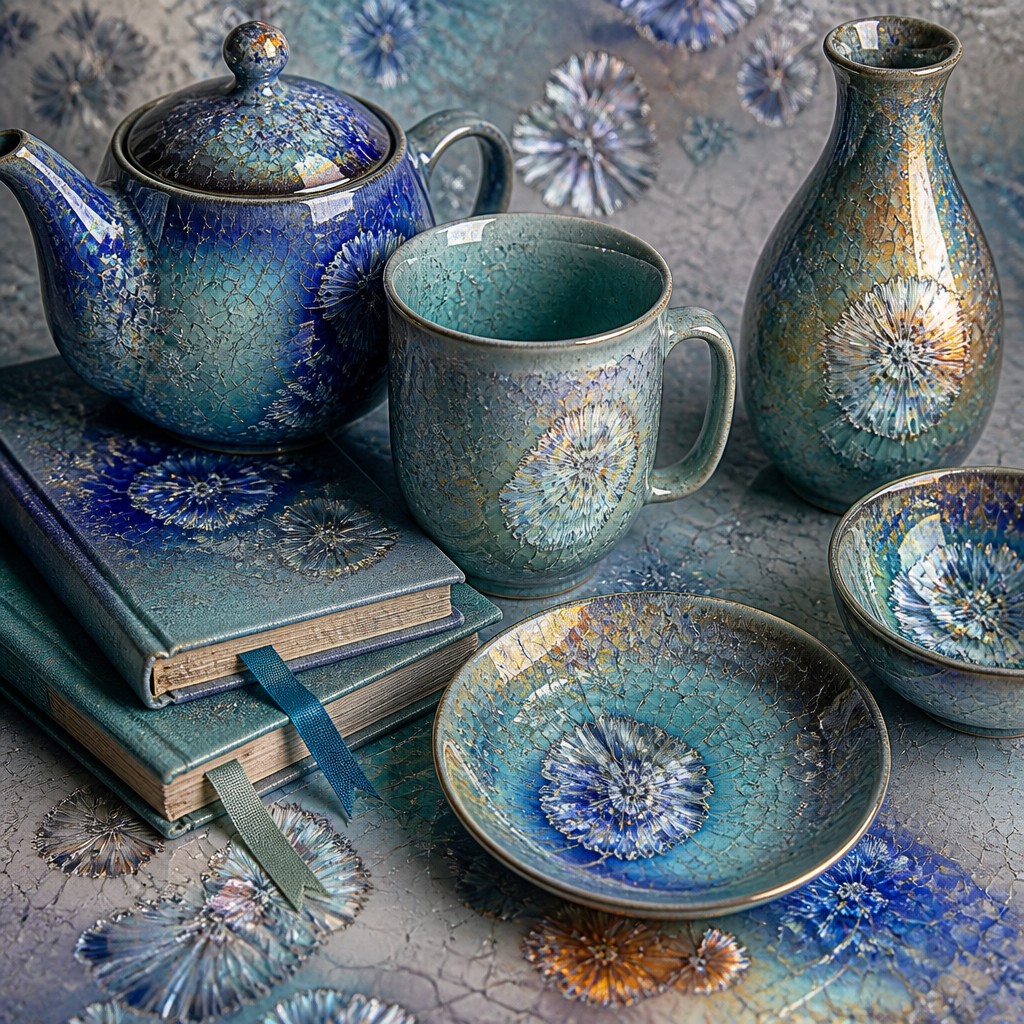
Its defining look combines glossy, glasslike fields with faceted crystal clusters, dendritic branching, iridescent sheen, and subtle crazing. Colors often move through cobalt blue, turquoise, pearl white, silver, and coppery metallic tones, while the crystallized areas catch and refract light, giving the surface a living, geological quality. The style is prized because it unites craft, material science, and chance.
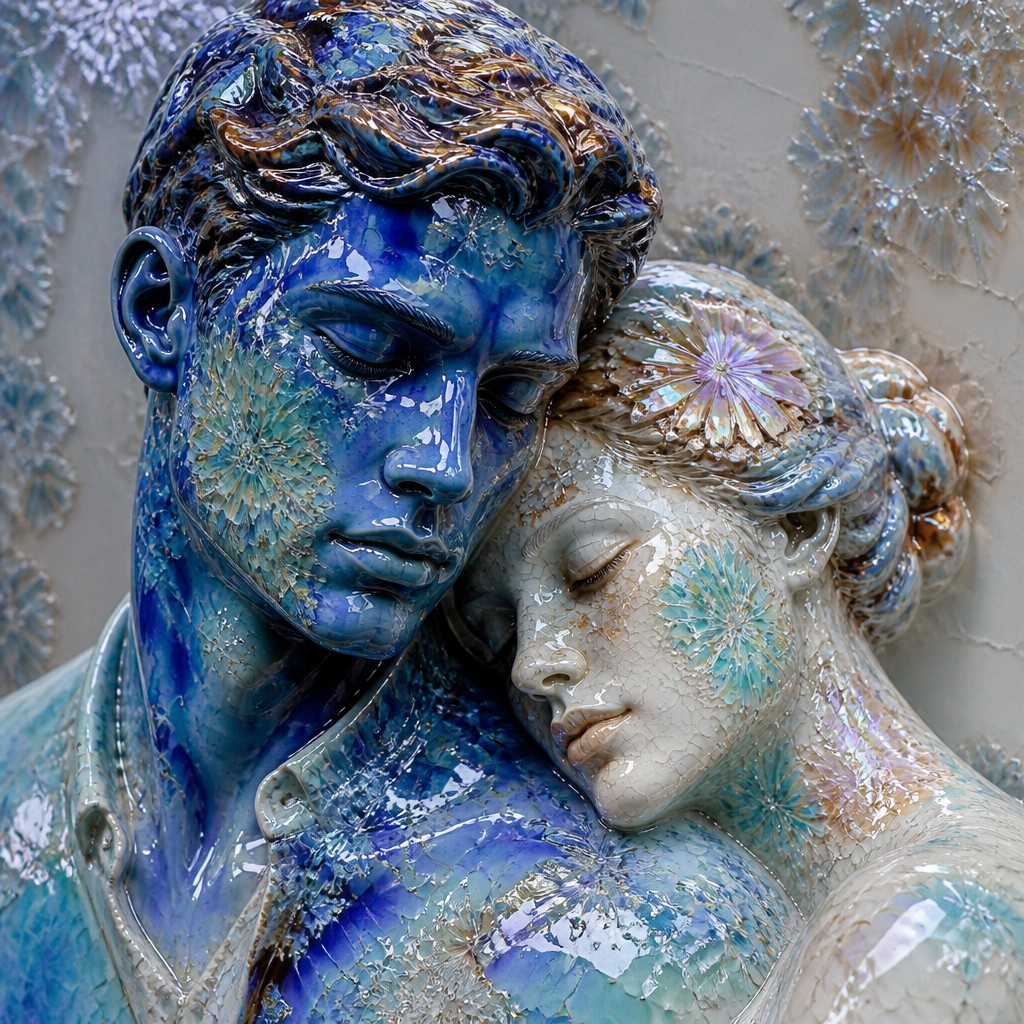
Try It On Your Photos
Upload any photo and convert it into Crystalline Glaze Ceramic Art Style — drag the sliders to compare before and after.
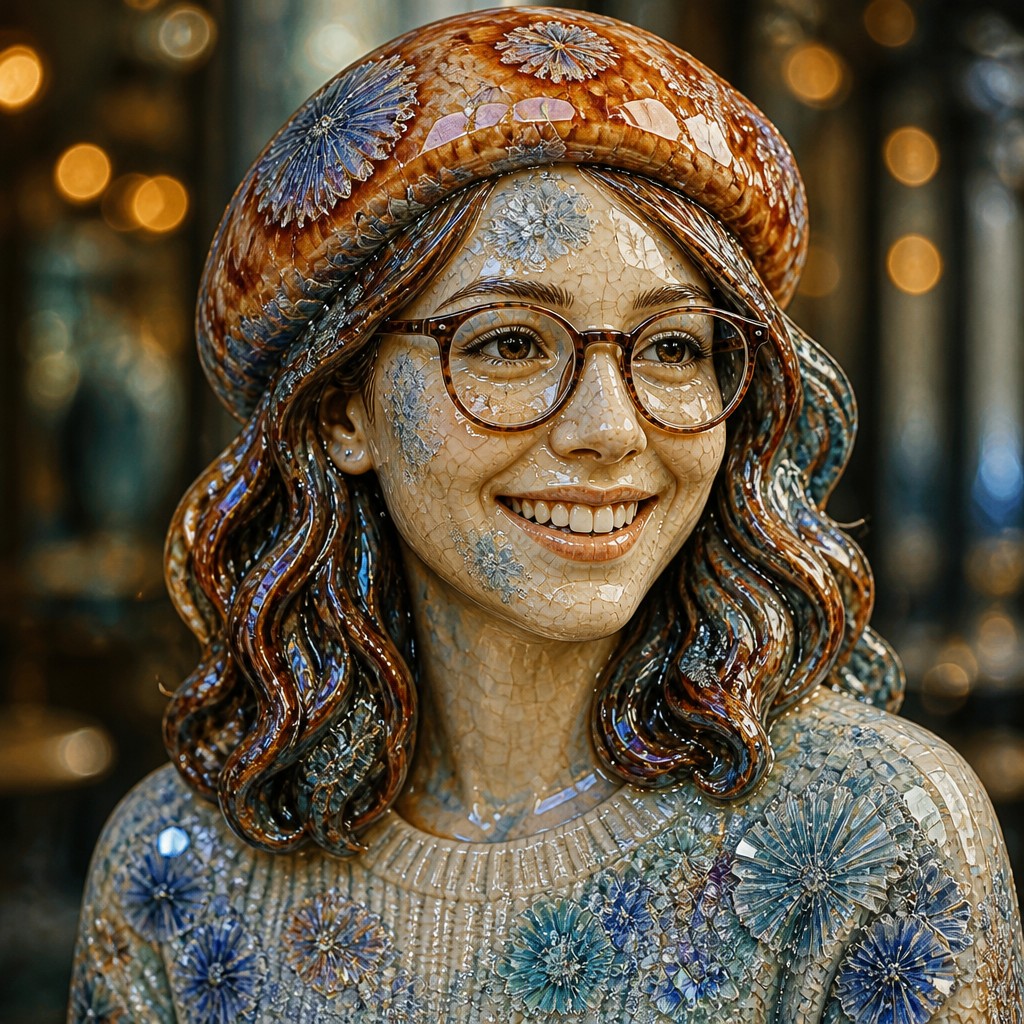

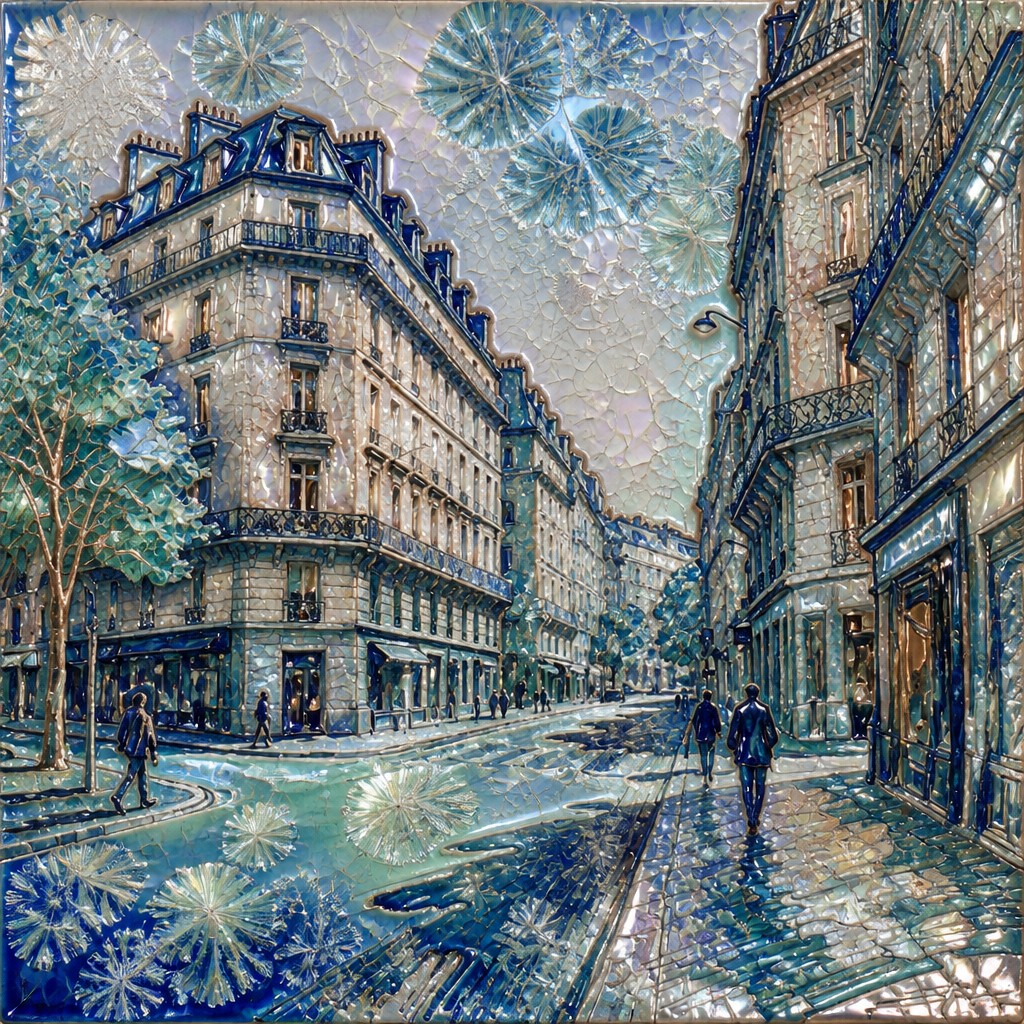

What Defines Crystalline Glaze Ceramic Art Style
The signature details, up close
Crystal bloom formations
The hallmark is the growth of visible crystals that radiate outward like flowers, snowflakes, or mineral eruptions. These forms often appear as clustered rosettes or starbursts embedded in the glaze.
Iridescent, shifting color
Surfaces often show metallic or opalescent transitions between copper, turquoise, silver, pearl, and deep blue. The color can change with viewing angle because the glaze layer reflects and refracts light.
Glossy ceramic depth
The base surface is usually smooth, highly fired, and glasslike, creating deep pools of glaze around the crystalline areas. This contrast between polish and texture is central to the style.
Dendritic and branching patterns
Fine mineral branches can spread across the surface like frost on glass or tree roots under ice. These patterns reinforce the sense of organic growth rather than mechanical design.
Crazing and micro-texture
Tiny crackle lines may appear in the glaze, adding an aged or geological character. They contribute visual complexity without overpowering the larger crystal forms.
Unrepeatable surfaces
Because the patterns form during firing, no two pieces are identical. Variation in temperature, glaze thickness, and cooling rate produces unique crystal fields on every object.
Try It
Create Videos in Crystalline Glaze Ceramic Art Style
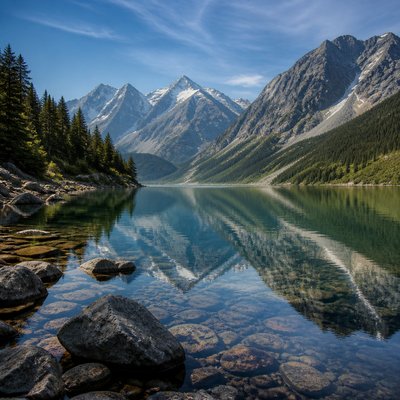
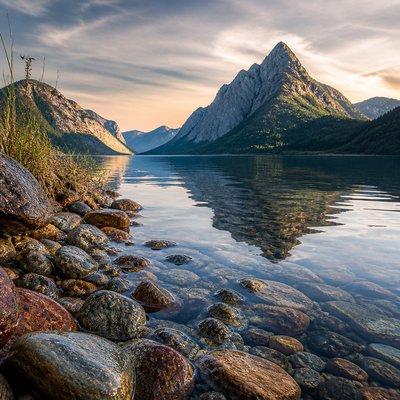
Styles aren't just for stills — describe a scene or animate an image and get a short video rendered in Crystalline Glaze Ceramic. Press play to see this pond come to life.
Make a VideoCrystalline Glaze Ceramic Prompt Ideas
Start from an idea — each one opens the generator with the style ready to go. See all 40 Crystalline Glaze Ceramic prompts →
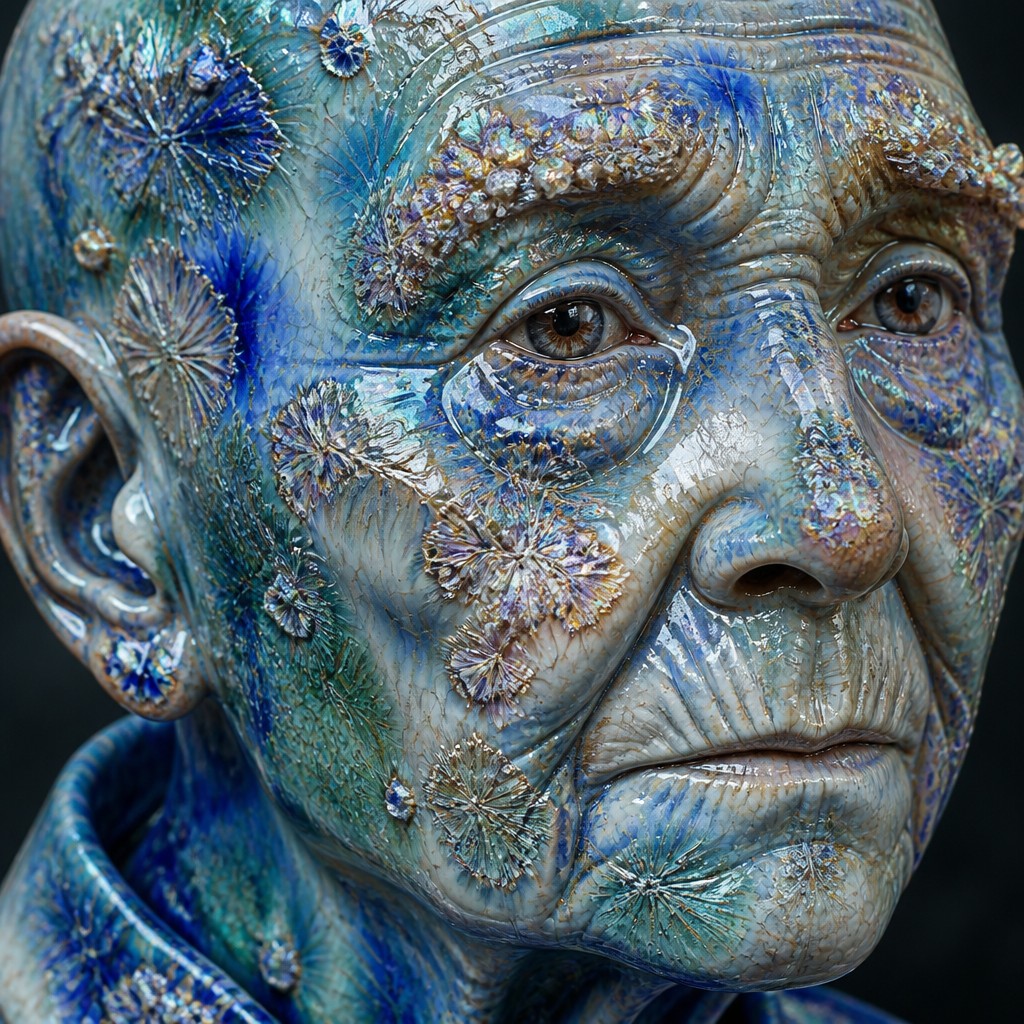
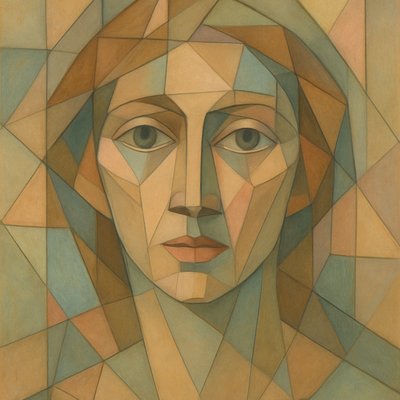
“close-up portrait of an elderly person with expressive weathered features”
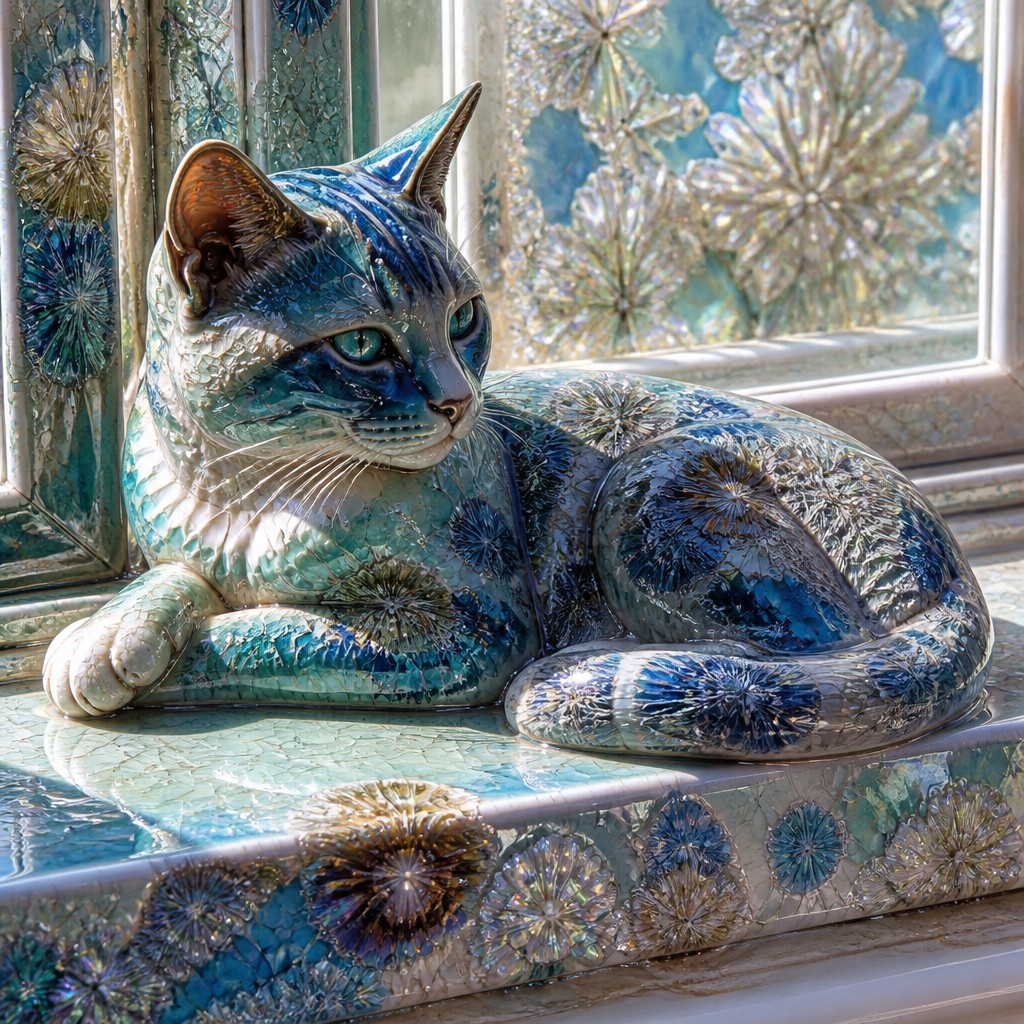
“a cat lounging in a sunlit window”
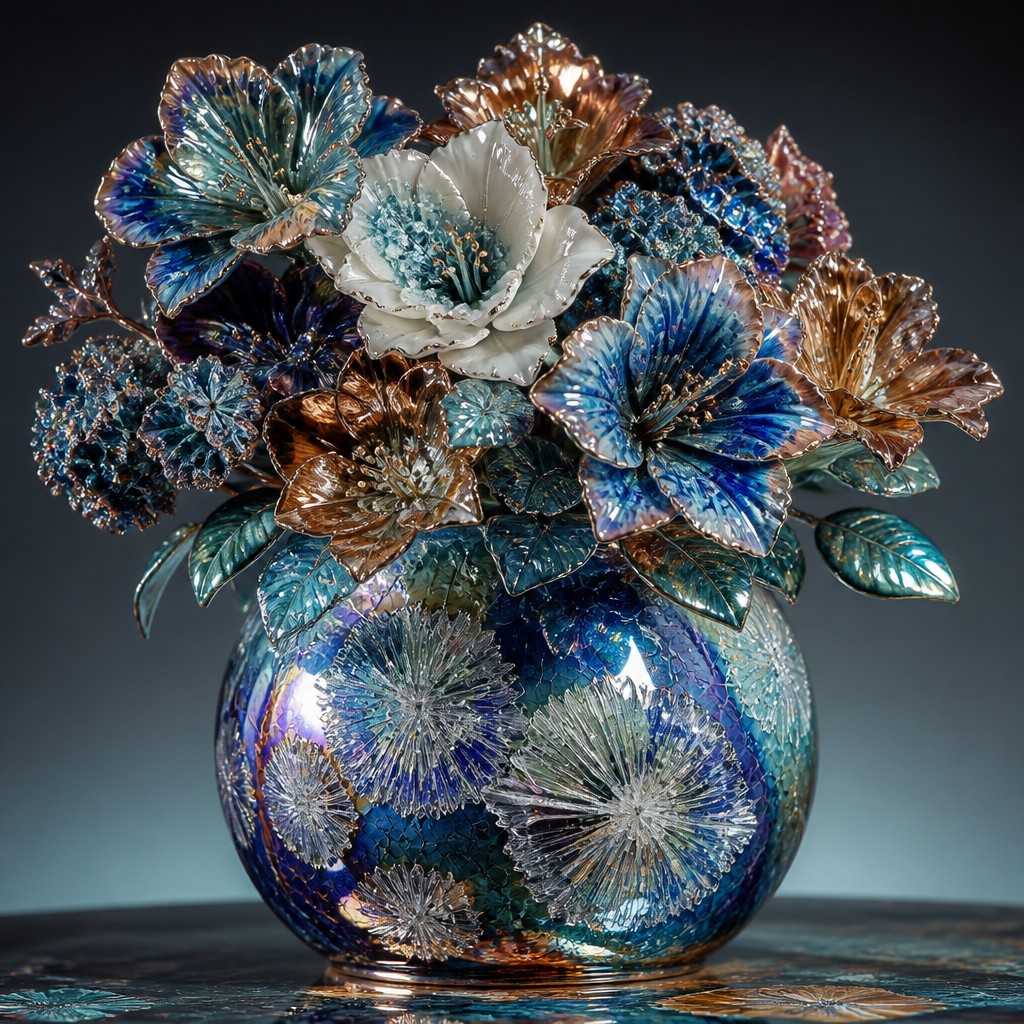
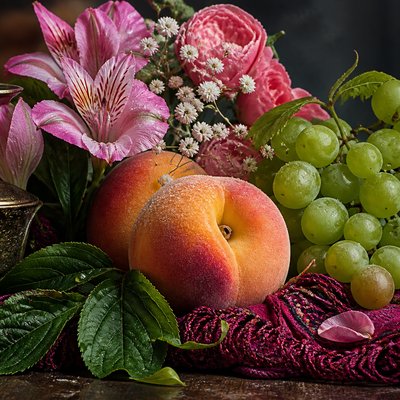
“bouquet of flowers in a glass vase”
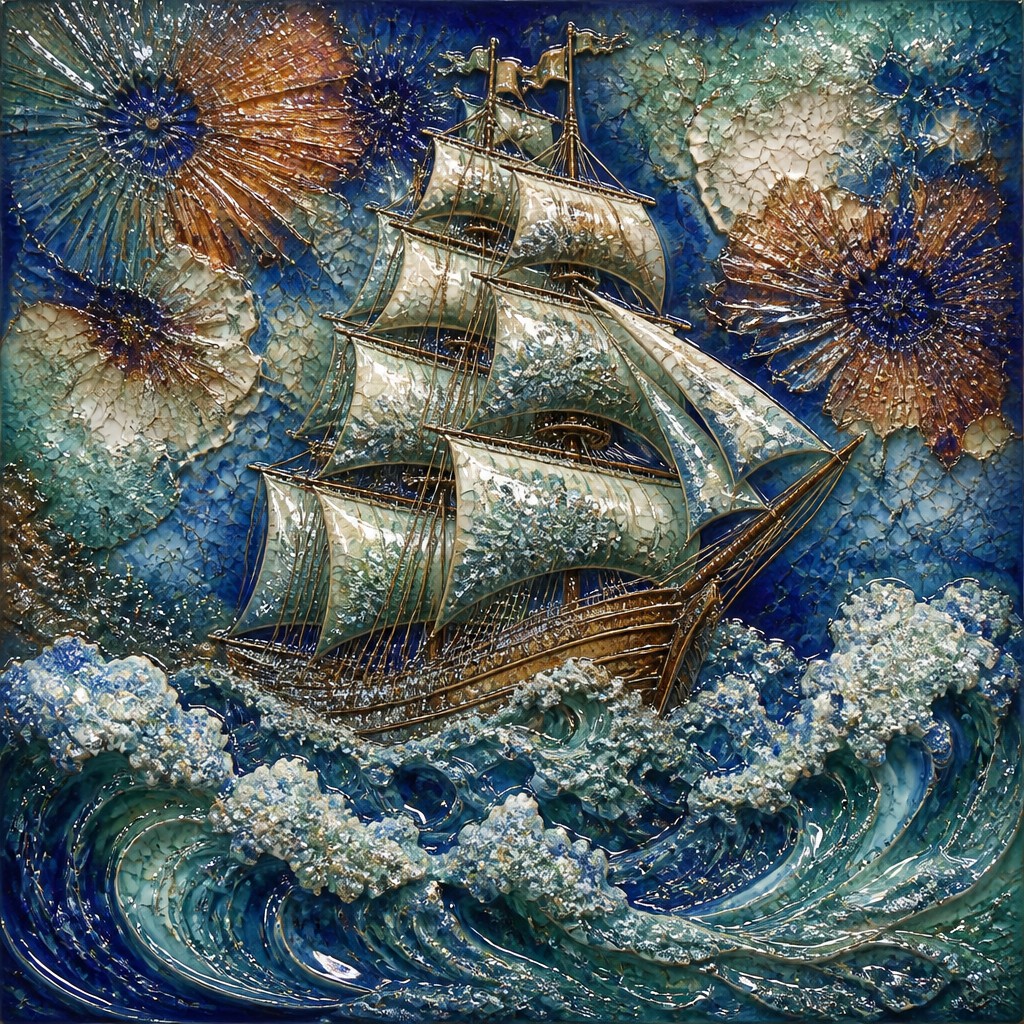
“sailing ship on a stormy sea”
How to Create Crystalline Glaze Ceramic Art
Master the craft step by step — or skip straight to creating. Read the full guide →
- 1
Use a zinc-rich crystalline glaze
For physical ceramics, start with a glaze designed for crystal growth and test it on small tiles before applying it to finished work. Successful results depend on exact chemistry, thickness, and kiln schedule.
- 2
Control cooling and soak temperatures
Crystals develop when the kiln is held or slowly cooled through a specific temperature range, allowing structures to form in the glaze. Small changes in time or temperature can dramatically alter the size and density of the blooms.
- 3
Pair the glaze with simple forms
Rounded bowls, vases, and plates often showcase the surface best because they provide broad areas for crystal development. Keep the form understated so the glaze remains the visual focus.
- 4
Enhance the contrast between smooth and textured zones
Use glaze application methods that create thick pooled areas beside thinner translucent sections. The strongest results usually come from combining glassy fields with dense crystal clusters.
- 5
In digital or prompt-based work, describe chemistry-driven surface effects
Specify glossy fired ceramic, crystal blooms, dendritic mineral branching, iridescent glaze shifts, and prismatic refraction. Include the idea of a unique kiln-formed surface rather than a painted pattern.
The Story
History & Origins of Crystalline Glaze Ceramic
Crystalline glazing developed within modern studio ceramics from experimentation with high-fire glazes and kiln chemistry rather than from a single historical art movement. Potters discovered that certain glaze formulations, especially those containing zinc oxide, could produce visible crystal growth when carefully cooled and held at specific temperatures, turning a technical firing process into a distinct aesthetic language.
Its lineage reaches back to the broader traditions of porcelain, stoneware, and experimental decorative glazing in East Asian, Islamic, and European ceramics, but the crystalline effect itself is a twentieth-century and contemporary studio-ceramic specialty. It is associated more with laboratories of form and surface than with a named canon of artists, because the final image depends heavily on kiln conditions, glaze recipes, and chance variations in cooling.
Influences: Crystalline glaze ceramics relates to the broader history of studio pottery, high-fire stoneware, porcelain decoration, and experimental glaze chemistry. Its surface richness also echoes the optical depth of East Asian ceramic traditions, while its irregular branching patterns can suggest Art Nouveau’s organic curves and the material-centered experimentation of modern ceramics. Unlike painted styles, it depends on kiln physics; the closest kin are other glaze-led practices rather than figurative art movements.
Frequently Asked Questions
What defines crystalline glaze ceramic art?
It is defined by crystal growth inside the glaze during cooling, producing flower-like or starburst patterns across a glossy ceramic surface. The effect is both decorative and chemical, since the design is generated by the firing process rather than painted by hand.
Is every crystalline glaze piece unique?
Yes, typically no two pieces are exactly alike. Even when the same glaze recipe is used, variations in temperature, timing, glaze thickness, and kiln atmosphere change the final crystal pattern.
How is this different from regular glazed pottery?
Regular glazing usually aims for an even, stable surface, while crystalline glazing encourages visible crystal formation and dramatic surface variation. The result is more geological and unpredictable, with bold textures, branching forms, and iridescent depth.
What kinds of objects look best in this style?
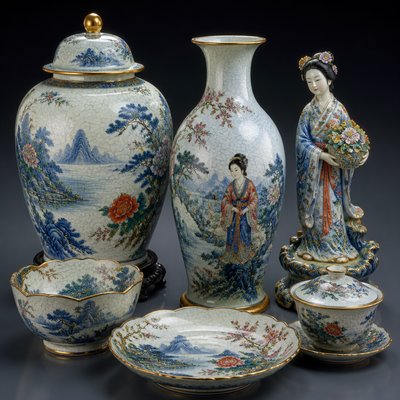
Vases, bowls, plates, and sculptural vessels are especially effective because they offer broad surfaces for crystal growth. Simple silhouettes usually work best, since the glaze itself provides most of the visual complexity.
Can this style be made digitally?
Yes. In digital or AI-generated work, the key is to describe ceramic gloss, crystal blooms, dendritic branching, and refracted light so the image reads like a fired glaze surface. For image editing, the style is strongest when applied to smooth ceramic forms rather than to textured fabrics or painted surfaces.
Why does crystalline glaze look like frozen flowers or minerals?
The glaze forms visible crystal structures as it cools, so the surface resembles natural processes such as frost, mineral deposits, or geologic growth. That is why the style often feels both botanical and geological at once.

Create your first Crystalline Glaze Ceramic artwork
Describe anything — or upload a photo — and see it in Crystalline Glaze Ceramic Art Style in seconds.
Make Something with Crystalline Glaze Ceramic
Related Styles
Discover similar art styles