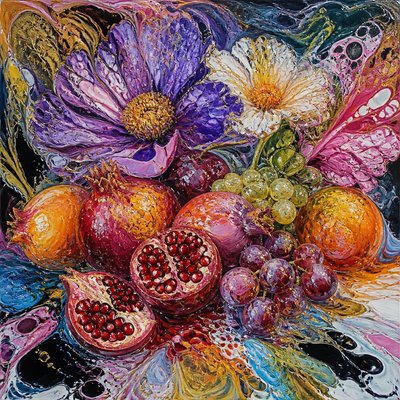
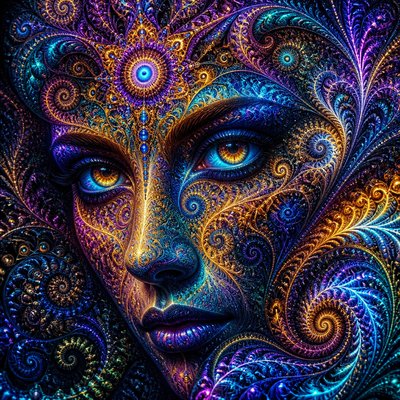
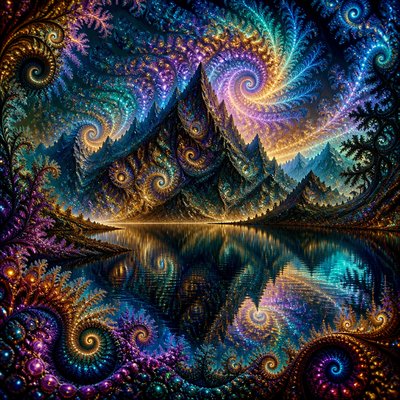
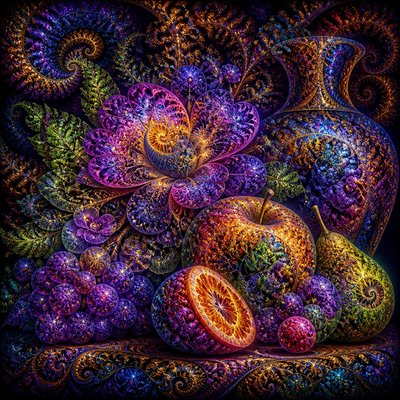
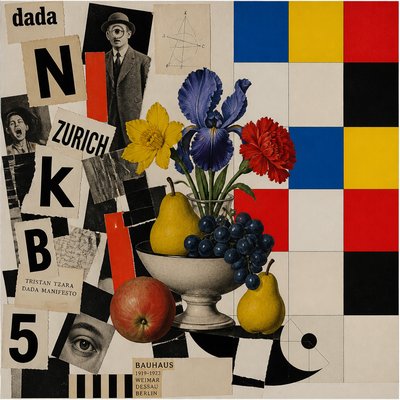
Geometric Abstract Art Style
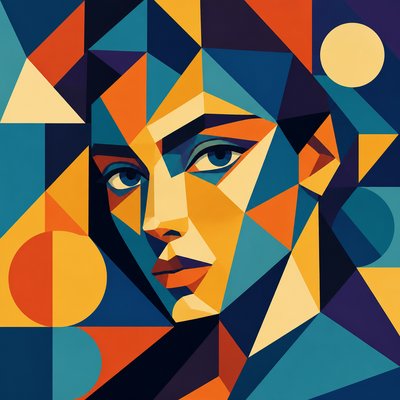
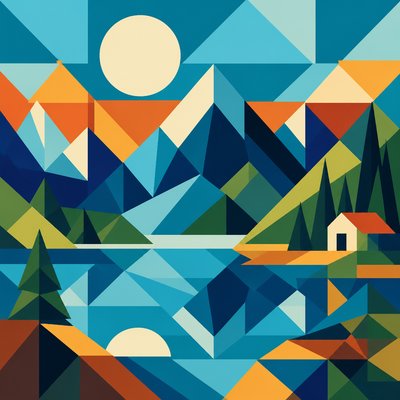
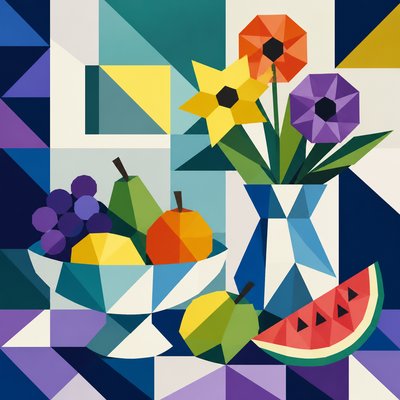
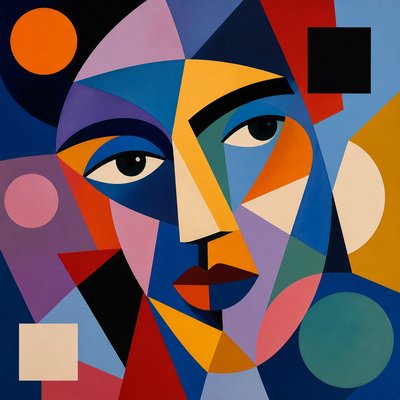
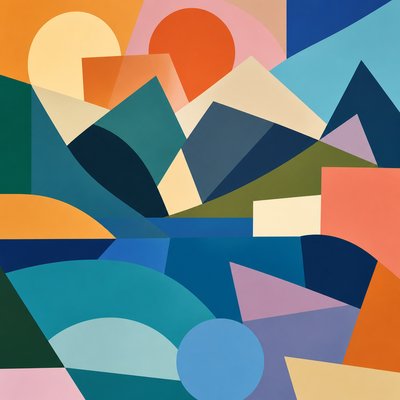
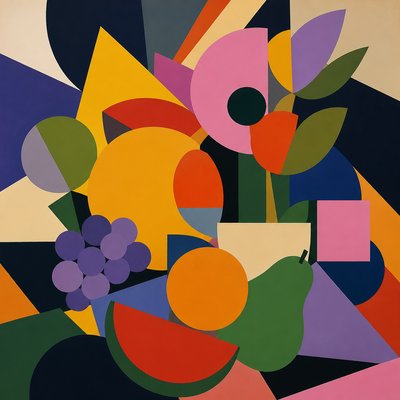
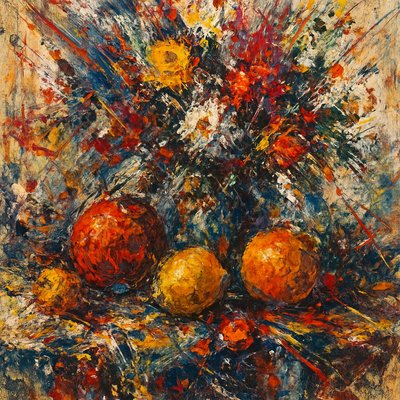
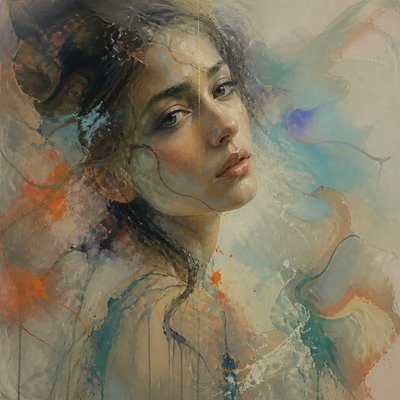
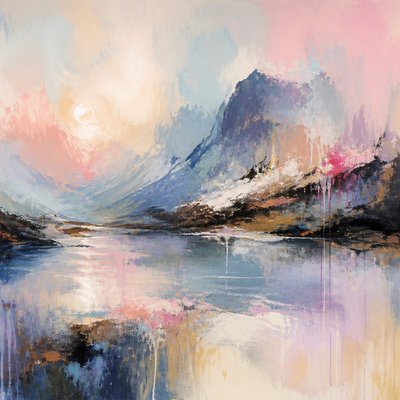
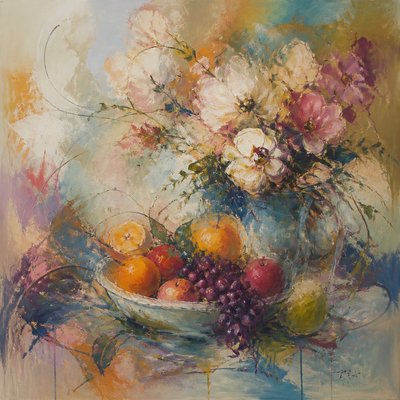
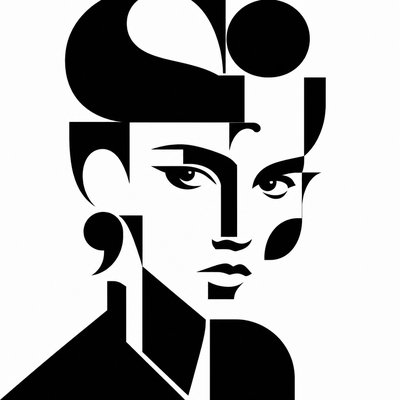
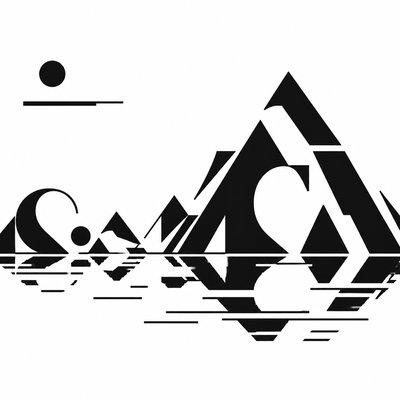
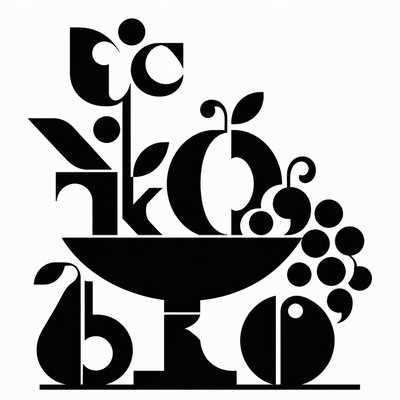
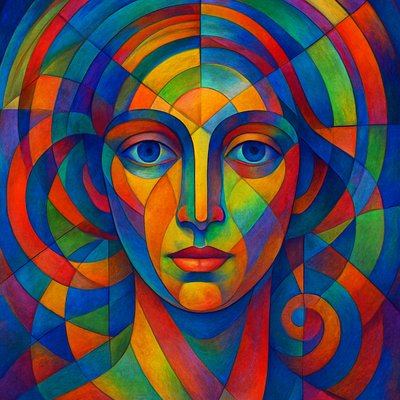
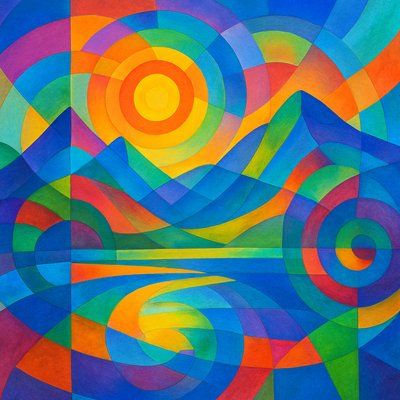
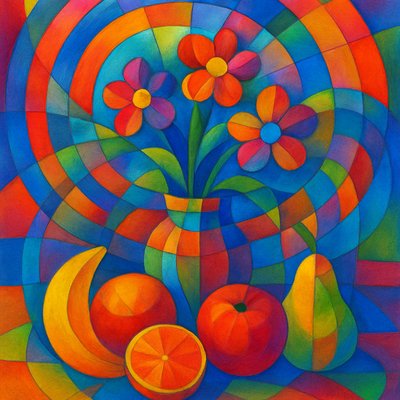
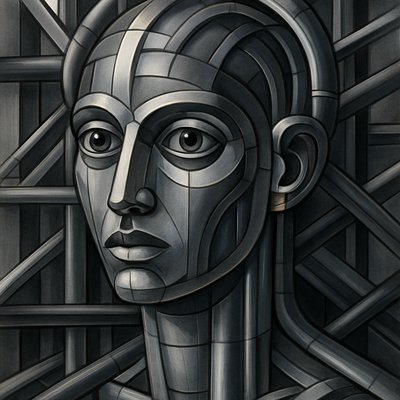
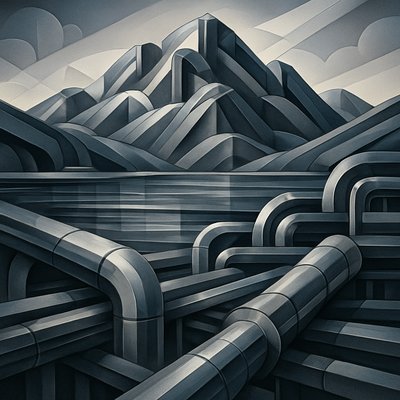
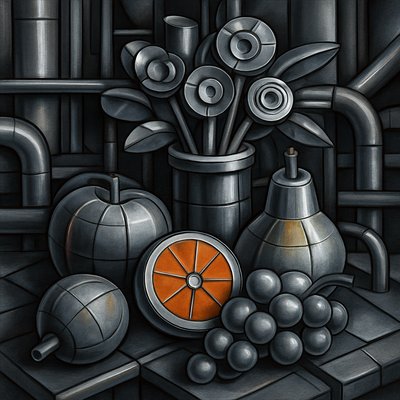
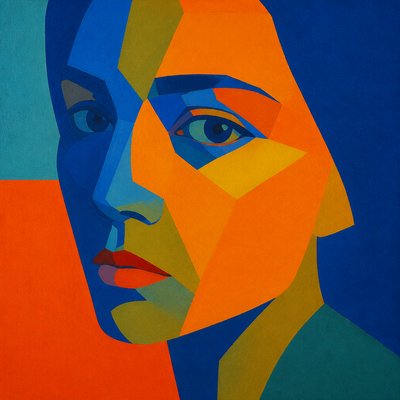
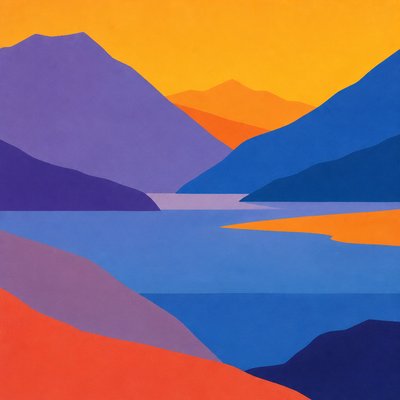
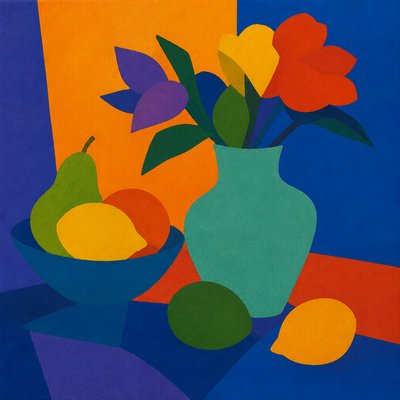
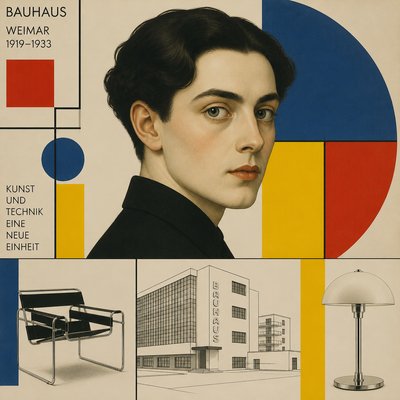
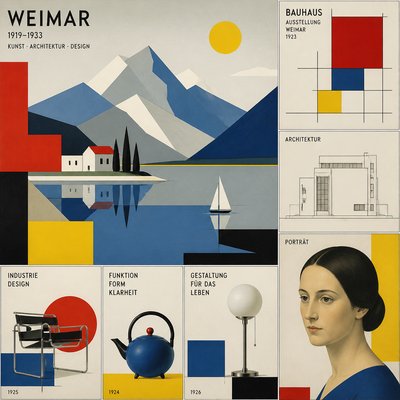
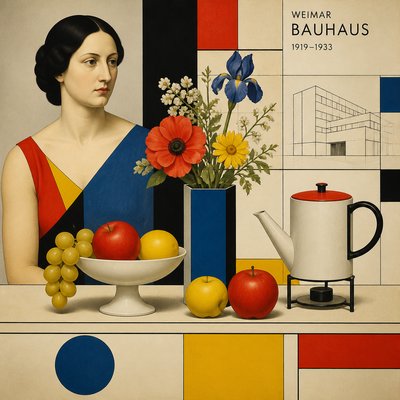
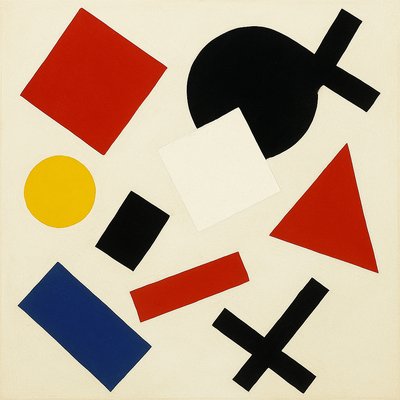
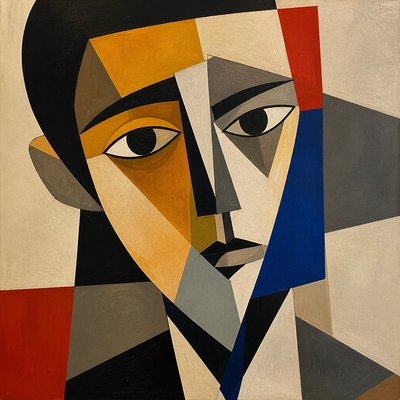
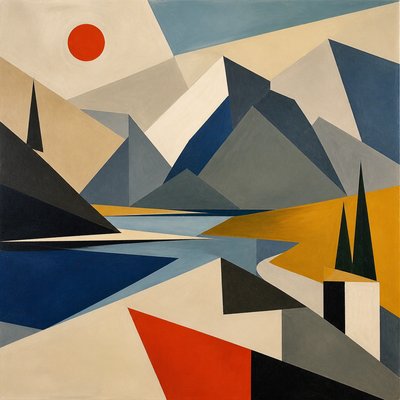
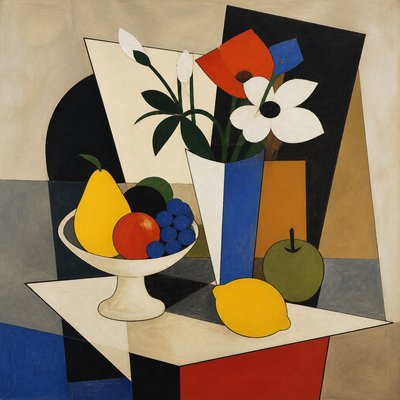
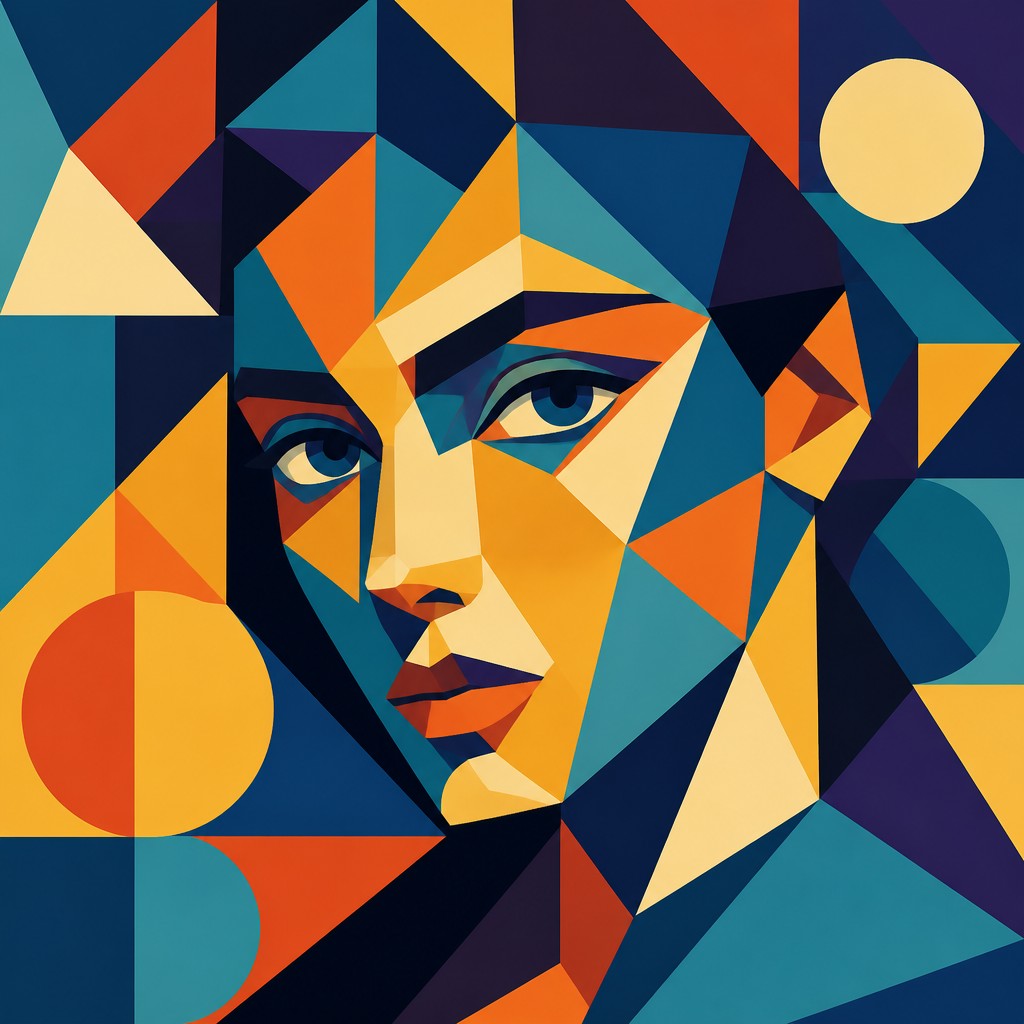
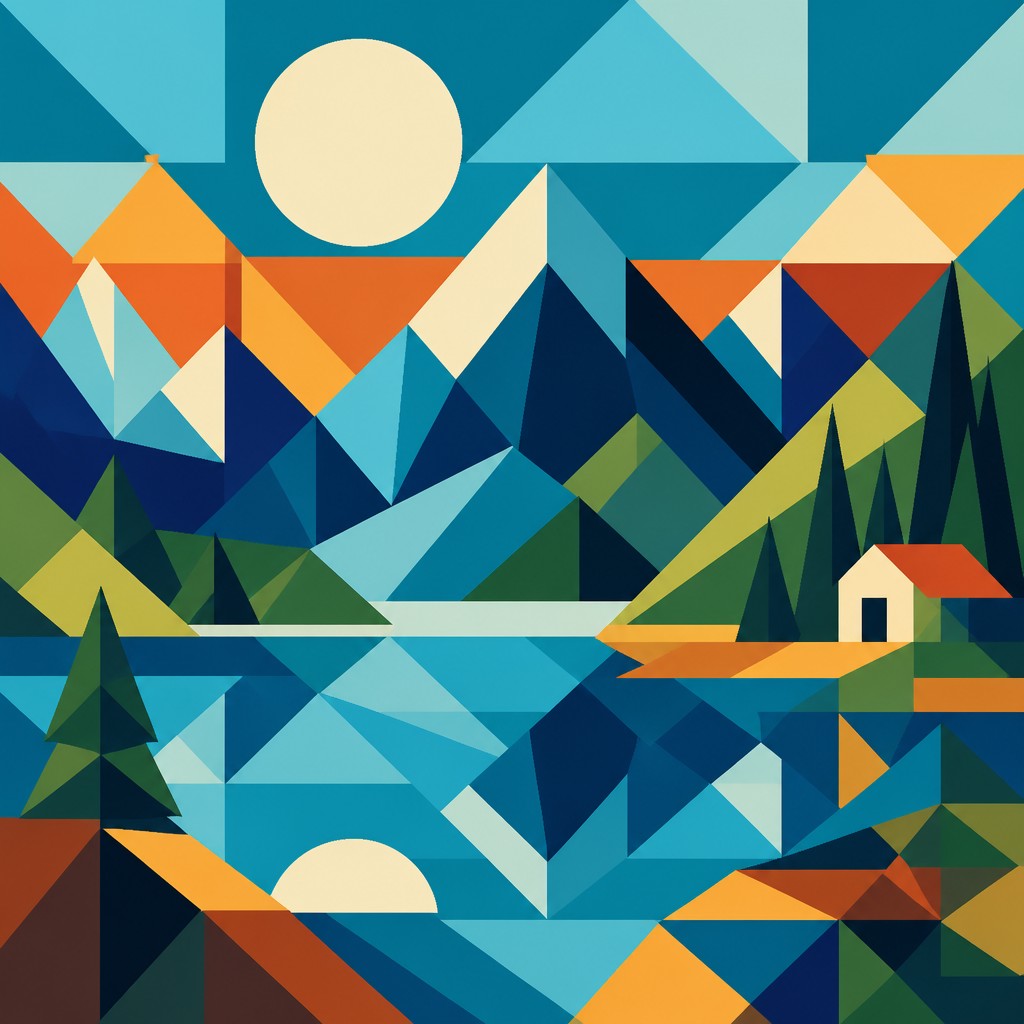
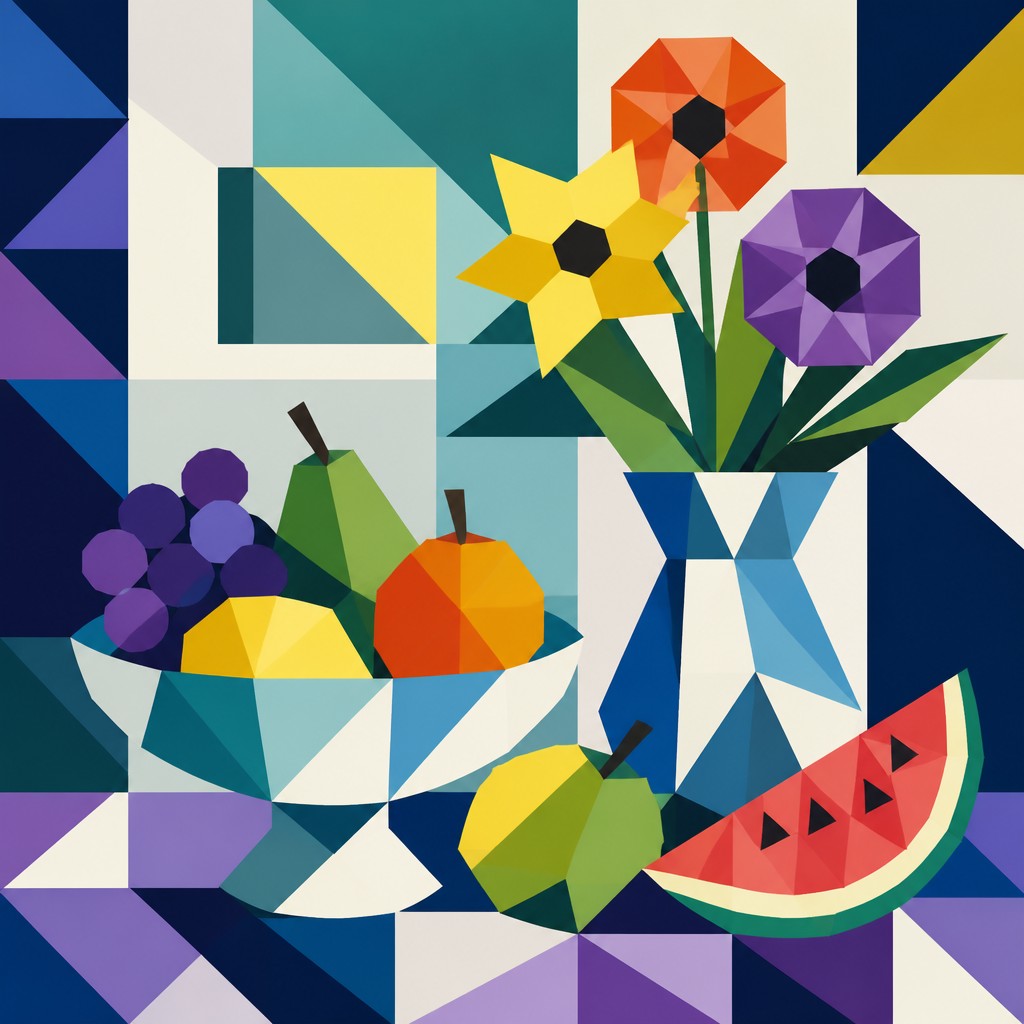
Geometric abstract art turns subjects into polygons, circles, and tessellations with flat color, crisp edges, and mathematical balance.
Instantly rendered in Geometric Abstract — or transform a photo
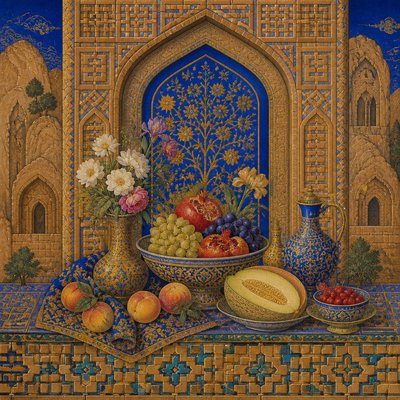
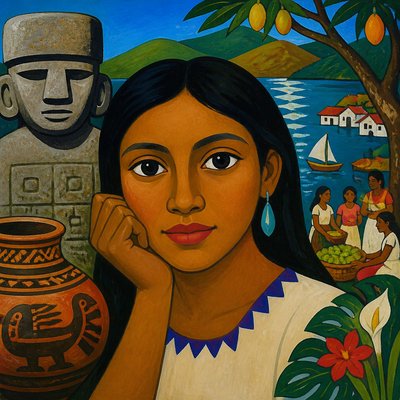
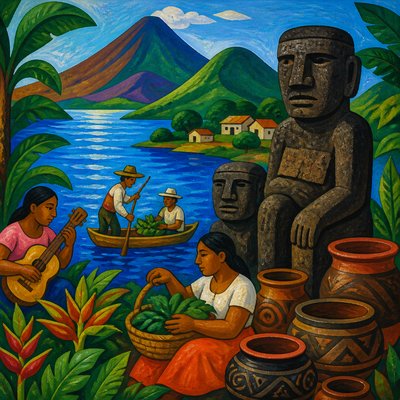
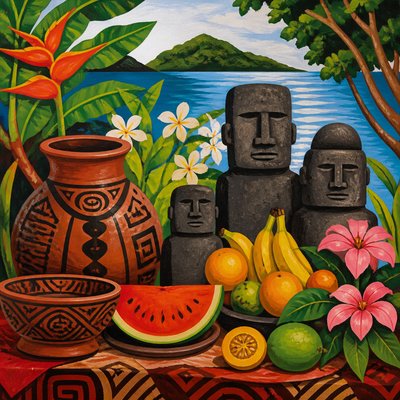
Geometric Abstract Gallery
Tap any artwork to explore it
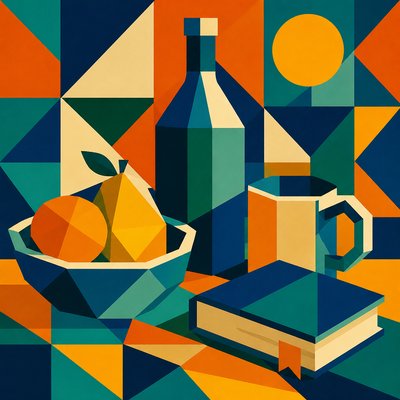
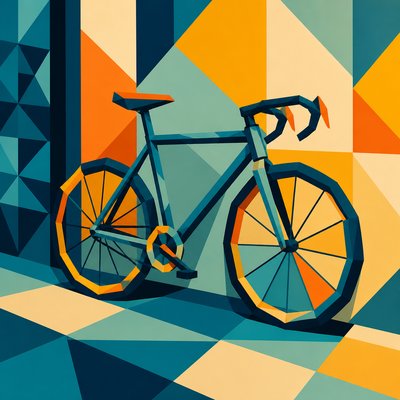
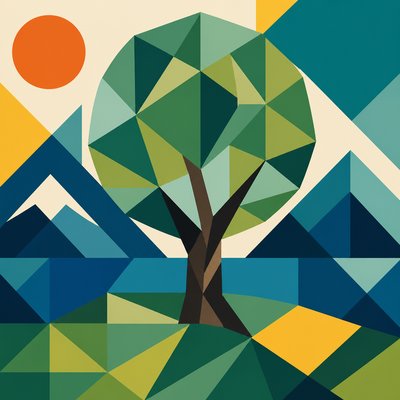

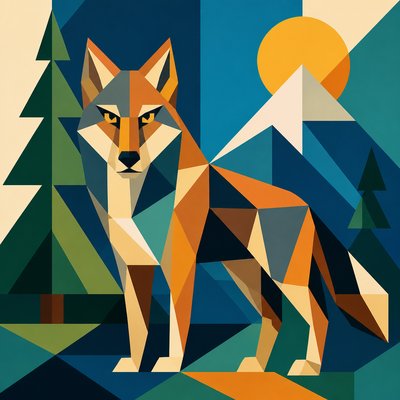
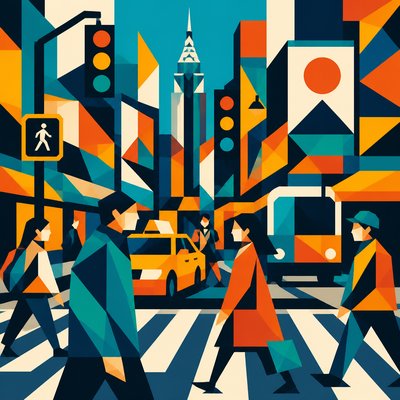
What is Geometric Abstract Art Style?
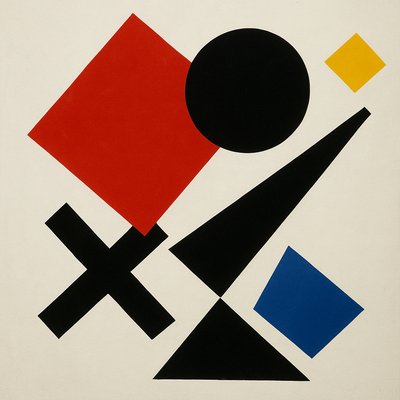
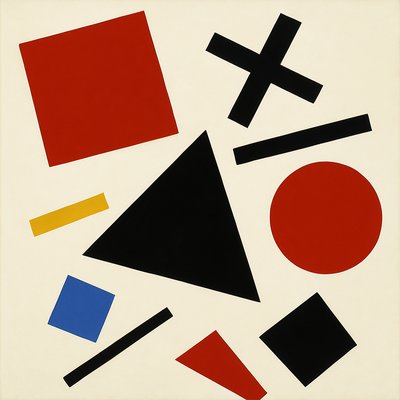
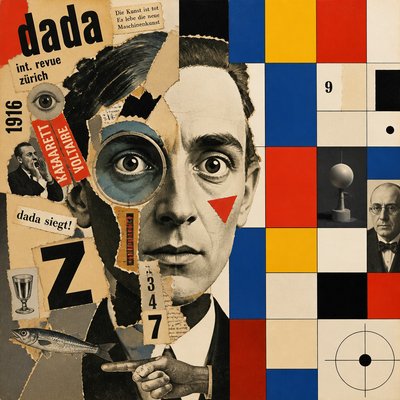
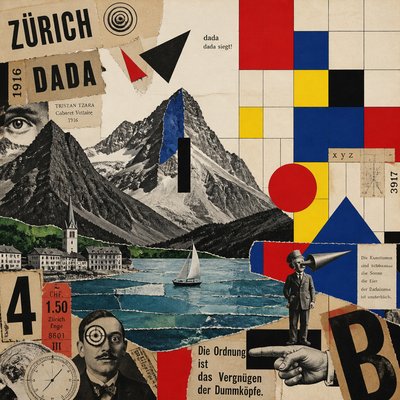
Geometric abstract art is a non-representational or semi-representational style that reduces subjects to ordered shapes: triangles, circles, rectangles, grids, and faceted planes. Rather than describing appearance through naturalistic detail, it rebuilds form through proportion, symmetry, repetition, and sharp-edged structure. The result is often calm, deliberate, and visually exact, with every shape contributing to a larger system.
Its visual identity comes from the logic of construction. Curves are often broken into facets, contours are simplified into polygons, and color is applied in flat, unmodulated fields separated by clean boundaries. Negative space is treated as an active element, not just background, so the composition feels engineered as much as composed. This gives the style its characteristic combination of abstraction and order: organic subjects become architectural, and images read like visual equations.
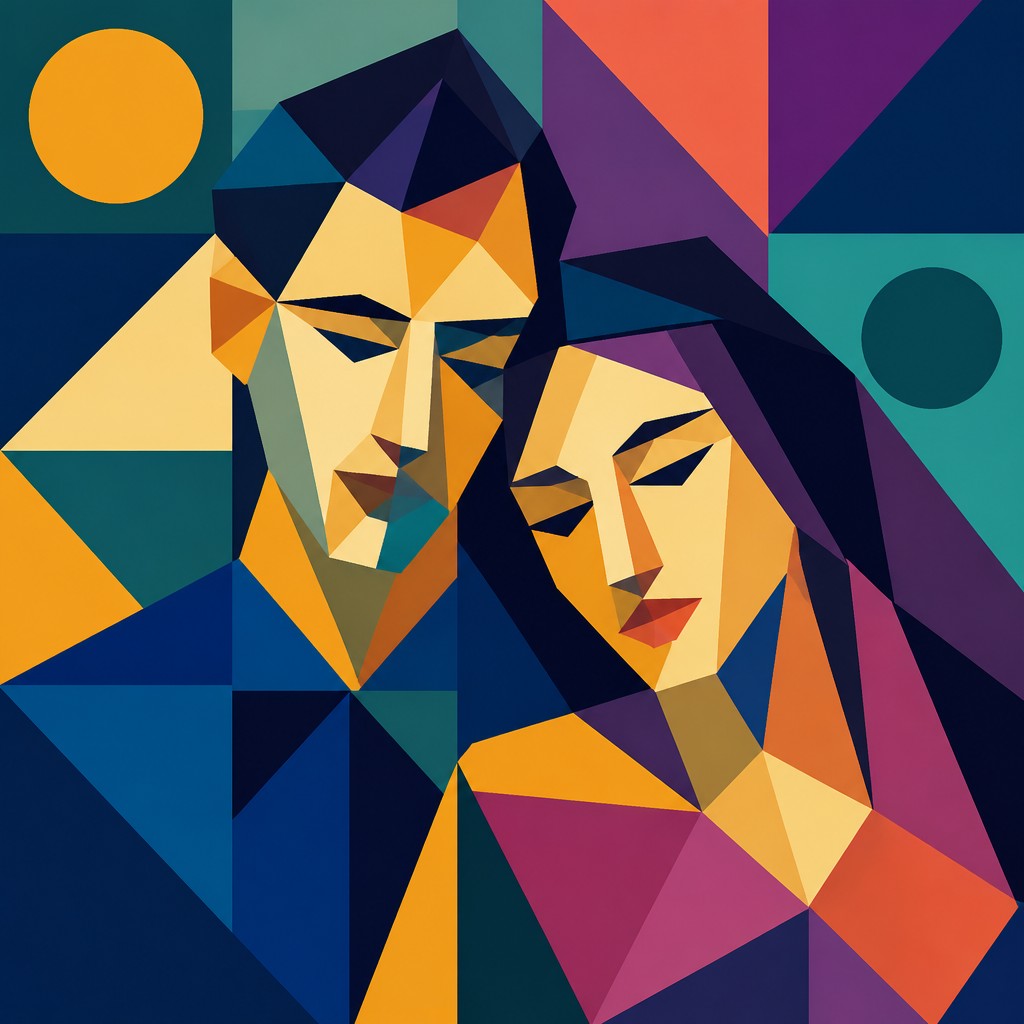
Try It On Your Photos
Upload any photo and convert it into Geometric Abstract Art Style — drag the sliders to compare before and after.


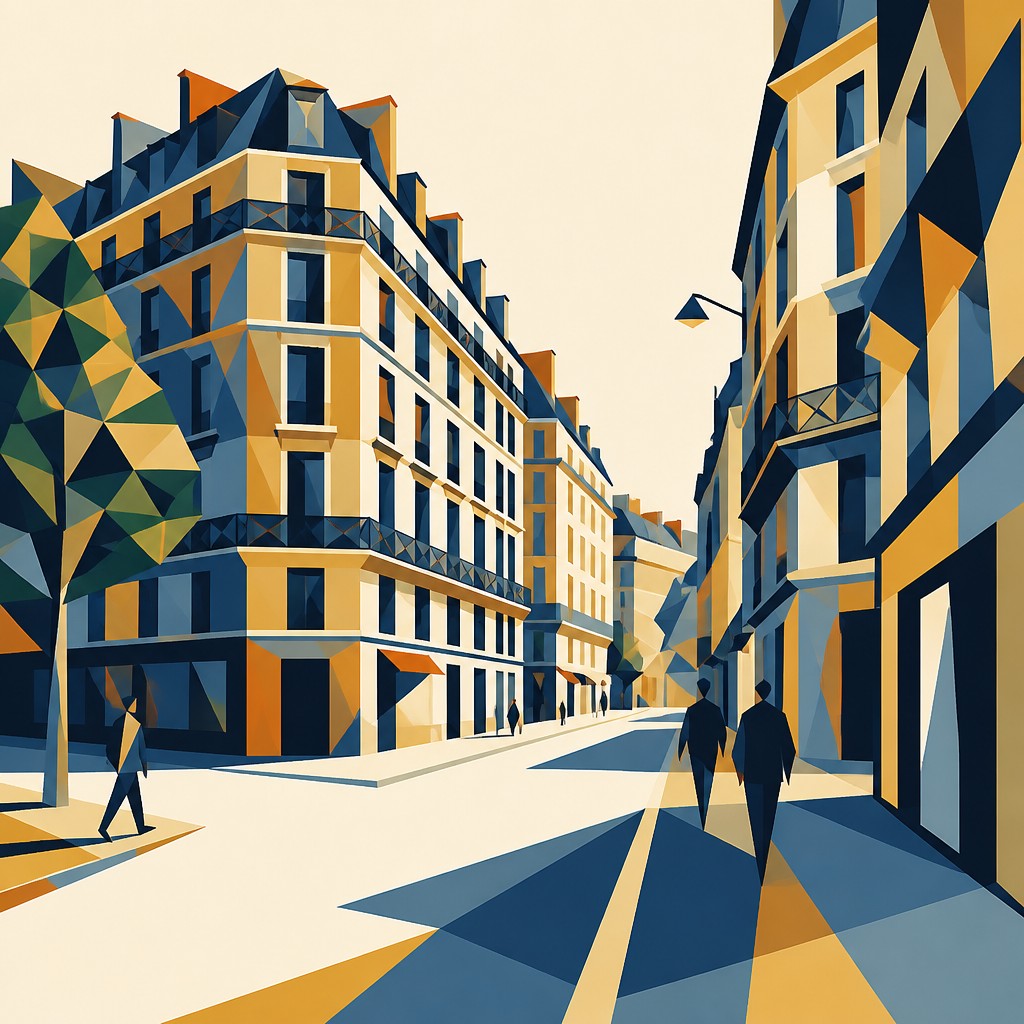

What Defines Geometric Abstract Art Style
The signature details, up close
Faceted form
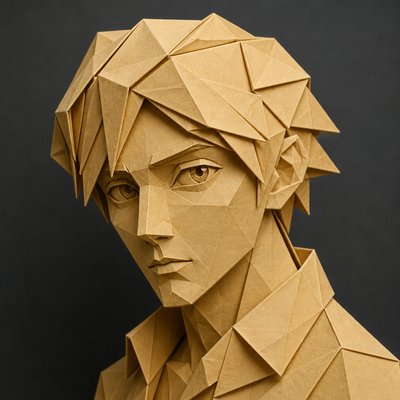
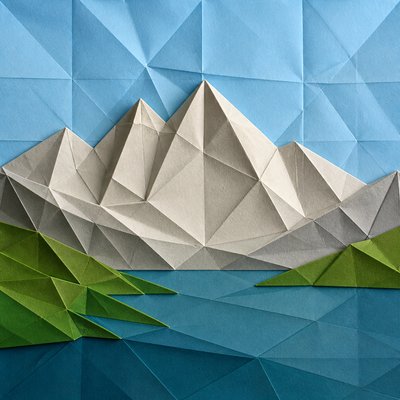
Curves, bodies, and landscapes are reconstructed as polygons, triangular planes, or other hard-edged segments. This faceting creates a crystalline look that replaces softness with structure.
Flat color fields
Color is typically applied in solid, even blocks with no blending or painterly texture. Crisp boundaries between shapes make the composition read as engineered and exact.
Mathematical composition
Balance is achieved through grids, symmetry, repetition, and calculated spacing. The design often feels measured rather than spontaneous, even when the subject is recognizable.
Active negative space
Empty areas are used deliberately as part of the design, helping define rhythm and visual tension. Space between forms is treated as an equal compositional element.
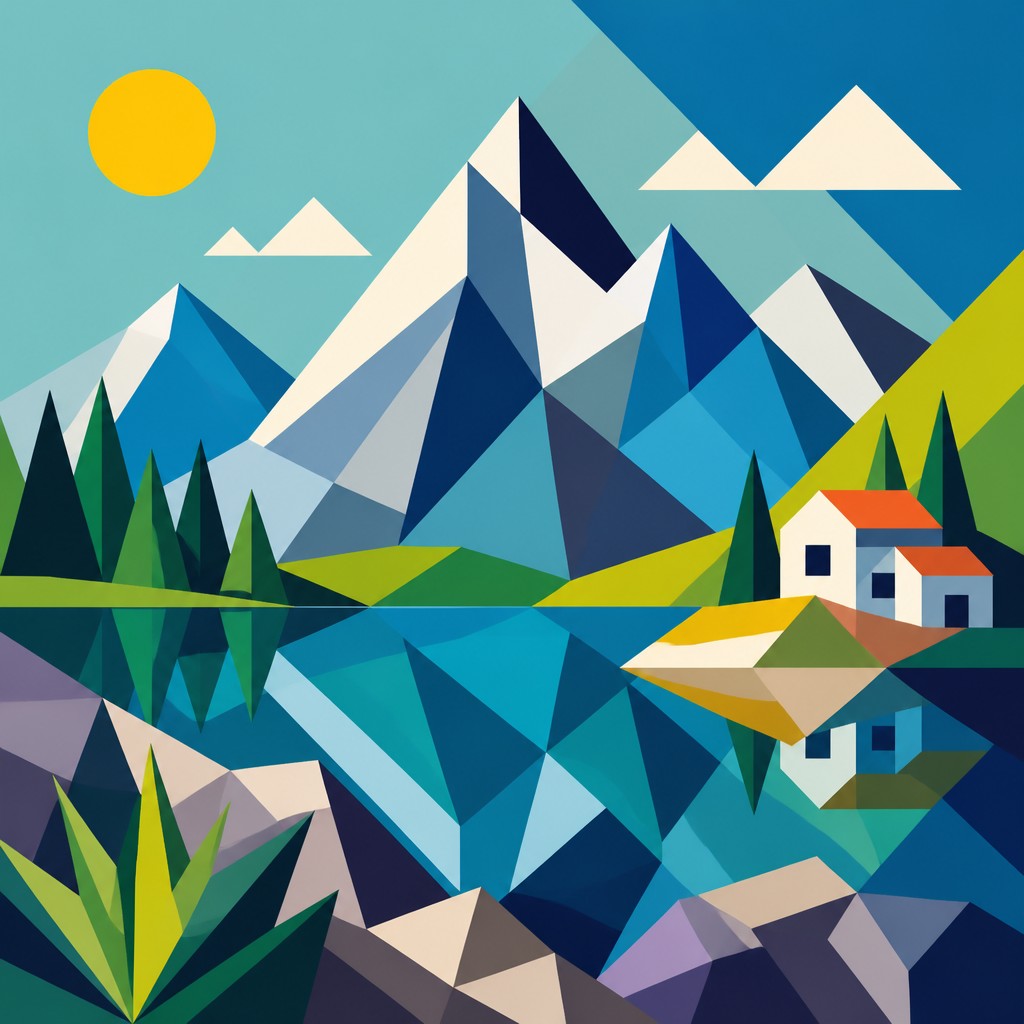
Simplified subject matter
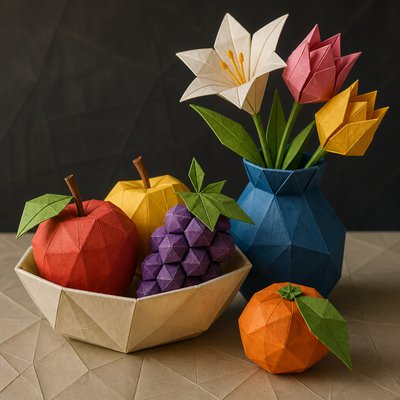
The style removes small details, texture, and incidental realism in favor of essential structure. A portrait, animal, or still life becomes an arrangement of basic geometric relationships.
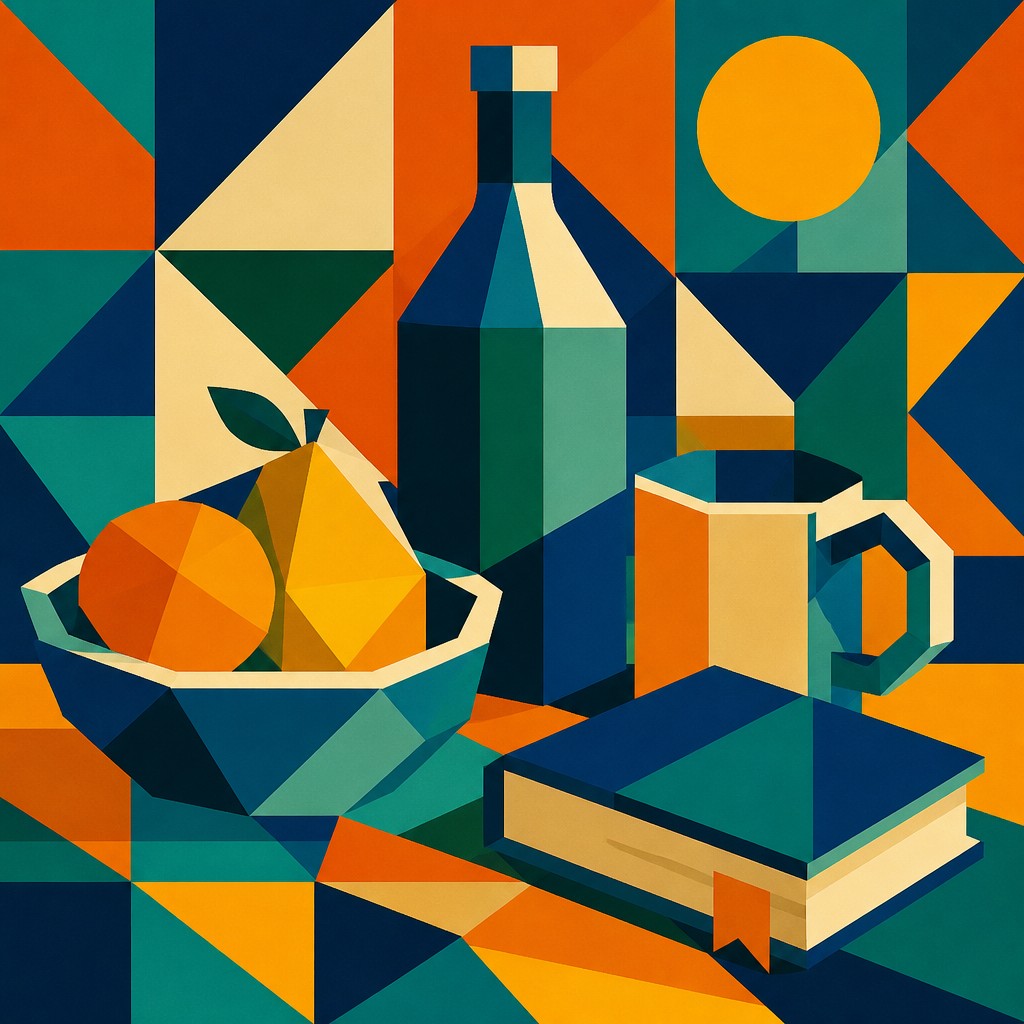
High-contrast palette
Palettes often rely on complementary or closely related hues to sharpen shape distinction. Strong color contrast reinforces the clarity of the geometry.
Try It
Create Videos in Geometric Abstract Art Style
Styles aren't just for stills — describe a scene or animate an image and get a short video rendered in Geometric Abstract. Press play to see this pond come to life.
Make a VideoGeometric Abstract Prompt Ideas
Start from an idea — each one opens the generator with the style ready to go. See all 40 Geometric Abstract prompts →
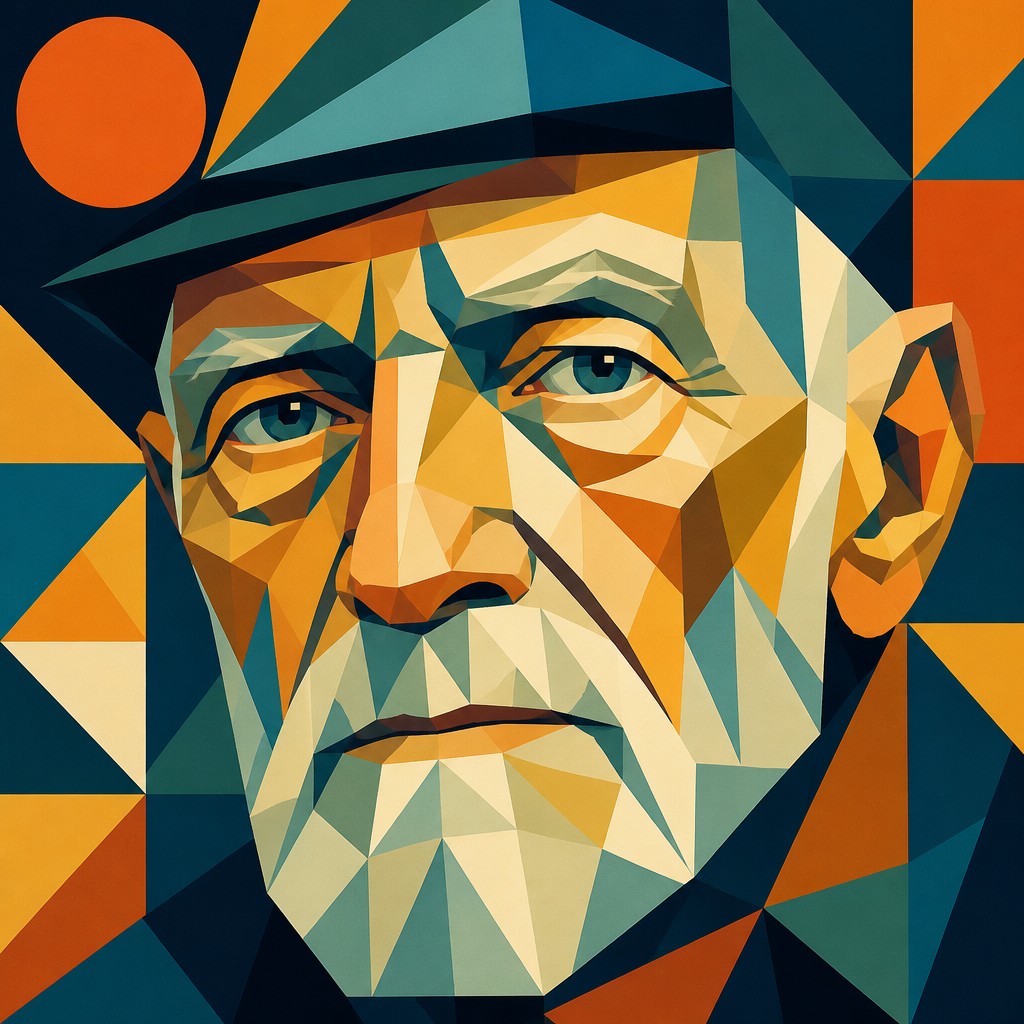
“close-up portrait of an elderly person with expressive weathered features”
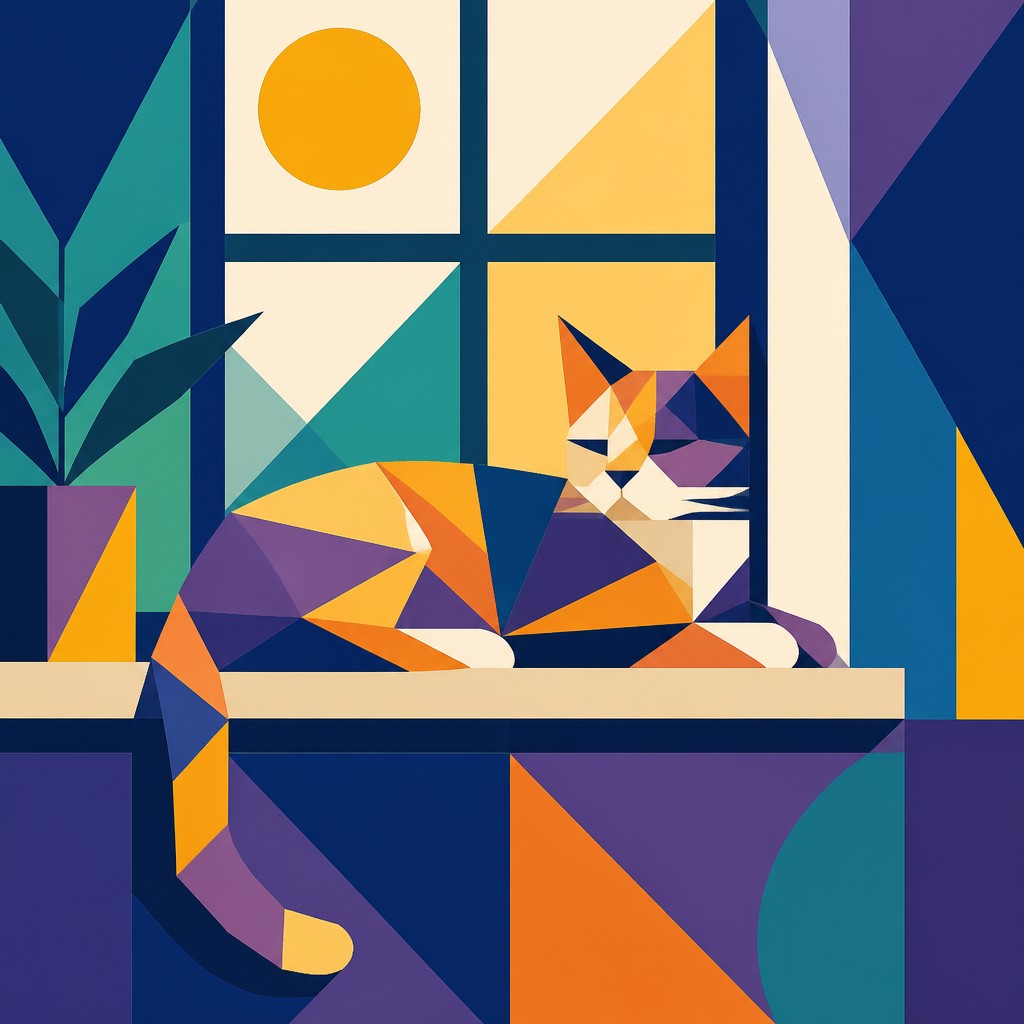
“a cat lounging in a sunlit window”
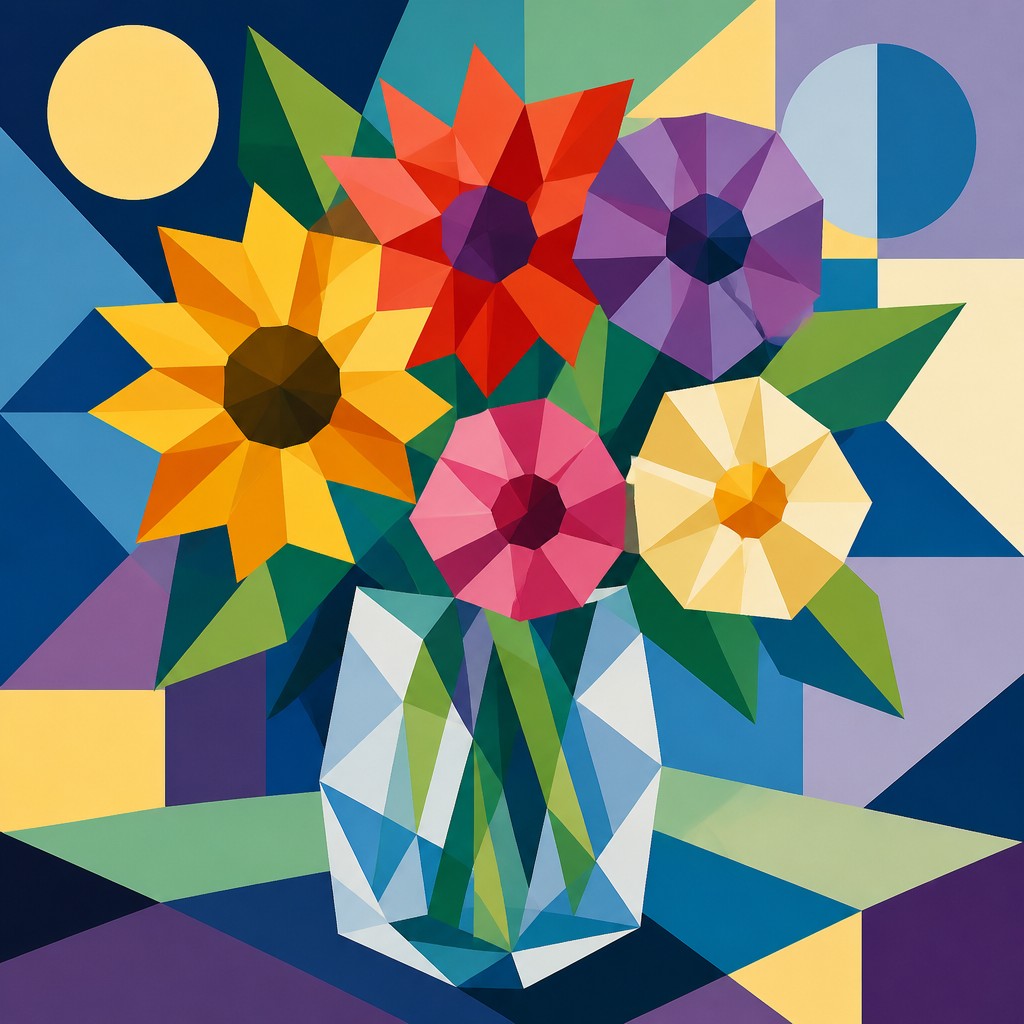
“bouquet of flowers in a glass vase”
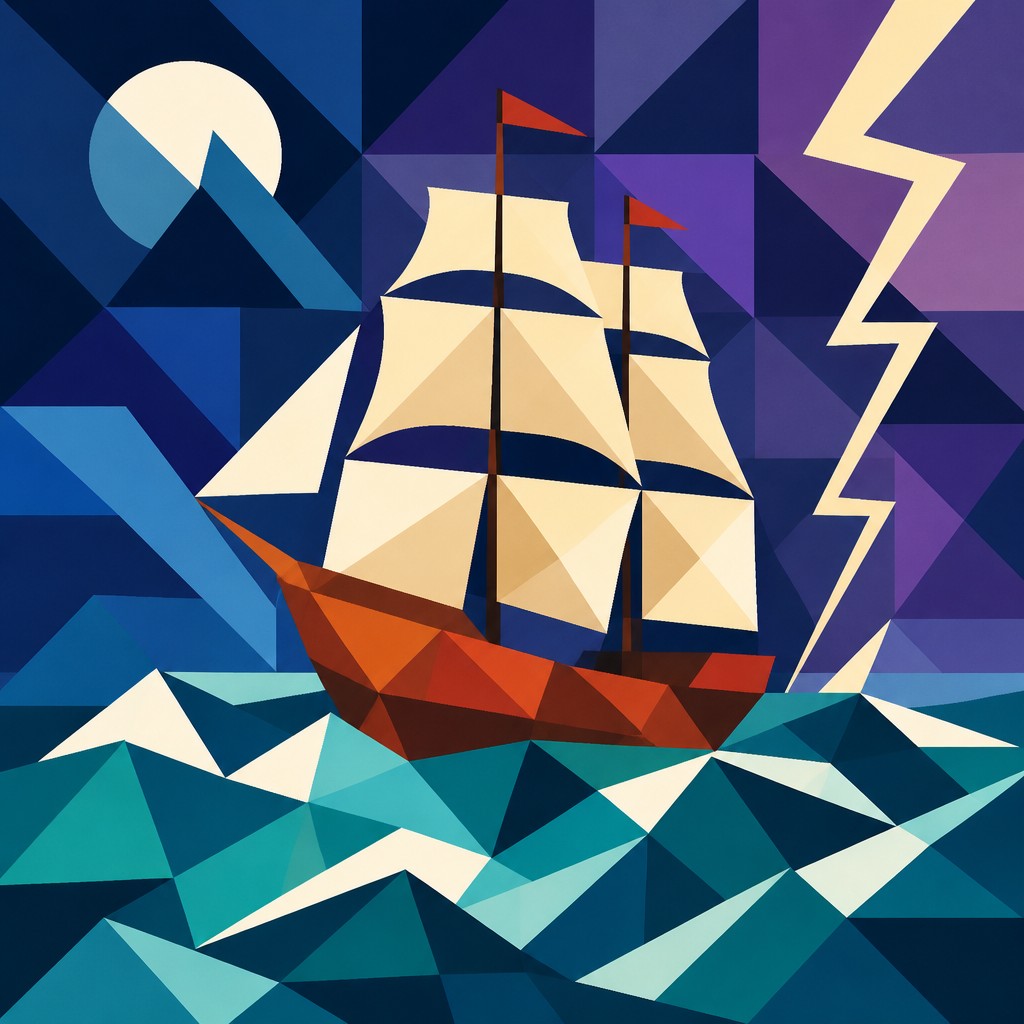
“sailing ship on a stormy sea”
How to Create Geometric Abstract Art
Master the craft step by step — or skip straight to creating. Read the full guide →
- 1
Reduce the subject to basic geometry
Start by identifying the subject’s largest structural masses and translate them into circles, triangles, rectangles, and polygons. Keep the underlying silhouette legible, but simplify anything that does not support the overall geometry.
- 2
Build the composition on a grid
Use a visible or implied grid to place major shapes with deliberate spacing and alignment. In traditional work, sketch with light construction lines; in digital work, use guides, snapping, and vector paths for precision.
- 3
Use flat, bounded color
Fill each shape with a single unmodulated color and avoid gradients, heavy blending, or soft shadows. Choose a palette that creates clear structural contrast between adjacent planes.
- 4
Preserve edge clarity
Make borders between shapes crisp and intentional so the image reads as a system of discrete units. Hard edges, clean vector-like contours, and controlled line weight are central to the style.
- 5
Control the visual rhythm
Vary shape size, repetition, and angle to create harmony without monotony. If using text-to-image generation, specify polygons, tessellation, flat color, crisp boundaries, and balanced grid composition for the most faithful result.

The Story
History & Origins of Geometric Abstract
Geometric abstraction emerged in the early 20th century through modernist experimentation, especially in Europe and Russia, where artists sought universal visual language through pure form. It developed alongside movements such as Constructivism, De Stijl, Suprematism, and the Bauhaus, all of which emphasized structure, reduction, and the expressive power of geometry. Artists commonly associated with these traditions include leading De Stijl painters, Suprematist innovators, Bauhaus abstractionists, and other early modernist geometric pioneers.
The style’s later development extended into postwar painting, graphic design, and digital art, where mathematical order, modular composition, and hard-edged color became useful for both fine art and commercial visual communication. Contemporary geometric abstraction also overlaps with vector illustration, low-poly imagery, and generative art, especially when artists use precision tools to create crystalline, faceted interpretations of subjects rather than illusionistic depictions.
Influences: Geometric abstract art draws from early modernist abstraction, especially the structured visual languages of Constructivism, De Stijl, Suprematism, and the Bauhaus, as seen in the work of leading De Stijl painters, Suprematist painters, and Bauhaus-associated abstractionists. It also relates to later hard-edge painting, minimalist design, vector illustration, and digital low-poly aesthetics, all of which value clean structure, reduced form, and precise relationships between shapes.
Frequently Asked Questions
What defines geometric abstract art?
It is defined by the use of basic shapes, measured spacing, and reduced form to build the image. Instead of realistic modeling, the subject is translated into polygons, circles, grids, or other structured components. Flat color and sharp edges are usually part of the look.
Is geometric abstract art the same as cubism?
No. Cubism breaks objects into multiple viewpoints and fractured planes, but it still often preserves painterly surfaces and a specific historical context. Geometric abstraction is broader and more formally systematic, with a stronger emphasis on pure shape, proportion, and clarity.
How is this different from minimalist art?
Minimalism reduces visual information, but it often focuses on industrial simplicity, repetition, and objecthood. Geometric abstract art can be equally spare, yet it usually emphasizes constructed shapes, color relationships, and compositional geometry more explicitly.
Can geometric abstract art still show recognizable subjects?
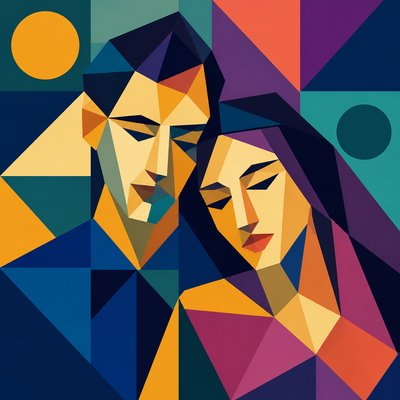
Yes. Many works are semi-representational, where a face, animal, building, or landscape remains visible but simplified into geometric planes. The key is that recognition comes through structure rather than detail.
What tools are best for making it?
Vector software, shape tools, grids, and masks are especially effective because they support precision and clean edges. It can also be made traditionally with rulers, masking tape, collage, or careful acrylic painting, depending on the desired finish.
Where is geometric abstract art commonly used?
It appears in fine art, branding, editorial design, posters, album covers, packaging, motion graphics, and architectural visualization. Its clarity and order make it useful anywhere a bold but structured visual language is needed.

Create your first Geometric Abstract artwork
Describe anything — or upload a photo — and see it in Geometric Abstract Art Style in seconds.
Make Something with Geometric Abstract
Compare Geometric Abstract
Related Styles
Discover similar art styles