Abstract vs Geometric Abstract: What's the Difference?
Abstract art uses color, shape, line, texture, and gesture to express feeling or ideas without showing recognizable objects. It can be loose, spontaneous, and open-ended, inviting viewers to interpret meaning in personal ways.
Geometric abstract art is a more structured branch of abstraction that simplifies subjects into circles, polygons, grids, and tessellations. People compare the two because both avoid realistic depiction, yet they differ in how much they rely on intuition and expressiveness versus order and mathematical balance.
Same Prompt, Both Styles
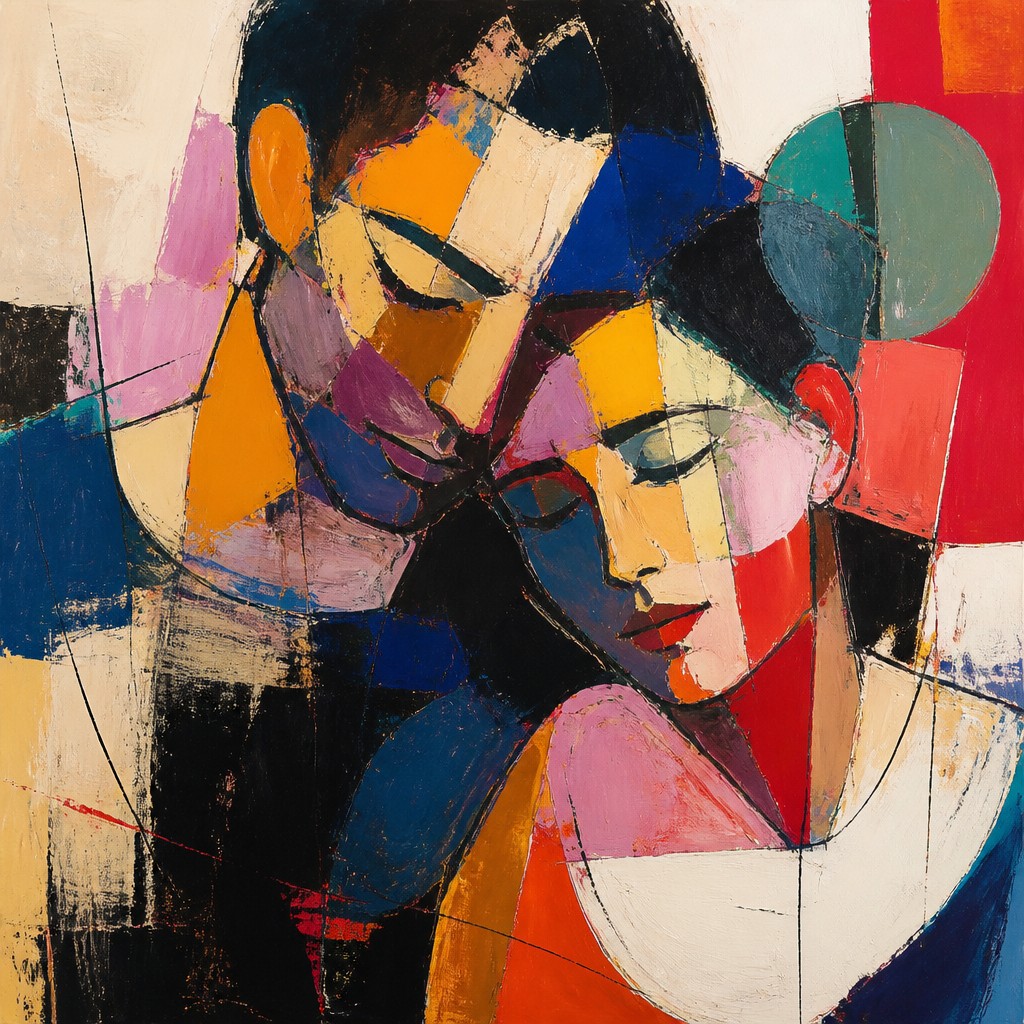
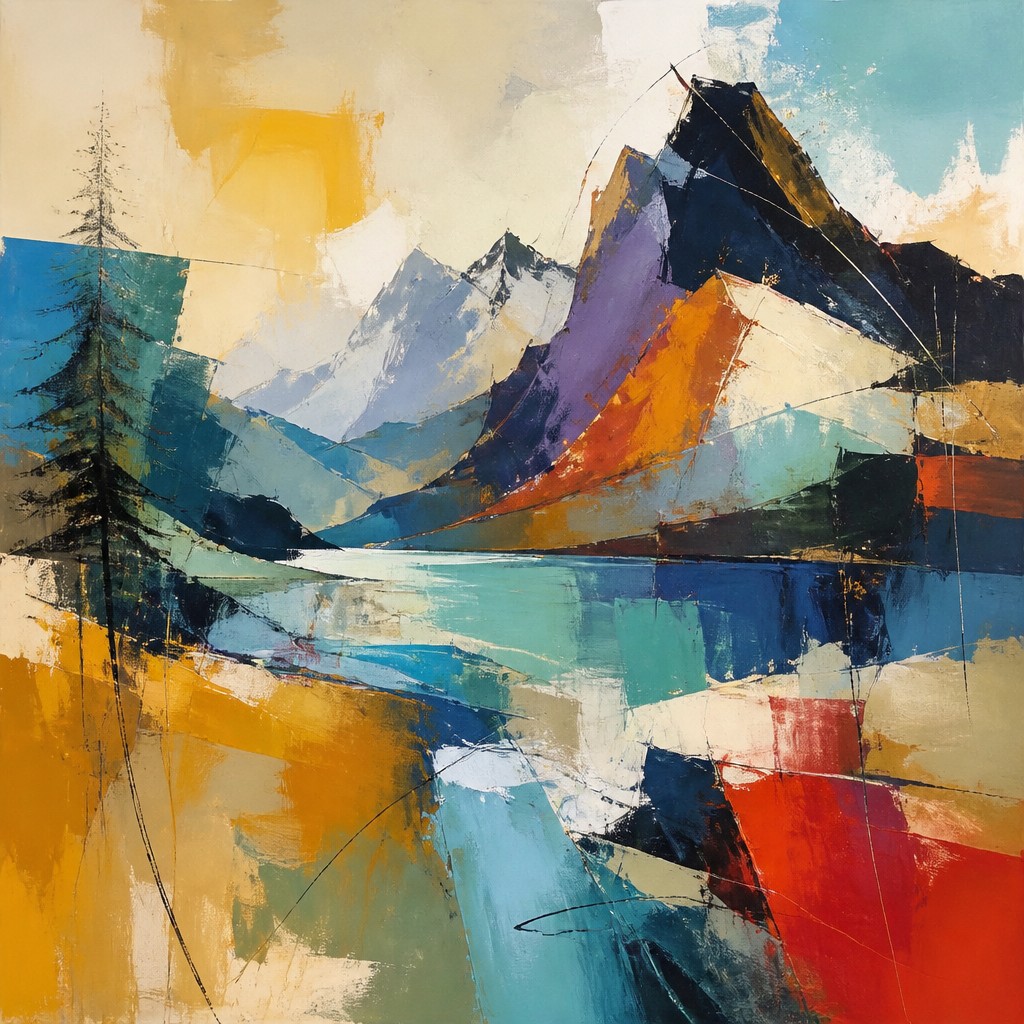
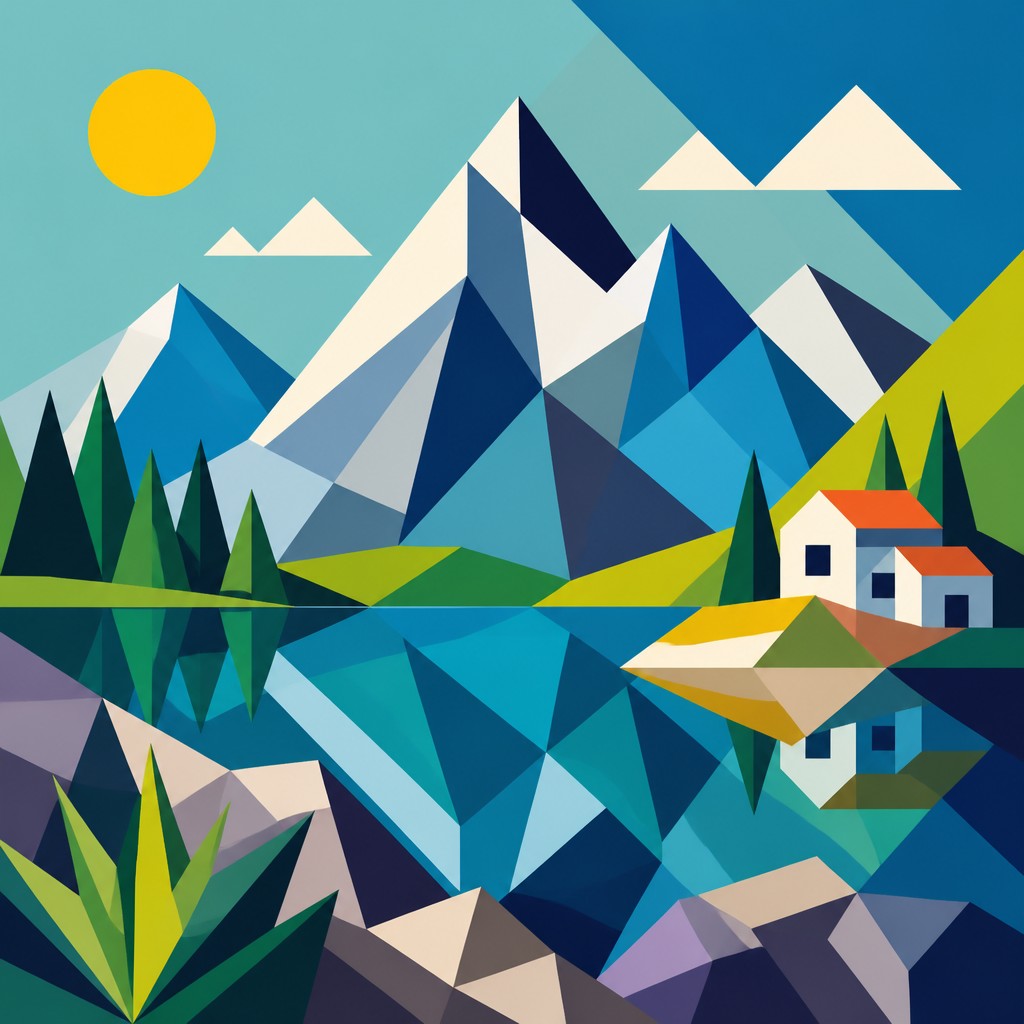
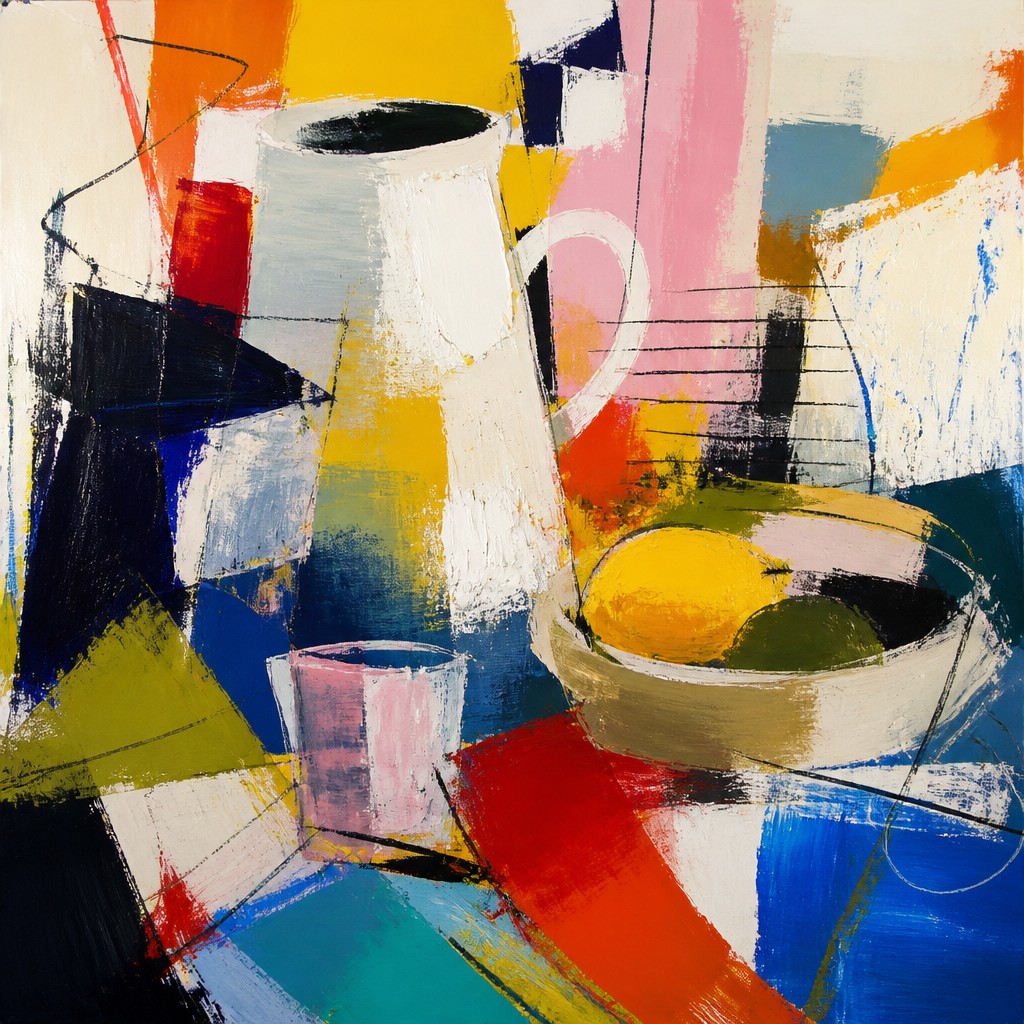
Each pair below was generated from the identical prompt — only the style changed.
“portrait of two people together”

“wide landscape with natural scenery”
“still life with everyday objects”

“bicyle resting against a wall”
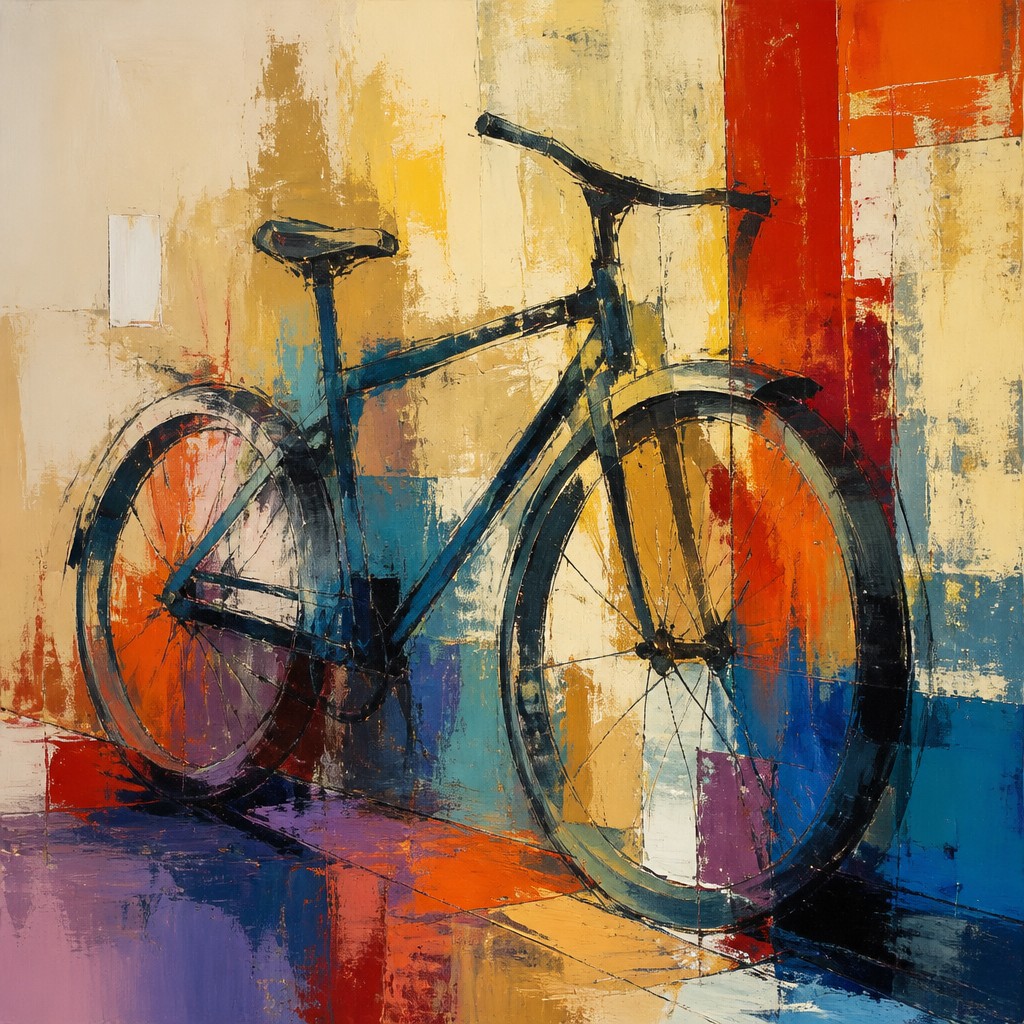
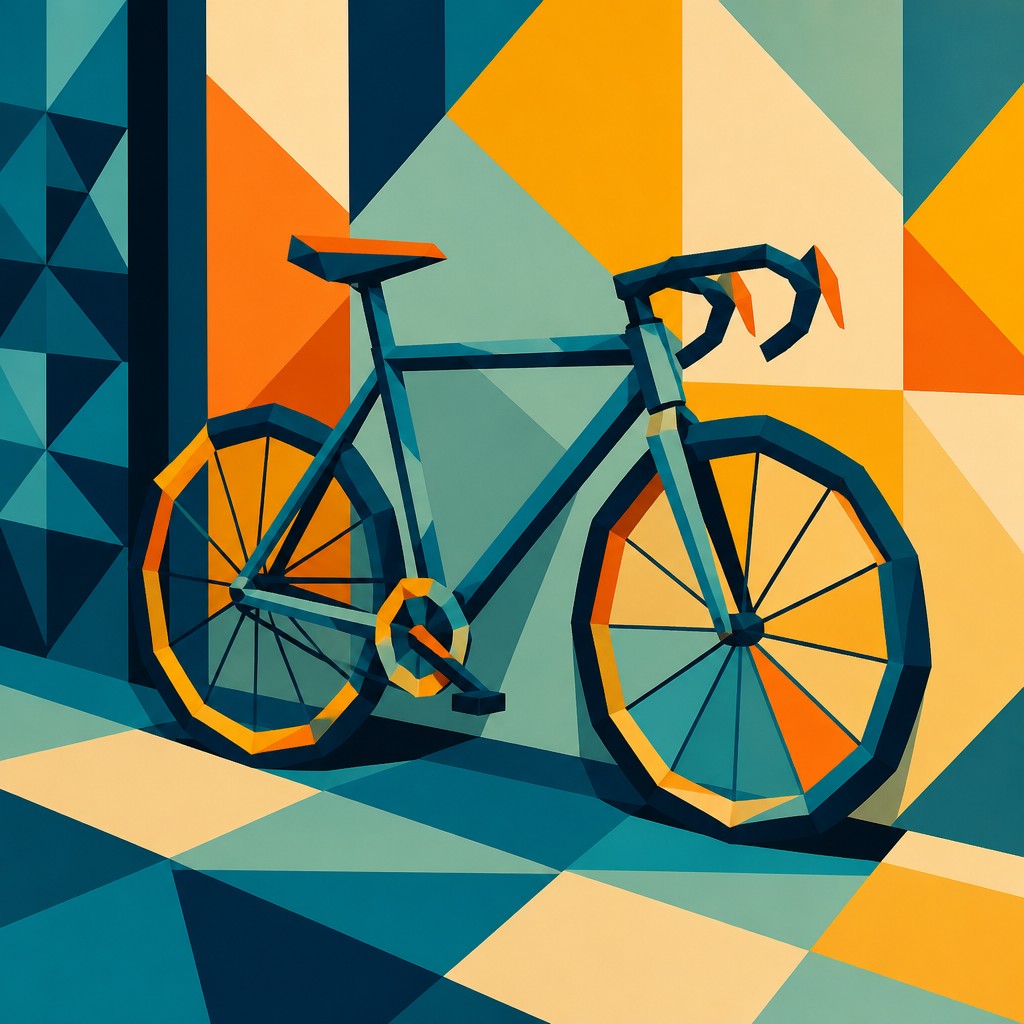
Key Differences
| Abstract | Geometric Abstract | |
|---|---|---|
| Shape language | Organic, irregular, and varied forms. | Precise circles, polygons, grids, and repeating patterns. |
| Line & edges | Lines may be loose, gestural, or layered. | Edges are usually crisp, clean, and well-defined. |
| Composition | Composition can feel open, dynamic, or improvised. | Composition often feels balanced, measured, and structured. |
| Color use | Color can be expressive, contrasting, or atmospheric. | Color is often flat, controlled, and used to separate shapes. |
| Subject treatment | Reinterprets reality into nonrecognizable visual language. | Transforms subjects into simplified geometric relationships. |
| Mood | Often emotional, intuitive, or spontaneous. | Often orderly, calm, and intellectually precise. |
| Mood | expressive, contemplative, dynamic, ambiguous | ordered, calm, precise, harmonious |
| Energy | intense | calm |
| Detail level | moderate | moderate |
| Color | varied, often bold or subdued | clean primaries, neutrals, muted contrasts |
| Texture | layered, gestural, tactile | smooth, flat, crisp-edged |
| Origin | early 20th-century Europe | early 20th-century Europe |
| Best for | posters, album covers, gallery prints, editorial art, book covers | posters, logos, album covers, book covers, infographics, wall art |
| Difficulty | moderate | advanced |
Which Should You Choose?
Choose abstract art if you want greater freedom, emotional range, and room for ambiguity. Choose geometric abstract art if you prefer structure, clean geometry, and a more disciplined visual rhythm. If you want maximum personal interpretation, A usually fits better; if you want clarity and pattern, B is the stronger choice.
Frequently Asked Questions
Is geometric abstract art part of abstract art?
Yes. Geometric abstract art is a subset of abstract art because it still avoids realistic depiction. Its difference is that it uses a more structured, mathematical visual system.
Which style is more expressive?
Abstract art is usually more openly expressive because it often emphasizes gesture, texture, and spontaneous composition. Geometric abstract art can still be expressive, but its expression tends to come through order, balance, and repetition.
Which style is easier to recognize at a glance?
Geometric abstract art is often easier to identify because of its crisp shapes and organized structure. General abstract art can be much broader and may include many different approaches.
Can both styles use the same colors?
Yes. Both can use bright, muted, limited, or high-contrast palettes. The main difference is not the color itself, but how it is organized within the composition.