Geometric Abstract vs Minimalist Geometric: What's the Difference?
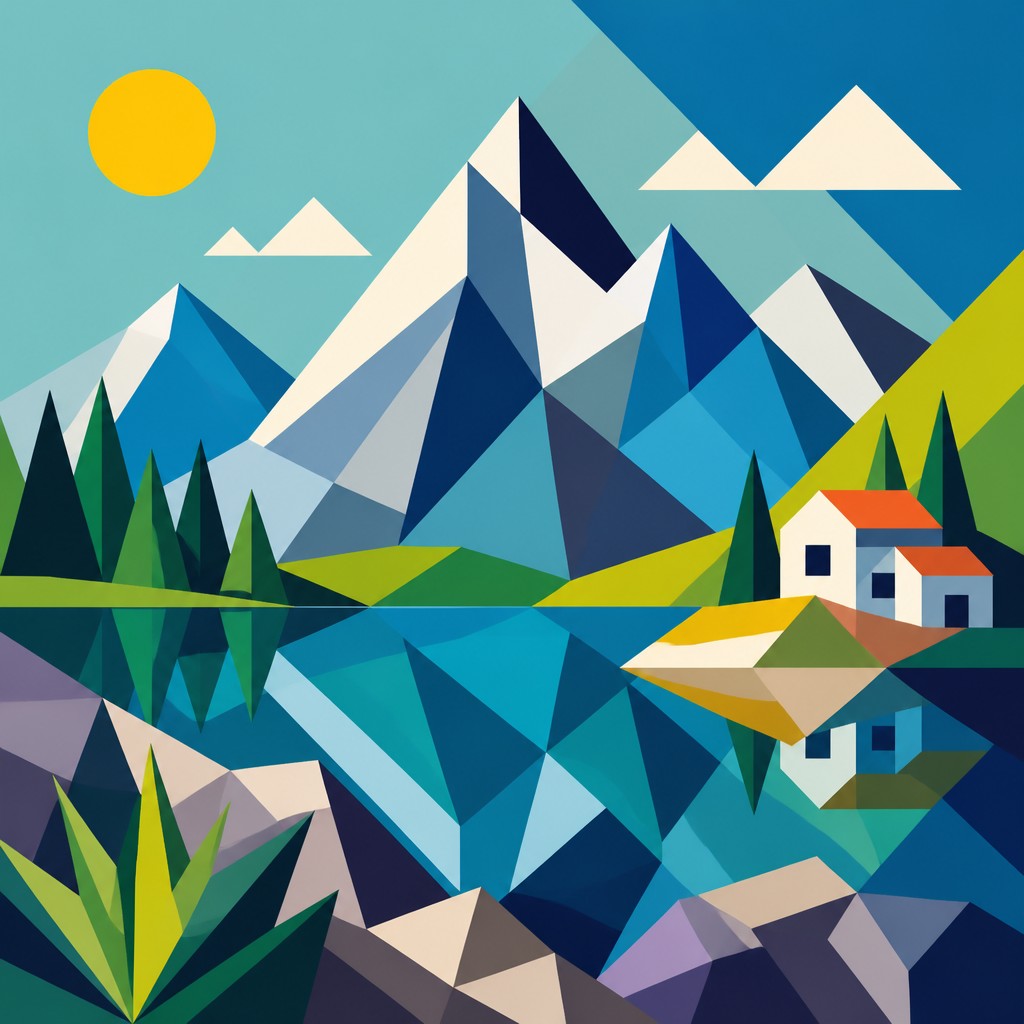
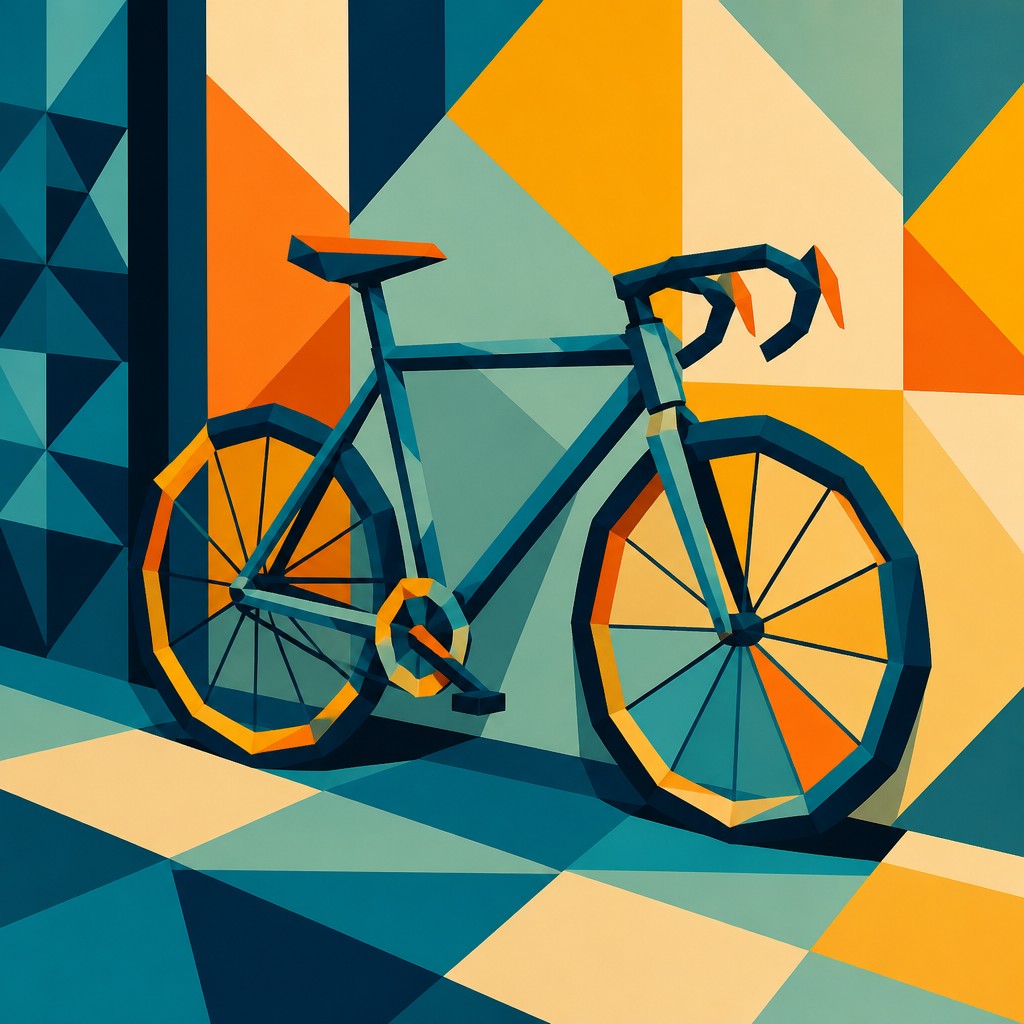
Geometric Abstract Art Style turns recognizable subjects or pure compositions into polygons, circles, tessellations, and other structured shapes. It typically uses flat color, crisp edges, and a strong sense of mathematical balance, often making the image feel layered, patterned, and dynamic.
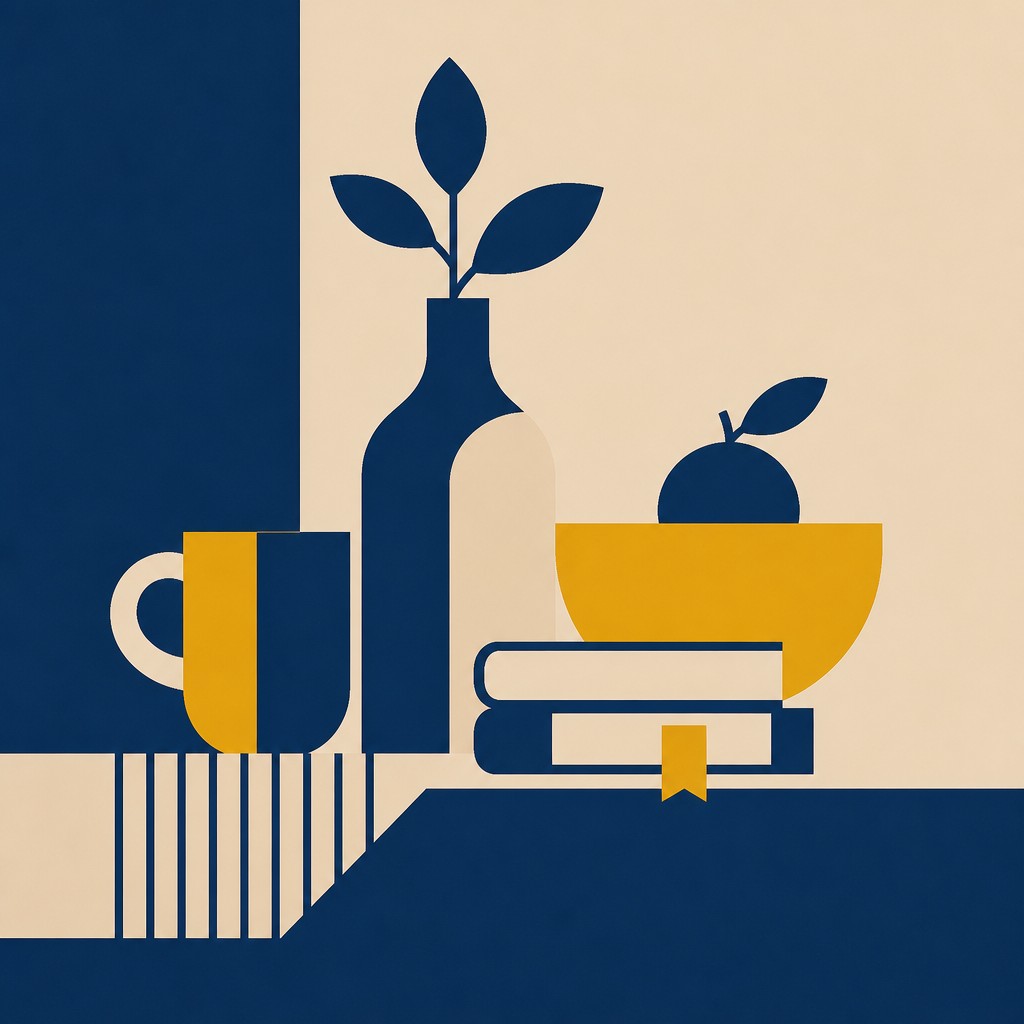
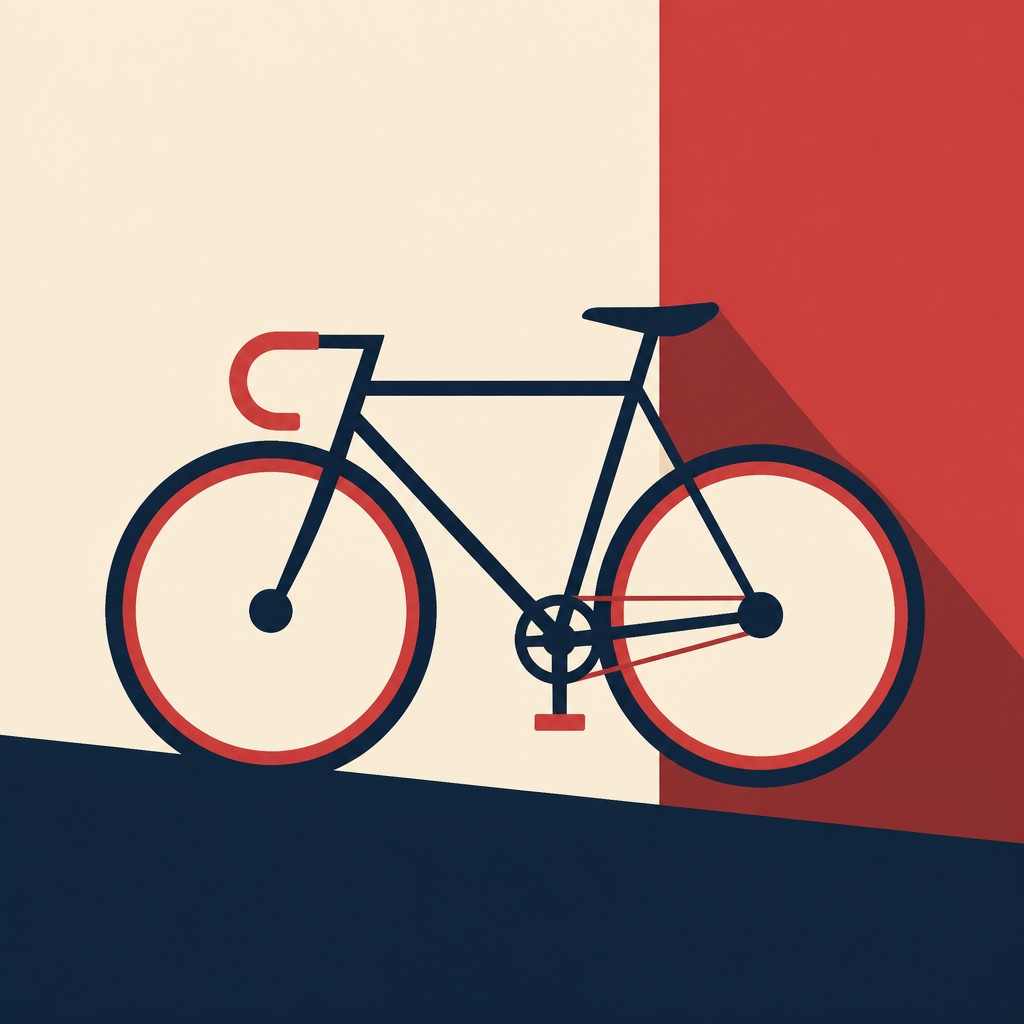
Minimalist Geometric Art also relies on clean geometric shapes and flat color, but it reduces forms much further. With bold negative space and simplified compositions, it emphasizes clarity, restraint, and modern design. People compare the two because both use geometry and abstraction, yet one often feels more complex and pattern-driven while the other feels more sparse and refined.
Same Prompt, Both Styles
Each pair below was generated from the identical prompt — only the style changed.
“portrait of two people together”


“wide landscape with natural scenery”

“still life with everyday objects”

“bicyle resting against a wall”
Key Differences
| Geometric Abstract | Minimalist Geometric | |
|---|---|---|
| Form complexity | Breaks subjects into many interlocking shapes and planes. | Uses fewer shapes and a more reduced visual language. |
| Visual density | Often fills the surface with patterned structure and detail. | Leaves more open space and a lighter composition. |
| Mood | Can feel energetic, analytical, or rhythmically complex. | Usually feels calm, restrained, and highly deliberate. |
| Negative space | Uses space as part of a dense geometric arrangement. | Relies on empty space as a major design element. |
| Color approach | May combine multiple flat colors in structured contrasts. | Often uses fewer colors for stronger simplicity and focus. |
| Overall emphasis | Focuses on transformation, pattern, and mathematical order. | Focuses on reduction, balance, and visual clarity. |
| Mood | ordered, calm, precise, harmonious | calm, restrained, orderly, contemplative, precise |
| Energy | calm | serene |
| Detail level | moderate | minimal |
| Color | clean primaries, neutrals, muted contrasts | limited palette, often monochrome or muted accents |
| Texture | smooth, flat, crisp-edged | flat, smooth, clean-edged |
| Origin | early 20th-century Europe | mid-20th-century modernist abstraction |
| Best for | posters, logos, album covers, book covers, infographics, wall art | posters, branding, editorial graphics, album covers, wayfinding, logo systems |
| Difficulty | advanced | beginner-friendly |
Which Should You Choose?
Pick Geometric Abstract Art Style when you want a more intricate, pattern-rich image that transforms subjects into structured geometry and makes the composition feel lively or intellectually layered. Choose Minimalist Geometric Art when you want a cleaner, quieter result with fewer elements, stronger negative space, and a more modern, restrained look.
Frequently Asked Questions
Are these styles basically the same thing?
They overlap, but they are not identical. Both use geometric shapes and abstraction, yet geometric abstract art usually has more complexity and pattern, while minimalist geometric art intentionally strips the composition down.
Which style uses more negative space?
Minimalist geometric art usually uses more negative space. Geometric abstract art tends to distribute shapes more densely across the composition, leaving less open area.
Which style feels more detailed?
Geometric abstract art usually feels more detailed because it often breaks forms into many facets or repeating structures. Minimalist geometric art is deliberately simpler and more reduced.
Can a piece belong to both styles?
Yes, some works sit between the two. A composition can use geometric abstraction while still keeping a minimalist palette and lots of open space.