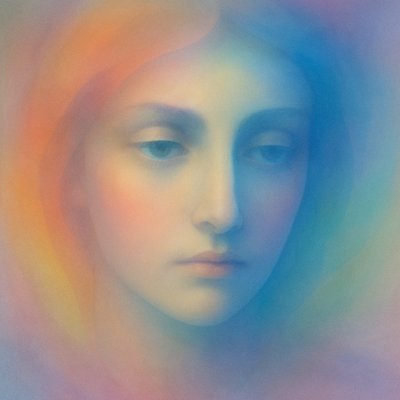
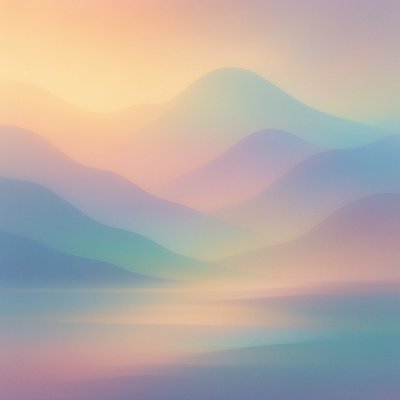
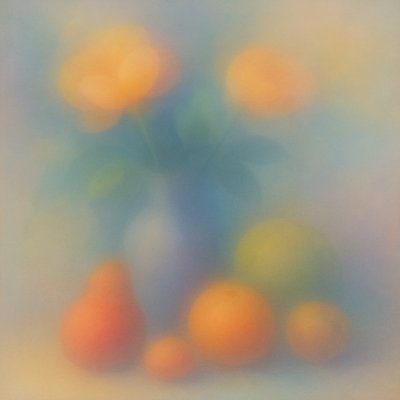
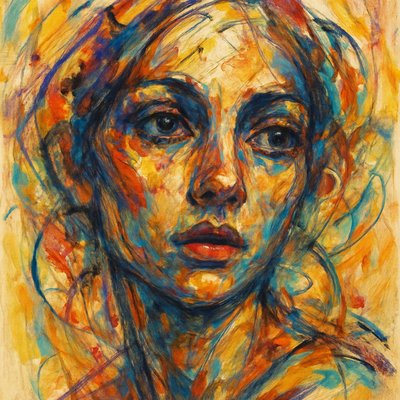
Abstract Geometric Art
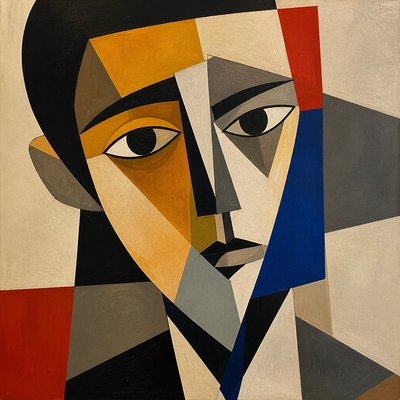
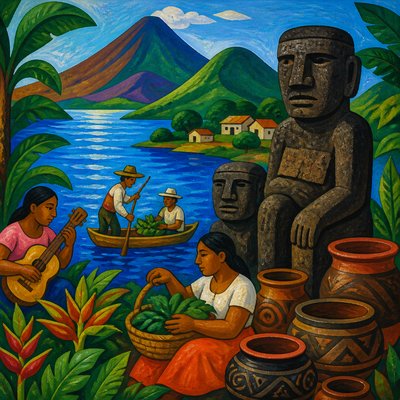
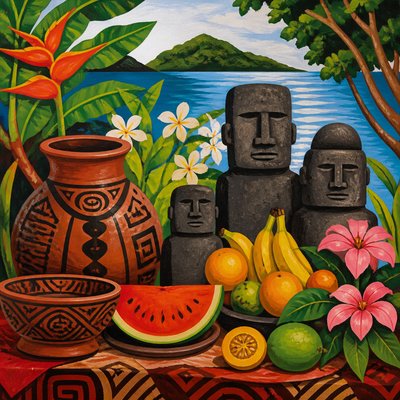
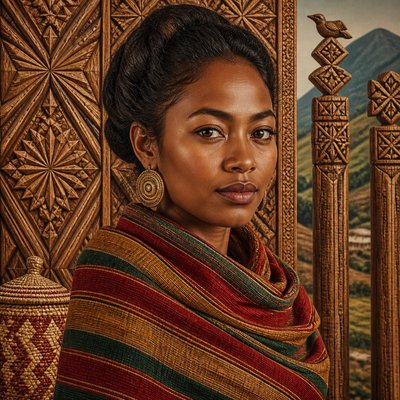
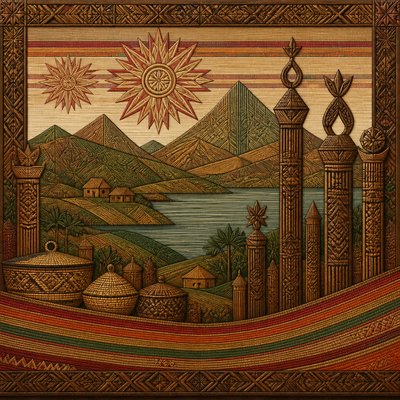
Bold non-representational art built from geometric shapes, flat color planes, and precise composition.
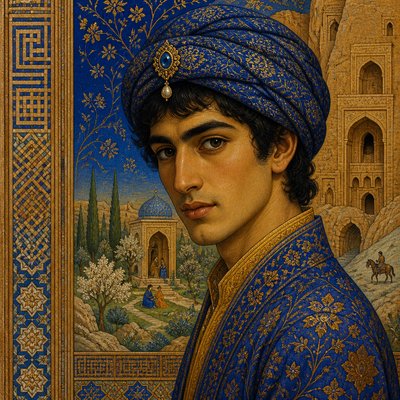
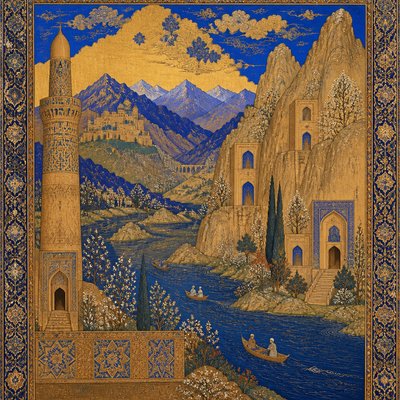
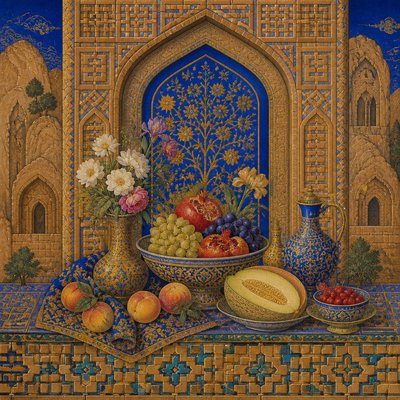
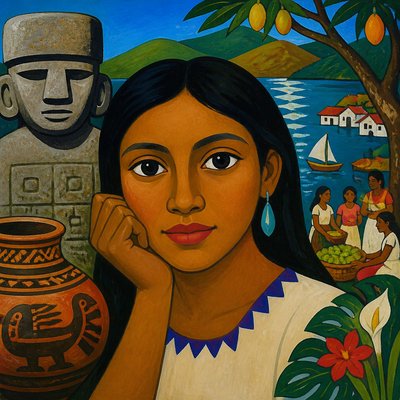
Instantly rendered in Abstract Geometric — or transform a photo
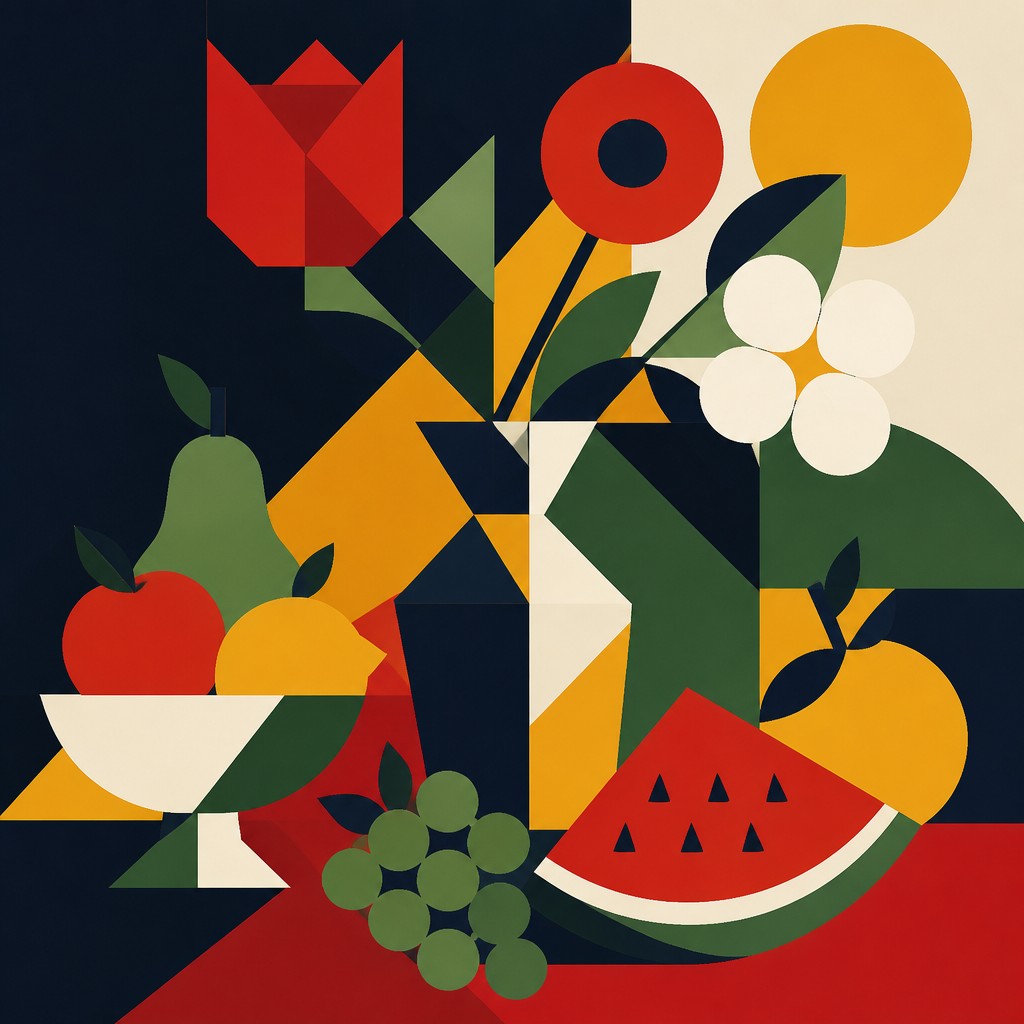
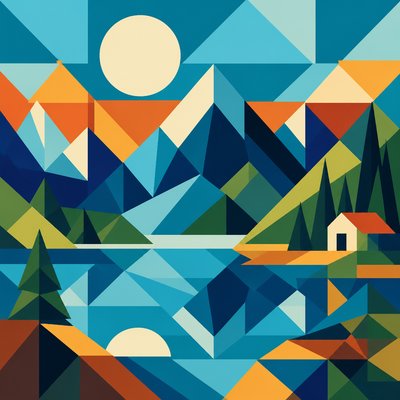
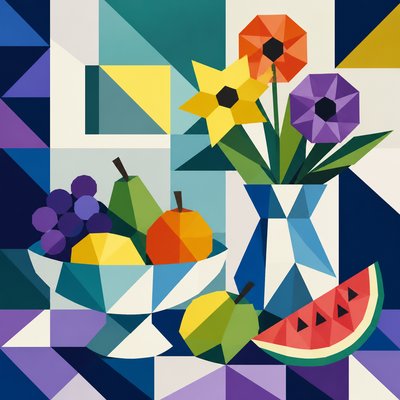
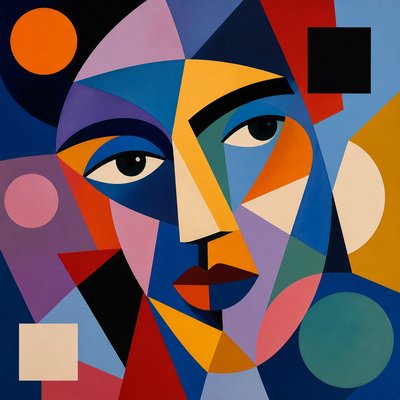
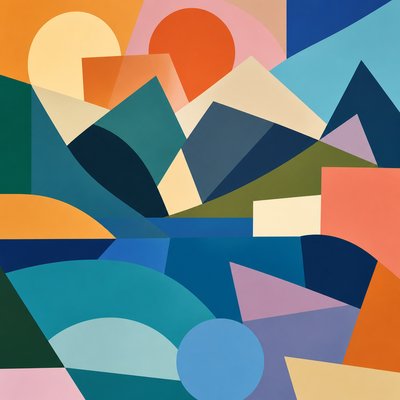
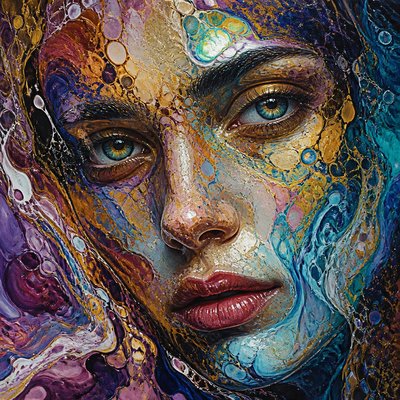
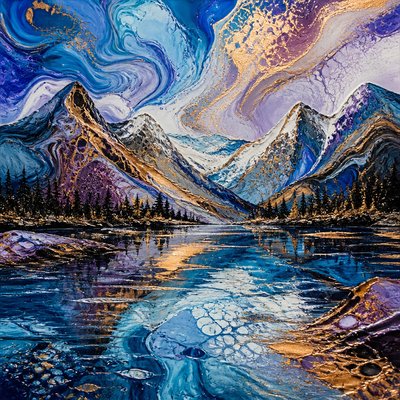
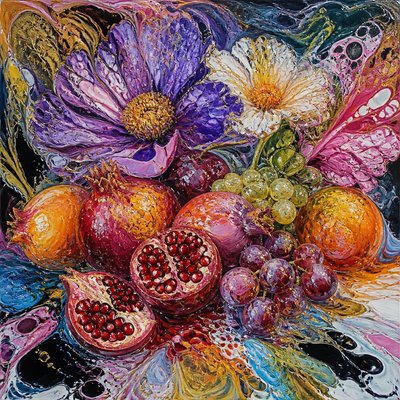
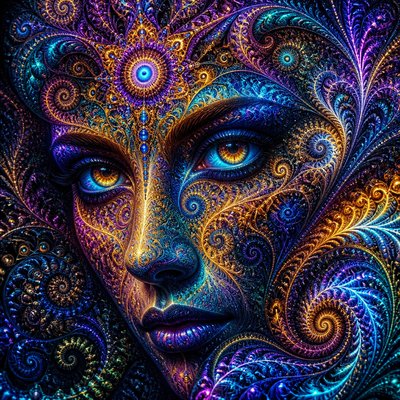
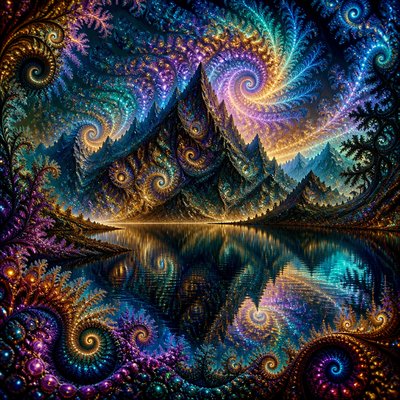
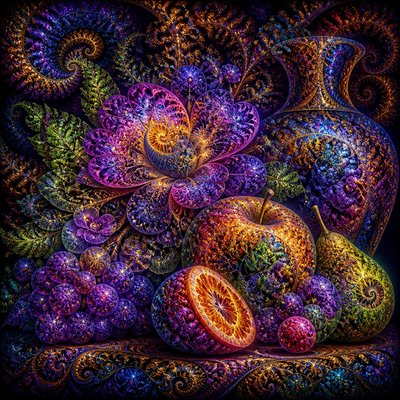
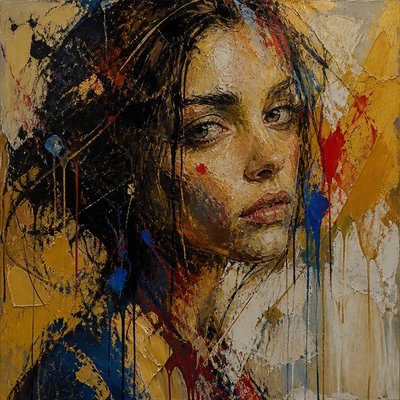
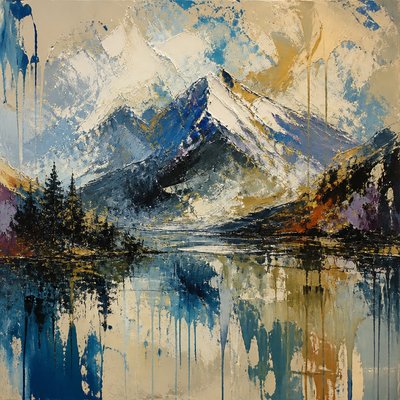
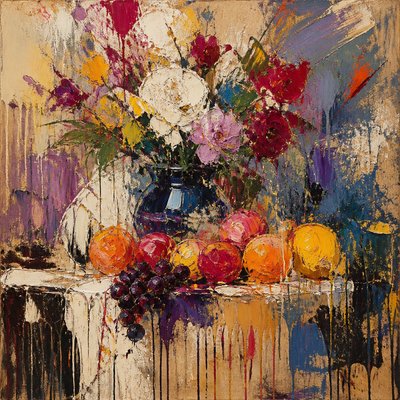
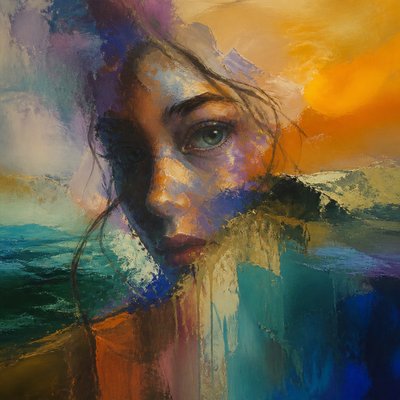
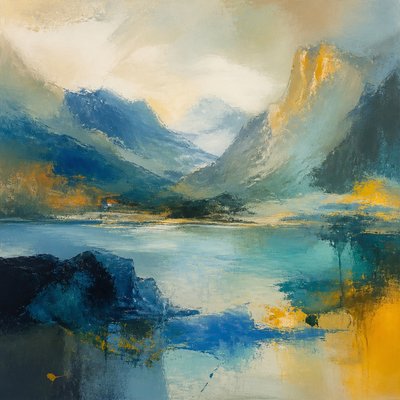
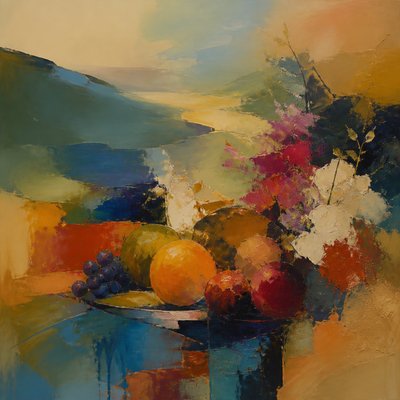
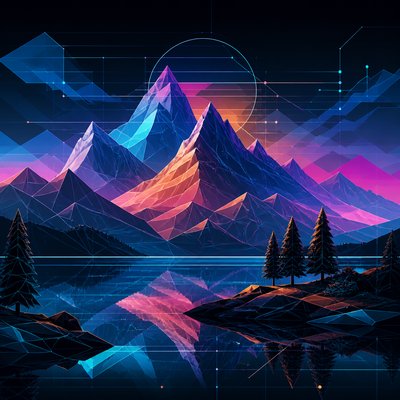
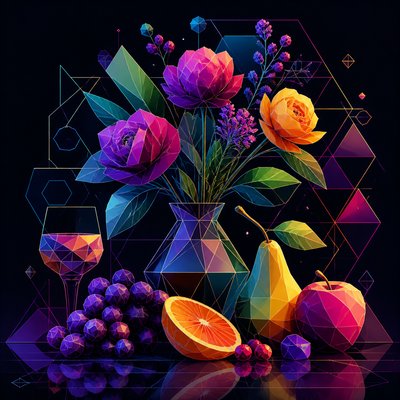
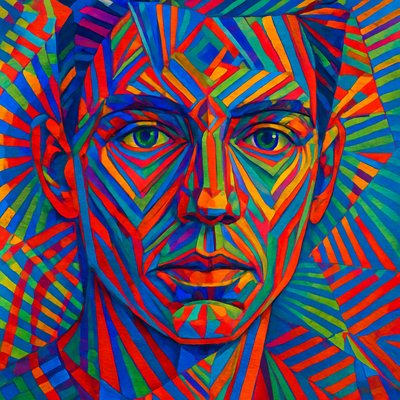
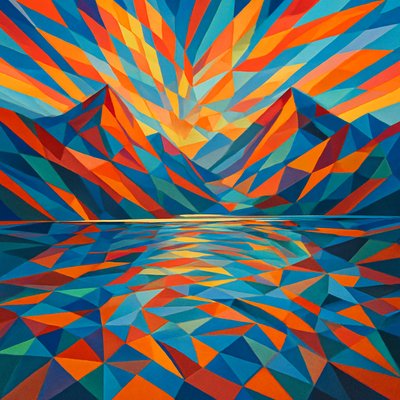
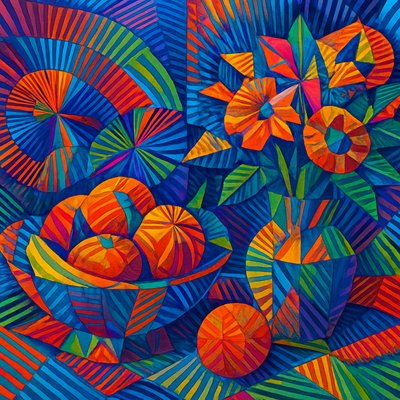
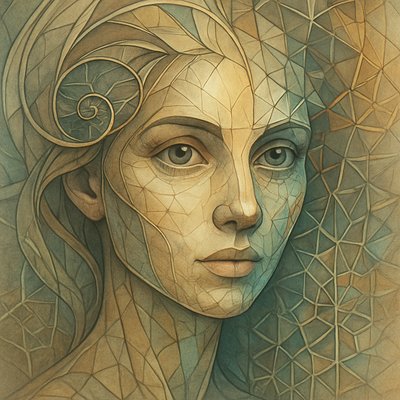
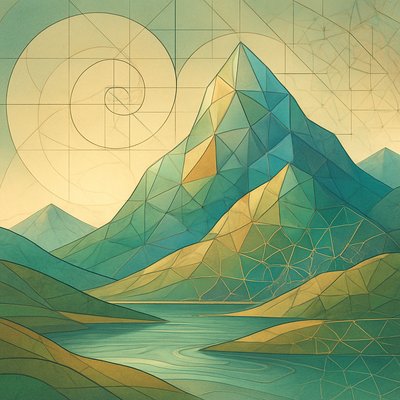
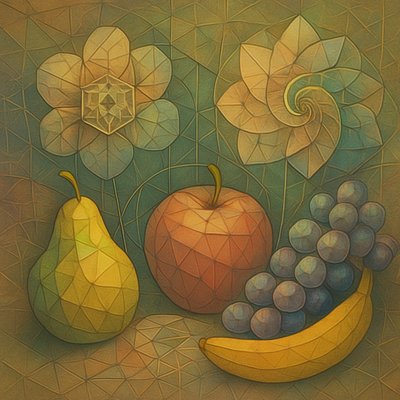
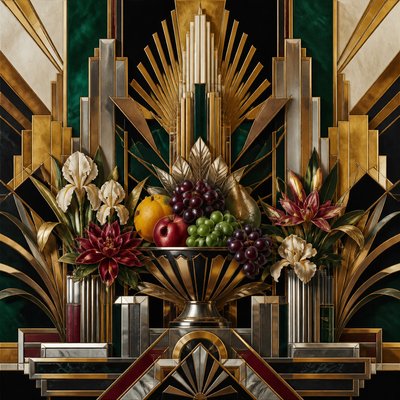
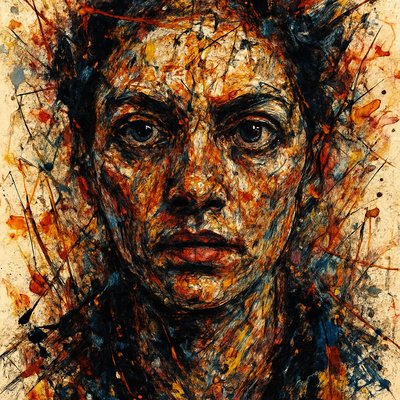
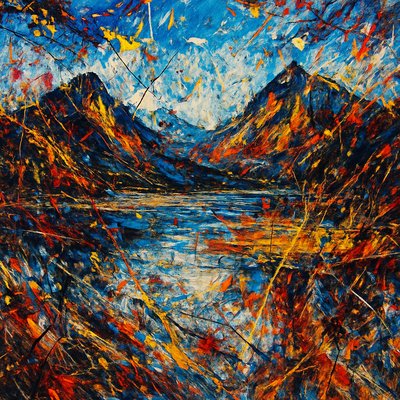
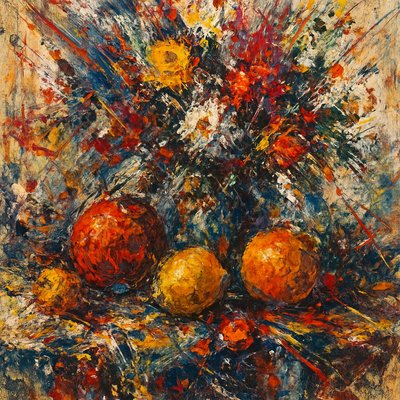
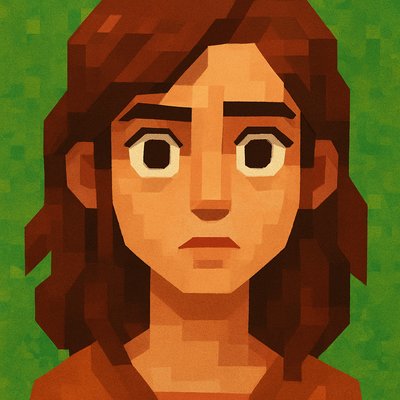
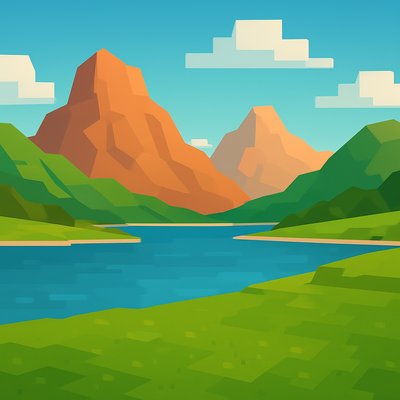
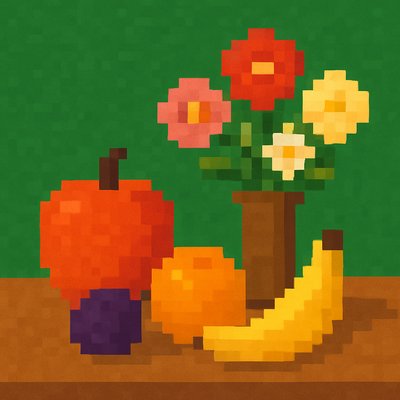
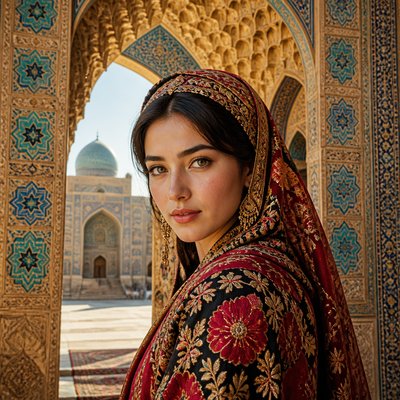
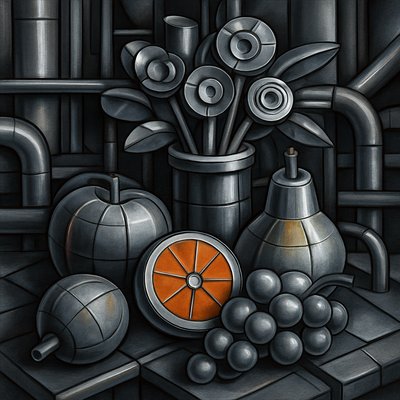
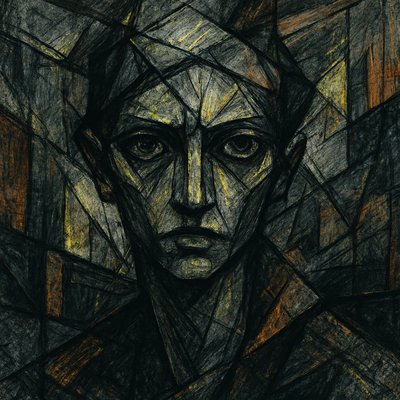
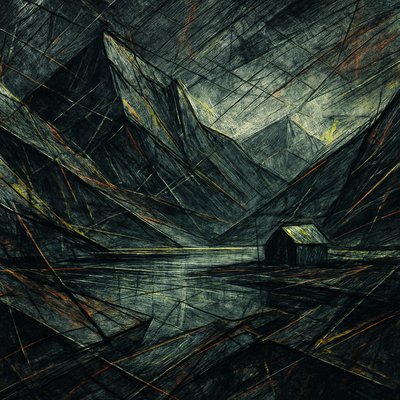
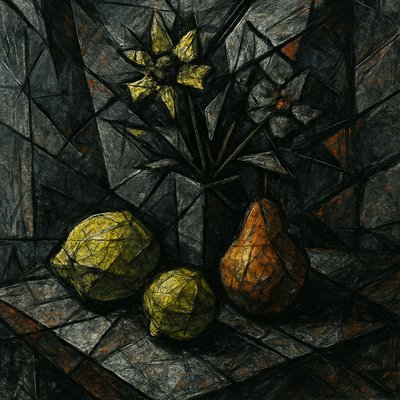
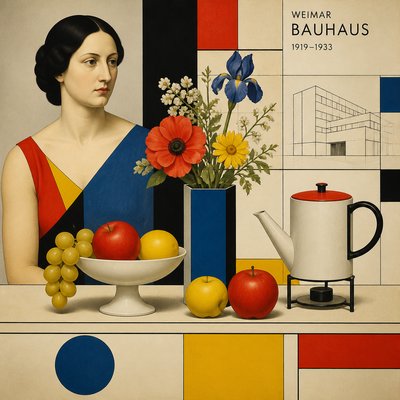
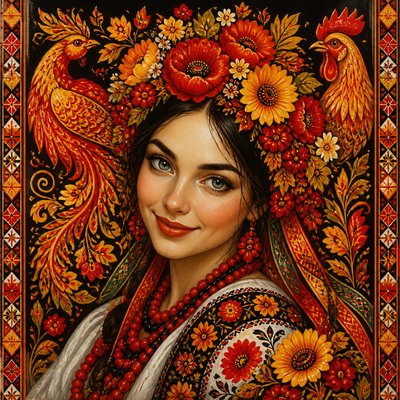
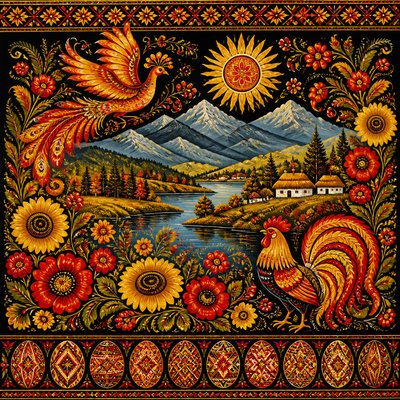
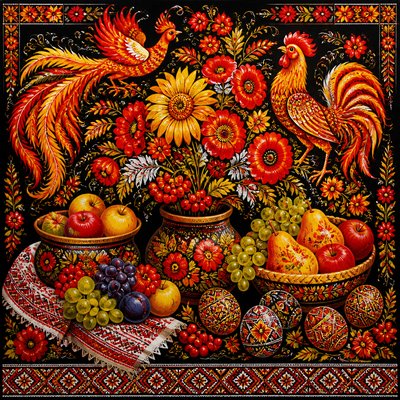
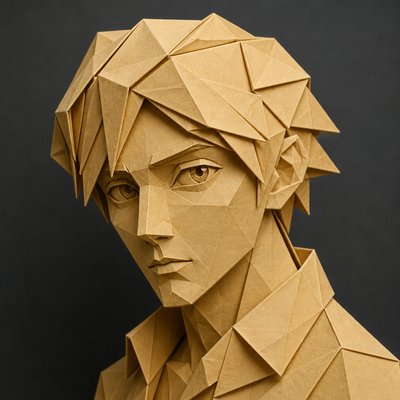
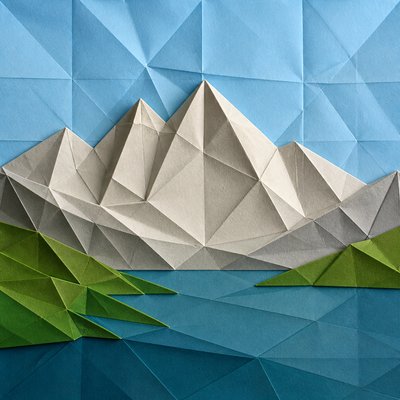
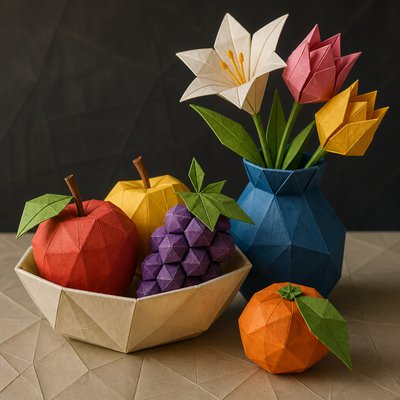
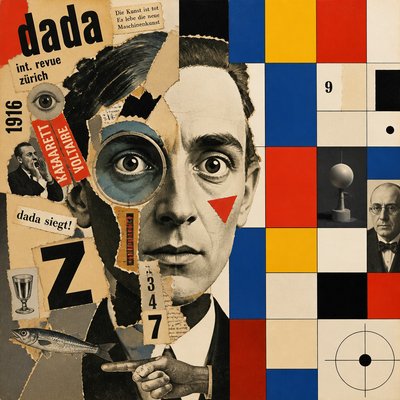
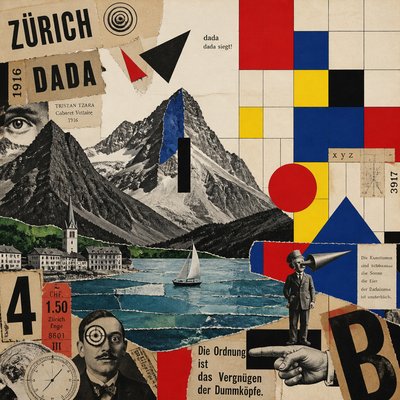
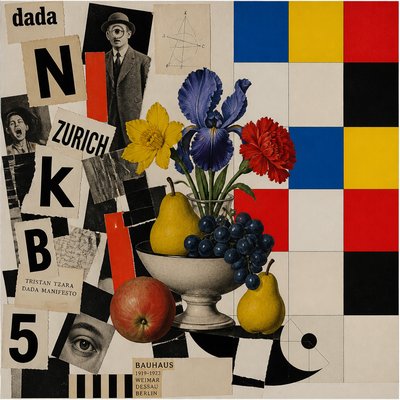
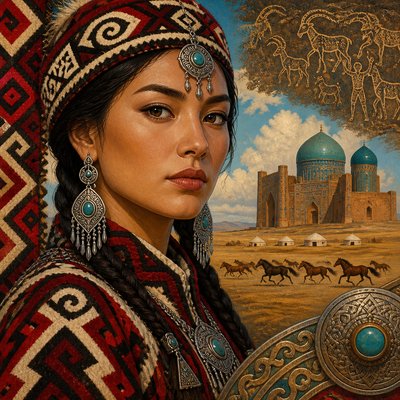
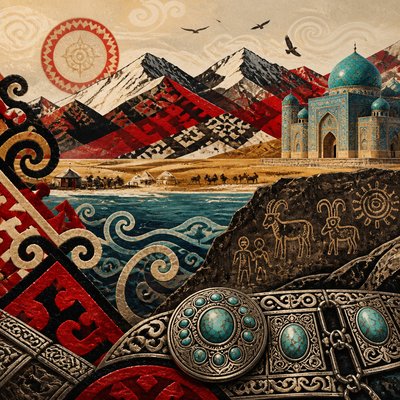
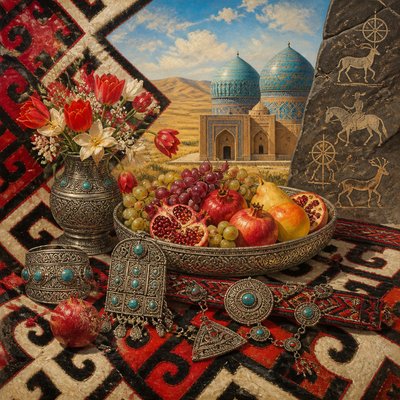
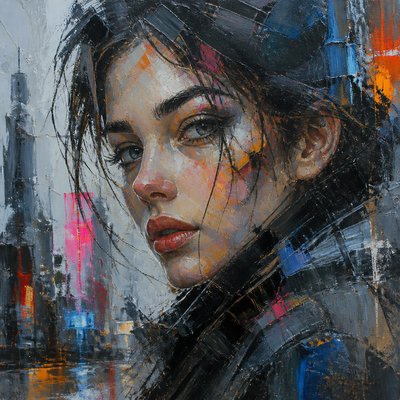
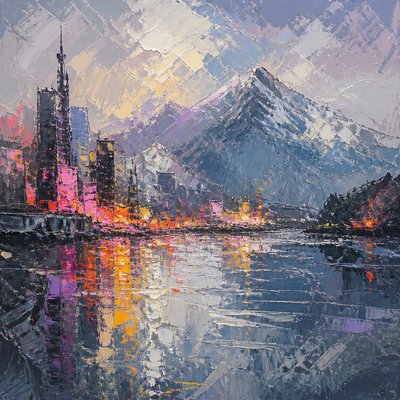
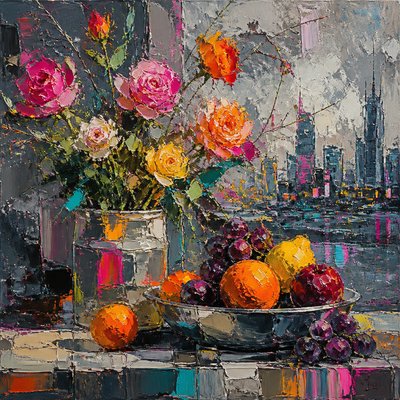
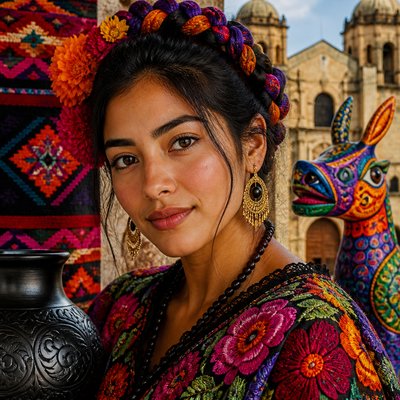
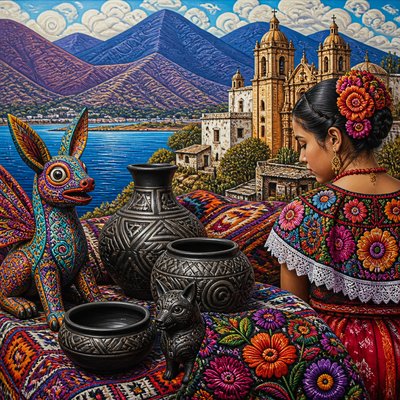
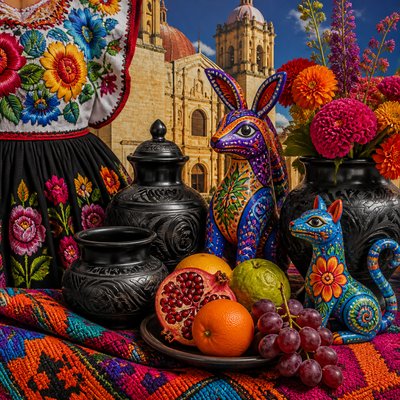
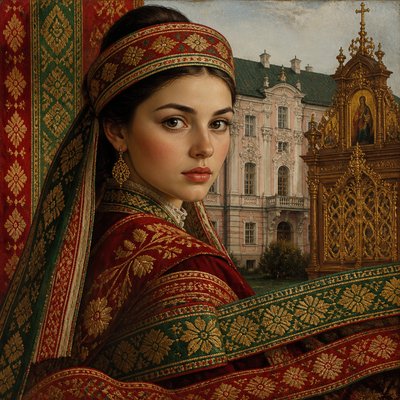
Abstract Geometric Gallery
Tap any artwork to explore it
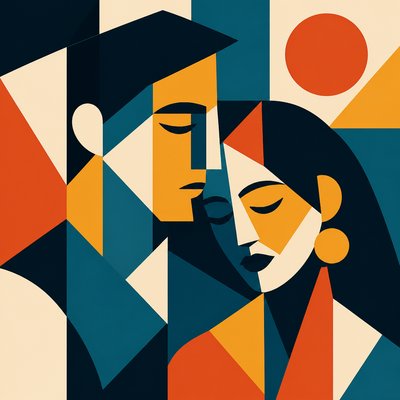
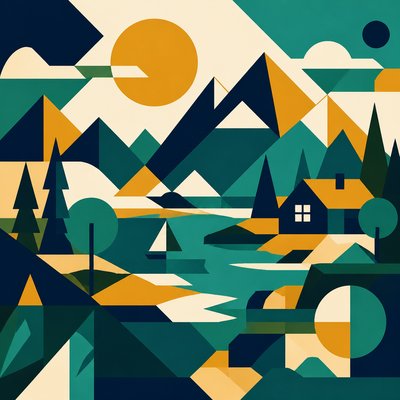
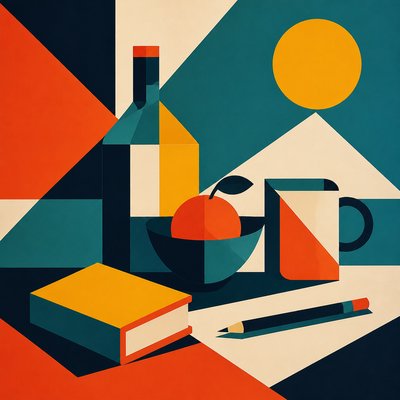
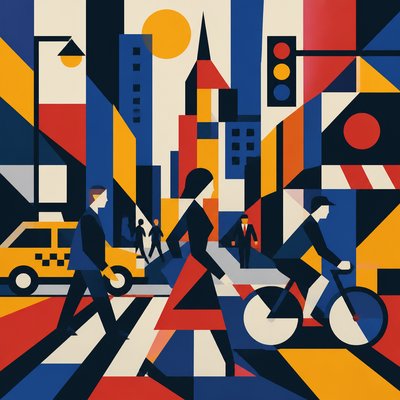
What is Abstract Geometric Art?
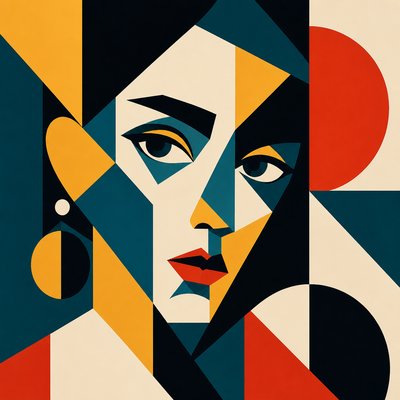
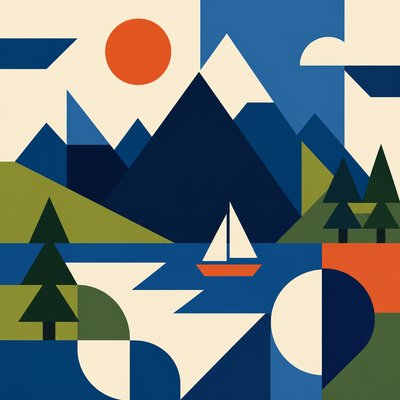
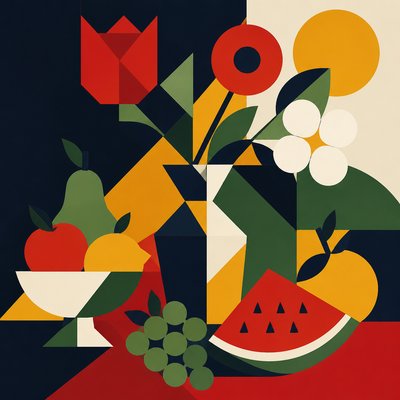
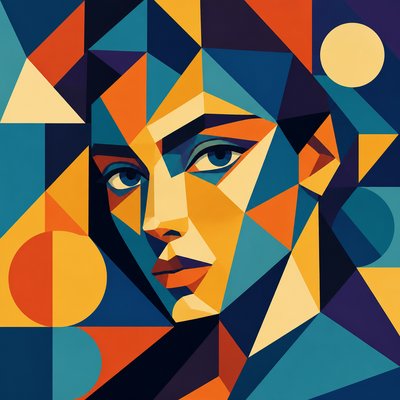
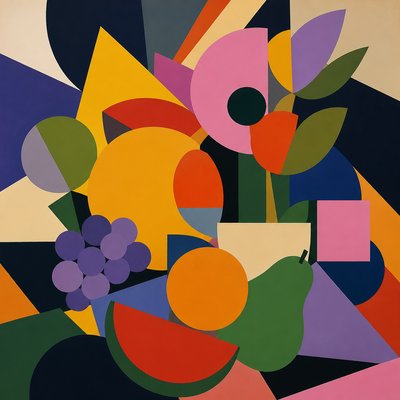
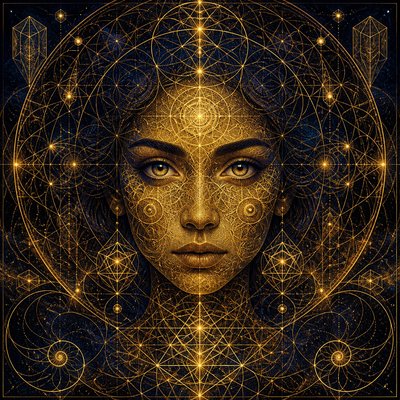
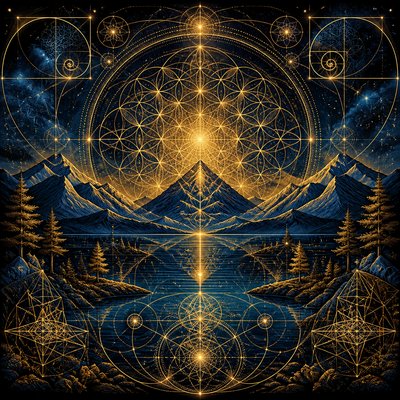
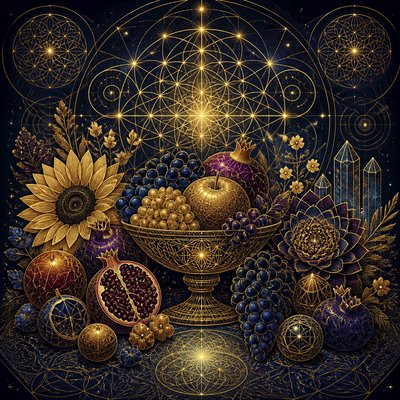
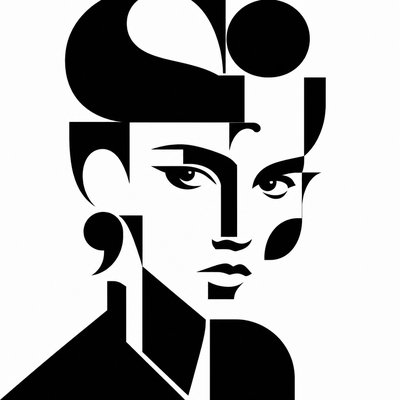
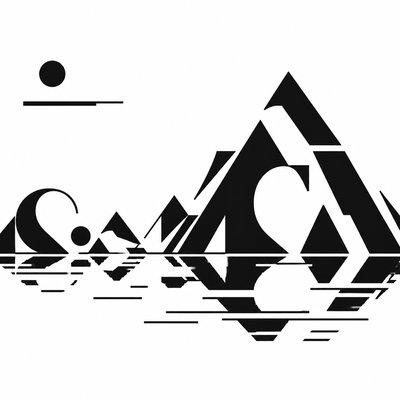
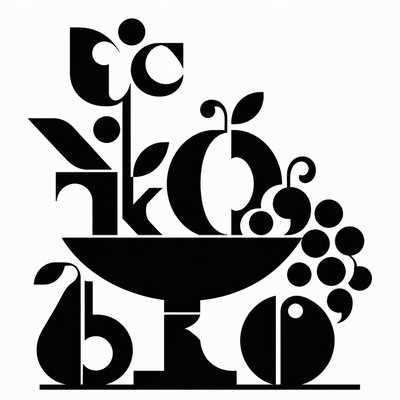
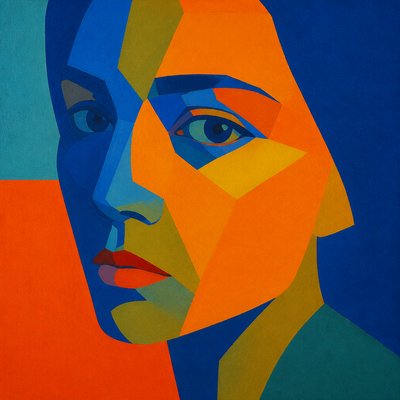
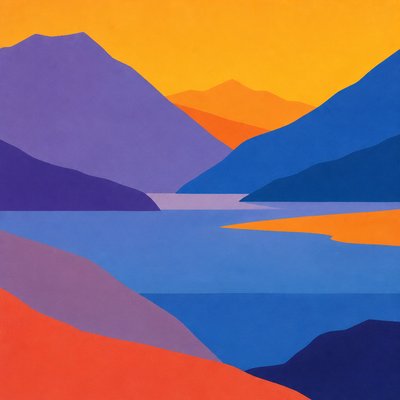
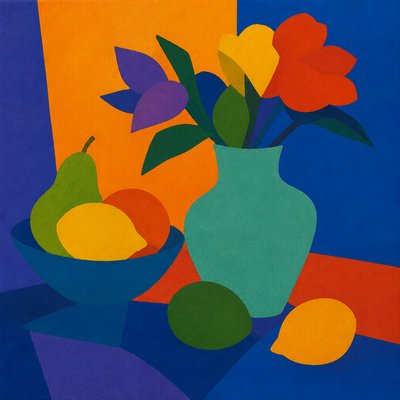
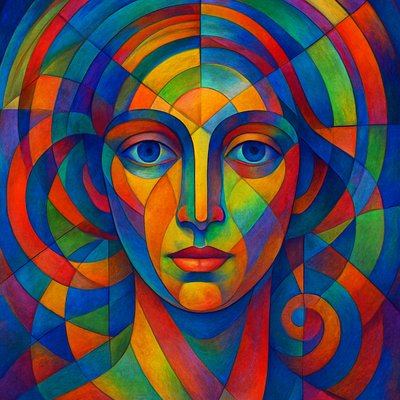
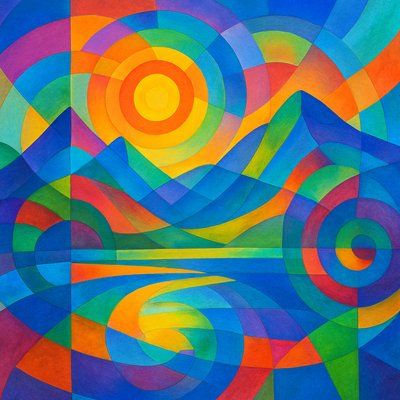
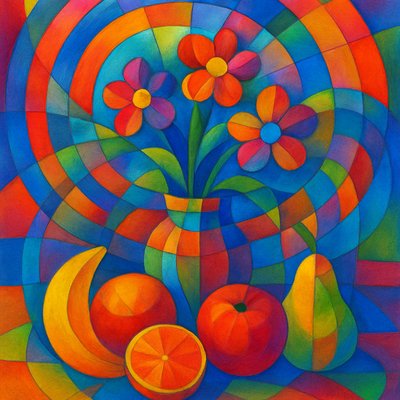
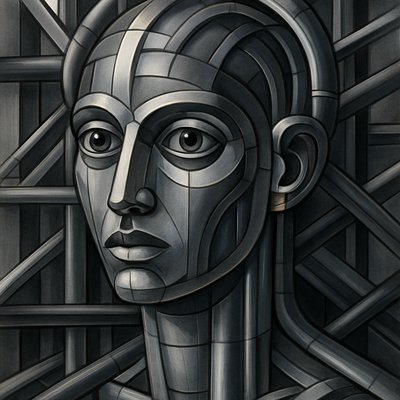
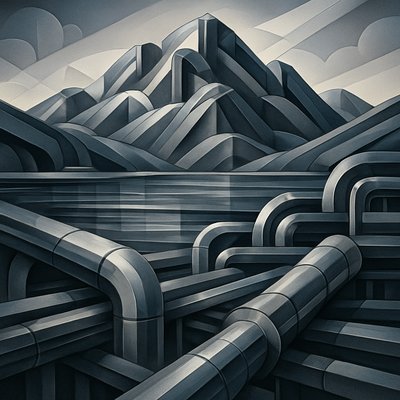
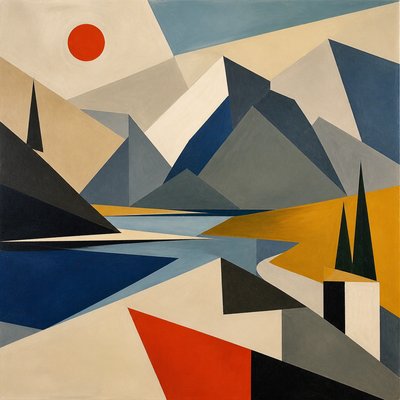
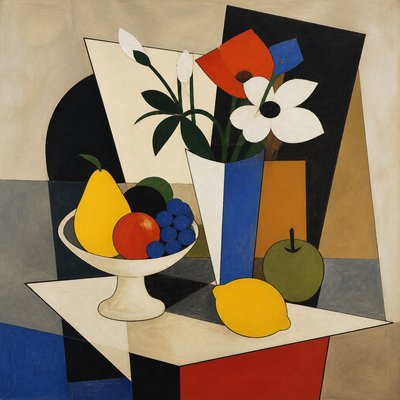
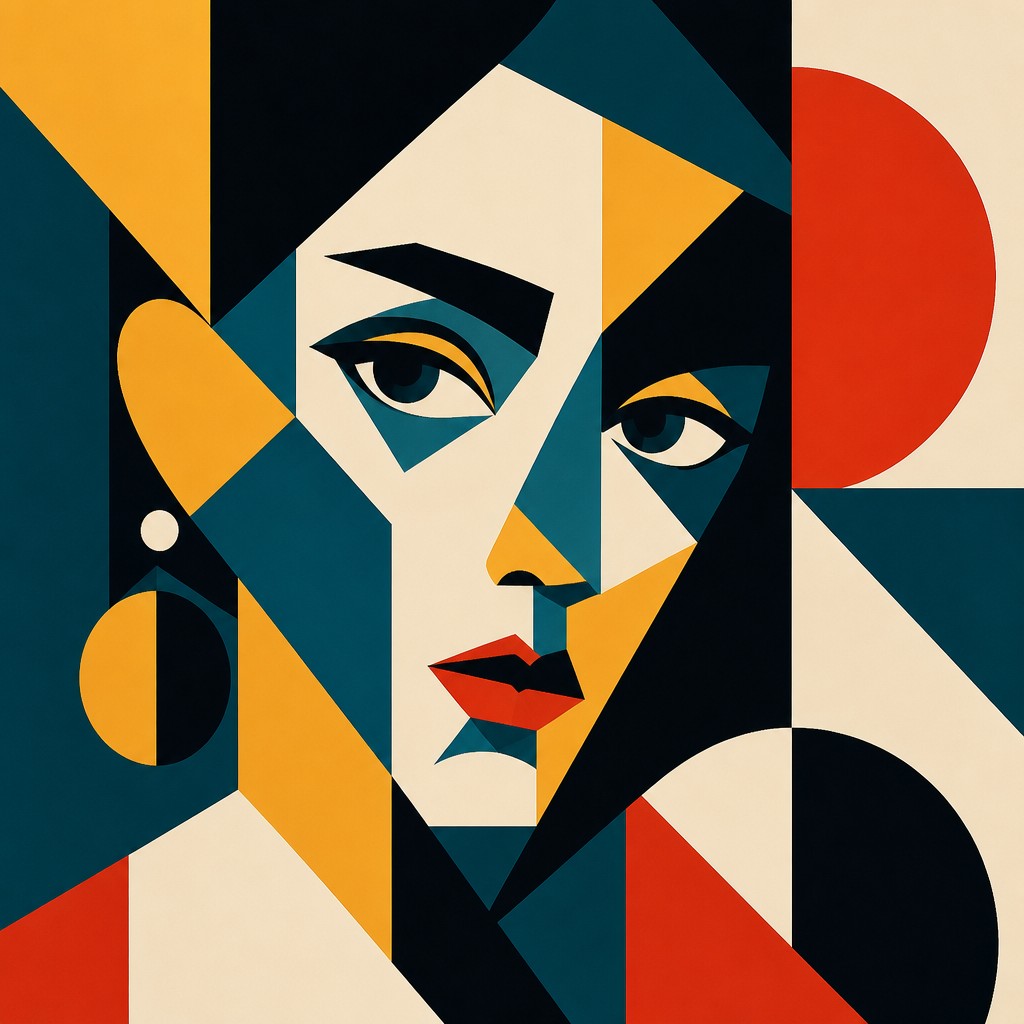
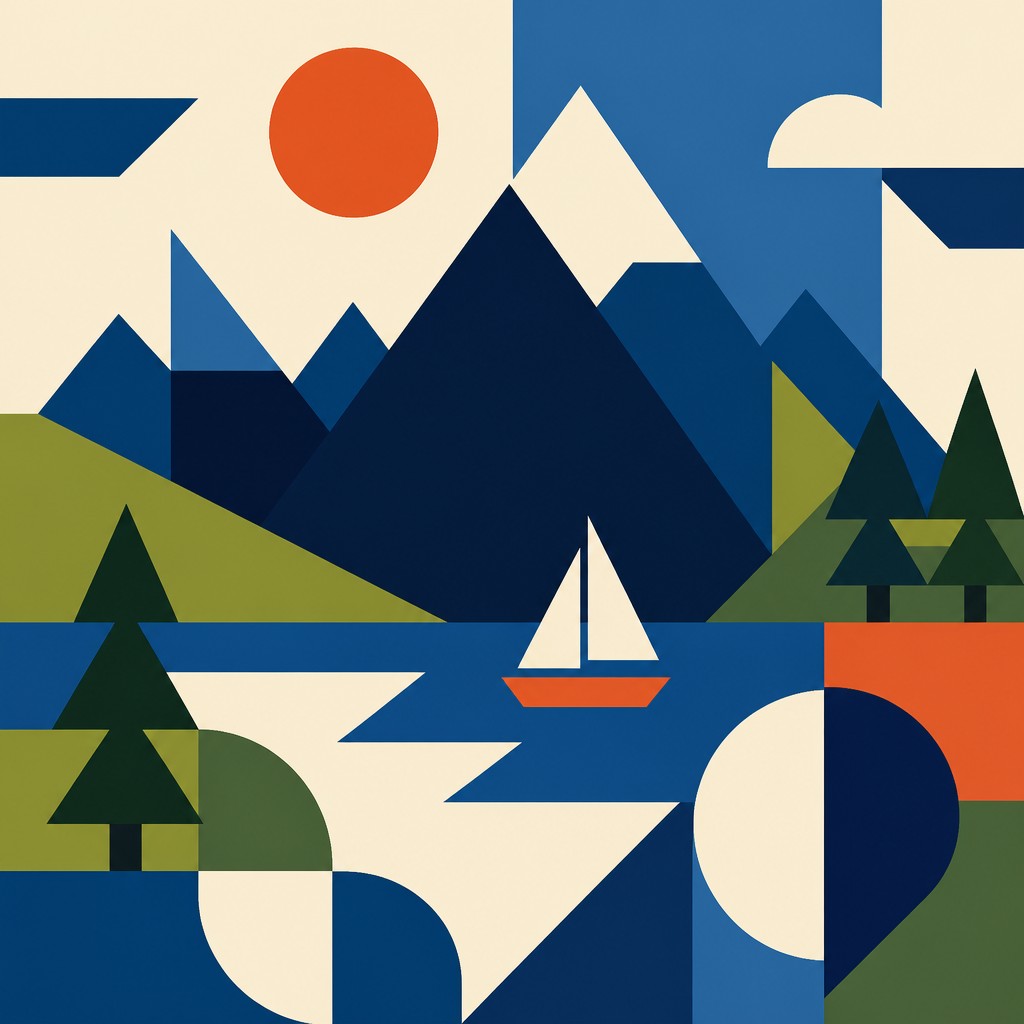
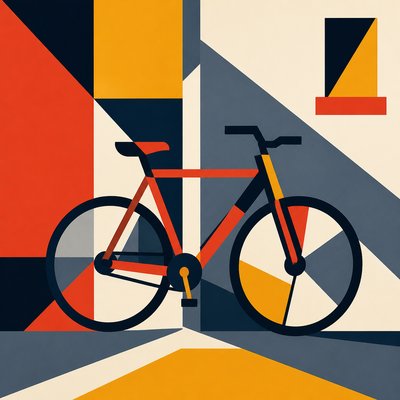
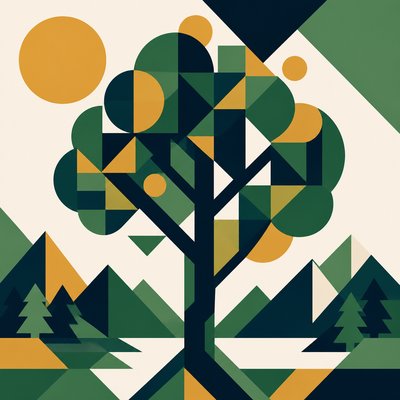
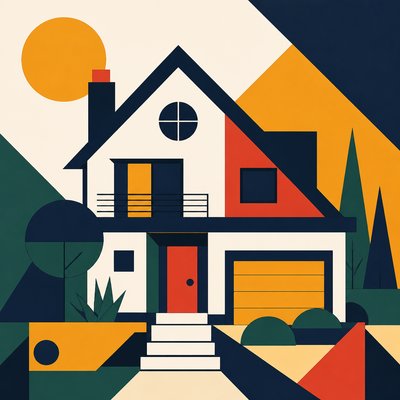
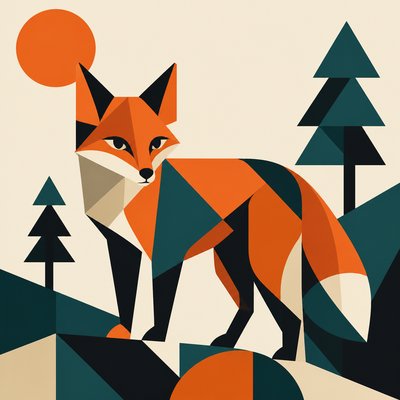
Abstract Geometric Art is a non-representational style built from circles, squares, triangles, polygons, and other simple forms arranged with deliberate precision. Rather than depicting recognizable subjects, it creates visual interest through proportion, alignment, repetition, contrast, and the tension between positive and negative space.
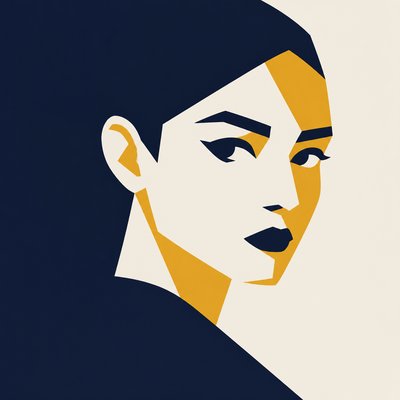
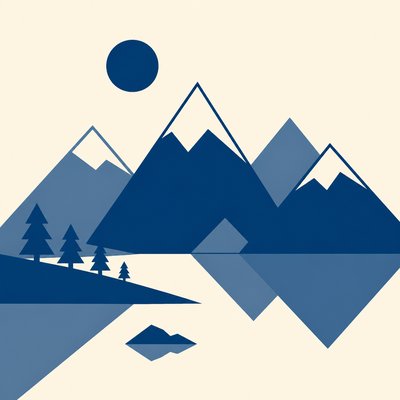
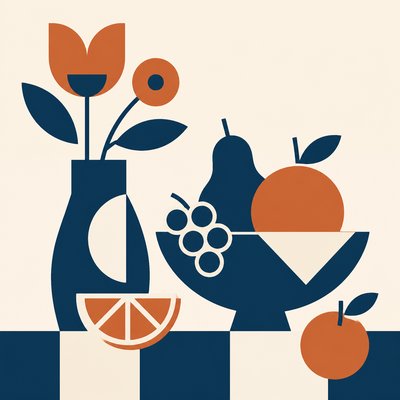
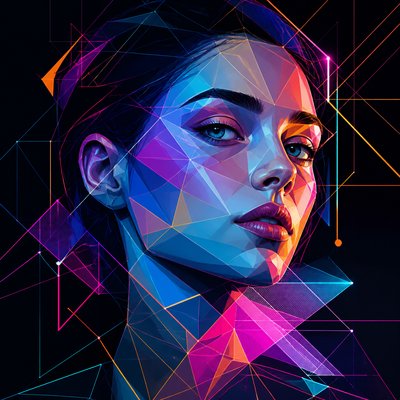
Its visual identity is typically hard-edged and flat, with crisp boundaries between color fields and little or no shading. The result feels orderly but dynamic: geometric forms may interlock, overlap, or echo one another, producing rhythm, balance, and a sense of structure that can feel mathematical, architectural, or quietly kinetic.
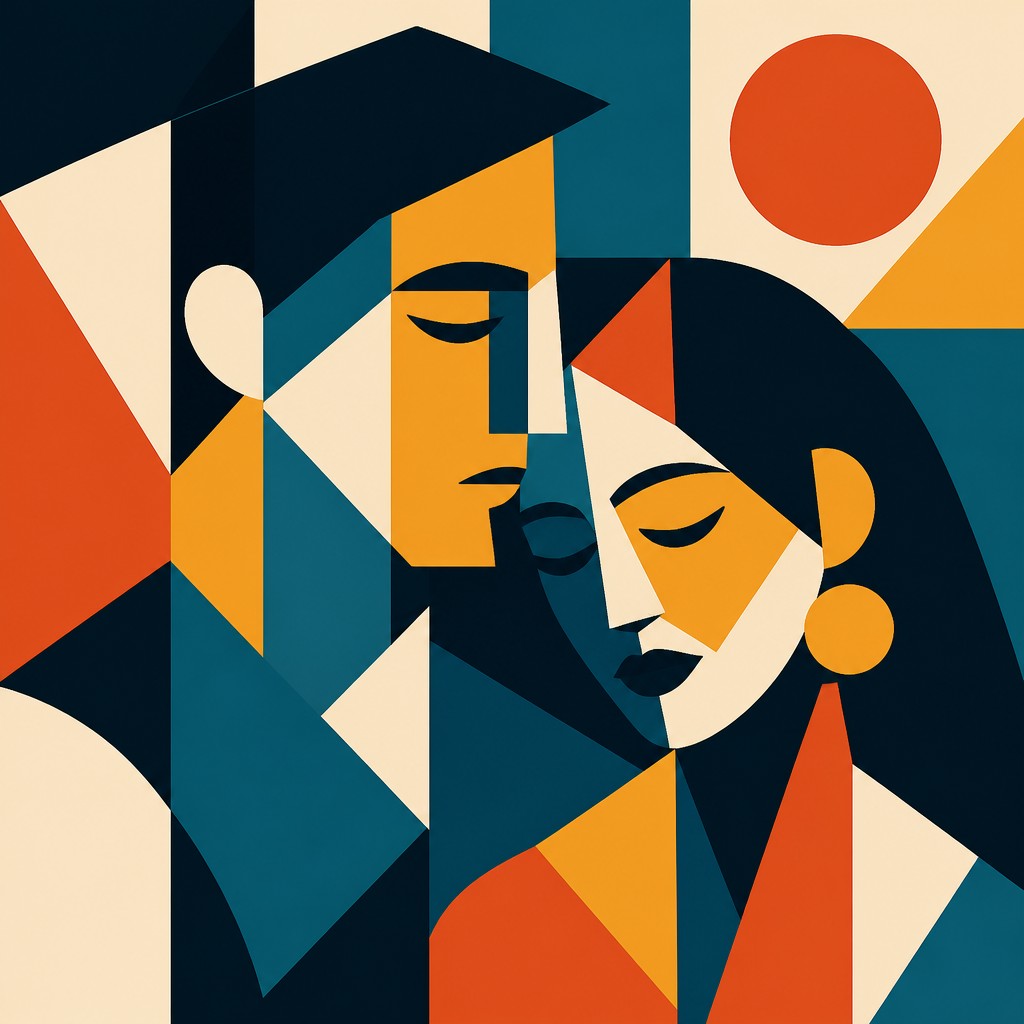
Try It On Your Photos
Upload any photo and convert it into Abstract Geometric Art — drag the sliders to compare before and after.
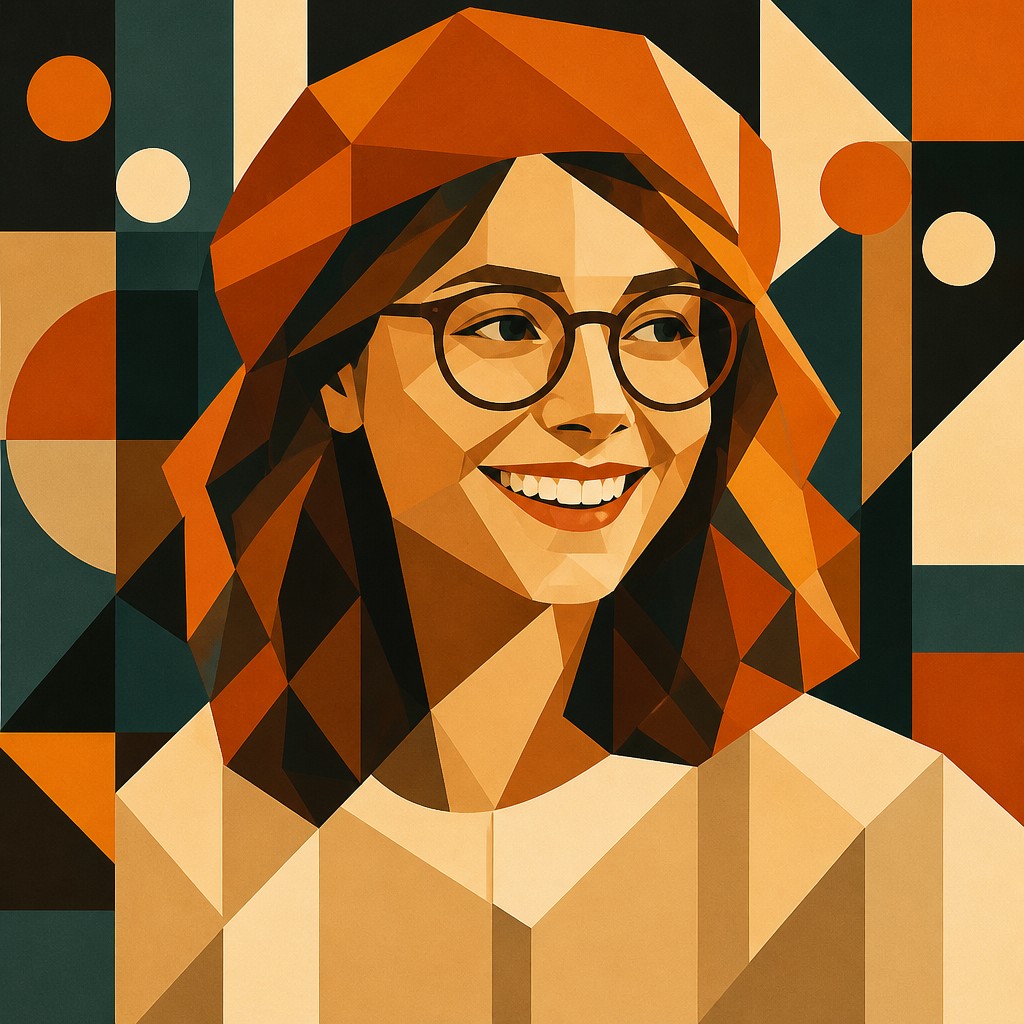

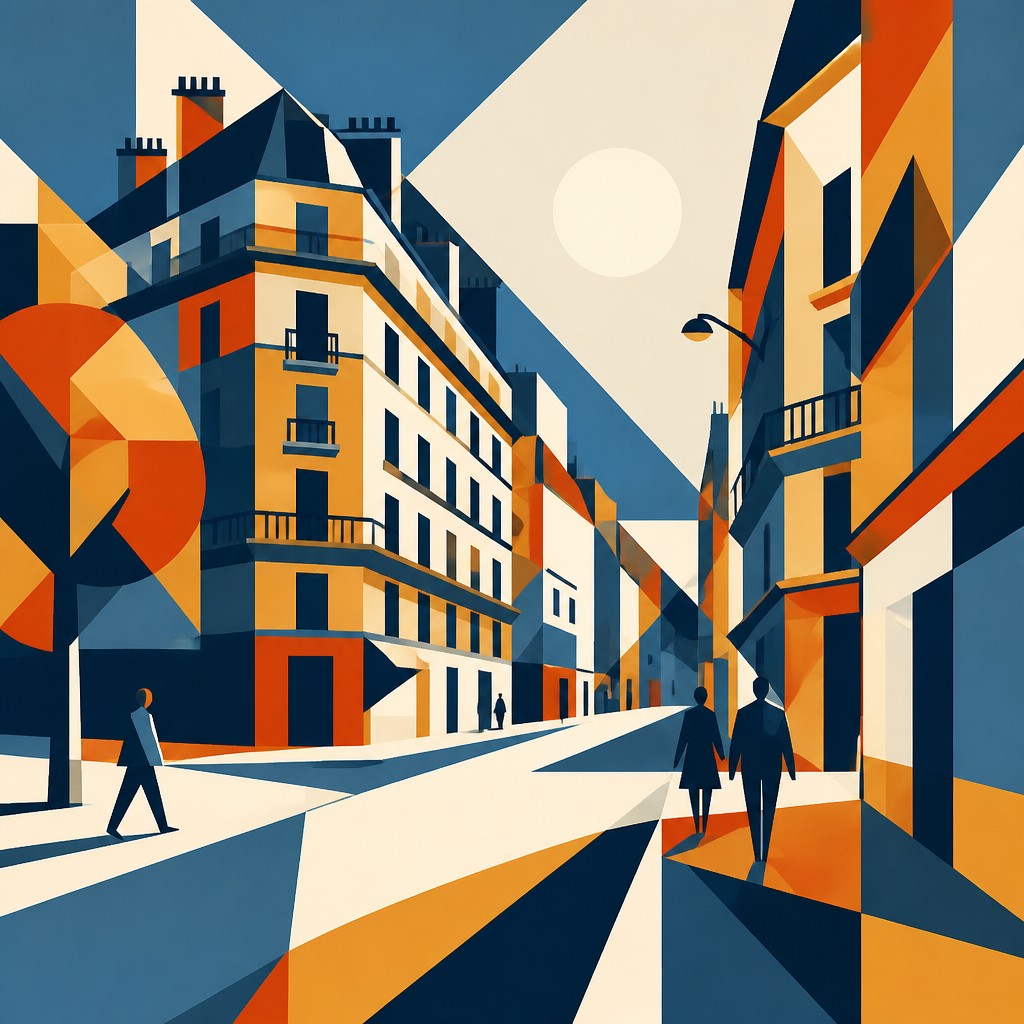

What Defines Abstract Geometric Art
The signature details, up close
Pure geometric forms
The composition is built from basic shapes such as circles, squares, triangles, rectangles, and polygons. These forms are usually simplified to their essential outlines and used as the main visual content.
Flat color planes
Color is applied in solid blocks without gradients or painterly blending. This creates a clean, graphic appearance and makes each shape read as an independent unit.
Hard-edged boundaries
Edges are crisp and precise, often resembling vector art or cut-paper collage. The absence of soft transitions reinforces the style's clarity and structural discipline.
Balanced composition
Even when asymmetrical, the arrangement feels carefully weighted. Relationships among size, placement, and spacing are central to the design.
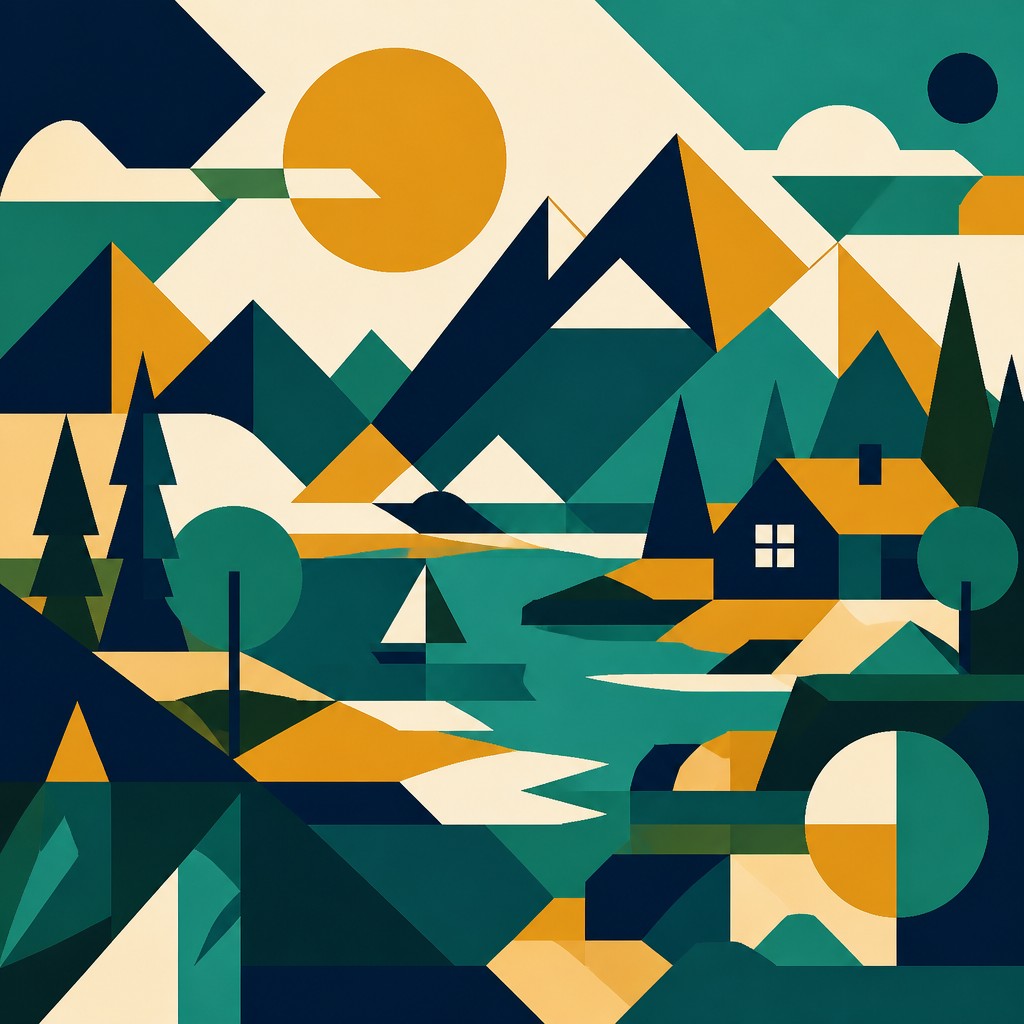
High-contrast palette
The palette usually relies on three to five strong hues with clear contrasts between adjacent fields. Neutral tones may appear, but color harmony is tightly controlled.
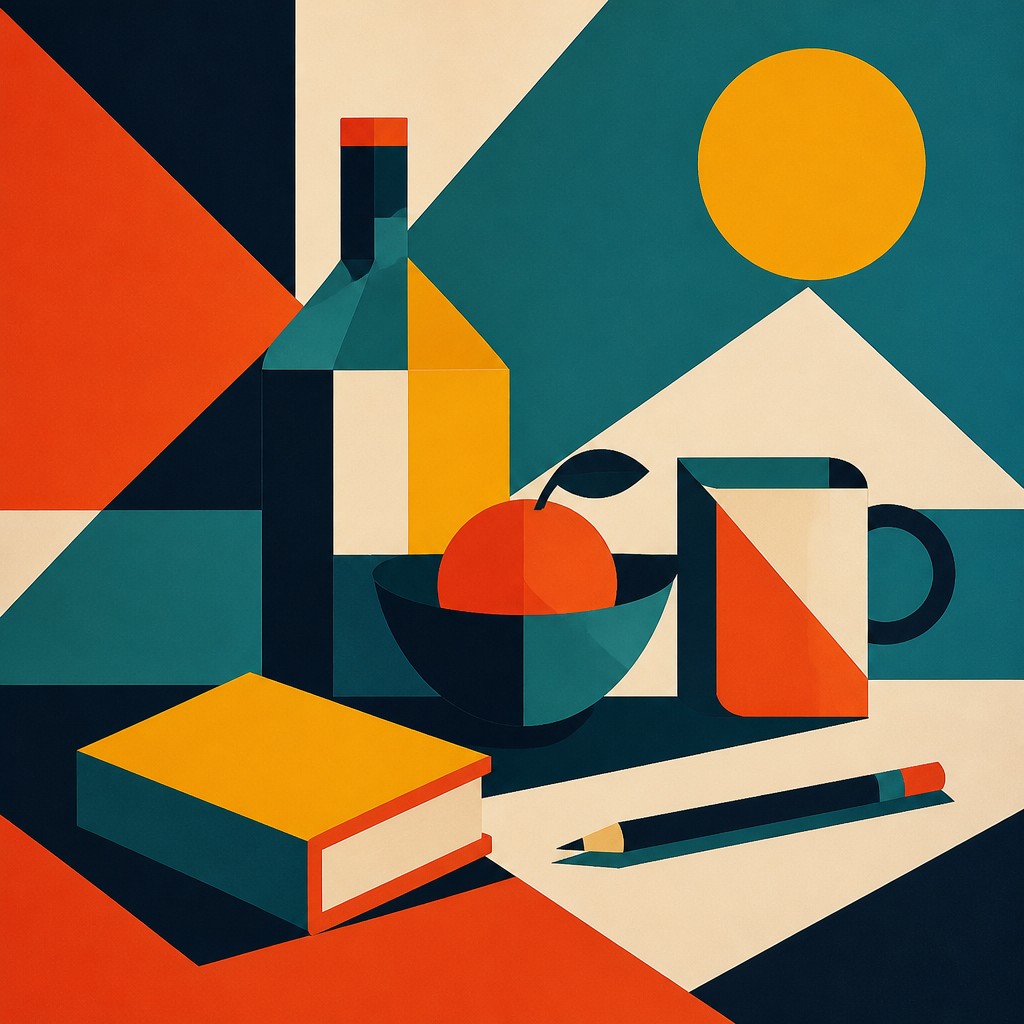
Layering and overlap
Shapes may overlap to suggest depth, but this depth is generally shallow and graphic rather than illusionistic. Layering helps create hierarchy and movement within the composition.
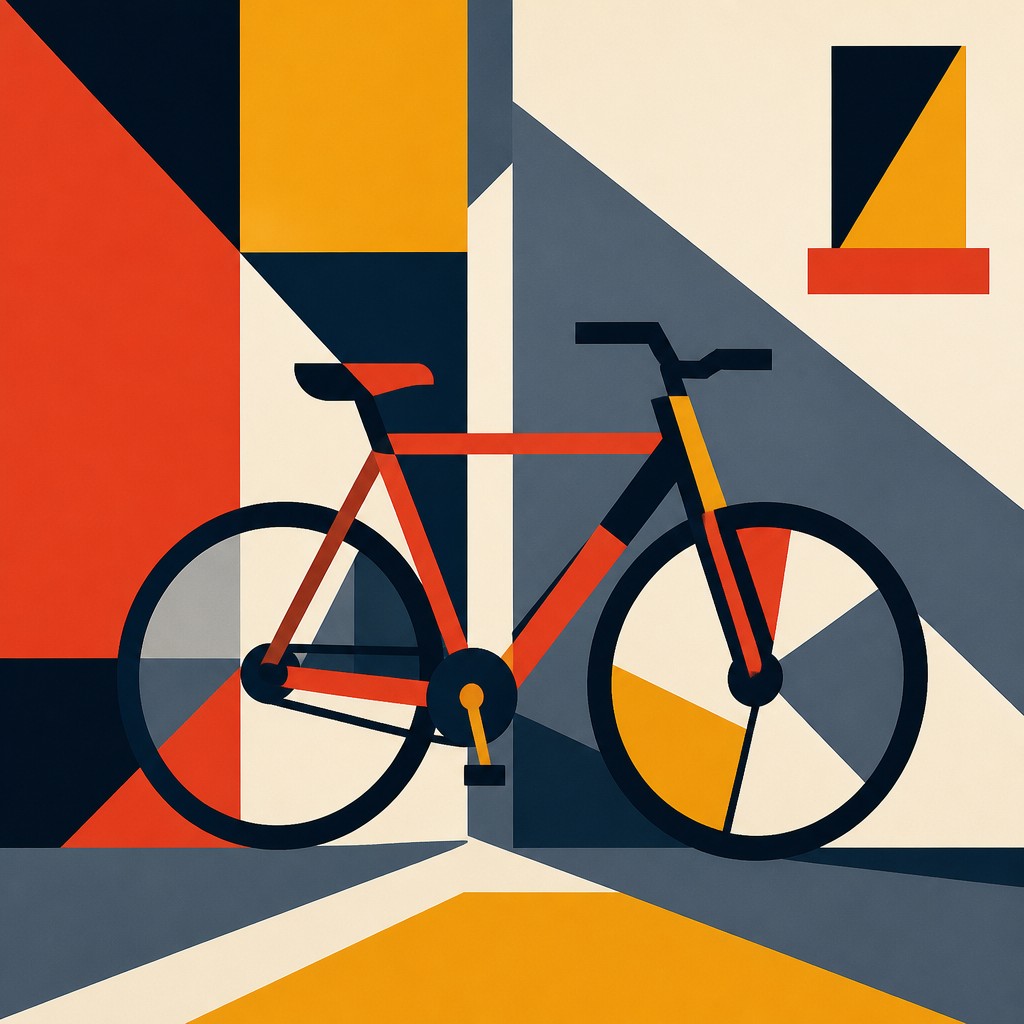
Rhythm through repetition
Repeated motifs, intervals, or directional alignments generate visual rhythm. This repetition can make the work feel ordered, musical, or mathematically resolved.
Try It
Create Videos in Abstract Geometric Art
Styles aren't just for stills — describe a scene or animate an image and get a short video rendered in Abstract Geometric. Press play to see this pond come to life.
Make a VideoAbstract Geometric Prompt Ideas
Start from an idea — each one opens the generator with the style ready to go. See all 40 Abstract Geometric prompts →
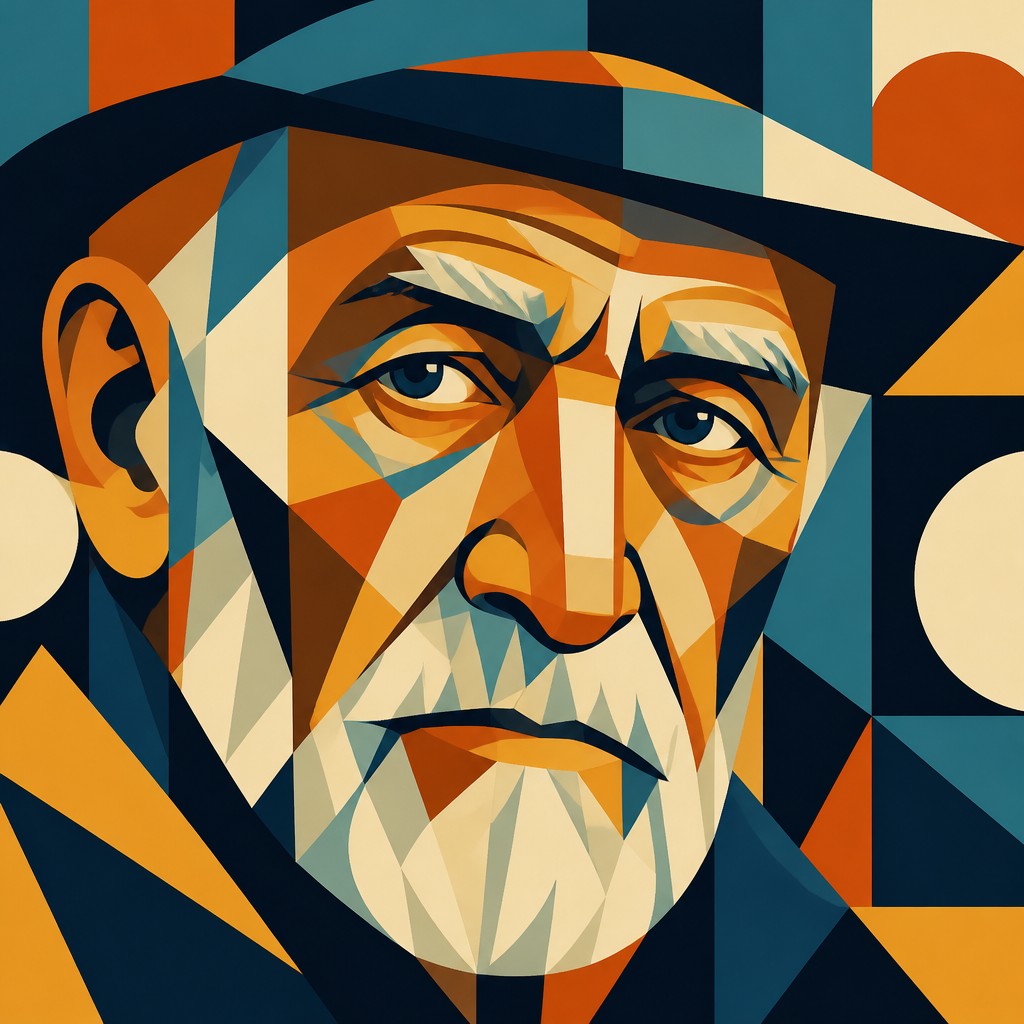
“close-up portrait of an elderly person with expressive weathered features”
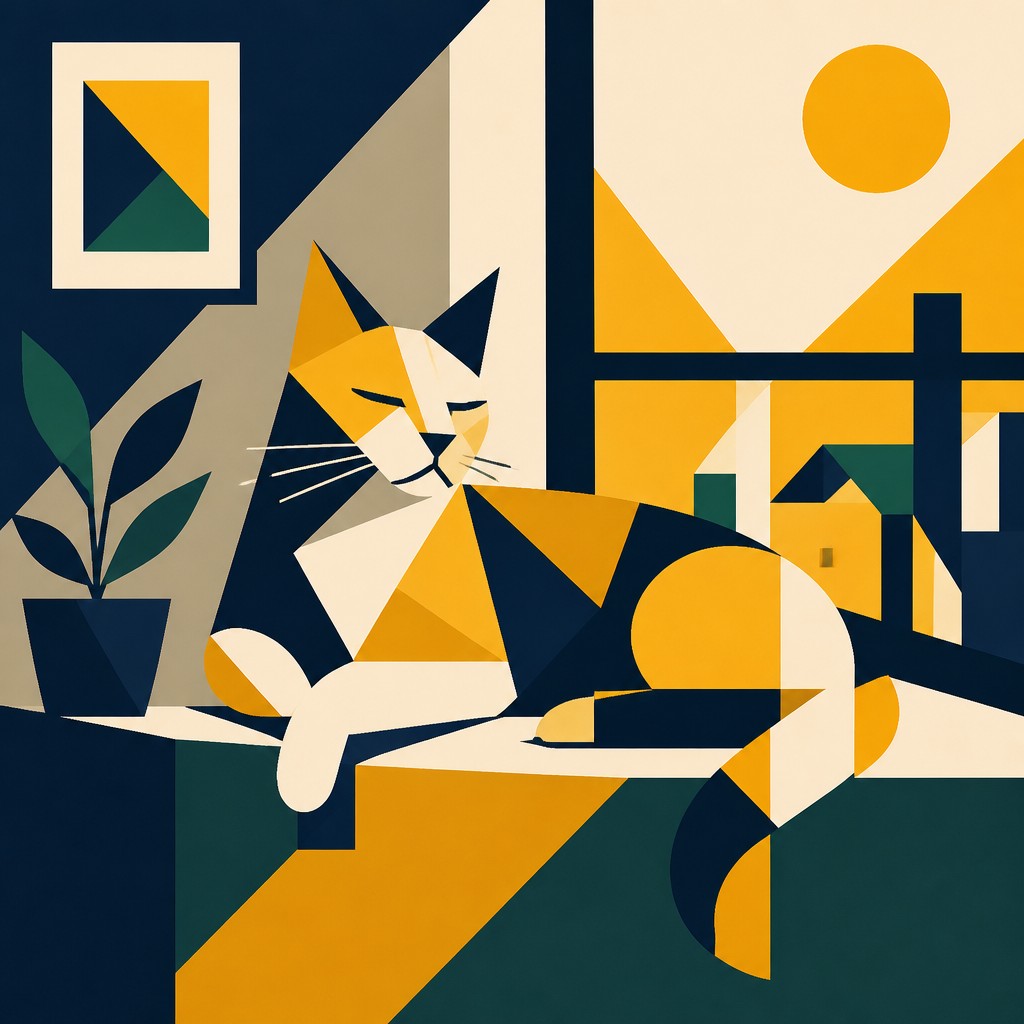
“a cat lounging in a sunlit window”
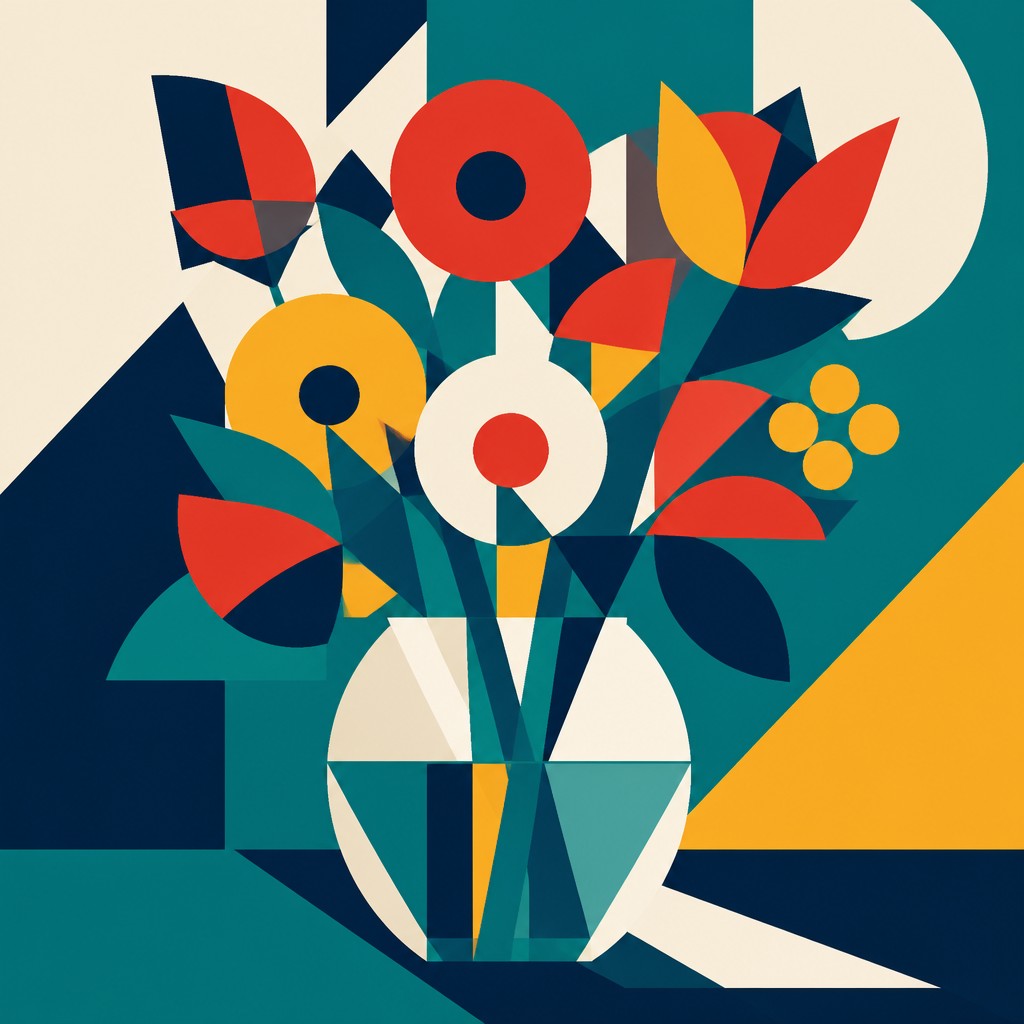
“bouquet of flowers in a glass vase”
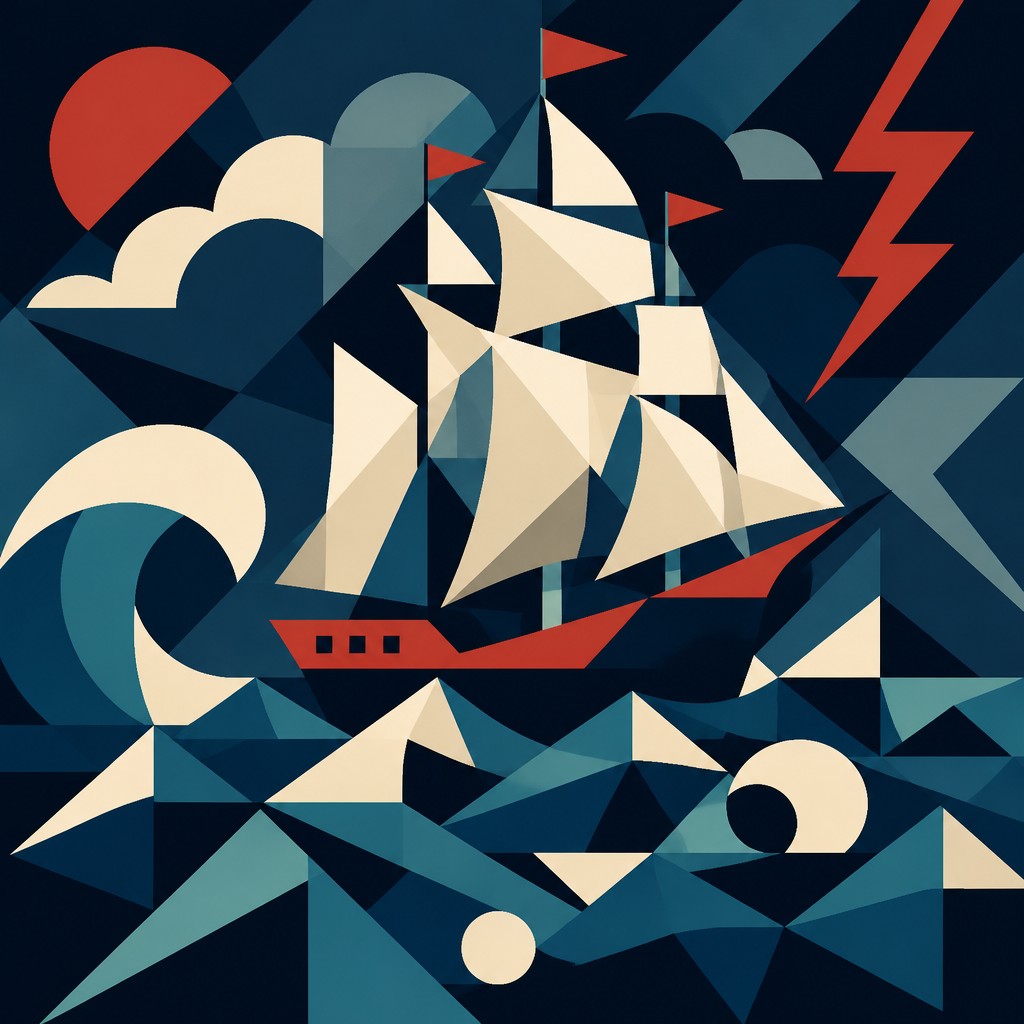
“sailing ship on a stormy sea”
How to Create Abstract Geometric Art
Master the craft step by step — or skip straight to creating. Read the full guide →
- 1
Start with a structural grid
Begin by planning the composition with a loose grid or axis system so the shapes relate cleanly to one another. In traditional media, use masking tape, rulers, or stencils; in digital work, build on layers and guides.
- 2
Limit the shape vocabulary
Choose a small set of forms and repeat them with variation rather than introducing many different motifs. Restriction is part of what gives the style its coherence.
- 3
Use flat, decisive color
Keep fills solid and edges clean, avoiding blending unless you are intentionally breaking the rules of the style. A restrained palette often works better than many colors because it preserves visual clarity.
- 4
Design with negative space
Treat empty areas as active parts of the composition, not leftover background. Well-placed gaps can clarify relationships between forms and strengthen the overall balance.
- 5
Refine the proportions
Adjust relative sizes, spacing, and overlaps until the composition feels stable and intentional. Small changes in proportion can dramatically affect the rhythm and emphasis of the piece.
- 6
For prompt-based generation
Describe the subject only as a structural prompt for abstraction, then specify precise shapes, flat color planes, crisp boundaries, layered geometry, and a limited high-contrast palette. If transforming a photo, ask for simplification into interlocking geometric forms while preserving the subject's overall silhouette or spatial logic.
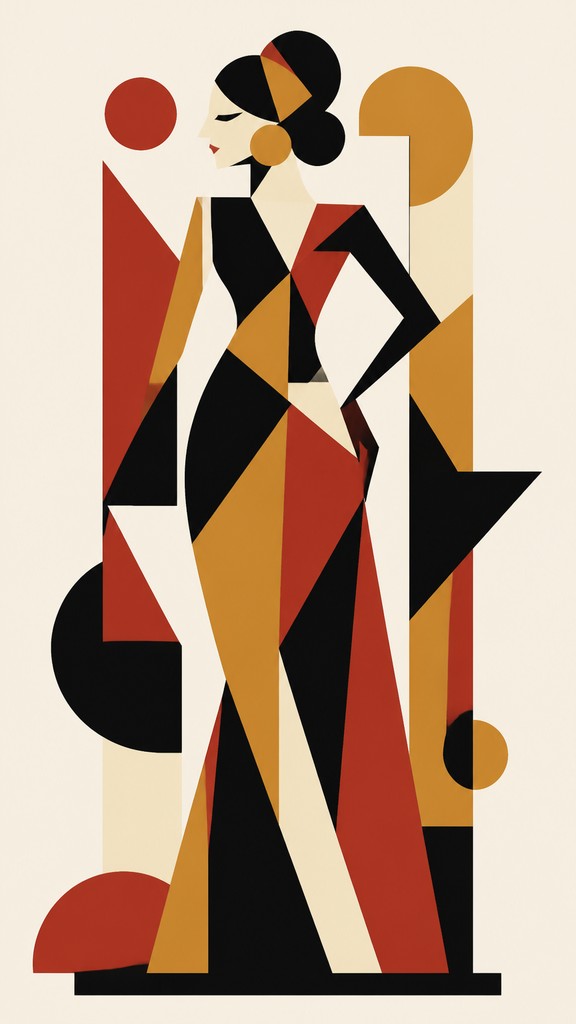
The Story
History & Origins of Abstract Geometric
Abstract Geometric Art belongs to the broader history of abstraction in modern art, especially the early 20th-century move away from illusionistic representation. Its visual language draws from several related traditions: Cubism's fragmentation of form, Constructivism's emphasis on structure and design, the Suprematist use of simple shapes, De Stijl's right angles and primary-color order, and later Minimalist and Op Art approaches to clarity, repetition, and optical rhythm.
As an aesthetic rather than a single historical movement, it continues to develop across painting, graphic design, textile pattern, printmaking, and digital media. In contemporary use, it often appears in posters, branding, architectural graphics, album art, and generative compositions because its clarity and modular structure translate well to both handcrafted and vector-based workflows.
Influences: Abstract Geometric Art is closely related to the legacy of early modern abstraction, especially the Suprematist approach to pure shape and the De Stijl compositions associated with its leading Dutch geometric abstraction. It also overlaps with the broader Constructivist emphasis on order and design. Further connections can be seen in later developments in Bauhaus thinking, hard-edge painting, Minimalism, and Op Art, all of which value clarity, structure, and visual logic over depiction.
Frequently Asked Questions
What defines Abstract Geometric Art?
It is defined by non-representational composition built from simple geometric forms, flat color areas, and precise relationships among shapes. The emphasis is on structure, balance, and visual rhythm rather than on depicting people, places, or objects.
How is it different from Cubism?
Cubism fragments recognizable subjects into shifting viewpoints, while Abstract Geometric Art often removes representation altogether. Cubist works may still refer to objects, faces, or instruments, whereas geometric abstraction typically treats shape, color, and spacing as the subject itself.
How is it different from Minimalism?
Both can use simple forms and restrained palettes, but Minimalism tends to reduce the work to near-absence and material specificity. Abstract Geometric Art is usually more compositional and dynamic, with stronger emphasis on patterned relationships, color interaction, and layered structure.
What materials work well for making it by hand?
Acrylic paint, gouache, colored paper, masking tape, rulers, and stencils are all practical choices because they support sharp edges and flat color. Printmaking and collage are also well suited to the style because they naturally produce bold shapes and clean separation.
Where is this style commonly used?
It is widely used in poster design, branding, editorial graphics, album covers, murals, textile design, and contemporary digital illustration. Its clarity makes it useful anywhere a strong visual identity is needed.
Can Abstract Geometric Art still feel expressive?
Yes. Even without recognizable subjects, the arrangement of shape, scale, color, and spacing can create tension, calm, movement, or harmony. The emotional effect comes from composition rather than narrative.
Create your first Abstract Geometric artwork
Describe anything — or upload a photo — and see it in Abstract Geometric Art in seconds.
Make Something with Abstract Geometric
Compare Abstract Geometric
Related Styles
Discover similar art styles