Byzantine Religious Art
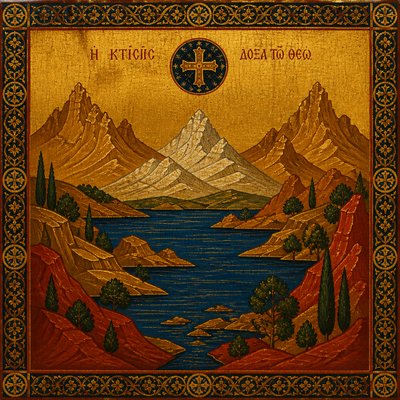
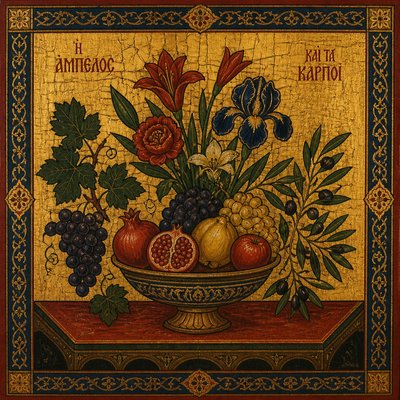
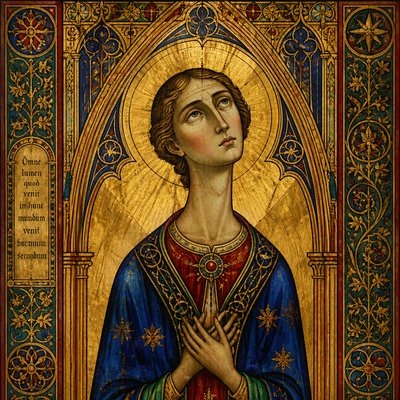
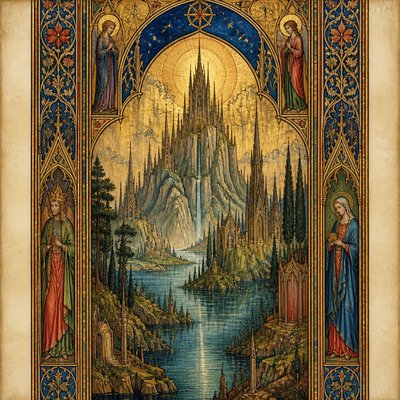
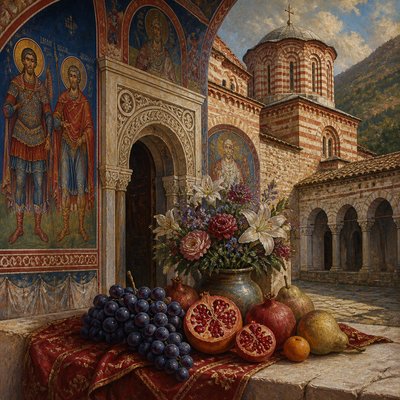
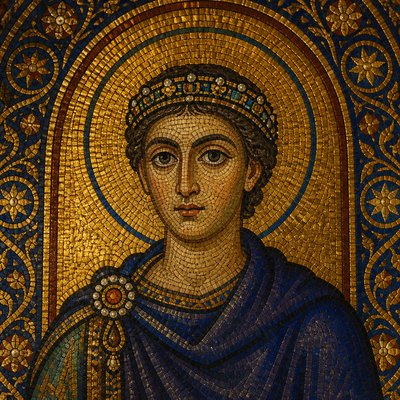
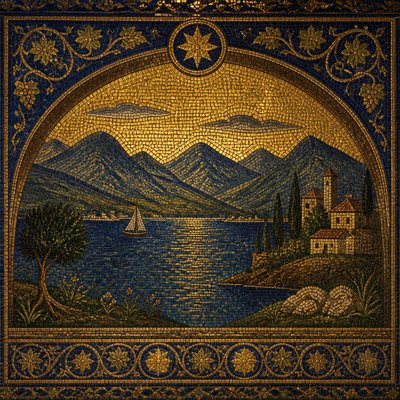
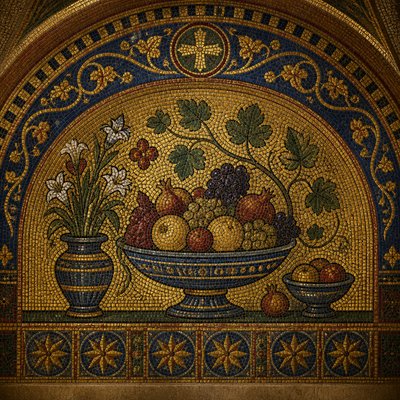
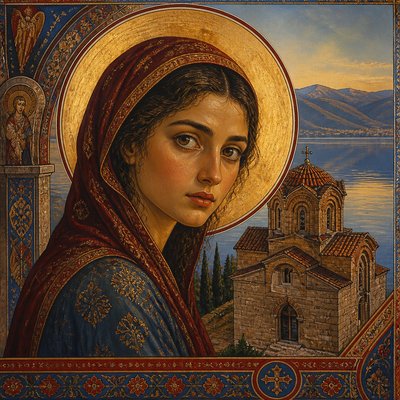
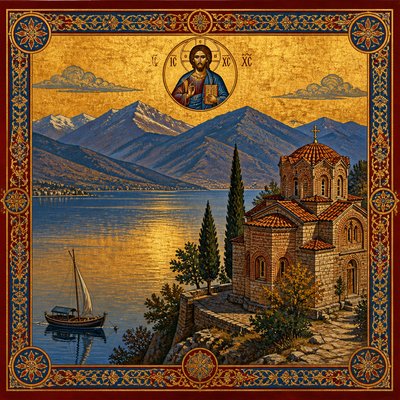
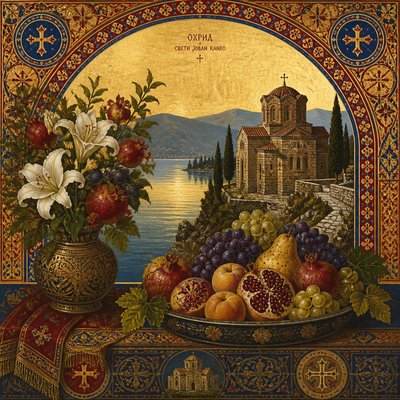
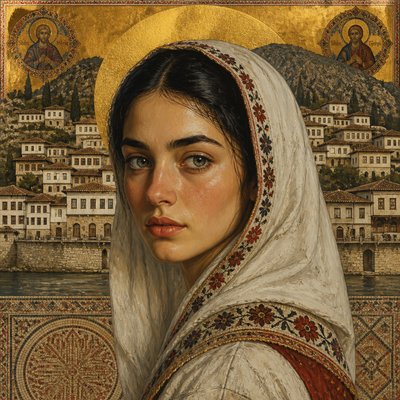
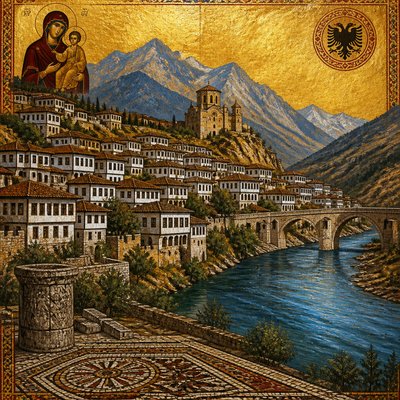
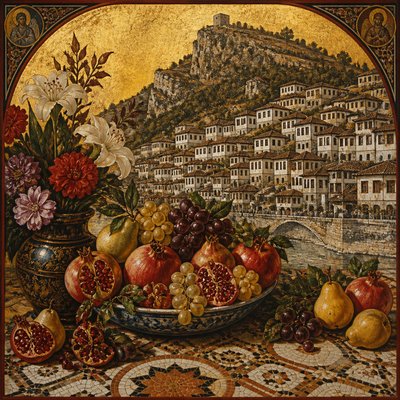
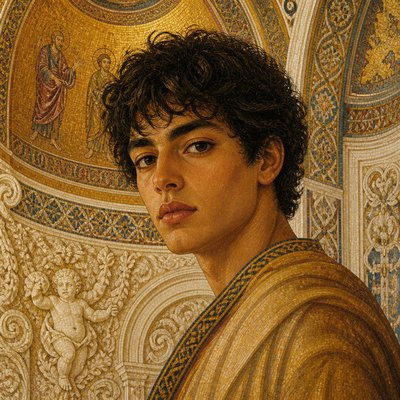
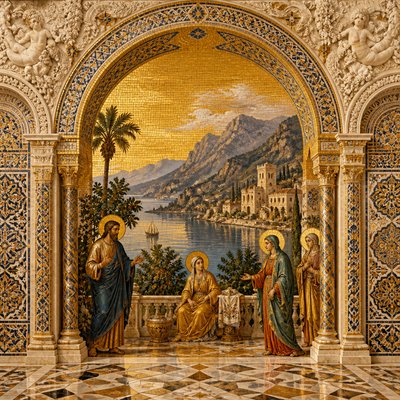
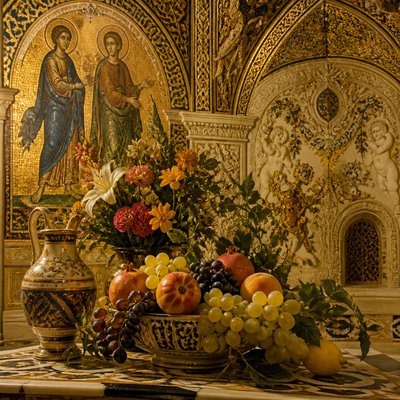
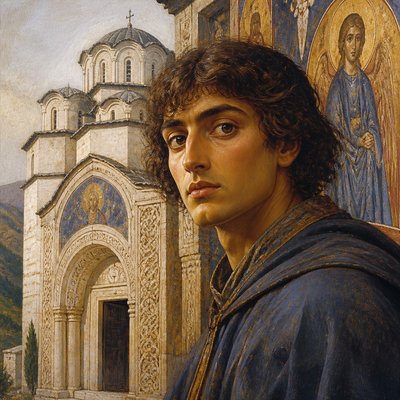
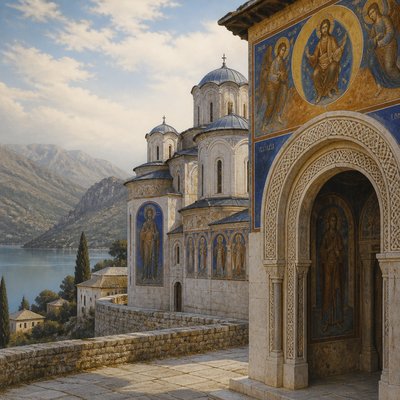
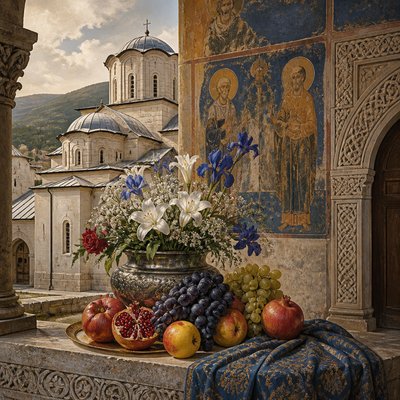
Eastern Orthodox devotional style with gold grounds, frontal figures, flattened space, and luminous spiritual symbolism.
Instantly rendered in Byzantine Religious — or transform a photo
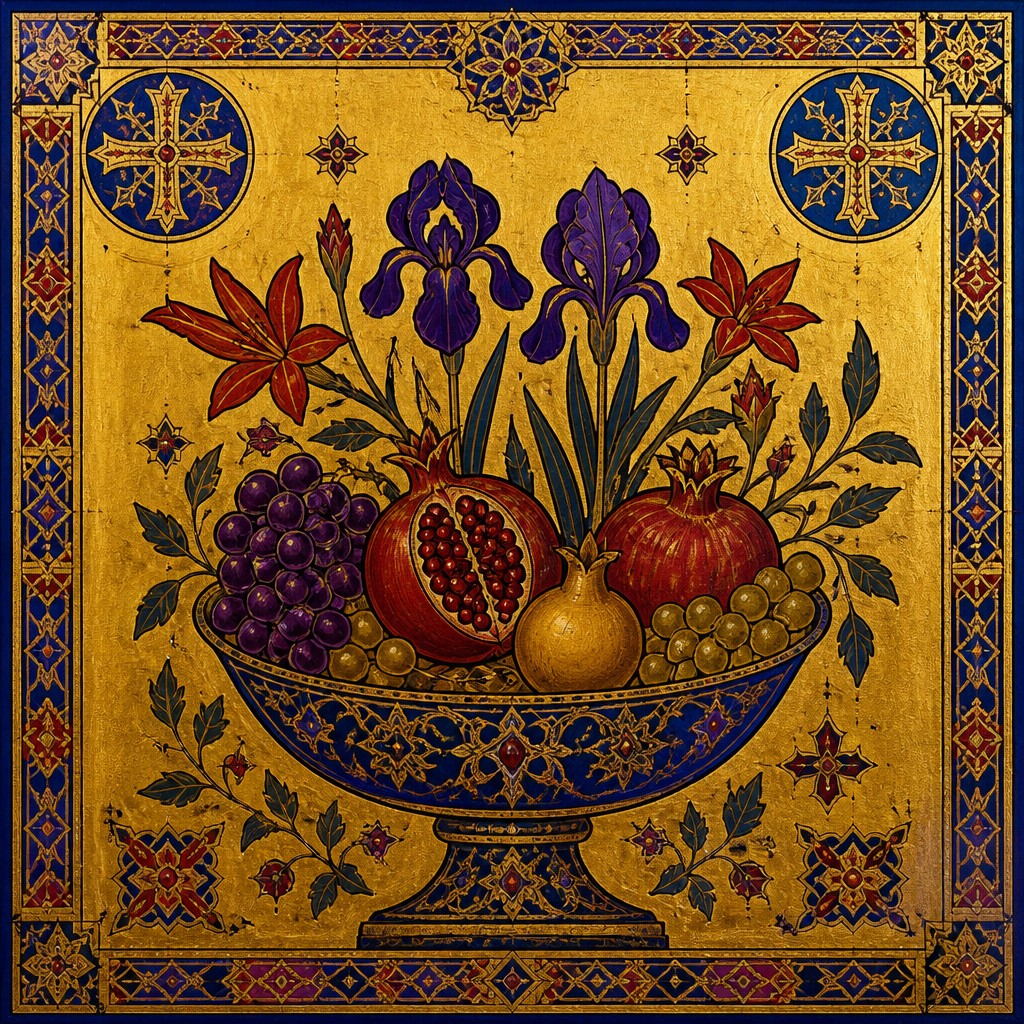
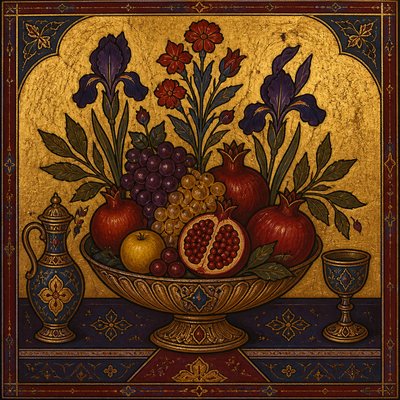
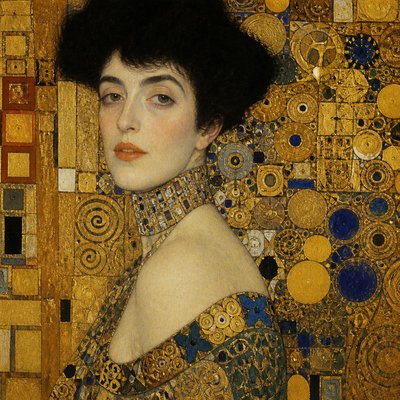
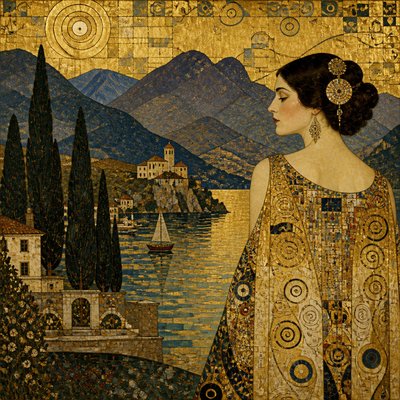
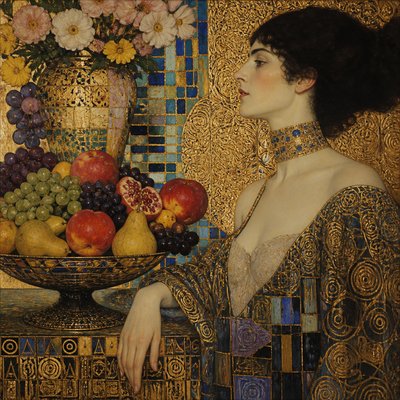
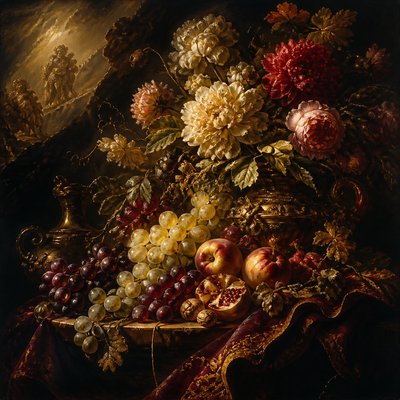
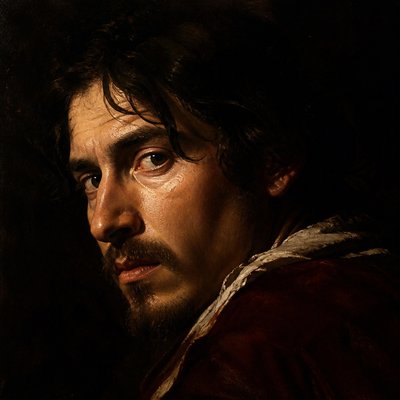
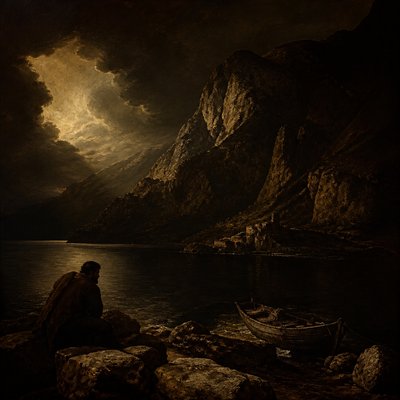
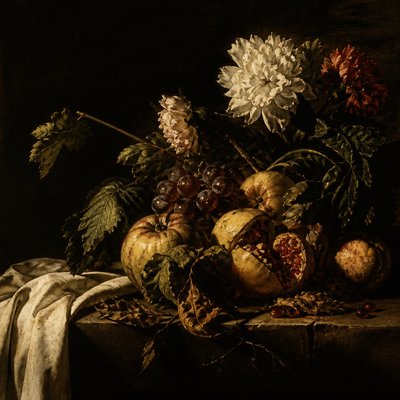
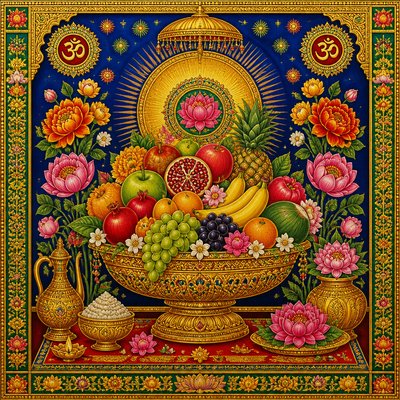
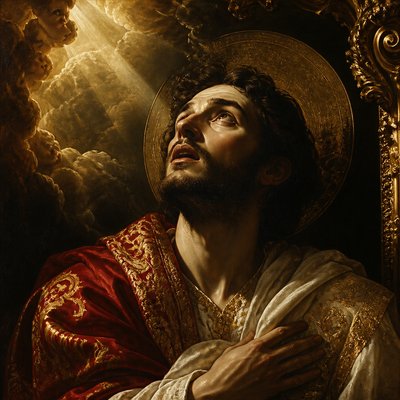
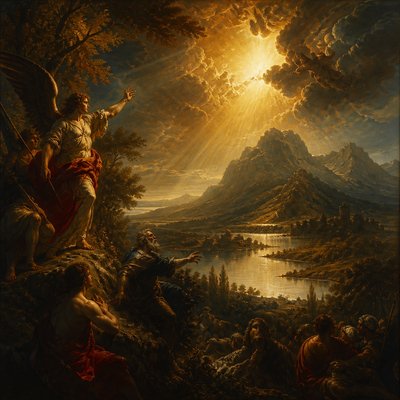
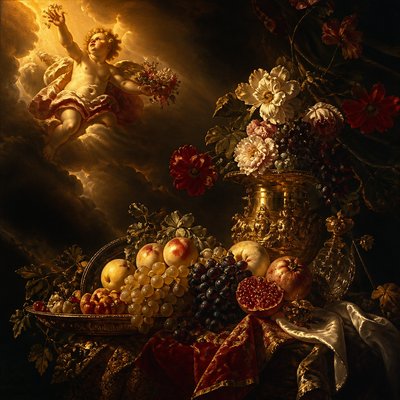
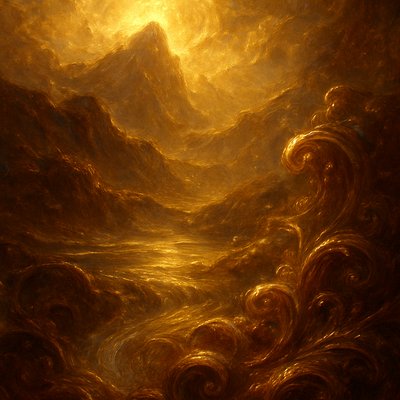
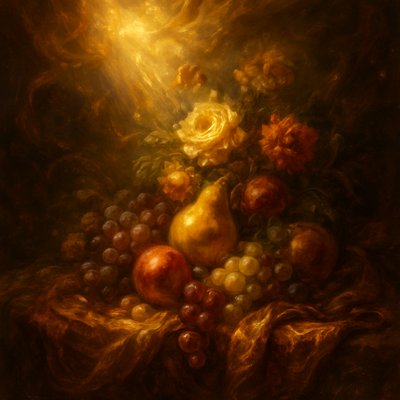
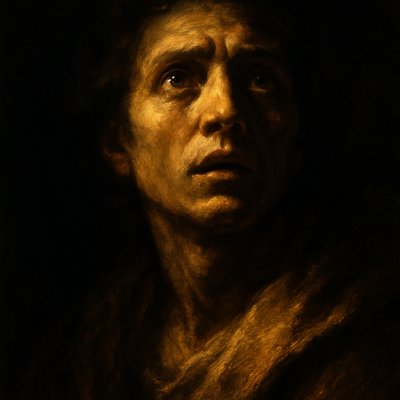
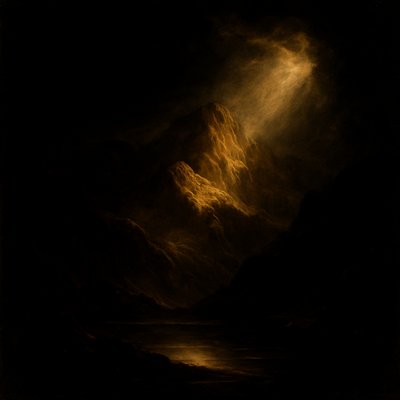
Byzantine Religious Gallery
Tap any artwork to explore it
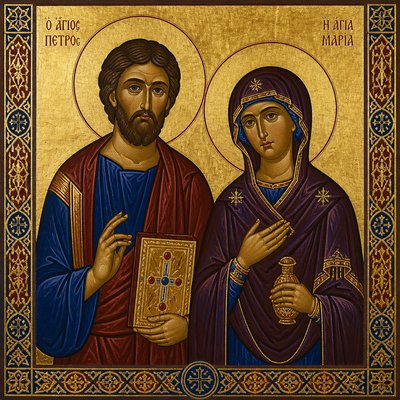
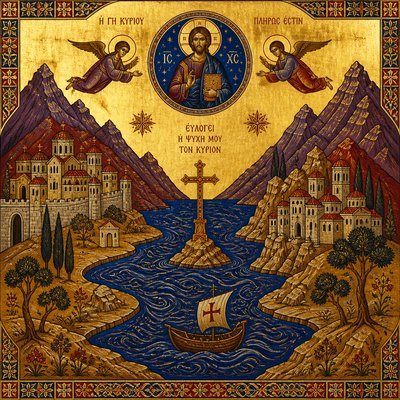
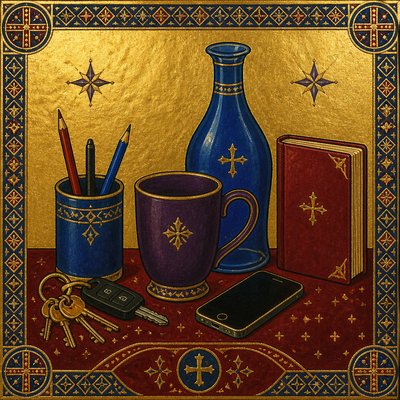
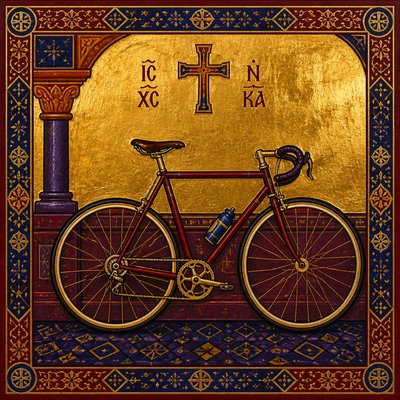
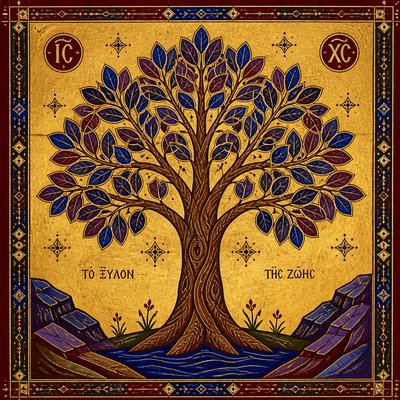
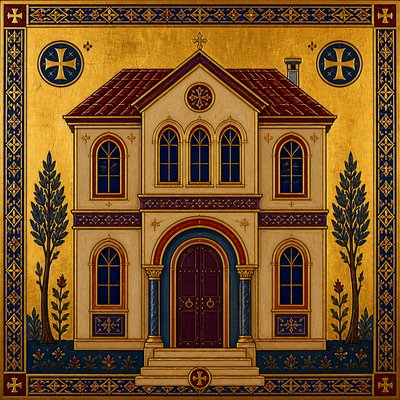
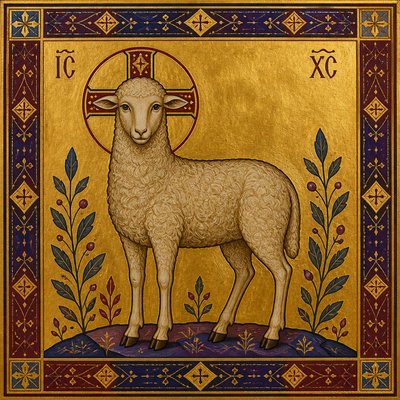
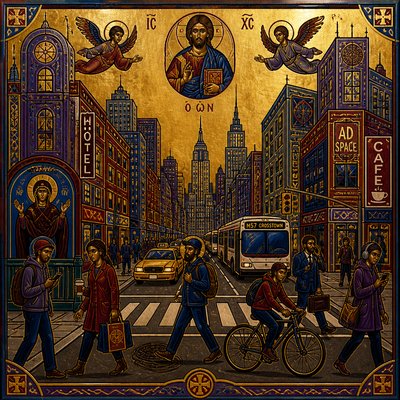
What is Byzantine Religious Art?
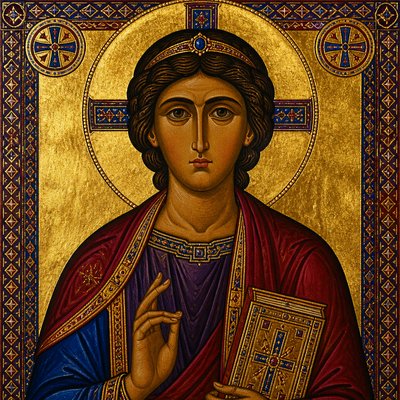
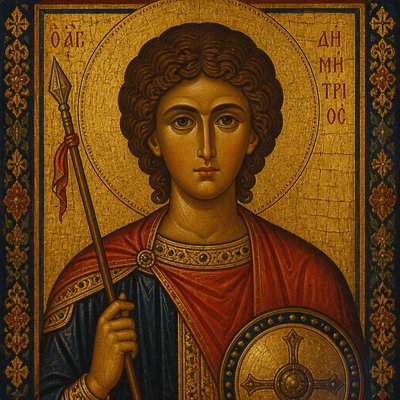
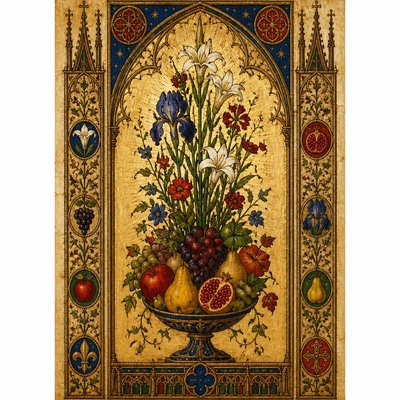
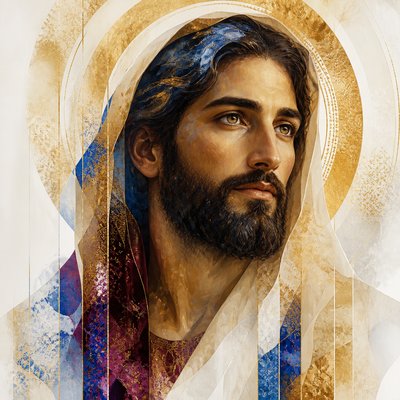
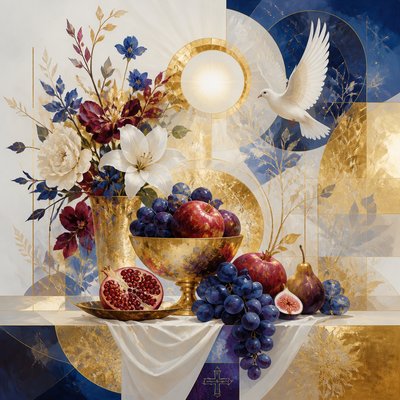
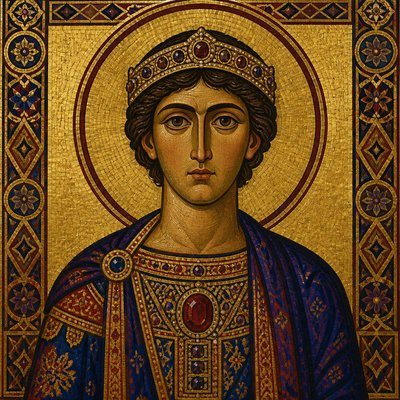
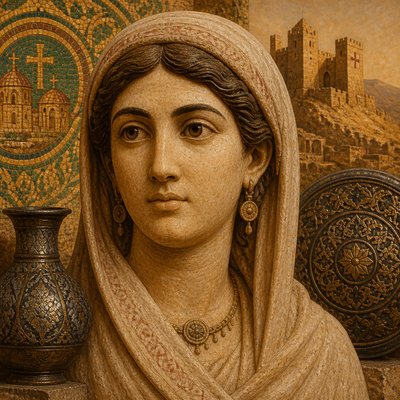
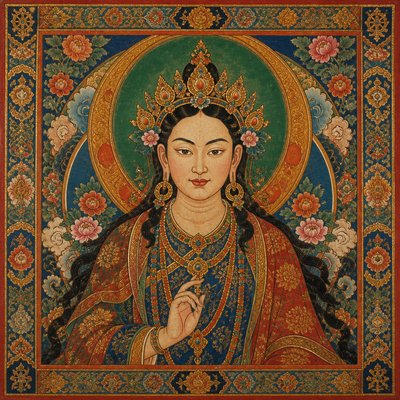
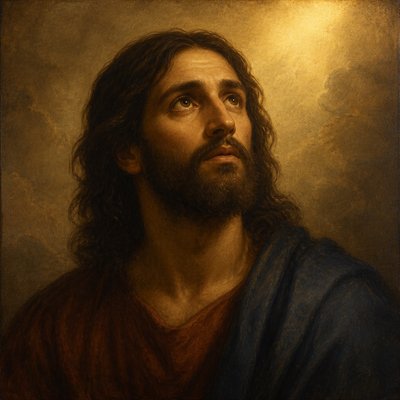
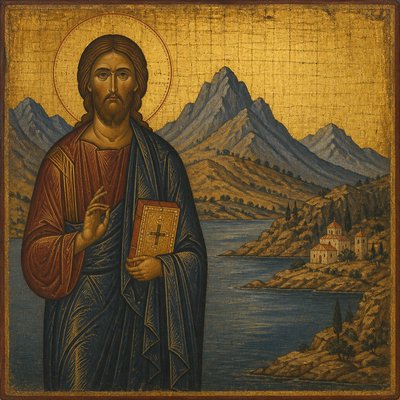
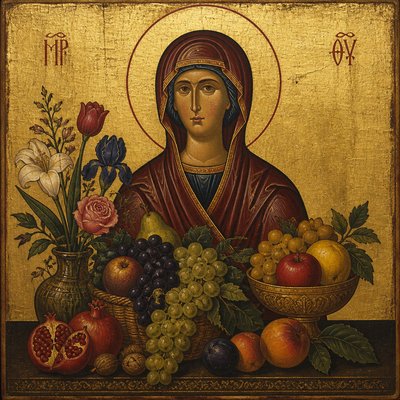
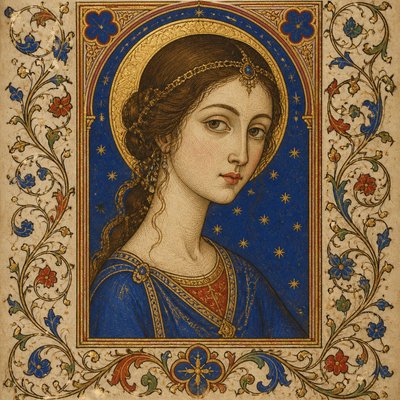
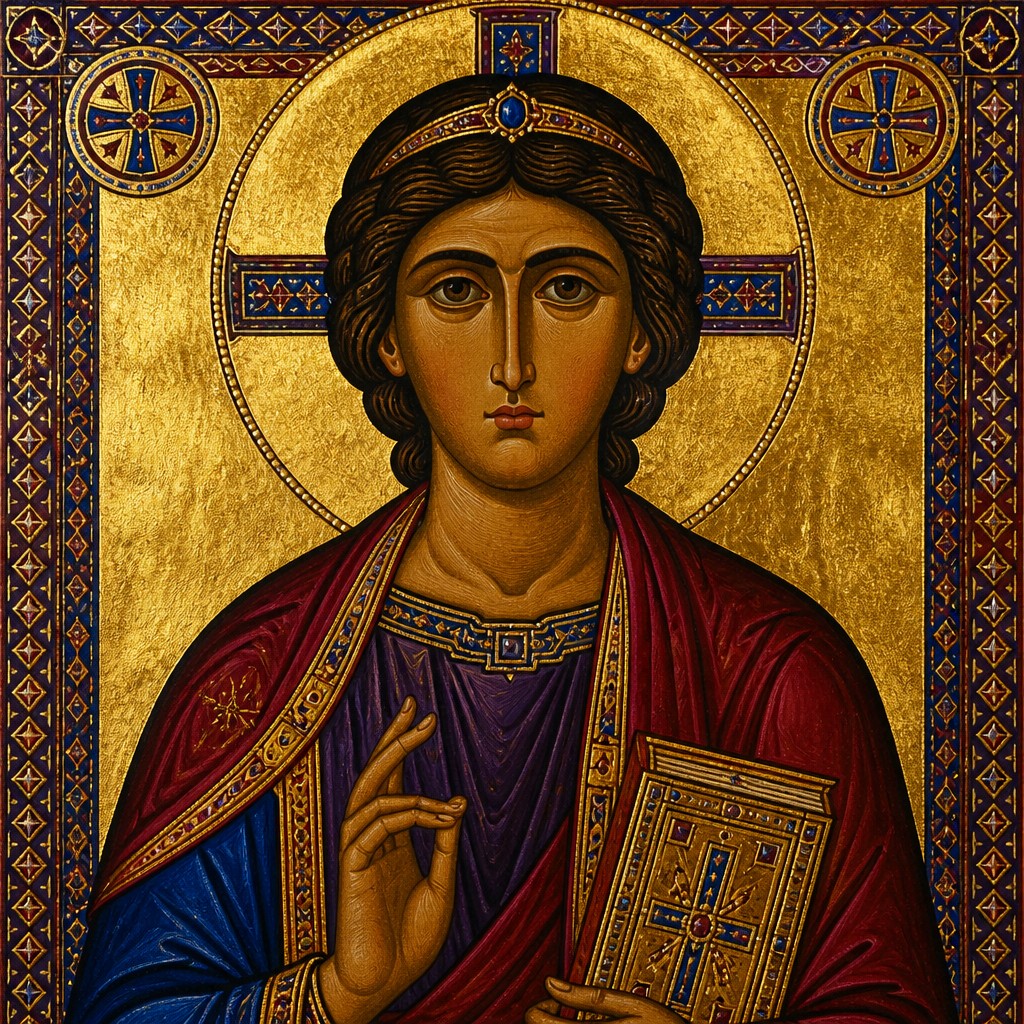
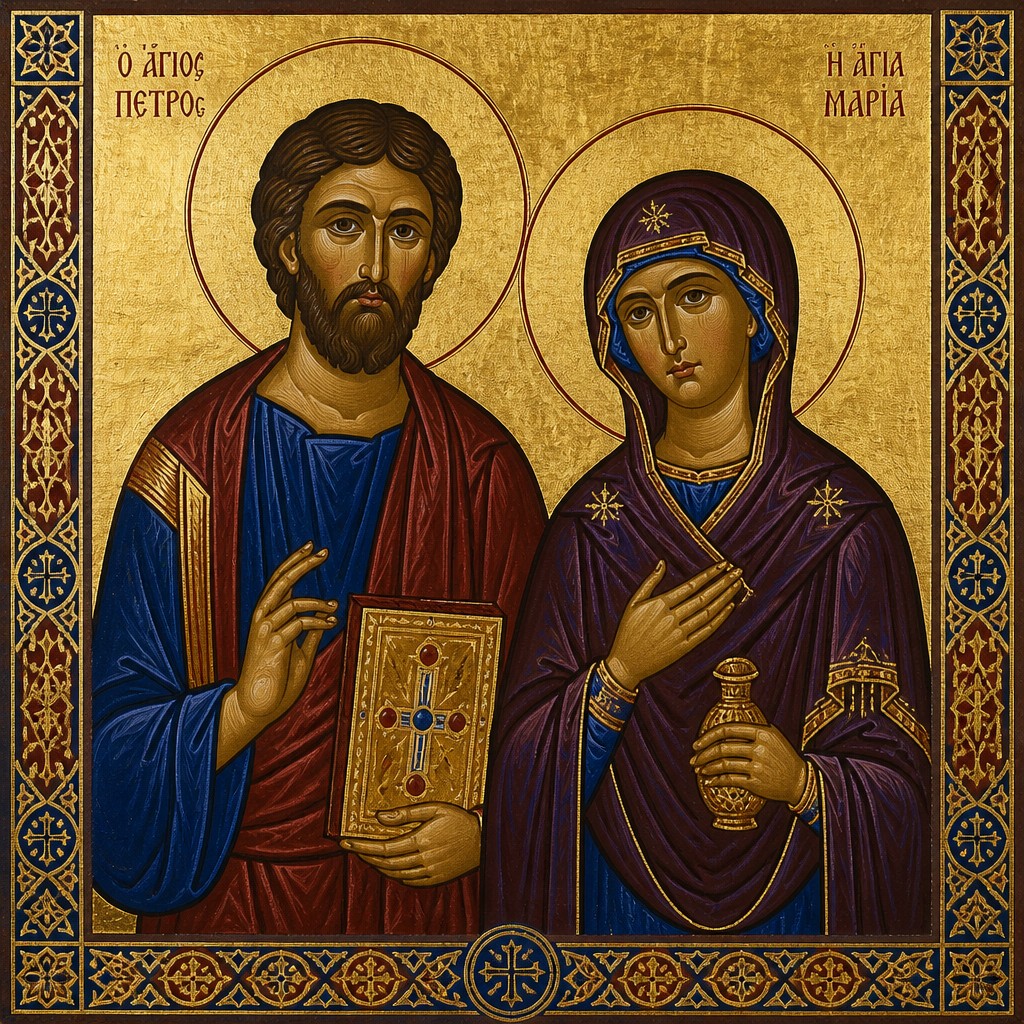
Byzantine religious art is the visual language of Eastern Orthodox devotion, known for its gold backgrounds, frontal figures, and deliberate rejection of naturalistic depth. Rather than describing the visible world as it appears to the eye, it presents sacred figures and scenes as timeless, hieratic presences meant for contemplation and prayer.
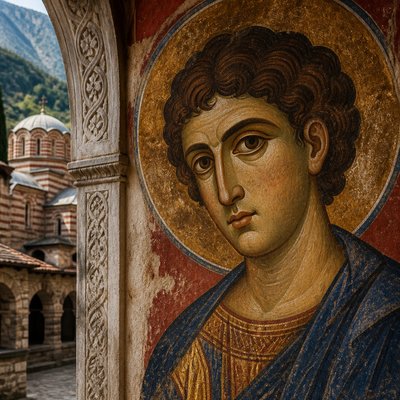
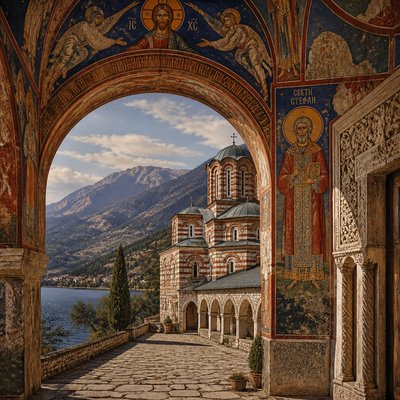
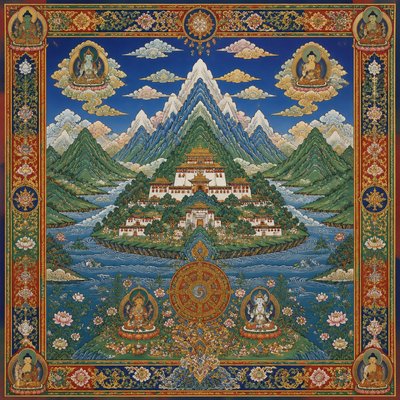
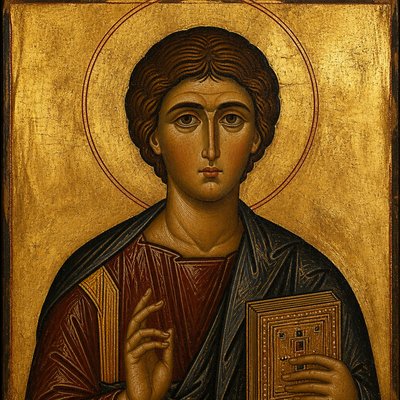
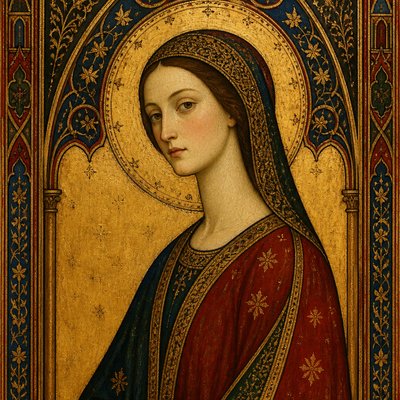
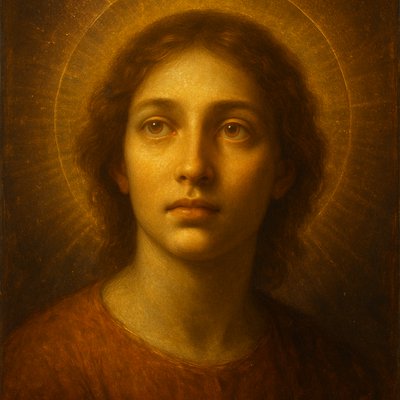
Its recognizable look comes from a combination of icon painting, mosaics, and manuscript illumination developed in the Byzantine Empire and later preserved across Orthodox Christian cultures. Figures are typically elongated and solemn, outlines are crisp, colors are saturated but restrained, and ornamental patterning often fills the space around the holy image. The result is a style that feels luminous, formal, and spiritually charged, with visual emphasis placed on divine significance rather than bodily realism.
Try It On Your Photos
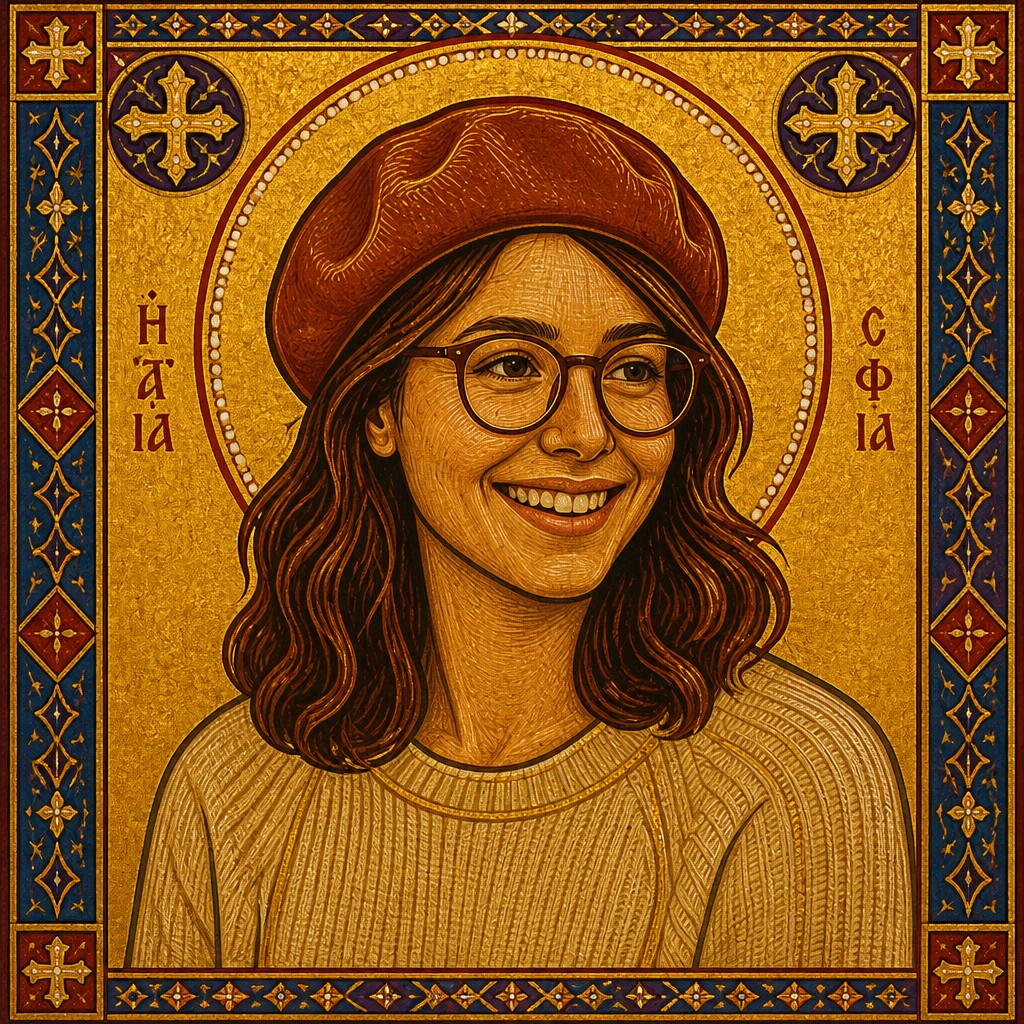
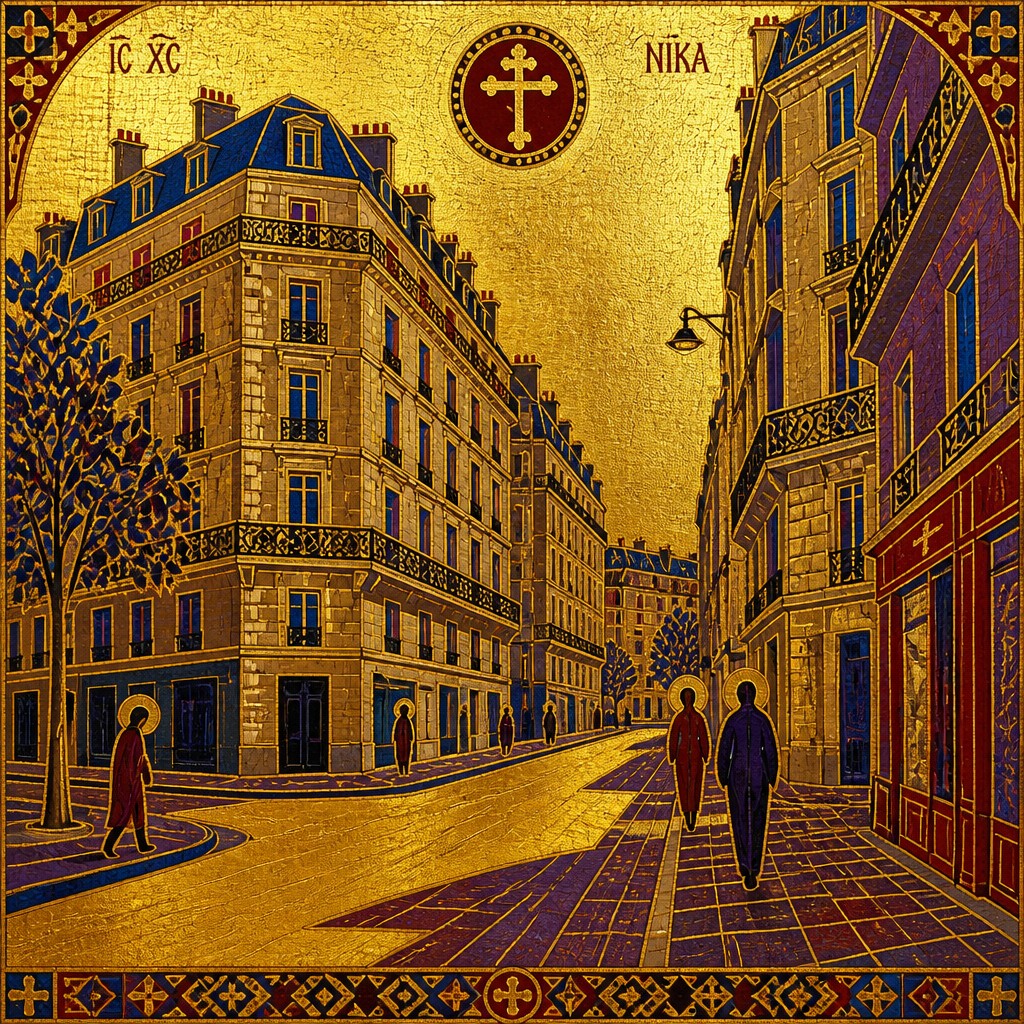
Upload any photo and convert it into Byzantine Religious Art — drag the sliders to compare before and after.


What Defines Byzantine Religious Art
The signature details, up close
Gold ground
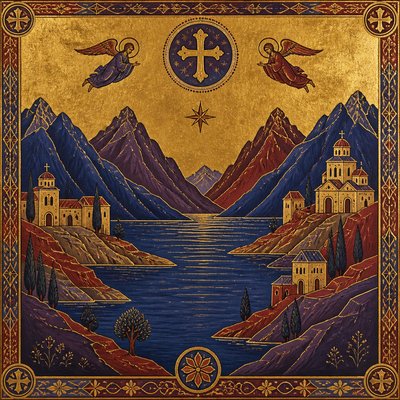
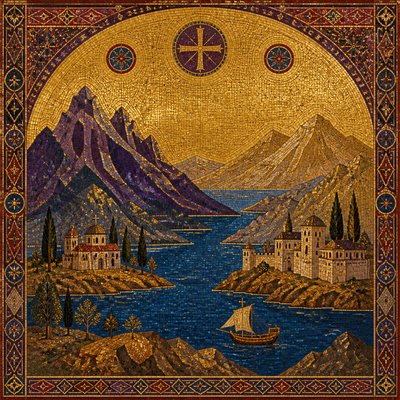
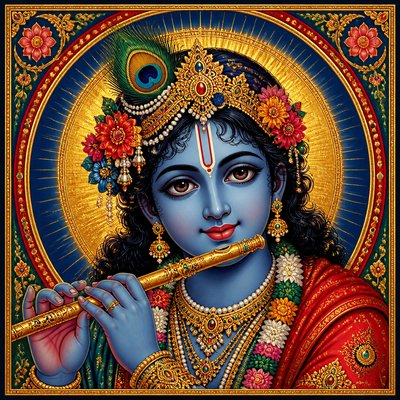
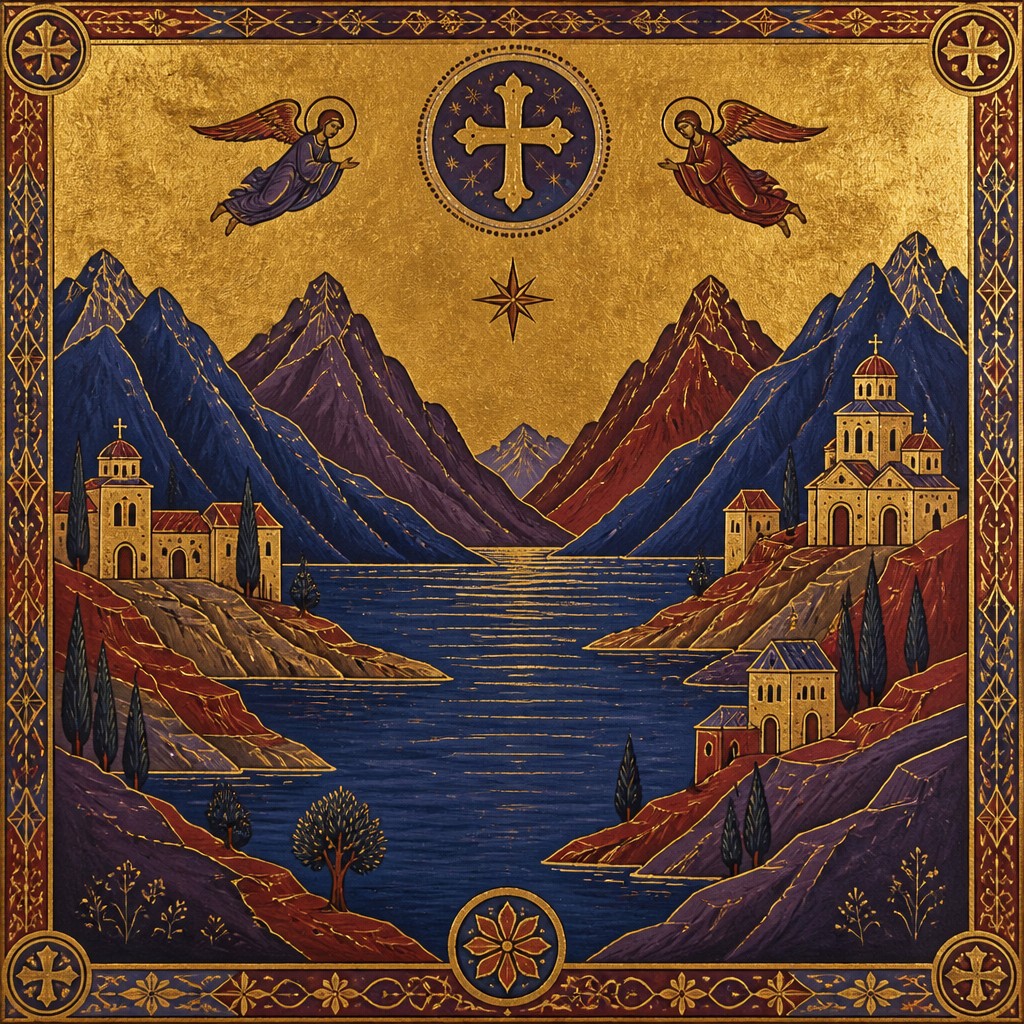
A luminous gold background is one of the most recognizable features, suggesting unearthly light rather than a specific location. In mosaics it is literally reflective, while in panel painting it is evoked through gilding or golden color fields.
Frontal and hieratic figures
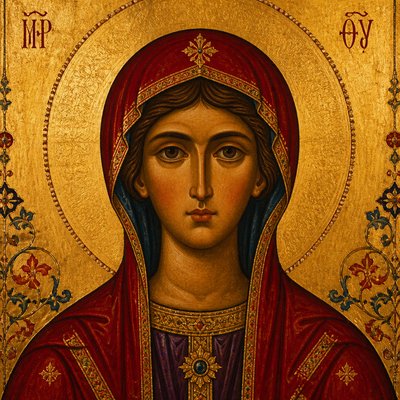
Figures commonly face the viewer directly, with symmetrical poses and a solemn, unmoving presence. This frontal orientation reinforces authority, reverence, and devotional address.
Flattened space
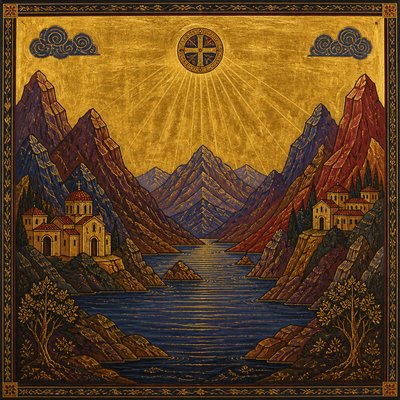
Perspective is minimized or absent, and objects often appear stacked or arranged in shallow space. The composition reads as symbolic and iconic rather than observational.
Elongated proportions
Bodies, hands, and facial features are often stretched or stylized to suggest spiritual refinement. Natural anatomy is subordinated to expressive, theological intent.
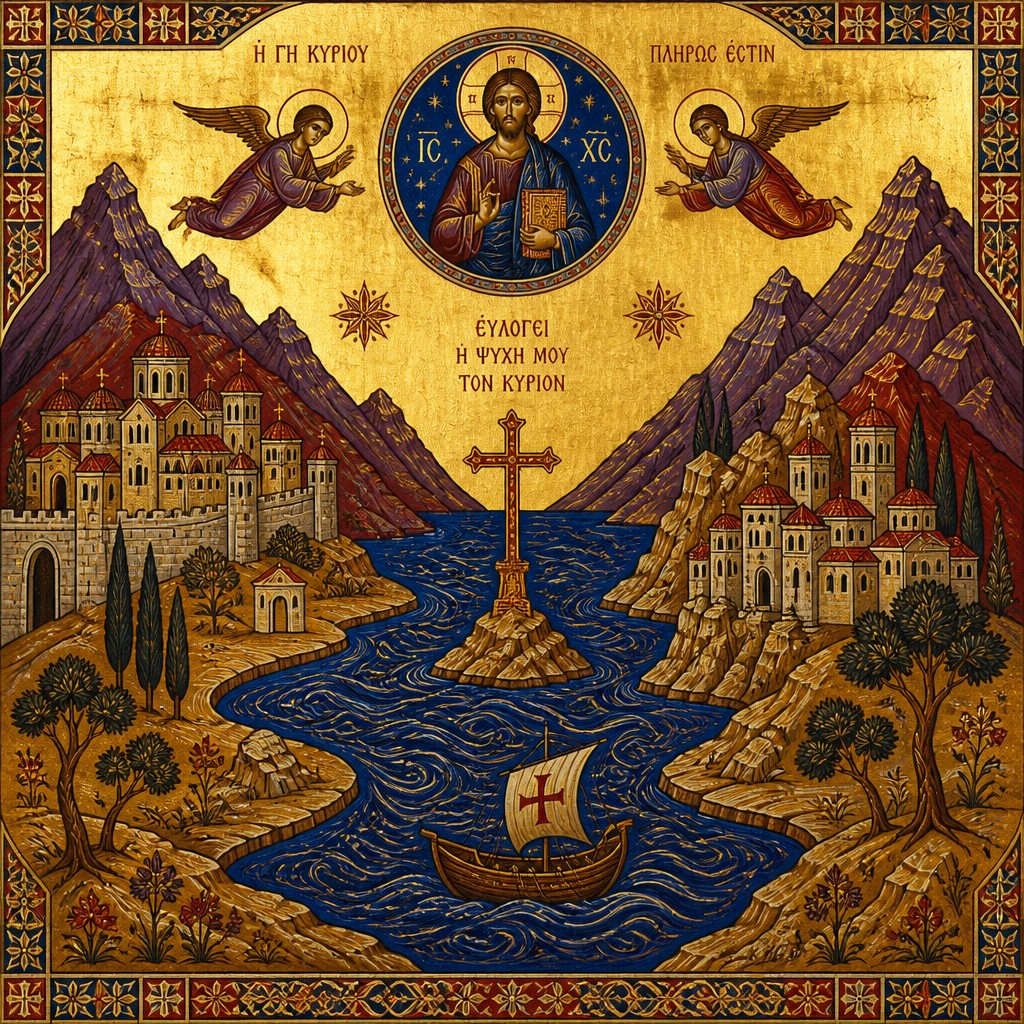
Bold outlines and icon-like clarity
Forms are sharply defined, with clean contours and limited ambiguity. This gives the image a ceremonial legibility suitable for devotional viewing.
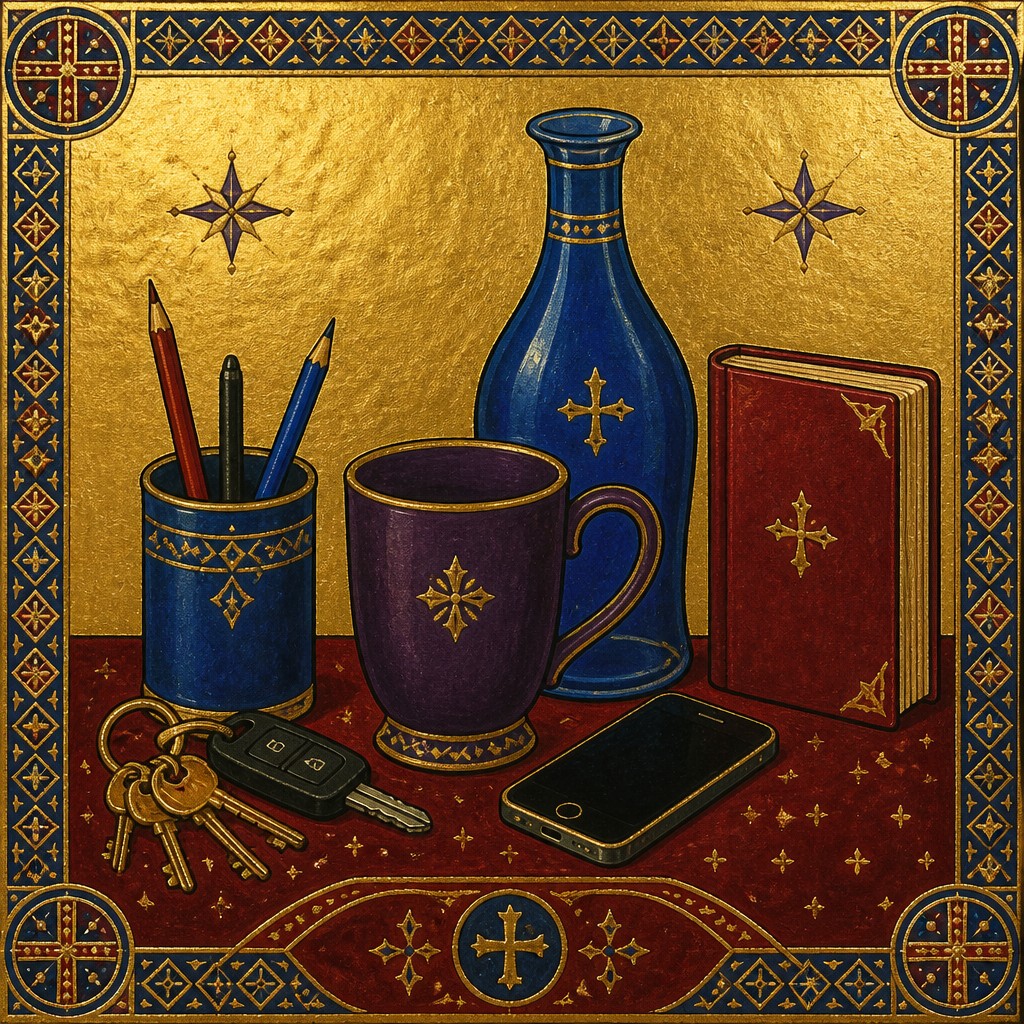
Rich but controlled color
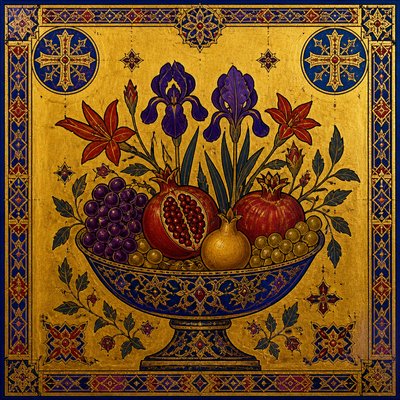
Deep crimson, royal purple, lapis blue, green, and ochre are arranged in flat or mosaic-like blocks. The palette signals dignity and sacredness rather than atmospheric realism.
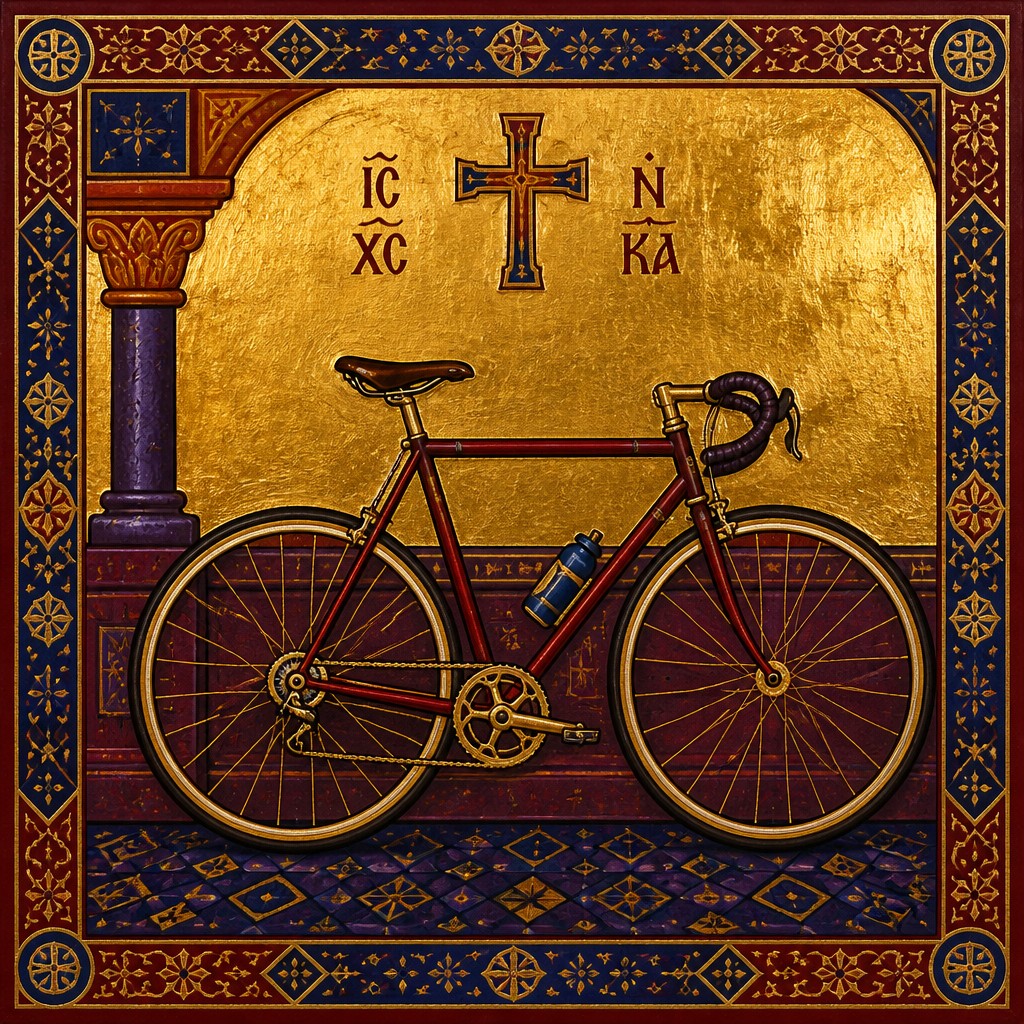
Ornament as structure
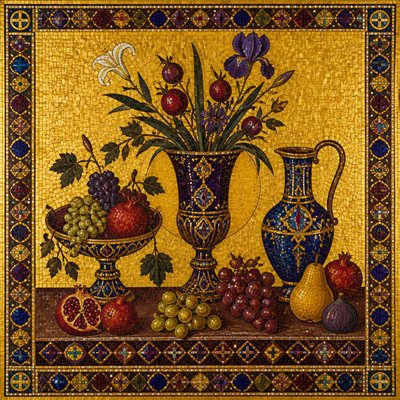
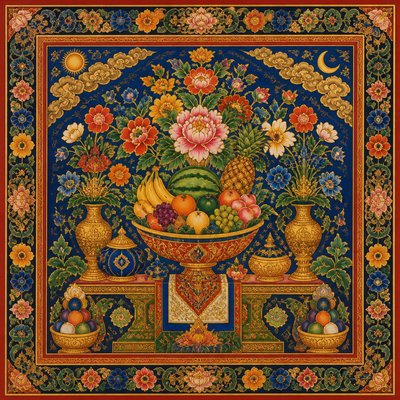
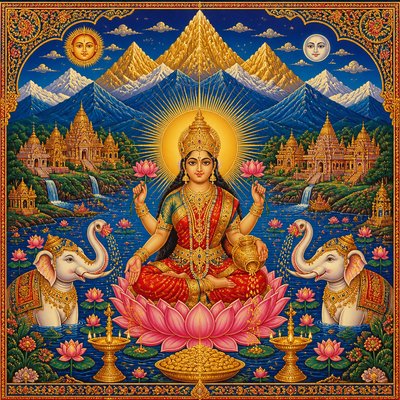
Geometric borders, textile-like patterning, and decorative motifs often occupy negative space. Ornament does not merely decorate; it helps organize the image into a sacred field.
Try It
Create Videos in Byzantine Religious Art
Styles aren't just for stills — describe a scene or animate an image and get a short video rendered in Byzantine Religious. Press play to see this pond come to life.
Make a VideoByzantine Religious Prompt Ideas
Start from an idea — each one opens the generator with the style ready to go. See all 40 Byzantine Religious prompts →
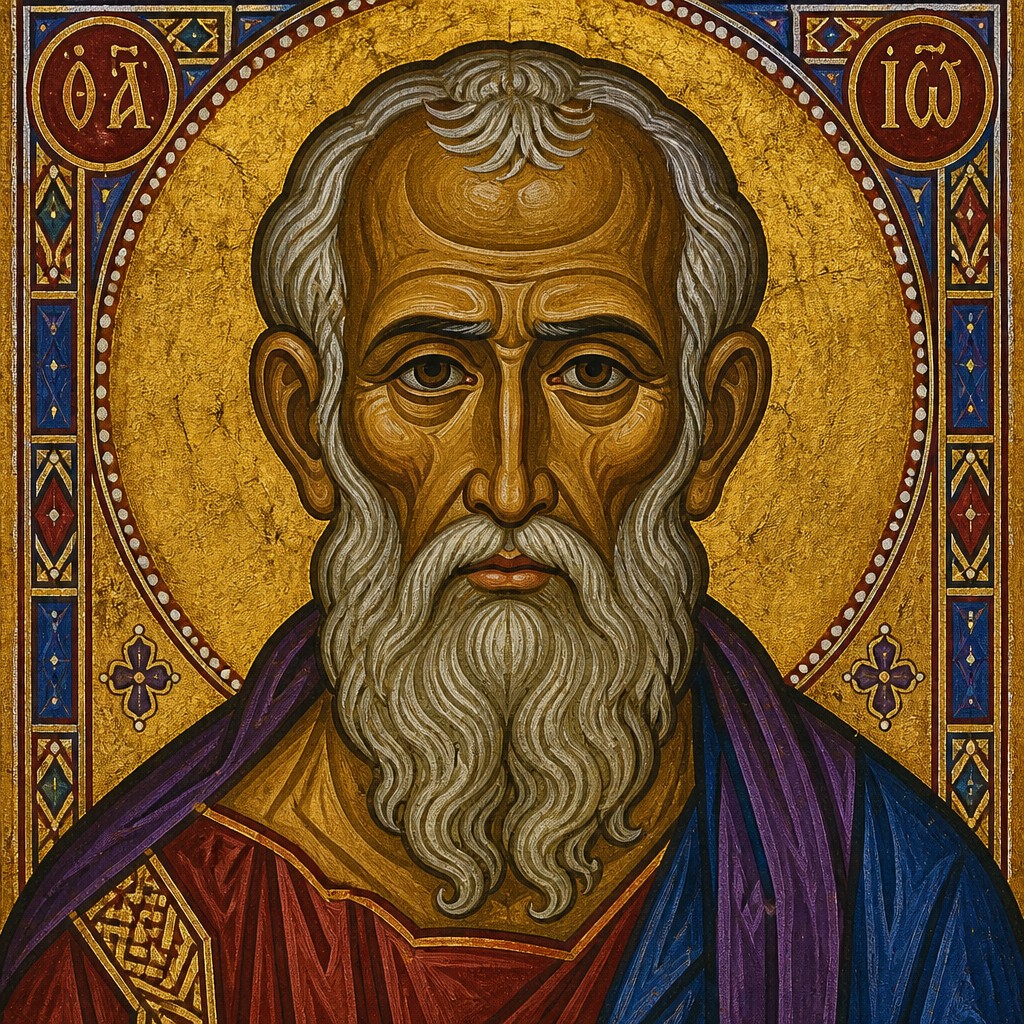
“close-up portrait of an elderly person with expressive weathered features”
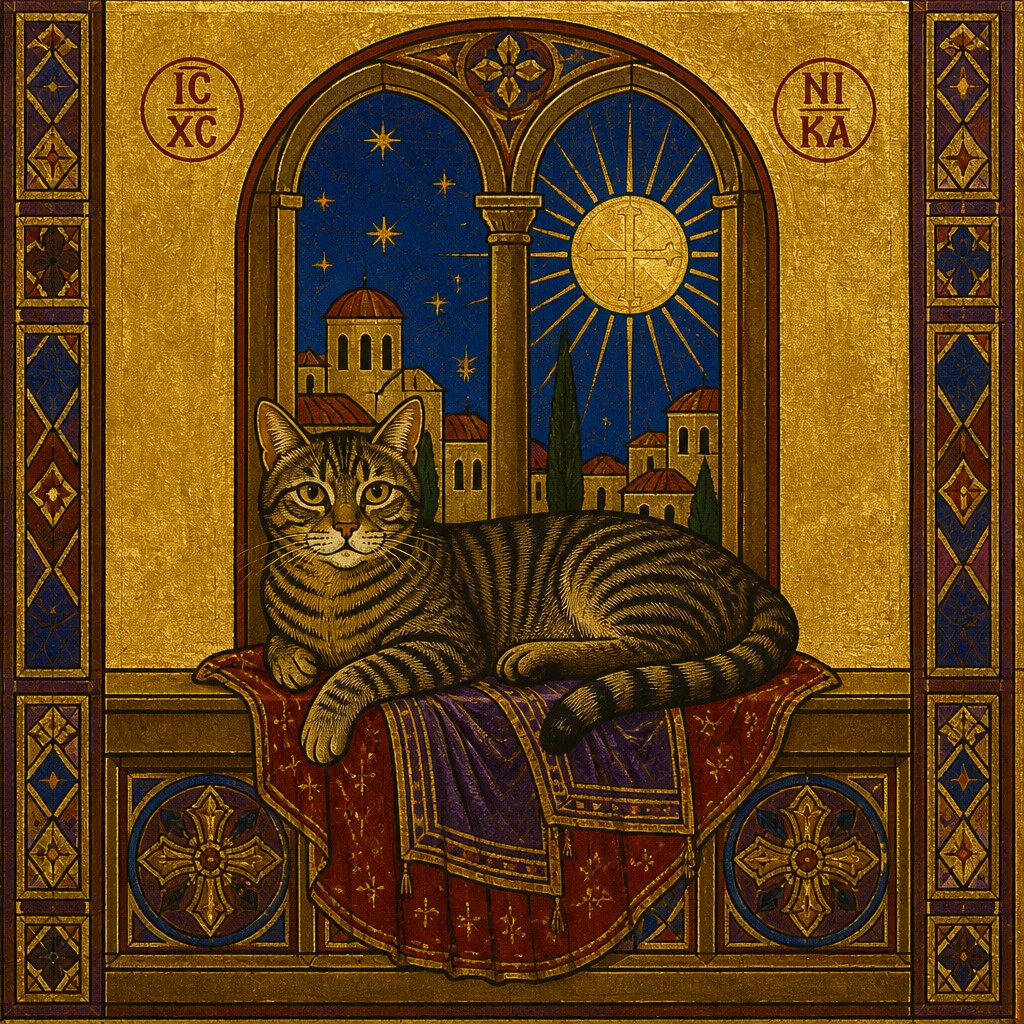
“a cat lounging in a sunlit window”
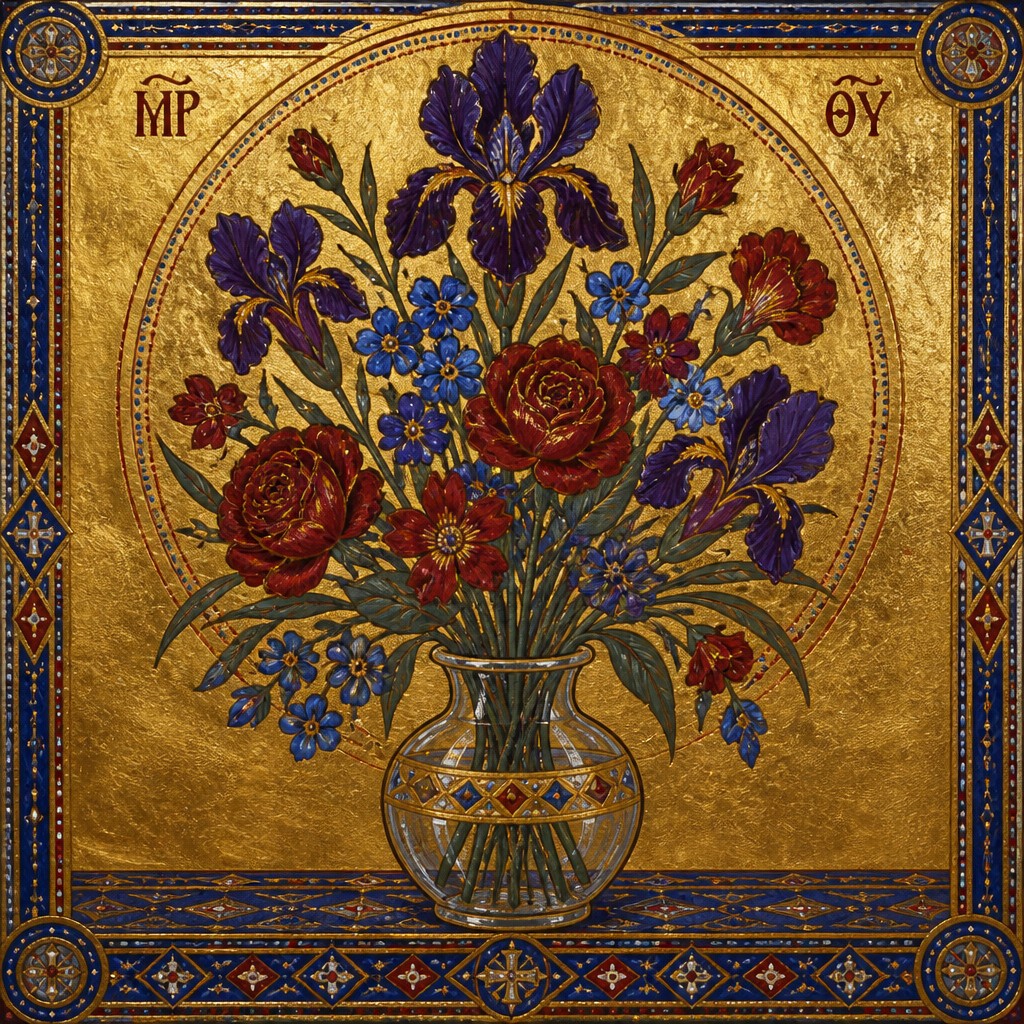
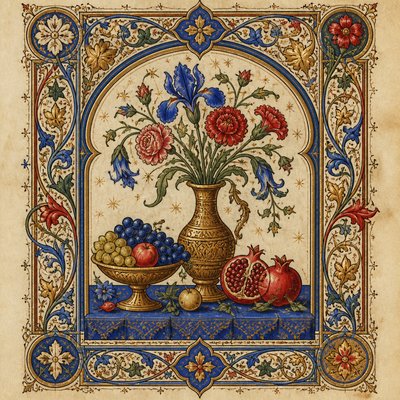
“bouquet of flowers in a glass vase”
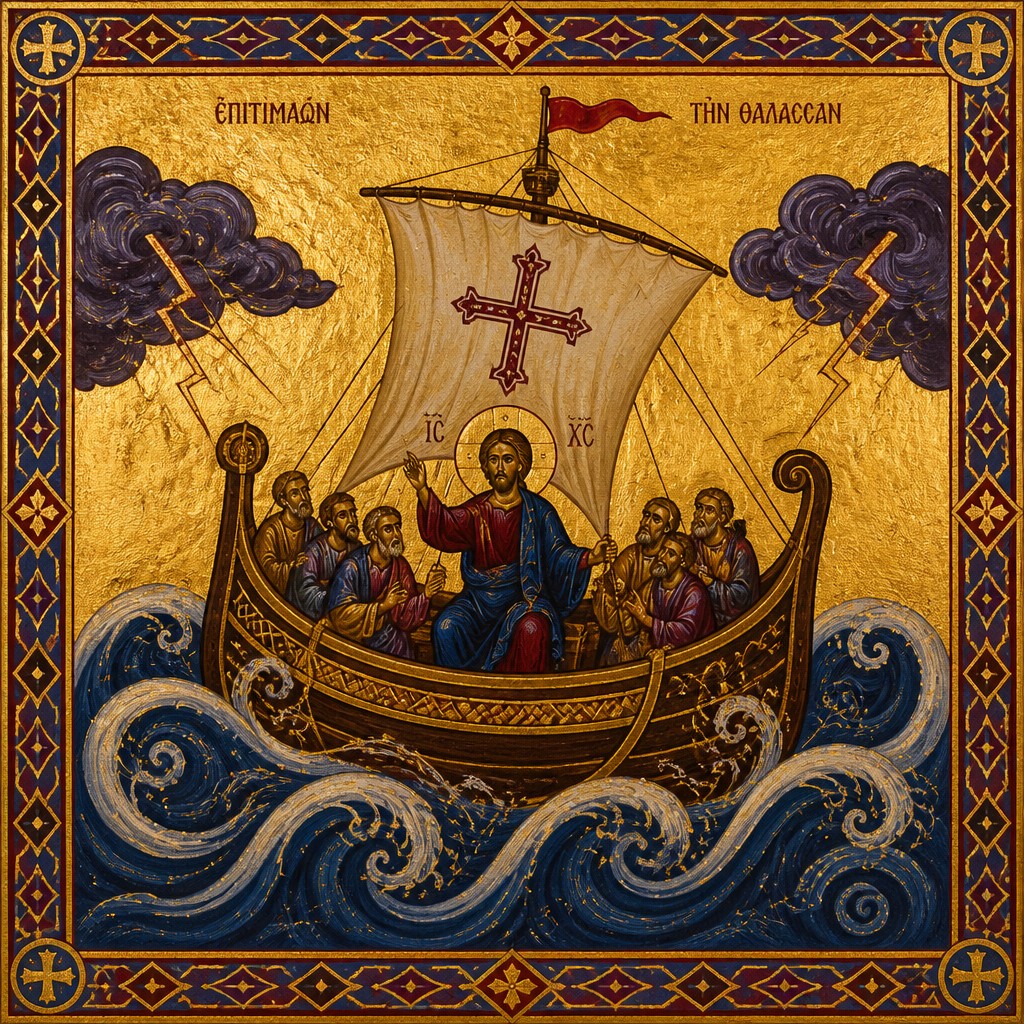
“sailing ship on a stormy sea”
How to Create Byzantine Religious Art
Master the craft step by step — or skip straight to creating. Read the full guide →
- 1
Use a gold ground or gold-equivalent lighting
For traditional work, apply gold leaf or metallic paint first and build figures over it with matte tempera or opaque pigment. In digital work, create a luminous gold background with controlled sheen so the surface feels reflective but not glossy.
- 2
Design with frontal symmetry
Center the principal figure, keep the body upright, and reduce dynamic motion. Compositions should feel stable, ceremonial, and icon-like, with balanced placement of hands, halo, and supporting elements.
- 3
Flatten depth and simplify anatomy
Avoid strong perspective, foreshortening, and natural shadow modeling. Instead, build faces and garments with crisp shapes, stylized highlights, and clearly separated color planes.
- 4
Prioritize symbolic color and line
Use saturated reds, blues, purples, and golds in deliberate zones rather than blended realism. Outline forms cleanly and let facial features remain calm, idealized, and spiritually expressive.
- 5
Add devotional ornament carefully
Frame the image with borders, halos, patterned garments, or small geometric motifs, but keep the focal point readable. Ornamental detail should support reverence, not distract from the sacred subject.
- 6
Write prompts with sacred stillness and material specificity
For text-to-image generation, describe the subject, then add terms such as gold-leaf ground, frontal symmetry, flattened perspective, matte tempera, and Orthodox devotional icon. For image-to-image, preserve the original silhouette but replace lighting, texture, and spatial depth with an icon-like structure.

The Story
History & Origins of Byzantine Religious
Byzantine religious art emerged from the artistic culture of the Eastern Roman Empire, especially after Christianity became the dominant religion in late antiquity. Between the 4th and 15th centuries, it developed in Constantinople and spread through Orthodox regions including Greece, the Balkans, Russia, and parts of the Eastern Mediterranean. Its forms were shaped by theological debates about images, especially the iconoclastic controversy of the 8th and 9th centuries, after which sacred images were reaffirmed as vehicles for veneration rather than mere decoration.
The style continued long after the fall of Constantinople in 1453, particularly in icon painting traditions in Greece, Russia, and other Orthodox communities. While local schools introduced variations in color, scale, and expression, the core visual principles remained stable: gold grounds, frontal saints, reverse or flattened space, and symbolic abstraction. These conventions were not meant to imitate everyday perception; they were designed to express sacred presence, liturgical order, and theological meaning.
Influences: This style draws from late antique Roman art, early Christian symbolism, and the mosaic traditions of the eastern Mediterranean, then develops into a distinct Orthodox visual canon. It is closely related to icon painting, Byzantine mosaic, and medieval devotional manuscript art; in later centuries, it influenced Russian icon schools such as the Novgorod tradition and the work of major medieval Russian icon painters and leading monastic iconographers, whose icons preserve the same spiritual priorities even when local handling differs.

Frequently Asked Questions
What defines Byzantine religious art?
Its defining features are gold backgrounds, frontal sacred figures, flattened space, and a highly symbolic approach to color and form. The style is designed to communicate divine presence and devotional meaning rather than naturalistic realism. It is usually associated with Orthodox Christian icons and mosaics.
How is it different from Western medieval religious art?
Western medieval art can also be symbolic, but it often develops more narrative movement, spatial experimentation, and later naturalism. Byzantine religious art remains more rigidly frontal, hieratic, and icon-centered, with stronger emphasis on timeless sacred presence. Gold grounds and standardized figure types are especially characteristic.
Is it the same as icon painting?
Icon painting is one of the main forms of Byzantine religious art, especially in Orthodox traditions. Not every Byzantine religious image is an icon, since the style also appears in mosaics, frescoes, and manuscript illumination. But the term is often used broadly to describe the same visual language.
What materials are typically used?
Traditional works often use wood panels, tempera, and gold leaf for icons, while church interiors may use mosaic, fresco, or mural painting. The surface is usually matte and carefully controlled, with gilding providing the principal reflective effect. These materials support the style's luminous, sacred character.
Why do the figures look so flat and stylized?
The flattened look is intentional. Byzantine religious art is not trying to mimic ordinary vision; it seeks to present transformed, spiritual reality. Stylization helps separate sacred imagery from everyday realism and gives the figures a timeless, authoritative presence.
How can I make a modern image in this style?
Start with a frontal, centered composition and remove most realistic depth cues. Use gold, deep blue, crimson, and purple in bold blocks, keep outlines crisp, and add halos, borders, or ornamental patterns. If working digitally or with AI, include terms like gold-leaf ground, frontal symmetry, flattened perspective, and Orthodox devotional icon.
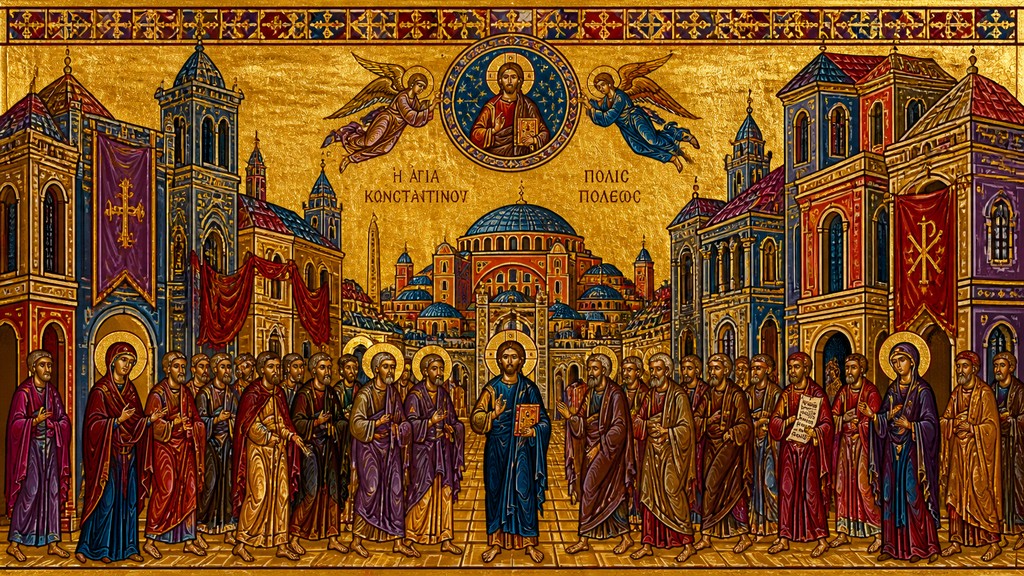
Create your first Byzantine Religious artwork
Describe anything — or upload a photo — and see it in Byzantine Religious Art in seconds.
Make Something with Byzantine Religious
Compare Byzantine Religious
Related Styles
Discover similar art styles