Hindu Religious Art
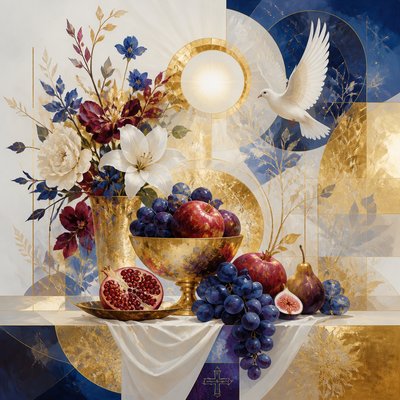
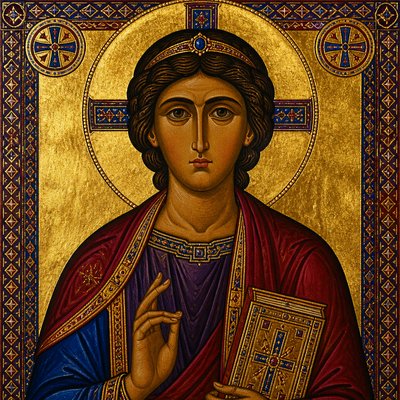
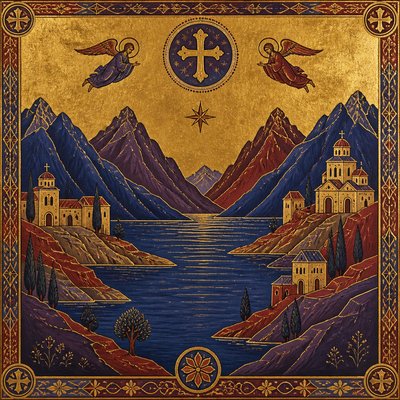
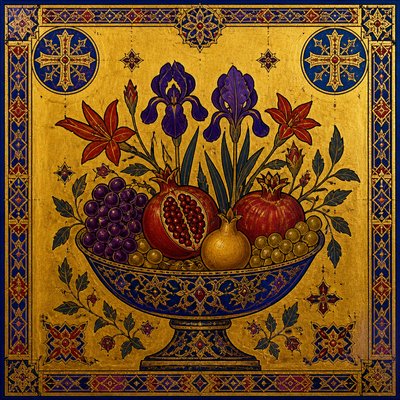
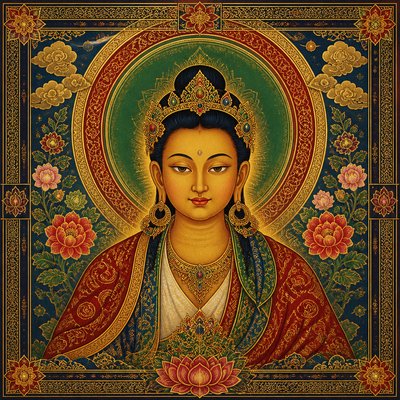
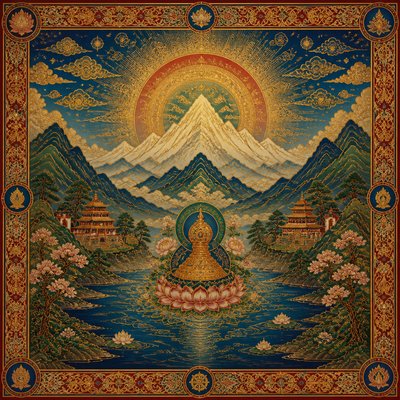
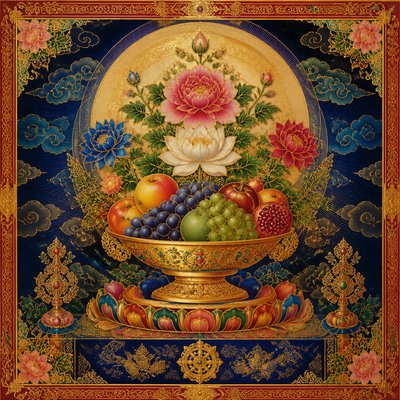
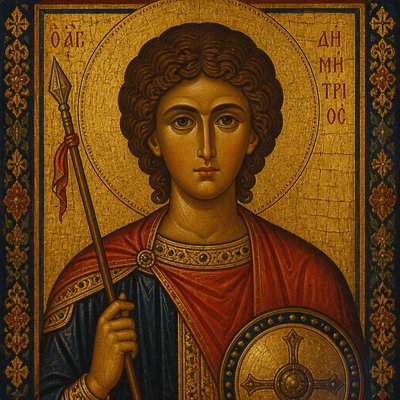
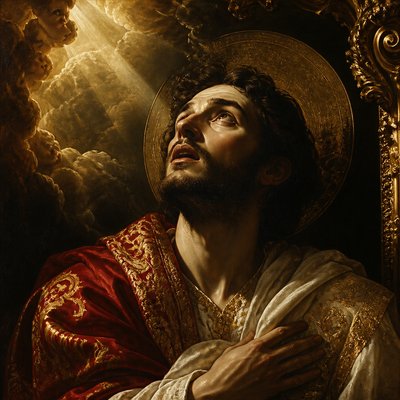
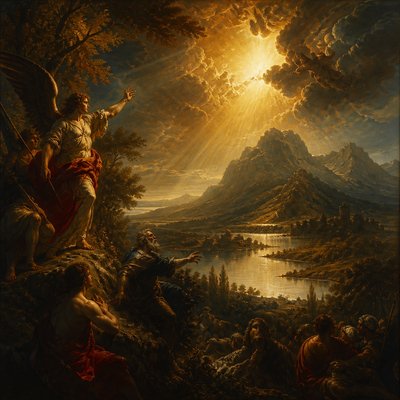
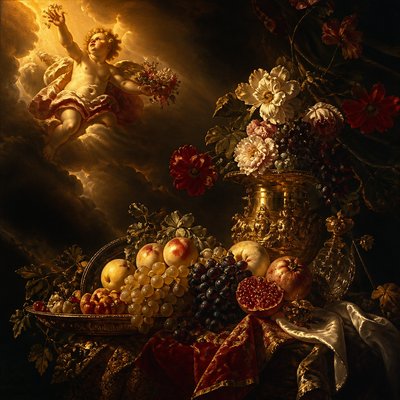
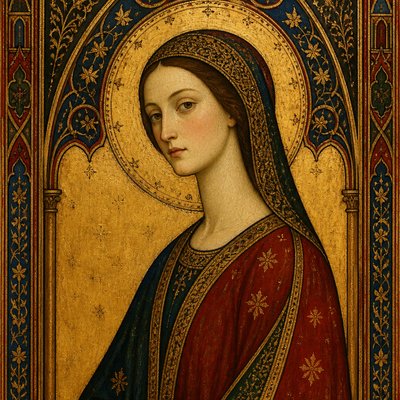
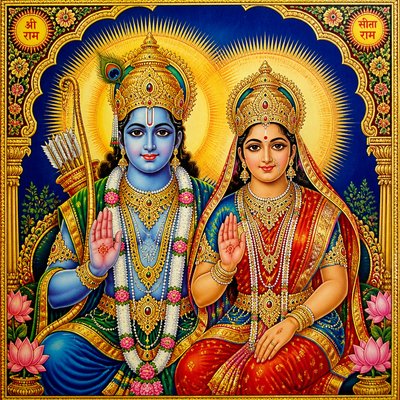
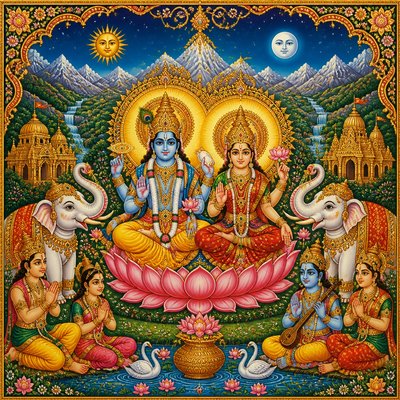
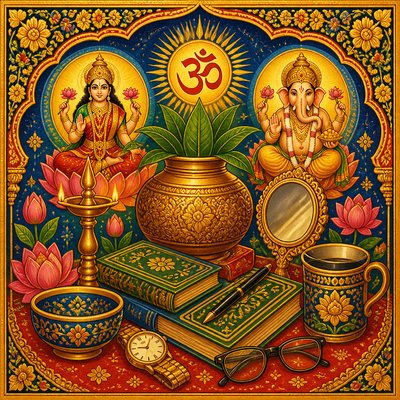
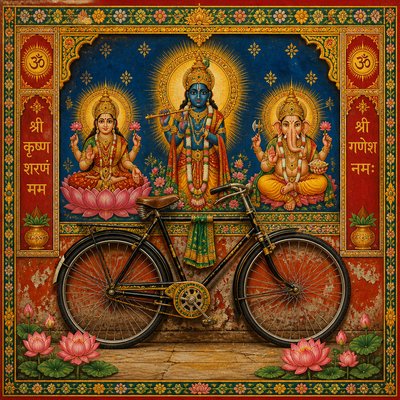
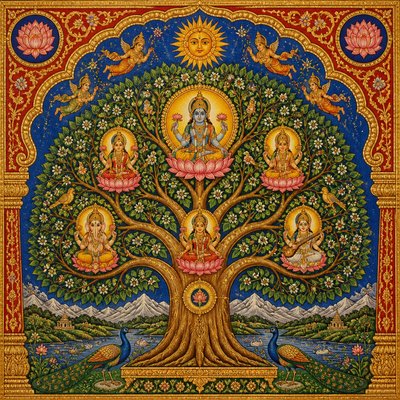
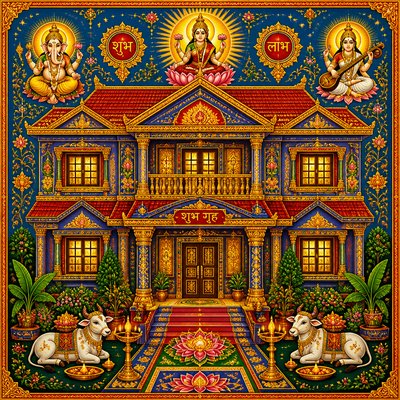
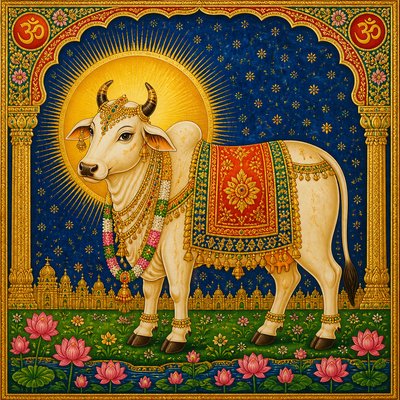
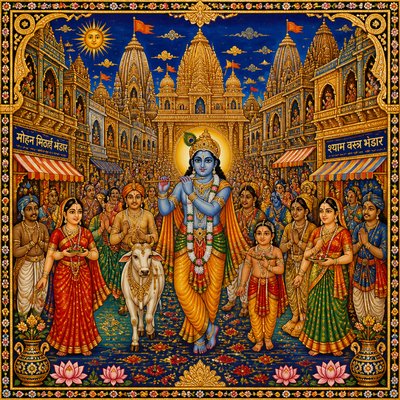
Devotional Indian art with deities, multiple arms, gold accents, vivid color, halos, symbolism, and symmetrical sacred composition.
Instantly rendered in Hindu Religious — or transform a photo
Hindu Religious Gallery
Tap any artwork to explore it
What is Hindu Religious Art?
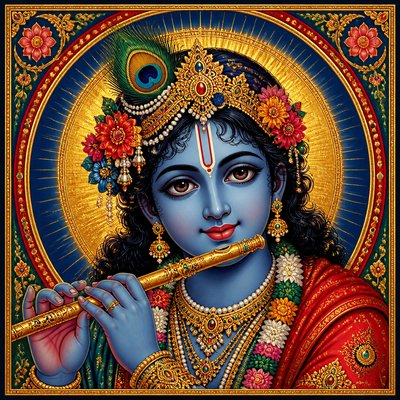
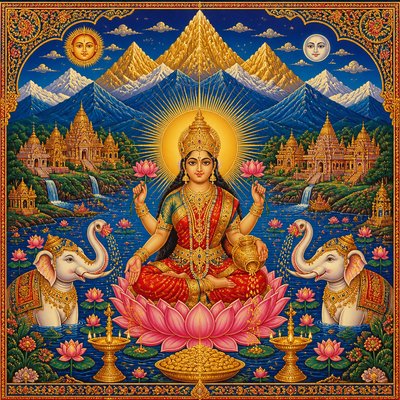
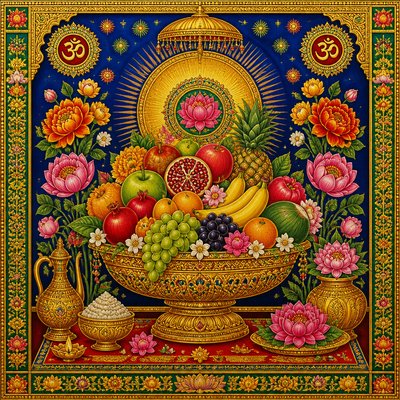
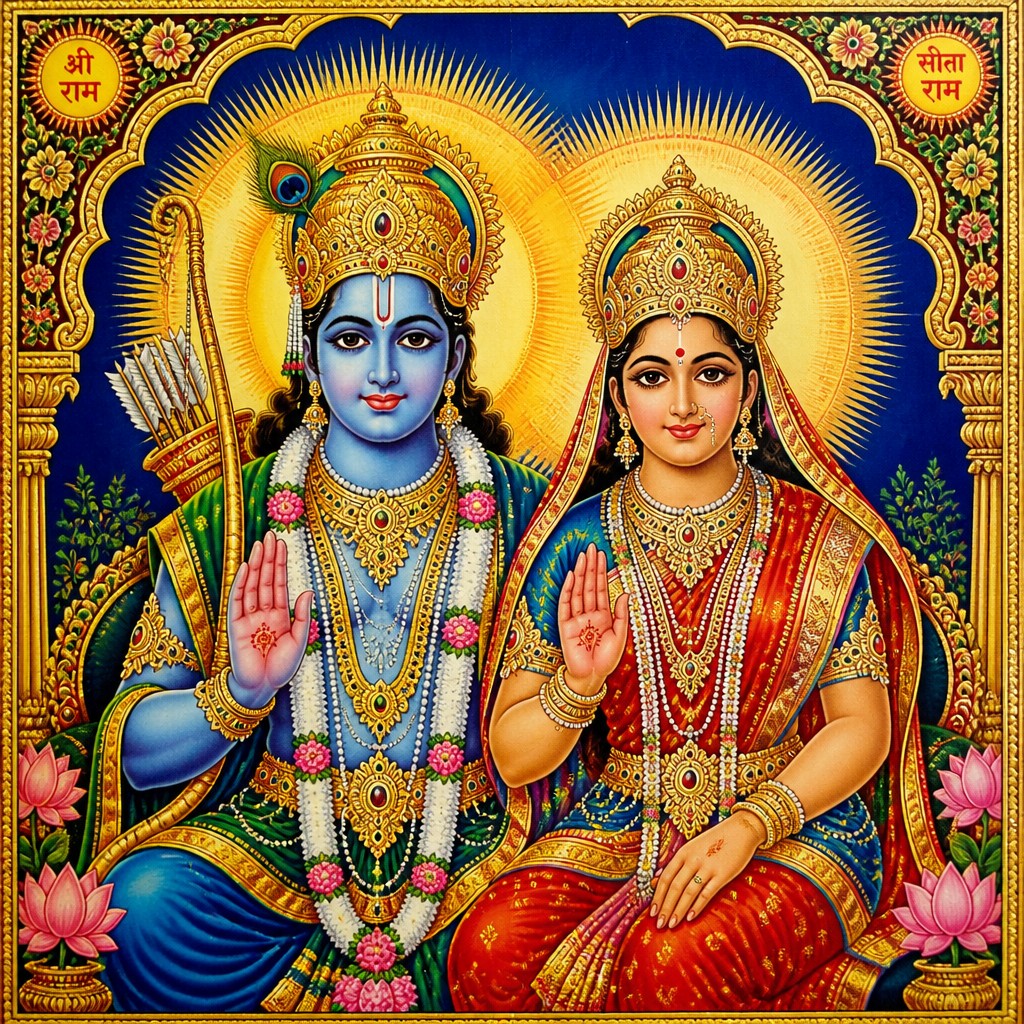
Hindu religious art is a broad visual tradition centered on the depiction of deities, saints, sacred narratives, ritual objects, and cosmic symbolism within Hindu devotional practice. It is not a single unified school, but a family of related regional traditions that share a recognizable visual language: luminous color, ornamental detail, hieratic scale, and figures presented as embodiments of divine power rather than ordinary portraiture.
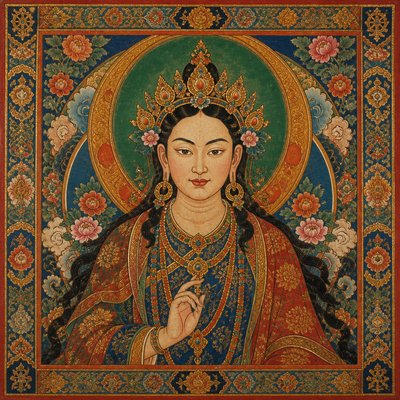
Its appearance is shaped by religious function. Multiple arms, multiple heads, attributes such as conch, discus, lotus, trident, mace, and prayer beads are used to identify divine roles and powers. Symmetry, frontal presentation, halos, gold ornament, and dense patterning create an image that reads as ceremonial and transcendent, while bright mineral-like colors and flattened space help move attention away from naturalism and toward symbolic clarity.
Try It On Your Photos
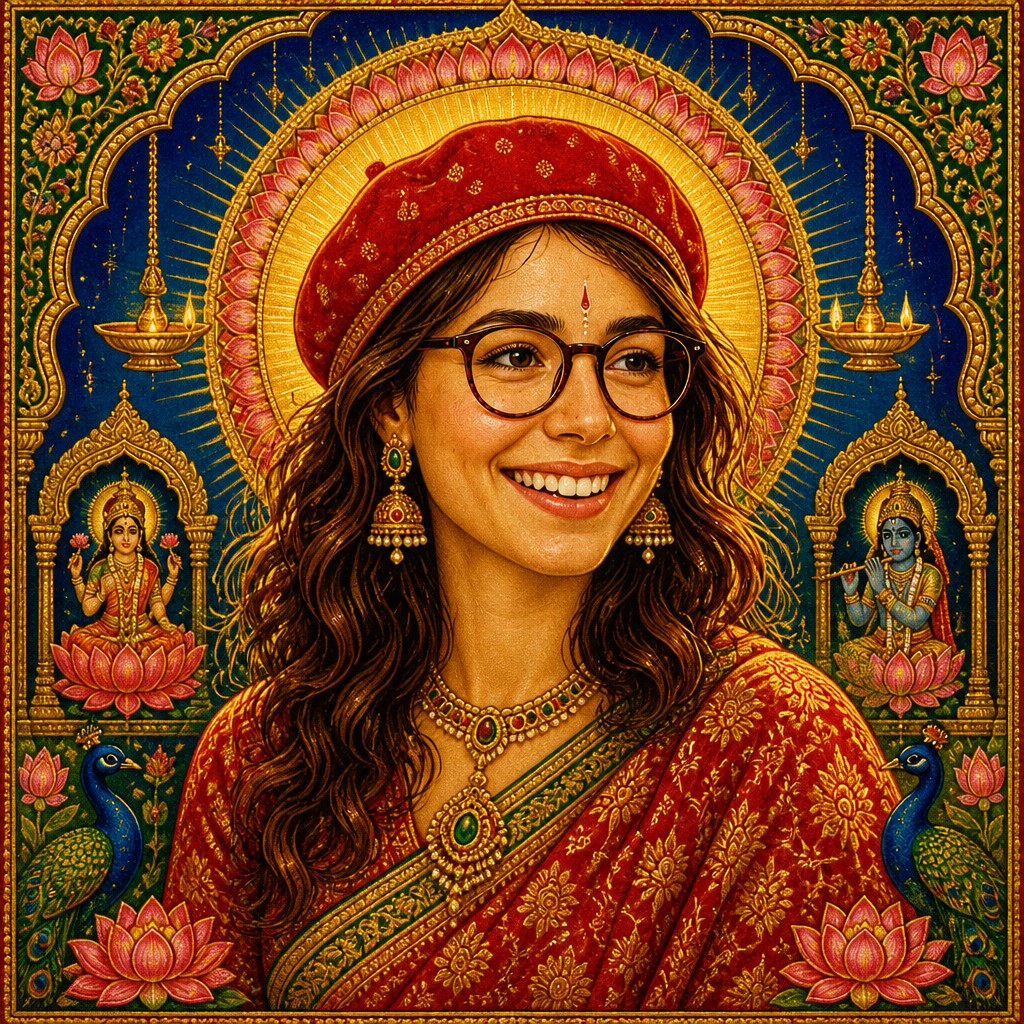
Upload any photo and convert it into Hindu Religious Art — drag the sliders to compare before and after.


What Defines Hindu Religious Art
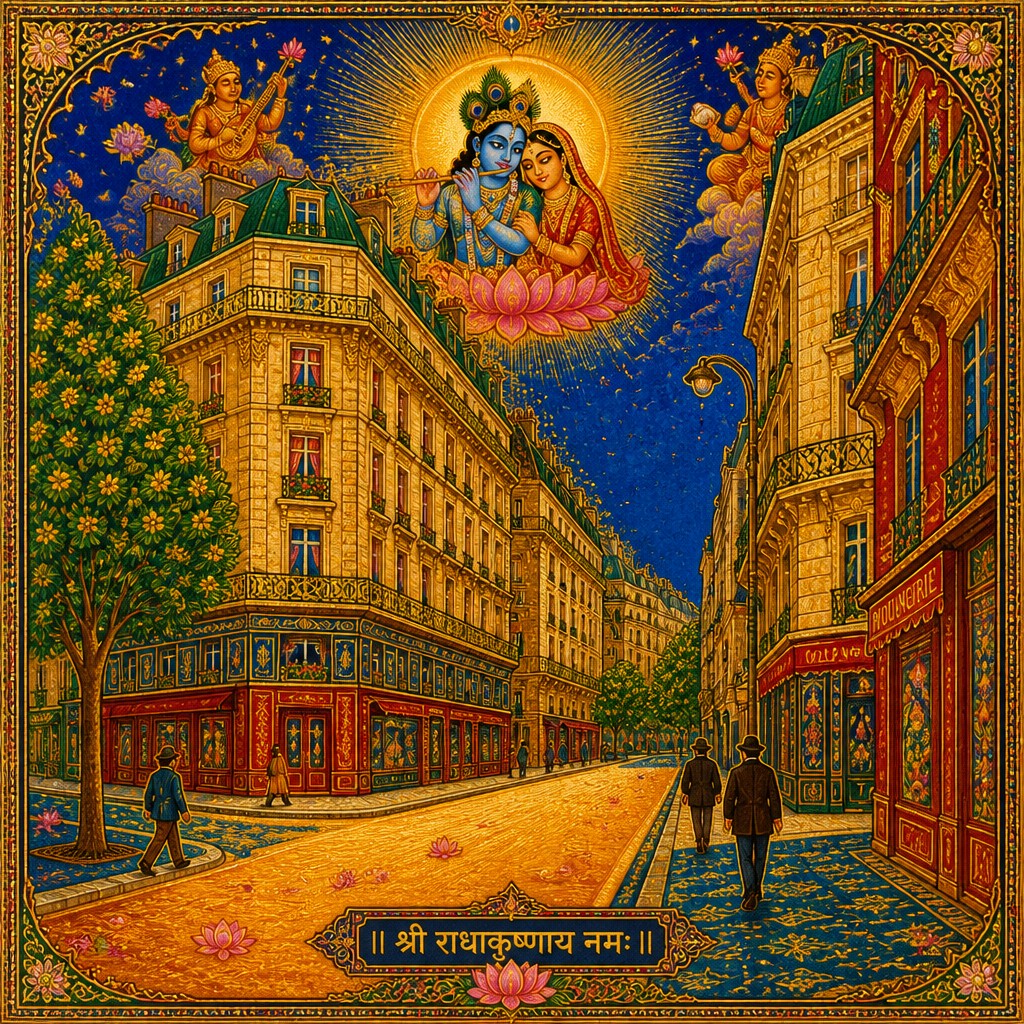
The signature details, up close
Iconic deities and divine attributes
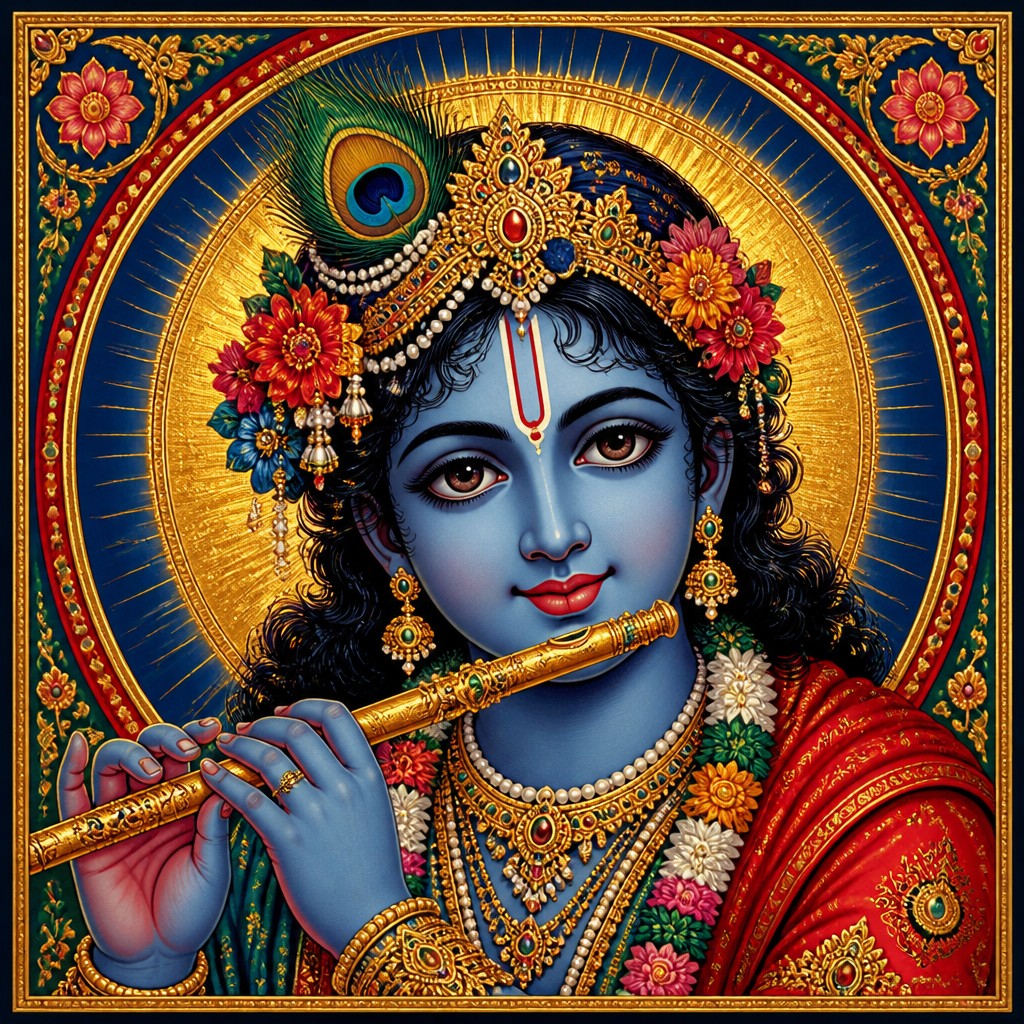
Figures are identified through precise attributes: weapons, lotus flowers, ritual vessels, vehicles, and hand gestures. Multiple arms and heads are visual devices for expressing divine omnipresence, power, and cosmic function.
Frontality and symmetrical composition
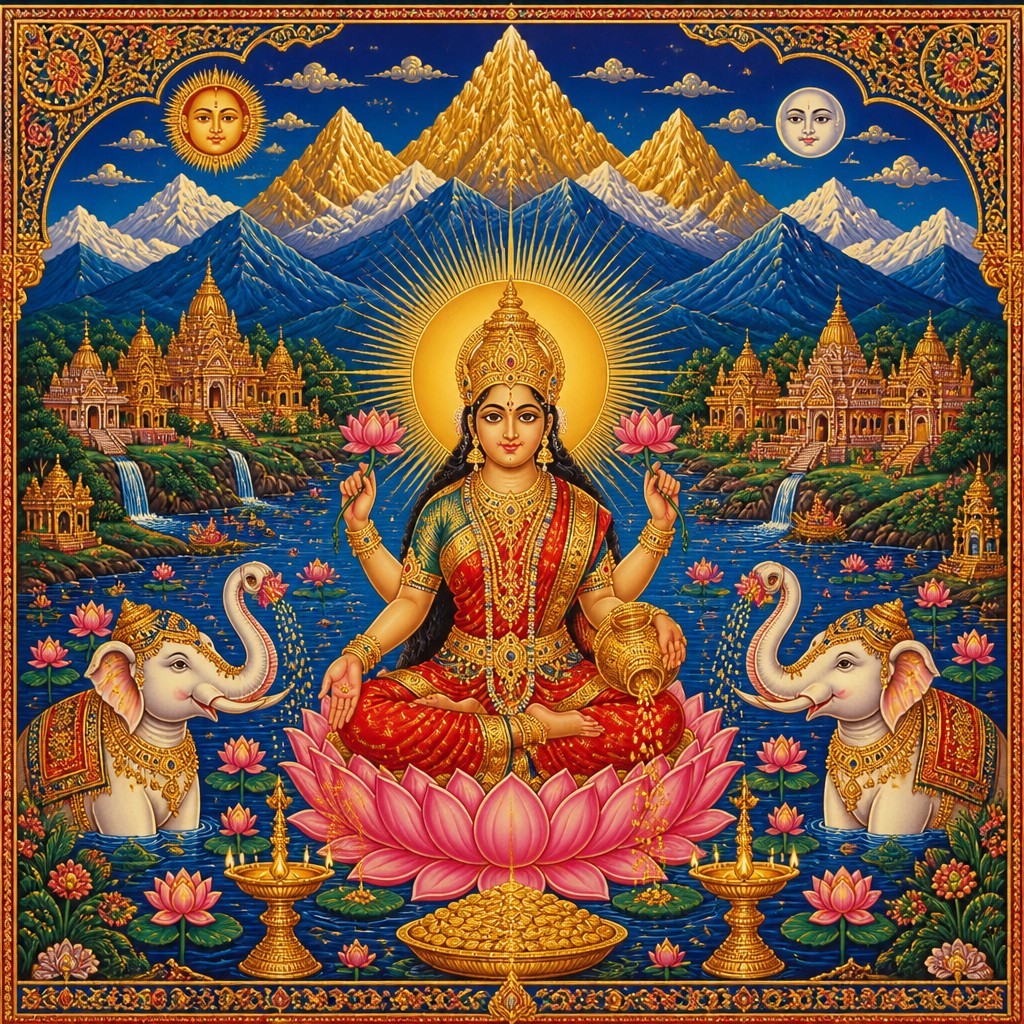
Subjects are usually centered, frontal, and arranged with strong bilateral symmetry. This creates a stable devotional focus and reinforces the sense of hierarchy between deity, attendants, and background.
Vivid jewel-tone palette
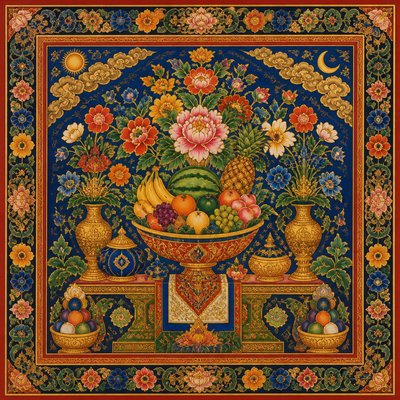
Deep blues, vermillion, gold, emerald, saffron, and crimson dominate the palette. These saturated colors evoke sacred intensity, mineral pigments, and the celebratory atmosphere of festival imagery.
Ornament, pattern, and textile richness
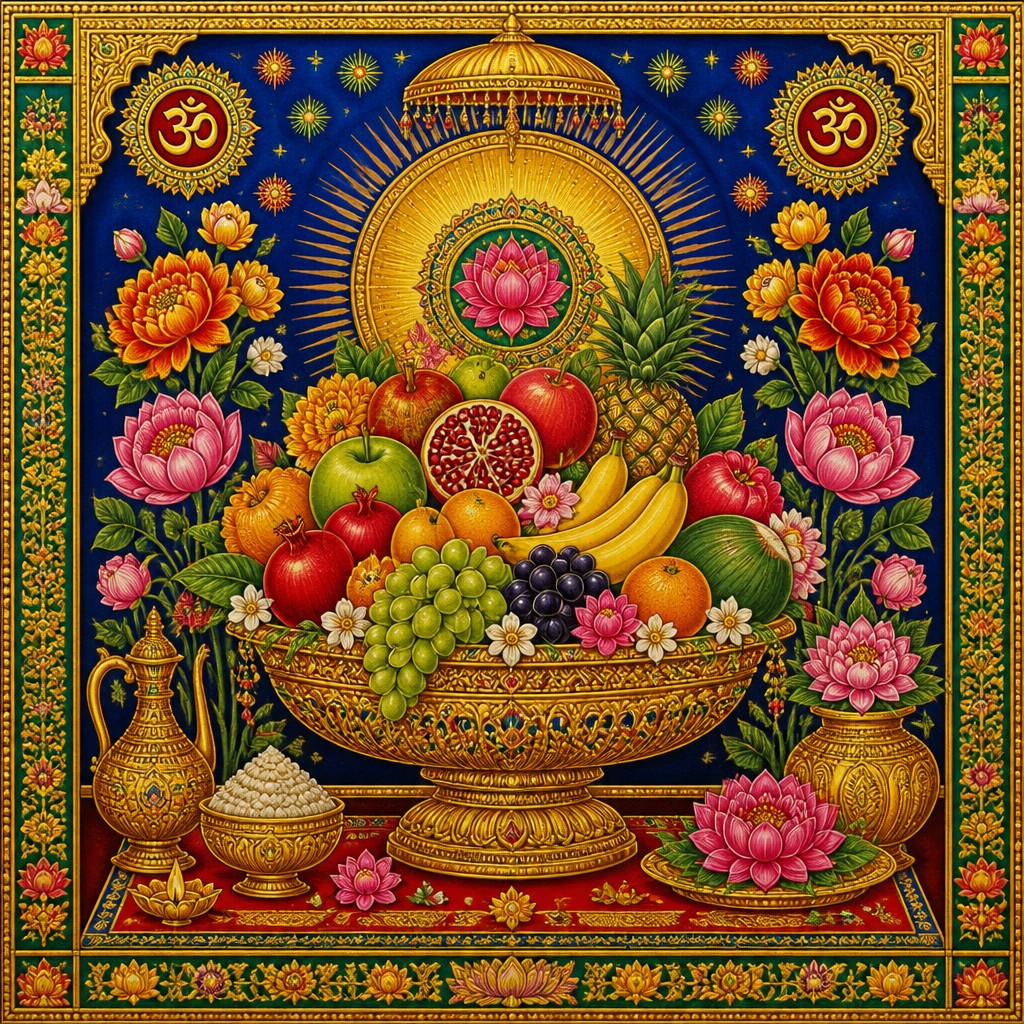
Crowns, jewelry, garments, halos, and borders are rendered with elaborate patterning. Surfaces often appear densely decorated, mirroring temple ornament, ritual cloth, and precious-metal craftsmanship.
Flattened sacred space
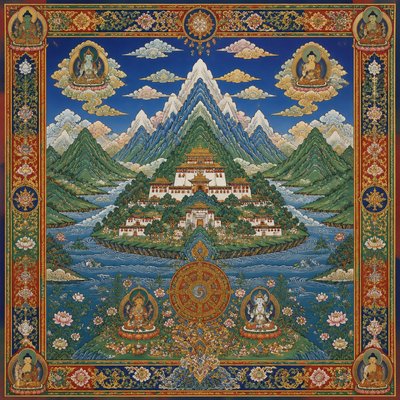
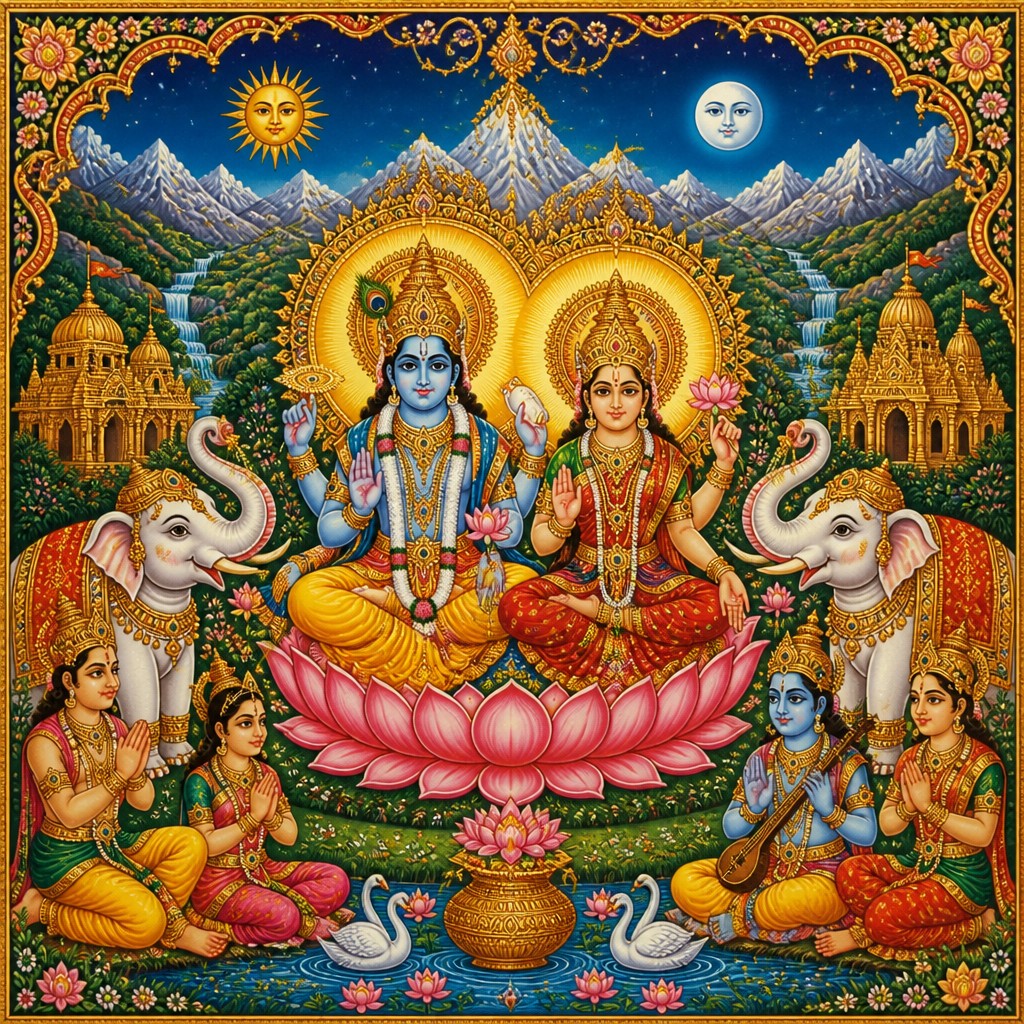
Perspective is often stacked or compressed rather than naturalistic. Figures and scenes are organized hierarchically, with scale determined by spiritual importance more than physical distance.
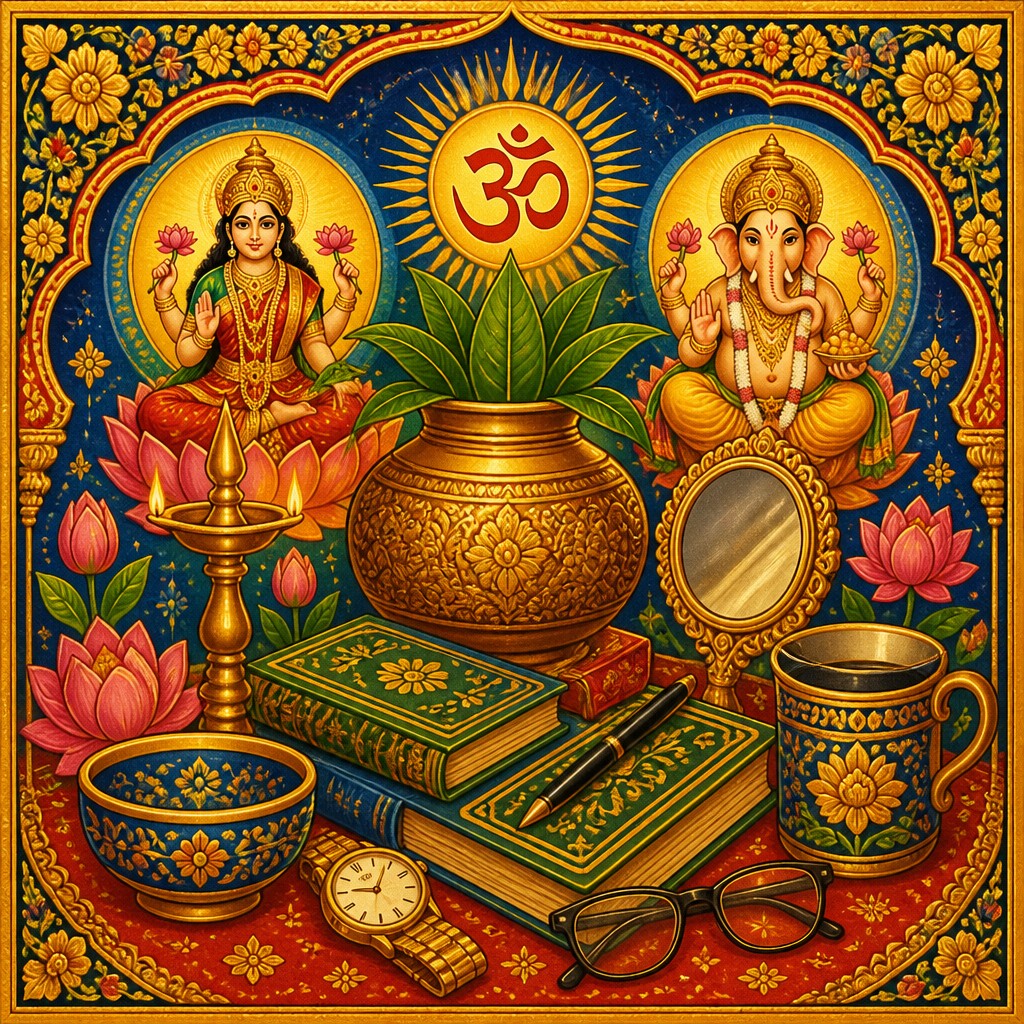
Luminous halos and divine radiance
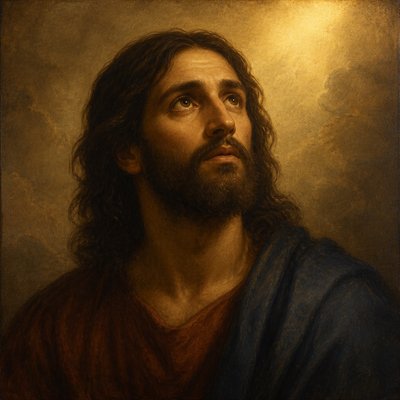
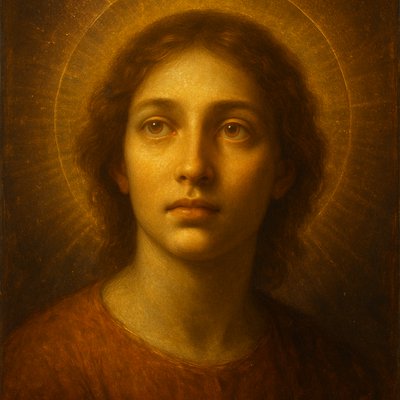
Halos, auras, and mandorla-like light forms signify sanctity and supernatural presence. Gold accents and radiating lines make the figure appear illuminated from within or beyond the scene.
Try It
Create Videos in Hindu Religious Art
Styles aren't just for stills — describe a scene or animate an image and get a short video rendered in Hindu Religious. Press play to see this pond come to life.
Make a VideoHindu Religious Prompt Ideas
Start from an idea — each one opens the generator with the style ready to go. See all 40 Hindu Religious prompts →
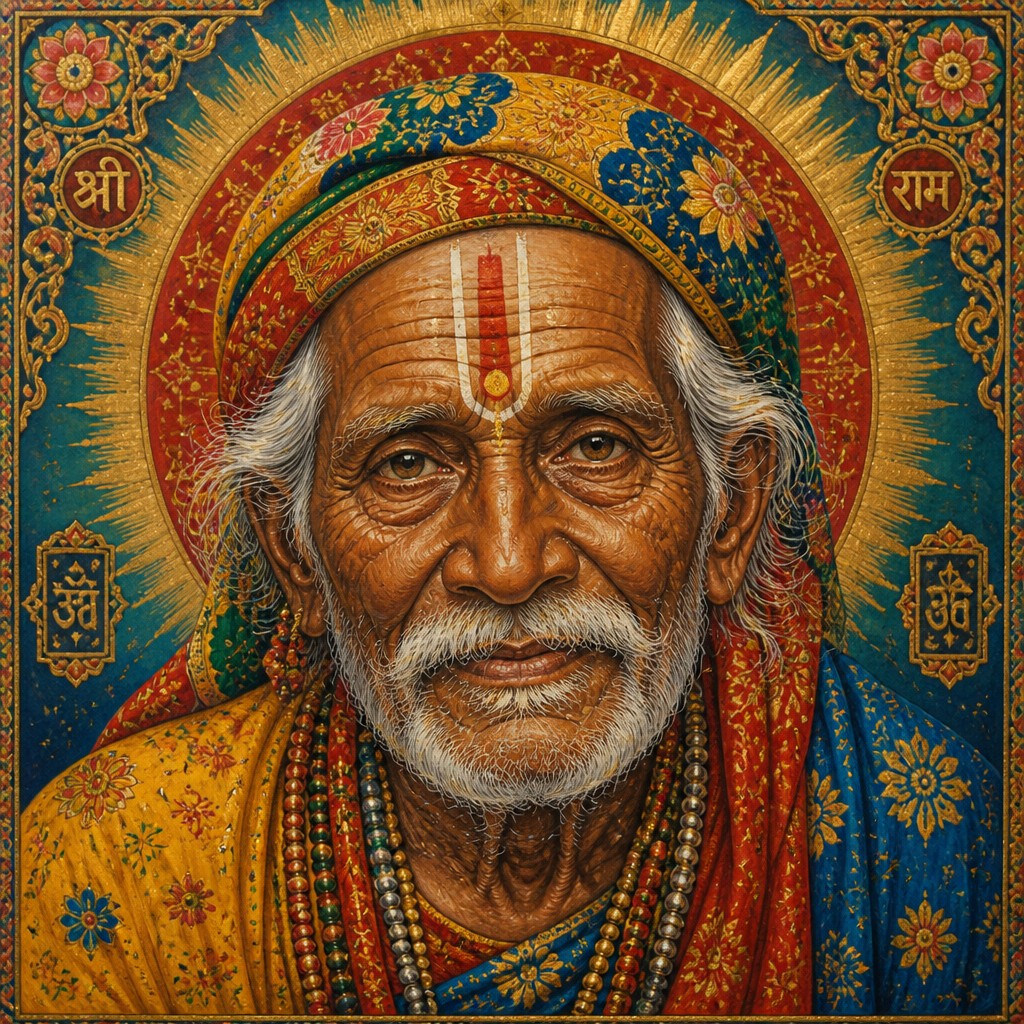
“close-up portrait of an elderly person with expressive weathered features”
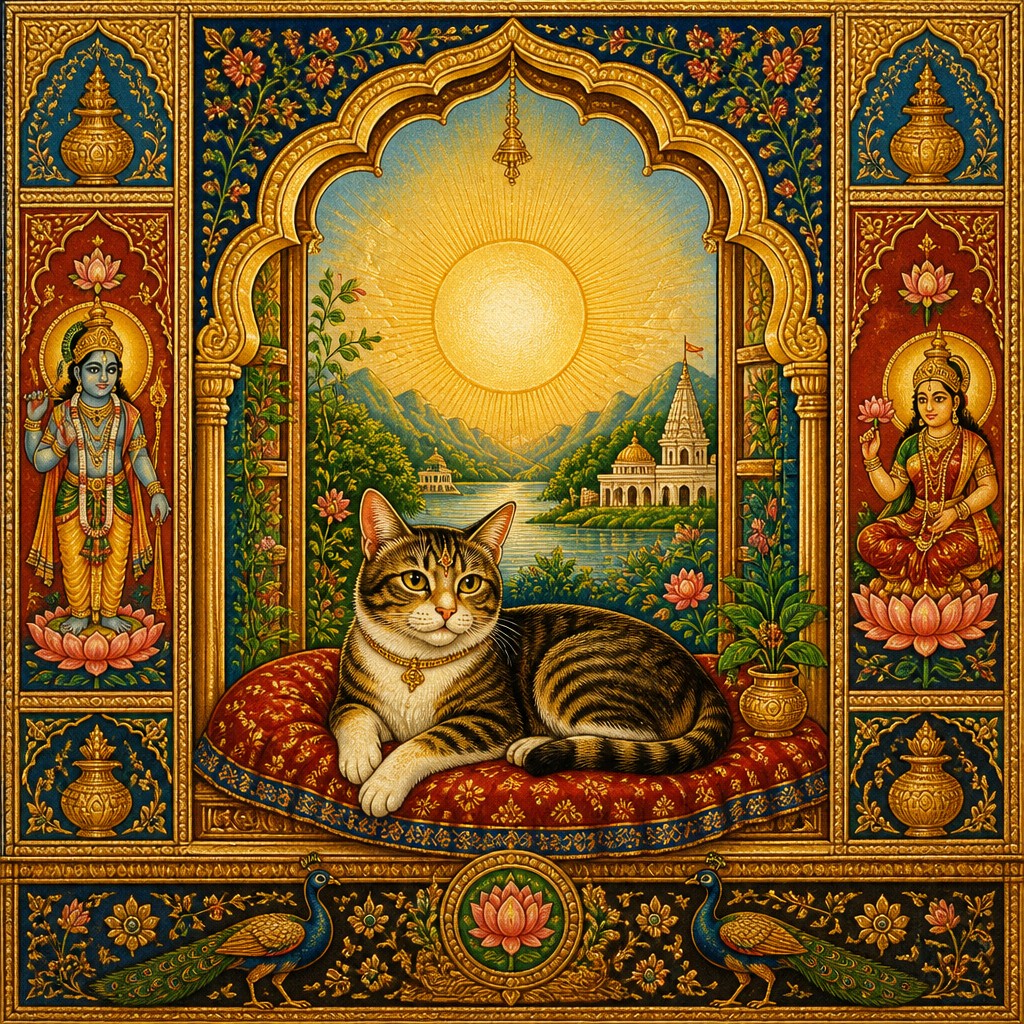
“a cat lounging in a sunlit window”
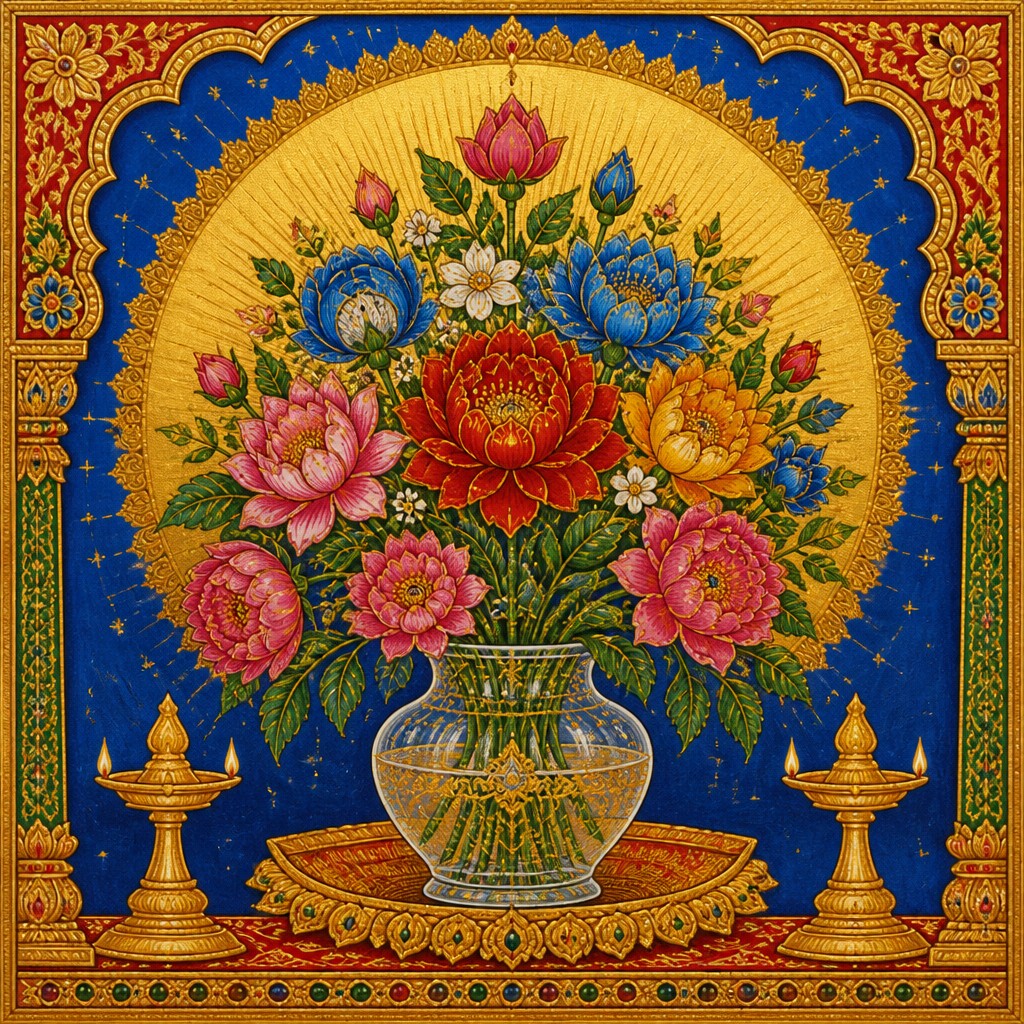
“bouquet of flowers in a glass vase”
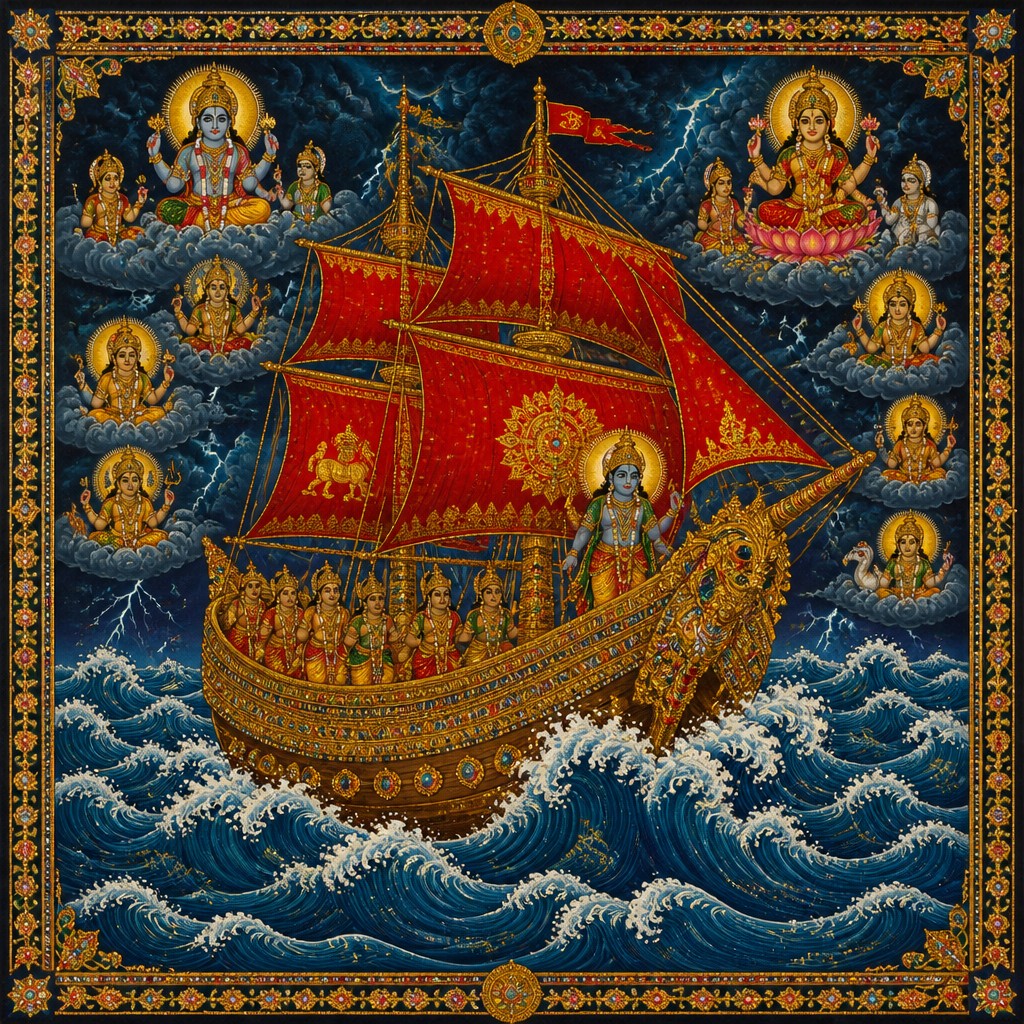
“sailing ship on a stormy sea”
How to Create Hindu Religious Art
Master the craft step by step — or skip straight to creating. Read the full guide →
- 1
Establish the iconography first
Choose the deity or sacred narrative and identify the correct attributes, colors, mounts, gestures, and companions before drawing. Traditional devotional art depends on recognizable symbolism, so accuracy of form matters as much as beauty.
- 2
Build a symmetrical composition
Place the central figure on a vertical axis and arrange attendants, ornaments, or background motifs in balanced layers. A flat, hierarchical layout will usually feel more authentic than a deep perspective scene.
- 3
Use saturated color and decorative linework
Work with strong reds, blues, greens, and golds, then reinforce contours with clean, precise line. In traditional media, opaque gouache, acrylic, or mineral-pigment-inspired layers can help achieve the luminous, poster-like finish.
- 4
Add sacred surface treatment
Integrate halos, patterned borders, floral motifs, jewel-like highlights, and textile textures across clothing and background. These details should enhance the image’s ceremonial quality without overwhelming the main devotional focus.
- 5
Reference traditional formats and materials
Consider temple-painting sensibilities, manuscript illustration, mural styles, or modern calendar-art aesthetics depending on your subject. On digital work, separate line, color, and gold-effect layers; for generated imagery, specify divine attributes, jewel tones, ornamental borders, and stacked perspective clearly.
- 6
Prioritize clarity over realism
The goal is symbolic readability rather than anatomical realism or photographic lighting. When writing a generation prompt, include the deity, attributes, symmetrical composition, glowing halo, and ornate devotional setting to guide the image toward this visual tradition.

The Story
History & Origins of Hindu Religious
Hindu religious art developed over many centuries in South Asia alongside temple architecture, sculpture, manuscript painting, mural traditions, folk painting, and popular print culture. Early devotional image-making can be traced through ancient and medieval temple reliefs and later through regional painting schools such as Pahari, Rajasthani, Mughal-influenced Hindu court painting, and the narrative manuscript traditions of western and eastern India. These forms were designed for worship, storytelling, and visual meditation rather than for secular illusionism alone.
The style’s visual language also reflects long continuity with temple sculpture and iconographic treatises that specify proportions, attributes, postures, and divine emblems. In the modern period, calendar art and chromolithography spread standardized devotional imagery across households and shrines, reinforcing bright color, frontal symmetry, and polished surfaces. Contemporary digital and illustration-based works often inherit this lineage, combining traditional iconography with modern rendering tools while retaining the emphasis on sacred presence and symbolic legibility.
Influences: This visual tradition draws from Hindu temple sculpture, manuscript illumination, regional miniature painting, mural cycles, folk icon painting, and the chromolithograph calendar-art boom of the 19th and 20th centuries. It also overlaps with related South Asian devotional image systems found in Jain and Buddhist art, though Hindu imagery is defined by its own iconographic conventions and deity forms. For comparison, its narrative clarity and ornamental density can resemble Indian miniature painting, while its standardized devotional figures owe much to popular print culture rather than to the naturalism associated with Western academic painting.

Frequently Asked Questions
What defines Hindu religious art?
It is defined by sacred subject matter and iconographic precision: gods, goddesses, avatars, sages, rituals, and mythic scenes are shown with identifying attributes such as multiple arms, halos, mounts, and ritual objects. The style also favors bright color, frontal presentation, and symbolic composition over strict realism.
Is this the same as Indian art in general?
No. Hindu religious art is one part of the much larger history of Indian art. It is specifically devotional and iconographic, whereas Indian art also includes court portraiture, secular painting, landscape, modernism, folk traditions, and many regional schools.
Why do deities often have multiple arms or heads?
Multiple arms and heads are symbolic devices, not literal anatomy. They communicate divine power, many simultaneous actions, and transcendence beyond ordinary human limits.
How is it different from Buddhist or Jain art?
All three traditions may share regional materials, ornamental treatment, and temple contexts, but they depict different religious figures and narratives. Hindu religious art centers on Hindu deities such as Vishnu, Shiva, Devi, Ganesha, Hanuman, and Krishna, each with distinct iconographic rules.
What mediums are commonly used for this style?
Historically it appears in sculpture, temple murals, manuscript painting, folk painting, and printed devotional images. Today it is also made with acrylic, gouache, colored pencil, digital painting, and image-generation workflows that can emulate the traditional visual language.
How can I make it look authentic?
Use the correct deity attributes, strong symmetry, vivid sacred color, and decorative borders or halos. Avoid overly realistic shading or random fantasy details that conflict with the iconographic purpose of the image.
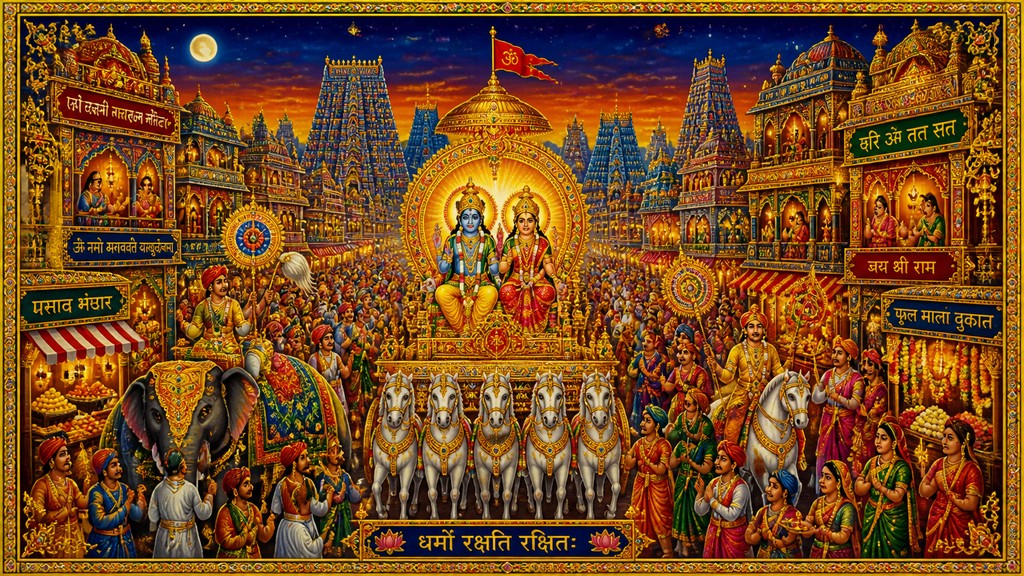
Create your first Hindu Religious artwork
Describe anything — or upload a photo — and see it in Hindu Religious Art in seconds.
Make Something with Hindu Religious
Related Styles
Discover similar art styles