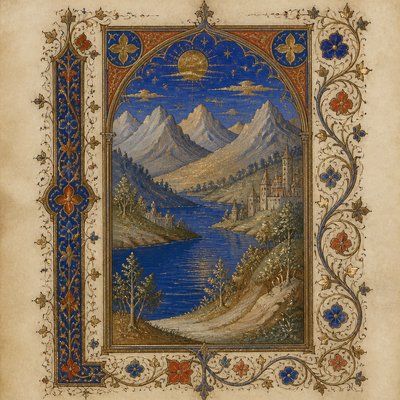
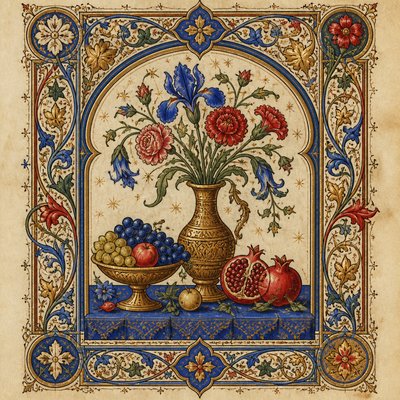
Renaissance Religious Art
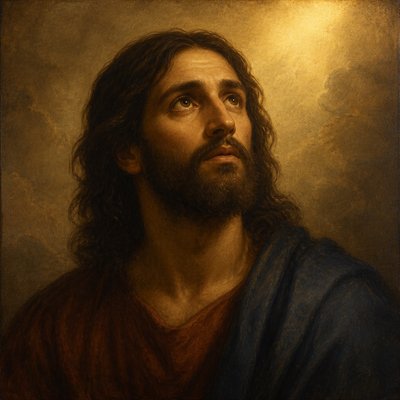
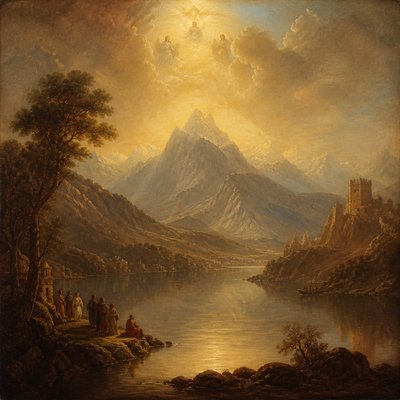
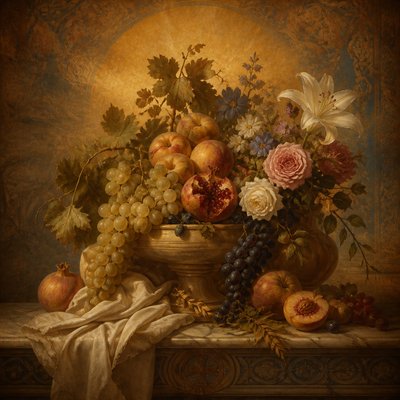
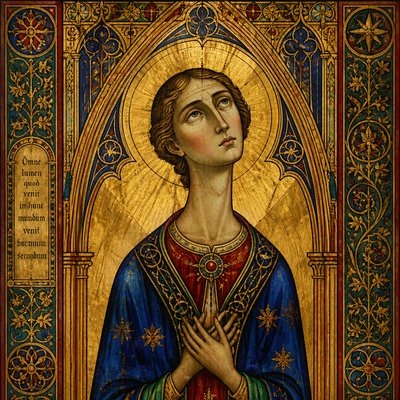
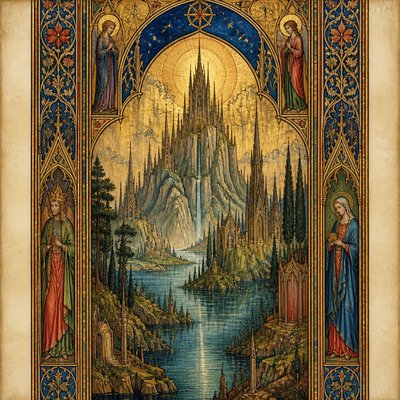
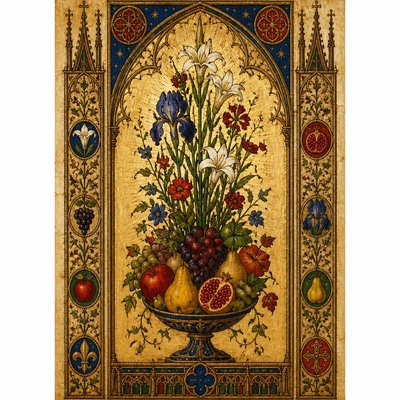
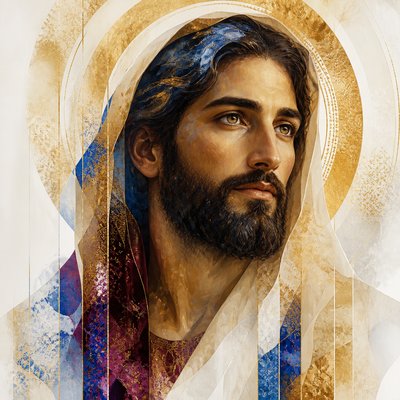
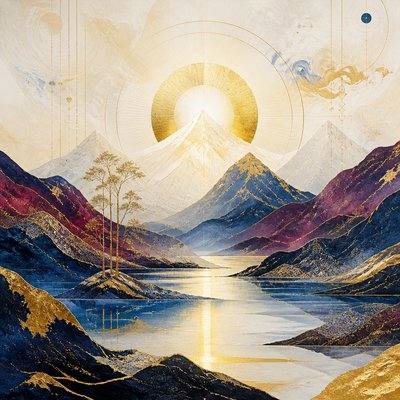
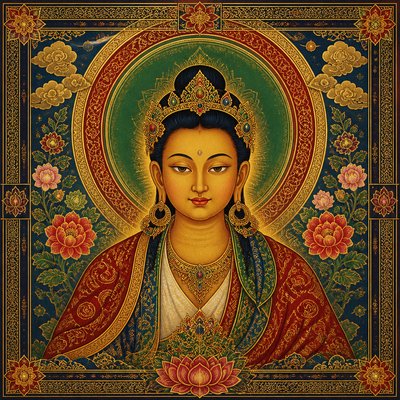
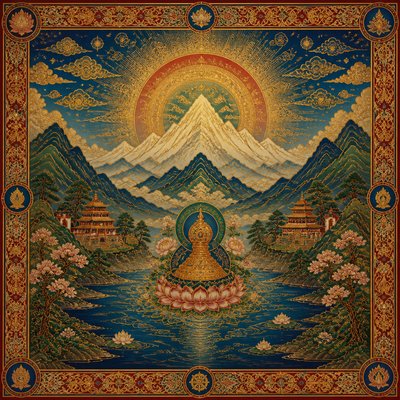
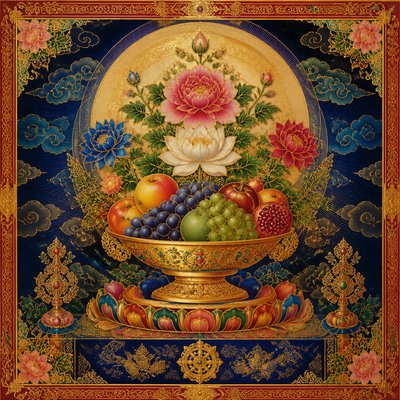
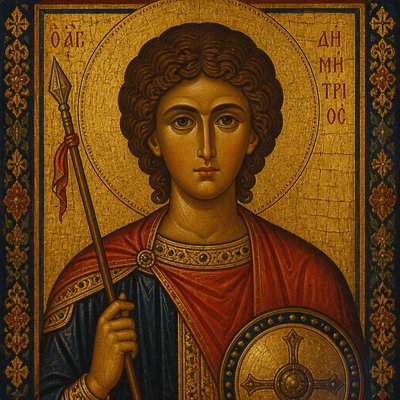
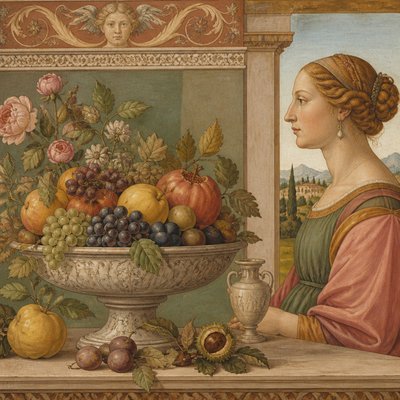
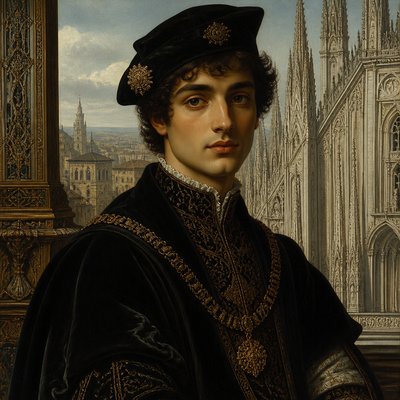
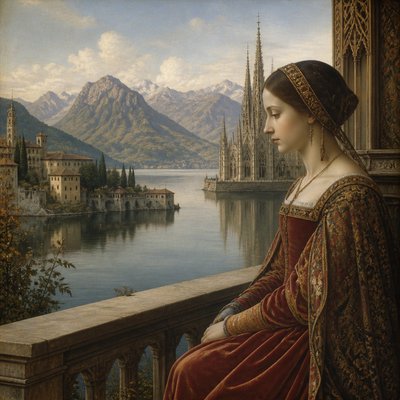
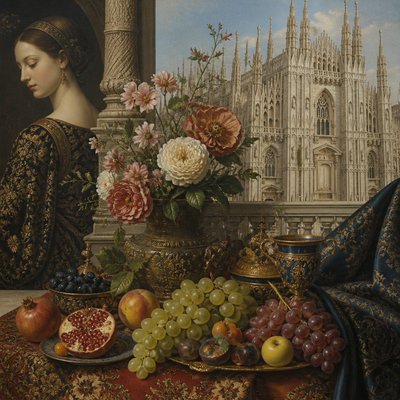
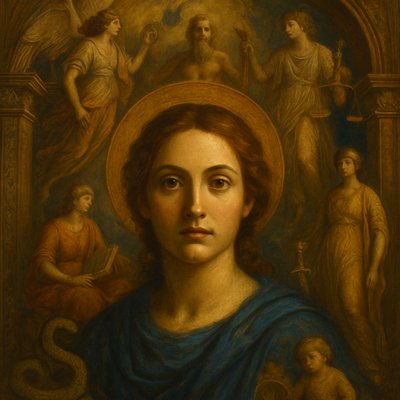
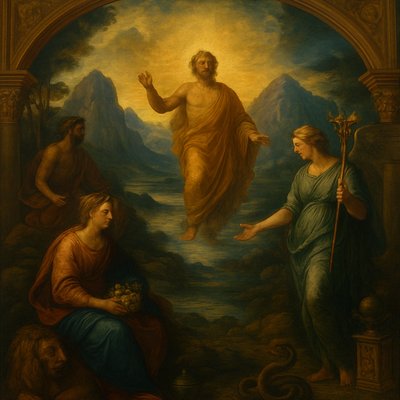
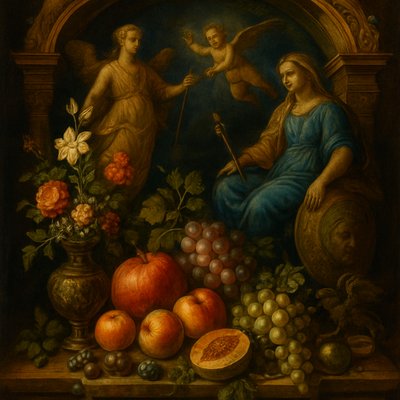
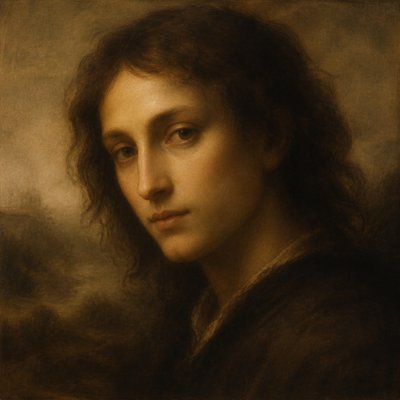
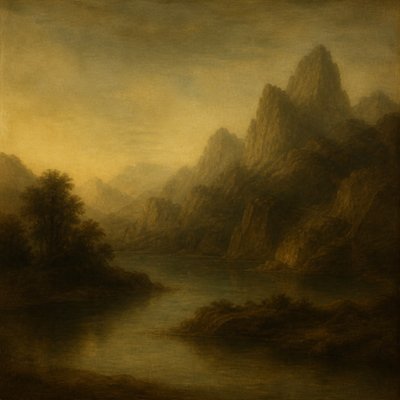
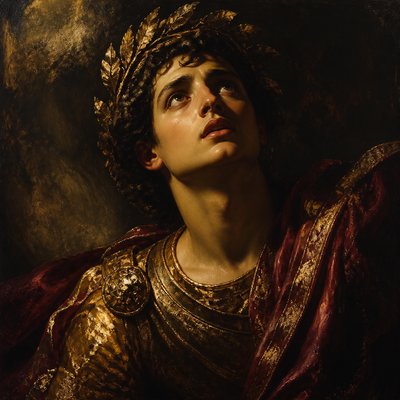
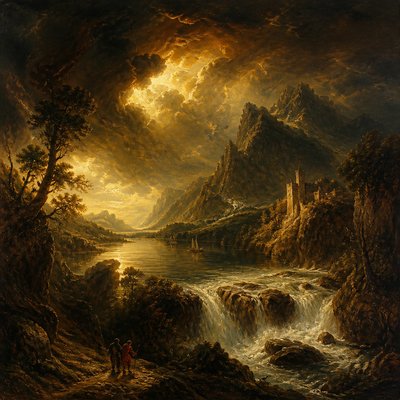
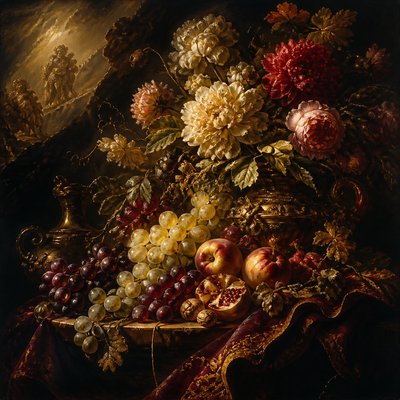
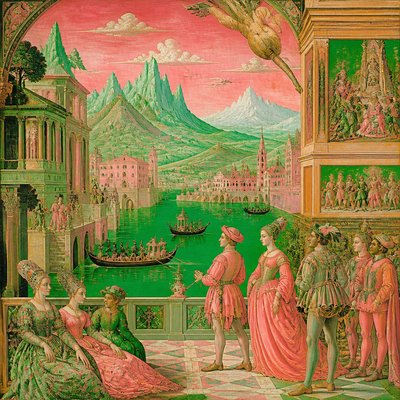
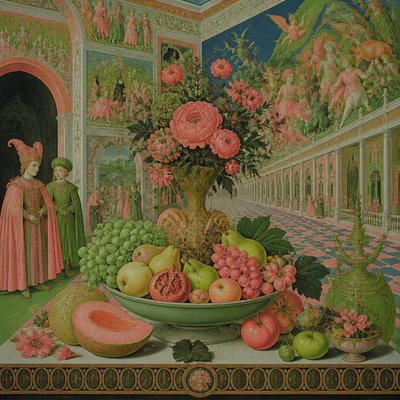
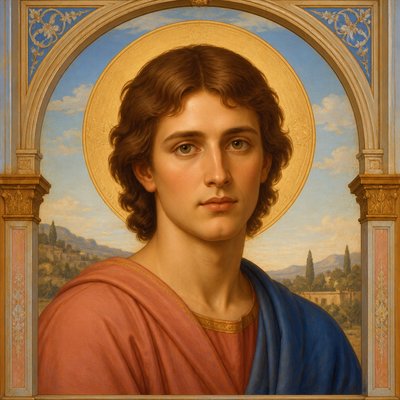
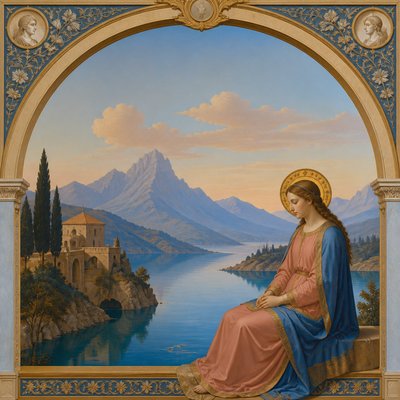
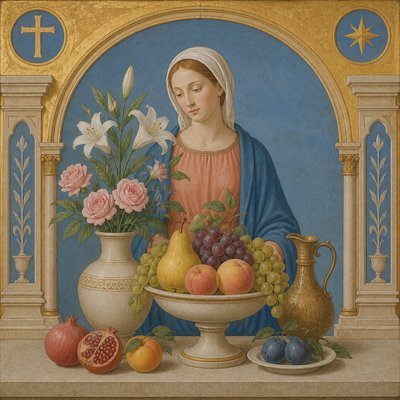
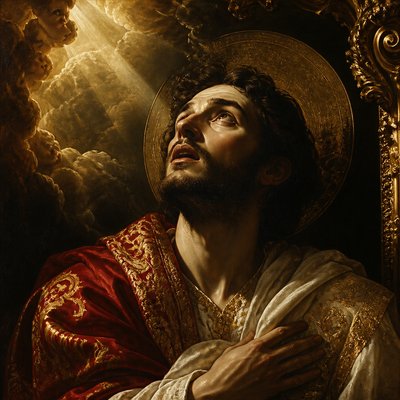
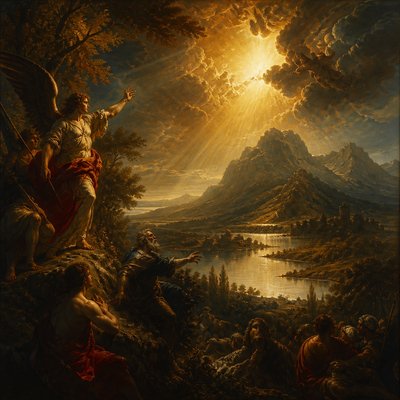
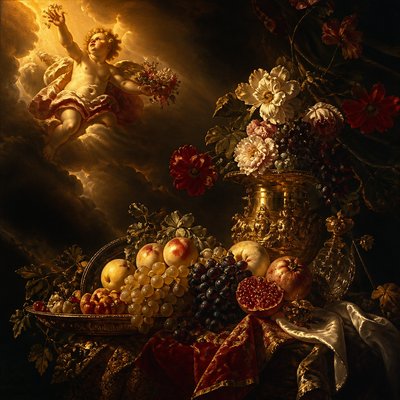
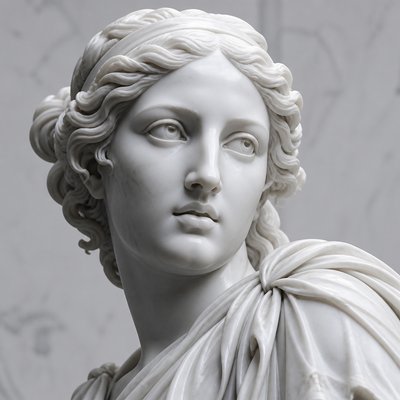
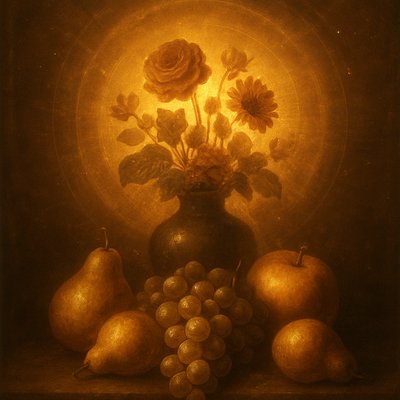
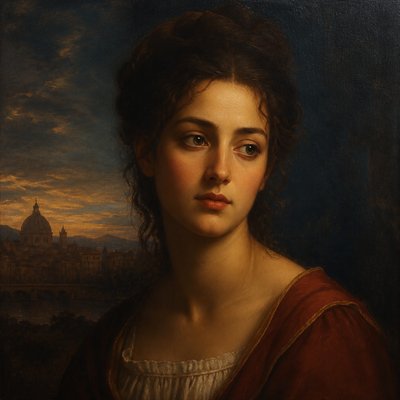
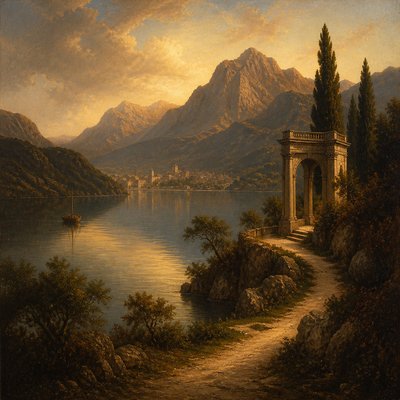
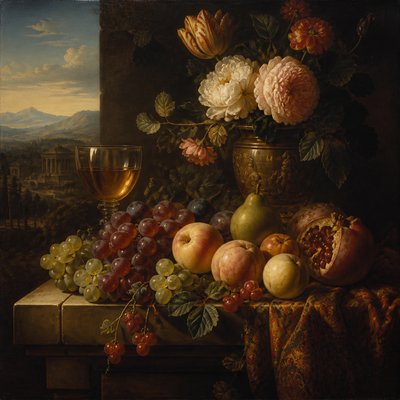
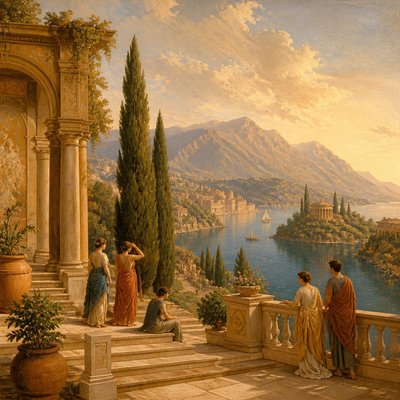
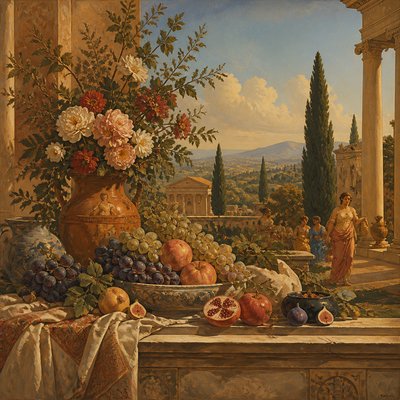
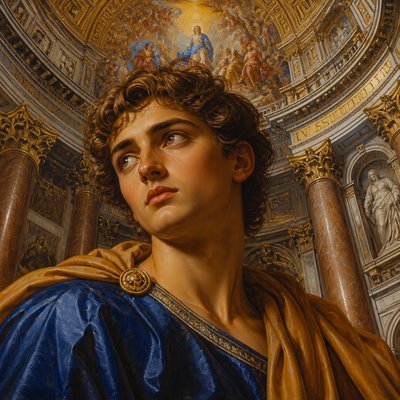
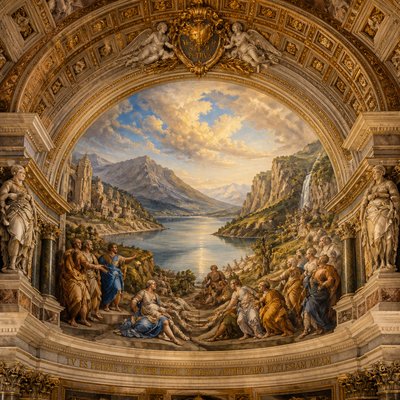
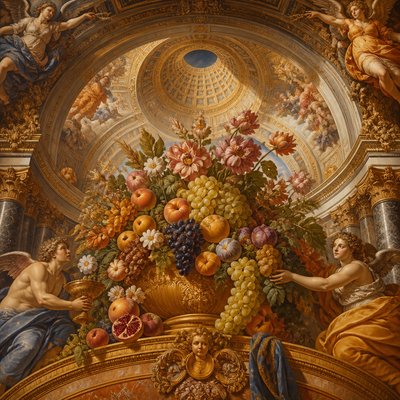
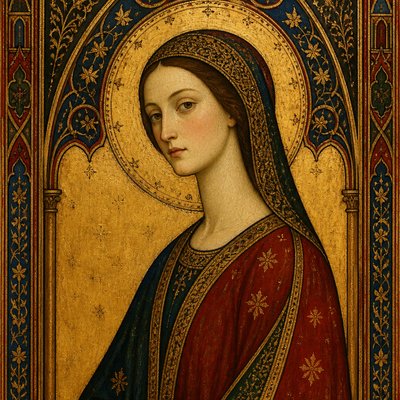
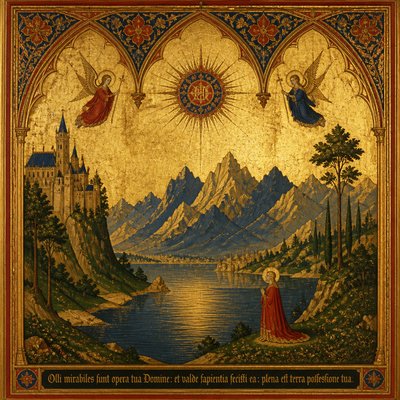
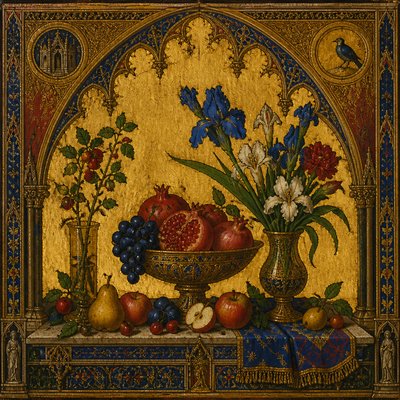
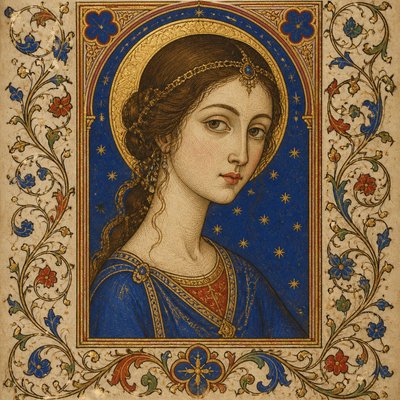
Classical religious painting with idealized figures, perspective, chiaroscuro, halos, and luminous devotional color inspired by the Renaissance.
Instantly rendered in Renaissance Religious — or transform a photo
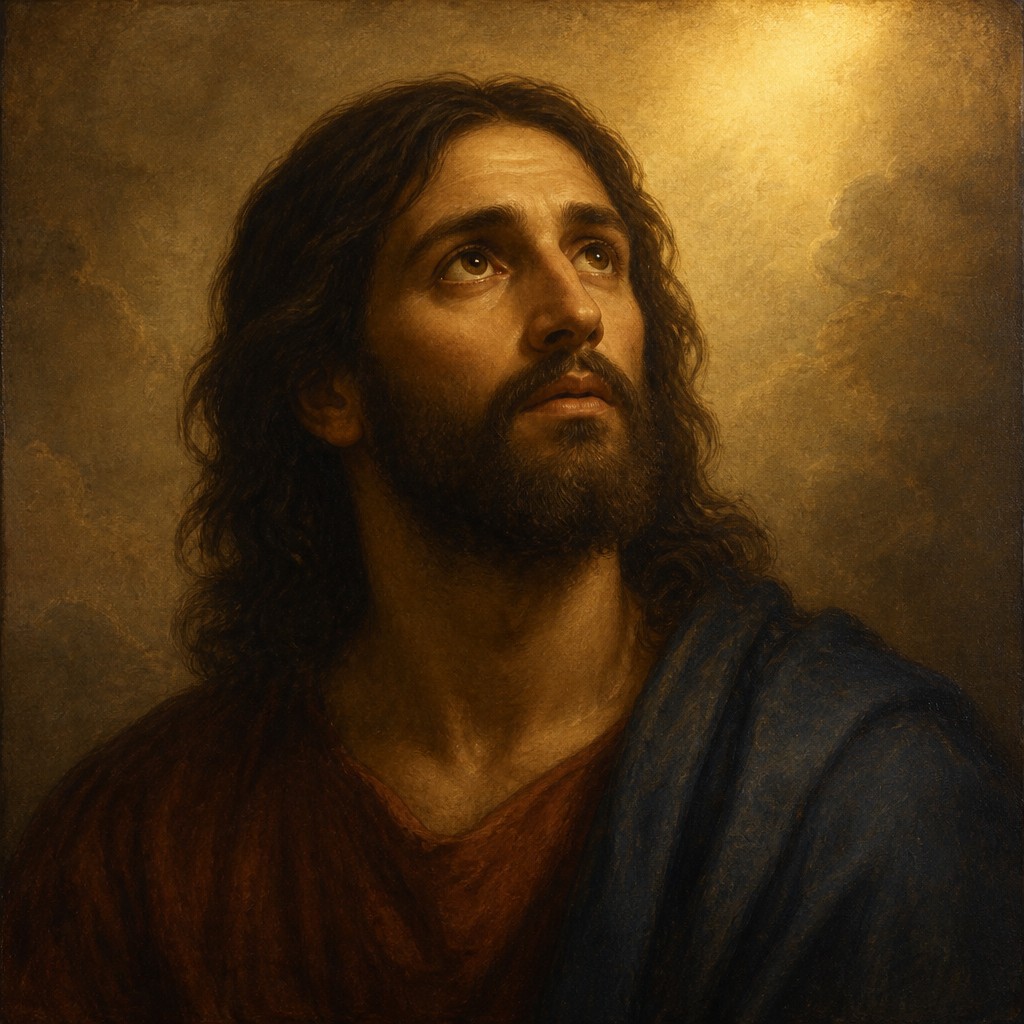
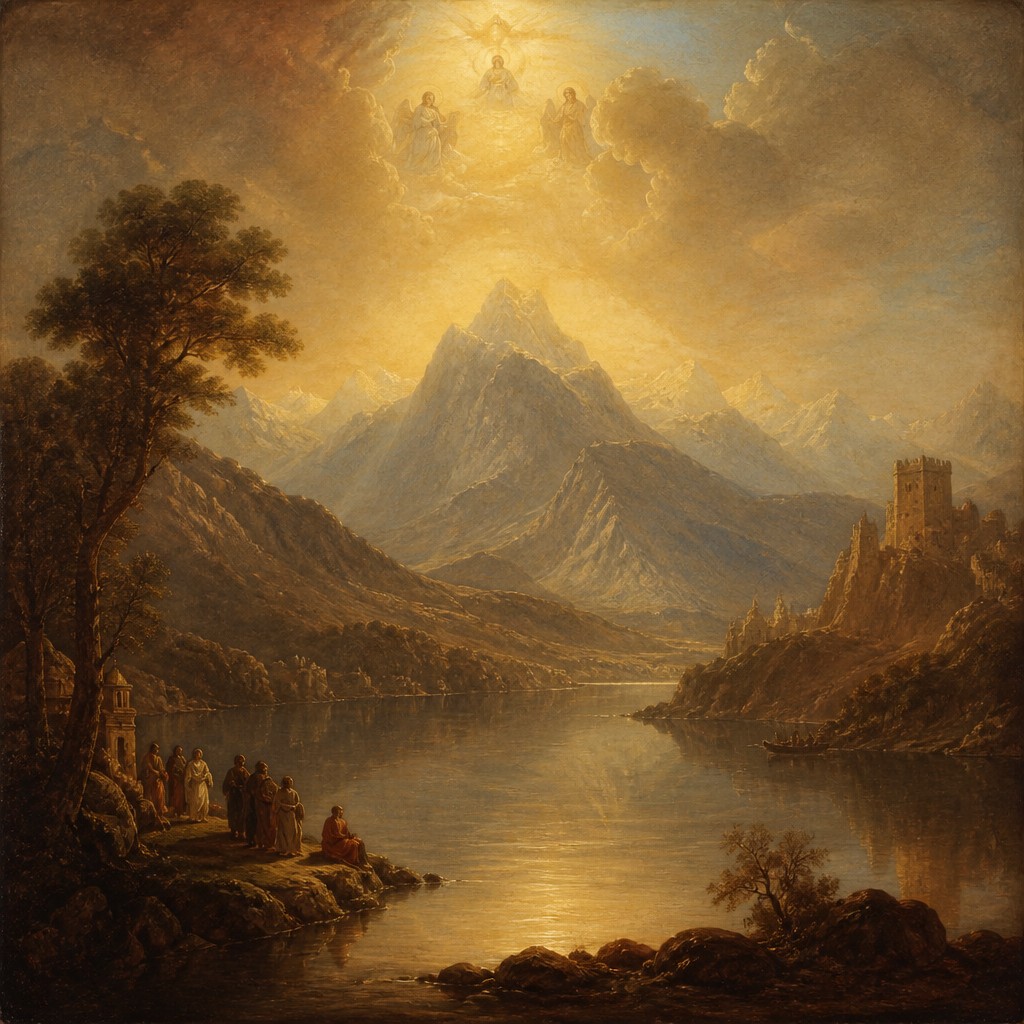
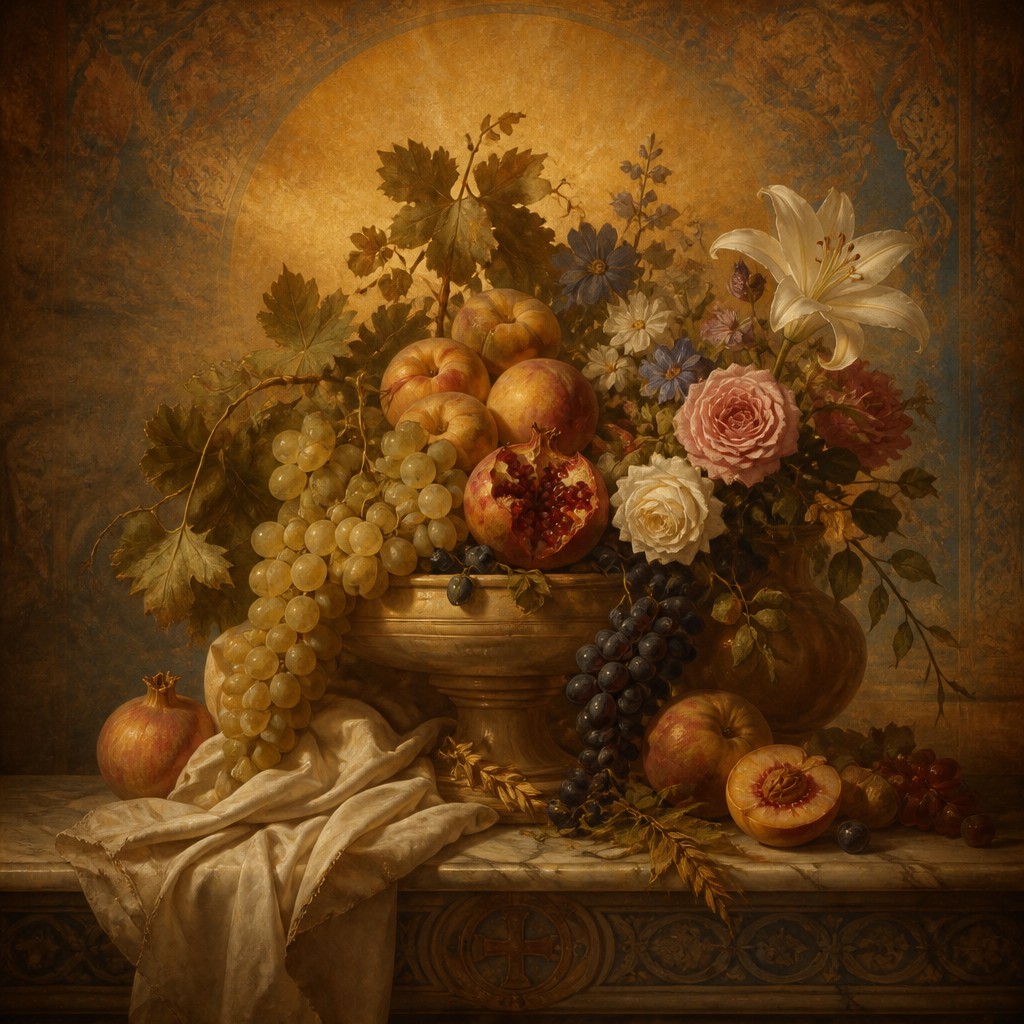
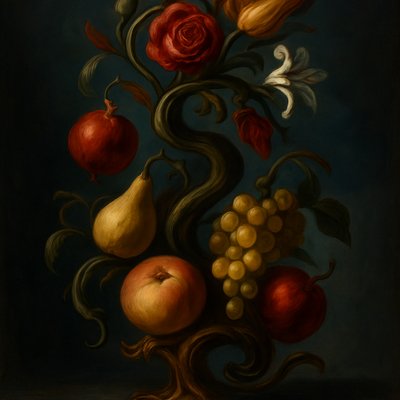
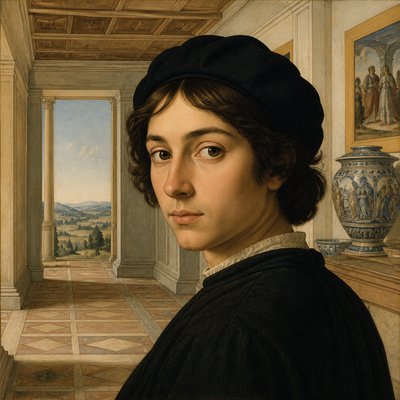
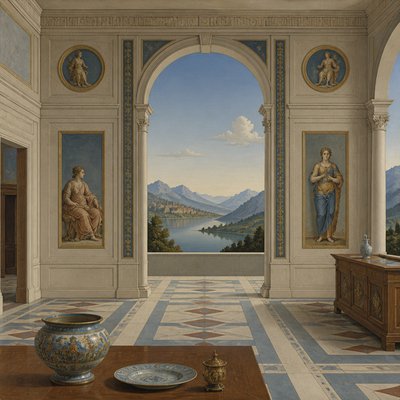
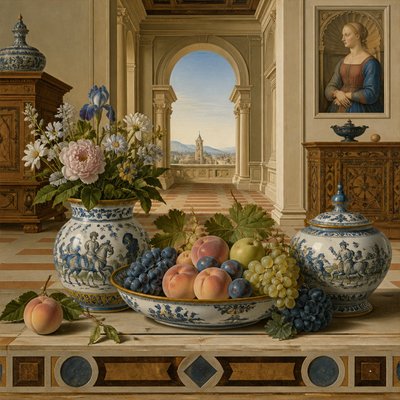
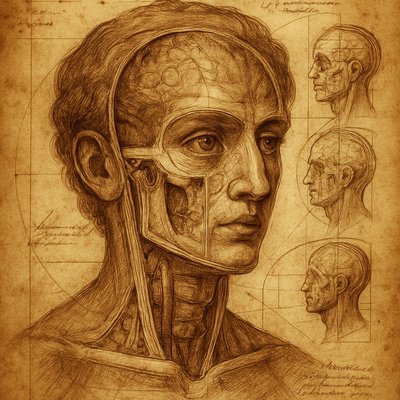
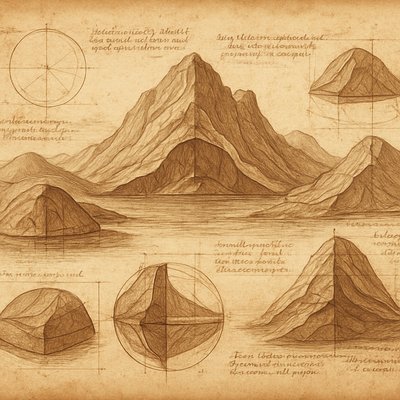
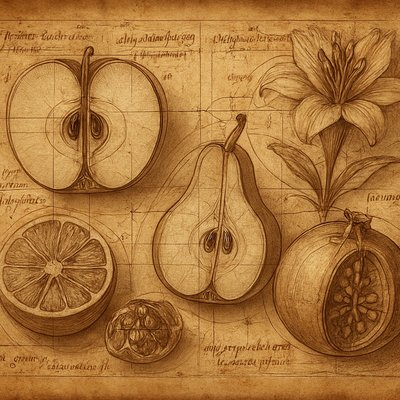
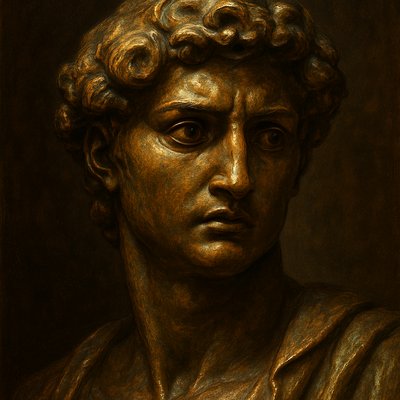
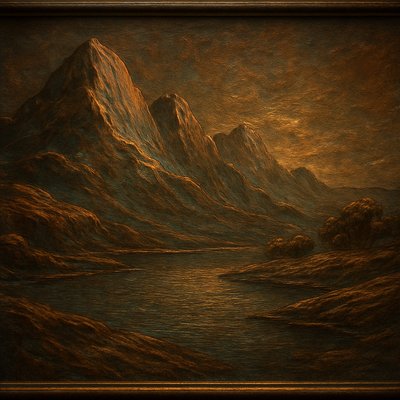
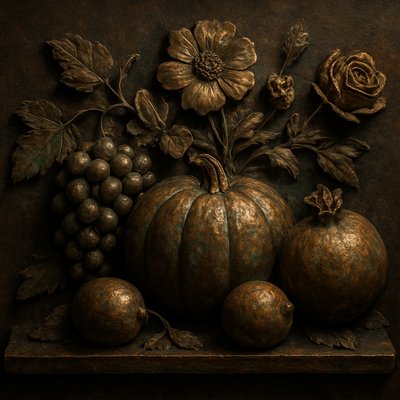
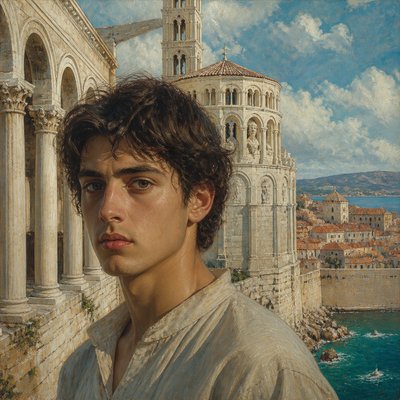
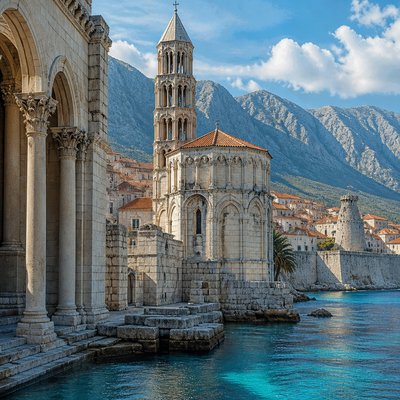
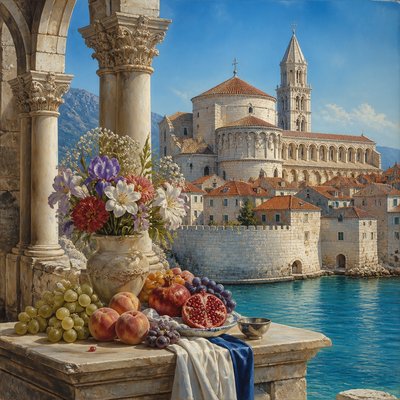
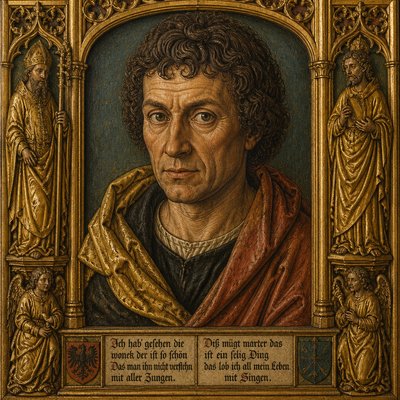
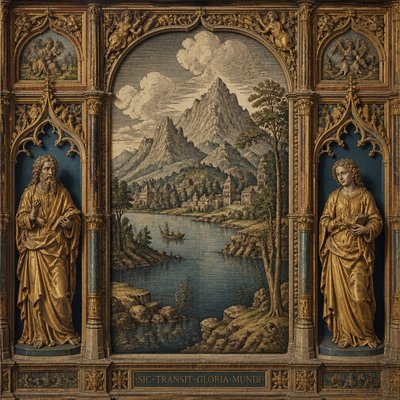
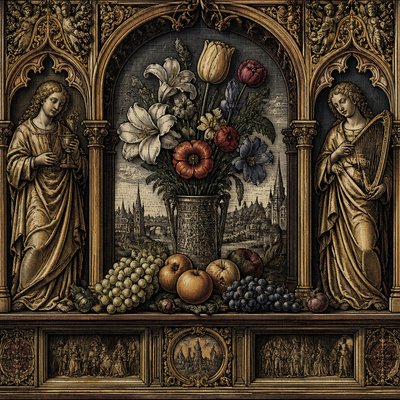
Renaissance Religious Gallery
Tap any artwork to explore it
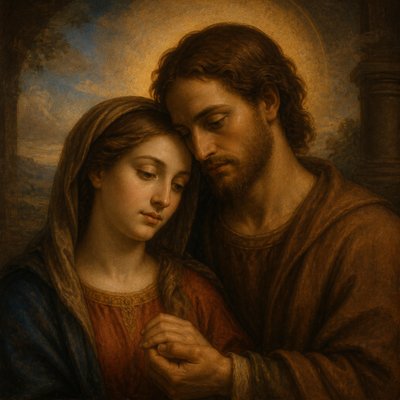
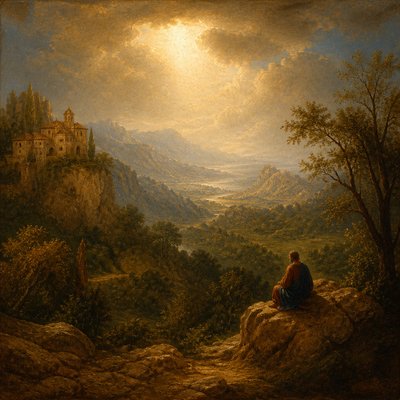
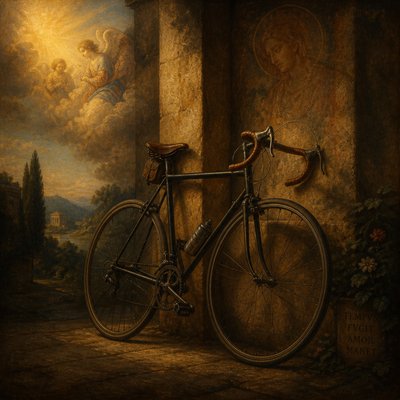
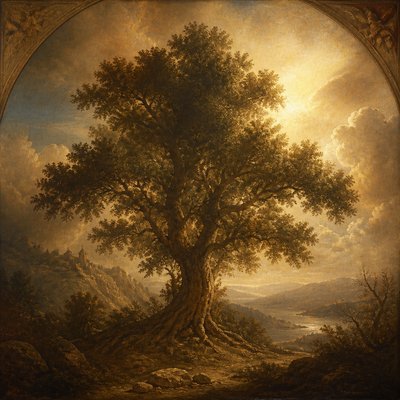
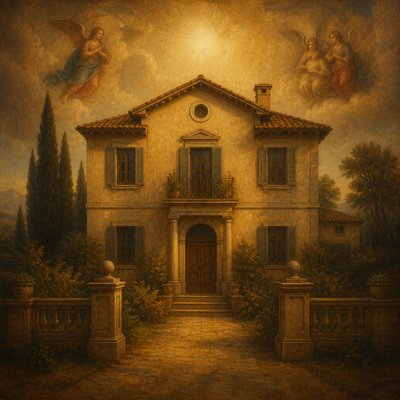
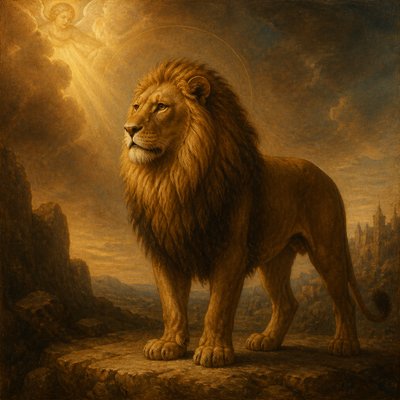
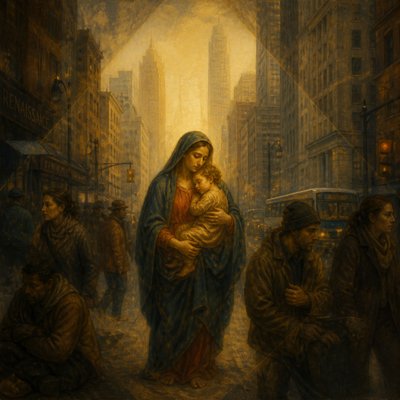
What is Renaissance Religious Art?
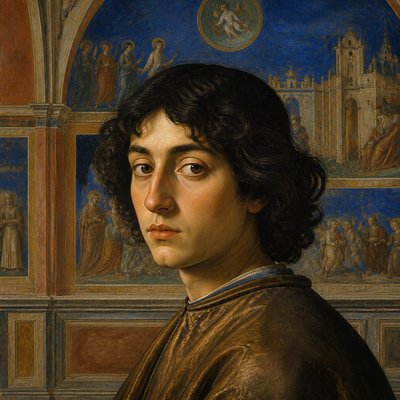
Renaissance Religious Art refers to the devotional painting traditions of the Italian Renaissance, especially the 15th and 16th centuries, when biblical and saintly subjects were rendered with renewed attention to human anatomy, spatial realism, and classical harmony. It unites Christian iconography with the Renaissance belief that the visible world could be measured, ordered, and understood through observation, proportion, and perspective.
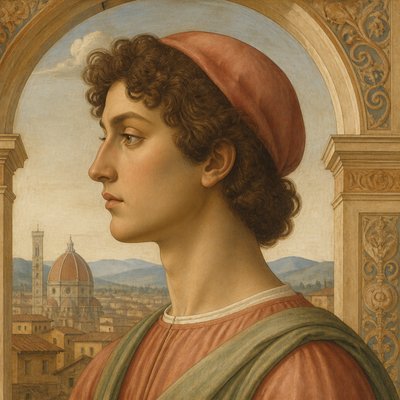
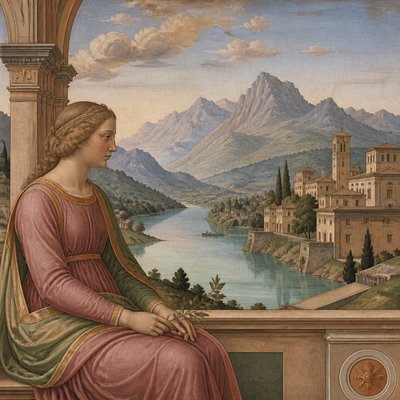
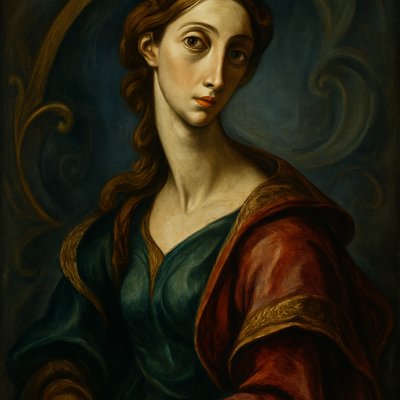
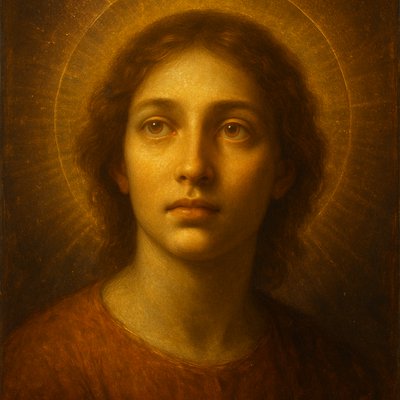
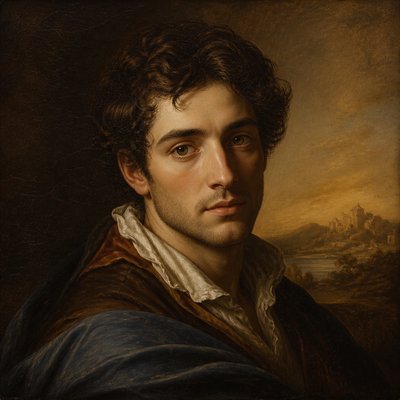
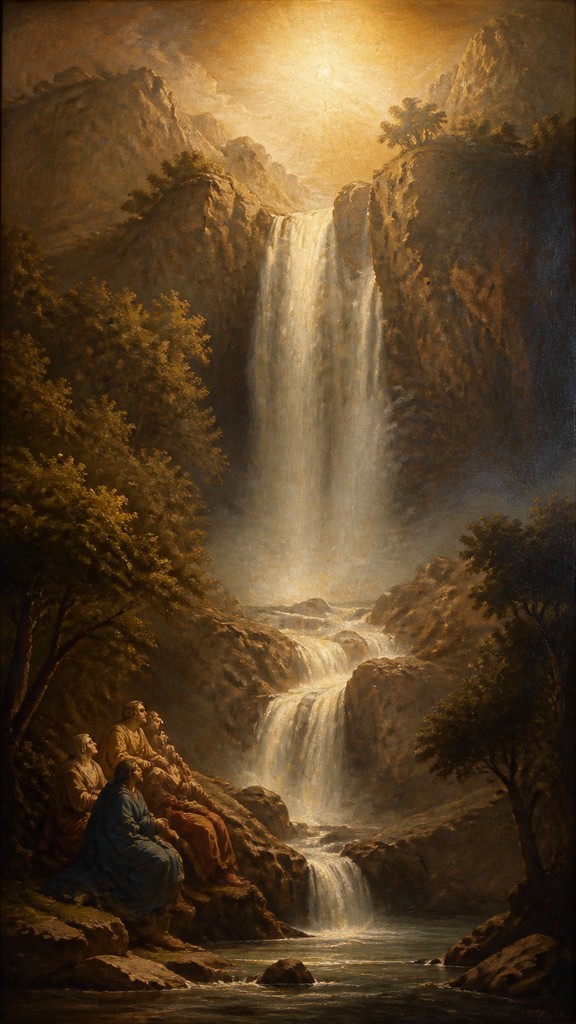
Visually, the style is defined by serene yet emotionally legible figures, stable compositions, and a balance between ideal beauty and natural human presence. Soft tonal transitions, carefully modeled drapery, and controlled light create a sense of sacred quiet, while architectural settings, landscapes, and foreshortened bodies anchor the scene in believable space. The result is not merely decorative; it is designed to inspire contemplation, devotion, and narrative clarity.
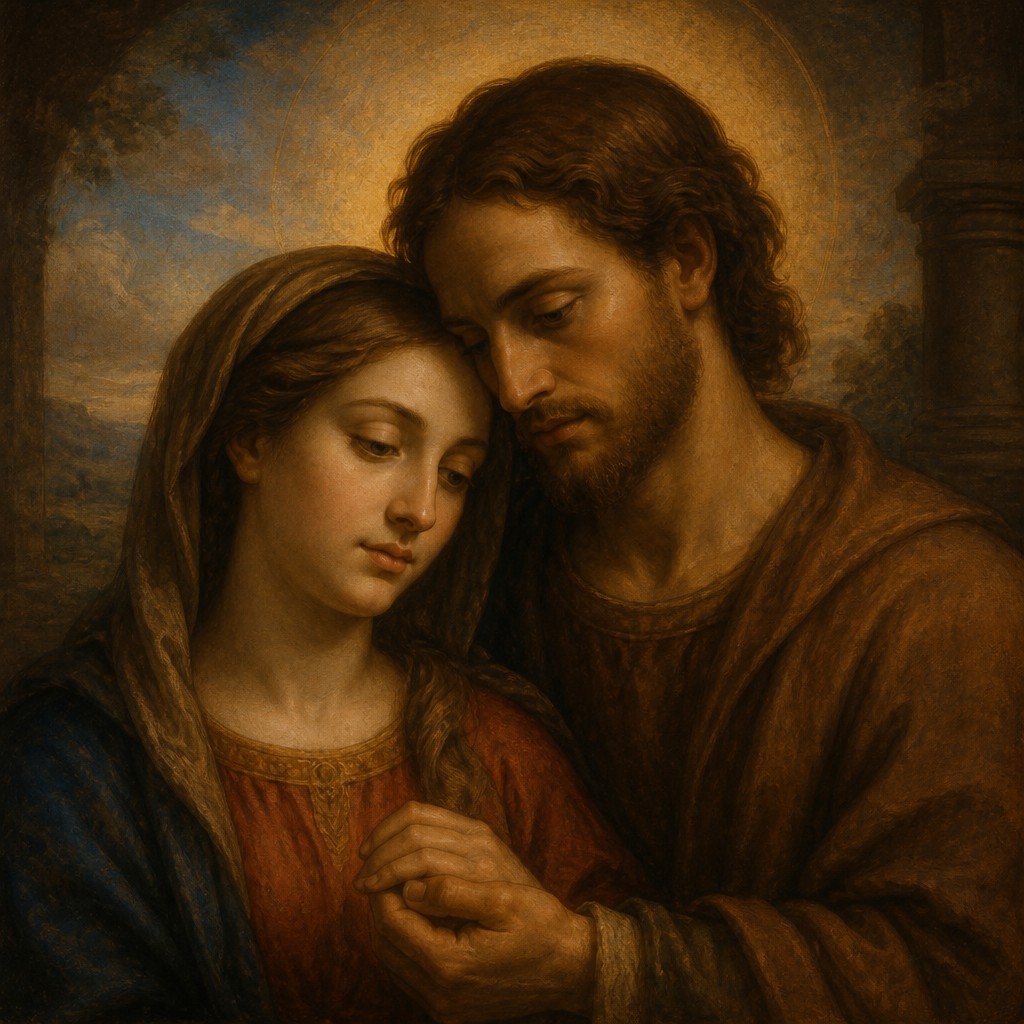
Try It On Your Photos
Upload any photo and convert it into Renaissance Religious Art — drag the sliders to compare before and after.
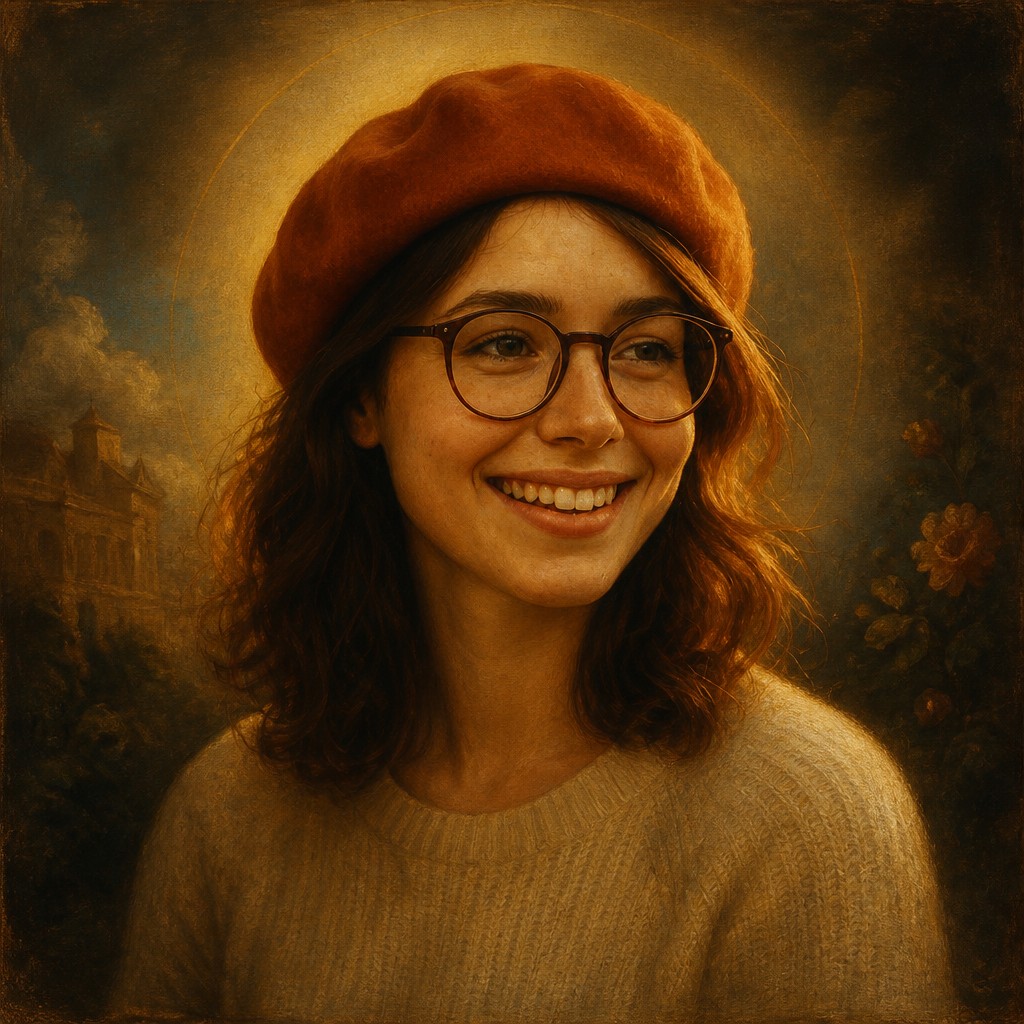

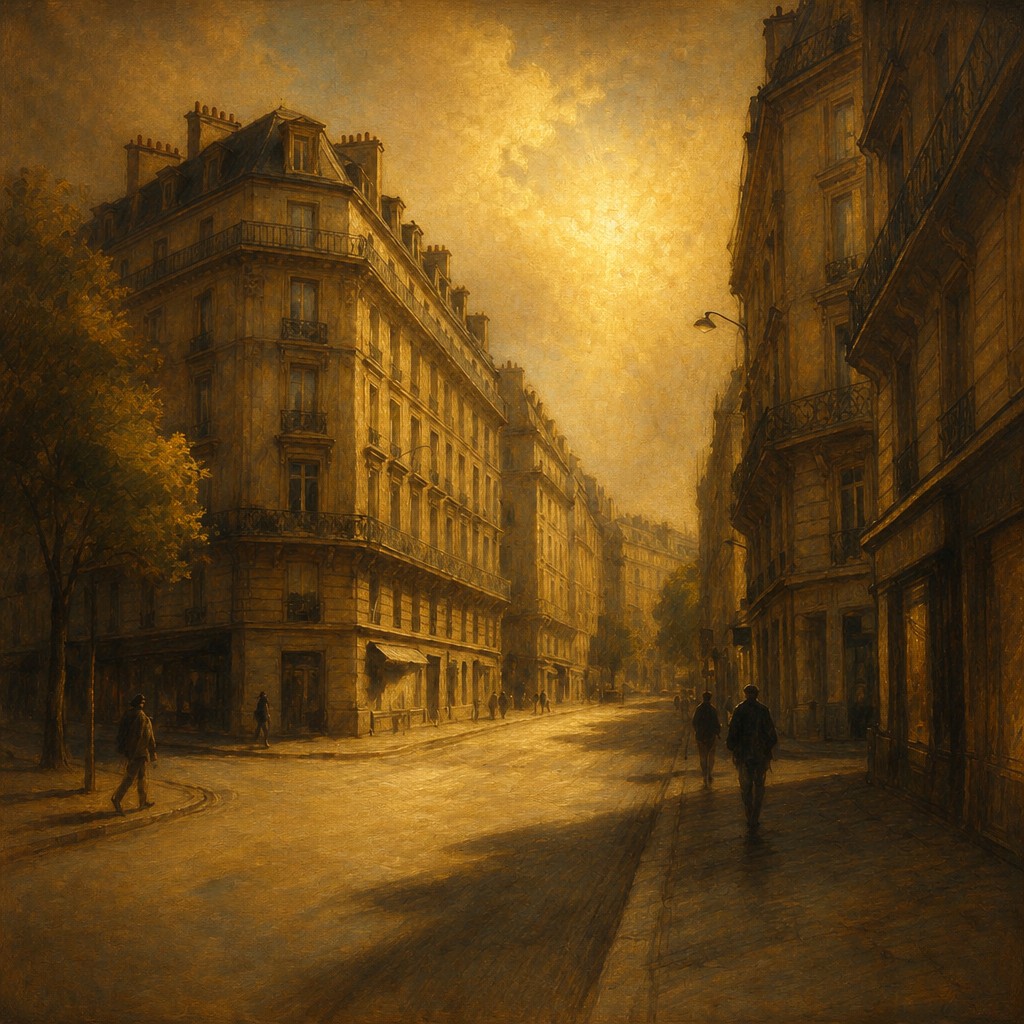

What Defines Renaissance Religious Art
The signature details, up close
Naturalistic holy figures
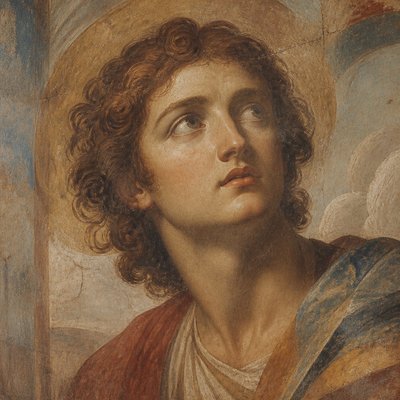
Bodies, faces, and gestures are modeled with anatomical credibility rather than abstract symbolism. Saints, the Virgin Mary, and Christ often appear idealized, but they still occupy convincing human space.
Linear perspective and spatial depth
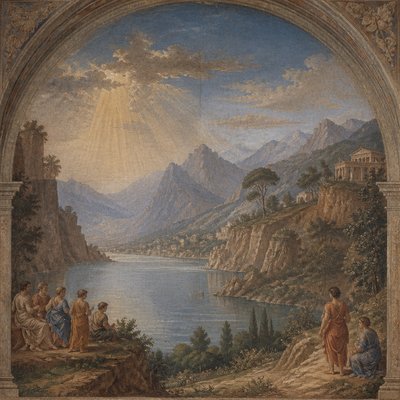
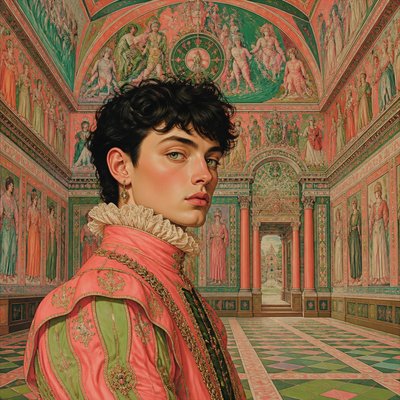
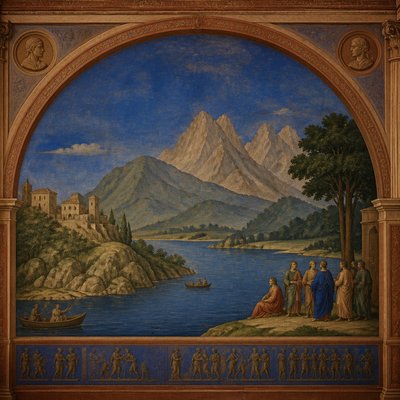
Architecture, floors, and landscape recede according to mathematical perspective, creating a structured, believable environment. This depth helps organize narrative scenes and elevates sacred figures within orderly space.
Chiaroscuro and soft modeling
Light and shadow shape forms gently, often with gradual transitions rather than harsh contrast. The effect can make figures appear sculptural and contemplative, especially in softly lit devotional scenes.
Stable compositional balance
Many works use pyramidal or symmetrical arrangements that convey harmony and permanence. This compositional stability reinforces the sense of spiritual order and doctrinal clarity.
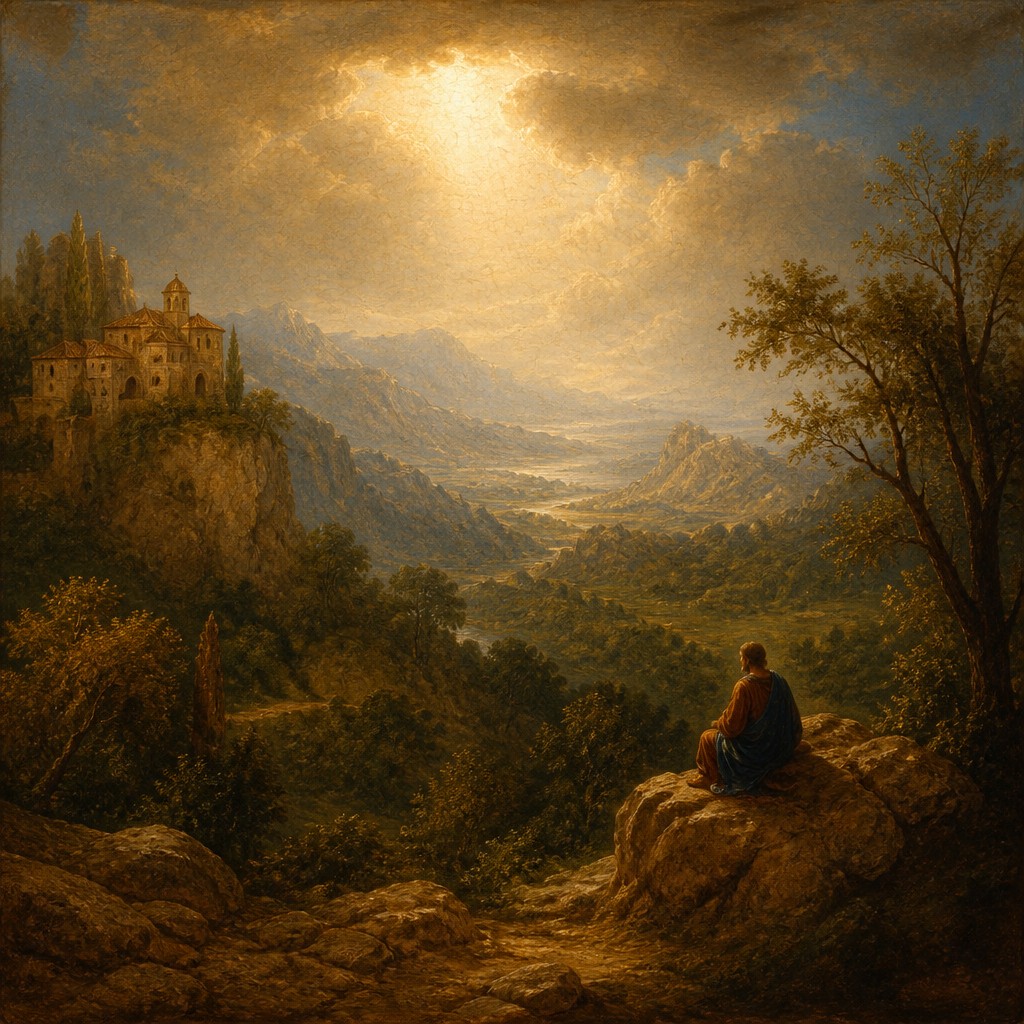
Warm, luminous color
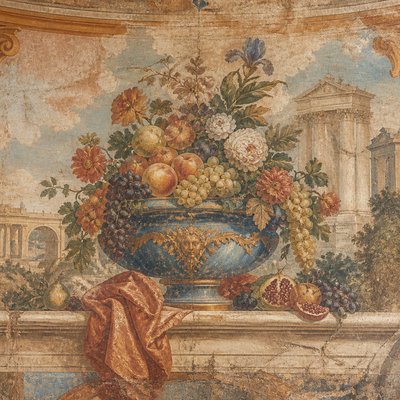
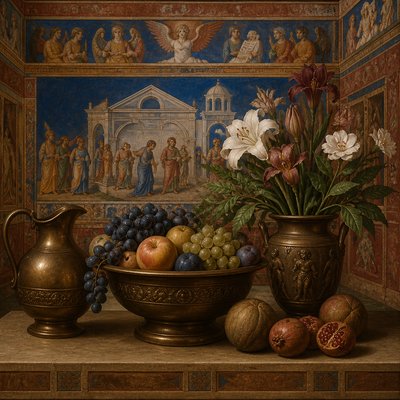
Earth pigments, deep blues, reds, and golds produce a rich but controlled palette. Glazing and layered paint create glow, depth, and a subtle sense of sacred radiance.
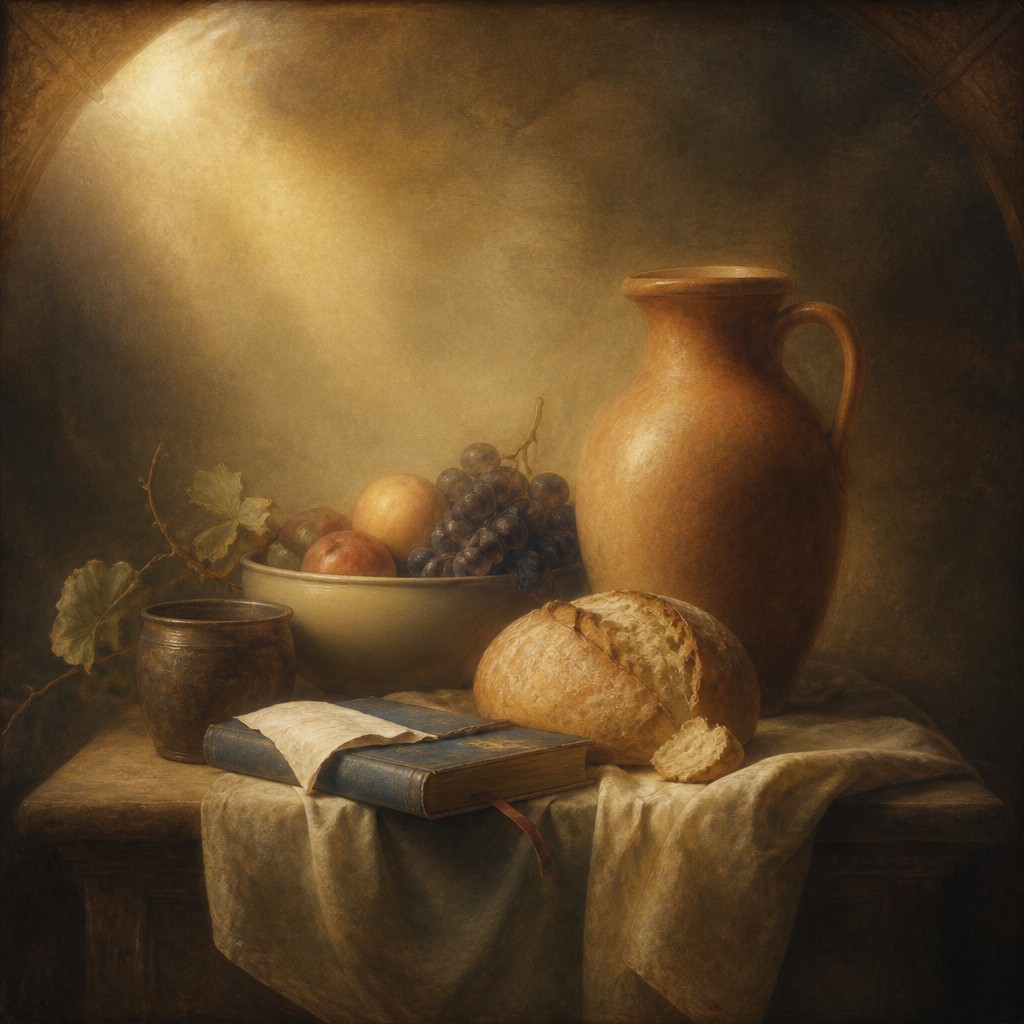
Religious iconography
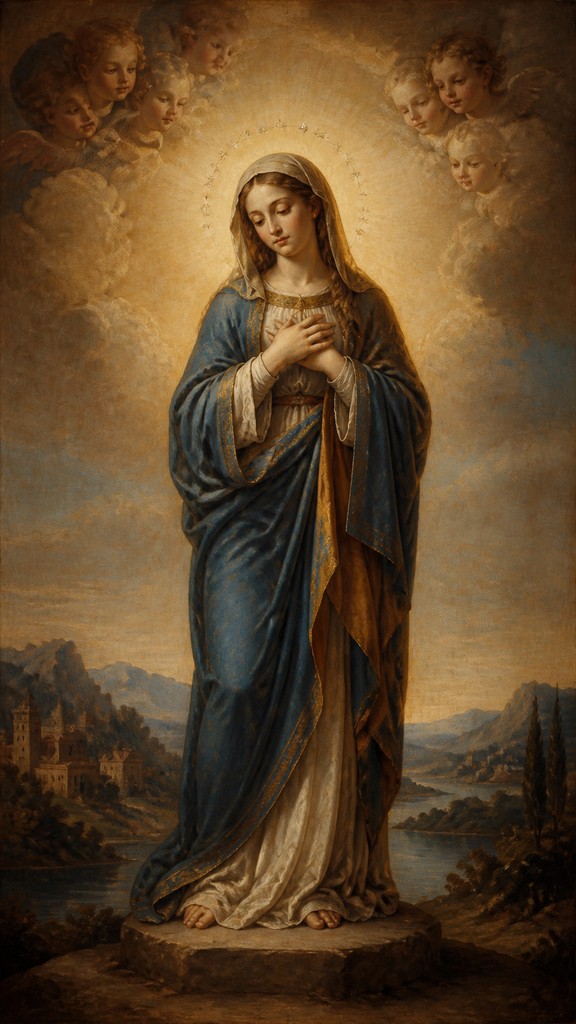
Common subjects include the Madonna and Child, the Crucifixion, the Annunciation, saints, apostles, and scenes from the Gospels. Symbolic attributes and devotional gestures identify the figures and support theological meaning.
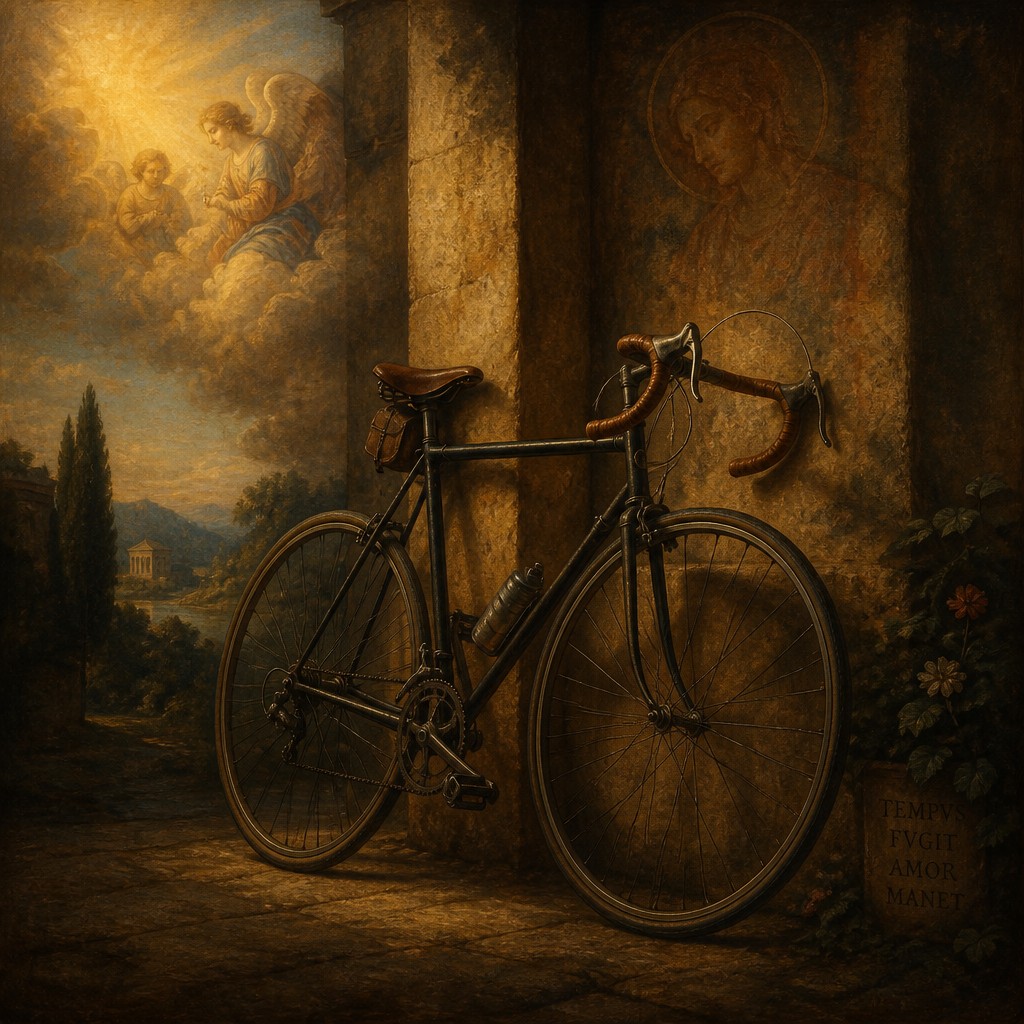
Reverent stillness
Even dramatic scenes often feel measured and solemn rather than chaotic. Expressions, posture, and atmosphere are composed to encourage contemplation and emotional restraint.
Try It
Create Videos in Renaissance Religious Art
Styles aren't just for stills — describe a scene or animate an image and get a short video rendered in Renaissance Religious. Press play to see this pond come to life.
Make a VideoRenaissance Religious Prompt Ideas
Start from an idea — each one opens the generator with the style ready to go. See all 40 Renaissance Religious prompts →
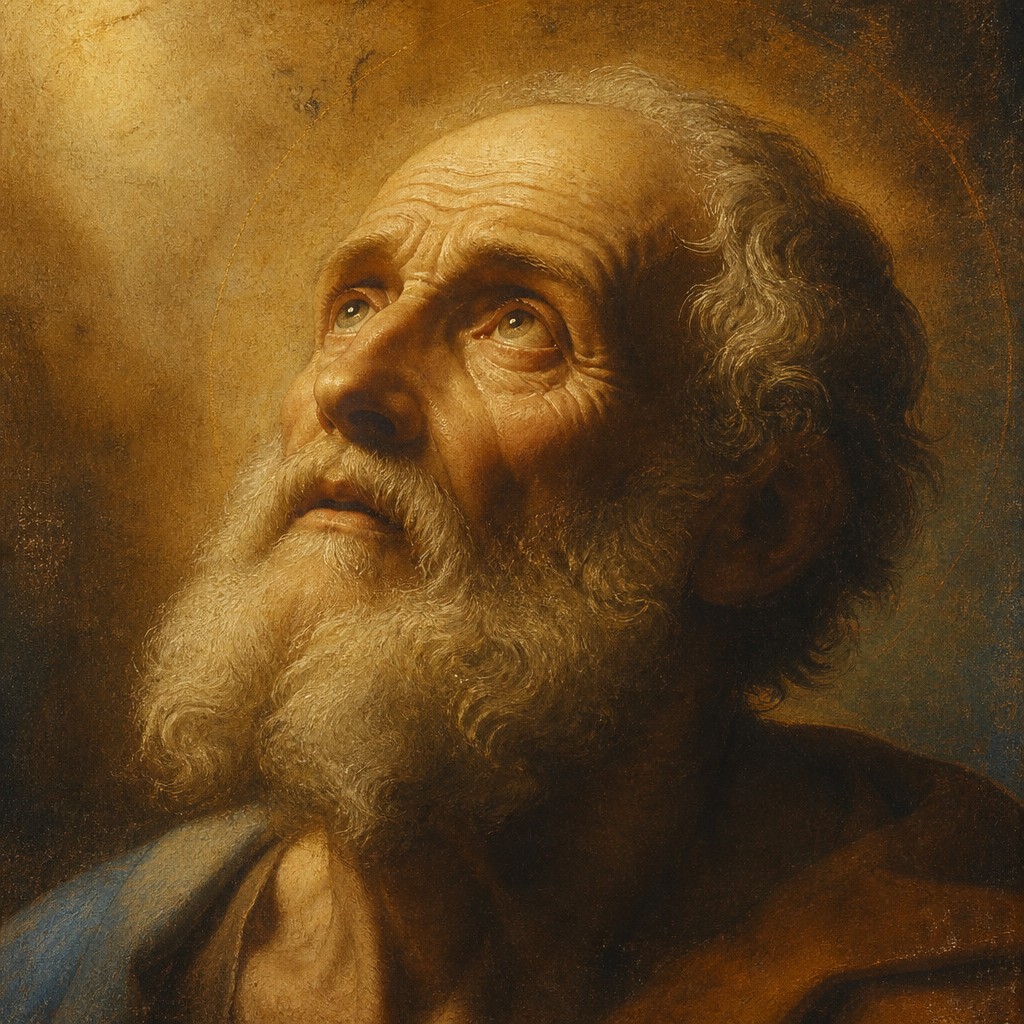
“close-up portrait of an elderly person with expressive weathered features”
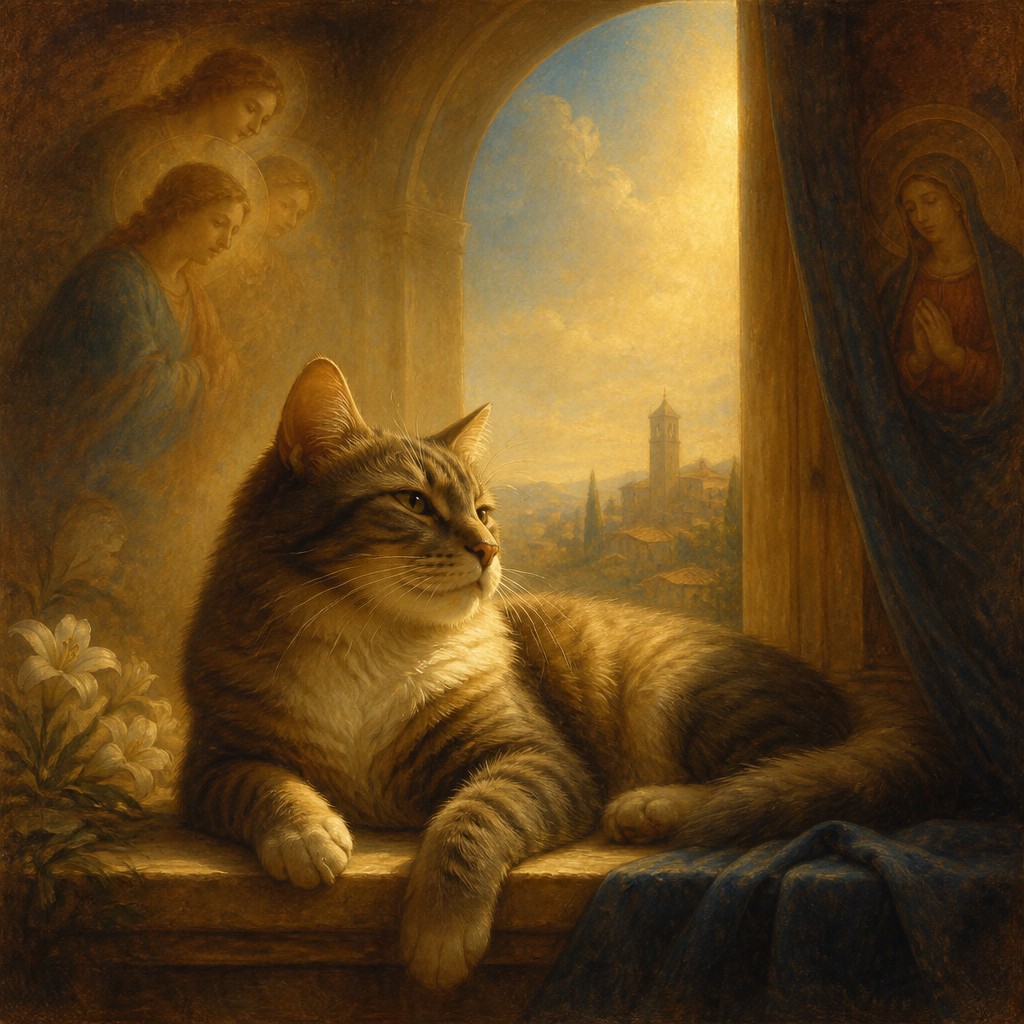
“a cat lounging in a sunlit window”
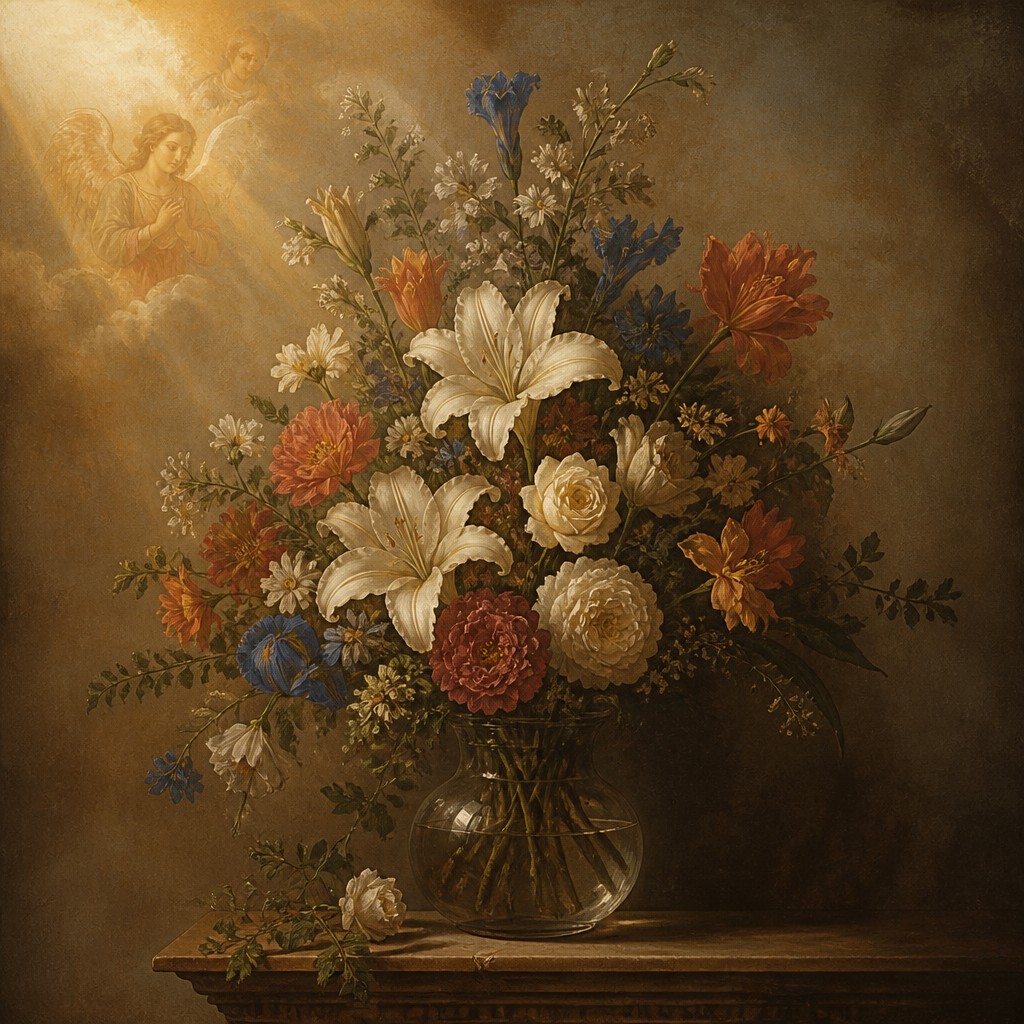
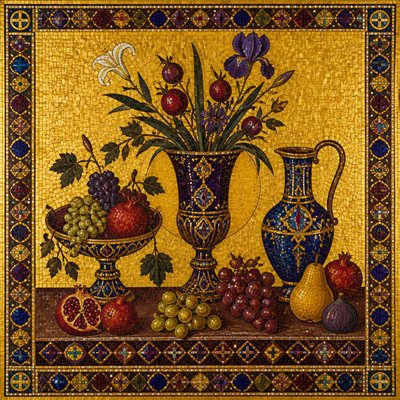
“bouquet of flowers in a glass vase”
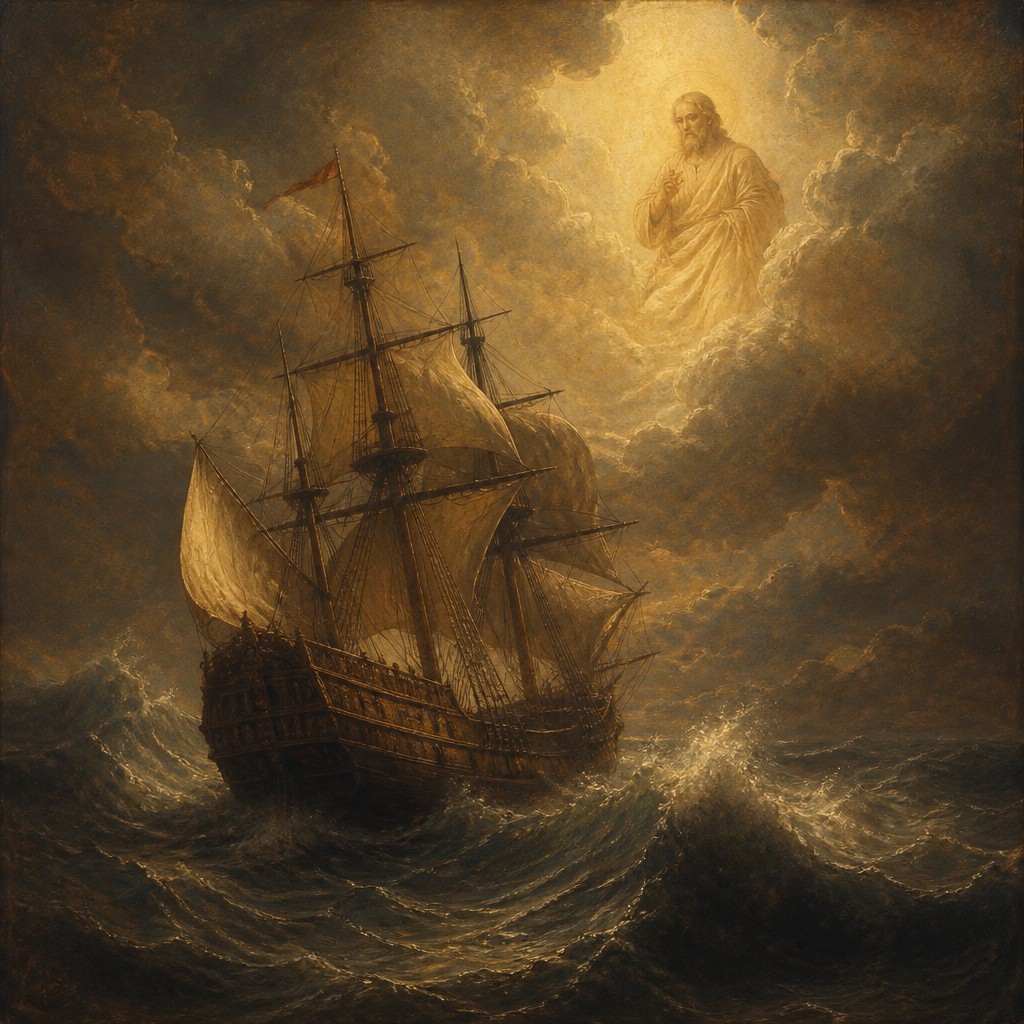
“sailing ship on a stormy sea”
How to Create Renaissance Religious Art
Master the craft step by step — or skip straight to creating. Read the full guide →
- 1
Build the scene around a clear devotional focal point
In traditional painting, place the central sacred figure or event where the eye naturally settles, often using a triangular arrangement. In digital work or prompt-based generation, specify a stable composition, centered grouping, and clear figure hierarchy.
- 2
Use perspective to create believable sacred space
Design floors, architecture, and receding landscape lines with consistent vanishing points. If generating digitally, ask for classical linear perspective, marble interiors, or an open loggia to anchor the figures in a Renaissance setting.
- 3
Model forms with soft transitions and layered light
Favor sfumato-like blending and gentle chiaroscuro so faces and drapery feel sculptural without hard outlines. For prompts, include phrases such as soft modeling, warm celestial light, and luminous glazing to encourage the right surface quality.
- 4
Choose a restrained historical palette
Use umber, sienna, vermillion, ultramarine, and muted gold rather than neon or highly saturated contemporary colors. In digital workflows, reduce contrast in shadows and add a slight aged patina or fresco texture to evoke period authenticity.
- 5
Reference canonical devotional formats
Altarpieces, tondi, fresco cycles, and panel paintings are the most authentic formats for this style. When generating images, framing the subject as a chapel fresco, devotional panel, or altar scene helps guide the composition and atmosphere.
- 6
Write prompts with iconography and material cues
Specify the subject, then add terms for composition, lighting, and surface treatment, such as 'Madonna and Child, pyramidal composition, chiaroscuro, tempera and oil glaze, fresco texture'. Avoid modern clothing, cinematic effects, or exaggerated realism if you want a period-appropriate result.
The Story
History & Origins of Renaissance Religious
Renaissance religious art emerged in Italy from the late medieval tradition of Christian image-making, but it transformed that legacy through the study of antiquity, human anatomy, geometry, and linear perspective. Early developments in Florence, including the work of an early Florentine naturalist painter, laid the groundwork for the new naturalism, while the High Renaissance brought ideal balance and monumental clarity in the work of several major High Renaissance masters. In parallel, painters in Venice developed richer color and atmospheric effects that deepened the emotional and material presence of sacred scenes.
The style developed within a religious culture that commissioned altarpieces, church frescoes, devotional panels, and ceiling cycles for public worship and private meditation. It is not a single uniform look but a broad family of approaches shaped by regional workshops, patronage, and theological aims. Across its many forms, however, the central goal remained consistent: to present Christian subjects with dignity, persuasive realism, and a sense of transcendent order.
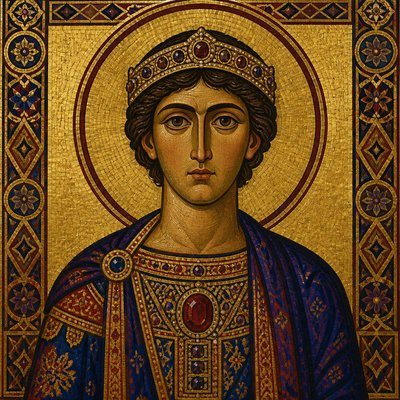
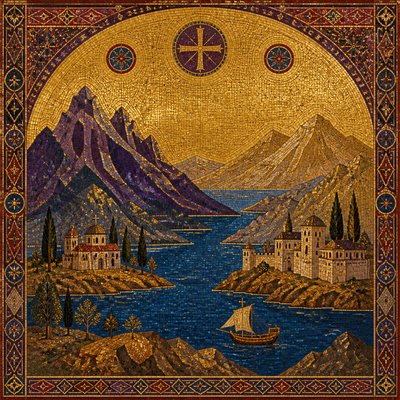
Influences: Renaissance Religious Art is rooted in Italian Renaissance painting and draws especially from the achievements of early Florentine naturalist painters, major High Renaissance masters, and the coloristic tradition associated with Venetian painters such as leading Venetian colorists and prominent Venetian altarpiece painters. It also continues the iconographic inheritance of medieval Christian art and Byzantine devotional imagery, while adapting classical antiquity’s interest in ideal proportion, architectural order, and heroic form.
Frequently Asked Questions
What defines Renaissance Religious Art?
It is religious painting from the Renaissance that combines Christian subjects with naturalistic anatomy, balanced composition, and mathematically ordered space. The style emphasizes clarity, harmony, and spiritual seriousness rather than ornament or abstraction.
How is it different from medieval religious art?
Medieval religious art often uses flatter space, more symbolic figures, and less interest in physical realism. Renaissance religious art introduces perspective, lifelike bodies, classical balance, and more convincing light and volume.
What are the most common subjects in this style?
The most common subjects include the Madonna and Child, the Annunciation, the Crucifixion, the Last Supper, saints, and scenes from the lives of Christ and the Virgin. These works were often made for churches, chapels, monasteries, and private devotion.
How do I make an image look more Renaissance religious?
Use symmetrical or pyramidal composition, soft chiaroscuro, realistic drapery, and a restrained palette of earth tones and deep blues. Adding halos, classical architecture, and fresco or panel texture will make the result read more authentically.
Is this the same as Baroque religious art?
No. Baroque religious art is usually more theatrical, dramatic, and emotionally forceful, with stronger contrasts and dynamic movement. Renaissance religious art is calmer, more balanced, and more focused on proportion and idealized harmony.
Where was this style used historically?
It was used primarily in Italy for altarpieces, frescoes, chapel decoration, church commissions, and private devotional images. Over time, its visual language influenced much later religious painting across Europe.

Create your first Renaissance Religious artwork
Describe anything — or upload a photo — and see it in Renaissance Religious Art in seconds.
Make Something with Renaissance Religious
Compare Renaissance Religious
Related Styles
Discover similar art styles