Renaissance Art Style
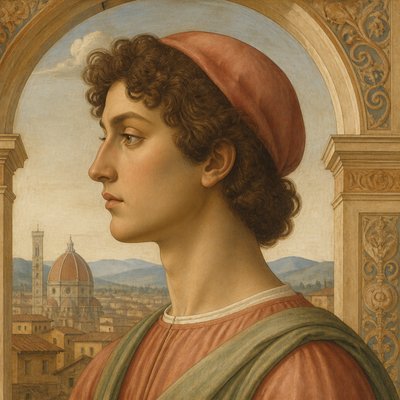
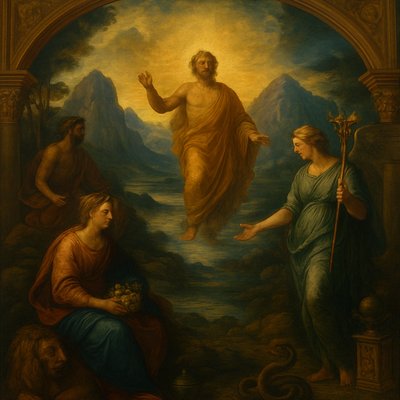
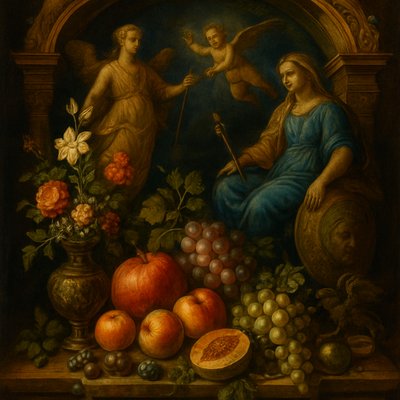
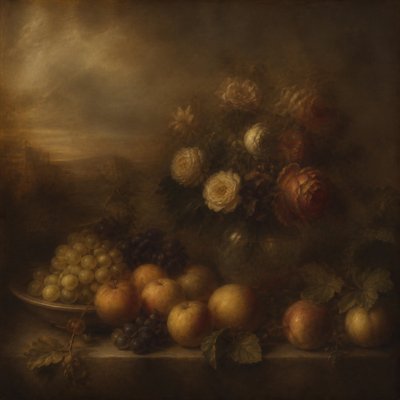
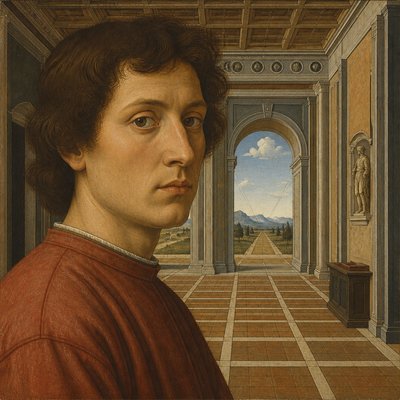
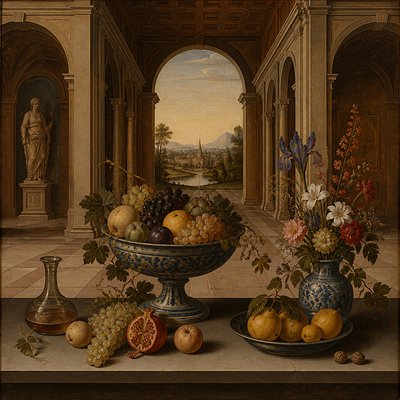
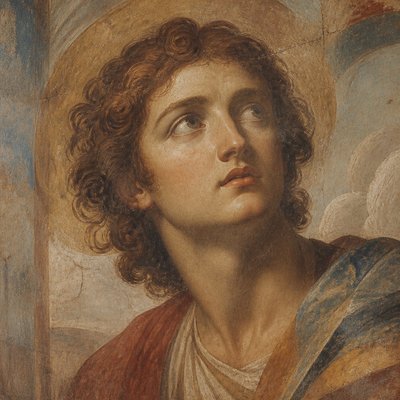
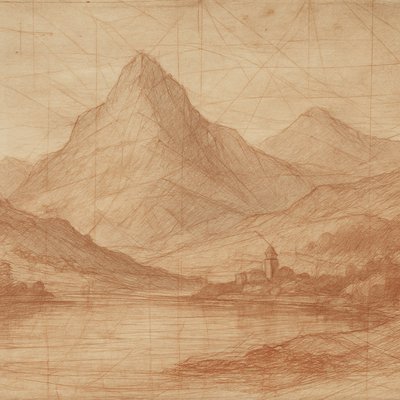
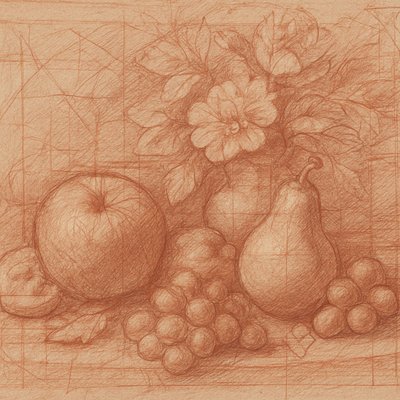
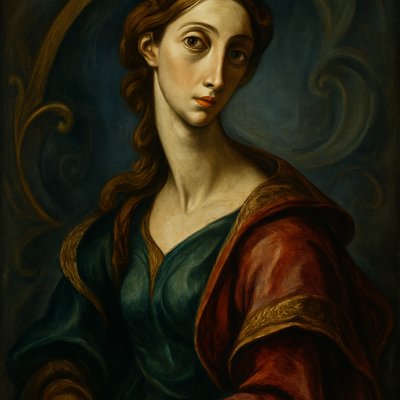
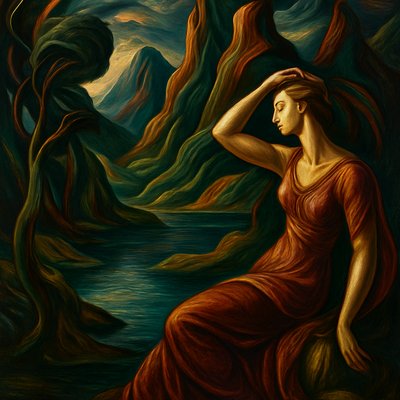
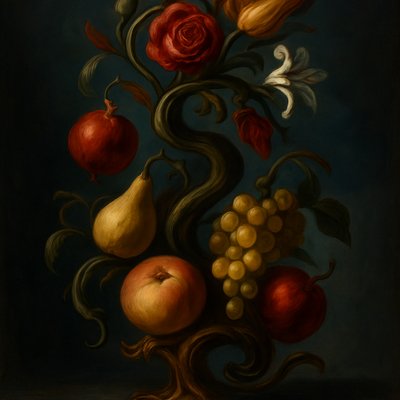
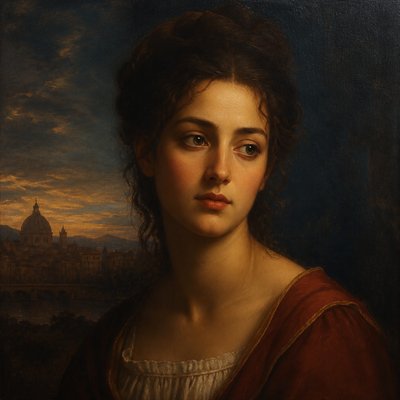
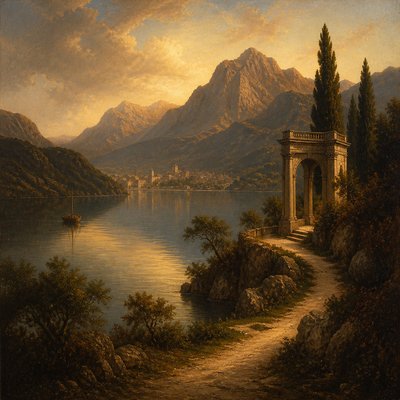
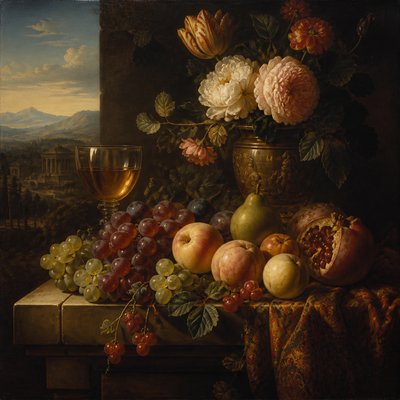
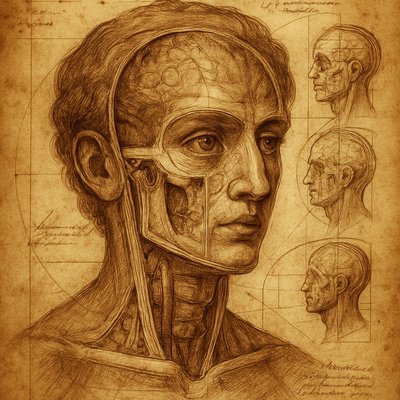
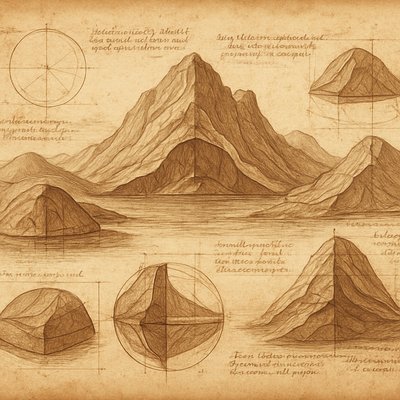
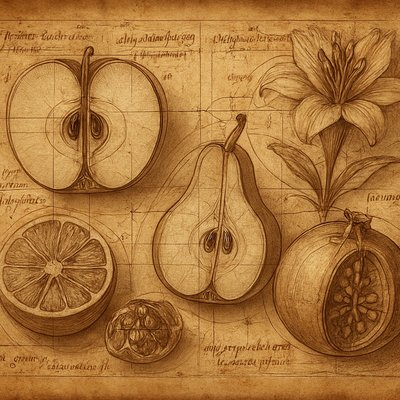
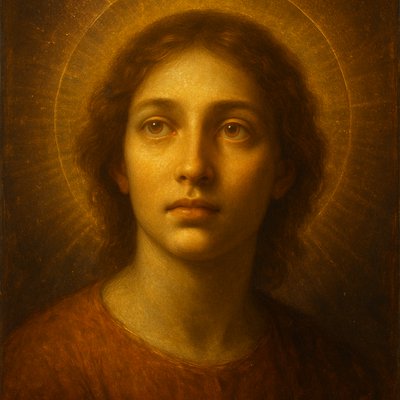
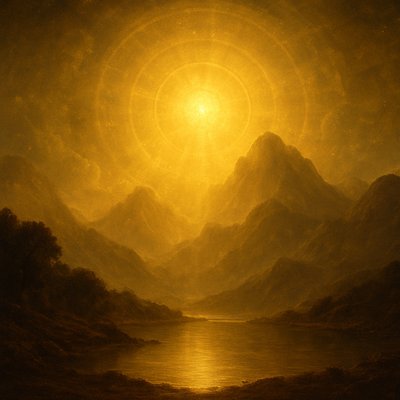
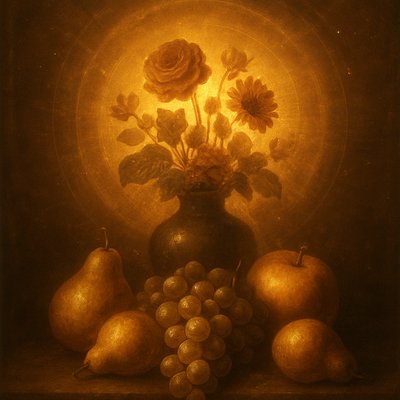
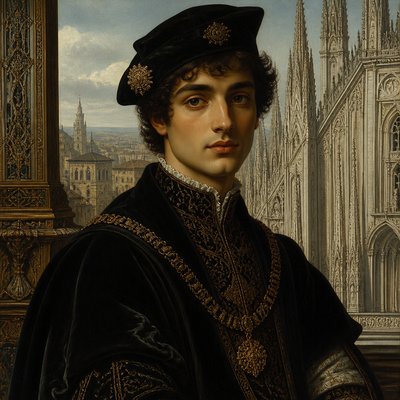
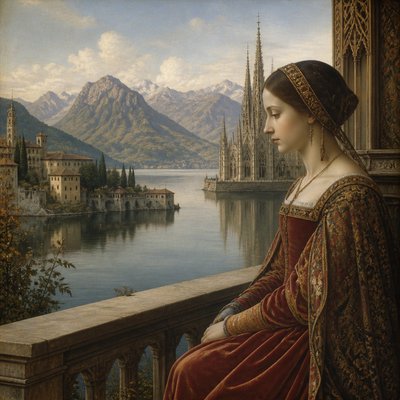
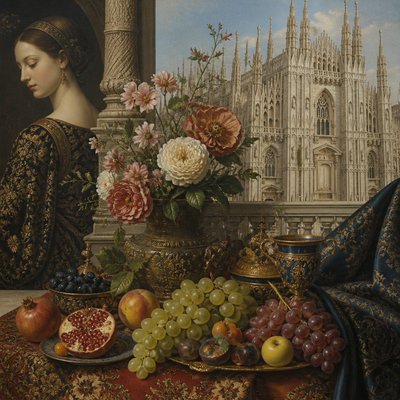
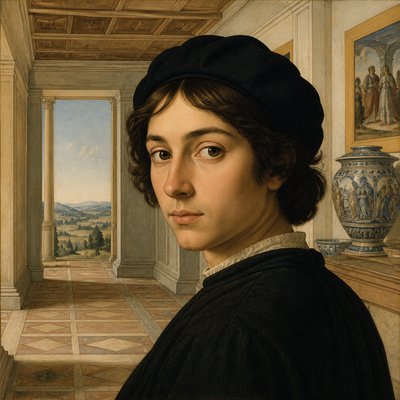
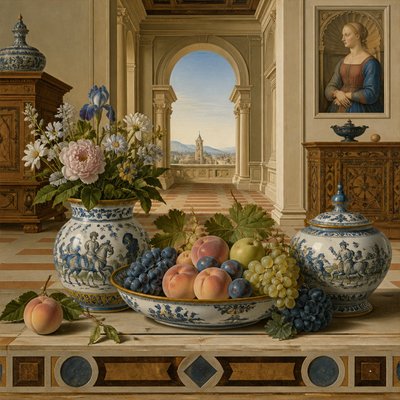
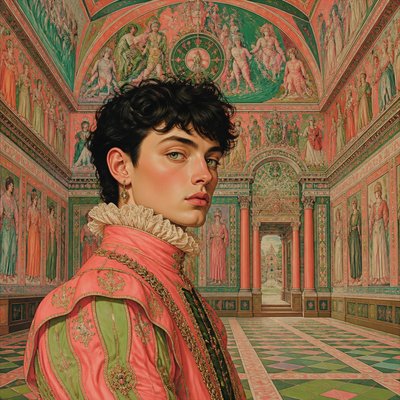
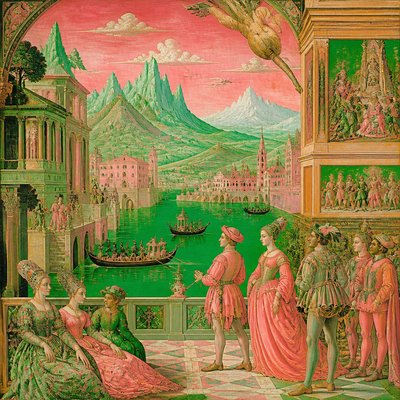
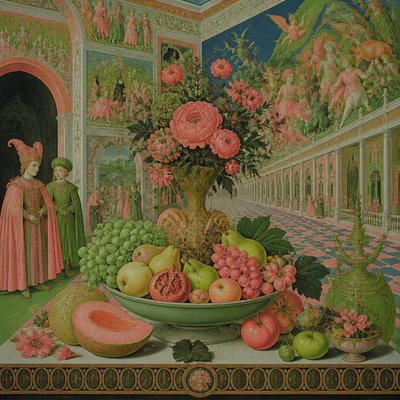
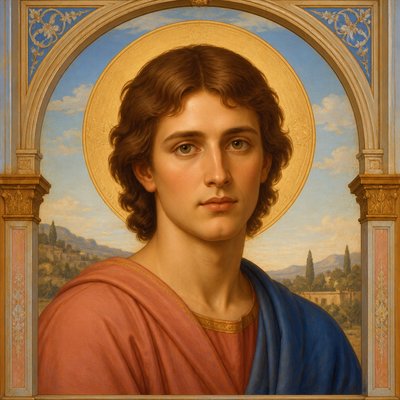
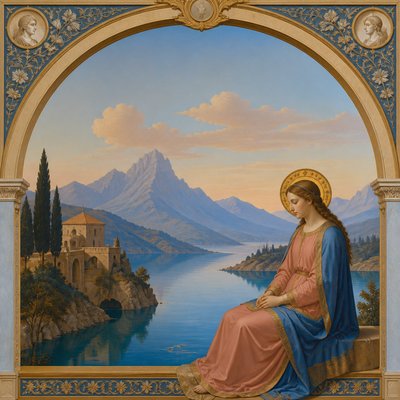
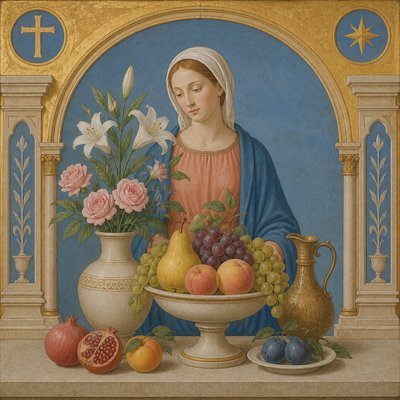
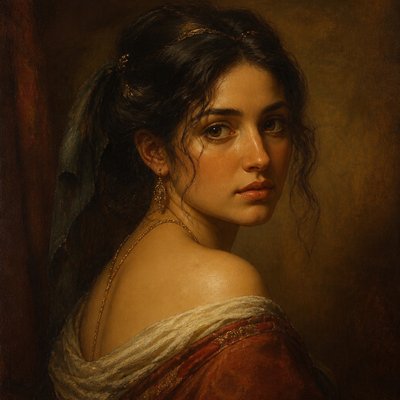
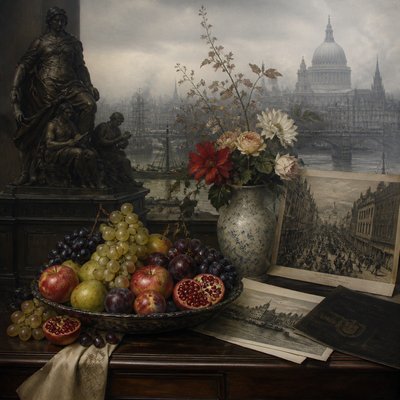
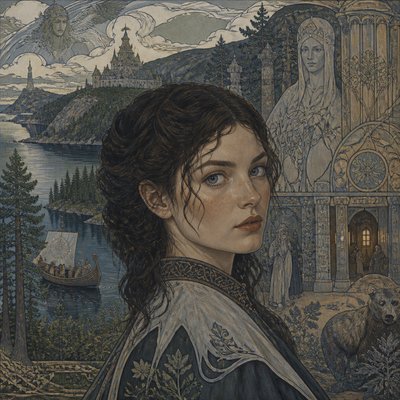
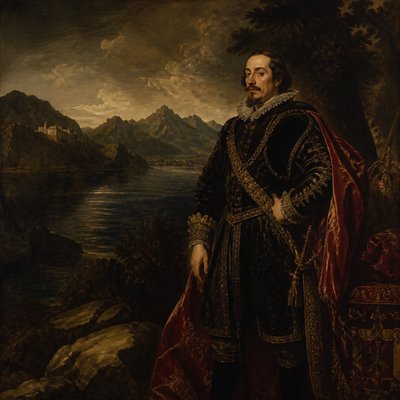
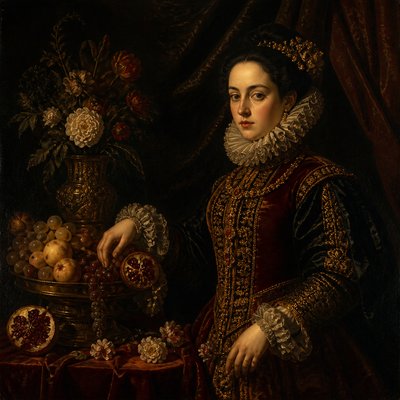
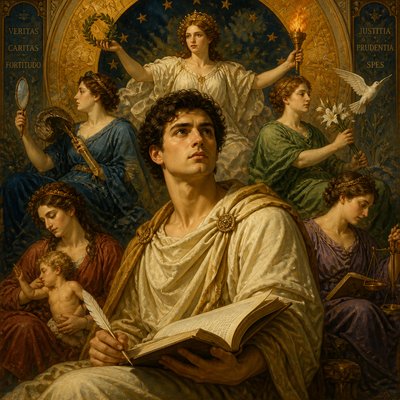
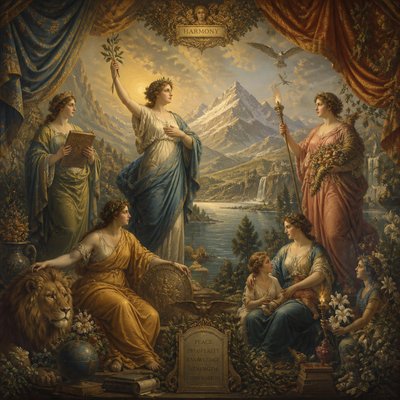
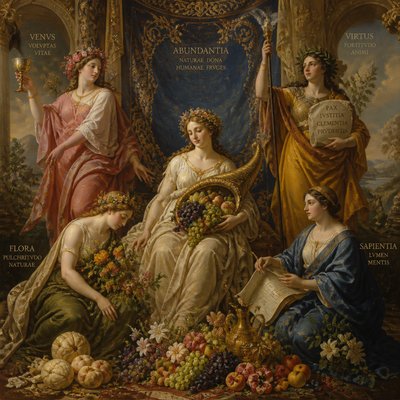
Classical revival art with idealized figures, linear perspective, sfumato, chiaroscuro, and balanced proportions.
Instantly rendered in Renaissance — or transform a photo
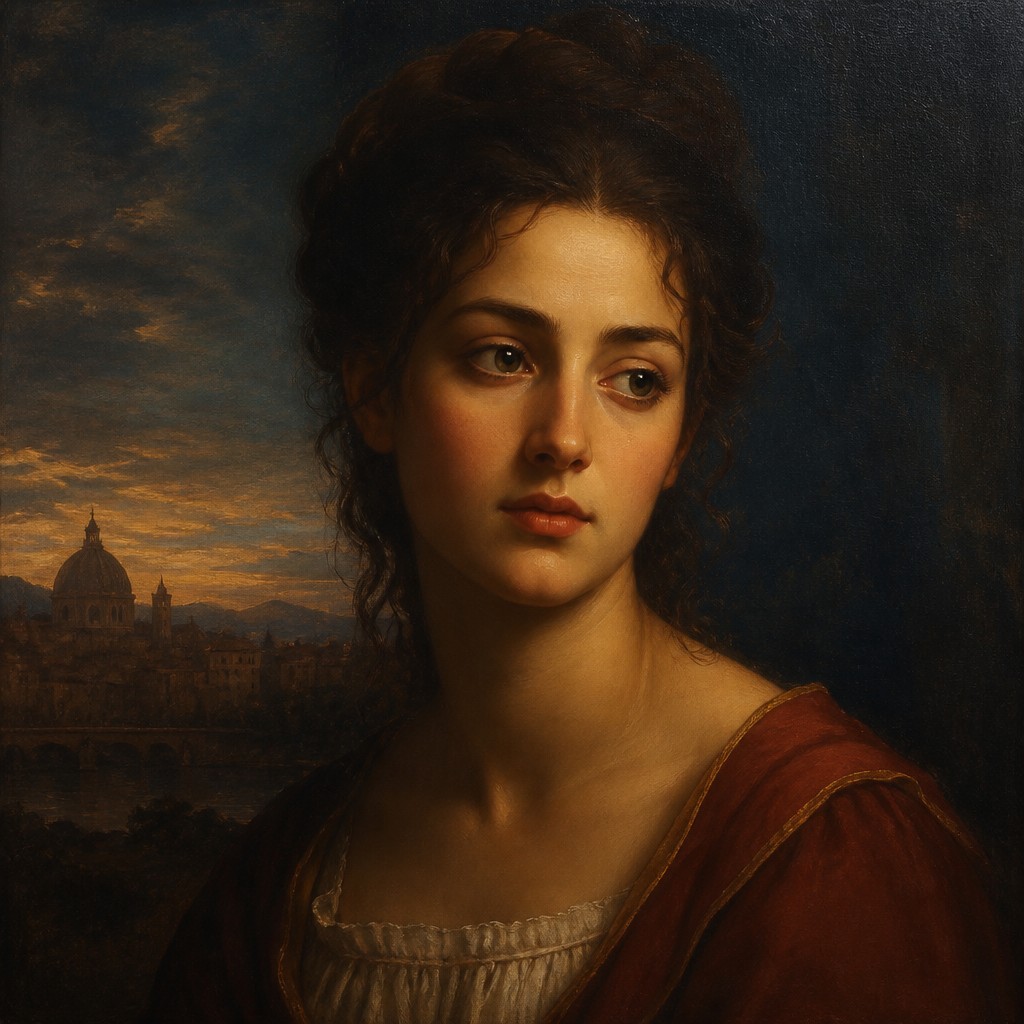
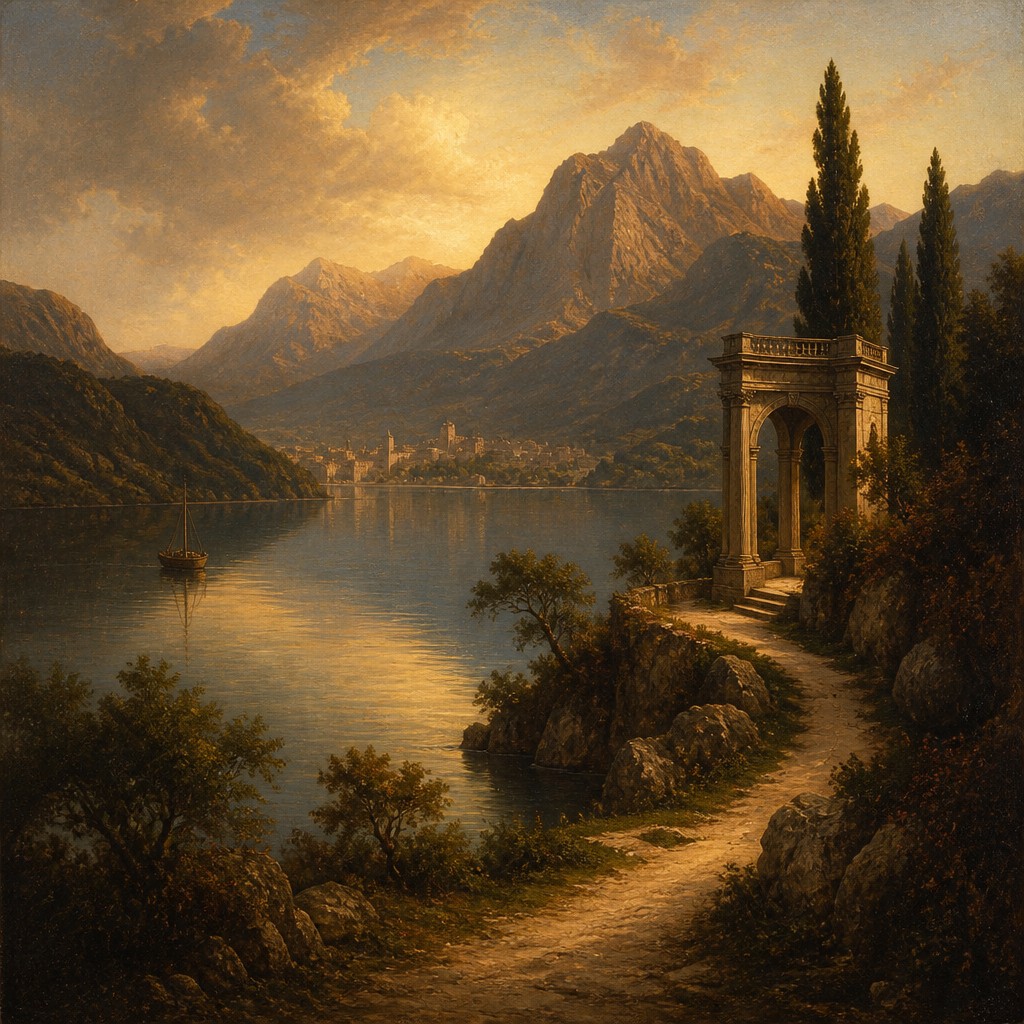
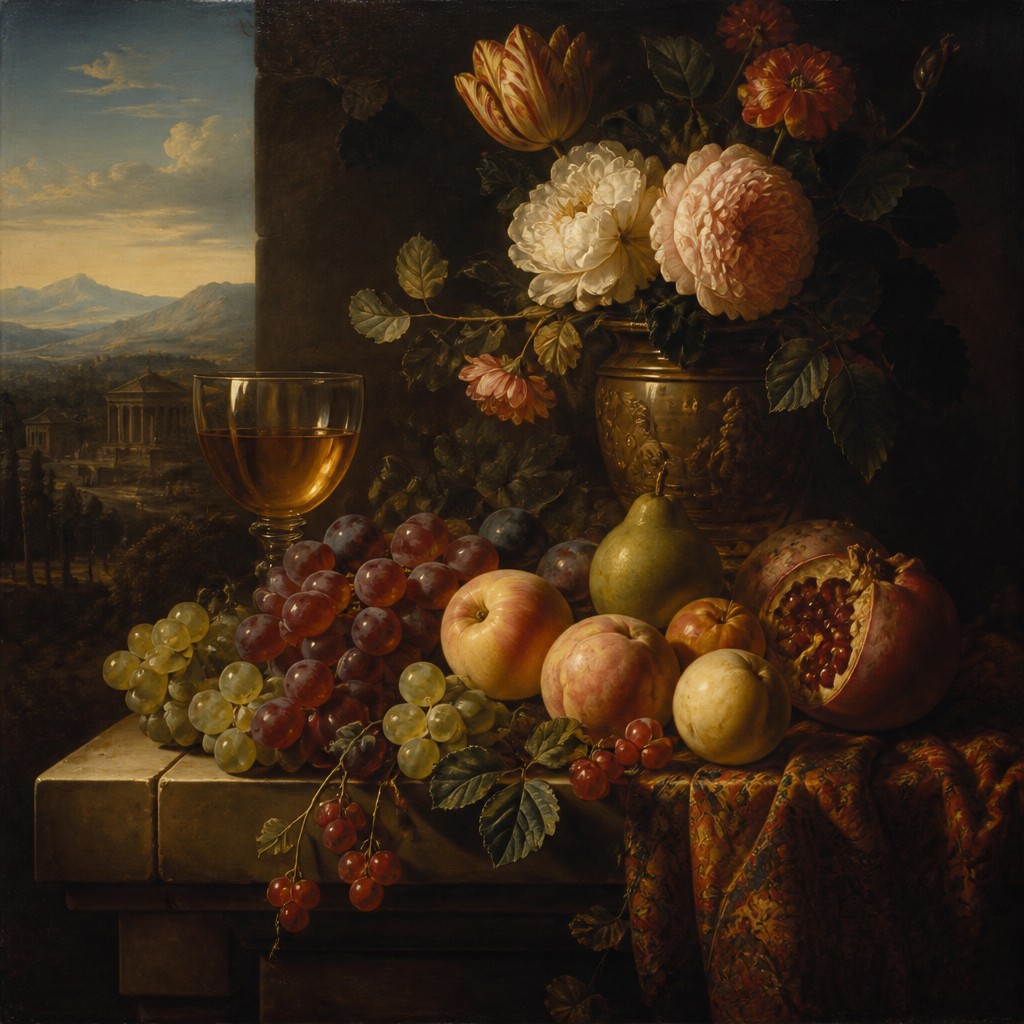
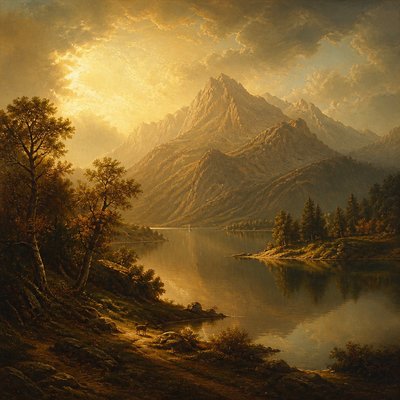
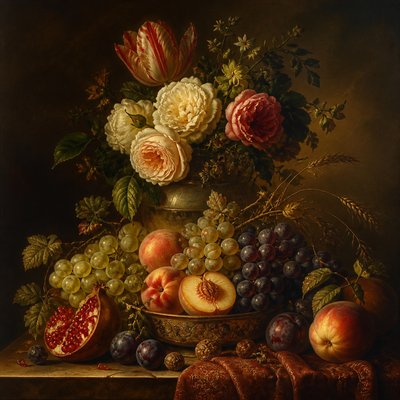
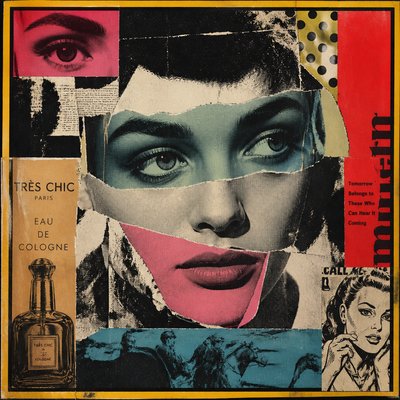
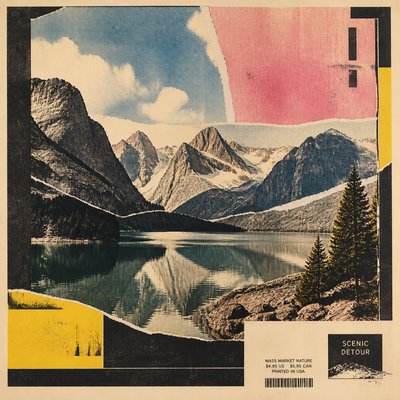
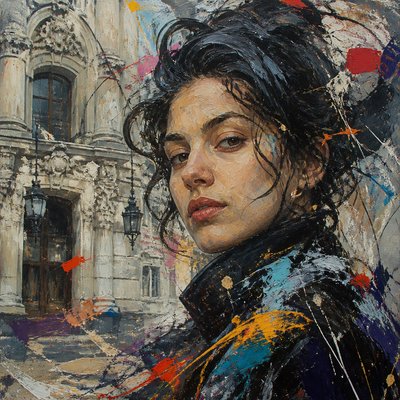
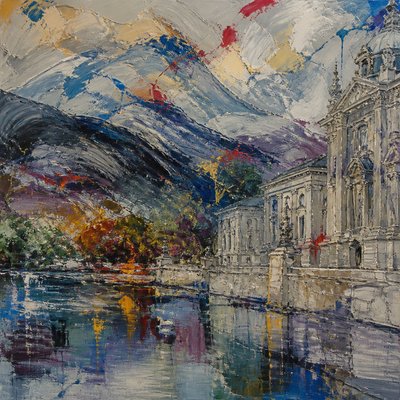
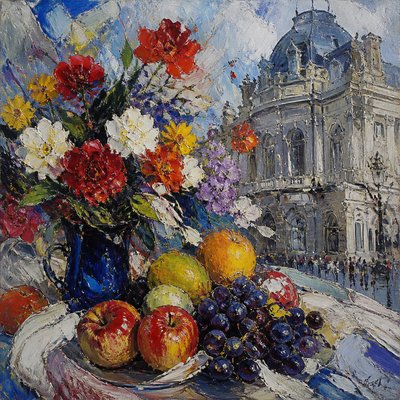
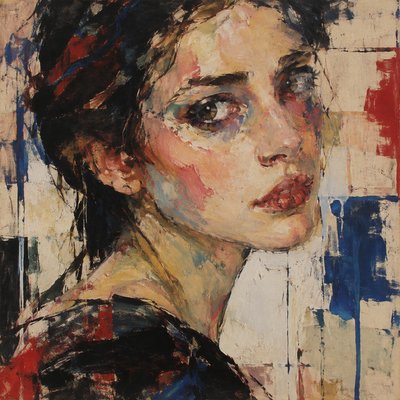
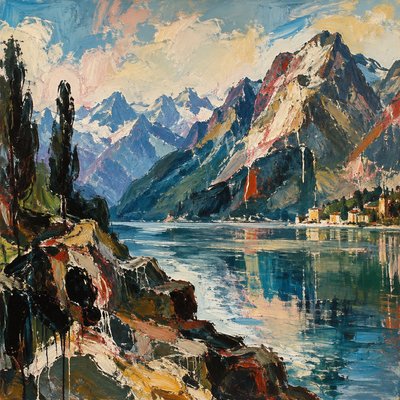
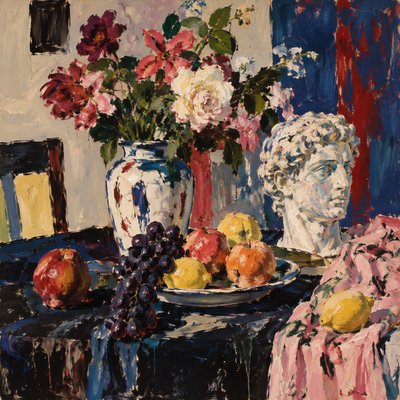
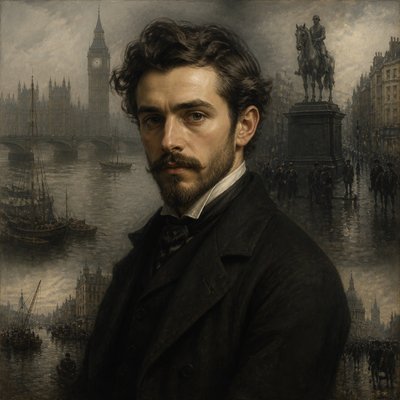
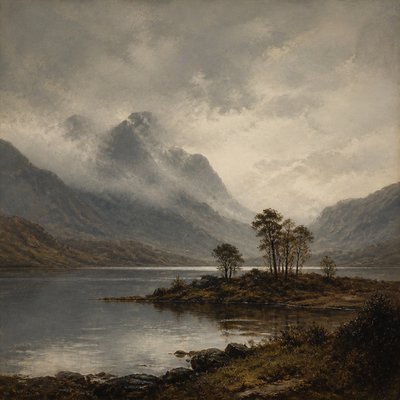
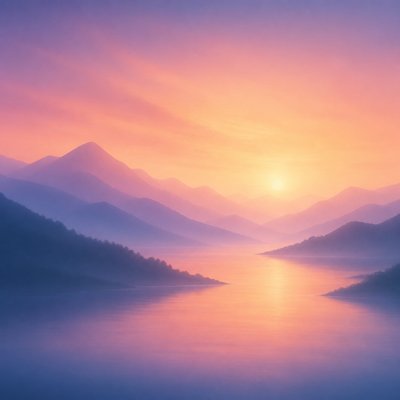
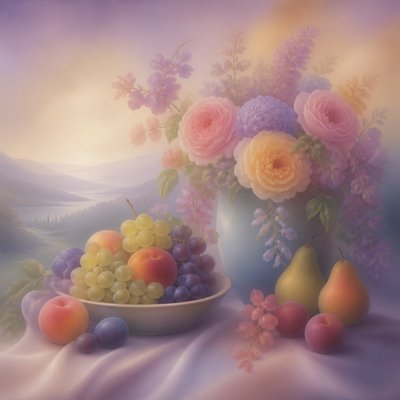
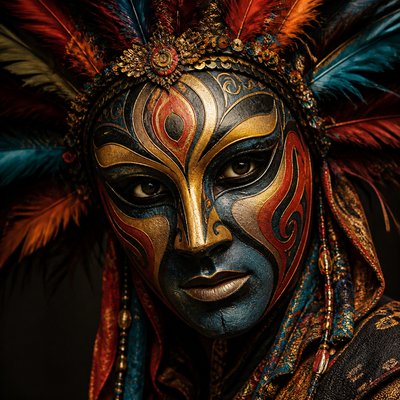
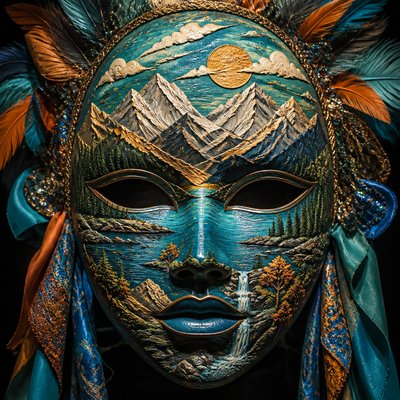
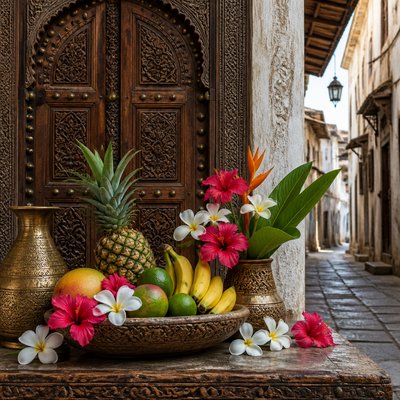
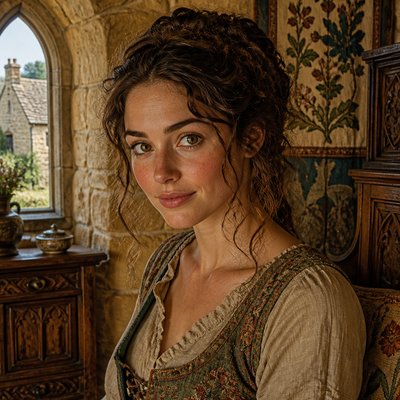
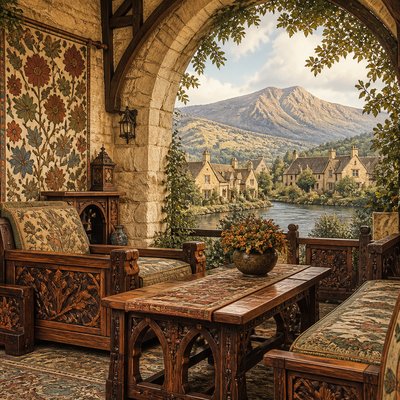
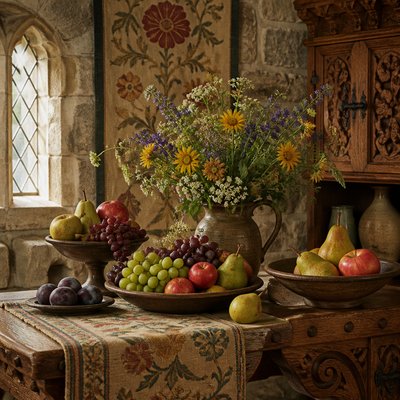
Renaissance Gallery
Tap any artwork to explore it
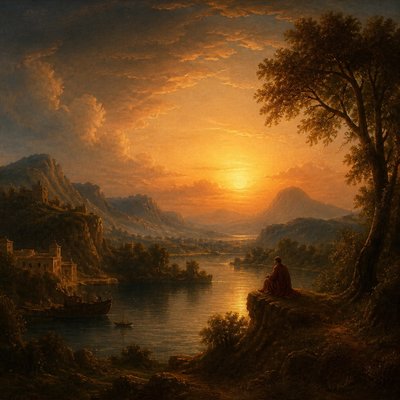
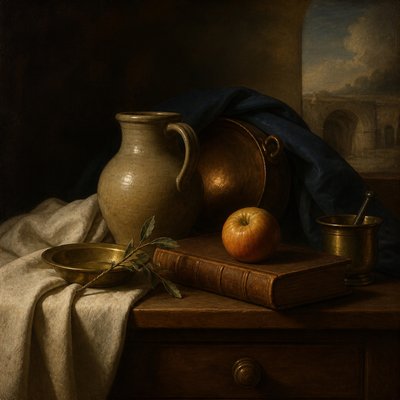
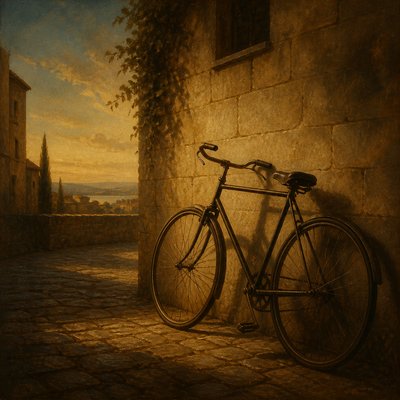
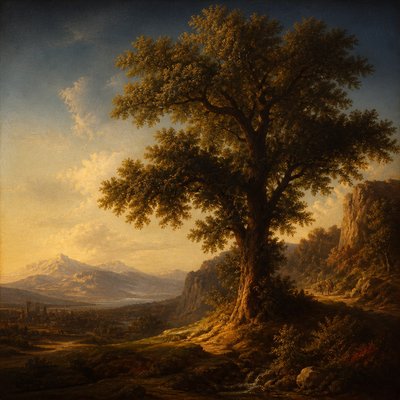
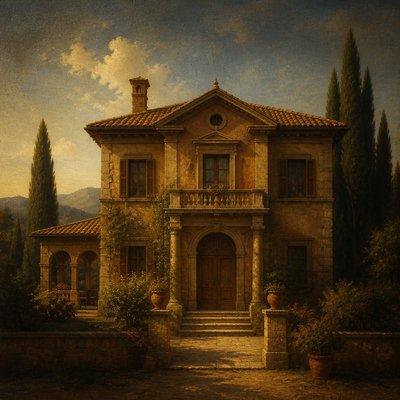
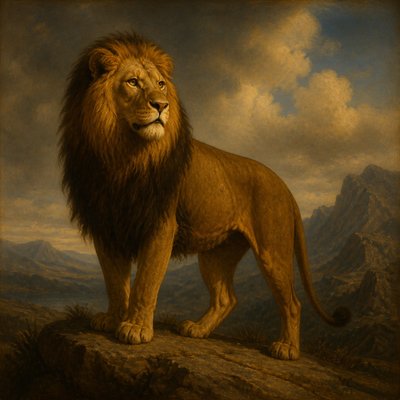
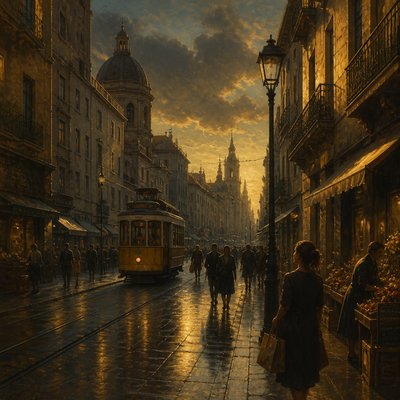
What is Renaissance Art Style?
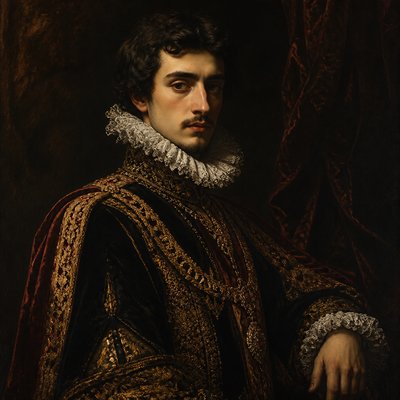
Renaissance art is the visual language of the European Renaissance, centered on the revival of classical antiquity and the careful study of nature, anatomy, light, and space. It is defined by balanced composition, mathematically organized perspective, idealized human forms, and a sense of order that combines secular observation with religious or humanist themes.
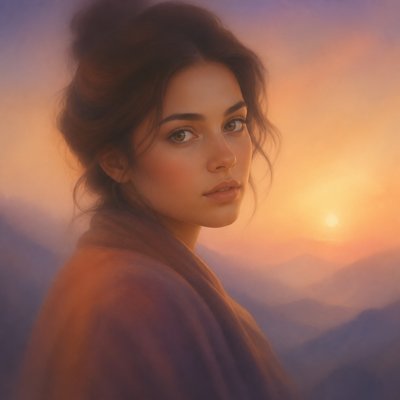
Its look is shaped by both artistic ambition and scientific inquiry. Painters sought convincing three-dimensional space, convincing anatomy, and harmonious proportions, while techniques such as sfumato, chiaroscuro, and layered oil glazing created soft transitions, volume, and luminous depth. The result is a style that feels serene, measured, and intellectually constructed, yet still emotionally rich and lifelike.
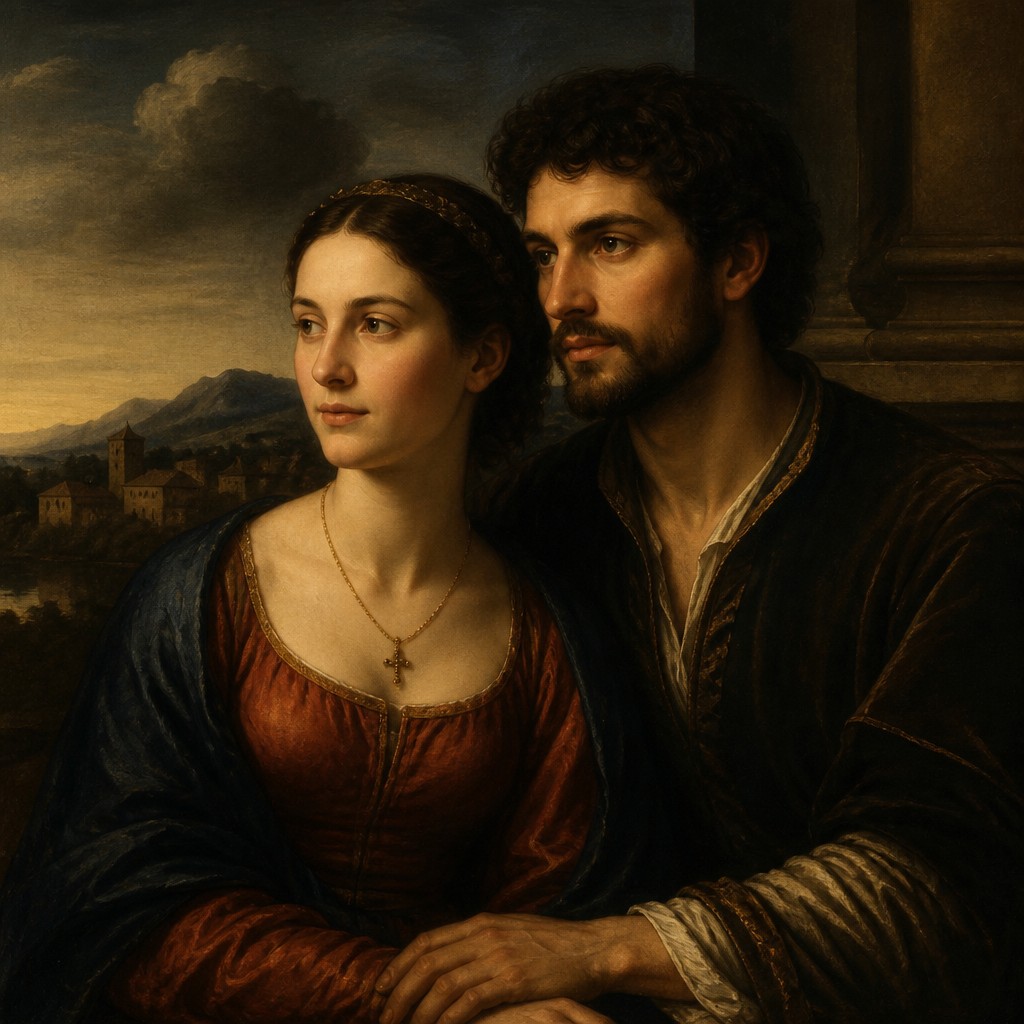
Try It On Your Photos
Upload any photo and convert it into Renaissance Art Style — drag the sliders to compare before and after.
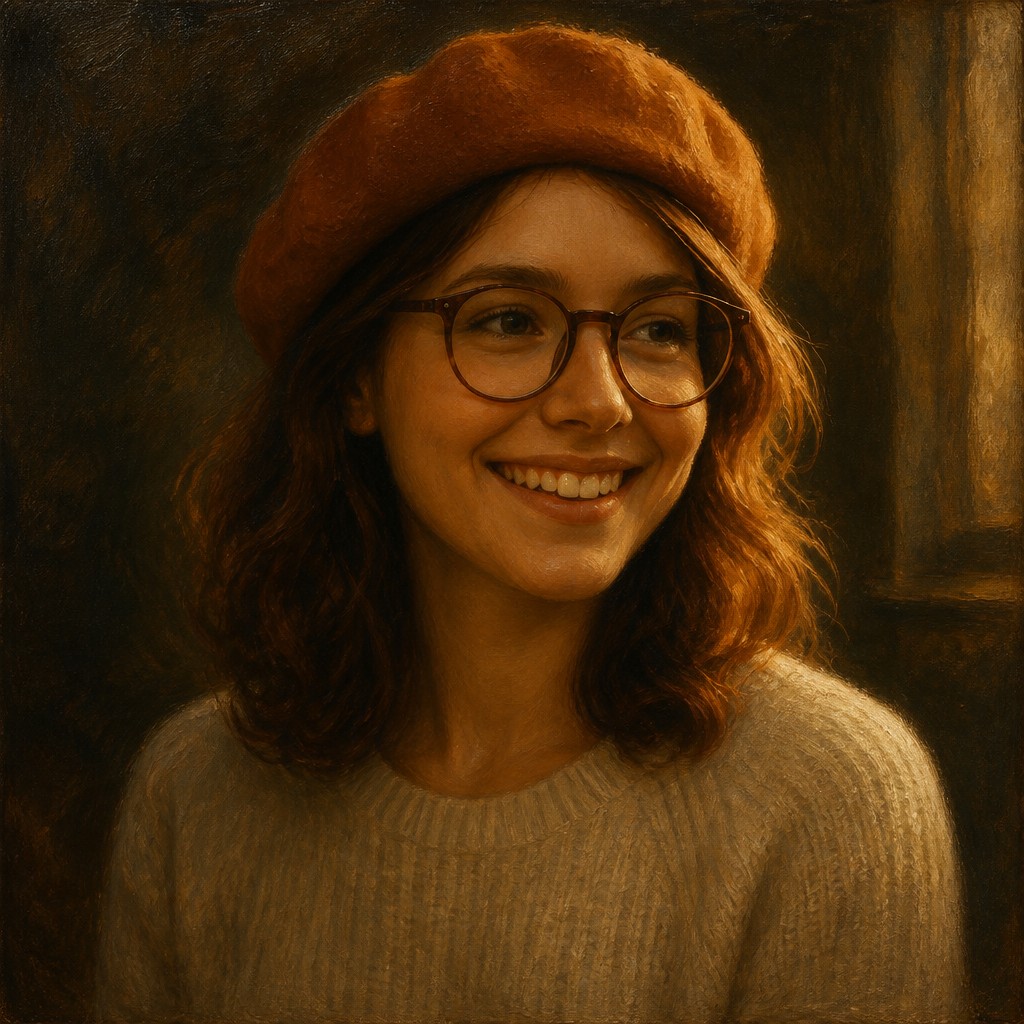

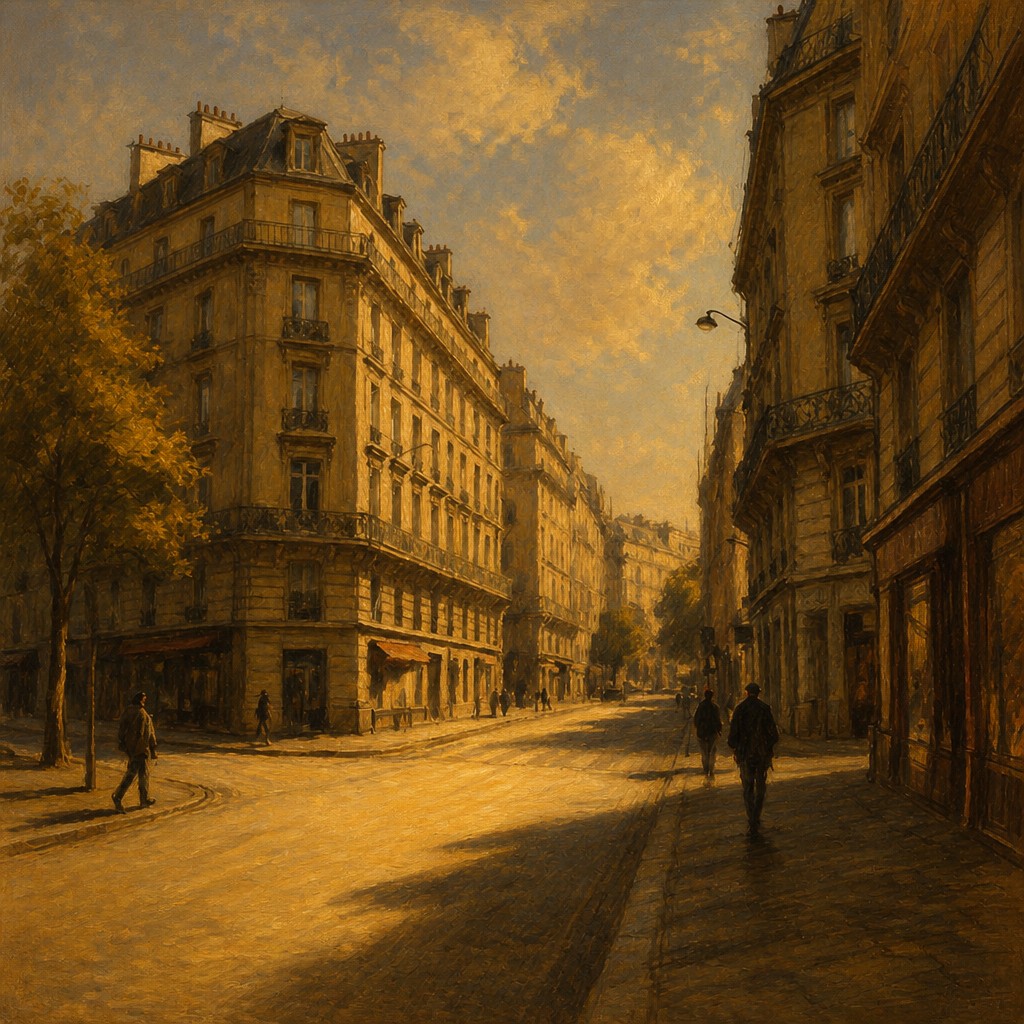

What Defines Renaissance Art Style
The signature details, up close
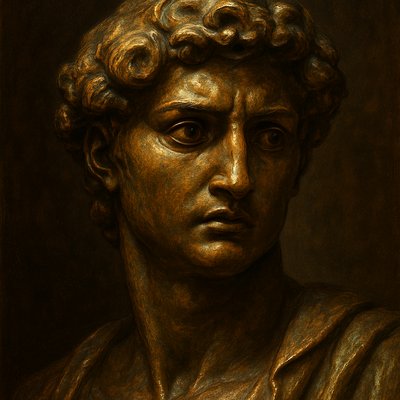
Idealized human anatomy
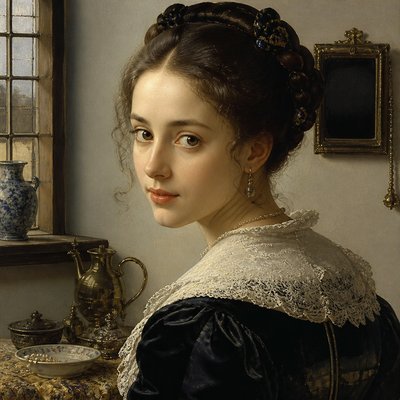
Figures are rendered with carefully proportioned bodies, balanced poses, and a controlled sense of beauty. Even when based on real observation, the result is often more harmonious than strictly literal.
Linear perspective
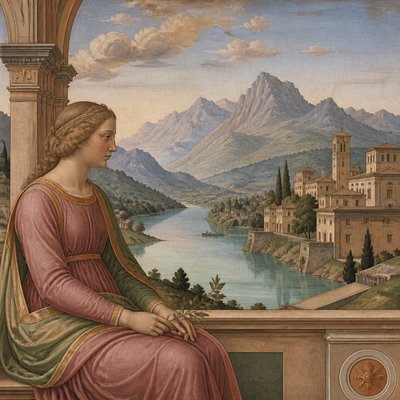
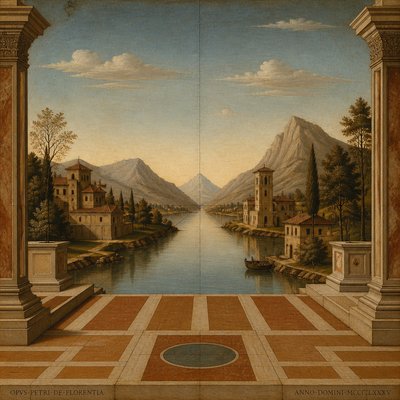
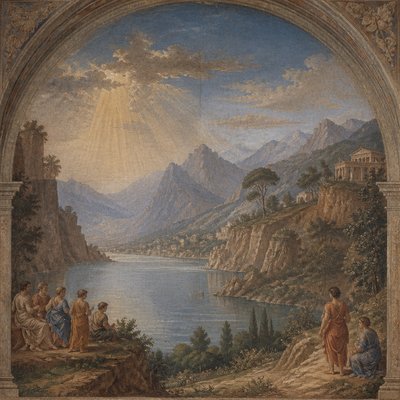
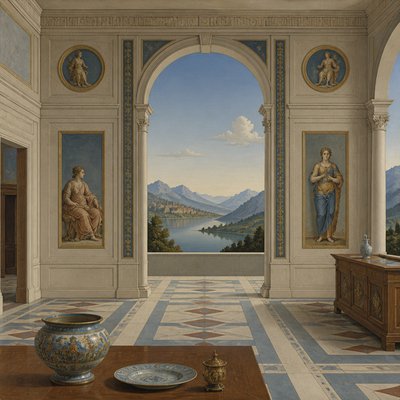
Space is organized using converging lines and a coherent viewpoint, creating convincing depth. Architectural settings and interiors often recede with mathematical clarity.
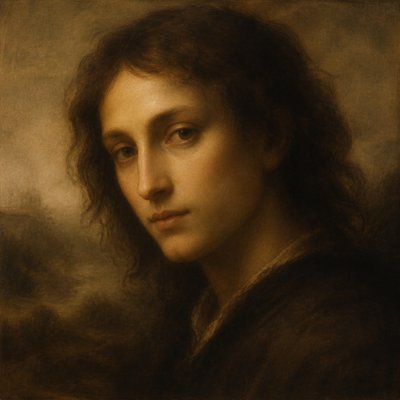
Sfumato and soft transitions
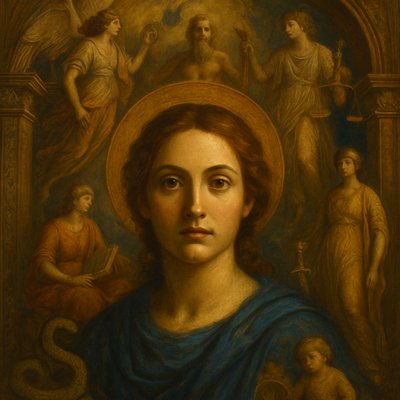
Edges, shadows, and facial contours often blur gently rather than snapping into hard outlines. This creates a smoky, atmospheric realism associated especially with leading master painters of the style.
Chiaroscuro modeling
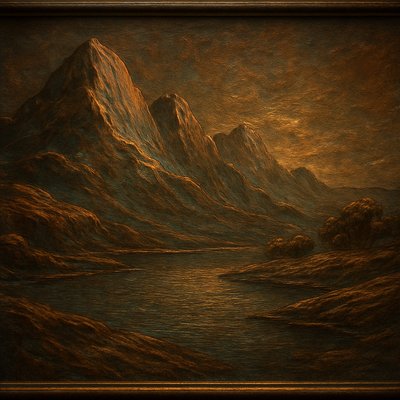
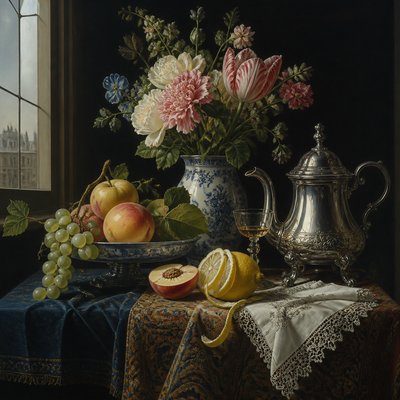
Strong light and shadow define form, making bodies and drapery feel solid and sculptural. The light is usually directional and controlled rather than diffuse.
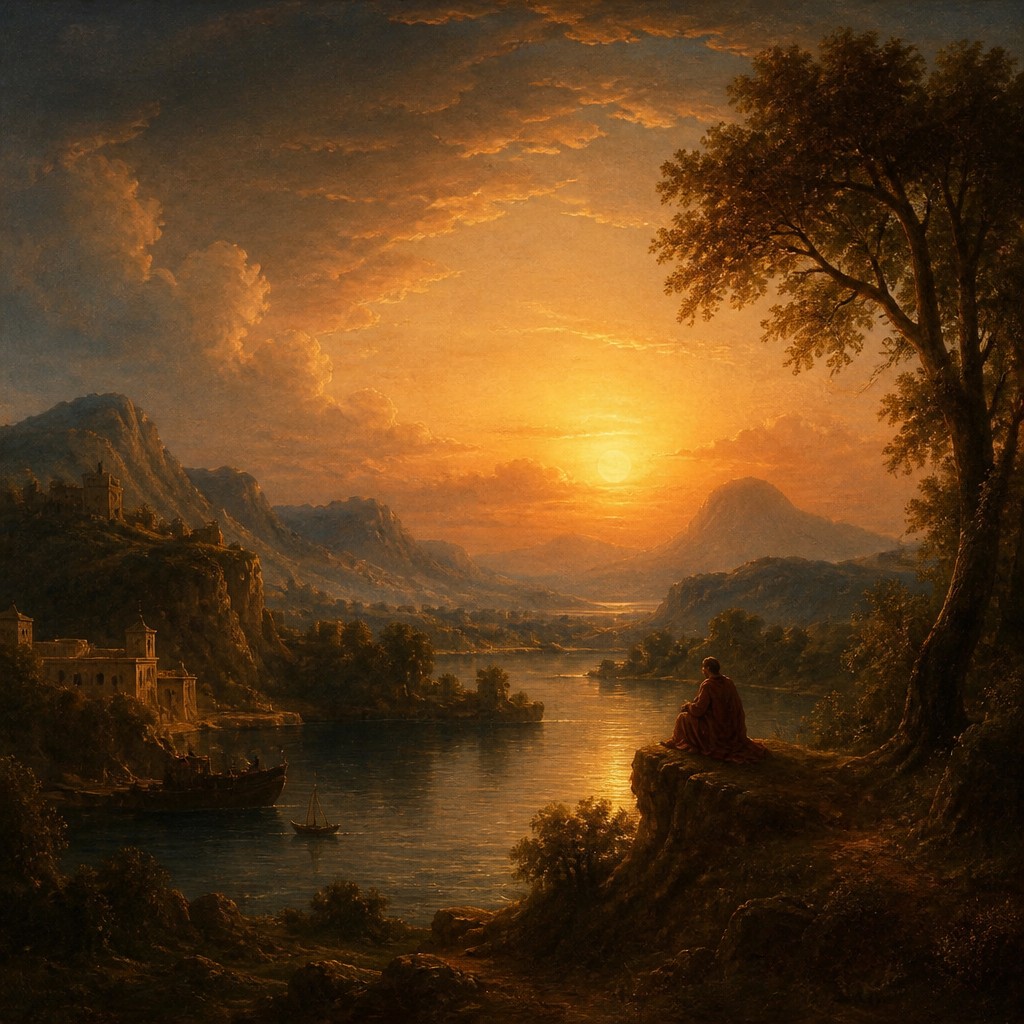
Warm earth-pigment palette
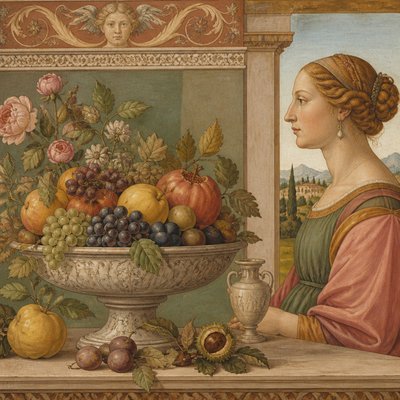
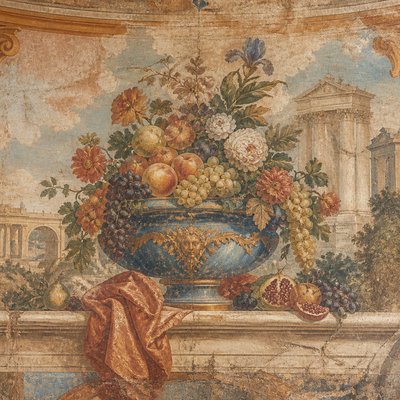
Common colors include burnt umber, ochre, sienna, muted reds, and deep blues. The palette is often rich but restrained, supporting a solemn or contemplative mood.
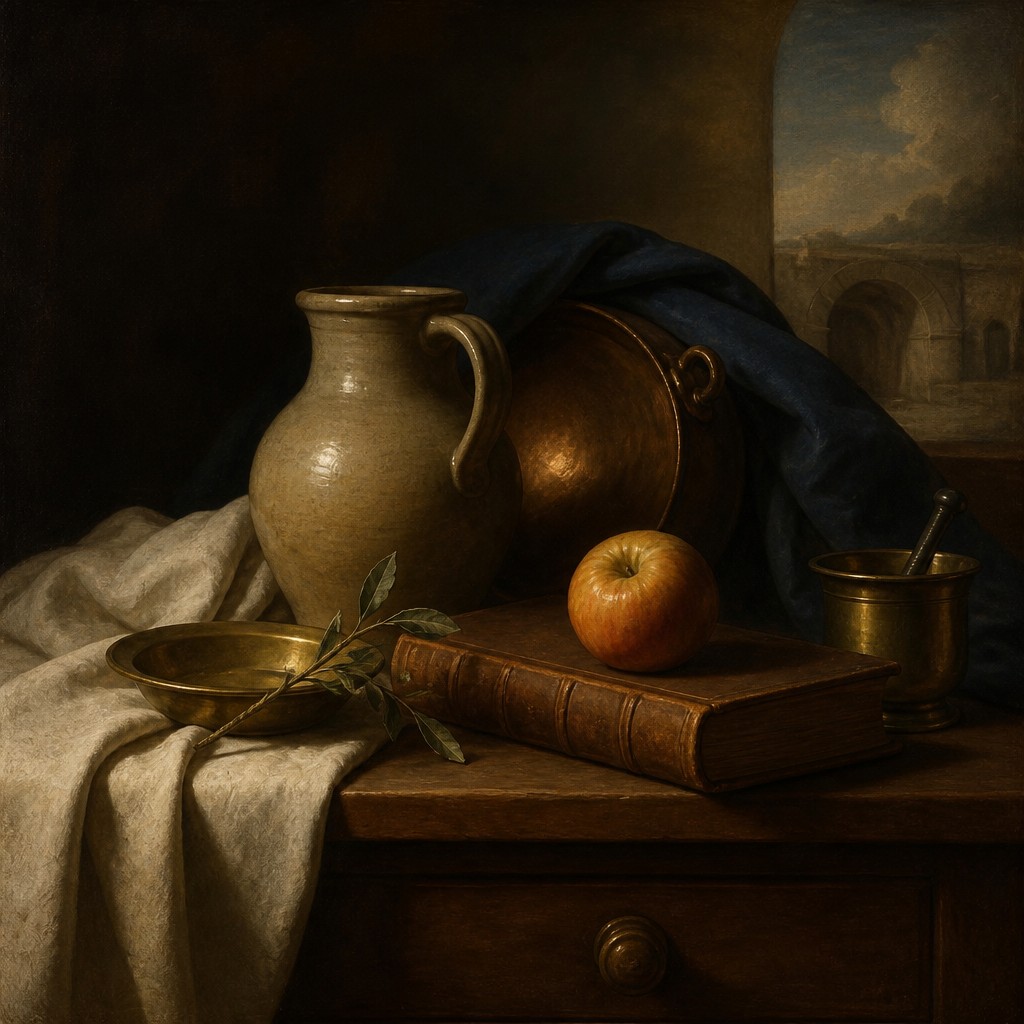
Classical compositional balance
Figures are arranged in stable, often triangular or symmetrical structures. The layout feels ordered, legible, and proportionally harmonious.
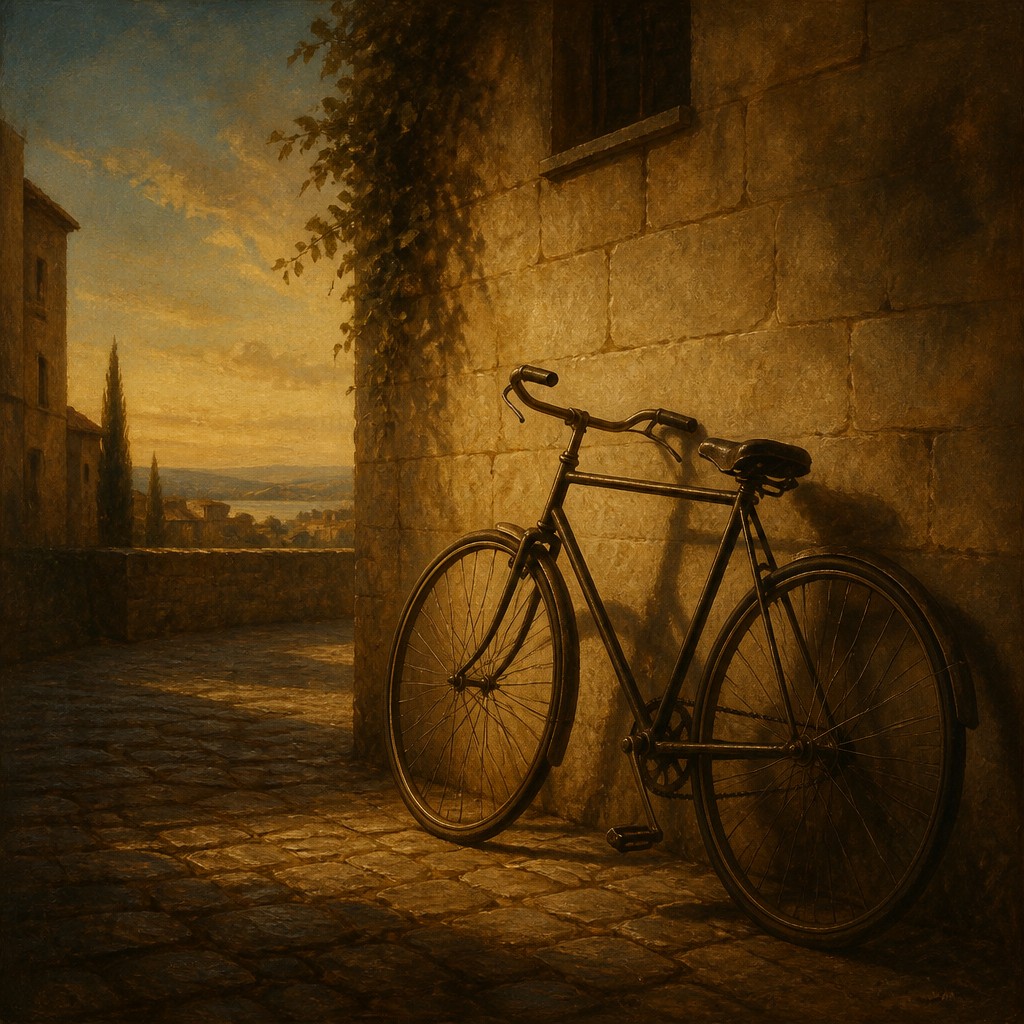
Fine, nearly invisible brushwork
Surfaces are finished carefully so the paint handling does not distract from form and light. In oil painting, glazing builds depth with translucent layers.
Try It
Create Videos in Renaissance Art Style
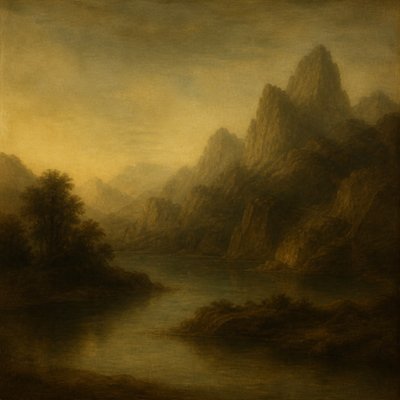
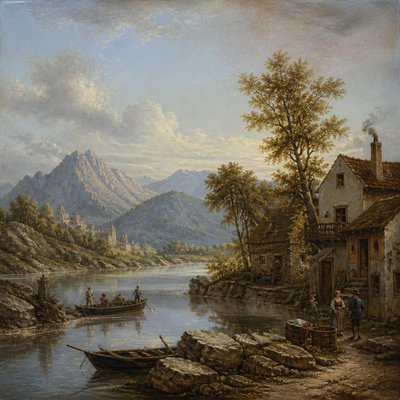
Styles aren't just for stills — describe a scene or animate an image and get a short video rendered in Renaissance. Press play to see this pond come to life.
Make a VideoRenaissance Prompt Ideas
Start from an idea — each one opens the generator with the style ready to go. See all 40 Renaissance prompts →
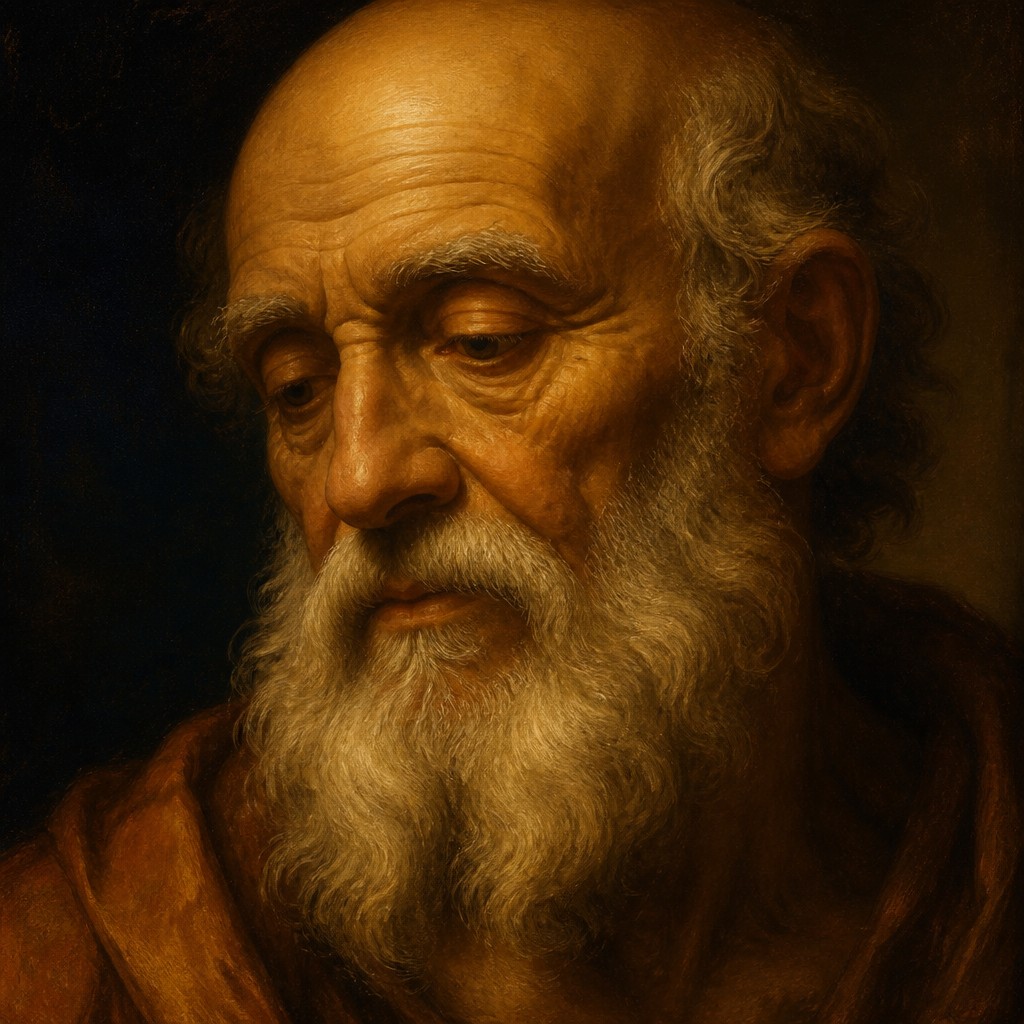
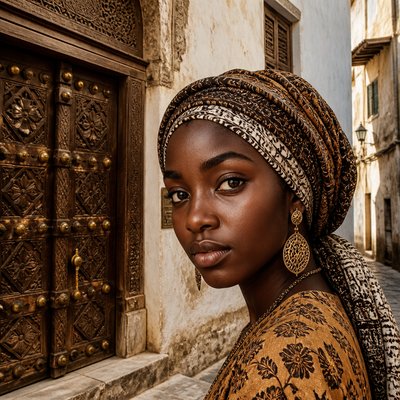
“close-up portrait of an elderly person with expressive weathered features”
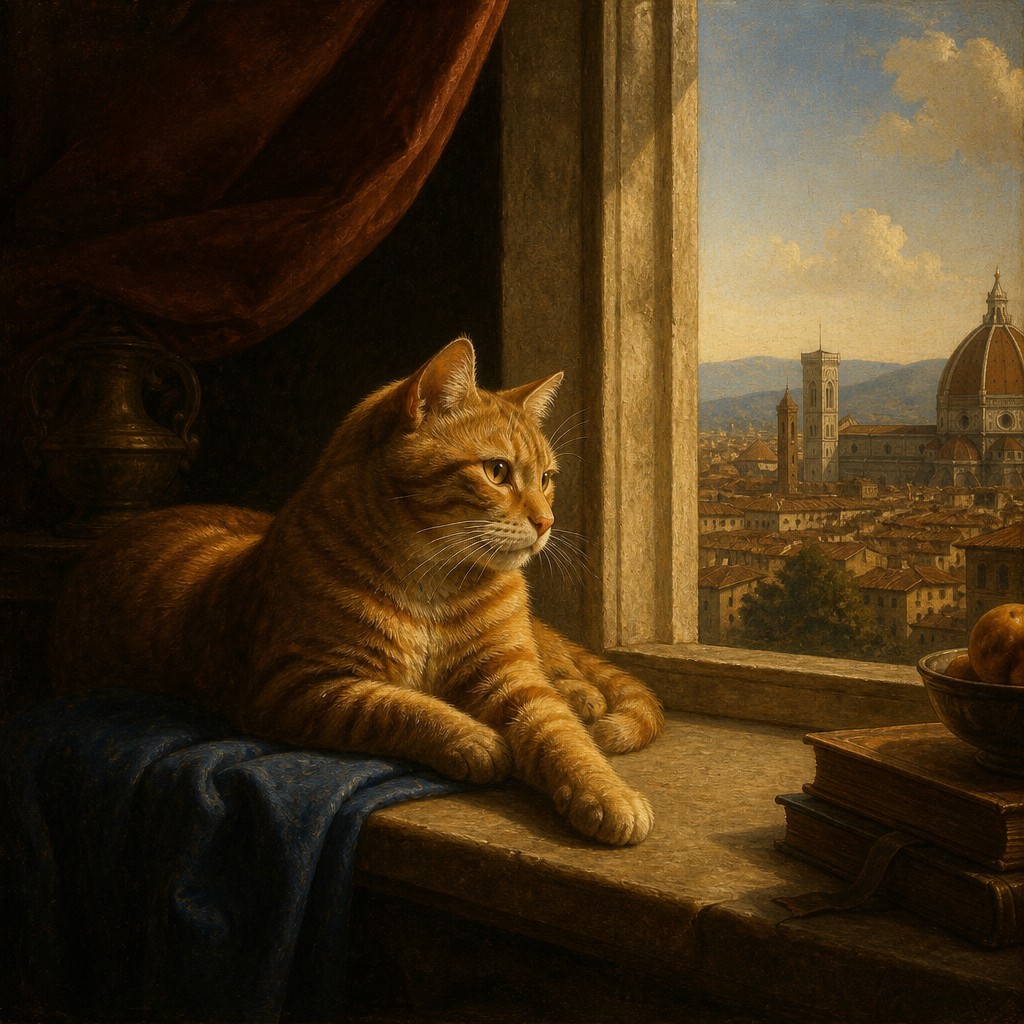
“a cat lounging in a sunlit window”
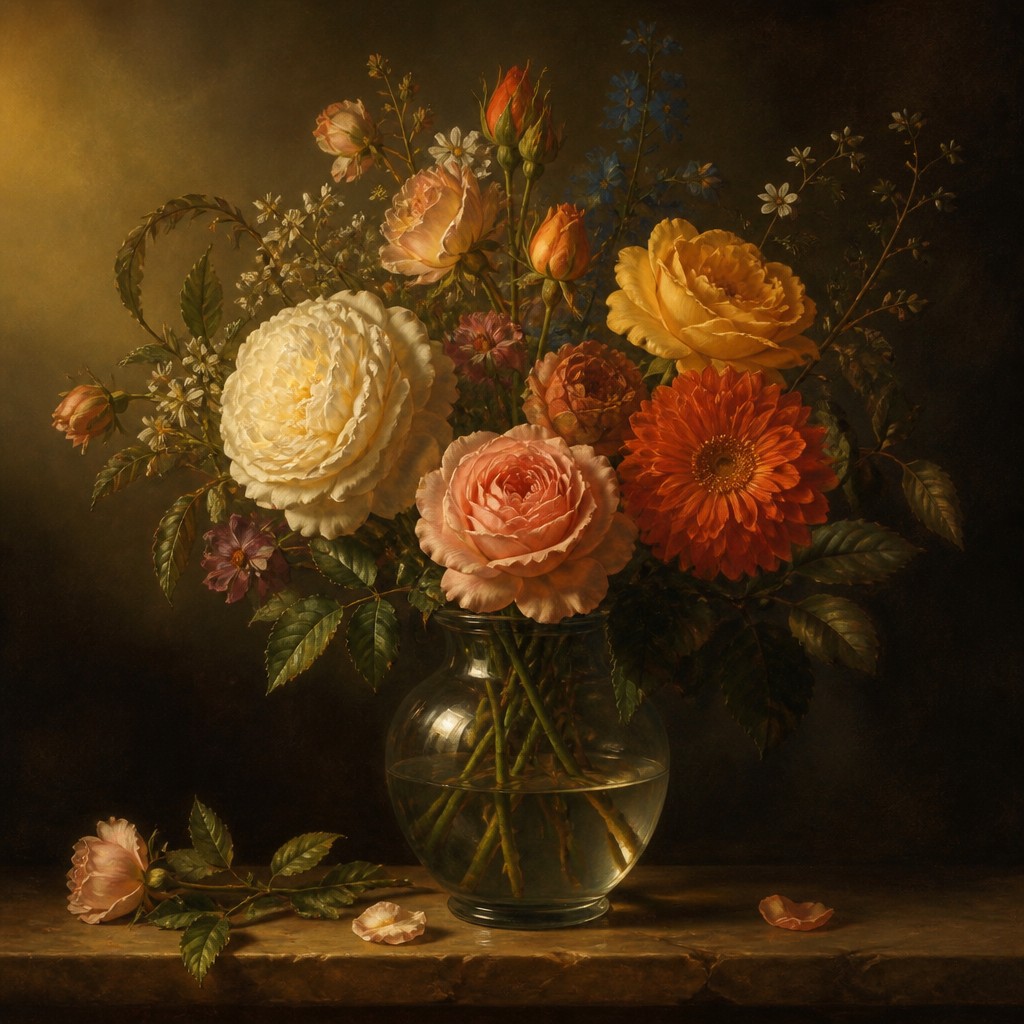
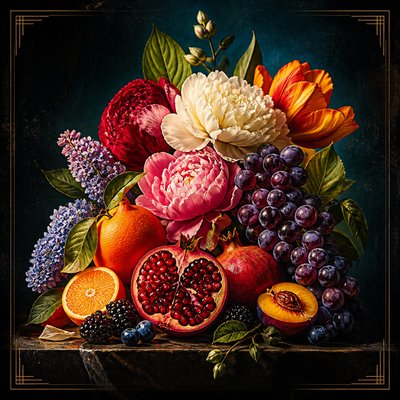
“bouquet of flowers in a glass vase”
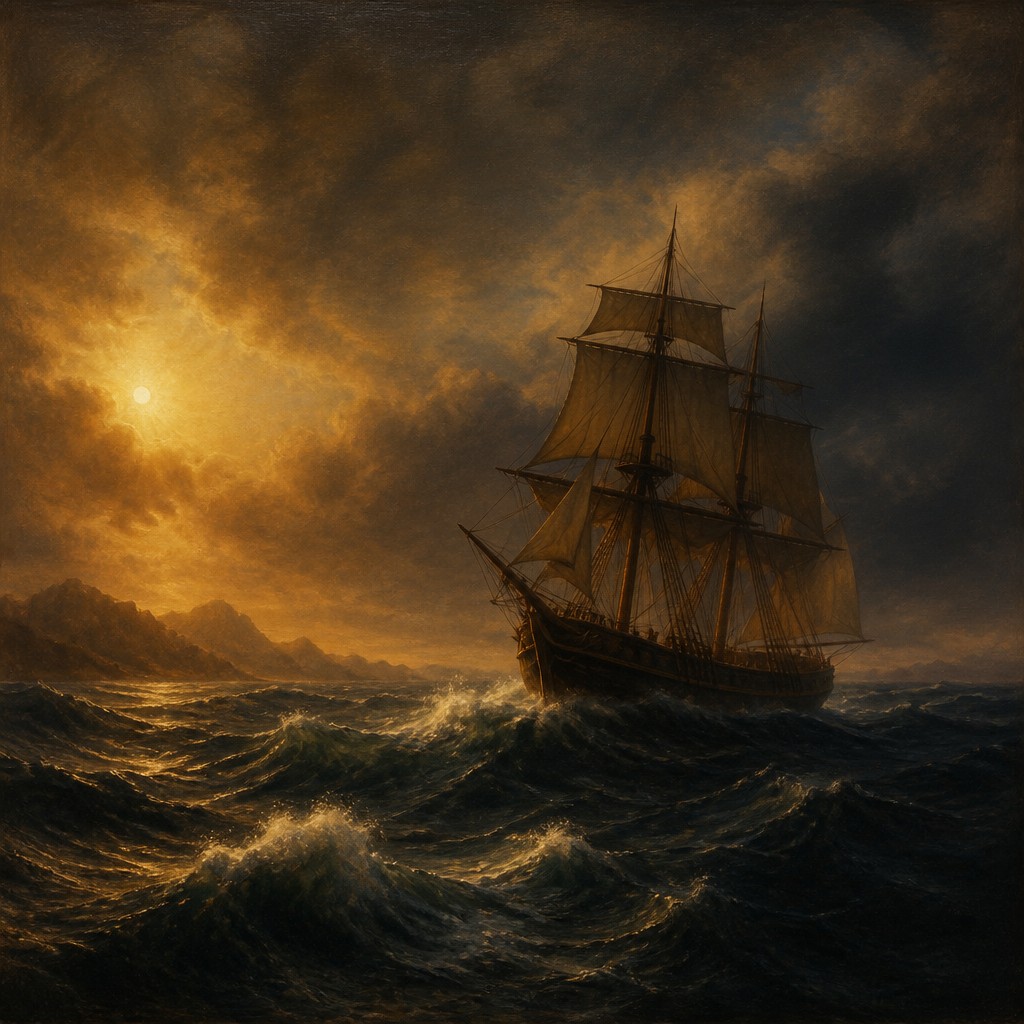
“sailing ship on a stormy sea”
How to Create Renaissance Art
Master the craft step by step — or skip straight to creating. Read the full guide →
- 1
Build the composition with geometry first
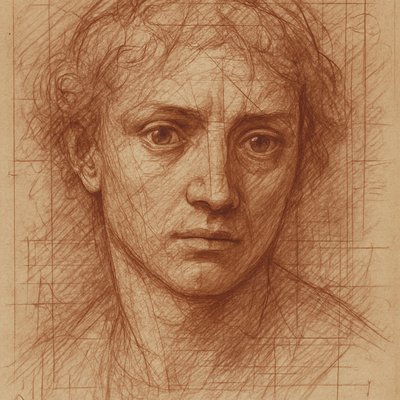
Start with a clear horizon line, vanishing points, and a stable figure arrangement such as a pyramid or central axis. Renaissance art depends on disciplined structure before detail is added.
- 2
Study anatomy and drapery from observation
Use life drawing, plaster casts, or reference photos to understand bone structure, muscle groups, hands, and cloth folds. Then idealize the observed forms slightly so they look graceful and balanced rather than overly casual.
- 3
Paint in transparent layers
For traditional work, block in values first, then glaze thin color over dry underpainting to create depth and glow. In digital painting, emulate this by separating tonal modeling from color and using low-opacity layers with subtle texture.
- 4
Use controlled light and atmosphere
Choose one dominant warm light source and let shadows fall clearly enough to shape the figures. Keep transitions soft around faces and flesh, but preserve crisp edges where perspective or architecture needs clarity.
- 5
Prompt for harmony, realism, and restraint
When generating images, specify Renaissance painting, luminous glazing, sfumato, chiaroscuro, balanced composition, idealized proportions, and earth-toned palette. Avoid overloaded descriptions that conflict with the style’s calm, structured character.
The Story
History & Origins of Renaissance
The Renaissance developed in Italy in the 14th century and reached maturity in the 15th and early 16th centuries, before spreading across Europe. Its origins lie in the renewed study of Greco-Roman art, literature, and philosophy, alongside developments in mathematics, optics, anatomy, and perspective. In painting, early innovators in Florence and elsewhere established linear perspective and naturalistic figure representation, while the High Renaissance refined these principles into balanced, idealized compositions.
Canonical painters associated with the style include early Florentine innovators, devotional masters, perspective specialists, poetic figure painters, a leading master of anatomical and compositional harmony, and other major Italian Renaissance painters. In Northern Europe, leading Renaissance painters pursued related ideals through meticulous detail, oil technique, and portrait realism. The style’s influence continued into later academic classicism and remains foundational to Western figurative art.
Influences: Renaissance art grows from classical Greek and Roman ideals, medieval manuscript and devotional traditions, and new Renaissance science and humanism. In Italy, major early and High Renaissance painters shaped its central principles, while leading Northern Renaissance painters developed related naturalism through oil technique and precise detail. Later academic classicism, Neoclassicism, and parts of modern figurative painting all inherit aspects of its proportion, perspective, and respect for the human form.
Frequently Asked Questions
What defines Renaissance art?
Renaissance art is defined by naturalistic anatomy, linear perspective, balanced composition, and idealized human figures. It combines close observation of the visible world with classical ideals of harmony and proportion. Religious, mythological, and portrait subjects are all common.
How is Renaissance art different from medieval art?
Compared with medieval art, Renaissance art is more interested in realism, spatial depth, and human anatomy. Medieval images often use flatter space and symbolic hierarchy, while Renaissance works tend to organize figures in a believable environment. The Renaissance also revives classical motifs and proportion systems.
What is sfumato?
Sfumato is a painting technique that softens edges and transitions so forms appear to dissolve gently into shadow or atmosphere. It is especially associated with a leading master of the style. The effect creates lifelike subtlety in faces, skin, and distant forms.
What is chiaroscuro?
Chiaroscuro is the use of strong light and dark contrast to model three-dimensional form. In Renaissance painting, it helps figures look solid and sculptural. It also directs attention and adds emotional depth without disrupting compositional balance.
Which subjects are most common in Renaissance art?
Common subjects include religious scenes, portraits, mythological narratives, allegories, and classical history. Patrons included churches, courts, wealthy merchants, and civic institutions. This variety helped the style spread across public, private, and devotional contexts.
How can I make an image look Renaissance without copying a specific artist?
Use proportion, perspective, glazing, and a restrained warm palette rather than flashy effects. Aim for calm poses, balanced spacing, and believable light falling from a single source. In digital or AI-assisted work, describe the subject clearly and add technical terms like sfumato, chiaroscuro, and oil painting layers.
Create your first Renaissance artwork
Describe anything — or upload a photo — and see it in Renaissance Art Style in seconds.
Make Something with Renaissance
Related Styles
Discover similar art styles