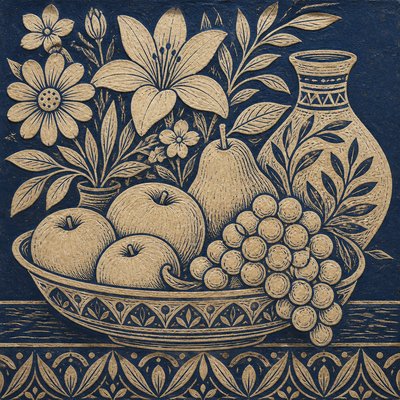
Venetian Colorism Renaissance Art Style
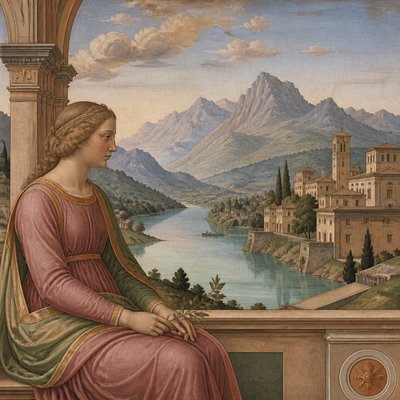
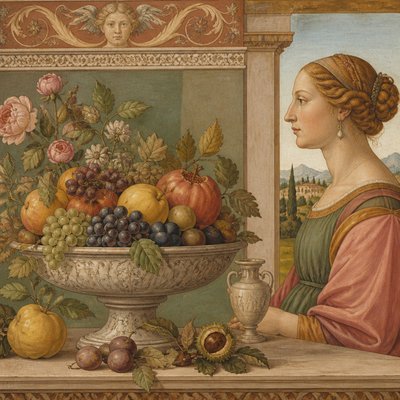
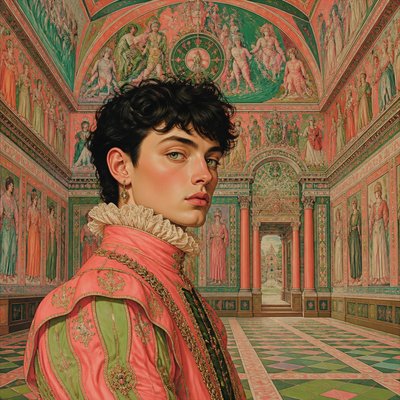
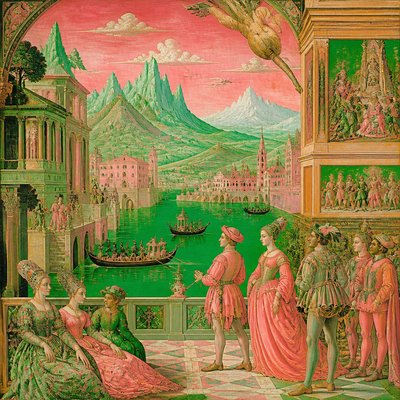
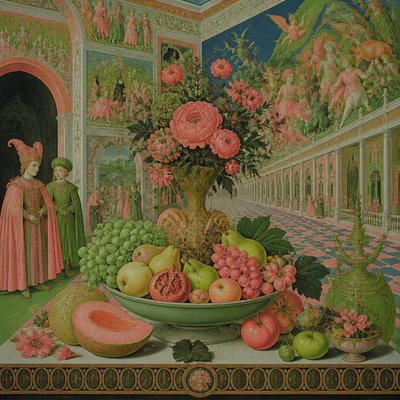
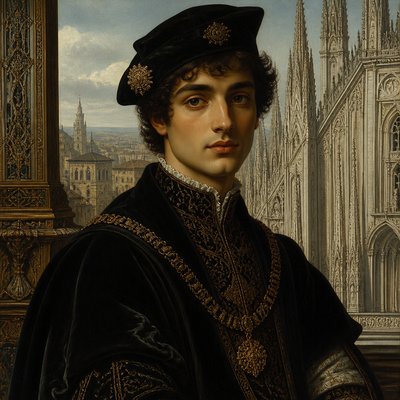
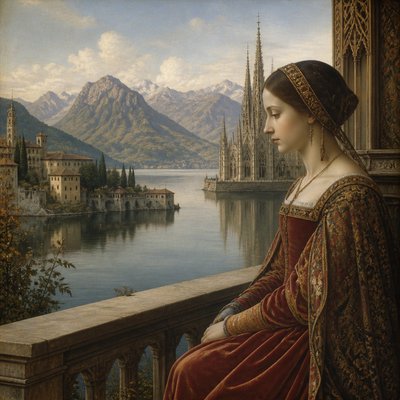
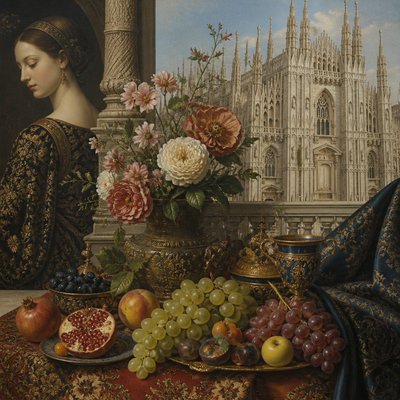
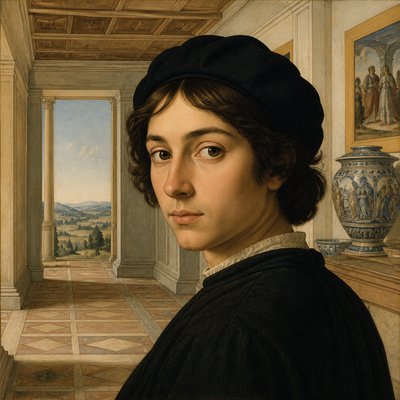
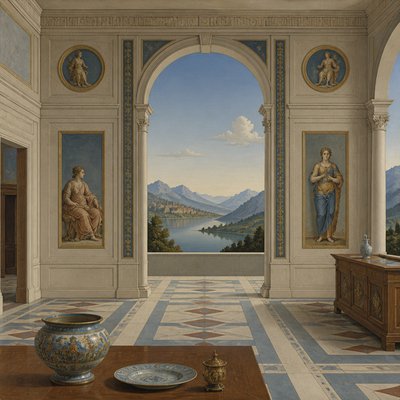
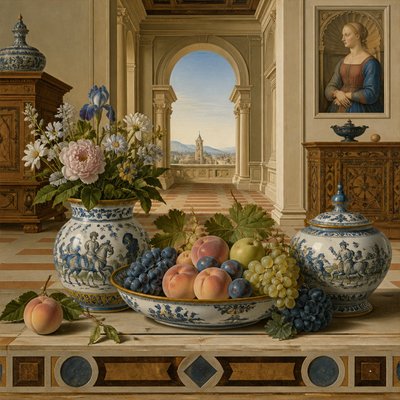
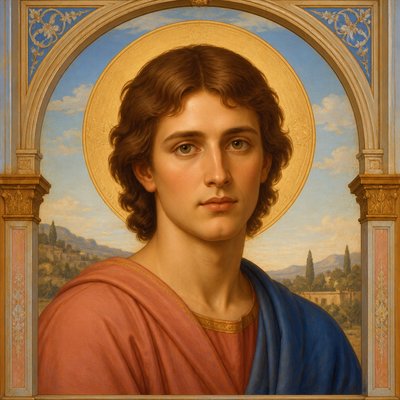
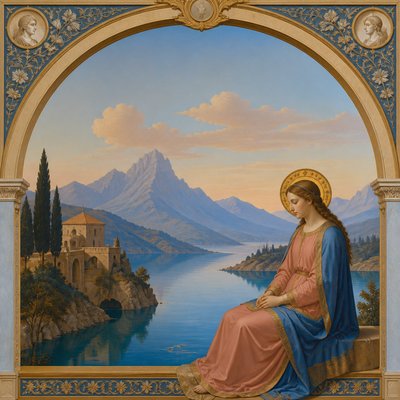
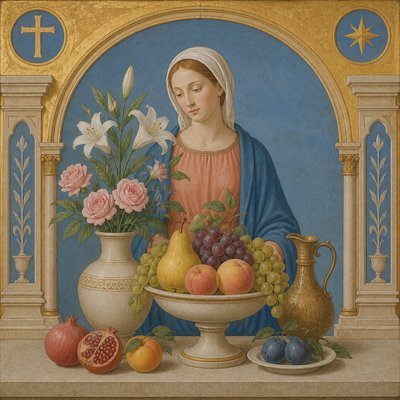
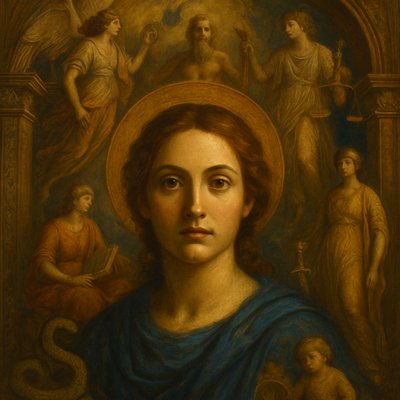
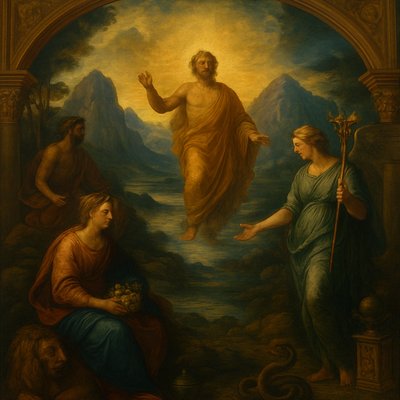
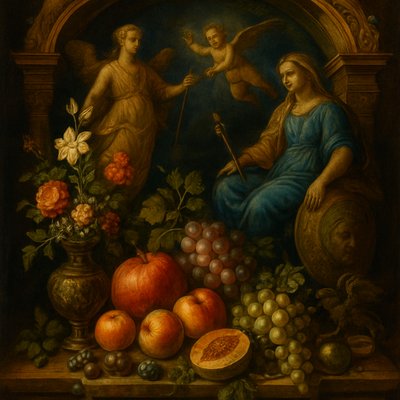
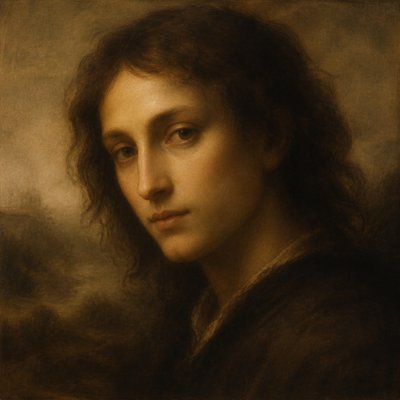
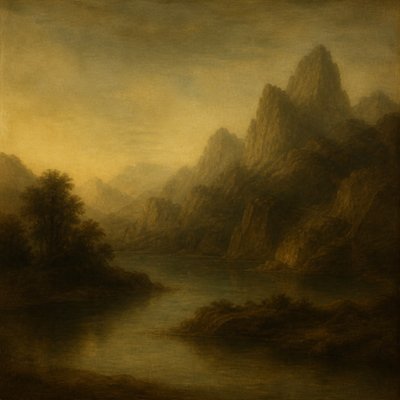
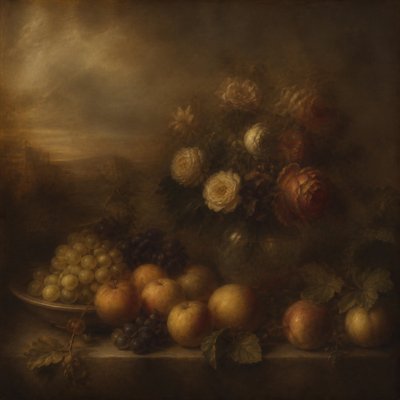
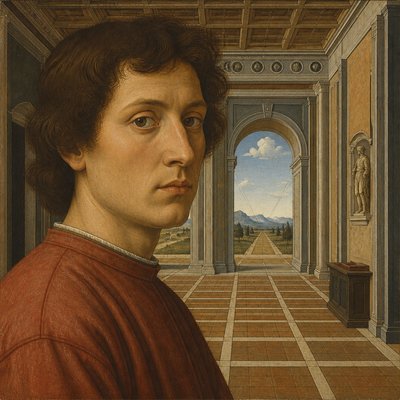
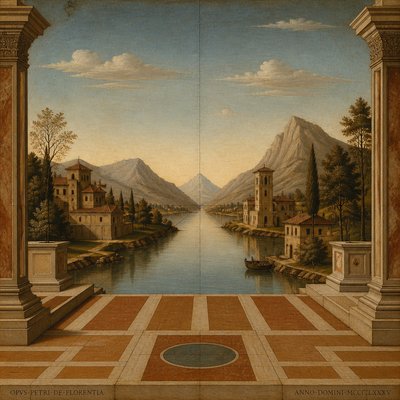
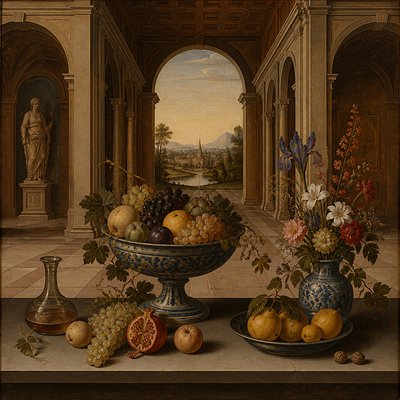
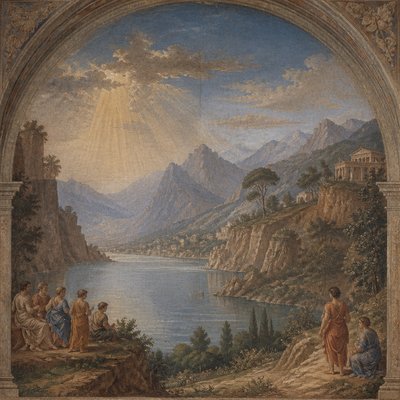
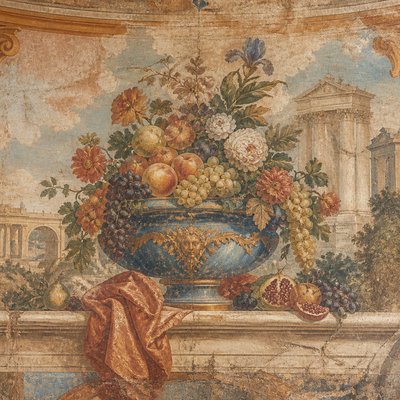
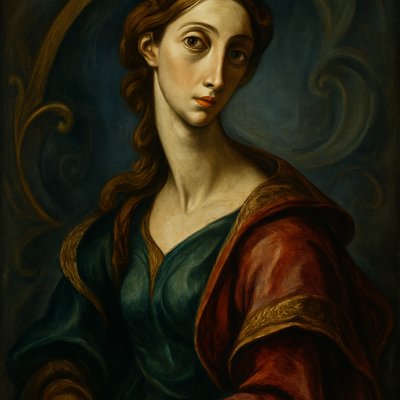
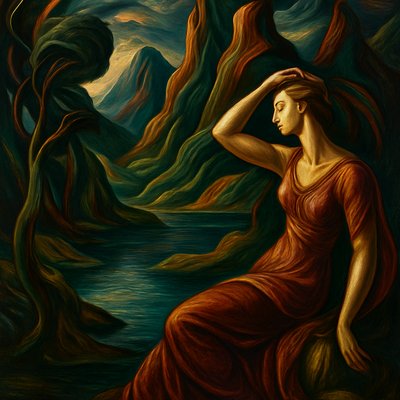
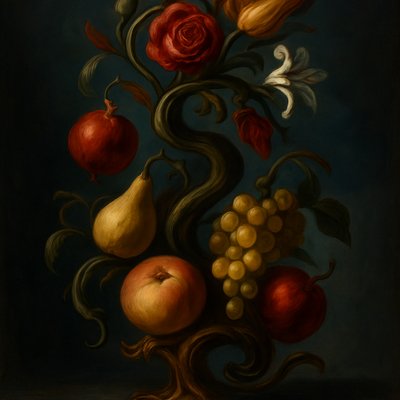
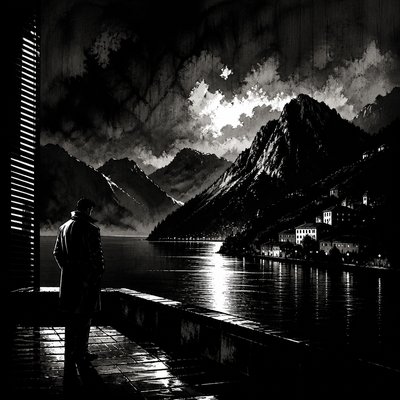
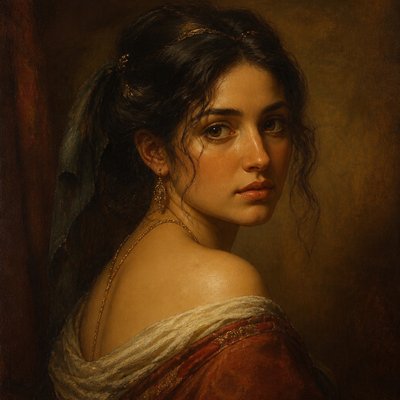
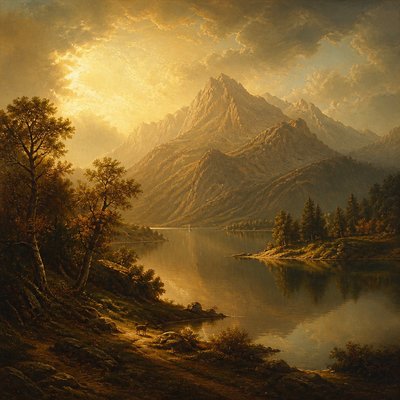
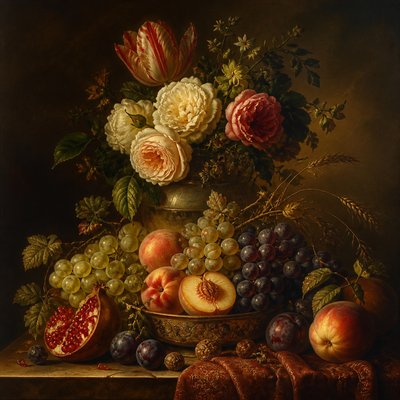
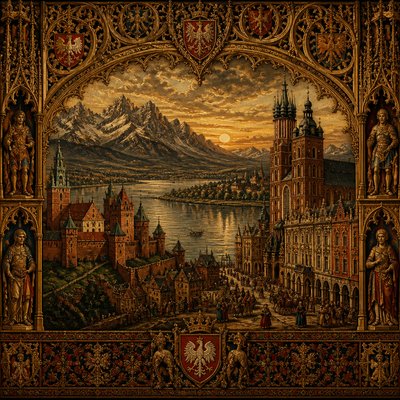
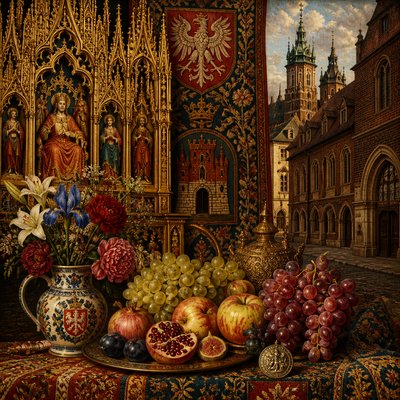
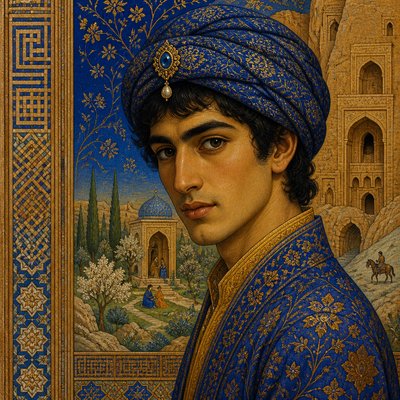
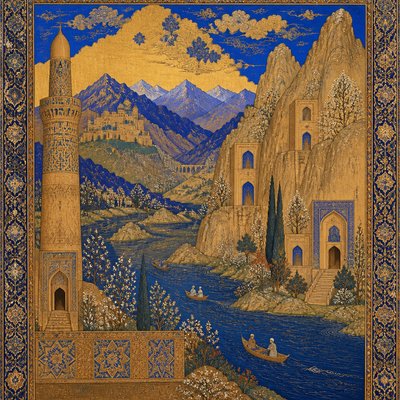
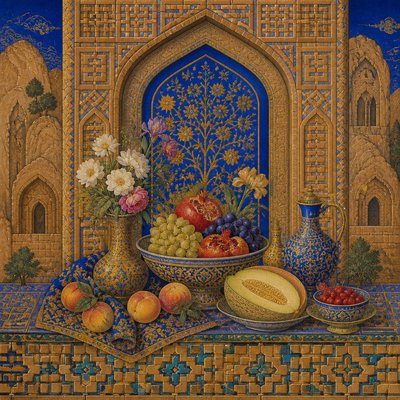
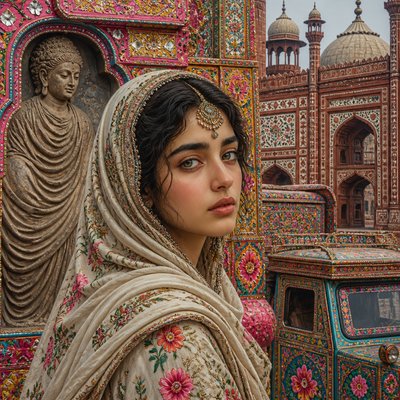
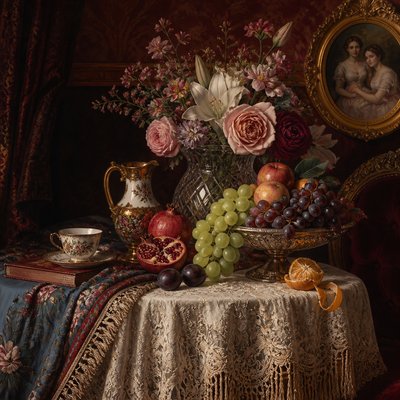
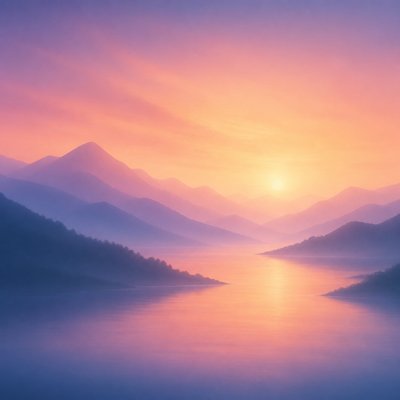
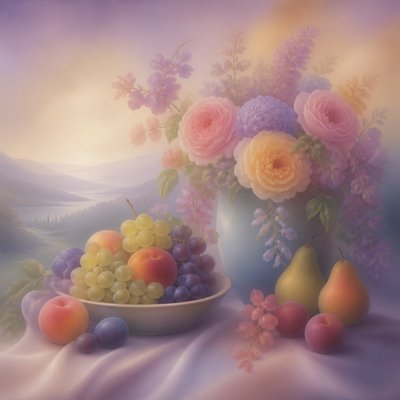
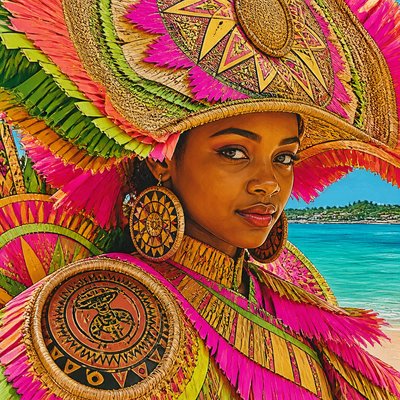
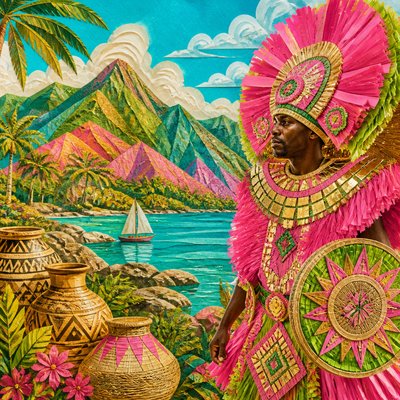
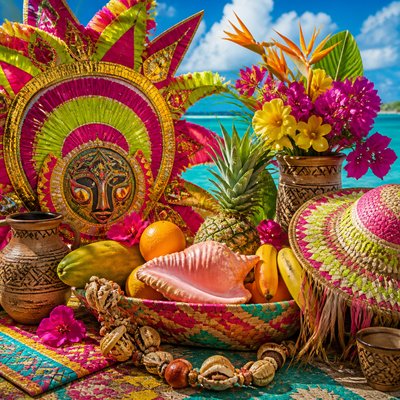
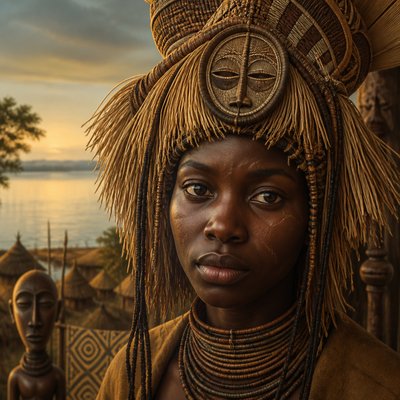
Rich Venetian Renaissance painting with luminous color, glazed oil layers, and golden light modeled after leading Venetian Renaissance painters and major Venetian colorists.
Instantly rendered in Venetian Colorism Renaissance — or transform a photo
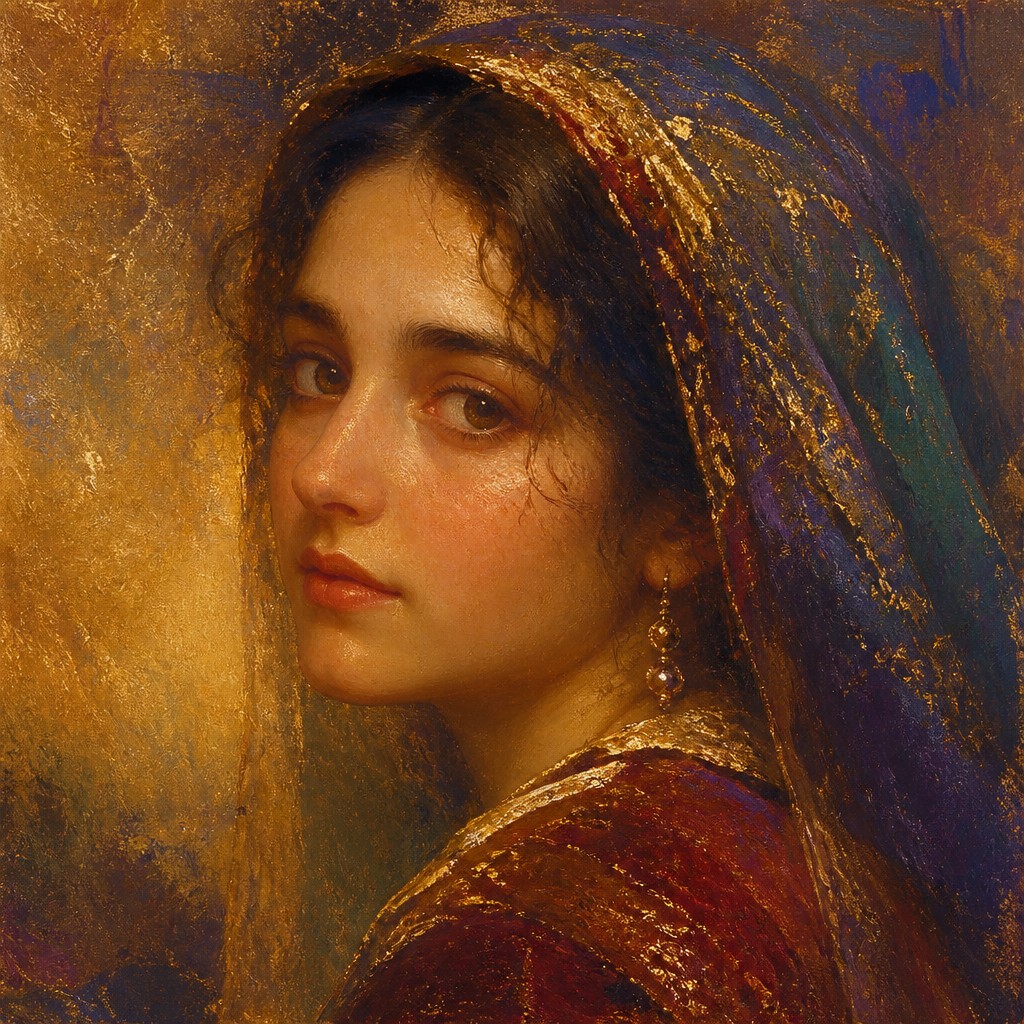
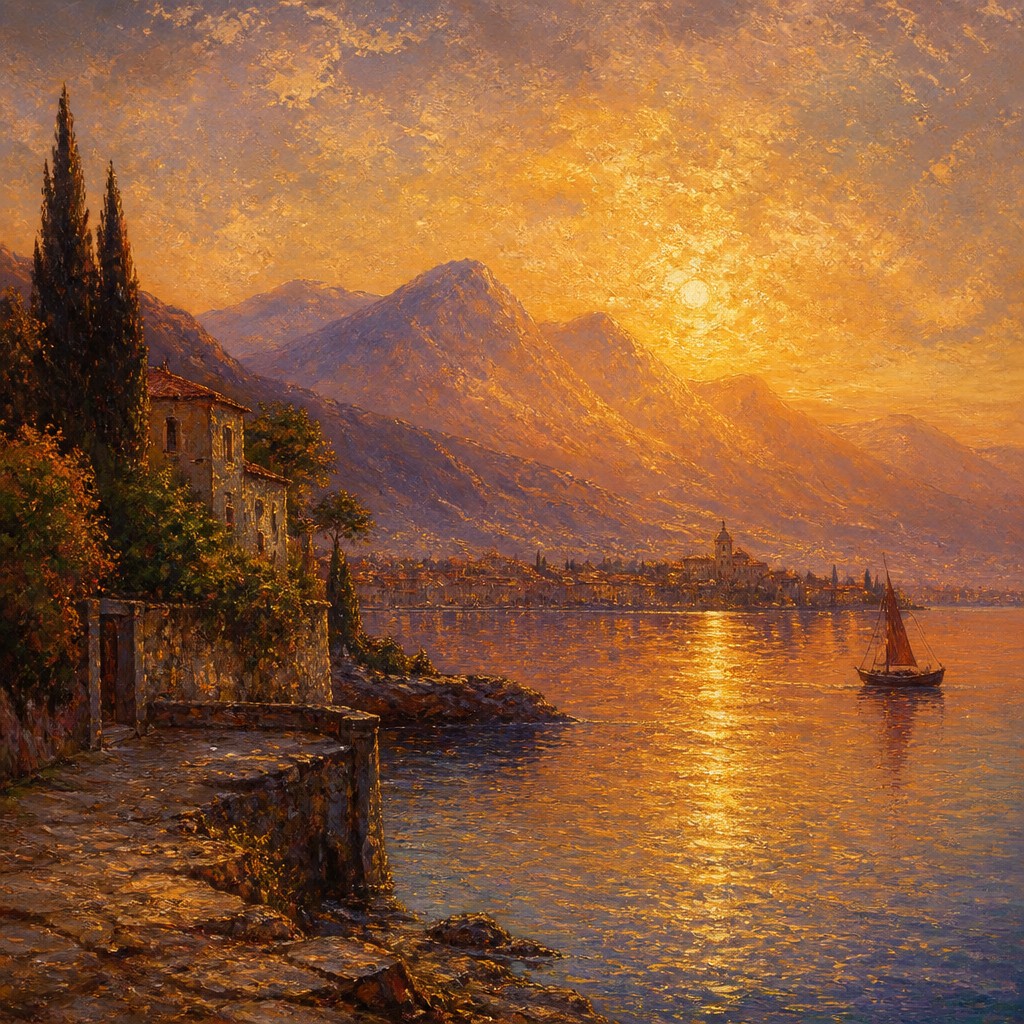
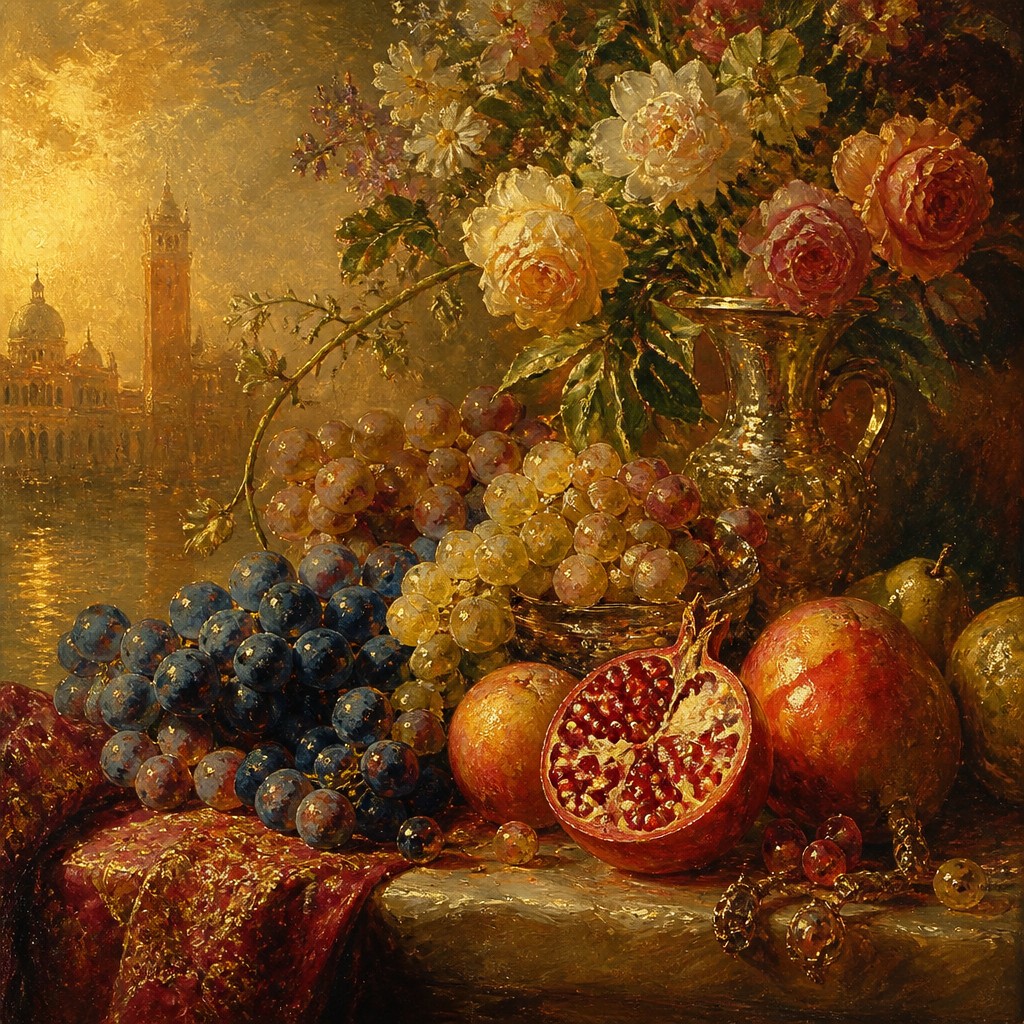
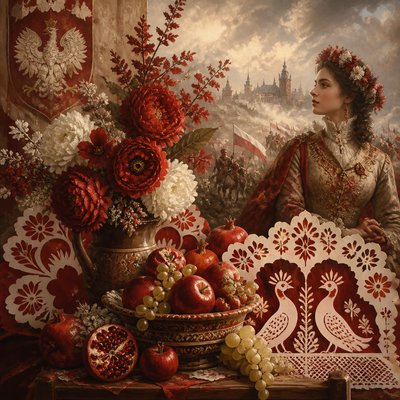
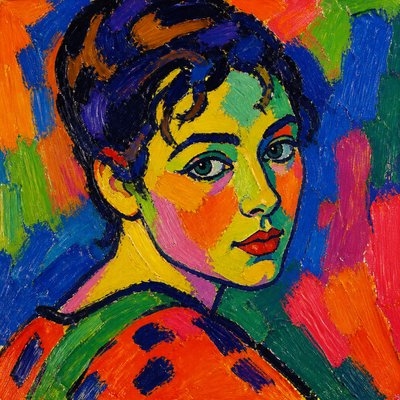
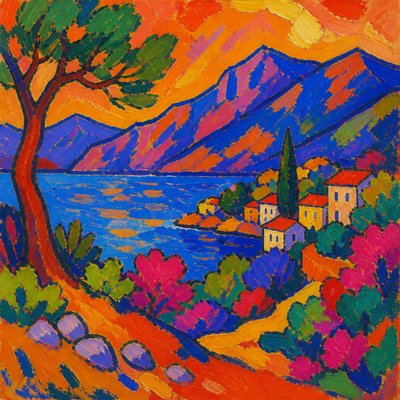
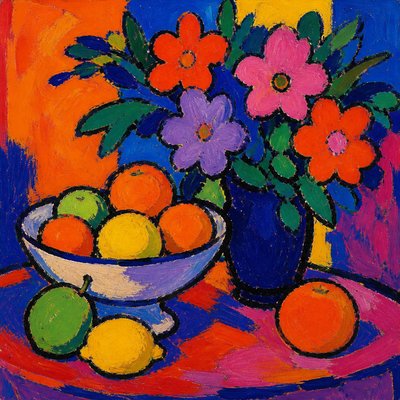
Venetian Colorism Renaissance Gallery
Tap any artwork to explore it
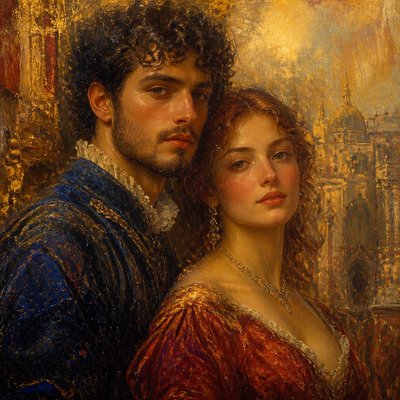
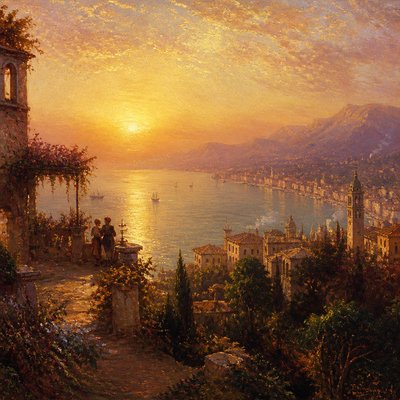
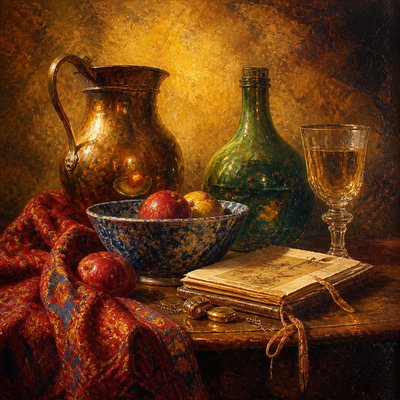
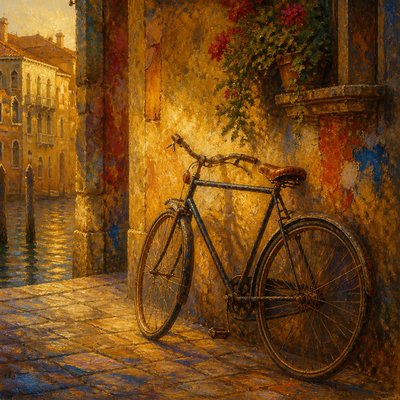
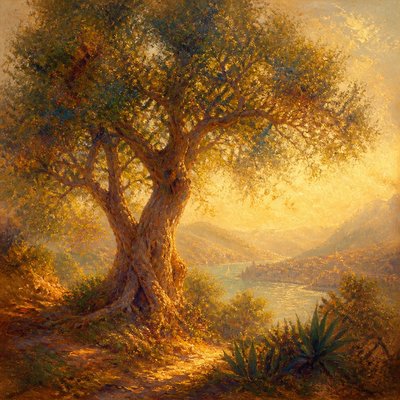
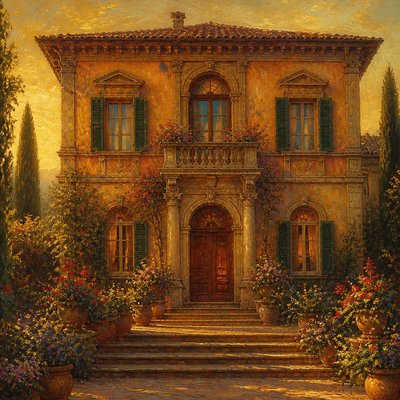
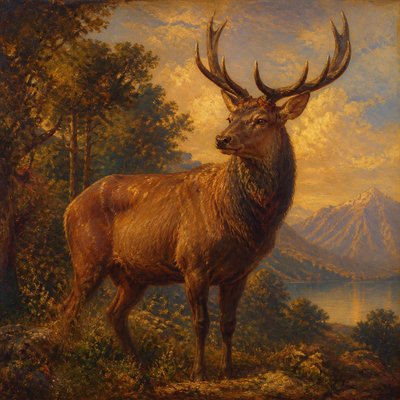
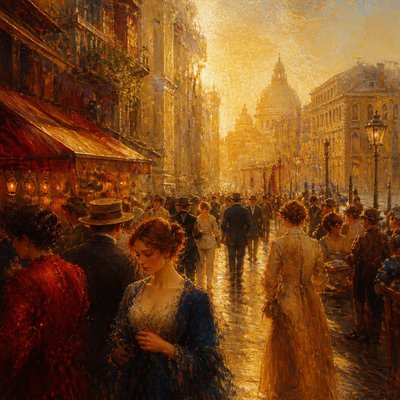
What is Venetian Colorism Renaissance Art Style?
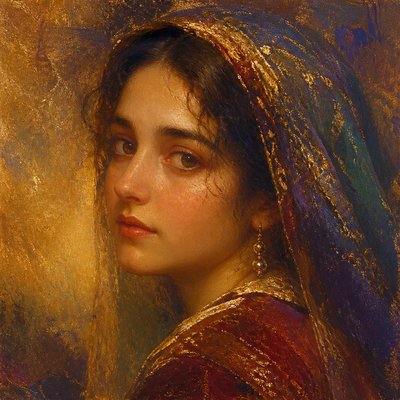
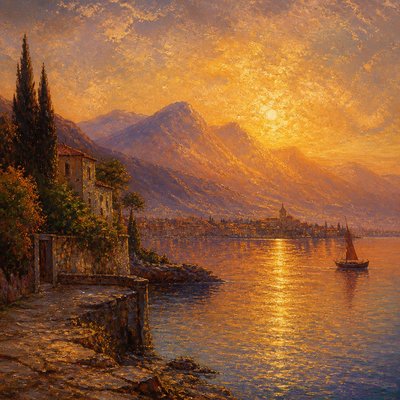
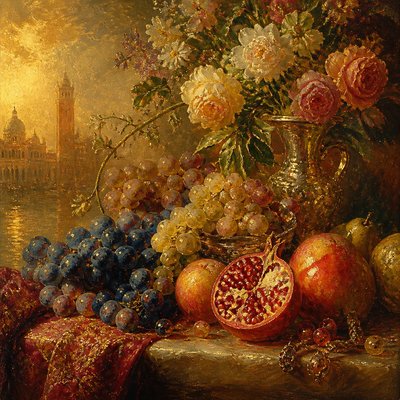
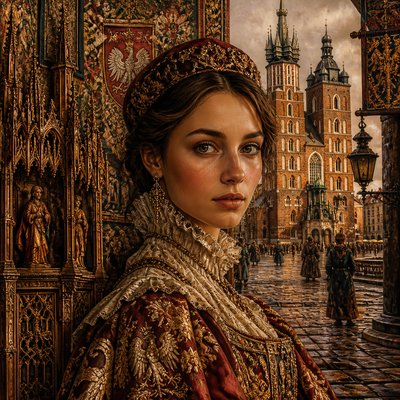
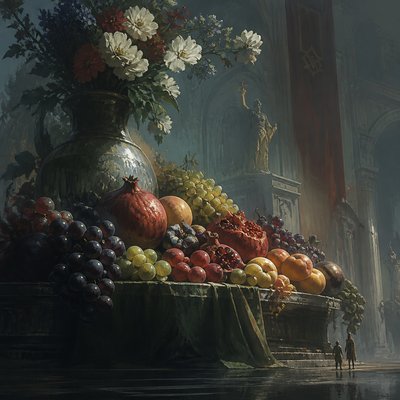
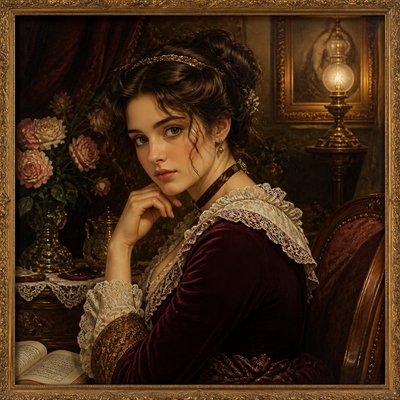
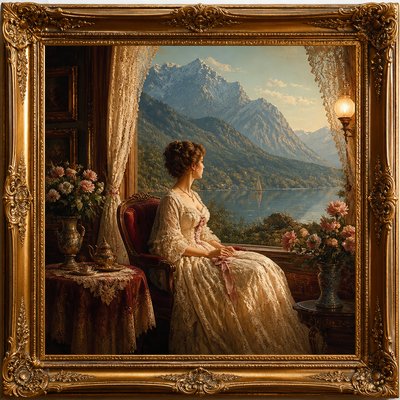
Venetian colorism is a Renaissance painting tradition defined by the primacy of color, atmosphere, and light over sharply drawn contour. In this style, forms are built gradually through translucent glazes, warm underpainting, and tonal relationships, producing surfaces that feel saturated, radiant, and physically alive.
Its visual identity is tied to Venice itself: a city of reflected light, humid air, water, and opulent pigments brought through trade. The result is a painterly language of carmine, ultramarine, emerald, gold, and deep shadow softened into chromatic transitions rather than hard black outlines. Figures and fabrics appear to glow from within, with shimmering edges, broken brushwork, and a golden atmospheric haze that unifies the composition.
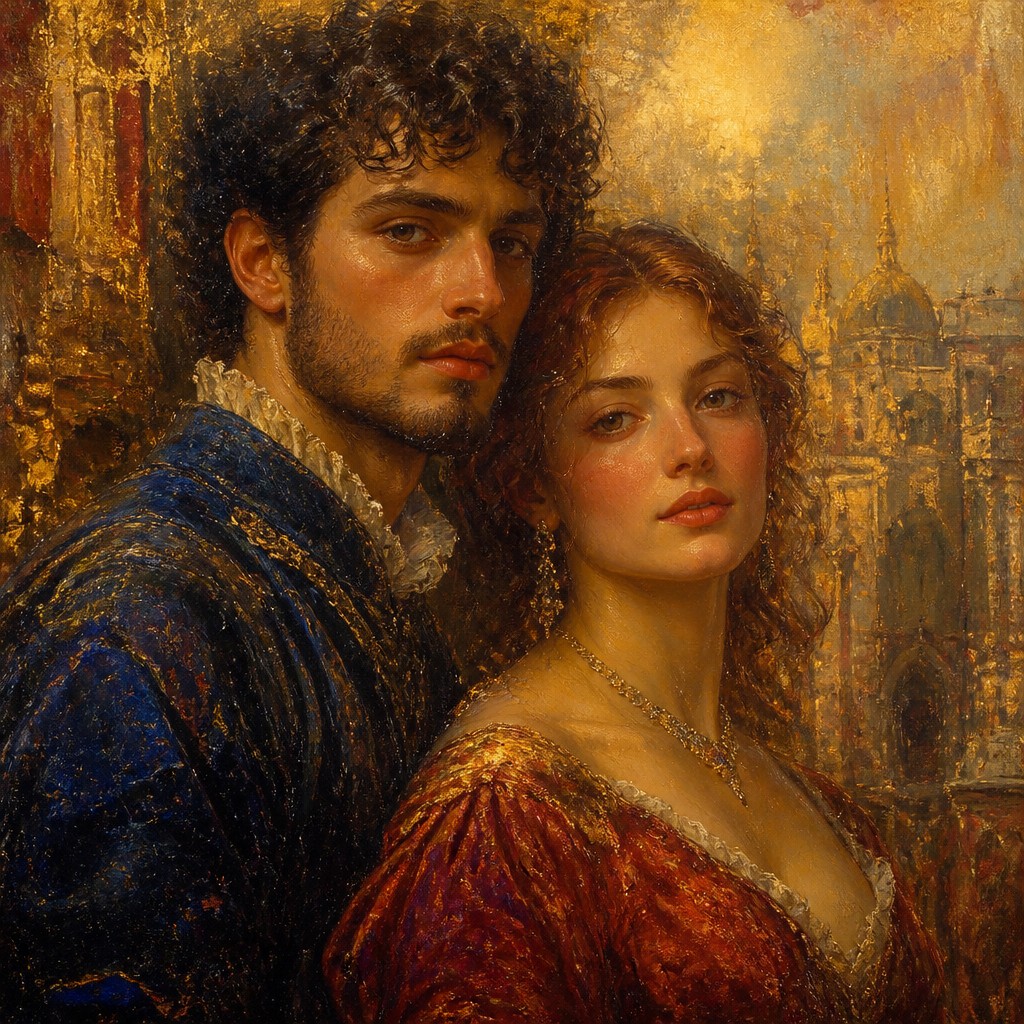
Try It On Your Photos
Upload any photo and convert it into Venetian Colorism Renaissance Art Style — drag the sliders to compare before and after.
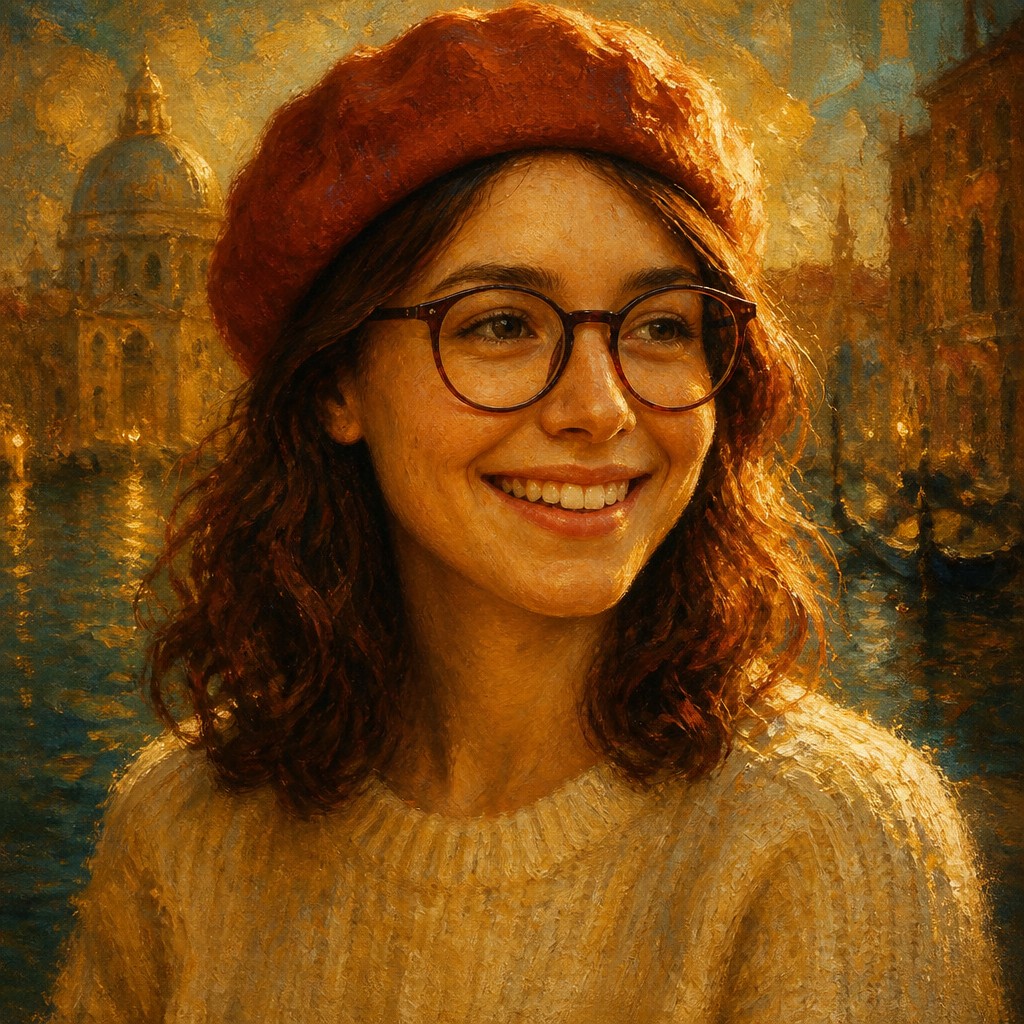

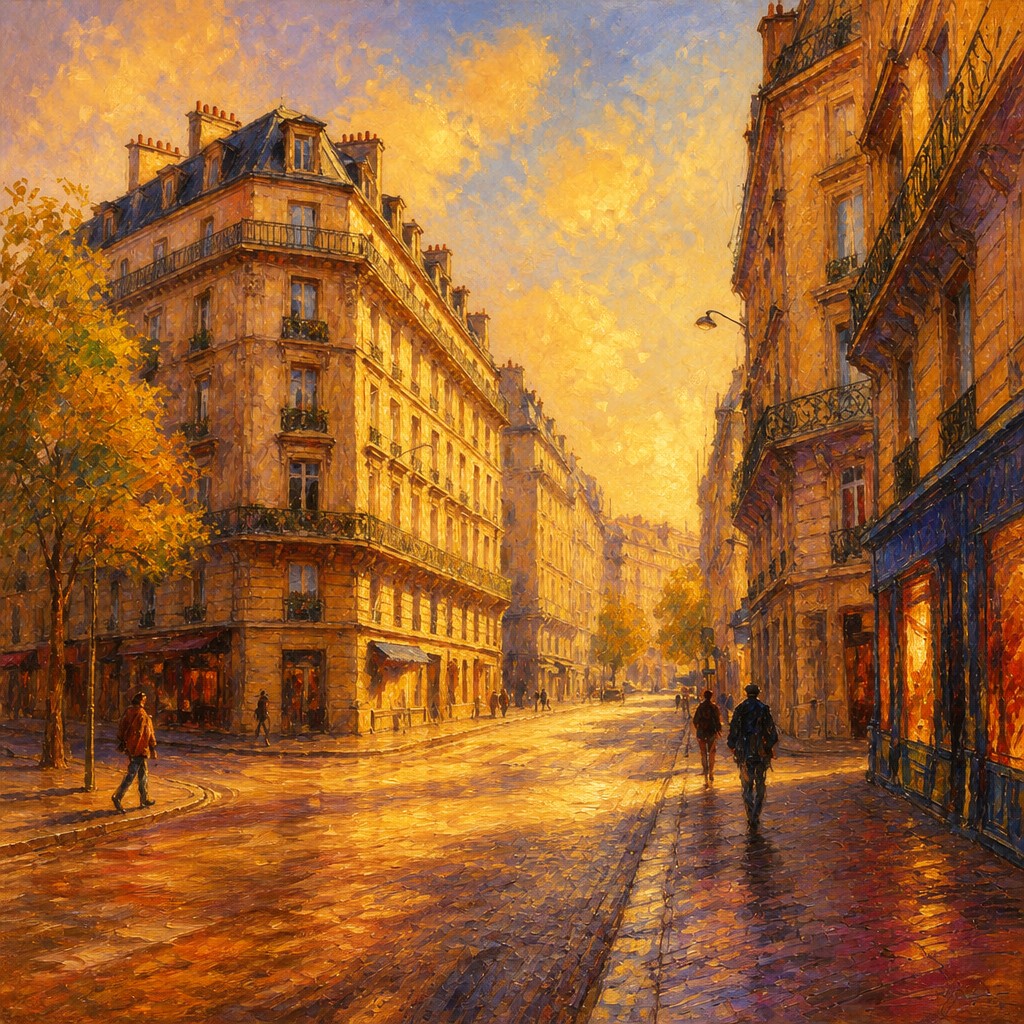

What Defines Venetian Colorism Renaissance Art Style
The signature details, up close
Color models the form
Figures, drapery, and architecture are shaped primarily by tonal shifts and color relationships rather than crisp linework. Edges often dissolve into the surrounding light.
Layered oil glazes
Thin translucent layers are used to build depth, saturation, and inner glow. This gives the surface a jewel-like richness and optical complexity.
Golden atmospheric light
A warm amber or honeyed haze often unifies the whole image. The light feels reflected and diffused, as if passing through humid Venetian air.
Chromatic shadows
Shadows are usually colored rather than black, often leaning toward violet, umber, green, or burnt sienna. This keeps dark areas luminous and integrated with the palette.
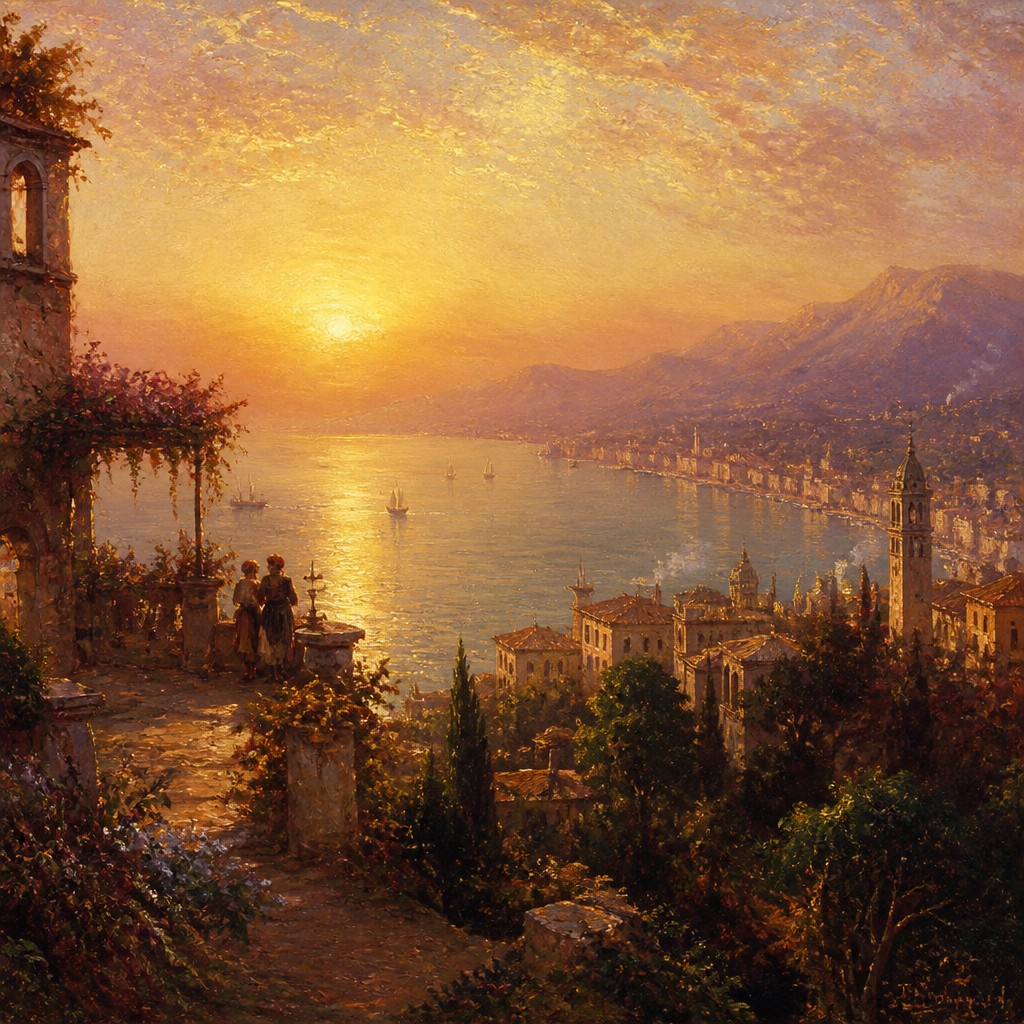
Broken and scumbled brushwork
Brushwork may be visible in highlights, fabrics, sky, or flesh, creating a shimmering, vibrating surface. Scumbling helps suggest moisture, mist, and reflected light.
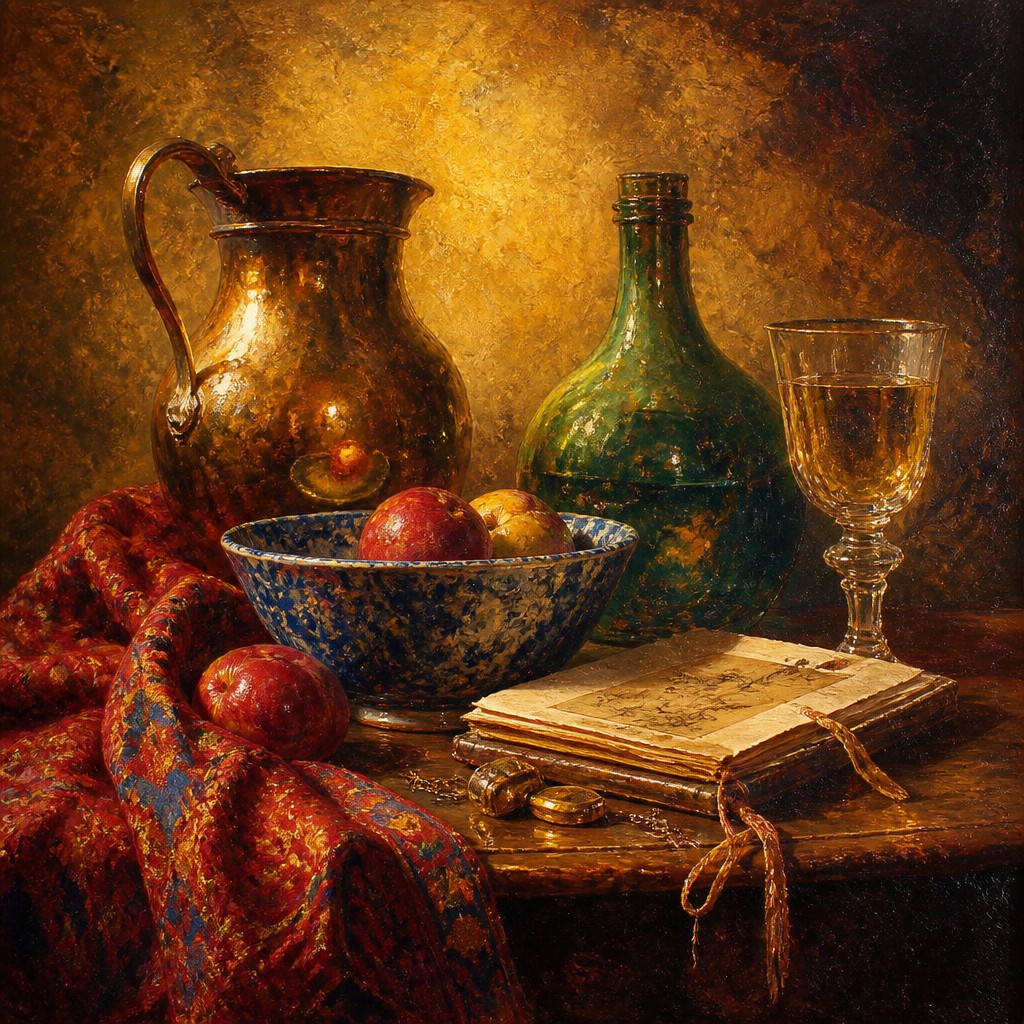
Luxurious palette
Common hues include carmine, ultramarine, emerald, ochre, gold, and deep red-browns. The overall effect is sumptuous but carefully harmonized rather than purely decorative.
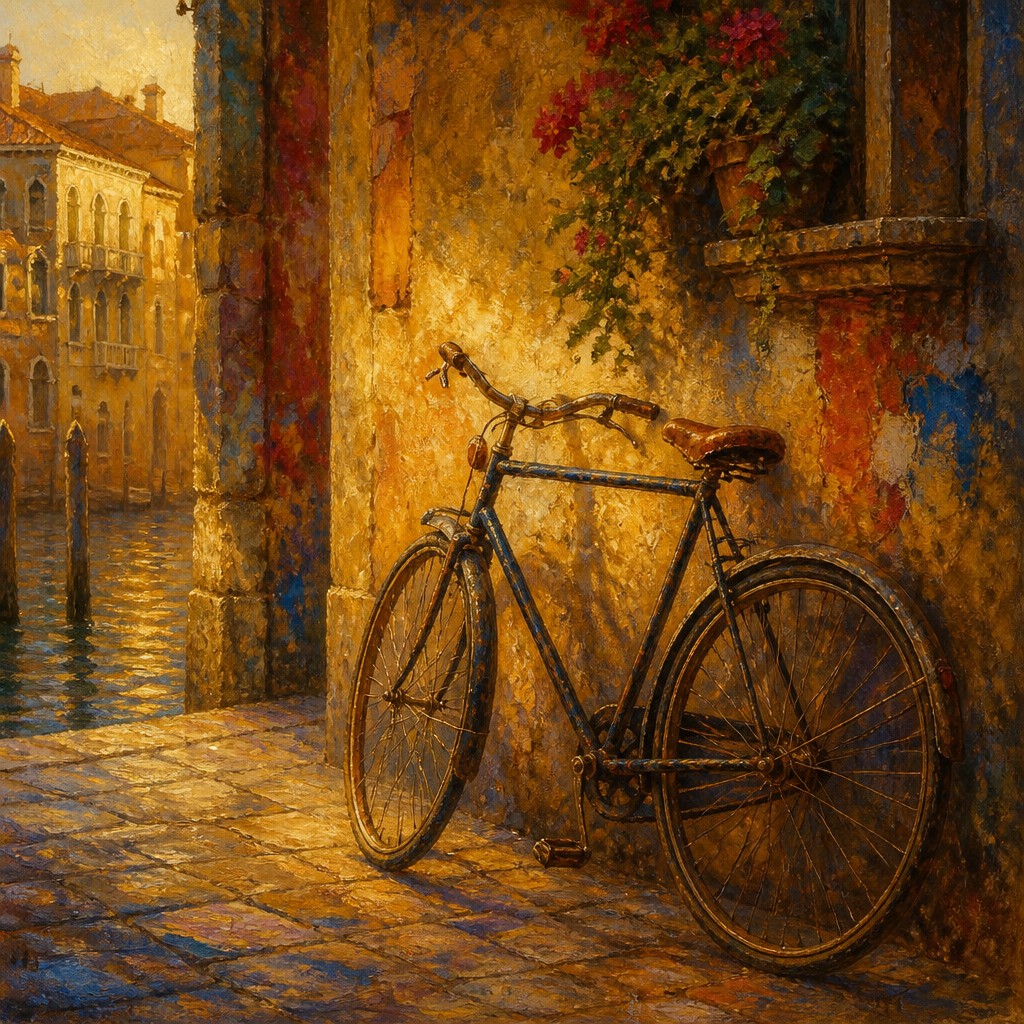
Pictorial depth through atmosphere
Space is often described by tonal recession and soft transitions, not by rigid perspective alone. This makes the image feel immersive, painterly, and spatially open.
Try It
Create Videos in Venetian Colorism Renaissance Art Style
Styles aren't just for stills — describe a scene or animate an image and get a short video rendered in Venetian Colorism Renaissance. Press play to see this pond come to life.
Make a VideoVenetian Colorism Renaissance Prompt Ideas
Start from an idea — each one opens the generator with the style ready to go. See all 40 Venetian Colorism Renaissance prompts →
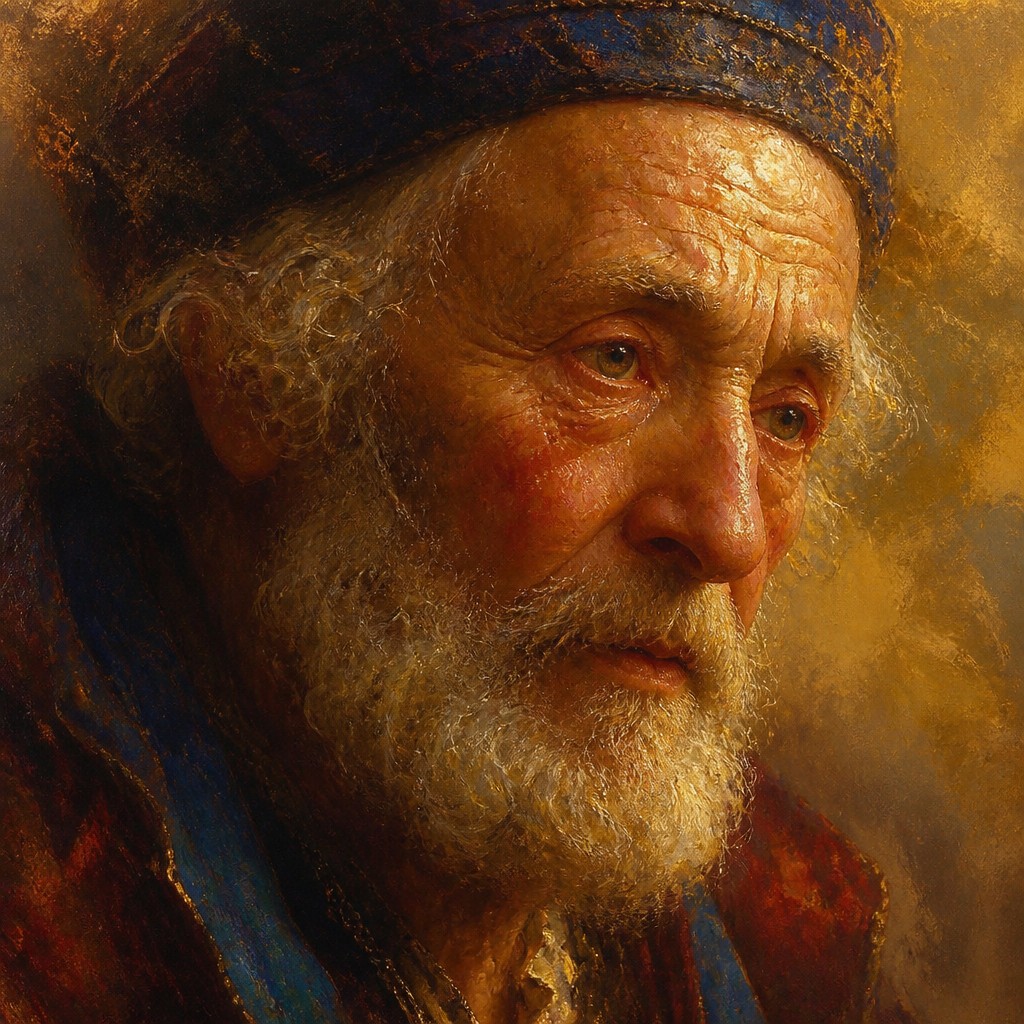
“close-up portrait of an elderly person with expressive weathered features”
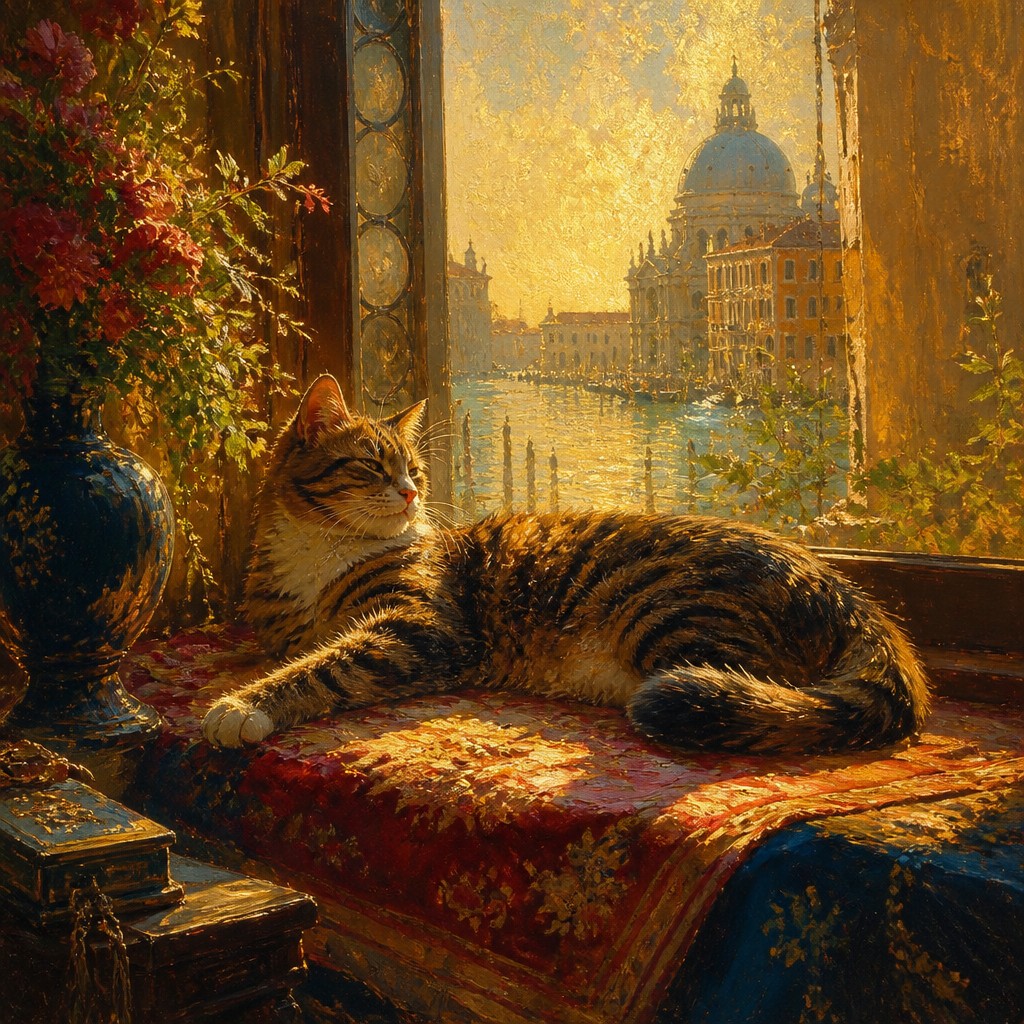
“a cat lounging in a sunlit window”
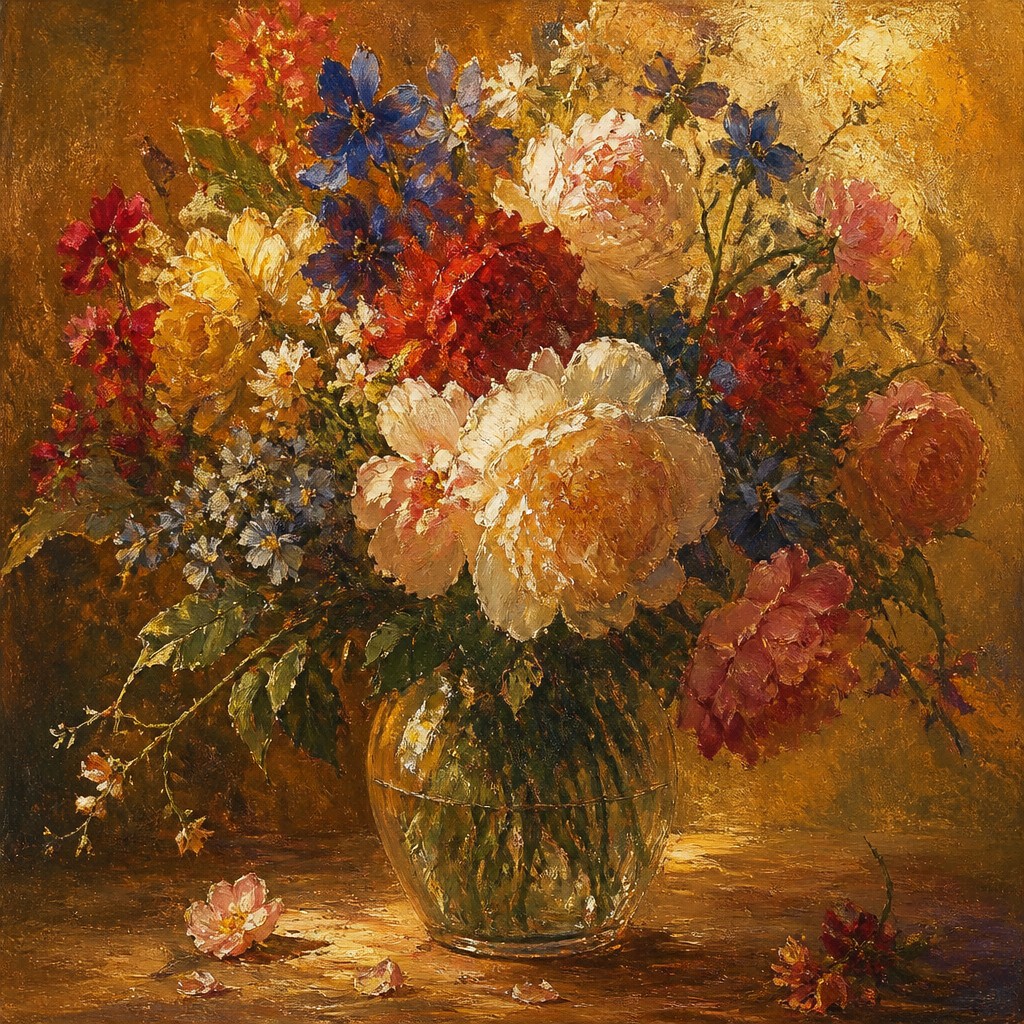
“bouquet of flowers in a glass vase”
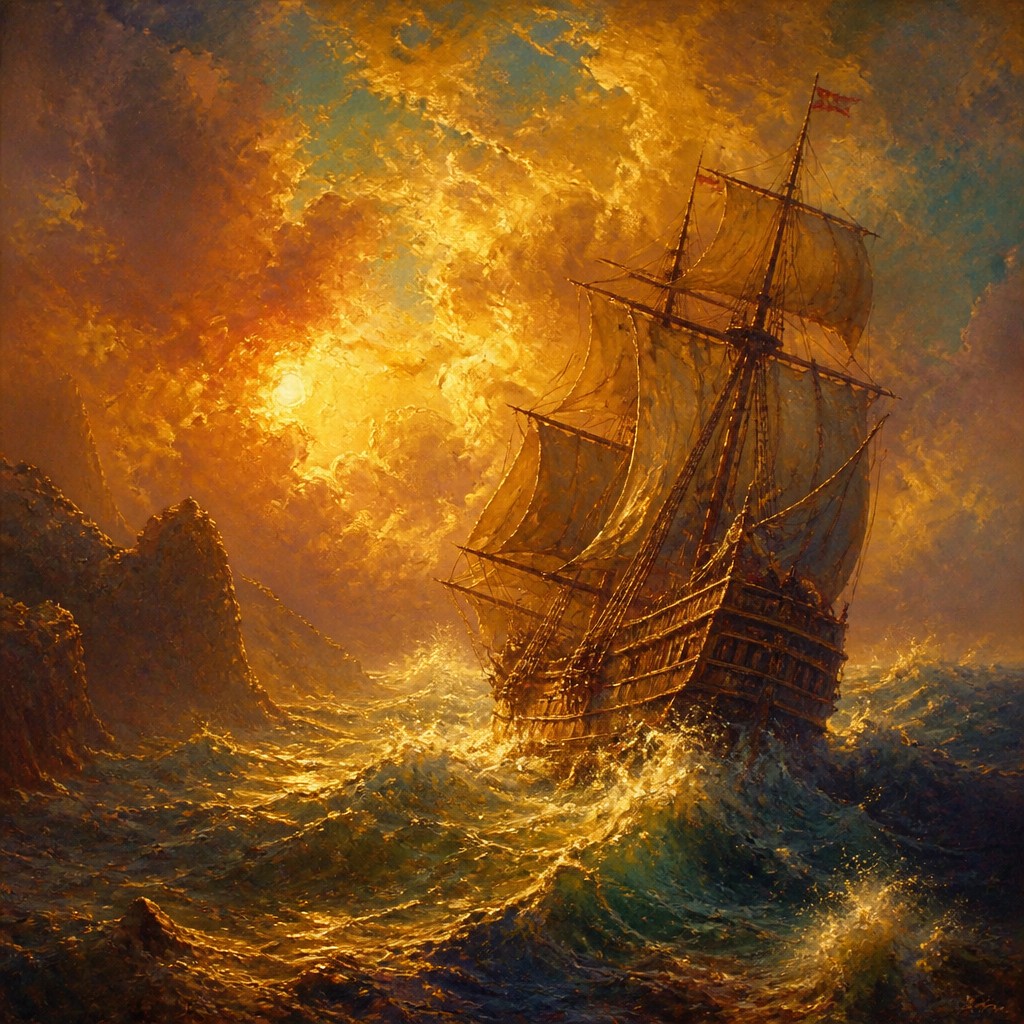
“sailing ship on a stormy sea”
How to Create Venetian Colorism Renaissance Art
Master the craft step by step — or skip straight to creating. Read the full guide →
- 1
Start with a warm ground
In traditional painting, begin with an ochre, sienna, or golden-brown underpainting so later glazes can glow against it. In digital work, establish a warm base layer before adding saturated color on top.
- 2
Build forms by value and hue, not outline
Block in major light and shadow masses first, then refine shapes through color transitions. Keep contours soft where possible so the subject seems to emerge from the atmosphere.
- 3
Use transparent layering
Apply multiple thin glazes to deepen reds, blues, and shadows while preserving luminosity. In digital painting, simulate this by stacking low-opacity layers and adjusting blend modes carefully.
- 4
Reserve black and use colored shadows
Replace neutral black with mixtures of violet, umber, green, or deep blue to keep shadows alive. This is essential to the Venetian feel, which favors chromatic depth over flat darkening.
- 5
Add selective impasto and scumbled highlights
Use thicker, brighter strokes sparingly on jewelry, fabric edges, flesh highlights, or reflected light. In digital art, crisp high-opacity touches can mimic these effects without overdetailing the entire image.
- 6
Prompt for light-rich materiality
When generating with text prompts, specify translucent glazes, golden haze, color-modeled forms, and shimmering surfaces. Include subject, mood, and palette, but avoid overemphasizing line drawing or graphic outline.
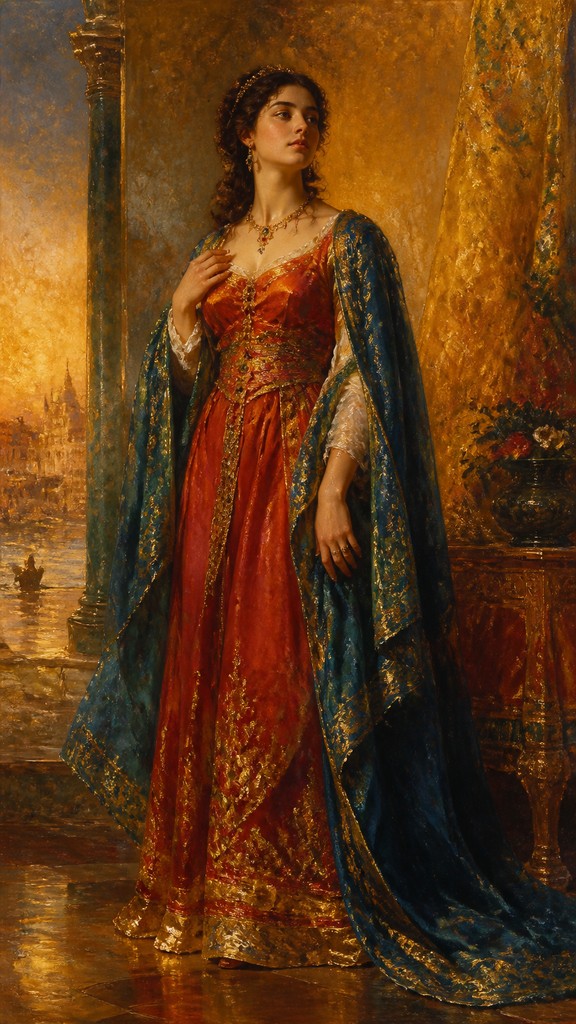
The Story
History & Origins of Venetian Colorism Renaissance
Venetian colorism developed in sixteenth-century Venice as a distinct approach to painting, especially in contrast to the more line-driven traditions associated with central Italy. It is most strongly associated with leading Venetian Renaissance painters and major Venetian colorists, who explored layered oil painting, rich chromatic harmonies, and effects of light that made color the primary vehicle of form and mood.
The style emerged from Venice’s unique artistic and material conditions: its commercial access to expensive pigments, its preference for oil painting on canvas, and its luminous maritime environment. Venetian painters built on these advantages to create a sensuous and atmospheric painting language that influenced later European art, especially Baroque colorism and the broader tradition of painterly, light-suffused realism.
Influences: This style belongs to the Venetian Renaissance tradition and is most closely associated with leading Venetian Renaissance painters and major Venetian colorists. It also anticipates later painterly color traditions in European art, including Baroque colorism and the looser, light-centered approaches of artists who prioritized atmosphere and chromatic harmony over linear finish.

Frequently Asked Questions
What defines Venetian colorism Renaissance art style?
Its defining feature is the use of color and light to construct form, mood, and depth. Instead of sharp outlines, it relies on layered glazes, warm tonal underpainting, and rich chromatic shadows. The result is a luminous, atmospheric surface that feels especially suited to Venice’s reflected light.
How is it different from Florentine Renaissance painting?
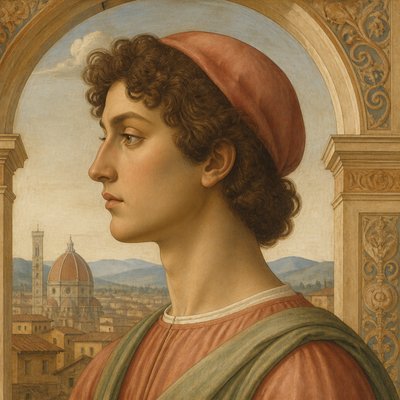
Florentine painting is often associated with drawing, contour, and precise draftsmanship, while Venetian colorism emphasizes paint handling, hue, and tonal transitions. Venetian artists generally allowed forms to emerge more softly, with greater attention to surface richness and atmospheric effects.
Which artists are most associated with this style?
The canonical names are leading Venetian Renaissance painters and major Venetian colorists. These painters helped define the Venetian preference for luminous color, painterly surfaces, and dramatic light. They are the safest historical references for this style.
What materials or techniques create the look?
Traditional Venetian effects come from oil paint, translucent glazing, warm ground colors, and careful layering of highlights. Scumbling and broken brushwork can also help create the shimmering, misted surfaces often seen in the style.
Can this style work in digital art?
Yes. Digital artists can approximate it by using warm base layers, low-opacity color glazing, soft blending, and selective bright highlights. The key is to preserve luminous color relationships and avoid overly crisp outlines or flat shading.
Where is Venetian colorism commonly used today?
It appears in historical painting studies, portraiture, religious imagery, fantasy illustration, and cinematic concept art that wants a regal, glowing Renaissance mood. It is also popular for transforming modern subjects into a classical, oil-painted look.
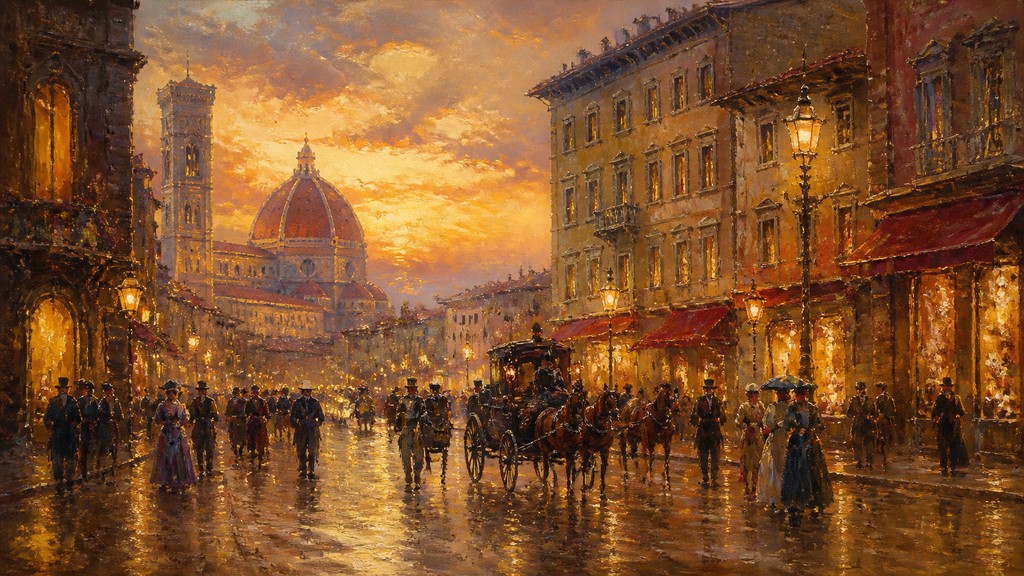
Create your first Venetian Colorism Renaissance artwork
Describe anything — or upload a photo — and see it in Venetian Colorism Renaissance Art Style in seconds.
Make Something with Venetian Colorism Renaissance
Compare Venetian Colorism Renaissance
Related Styles
Discover similar art styles