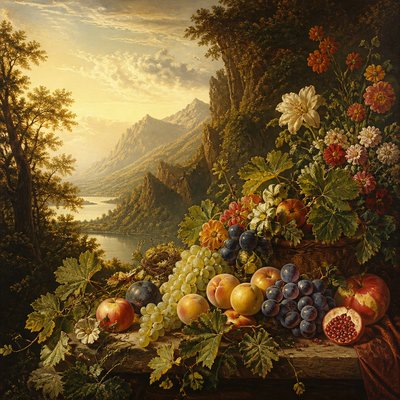
Classical Realism Art Style
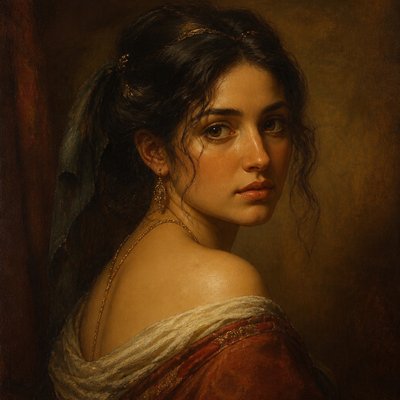
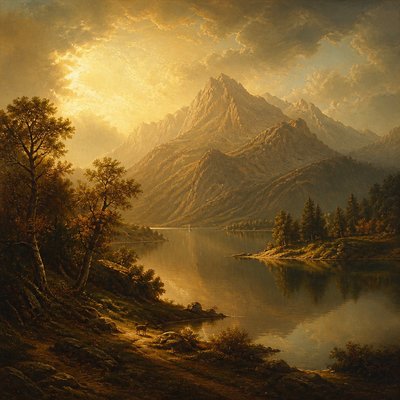
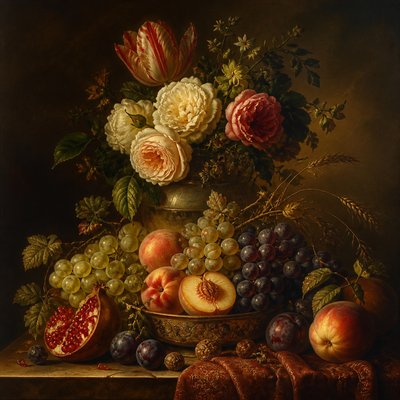
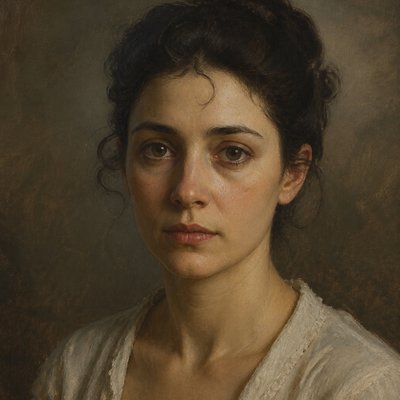
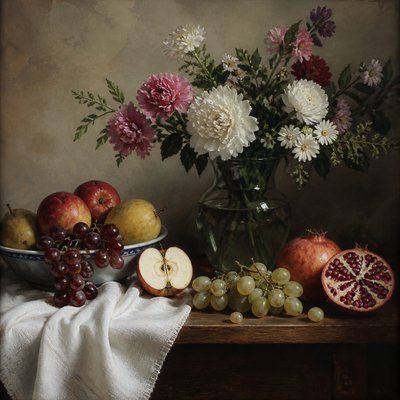
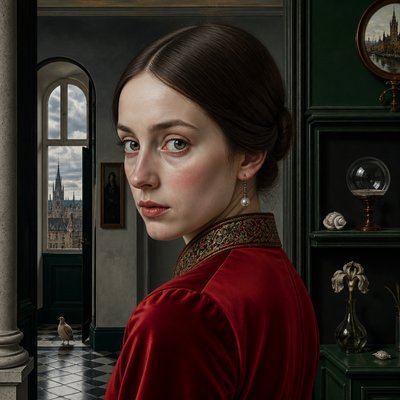
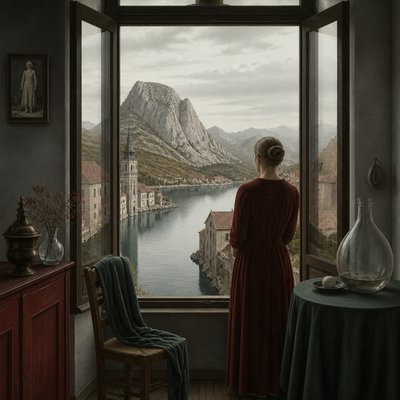
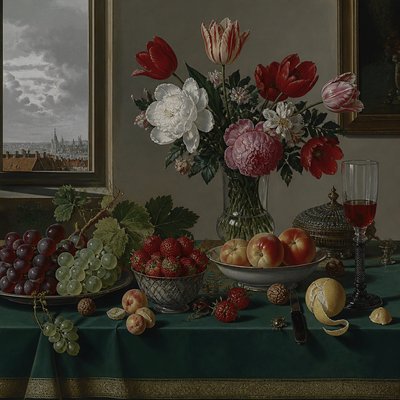
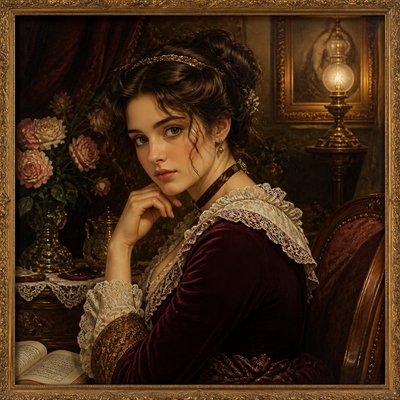
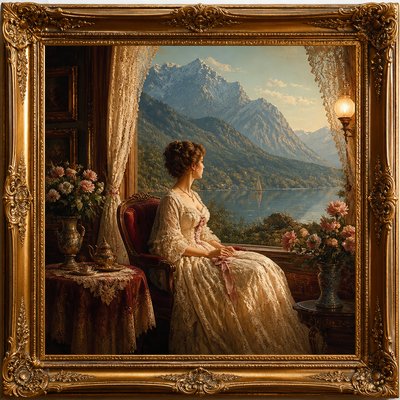
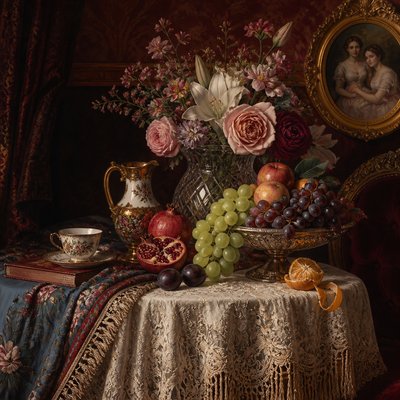
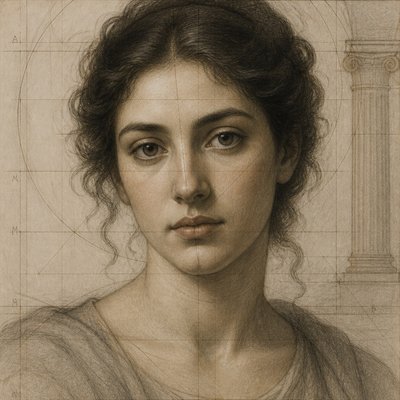
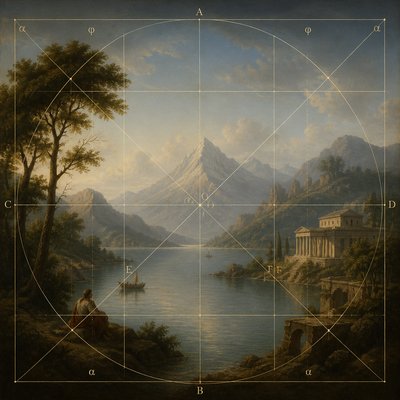
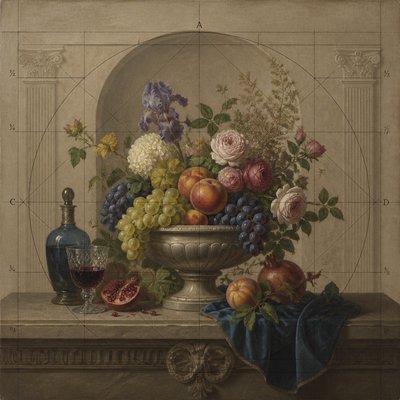
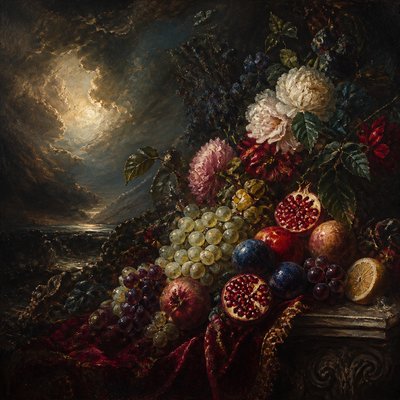
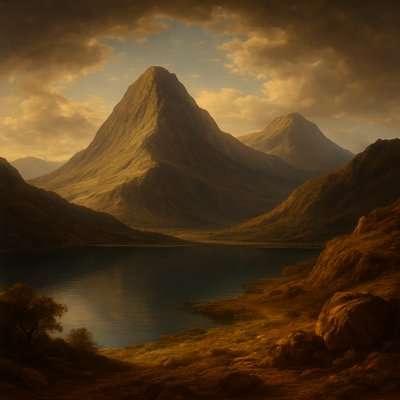
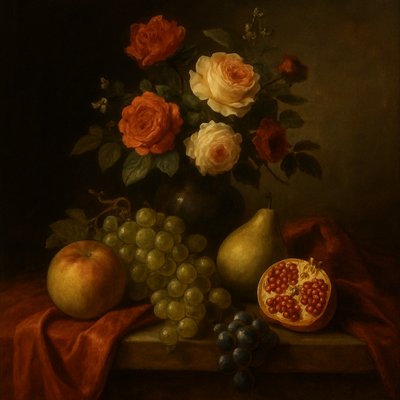
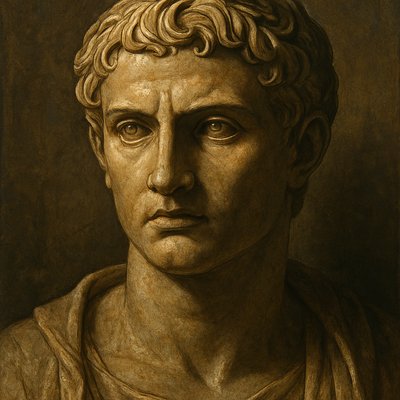
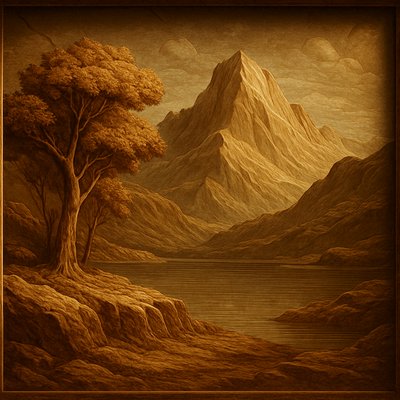
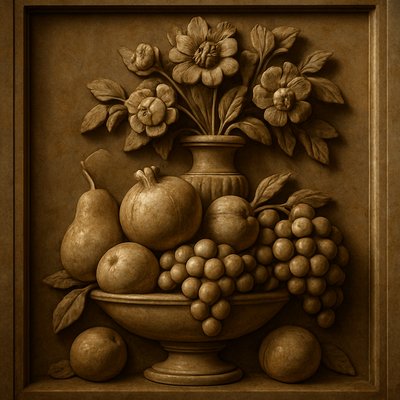
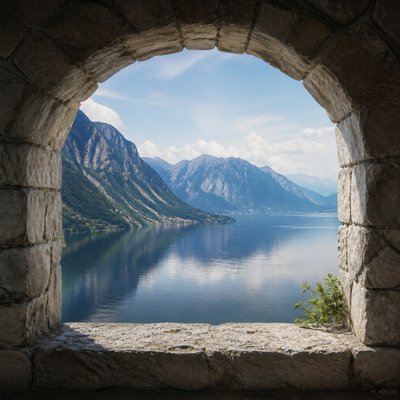
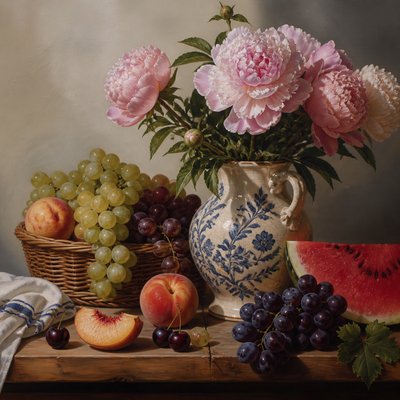
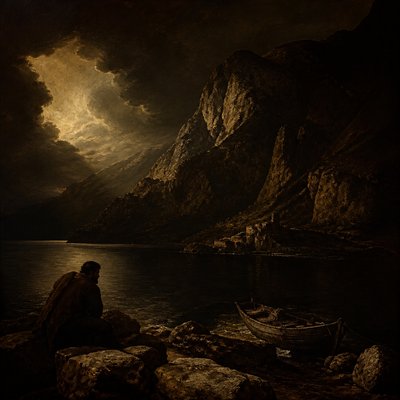
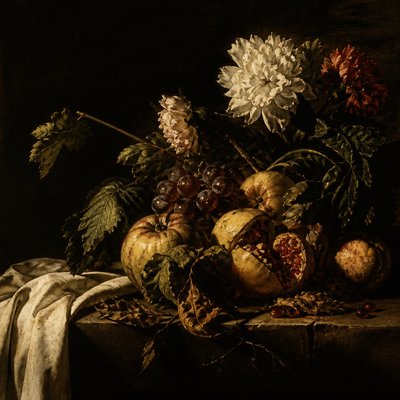
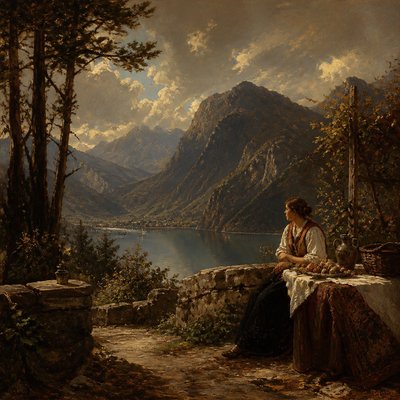
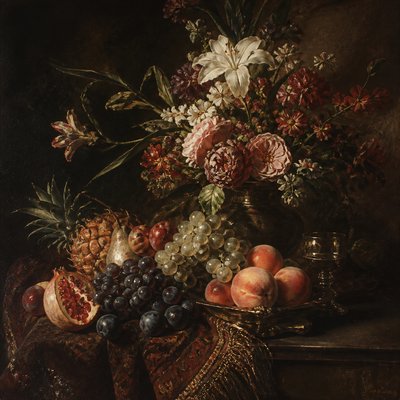
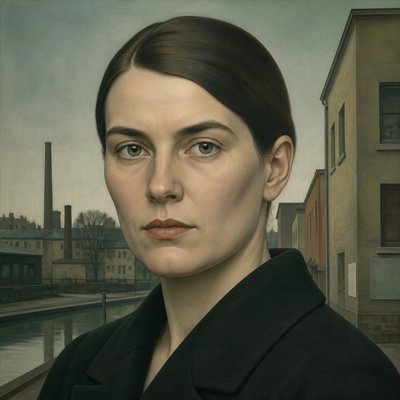
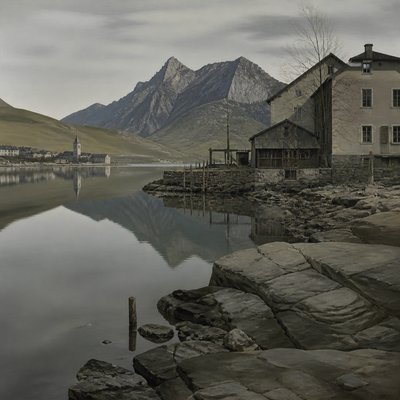
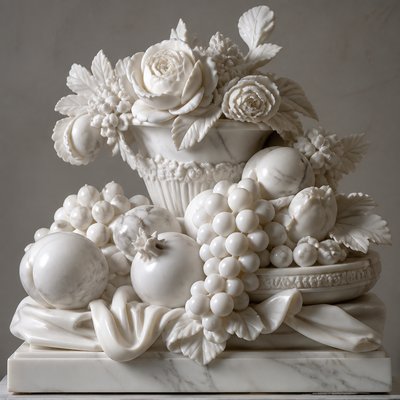
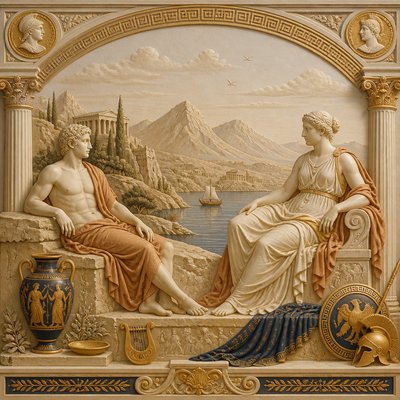
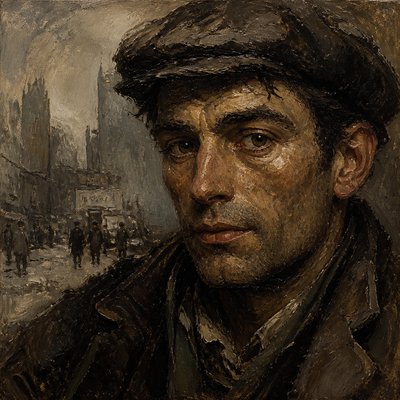
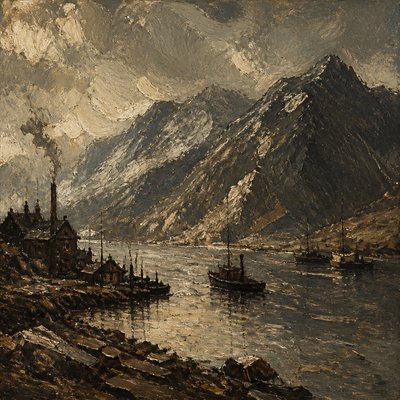
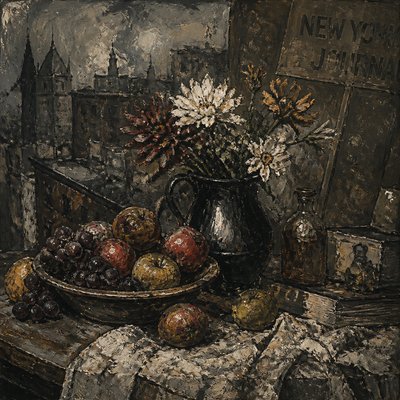
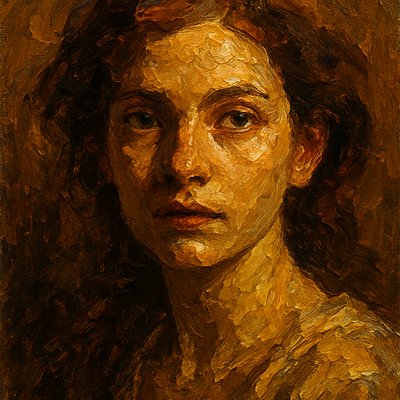
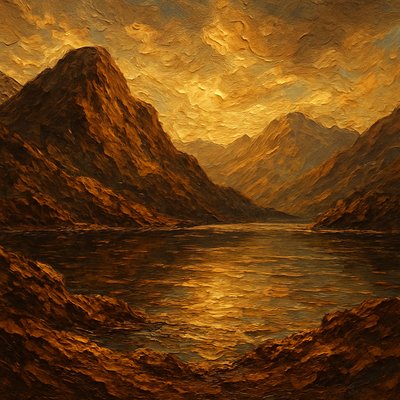
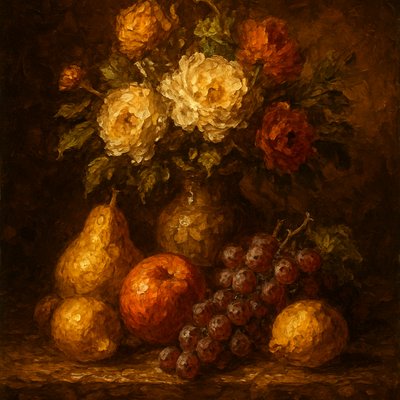
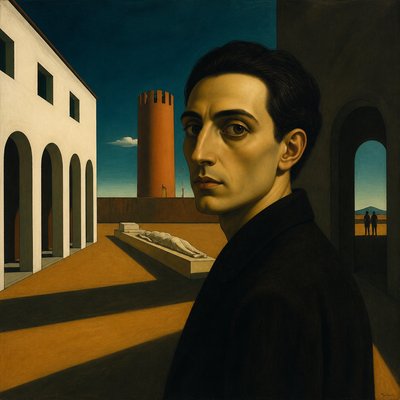
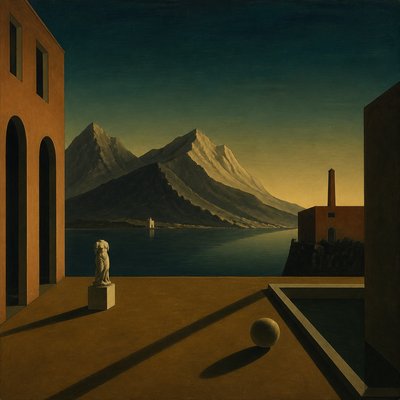
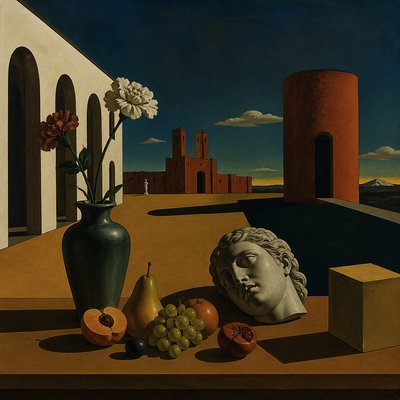
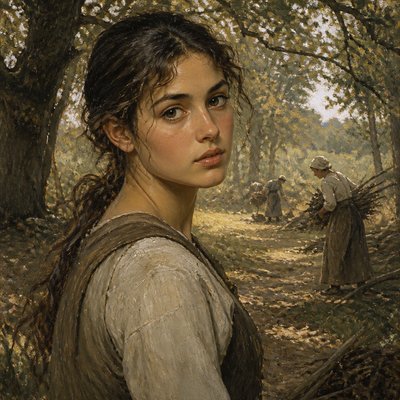
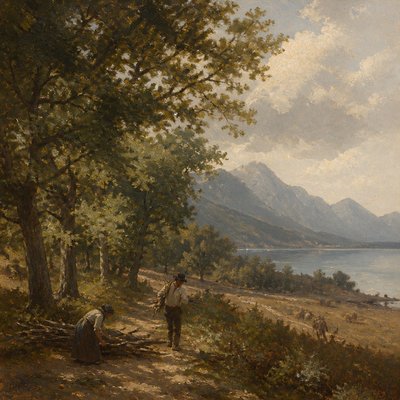
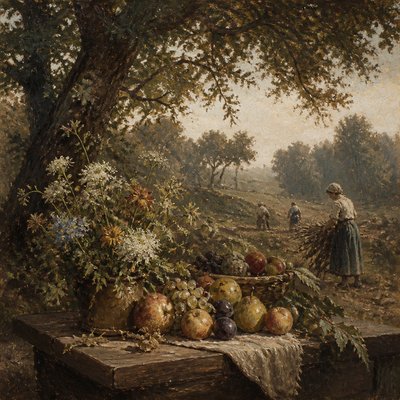
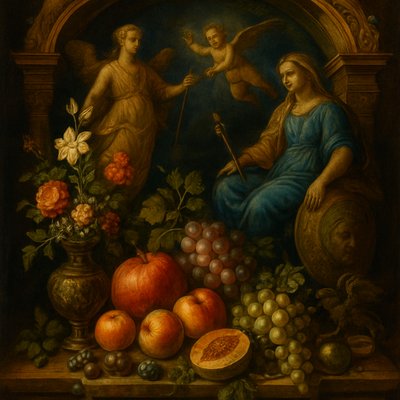
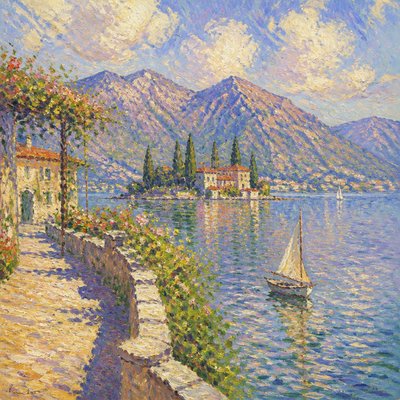
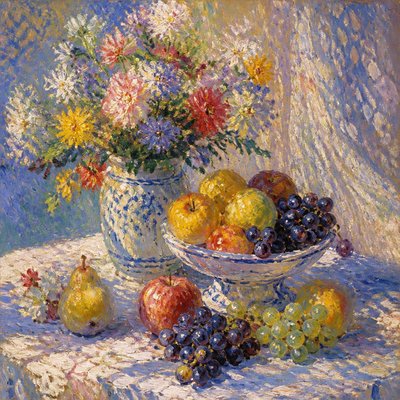
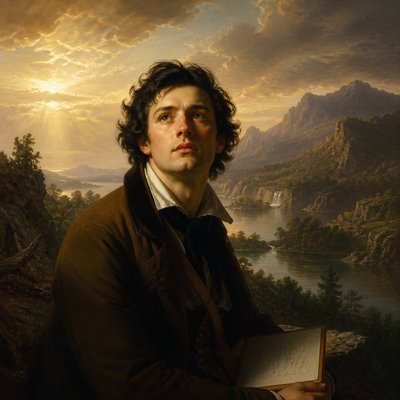
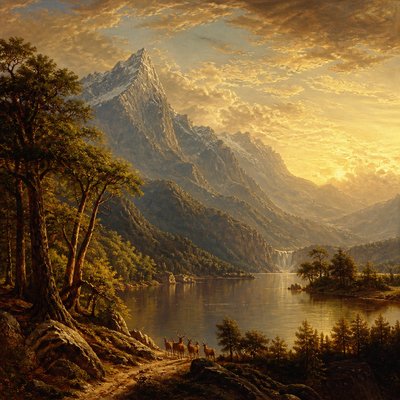
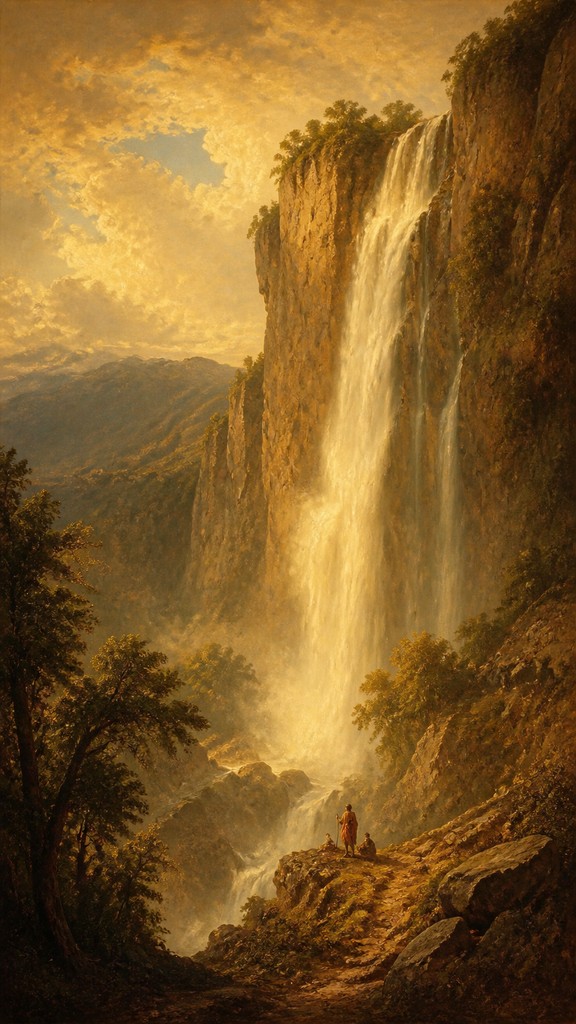
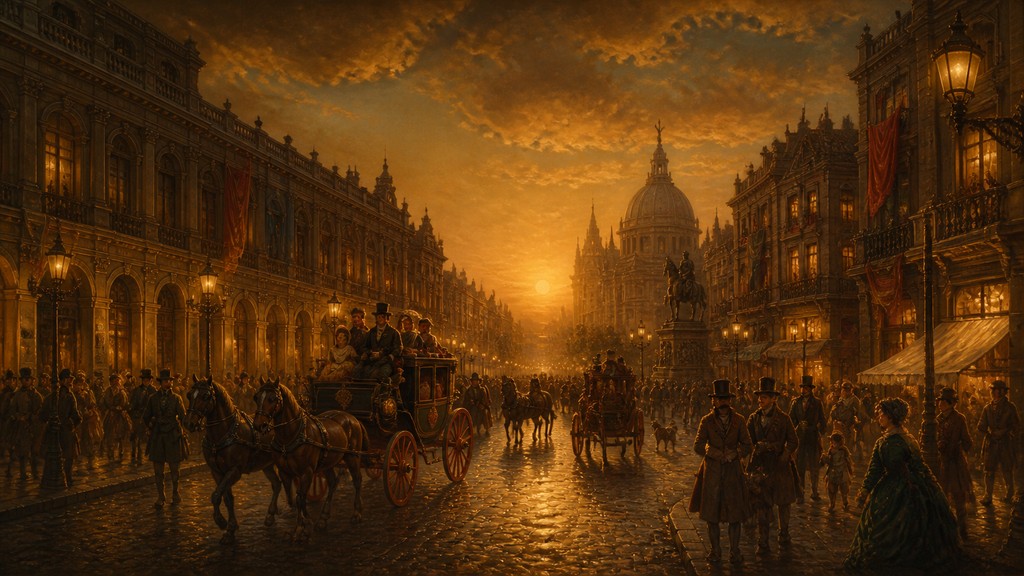
Classical realism uses Old Master techniques for luminous, idealized paintings with balanced composition, chiaroscuro, and refined detail.
Instantly rendered in Classical Realism — or transform a photo
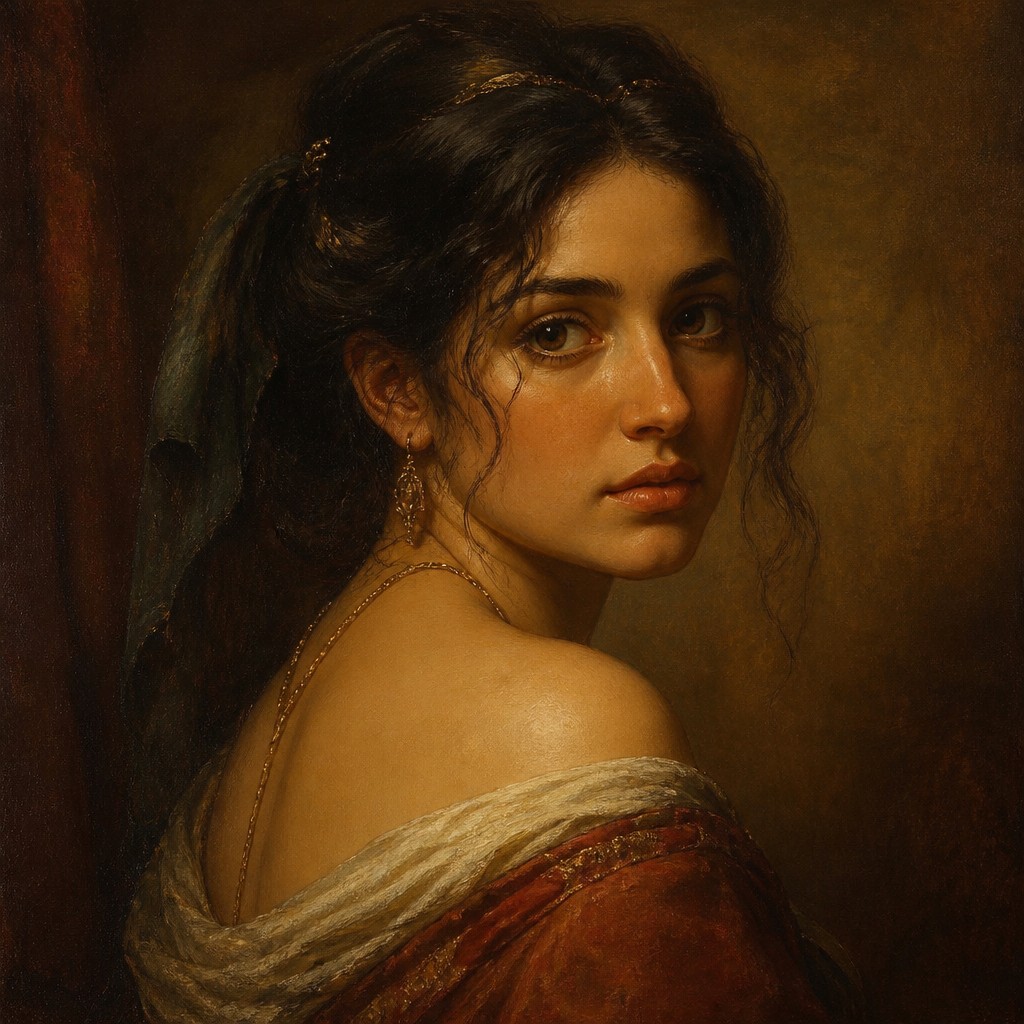
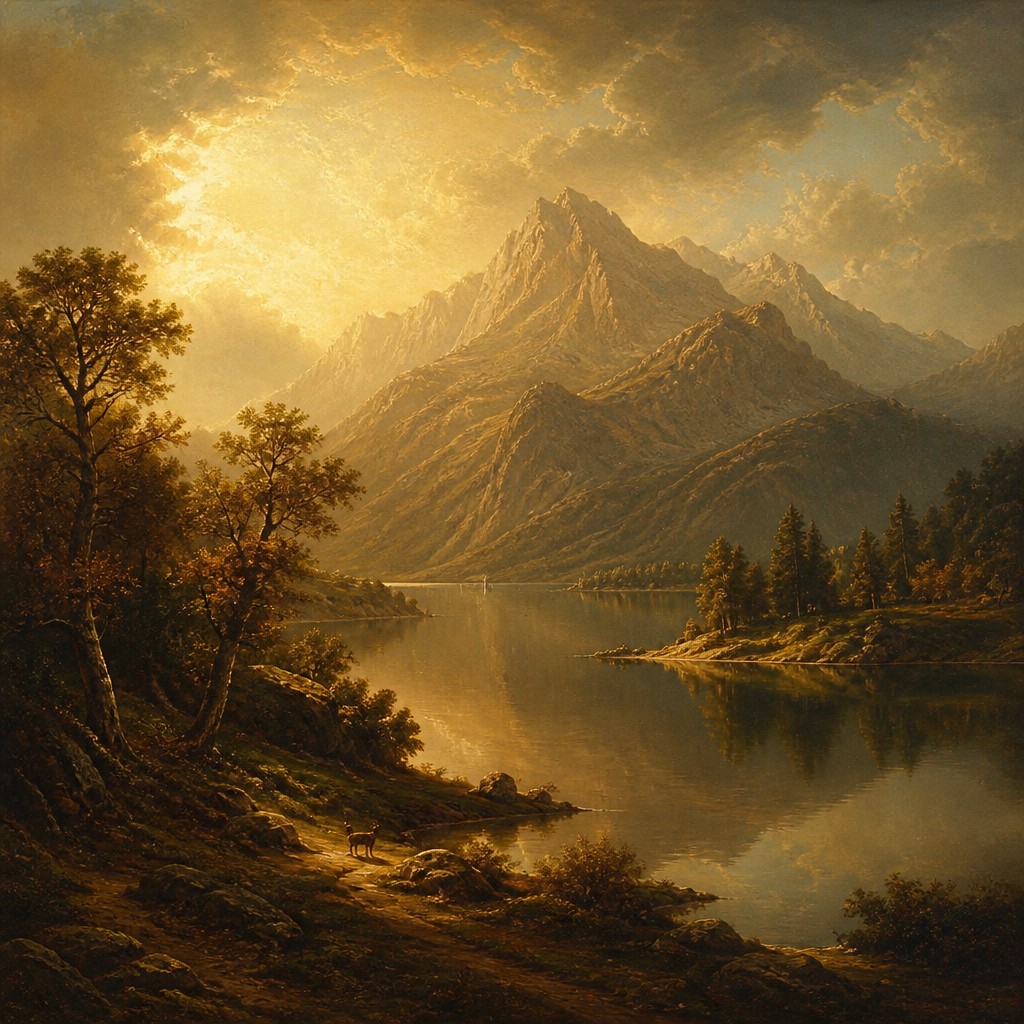
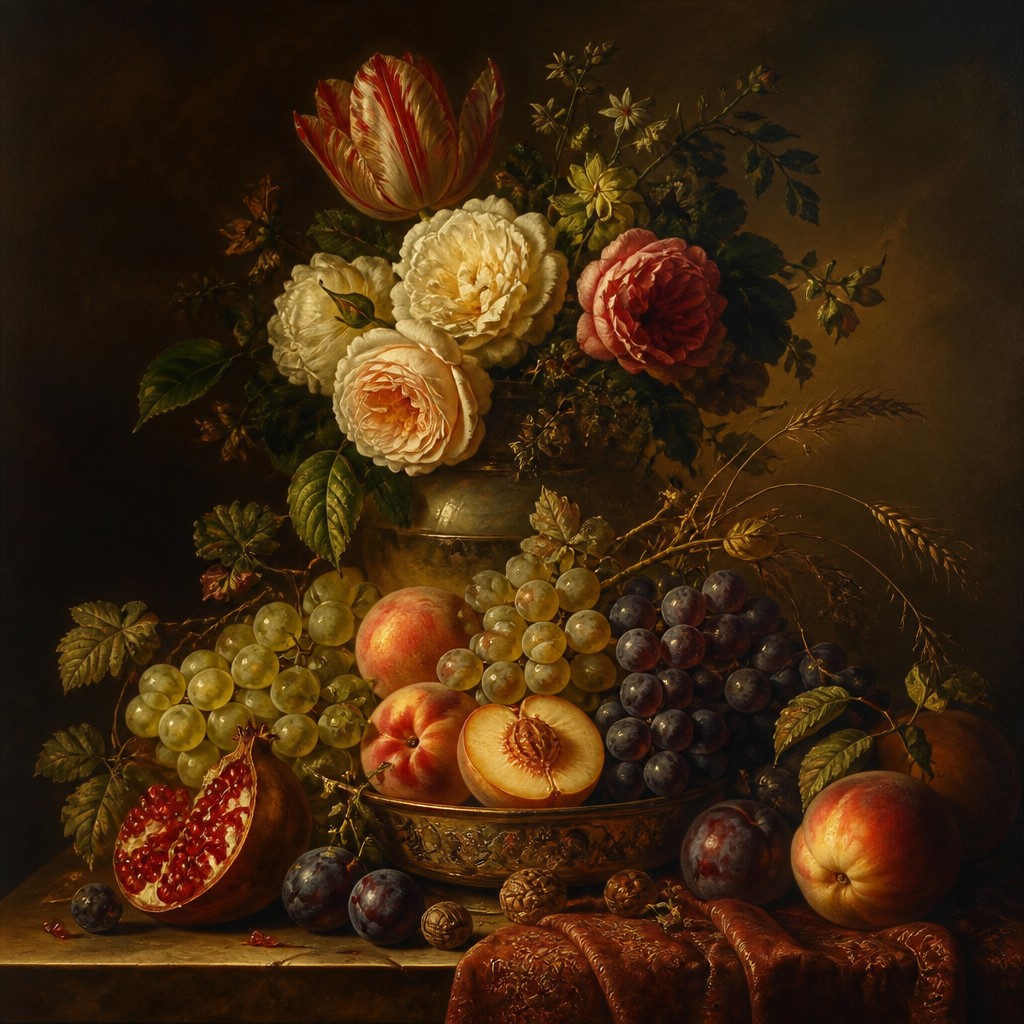
Classical Realism Gallery
Tap any artwork to explore it
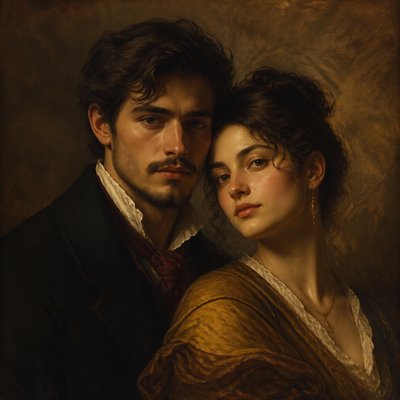
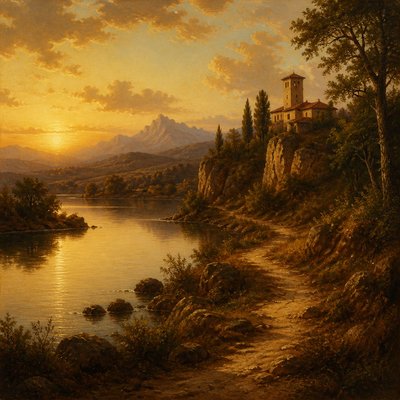
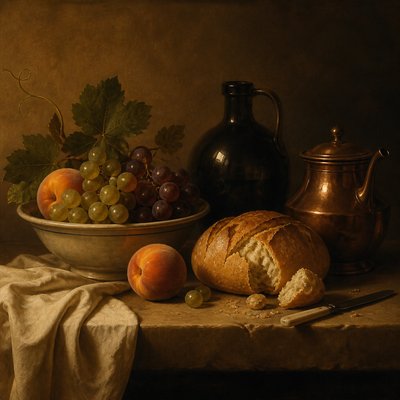
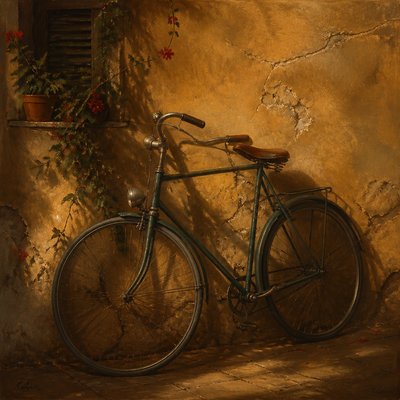
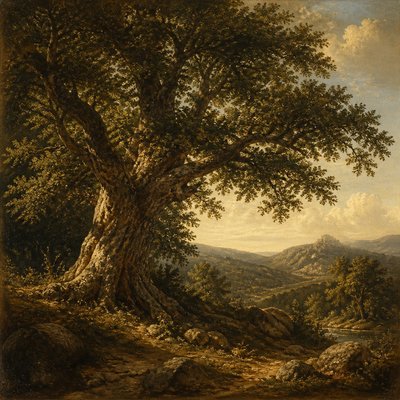

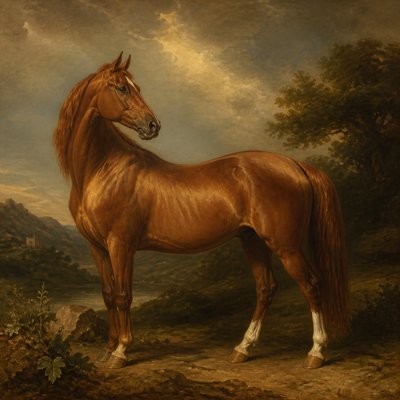
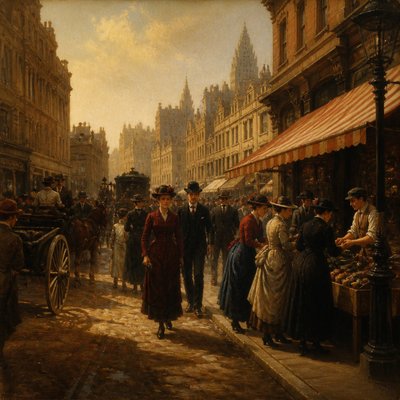
What is Classical Realism Art Style?
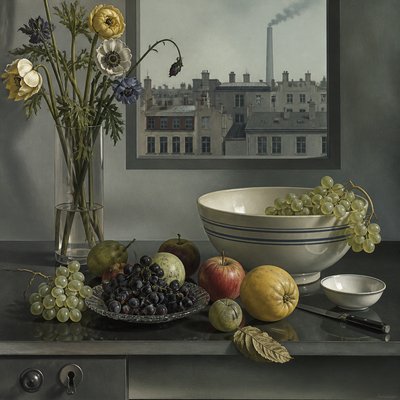
Classical realism is a representational painting style rooted in the Renaissance and later Academic traditions. It emphasizes accurate anatomy, coherent perspective, controlled light, and idealized beauty, often producing images that feel timeless rather than merely observational.
Its visual identity comes from procedures developed by the Old Masters: warm underpainting, translucent oil glazes, careful modeling of form through chiaroscuro, and soft sfumato transitions that reduce hard edges. The result is a polished surface with luminous depth, naturalistic light, and a composed, elevated atmosphere that distinguishes it from looser or more expressive forms of realism.
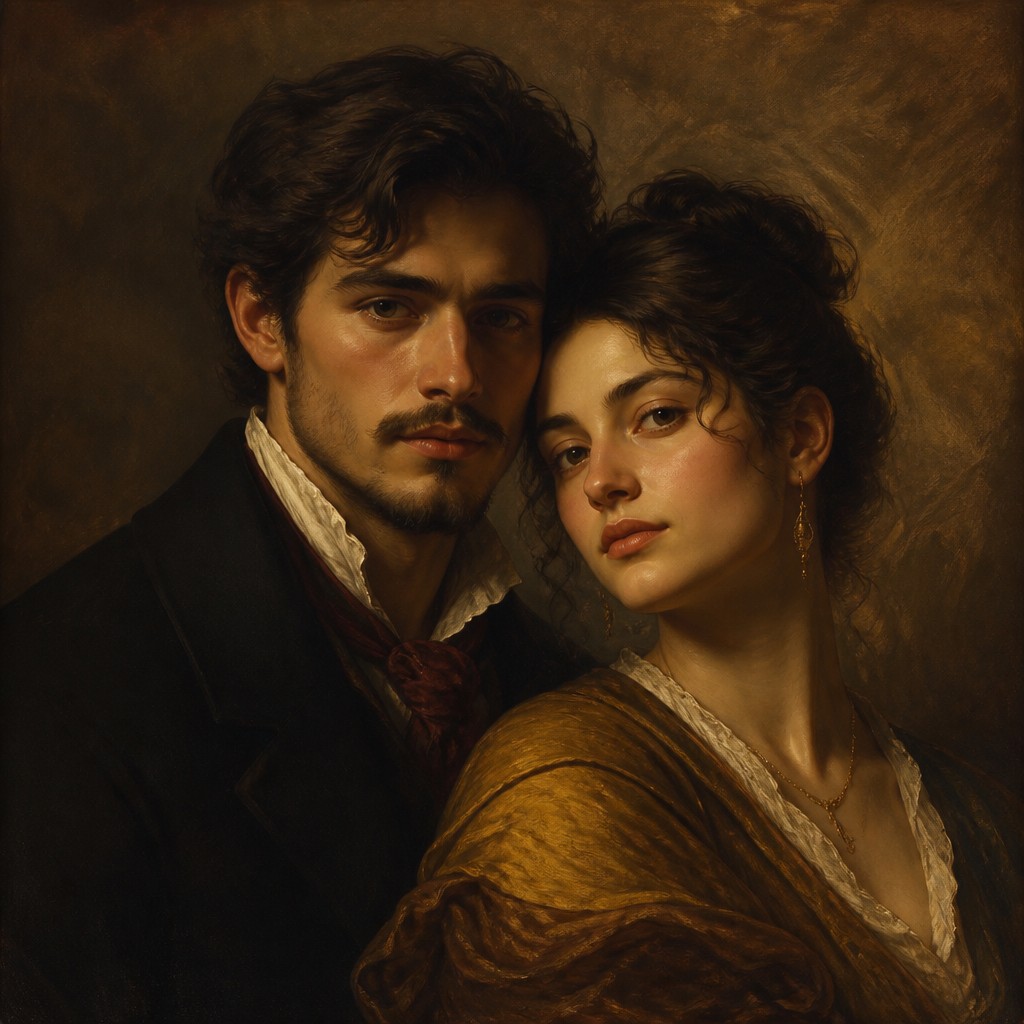
Try It On Your Photos
Upload any photo and convert it into Classical Realism Art Style — drag the sliders to compare before and after.


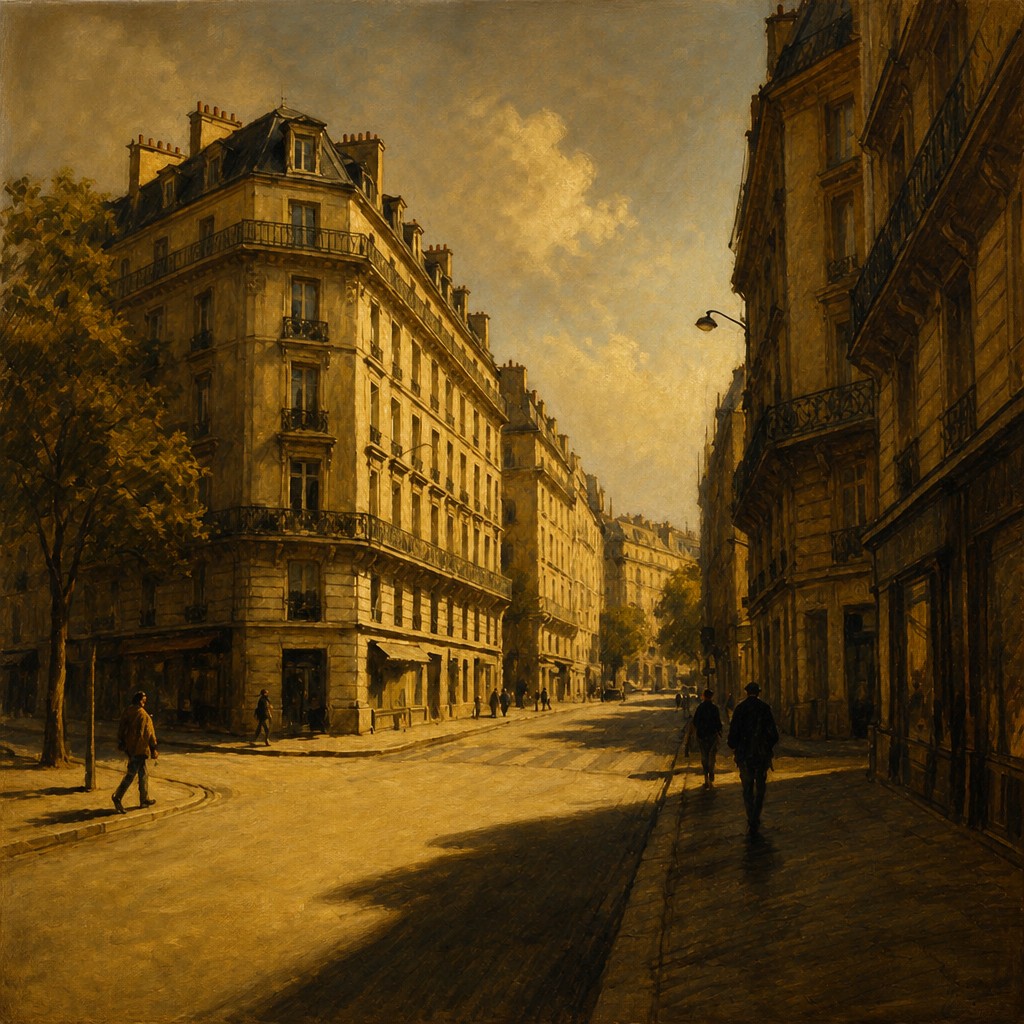

What Defines Classical Realism Art Style
The signature details, up close
Luminous layered paint handling
Colors are built up through transparent glazes over a warm underpainting, creating depth and a subtle inner glow. This layered approach gives surfaces a polished, jewel-like richness.
Chiaroscuro modeling
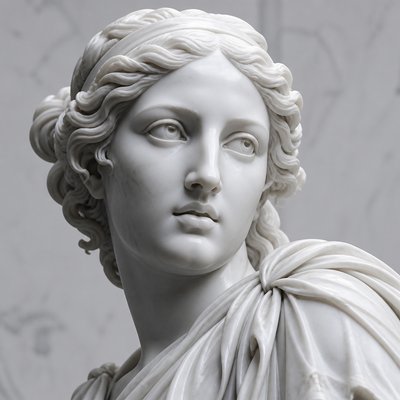
Form is described through a carefully controlled relationship of light and shadow. The transition from highlight to midtone to shadow is gradual, giving figures and objects convincing three-dimensional volume.
Sfumato and soft edges
Edges are often softened rather than sharply outlined, especially around faces, skin, and atmospheric passages. This creates a gentle, naturalistic transition that feels refined and unified.
Idealized naturalism
Subjects are observed from life but adjusted for harmony, proportion, and grace. Imperfections may be minimized so the image feels elevated without losing believability.
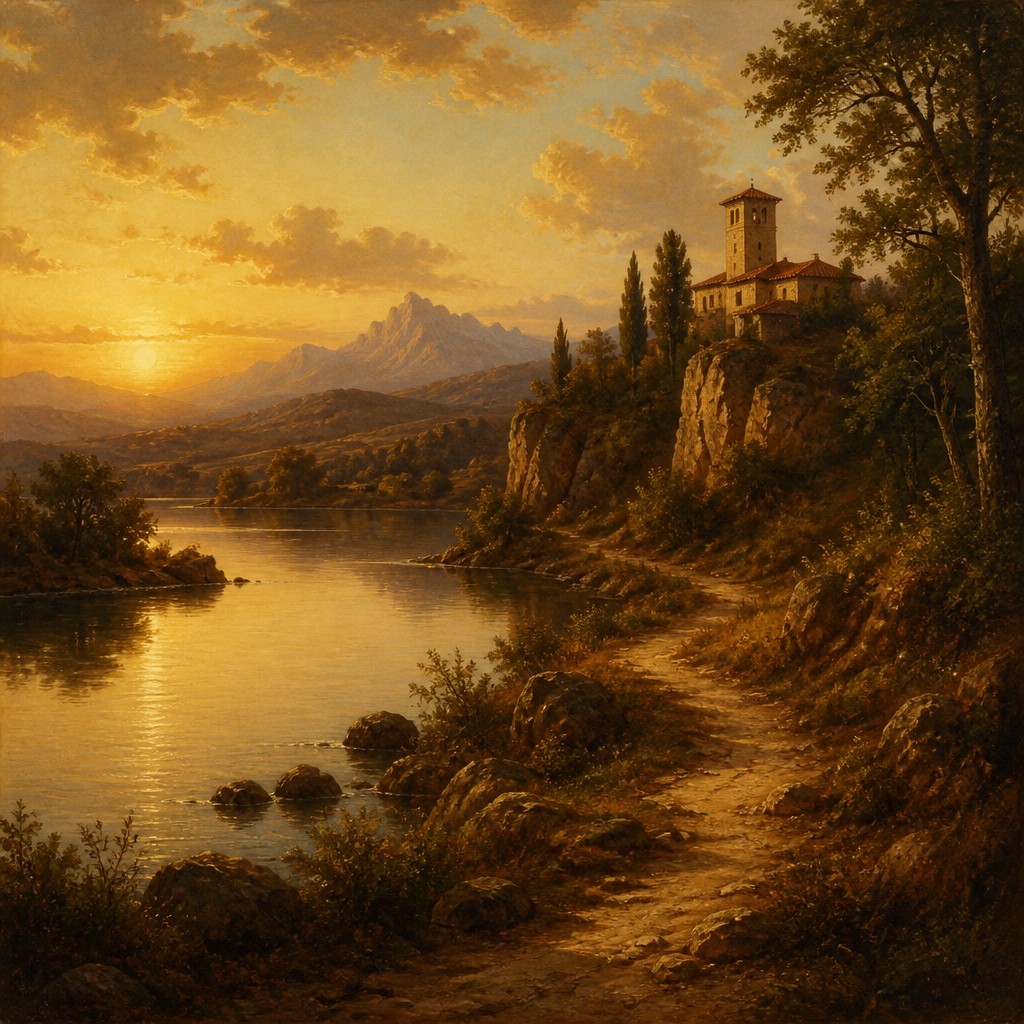
Earth-rich palette
Burnt umber, raw sienna, ochre, and muted reds often form the foundation, with selective use of stronger jewel tones. The palette tends to feel warm, balanced, and historically grounded.
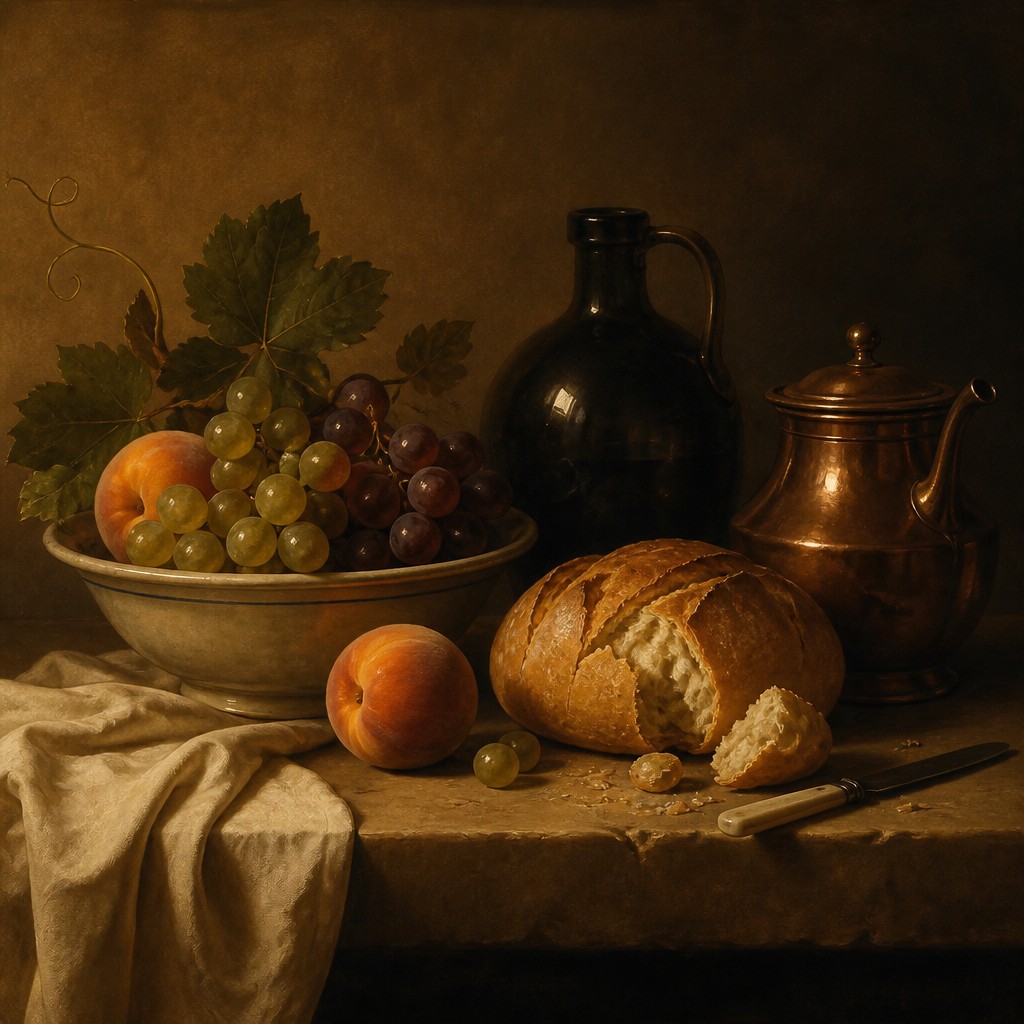
Balanced composition
Figures and objects are arranged with classical clarity and visual order. The composition typically feels stable, intentional, and easy to read, even in complex narrative scenes.
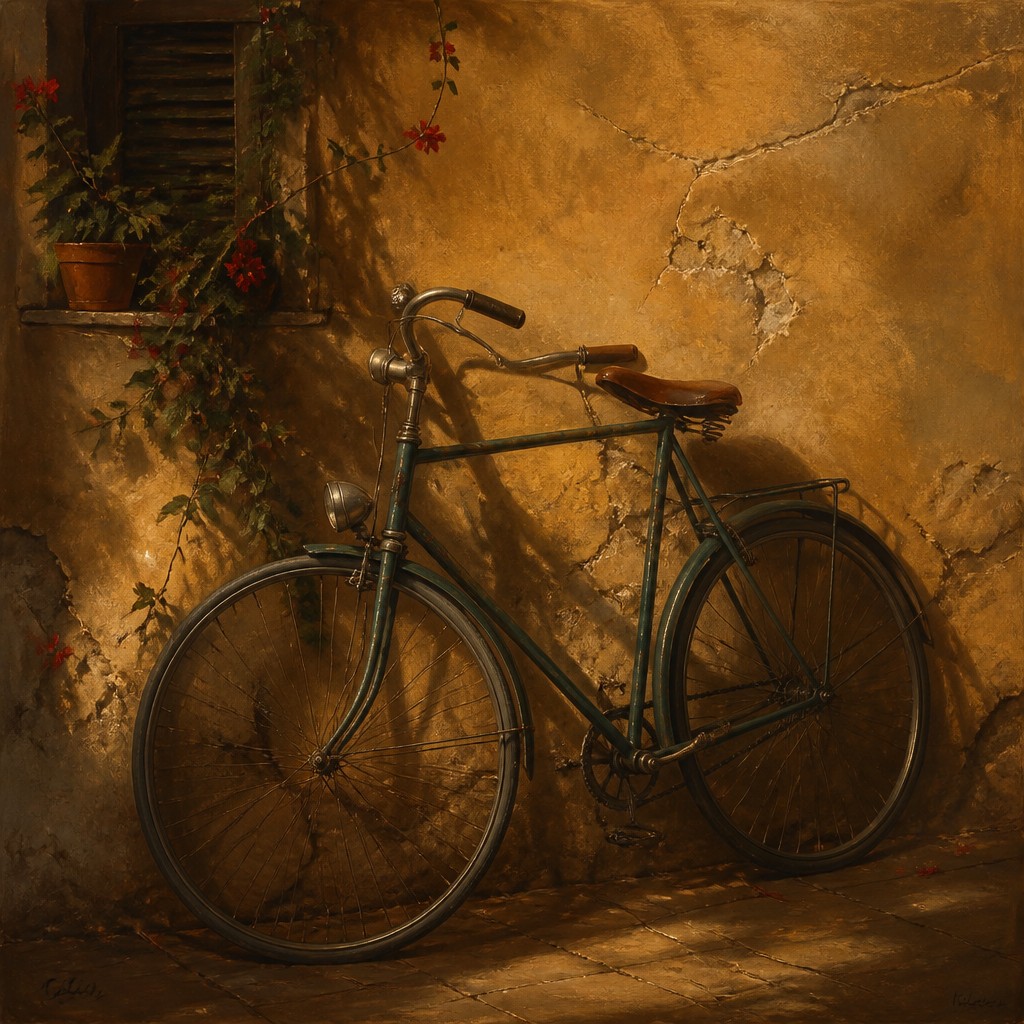
Refined surface finish
Brushwork is usually minimized or concealed beneath the final surface, producing a varnished, continuous appearance. The emphasis is on craftsmanship and the illusion of seamless form.
Try It
Create Videos in Classical Realism Art Style
Styles aren't just for stills — describe a scene or animate an image and get a short video rendered in Classical Realism. Press play to see this pond come to life.
Make a VideoClassical Realism Prompt Ideas
Start from an idea — each one opens the generator with the style ready to go. See all 40 Classical Realism prompts →
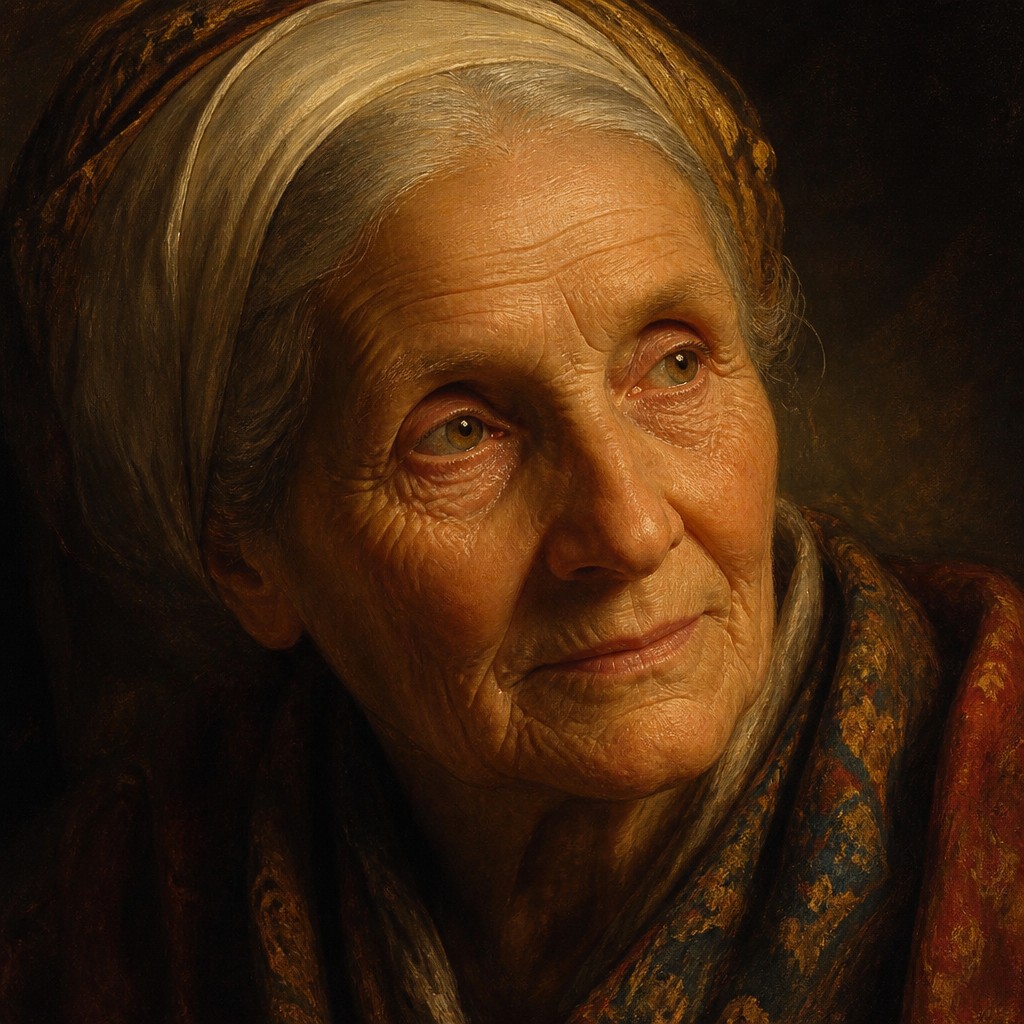
“close-up portrait of an elderly person with expressive weathered features”
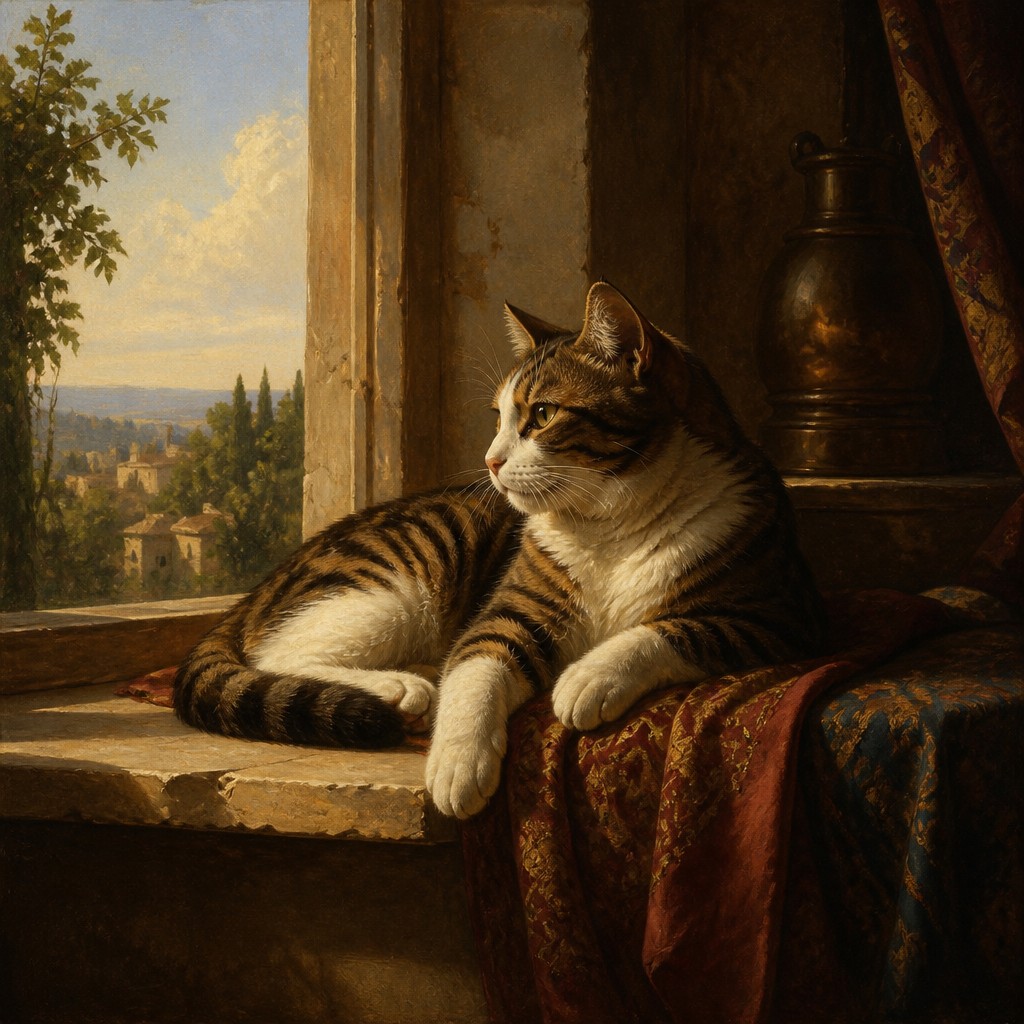
“a cat lounging in a sunlit window”
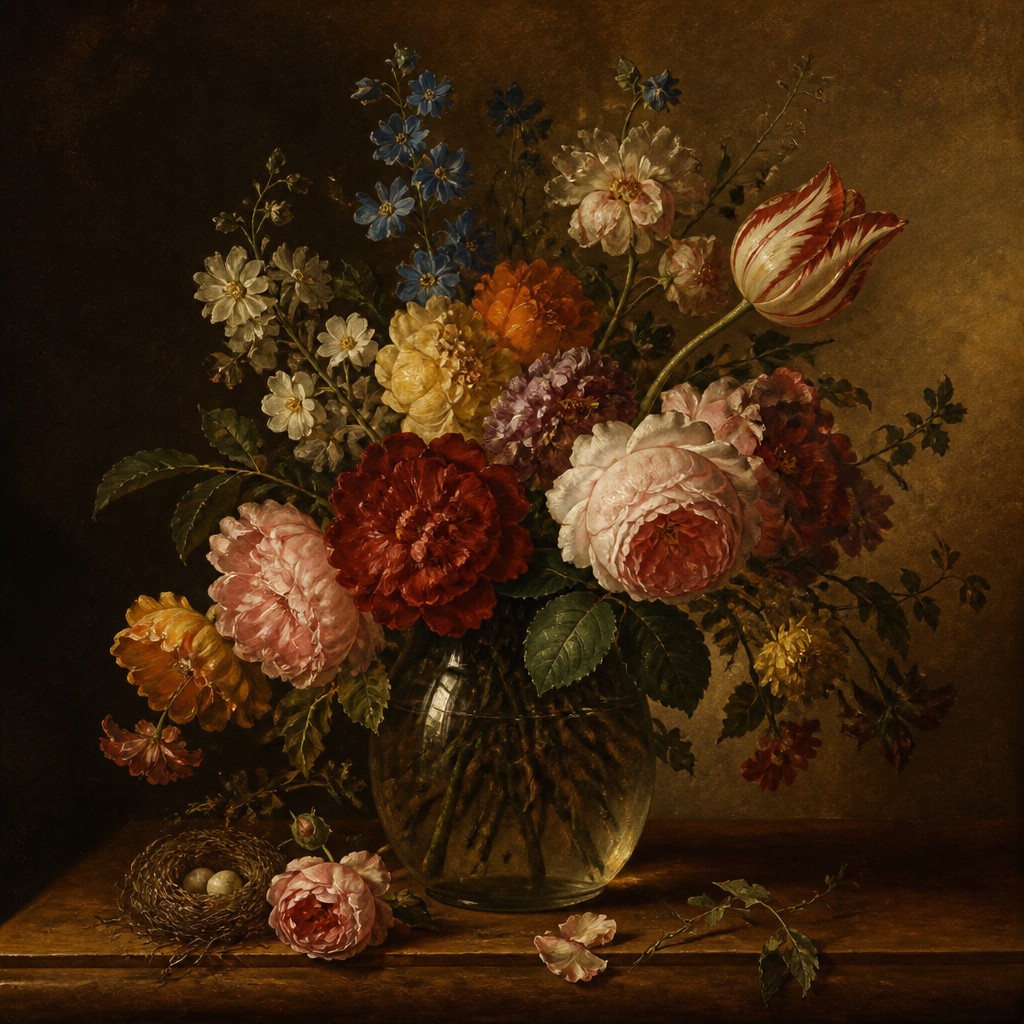
“bouquet of flowers in a glass vase”

“sailing ship on a stormy sea”
How to Create Classical Realism Art
Master the craft step by step — or skip straight to creating. Read the full guide →
- 1
Start with a disciplined drawing
Use careful proportion studies, gesture, and anatomical landmarks before painting or rendering. In a digital workflow, begin with a clean grayscale underdrawing so the structure remains strong under later color.
- 2
Build value first, color second
Establish the light-and-shadow pattern in monochrome or earth tones before adding full color. This keeps the form coherent and helps the final image retain the sculptural clarity associated with classical painting.
- 3
Use glazing or glaze-like layers
In traditional media, apply translucent layers over a dry underpainting to deepen shadows and enrich highlights. In digital work, simulate this with low-opacity layers, subtle blending, and controlled color shifts rather than heavy texture.
- 4
Control the light source
Choose one consistent light direction and let it shape every form in the scene. Strong lighting logic is essential: it creates believable volume and the elegant chiaroscuro that defines the style.
- 5
Keep edges selective
Reserve sharper edges for focal points and let secondary forms soften into the surrounding atmosphere. This helps the image feel painted, dimensional, and visually unified.
- 6
When prompting, specify classical materials and finish
Mention luminous oil glazing, warm underpainting, smooth sfumato, balanced composition, and a restrained earth palette. For image-to-image, use a source image with clear structure and moderate contrast so the classical modeling can be applied cleanly.
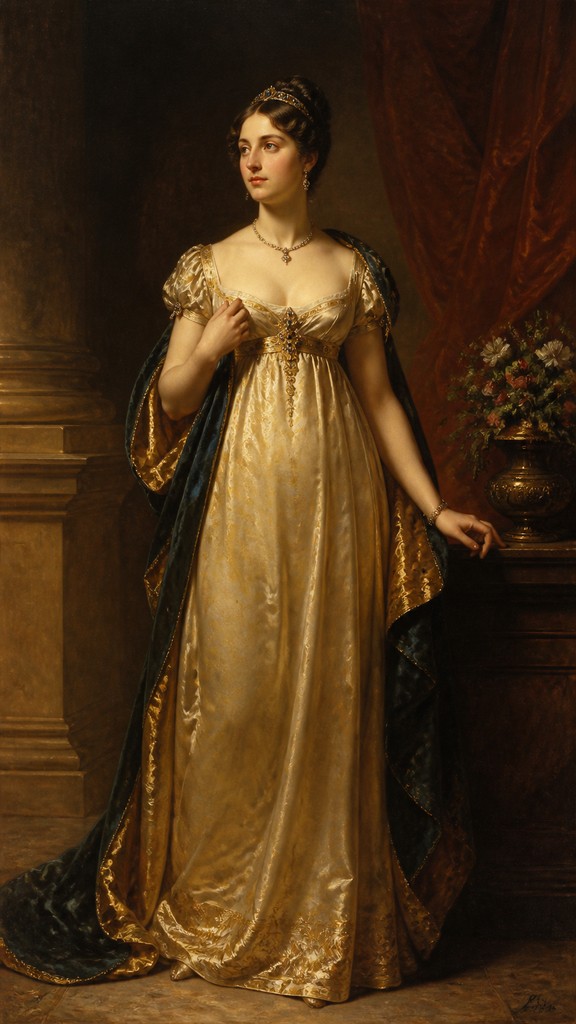
The Story
History & Origins of Classical Realism
Classical realism is not a single historical movement but a continuity of European painting traditions that developed from the Renaissance through Baroque, Neoclassical, and Academic art. It draws especially from the techniques of the Italian Renaissance and later atelier training systems, where apprentices learned drawing from life, proportion, anatomy, perspective, and layered oil painting before moving on to complex figure work.
In the modern period, classical realist practice persisted through academic schools and atelier revival movements that sought to preserve pre-modern methods of draftsmanship and finish. While the style can be adapted today in oil, watercolor, or digital media, its lineage remains tied to the workshop methods of leading Renaissance and Baroque masters, prominent Neoclassical and Academic draftspersons, and polished figure painters associated with later atelier traditions.
Influences: Classical realism is shaped by the Renaissance emphasis on perspective, anatomy, and ideal proportion, as well as the tonal and painterly achievements of Baroque art and the finish-oriented standards of Academic painting. Its closest historical references include the soft modeling associated with Renaissance master painting, harmonious High Renaissance composition, layered color from Venetian painting traditions, dramatic Baroque chiaroscuro, linear refinement from Neoclassical draftsmanship, and polished figuration from Academic salon painting.
Frequently Asked Questions
What defines classical realism?
Classical realism is defined by representational accuracy combined with idealized beauty, balanced composition, and carefully modeled light. It usually looks polished rather than loose, with visible structure beneath a refined surface.
How is classical realism different from photorealism?
Photorealism aims to replicate the exact appearance of a photograph, including incidental detail and mechanical precision. Classical realism is less about copying a camera image and more about constructing form through drawing, light, and artistic judgment.
How is it different from academic art?
The terms overlap heavily. Academic art usually refers to the institutional traditions and teaching systems of the 19th-century academies, while classical realism is broader and can include earlier Renaissance and Baroque precedents as well as modern atelier practice.
What subjects work well in this style?
Portraits, figures, historical scenes, mythological subjects, and carefully arranged still lifes are especially compatible with the style. Landscapes can also work if the lighting, composition, and paint handling remain controlled and harmonious.
Can classical realism be made digitally?
Yes. The key is not the medium but the logic of the image: strong drawing, value structure, layered color, soft transitions, and a restrained finish. Digital tools can mimic glazing, sfumato, and varnished surfaces effectively if used with discipline.
Why do classical realist images often feel 'timeless'?
They avoid overtly modern texture, camera artifacts, and casual brushiness, and instead rely on ordered composition and idealized form. That combination creates a sense of permanence and continuity with older painting traditions.
Create your first Classical Realism artwork
Describe anything — or upload a photo — and see it in Classical Realism Art Style in seconds.
Make Something with Classical Realism
Compare Classical Realism
Related Styles
Discover similar art styles