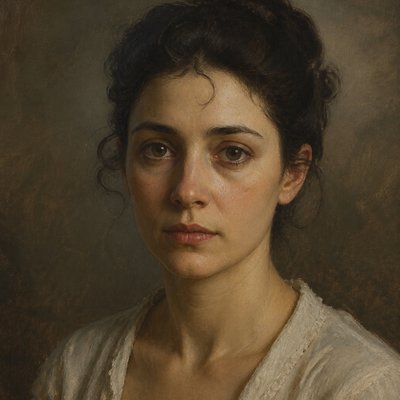
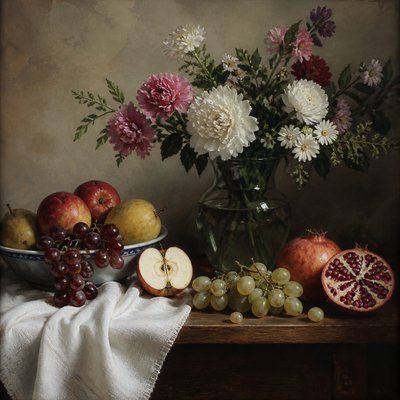
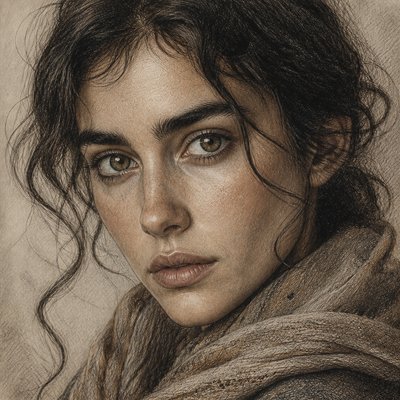
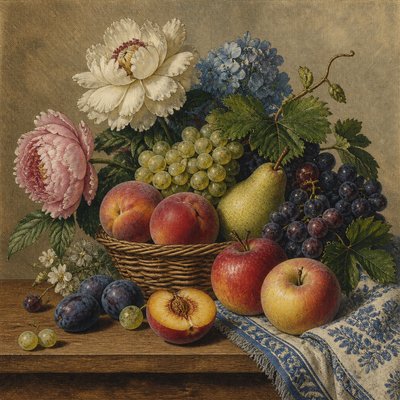
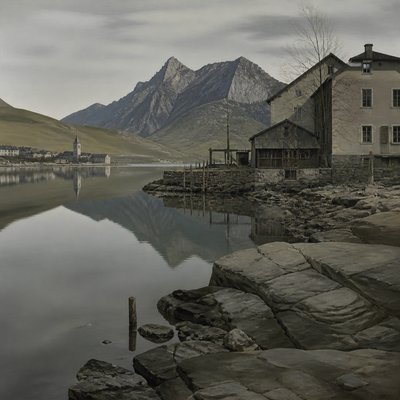
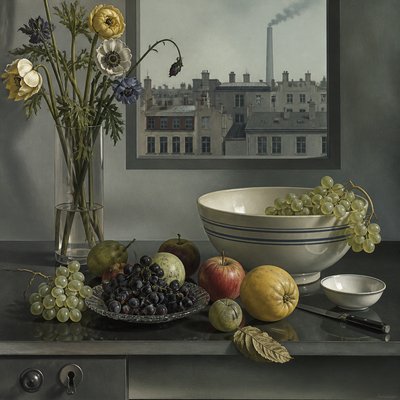
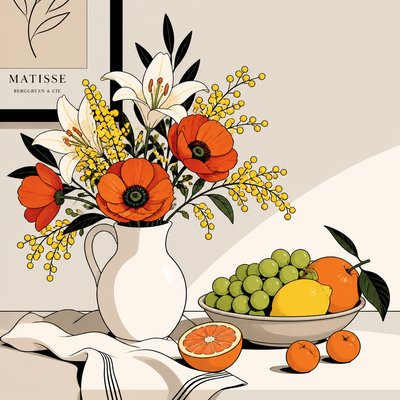
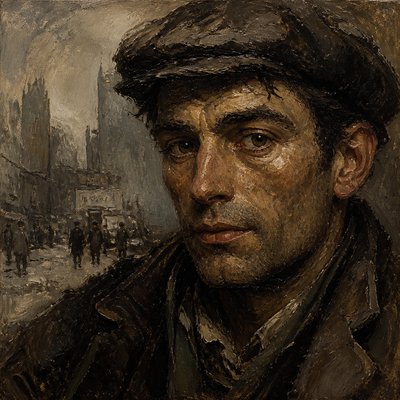
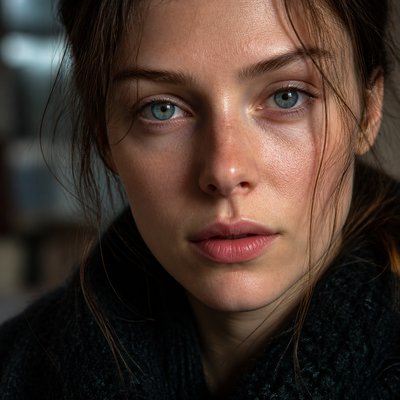
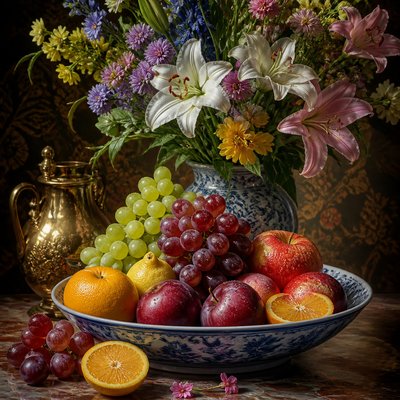
Trompe L'oeil Realism Art Style
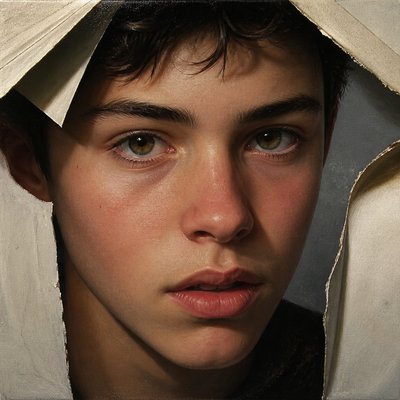
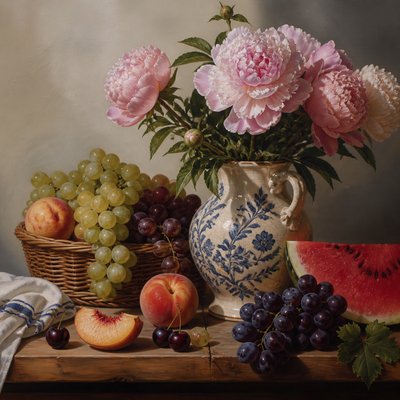
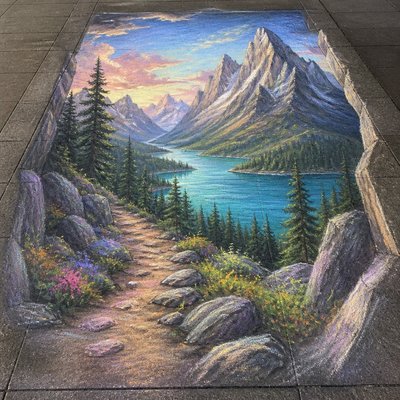
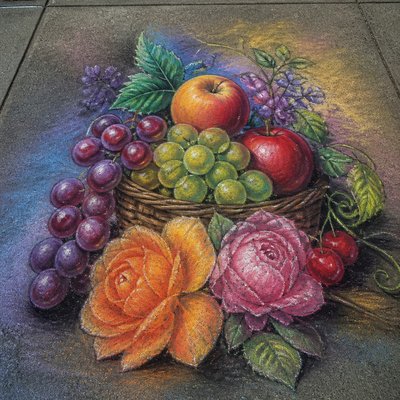
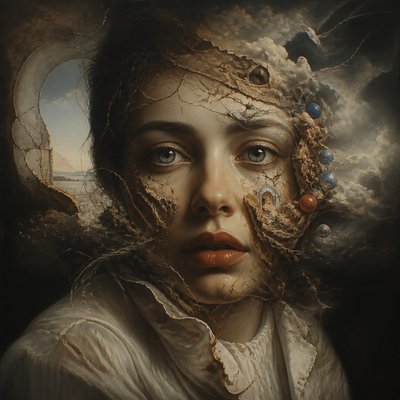
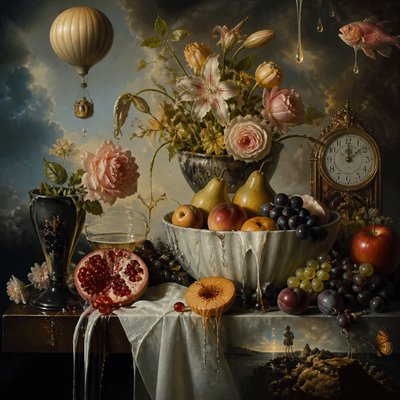
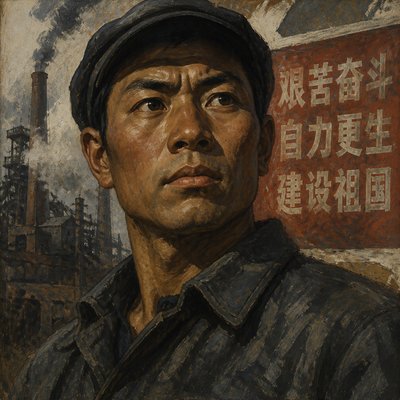
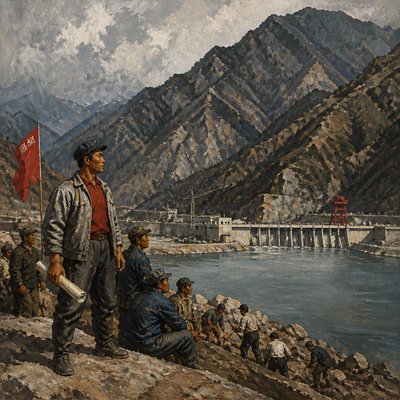
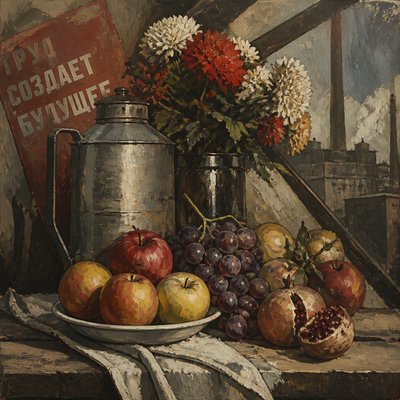
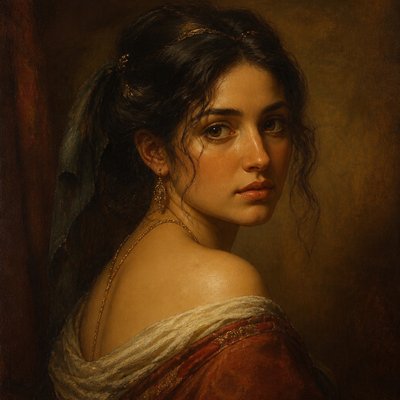
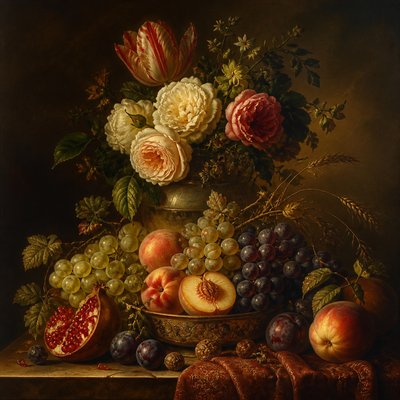
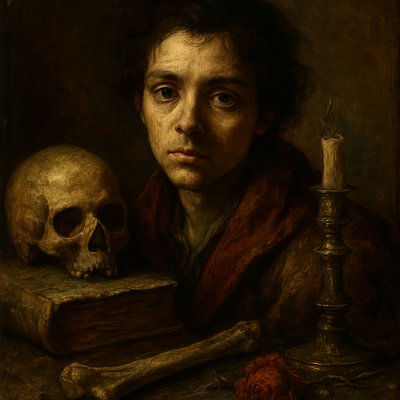
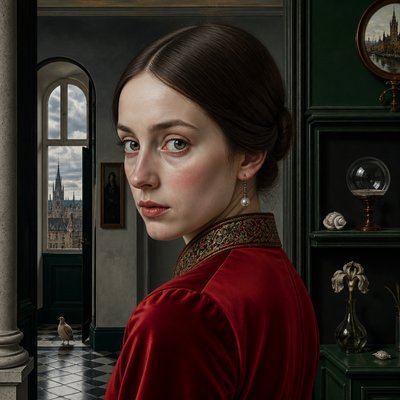
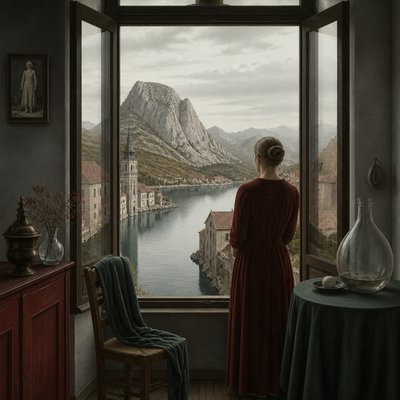
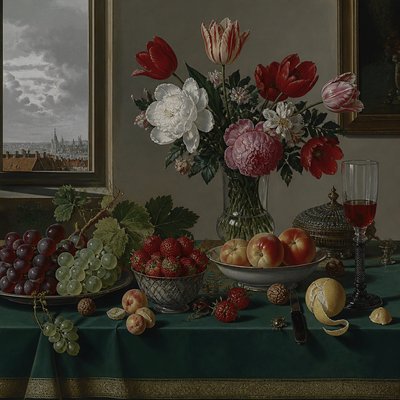
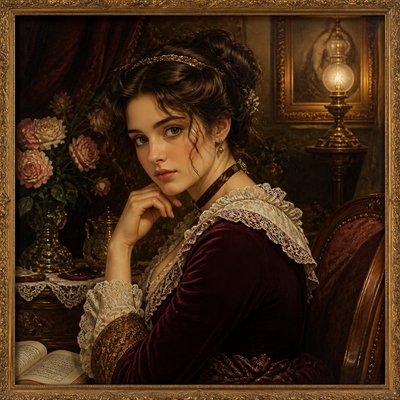
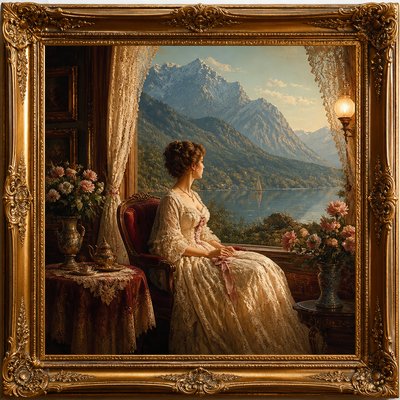
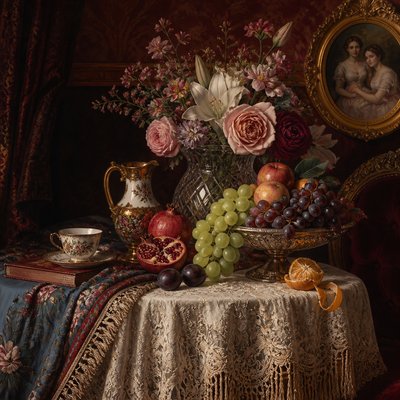
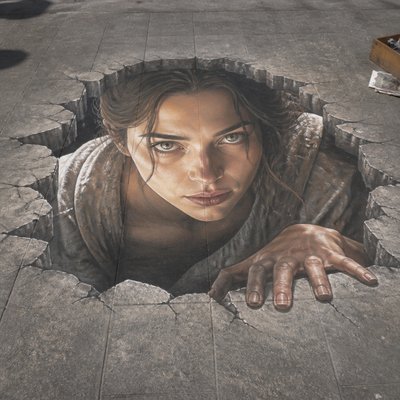
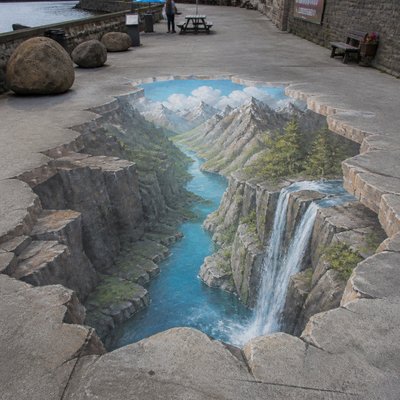
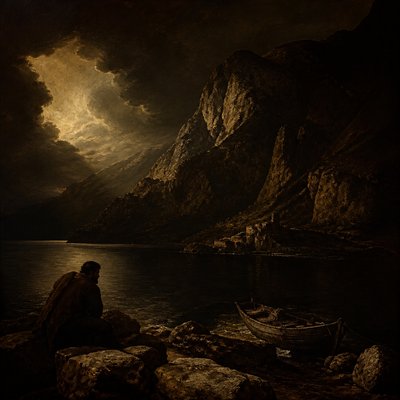
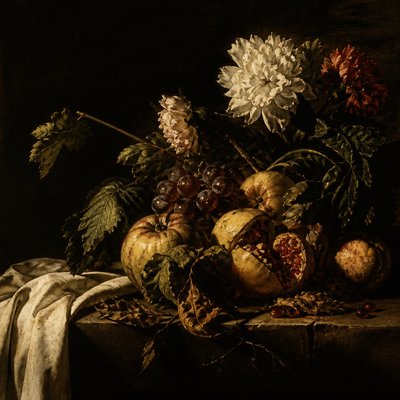
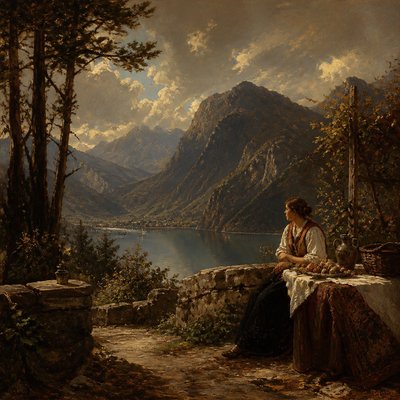
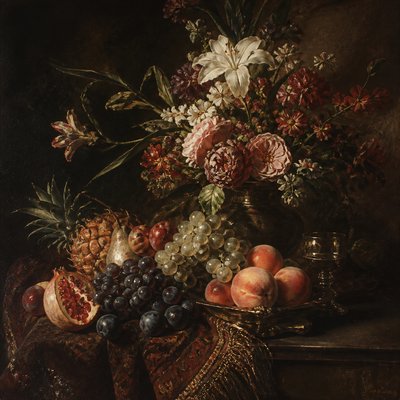
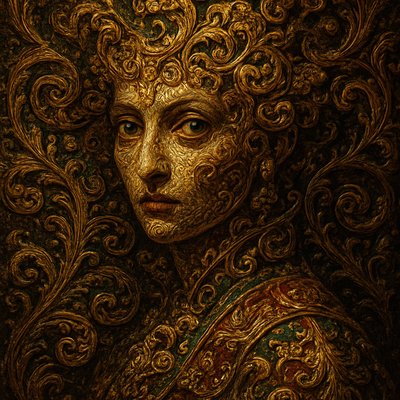
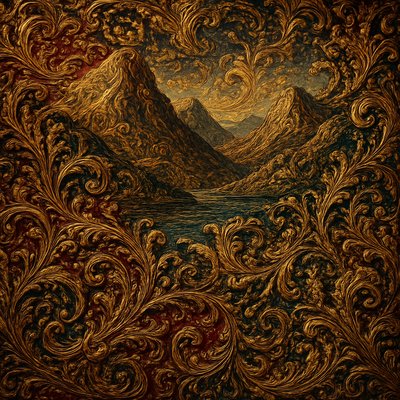
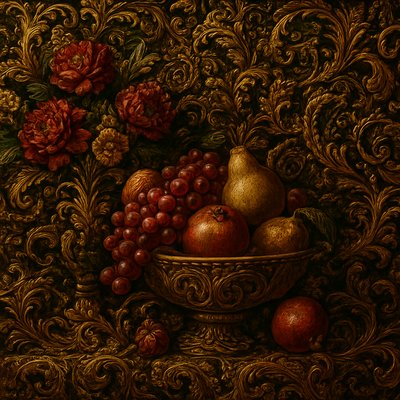
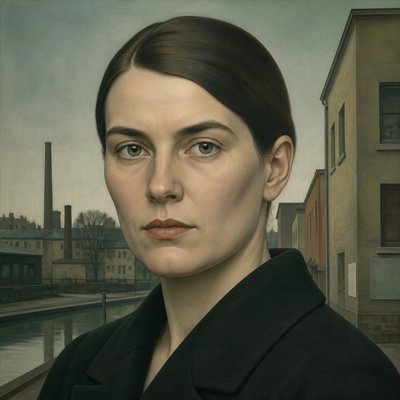
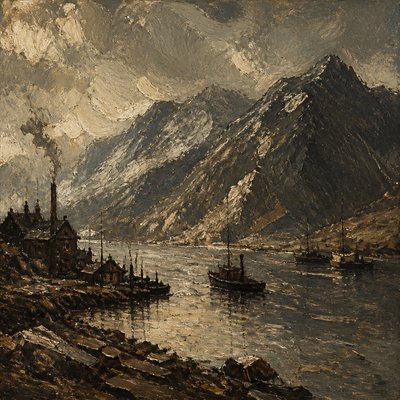
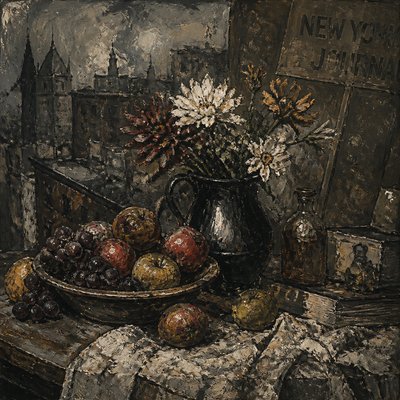
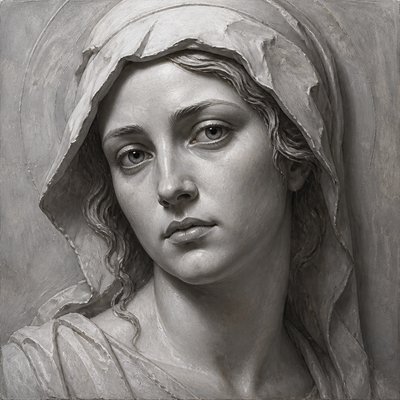
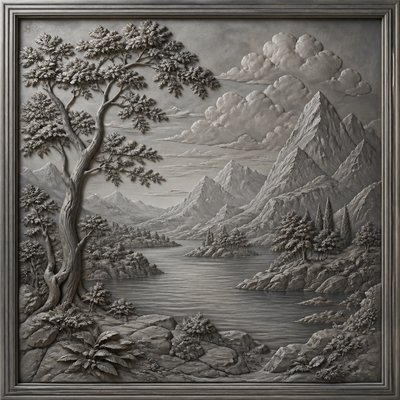
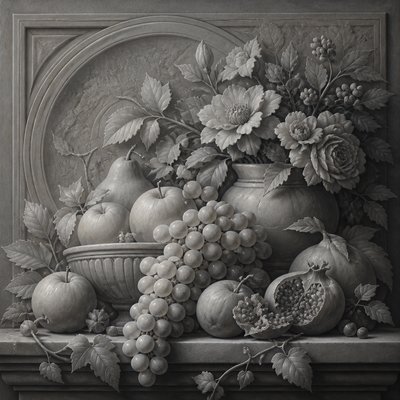
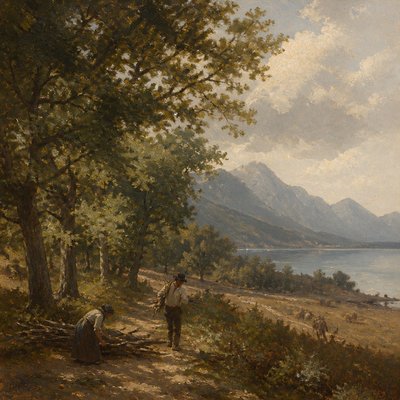
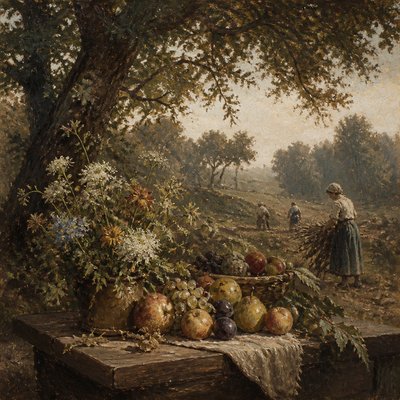
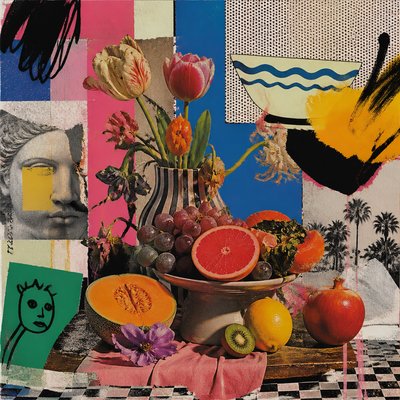
Trompe l'oeil realism uses shadow, perspective, and scale to make flat images look three-dimensional and physically present.
Instantly rendered in Trompe L'oeil Realism — or transform a photo
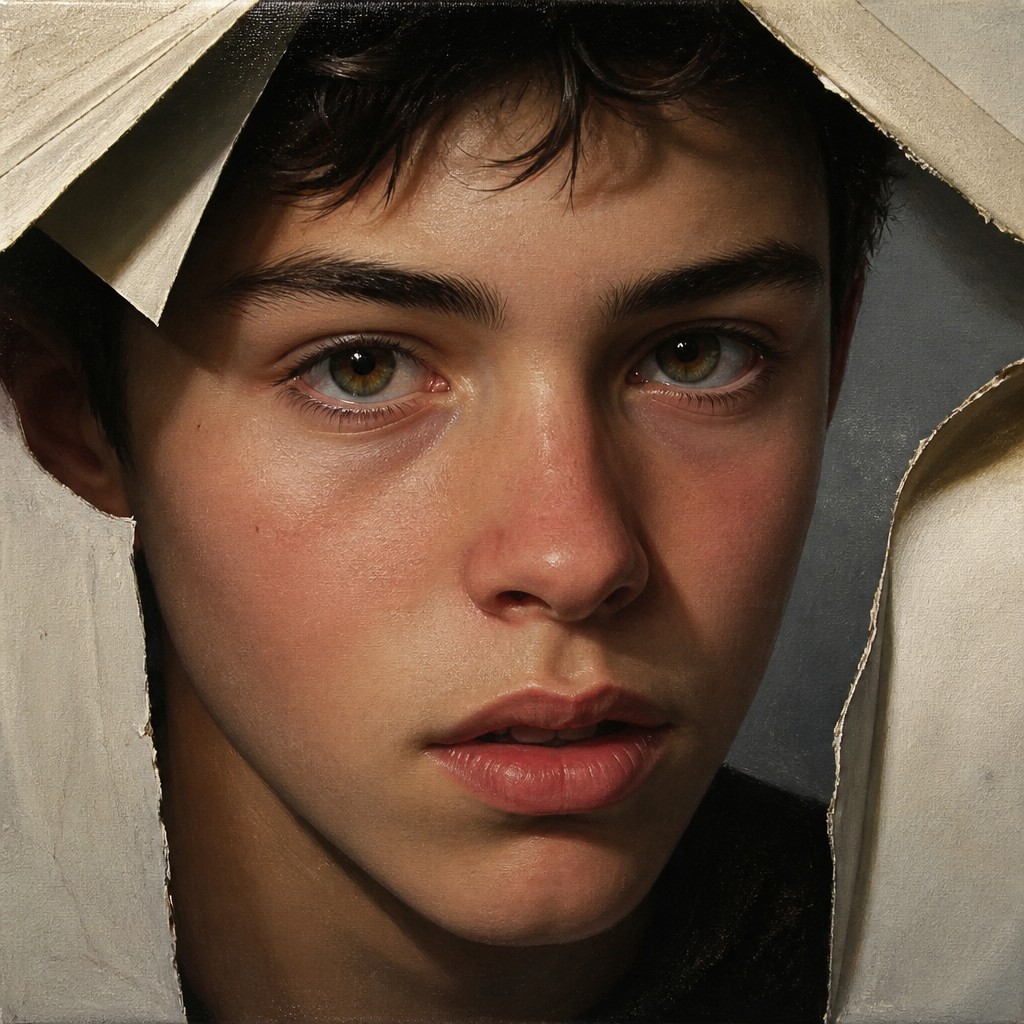

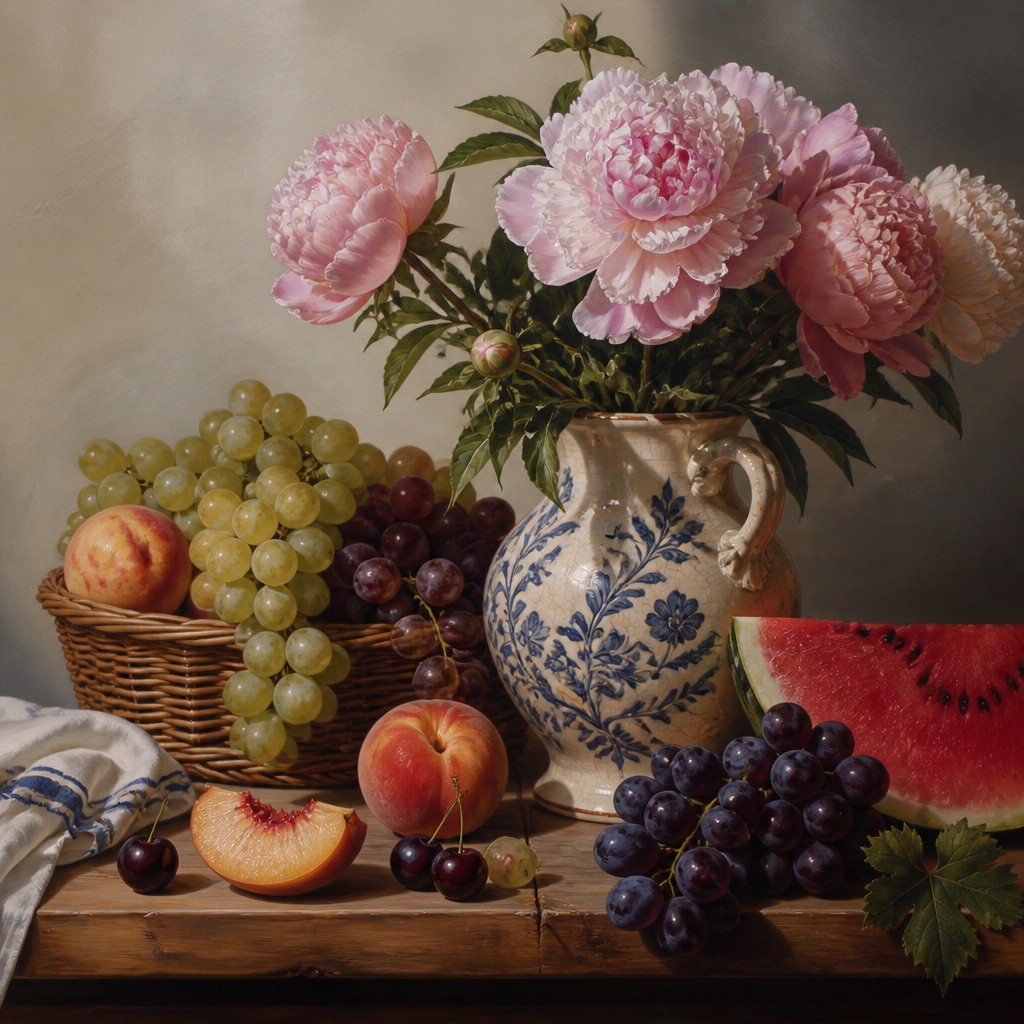
Trompe L'oeil Realism Gallery
Tap any artwork to explore it
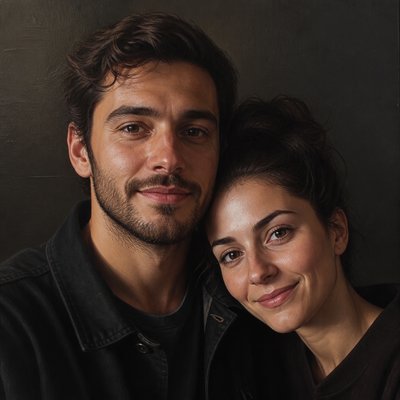
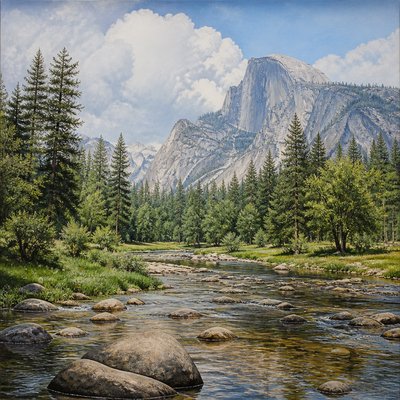
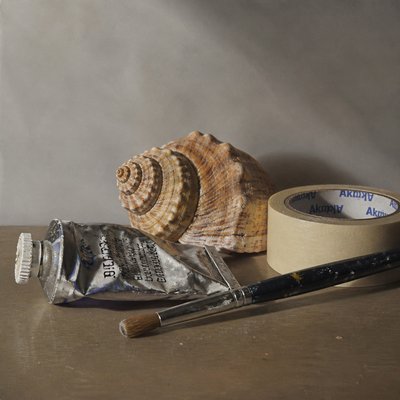
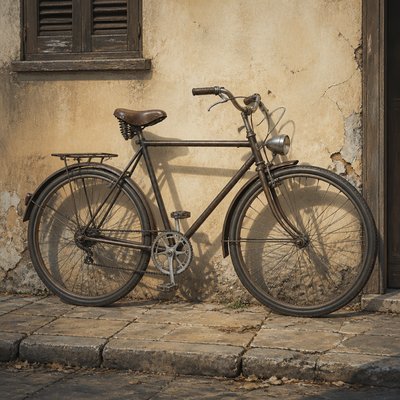

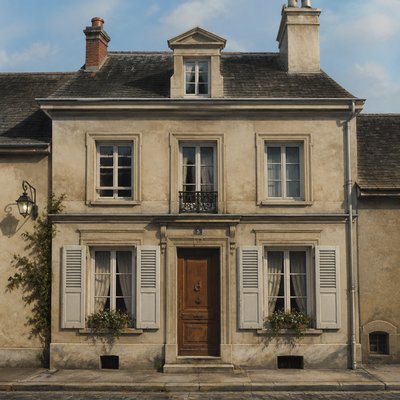

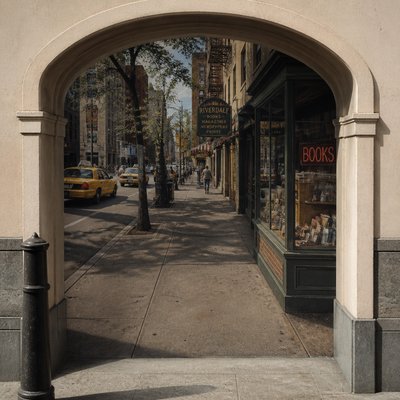
What is Trompe L'oeil Realism Art Style?
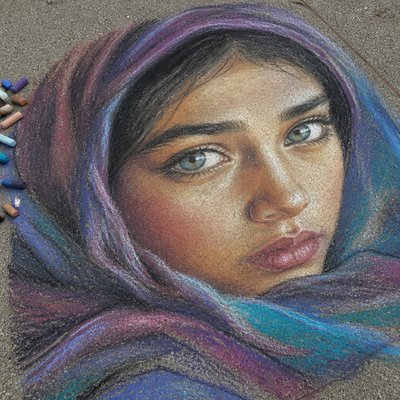
Trompe l'oeil realism is an illusionistic style that makes painted subjects appear to occupy real space. It relies on exact perspective, convincing cast shadows, reflected highlights, and carefully observed surface detail so that a flat image seems to project outward or recede deeply into it.
The style’s visual identity depends on precision. Edges, textures, and light are controlled to match how the eye reads actual objects in space, which creates the sensation that paper, wood, stone, cloth, or metal is physically present rather than depicted. The effect is strongest when the image is viewed from a specific angle or distance, because the composition is engineered to deceive perception.
Try It On Your Photos
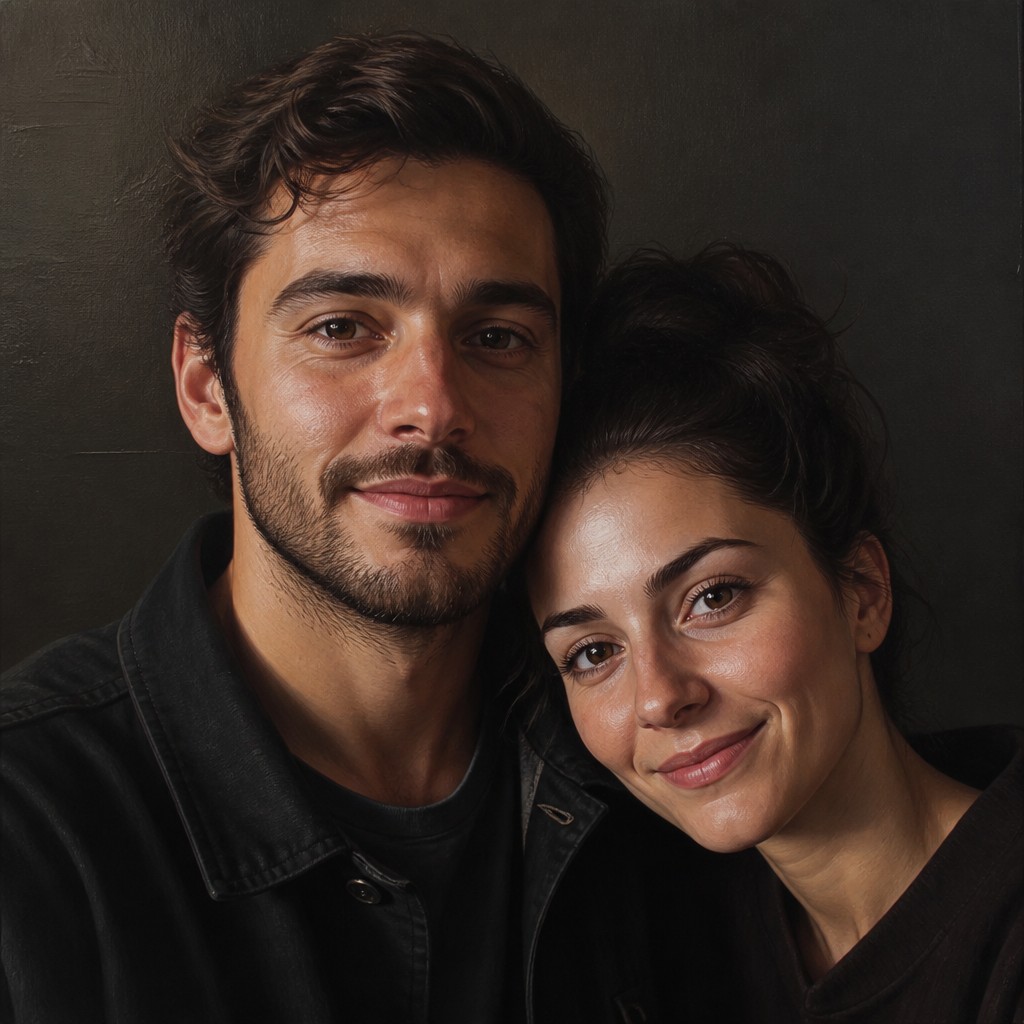
Upload any photo and convert it into Trompe L'oeil Realism Art Style — drag the sliders to compare before and after.
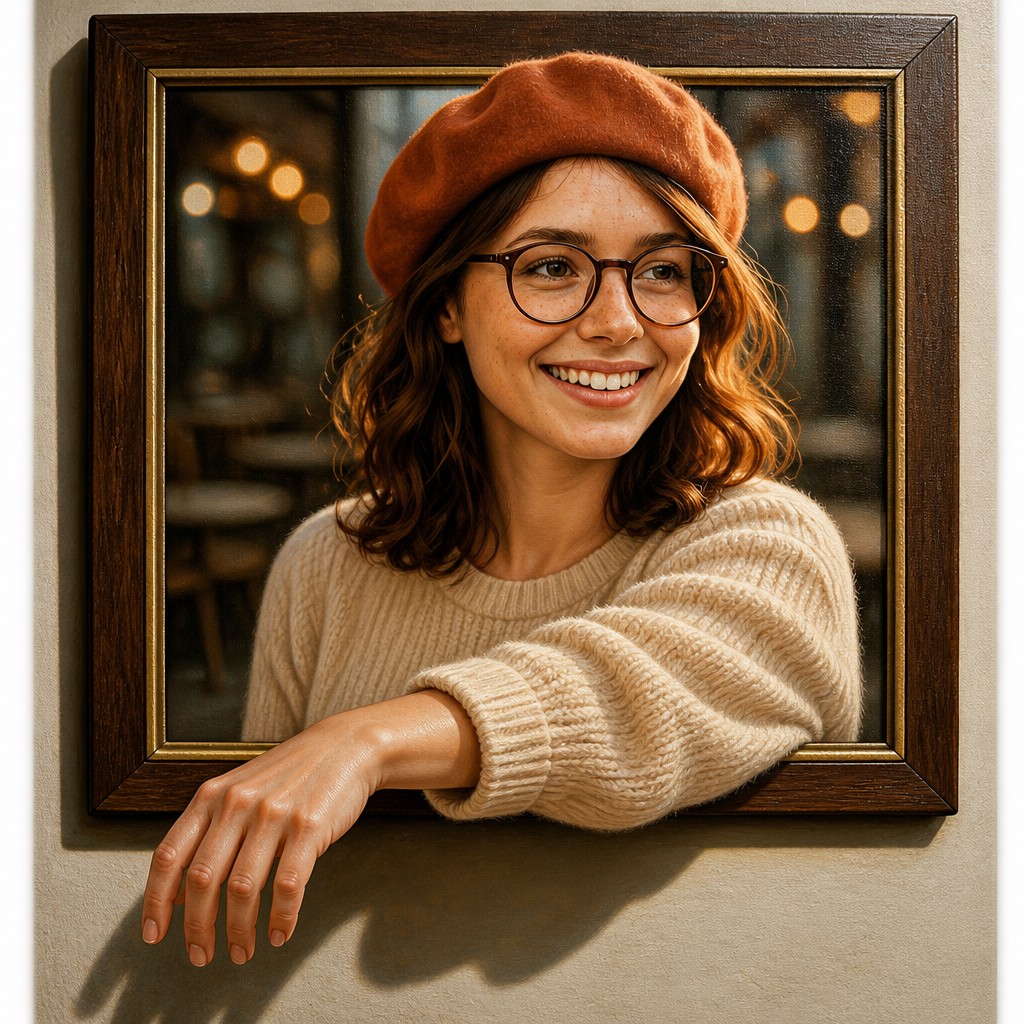

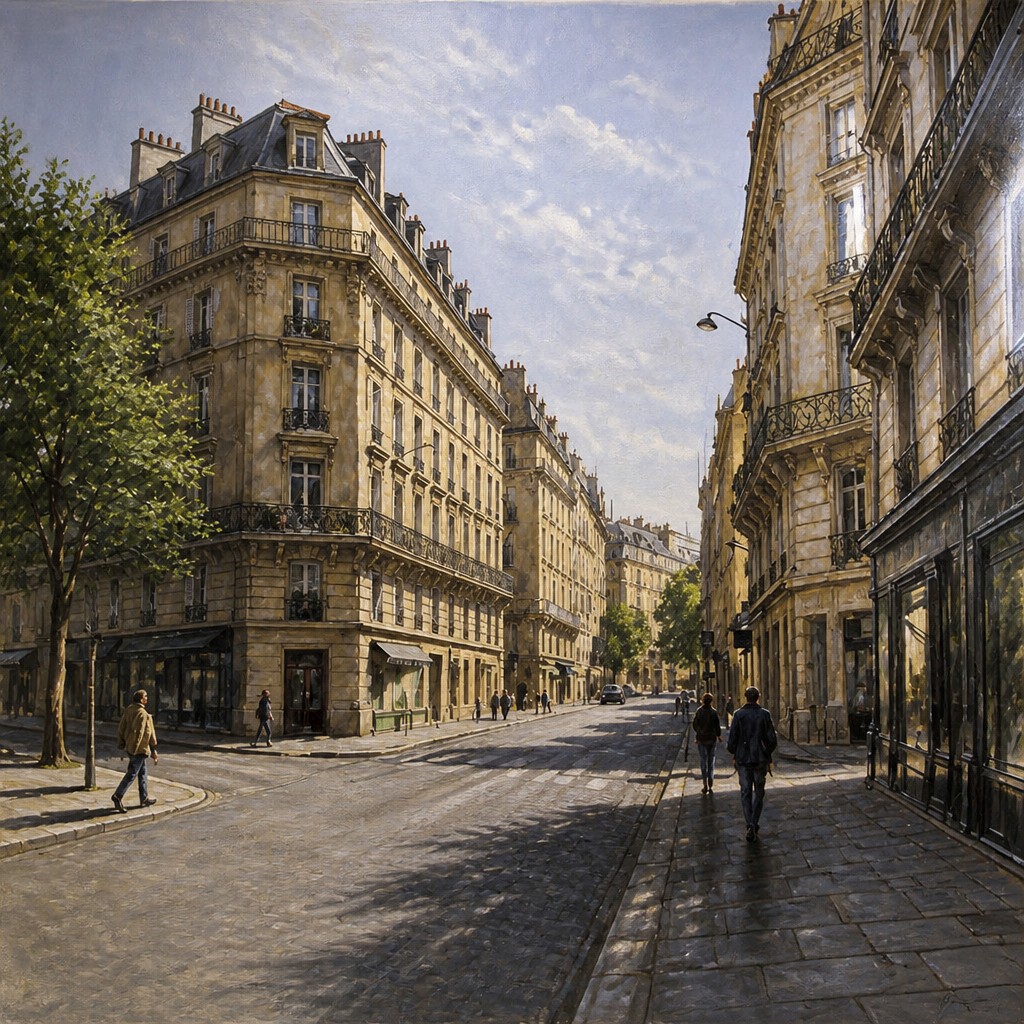

What Defines Trompe L'oeil Realism Art Style
The signature details, up close
Optical illusion of depth
The central goal is to make a flat surface appear three-dimensional. Forms are positioned and shaded so convincingly that viewers may momentarily mistake the image for a real object, opening, or recess.
Precise shadow logic
Cast shadows, contact shadows, and reflected light are rendered with exact consistency. These shadow structures anchor objects to an imagined light source and are essential to the illusion.
Careful perspective and foreshortening
Objects are often angled toward the viewer or aligned to a specific vantage point. Foreshortening compresses forms in a way that matches real spatial recession, strengthening the sense of physical volume.
Highly observed textures
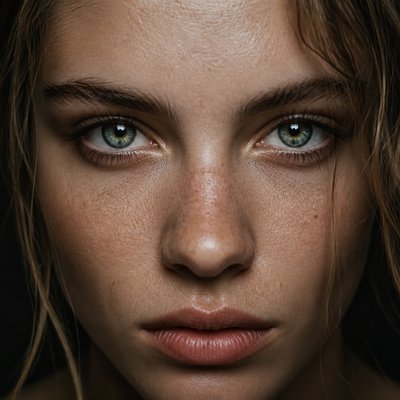
Surfaces such as paper, fabric, wood grain, glass, metal, and skin are described with fine detail. Tiny imperfections, reflections, and edge wear make the image feel materially credible.
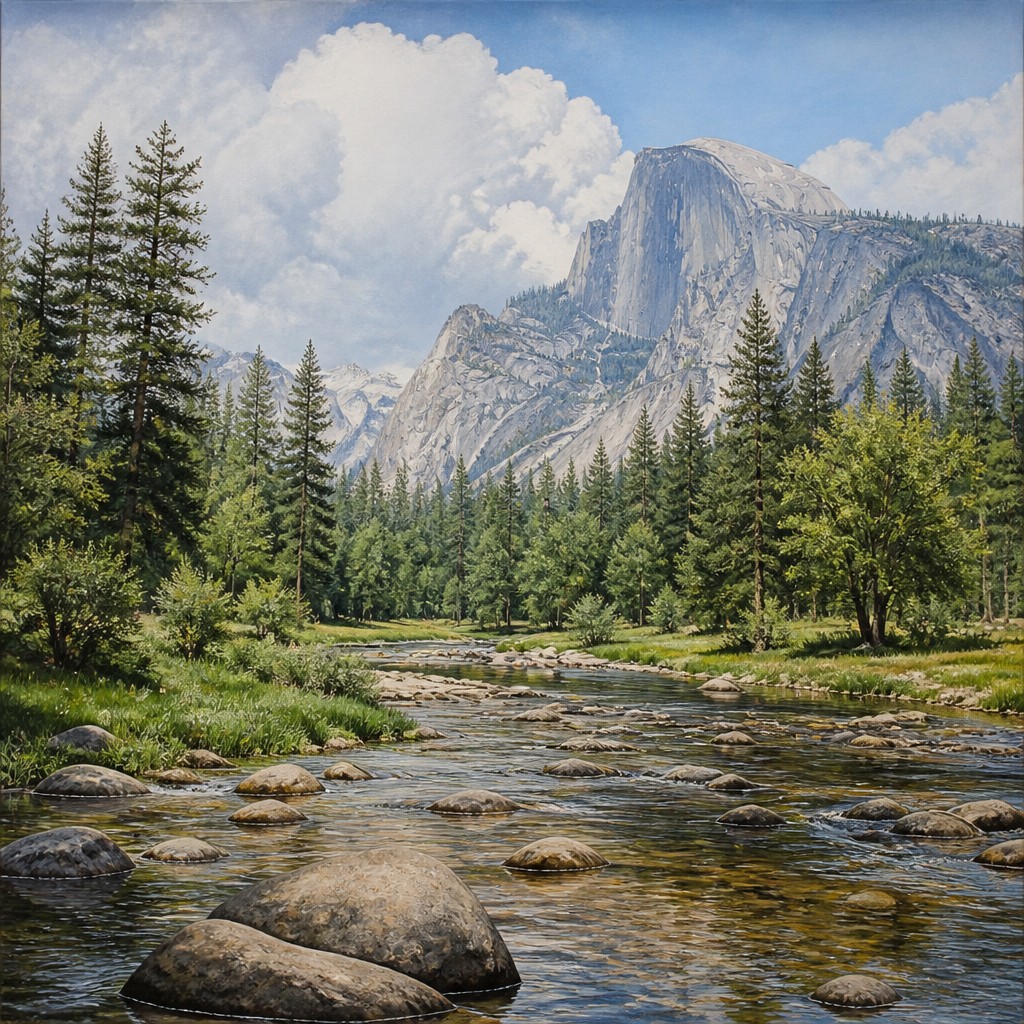
Controlled edges and focus
Sharp and soft edges are used strategically to mimic how the eye sees objects at different distances. Crisp contours often define the illusion’s key points, while softer transitions help model rounded form.
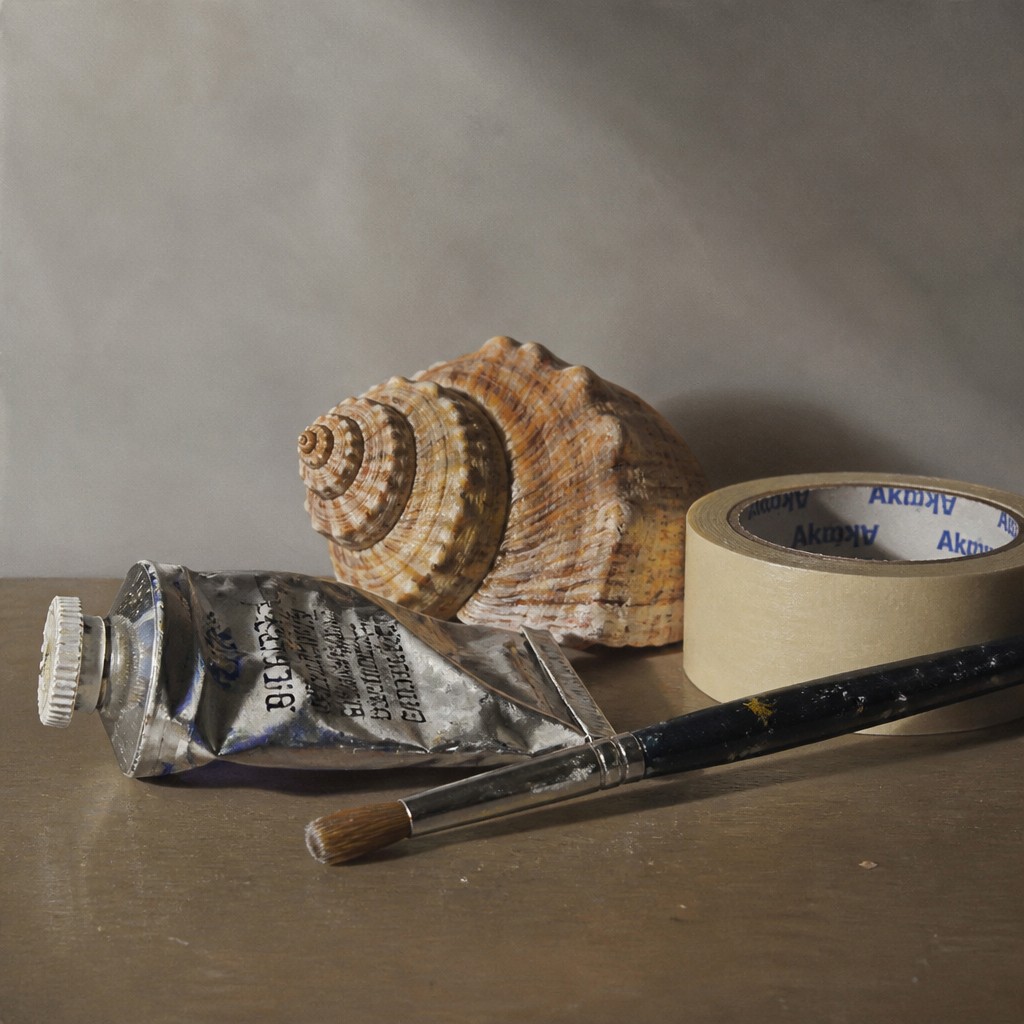
Naturalistic color and value shifts
Color changes subtly with light, shadow, and atmospheric recession. The palette is typically restrained enough to preserve realism, though it may be warm, cool, or highly contrastive depending on the subject.
Try It
Create Videos in Trompe L'oeil Realism Art Style
Styles aren't just for stills — describe a scene or animate an image and get a short video rendered in Trompe L'oeil Realism. Press play to see this pond come to life.
Make a VideoTrompe L'oeil Realism Prompt Ideas
Start from an idea — each one opens the generator with the style ready to go. See all 40 Trompe L'oeil Realism prompts →
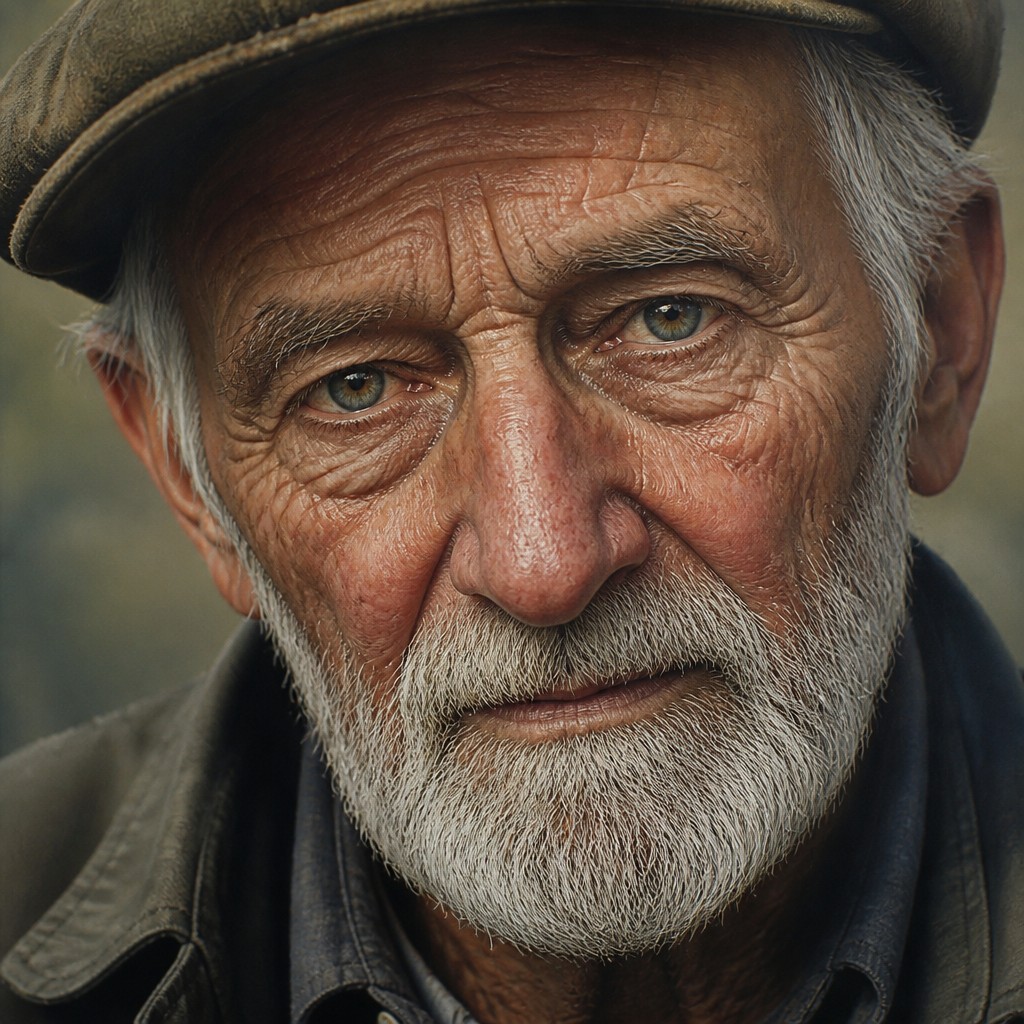
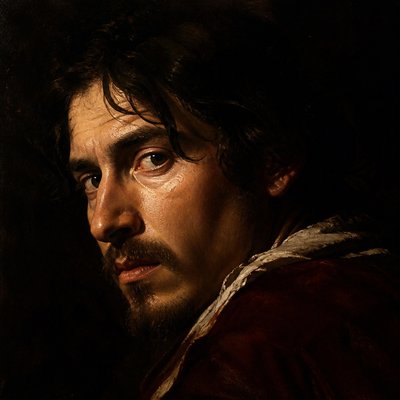
“close-up portrait of an elderly person with expressive weathered features”
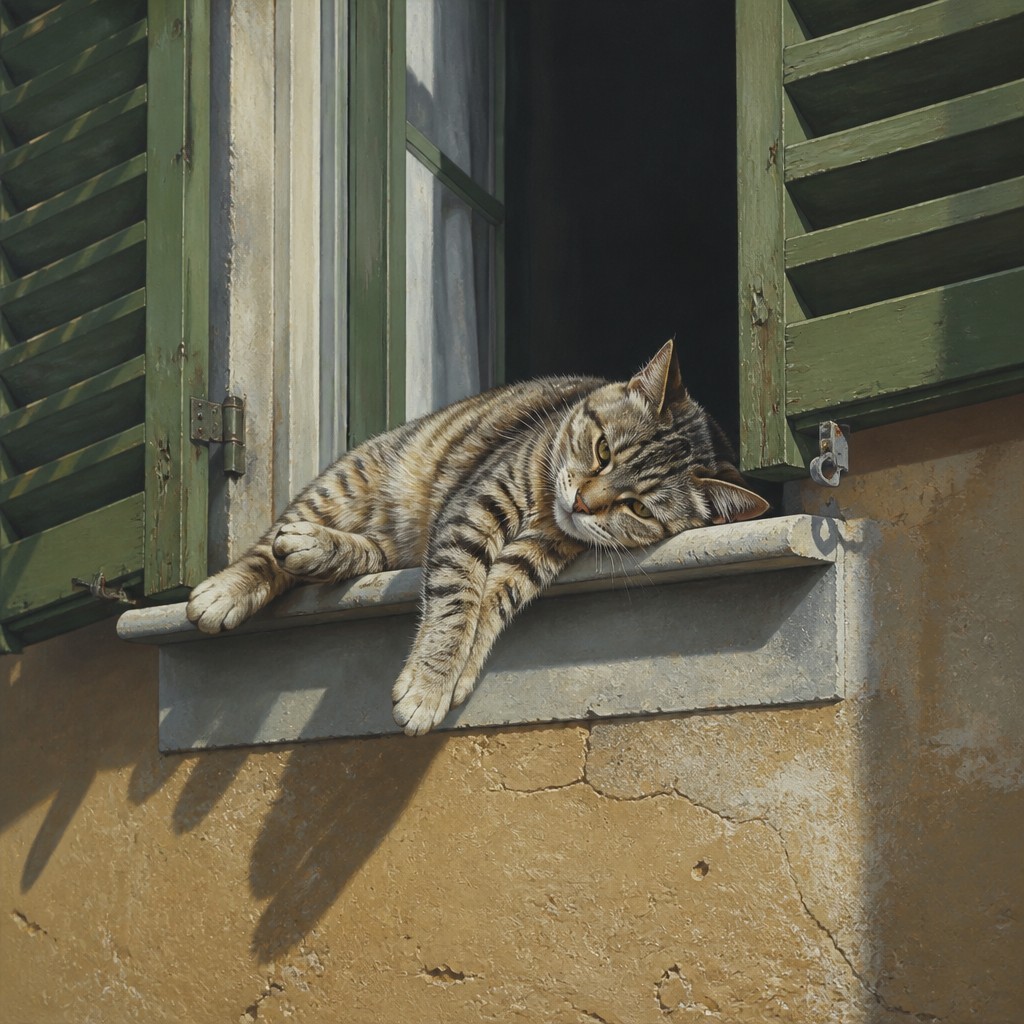
“a cat lounging in a sunlit window”
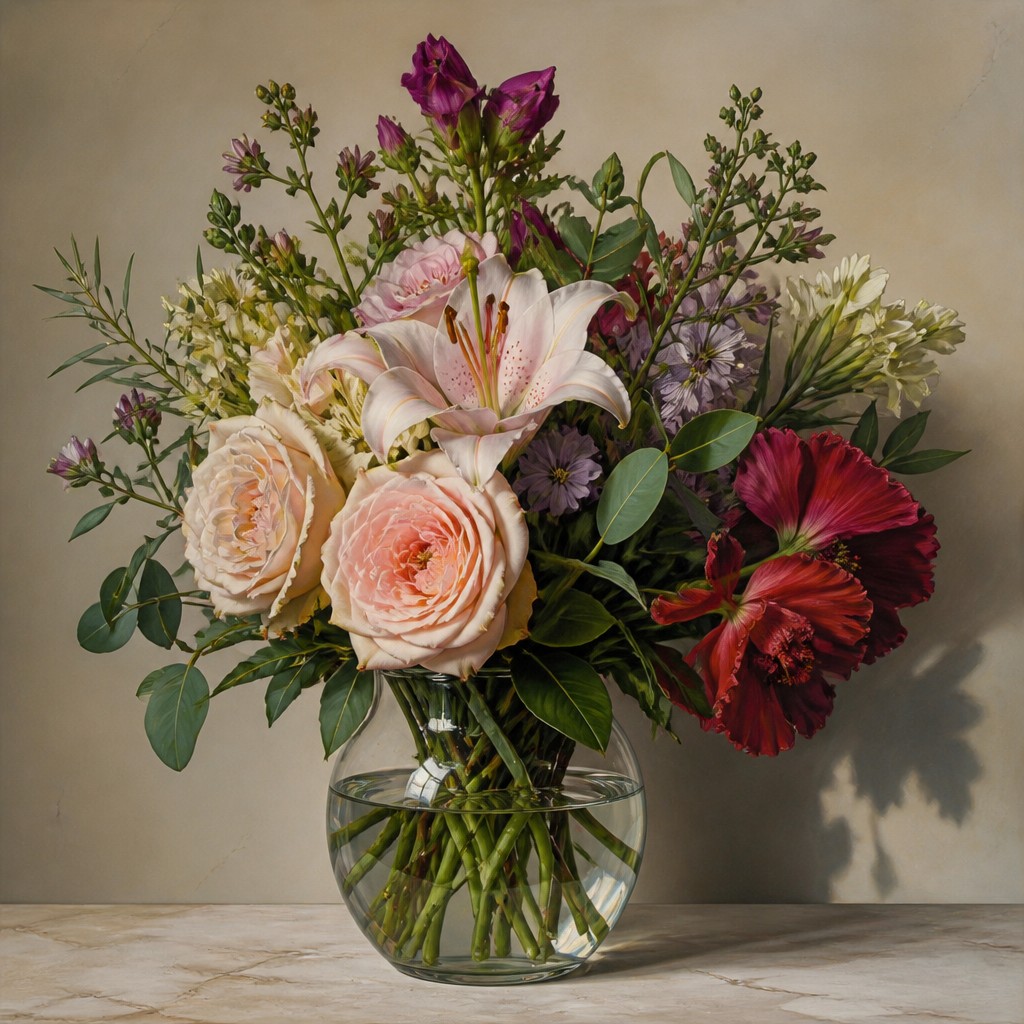
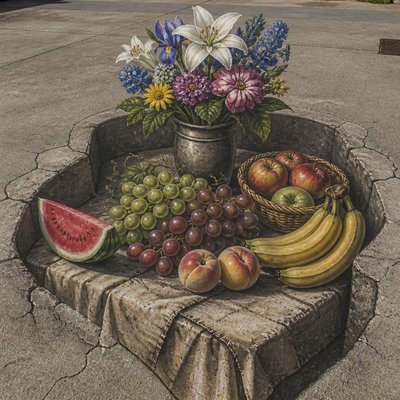
“bouquet of flowers in a glass vase”
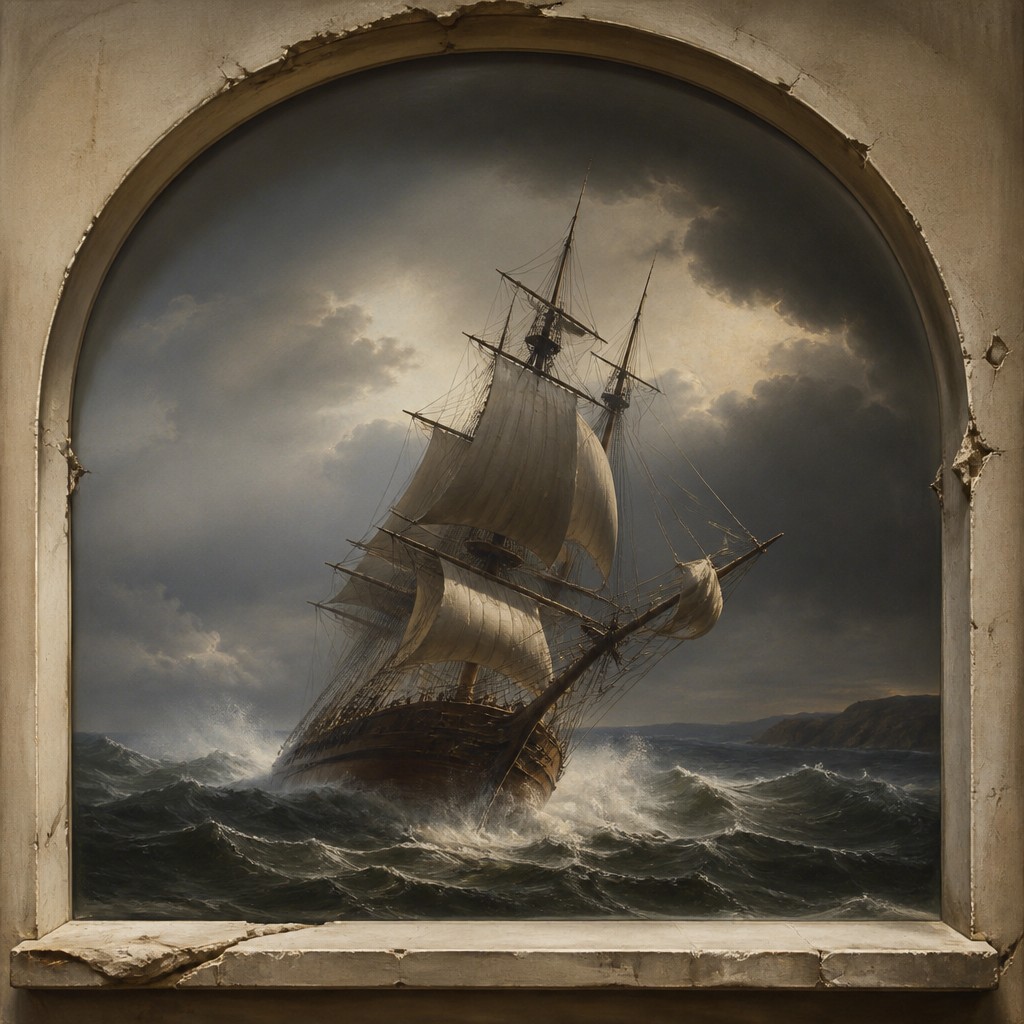
“sailing ship on a stormy sea”
How to Create Trompe L'oeil Realism Art
Master the craft step by step — or skip straight to creating. Read the full guide →
- 1
Choose a subject that benefits from illusion
Letters, paper folds, windows, drawers, tools, ribbons, masks, and objects that can overlap the picture plane work especially well. Design the composition so parts of the subject seem to break out of, rest on, or sink into the surface.
- 2
Build the image from a single believable light source
Map highlight, midtone, core shadow, reflected light, and cast shadow before refining details. Consistent lighting is the backbone of the illusion; even small inconsistencies will flatten the effect.
- 3
Use perspective as a structural device
Align the composition to a viewer position and exaggerate foreshortening where necessary. In traditional work, use careful drawing and value studies; in digital work, use perspective guides, layered shading, and texture overlays to preserve spatial logic.
- 4
Paint material differences explicitly
Separate matte, glossy, translucent, and reflective surfaces through edge control and specular highlights. The more convincingly you distinguish material types, the more physically present the illusion becomes.
- 5
Refine with prompt language that emphasizes physical realism
For digital or AI-assisted creation, specify flat surface, convincing depth illusion, precise shadow behavior, foreshortening, realistic textures, and subtle edge variation. Mention the actual object and its imagined support surface to guide the composition toward trompe l'oeil effects.

The Story
History & Origins of Trompe L'oeil Realism
Trompe l'oeil is not a single historical movement but a long-lived illusionistic tradition in Western art. Its roots reach back to ancient wall painting and the classical fascination with pictorial space, and it became especially prominent in the Renaissance and Baroque periods, when painters developed highly refined systems of perspective, light, and texture to create convincing spatial illusions.
The technique continued through decorative ceiling painting, still life, and architectural mural traditions, especially in Europe and later in America. In modern and contemporary art it persists as a specialized practice rather than a unified school, drawing on academic realism, still-life painting, architectural illusion, and, in digital contexts, highly rendered image-making that aims to simulate material presence and depth.
Influences: Trompe l'oeil realism draws from ancient Roman wall painting, Renaissance perspective systems, Baroque illusionistic ceiling painting, and still-life traditions that prized precise observation. It is closely related to academic realism and to artists known for illusionistic display and spatial deception, including major Baroque illusionistic ceiling painters, leading Northern European illusionist still-life painters, and prominent nineteenth-century American trompe l'oeil specialists, though the style itself is broader than any single painter or period.

Frequently Asked Questions
What defines trompe l'oeil realism?
It is defined by the deliberate creation of optical illusion: the image is constructed so a flat surface appears to hold real objects or spatial depth. The realism is not just detailed; it is specifically engineered to trick the eye through perspective, lighting, and shadow.
How is it different from general realism?
General realism aims to depict subjects truthfully, but trompe l'oeil realism aims to make the viewer misread the surface itself. The illusion of physical presence is the point, so composition and viewpoint are as important as accurate rendering.
Is trompe l'oeil only used in painting?
No. It is most famous in painting, but the approach also appears in murals, decorative ceilings, printmaking, stage design, and contemporary digital image-making. Any medium that can simulate depth on a flat plane can use trompe l'oeil principles.
What subjects work best in this style?
Objects with clear edges, strong cast shadows, and recognizable surfaces work particularly well. Common choices include paper, tools, envelopes, curtains, frames, openings, shelves, and everyday items arranged to interact with the picture plane.
What makes trompe l'oeil difficult to paint?
It requires not only technical accuracy but also compositional planning from a specific viewpoint. The artist must control perspective, shadow, scale, and texture simultaneously so the illusion remains coherent at a glance.
Where is this style commonly used today?
It is used in murals, interior decoration, signage, fine art still lifes, and digital illustration. It also appears in editorial and conceptual work when artists want to create a visual trick or make an image feel physically present.

Create your first Trompe L'oeil Realism artwork
Describe anything — or upload a photo — and see it in Trompe L'oeil Realism Art Style in seconds.
Make Something with Trompe L'oeil Realism
Compare Trompe L'oeil Realism
Related Styles
Discover similar art styles