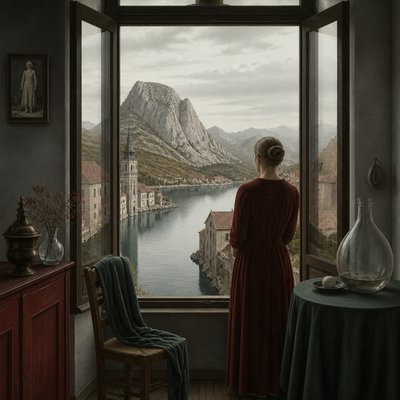
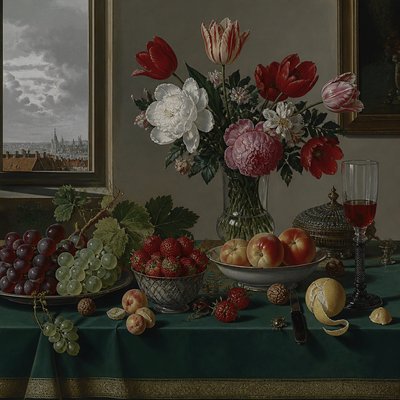
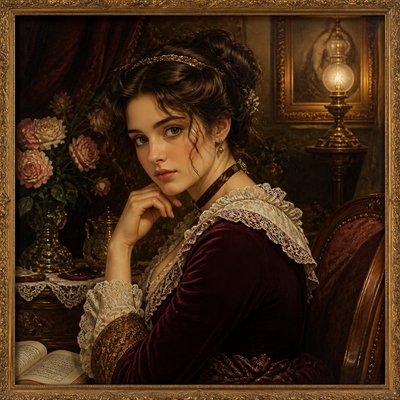
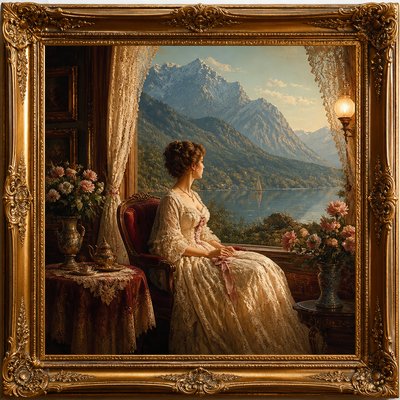
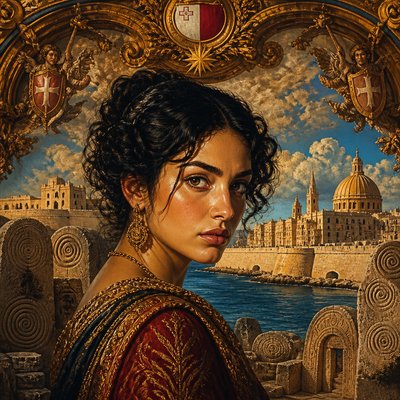
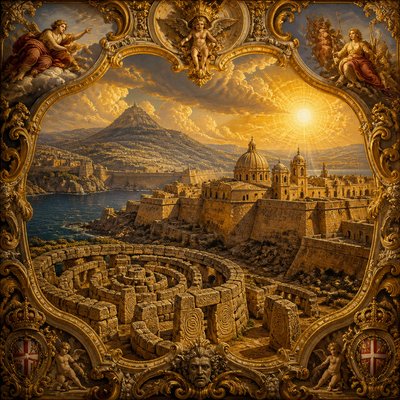
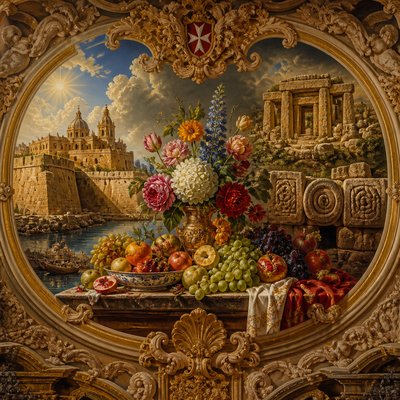
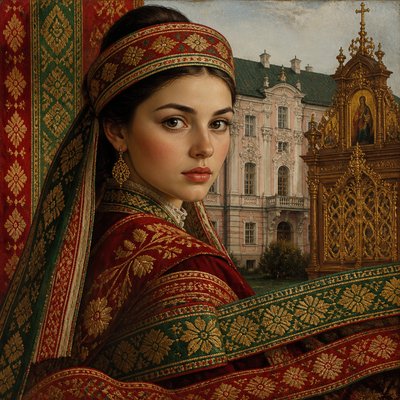
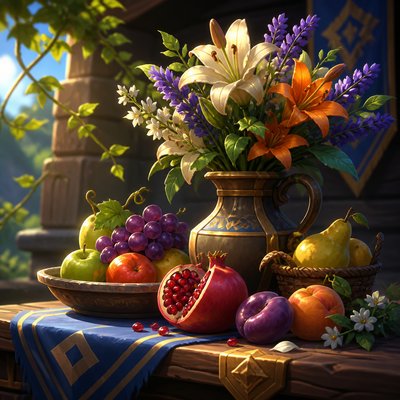
Caravaggio Realism Baroque Art Style
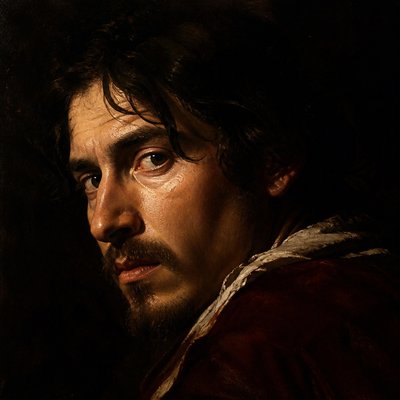
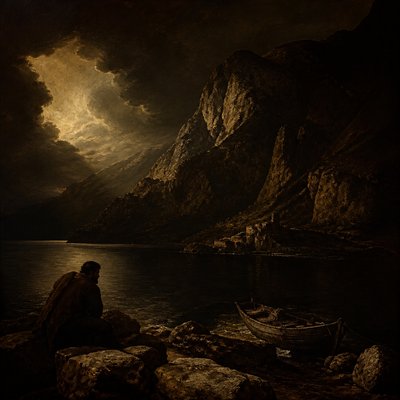
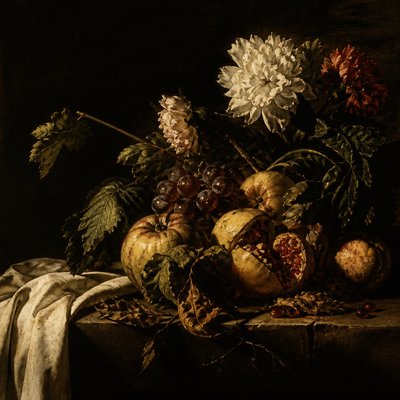
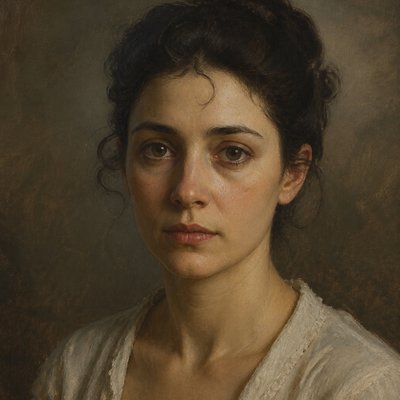
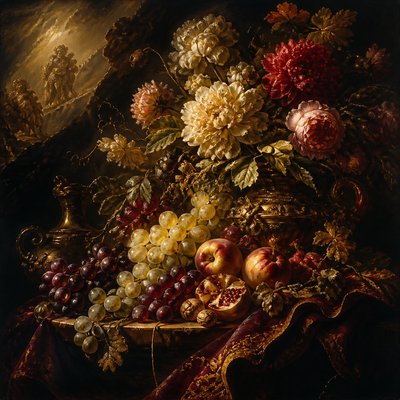
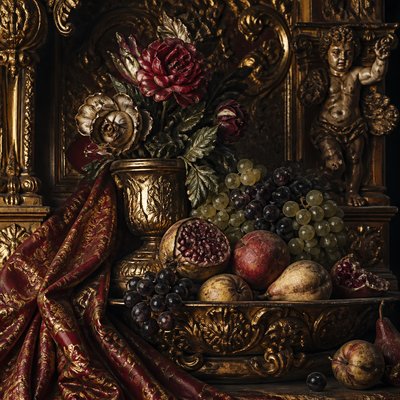
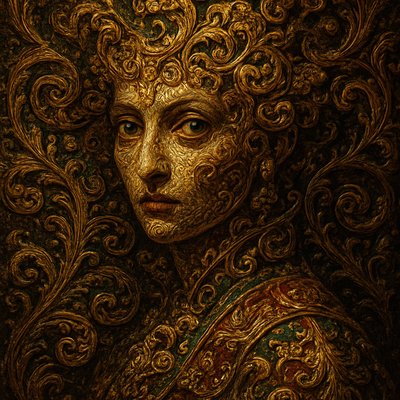
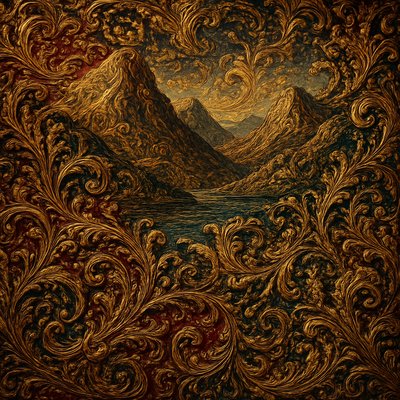
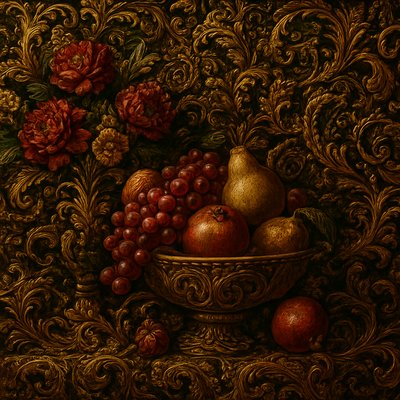
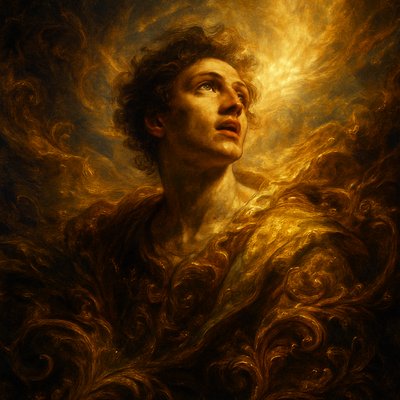
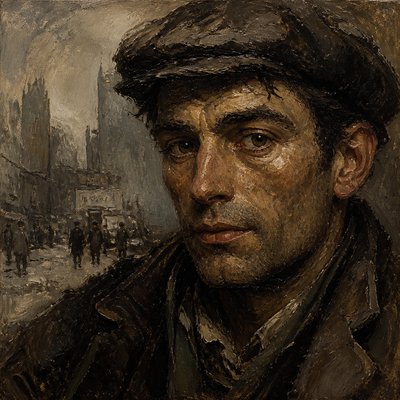
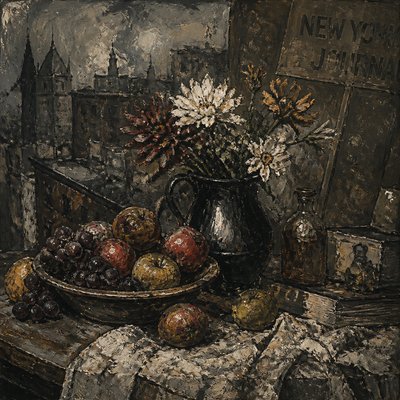
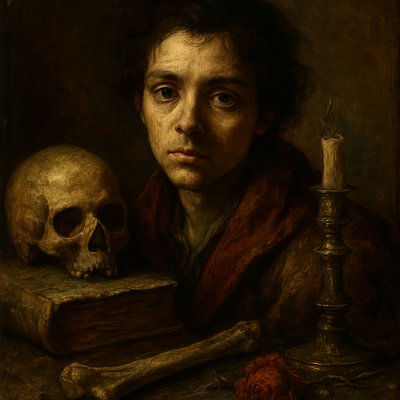
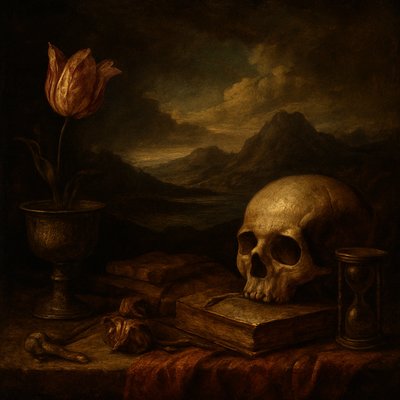
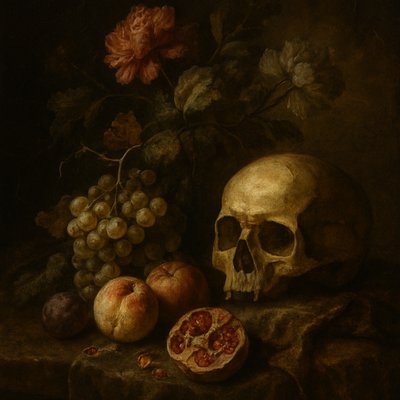
Caravaggesque Baroque realism with dramatic chiaroscuro, gritty naturalism, and sacred scenes grounded in street-level humanity.
Instantly rendered in Caravaggio Realism Baroque — or transform a photo
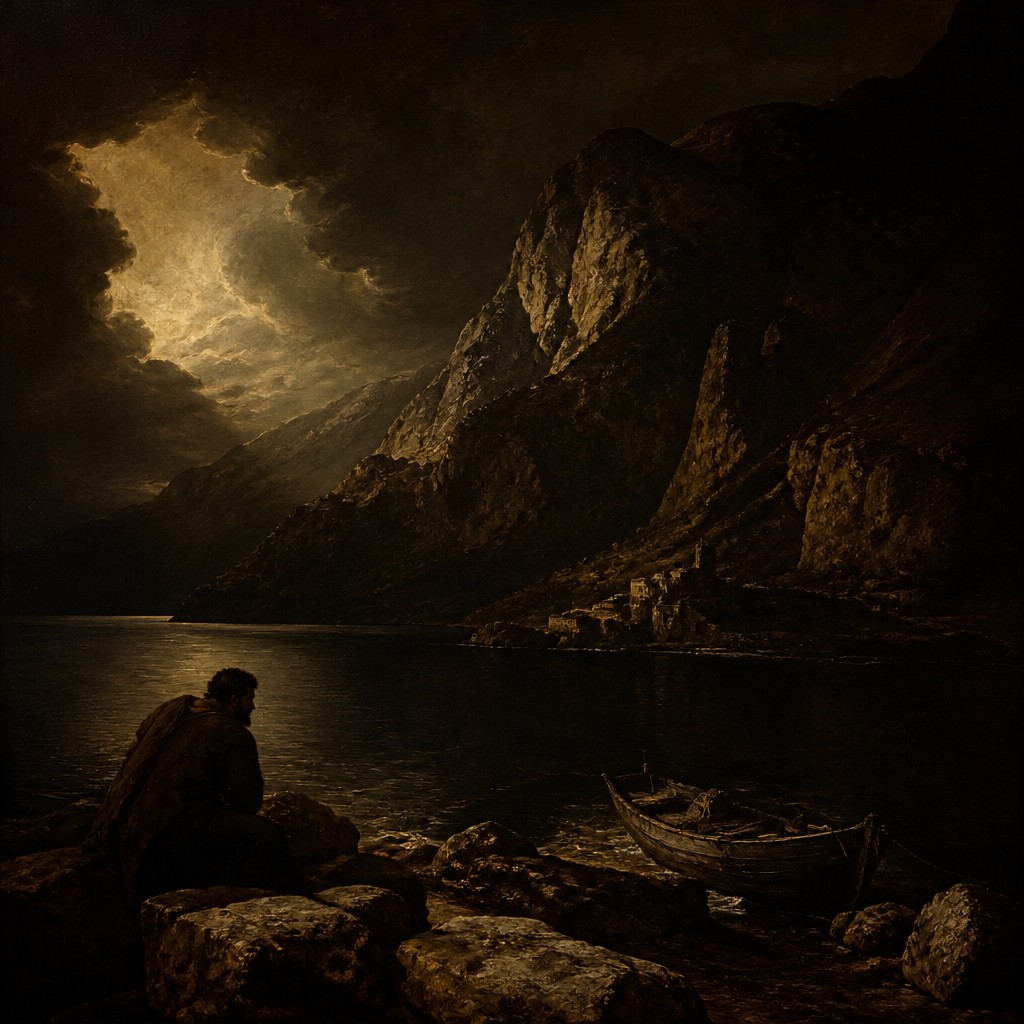
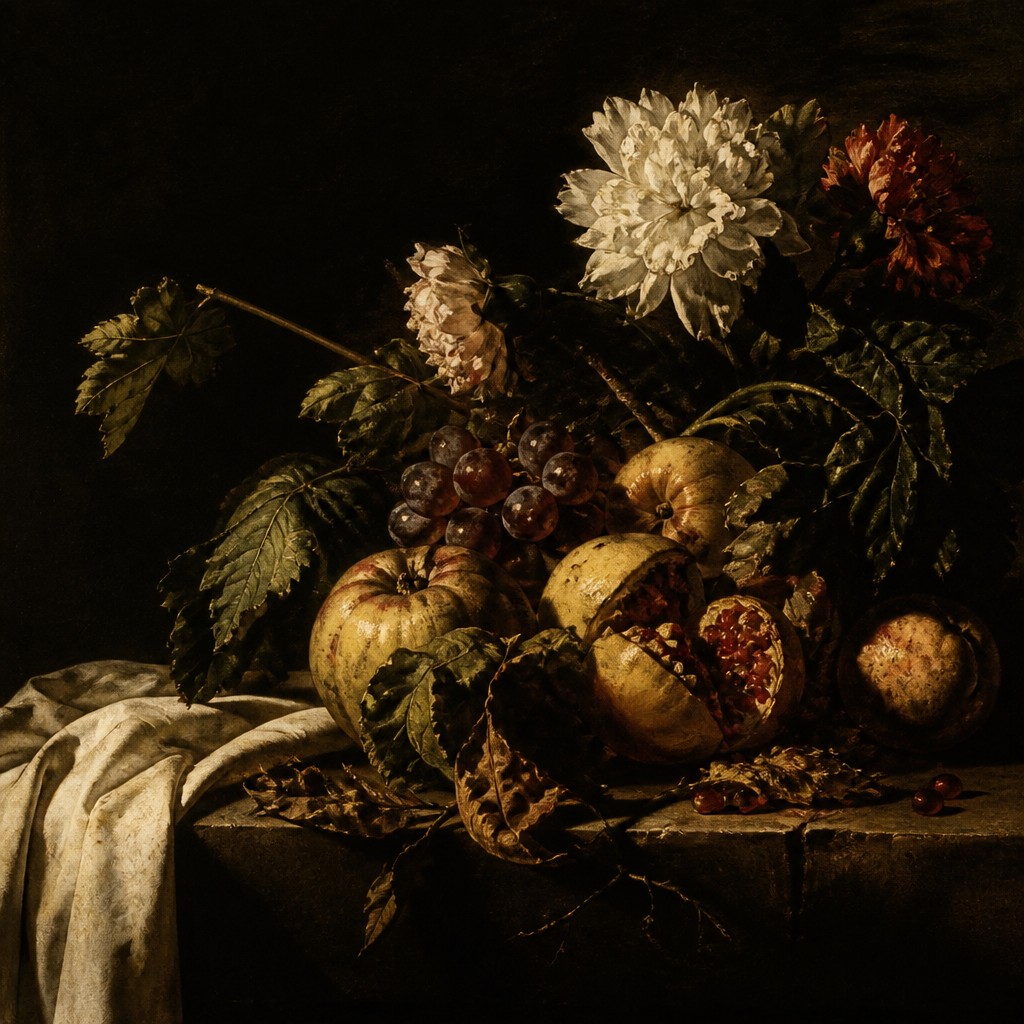
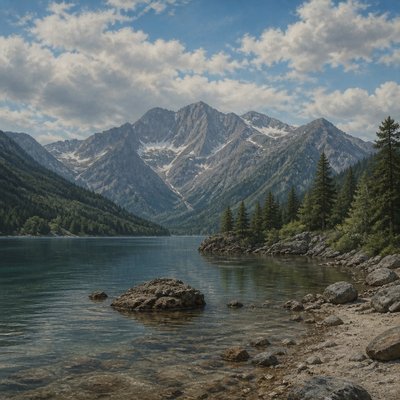
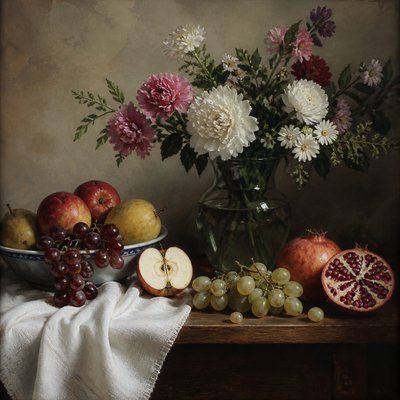
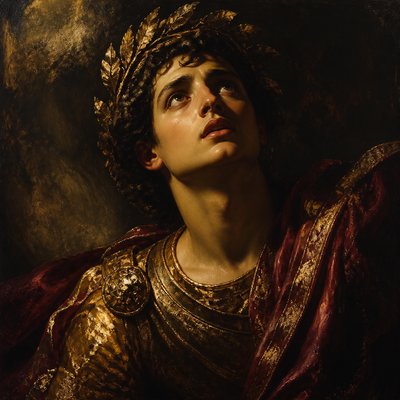
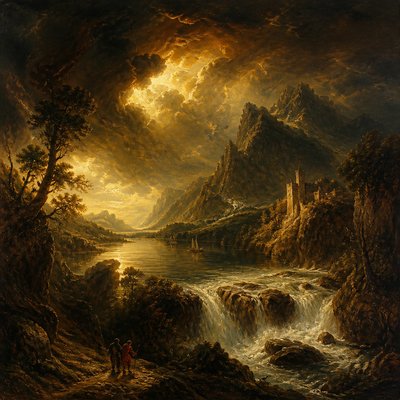
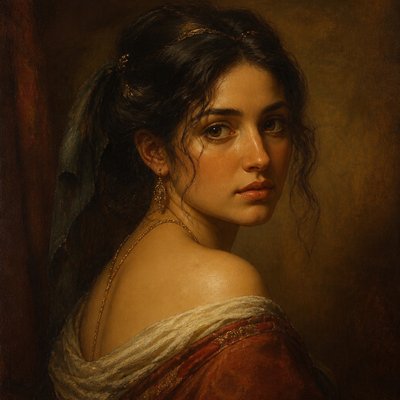
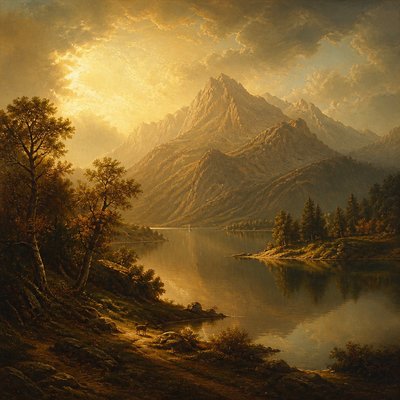
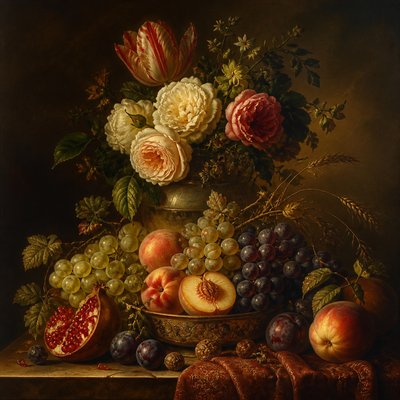
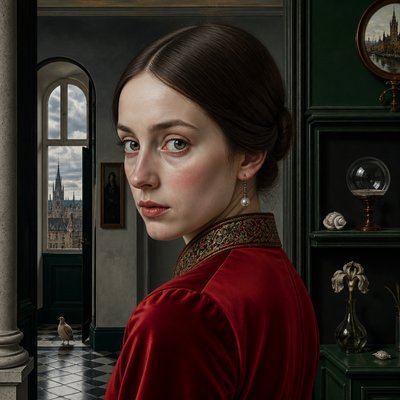
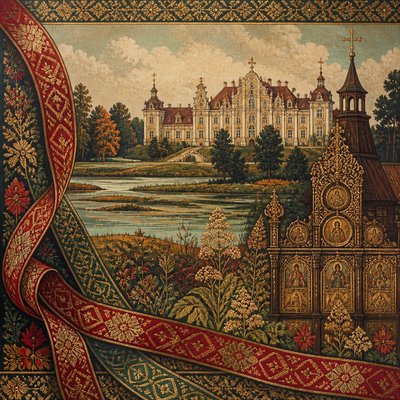
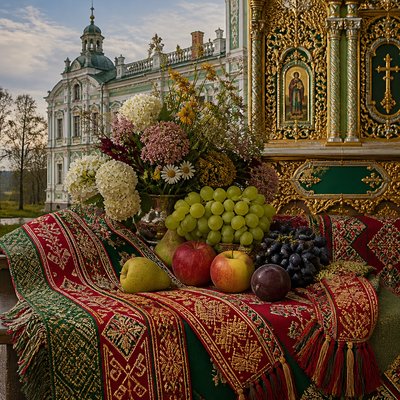
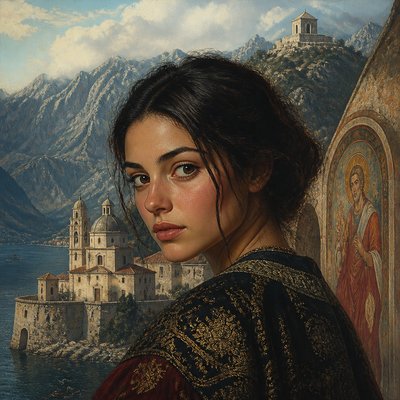
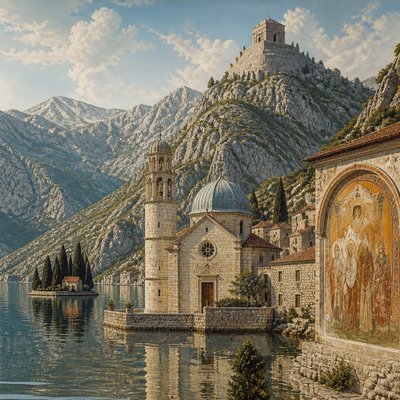
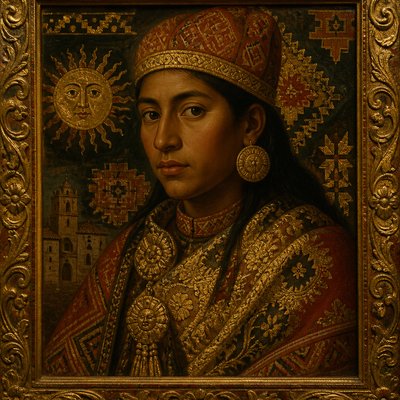
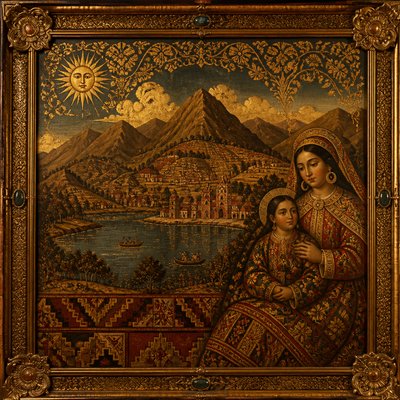
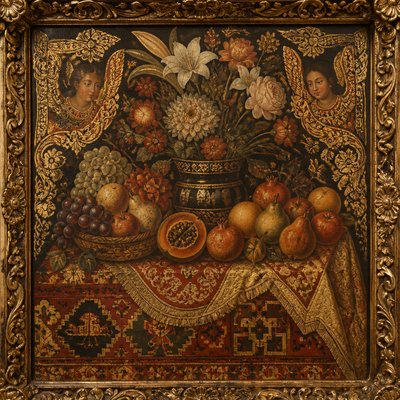
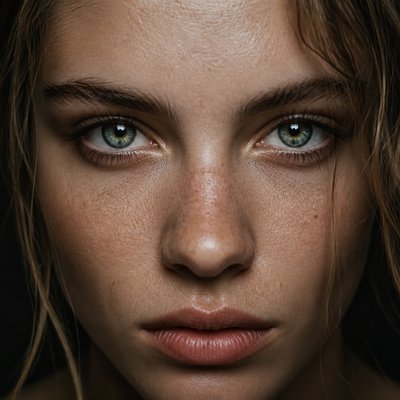
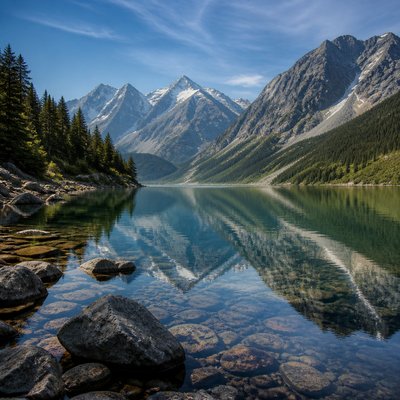
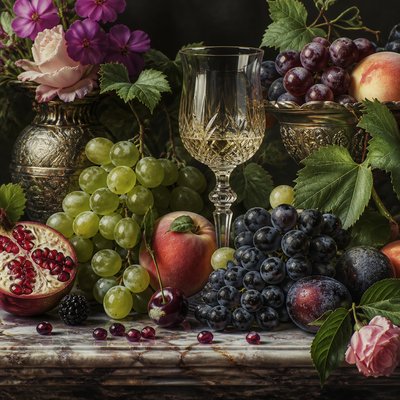
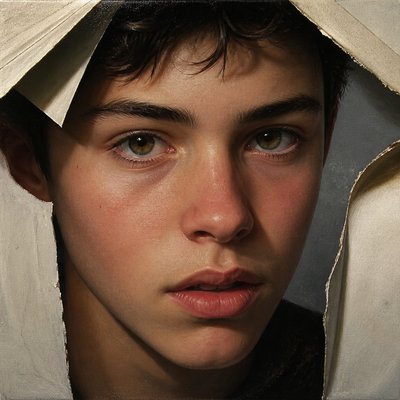
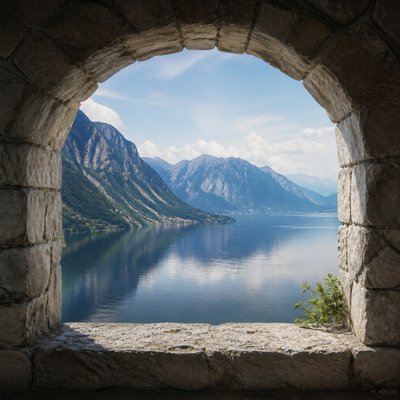
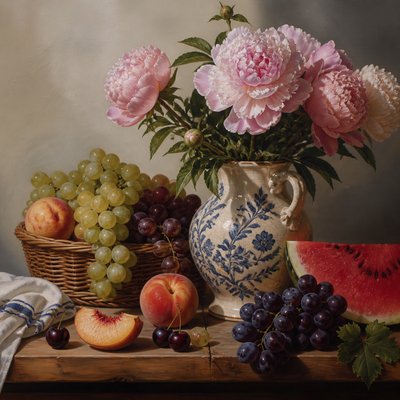
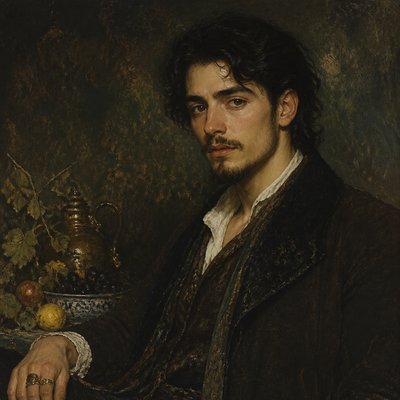
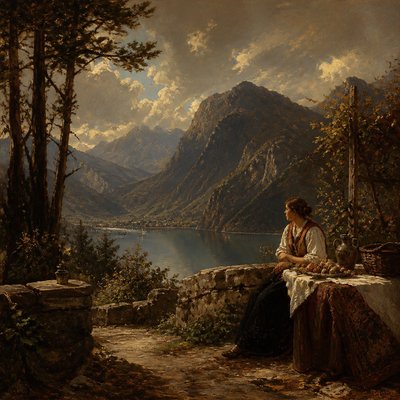
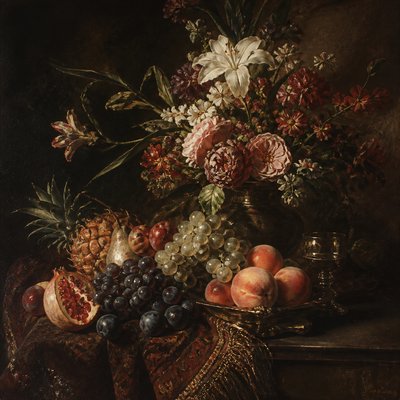
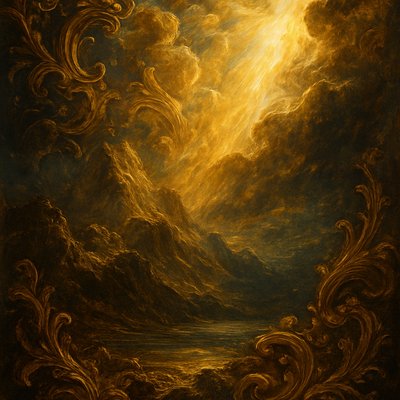
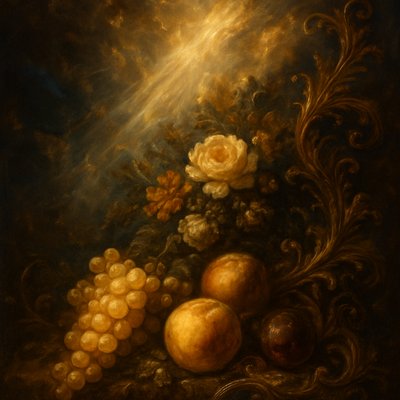
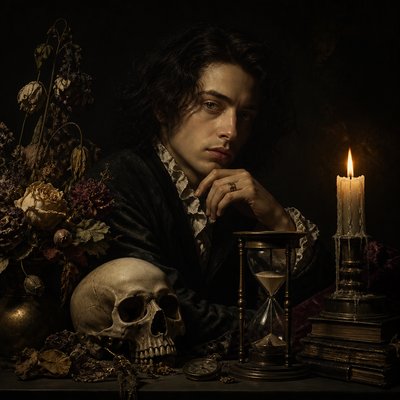
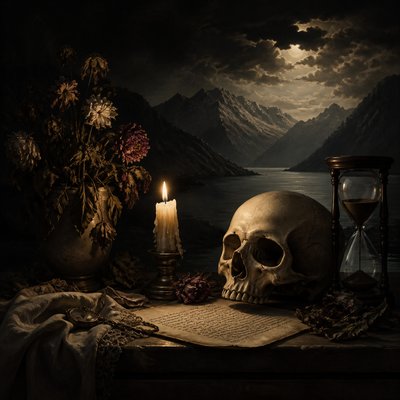
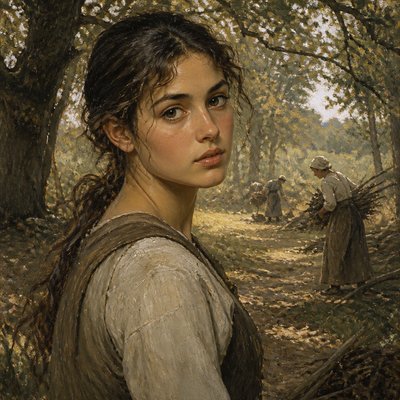
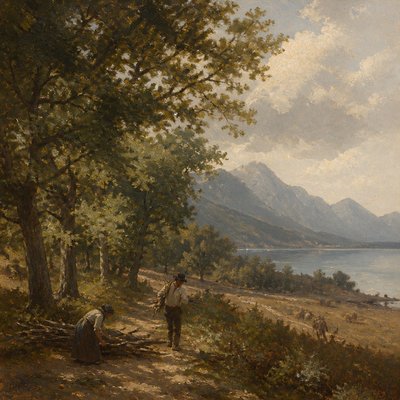
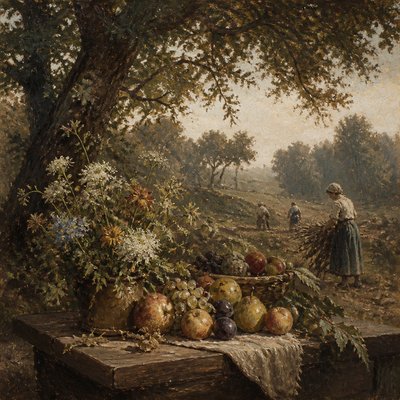
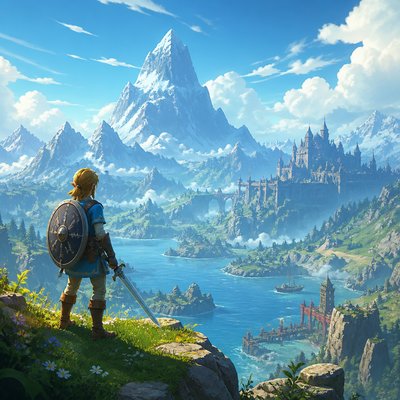
Caravaggio Realism Baroque Gallery
Tap any artwork to explore it
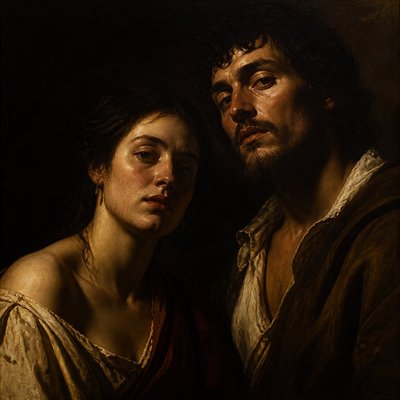
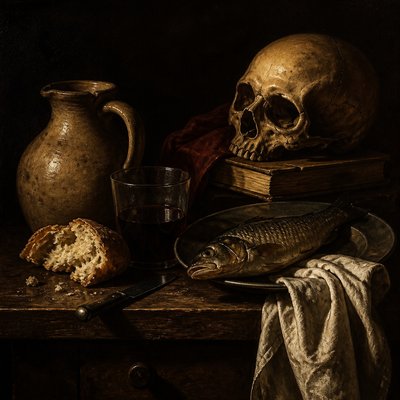
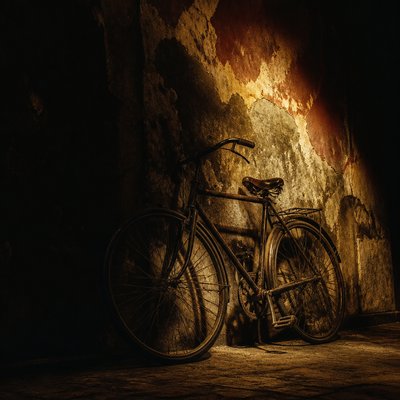
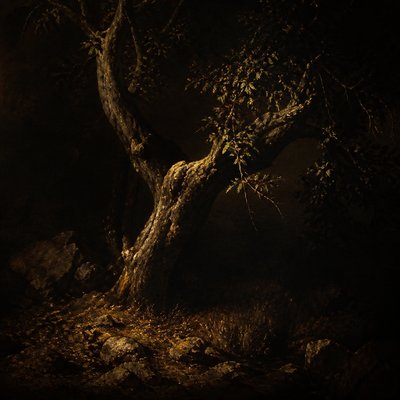
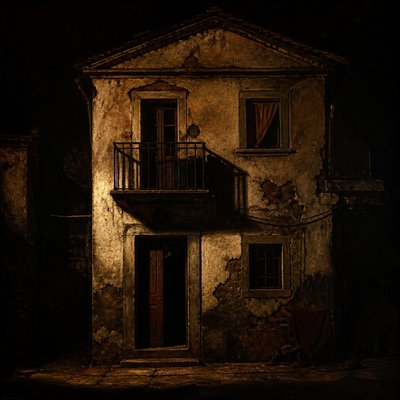
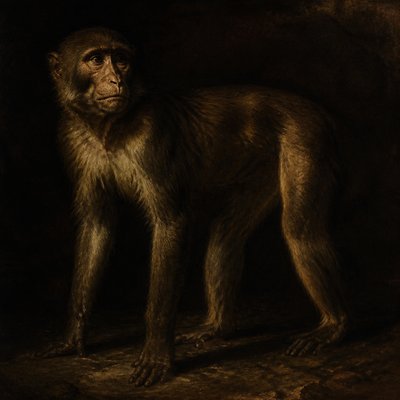
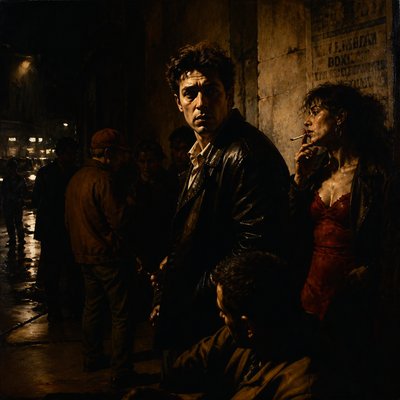
What is Caravaggio Realism Baroque Art Style?
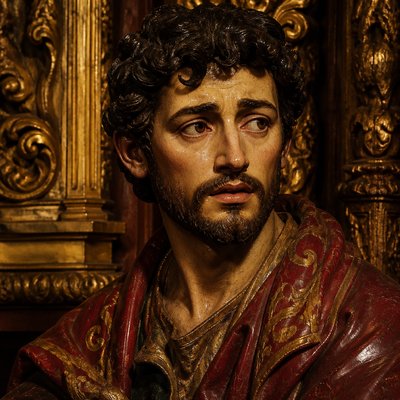
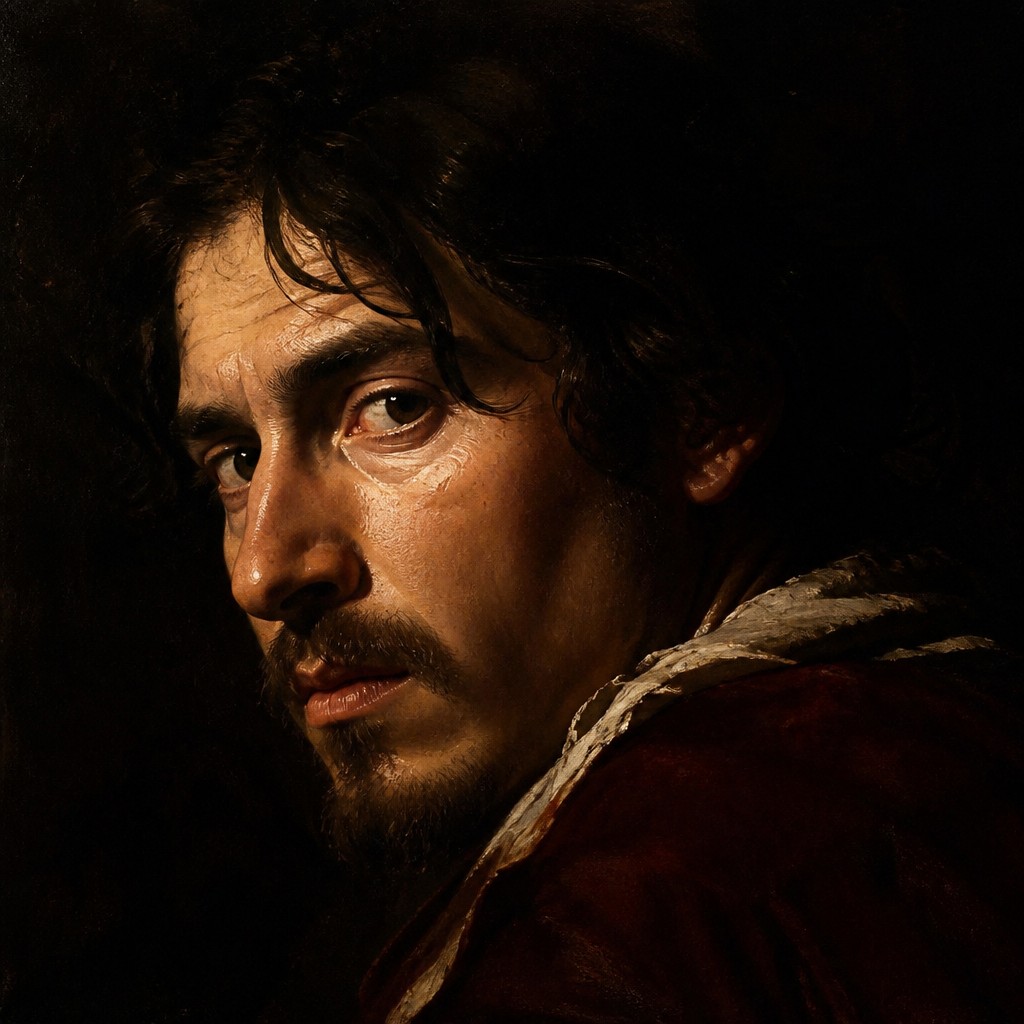
Caravaggio Realism Baroque Art Style is a dramatic naturalistic approach rooted in the Baroque revolution of early 17th-century Italian painting. It combines religious or historical subject matter with the look of ordinary life: rough hands, weathered faces, dirty feet, wrinkled garments, and bodies caught in moments of physical strain or emotional confrontation.
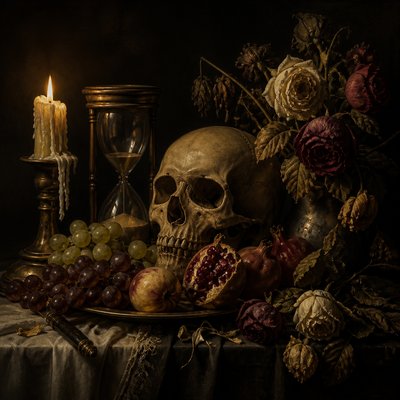
Its visual identity depends on extreme tenebrism, with a single strong light source cutting through dense darkness to isolate figures and sharpen emotion. The effect is theatrical but unsentimental: sacred stories feel immediate, physical, and psychologically charged because the painter insists on the credibility of real bodies, real textures, and unvarnished human presence.
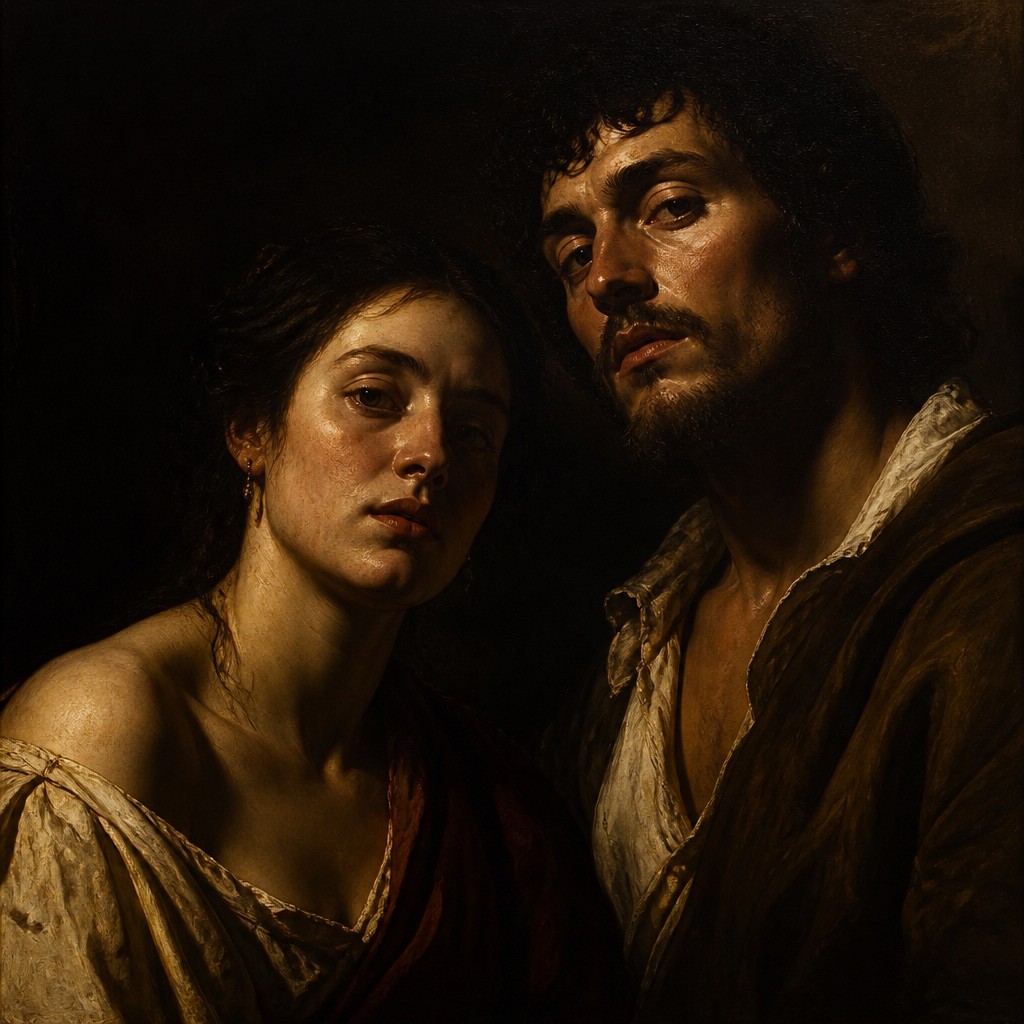
Try It On Your Photos
Upload any photo and convert it into Caravaggio Realism Baroque Art Style — drag the sliders to compare before and after.
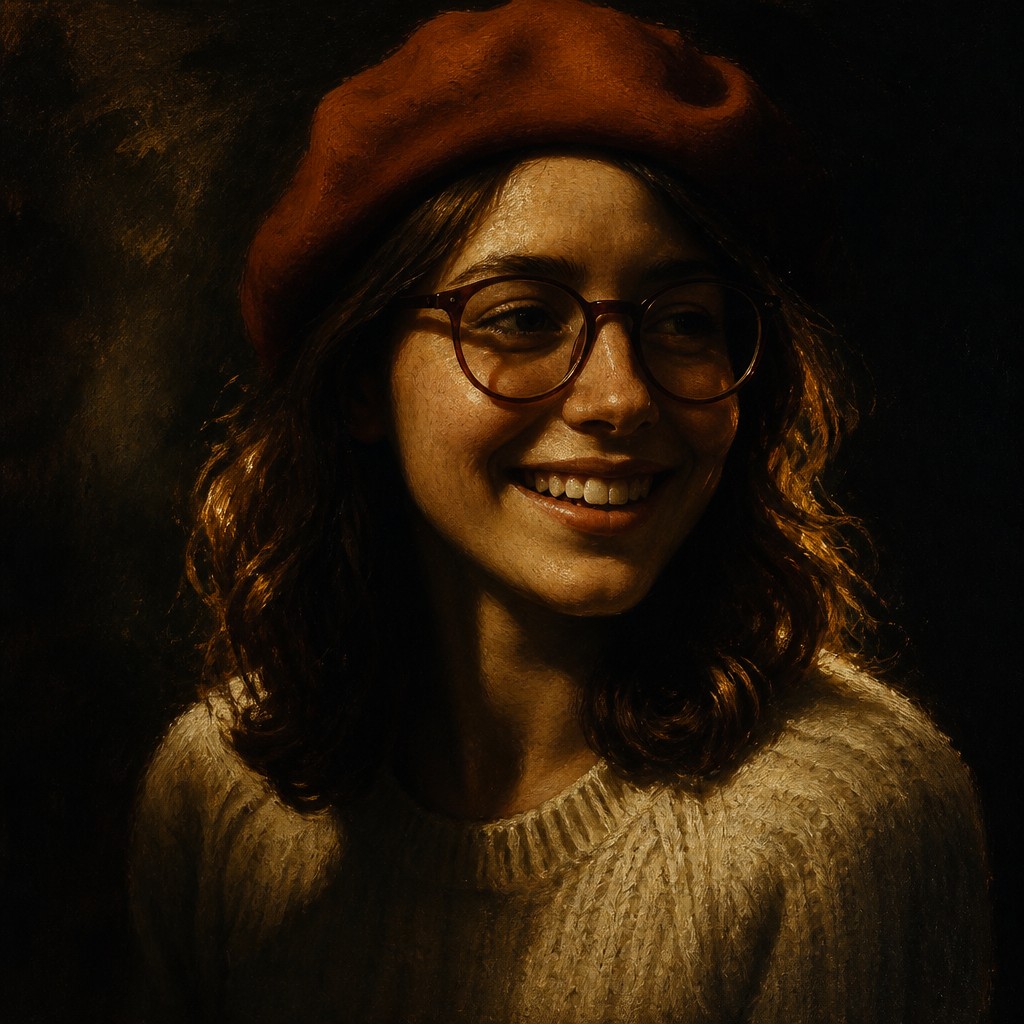

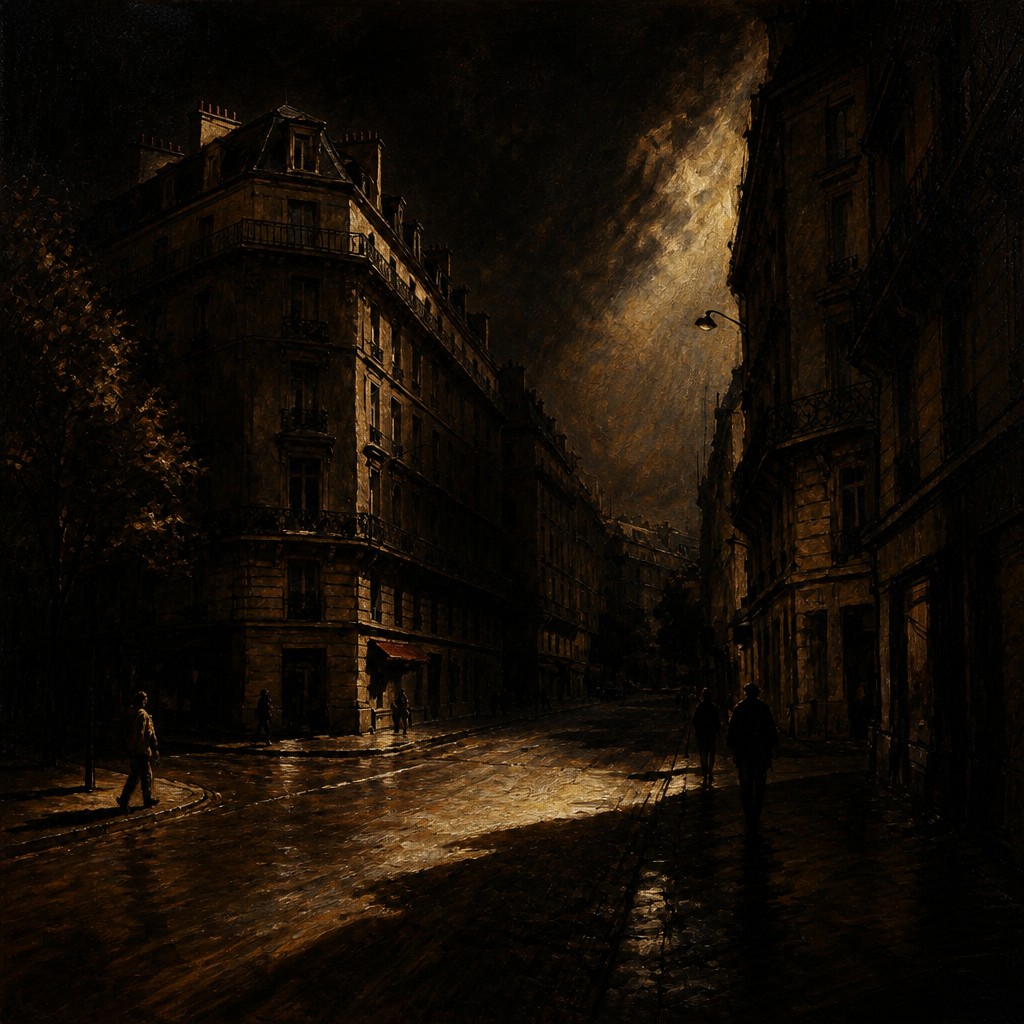

What Defines Caravaggio Realism Baroque Art Style
The signature details, up close
Extreme tenebrism
A powerful single light source emerges from near-black shadow, creating abrupt contrast and a stage-like sense of revelation. The darkness is not decorative; it is structural, enclosing the figures and intensifying the narrative.
Unidealized naturalism
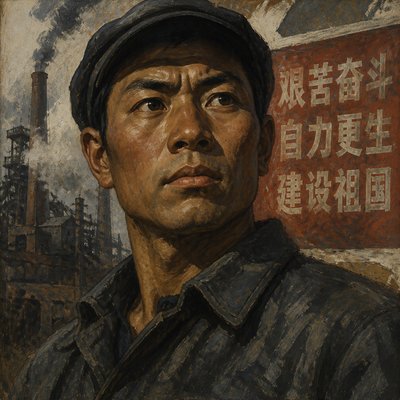
Faces and bodies are observed as they are, not smoothed into classical perfection. Wrinkles, blemishes, fatigue, and awkward physicality are retained because they make the scene feel truthful.
Earth-toned palette
Burnt umber, raw sienna, ochre, and muted flesh tones dominate the image, with deep reds or crimson used sparingly for emphasis. The palette tends toward warmth inside shadow rather than bright chromatic variety.
Gritty sacred drama
Biblical or allegorical subjects are staged with the emotional tone of an ordinary street encounter. The holiness comes through action, gesture, and light, not through decorative grandeur.
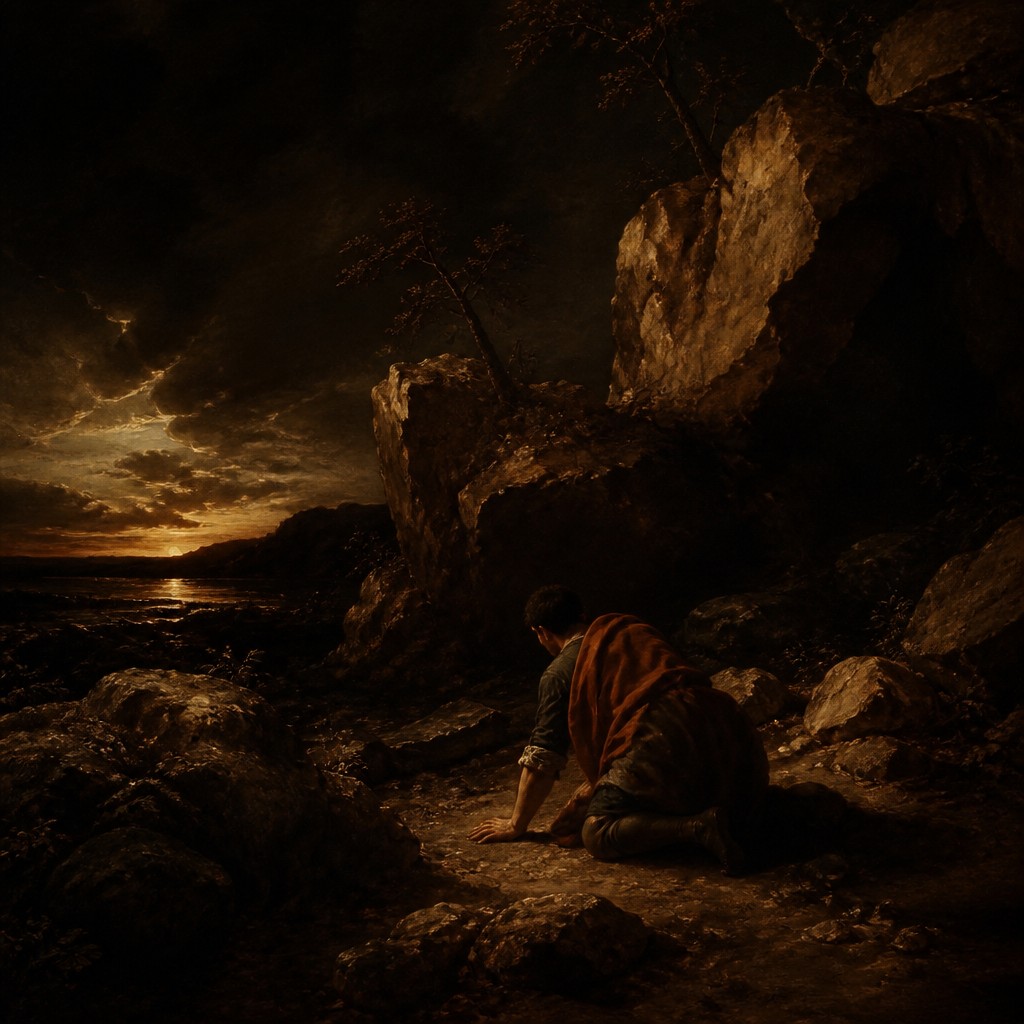
Tactile surfaces
Fabric, skin, metal, and wood are rendered with physical specificity. Highlights sit on edges and protrusions, giving the painting a sense of touch and weight.
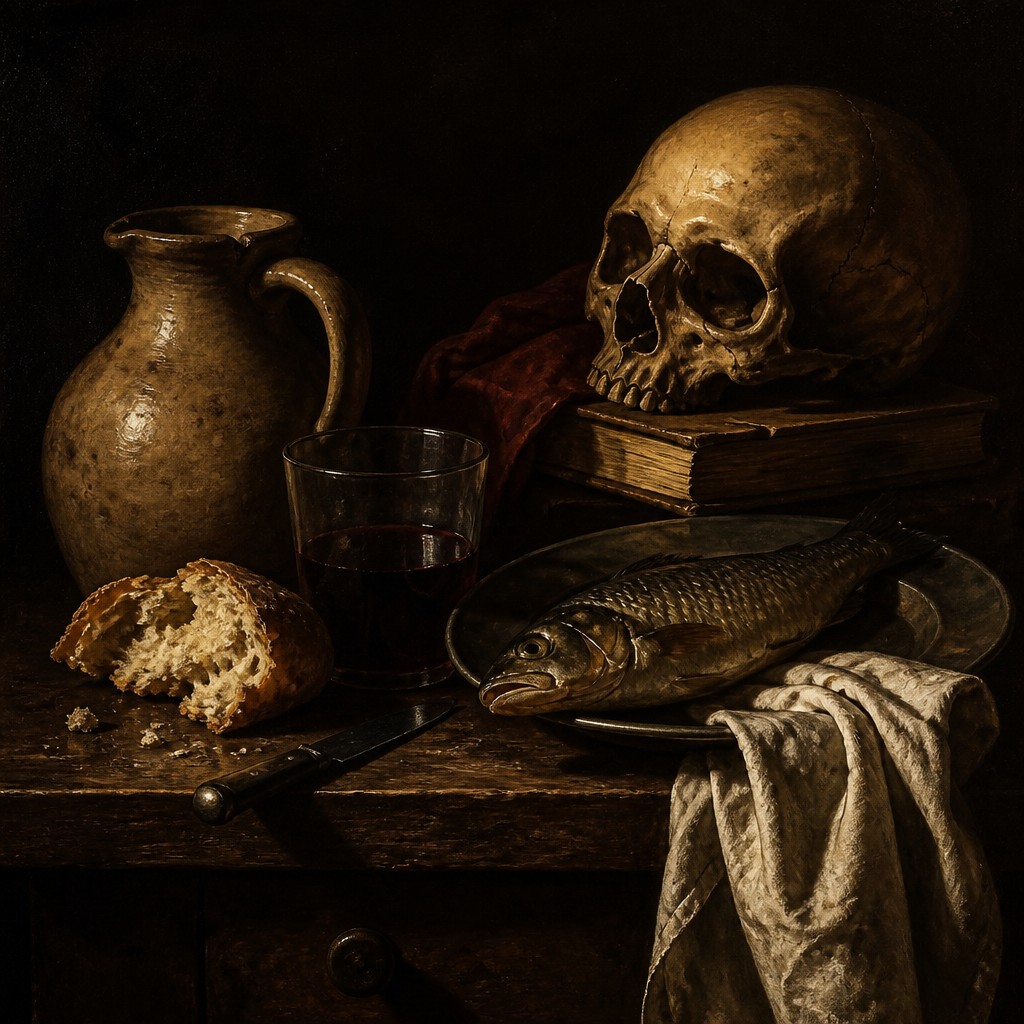
Arrested motion and psychological tension
Figures are often caught mid-gesture, as if the moment has been frozen at maximum dramatic force. Expressions are controlled and concentrated, producing a feeling of inward conflict rather than melodrama.
Try It
Create Videos in Caravaggio Realism Baroque Art Style
Styles aren't just for stills — describe a scene or animate an image and get a short video rendered in Caravaggio Realism Baroque. Press play to see this pond come to life.
Make a VideoCaravaggio Realism Baroque Prompt Ideas
Start from an idea — each one opens the generator with the style ready to go. See all 40 Caravaggio Realism Baroque prompts →
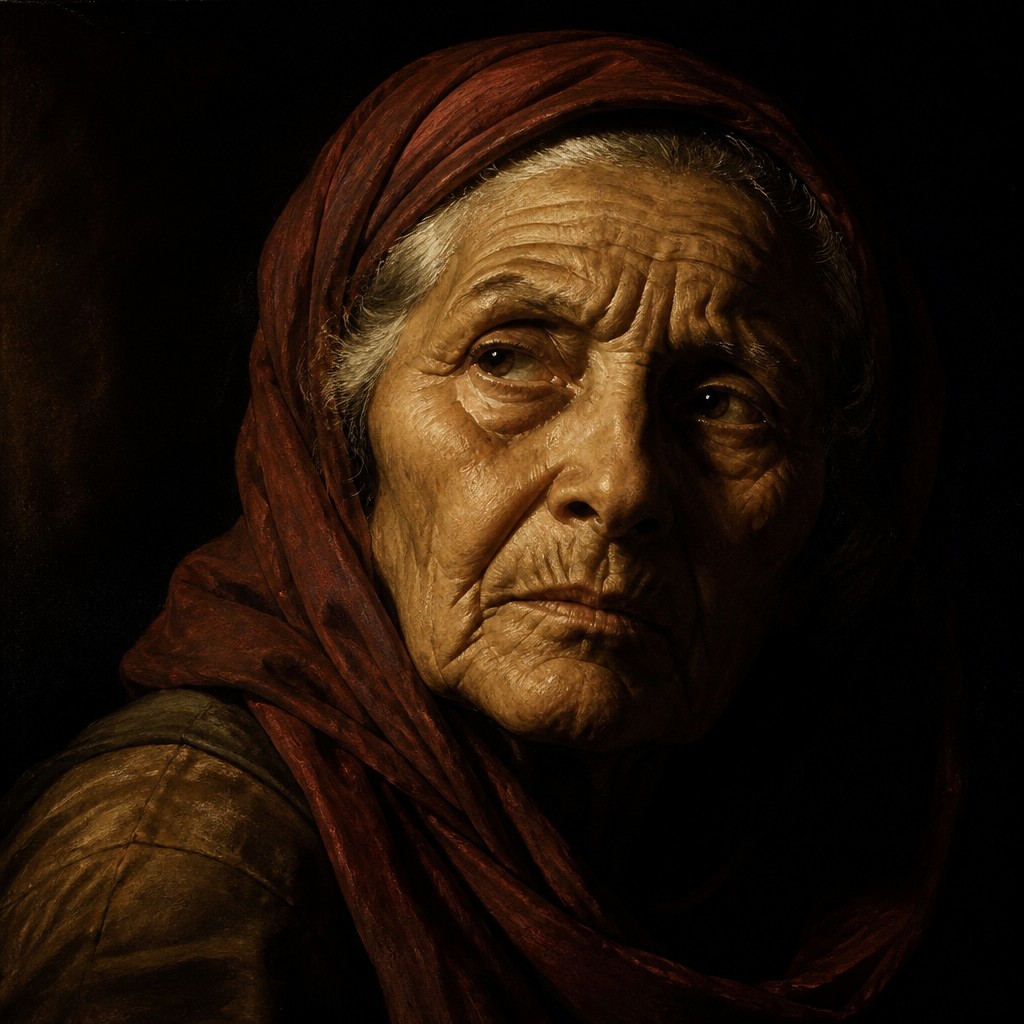
“close-up portrait of an elderly person with expressive weathered features”
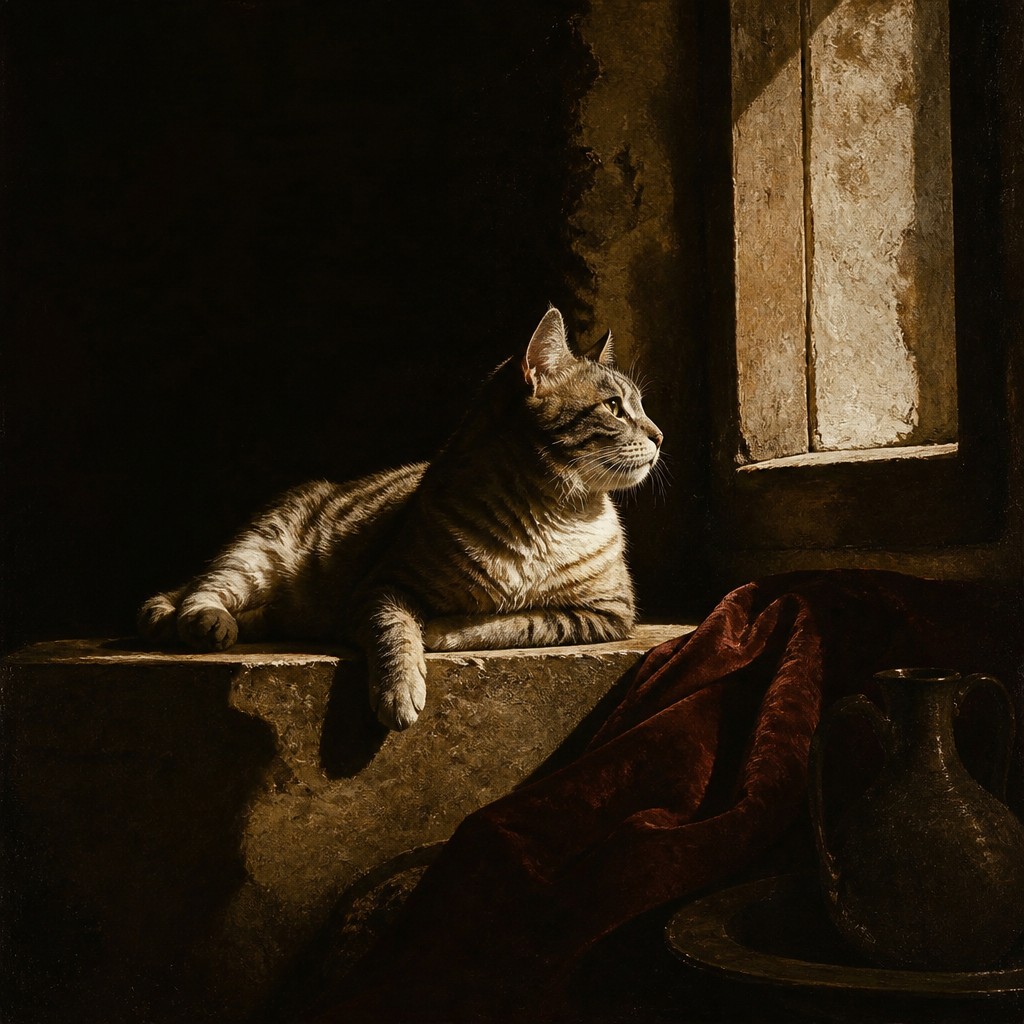
“a cat lounging in a sunlit window”
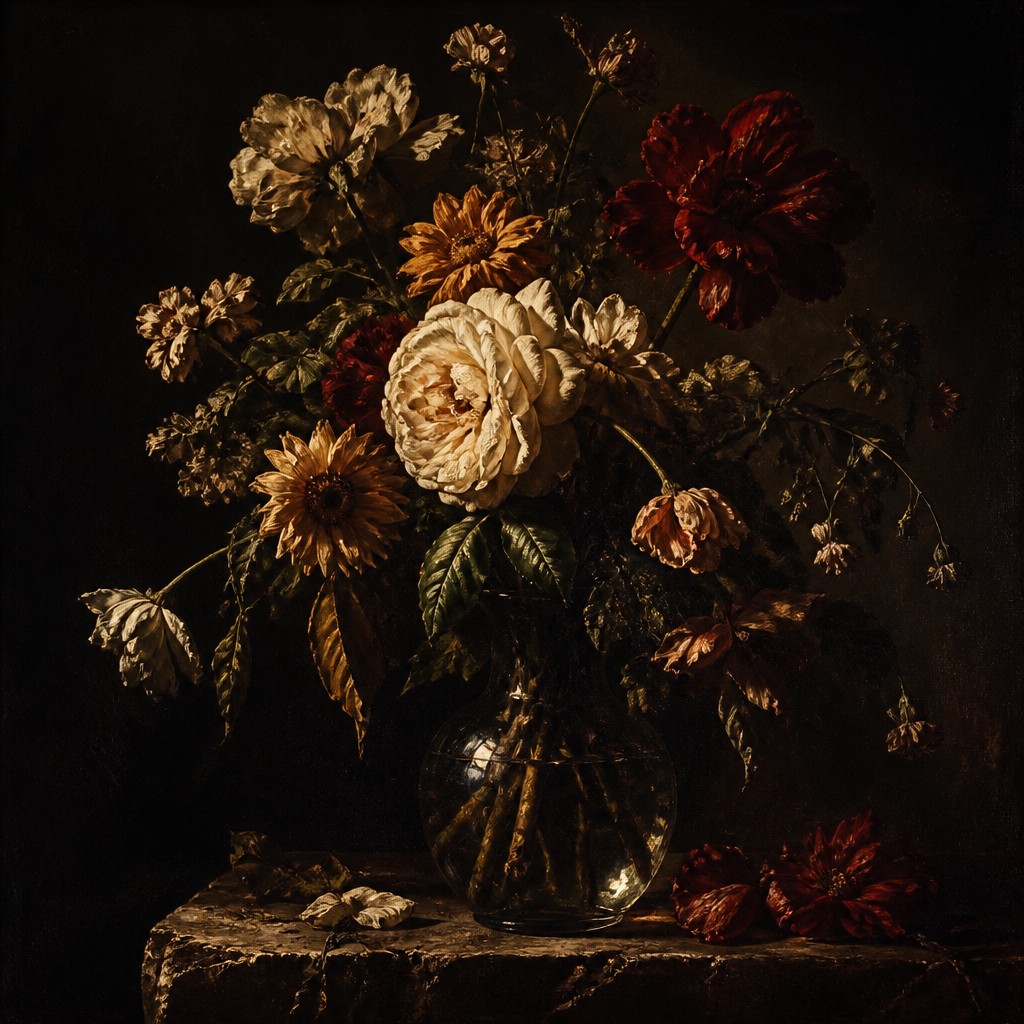
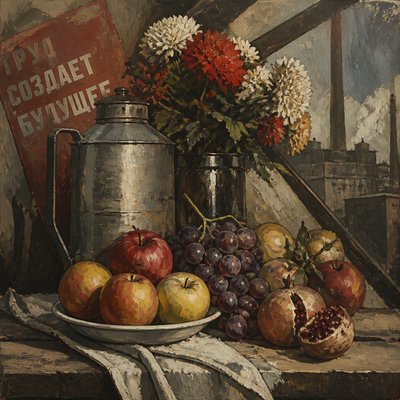
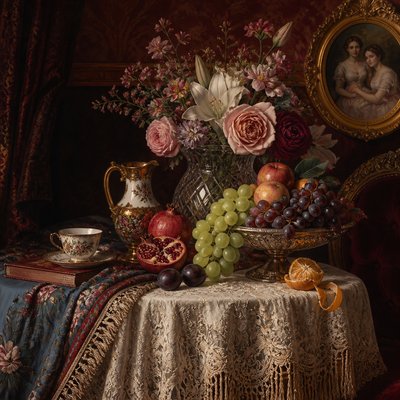
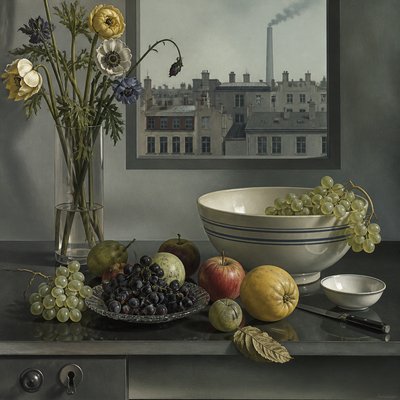
“bouquet of flowers in a glass vase”
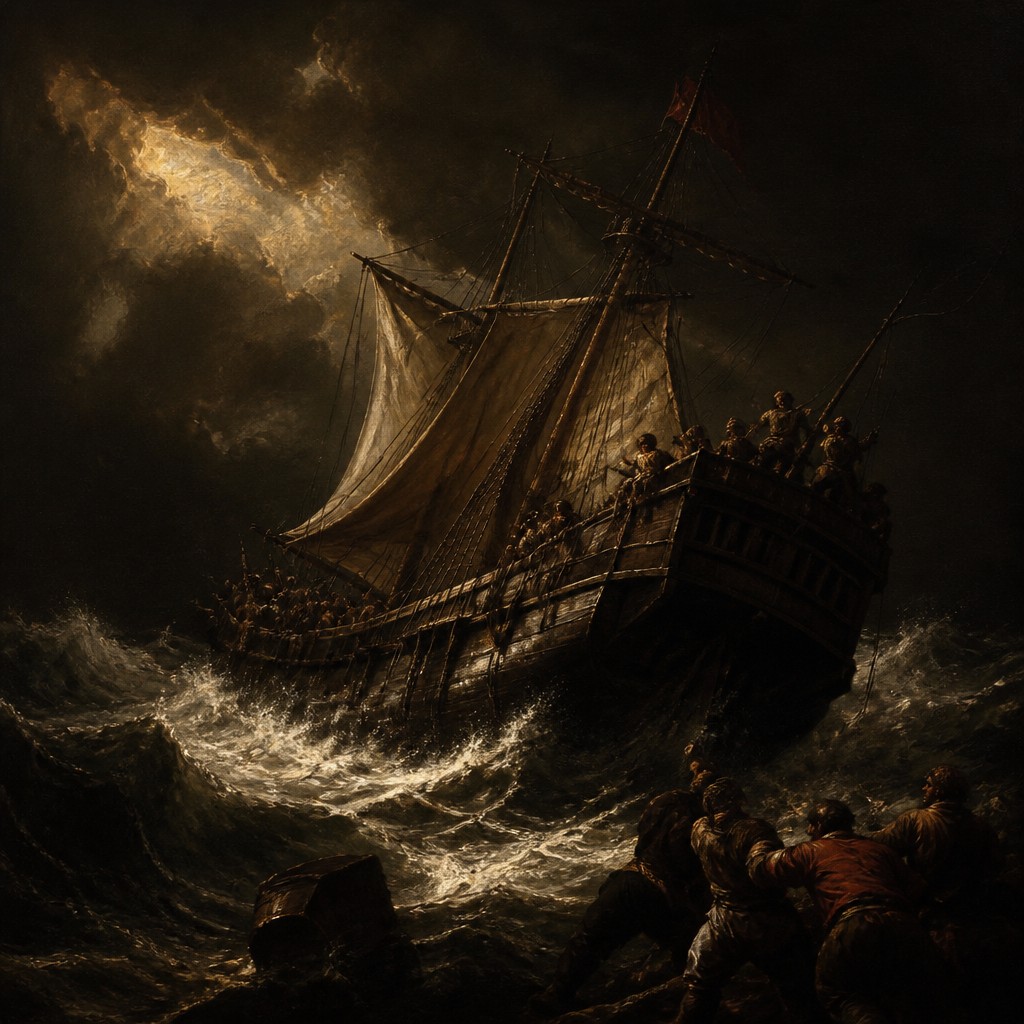
“sailing ship on a stormy sea”
How to Create Caravaggio Realism Baroque Art
Master the craft step by step — or skip straight to creating. Read the full guide →
- 1
Build the composition around one light source
Place the main subject against a very dark ground and light it from one side or slightly above to produce deep shadow and sharp modeling. In paint, start with a tonal underpainting; in digital work, block in the darks first and reserve highlights for faces, hands, and key objects.
- 2
Use ordinary models and believable posture
Choose poses that feel physically lived-in rather than elegant or posed for display. Emphasize weight, fatigue, asymmetry, and real clothing folds so the scene reads as observed from life.
- 3
Keep textures honest
Render skin, cloth, and worn surfaces with visible imperfections and varied brush handling. Avoid overpolished blending; a controlled roughness helps the image retain its Caravaggesque directness.
- 4
Restrict the palette
Limit colors to warm browns, ochres, muted earth reds, and restrained flesh tones, then use bright accents only where the light strikes hardest. This creates the dense, old-master atmosphere associated with the style.
- 5
Design the prompt around immediacy
For text-to-image generation, describe a specific subject, strong chiaroscuro, raw realism, and a dark interior or night setting. Add details such as dirty feet, worn fabrics, candlelight, or a single beam of light to push the result toward the style’s historical character.
- 6
Balance drama with restraint
Whether painting digitally or traditionally, keep gestures precise and avoid excess movement in the composition. The power of this style comes from concentrated emotional pressure, not from crowding the frame with action.

The Story
History & Origins of Caravaggio Realism Baroque
The style derives primarily from the groundbreaking painting of an influential early Baroque master, whose innovations reshaped early Baroque painting in Rome and beyond. He rejected idealized mannerism in favor of direct observation, high contrast lighting, and models drawn from ordinary life, and his approach strongly influenced the generation of painters sometimes called the Caravaggisti, including major courtly, religious, and genre-oriented Baroque painters active across Italy, Spain, France, and the Netherlands.
Its broader lineage includes Counter-Reformation religious art, Lombard naturalism, and the theatrical visual rhetoric of the Baroque. Modern interest in the style often focuses on its combination of realism and drama: it feels contemporary because it treats sacred events as bodily, believable encounters rather than distant icons, making the viewer confront the scene almost as if it were unfolding in a darkened room.
Influences: This style is closely related to the painting of its original pioneers and to the broader Caravaggisti tradition, along with Baroque tenebrism and Counter-Reformation religious imagery. It also overlaps with Lombard realism and with later painters who valued dramatic darkness and direct observation, including leading Spanish, French, Italian, and Dutch Baroque naturalists; modern viewers often compare its realism to cinematic lighting because both rely on controlled shadow and selective illumination.

Frequently Asked Questions
What defines Caravaggio Realism Baroque art style?
It is defined by stark light-and-dark contrast, ordinary-looking figures, and emotionally intense storytelling. The style makes religious or historical scenes feel physically immediate rather than idealized or decorative.
Is this the same as chiaroscuro?
Not exactly. Chiaroscuro refers broadly to the modeling of form through light and shadow, while this style specifically emphasizes dramatic tenebrism, naturalism, and street-level realism. Chiaroscuro can appear in many periods, but this style has a distinctly early Baroque, Caravaggesque character.
How does it differ from general Baroque art?
Baroque art can be grand, ornate, and highly theatrical, whereas this style is usually more austere and direct. It uses dramatic lighting, but the emphasis is on believable bodies, modest settings, and psychological intensity rather than decorative opulence.
What subjects work best in this style?
Biblical scenes, saints, martyrs, card players, musicians, beggars, and intimate domestic dramas are especially effective. Any subject that benefits from moral tension, bodily presence, or a single source of light will suit the style well.
How can I make a photo look like this style?
Use a dark background, a single strong side light, and subjects with expressive faces or hands. Increase contrast, mute the colors toward earth tones, and preserve realistic skin texture and fabric detail so the image does not become overly glossy or theatrical in a modern fashion sense.
Why do so many Caravaggio-like images look religious?
The style’s most influential works were religious, and its innovations were developed within Counter-Reformation painting. The style’s dramatic lighting and human realism naturally suit sacred subjects because they turn doctrine into a visible, emotionally charged event.
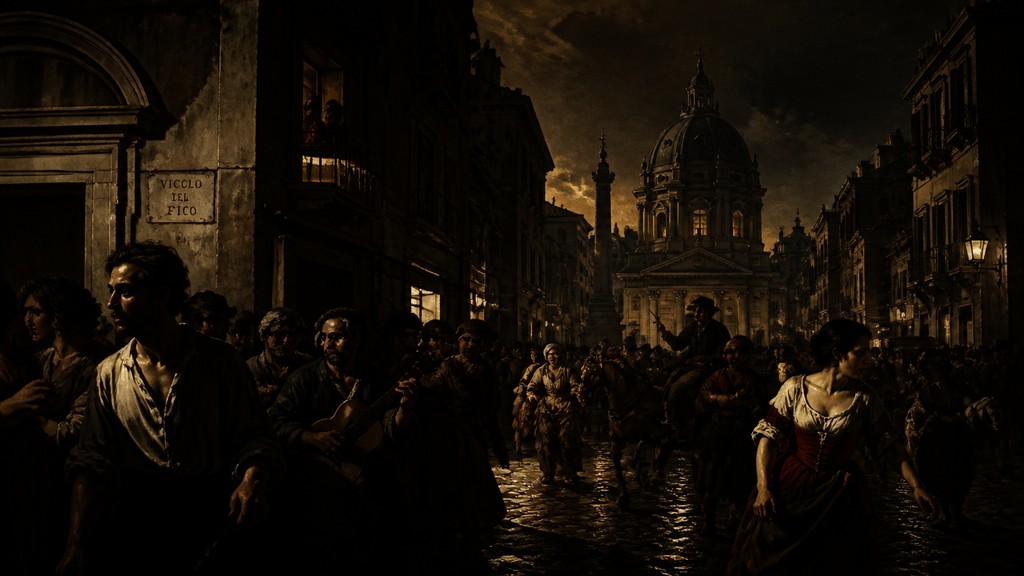
Create your first Caravaggio Realism Baroque artwork
Describe anything — or upload a photo — and see it in Caravaggio Realism Baroque Art Style in seconds.
Make Something with Caravaggio Realism Baroque
Related Styles
Discover similar art styles