Belgian Art Style
Explore Belgian Art Style: Flemish precision, quiet interiors, silver skies, jewel-toned color, and surreal details in ordinary life.
Instantly rendered in Belgian — or transform a photo
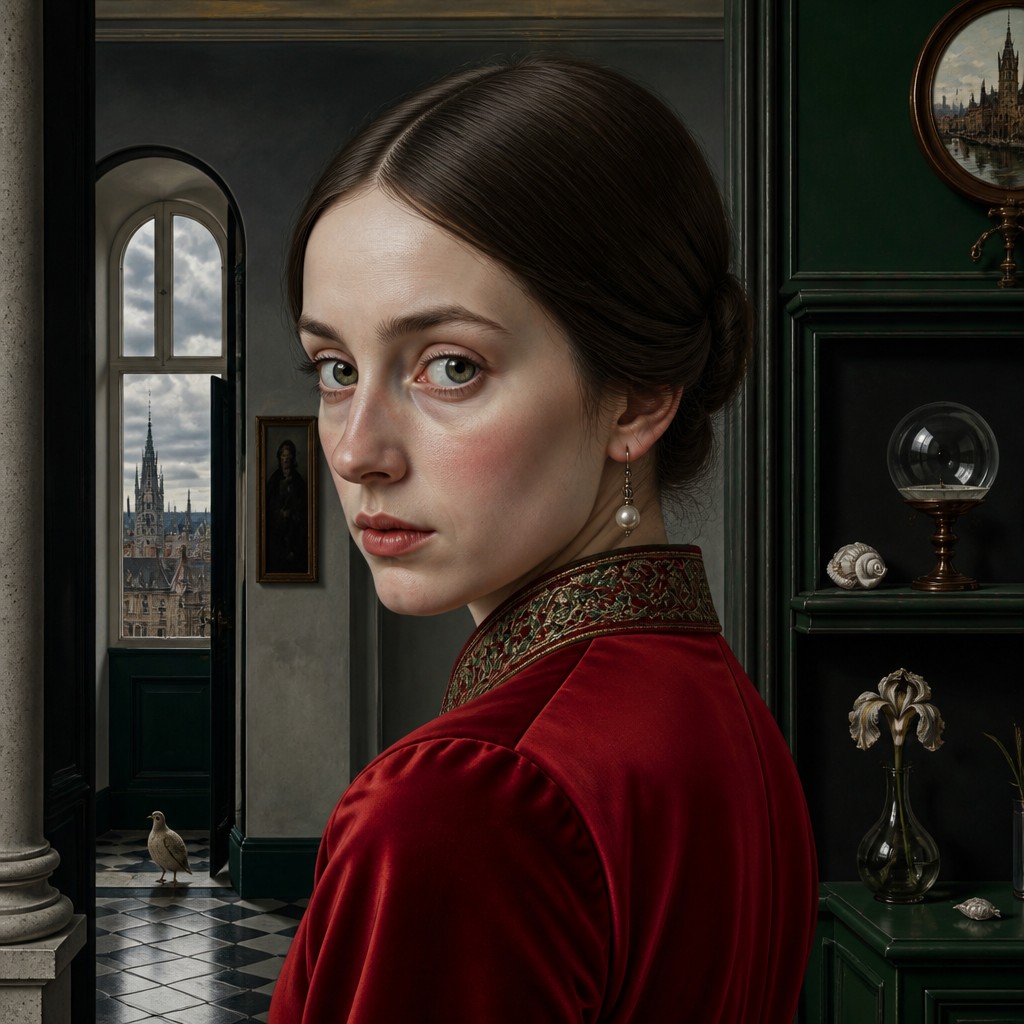
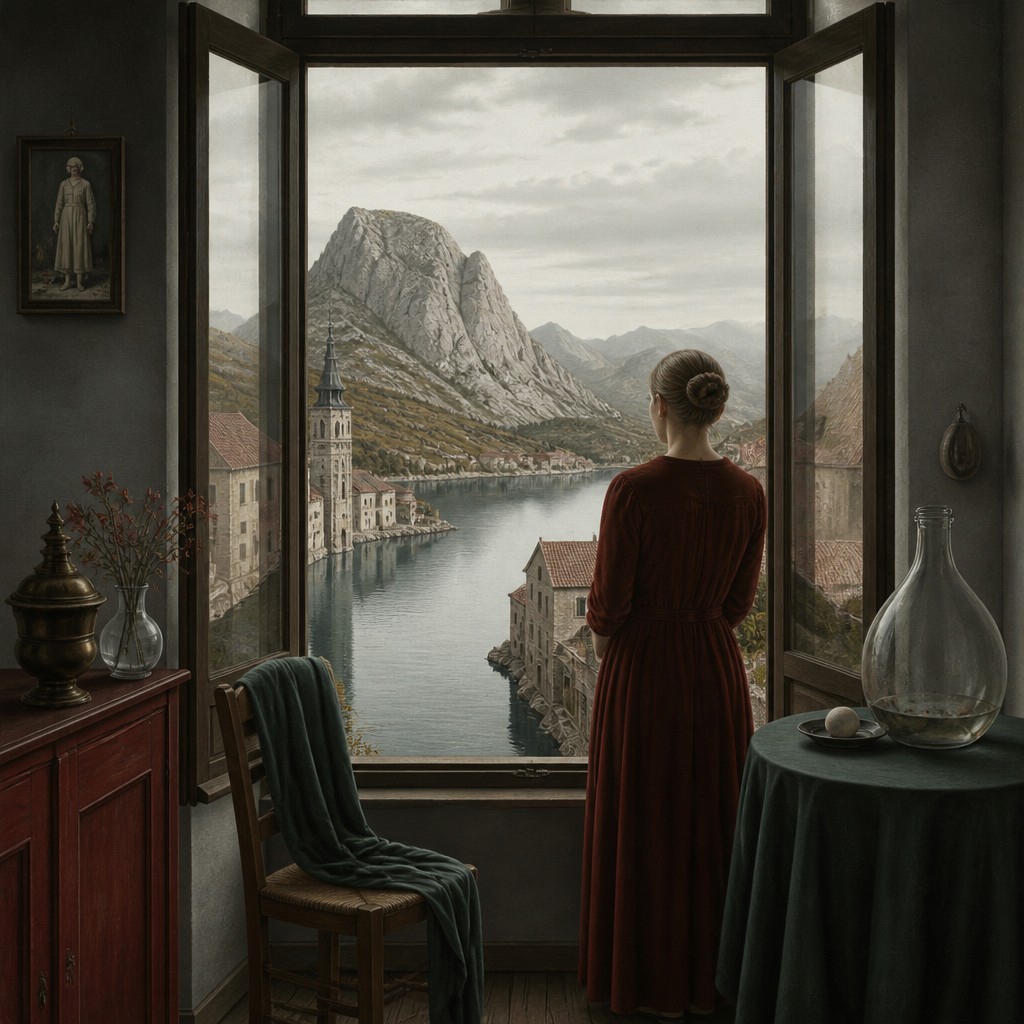
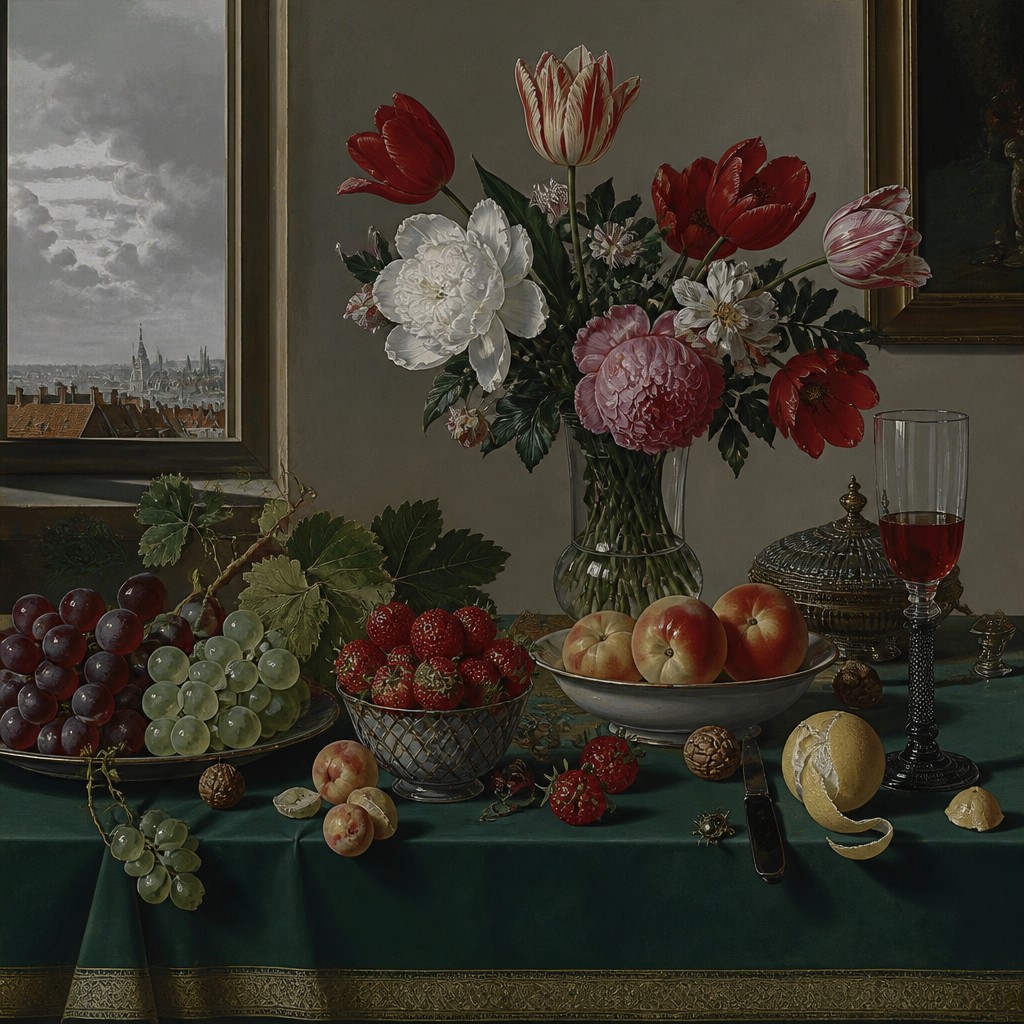
Belgian Gallery
Tap any artwork to explore it
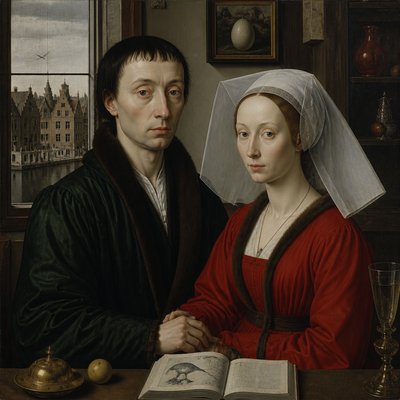
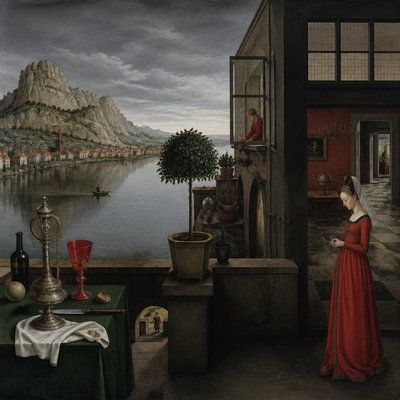
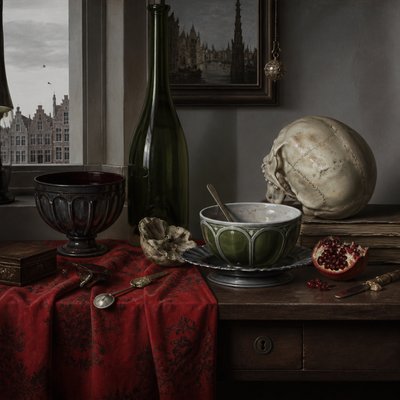
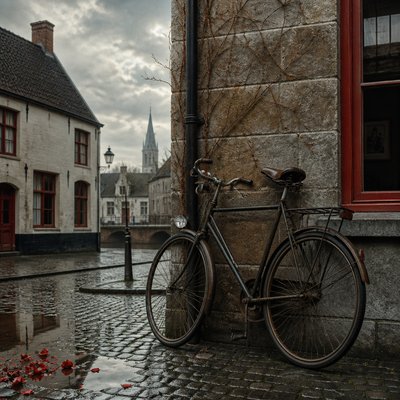
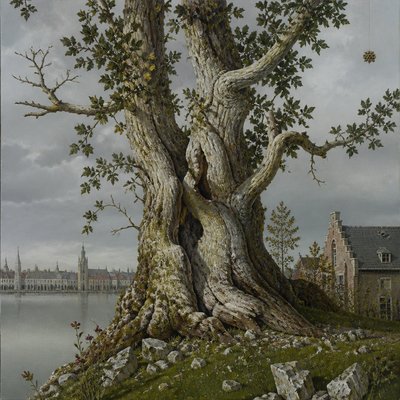
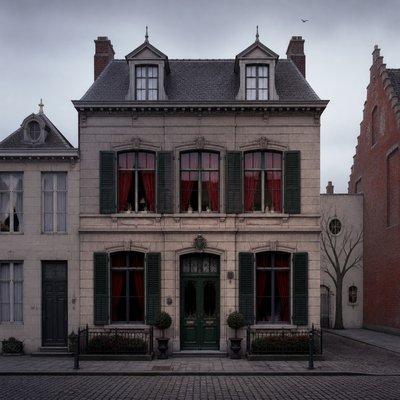
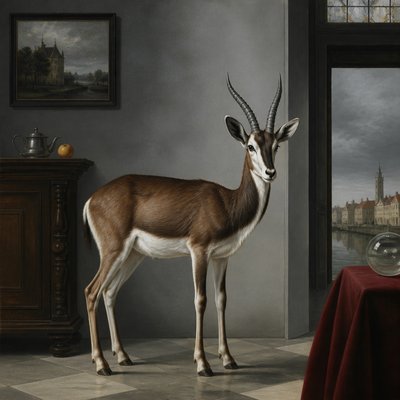
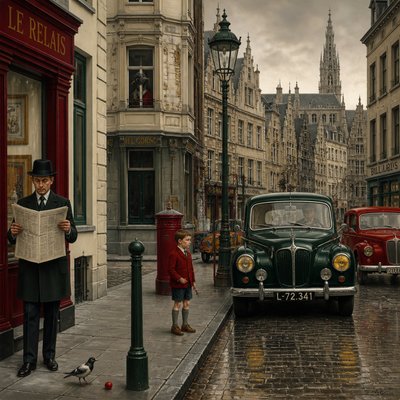
What is Belgian Art Style?
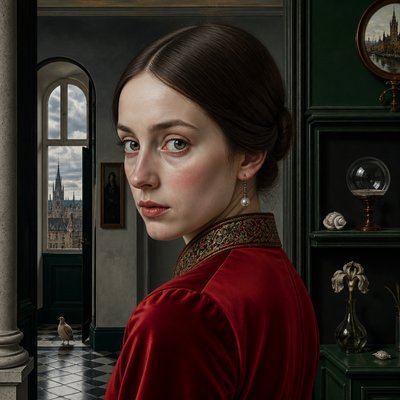
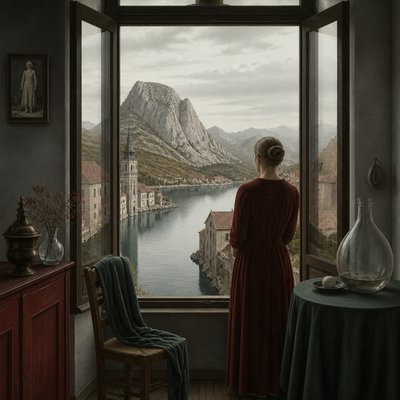
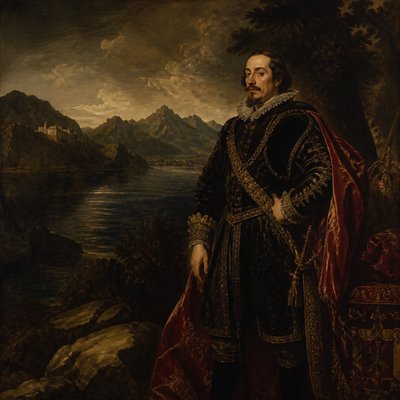
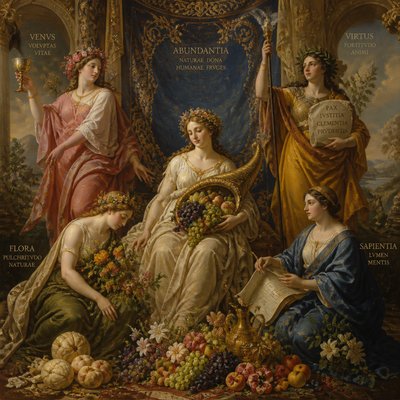
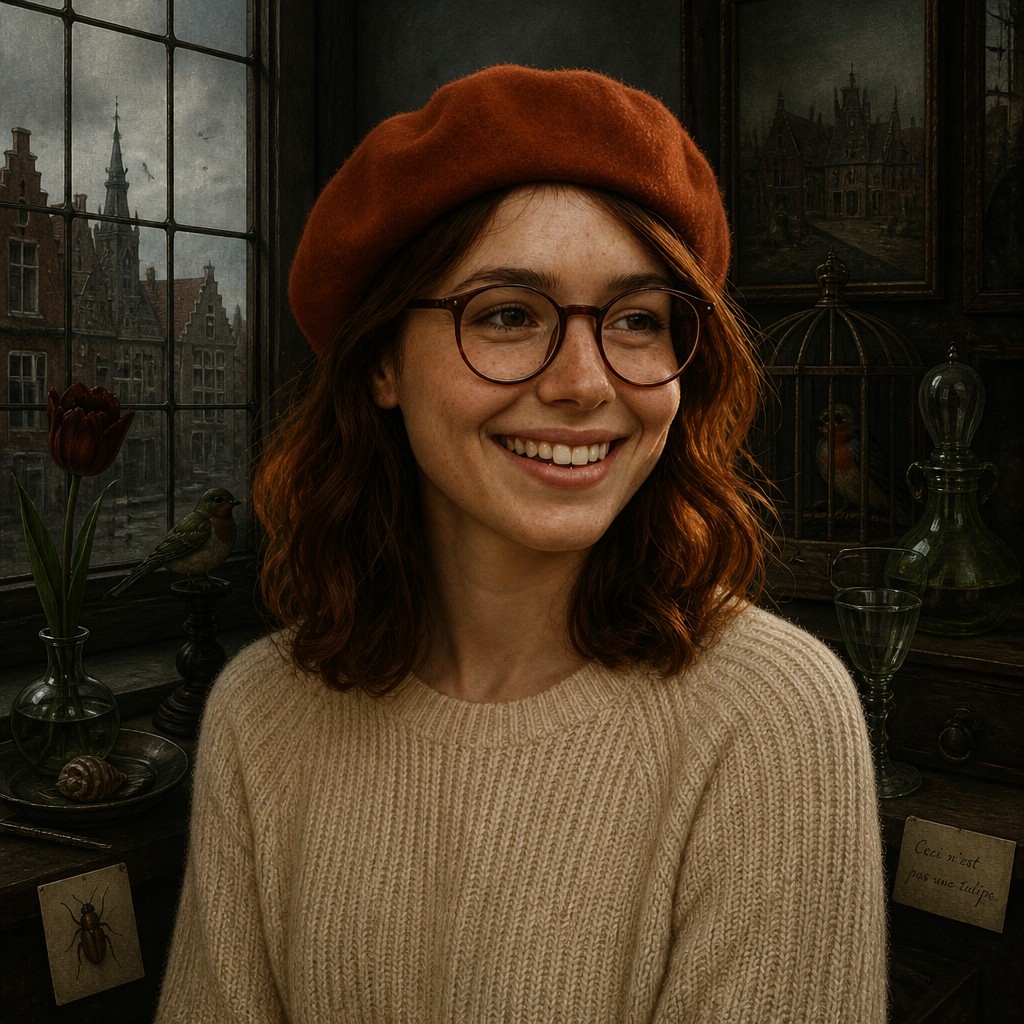
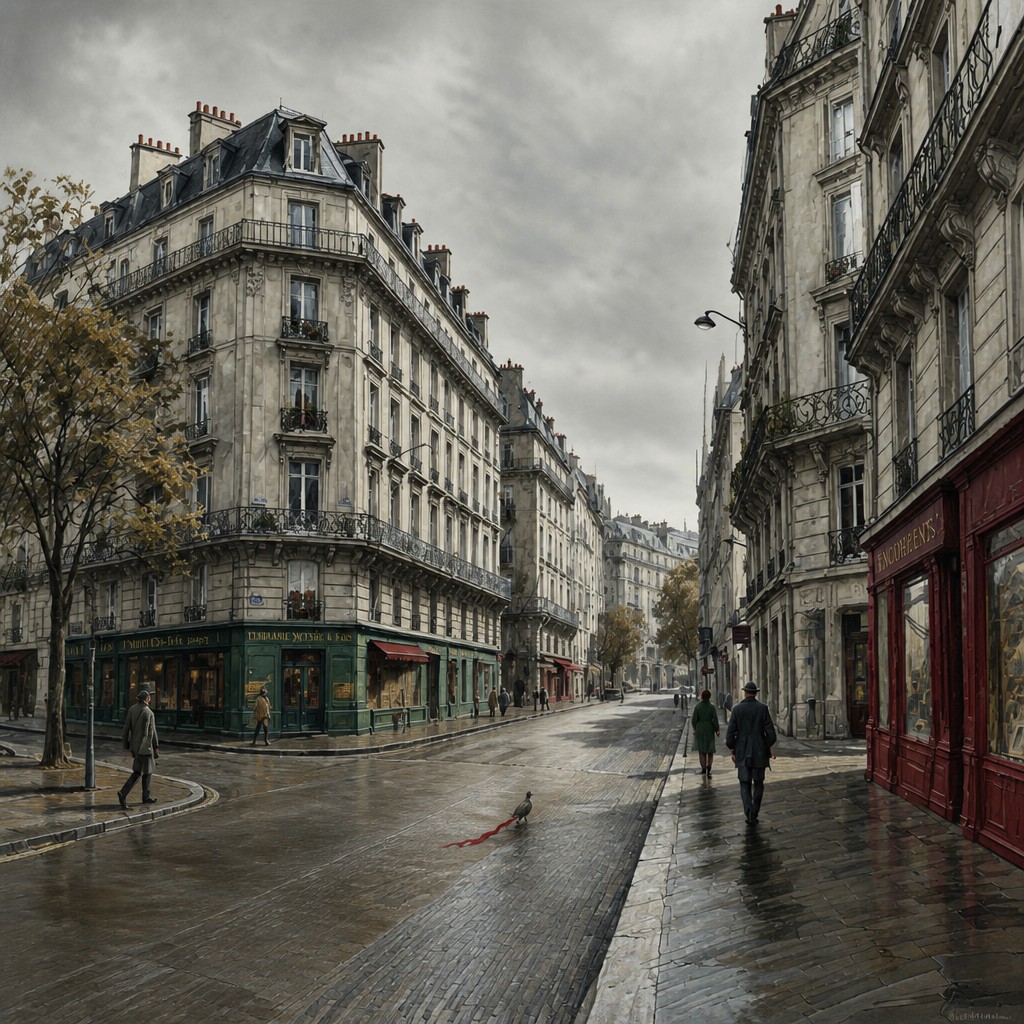
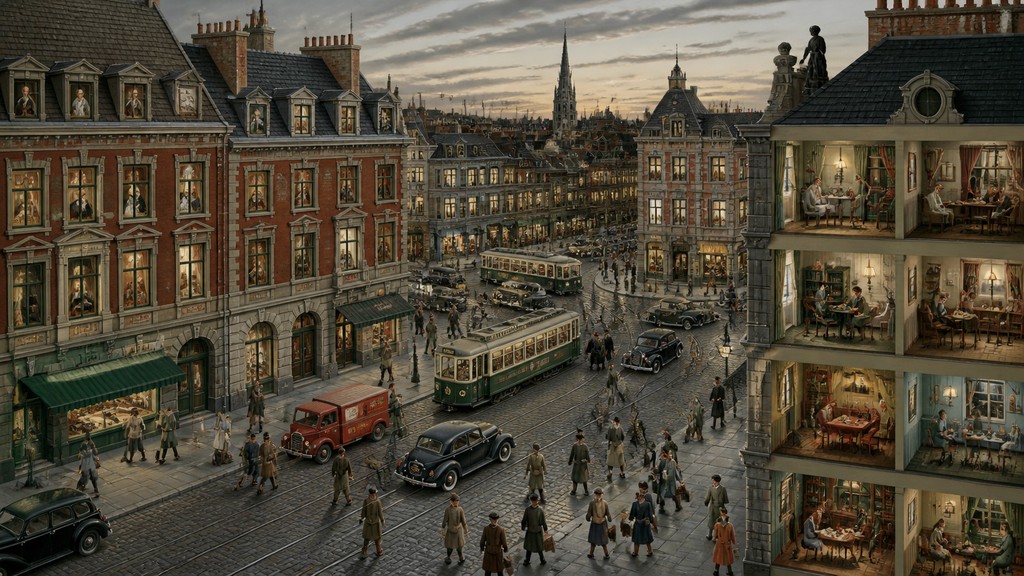
Belgian Art Style is a contemporary, descriptive aesthetic rather than a formally recognized historical movement. It combines the exacting surface detail associated with Flemish painting traditions and Northern European realism with the quiet unease of Surrealism, Symbolism, and magical realism. Its subjects are often familiar: a townhouse room, a dining table, a street after rain, or a solitary figure beneath an overcast sky. The strangeness emerges through small deviations in scale, placement, reflection, or meaning.
The visual identity depends on controlled observation rather than spectacle. Enamel-smooth surfaces, microscopic textures, stone-grey atmosphere, and carefully modeled light create a world that feels solid and believable, while deep reds, bottle greens, and muted metallic tones provide emotional pressure. Ordinary objects become psychologically charged through stillness, repetition, unexpected pairings, or an unexplained detail that quietly disrupts the scene.
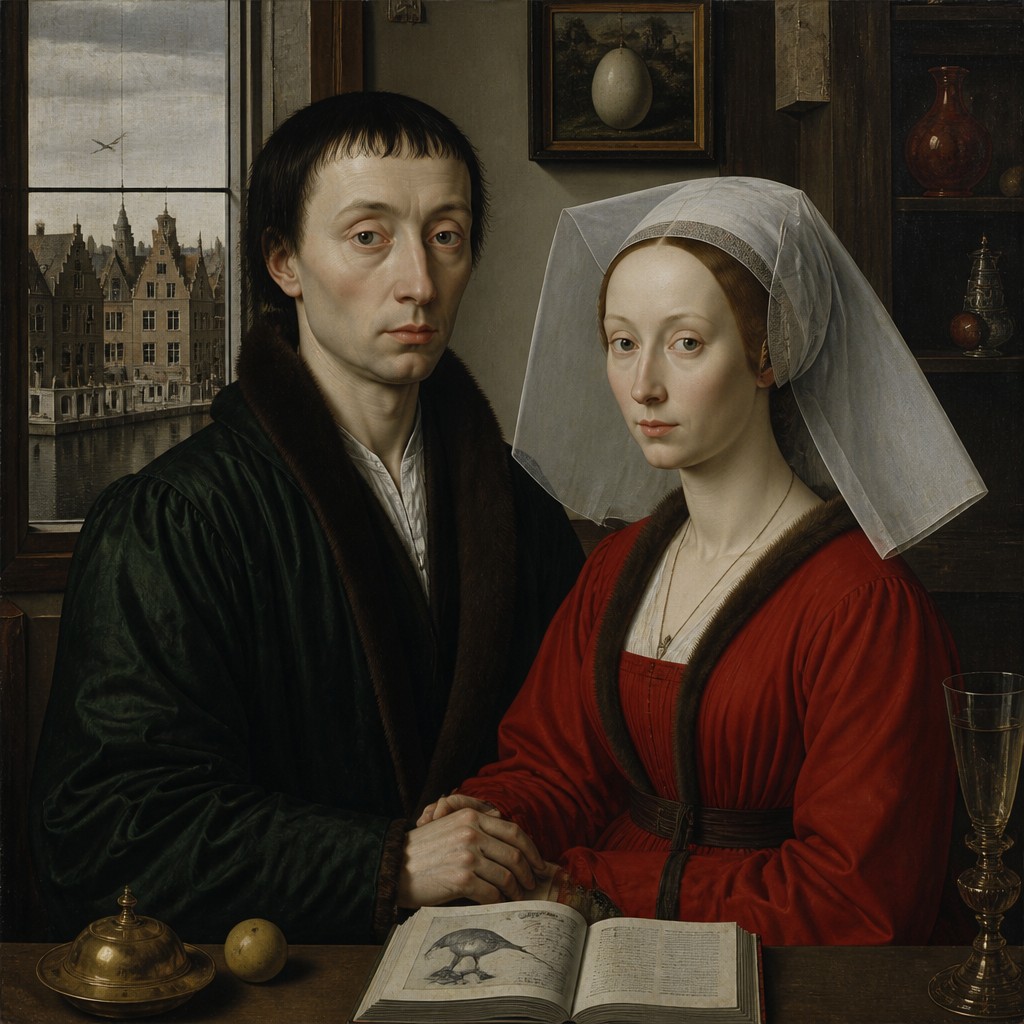
Try It On Your Photos
Upload any photo and convert it into Belgian Art Style — drag the sliders to compare before and after.


What Defines Belgian Art Style
The signature details, up close
Flemish surface precision
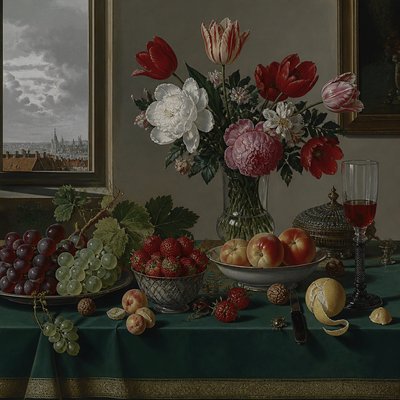
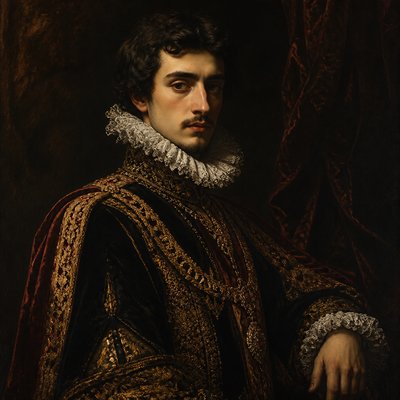
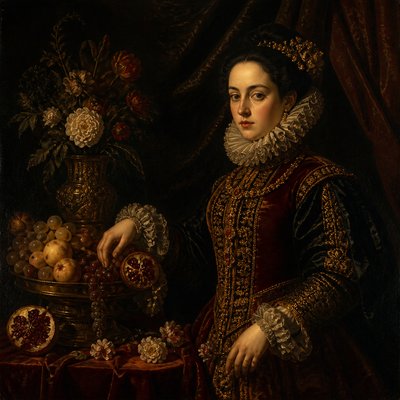
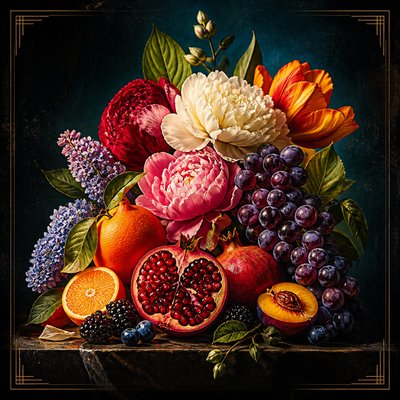
Objects are rendered with unusually clear edges, tactile materials, and finely observed textures. Wood grain, glazed ceramics, fabric, condensation, and worn stone receive nearly equal attention.
Quiet domestic interiors
Townhouses, narrow rooms, kitchens, stairwells, and dining spaces provide a recurring setting. These interiors are orderly and inhabitable, yet often contain a subtle visual or spatial irregularity.
Grey-silver atmosphere
Soft daylight, clouded skies, damp streets, and cool reflected light create a restrained Northern European mood. Shadows tend toward blue-grey, pewter, charcoal, or muted green rather than pure black.
Deep, controlled color
Bottle green, oxblood, burgundy, rust, and dark ochre are used as concentrated accents against stone, cream, slate, and silver-grey. Saturation is selective, giving the strongest colors symbolic and emotional weight.
Gentle everyday surrealism
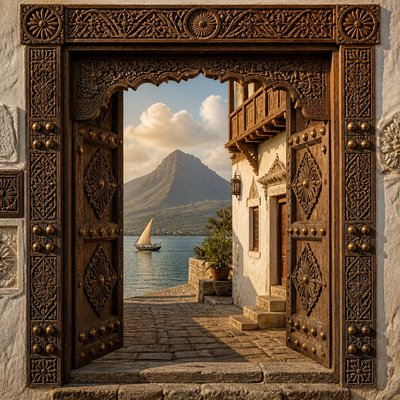
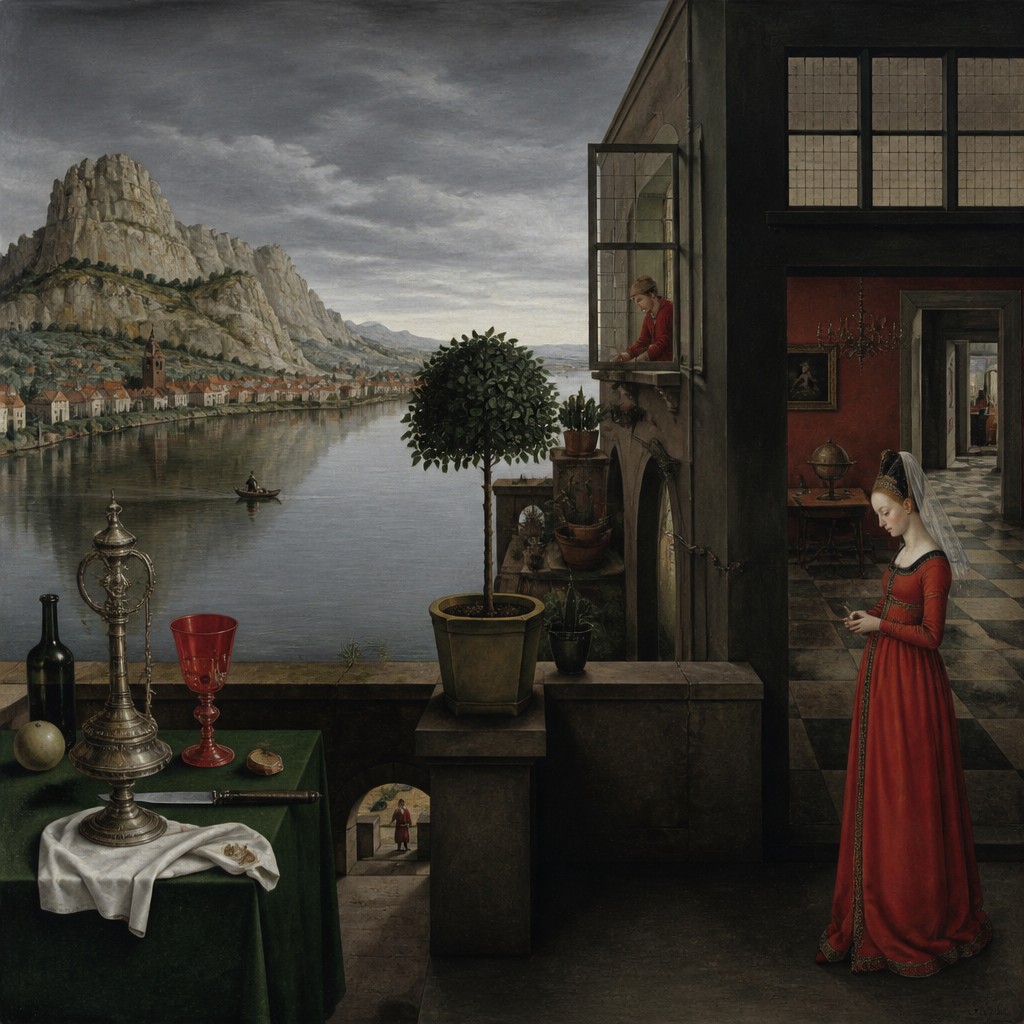
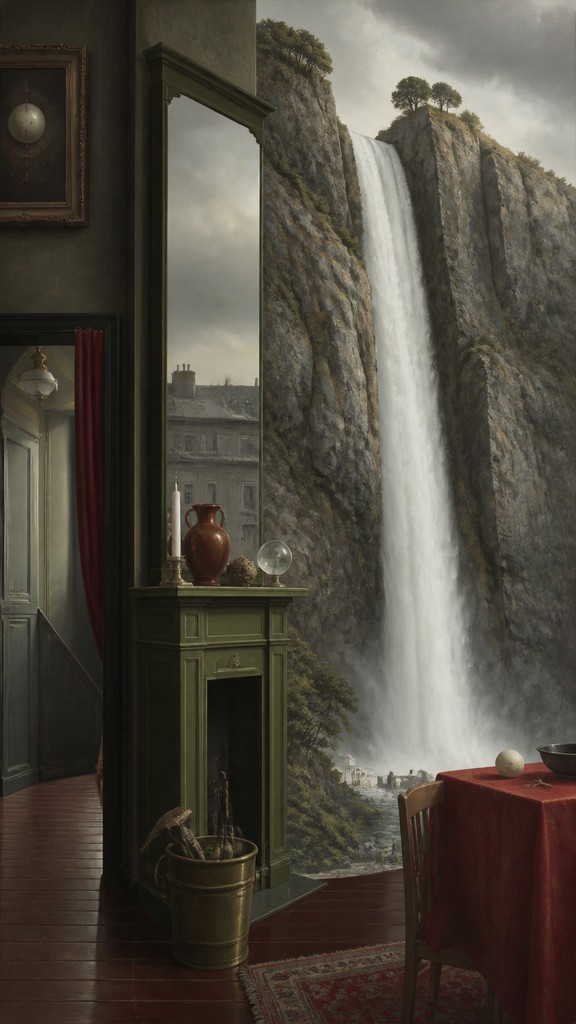
The uncanny appears through modest alterations rather than dramatic fantasy: a door opening onto impossible weather, a reflection that does not match its subject, or an oversized domestic object.
Enamel-smooth finish
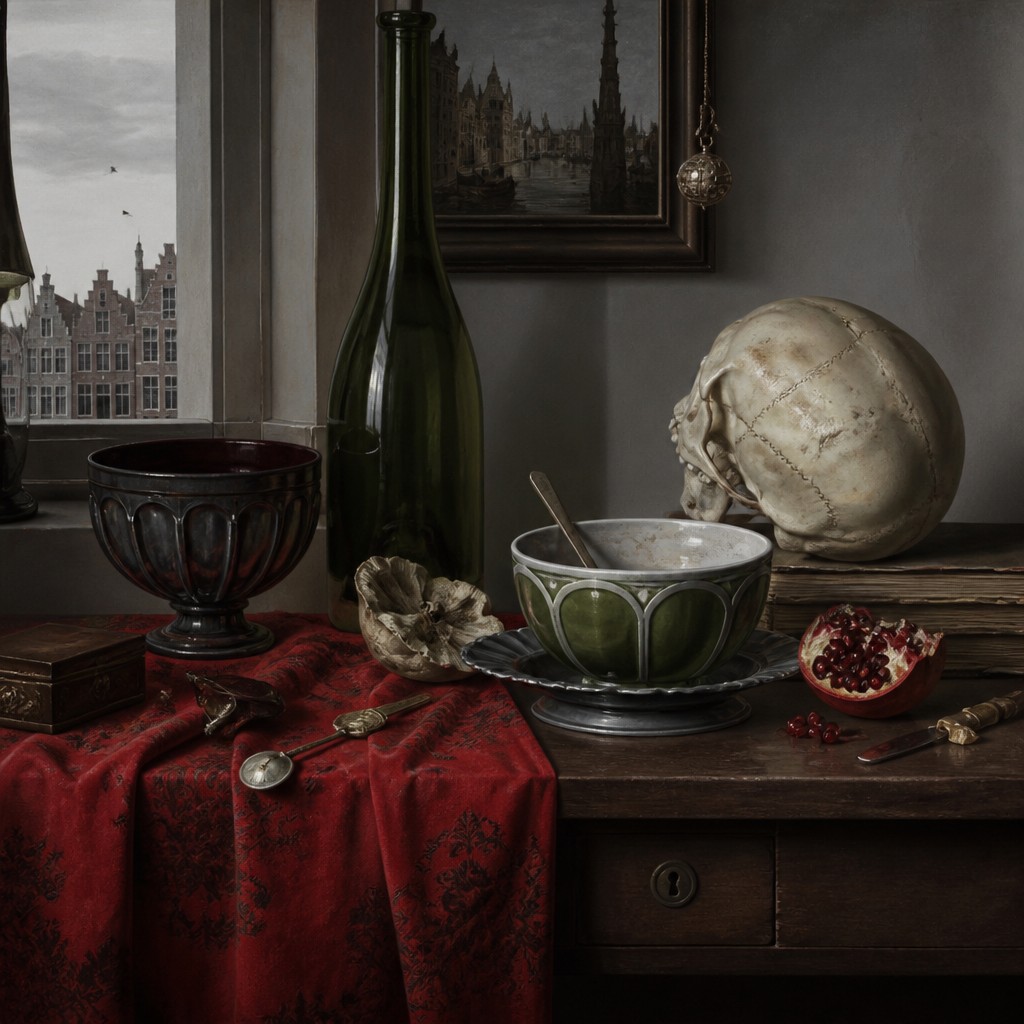
Surfaces often look polished, sealed, or thinly glazed, with smooth transitions between light and shadow. This finish can be achieved through layered paint, careful digital blending, or controlled photographic retouching.
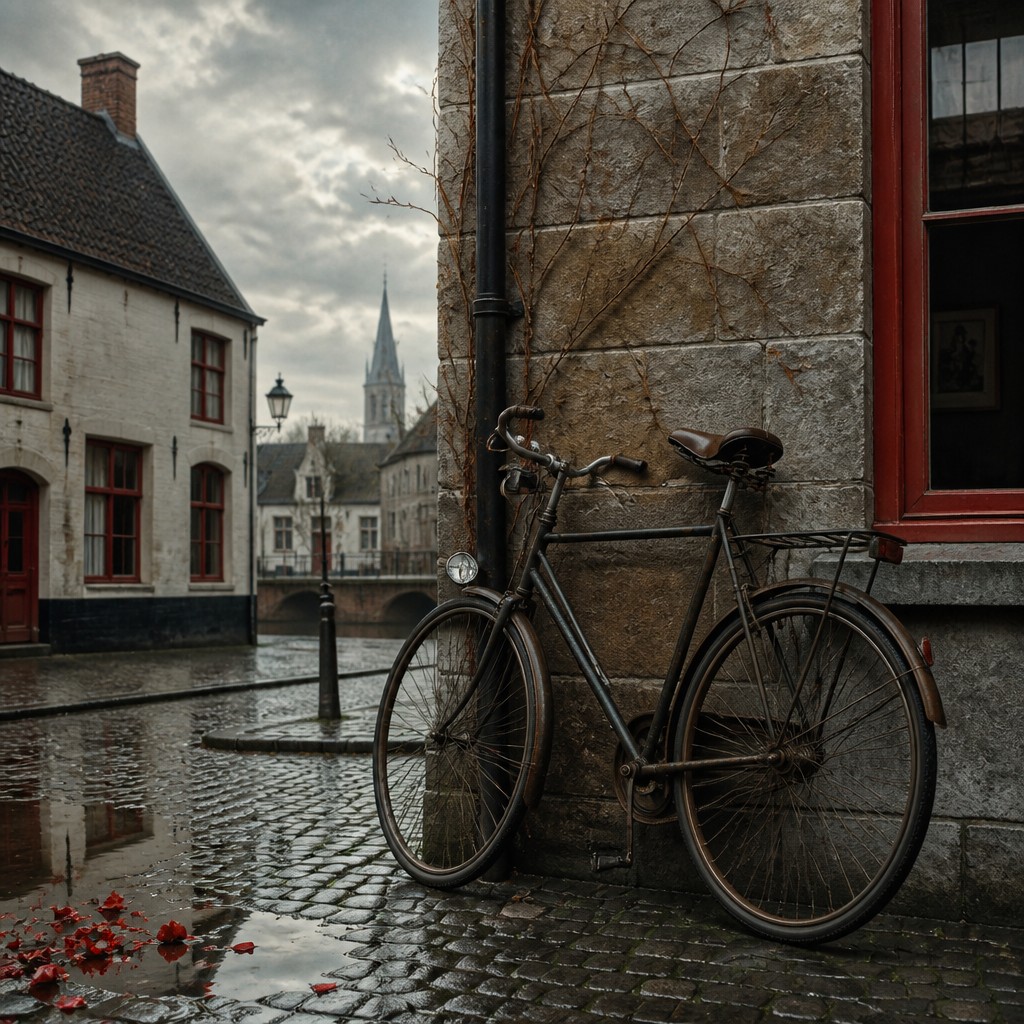
Composed stillness
Centered or deliberately balanced arrangements make the image feel like a carefully staged tableau. Sparse movement, restrained gestures, and ample negative space allow small anomalies to become visually important.
Try It
Create Videos in Belgian Art Style
Styles aren't just for stills — describe a scene or animate an image and get a short video rendered in Belgian. Press play to see this pond come to life.
Make a VideoBelgian Prompt Ideas
Start from an idea — each one opens the generator with the style ready to go. See all 40 Belgian prompts →
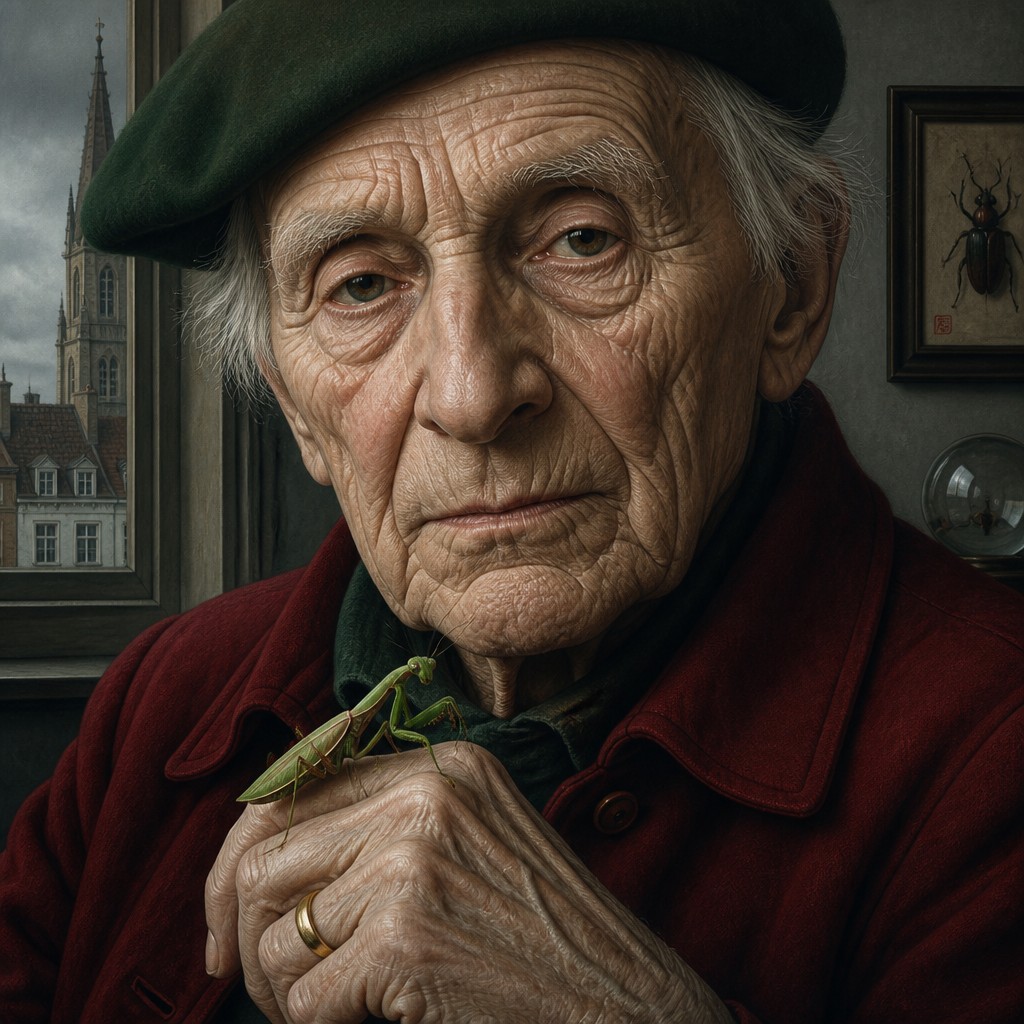
“close-up portrait of an elderly person with expressive weathered features”
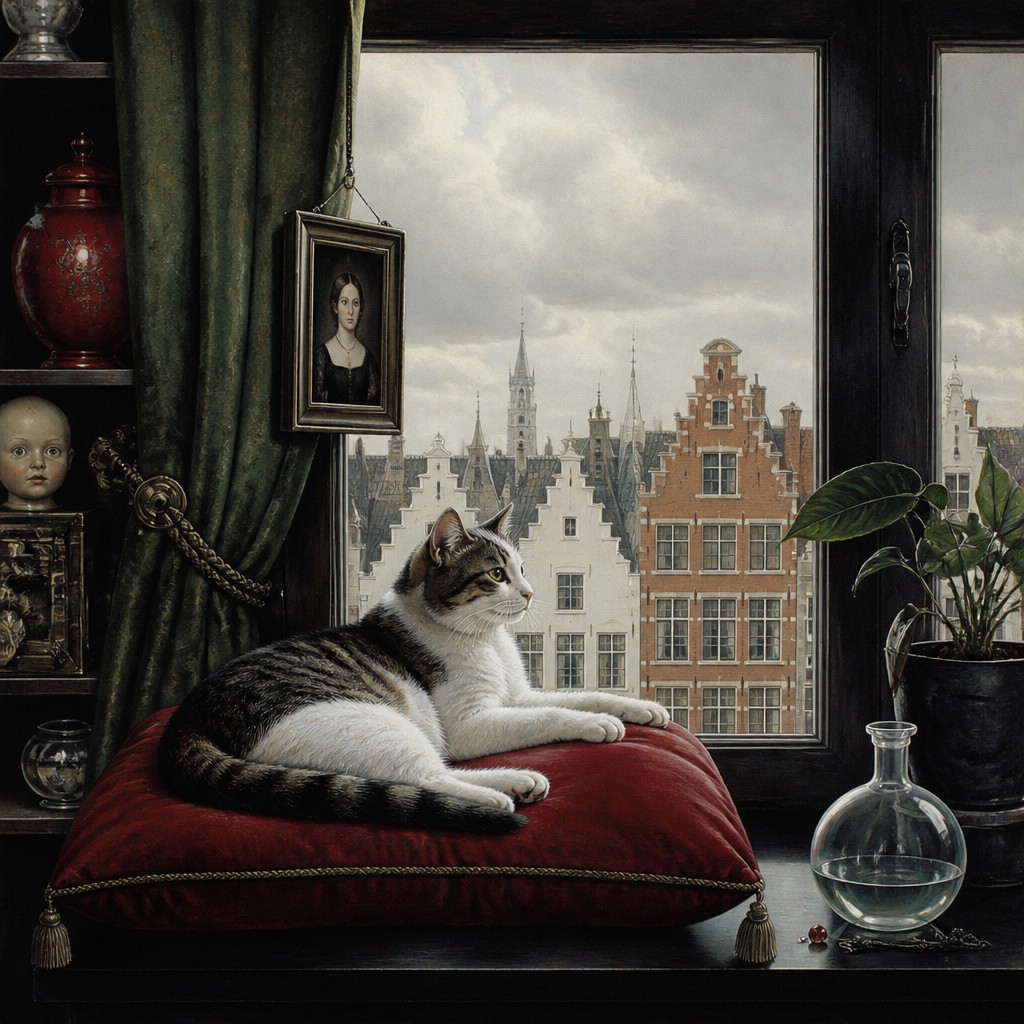
“a cat lounging in a sunlit window”
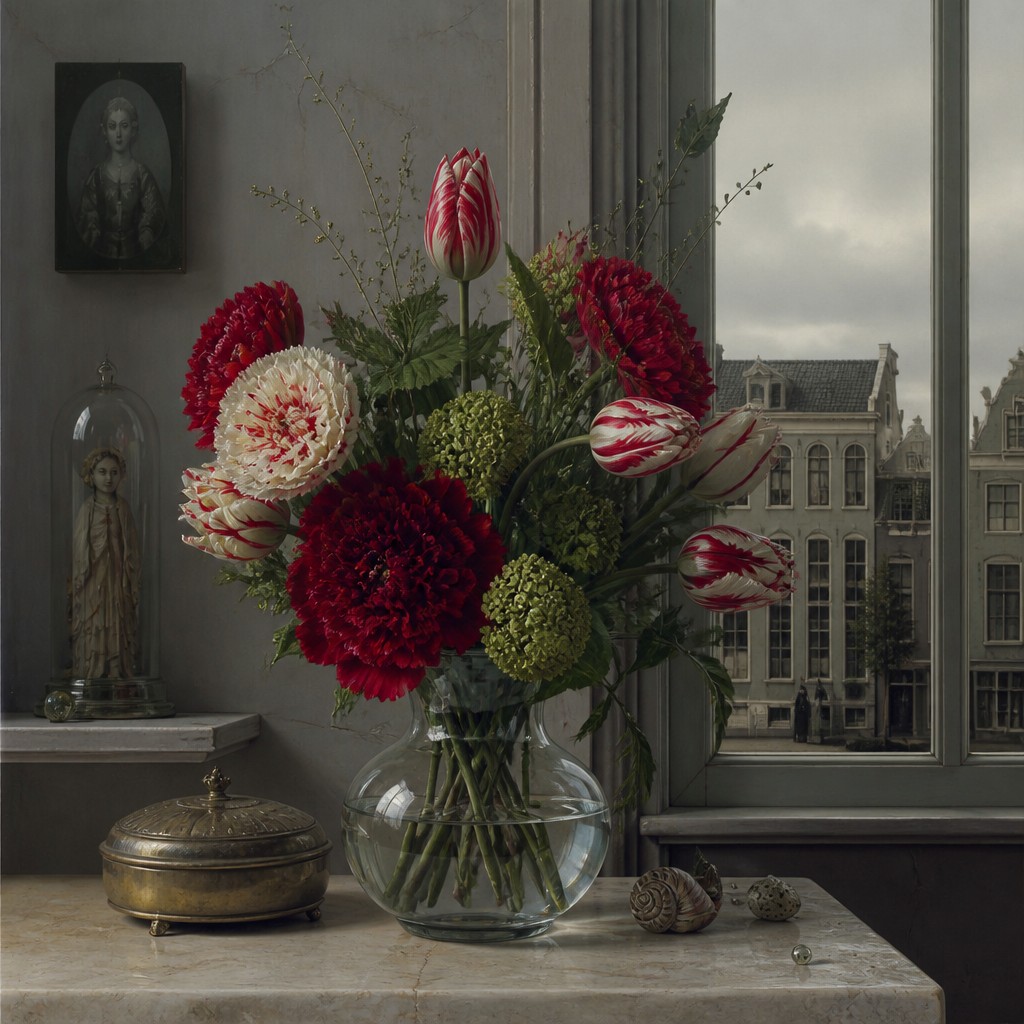
“bouquet of flowers in a glass vase”
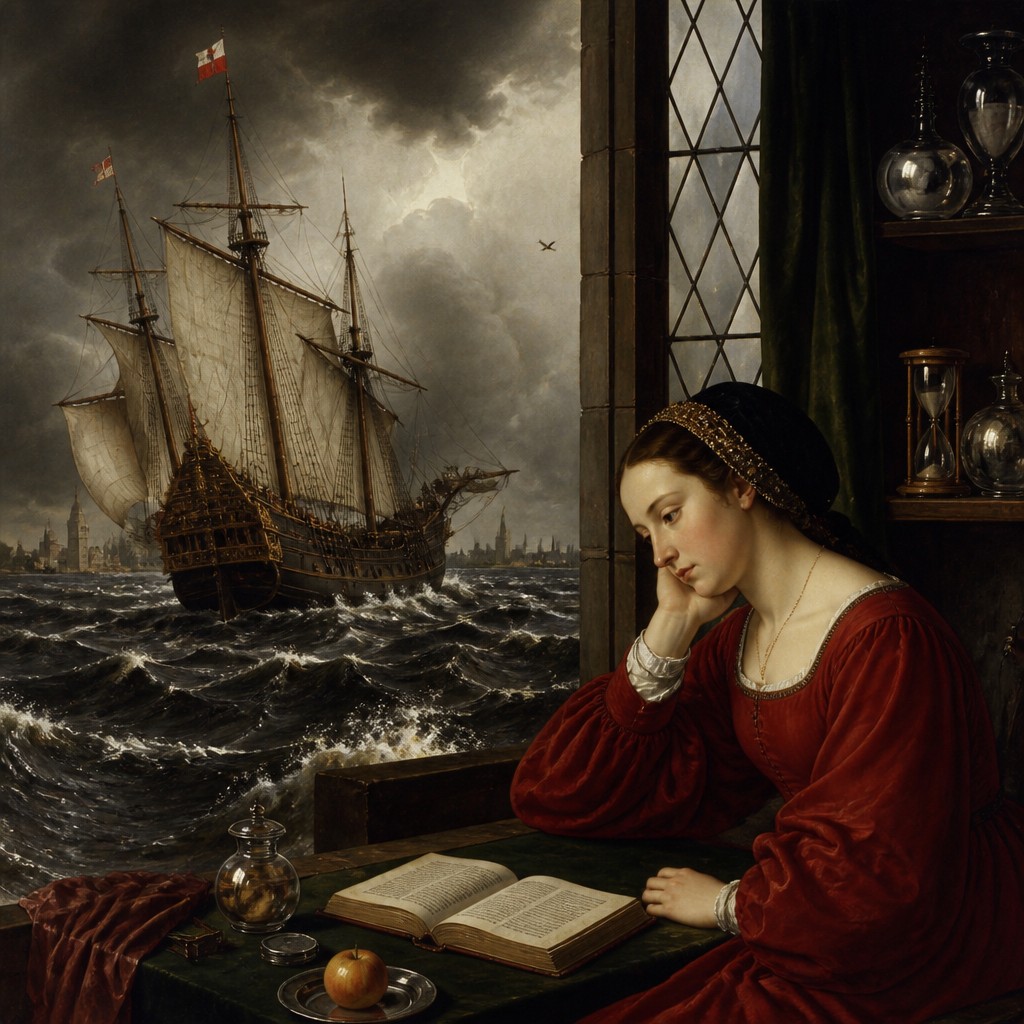
“sailing ship on a stormy sea”
How to Create Belgian Art
Master the craft step by step — or skip straight to creating. Read the full guide →
- 1
Begin with an ordinary, specific subject
Choose a recognizable setting such as a narrow hallway, covered market, rain-darkened square, or breakfast table. Add one understated contradiction rather than filling the image with fantastical elements.
- 2
Build surfaces in layers
For painting, establish thin value and color layers before refining texture with small brushes and controlled glazing. Digitally, use separate material passes for wood, glass, fabric, metal, and stone, then soften transitions without losing fine detail.
- 3
Control the palette
Start with stone grey, muted cream, charcoal, and cool silver, then reserve deep red and bottle green for focal objects. Lower overall saturation while preserving dense color in selected areas.
- 4
Use soft directional light
Place a large window or overcast sky as the main source and keep shadows legible but quiet. Reflected light from pale walls, wet pavement, or glazed surfaces helps produce the cool, enamel-like finish.
- 5
Compose like a still life
Arrange architectural lines, furniture, and objects with deliberate balance and a calm viewpoint. Leave enough empty space for the anomaly to read as an interruption rather than visual clutter.
- 6
Write precise generation prompts
Specify the subject, setting, material details, grey-silver lighting, restrained jewel palette, polished surface treatment, and one gentle surreal alteration. For image-to-image work, preserve the original composition while requesting controlled texture, color, and atmospheric changes.

The Story
History & Origins of Belgian
Belgian Art Style has no single historical origin, manifesto, or fixed period; it is best understood as a contemporary synthesis. Its aesthetic lineage reaches back to the precise material description, layered surfaces, domestic interiors, and symbolic objects of Flemish and Northern European painting. It also draws on Belgian Symbolist and Surrealist traditions, especially their interest in dream logic, ambiguity, and the uncanny within everyday settings.
In current illustration, photography, digital painting, and text-to-image practice, these references are blended with cinematic color grading and high-resolution realism. The result is not a reconstruction of a specific historical school, but a flexible visual language for scenes that feel culturally grounded, meticulously observed, and gently impossible.
Influences: The style draws on Flemish and Northern European traditions of close observation, layered paint, domestic symbolism, and richly described materials. Its mood is related to Belgian Symbolism and Surrealism, while its ordinary-but-uncanny subject matter also connects with magical realism, psychological still life, cinematic realism, and contemporary editorial illustration. Architectural interiors, rainy urban photography, muted Nordic palettes, and digitally enhanced material rendering further shape its current appearance.
Frequently Asked Questions
Is Belgian Art Style a recognized historical art movement?
No. The term is most useful as a contemporary aesthetic label rather than the name of a documented movement with a fixed membership or period. It describes a hybrid language informed by Flemish precision, Belgian Symbolist and Surrealist traditions, and modern realist image-making.
What defines Belgian Art Style visually?
Its main traits are meticulous realism, quiet domestic or urban settings, cool grey-silver light, deep red and bottle-green accents, and a polished surface finish. A small surreal disturbance usually appears within an otherwise believable scene.
How is it different from Flemish painting?
It borrows Flemish attention to material detail and layered surfaces but is not a historical continuation of Flemish painting. Its contemporary compositions, cinematic atmosphere, and gentle surreal alterations distinguish it from period-specific religious, portrait, or domestic painting traditions.
How is it different from Surrealism?
Belgian Art Style generally favors restraint, realism, and psychological ambiguity over spectacular dream imagery. The strange element is often small and plausible-looking, allowing the surrounding architecture, objects, and weather to remain grounded in everyday life.
What media work well for this style?
Oil and gouache are suited to layered color, precise edges, and glazed surfaces, while digital painting and high-detail photography support its controlled realism. It also works well for editorial illustration, concept art, interiors, architectural scenes, and carefully staged still life.
How can I prompt an image in Belgian Art Style?
Describe a specific ordinary subject first, then add Flemish-level material detail, a cool overcast setting, stone-grey neutrals, deep red or bottle-green accents, and one understated impossible detail. Avoid relying only on the style label; concrete instructions about lighting, composition, texture, and the surreal alteration usually produce more consistent results.
Create your first Belgian artwork
Describe anything — or upload a photo — and see it in Belgian Art Style in seconds.
Related Styles
Discover similar art styles