The Hague Art Style
Explore The Hague Art Style: silvery Dutch skies, tonal realism, misty polder landscapes, coastal light, windmills, and expressive brushwork.
Instantly rendered in The Hague — or transform a photo
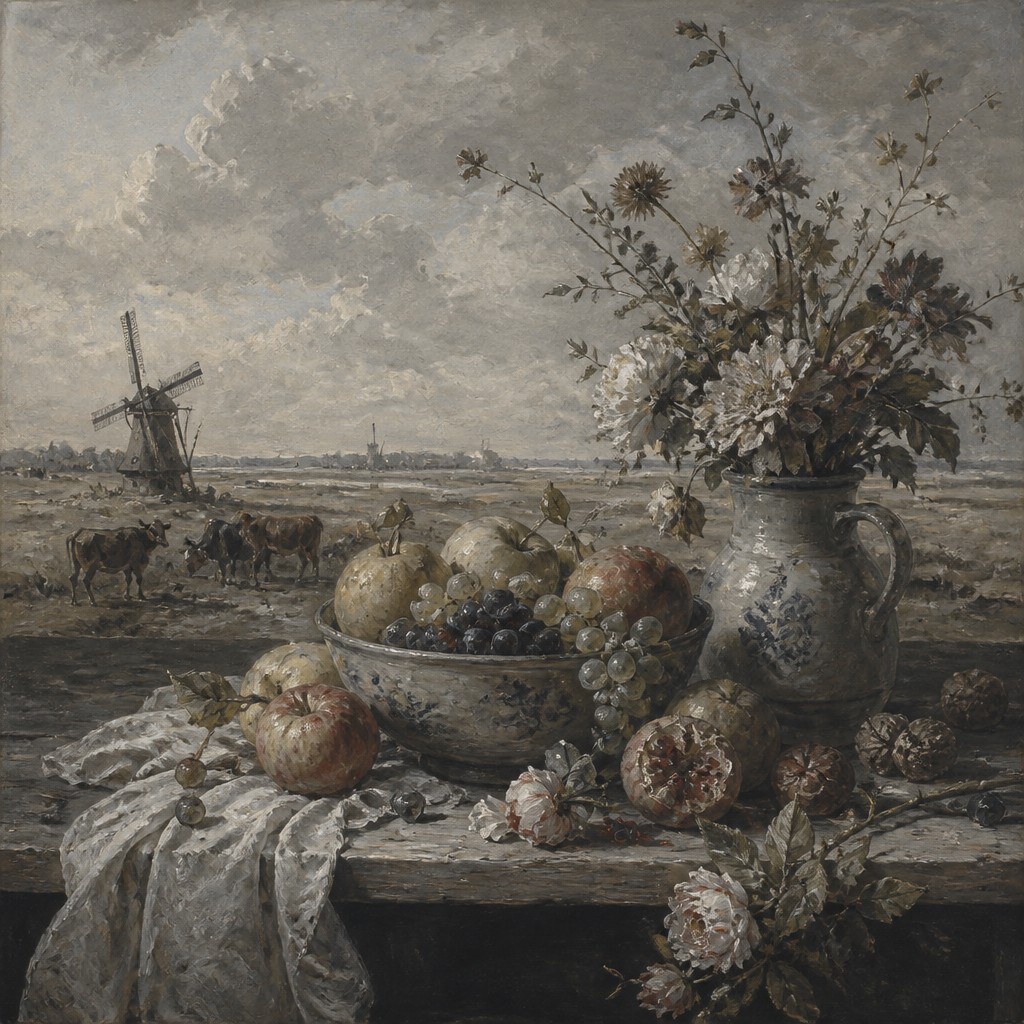
The Hague Gallery
Tap any artwork to explore it
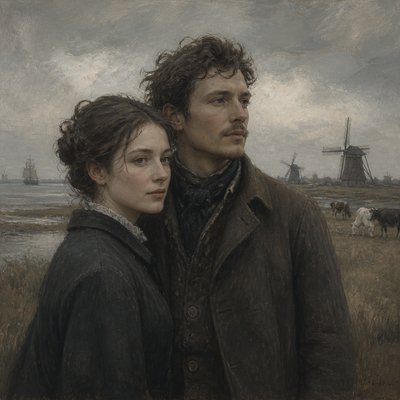
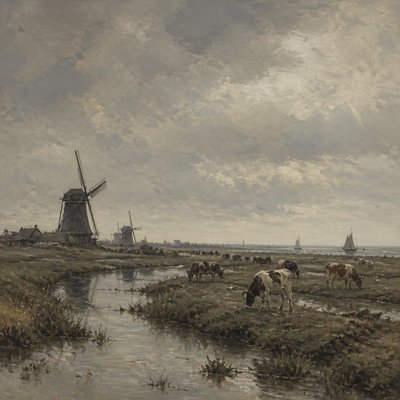
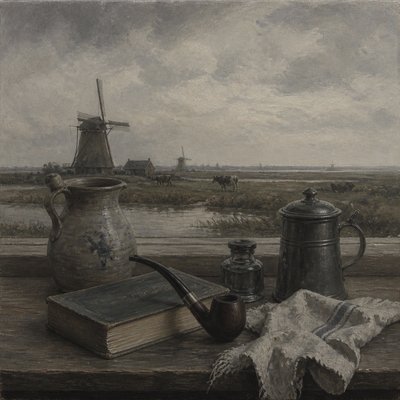
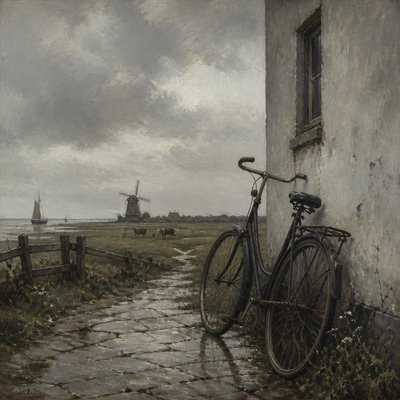
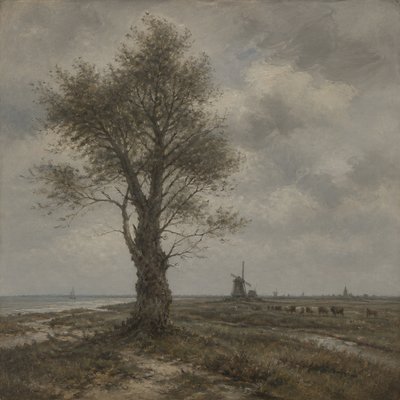
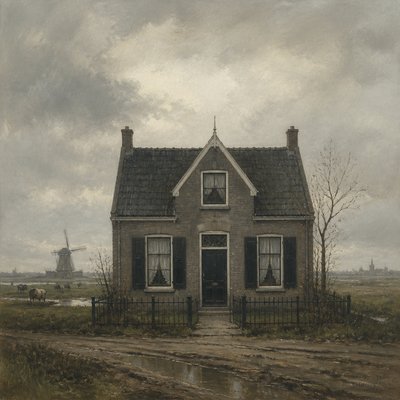
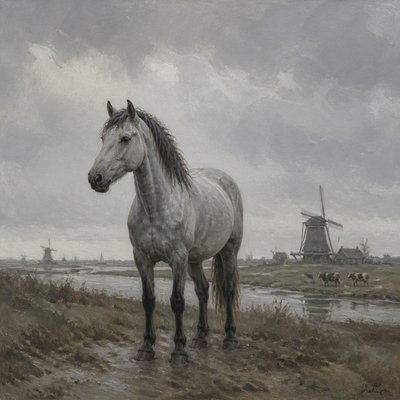
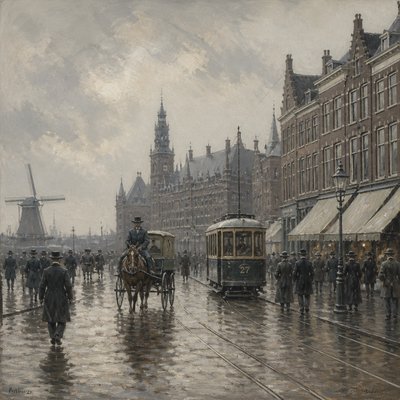
What is The Hague Art Style?
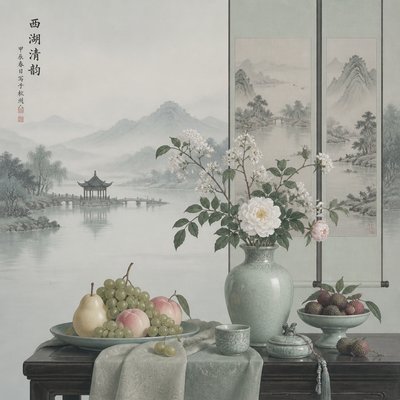
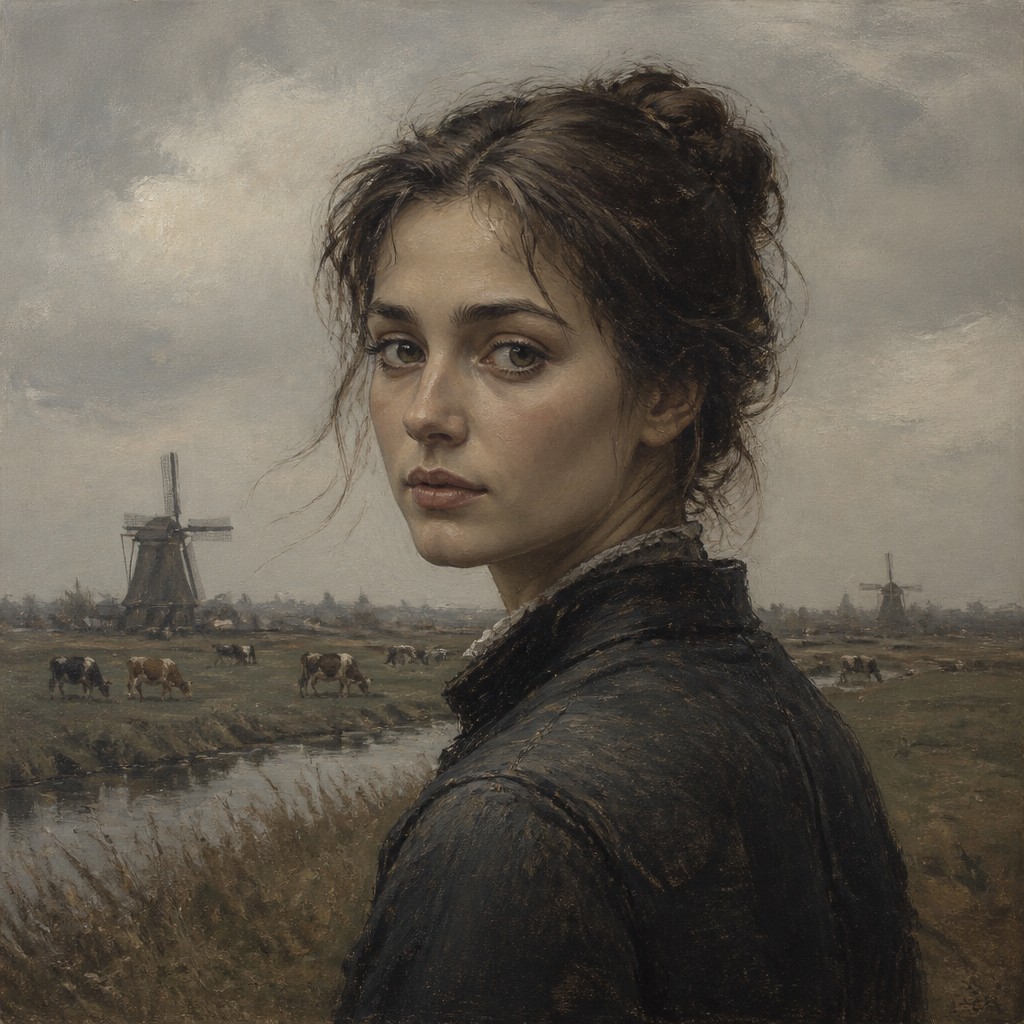
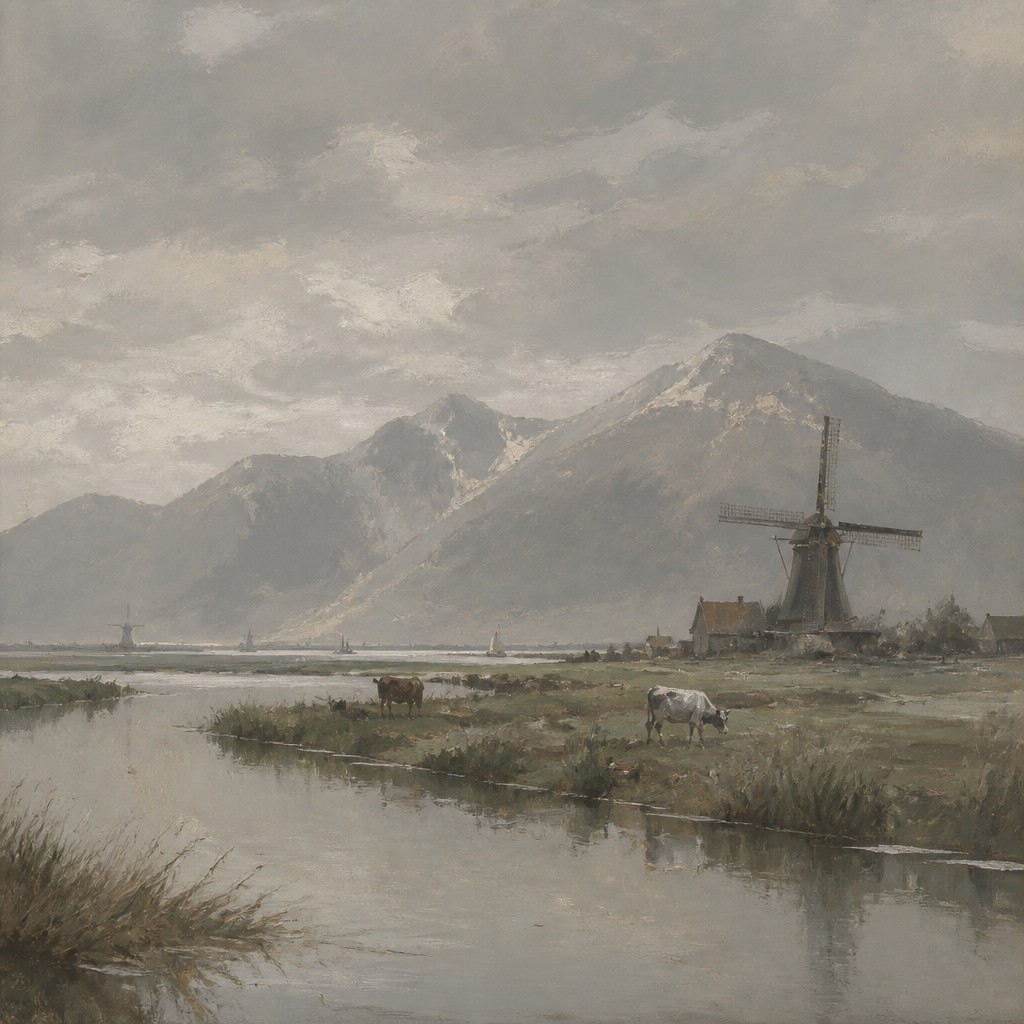
The Hague Art Style refers to the subdued, atmospheric landscape aesthetic associated with the Hague School, a Dutch movement that developed chiefly between the 1860s and 1890s. It is recognized for silvery-grey skies, low horizons, damp air, broad stretches of polder, coastal dunes, grazing animals, windmills, canals, and fishing environments rendered with restrained tonal color.
Its visual identity depends less on bright local color than on the relationships between values, atmosphere, and weather. Soft light dissolves sharp edges, while loose, visible brushwork records wind, haze, wet ground, and moving cloud. The result is a quiet form of realism in which mood emerges from tonal harmony and the ordinary Dutch landscape becomes the central subject.
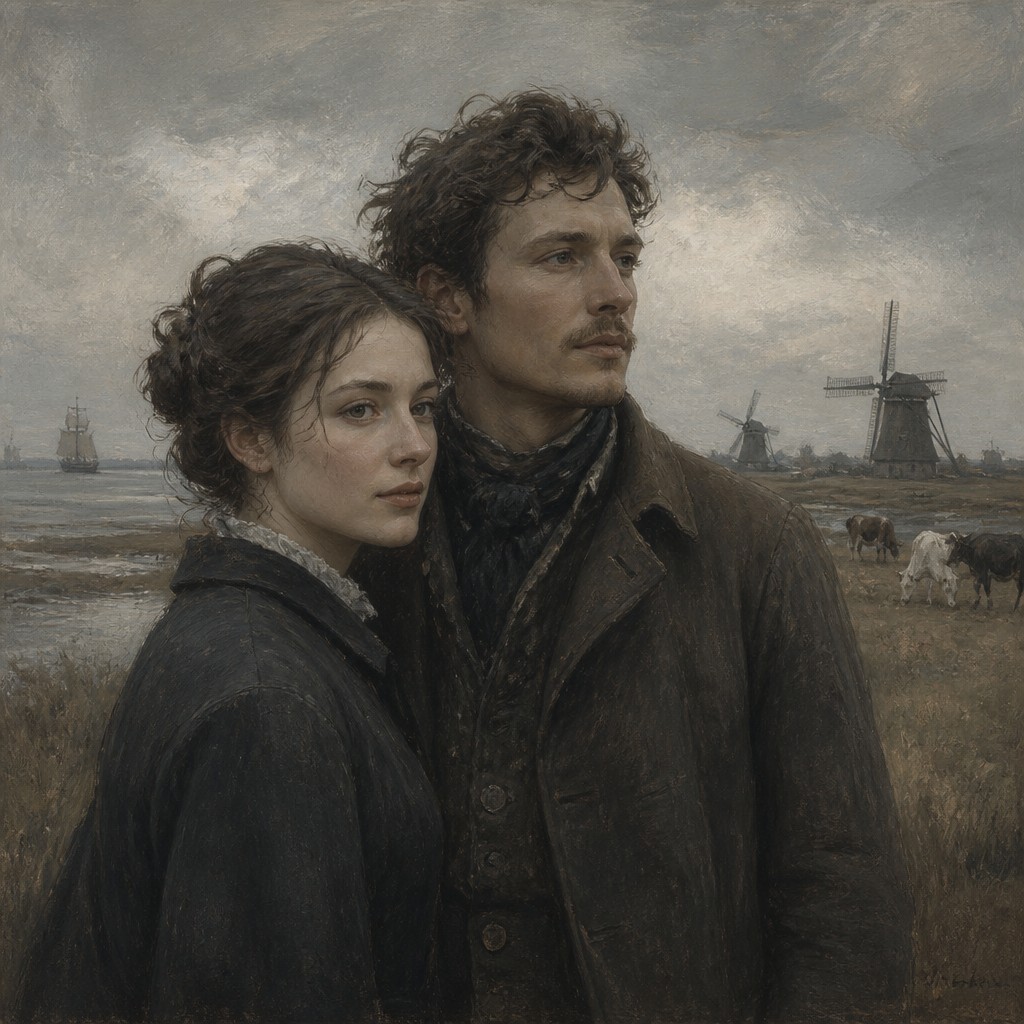
Try It On Your Photos
Upload any photo and convert it into The Hague Art Style — drag the sliders to compare before and after.
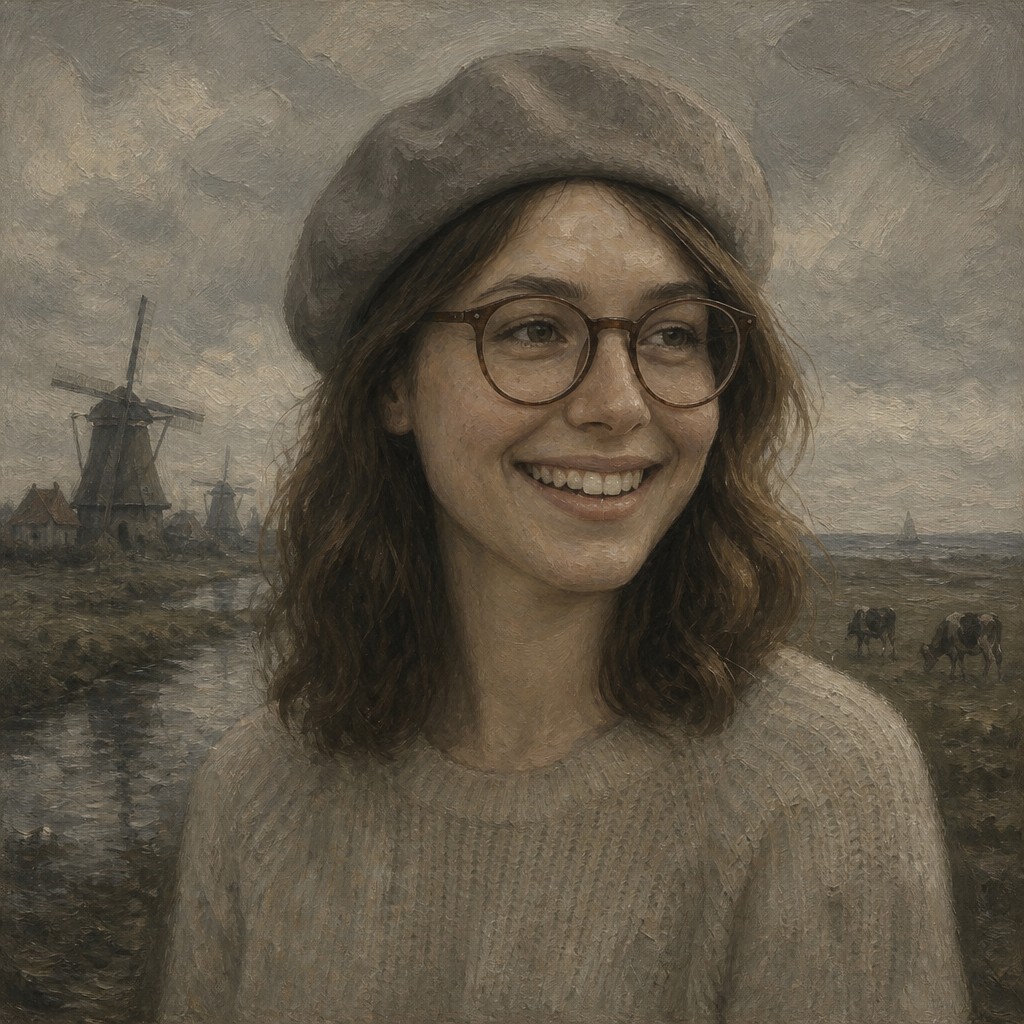

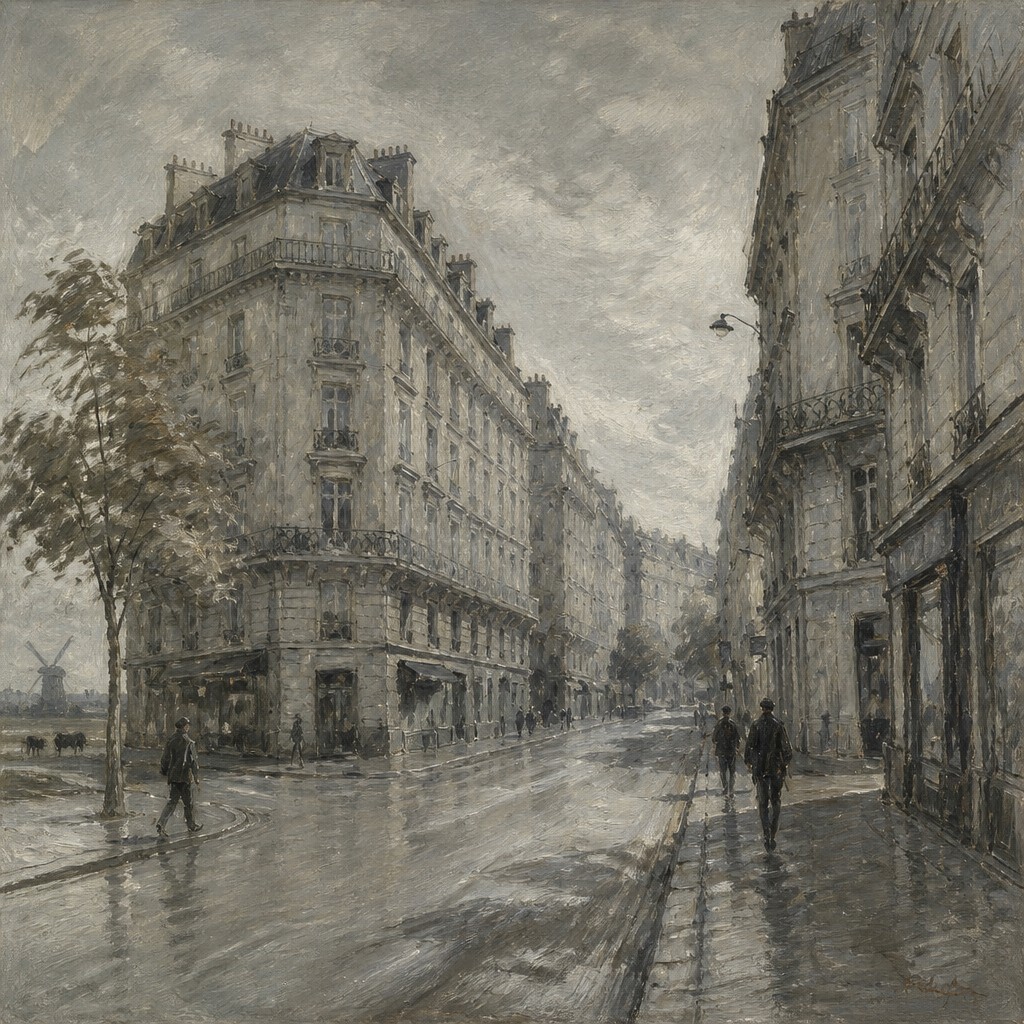

What Defines The Hague Art Style
The signature details, up close
Silvery tonal palette
Colors are muted into related greys, blue-greens, browns, ochres, and soft violets. Tonal transitions matter more than saturated hues or sharp color contrasts.
Overcast Dutch skies
Cloud-filled skies occupy a substantial part of the composition, creating a sense of space and atmospheric pressure. Diffused light softens shadows and unifies the landscape.
Low horizons and open land
Flat polders, marshes, dunes, and coastal fields commonly stretch toward a low horizon. Broad horizontal divisions emphasize distance, wind, and the scale of the sky.
Atmospheric realism
Forms recede through haze, moisture, and reduced contrast rather than through rigid linear perspective alone. Distant objects are simplified while foreground textures remain more tactile.
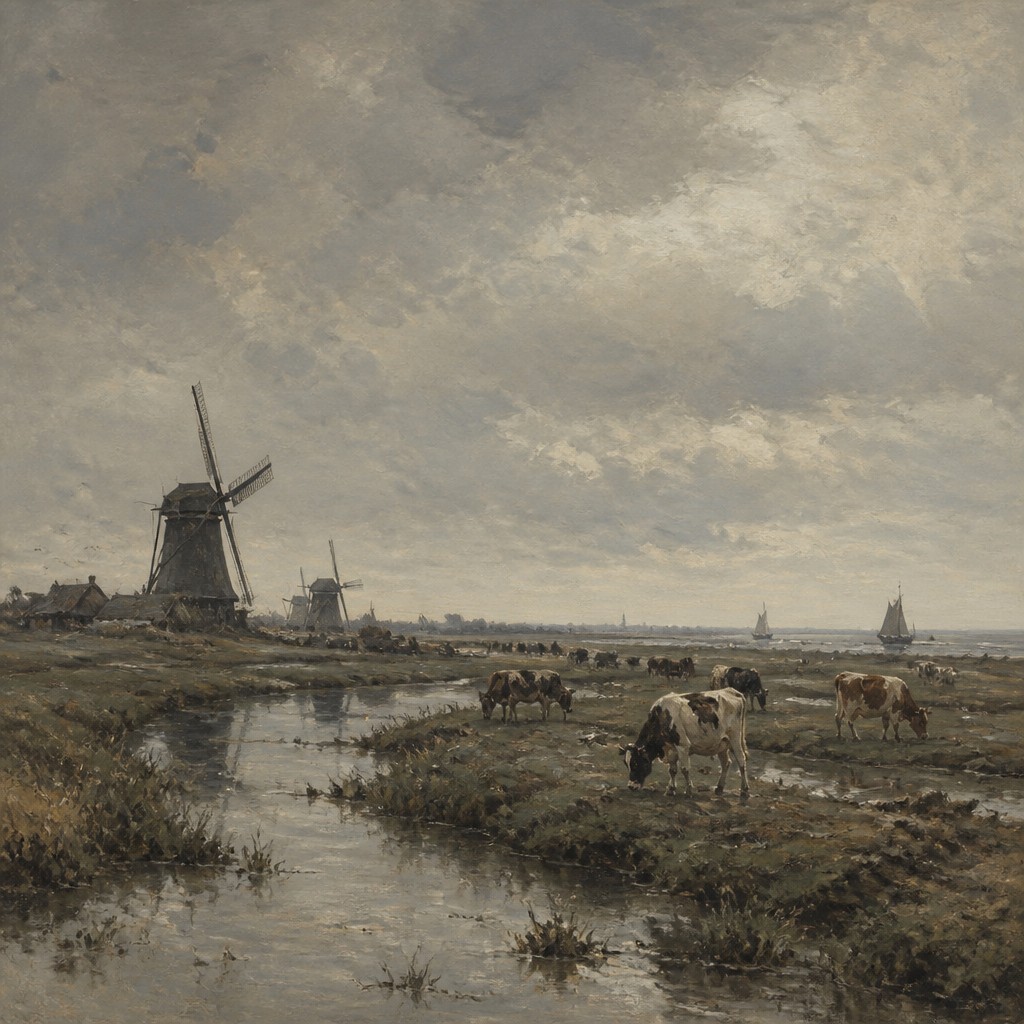
Loose expressive brushwork
Visible strokes describe grasses, rippling water, cloud movement, and reflective mud. The brushwork remains observational but avoids overly polished or photographic surfaces.
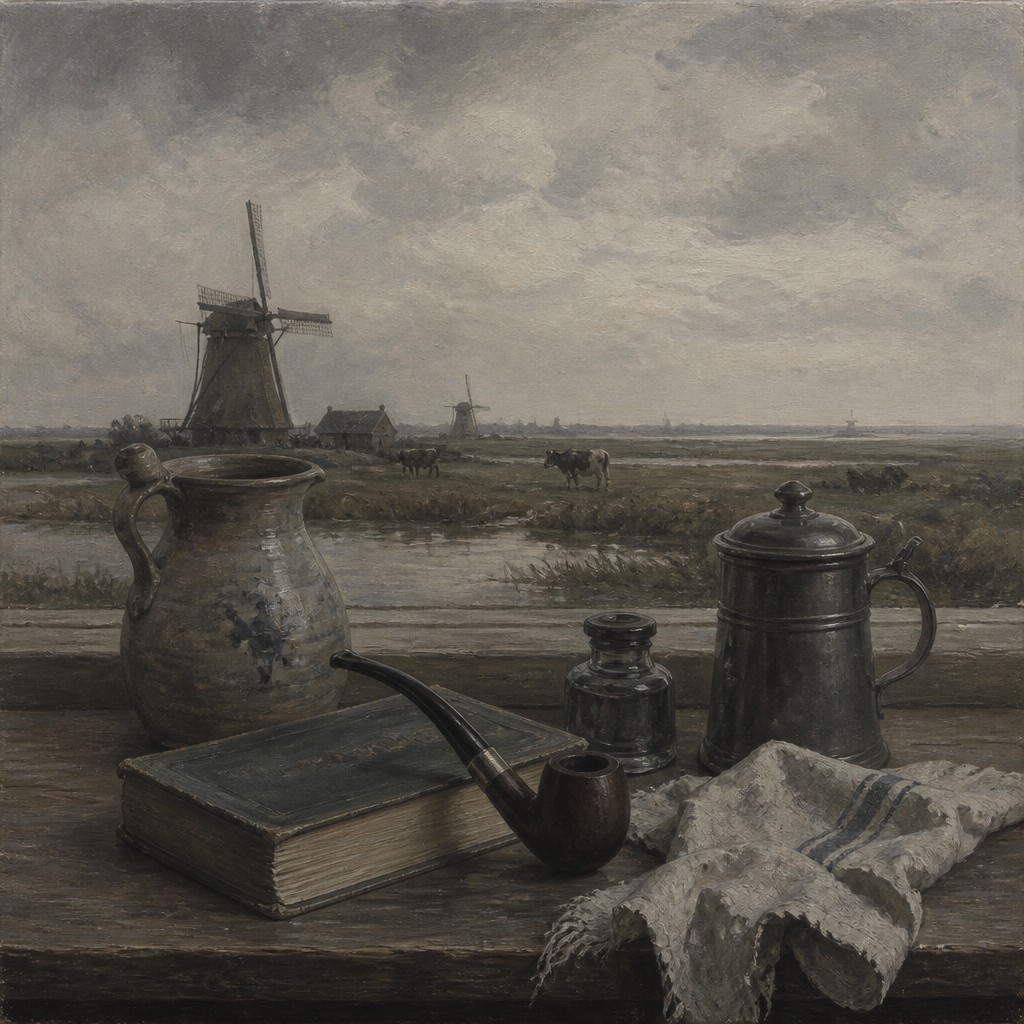
Rural and maritime subjects
Windmills, grazing cattle, farm buildings, canals, fishing boats, dunes, and broad shorelines are characteristic motifs. Human activity is generally integrated into the environment rather than made heroic.
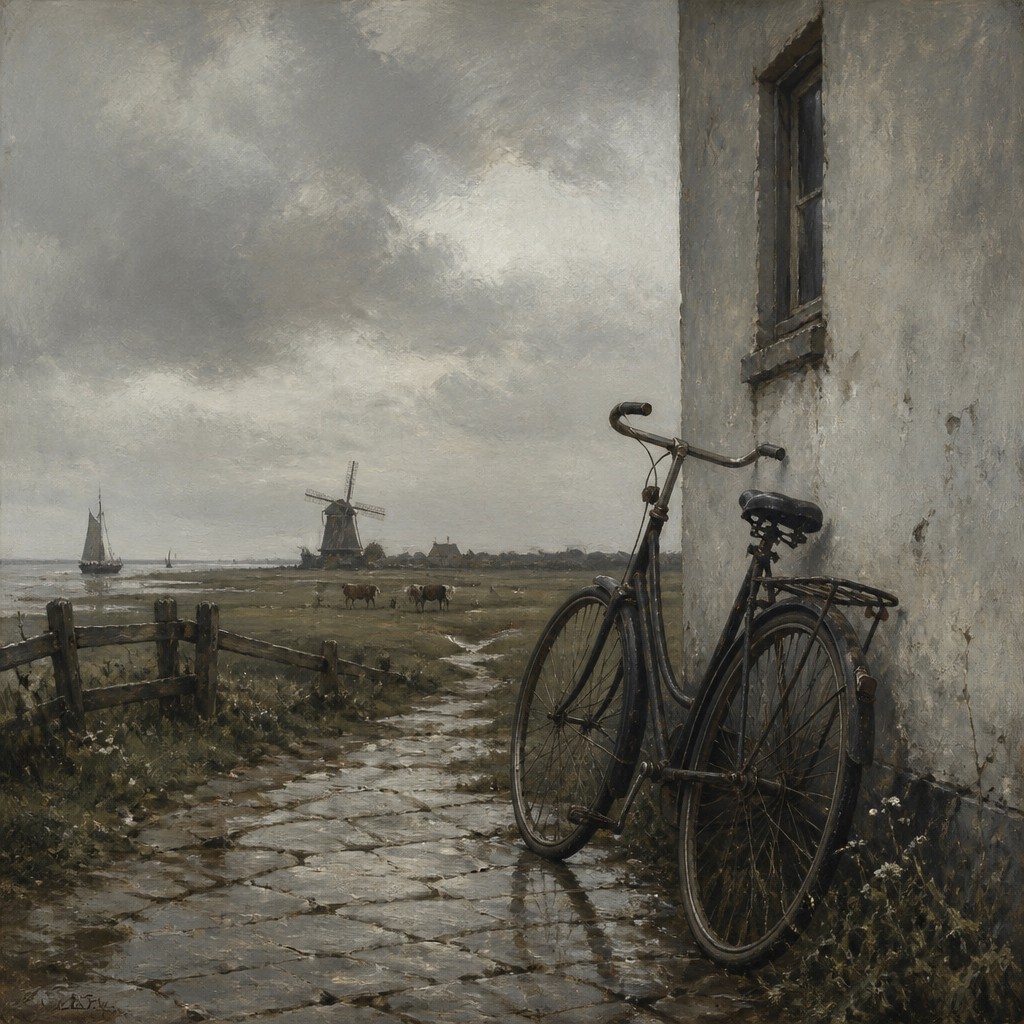
Unified mood
The composition is organized around quietness, wind, dampness, and subdued light. Emotional effect comes from the total atmosphere rather than dramatic action or theatrical color.
The Hague Prompt Ideas
Start from an idea — each one opens the generator with the style ready to go. See all 40 The Hague prompts →
How to Create The Hague Art
Master the craft step by step — or skip straight to creating. Read the full guide →
- 1
Establish the value structure
Begin with a limited range from pale silver sky to deep grey-green foreground accents. Block in the largest masses first and reserve the darkest values for selective anchors such as trees, animals, boats, or structures.
- 2
Build the sky broadly
Use large, soft strokes or blended digital brushes to create layered cloud cover without hard outlines. Vary the temperature subtly across the sky so the light feels damp and atmospheric rather than flat.
- 3
Use atmospheric perspective
Reduce contrast, detail, and color intensity as forms move toward the horizon. Keep foreground grasses, mud, reeds, or water more tactile to create depth within the otherwise flat terrain.
- 4
Keep brushwork visible
Apply broken, directional strokes that follow wind, water, cloud movement, or the growth of vegetation. In digital work, textured brushes and restrained opacity can imitate the irregularity of oil paint.
- 5
Compose with quiet motifs
Place a windmill, herd, boat, or farmhouse slightly off center, allowing the sky and open land to dominate. Avoid excessive focal points, vivid accents, or sharply outlined architecture.
- 6
Guide a text or image prompt
Specify an overcast Dutch polder or coast, silvery-grey tonal realism, low horizon, diffused maritime light, atmospheric haze, and loose expressive brushwork. For image transformation, preserve the subject's main silhouette while simplifying its colors and softening contrast.
The Story
History & Origins of The Hague
The Hague School emerged in and around The Hague during the later nineteenth century, when Dutch painters turned renewed attention toward native landscapes, rural labor, coastal communities, and changing weather. The movement developed partly in dialogue with the Barbizon tradition and with earlier Dutch landscape painting, while adapting those influences to the flat terrain, maritime climate, and distinctive light of the Netherlands.
Rather than functioning as a strict manifesto-driven school, it was a shared approach to observation and atmosphere. Its influence continued into later Dutch modernism, particularly in the preference for restrained palettes, direct landscape study, and the expressive potential of weather. Contemporary uses of the style often broaden the subject matter while retaining its tonal realism and overcast coastal mood.
Influences: The style draws on the atmospheric observation of the Barbizon tradition, the tonal unity and weather sensitivity of nineteenth-century Dutch landscape painting, and the maritime and rural subjects of the Netherlands. It also anticipates aspects of plein-air practice, naturalist realism, and later impressionistic attention to changing light, while remaining more subdued and weight-focused than highly coloristic Impressionism.
Frequently Asked Questions
What defines The Hague Art Style?
It is defined by muted silvery tones, overcast skies, low horizons, flat Dutch landscapes, and atmospheric realism. Loose brushwork records wind, haze, water, and cloud while maintaining a quiet tonal unity.
Is The Hague Art Style the same as the Hague School?
The Hague School is the historical nineteenth-century movement associated with this aesthetic. The Hague Art Style is a broader contemporary label that can describe both that historical approach and new images inspired by its palette, subjects, and atmosphere.
How does it differ from Impressionism?
Both approaches study changing light and outdoor conditions, but The Hague tradition generally favors subdued values, greyed color, and atmospheric cohesion. Impressionism more often emphasizes brighter complementary color, broken optical effects, and the immediate sparkle of light.
What subjects work best in this style?
Polders, marshes, dunes, canals, grazing cattle, windmills, fishing boats, farmhouses, and broad shorelines are especially suitable. Quiet scenes with visible weather and ample open space usually fit better than crowded or theatrical compositions.
How can I paint this style traditionally?
Work from observation or a reference with a limited palette, establishing large value masses before adding texture. Use soft blended passages for the sky and distance, then apply more broken strokes in the foreground to describe grasses, water, mud, and wind.
Can photographs or digital images be transformed into this look?
Yes. Preserve the main structure of the source image, then reduce saturation, soften contrast, enlarge the role of the sky, and introduce atmospheric haze. Text-based image creation works best when it specifies the location, weather, tonal palette, low horizon, and expressive brushwork together.
Create your first The Hague artwork
Describe anything — or upload a photo — and see it in The Hague Art Style in seconds.
Related Styles
Discover similar art styles