Provincetown Art Style
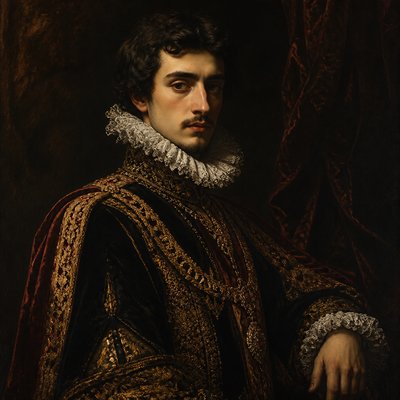
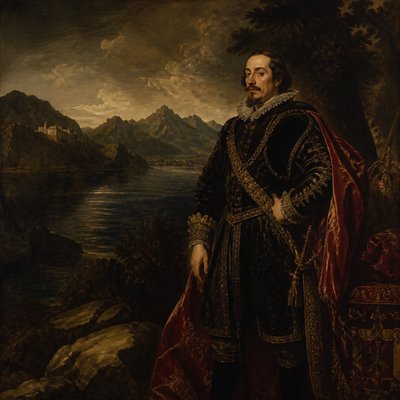
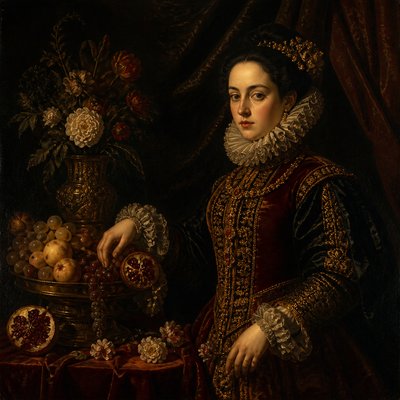
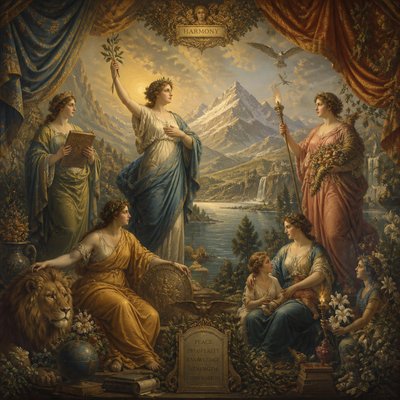
Explore Provincetown’s white-line woodcut tradition: bold coastal color blocks, carved contours, woodgrain texture, and sunlit New England scenes.
Instantly rendered in Provincetown — or transform a photo
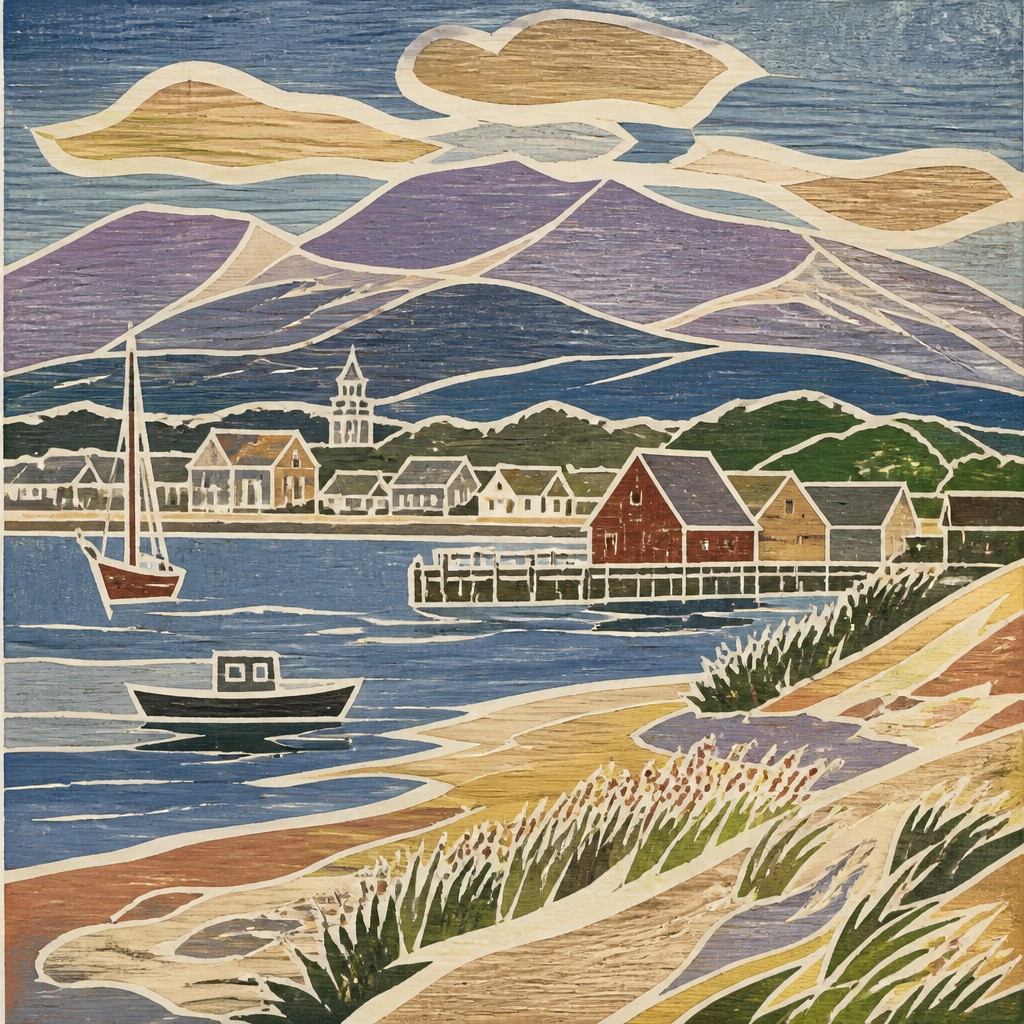
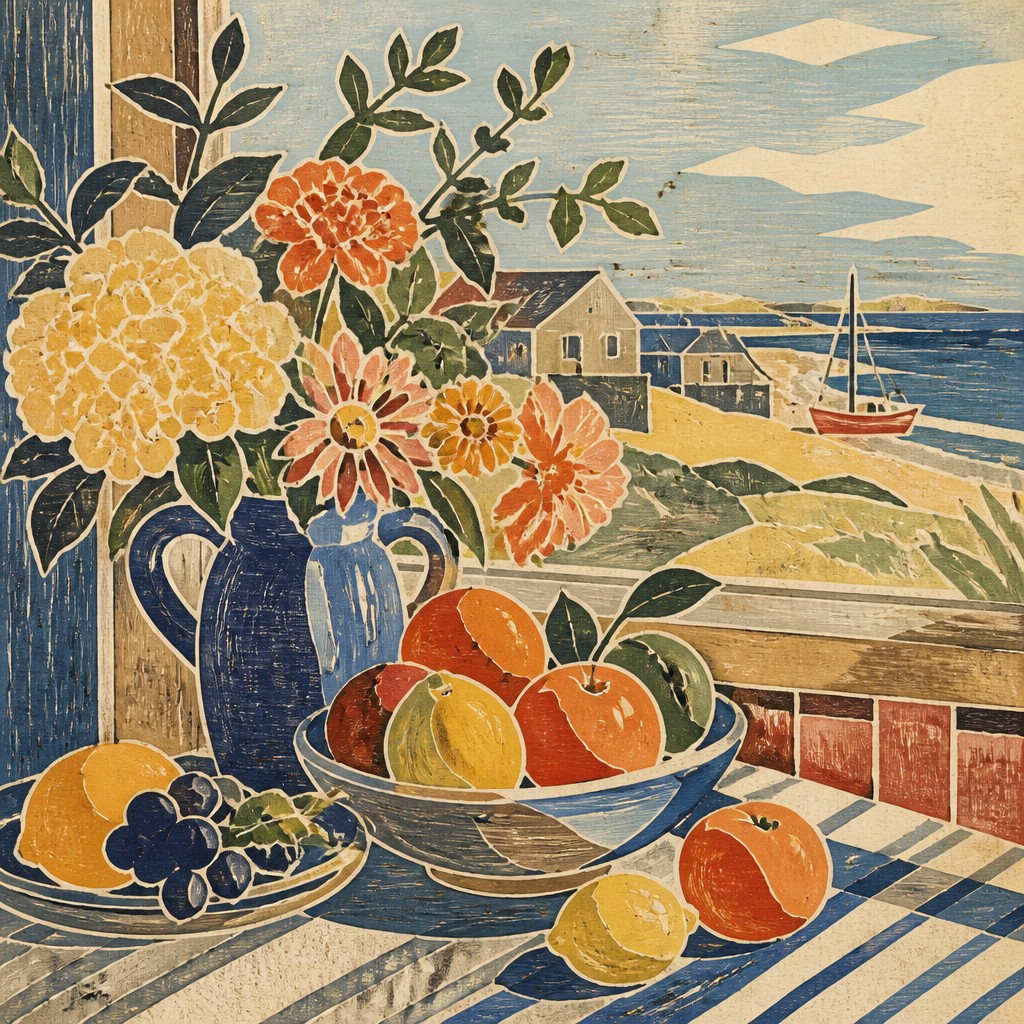
Provincetown Gallery
Tap any artwork to explore it
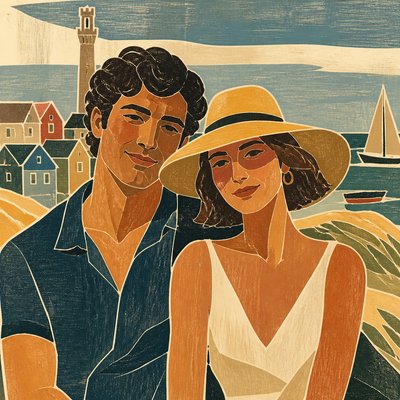
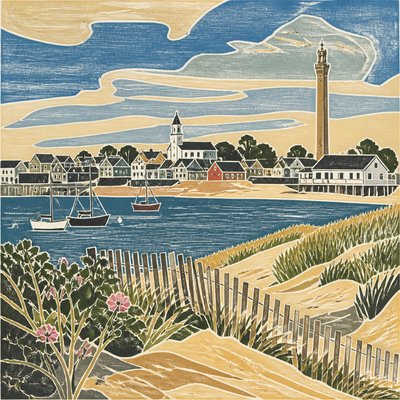
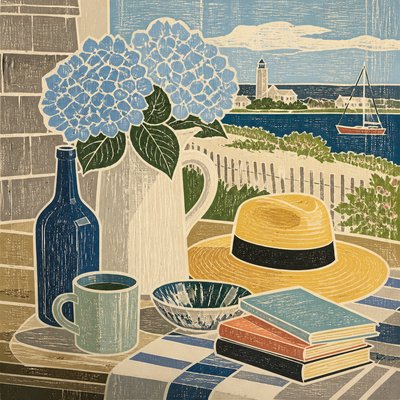
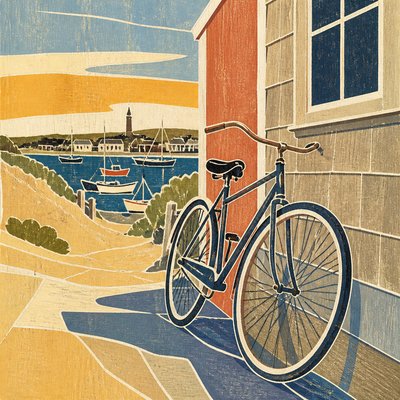
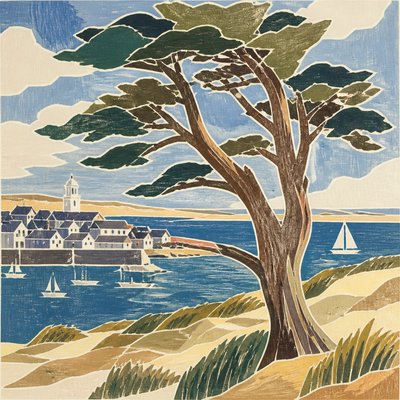
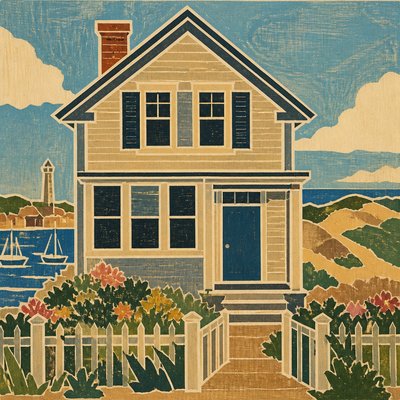
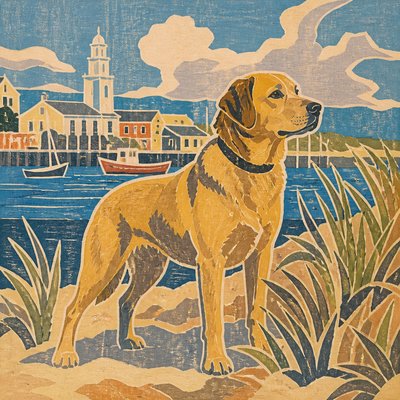
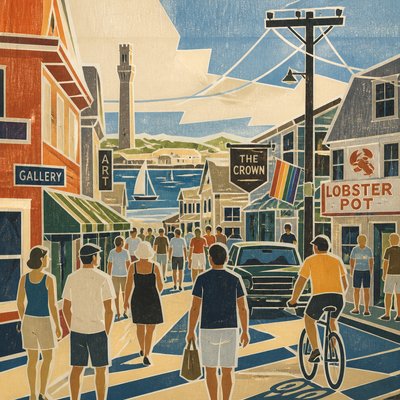
What is Provincetown Art Style?
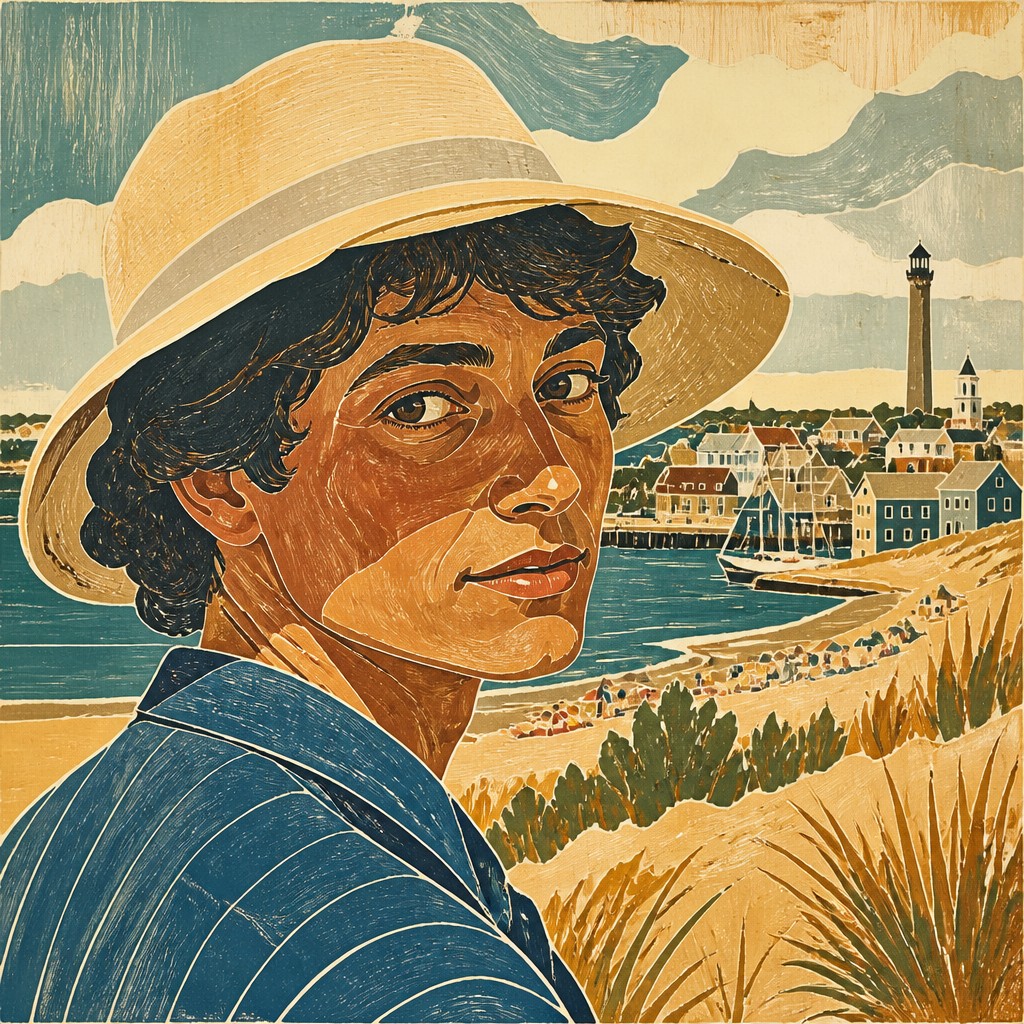
Provincetown Art Style refers to a coastal printmaking aesthetic rooted in the white-line woodcut tradition associated with the Provincetown art colony in Massachusetts. Its characteristic image is built from simplified flat areas of color separated by narrow, unprinted lines that resemble drawn contours. Harbors, dunes, cottages, boats, beaches, and figures in seaside light are especially natural subjects for the style.
The look combines the physical language of relief printing with the atmosphere of a loose painterly beach sketch. Broad sun-bleached hues, irregular carved edges, visible woodgrain, and flattened perspective create an image that feels handmade rather than optically realistic. The white divisions clarify each color shape while also giving the composition a graphic rhythm similar to stained glass or cut-paper collage.
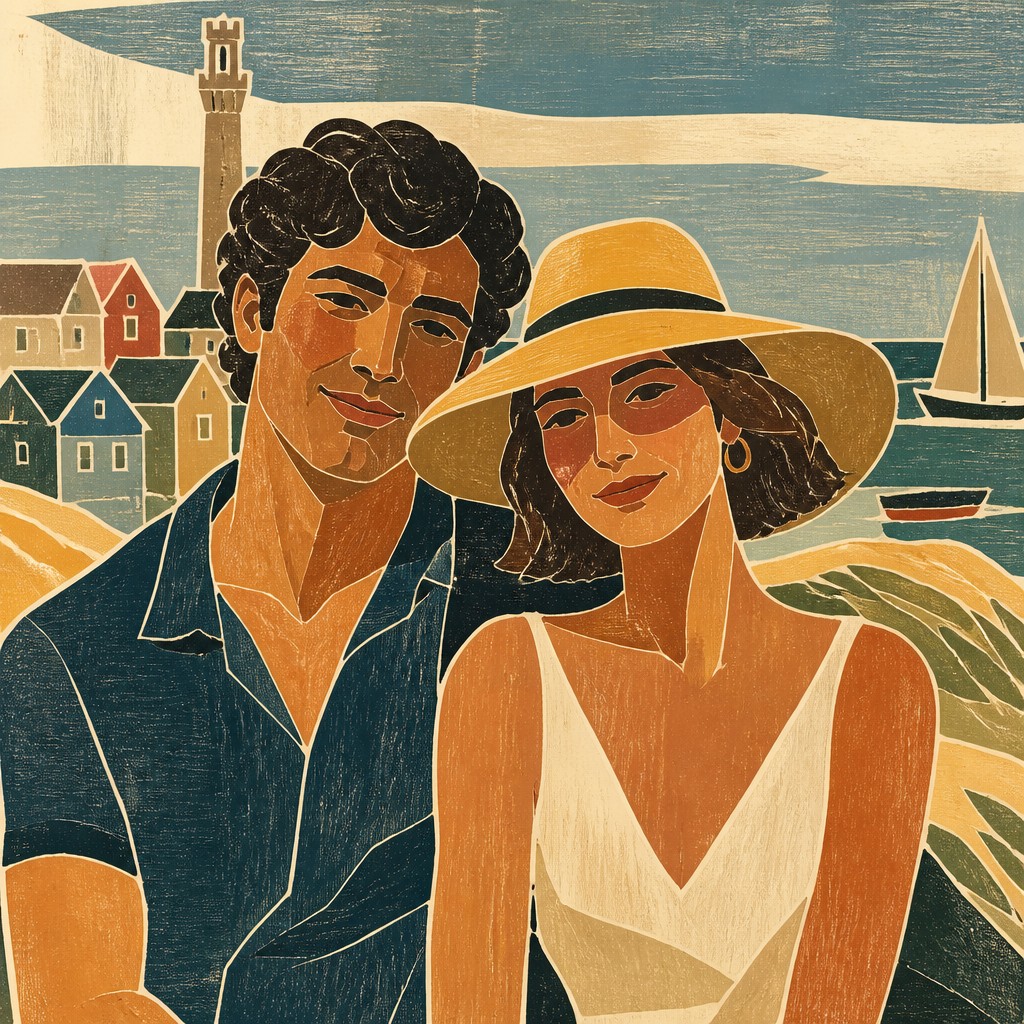
Try It On Your Photos
Upload any photo and convert it into Provincetown Art Style — drag the sliders to compare before and after.


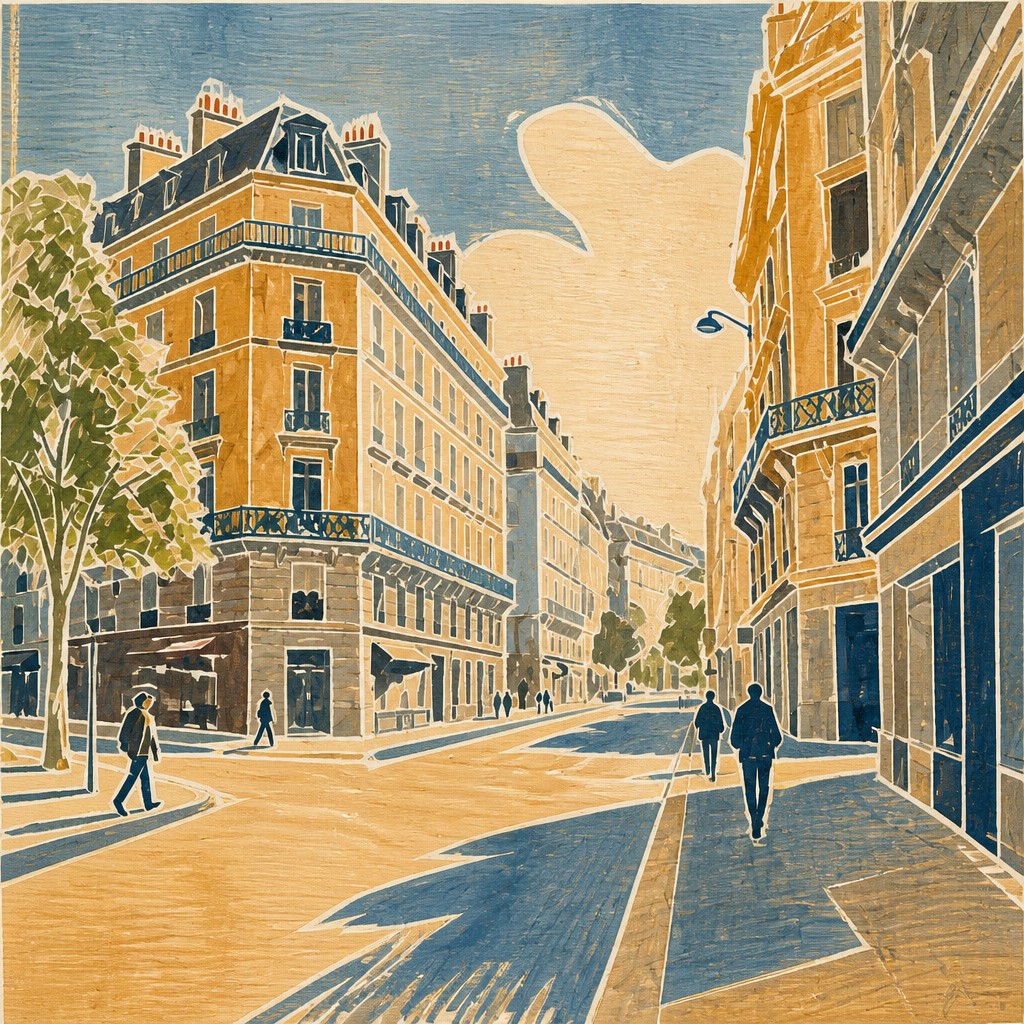

What Defines Provincetown Art Style
The signature details, up close
White dividing lines
Narrow unprinted lines separate neighboring color fields and act as both contour and structural framework. They should feel carved and slightly irregular rather than mechanically uniform.
Flat color blocks
Forms are organized into broad, simplified patches of color instead of gradual tonal modeling. Overlapping shapes establish depth while preserving the print's graphic clarity.
Coastal subject matter
Harbors, dunes, beaches, sailboats, cottages, piers, and bathers are recurring subjects. The compositions often emphasize open sky, low horizons, and the spatial rhythm of shoreline forms.
Sun-bleached New England palette
Muted ochres, warm ivory, faded coral, sea green, dusty blue, sand, and terracotta suggest strong sunlight and weathered seaside materials. Small areas of deeper navy, rust, or charcoal provide definition.
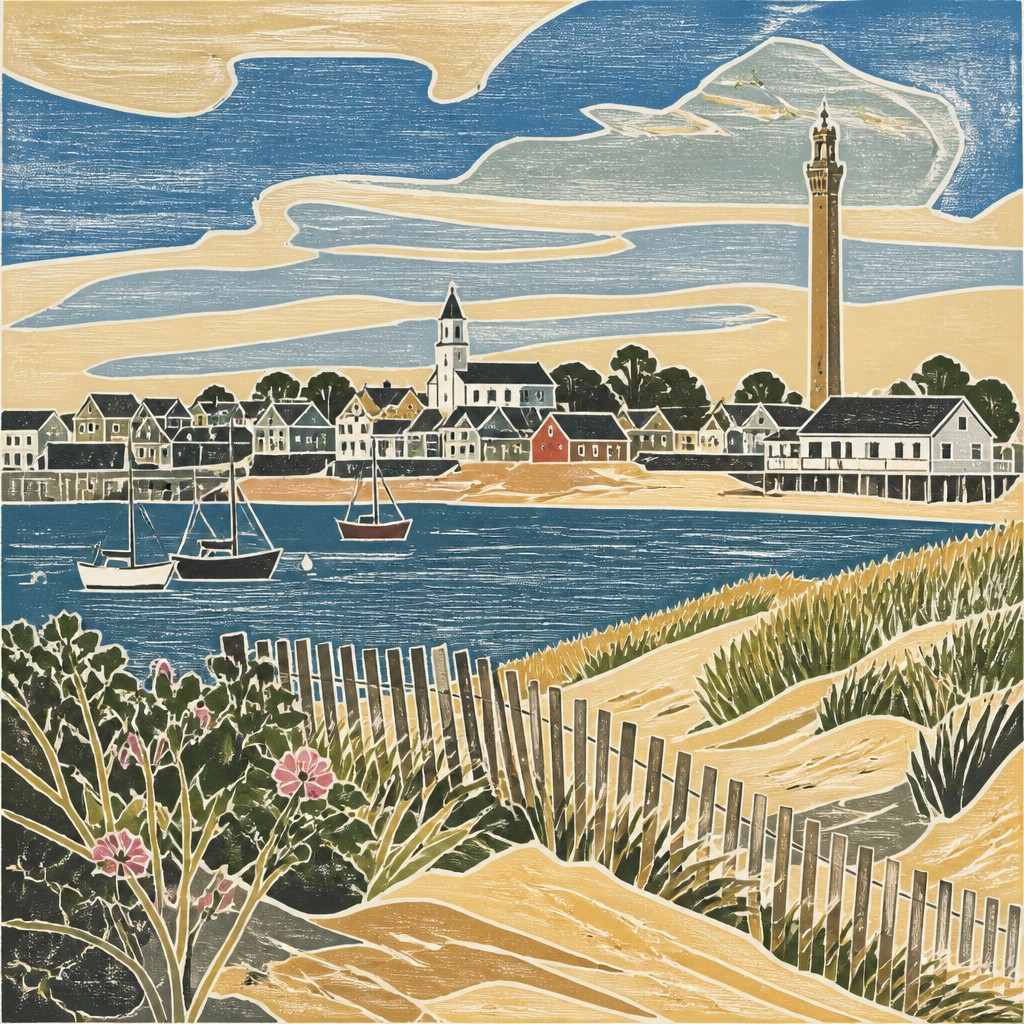
Visible woodgrain
Directional grain and slight ink variation remain visible inside printed shapes. This texture gives flat areas a tactile, handmade surface without turning them into realistic wood illustrations.
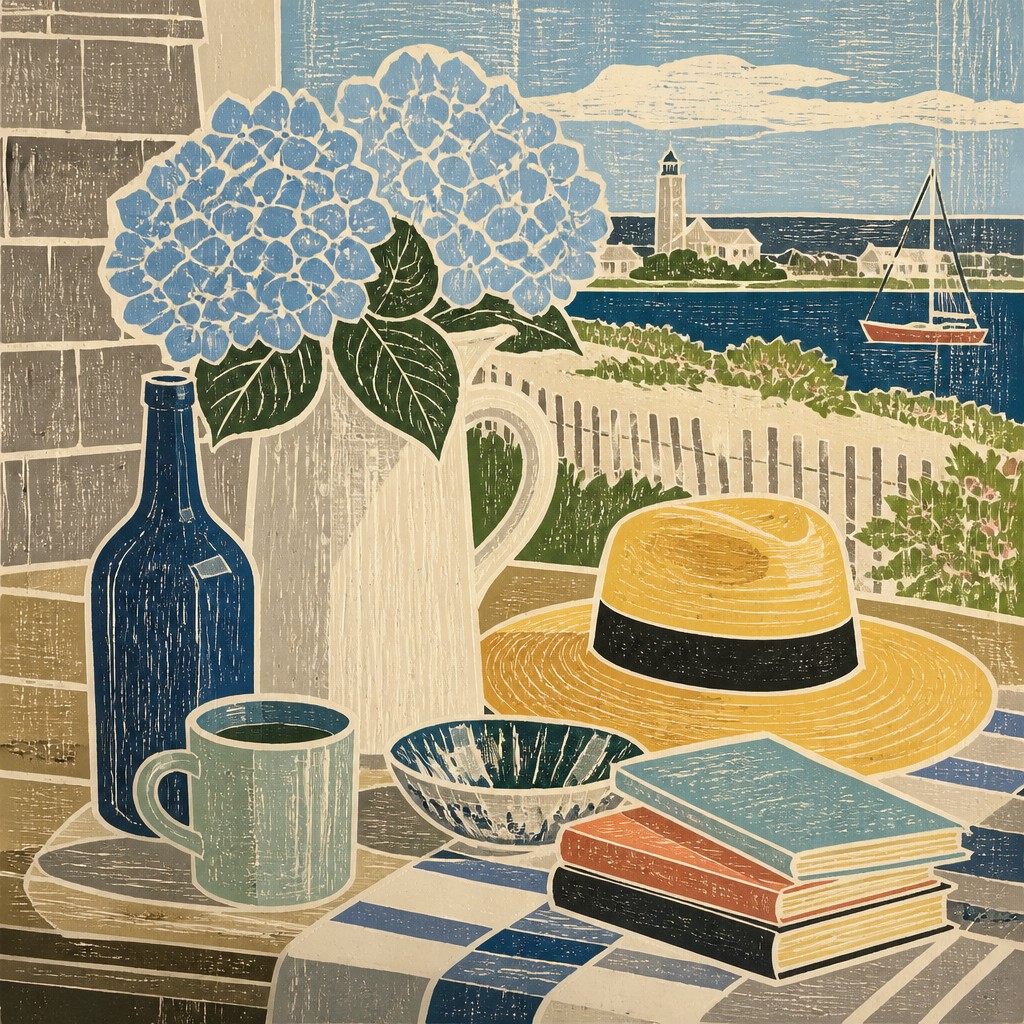
Flattened, expressive perspective
Perspective is compressed into layered bands and overlapping silhouettes. Uneven contours, asymmetrical shapes, and selective exaggeration preserve the directness of carved printmaking.
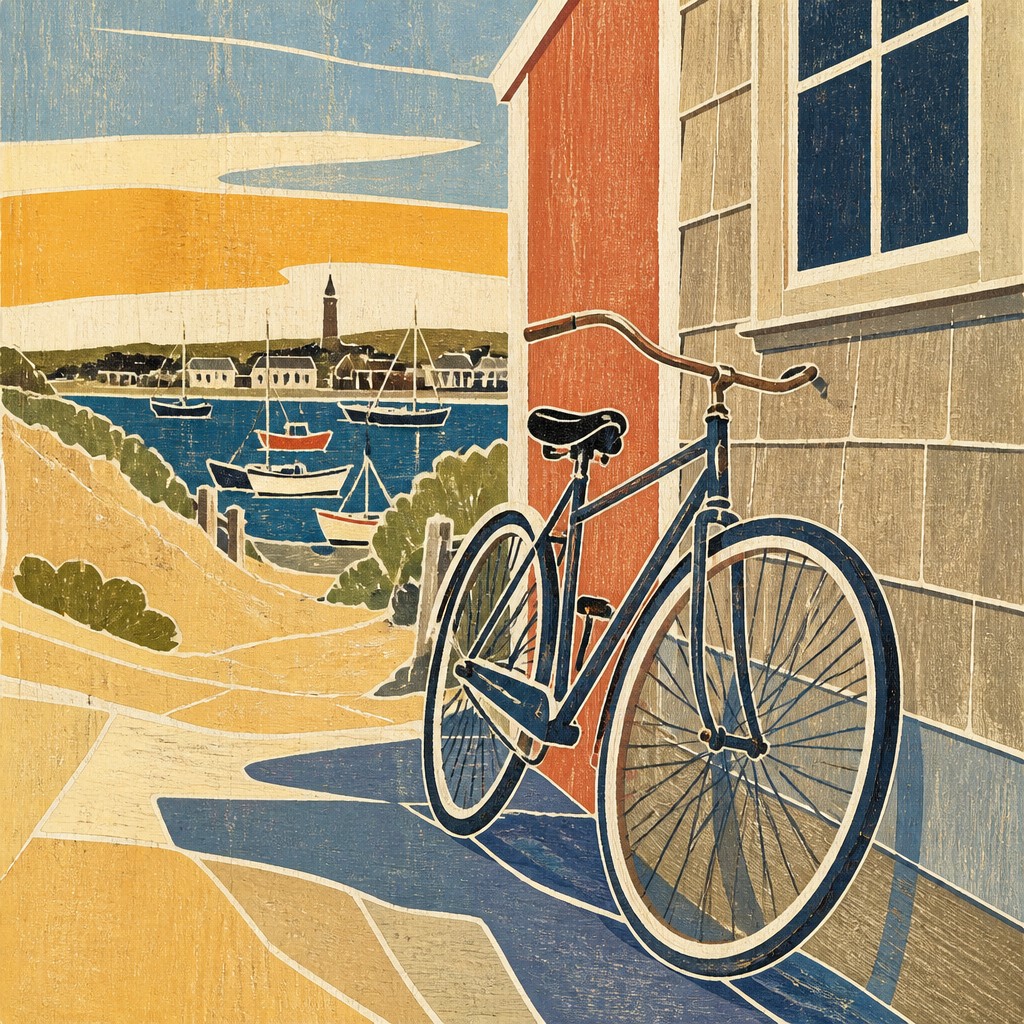
Dappled painterly light
Broken patches of light can cross sand, water, foliage, or clothing while remaining subordinate to the main color structure. The effect suggests an outdoor art-colony sketch translated into relief print.
Provincetown Prompt Ideas
Start from an idea — each one opens the generator with the style ready to go. See all 40 Provincetown prompts →
How to Create Provincetown Art
Master the craft step by step — or skip straight to creating. Read the full guide →
- 1
Plan the block structure
Begin with a small number of large shapes for sky, water, land, architecture, and figures. Mark the lines that will remain unprinted, since these white channels must be designed as deliberately as the inked areas.
- 2
Carve and print traditionally
Use a woodblock or a comparable relief-print surface, carving narrow separators and larger negative areas before applying inks one color at a time. Accept slight registration shifts and uneven coverage as part of the handmade character.
- 3
Limit and warm the palette
Choose a restrained palette of sand, cream, ochre, faded coral, sea green, blue, and charcoal. Avoid excessive gradients; mix subtle variations through transparent overlays, dry-brush passes, or uneven ink density.
- 4
Build texture selectively
Add directional woodgrain, tiny gaps, and distressed ink variation inside color fields, but keep the white separators legible. Texture should support the carved surface rather than obscure the silhouettes.
- 5
Compose for graphic readability
Use a strong low horizon, overlapping coastal forms, and a few clearly placed figures or boats. Simplify distant details into horizontal bands so the image reads as a print from a distance.
- 6
Use precise prompt language
For digital or AI-assisted creation, specify white-line relief print, bold flat color blocks, carved contours, visible woodgrain, a limited sun-bleached palette, and a simplified coastal scene. Add constraints such as no photorealistic shading, no smooth airbrushing, and no dense fine detail when a more authentic print structure is needed.
The Story
History & Origins of Provincetown
This style draws primarily on the Provincetown white-line woodcut movement, which developed in the Massachusetts art colony during the 1910s. In this technique, an artist carved a design into a woodblock while leaving thin lines of the block surface uninked; the resulting white lines separated individually printed color areas. The method was partly informed by European modernist woodcut practice and by the broader revival of interest in handmade printmaking.
The contemporary label is best understood as an aesthetic synthesis rather than a single historically fixed school. It extends the historical white-line process with the warm palette, dappled light, simplified coastal scenery, and painterly looseness associated with New England seaside art colonies. Digital versions often imitate the grain, registration irregularities, carved contours, and limited colors of the original medium.
Influences: The style is closely related to the Provincetown white-line woodcut tradition, European Expressionist relief printmaking, Japanese ukiyo-e's use of flattened shapes and contour, Arts and Crafts print design, and modernist color simplification. It also borrows the observational atmosphere of plein-air painting and the handmade irregularity of linocut, wood engraving, and other relief processes.
Frequently Asked Questions
What defines the Provincetown Art Style?
Its central features are bold flat color fields separated by narrow white lines, simplified coastal subjects, and a tactile relief-print surface. Warm, weathered colors and visible woodgrain usually accompany the graphic structure.
Is this the same as Provincetown white-line woodcut?
It is derived from that historical printmaking tradition but is not limited to its original process or period. The contemporary style label often adds painterly beach scenes, dappled light, and digital texture to the white-line construction.
How does it differ from a standard woodcut?
A standard woodcut may rely heavily on black-and-white contrast, hatch marks, or carved shadows. White-line work emphasizes separate color impressions divided by unprinted channels, producing a more colorful and segmented image.
Can I make this style without a printing press?
Yes. Relief-print effects can be made with soft wood, linoleum, foam, or layered digital shapes. The essential decisions are the simplified composition, reserved dividing lines, restricted palette, and slight variation in the printed surface.
What subjects work best with this aesthetic?
Coastal landscapes are the most characteristic, especially dunes, harbors, beaches, boats, cottages, lighthouses, and figures in summer light. Inland subjects can also work when they are organized into clear overlapping shapes and a limited color design.
How can a prompt produce a convincing result?
Describe the medium and structure rather than relying only on a style label: specify a white-line relief print, flat color blocks, carved contours, visible woodgrain, limited warm coastal colors, and simplified perspective. Negative instructions against photorealism, smooth gradients, and excessive detail can help preserve the print-like appearance.
Create your first Provincetown artwork
Describe anything — or upload a photo — and see it in Provincetown Art Style in seconds.
Related Styles
Discover similar art styles