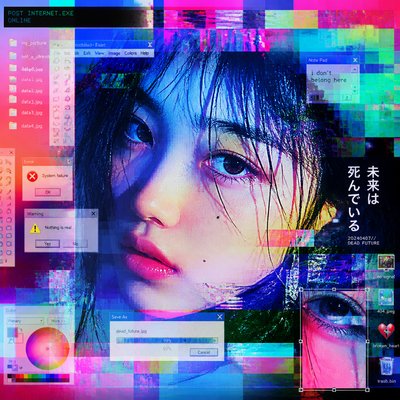
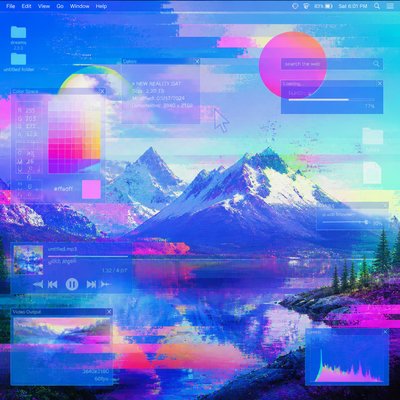
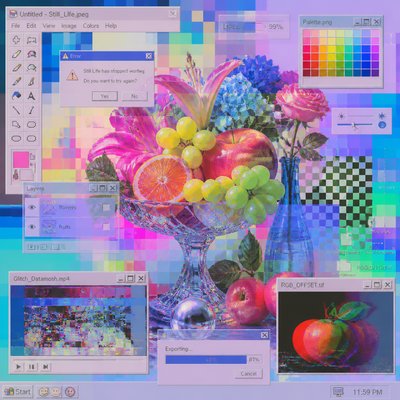
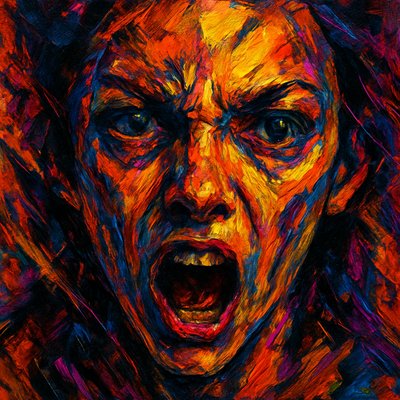
Distortion Art Style
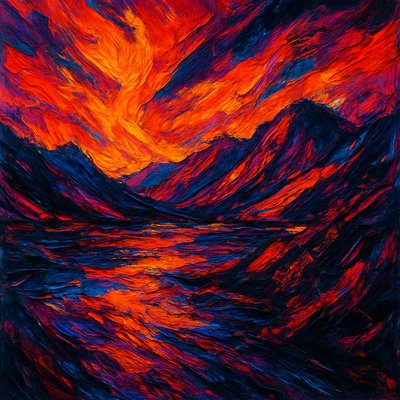
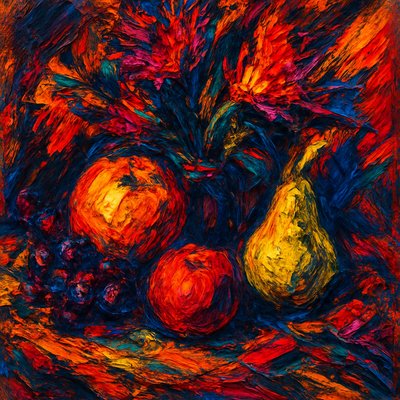
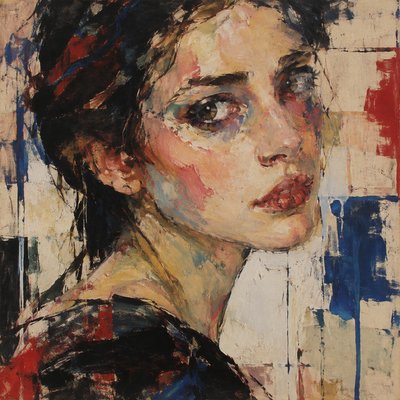
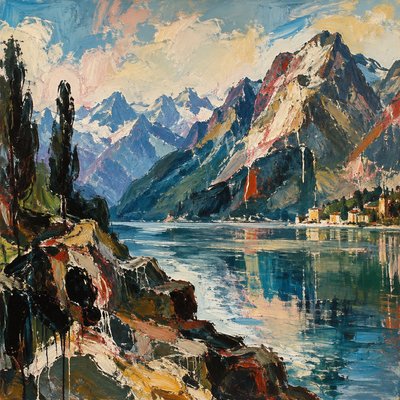
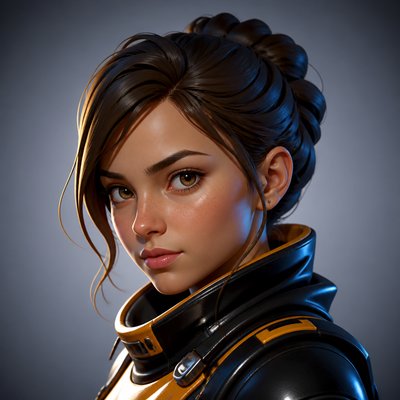
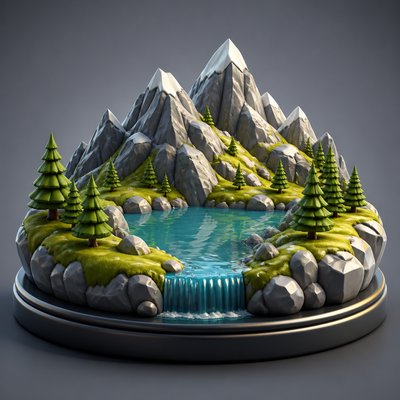
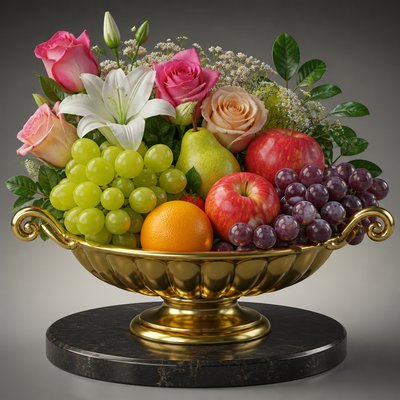
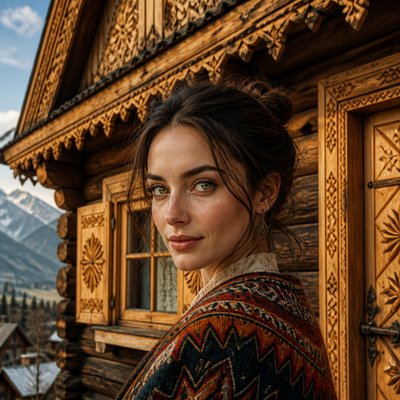
Explore Distortion Art: warped anatomy, stretched perspective, melting contours, and surreal forms pushed beyond natural proportion.
Instantly rendered in Distortion — or transform a photo
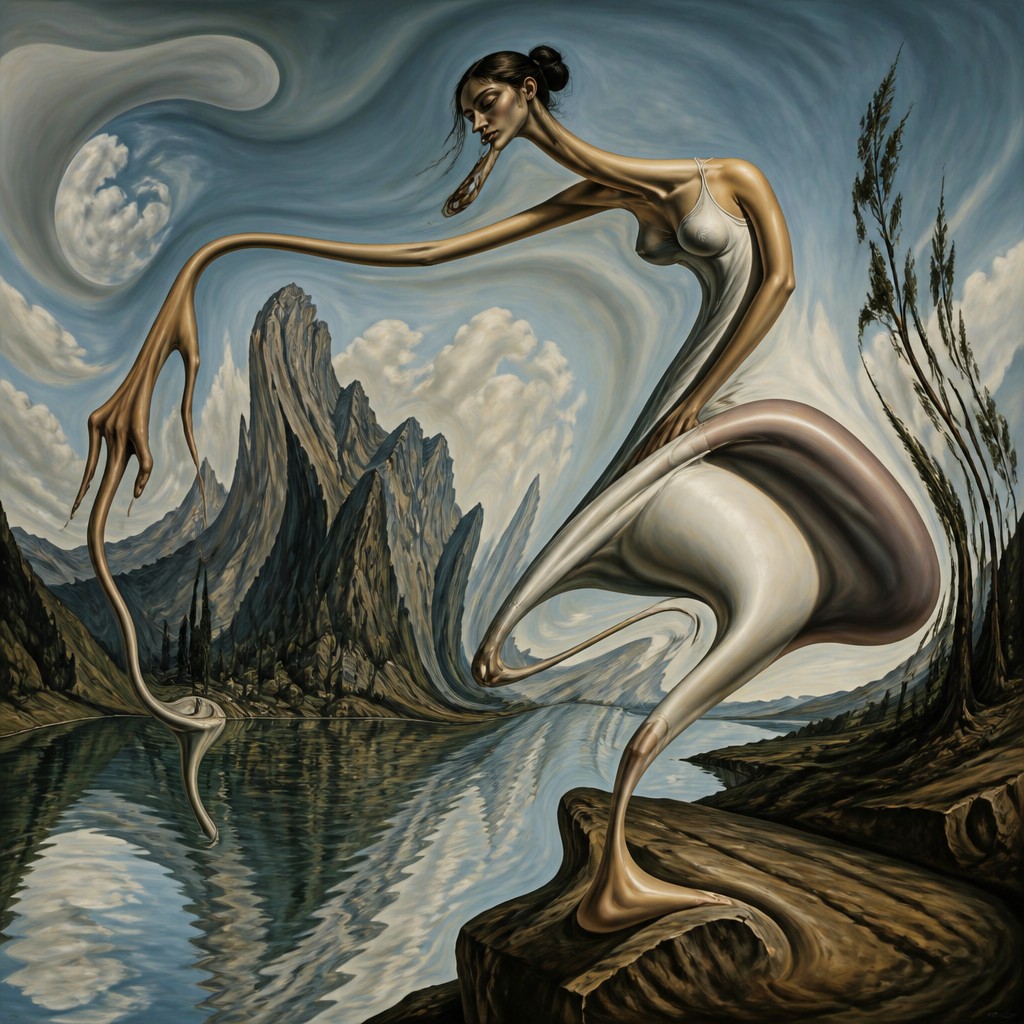
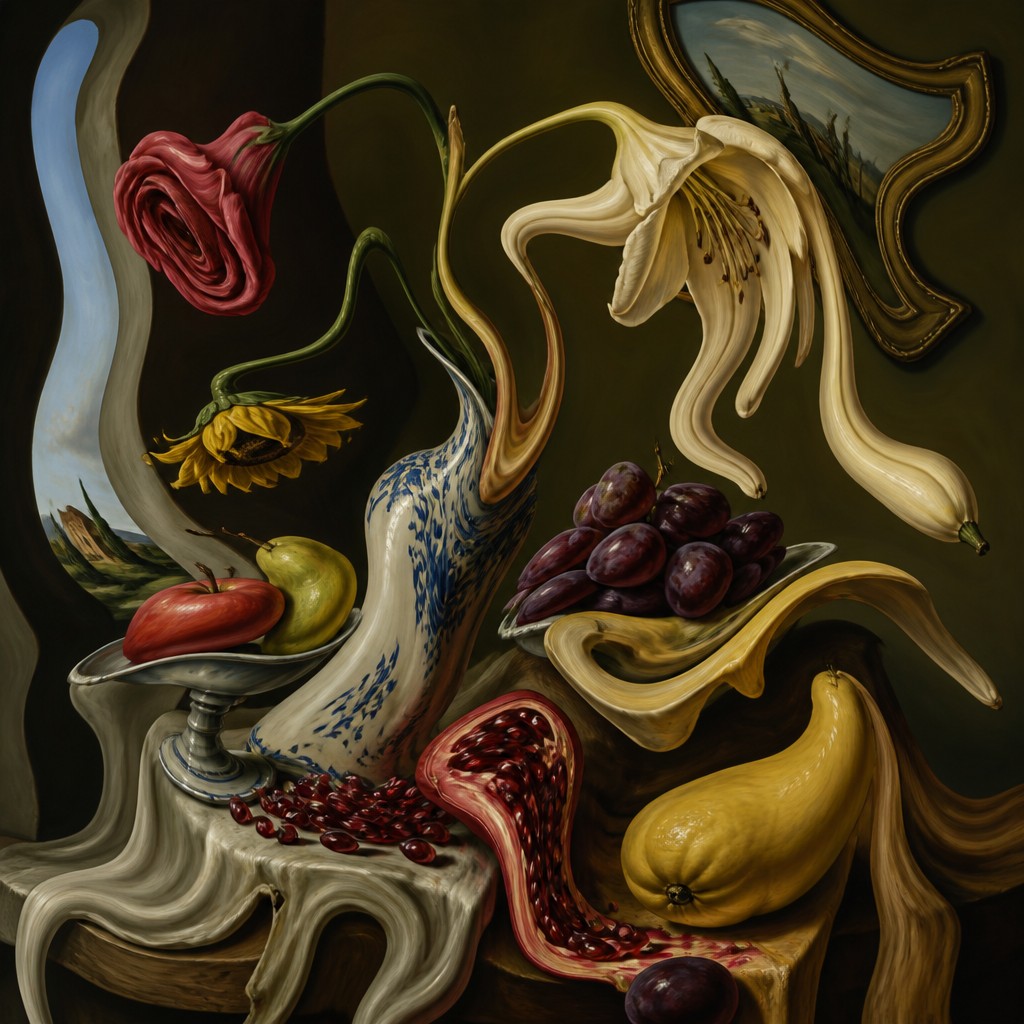
Distortion Gallery
Tap any artwork to explore it
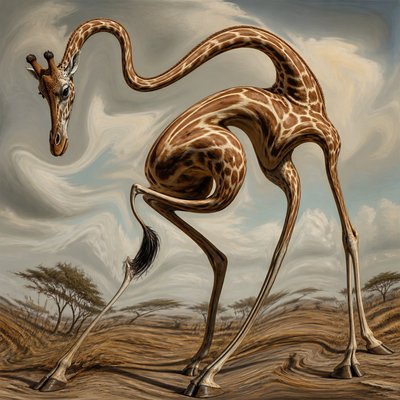
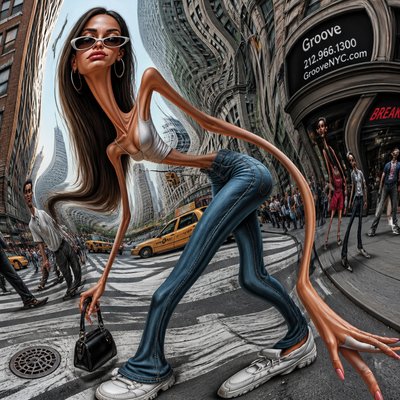
What is Distortion Art Style?
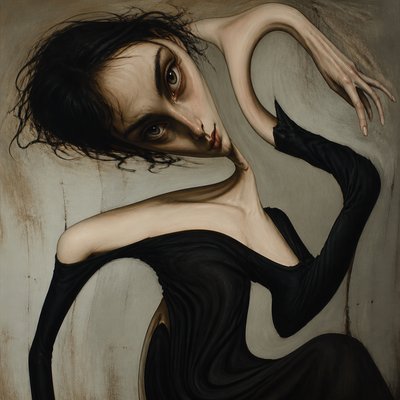
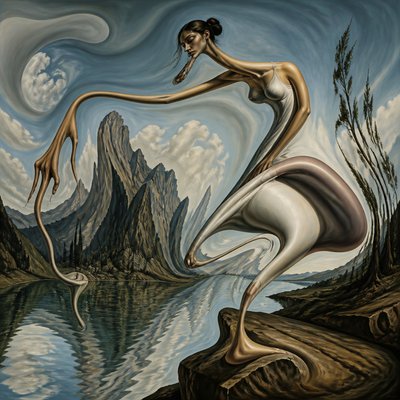
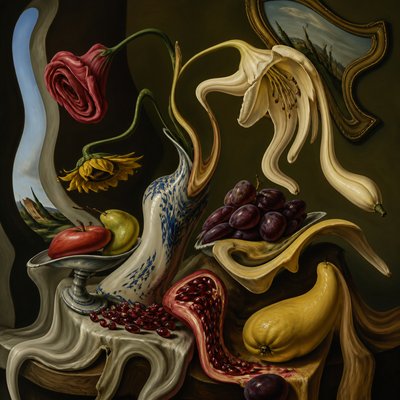
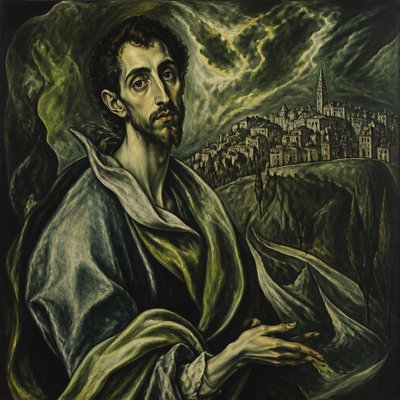
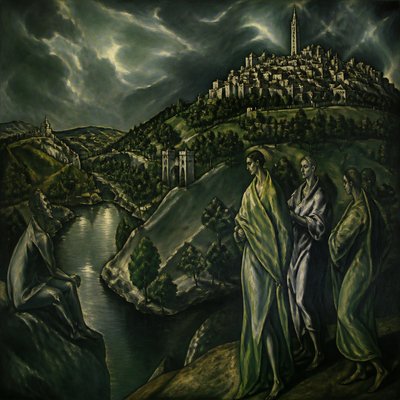
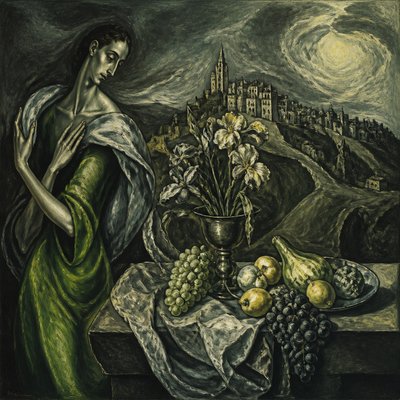
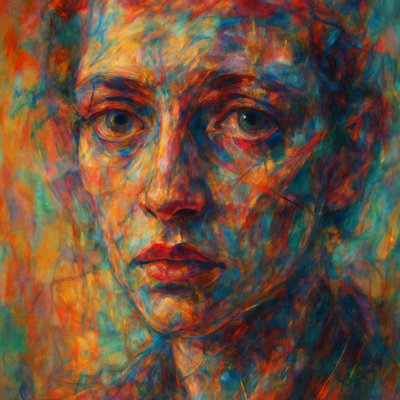
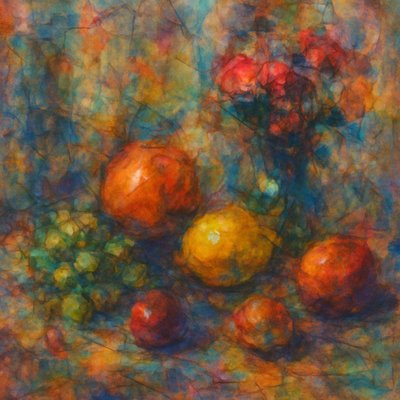
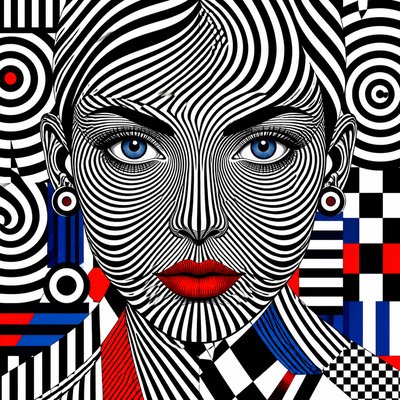
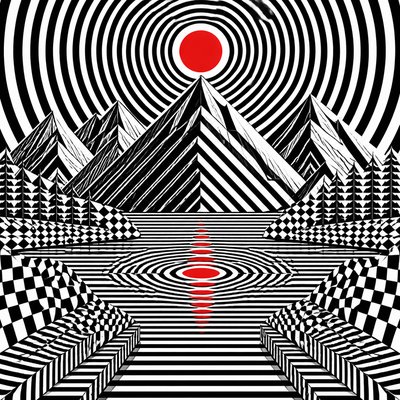
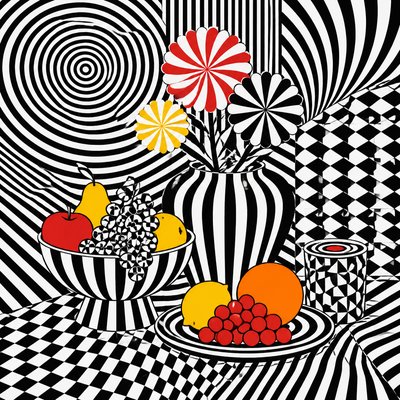
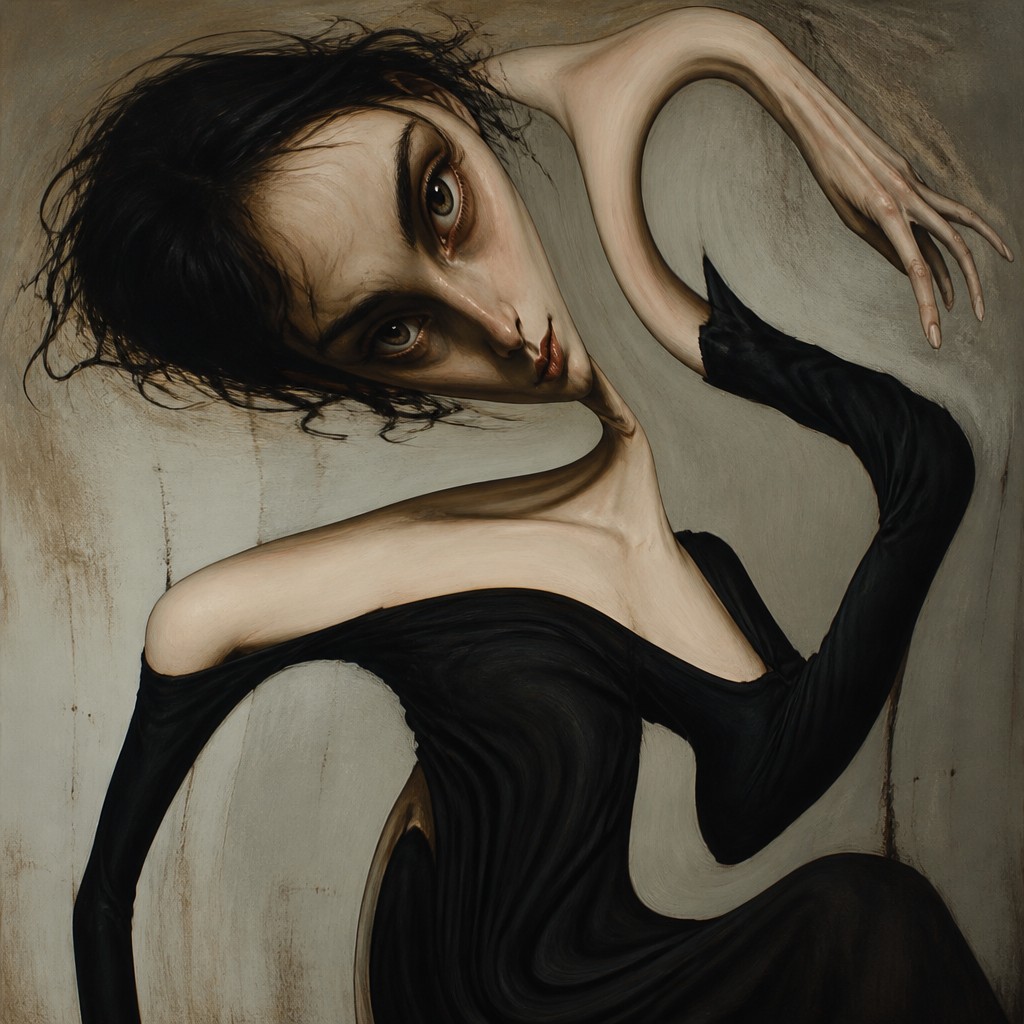
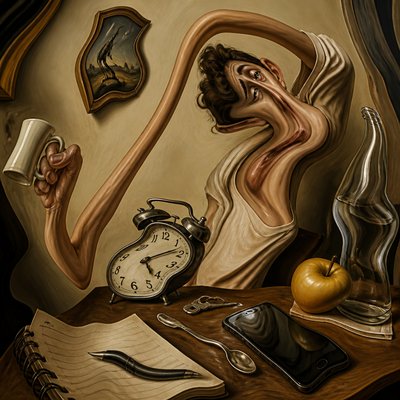
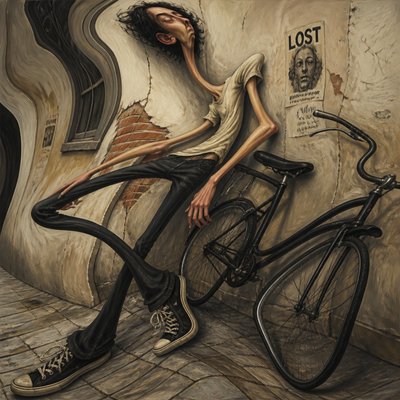
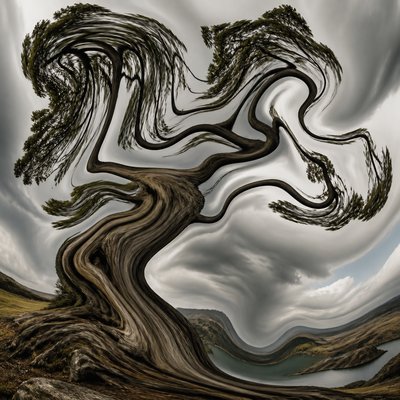
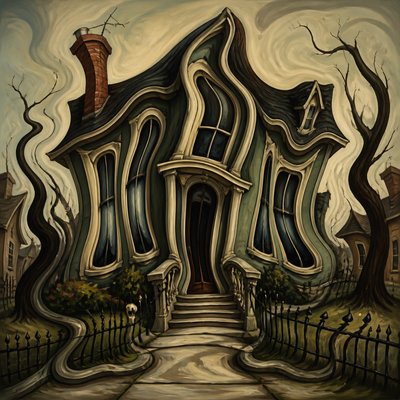
Distortion Art is a contemporary descriptive style built around the deliberate deformation of recognizable forms. Bodies, faces, objects, and environments are stretched, compressed, twisted, or melted beyond natural proportion while remaining legible enough to create tension between reality and visual impossibility. Elongated limbs, bulging curves, displaced features, and unstable silhouettes are common signatures.
The style looks unsettling because it treats anatomy and perspective as flexible materials rather than fixed systems. Figures may appear to bend under invisible pressure, while flat space is skewed through abrupt compression, exaggerated foreshortening, and conflicting viewpoints. The result can suggest psychological unease, physical transformation, comic grotesque, dream logic, or the elastic behavior of rubber and soft wax.
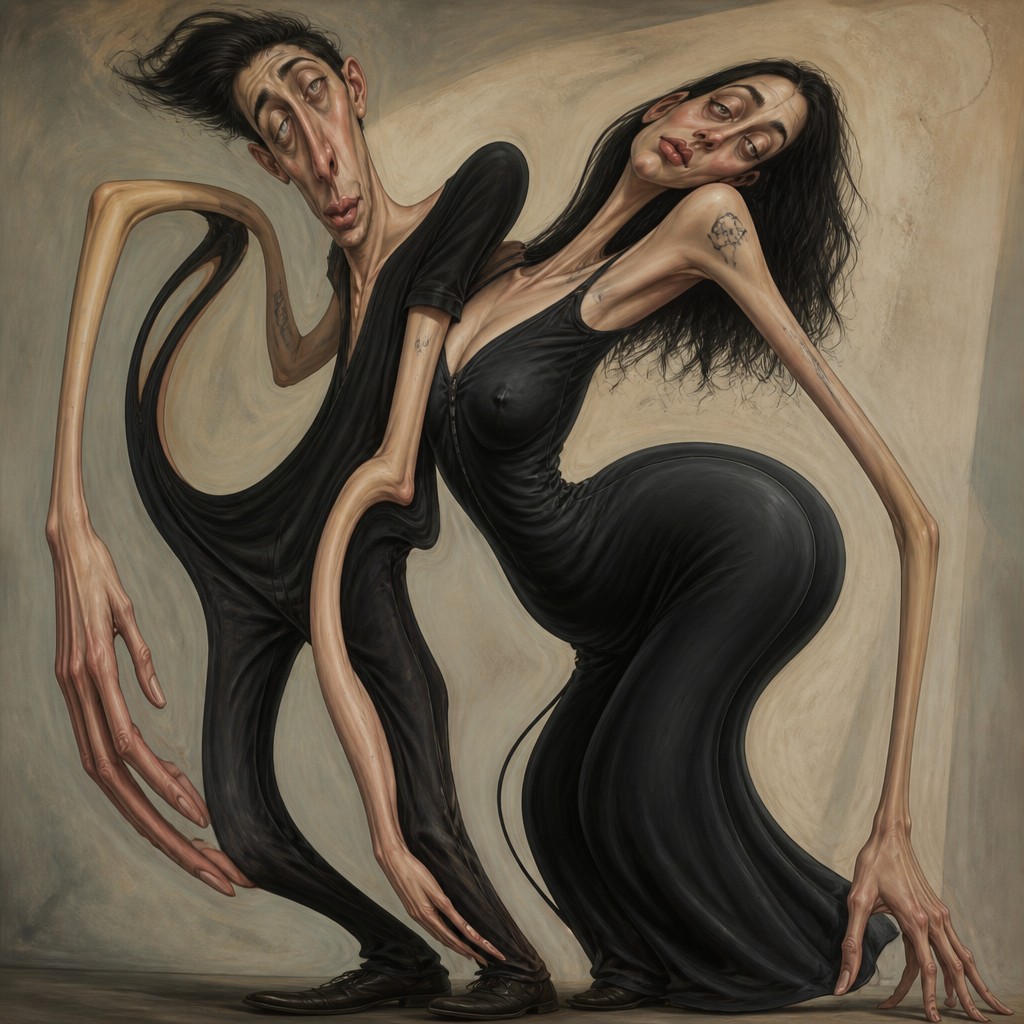
Try It On Your Photos
Upload any photo and convert it into Distortion Art Style — drag the sliders to compare before and after.
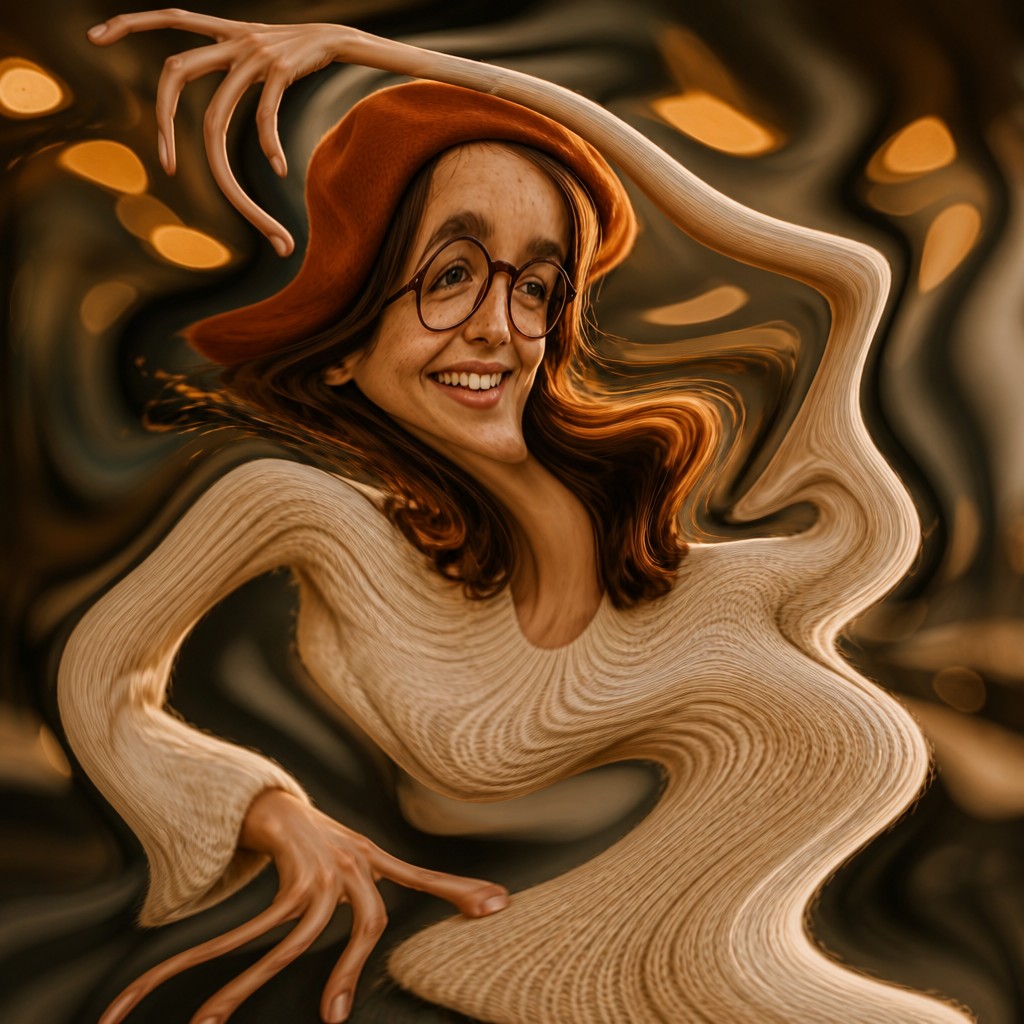

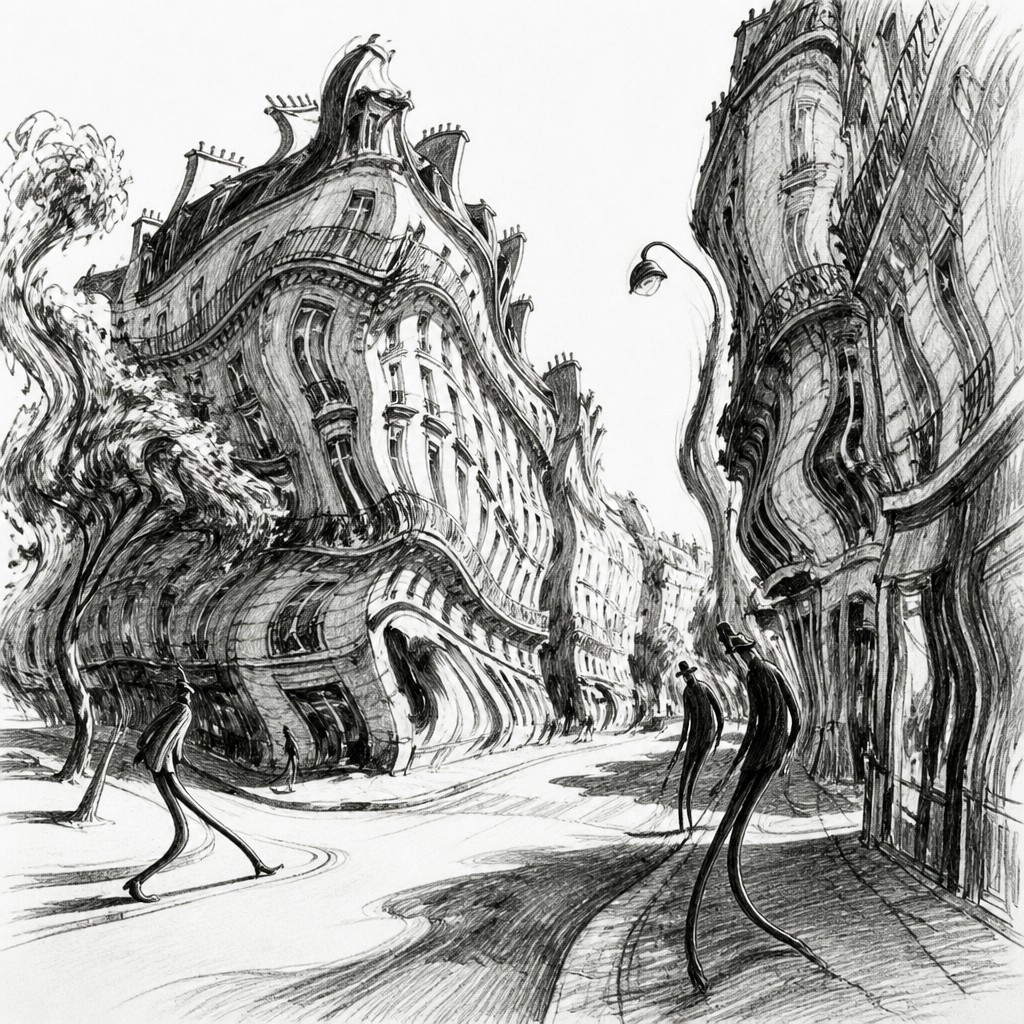

What Defines Distortion Art Style
The signature details, up close
Extreme elongated anatomy
Arms, legs, necks, fingers, and torsos extend far beyond believable human proportion. Length is often used to create imbalance, vulnerability, elegance, or physical absurdity.
Bulging and compressed forms
Anatomical masses swell outward while nearby areas flatten or contract. These opposing pressures make the figure appear inflated, squeezed, or reshaped by an unseen force.
Twisted silhouettes
The outer contour bends sharply through unexpected turns, producing bodies and objects that seem to coil, fold, or buckle. A readable outline is retained even when internal anatomy becomes impossible.
Unstable perspective
Depth may be compressed, stretched, or viewed from contradictory angles within the same image. Foreshortening is deliberately exaggerated so that foreground features dominate and distant elements collapse.
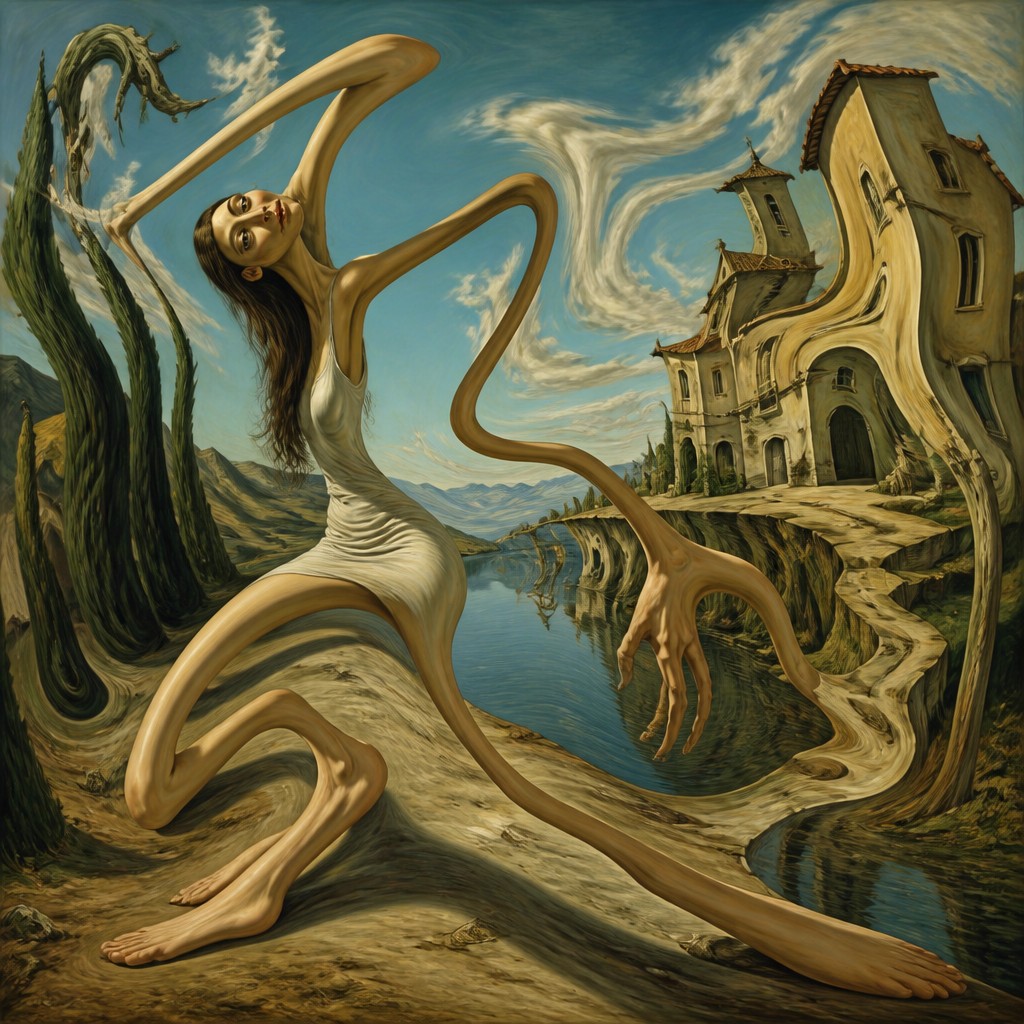
Rubbery or melting surfaces
Contours and volumes can behave like soft rubber, wax, or liquid material. Drooping edges, pulled features, and flowing transitions reinforce the sense that solid forms are physically unstable.
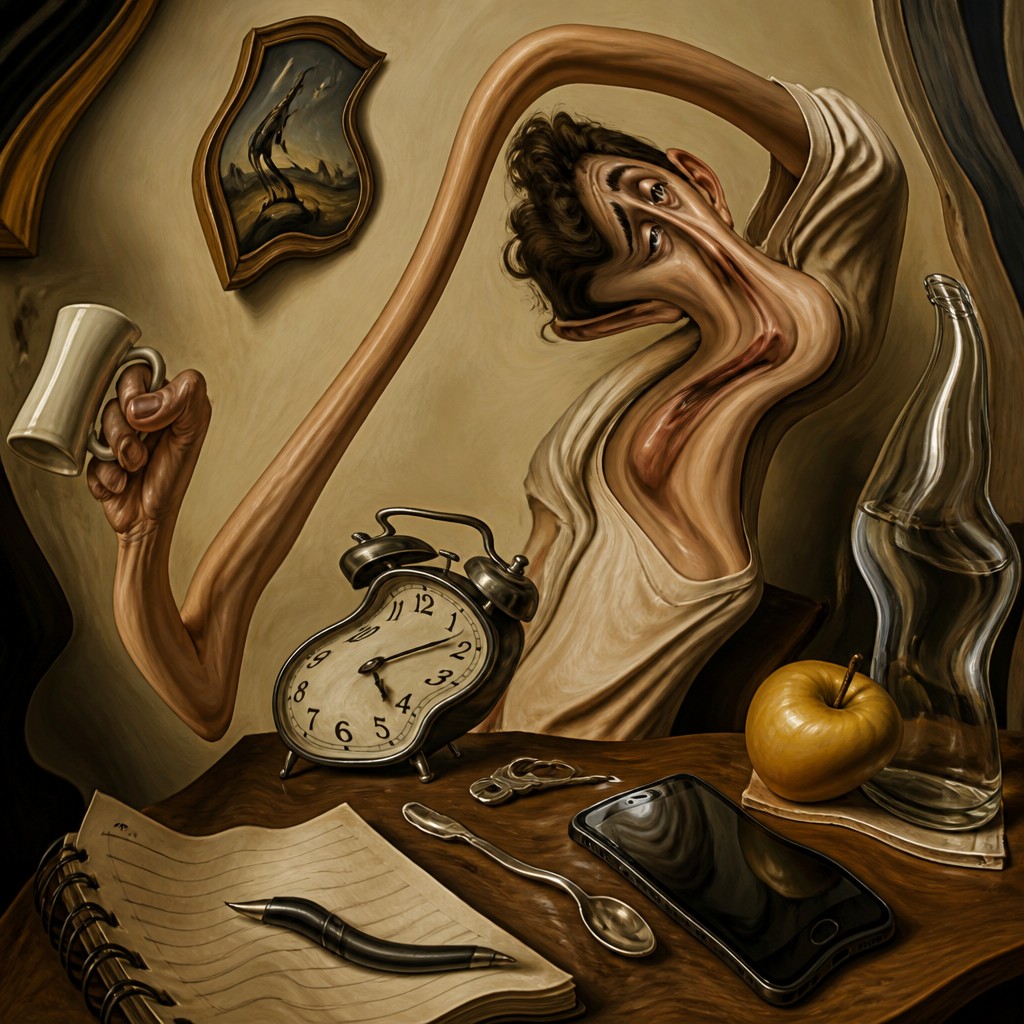
Surreal imbalance
Figures and environments often lean, tilt, or distribute visual weight unnaturally. This imbalance creates unease and directs attention toward the most radically altered areas.
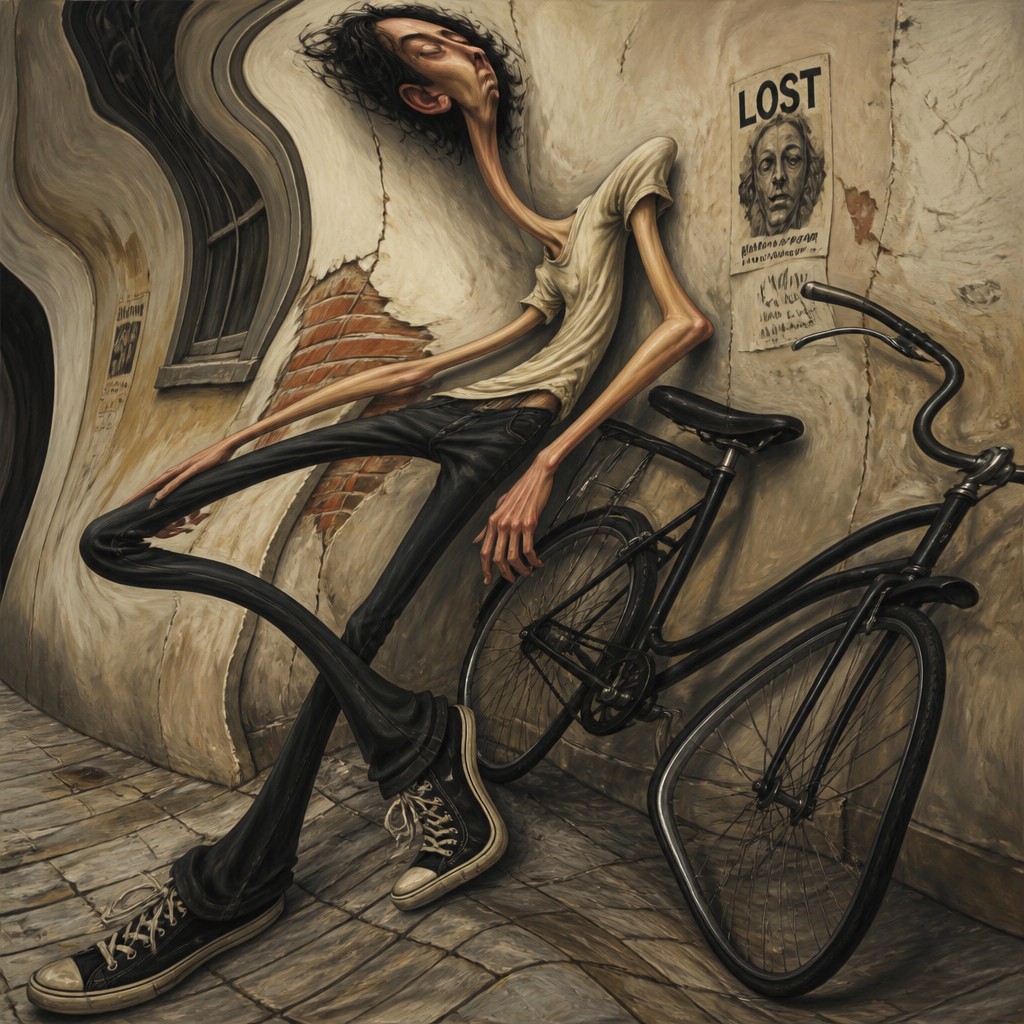
Recognizable subjects under deformation
Portraits, animals, architecture, and everyday objects remain identifiable despite their warped construction. The contrast between familiar subject matter and impossible form is central to the style.
Distortion Prompt Ideas
Start from an idea — each one opens the generator with the style ready to go. See all 40 Distortion prompts →
How to Create Distortion Art
Master the craft step by step — or skip straight to creating. Read the full guide →
- 1
Construct a stable base first
Begin with a clear gesture, perspective grid, or simplified 3D volume so the deformation feels intentional. Once the underlying structure is readable, stretch, compress, rotate, and offset selected forms.
- 2
Push one distortion principle at a time
Choose a dominant action such as elongation, swelling, twisting, melting, or perspective compression. Combining every effect equally can make the image visually incoherent rather than purposefully warped.
- 3
Use contour and value to preserve identity
Keep a few characteristic features—such as a recognizable profile, posture, object outline, or color pattern—while distorting the surrounding anatomy. Strong light-dark separation can clarify forms that have been heavily bent.
- 4
Work with digital warping selectively
Liquify, mesh-warp, puppet-warp, displacement, and perspective tools are effective for controlled deformation. Mask separate regions so that limbs, facial features, clothing, and backgrounds can be stretched without flattening the entire image.
- 5
Transform a photograph with a clear focal area
When altering a photo, protect the main subject's key visual cues and distort the surrounding proportions or selected body parts. Localized warping usually produces a stronger result than applying uniform liquefaction everywhere.
- 6
Describe physical behavior in a prompt
For prompt-based generation, specify the subject, the exact deformation, the spatial effect, and the mood: for example, elongated limbs, bulging curves, melting contours, compressed perspective, and an off-balance silhouette. Request controlled surreal exaggeration rather than vague distortion.
The Story
History & Origins of Distortion
Distortion Art is not a single historically codified movement with a fixed founding date. It is better understood as a contemporary aesthetic category that gathers several long-standing approaches to deformation, including grotesque imagery, caricature, expressionist distortion, surrealist transformations, experimental photography, comic exaggeration, and digital image manipulation.
Its current form has developed through illustration software, photo editing, 3D modeling, animation, and generative image-making, where proportions and perspective can be altered rapidly and repeatedly. Digital tools have expanded the style from hand-drawn anatomical distortion into a broad practice encompassing warped portraits, impossible interiors, liquefied objects, and entire scenes built around unstable spatial logic.
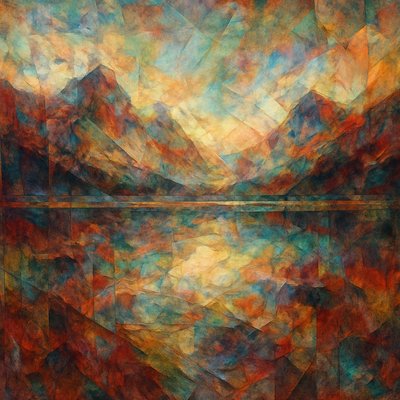
Influences: The style draws on Expressionist deformation, Surrealist transformation, grotesque and caricatural traditions, anamorphic perspective, experimental portrait photography, comic-book exaggeration, body-horror imagery, elastic animation principles, and digital liquefaction techniques. It also shares with Cubist and other modernist experiments an interest in breaking ordinary spatial continuity, although its emphasis is usually on elastic, melting, or anatomically extreme forms rather than on geometric analysis alone.
Frequently Asked Questions
What defines Distortion Art?
Its defining feature is deliberate deformation of recognizable subjects beyond natural proportion. Elongation, swelling, twisting, melting contours, and unstable perspective are used to create tension while preserving enough identity for the viewer to recognize the subject.
Is Distortion Art a historical art movement?
No. The term is generally used as a contemporary descriptive category rather than the name of one unified historical movement. It combines techniques and ideas associated with Expressionism, Surrealism, caricature, experimental photography, animation, and digital manipulation.
How is it different from ordinary caricature?
Caricature typically exaggerates selected identifying features for humor, satire, or recognition. Distortion Art can exaggerate the entire body, object, or environment and often aims for psychological unease, dream logic, material transformation, or spatial instability rather than likeness-based comedy.
Can Distortion Art be made traditionally?
Yes. It can be drawn with graphite, ink, charcoal, pastel, or paint by altering proportion during construction and pushing the contour beyond anatomical logic. Mirrors, fisheye references, cut-paper collage, and repeated tracing can help develop unusual forms without relying on software.
What subjects work well in this style?
Portraits and full figures are especially effective because viewers immediately notice changes in anatomy. Architecture, animals, furniture, vehicles, still lifes, and ordinary rooms also work well when their familiar structures are stretched, folded, or placed in conflicting perspective.
How can I make the distortion look intentional rather than accidental?
Establish a clear focal distortion and repeat its logic through the surrounding composition. Preserve a few recognizable landmarks, control the lighting and silhouette, and make perspective, color, or texture support the same sense of pressure or instability.
Create your first Distortion artwork
Describe anything — or upload a photo — and see it in Distortion Art Style in seconds.
Related Styles
Discover similar art styles