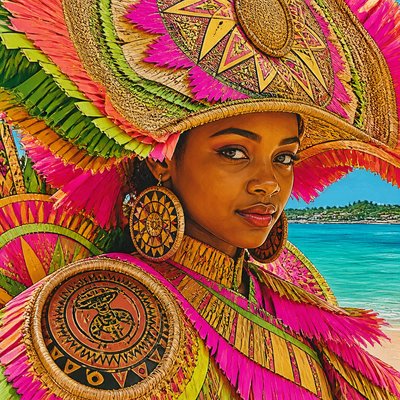
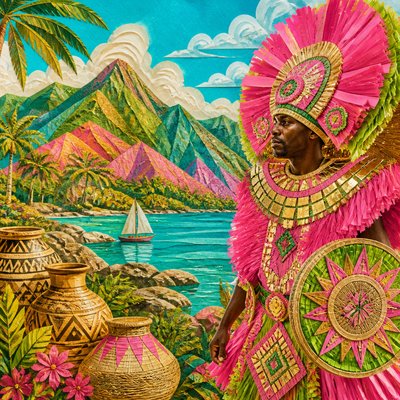
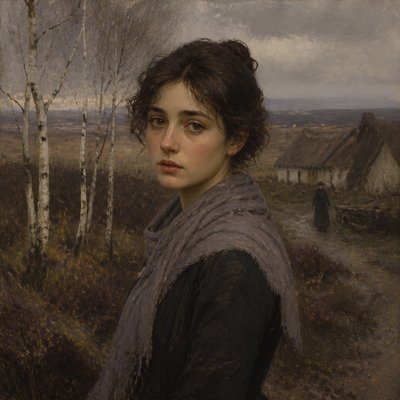
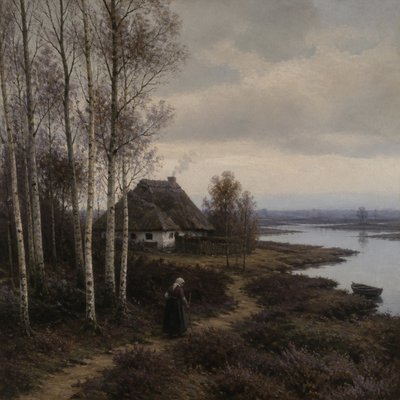
Line Art Style
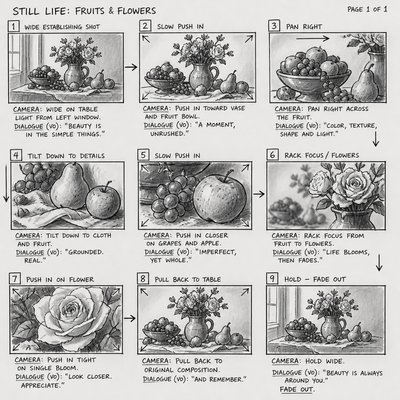
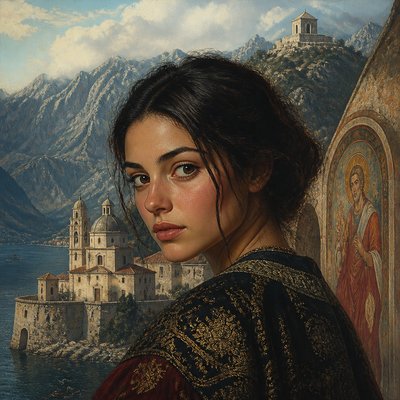
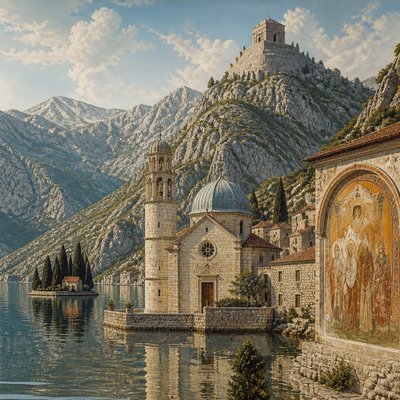
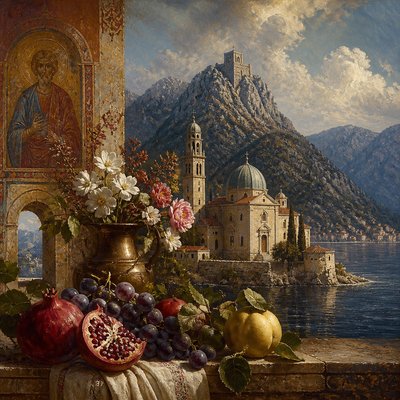
Explore Line Art Style: precise monochrome contours, purposeful negative space, and minimal detail creating clear, expressive imagery.
Instantly rendered in Line — or transform a photo
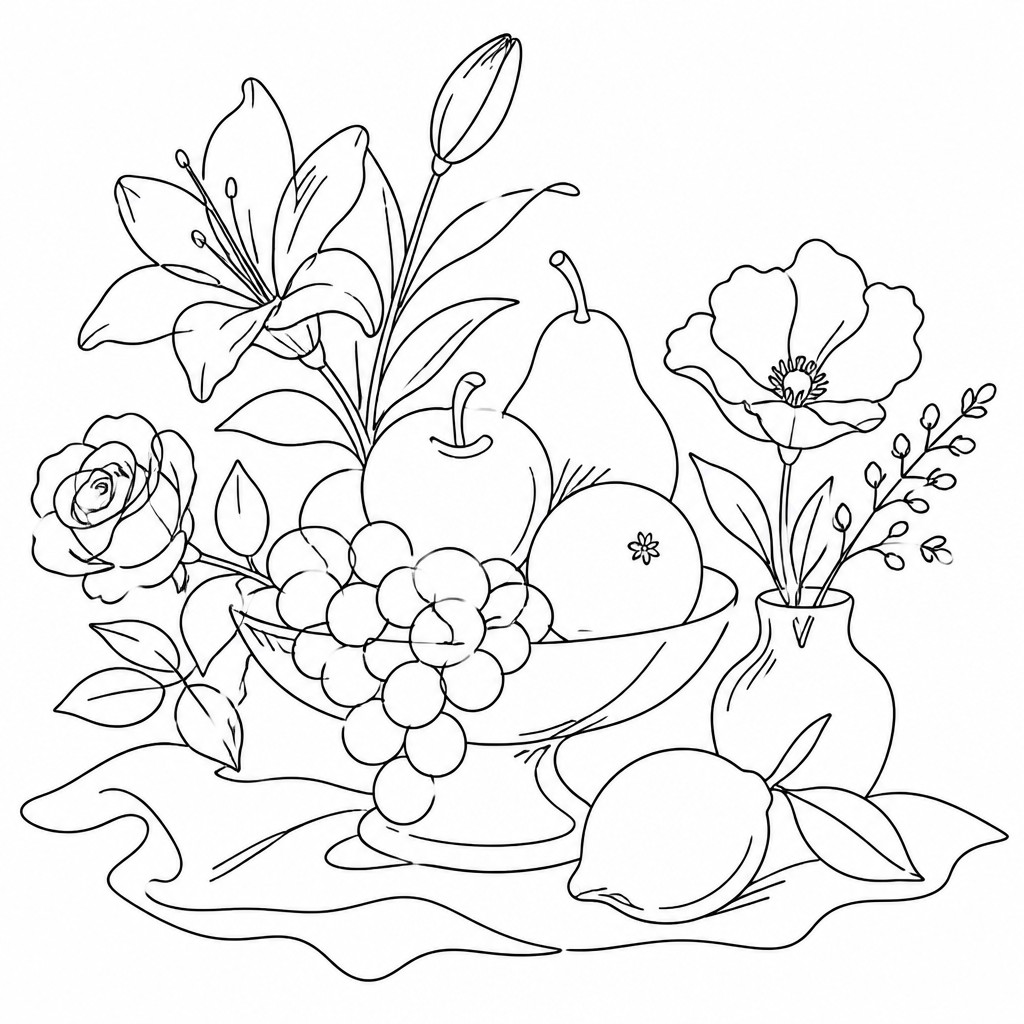
Line Gallery
Tap any artwork to explore it
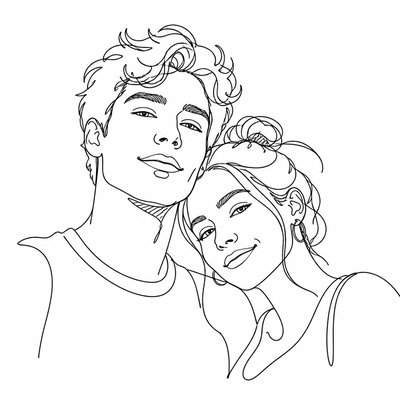
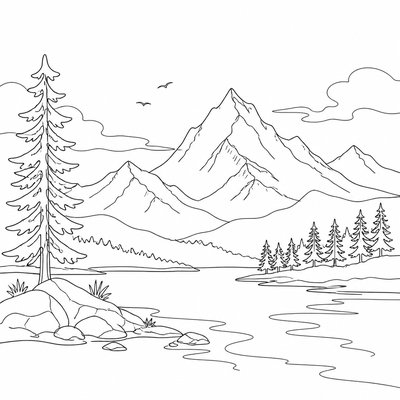
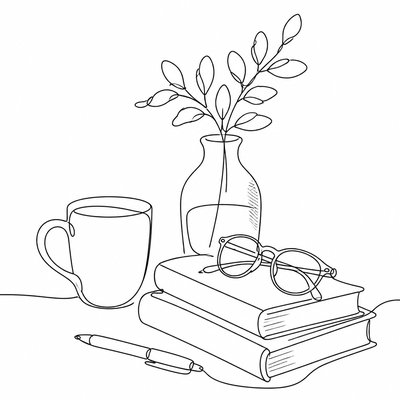
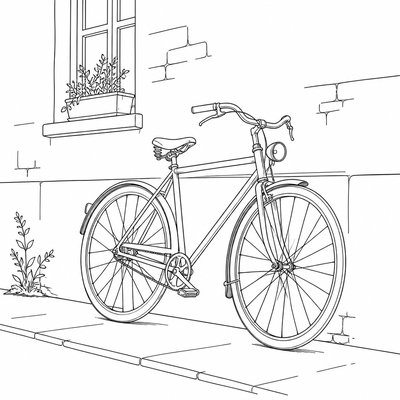
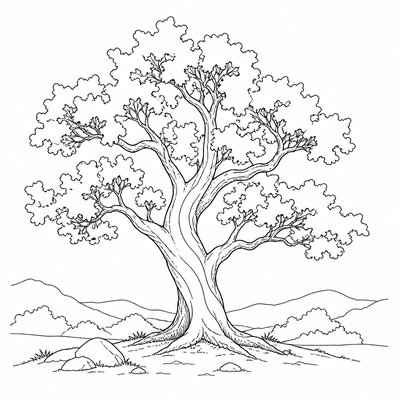
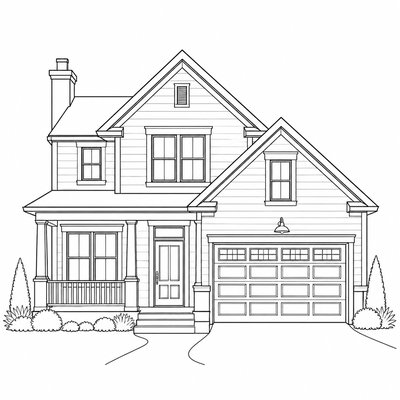
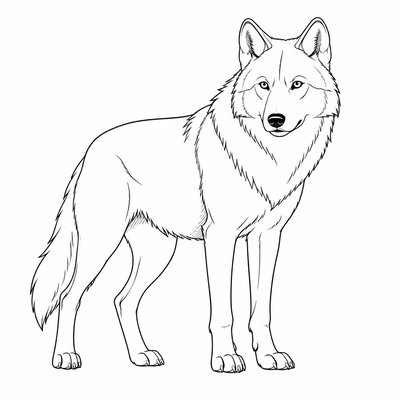
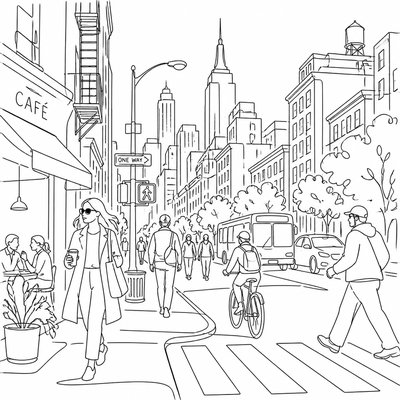
What is Line Art Style?
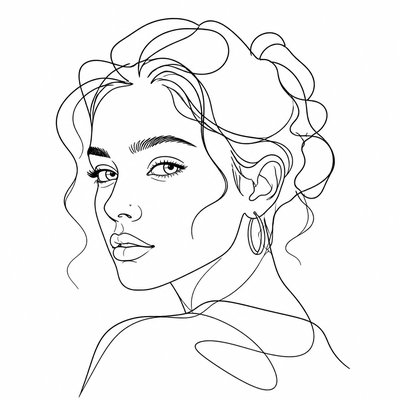
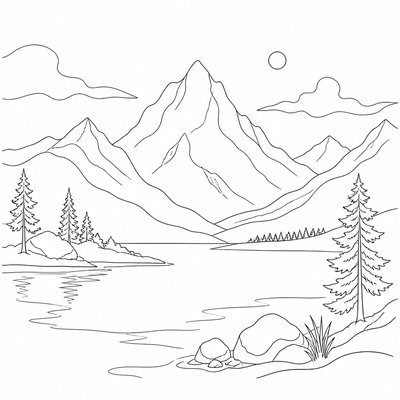
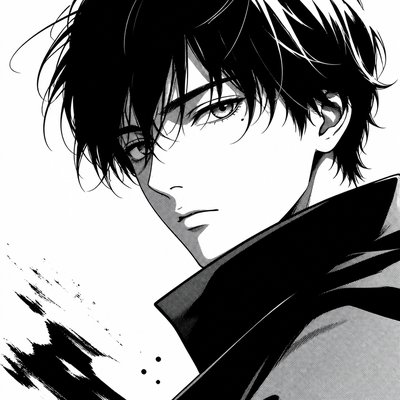
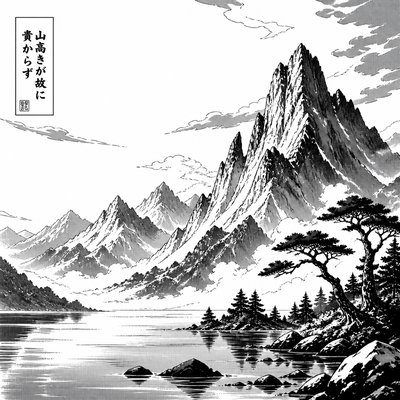
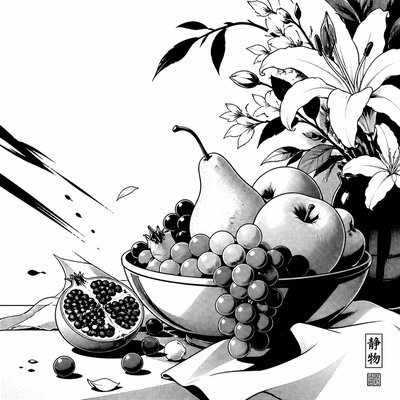
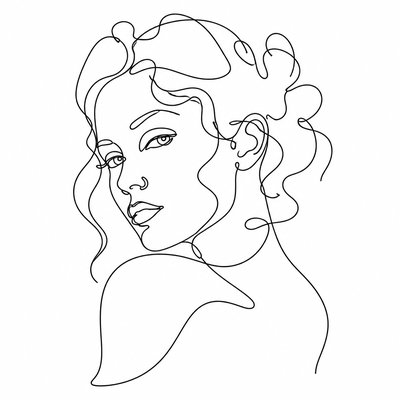
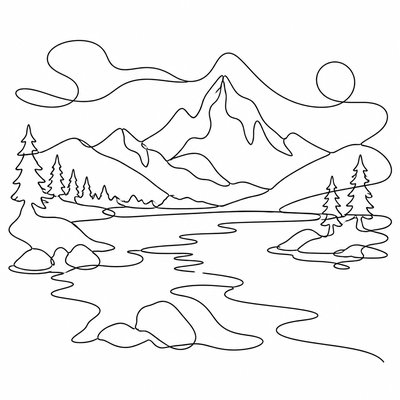
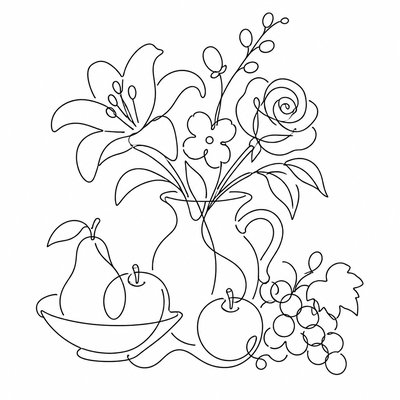
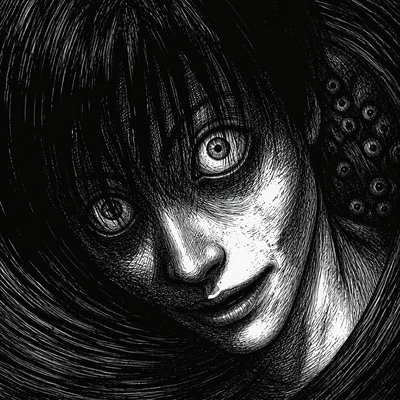
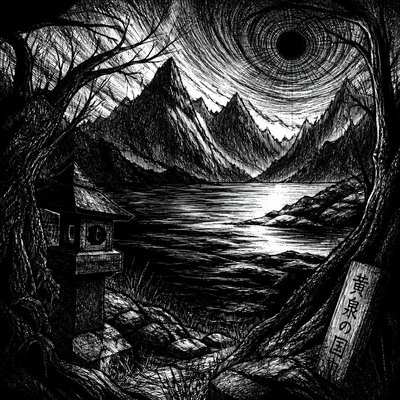
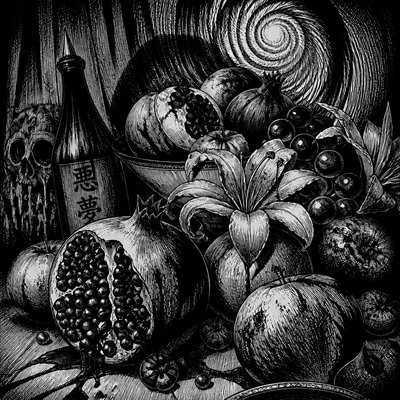
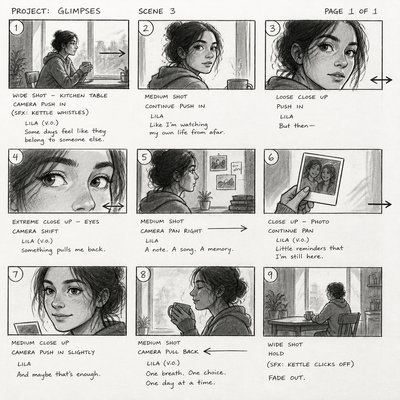
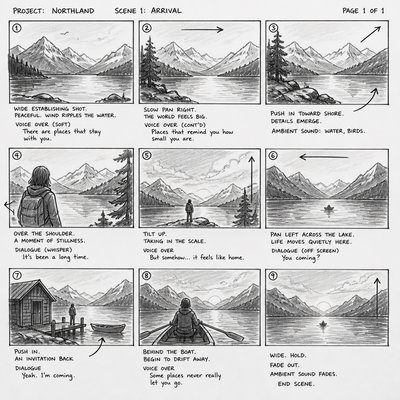
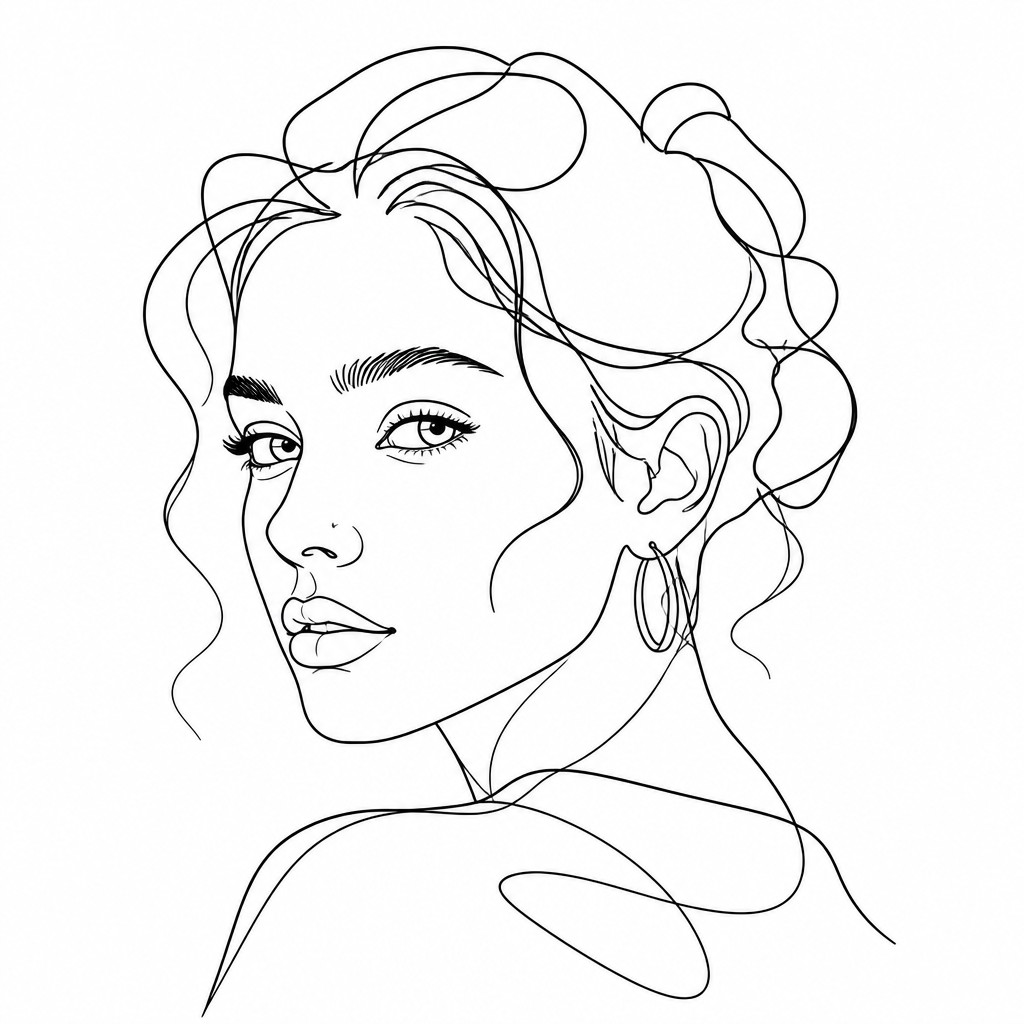
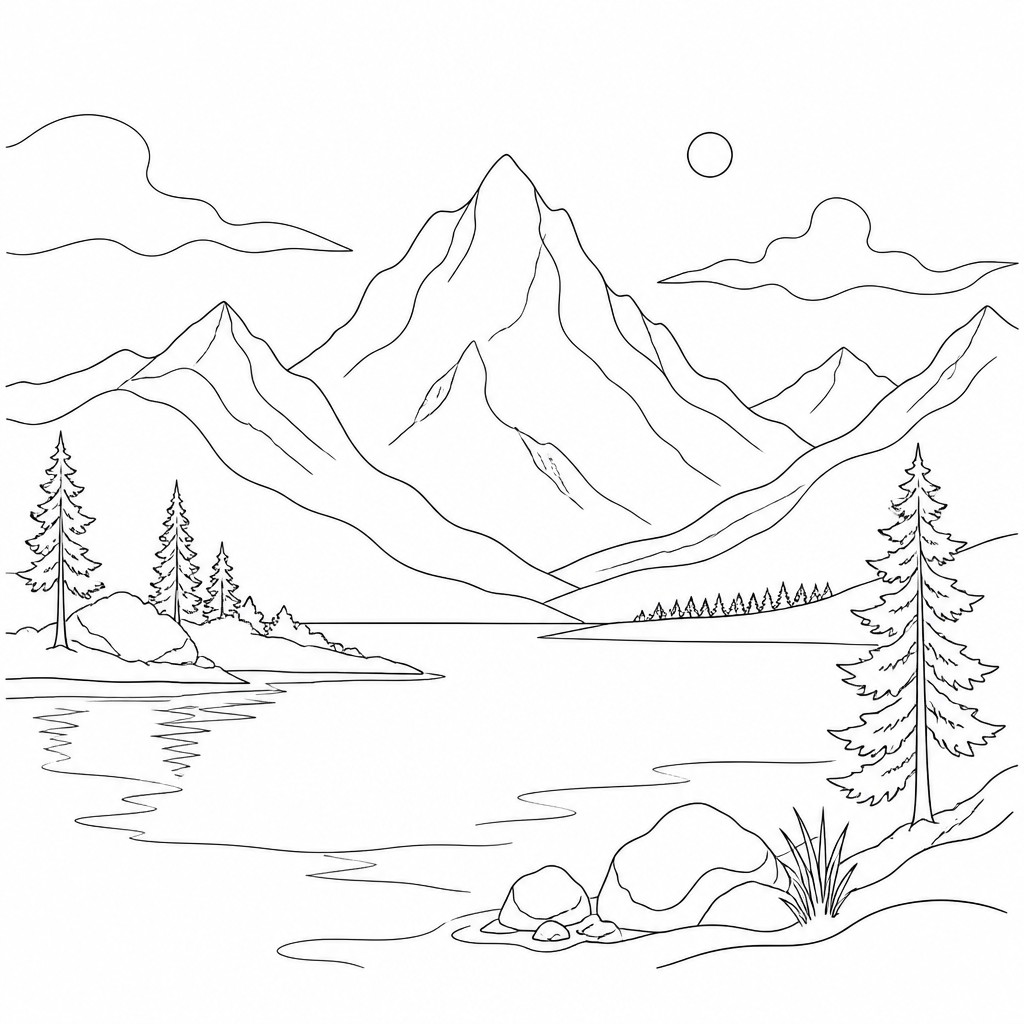
Line Art Style is an image-making approach in which contour, gesture, and empty space carry the subject’s identity. Forms are described primarily through crisp monochrome lines rather than color, tonal modeling, or filled surfaces. A successful image may use one uninterrupted contour, a small network of controlled strokes, or sparse cross-hatching to suggest structure and depth.
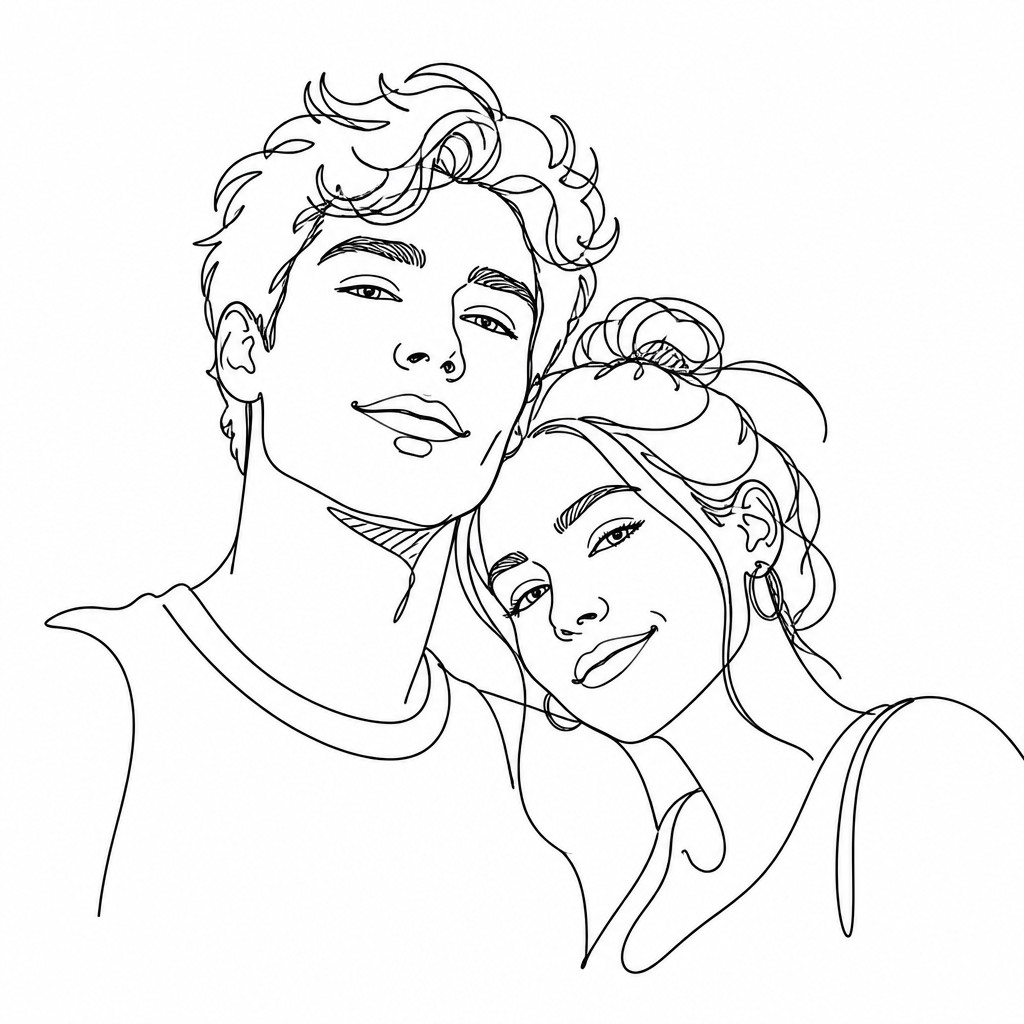
Try It On Your Photos
Upload any photo and convert it into Line Art Style — drag the sliders to compare before and after.
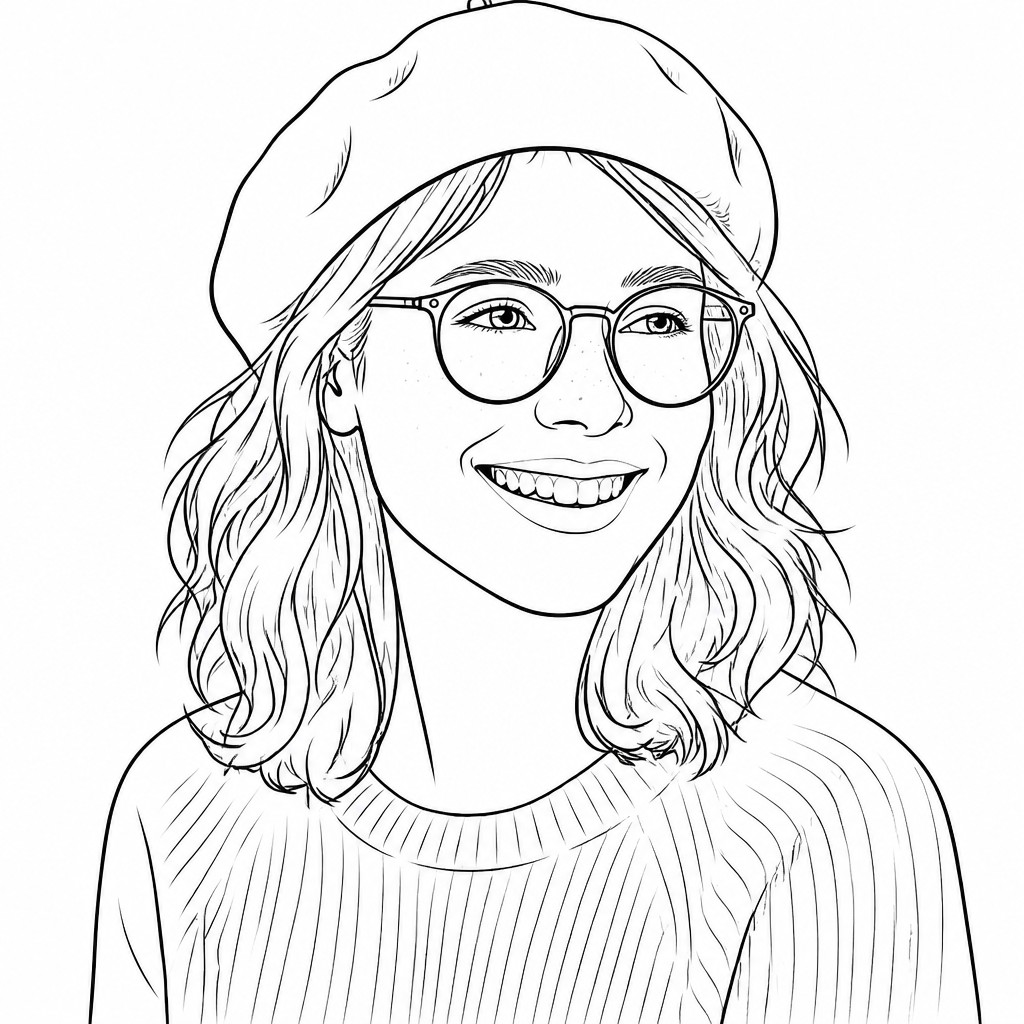

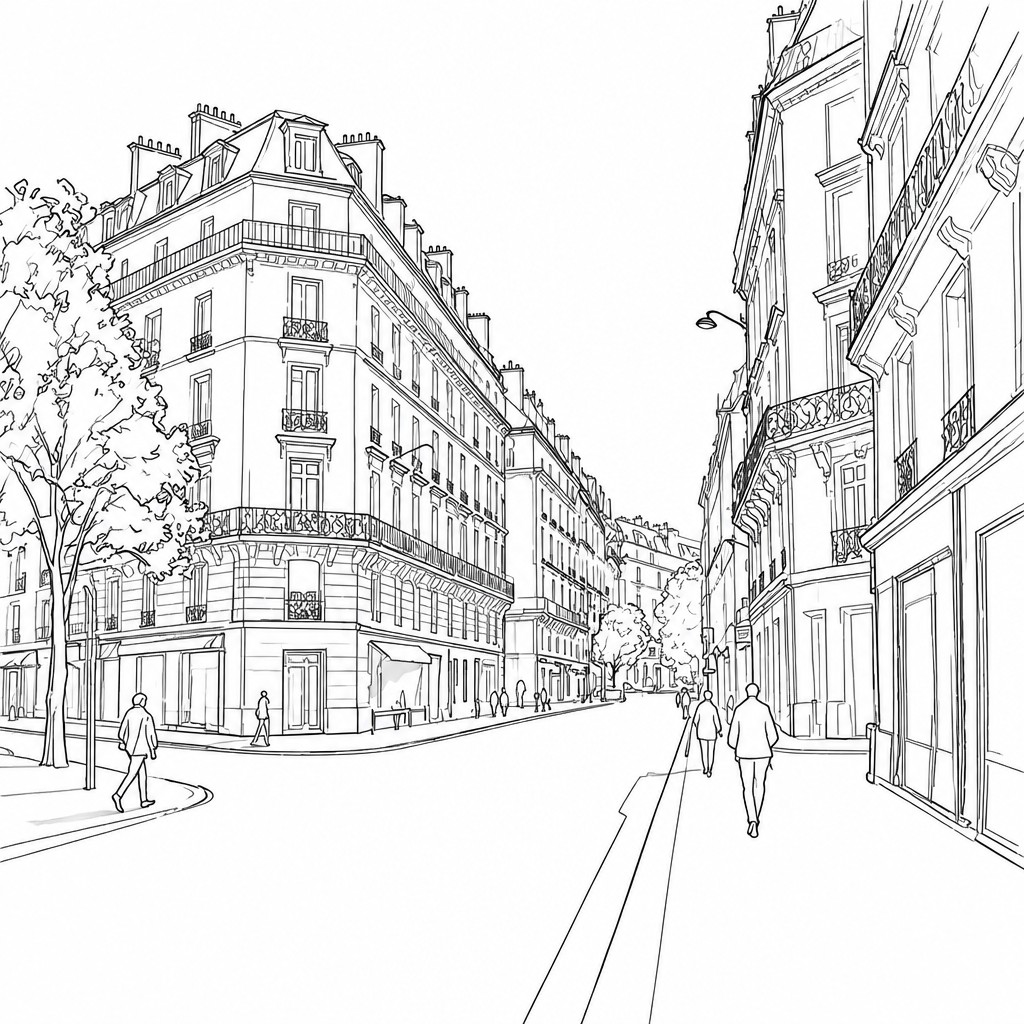

Or use the free Line photo filter
What Defines Line Art Style
The signature details, up close
Contour-led construction
The outer edge of a subject is given priority, with carefully controlled lines defining silhouette, proportion, and gesture. Interior marks are used selectively to clarify important structural features.
Monochrome economy
Black, dark gray, or another single ink tone is typically set against a stark white or lightly tinted ground. Color is omitted so that line quality and composition remain central.
Purposeful negative space
Unmarked areas are treated as active compositional elements rather than unfinished background. Empty space separates forms, establishes scale, and allows a few marks to communicate an entire scene.
Variable line weight
Subtle changes in thickness can distinguish foreground from background, indicate pressure or movement, and give contours a more tactile presence. Extremely uniform lines create a flatter, diagrammatic effect.
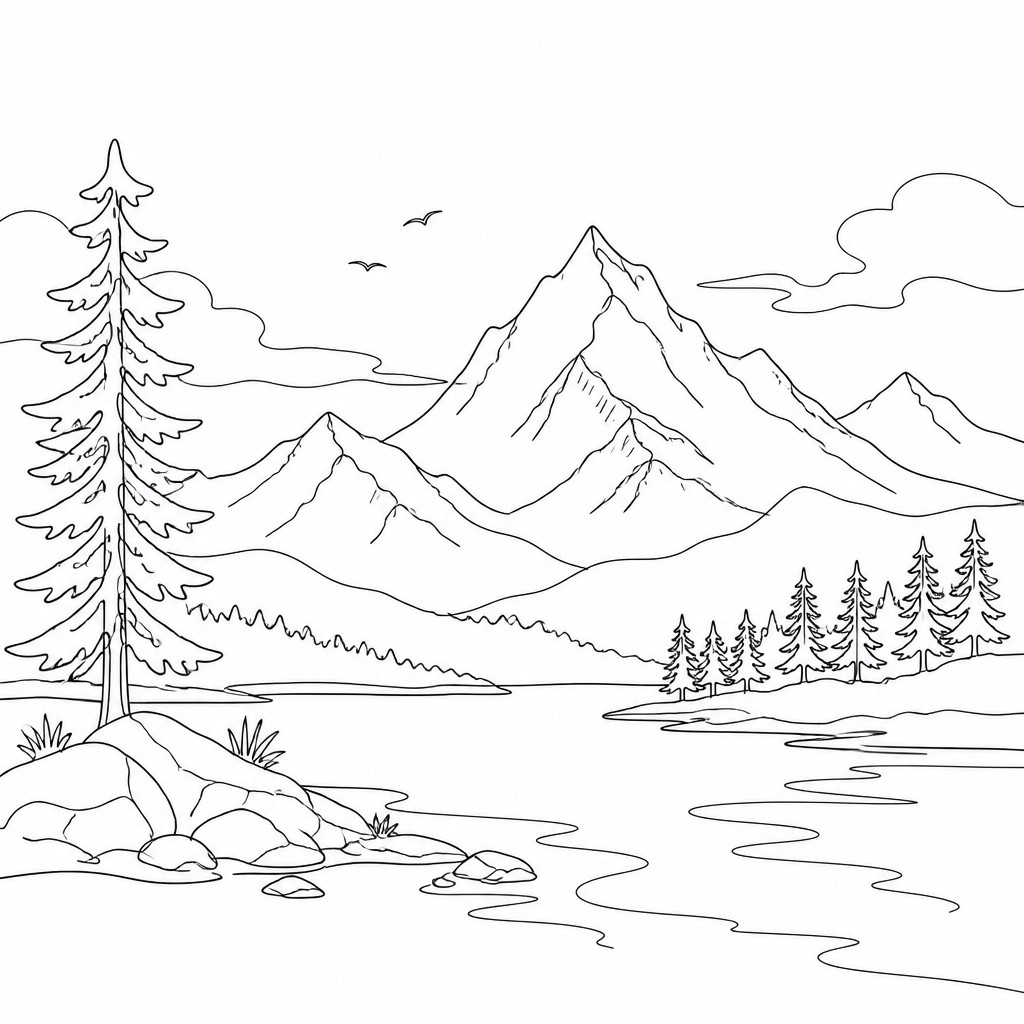
Minimal interior detail
Facial features, folds, texture, and joints are reduced to the fewest marks needed for recognition. This restraint produces clarity while leaving room for the viewer to complete the image.
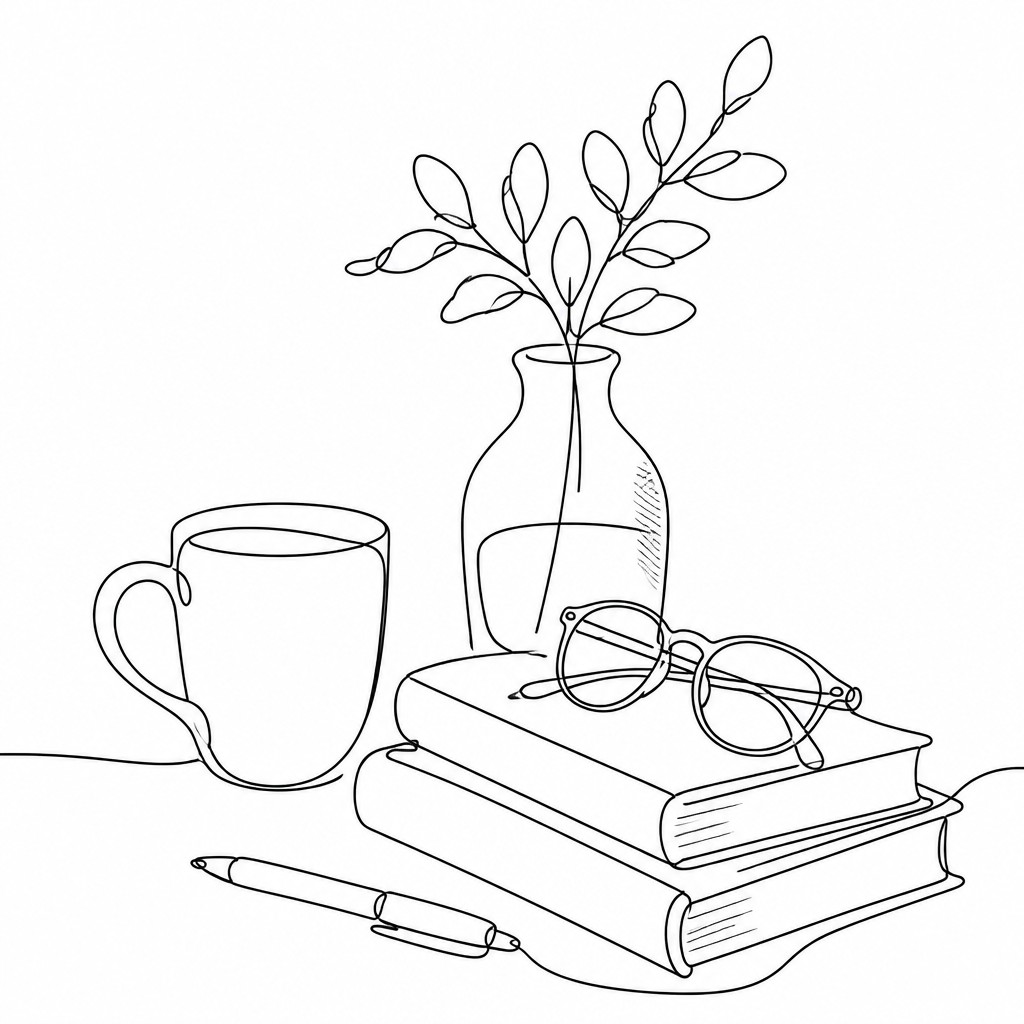
Selective depth cues
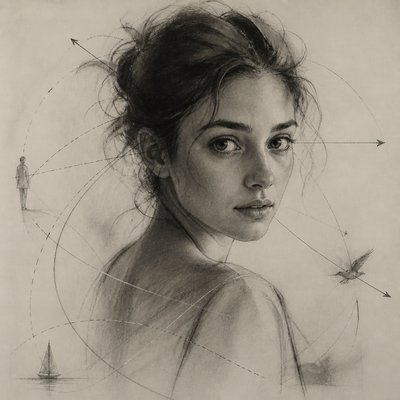
Sparse cross-hatching, overlapping contours, and occasional broken lines suggest volume without becoming full tonal shading. Depth remains subordinate to legibility and open space.
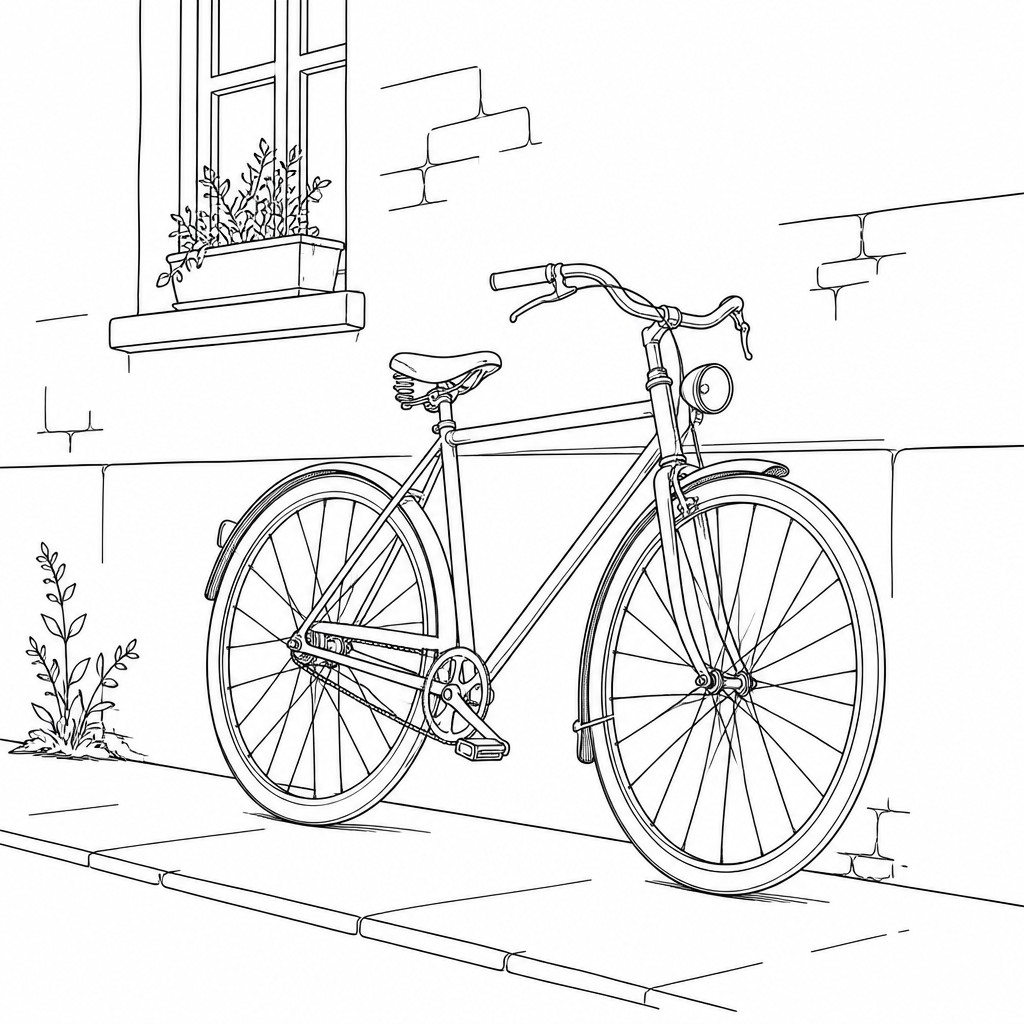
Crisp, resolved edges
Smooth curves and deliberate intersections prevent the image from appearing accidental or muddy. Clean edges are especially characteristic of vector-based and digitally refined versions of the style.
Line Prompt Ideas
Start from an idea — each one opens the generator with the style ready to go. See all 40 Line prompts →
How to Create Line Art
Master the craft step by step — or skip straight to creating. Read the full guide →
- 1
Establish the silhouette first
Begin with a light structural sketch, then trace the major outer contour in a confident movement. Remove construction marks so the final image depends on a small number of decisive lines.
- 2
Control line hierarchy
Use slightly heavier lines for the nearest or most important forms and lighter marks for interior anatomy and distant objects. Avoid giving every detail equal visual emphasis.
- 3
Reserve the white ground
Plan the empty areas before filling the page with detail. A white or lightly colored background should separate the subject and provide breathing room around the strongest contours.
- 4
Suggest volume sparingly
Add only a few parallel hatch marks, overlaps, or interior curves where a flat outline would become ambiguous. Keep shading subordinate to the contour rather than modeling every surface.
- 5
Refine digitally when needed
Use a pressure-sensitive brush, vector pen, or path tool to smooth curves, edit line weight, and remove stray marks. Thresholding or tracing a sketch can work, but manual cleanup is usually needed for expressive results.
- 6
Write focused generation directions
For prompt-based creation, specify the subject, viewpoint, white ground, monochrome ink, continuous contours, sparse interior detail, and restrained cross-hatching. Request clean edges and strong negative space, while excluding color, gradients, and heavy filled shadows.
The Story
History & Origins of Line
Line Art Style is best understood as a contemporary descriptive mode rather than a historically bounded art movement. Its aesthetic lineage includes contour drawing, ink illustration, technical drafting, cartoon and comics linework, coloring-book graphics, and the reductive clarity of modernist and minimalist design. It also reflects the precision of vector drawing and the clean visual language of digital interfaces.
Influences: The style connects contour drawing and gesture studies with pen-and-ink illustration, technical and architectural drafting, editorial cartoons, comics linework, coloring-book graphics, and modernist reduction. Its emphasis on restraint also relates to minimalist graphic design, while vector tools contribute smooth curves, editable paths, and consistently clean edges. In some applications it borrows the observational precision of scientific and botanical illustration without adopting their full descriptive density.
Frequently Asked Questions
What defines Line Art Style?
It is defined by the dominance of contour lines over color and tonal shading. Clear silhouettes, sparse interior marks, monochrome treatment, and active negative space allow a limited number of strokes to describe the subject.
Is Line Art Style a historical art movement?
No. The term is generally used as a broad contemporary description of an image-making approach, not as the name of a single period or organized movement. It brings together older traditions of contour drawing and ink illustration with modern digital and vector practices.
How does it differ from a simple outline drawing?
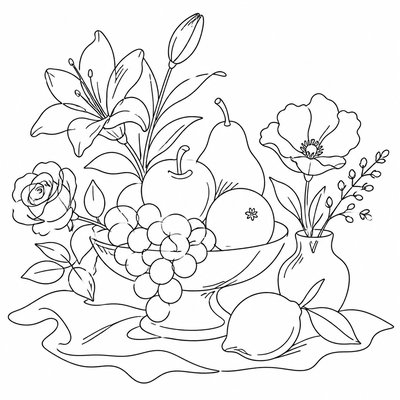
A simple outline may record only the outer edge of an object. Line Art Style can also use selective interior contours, line-weight changes, overlaps, and restrained hatching to communicate anatomy, texture, depth, and movement while remaining visually spare.
Can Line Art Style include shading?
It can include minimal cross-hatching or a few closely placed marks, but extensive gradients, solid shadows, and painterly modeling are usually avoided. The goal is to suggest volume without weakening the clarity of the line.
What subjects work well with this style?
It suits portraits, animals, plants, architecture, objects, fashion figures, and expressive gestures. Subjects with recognizable silhouettes and clear structural rhythms are especially effective because they can be communicated with relatively few marks.
Where is Line Art Style commonly used?
It appears in illustration, comics, editorial graphics, logos, icons, instructional diagrams, coloring pages, tattoo designs, concept sketches, and digital interface imagery. Its reproducibility and low visual complexity make it useful in both print and screen-based contexts.
Create your first Line artwork
Describe anything — or upload a photo — and see it in Line Art Style in seconds.
Related Styles
Discover similar art styles