Barbizon Art Style
Explore Barbizon art: atmospheric French realism, forest light, earthy color, rural labor, and plein-air oil painting techniques.
Instantly rendered in Barbizon — or transform a photo
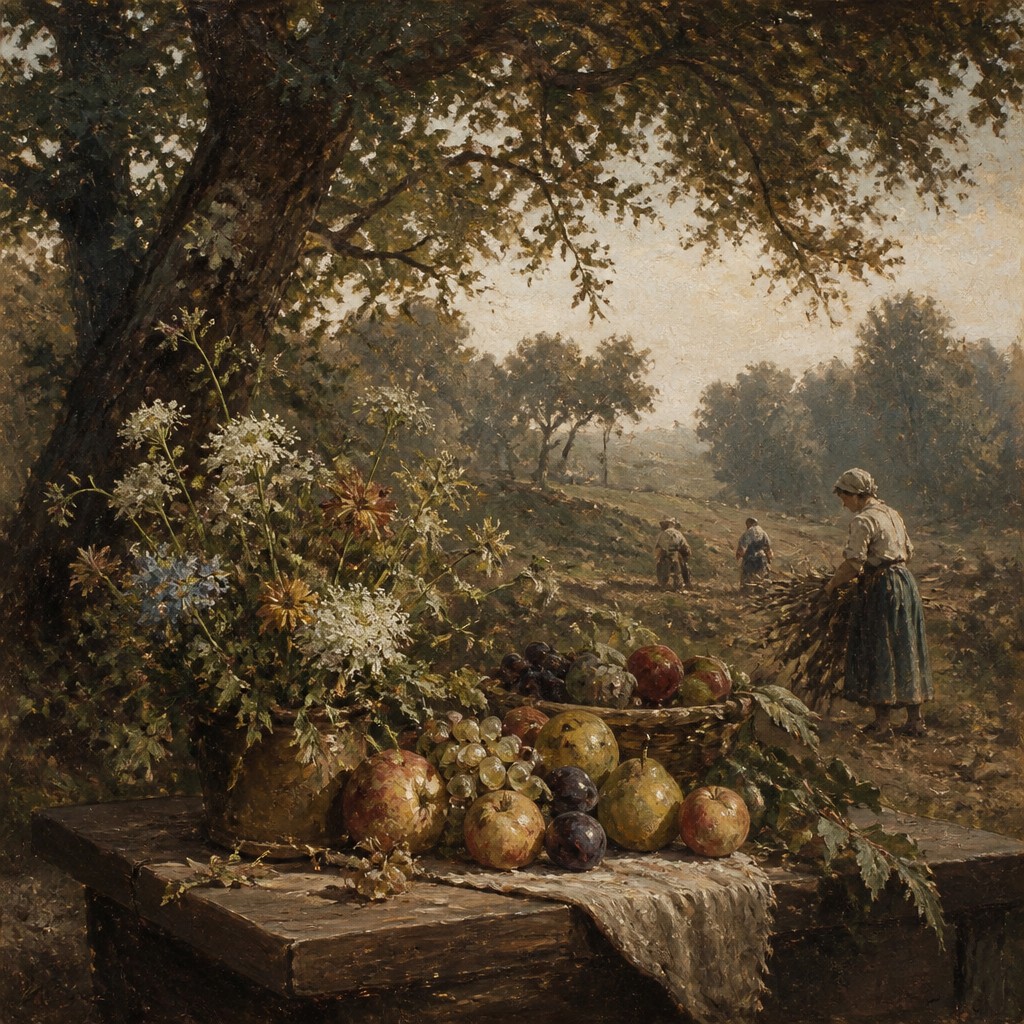
Barbizon Gallery
Tap any artwork to explore it
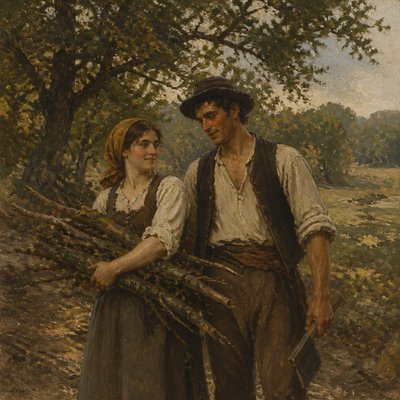
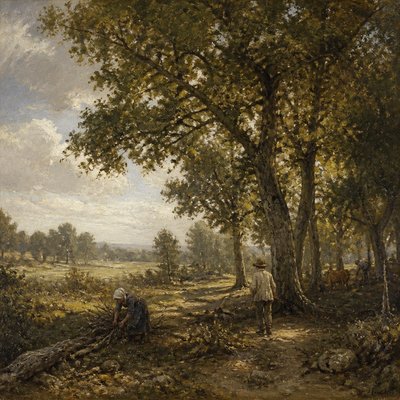
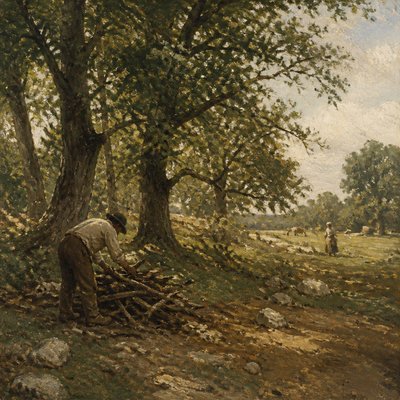
What is Barbizon Art Style?
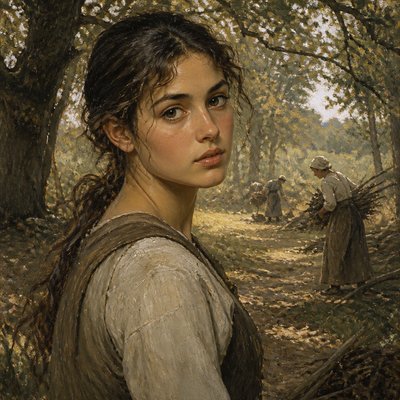
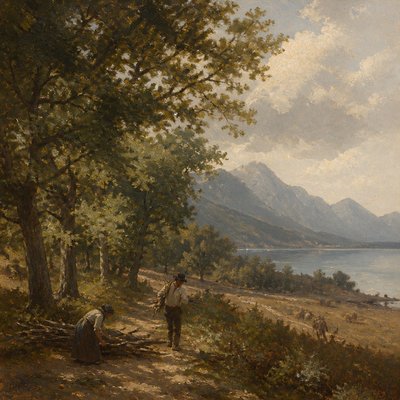
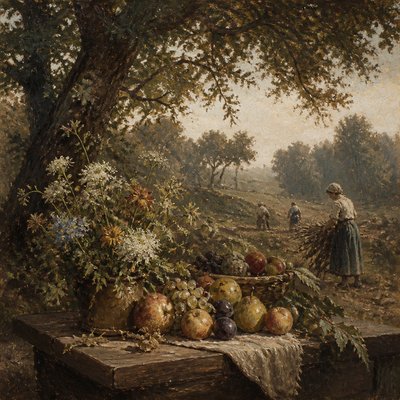
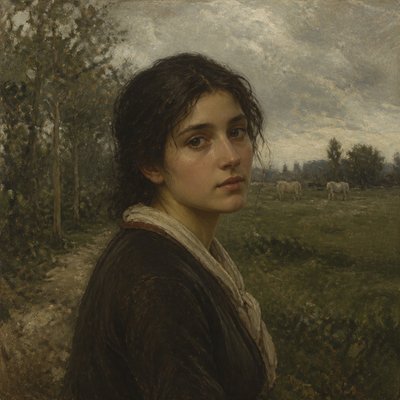
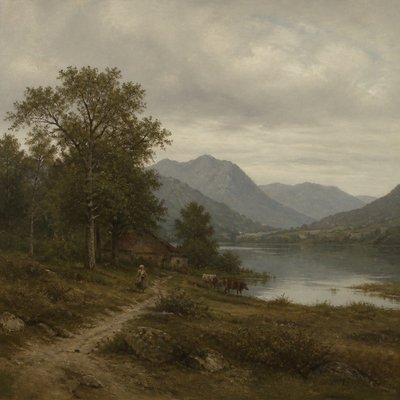
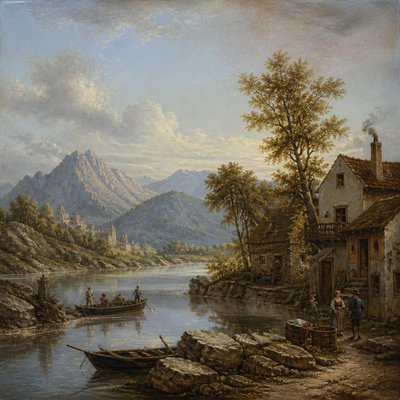
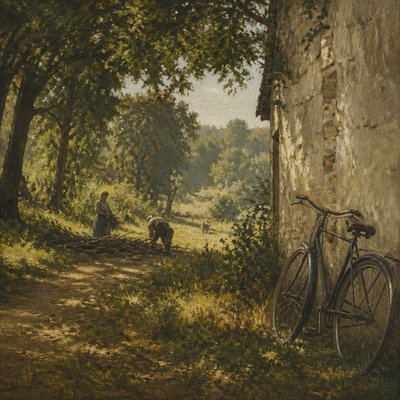
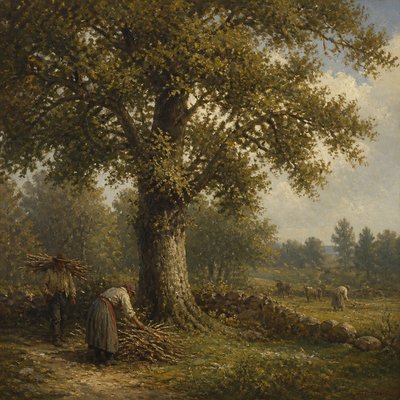
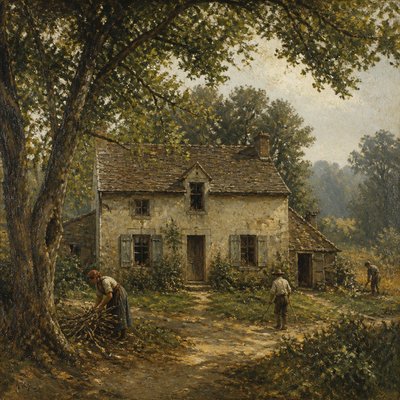
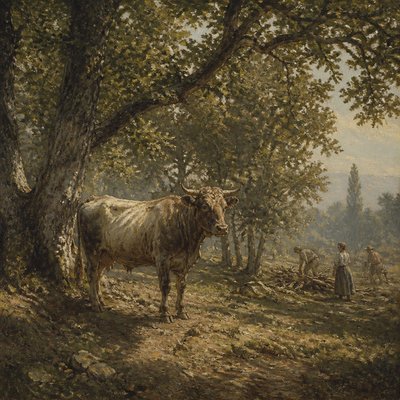
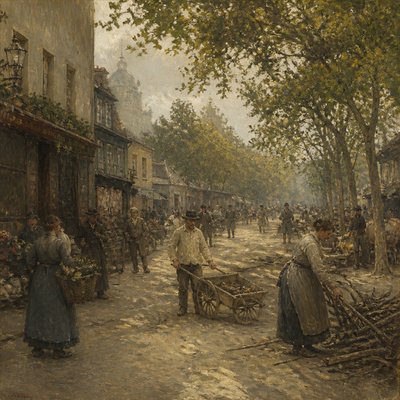
The Barbizon art style is a form of nineteenth-century French landscape realism associated with painters who worked around the village of Barbizon near the Forest of Fontainebleau. It emphasizes direct observation of nature, subdued tonal color, atmospheric distance, and the ordinary lives of rural workers rather than idealized historical or mythological subjects.
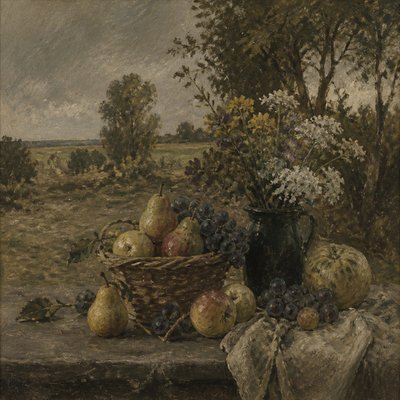
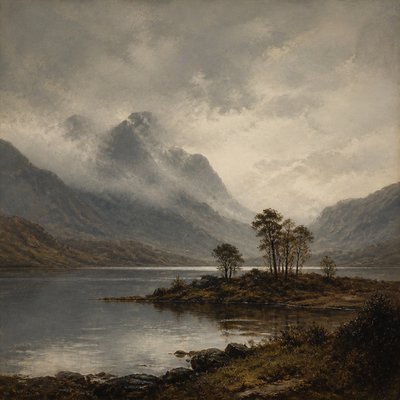
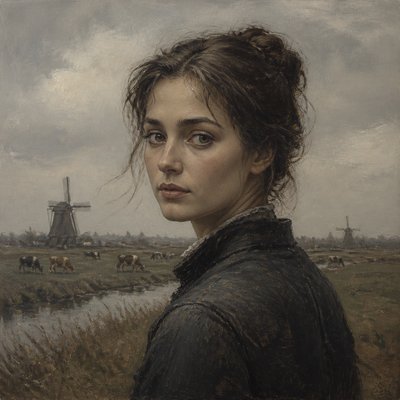
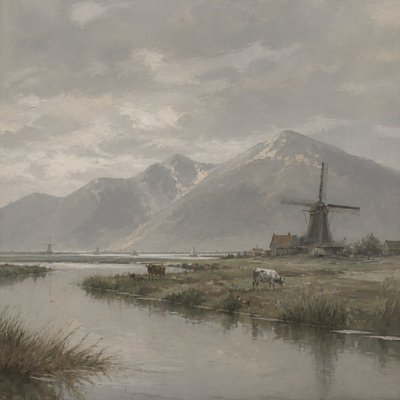
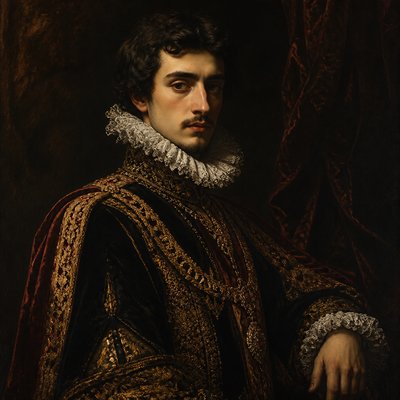
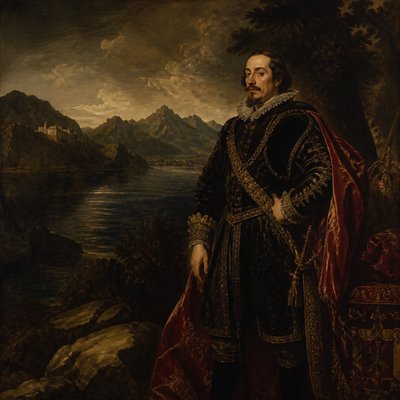
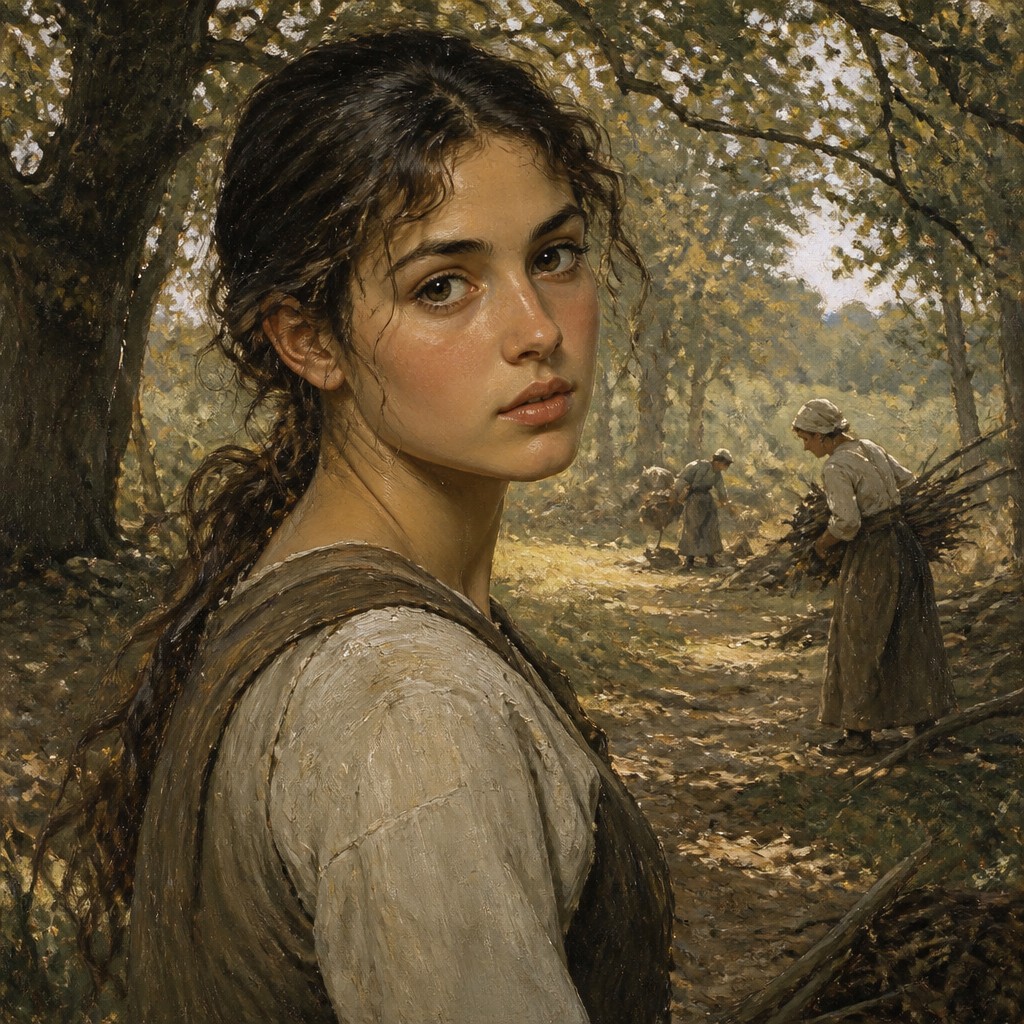
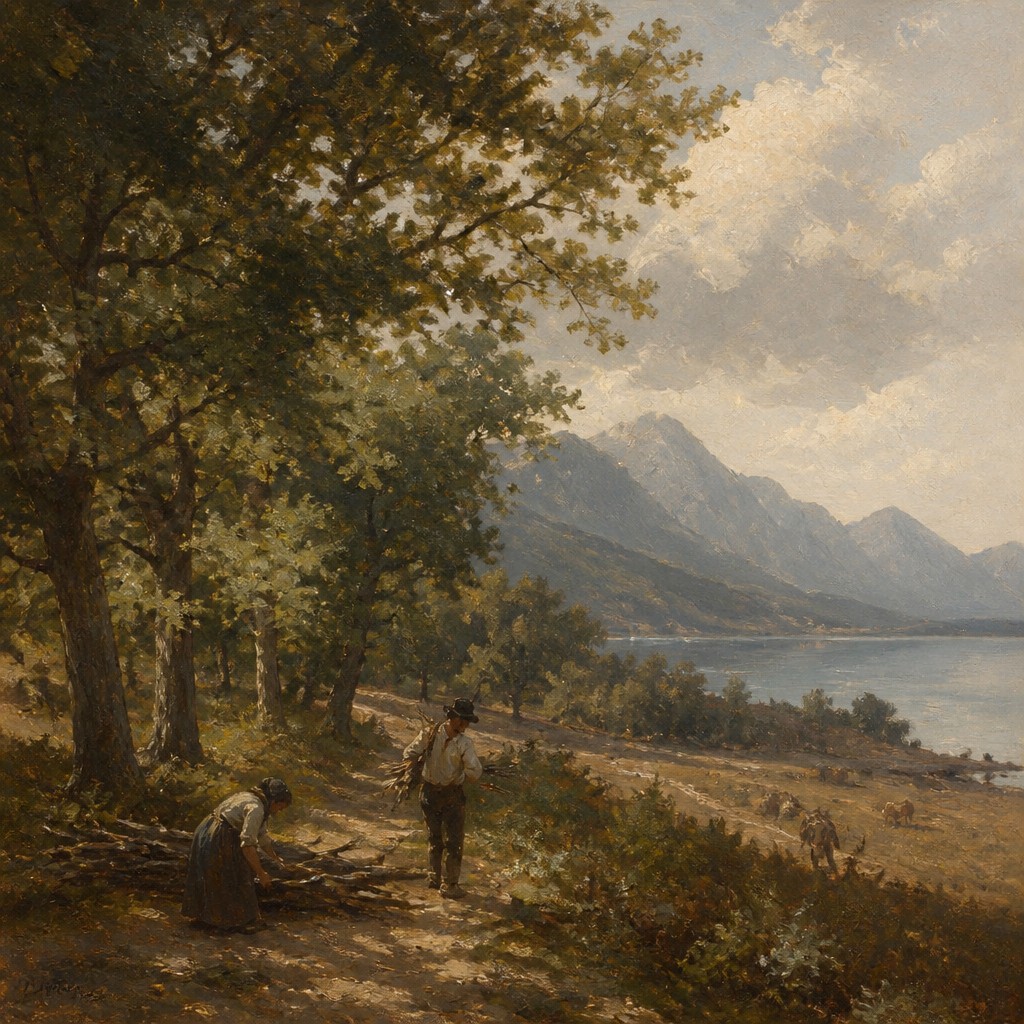
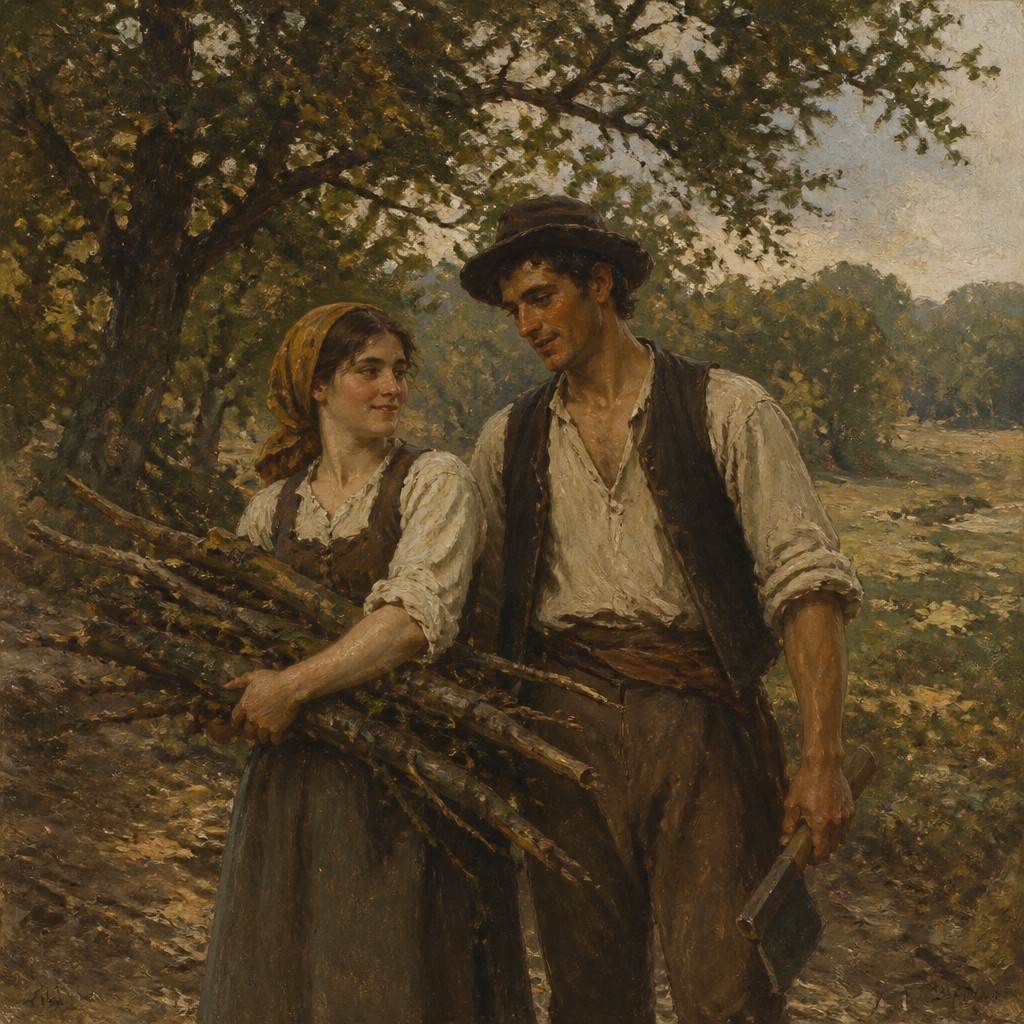
Visually, Barbizon painting often combines broad, visible oil strokes with carefully observed trees, paths, fields, ponds, and woodland clearings. Oak canopies, broken sunlight, mist, and dark earth create a quiet, weighty mood. Figures gathering wood, tending livestock, or working in fields are integrated into the landscape, giving rural labor both documentary presence and poetic dignity.
Try It On Your Photos
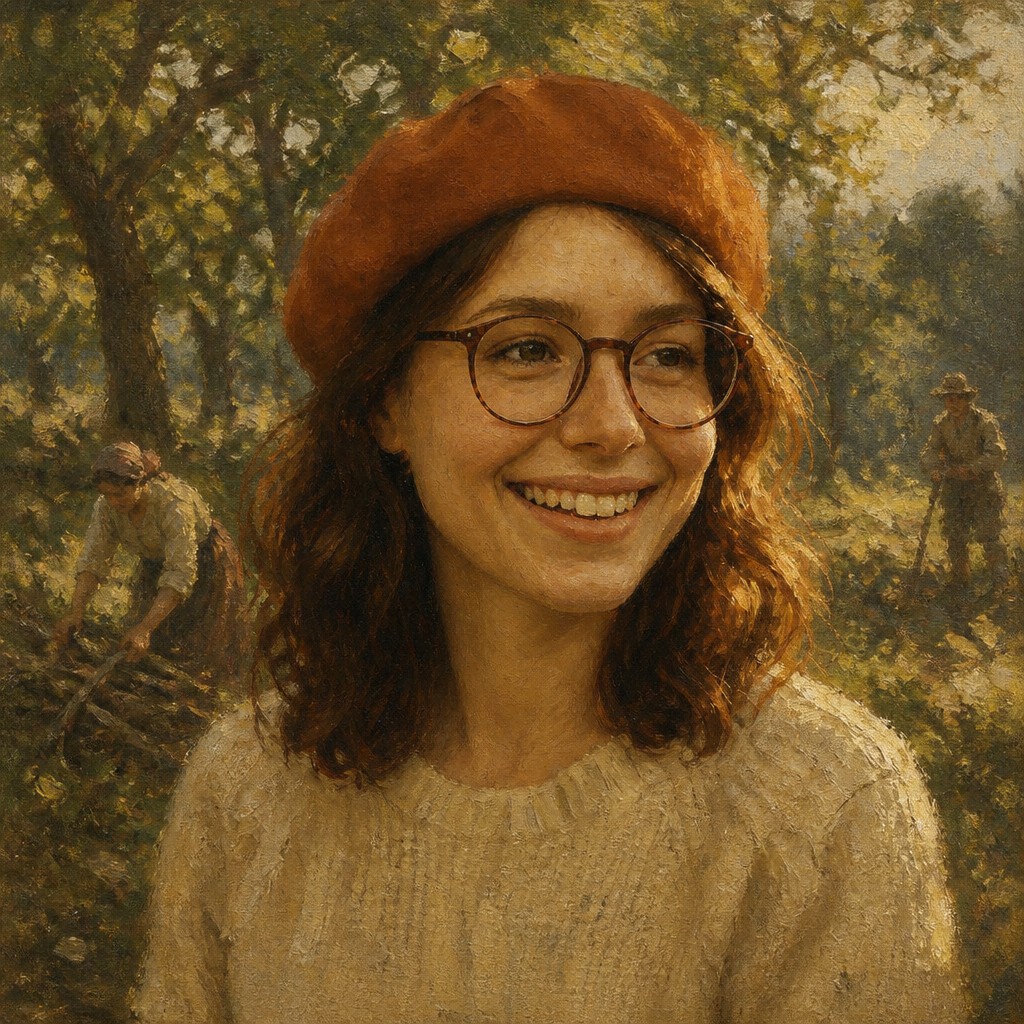
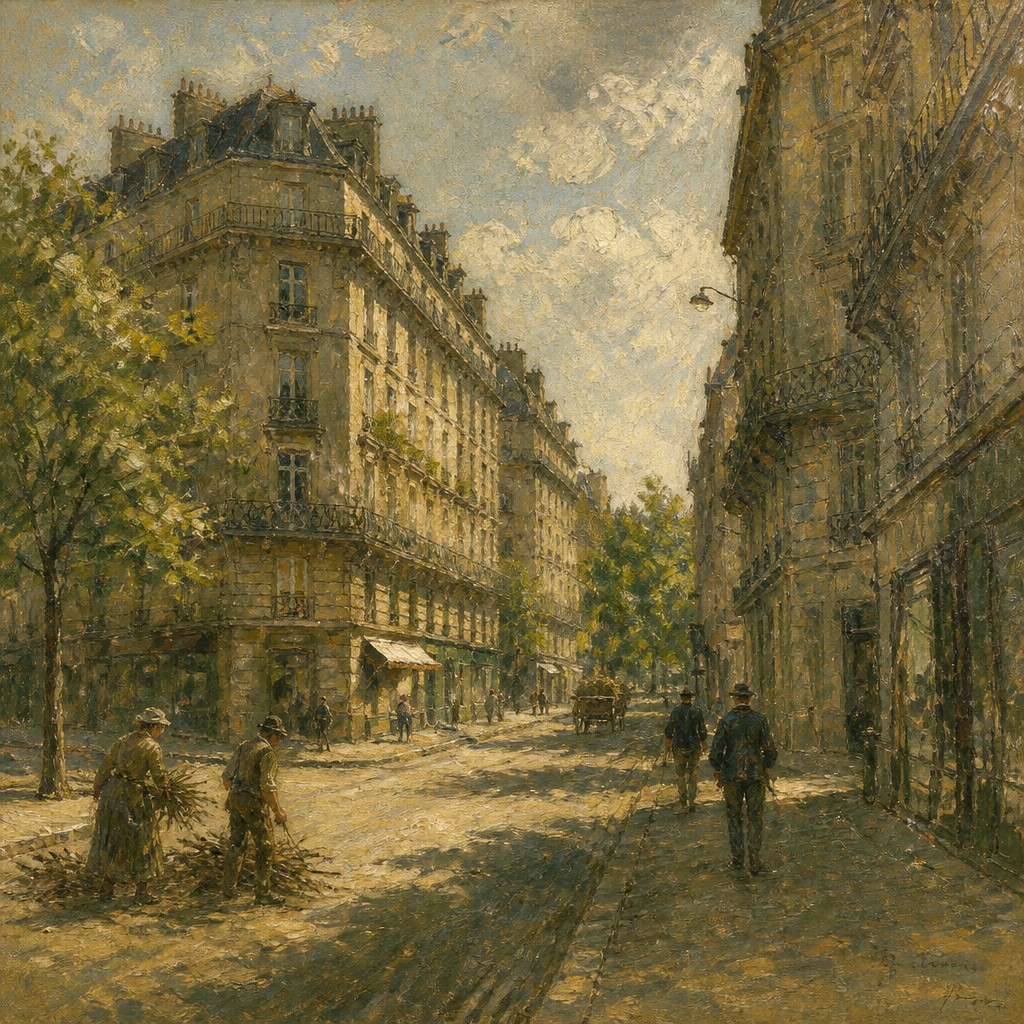
Upload any photo and convert it into Barbizon Art Style — drag the sliders to compare before and after.


What Defines Barbizon Art Style
The signature details, up close
Earthy tonal palette
Ochre, umber, moss green, grey, muted blue, and subdued brown dominate the palette. Colors are often unified by atmospheric light rather than separated into bright decorative accents.
Dappled woodland light
Broken sunlight filters through leaves and branches, creating irregular patches of illumination across trunks, paths, figures, and forest floors. The light is observed as a natural condition rather than arranged as theatrical spotlighting.
Atmospheric distance
Haze, softened edges, and overlapping tree lines suggest humid air and deep space. Background forms are less detailed and lower in contrast than the foreground.
Rural labor
Woodcutters, shepherds, field workers, farmers, and gatherers appear as integral parts of the environment. Their presence emphasizes the physical relationship between people, land, and seasonal work.
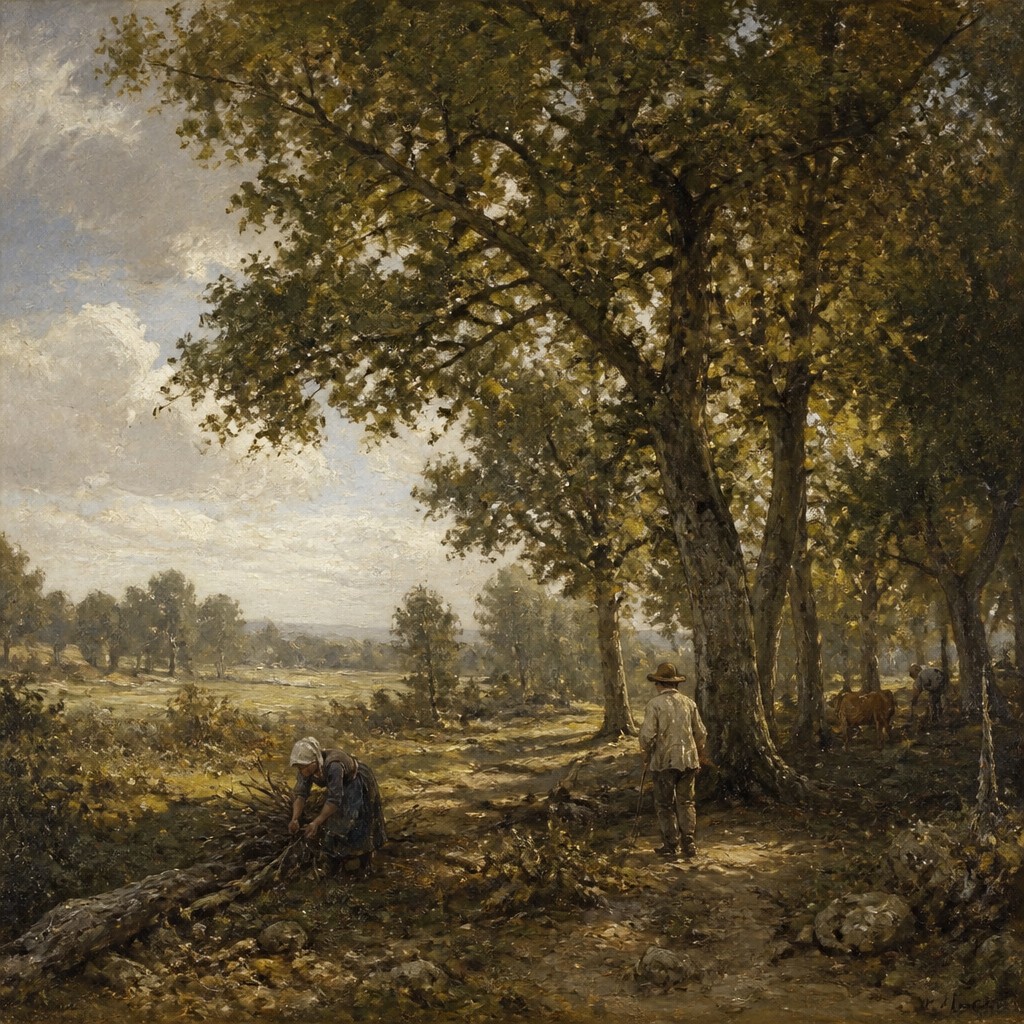
Loose realist brushwork
Broad, broken strokes and textured paint preserve the immediacy of an observed oil study. Details are selected for structural and atmospheric effect rather than rendered with uniform precision.
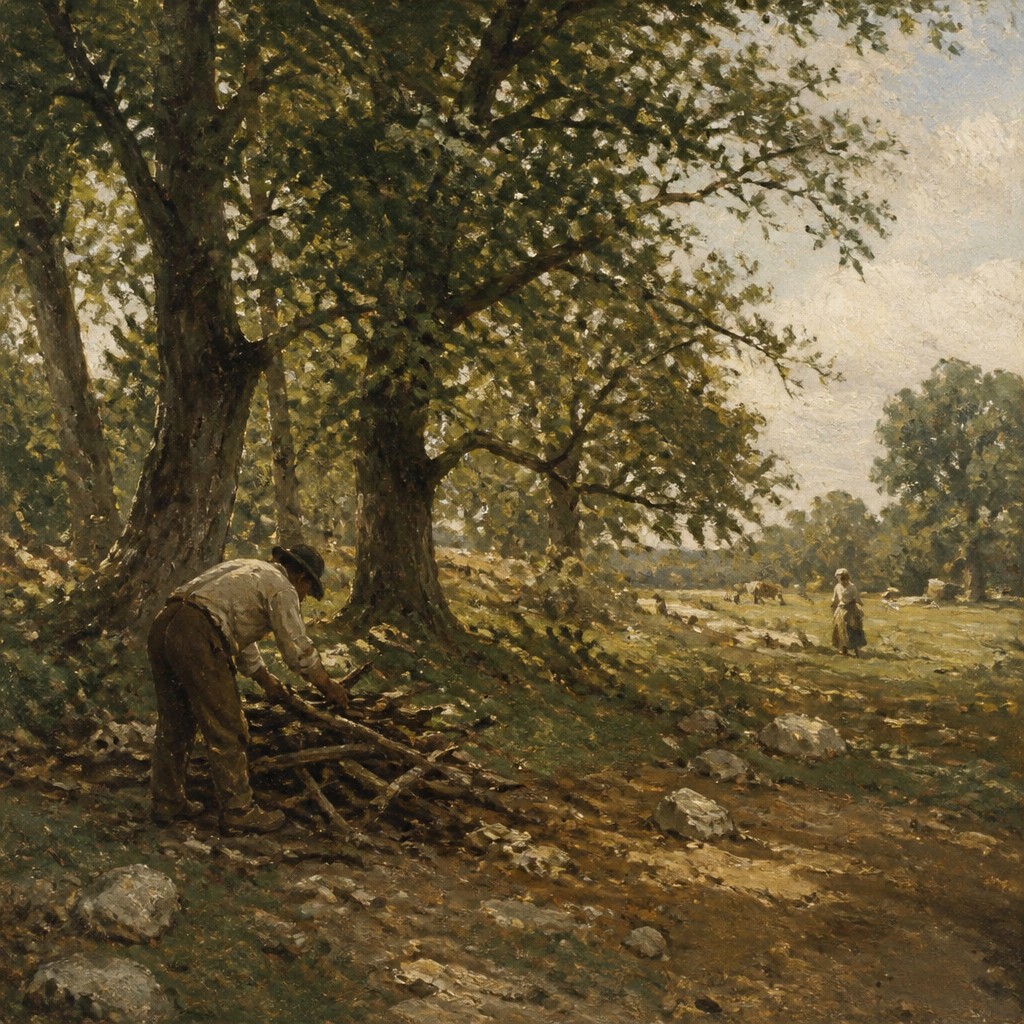
Grounded composition
Low horizons, strong foreground paths, framing branches, and clustered trunks guide the eye into the scene. Compositions feel stable, intimate, and rooted in a particular place.
Barbizon Prompt Ideas
Start from an idea — each one opens the generator with the style ready to go. See all 40 Barbizon prompts →
How to Create Barbizon Art
Master the craft step by step — or skip straight to creating. Read the full guide →
- 1
Begin with tonal structure
Establish a dark-to-light map before adding detail, reserving the strongest highlights for filtered sunlight. Keep distant areas lighter, cooler, and less sharply defined.
- 2
Build with earthy pigments
Use mixtures based on ochre, umber, muted green, grey, and subdued blue, allowing warm and cool neutrals to describe changing light. Avoid excessive saturation unless a small natural accent requires it.
- 3
Use broken, directional strokes
Apply thicker marks for bark, grasses, and foreground texture, then soften transitions in the haze and distant foliage. Let some underpainting remain visible so the image retains the immediacy of a field study.
- 4
Integrate figures with the landscape
Place workers or animals within the same light and atmospheric system as the trees and soil. Keep gestures simple and practical, avoiding theatrical poses that detach the figures from rural activity.
- 5
Adapt the method digitally
In digital painting, use textured brushes, layered glazing, low-opacity atmospheric passes, and selective edge sharpening. For prompt-based generation, specify a rural subject, oak woodland or fields, muted earth colors, dappled light, atmospheric haze, and loose realist oil texture.
The Story
History & Origins of Barbizon
The Barbizon School developed in France during the 1830s and remained influential through the 1860s and 1870s. Its practitioners gathered near Fontainebleau, working outdoors and making oil studies directly from the landscape. The movement emerged partly in response to the rigid conventions of academic landscape painting, which favored composed scenes modeled on classical ideals, and partly from growing interest in everyday rural life.
Barbizon painting helped establish plein-air observation, tonal unity, and naturalistic landscape as central concerns in modern European art. It also formed an important bridge between earlier Romantic landscape traditions and later Impressionist approaches, although Barbizon works generally retain darker color, firmer structure, and a more contemplative atmosphere.
Influences: Barbizon art draws on Dutch landscape painting, French Romantic landscape, plein-air oil study, rural realism, and the topographical observation of European landscape traditions. It shares Romanticism's sensitivity to mood but rejects much of its grand drama, while its natural light and outdoor observation helped prepare the way for Impressionism. Its emphasis on ordinary labor also connects it to nineteenth-century social realism.
Frequently Asked Questions
What defines the Barbizon art style?
It is defined by naturalistic landscapes observed around rural France, especially forests, fields, and woodland clearings. Key traits include muted earthy color, atmospheric haze, visible oil brushwork, filtered light, and figures engaged in ordinary rural labor.
When did the Barbizon School develop?
The movement developed in France during the 1830s and remained influential through the 1860s and 1870s. Its center was the village of Barbizon and the nearby Forest of Fontainebleau.
How is Barbizon painting different from Impressionism?
Both movements value outdoor observation and changing natural light, but Barbizon painting is generally darker, more tonal, and more structurally grounded. Impressionism typically uses brighter color, more visibly separated light effects, and a stronger interest in instantaneous visual sensation.
Does Barbizon art always include people?
No. Many works focus entirely on forests, fields, ponds, or rural roads. When people are present, they are usually integrated into the landscape as workers, travelers, or shepherds rather than treated as isolated protagonists.
How can I paint a Barbizon-inspired landscape?
Work from direct observation when possible, beginning with a restrained tonal underpainting and a clear division of foreground, middle ground, and distance. Use earthy mixtures, soften faraway forms, and apply textured strokes selectively to foliage, bark, soil, and illuminated areas.
Where is this style commonly used today?
It is used for landscape paintings, historical rural scenes, editorial illustrations, concept art, and atmospheric digital images. Its subdued palette and emphasis on natural light make it especially suitable for quiet woodland, agricultural, and pastoral subjects.
Create your first Barbizon artwork
Describe anything — or upload a photo — and see it in Barbizon Art Style in seconds.
Related Styles
Discover similar art styles