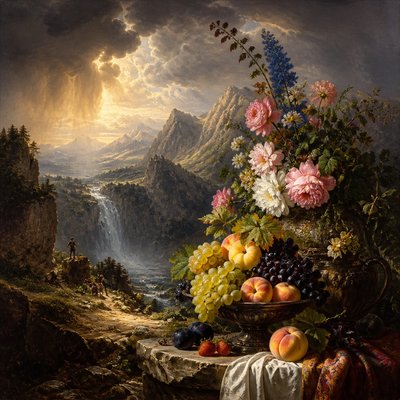
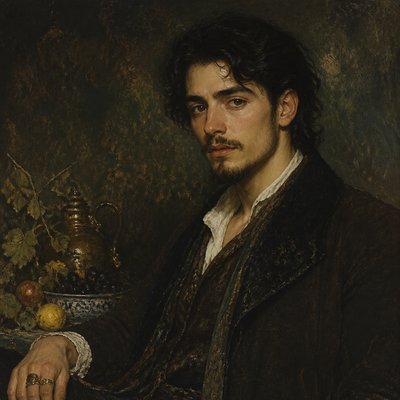
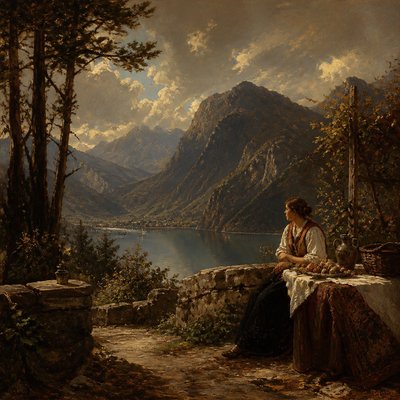
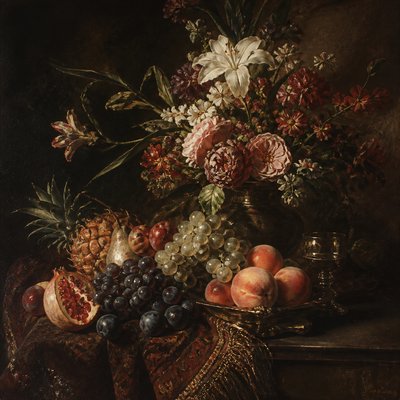
Barbizon School Art Style
Explore Barbizon School art: moody plein-air forests, rural fields, earthy tonal palettes, and atmospheric realism rooted in 19th-century France.
Instantly rendered in Barbizon School — or transform a photo
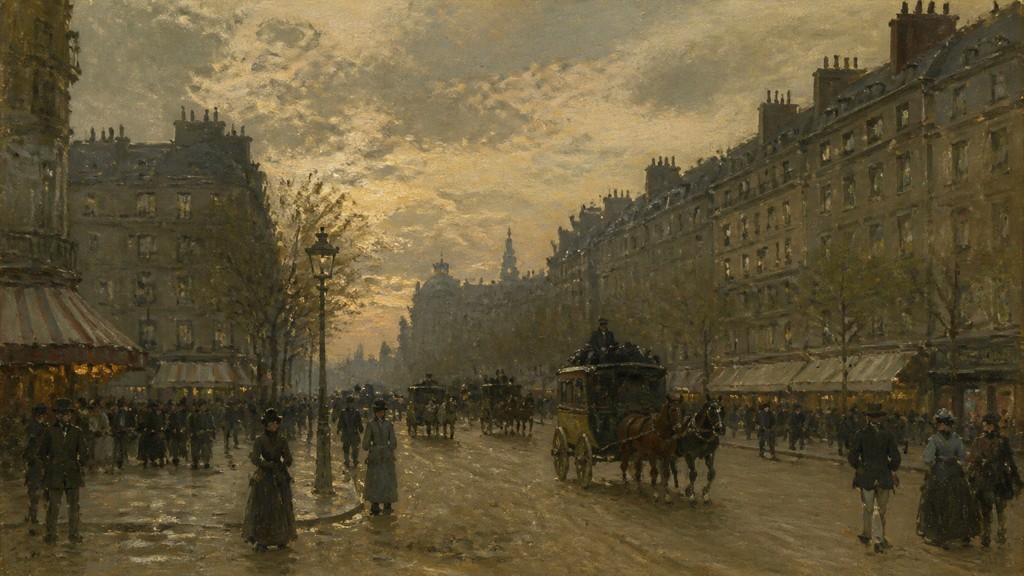
Barbizon School Gallery
Tap any artwork to explore it
What is Barbizon School Art Style?
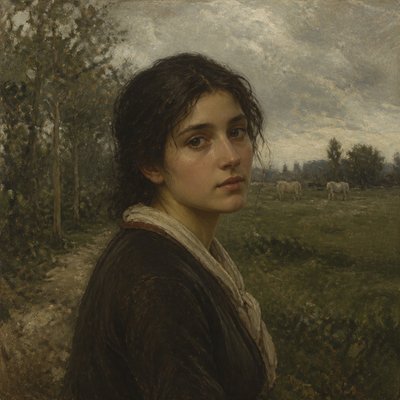
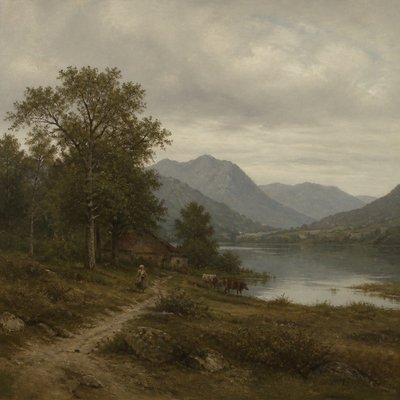
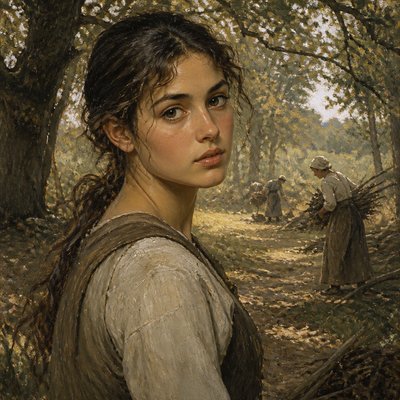
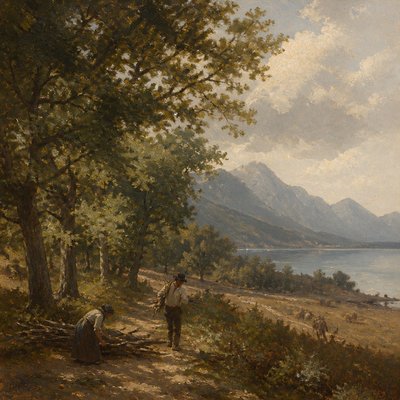
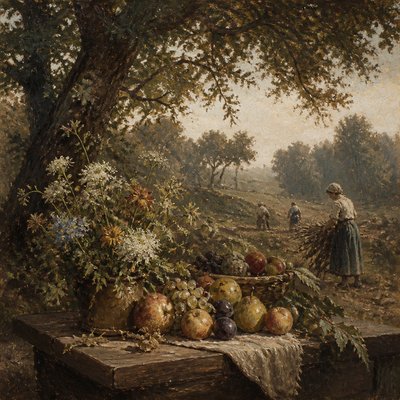
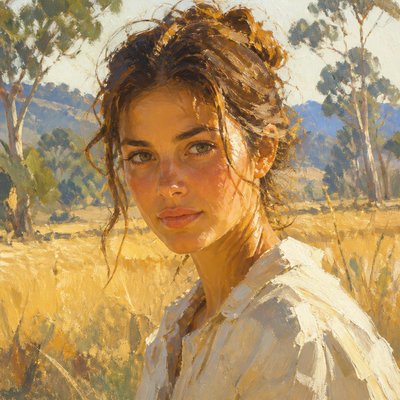
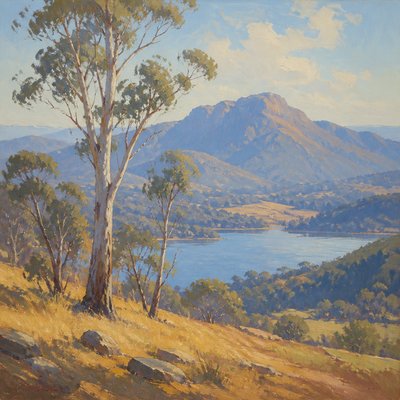
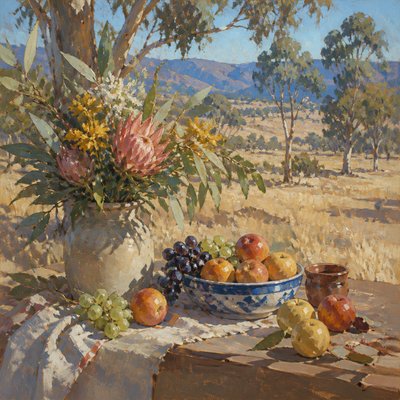
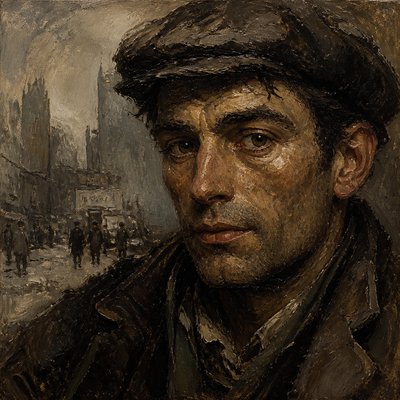
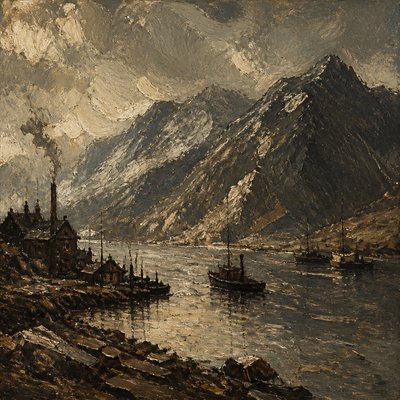
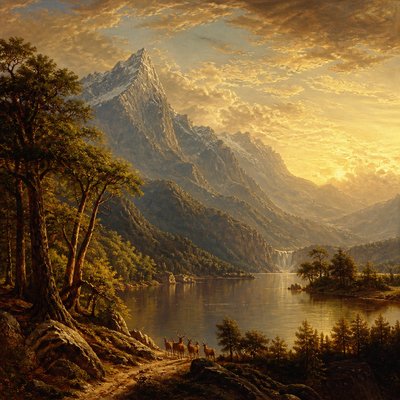
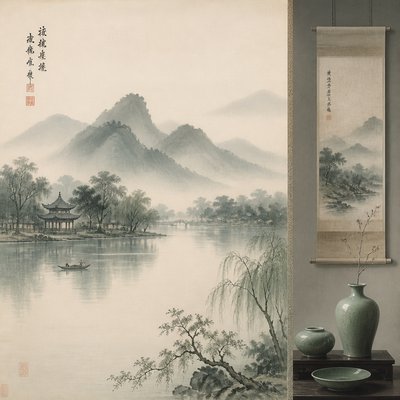
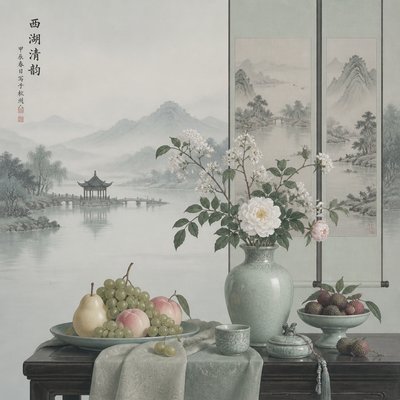
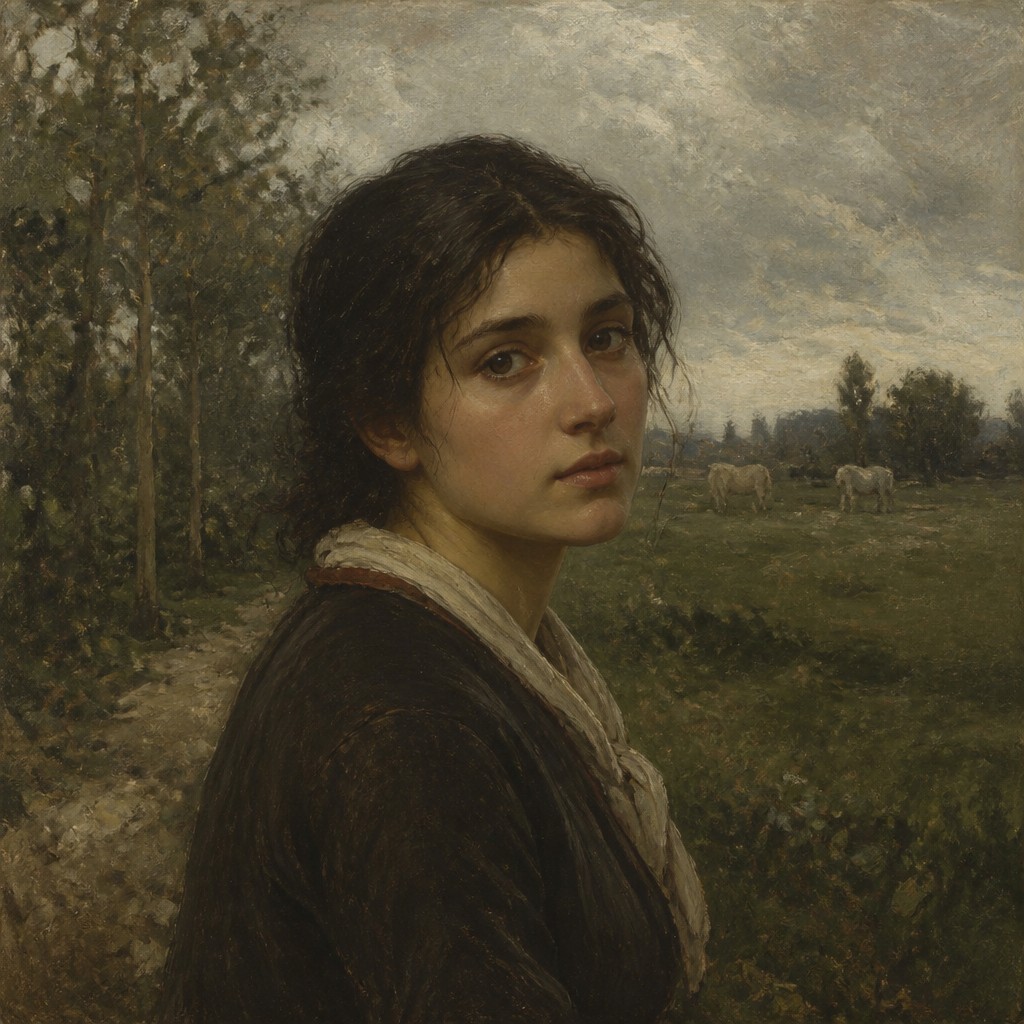
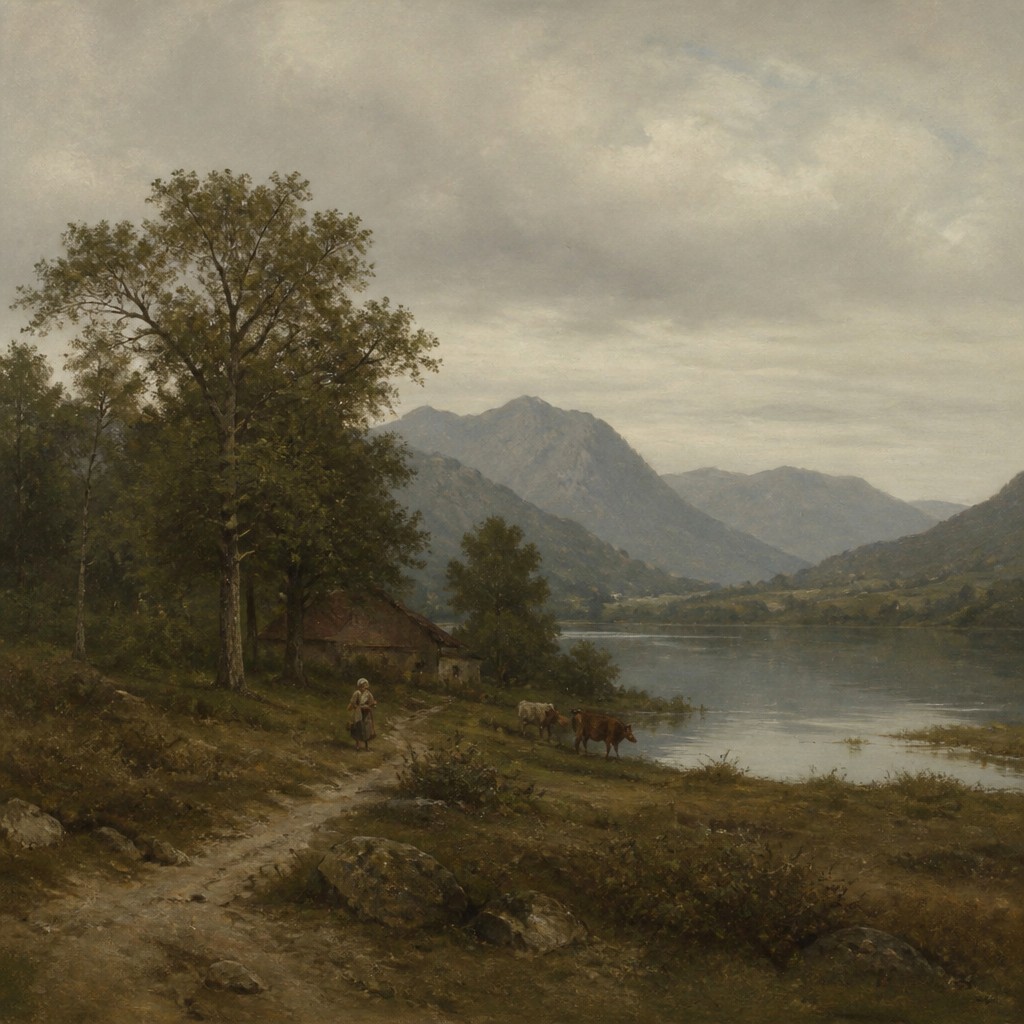
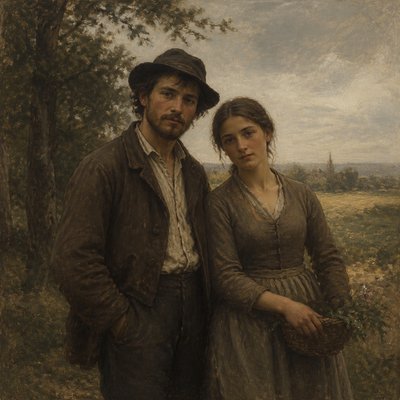
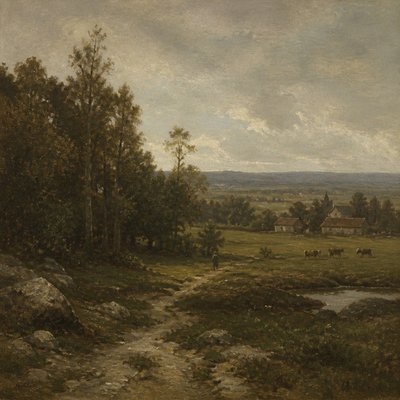
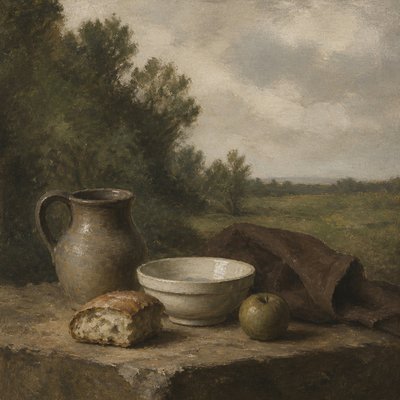
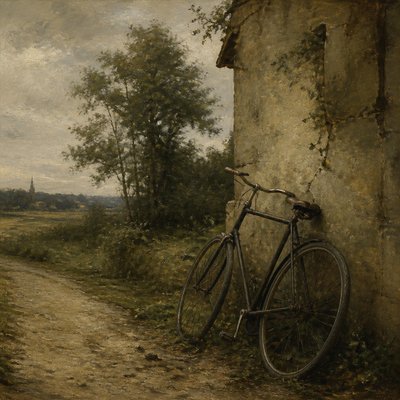
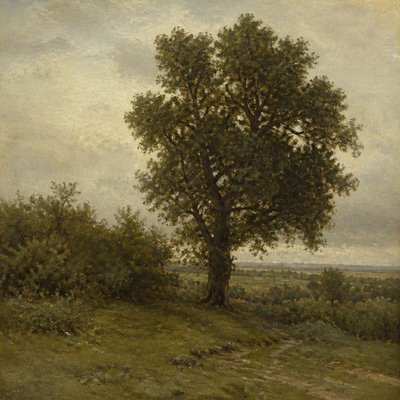
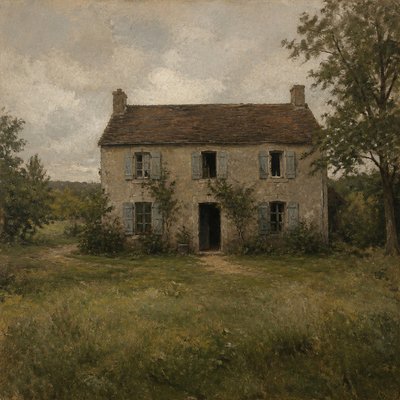
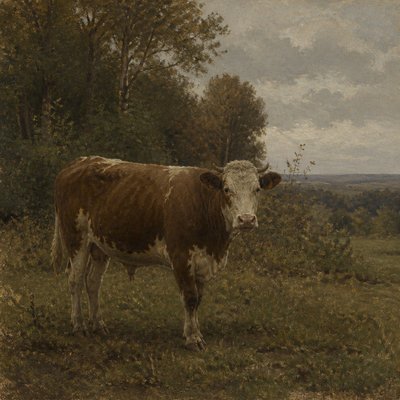
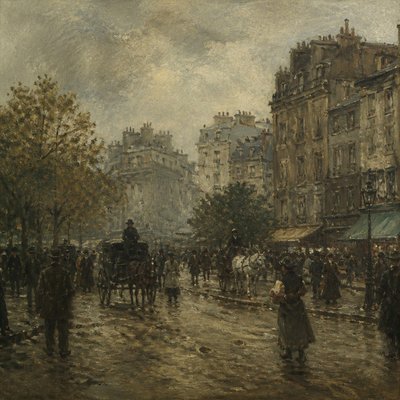
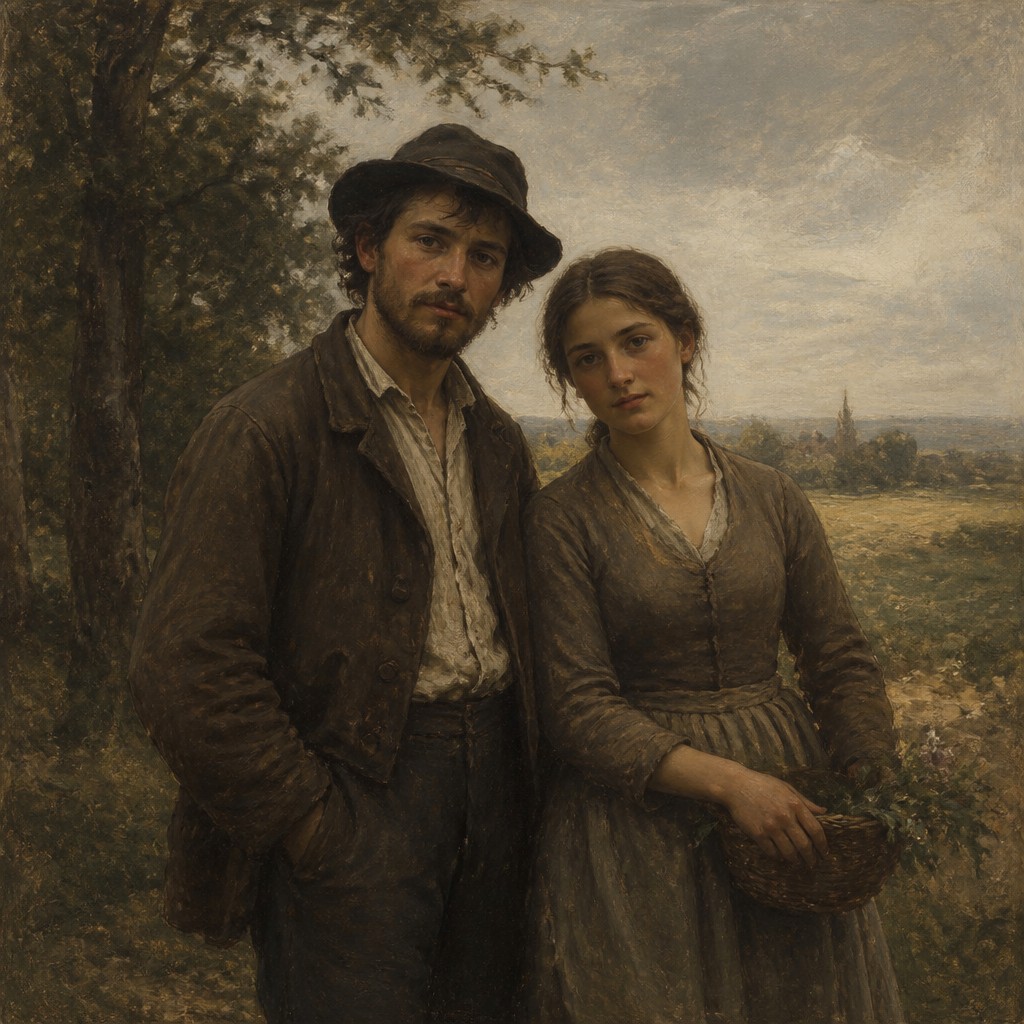
Barbizon School art is a 19th-century French landscape tradition known for quiet forest clearings, farm fields, village roads, and scenes of rural labor. Its paintings favor atmosphere and observation over dramatic historical subjects, presenting nature as an independent subject with subdued emotional force.
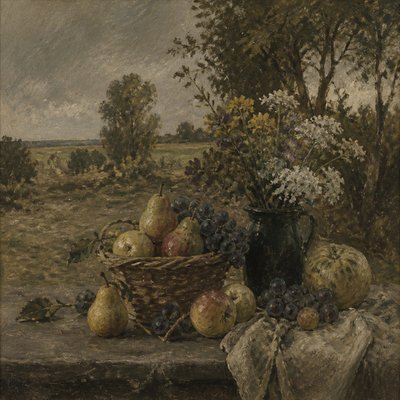
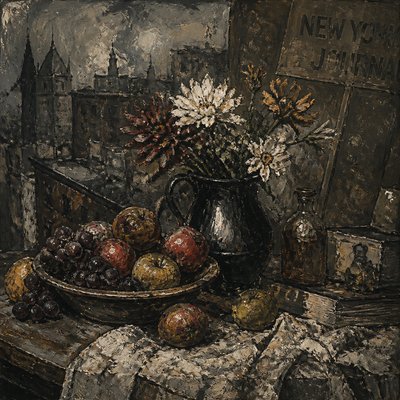
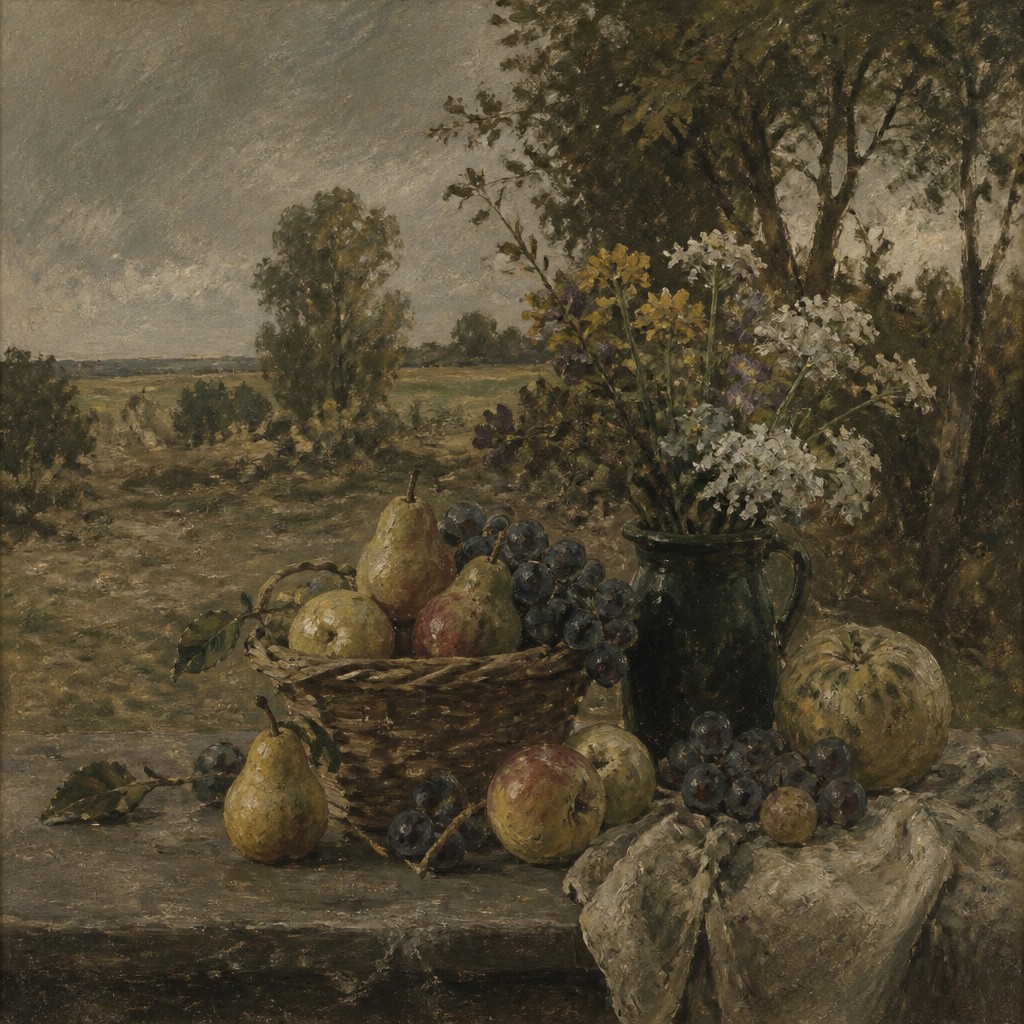
The style is recognized by low-contrast tonal harmony, silvery greens, warm umbers, muted ochres, and soft gray skies. Loose, visible brushwork records changing weather and natural light, while humble subjects and grounded viewpoints create an intimate sense of place. The result is moody and poetic without abandoning close observation.
Try It On Your Photos
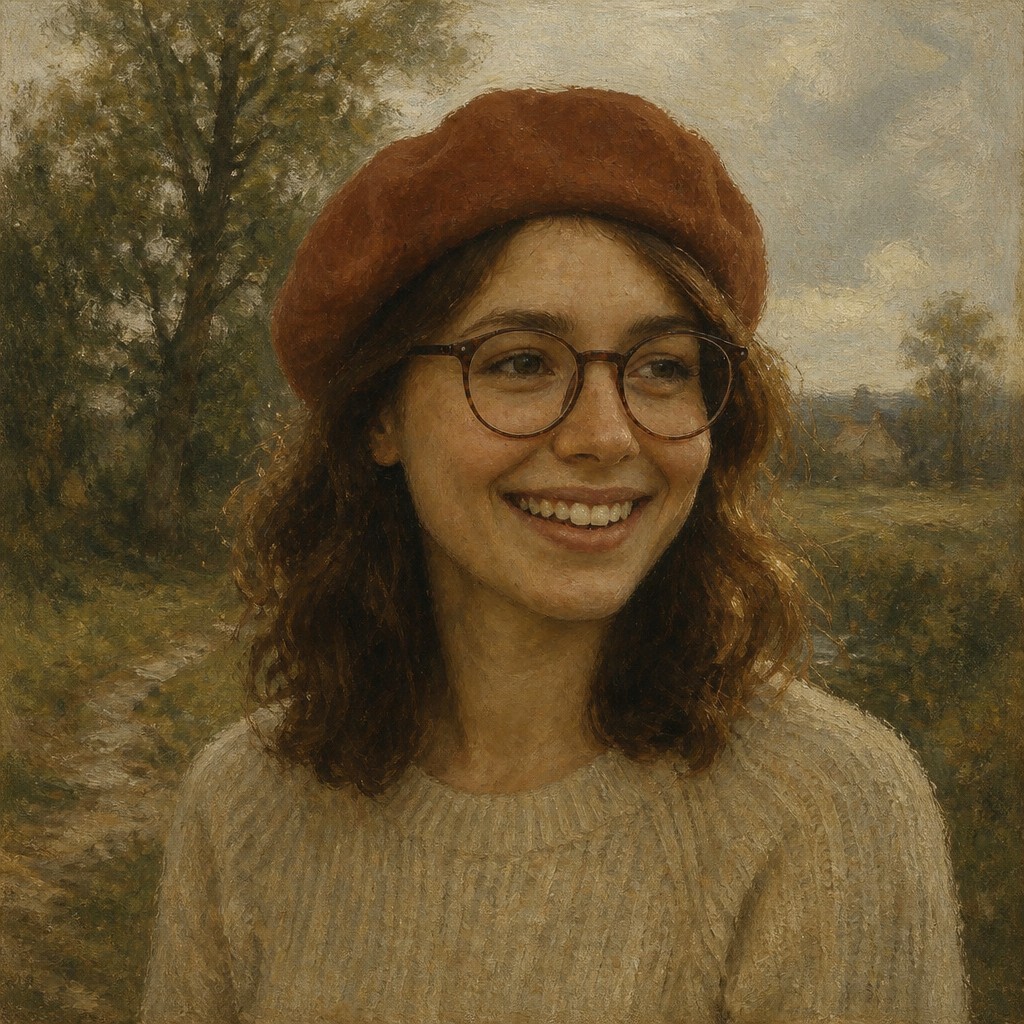
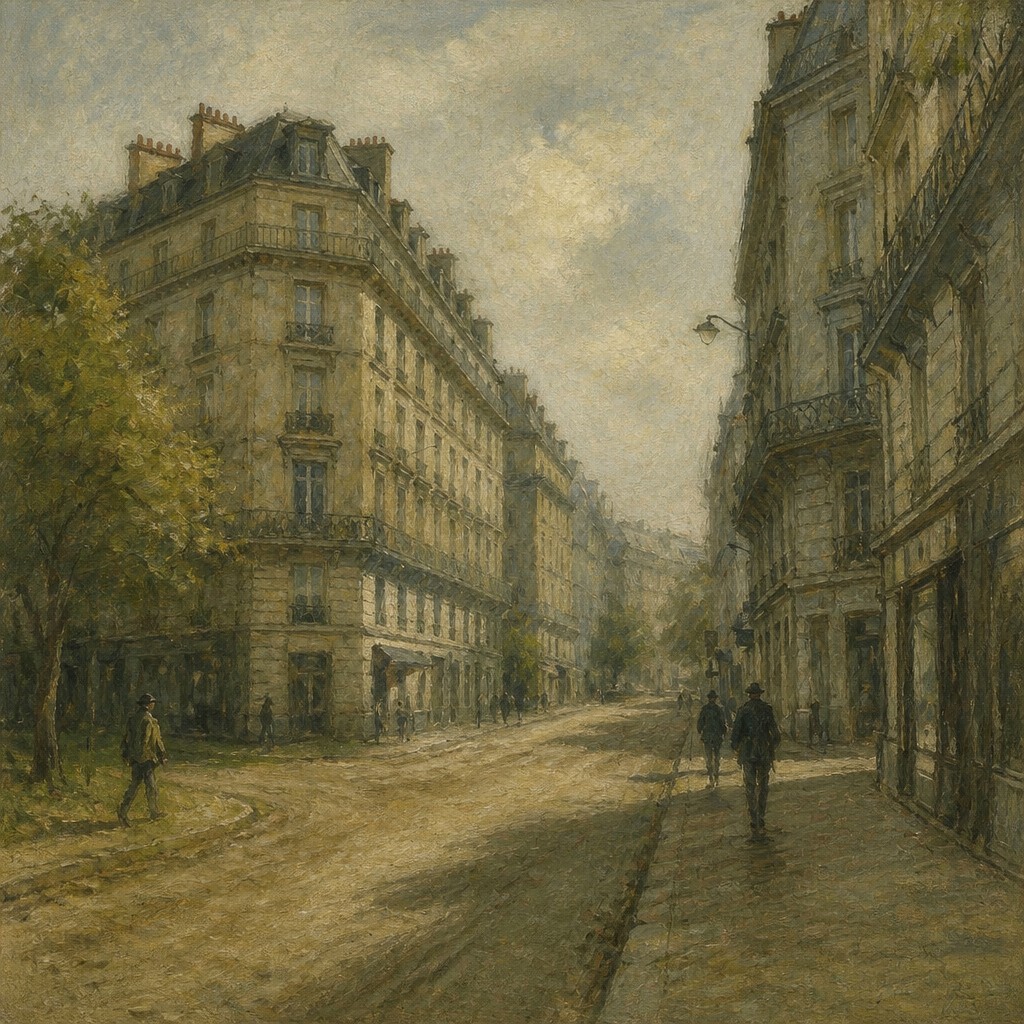
Upload any photo and convert it into Barbizon School Art Style — drag the sliders to compare before and after.


What Defines Barbizon School Art Style
The signature details, up close
Tonal naturalism
Forms are organized through related values and atmospheric transitions rather than sharp outlines or brilliant local color. Dark foliage, pale skies, and earthy ground often merge into a unified tonal field.
Forest edges and clearings
Woodland interiors, paths, glades, marshes, and the transitional spaces between forest and field are especially characteristic. These settings provide layered depth and subtle changes of light.
Muted earthy palette
Common colors include umber, ochre, muted green, gray, beige, brown, and restrained blue. Accents are generally subdued so that the overall image retains a calm, weathered unity.
Diffuse overcast light
Soft cloud cover, haze, dusk, and filtered woodland illumination replace theatrical sunlight. Shadows are broad and gentle, with atmosphere often more important than crisp detail.
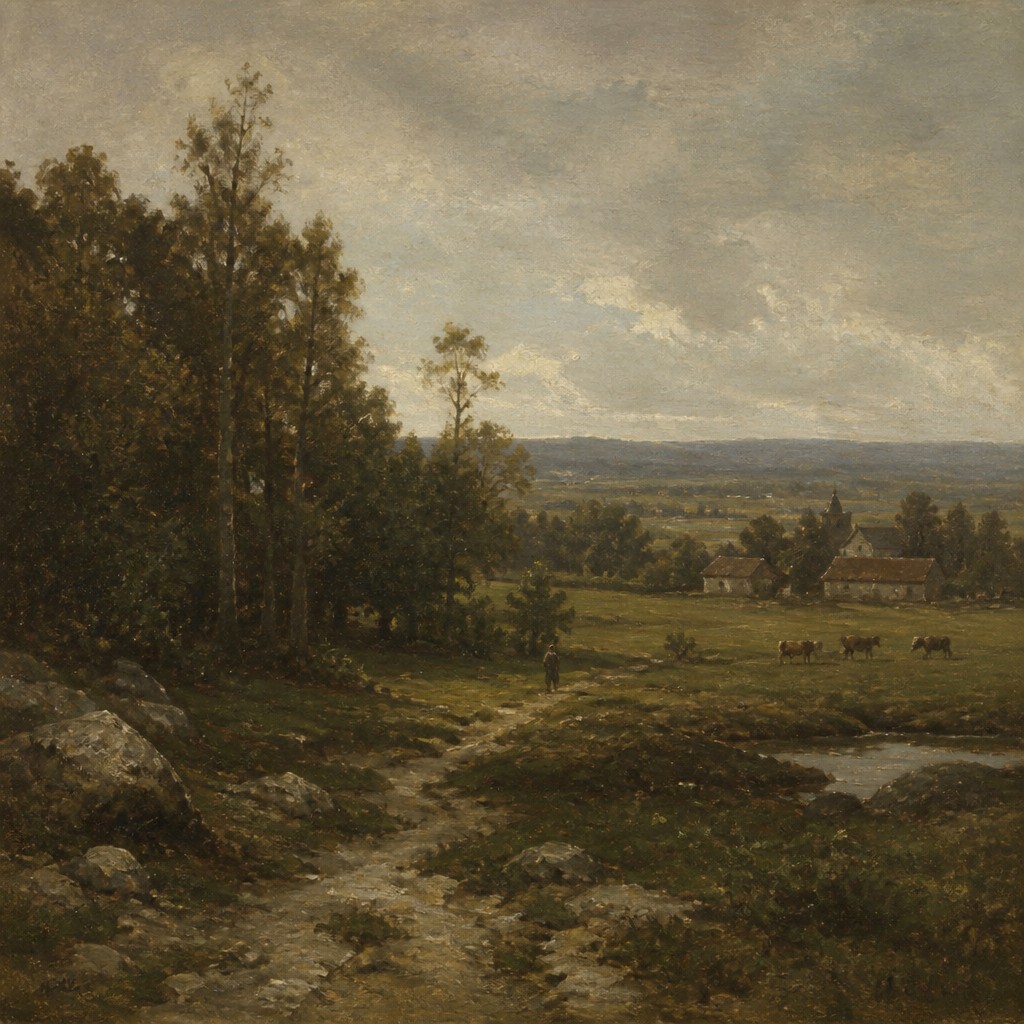
Rural subject matter
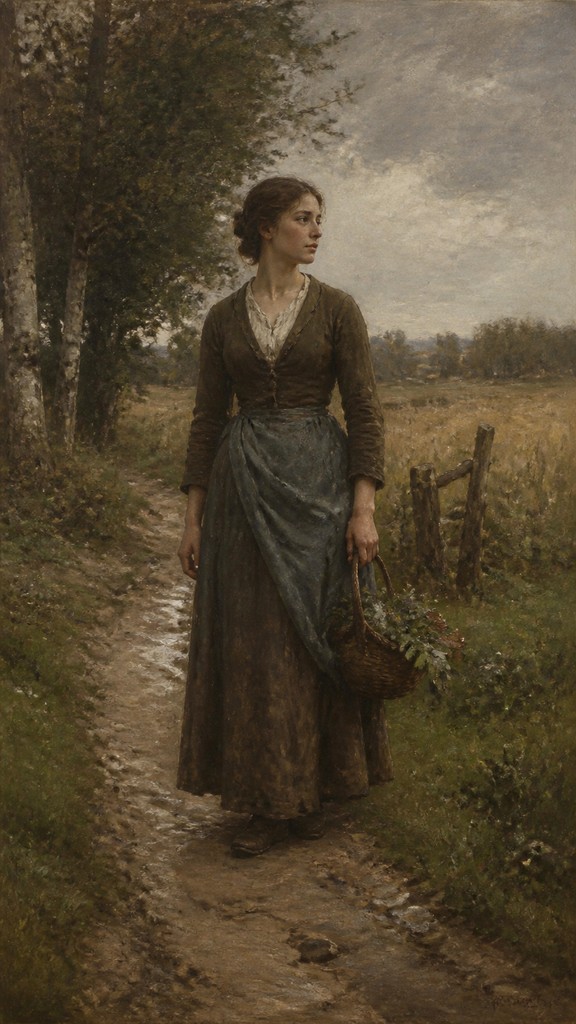
Peasants, shepherds, cattle, carts, farm buildings, and working fields appear as integrated parts of the landscape. Human figures are usually modest in scale rather than heroic or central.
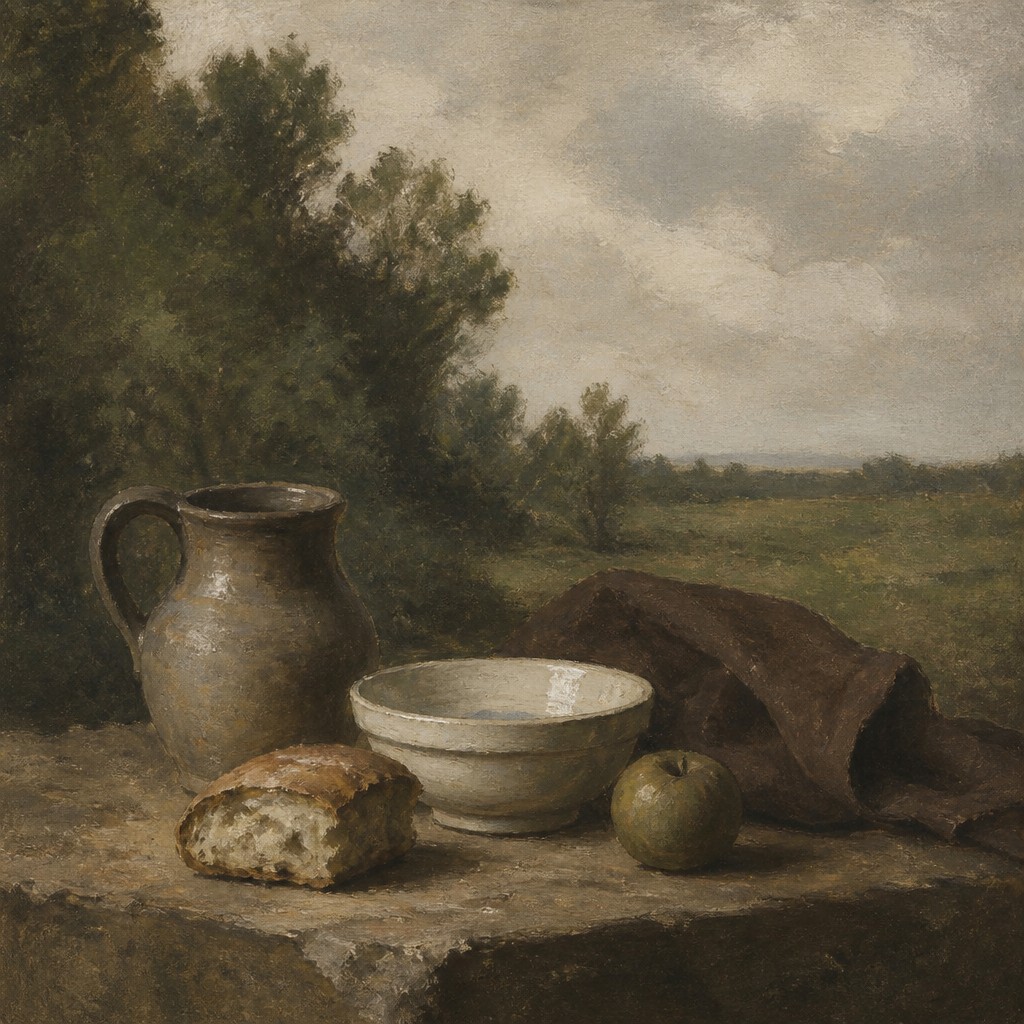
Loose atmospheric brushwork
Broken strokes, softened edges, scumbled paint, and layered passages suggest leaves, soil, mist, and changing air. Brushwork remains observational and material rather than purely decorative.
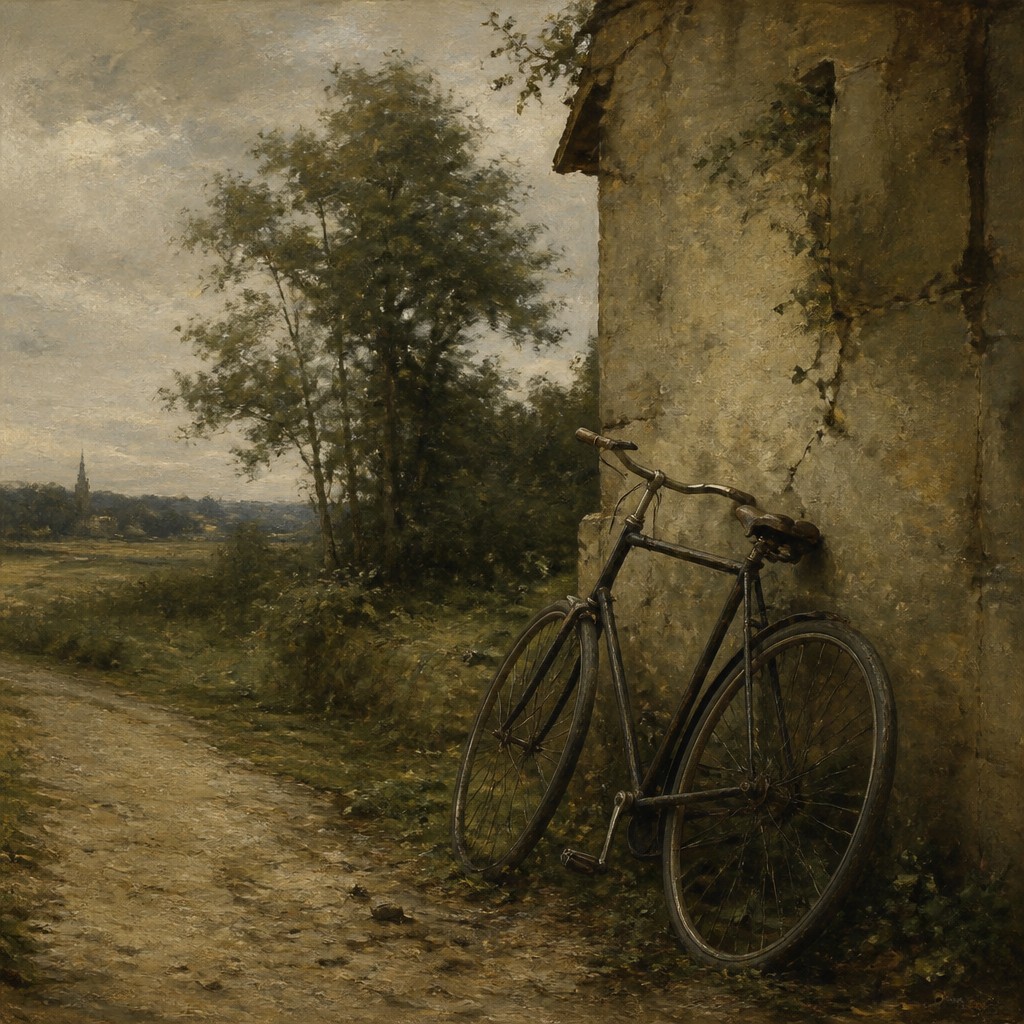
Ground-level viewpoint
The viewer often seems to stand within the clearing or field, close to the soil and vegetation. Broad foreground passages lead naturally toward a low horizon, woodland mass, or distant farm.
Try It
Create Videos in Barbizon School Art Style
Styles aren't just for stills — describe a scene or animate an image and get a short video rendered in Barbizon School. Press play to see this pond come to life.
Make a VideoBarbizon School Prompt Ideas
Start from an idea — each one opens the generator with the style ready to go. See all 40 Barbizon School prompts →
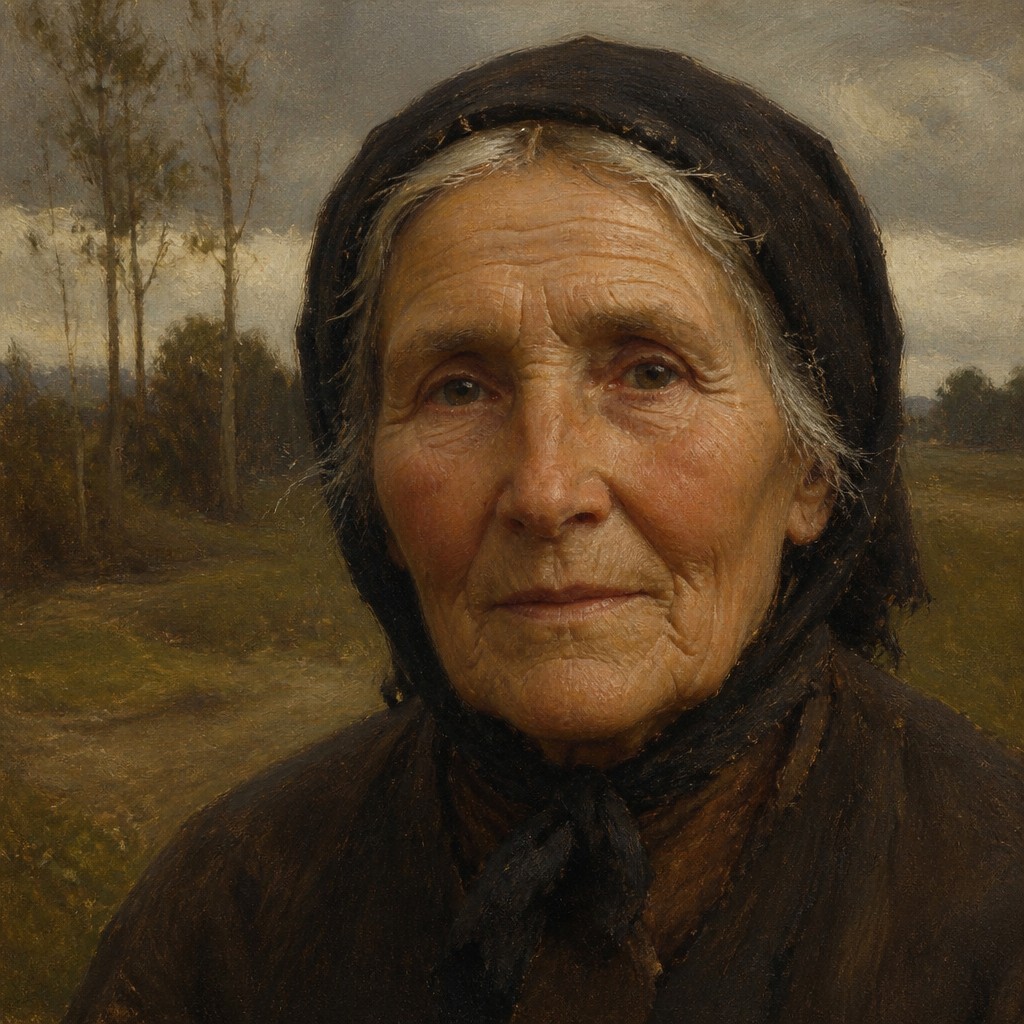
“close-up portrait of an elderly person with expressive weathered features”
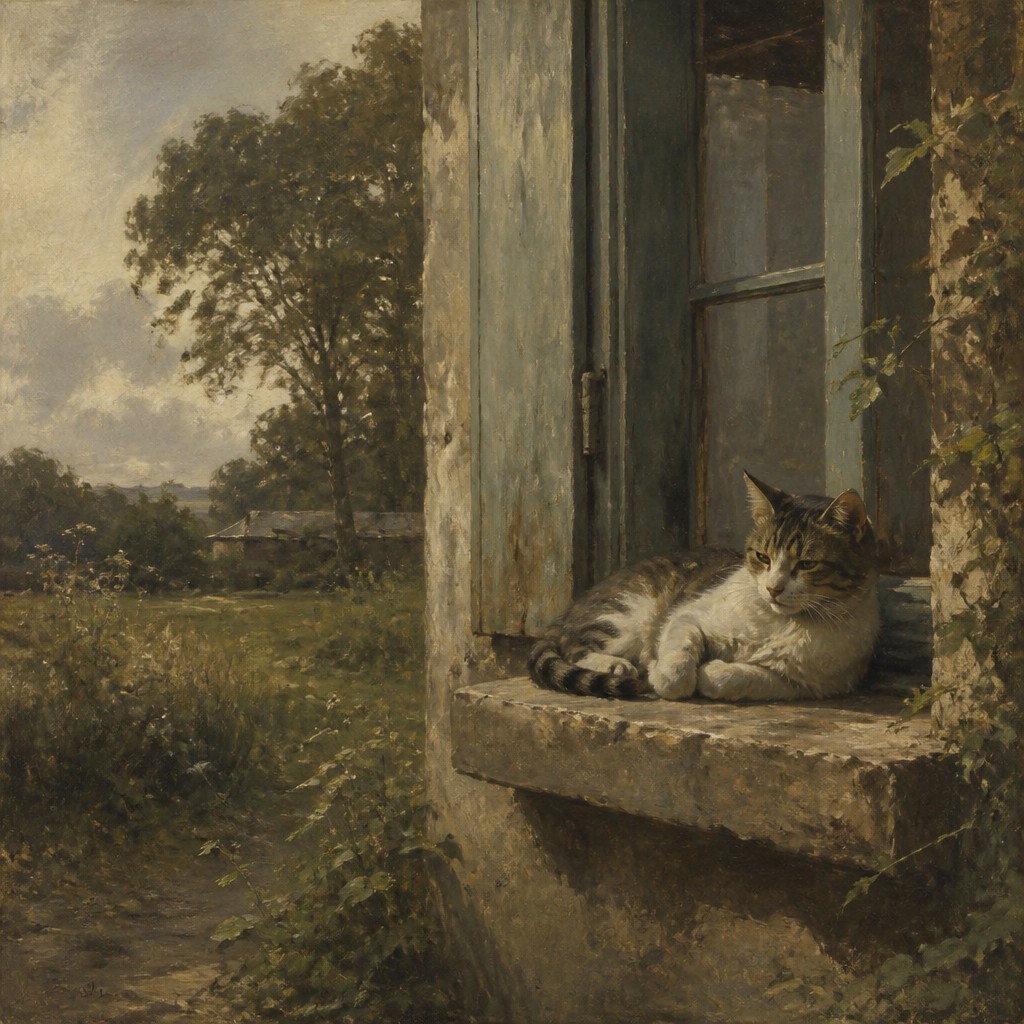
“a cat lounging in a sunlit window”
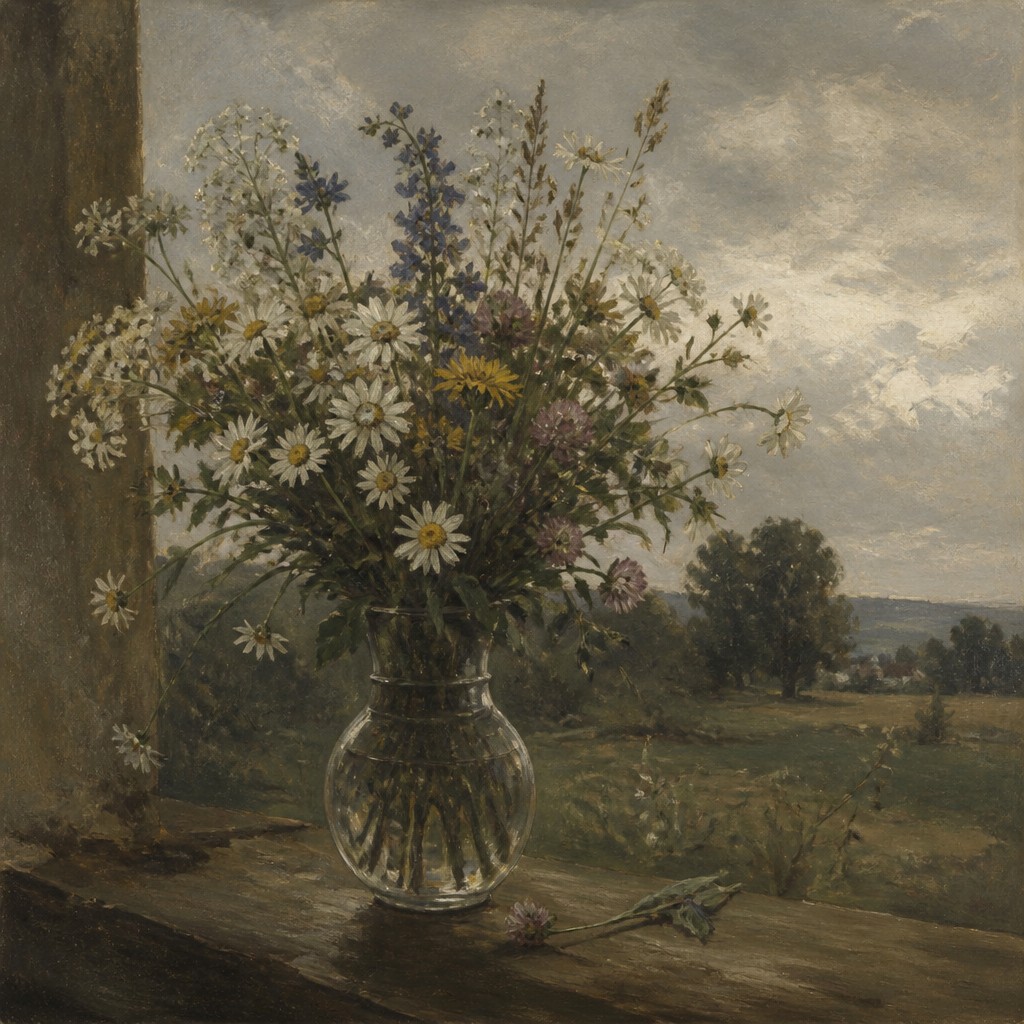
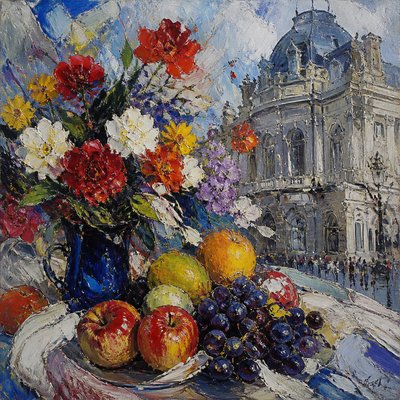
“bouquet of flowers in a glass vase”
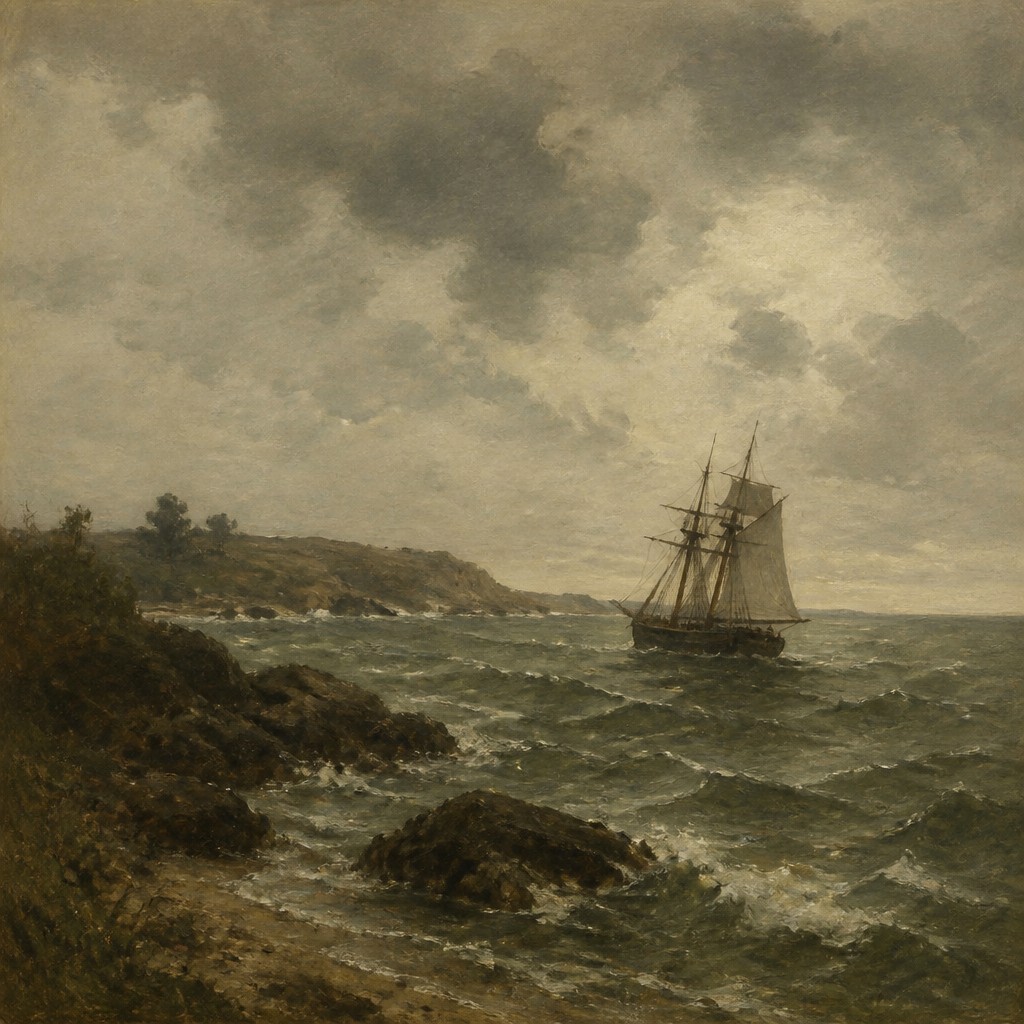
“sailing ship on a stormy sea”
How to Create Barbizon School Art
Master the craft step by step — or skip straight to creating. Read the full guide →
- 1
Begin with a tonal study
Establish the composition in a limited range of dark, middle, and light values before adding color. Keep the brightest accents reserved for small openings in the sky, water, or distant haze.
- 2
Work from observed atmosphere
Use plein-air sketches or photographic reference taken under overcast, early-morning, or late-day conditions. Record the temperature of the air, the softness of edges, and the way distant forms lose contrast.
- 3
Build earthy color layers
Start with umbers, ochres, muted greens, warm grays, and desaturated blues, then mix colors across adjacent passages. Scumbling and thin glazing can create the dusty, misty transitions associated with the style.
- 4
Simplify natural detail
Group foliage, grasses, and field textures into broad masses before adding a few directional marks. Avoid outlining every leaf; vary edge sharpness to create depth and atmospheric perspective.
- 5
Compose around a quiet subject
Choose a forest path, field worker, grazing animal, cottage, or woodland clearing, and place it within a broad setting rather than making it theatrical. A low viewpoint and an unobtrusive horizon help preserve the grounded character.
- 6
Translate the method digitally
For digital painting or prompt-based generation, request a tonal plein-air landscape, low-contrast silvery greens and umbers, diffuse overcast light, loose atmospheric brushwork, and an ordinary rural subject. Use image-to-image transformation with moderate strength when preserving the structure of a source photograph while changing its palette and surface.
The Story
History & Origins of Barbizon School
The Barbizon School developed in the 1830s and flourished through the mid-19th century around the village of Barbizon, near the Forest of Fontainebleau in France. Painters working there increasingly left academic studios to sketch and paint outdoors, studying trees, fields, atmospheric conditions, and rural life directly from nature. The movement emerged partly in response to idealized academic landscape painting and its preference for composed scenes drawn from classical or biblical narratives.
By the later 19th century, Barbizon approaches helped establish modern landscape realism and influenced Naturalism, plein-air painting, and early Impressionism. The movement was not a tightly organized school with a single manifesto; rather, it united artists through shared locations, working methods, and a belief that ordinary landscapes could carry serious artistic meaning.
Influences: Barbizon art draws on European landscape realism, Dutch and Flemish traditions of rural scenery, Romantic interest in untamed nature, and the practice of outdoor sketching. It also connects to French Naturalism through its attention to ordinary labor and observed environments, while its tonal handling anticipated later plein-air movements and aspects of Impressionism. Unlike more dramatic Romantic landscape traditions, it generally finds significance in restraint, weather, and everyday place.
Frequently Asked Questions
What defines the Barbizon School style?
It is defined by observed rural landscapes, especially forests, clearings, fields, and village outskirts, painted with tonal unity and atmospheric restraint. Muted earthy colors, diffuse light, loose brushwork, and modest human activity are central features.
When and where did the Barbizon School develop?
The movement developed in France during the 1830s and remained influential through the mid-to-late 19th century. Its name comes from the village of Barbizon near the Forest of Fontainebleau, where landscape painters worked directly from nature.
How is Barbizon art different from Impressionism?
Barbizon painting generally uses darker, more unified tonal harmonies and subdued earth colors, with emphasis on stable mood and natural structure. Impressionism more often explores bright broken color, visible sunlight, and the fleeting effects of modern outdoor scenes, though the two traditions overlap historically.
Is Barbizon art realistic or romantic?
It combines realism in its direct observation of landscape and rural life with a restrained form of Romantic feeling toward nature. Unlike highly theatrical Romanticism, it usually avoids dramatic events, exaggerated scale, and spectacular effects.
What materials work well for creating this style?
Oil paint is historically important because it supports layered tonal passages, soft blending, scumbling, and durable earthy color. The look can also be adapted to gouache, pastel, charcoal, digital painting, or a photograph treated with reduced saturation, softened contrast, and painterly texture.
What should a prompt include for a Barbizon-inspired image?
Describe a humble rural subject, a forest edge or field, a low viewpoint, muted greens and umbers, soft overcast illumination, and atmospheric plein-air brushwork. Adding terms such as tonal harmony, softened edges, naturalistic observation, and restrained contrast helps distinguish the result from bright decorative landscape art.
Create your first Barbizon School artwork
Describe anything — or upload a photo — and see it in Barbizon School Art Style in seconds.
Related Styles
Discover similar art styles