Heidelberg School Art Style
Explore Heidelberg School art: sunlit Australian landscapes, eucalyptus haze, golden grass and loose plein-air brushwork in a distinctive Impressionist style.
Instantly rendered in Heidelberg School — or transform a photo
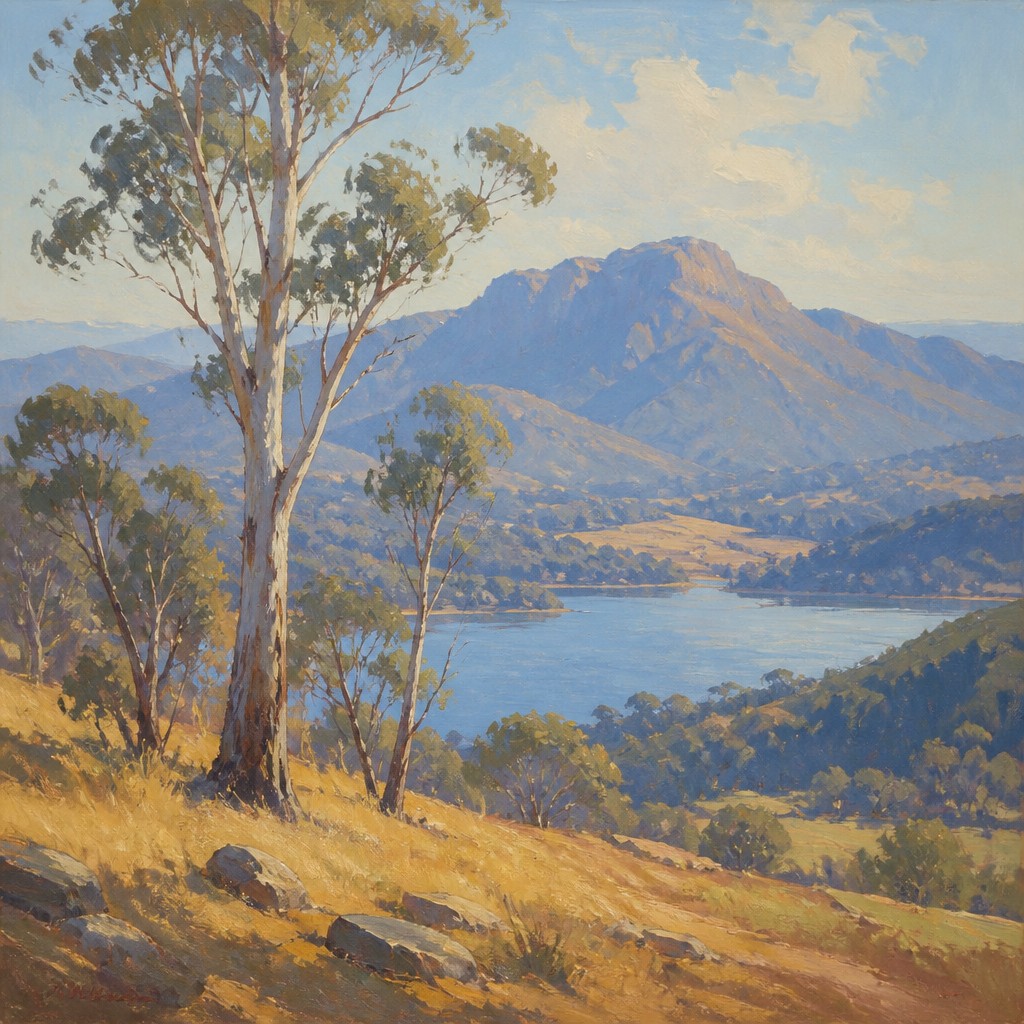
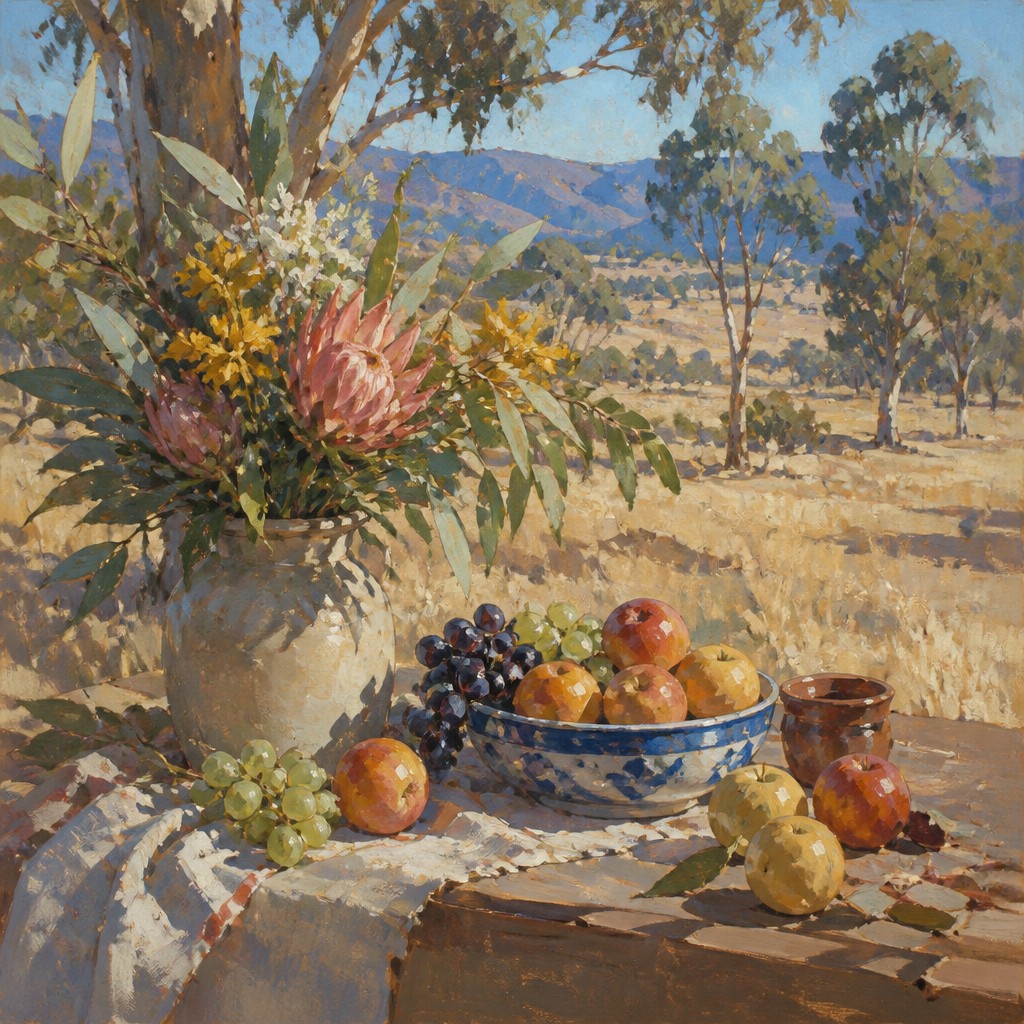
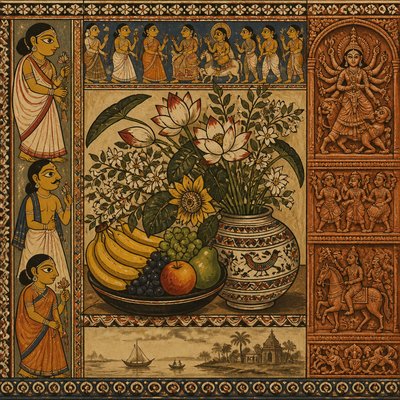
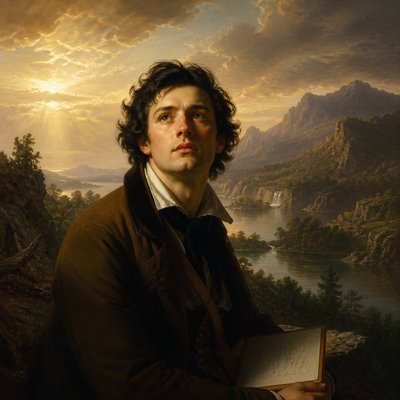
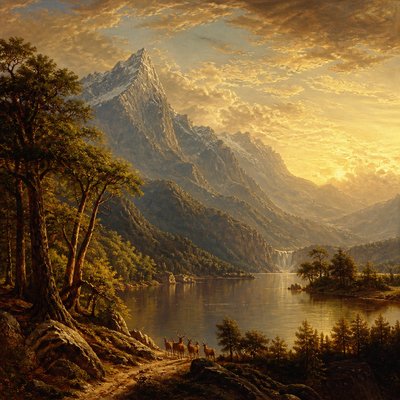
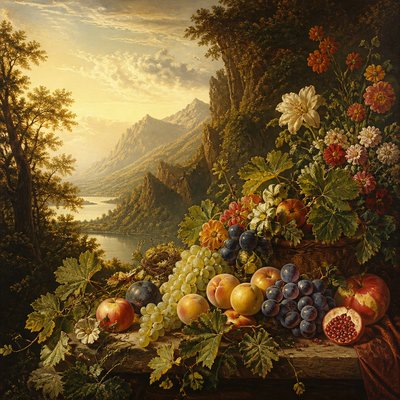
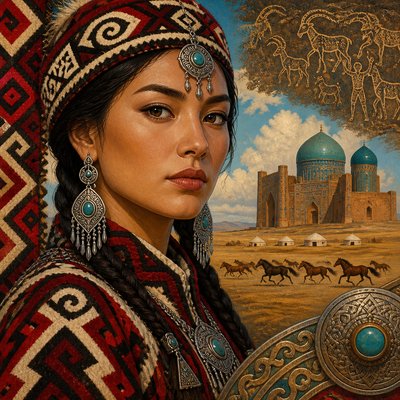
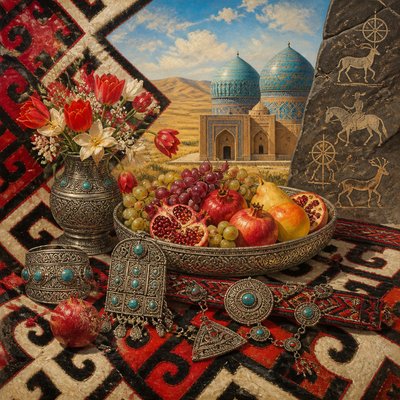
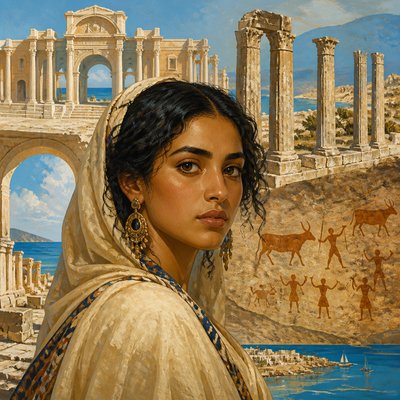
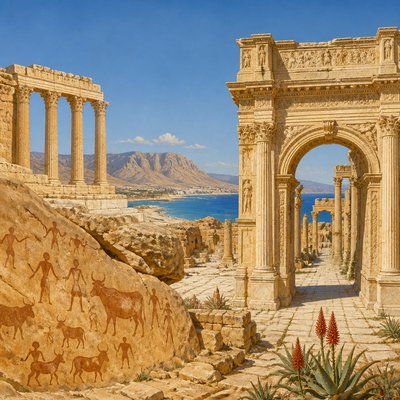
Heidelberg School Gallery
Tap any artwork to explore it
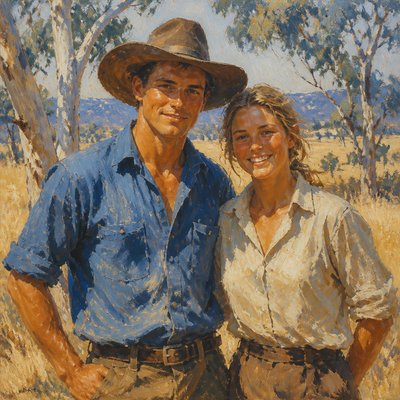
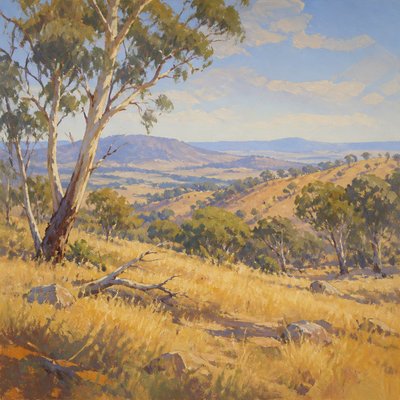
What is Heidelberg School Art Style?
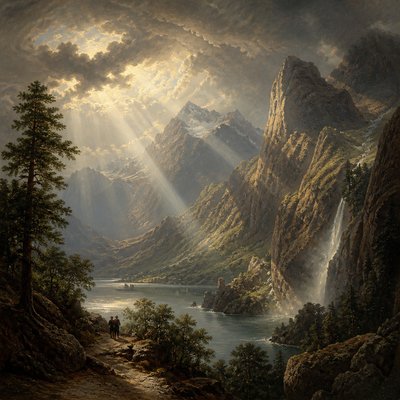
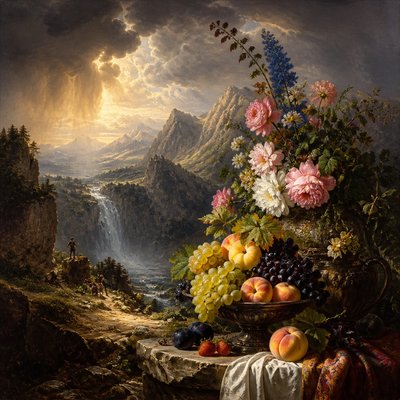
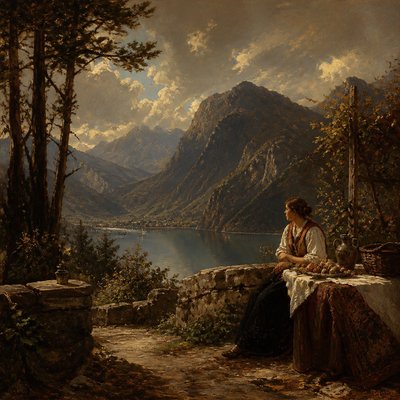
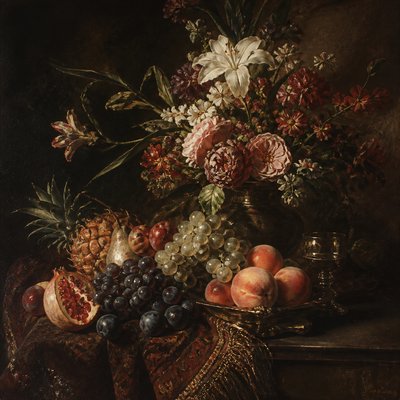
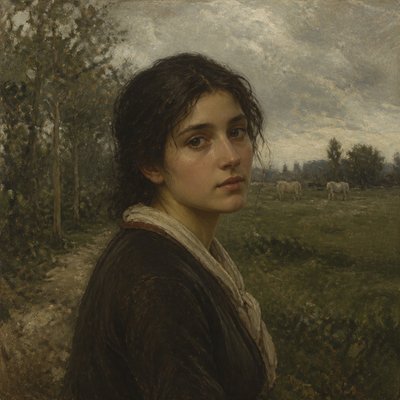
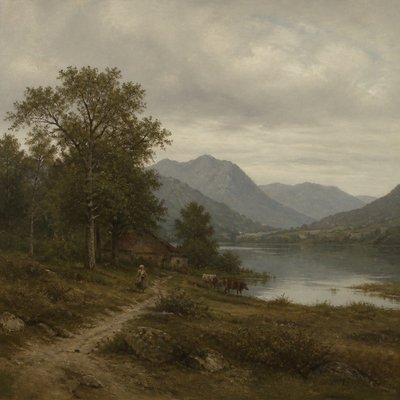
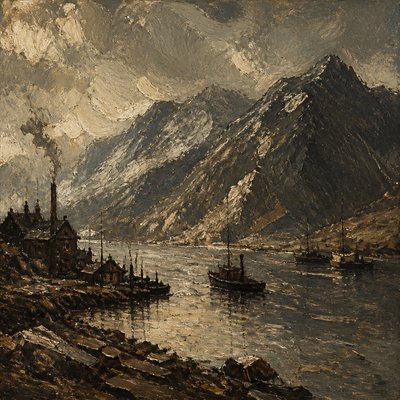
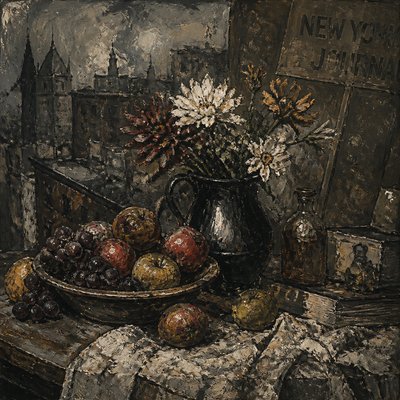
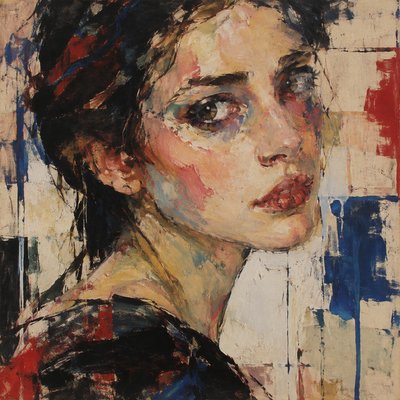
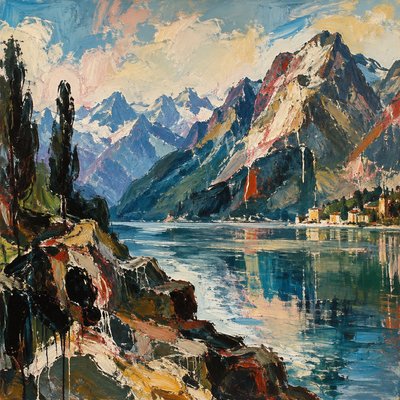
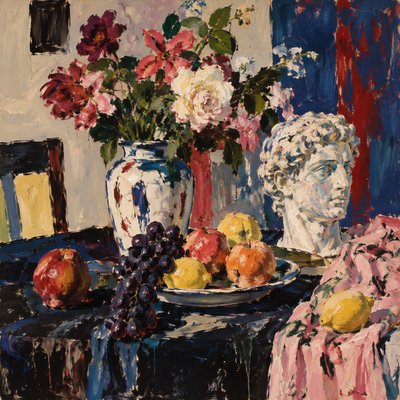
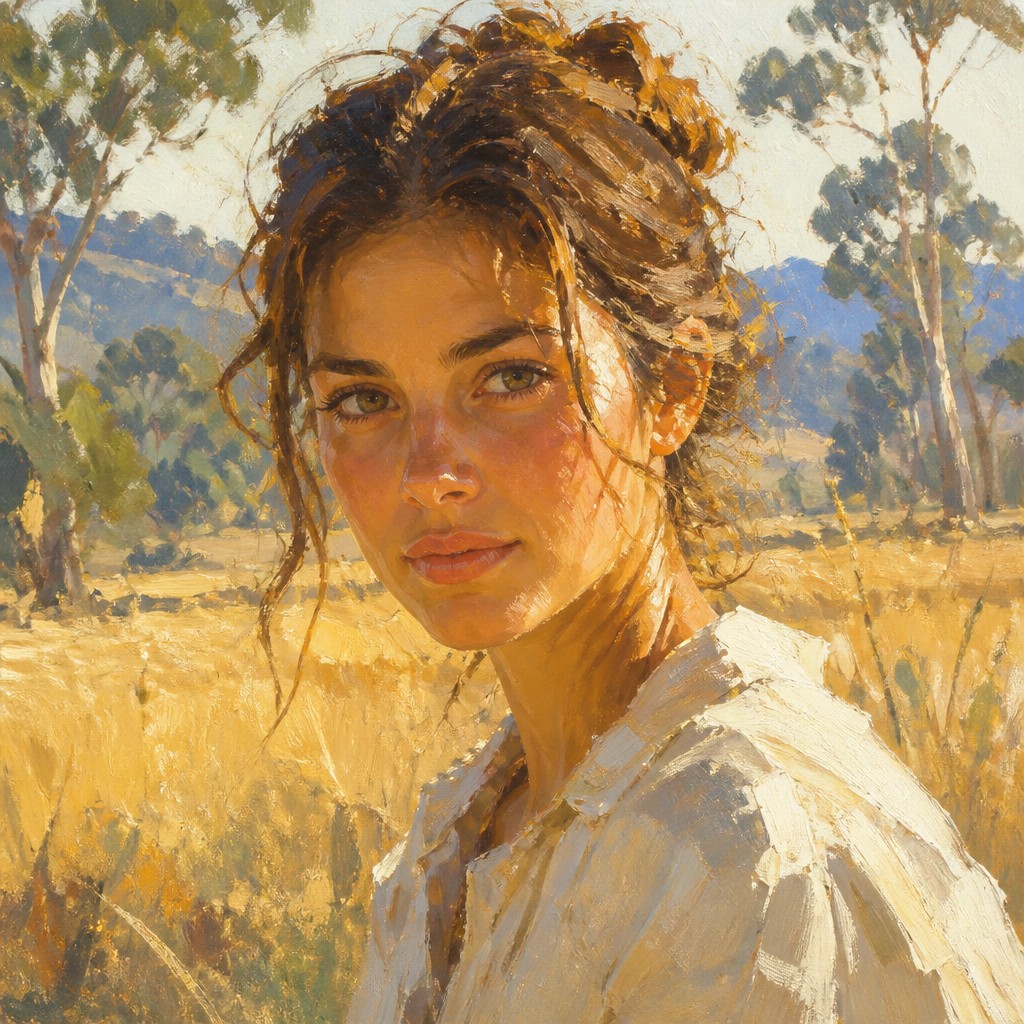
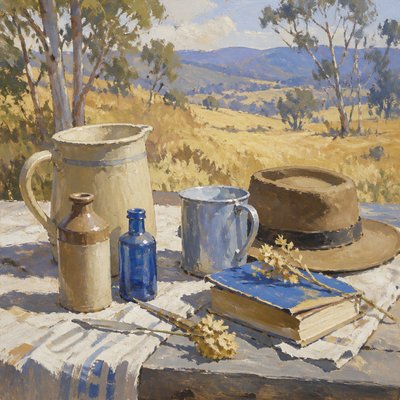
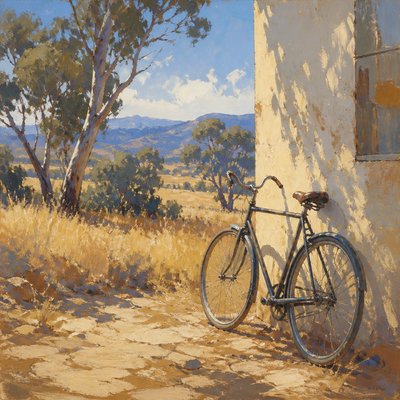
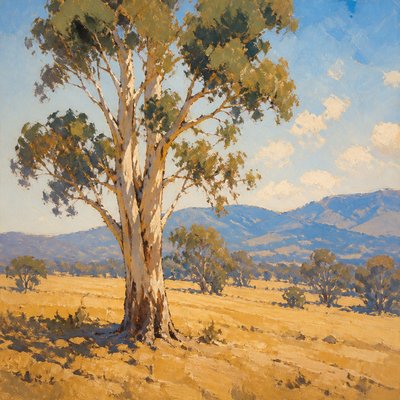
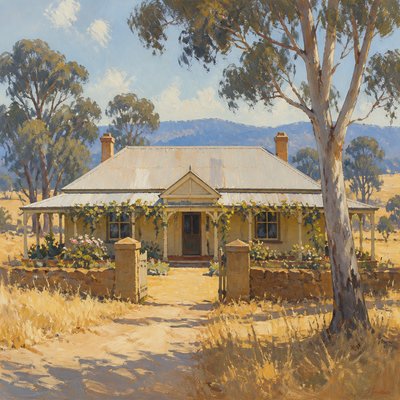
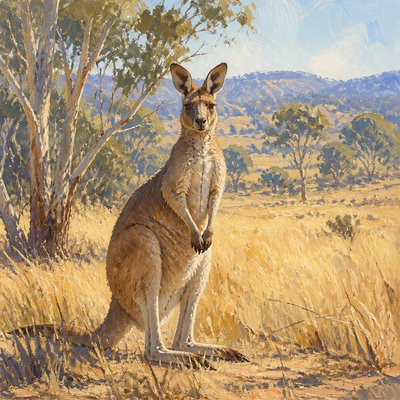
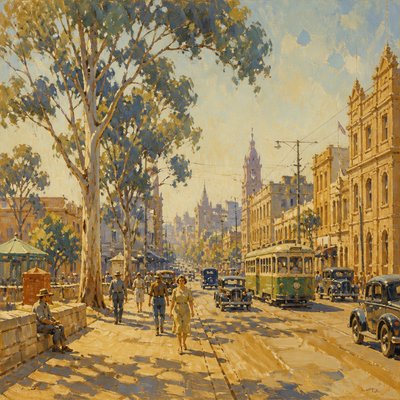
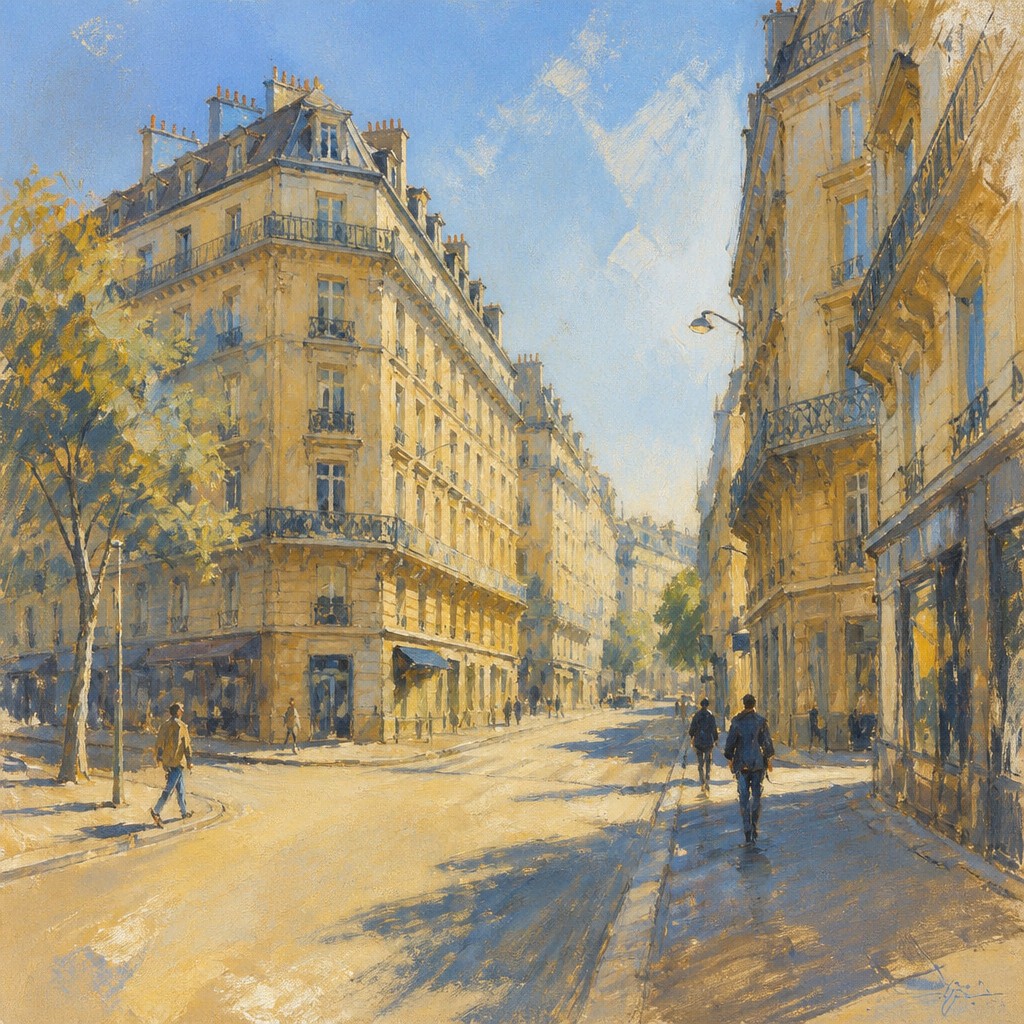
The Heidelberg School is an Australian art movement that developed in the late nineteenth century, especially during the 1880s and 1890s. Its painters worked outdoors in the countryside around Melbourne and translated the Australian landscape into lively oil paintings shaped by direct observation, changing sunlight and atmospheric color.
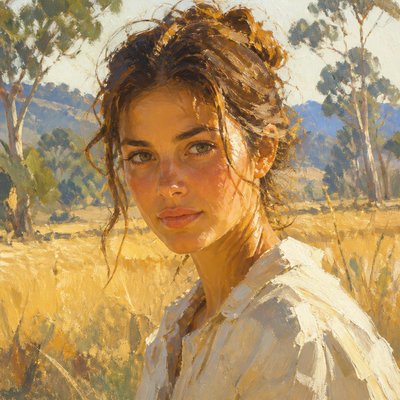
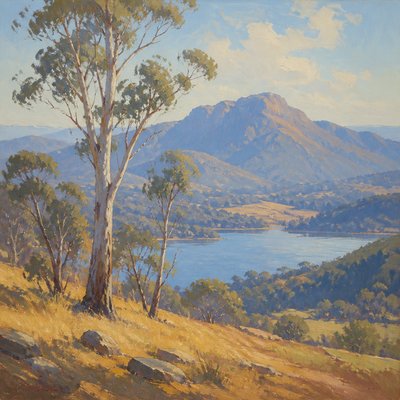
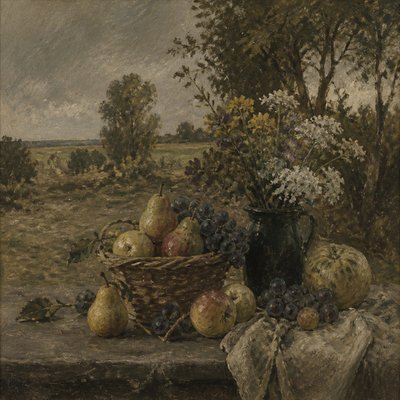
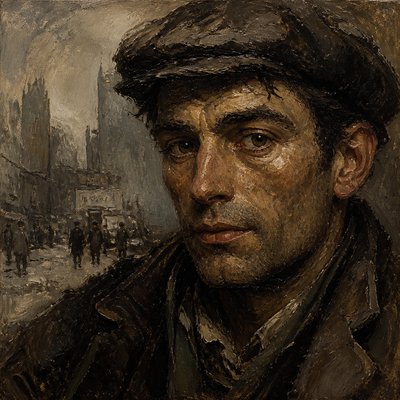
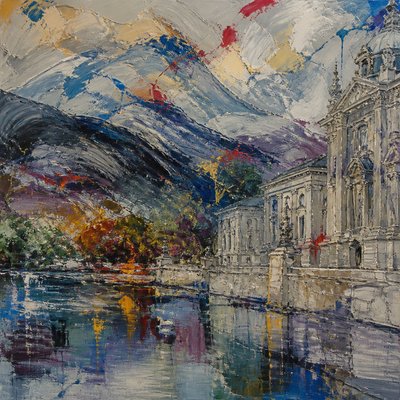
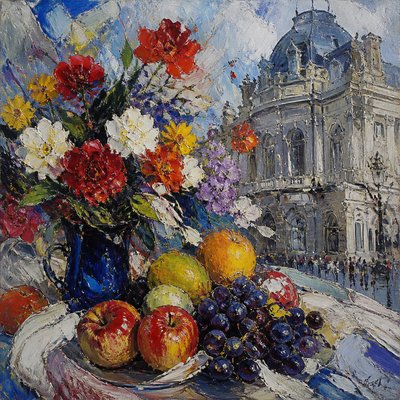
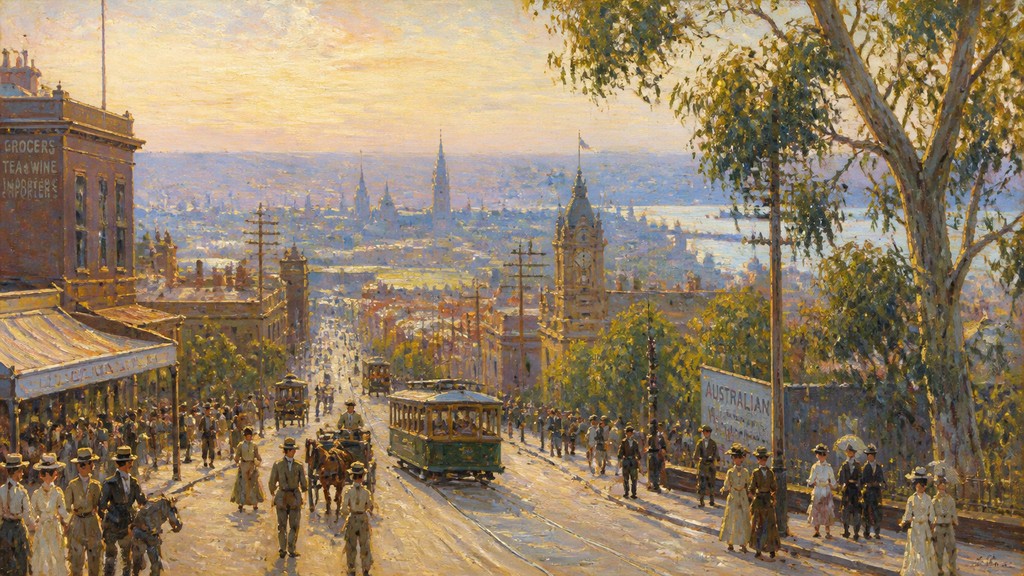
This style is recognized for high-keyed summer light, dry golden grass, blue-green eucalyptus, broad skies and a strong sense of open space. Rather than building every form with precise outlines, it uses broken or loosely joined brushwork, warm ochres, sage greens, cobalt blues and sunlit highlights to convey the heat, dust and immediacy of the southern landscape. Contemporary interpretations may heighten these traits into a more graphic, square-brush surface while retaining the movement's plein-air character.
Try It On Your Photos
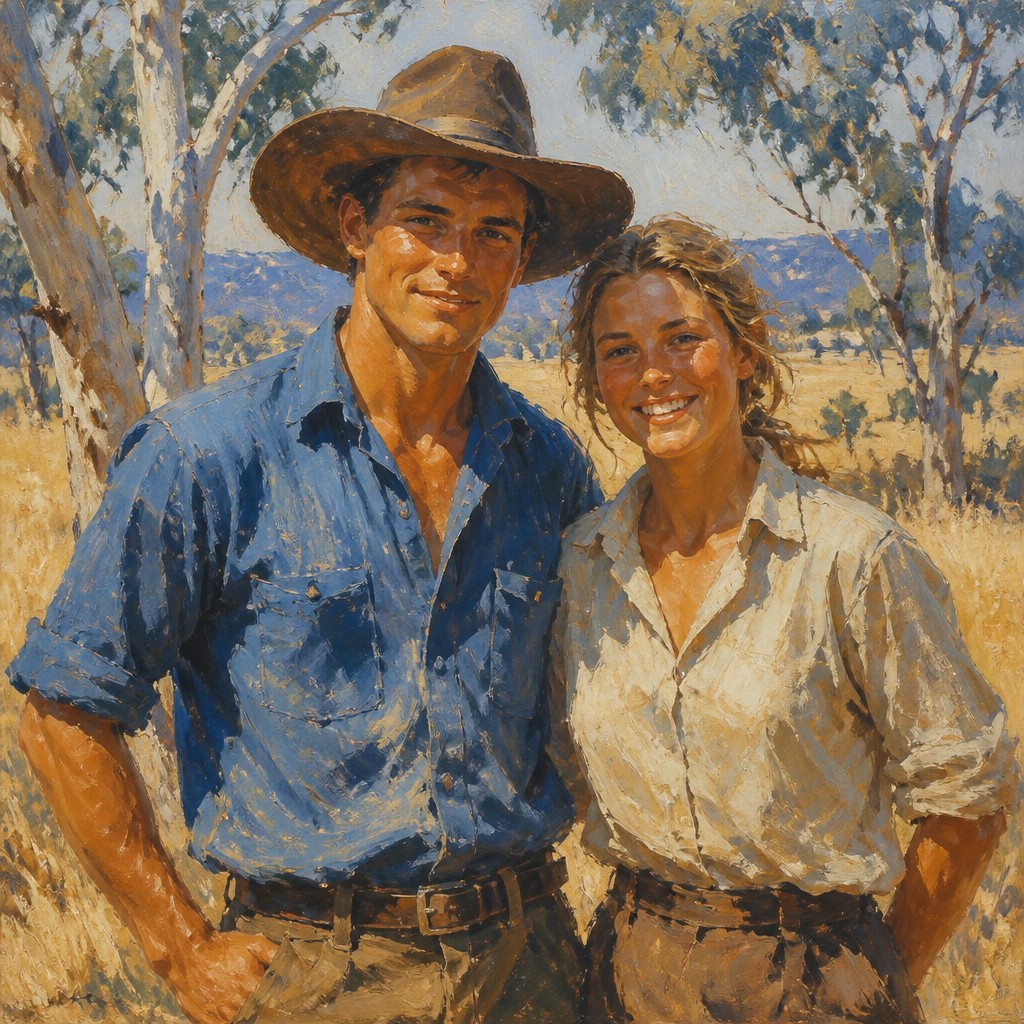
Upload any photo and convert it into Heidelberg School Art Style — drag the sliders to compare before and after.


What Defines Heidelberg School Art Style
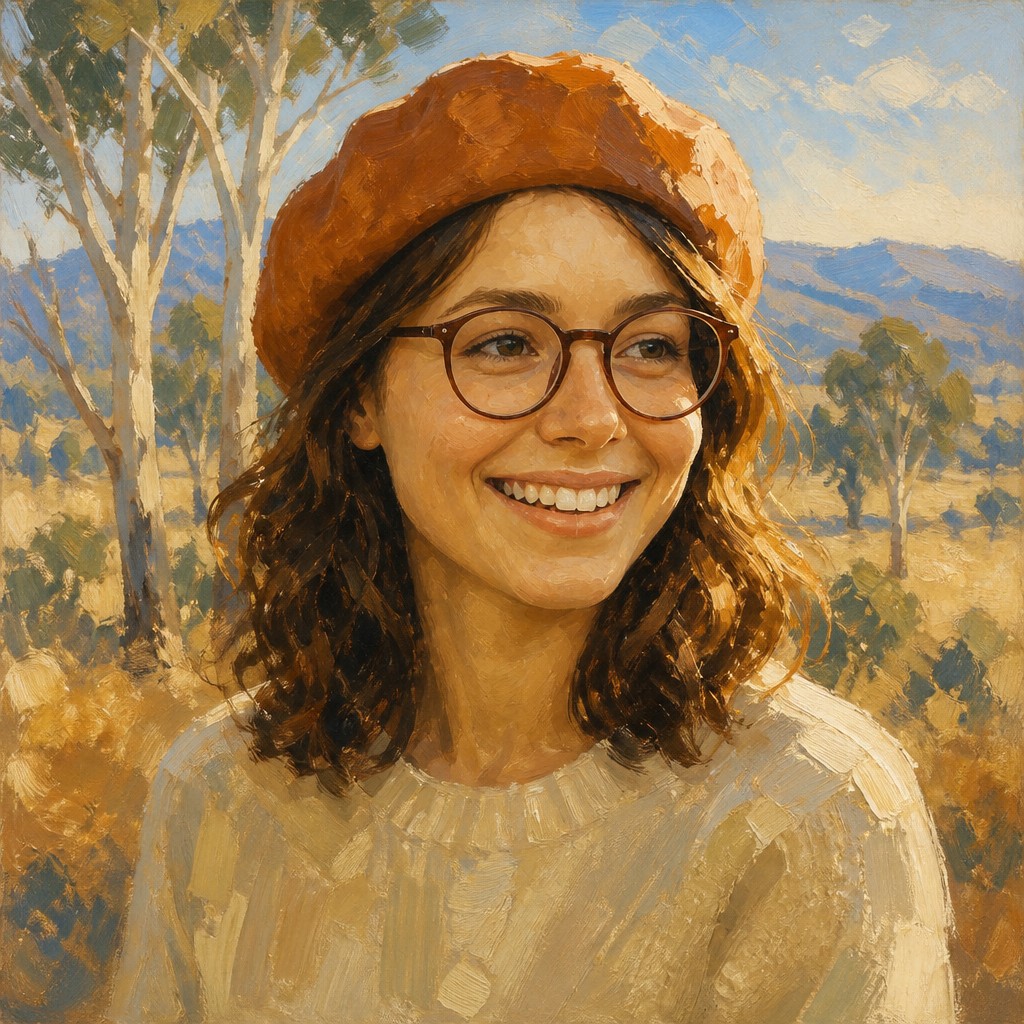
The signature details, up close
Plein-air immediacy
Scenes feel observed directly in outdoor light rather than constructed entirely in the studio. Brushwork records shifting illumination, wind, heat and atmospheric distance.
Sun-bleached Australian palette
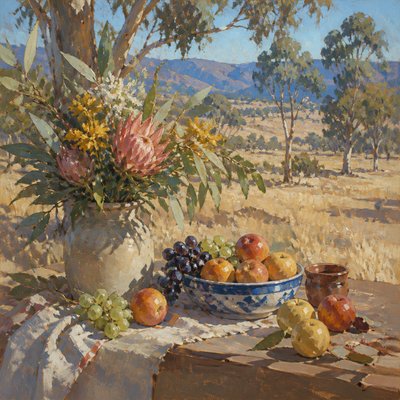
Dusty ochre, warm cream, muted sienna, sage, eucalyptus blue-green and cobalt form the core palette. Highlights are often pale and luminous, while shadows remain colorful rather than simply black.
Eucalyptus atmosphere
Gum trees and blue-hazed foliage provide a recognizable Australian sense of place. Receding vegetation is softened by heat and distance, creating layered blue-green space.
Loose, visible brushwork
Confident strokes remain apparent on the surface, often arranged in short, square or broken marks. Forms are suggested through color relationships instead of tight contour drawing.
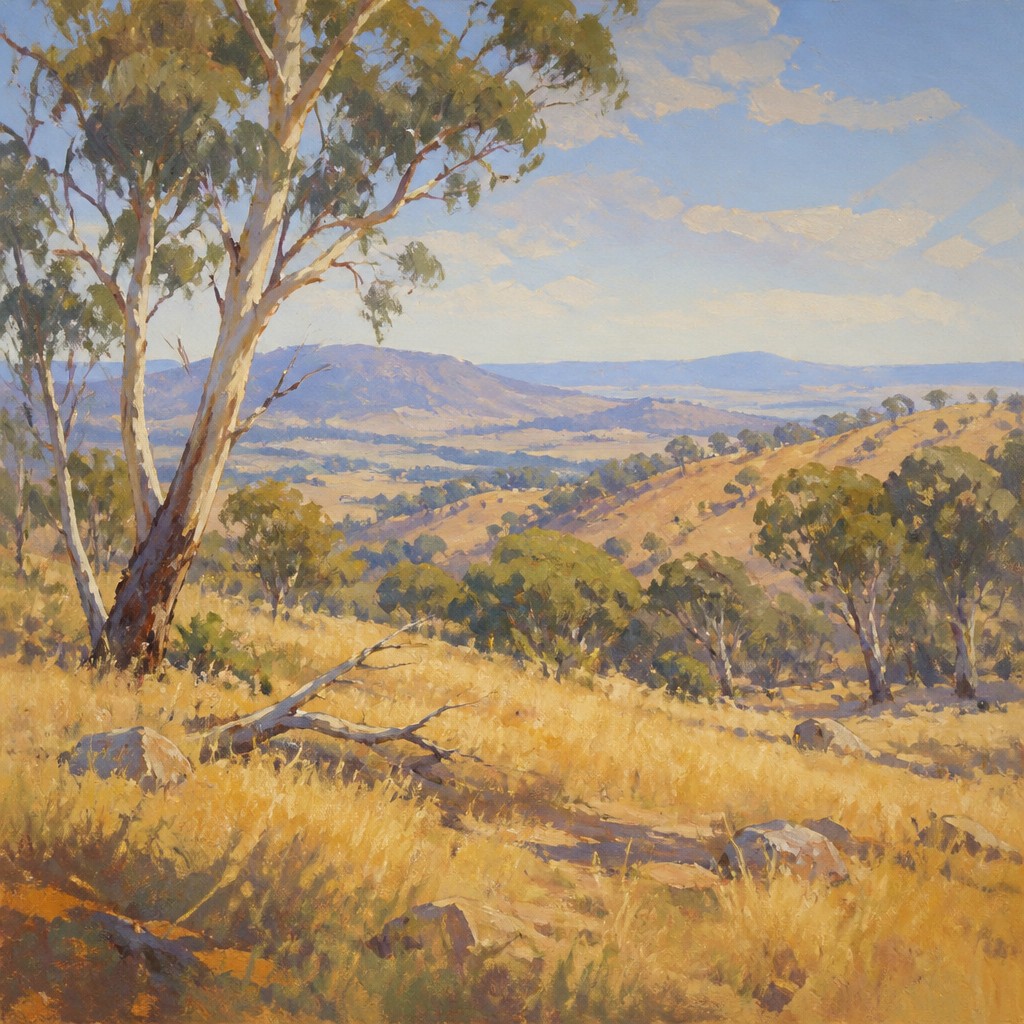
Open pastoral composition
Wide horizons, paddocks, scrub, tracks, rivers and distant hills create a spacious sense of scale. Foreground grasses and diagonal paths often lead the eye into the landscape.
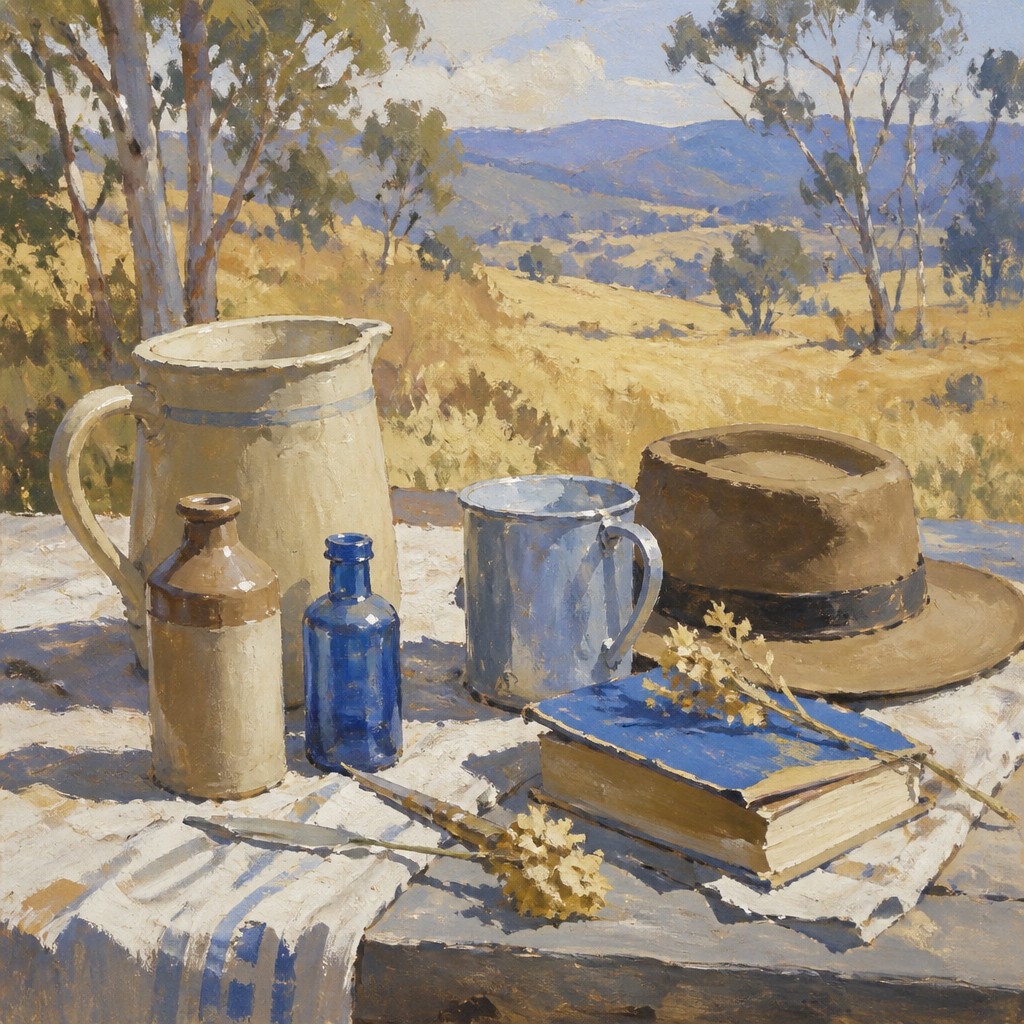
High-keyed summer light
The style favors brilliant daylight, clear air and strong but softened contrasts. Shadows are usually warm, transparent and integrated into the surrounding color.
Try It
Create Videos in Heidelberg School Art Style
Styles aren't just for stills — describe a scene or animate an image and get a short video rendered in Heidelberg School. Press play to see this pond come to life.
Make a VideoHeidelberg School Prompt Ideas
Start from an idea — each one opens the generator with the style ready to go. See all 40 Heidelberg School prompts →
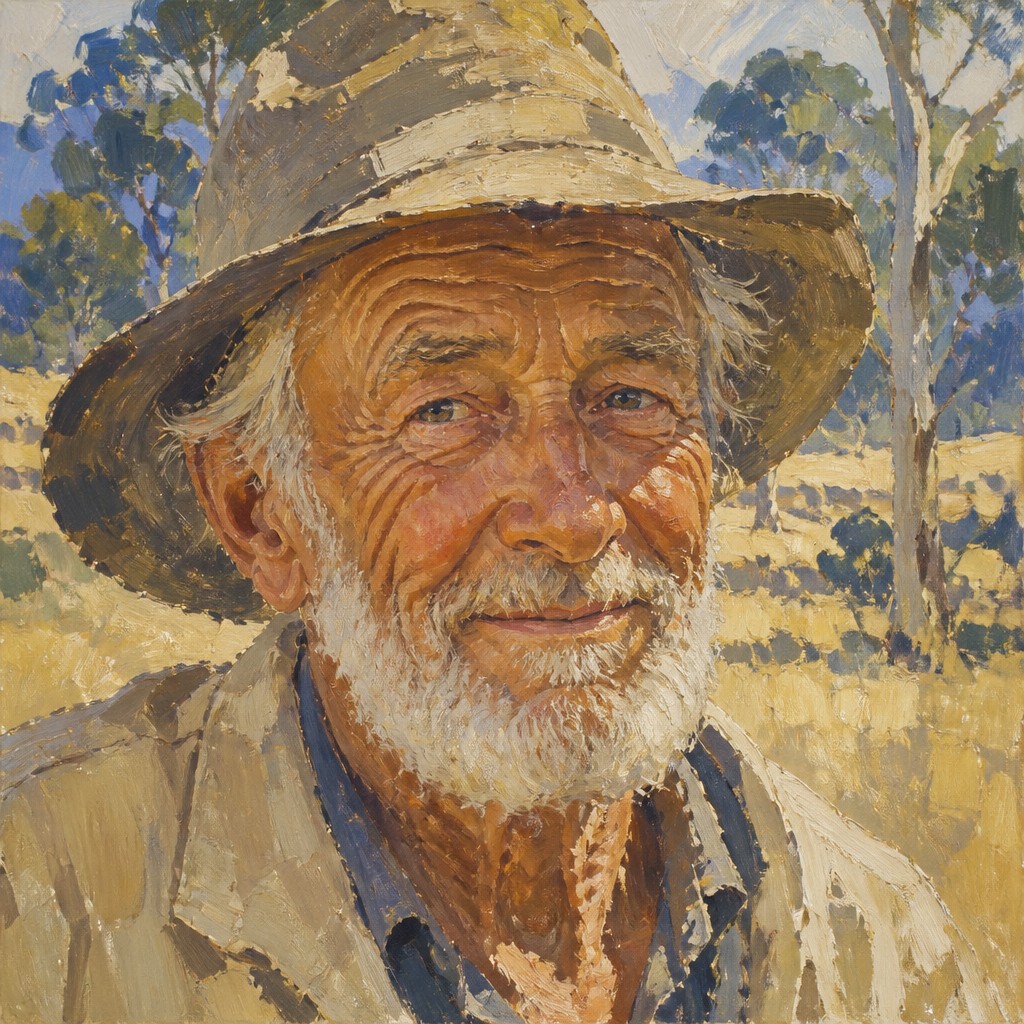
“close-up portrait of an elderly person with expressive weathered features”
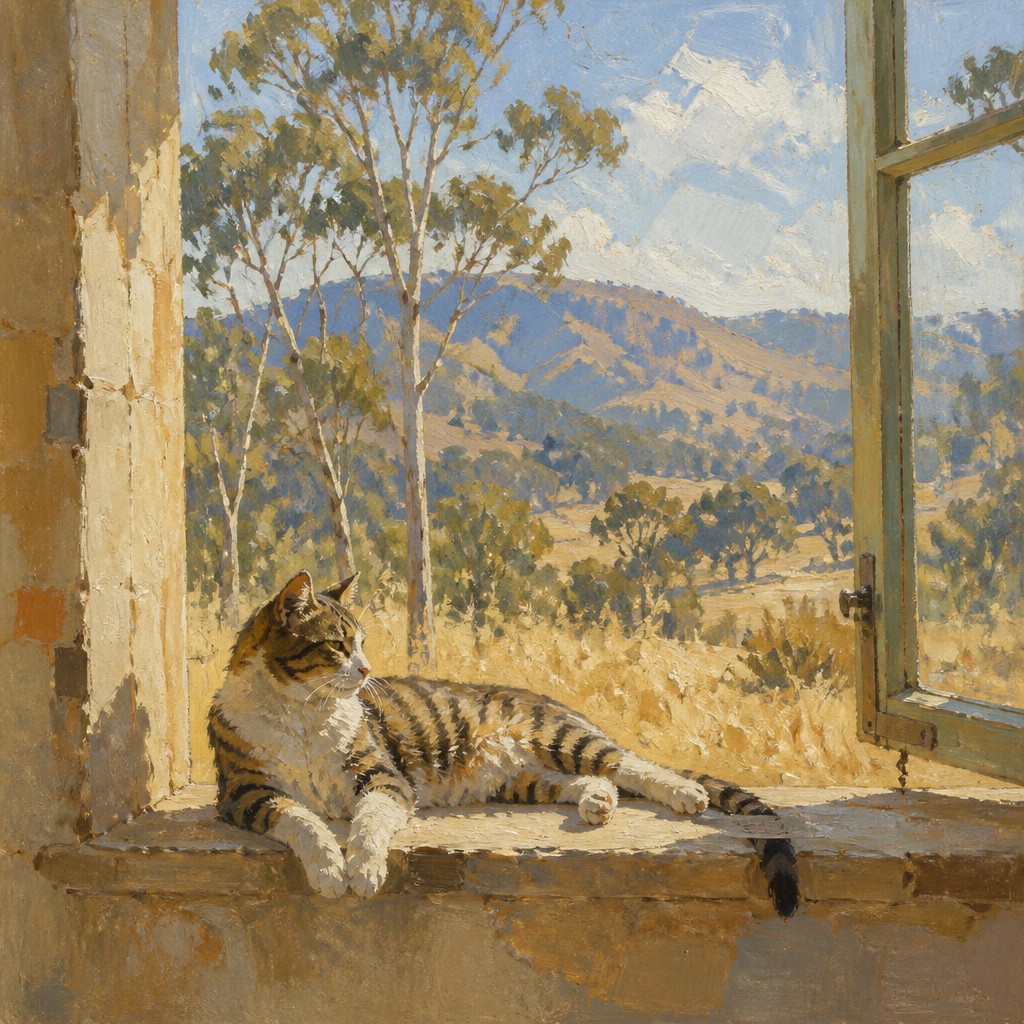
“a cat lounging in a sunlit window”
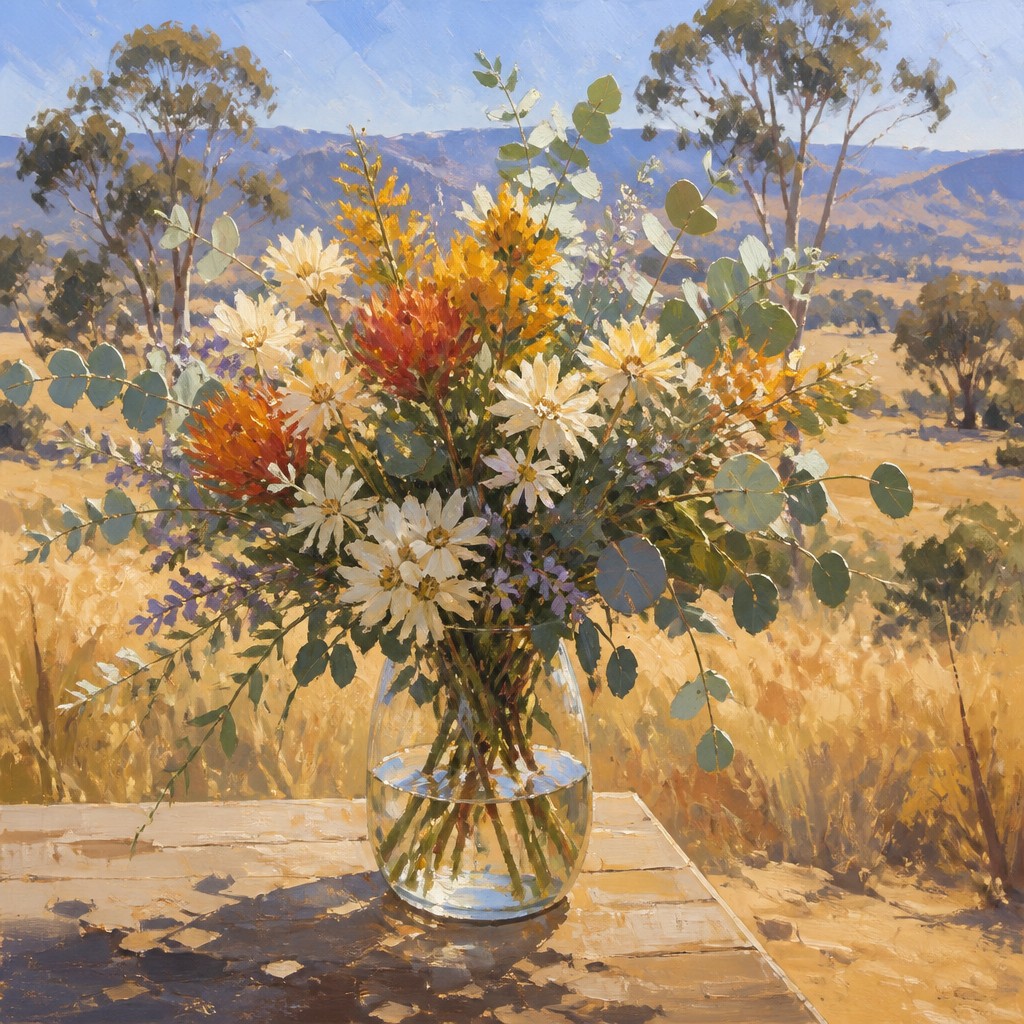
“bouquet of flowers in a glass vase”
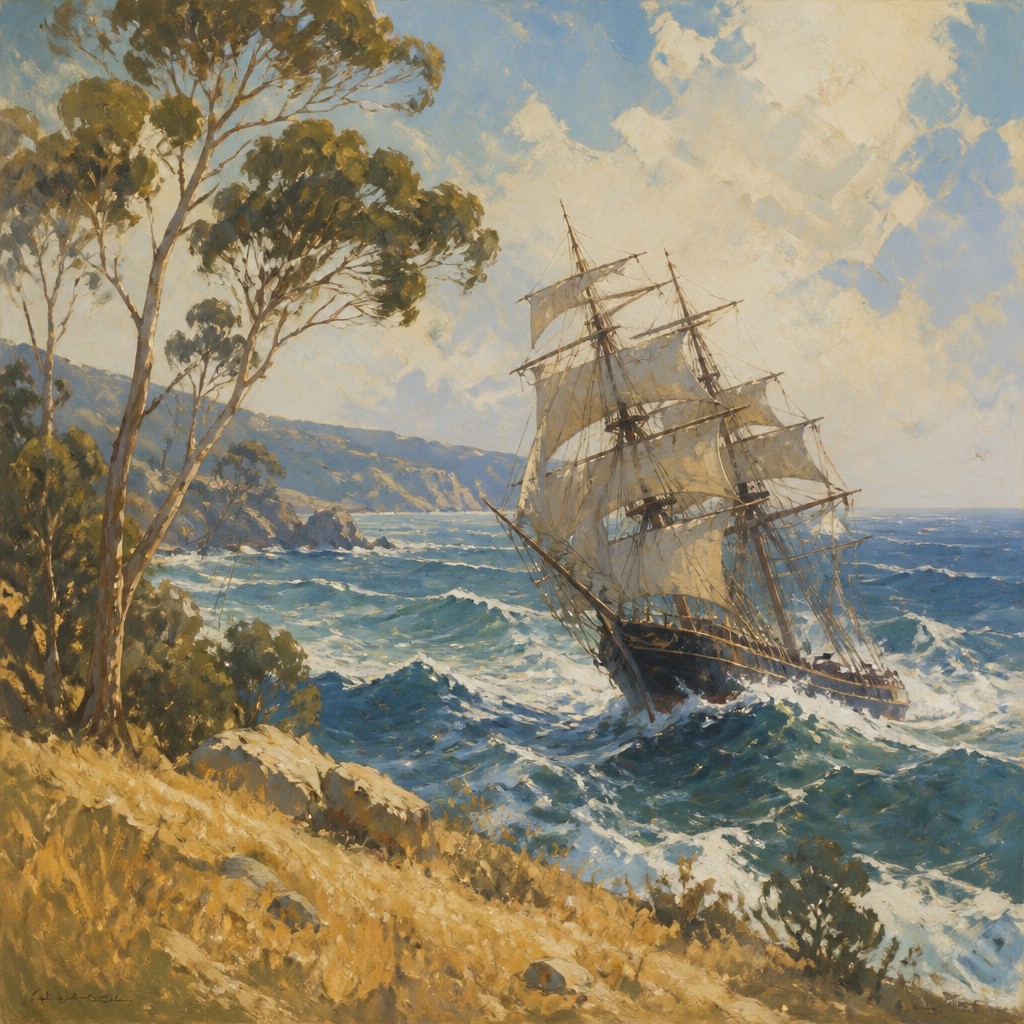
“sailing ship on a stormy sea”
How to Create Heidelberg School Art
Master the craft step by step — or skip straight to creating. Read the full guide →
- 1
Choose a strongly Australian subject
Begin with eucalyptus woodland, dry pasture, a river bend, a rural track or a broad view of the Victorian countryside. Build the composition around a low or middle horizon and a clear sense of distance.
- 2
Block in large color masses
Establish sky, distant hills, middle-ground trees and foreground grass with broad strokes before adding detail. Keep the initial shapes simple so the painting retains its open-air directness.
- 3
Use broken warm-cool color
Place warm ochres and creams beside cool sage, blue and cobalt marks instead of blending everything smoothly. Reserve the palest values for sunlit grass, cloud edges and reflective surfaces.
- 4
Keep the brushwork visible
Use a loaded flat or square brush, textured digital brush or impasto-like mark-making to create confident strokes. Vary direction in grasses and trees, but avoid excessive micro-detail that would weaken the painterly surface.
- 5
Work from an image or reference
For image-to-image work, preserve the original subject's major shapes while reducing detail, lifting the exposure and introducing eucalyptus haze and a dusty ochre-sage-cobalt palette. For text-based creation, specify the subject, season, light, brush texture and composition together.
The Story
History & Origins of Heidelberg School
The Heidelberg School emerged in Victoria, Australia, during a period when local artists were seeking a distinctly Australian subject matter and visual language. Working in rural settings near Melbourne, they adapted European plein-air painting and Impressionist approaches to conditions unfamiliar to northern-hemisphere traditions: intense sunlight, pale skies, dry vegetation, vast distances and the distinctive shapes of eucalyptus trees.
The movement developed through outdoor painting camps, exhibitions and a growing interest in national identity. Its influence continued into Australian landscape painting, where direct observation, atmospheric light and regional subject matter remained important. The sun-bleached palette and eucalyptus haze associated with the style are also frequently reinterpreted in contemporary illustration, digital painting and image-based art.
Influences: The Heidelberg School draws on European plein-air painting, nineteenth-century Impressionism and the broader realist tradition of landscape observation, while adapting those approaches to Australian light and ecology. Its contemporary visual interpretation also relates to post-Impressionist color structure, pastoral painting, Australian national landscape traditions and digitally simulated impasto or textured-brush illustration.

Frequently Asked Questions
What defines the Heidelberg School art style?
It is defined by outdoor observation, Australian landscape subject matter and a strong response to intense southern light. Dry grass, eucalyptus, open horizons, atmospheric distance and loose visible brushwork are central features.
Is the Heidelberg School the same as Impressionism?
It is closely related to Impressionism but is not simply a copy of the European movement. Australian painters adapted plein-air methods and broken color to local conditions, including harsh sunlight, dry vegetation and distinctive eucalyptus landscapes.
What colors are typical of Heidelberg School paintings?
Common colors include dusty ochre, warm yellow, cream, sienna, sage green, blue-green, cobalt and pale atmospheric blue. The palette is generally luminous and sunlit, with colorful warm shadows rather than heavy black ones.
How can I paint in the Heidelberg School style?
Work from direct landscape observation or a strong reference, establish large light-and-dark masses, and use broad broken strokes instead of tightly blended modeling. Focus on the effects of Australian light, the structure of eucalyptus and the contrast between dry foregrounds and hazy distance.
Can this style be used for portraits or urban scenes?
Yes, although landscape is its most characteristic subject. Portraits, buildings and city scenes can use the same high-keyed light, warm-cool color relationships, loose brushwork and regional atmosphere.
What makes a digital image feel authentic to this style?
A convincing result should prioritize broad painterly marks, natural outdoor lighting, restrained detail and a distinctly Australian palette. Eucalyptus haze, dry grasses, open composition and visible surface texture are usually more important than adding generic Impressionist softness.
Create your first Heidelberg School artwork
Describe anything — or upload a photo — and see it in Heidelberg School Art Style in seconds.
Related Styles
Discover similar art styles