Street Art Style
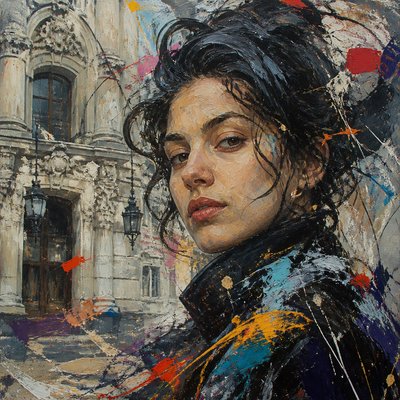
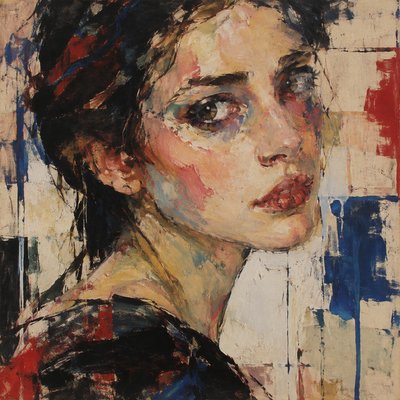
Urban public art with bold graphics, spray paint, stencils, drips, and social messages built for strong public impact.
Instantly rendered in Street — or transform a photo
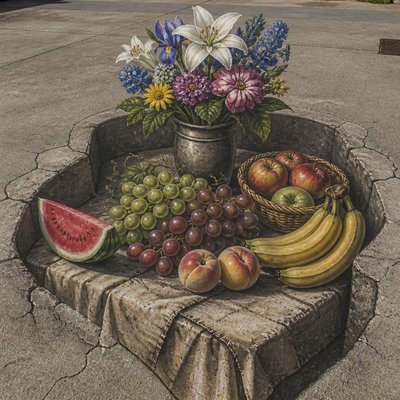
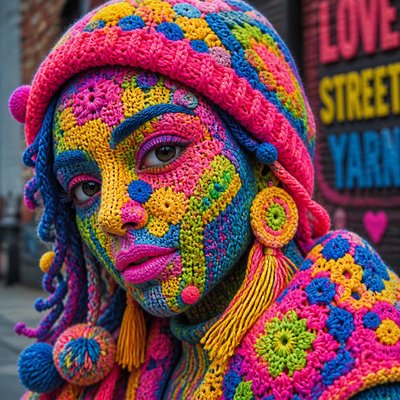
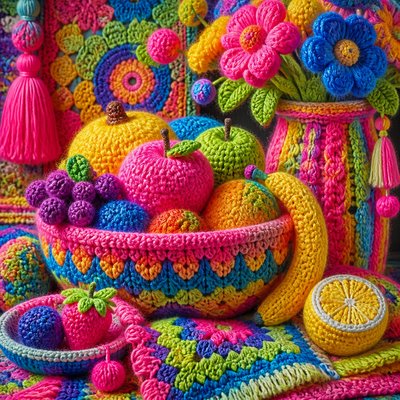
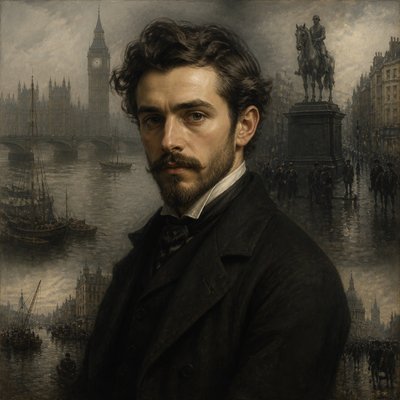
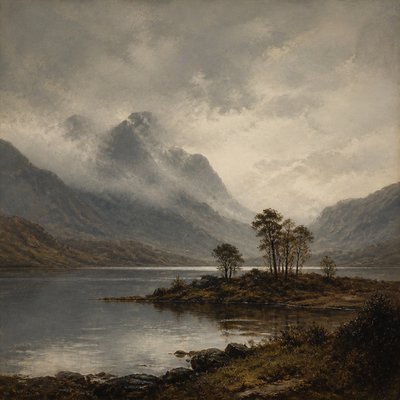
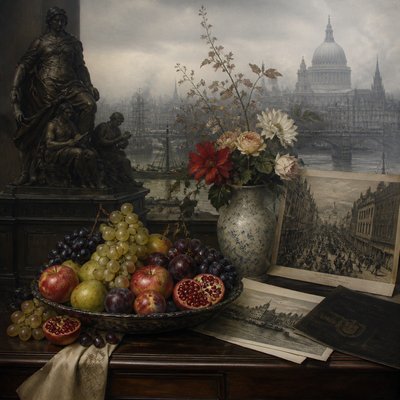
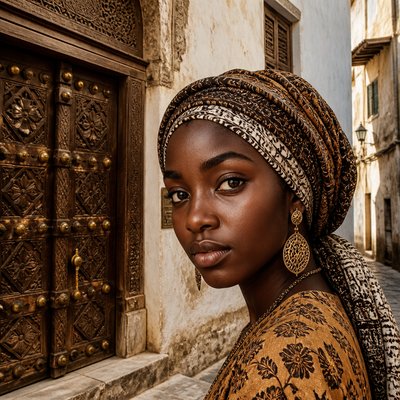
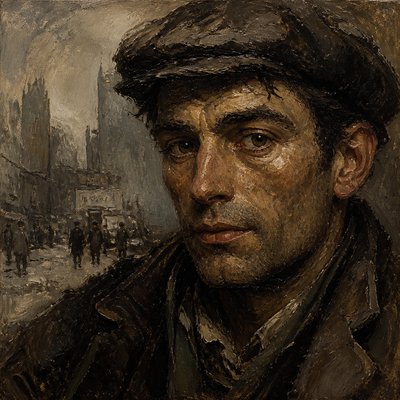
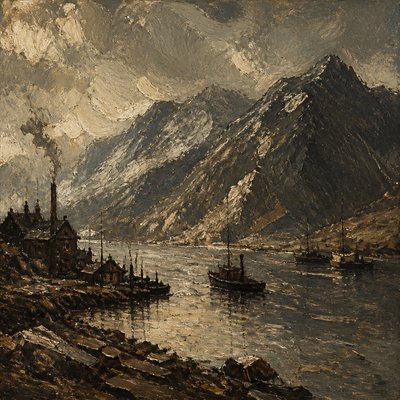
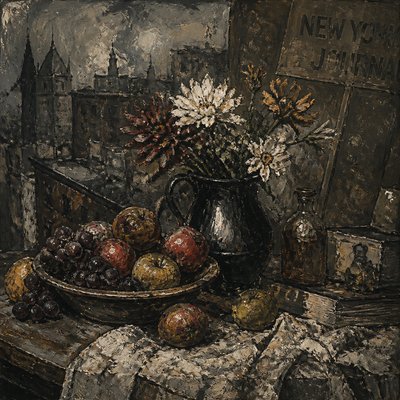
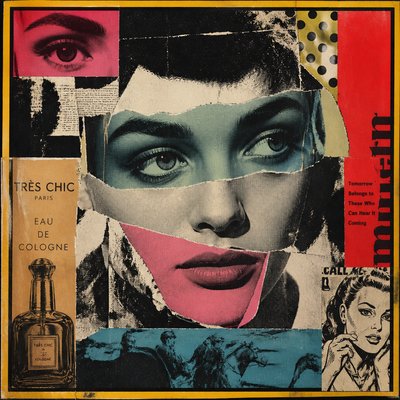
Street Gallery
Tap any artwork to explore it

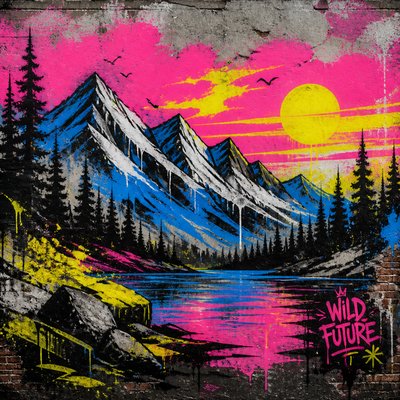
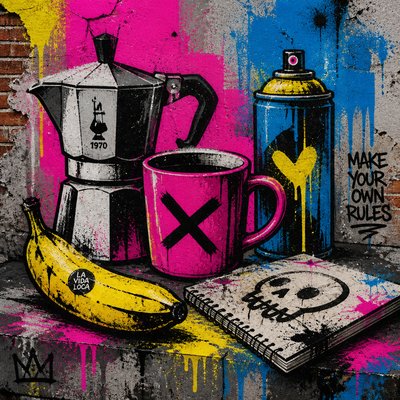
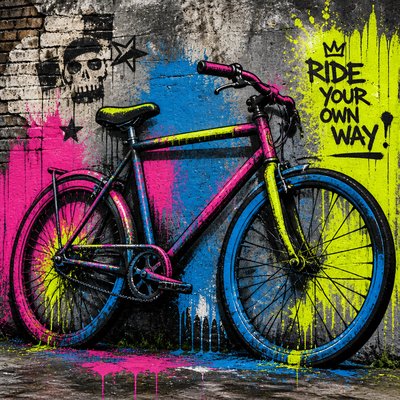
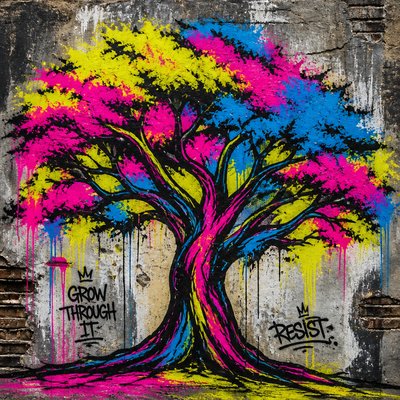
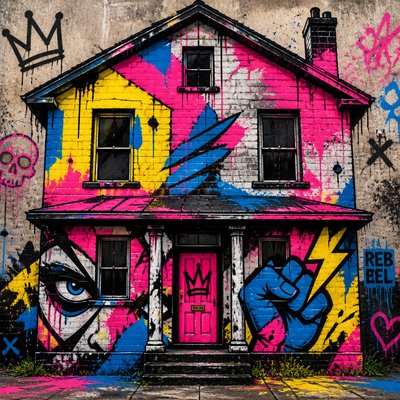
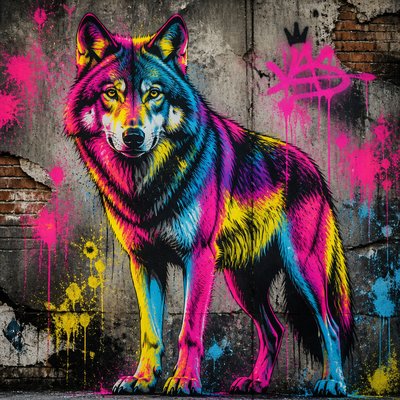
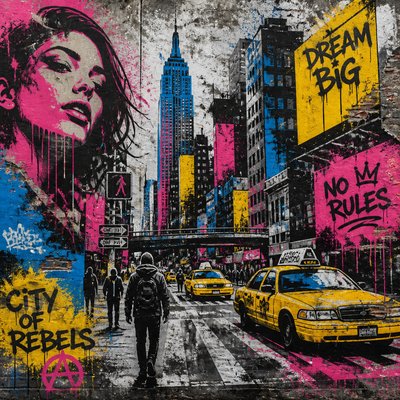
What is Street Art Style?
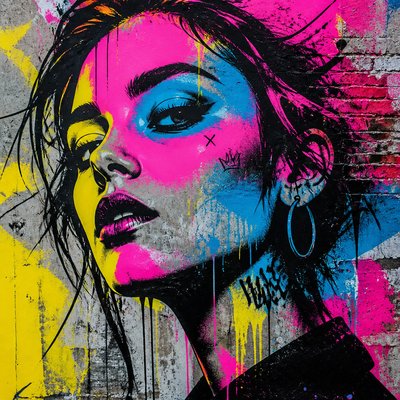
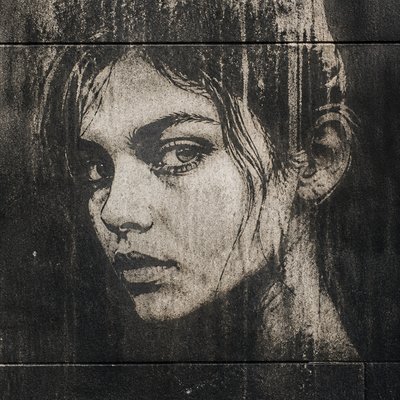
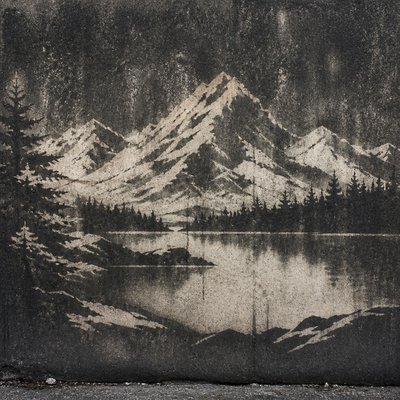
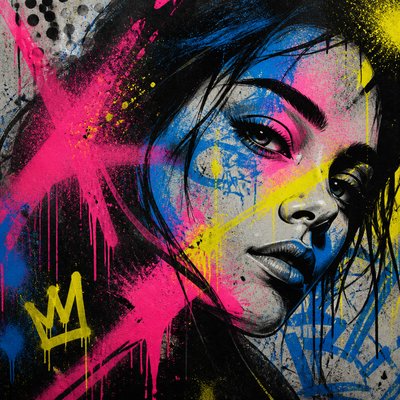
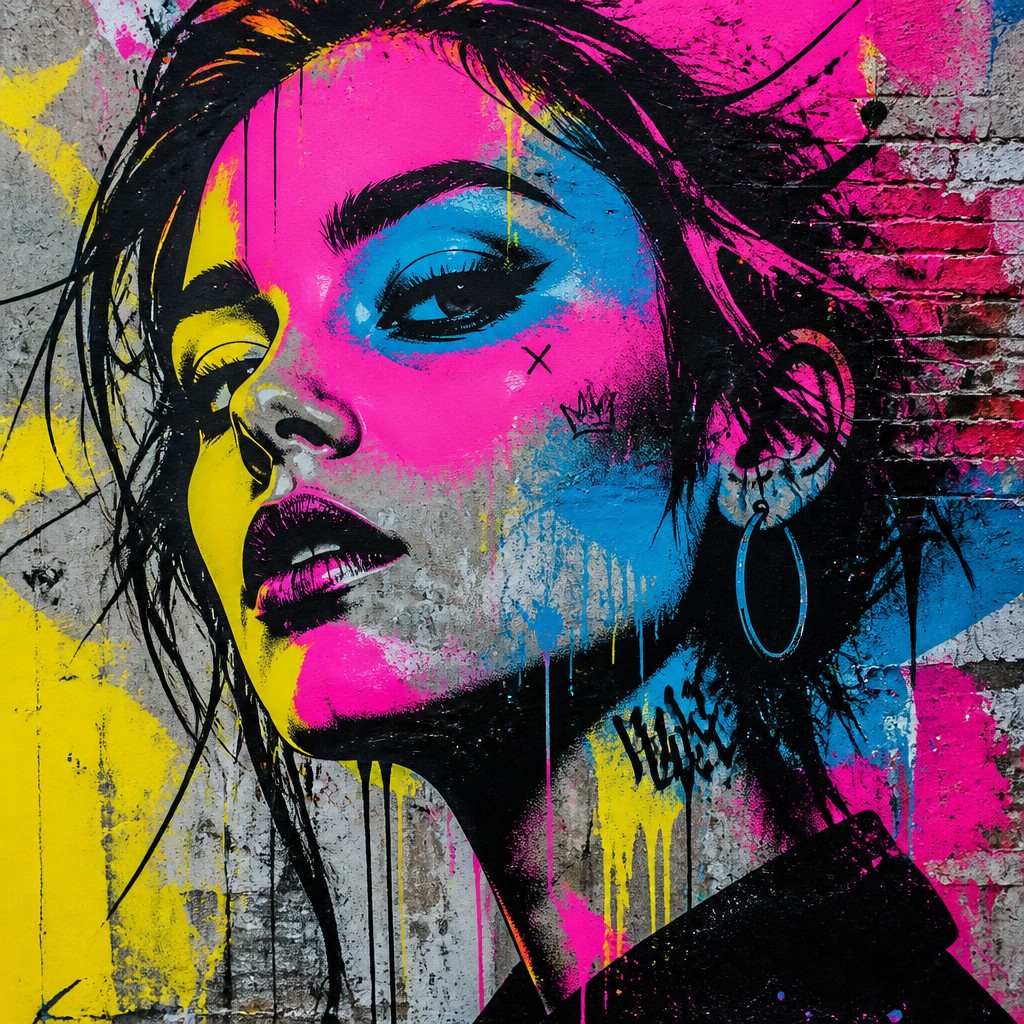
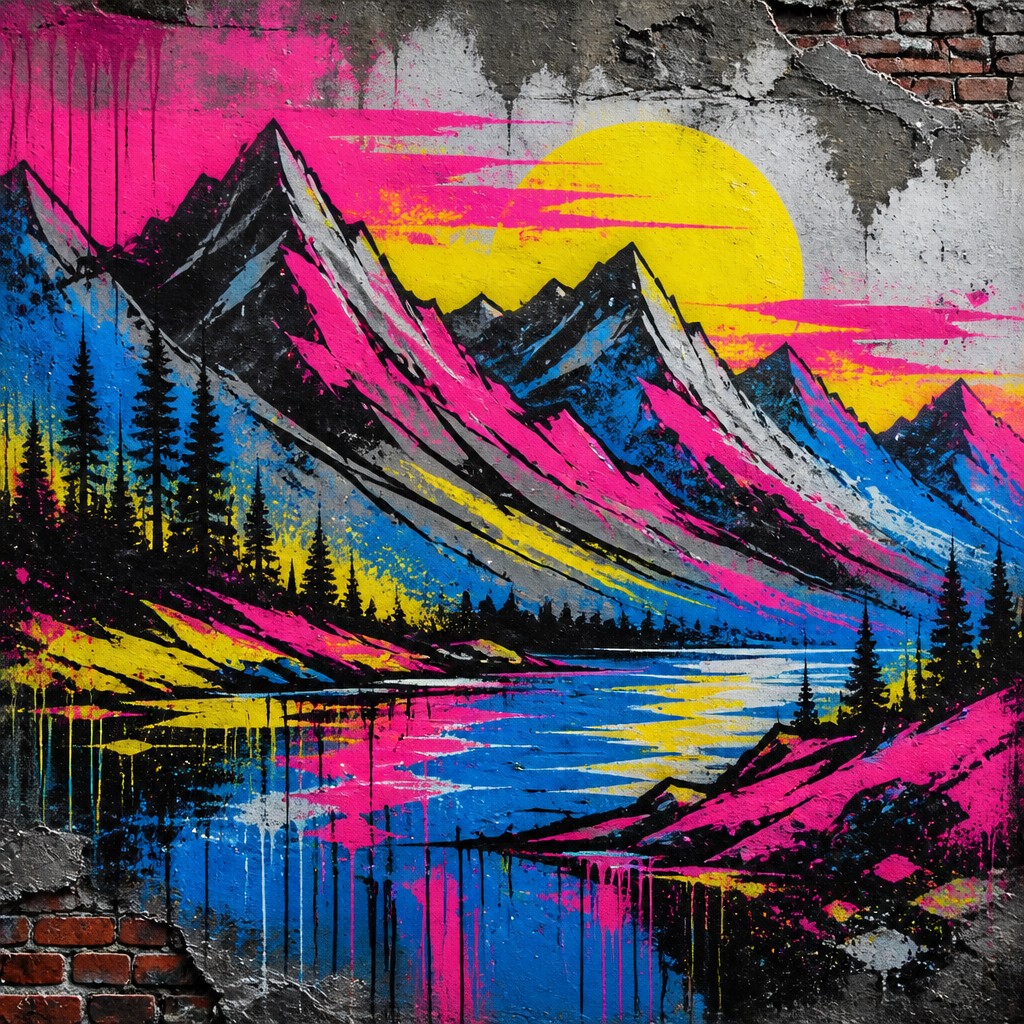
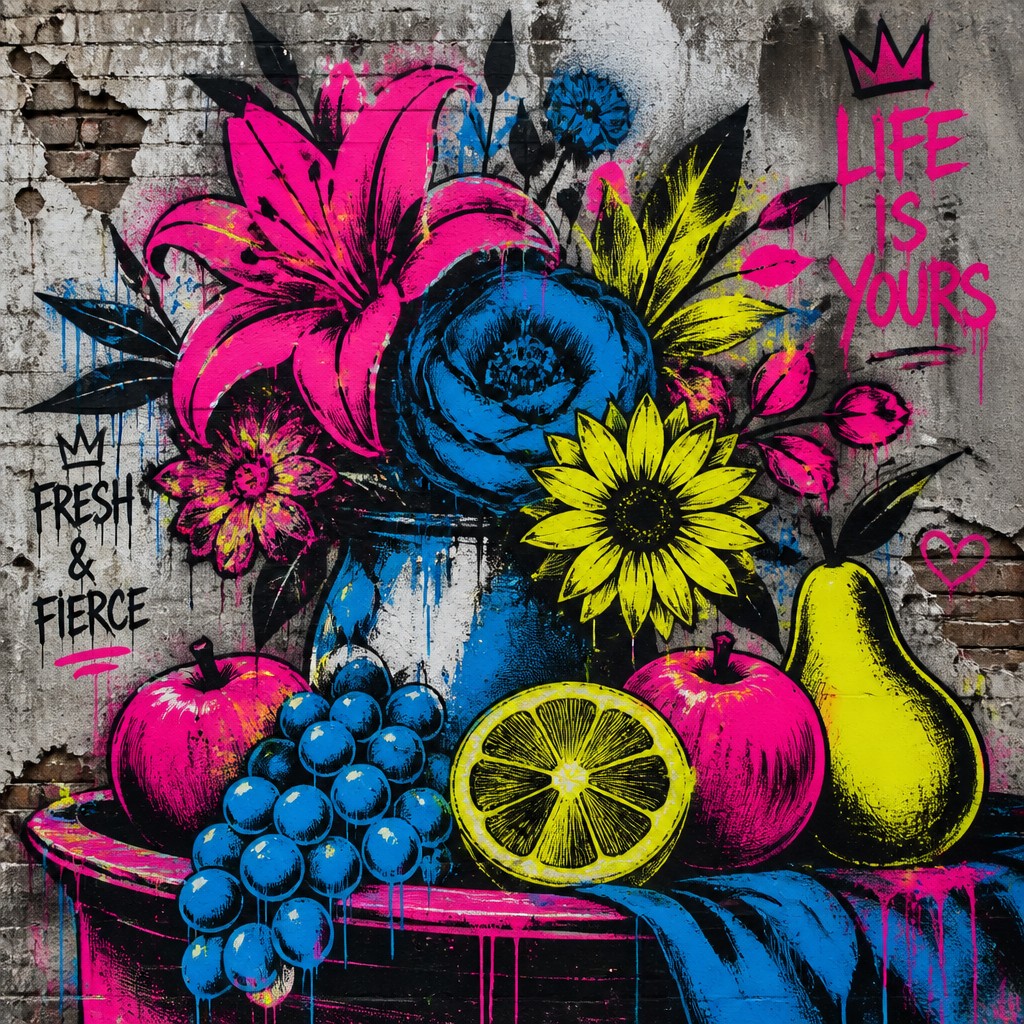
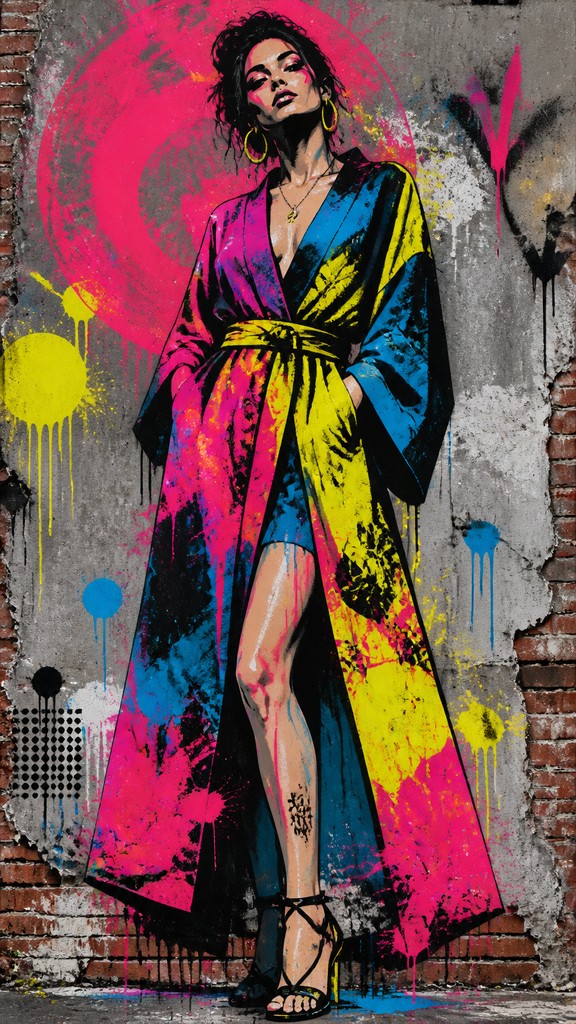
Street art is urban artwork made for public surfaces such as walls, shutters, bridges, underpasses, and utility structures. It is defined by bold graphics, fast legibility, and a direct relationship to the city around it: the surface, the site, and the passing audience all matter as much as the image itself.
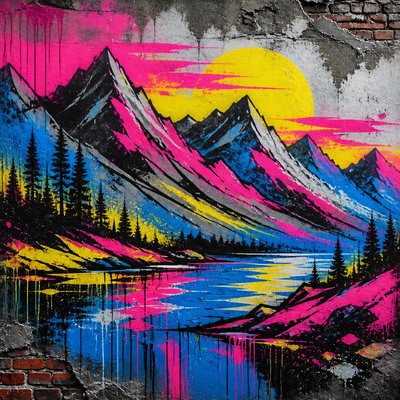
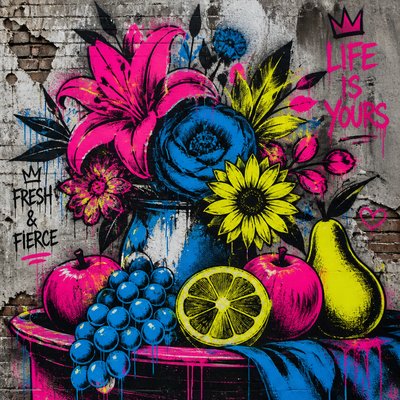
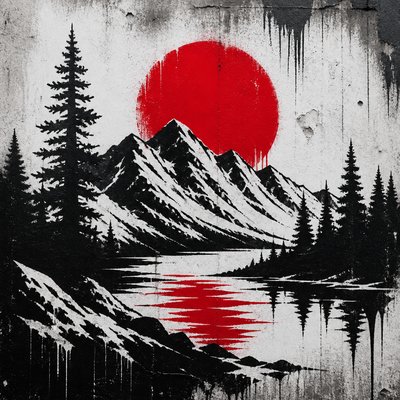
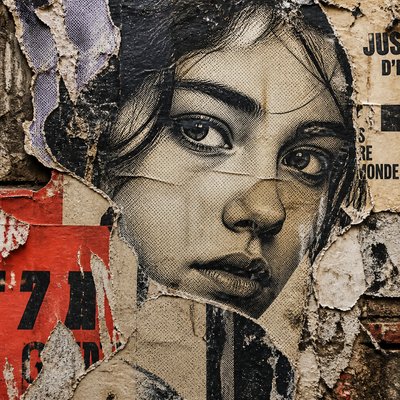
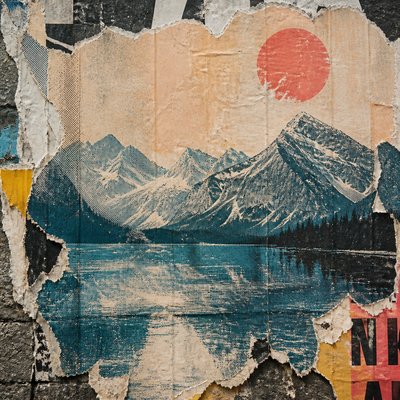
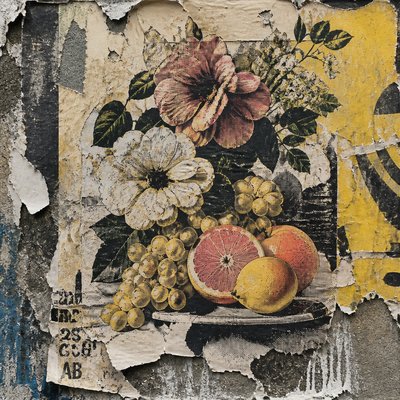
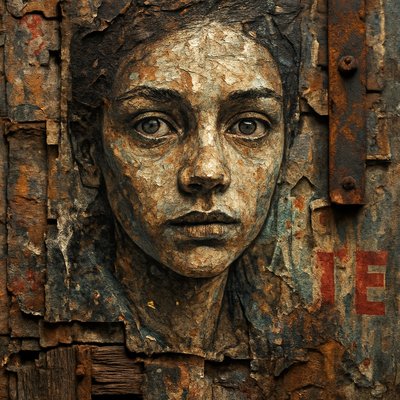
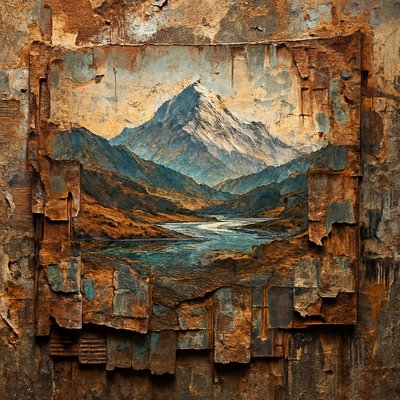
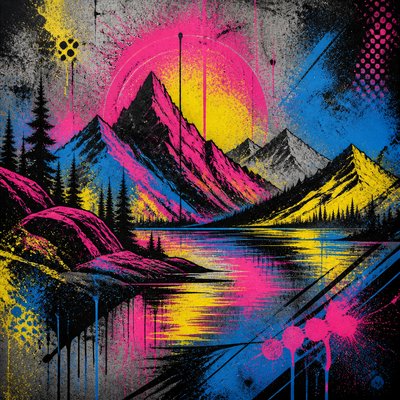
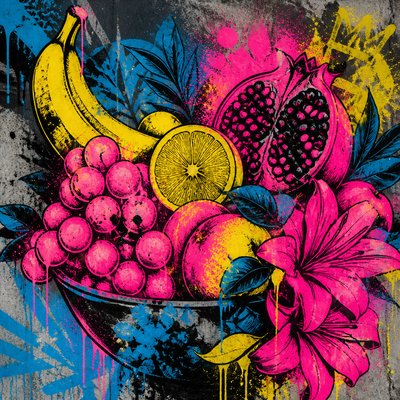
Visually, the style tends to favor strong outlines, compressed compositions, high-contrast color, and materials associated with the street such as spray paint, markers, posters, and stencils. Its look often includes drips, overspray, peeling paint, and weathered textures because the work is made to exist in real environments, where time, exposure, and surface damage become part of the image.
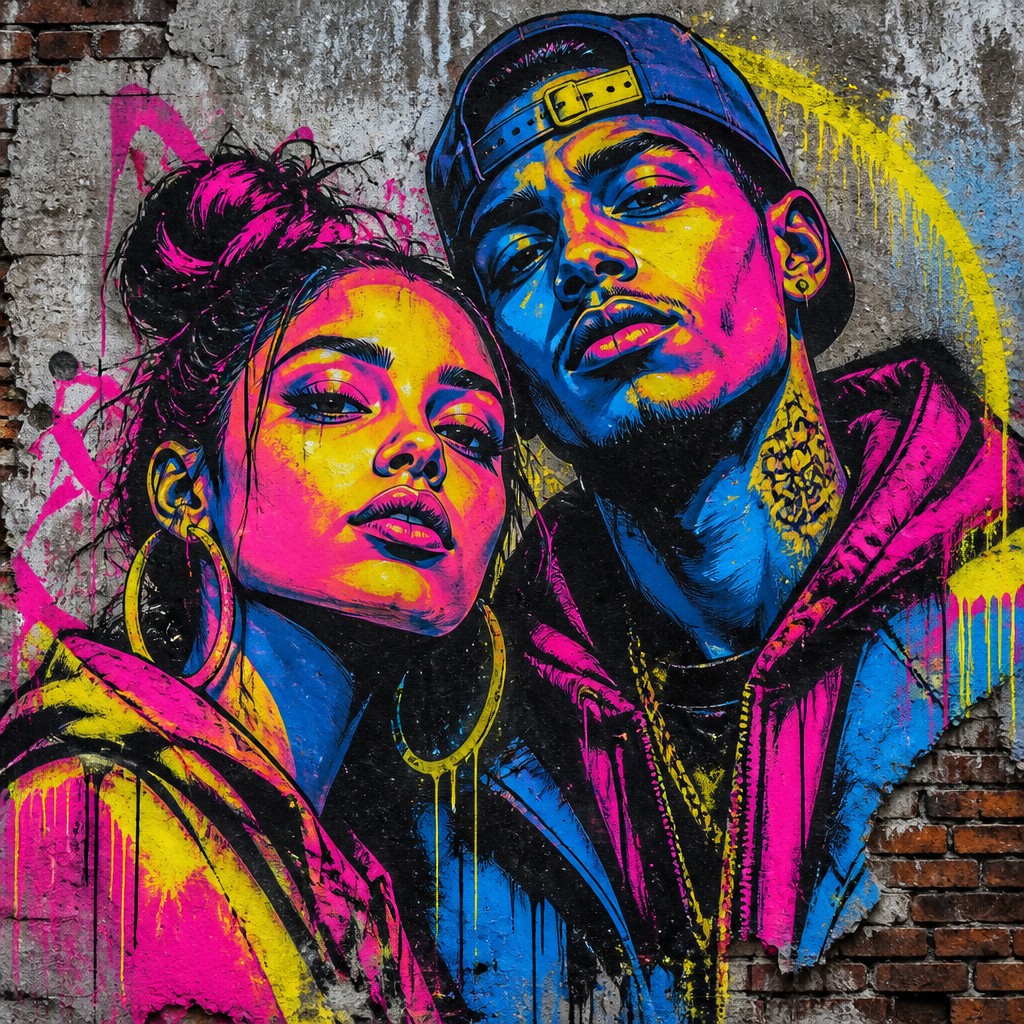
Try It On Your Photos
Upload any photo and convert it into Street Art Style — drag the sliders to compare before and after.
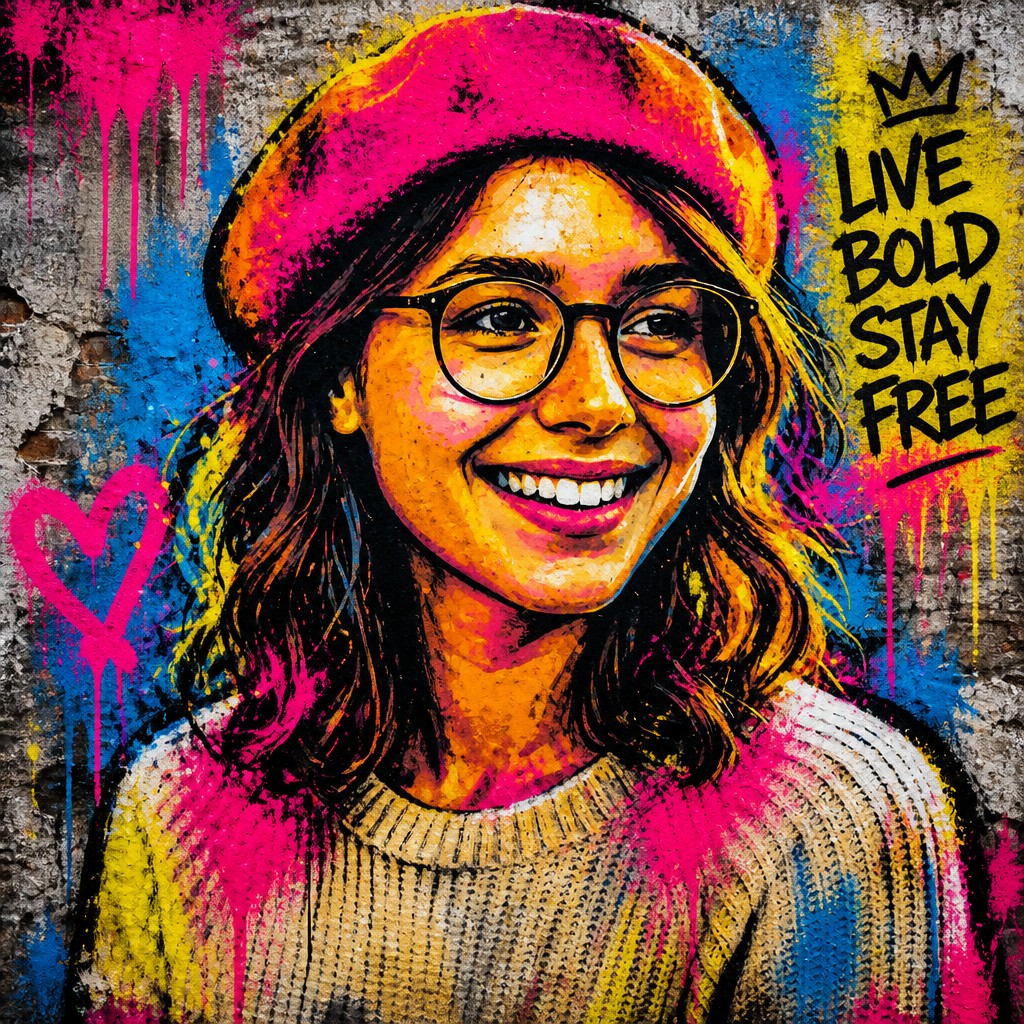

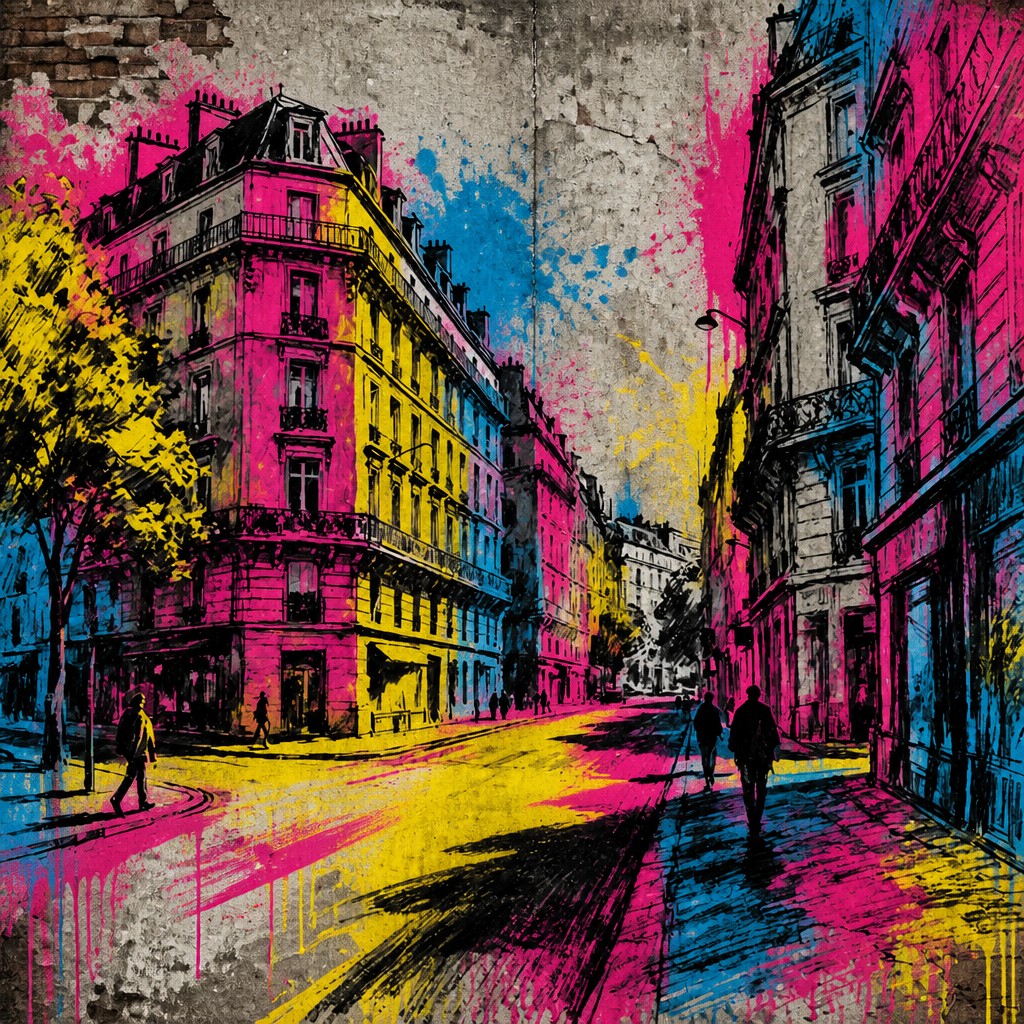

What Defines Street Art Style
The signature details, up close
Bold graphic readability
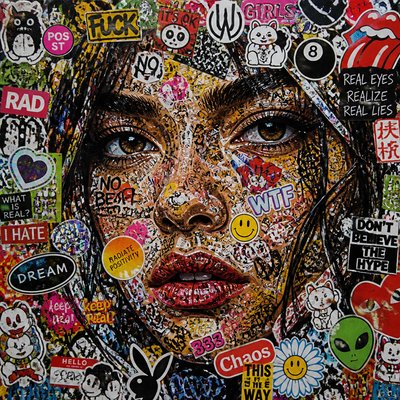
Street art is designed to be understood quickly from a distance or in motion. Large shapes, strong silhouettes, and clear focal points help the image read immediately in a public setting.
Spray-paint surface language
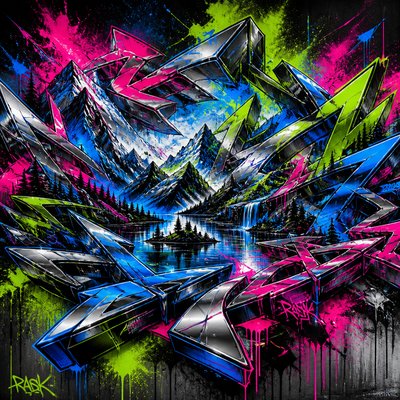
Visible aerosol marks, fades, overspray, and paint drips are common. These effects are not treated as flaws; they signal speed, spontaneity, and the material reality of making art outdoors.
Stencil and outline contrast
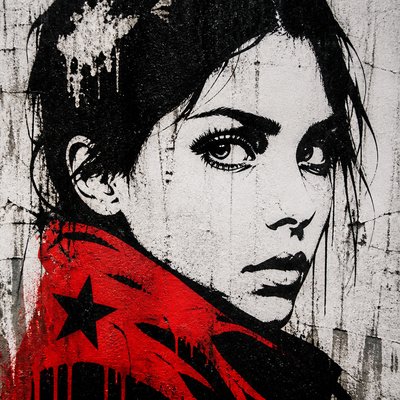
Many works combine stencil-sharp edges with hand-drawn lines or gestural strokes. Thick black contours often separate forms and intensify the graphic impact.
Fluorescent and high-contrast color
Bright neon hues are often set against gray concrete, brick red, or shadowed urban backgrounds. The contrast helps the image punch through visual noise in crowded city spaces.
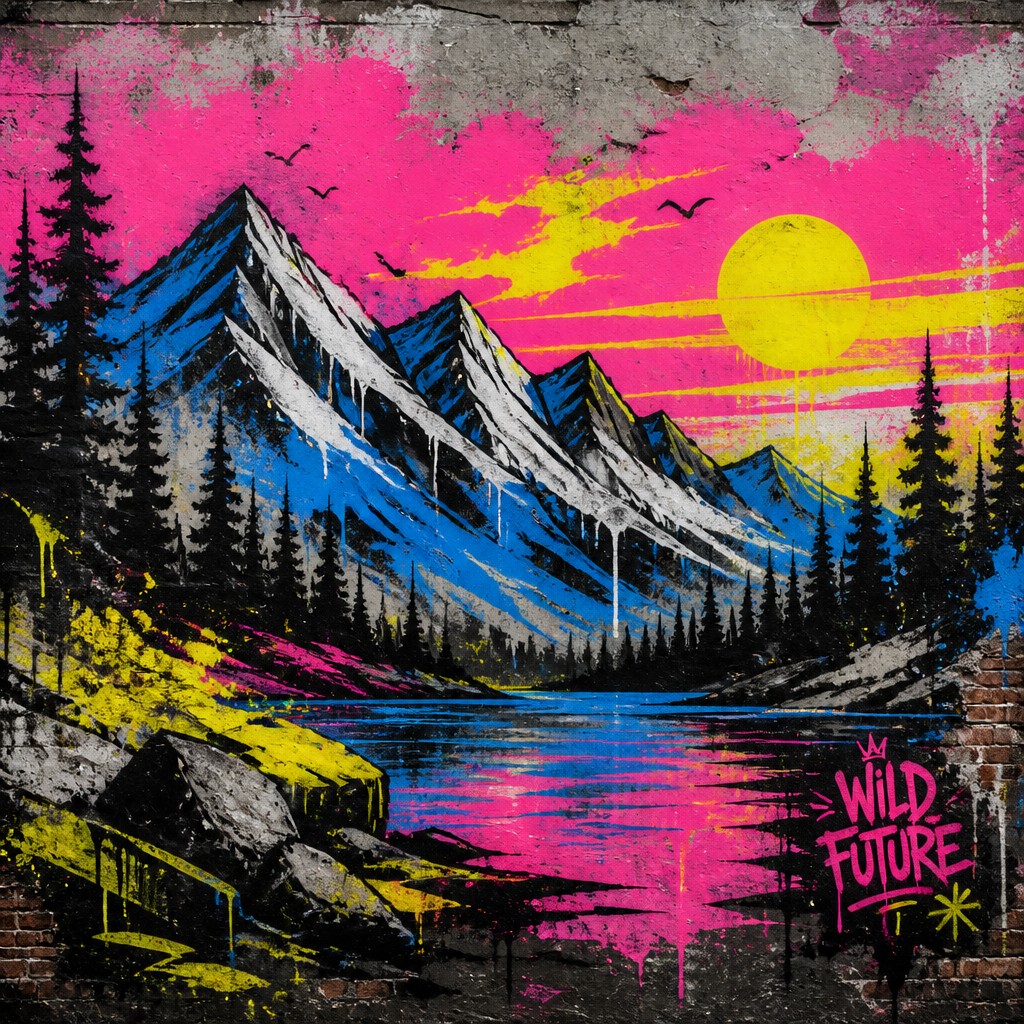
Urban texture and patina
Cracks, peeling paint, stains, and rough masonry frequently remain visible. The wall is not a neutral backdrop but an active part of the composition.
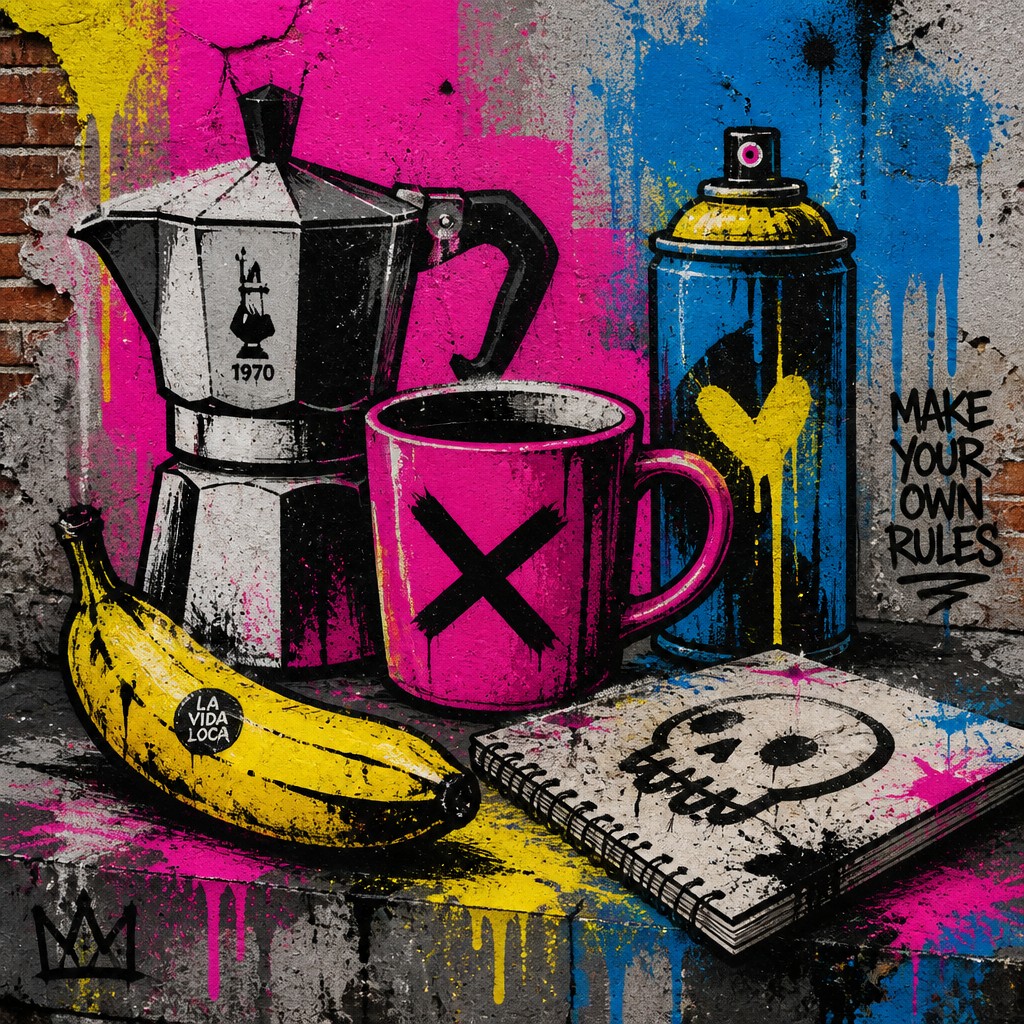
Social or symbolic messaging
Street art often communicates identity, critique, humor, protest, or neighborhood belonging. Even when abstract, it usually carries a public-facing attitude rather than a private one.
Try It
Create Videos in Street Art Style
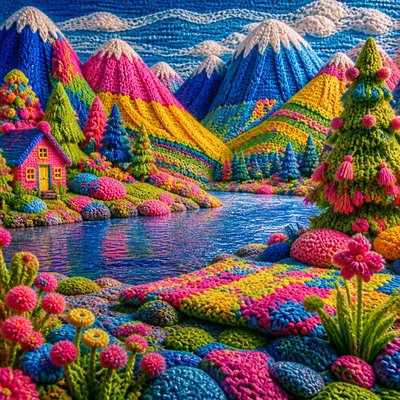
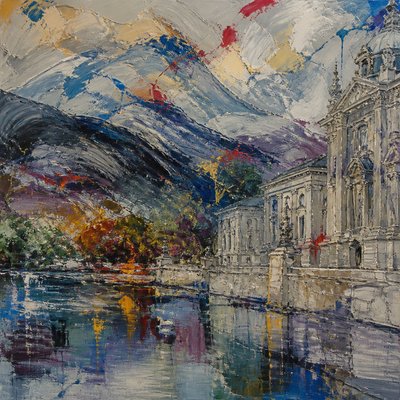
Styles aren't just for stills — describe a scene or animate an image and get a short video rendered in Street. Press play to see this pond come to life.
Make a VideoStreet Prompt Ideas
Start from an idea — each one opens the generator with the style ready to go. See all 40 Street prompts →
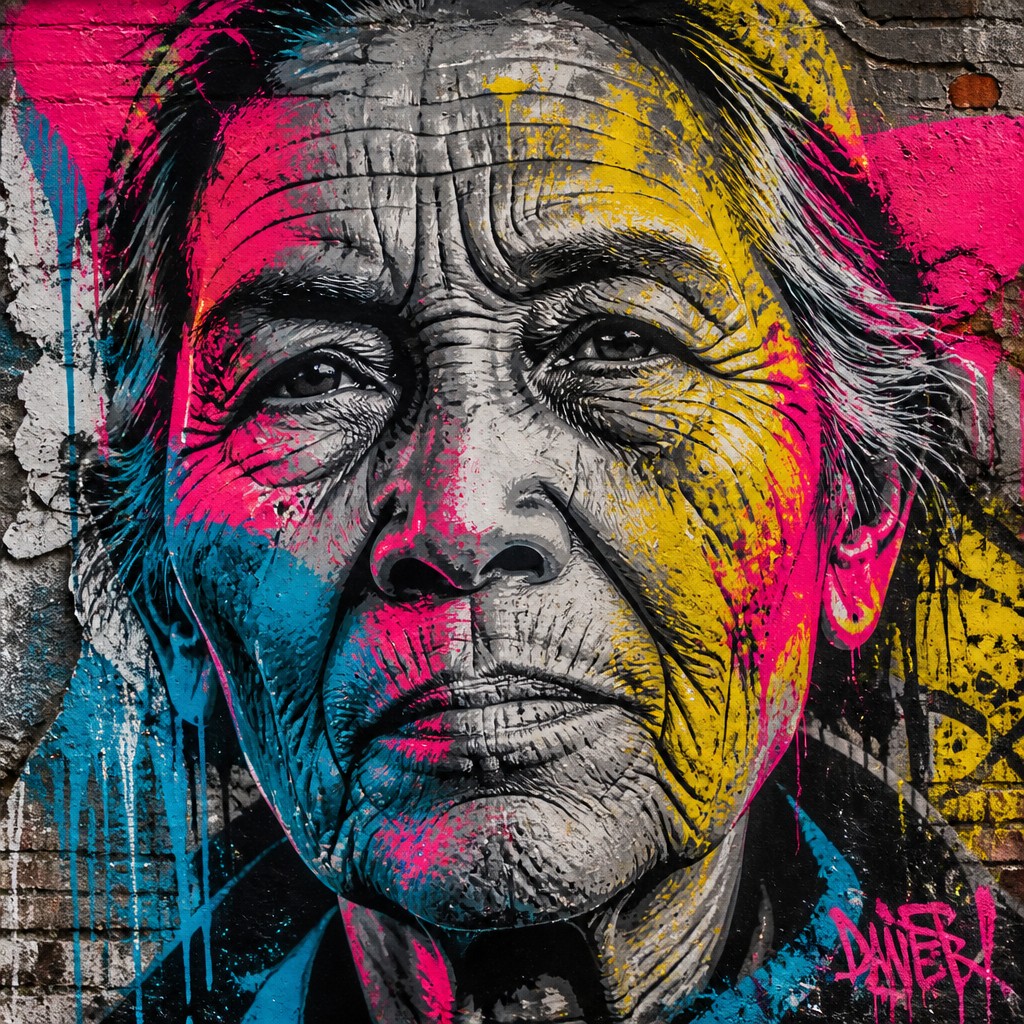
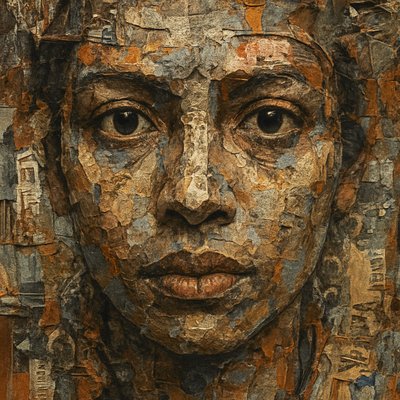
“close-up portrait of an elderly person with expressive weathered features”
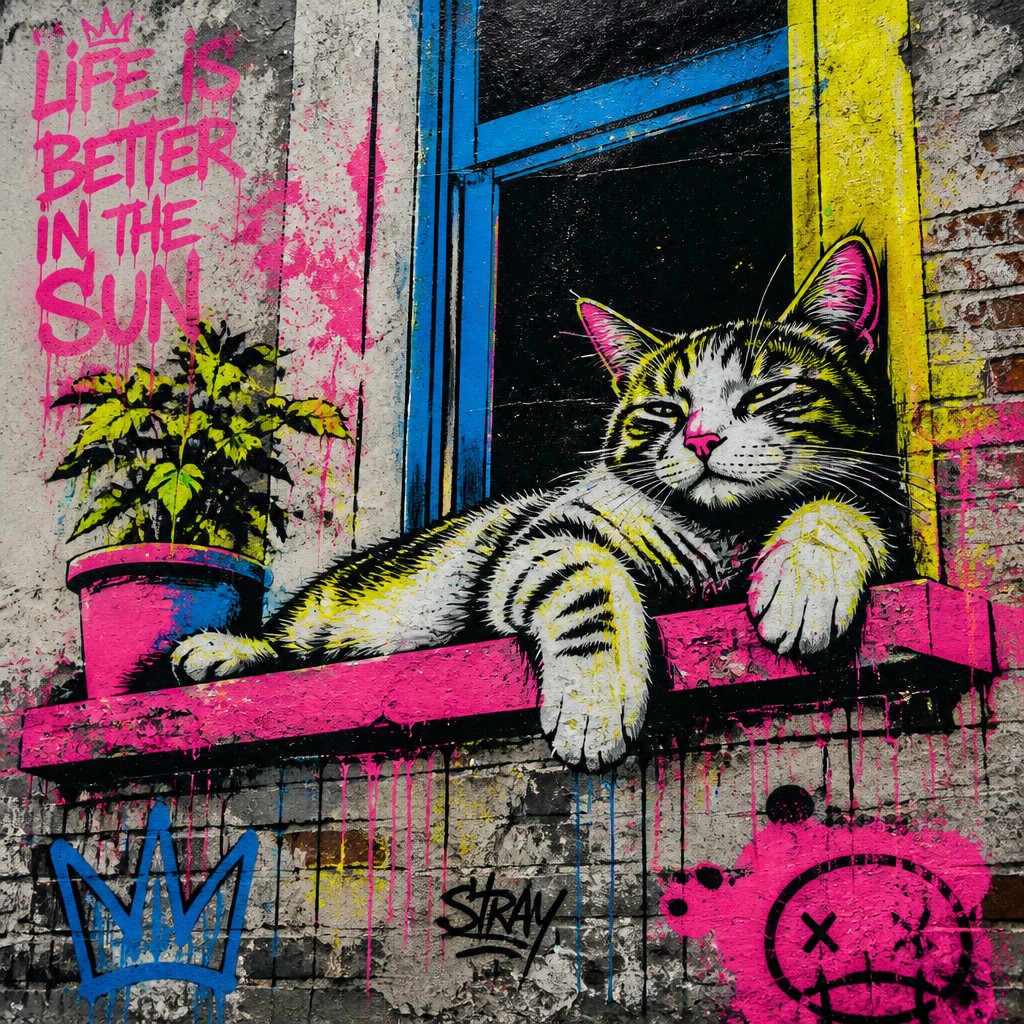
“a cat lounging in a sunlit window”
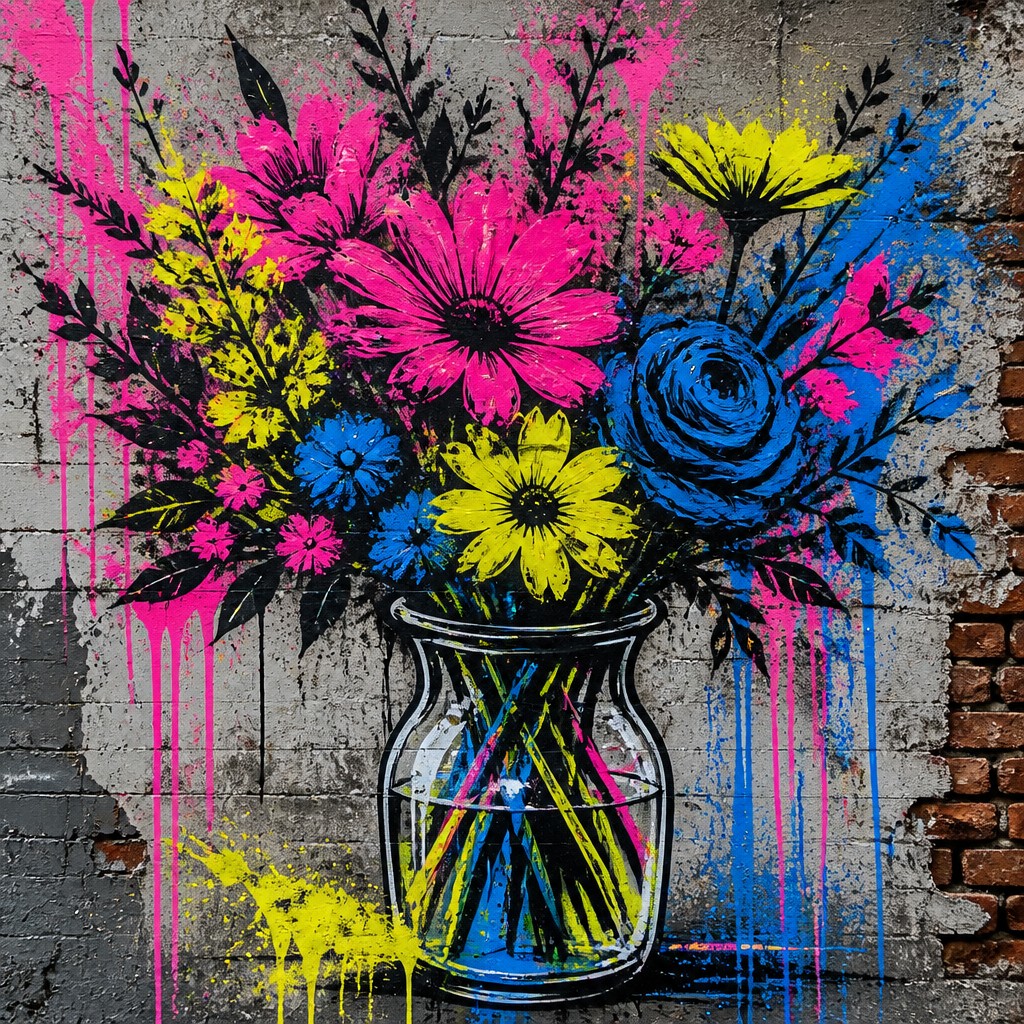
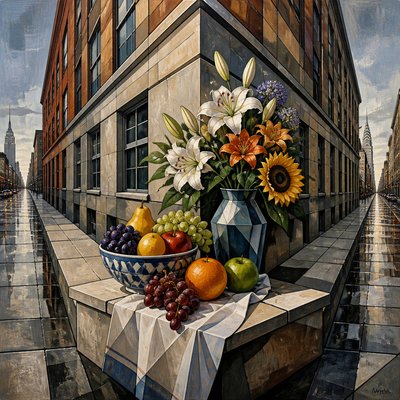
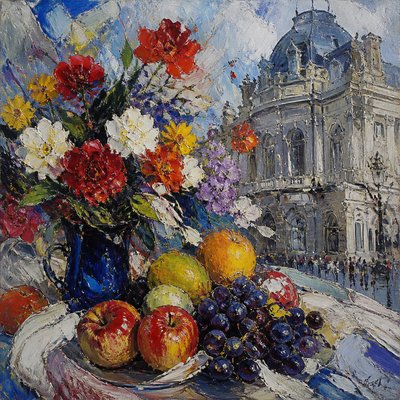
“bouquet of flowers in a glass vase”
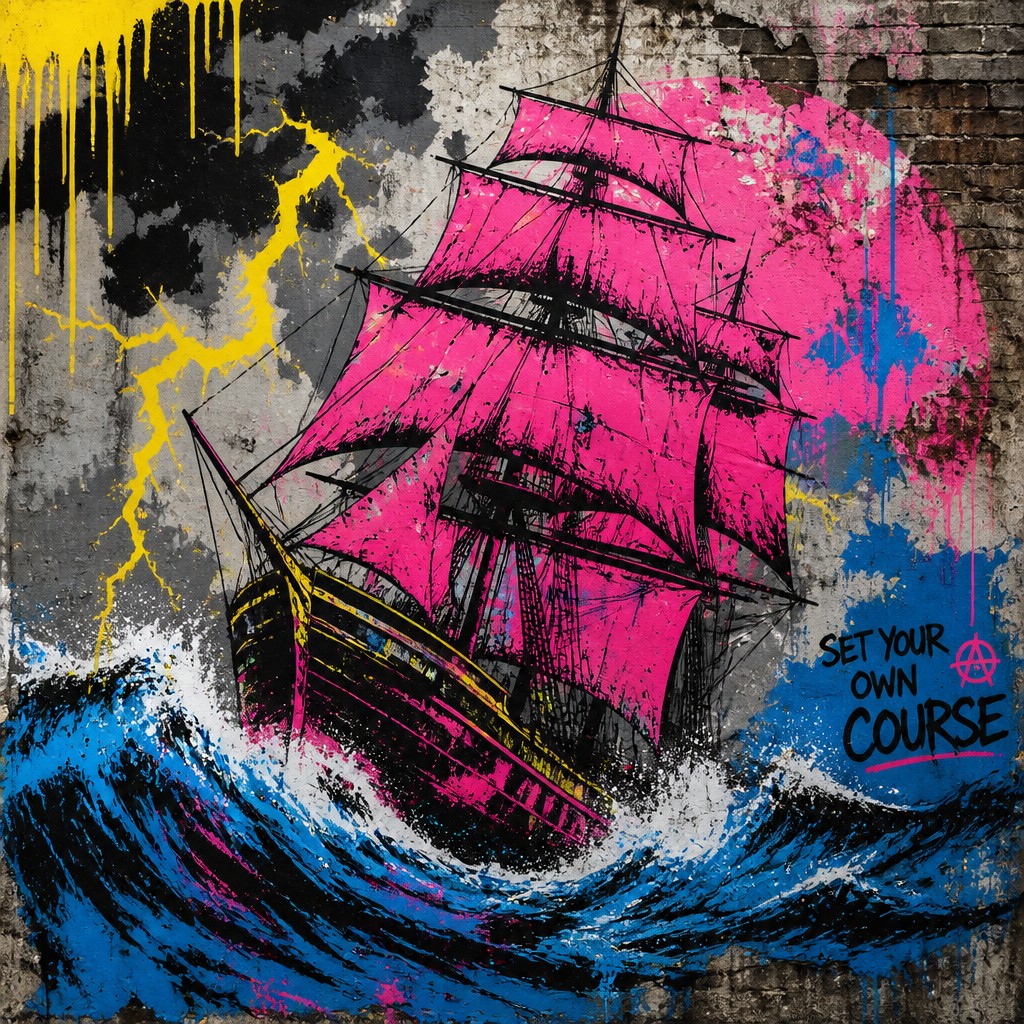
“sailing ship on a stormy sea”
How to Create Street Art
Master the craft step by step — or skip straight to creating. Read the full guide →
- 1
Start with a message or emblem
For traditional work, reduce the idea to a single symbol, phrase, face, or character that can be read instantly. For digital or AI-based creation, prompt for concise, high-impact subjects that suit a wall-scale composition.
- 2
Design for the surface first
Let the wall texture, brick pattern, peeling plaster, or concrete seams influence the composition. In digital work, explicitly specify weathered urban surfaces so the image feels embedded in a real environment.
- 3
Use high-contrast layering
Build forms with a limited palette of bold colors and dark outlines, then add highlights, drips, and spray halos. Layering helps create depth while preserving the immediate, poster-like clarity of the style.
- 4
Mix precision with gesture
Combine stencil-clean edges or crisp masks with loose hand-painted marks to avoid a flat, overdesigned look. The tension between controlled shapes and spontaneous motion is central to the aesthetic.
- 5
Preserve material roughness
Do not over-polish the result; allow overspray, splatter, uneven fill, and imperfect edges to remain visible. In image prompts, include terms such as weathered concrete, paint drips, and gritty urban patina.
- 6
Specify public-scale lighting and context
For generation prompts, mention murals, alley walls, shutters, underpasses, or abandoned buildings to anchor the image. Include subjects that benefit from direct visual impact, such as portraits, protest imagery, lettering, or graphic icons.
The Story
History & Origins of Street
Street art developed from several overlapping urban traditions in the late 20th century, especially graffiti writing, stencil work, muralism, poster art, and political wall art. In cities such as New York, Philadelphia, Paris, London, and São Paulo, artists used public walls to claim visibility, communicate identity, and address audiences outside galleries and institutions.
As the field expanded, street art absorbed influences from punk graphics, comic art, advertising, protest placards, and contemporary illustration. By the 1980s and 1990s, major late 20th-century graffiti-and-comic-influenced artists and a prominent dynamic line-based muralist helped bring different facets of the language into wider recognition, while many other muralists and writers continued to shape the style through local, site-specific practice.
Influences: Street art draws from graffiti writing, political muralism, stencil art, punk flyers, comic-book graphics, and the visual economy of advertising. In modern art history, it also overlaps with postwar mural practices and the expressive urban work of major late 20th-century graffiti-and-comic-influenced artists, while later public interventions by a prominent anonymous stencil-based social commentator helped popularize stencil-based social commentary.

Frequently Asked Questions
What defines street art?
Street art is public-facing art made on urban surfaces with a strong graphic presence. It usually relies on bold shapes, accessible imagery, and site-specific placement so the work can be read quickly in the street. Unlike gallery art, it often incorporates the texture and instability of the environment into the piece.
How is street art different from graffiti?
Graffiti traditionally centers on lettering, tags, and writer culture, while street art more often emphasizes images, characters, slogans, or stenciled compositions. The two overlap heavily in practice, and many artists move between them. Street art is generally more image-driven and more directly accessible to a general public.
What materials are used in street art?
Common materials include spray paint, acrylic paint, paint markers, rollers, stencils, wheatpaste posters, and adhesive vinyl. In digital work, the same look is built by simulating spray edges, drips, rough concrete, and layered poster textures.
Why does street art often look rough or unfinished?
The roughness comes from both the tools and the environment. Outdoor surfaces are uneven, dirty, and exposed to weather, so drips, overspray, cracks, and peeling layers become part of the style rather than signs of failure.
Can street art be abstract?
Yes. While many examples use figures, faces, slogans, or icons, abstract street art is common and often relies on color blocks, energetic line work, and layered marks. Even abstract pieces usually keep a bold, public, high-contrast character.
How can I make an image look like street art in a prompt?
Describe a public wall or urban surface, then specify spray paint, stencils, thick outlines, drips, overspray, and fluorescent colors. Strong subjects such as portraits, slogans, animals, or symbols work especially well because the style depends on immediate visual impact.

Create your first Street artwork
Describe anything — or upload a photo — and see it in Street Art Style in seconds.
Make Something with Street
Related Styles
Discover similar art styles