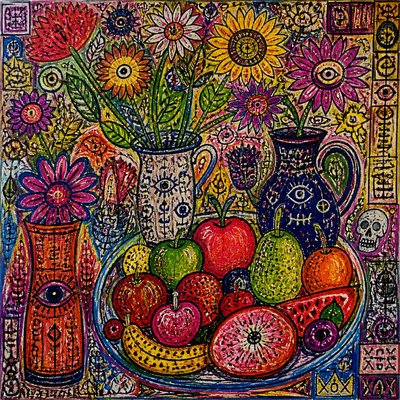
Graffiti Modern Art Style
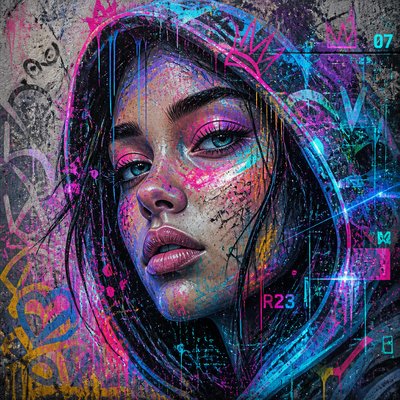
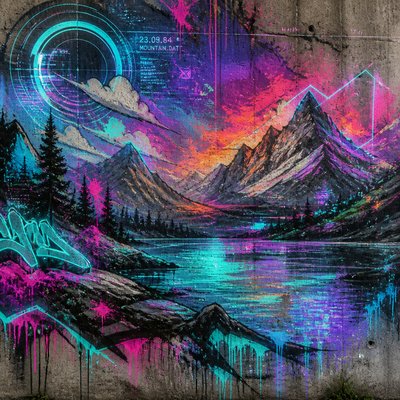
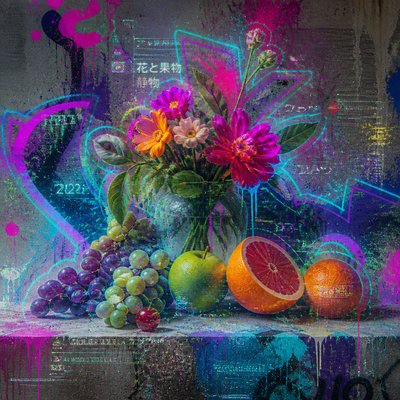
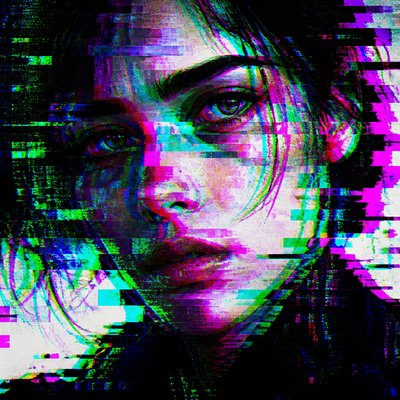
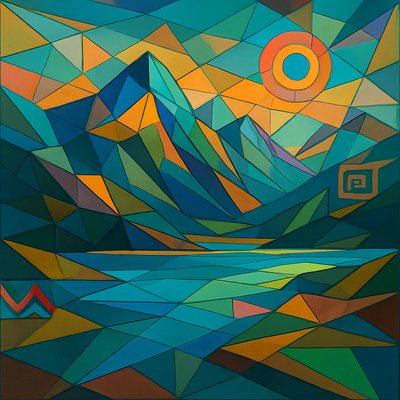
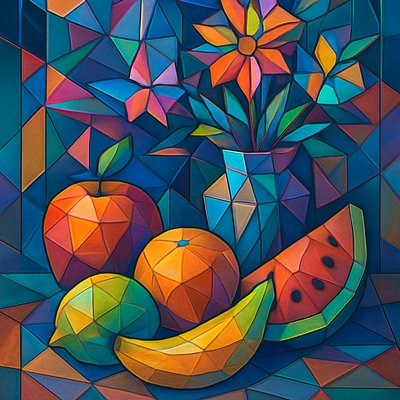
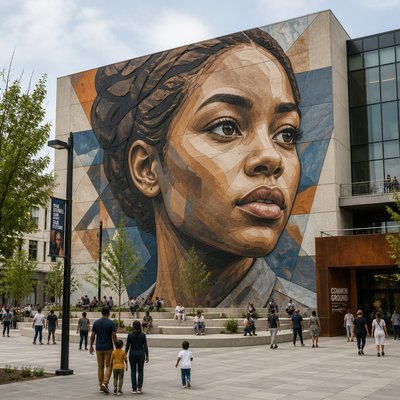
Bold street-art aesthetics with spray paint, stencils, neon color, and urban energy translated into modern canvas and digital art.
Instantly rendered in Graffiti Modern — or transform a photo
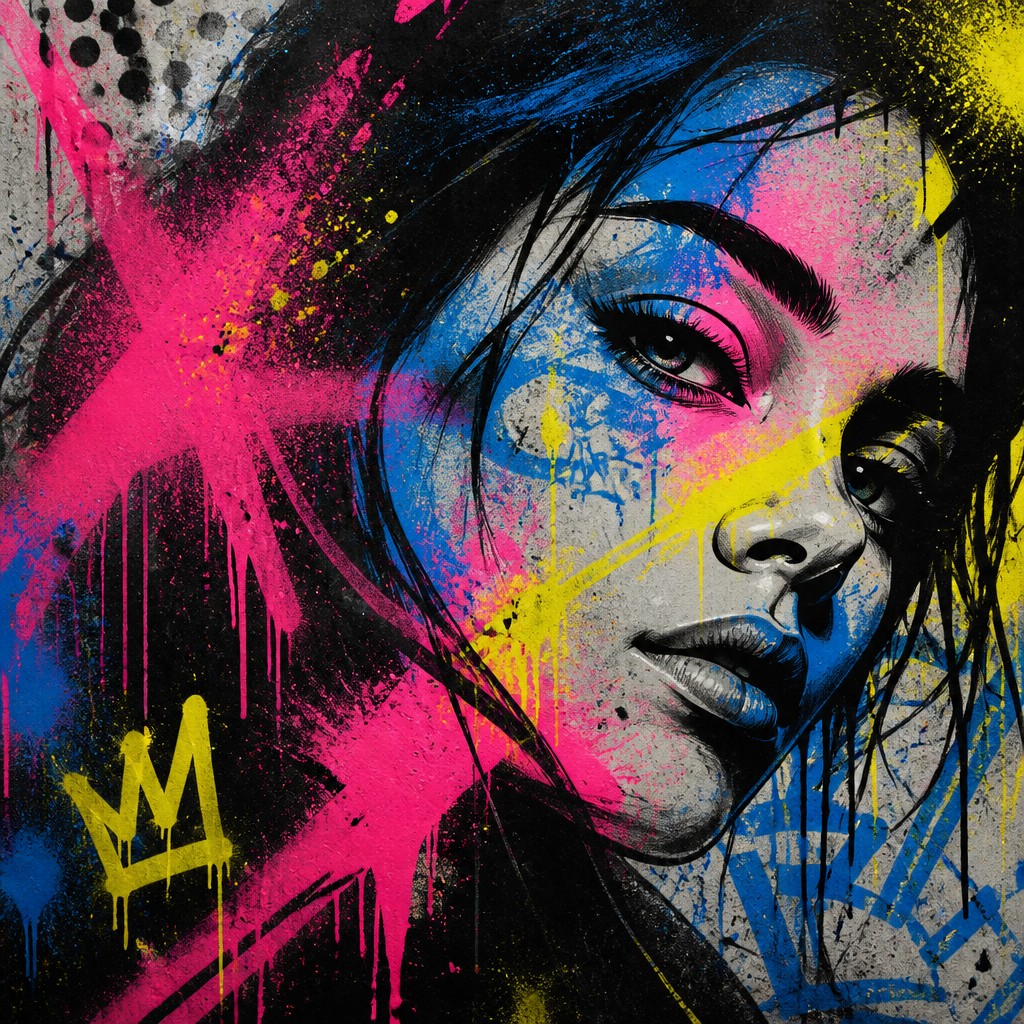
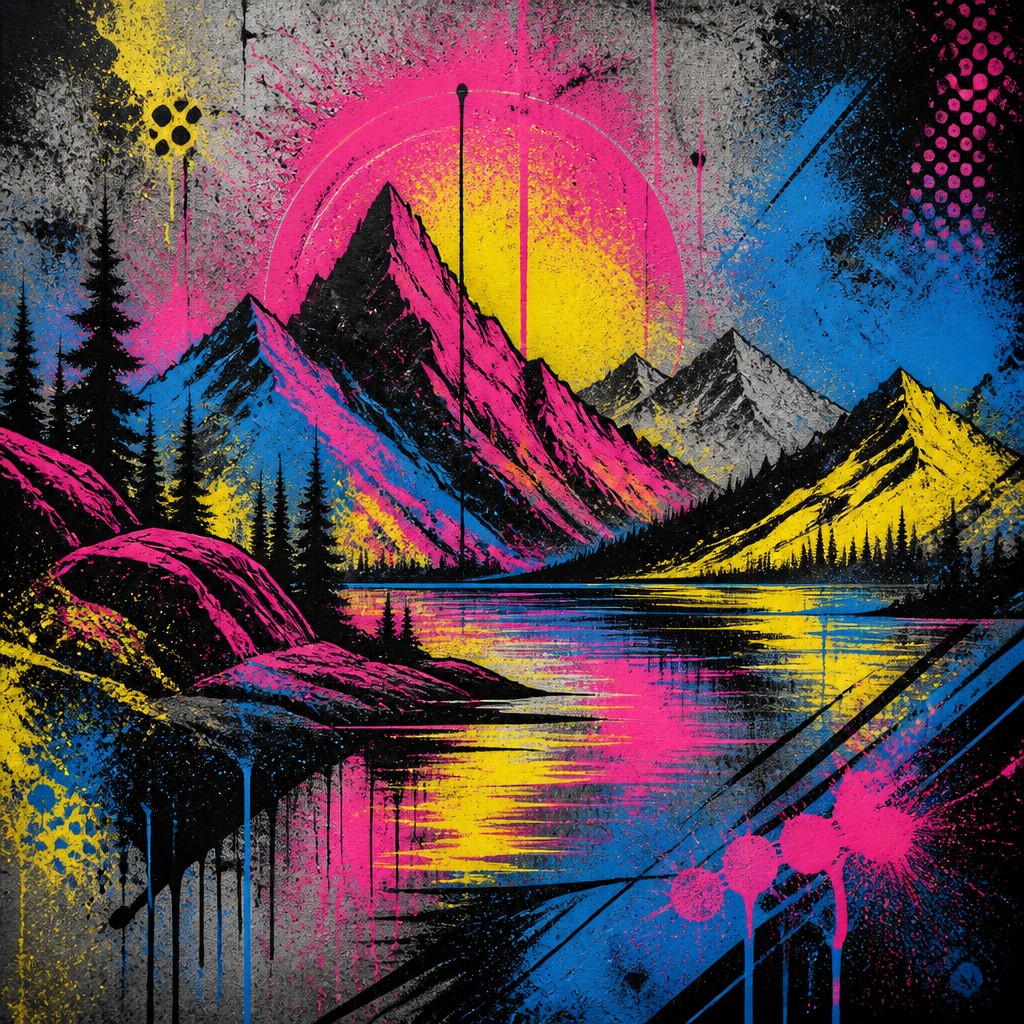
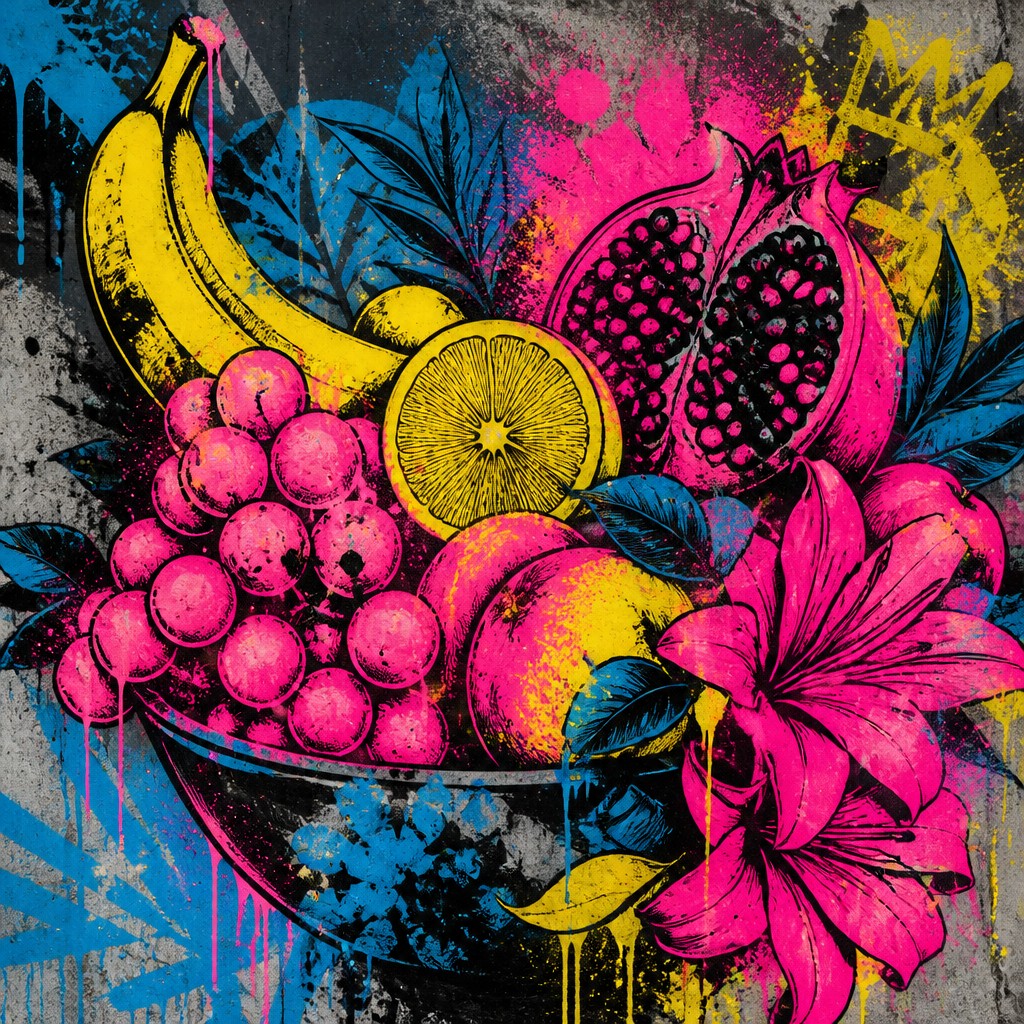
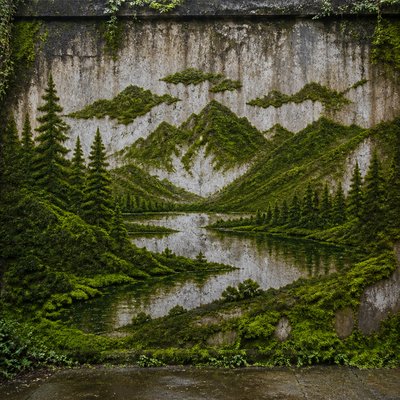
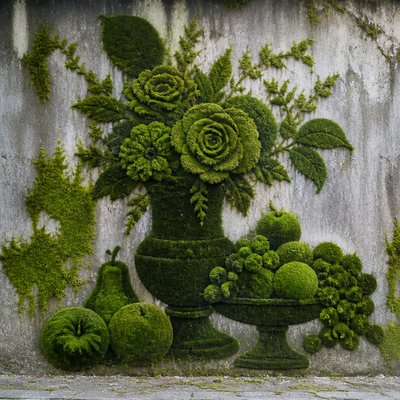
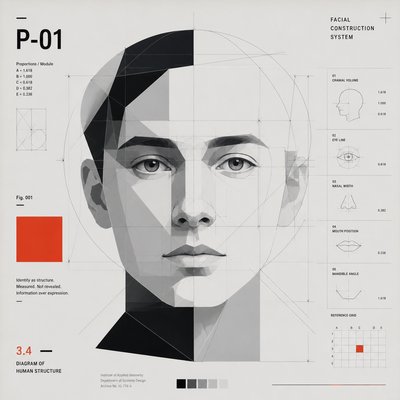
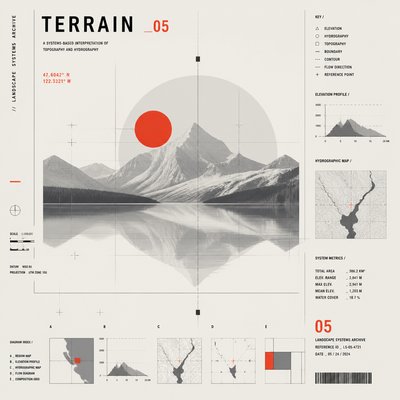
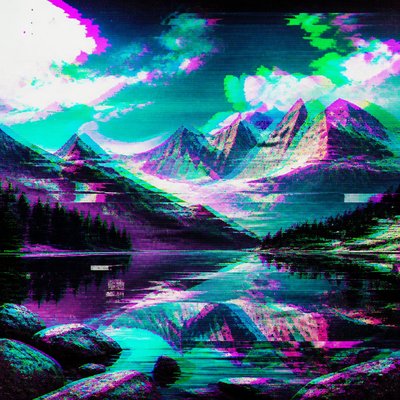
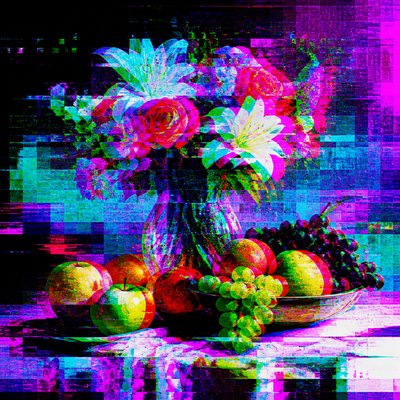
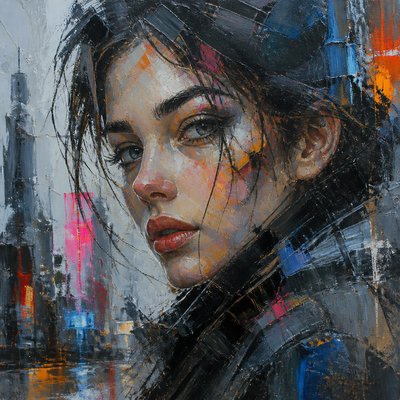
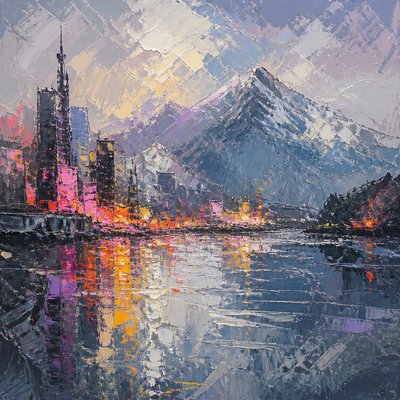
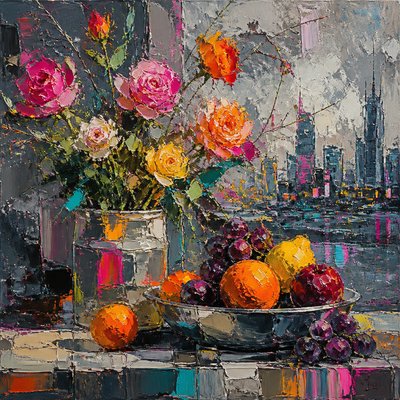
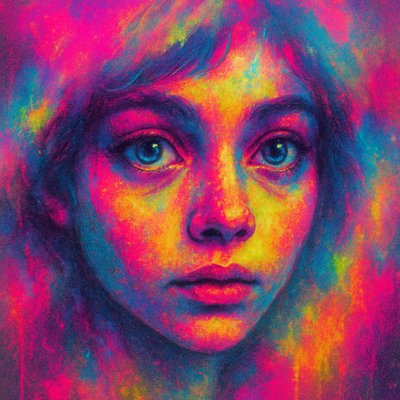
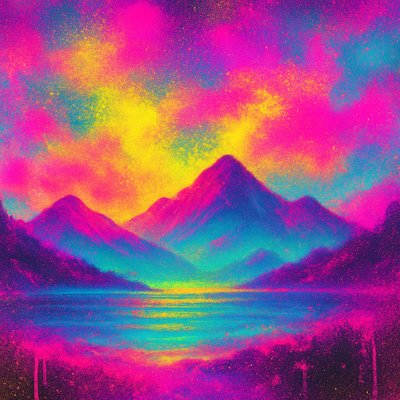
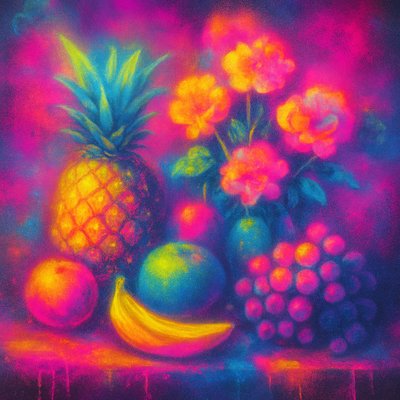
Graffiti Modern Gallery
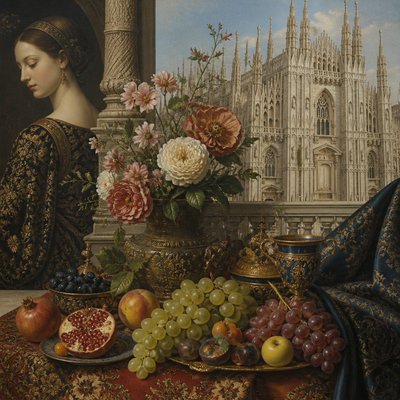
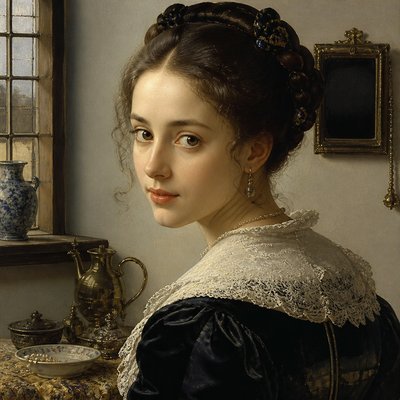
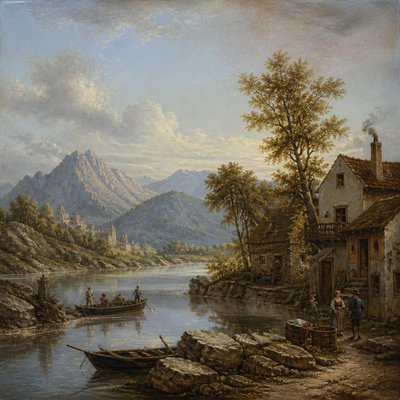
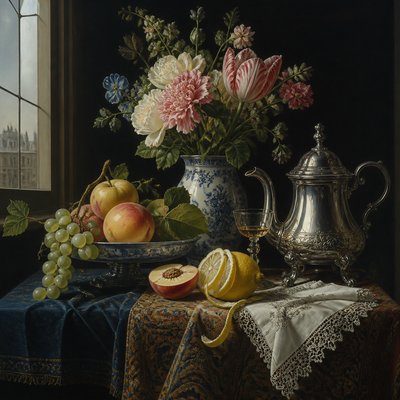
Tap any artwork to explore it
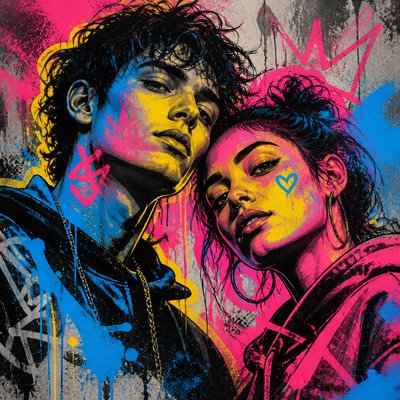
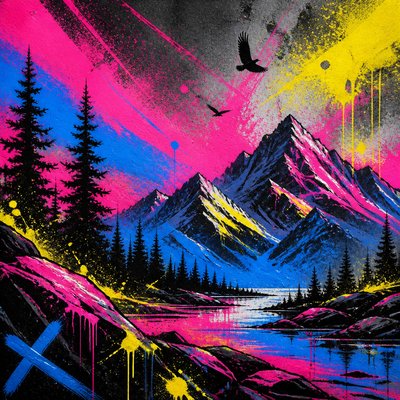
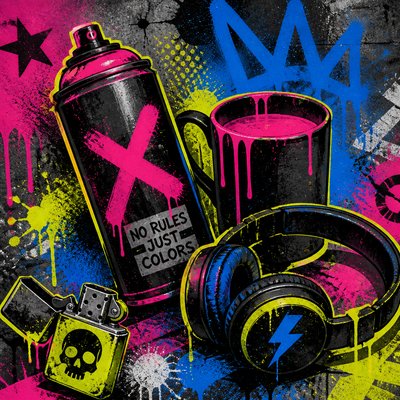
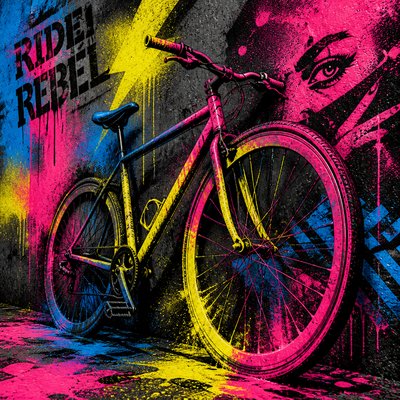
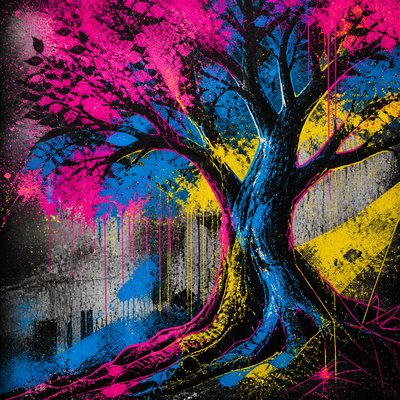
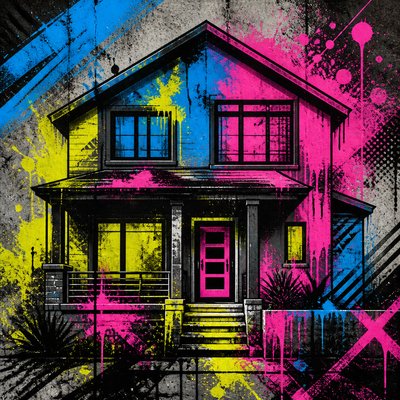
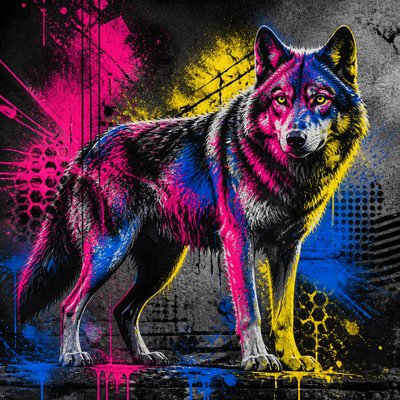
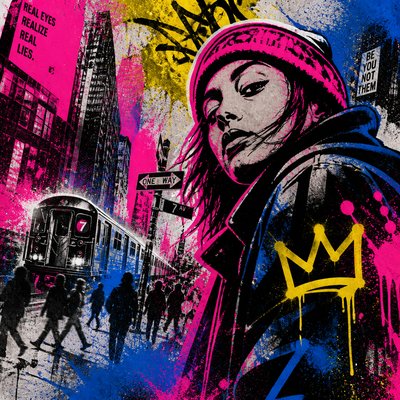
What is Graffiti Modern Art Style?
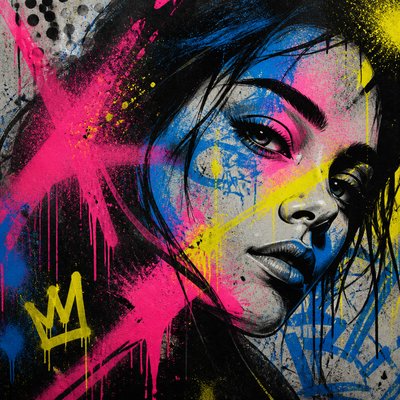
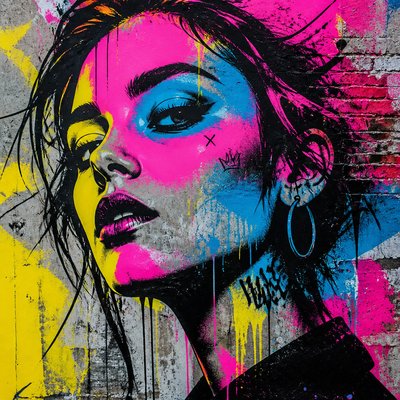
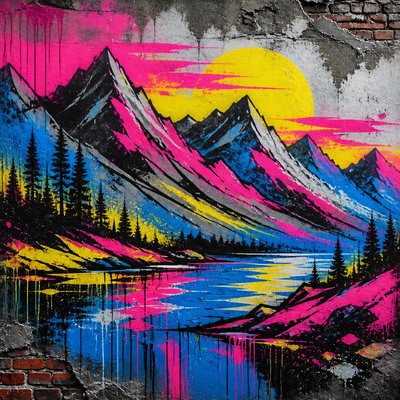
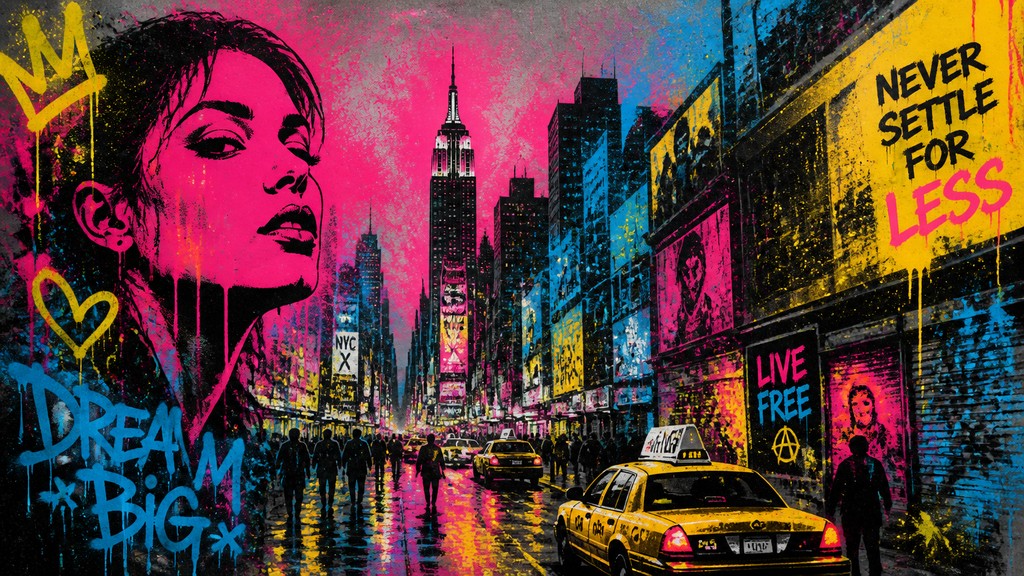
Graffiti Modern Art Style translates the visual language of urban wall writing and street murals into a polished but still raw contemporary image style. It combines spray-paint textures, stencil layers, bold outlines, neon color blocking, and energetic diagonal compositions to create work that feels immediate, public, and visually loud.
Its look comes from the tools and conditions of street art: aerosol paint creates soft mist, sharp edges, and drips; layered posters and tags inspire collage-like surfaces; and the city itself contributes concrete textures, weathering, and visual noise. The result is a style that balances controlled graphic design with improvised mark-making, often carrying themes of rebellion, social critique, identity, and urban life.
Try It On Your Photos
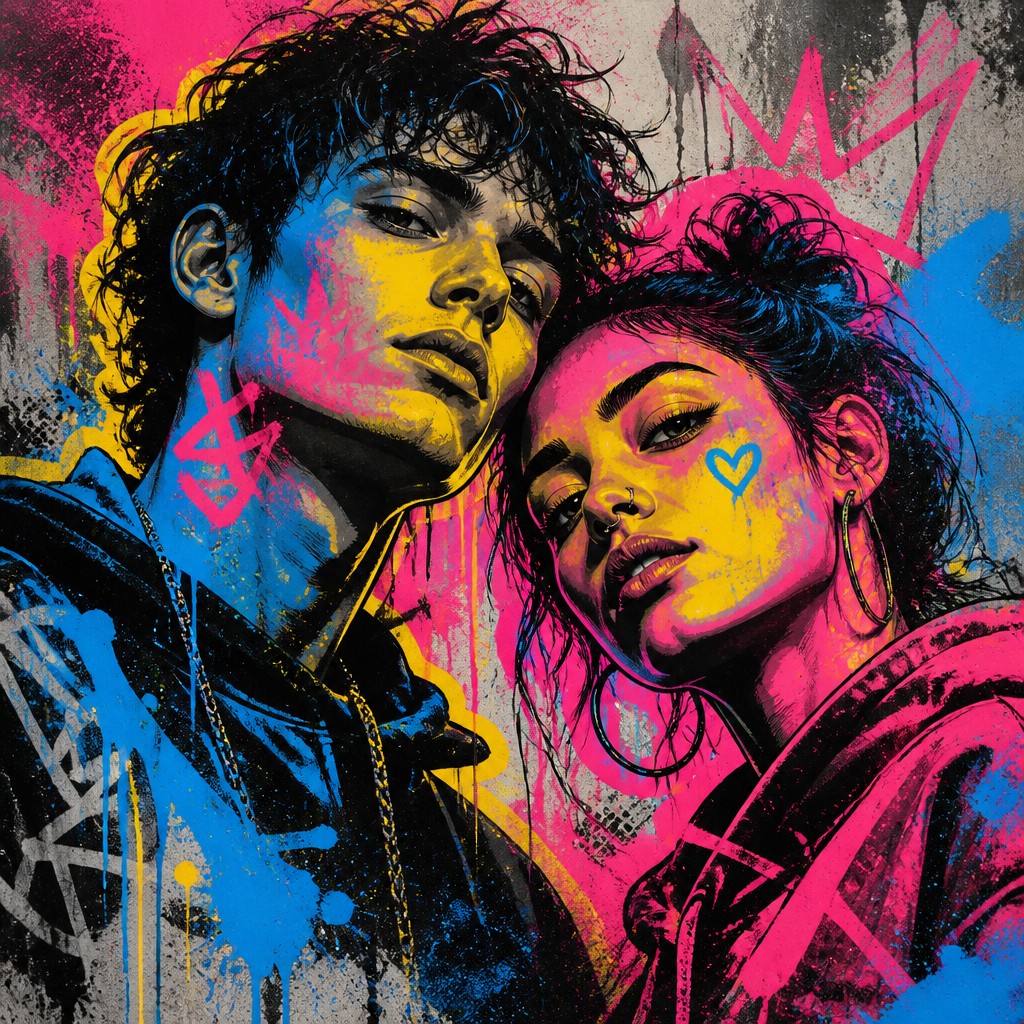
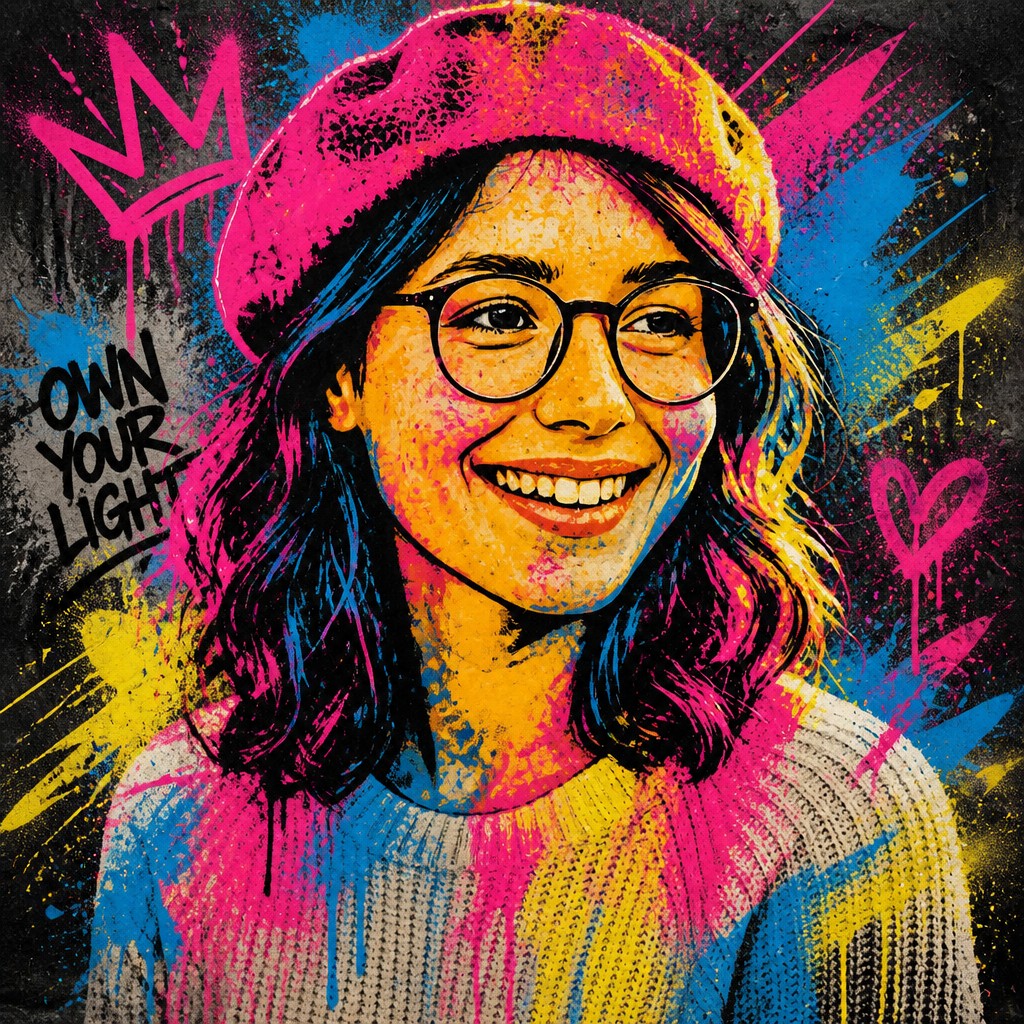
Upload any photo and convert it into Graffiti Modern Art Style — drag the sliders to compare before and after.


What Defines Graffiti Modern Art Style
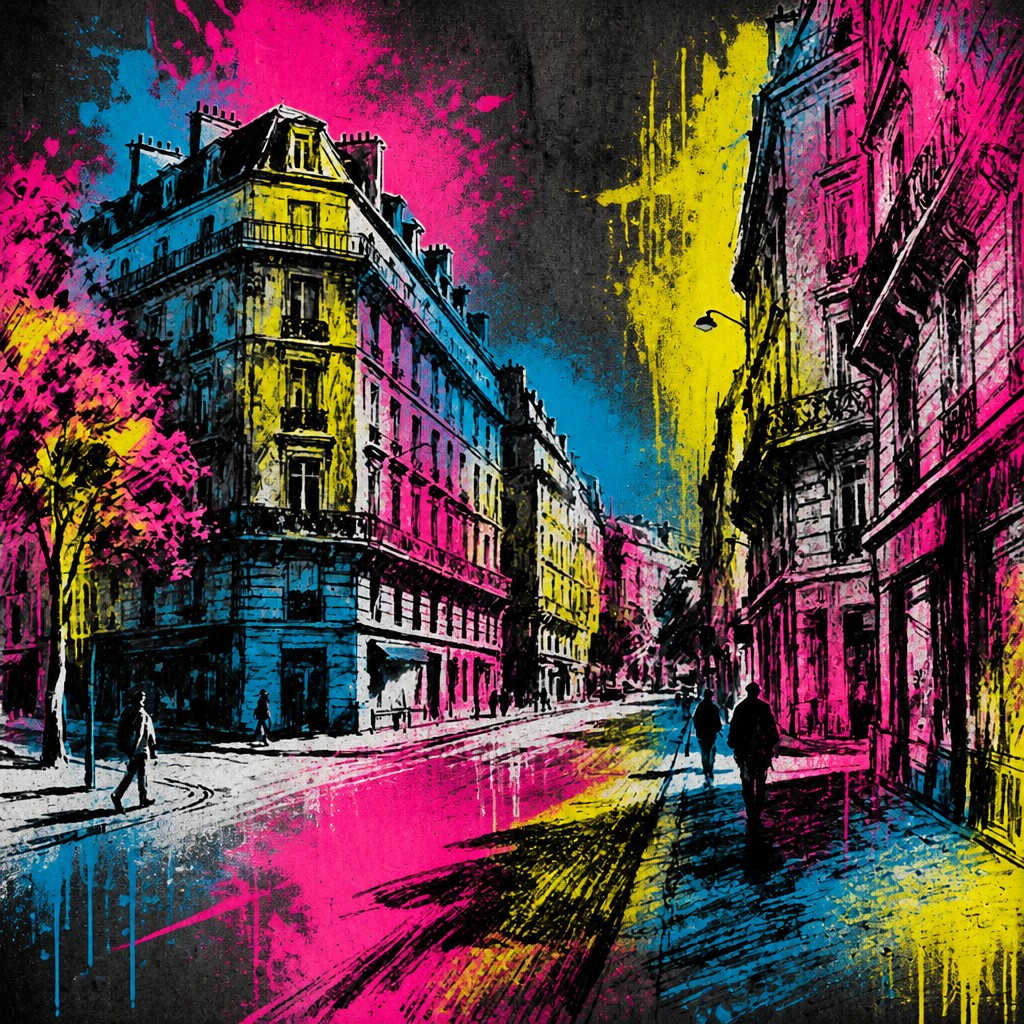
The signature details, up close
Spray-paint texture
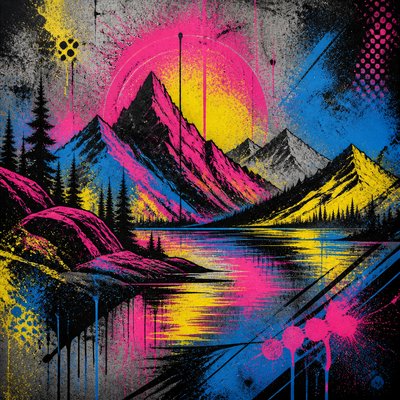
Aerosol paint produces visible mist, overspray halos, soft fades, and uneven edges. Drips and runs are often left intact to emphasize speed, humidity, and physical immediacy.
Stencil and layered imagery
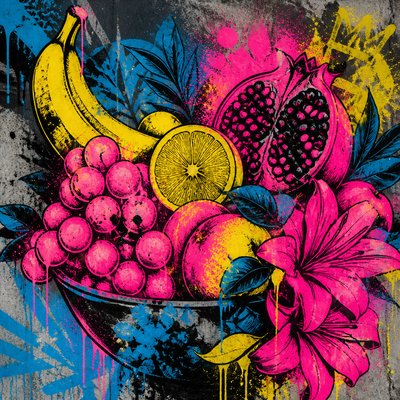
Forms are frequently broken into cutout shapes, repeated motifs, and overlapping layers. This creates a pasted, urban surface that echoes wheatpaste posters and wall interventions.
Bold typography
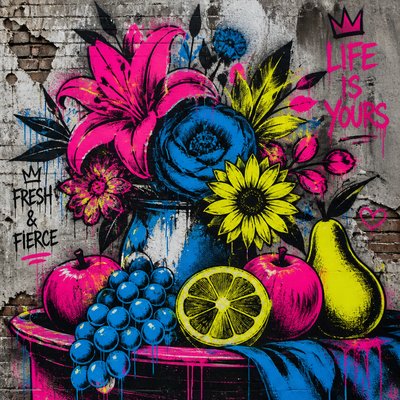
Letterforms are thick, angular, and highly legible, often with custom outlines or three-dimensional effects. Typography functions as image and message at once.
High-contrast color blocks
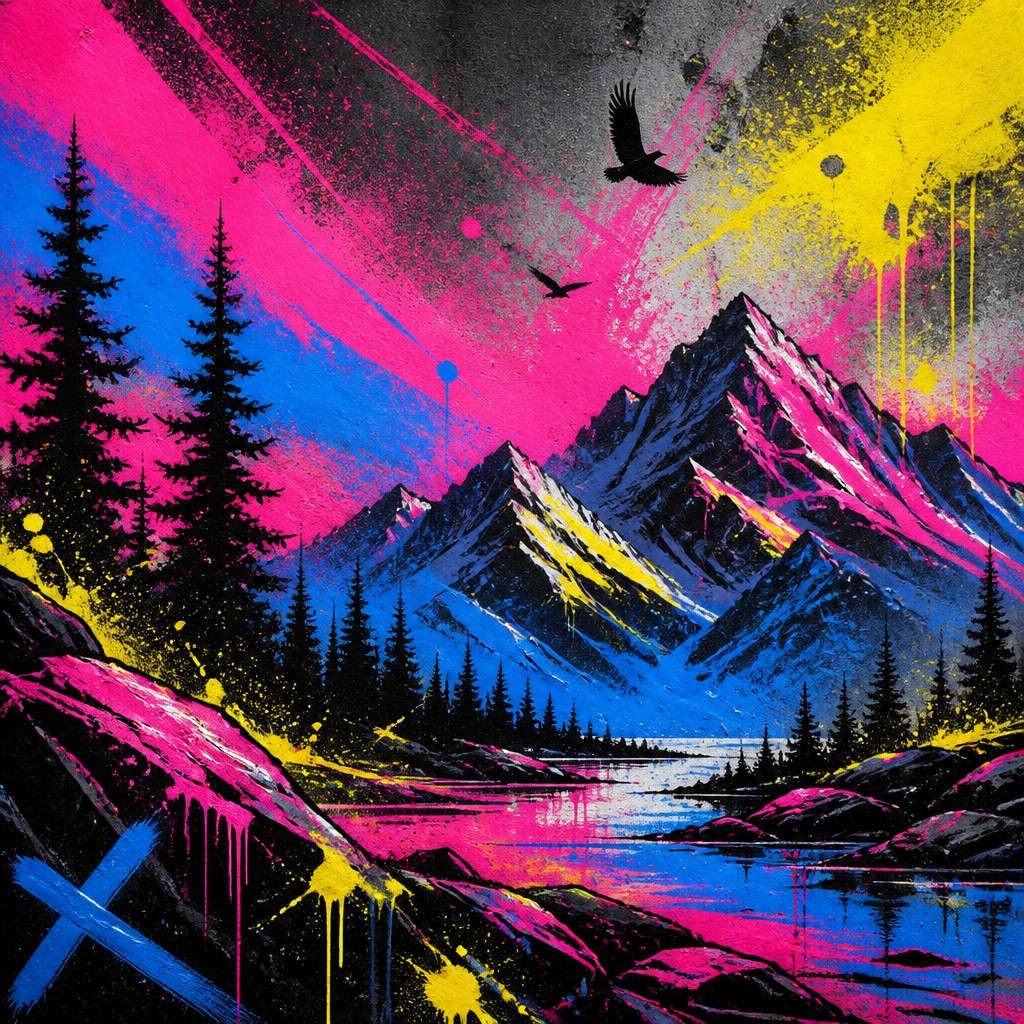
Neon pink, electric blue, acid yellow, and matte black are common because they read strongly at a distance. The palette often feels synthetic, nocturnal, and energized.
Rough urban ground
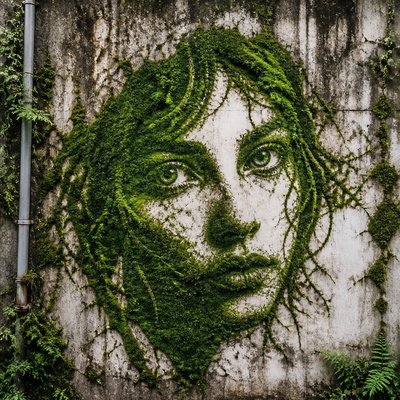
Concrete, brick, peeling paint, and weathered surfaces are important visual anchors. Even when the scene is cleanly composed, the background usually suggests a worn public wall.
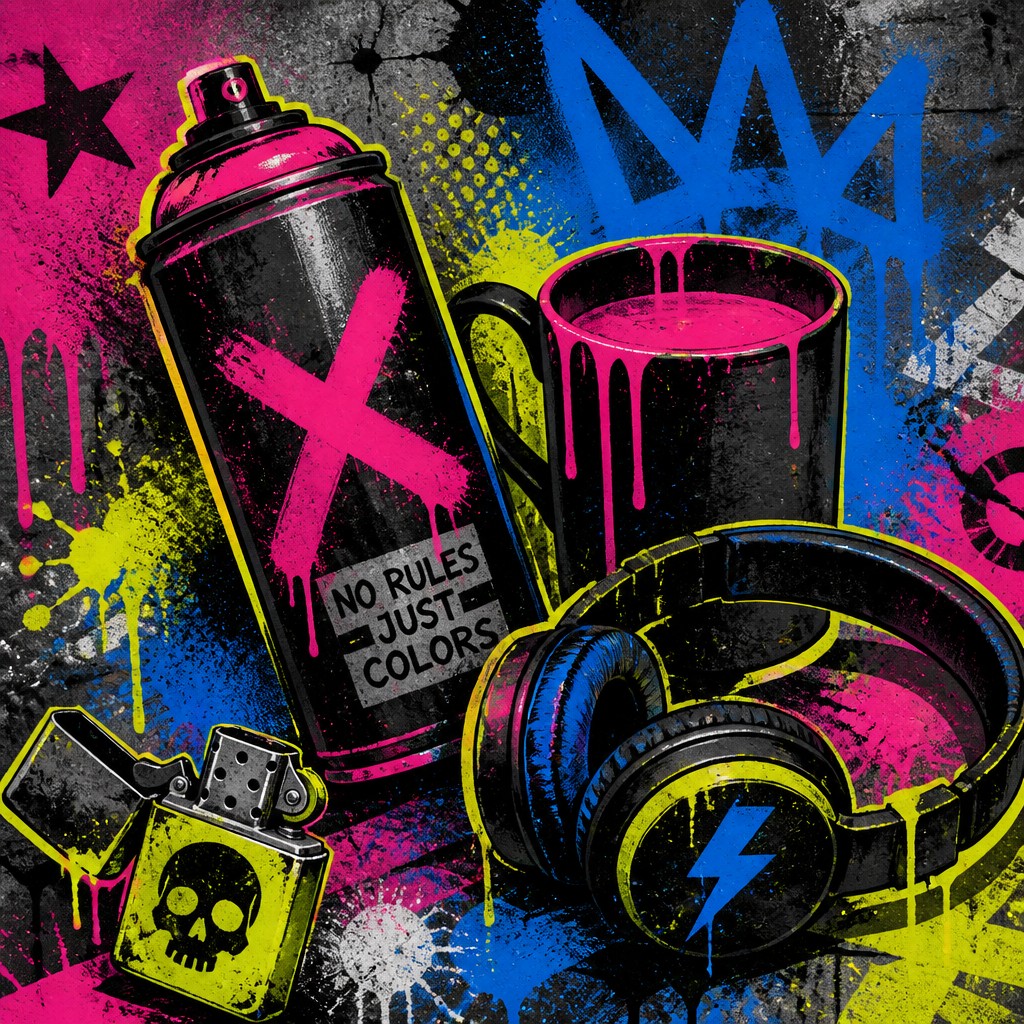
Diagonal motion and frame-breaking composition
The design often tilts, overlaps, or spills beyond the edges of the image. This creates the sense of movement associated with fast tagging, skating culture, and city flow.
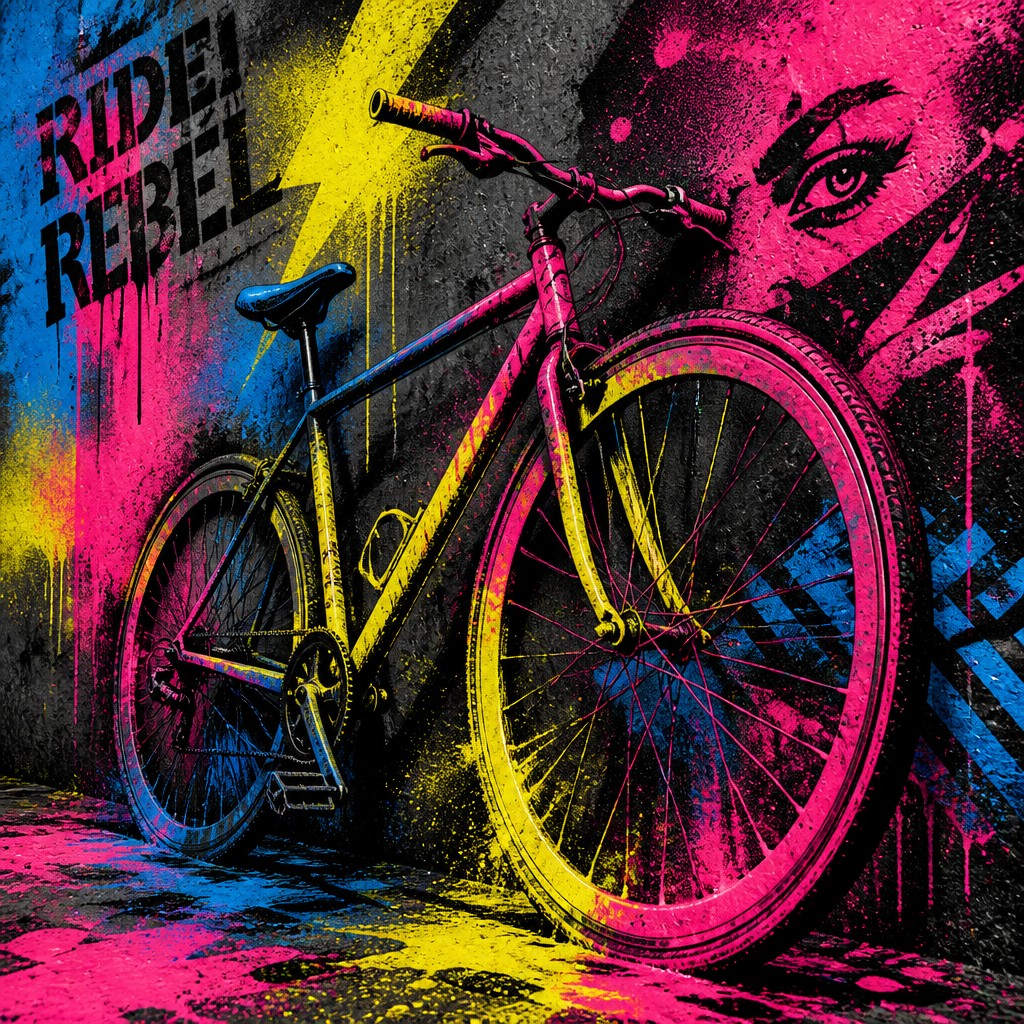
Rebellious mark-making
Loose scribbles, splatters, scratches, and unfinished edges are used deliberately. The style values visible gesture and expressive imperfection over polish.
Try It
Create Videos in Graffiti Modern Art Style
Styles aren't just for stills — describe a scene or animate an image and get a short video rendered in Graffiti Modern. Press play to see this pond come to life.
Make a VideoGraffiti Modern Prompt Ideas
Start from an idea — each one opens the generator with the style ready to go. See all 40 Graffiti Modern prompts →
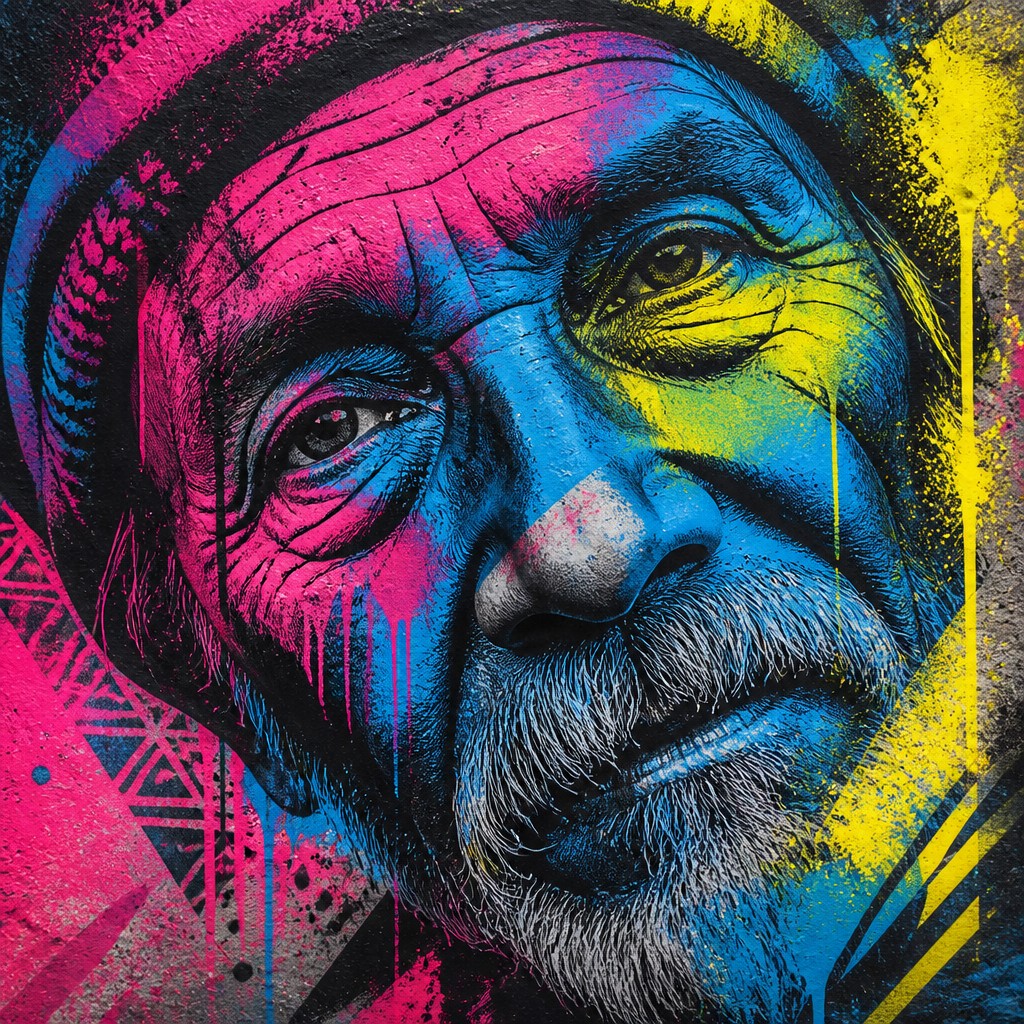
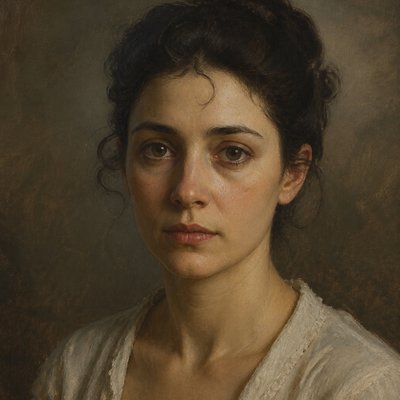
“close-up portrait of an elderly person with expressive weathered features”
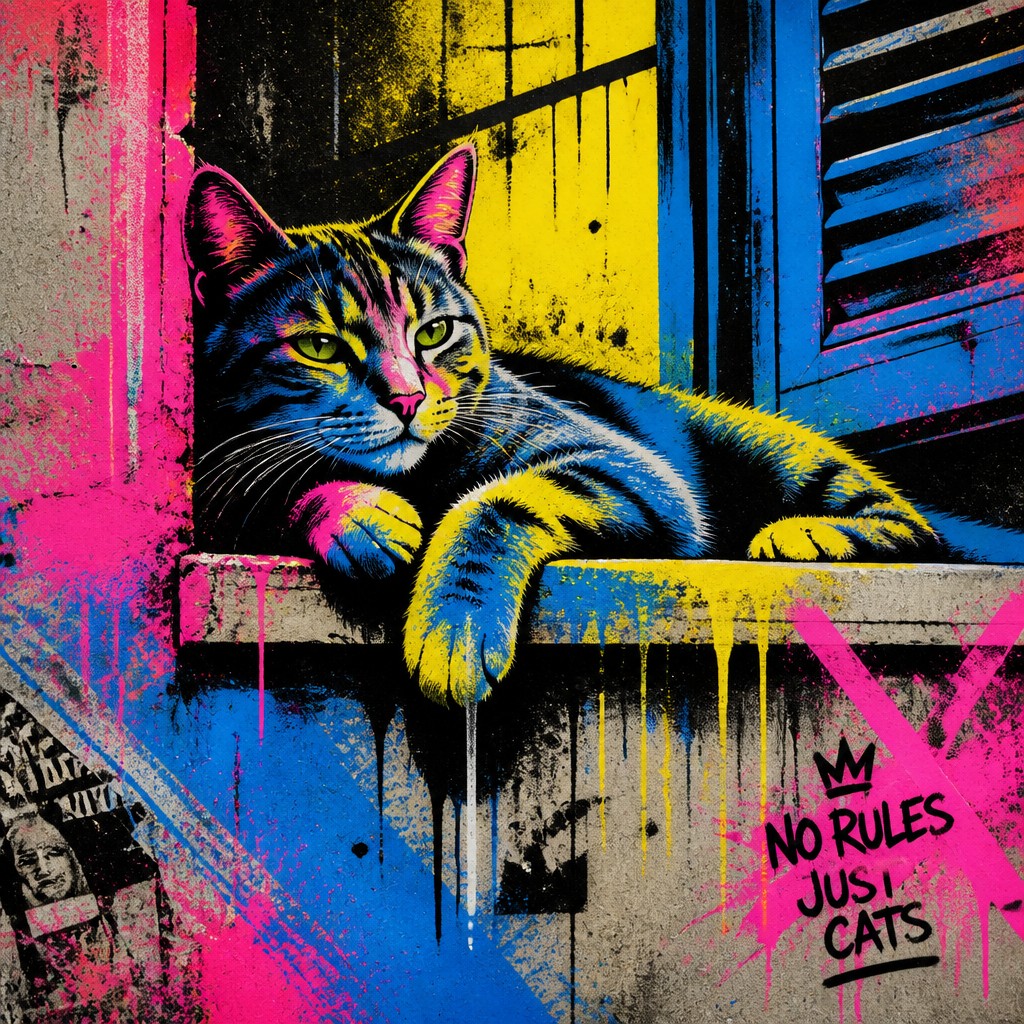
“a cat lounging in a sunlit window”
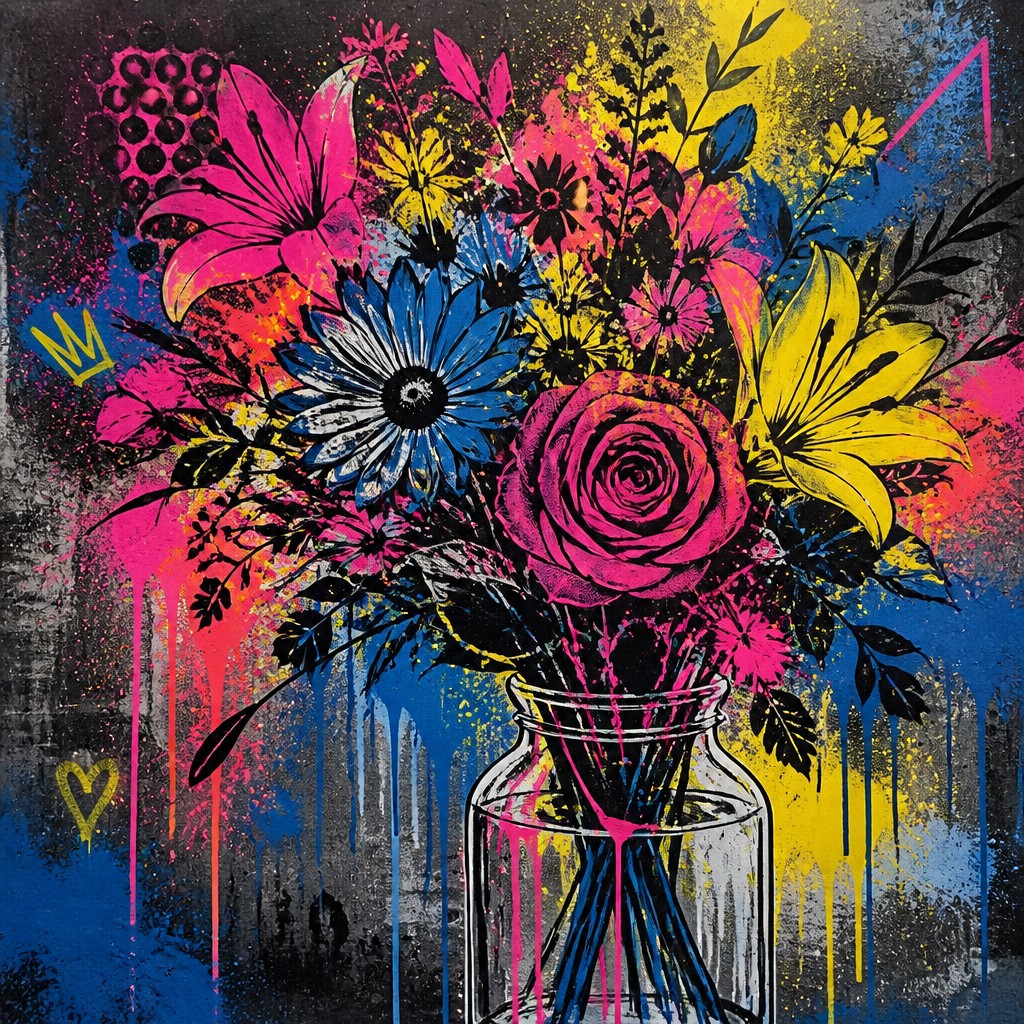
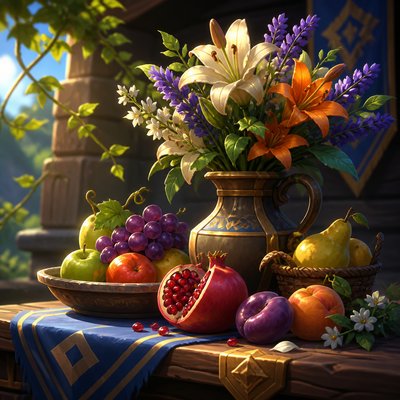
“bouquet of flowers in a glass vase”
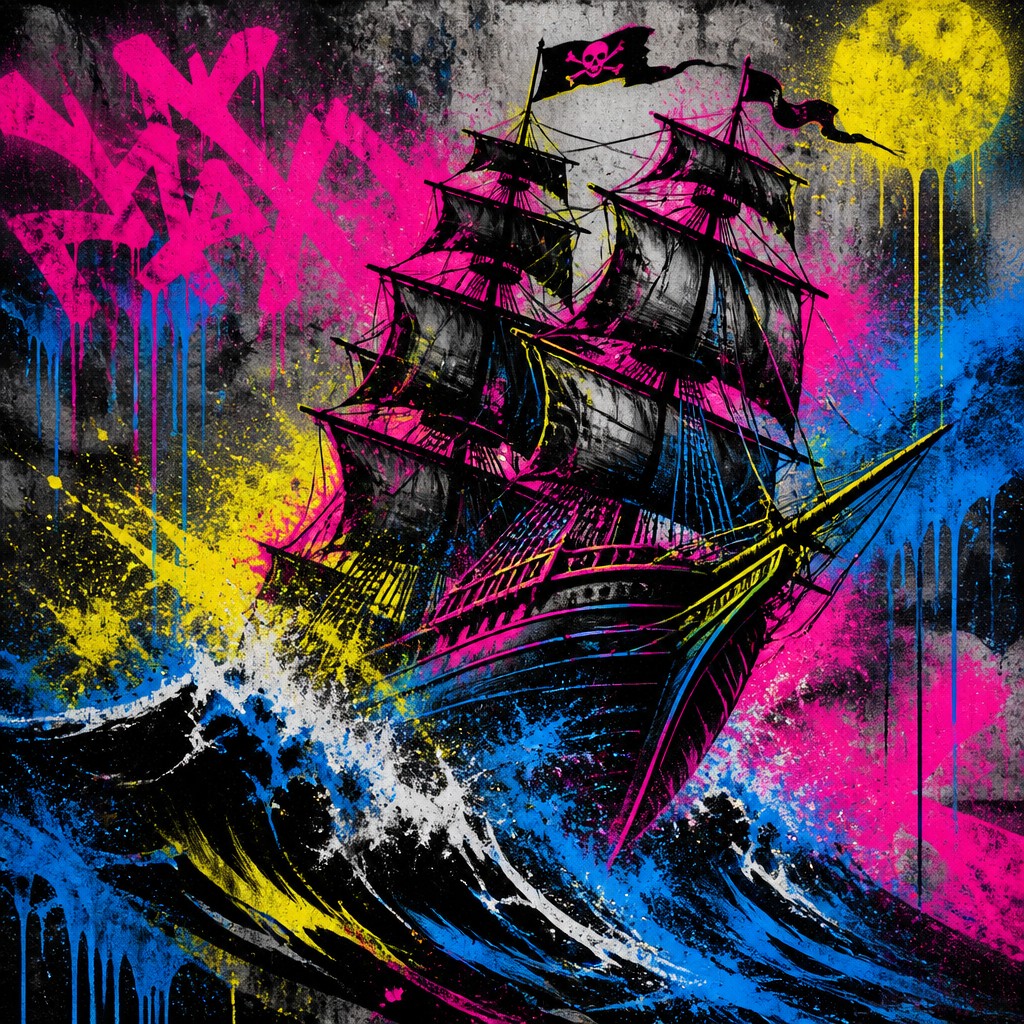
“sailing ship on a stormy sea”
How to Create Graffiti Modern Art
Master the craft step by step — or skip straight to creating. Read the full guide →
- 1
Build from a wall-like base
Start with a textured ground that resembles concrete, stucco, or weathered brick. Let parts of that surface remain visible through later layers so the image feels embedded in a real urban environment.
- 2
Use aerosol logic in the paint handling
Whether working by hand or digitally, vary edges between sharp stencil cuts and soft spray fades. Add overspray, drips, and splatters around focal areas to mimic the behavior of spray paint.
- 3
Design with typography in mind
If you include text, make it bold, condensed, and structurally clear enough to anchor the composition. Pair lettering with outlines, shadows, or layered fills so it reads like a mural tag or poster statement.
- 4
Keep the palette limited but intense
Choose a few high-impact colors and contrast them strongly against black, gray, or dirty white. In digital work, use masking and blending to simulate layered paint and uneven opacity.
- 5
Compose for movement
Tilt major forms diagonally, crop aggressively, and let shapes break past the frame. For text-to-image prompting, specify spray textures, stencil layers, concrete surfaces, bold outlines, and neon contrasts to guide the result.
- 6
Balance chaos with structure
Graffiti-inspired images work best when energetic mark-making is organized by a strong underlying layout. In AI or digital generation, prompt for a clear focal point and layered composition so the image stays readable rather than becoming random noise.
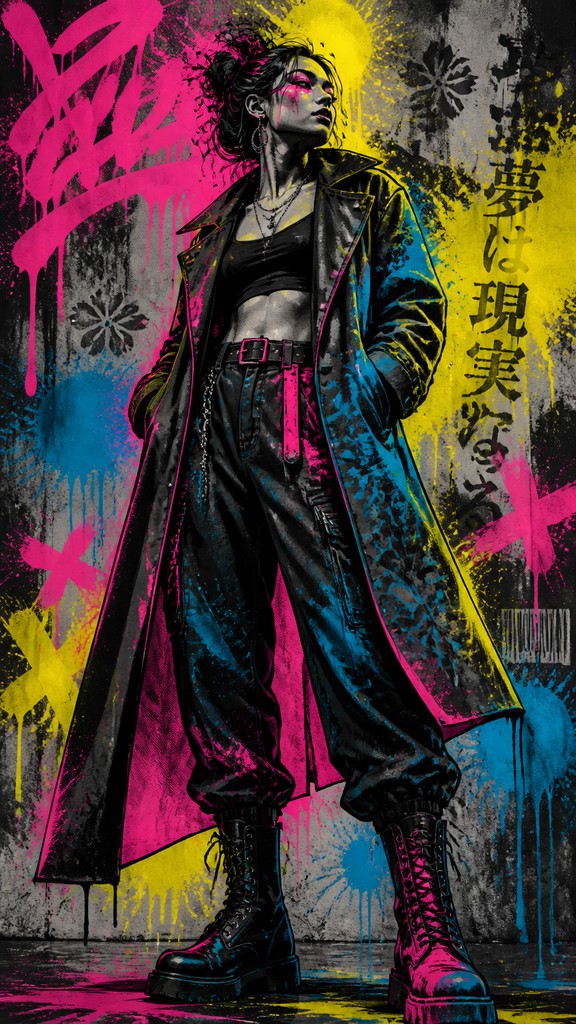
The Story
History & Origins of Graffiti Modern
This style is an aesthetic descendant of late-20th-century graffiti, stencil art, hip-hop visual culture, punk graphics, and contemporary street art. It draws especially from the painted walls, train yards, and public interventions that emerged in New York, Philadelphia, and other cities in the 1970s and 1980s, while also absorbing the cleaner framing of poster art, album design, and editorial illustration.
As street art entered galleries, museums, and mainstream visual culture in the 1990s and 2000s, its vocabulary broadened: stencil layering, spray gradients, drips, and typographic force became reusable design elements rather than only markers of illicit marking. Graffiti Modern Art Style reflects that crossover, preserving the urgency of the wall while adapting it for canvas, print, and digital composition.
Influences: Graffiti Modern Art Style is closely related to late-20th-century graffiti writing, stencil art, punk flyer design, hip-hop visual culture, and contemporary street art. Its graphic clarity also recalls pop art’s use of flat color and repeatable imagery, while its layered surfaces echo collage and expressionist mark-making; among canonical modern artists, the closest historical parallels are in the social urgency and public-facing strategies of major neo-expressionist graffiti and street artists, though the style itself is broader than any single artist’s practice.
Frequently Asked Questions
What defines Graffiti Modern Art Style?
It is defined by spray-paint textures, stencil layering, bold outlines, high-contrast neon colors, and an urban wall-like surface. The style often feels energetic, rebellious, and public, even when used on a clean canvas or digital image.
Is this the same as graffiti lettering?
Not exactly. Graffiti lettering is one part of the broader language, but this style also includes mural imagery, poster layering, symbols, portraits, and graphic composition. It can use text or avoid it entirely.
How does it differ from street art in general?
Street art is a broad category that includes murals, stencils, paste-ups, stickers, and installations. Graffiti Modern Art Style is a more specific visual look within that world, emphasizing high-contrast color, spray textures, and bold graphic design.
Can I make this style without spray paint?
Yes. You can simulate the effect with acrylics, markers, stencil cutouts, ink, collage, or digital brushes that imitate aerosol mist and drips. The key is preserving the layered, urgent, urban feel rather than the literal material.
Where is this style commonly used?
It appears in posters, album covers, skateboard graphics, apparel, murals, editorial art, and urban-themed branding. It is also popular for energetic character art and bold statement pieces.
What subjects work best in this style?
Subjects with motion, attitude, or urban context work especially well: dancers, musicians, masked figures, animals, protest scenes, city icons, and abstract symbols. Strong silhouettes and clear shapes help the layered effects remain readable.
Create your first Graffiti Modern artwork
Describe anything — or upload a photo — and see it in Graffiti Modern Art Style in seconds.
Make Something with Graffiti Modern
Related Styles
Discover similar art styles