Byzantine Art Style
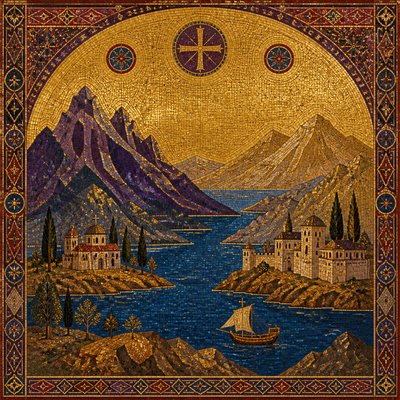
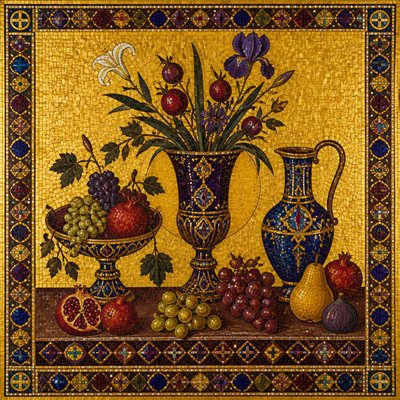
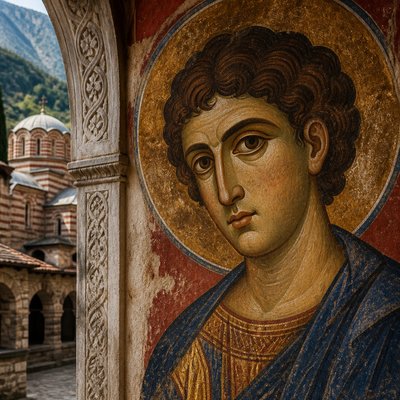
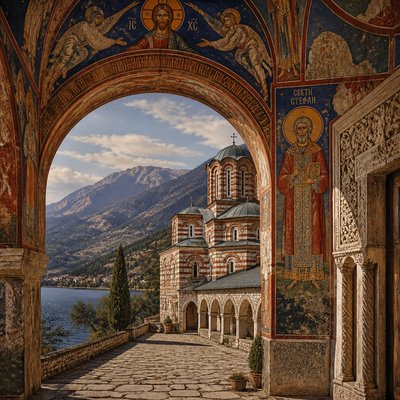
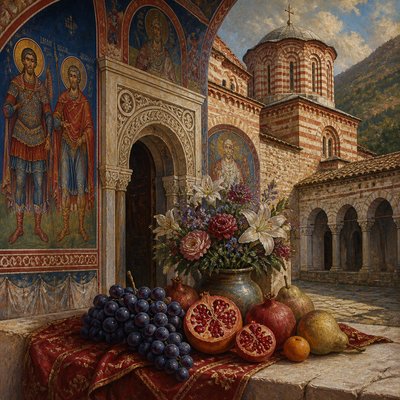
Byzantine art: gold backgrounds, frontal icons, stylized figures, and spiritual symbolism from the Eastern Orthodox tradition.
Instantly rendered in Byzantine — or transform a photo
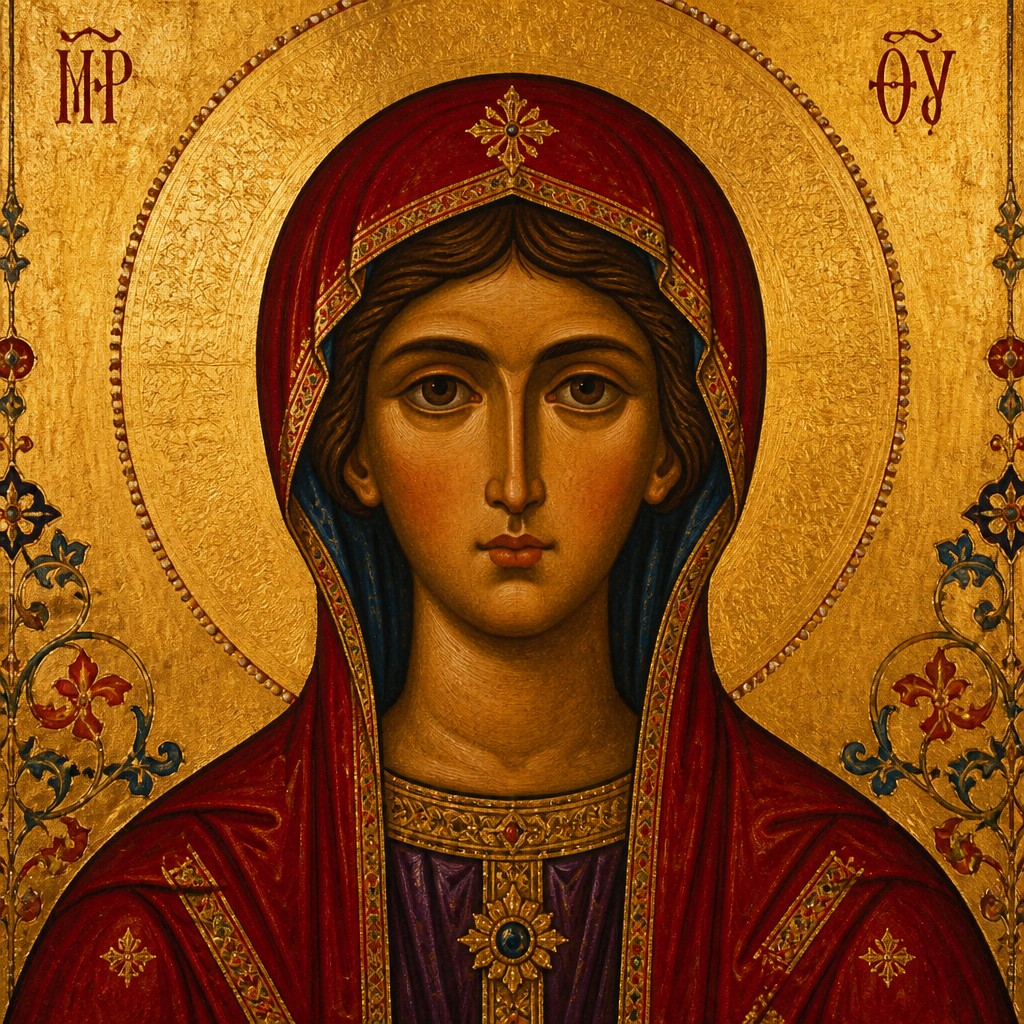
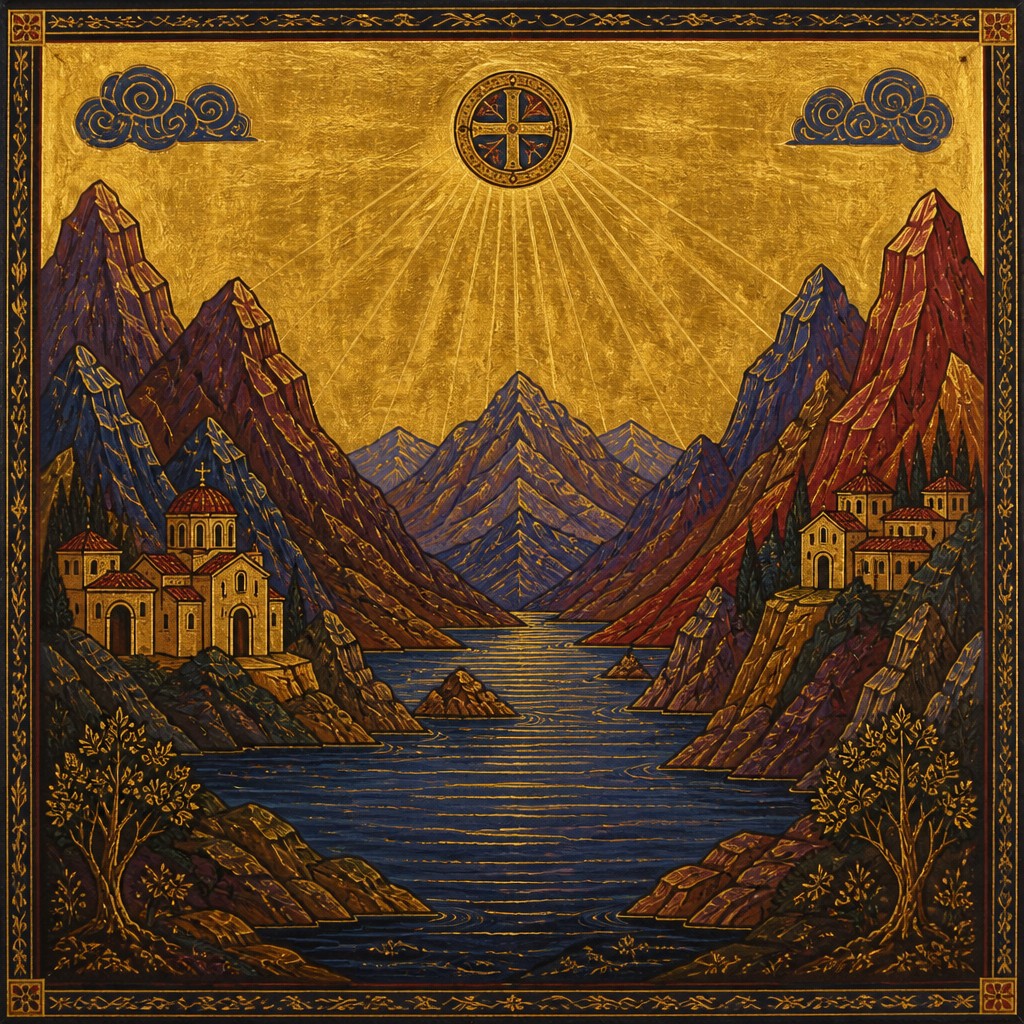
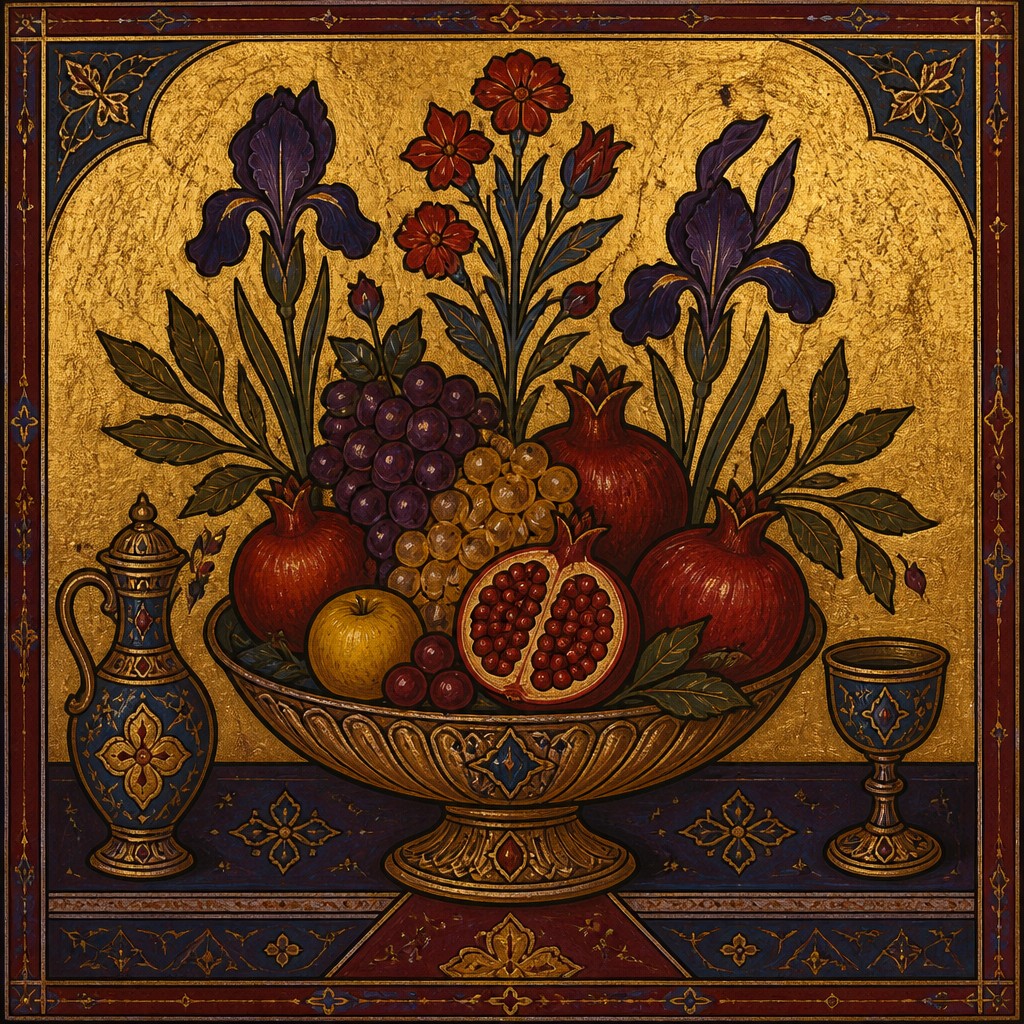
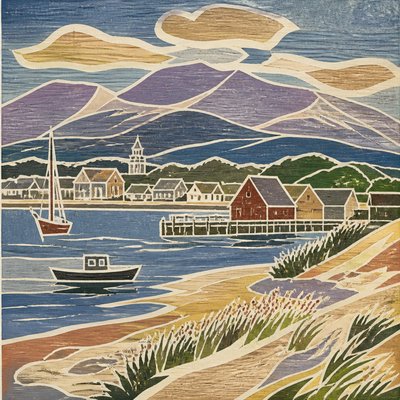
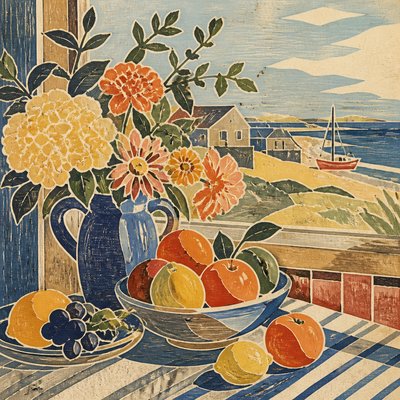
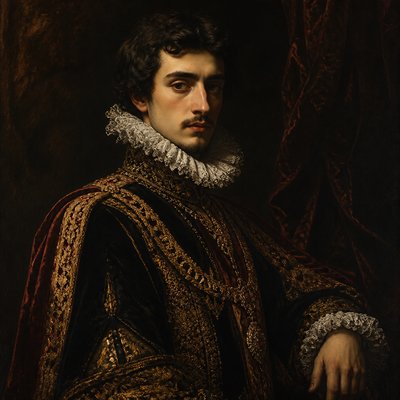
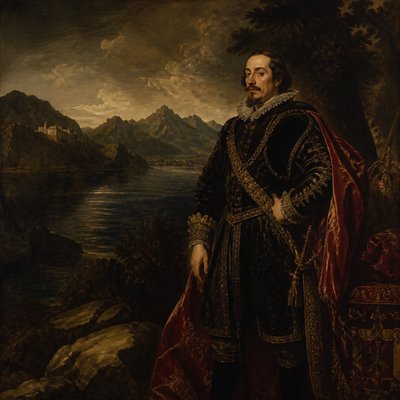
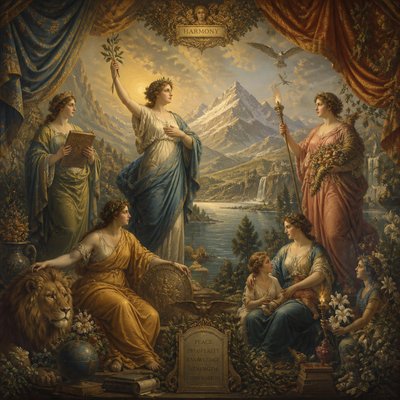
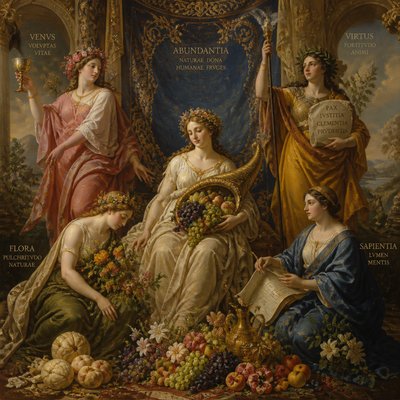
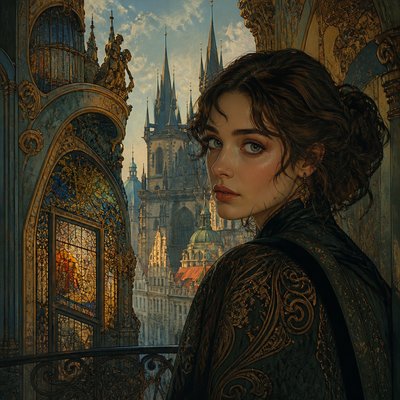
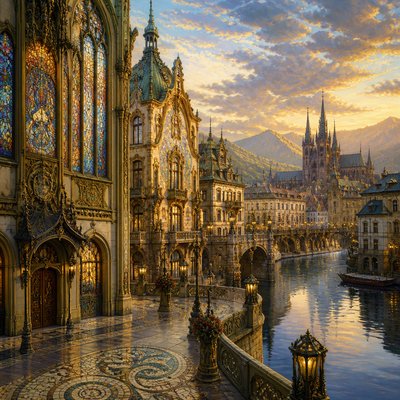
Byzantine Gallery
Tap any artwork to explore it
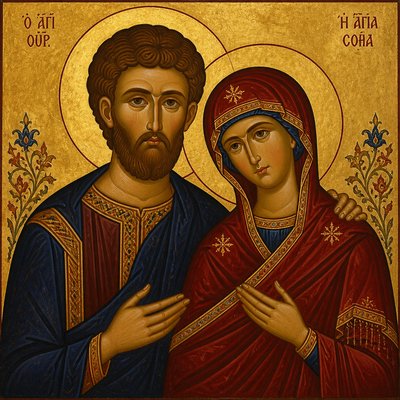
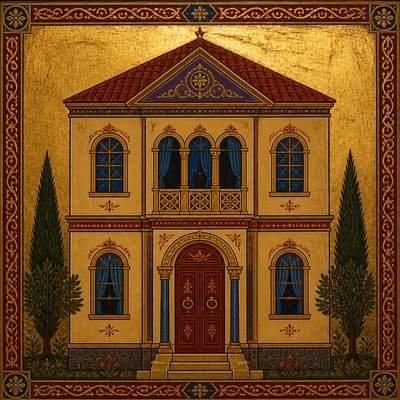
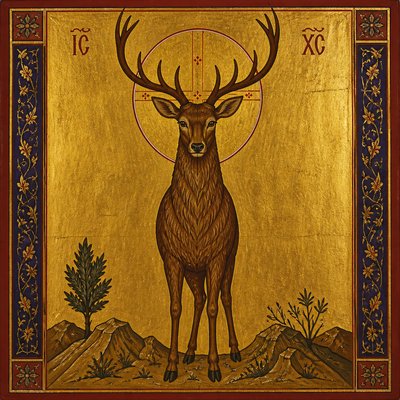
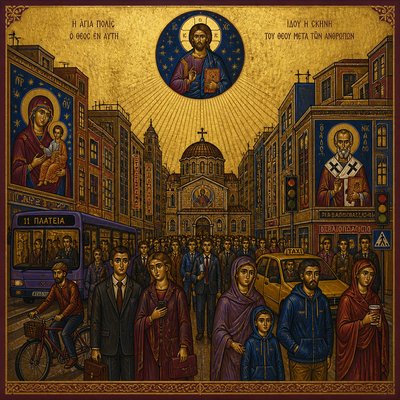
What is Byzantine Art Style?
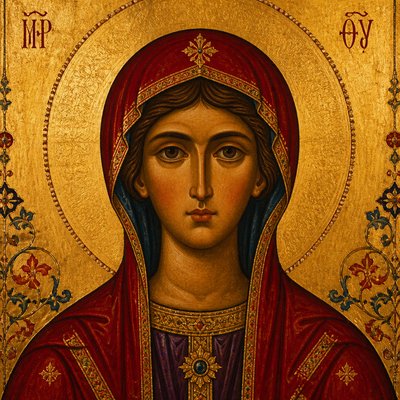
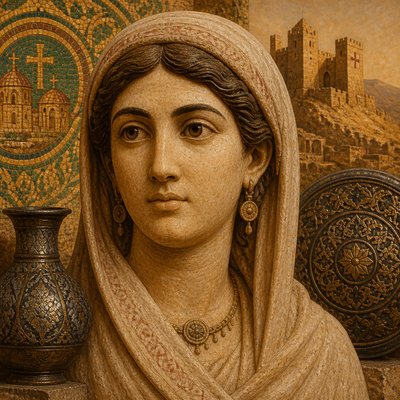
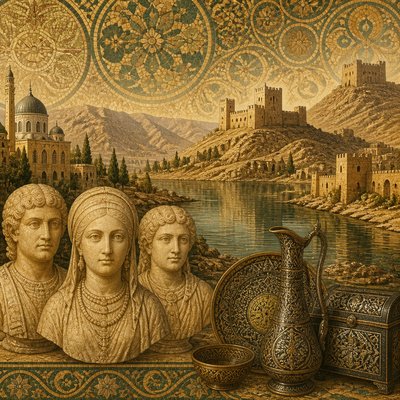
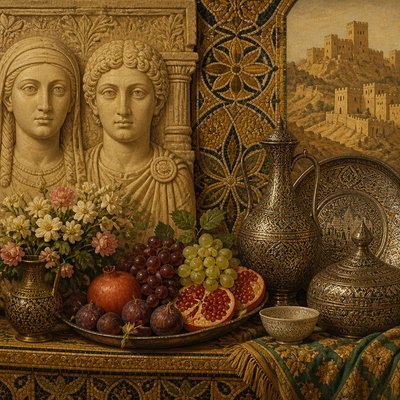
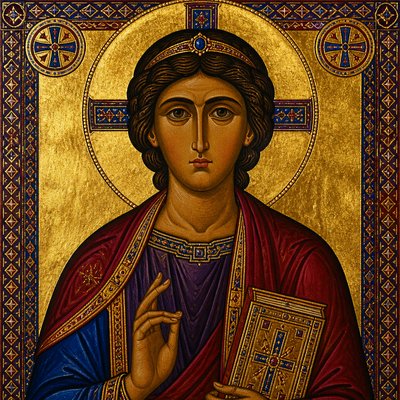
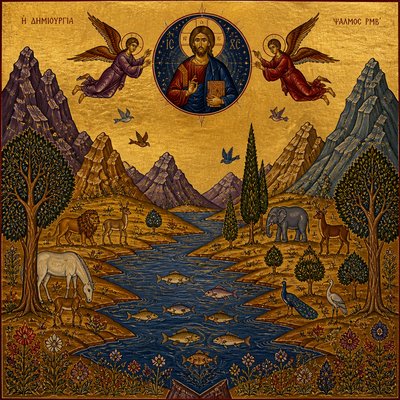
Byzantine art is the visual language of the Eastern Roman Empire and the Eastern Orthodox Christian world, especially as seen in mosaics, panel icons, church frescoes, and illuminated manuscripts. It is defined by frontal, hieratic figures; flattened space; radiant gold grounds; and a preference for symbolic clarity over naturalistic depth. Rather than depicting the visible world as it appears, it aims to present sacred reality as timeless, ordered, and spiritually charged.
Its look comes from religious function as much as from aesthetic choice. Figures are typically elongated, solemn, and outlined with firm contours, while drapery, halos, and ornament reinforce meaning instead of bodily realism. The result is an art of presence rather than illusion: images meant to teach, venerate, and mediate devotion, with gold and pattern used to suggest divine light and heavenly order.
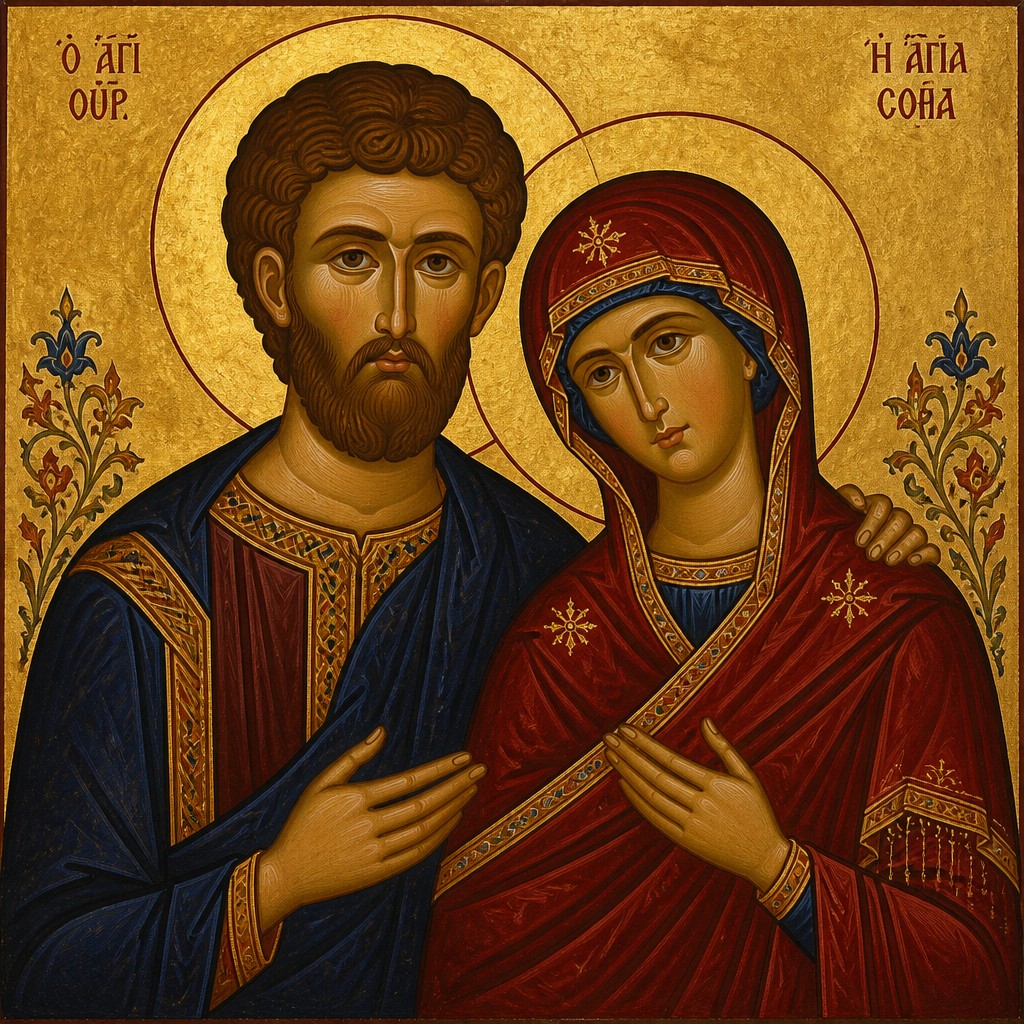
Try It On Your Photos
Upload any photo and convert it into Byzantine Art Style — drag the sliders to compare before and after.
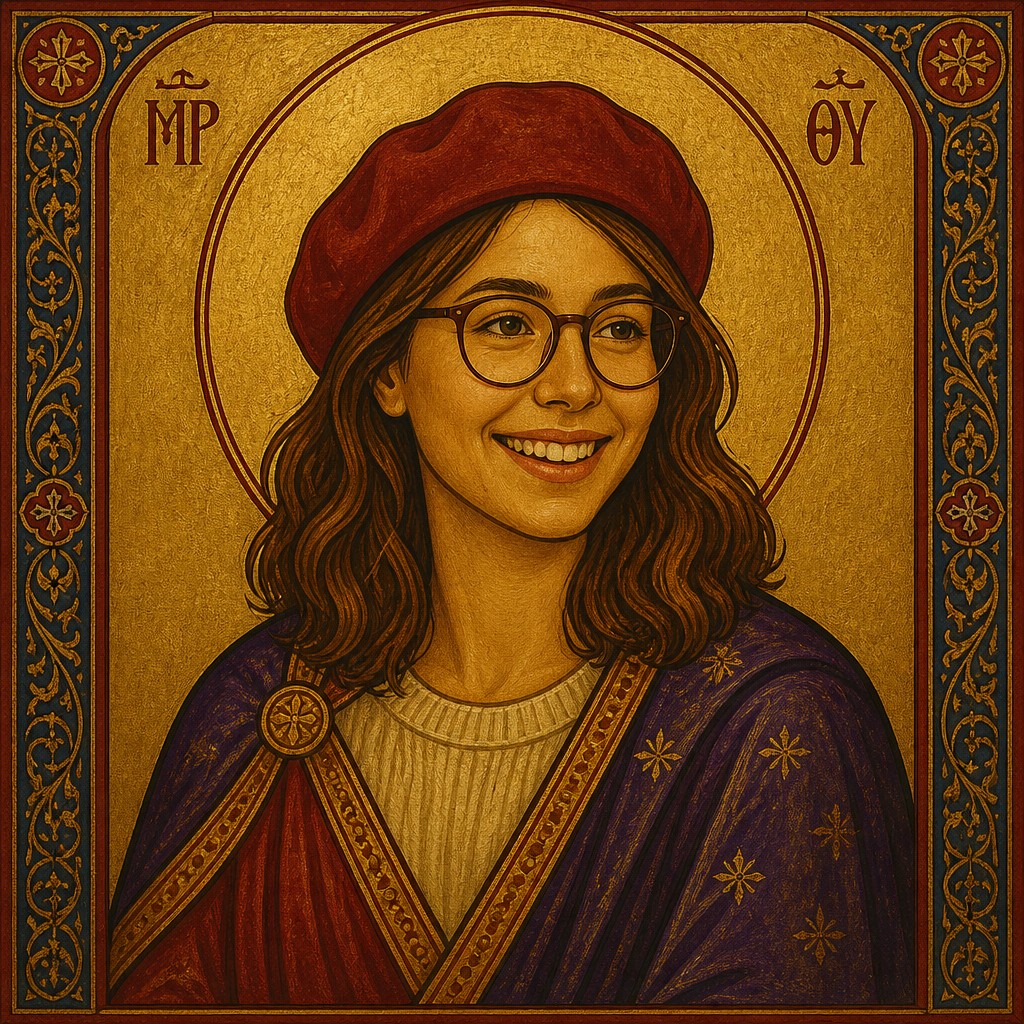

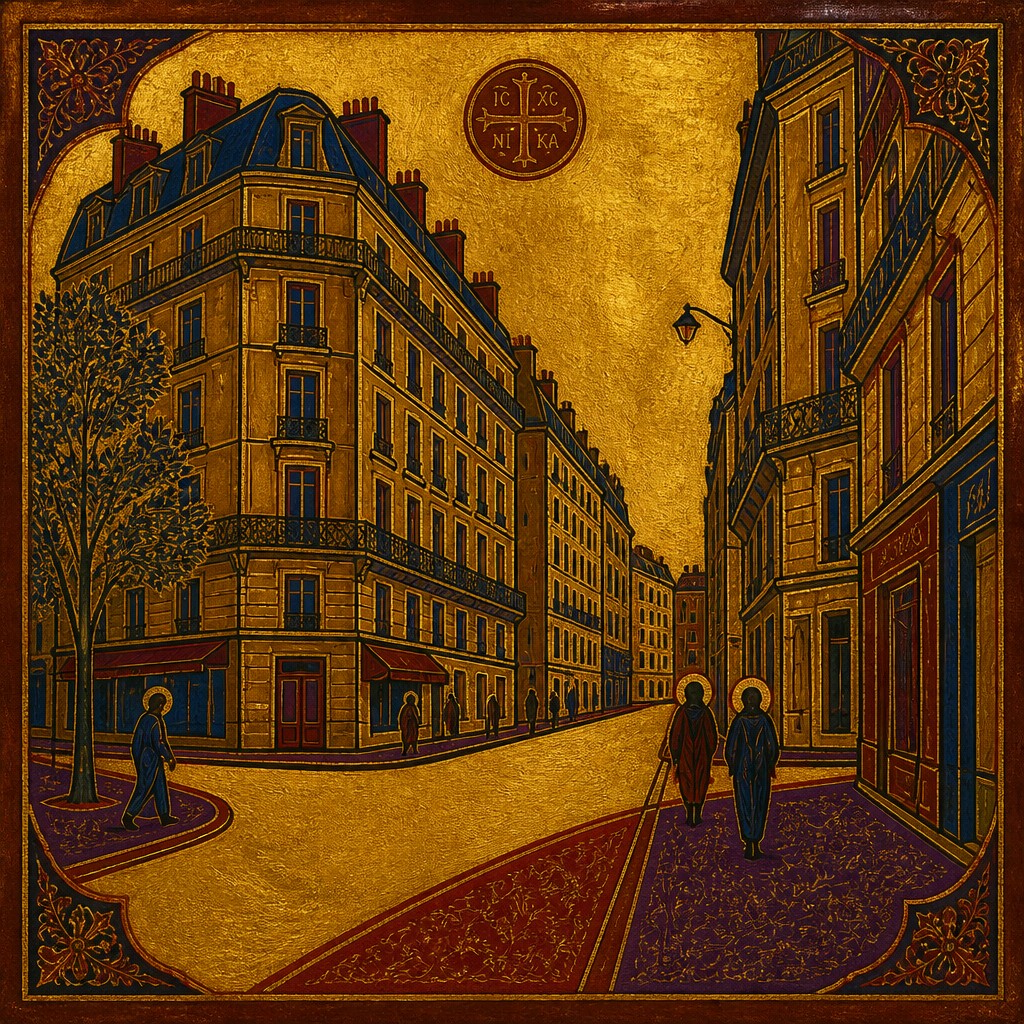

What Defines Byzantine Art Style
The signature details, up close
Gold ground and luminous surfaces
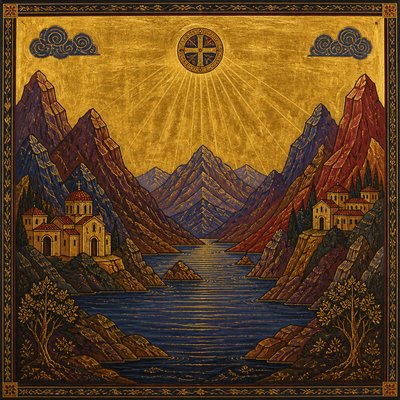
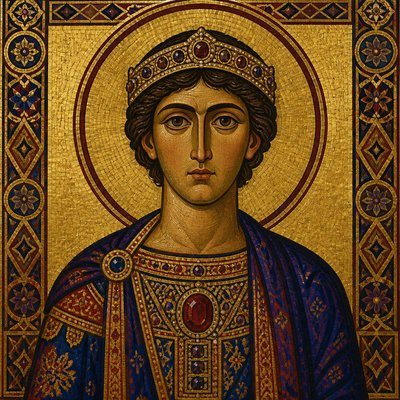
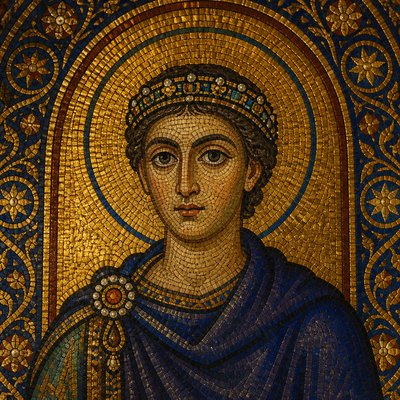
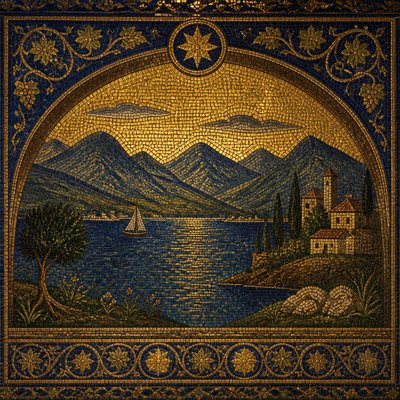
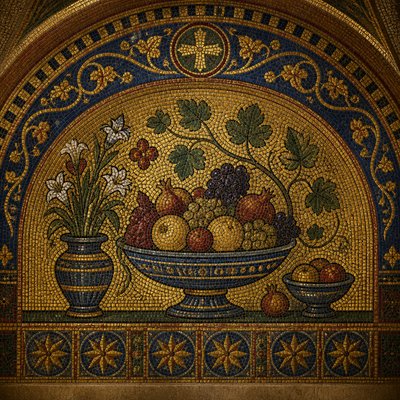
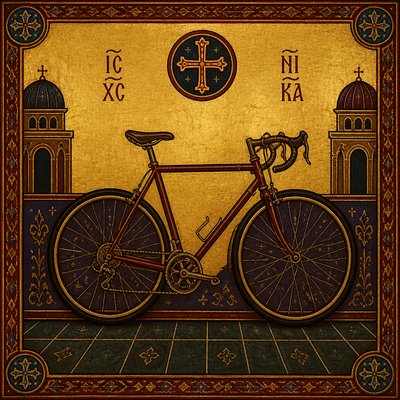
A burnished gold background is one of the most recognizable features, evoking heaven, divine light, and an image space outside ordinary time. In mosaics, tesserae catch and scatter light; in paintings, gold leaf or a gold-toned field serves a similar symbolic function.
Frontal, symmetrical composition
Figures are usually placed facing the viewer, often centered and balanced with strong symmetry. This direct gaze and stable arrangement create solemnity and devotional immediacy rather than narrative movement.
Flattened, non-naturalistic space
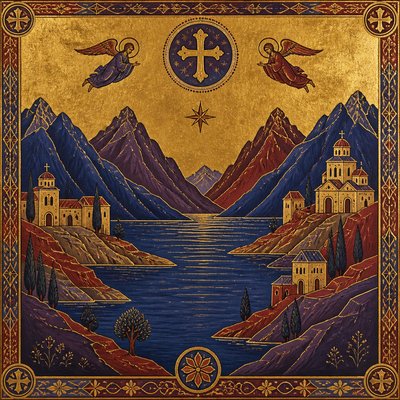
Byzantine images minimize linear perspective and deep recession. Space is often shallow, stacked, or abstracted so that spiritual hierarchy matters more than physical realism.
Elongated stylized figures
Bodies tend to be slender, elongated, and carefully outlined, with simplified anatomy and refined gestures. Facial features are controlled and idealized, supporting the sense of spiritual presence over earthly individuality.
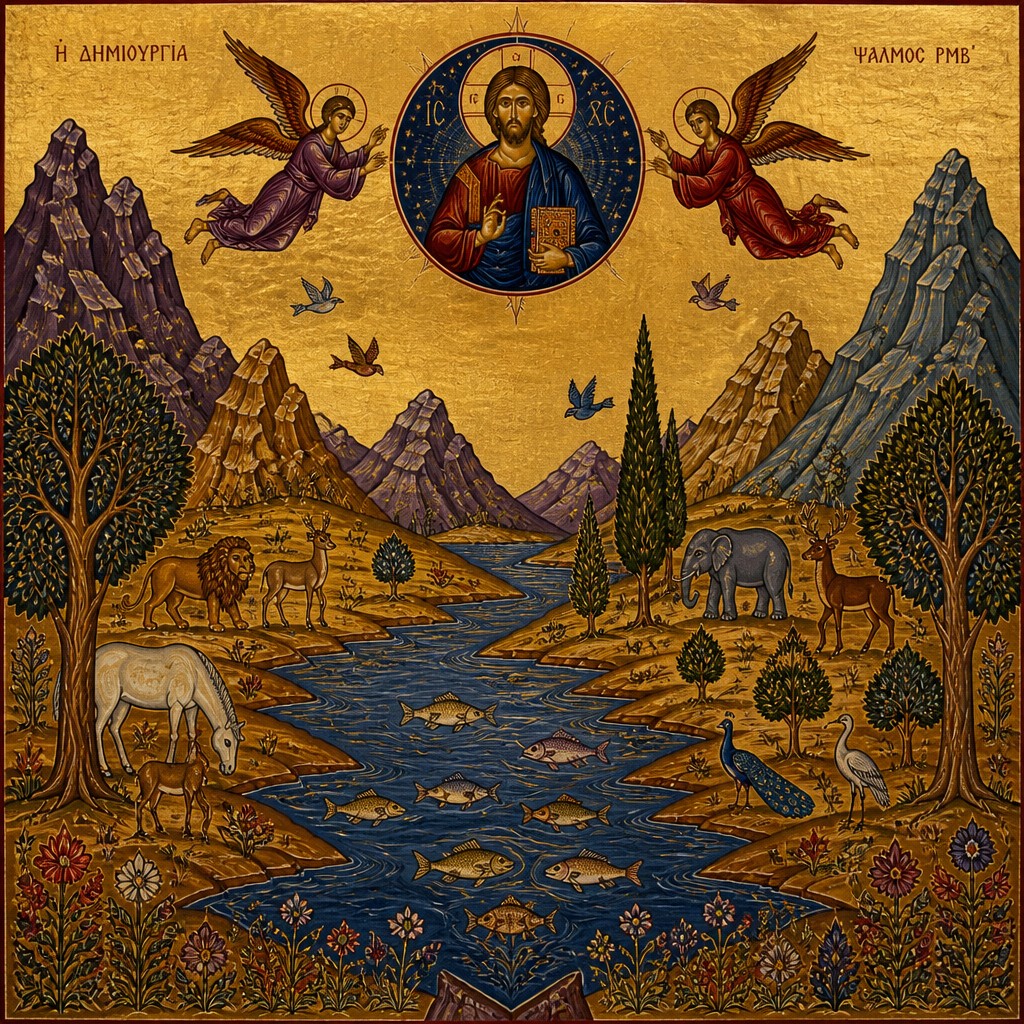
Rich symbolic color
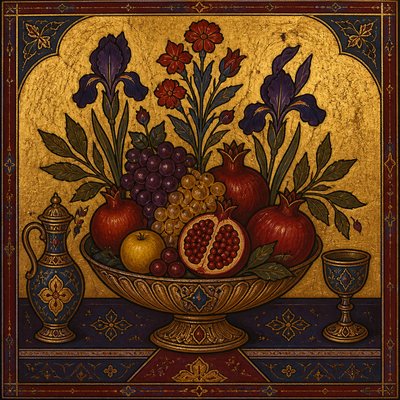
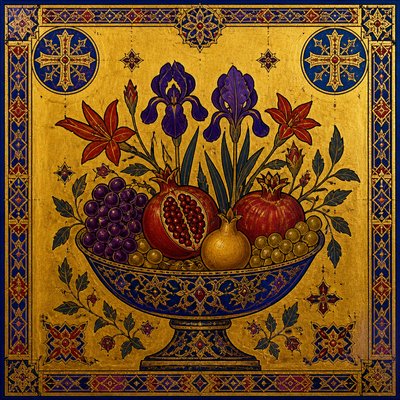
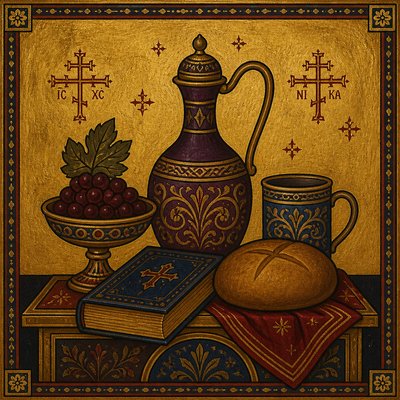
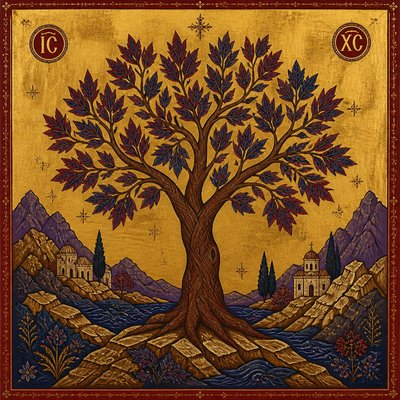
Deep crimson, purple, lapis blue, and other jewel tones are frequent, often reserved for sacred persons or important elements. Color functions iconographically, identifying rank and reinforcing the sacred atmosphere.
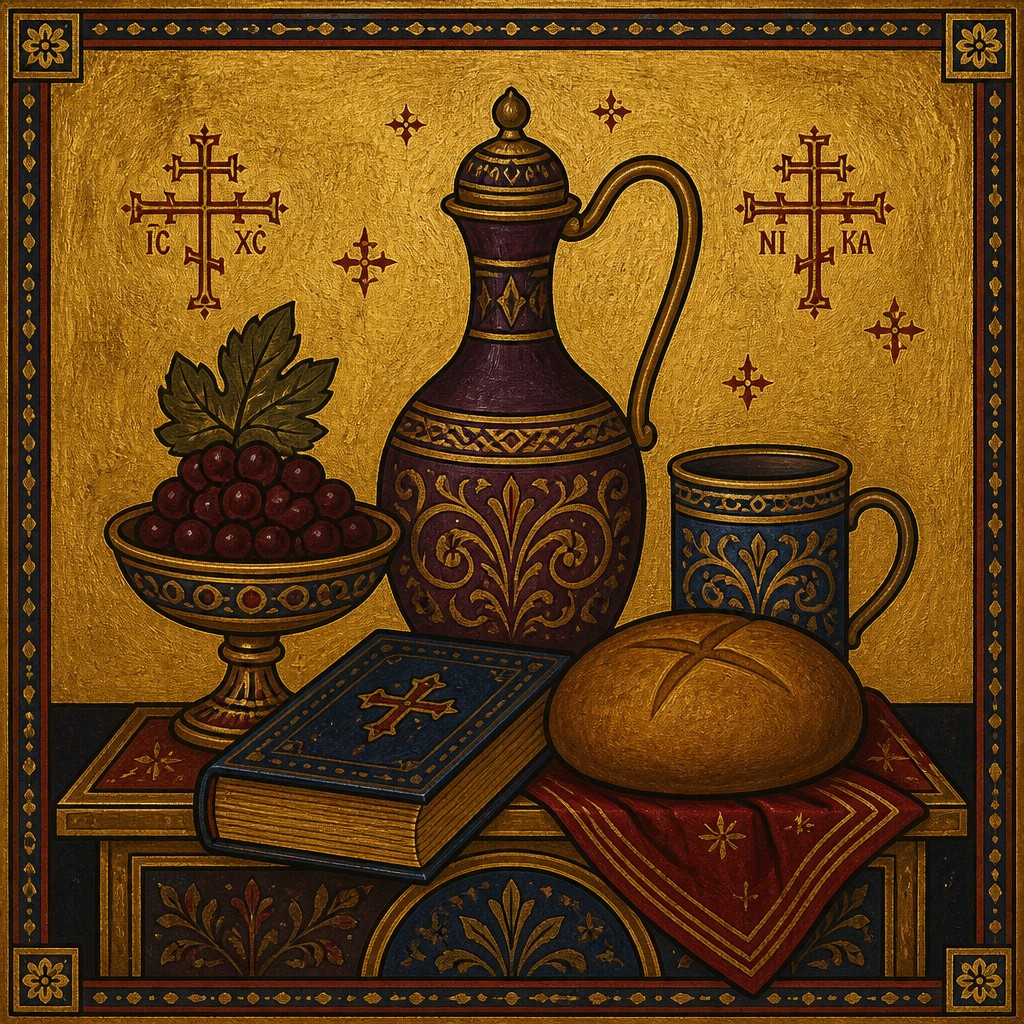
Ornament as structure
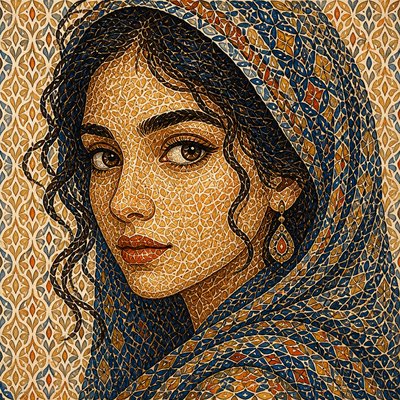
Patterns in garments, halos, borders, and architectural details fill quiet areas and help organize the composition. Ornament is not decorative excess; it helps articulate sanctity, order, and visual rhythm.
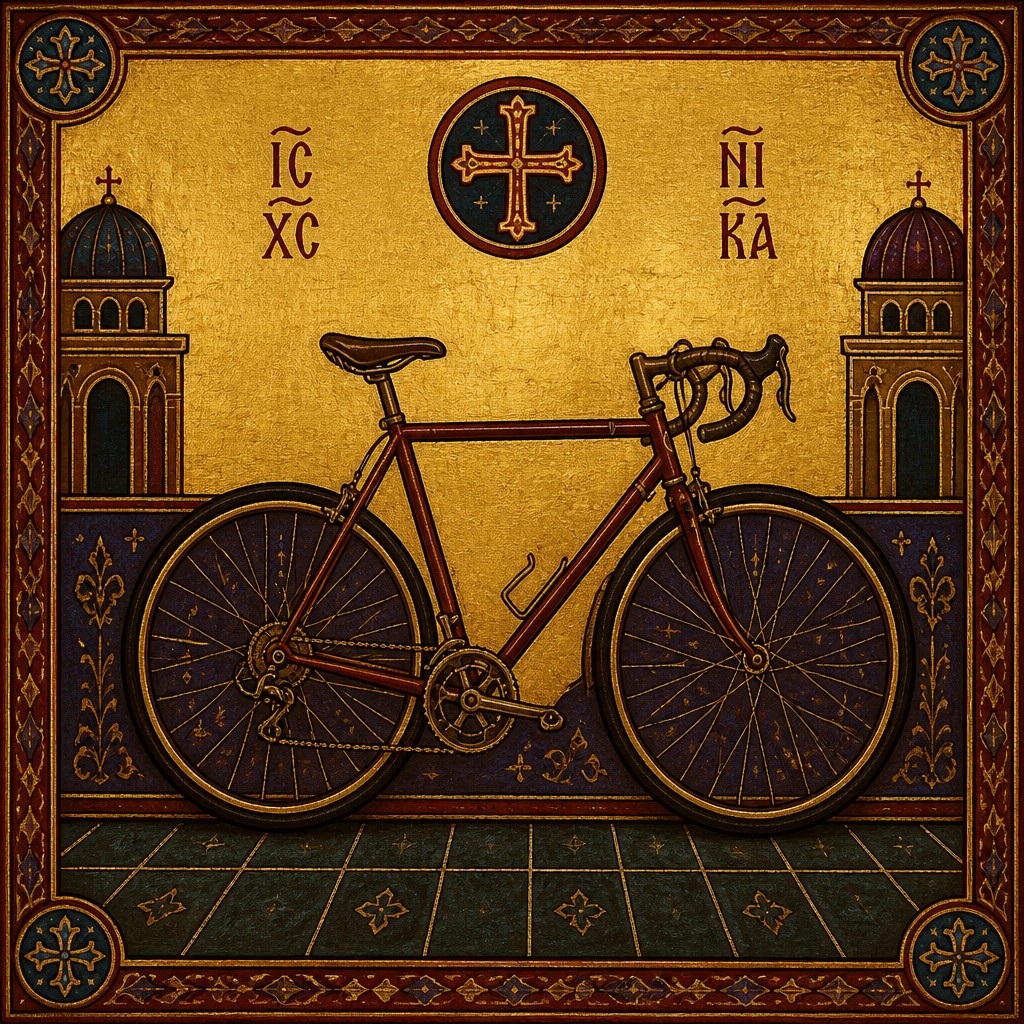
Spiritual expression over realism
The style emphasizes theological meaning, symbolic legibility, and devotional authority. Naturalistic shadows, casual movement, and everyday detail are reduced so the image reads as timeless and otherworldly.
Try It
Create Videos in Byzantine Art Style
Styles aren't just for stills — describe a scene or animate an image and get a short video rendered in Byzantine. Press play to see this pond come to life.
Make a VideoByzantine Prompt Ideas
Start from an idea — each one opens the generator with the style ready to go. See all 40 Byzantine prompts →
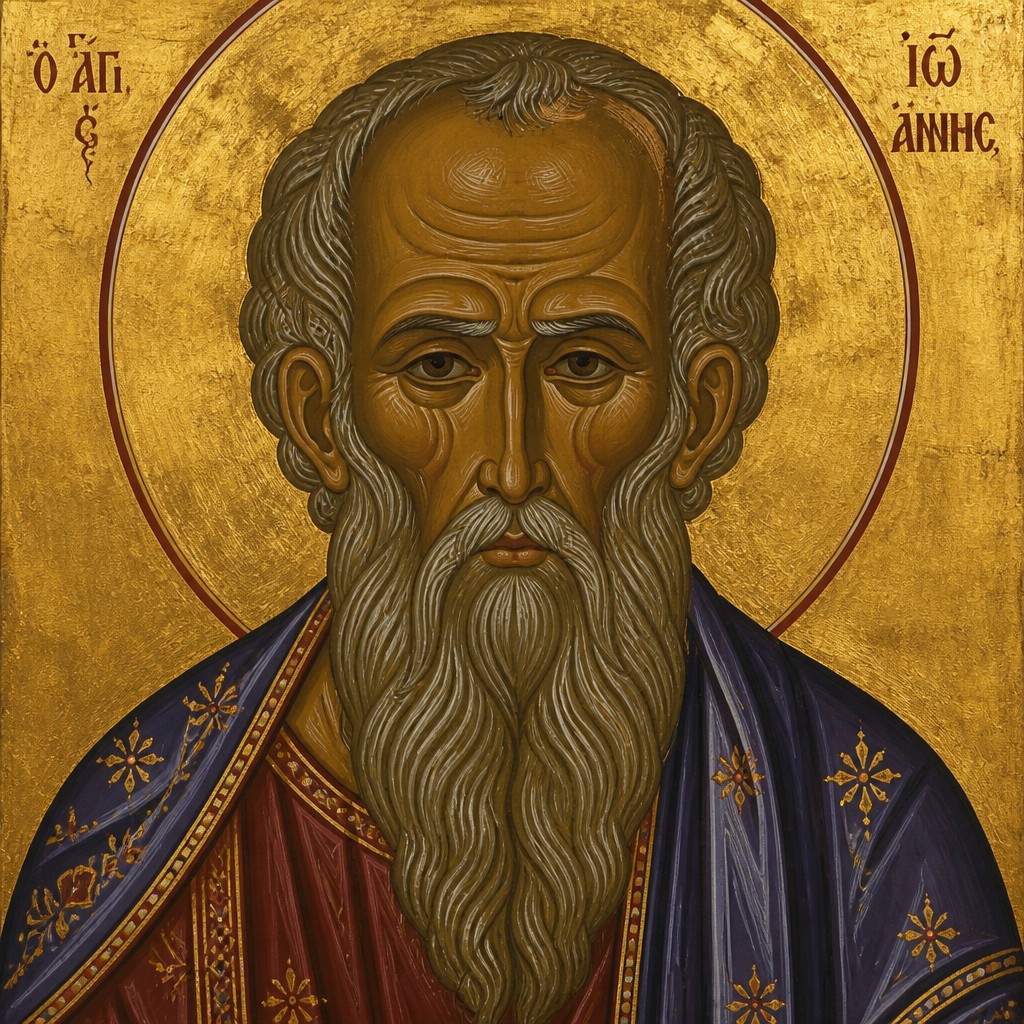
“close-up portrait of an elderly person with expressive weathered features”
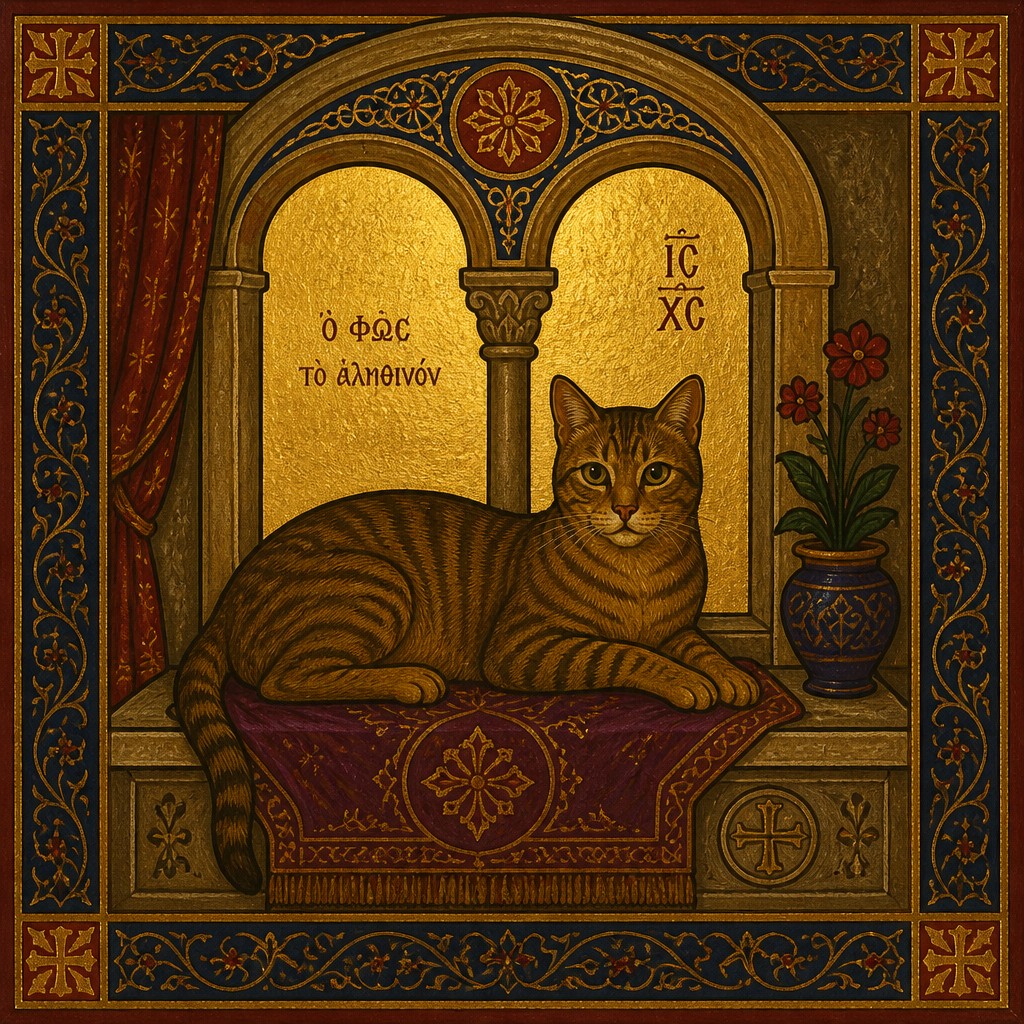
“a cat lounging in a sunlit window”
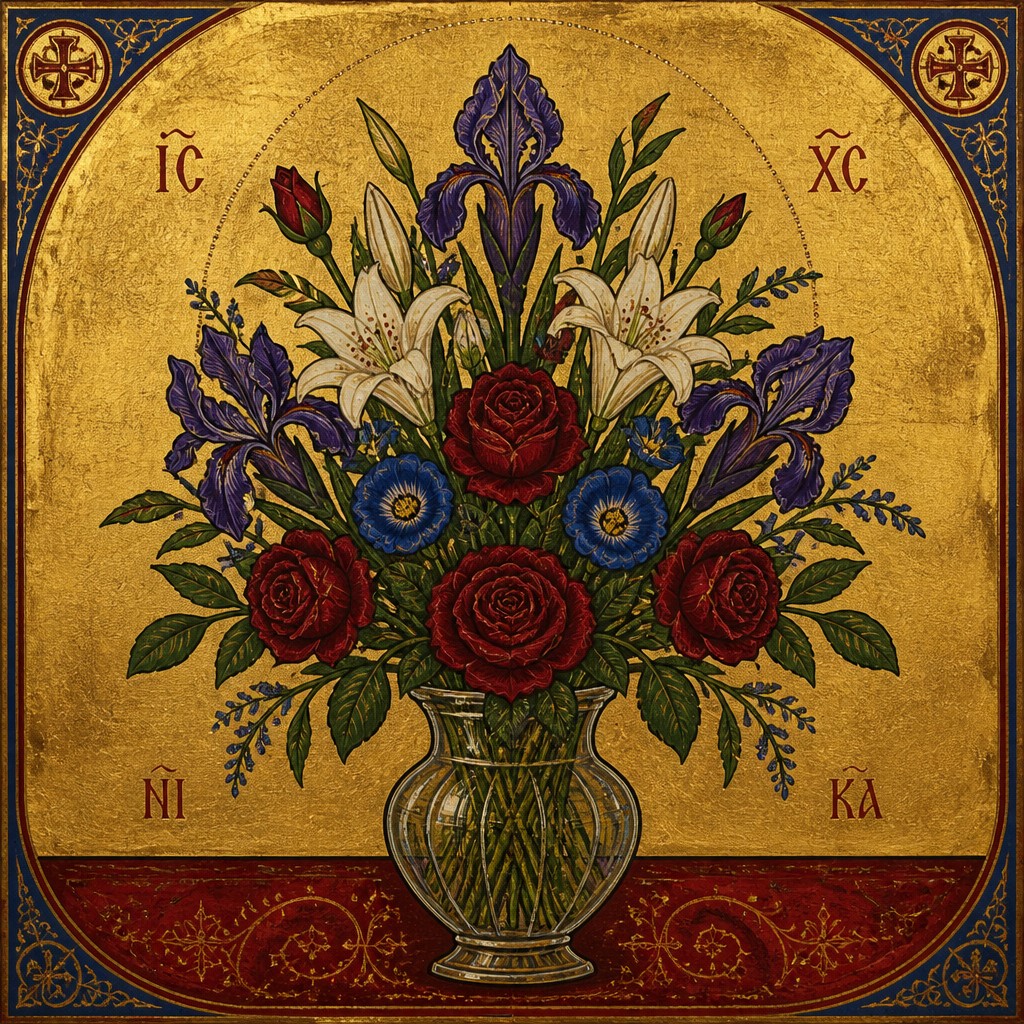
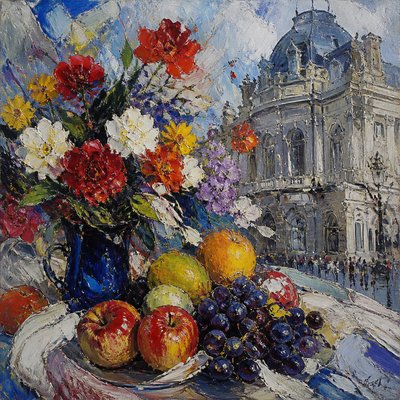
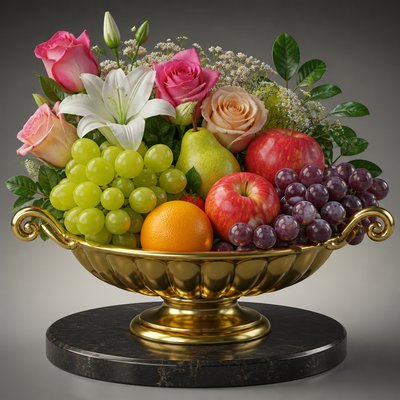
“bouquet of flowers in a glass vase”
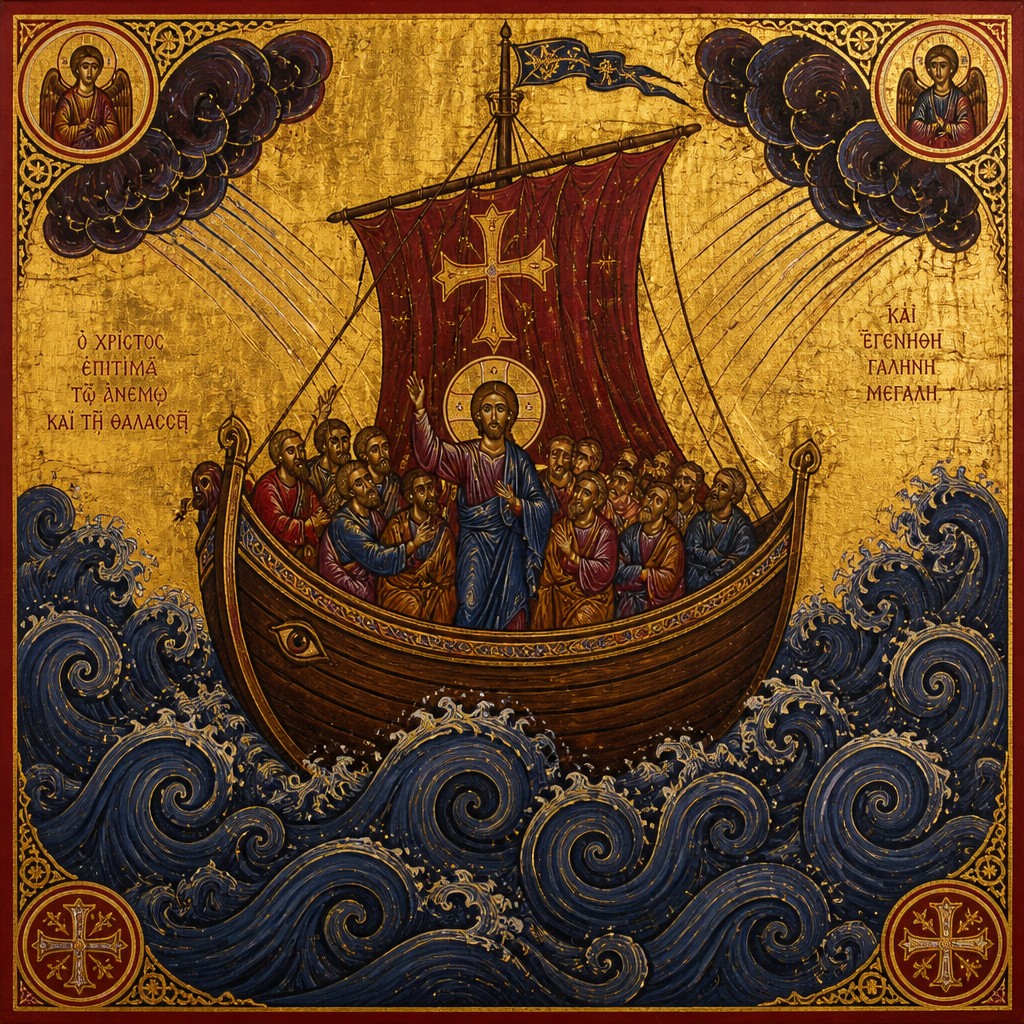
“sailing ship on a stormy sea”
How to Create Byzantine Art
Master the craft step by step — or skip straight to creating. Read the full guide →
- 1
Build a sacred, frontal composition
Place the main figure or figures directly facing the viewer, centered within a stable vertical format. Keep gestures restrained and symmetrical so the image feels icon-like rather than cinematic.
- 2
Use gold as a light source and a field
Apply gold leaf, metallic paint, or a digitally simulated burnished gold background to replace atmospheric depth. Let the gold remain visually active, with subtle texture or shimmer, rather than treating it as a flat fill.
- 3
Simplify anatomy and perspective
Reduce foreshortening, volume, and complex spatial recession. If working traditionally, draw with clear contour and thin layered tempera-like paint; if digital, avoid heavy rendering and preserve firm silhouettes.
- 4
Favor jewel tones and controlled contrast
Use deep reds, purples, blues, and muted earth tones against gold for a classic Byzantine palette. Keep highlights deliberate and transitions limited so forms remain emblematic and legible.
- 5
Add patterned details with discipline
Use repeating motifs in robes, halos, borders, and architectural elements to create ornament without clutter. In prompt-based generation, specify flat gold backgrounds, frontal symmetry, elongated figures, dark outlines, and tempera-like texture for a faithful result.
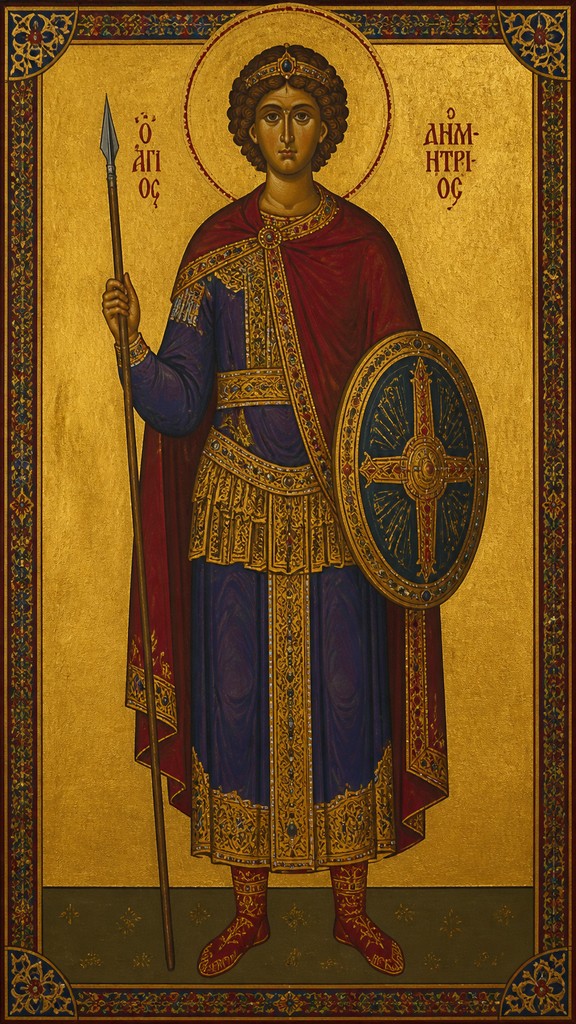
The Story
History & Origins of Byzantine
Byzantine art developed from the art of the late Roman Empire after the founding of Constantinople in 330 CE and matured across the Byzantine Empire from the 6th century onward. Major milestones include the great mosaic programs of Ravenna and Constantinople, the icon tradition of the Eastern Orthodox Church, and the long afterlife of Byzantine visual principles in Orthodox lands such as Greece, Russia, Serbia, Bulgaria, and other regions of Eastern Europe and the Eastern Mediterranean.
Its development was shaped by theology, liturgy, and controversy, especially the Iconoclastic period of the 8th and 9th centuries, when the making and use of sacred images were fiercely debated. After the restoration of icons in 843, Byzantine visual conventions remained highly influential, preserving a formal, symbolic style even as local schools evolved. Unlike Western Renaissance art, which increasingly favored perspective and anatomical naturalism, Byzantine art retained its emphasis on transcendence, sacred hierarchy, and the image as a devotional presence.
Influences: Byzantine art grew from late antique Roman art, early Christian imagery, and the court culture of Constantinople, then shaped Orthodox visual traditions across the eastern Mediterranean and Eastern Europe. Related devotional traditions include icon painting in Greece and Russia, while comparisons are often made with Romanesque church art for its hierarchical clarity and with medieval mosaic programs such as those at Ravenna. Canonical makers of the style are usually anonymous rather than individually credited, which reflects the tradition’s liturgical and workshop-based character.
Frequently Asked Questions
What defines Byzantine art?
Its defining traits are frontal figures, gold backgrounds, flattened space, and strong symbolism. The style is designed to communicate sacred truth and spiritual authority rather than naturalistic illusion.
Is Byzantine art the same as icon painting?
Icon painting is one of the most important Byzantine and post-Byzantine traditions, but Byzantine art also includes mosaics, frescoes, manuscripts, and church decoration. Icons are the best-known format because they preserve the style’s core visual rules so clearly.
How is Byzantine art different from Renaissance art?
Byzantine art prioritizes spiritual presence, flatness, and symbolic clarity, while Renaissance art seeks believable space, anatomical realism, and natural light. The two styles often use religious subjects, but they present them through very different visual languages.
Why does Byzantine art use so much gold?
Gold represents divine light, heaven, and sacred timelessness. It also separates the holy image from ordinary earthly space, making the figure feel present in a spiritual realm rather than a physical setting.
How can I make an image look Byzantine?
Use a centered frontal figure, a gold ground, limited perspective, elongated proportions, and jewel-toned colors. Keep facial expressions calm and ceremonial, and avoid modern realism such as dramatic shadowing or photorealistic texture.
Where is Byzantine art used today?
It remains central in Eastern Orthodox churches, monasteries, and icon workshops, and it also appears in contemporary sacred art and decorative design. Its visual code is still strongly associated with devotion, continuity, and the ceremonial presentation of the holy.

Create your first Byzantine artwork
Describe anything — or upload a photo — and see it in Byzantine Art Style in seconds.
Make Something with Byzantine
Compare Byzantine
Related Styles
Discover similar art styles