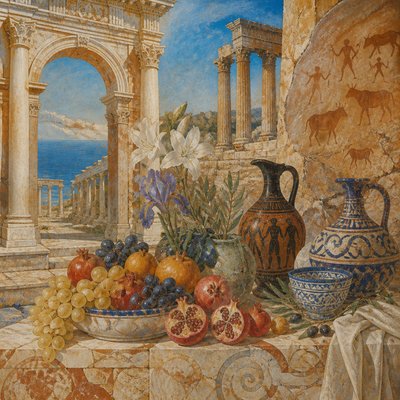
Orthodox Icon Religious Art
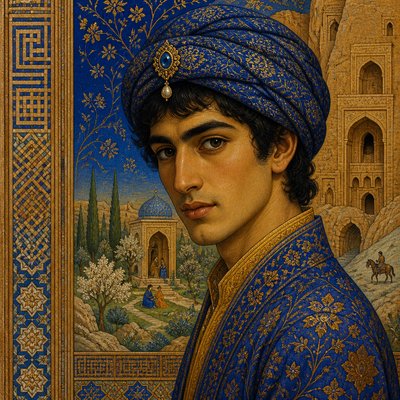
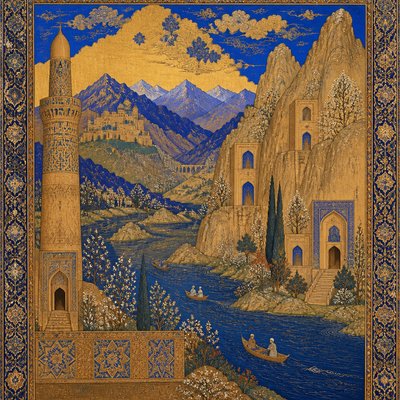
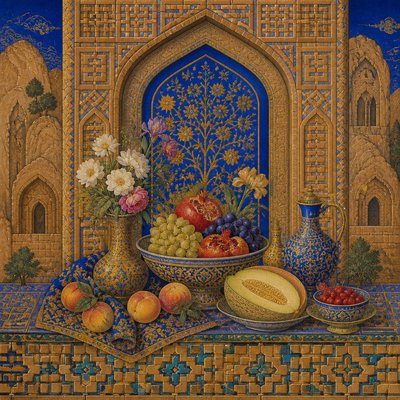
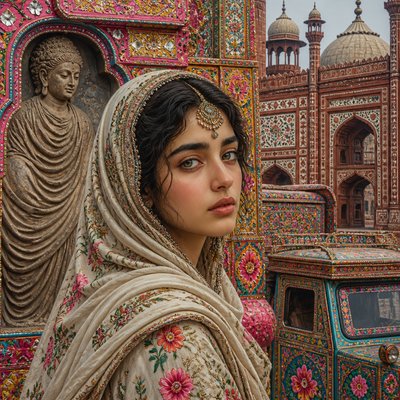
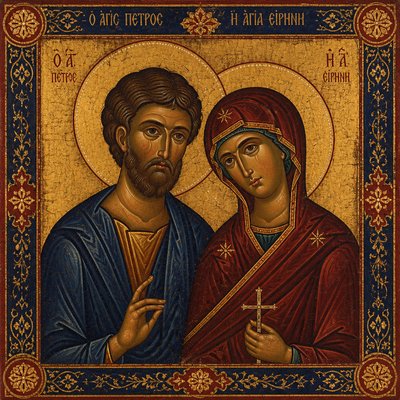
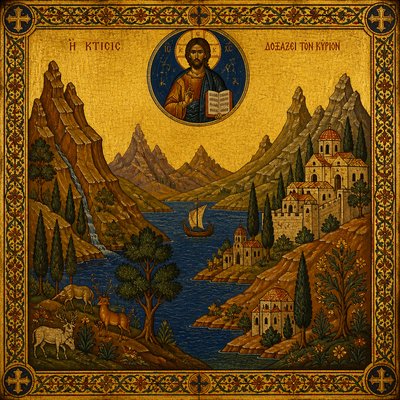
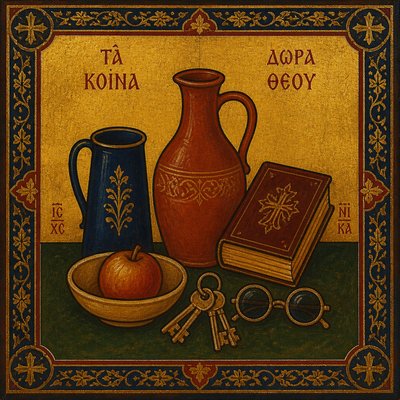
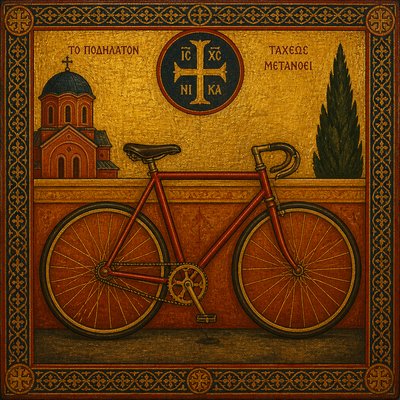
Traditional Eastern Orthodox icons with gold grounds, frontal figures, inverse perspective, and luminous symbolic color.
Instantly rendered in Orthodox Icon Religious — or transform a photo
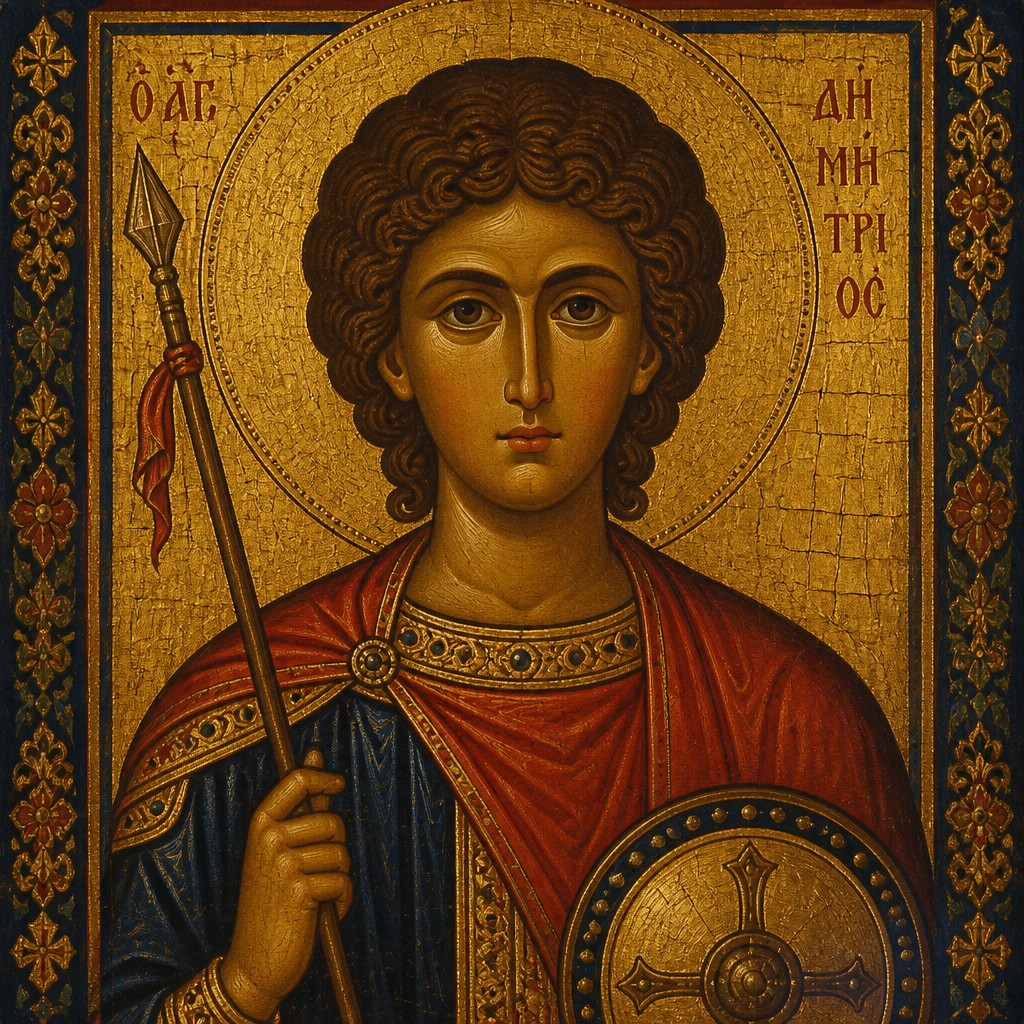
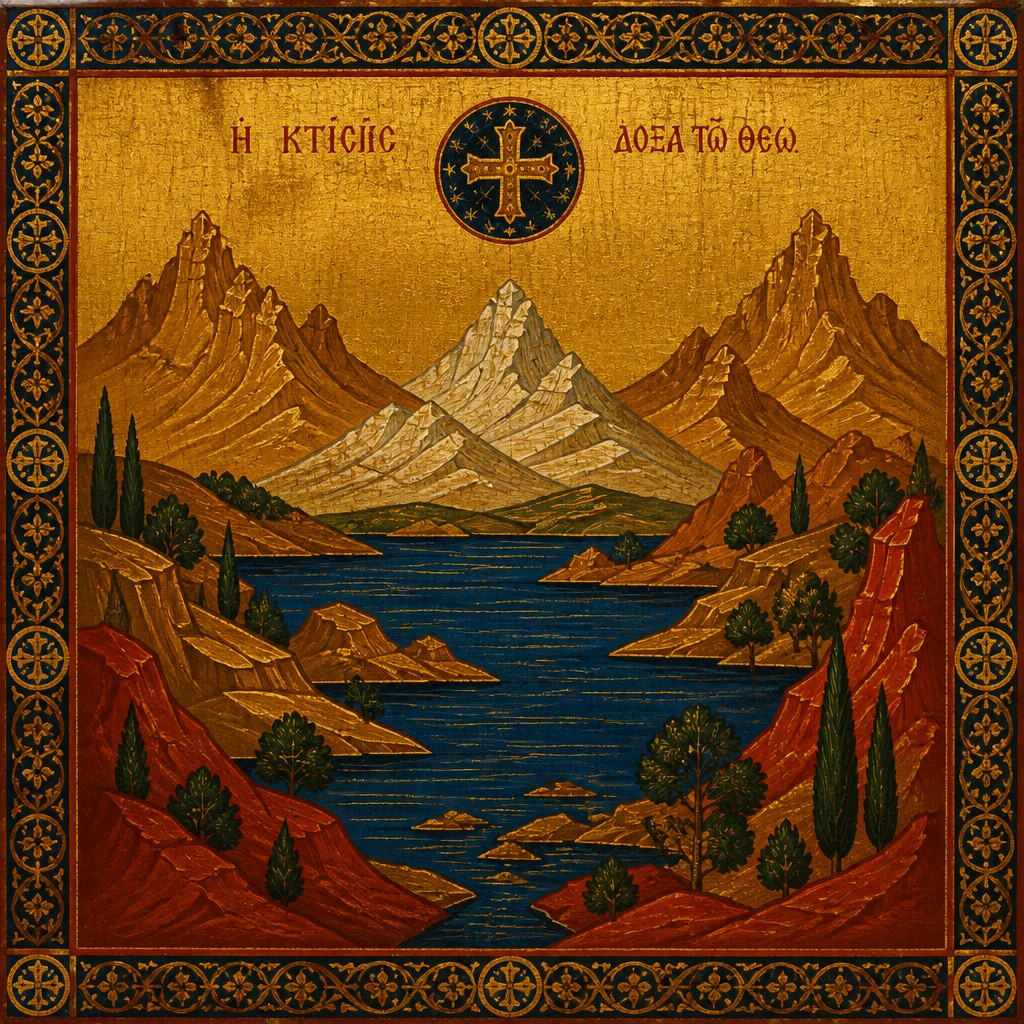
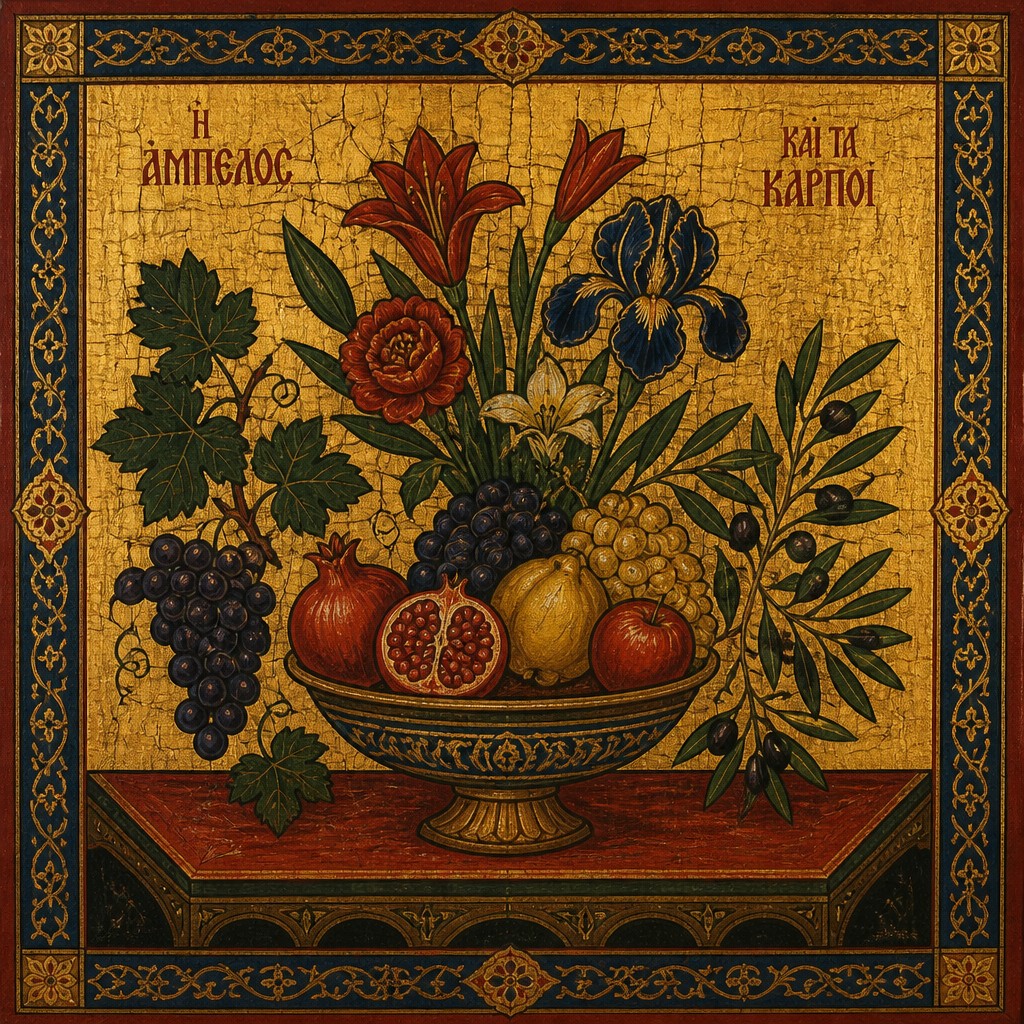
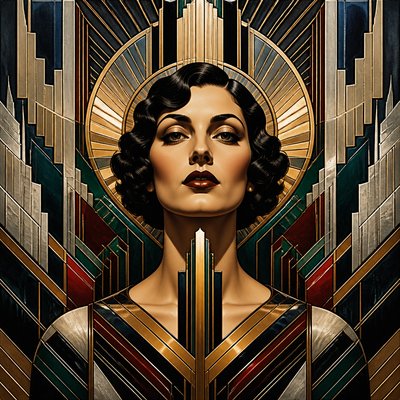
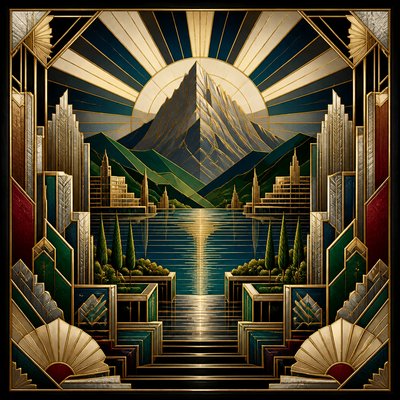
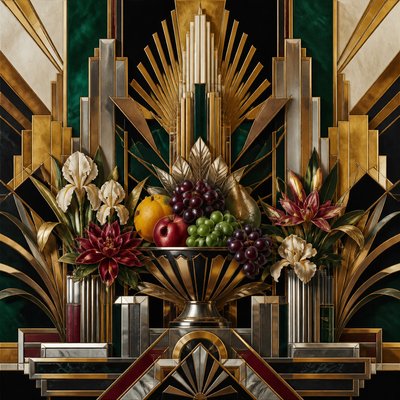
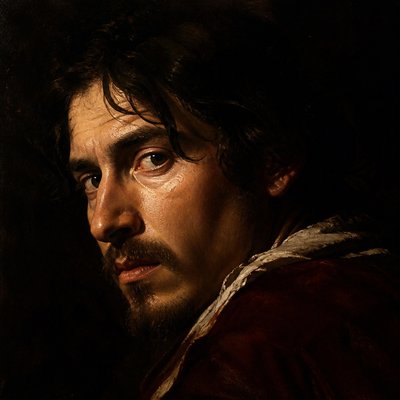
Orthodox Icon Religious Gallery
Tap any artwork to explore it
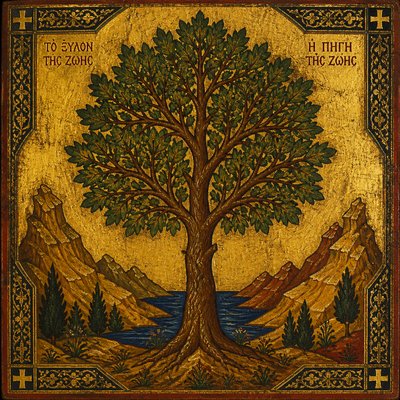
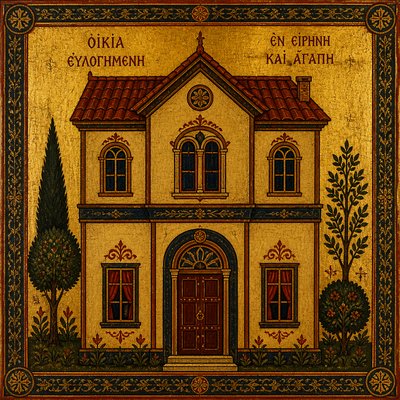
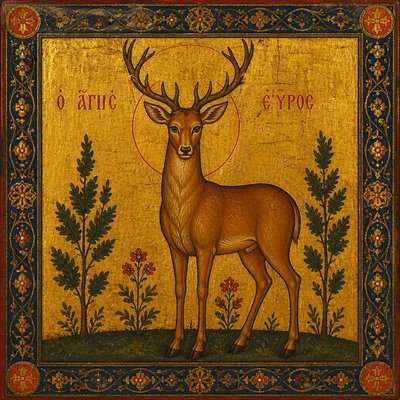
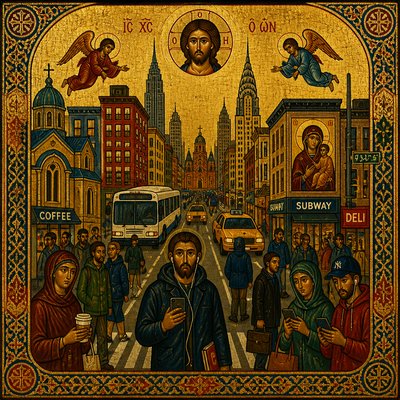
What is Orthodox Icon Religious Art?
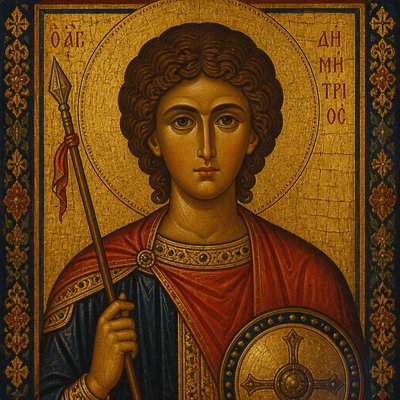
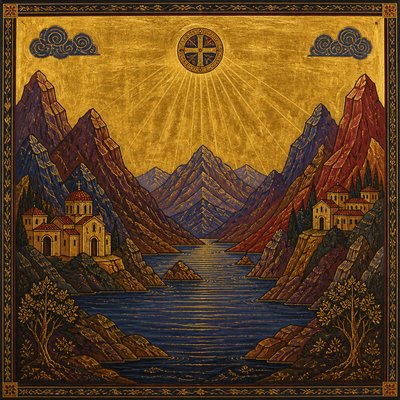
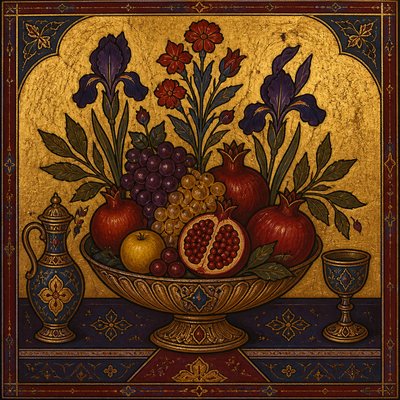
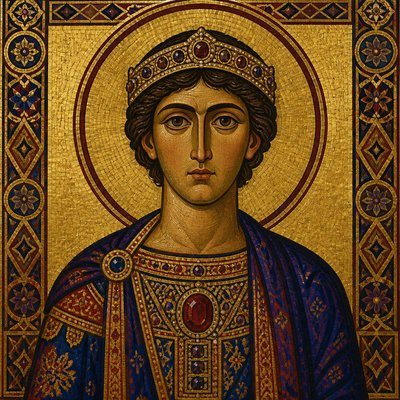
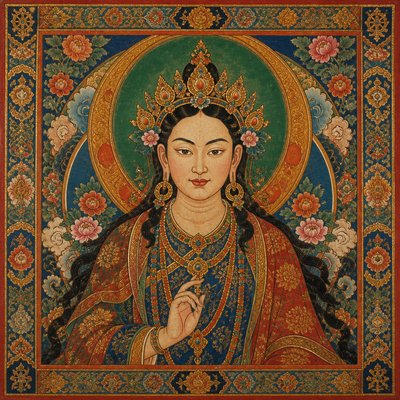
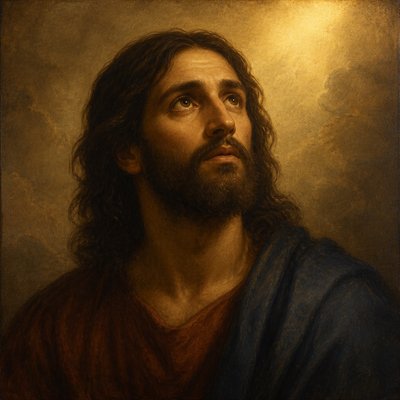
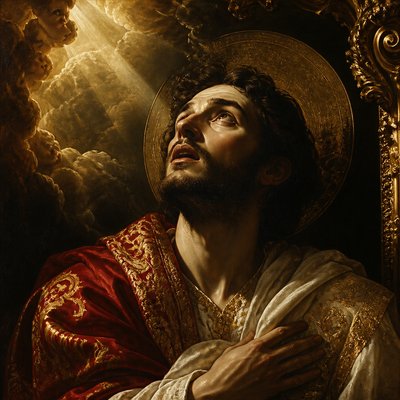
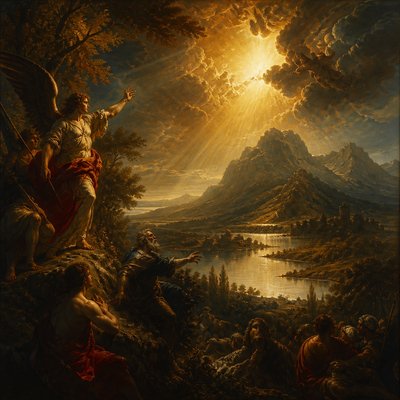
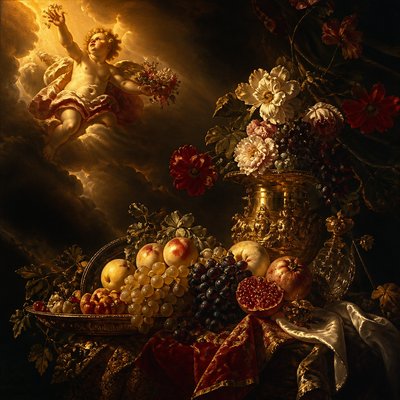
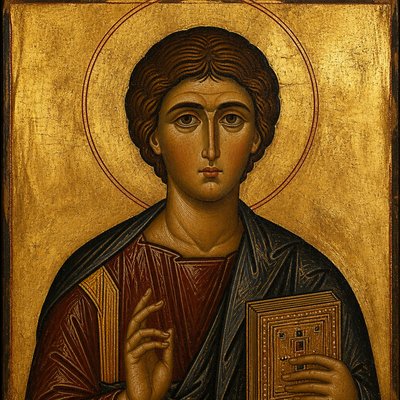
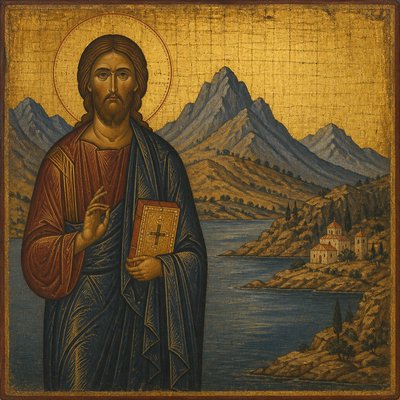
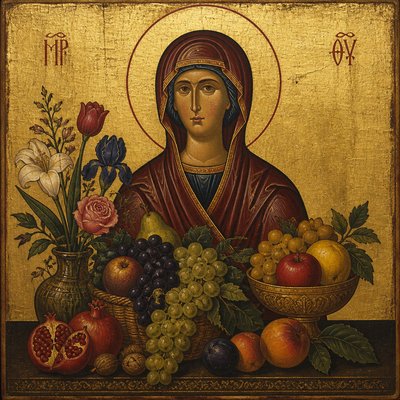
Orthodox Icon Religious Art is the visual language of Eastern Christian icon painting, developed to serve devotional and liturgical functions rather than naturalistic description. Its images are governed by theological convention: figures are frontal, hieratic, and readable as spiritual presences, with forms simplified into clear symbols of sanctity, revelation, and sacred history.
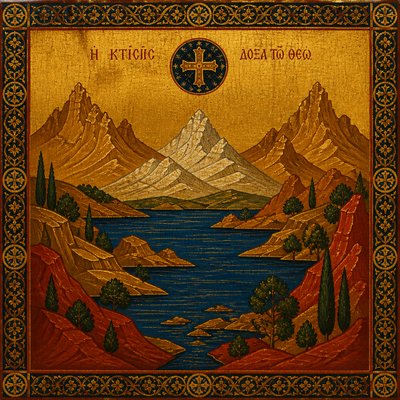
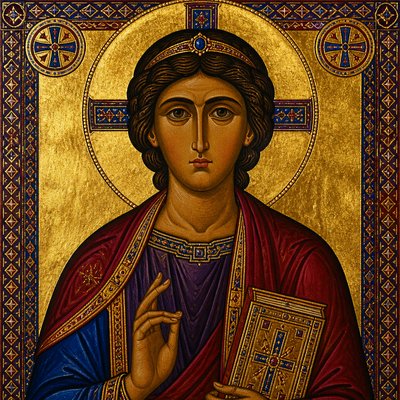
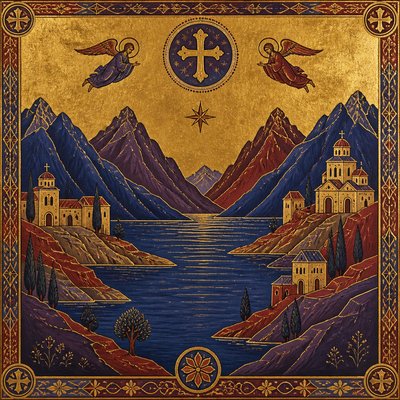
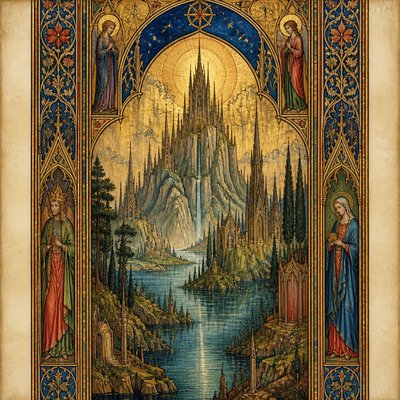
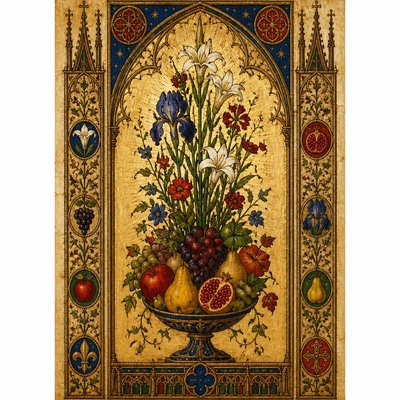
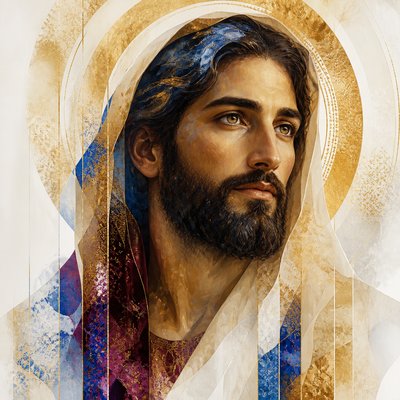
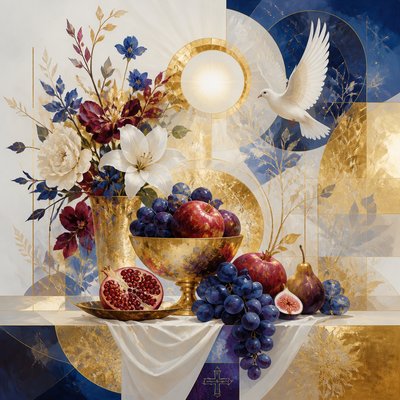
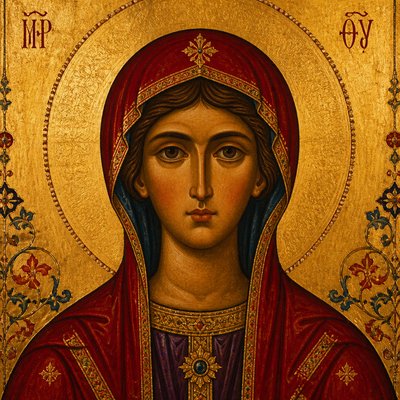
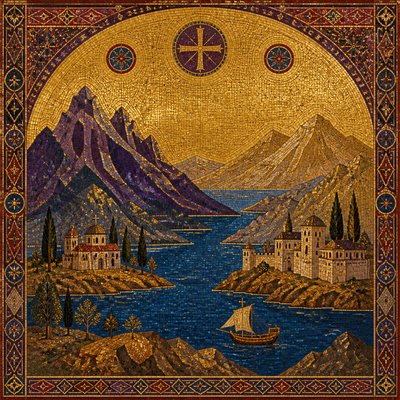
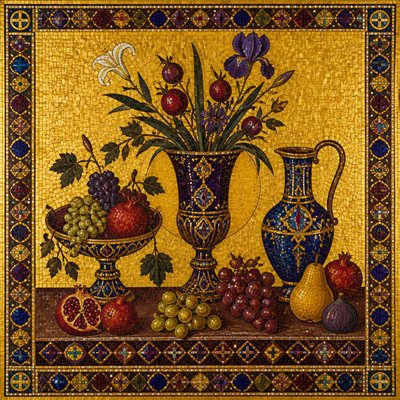
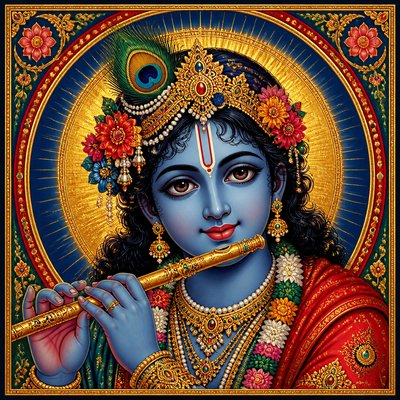
The style is immediately recognizable by its gold-leaf ground, flattened space, inverse perspective, elongated bodies, and luminous colors that appear to glow from within. Shadows are minimized or eliminated, not because the artists lacked skill, but because the aim is to depict transfigured reality rather than ordinary optical appearance. The result is a solemn, timeless image system that feels both highly disciplined and intensely radiant.
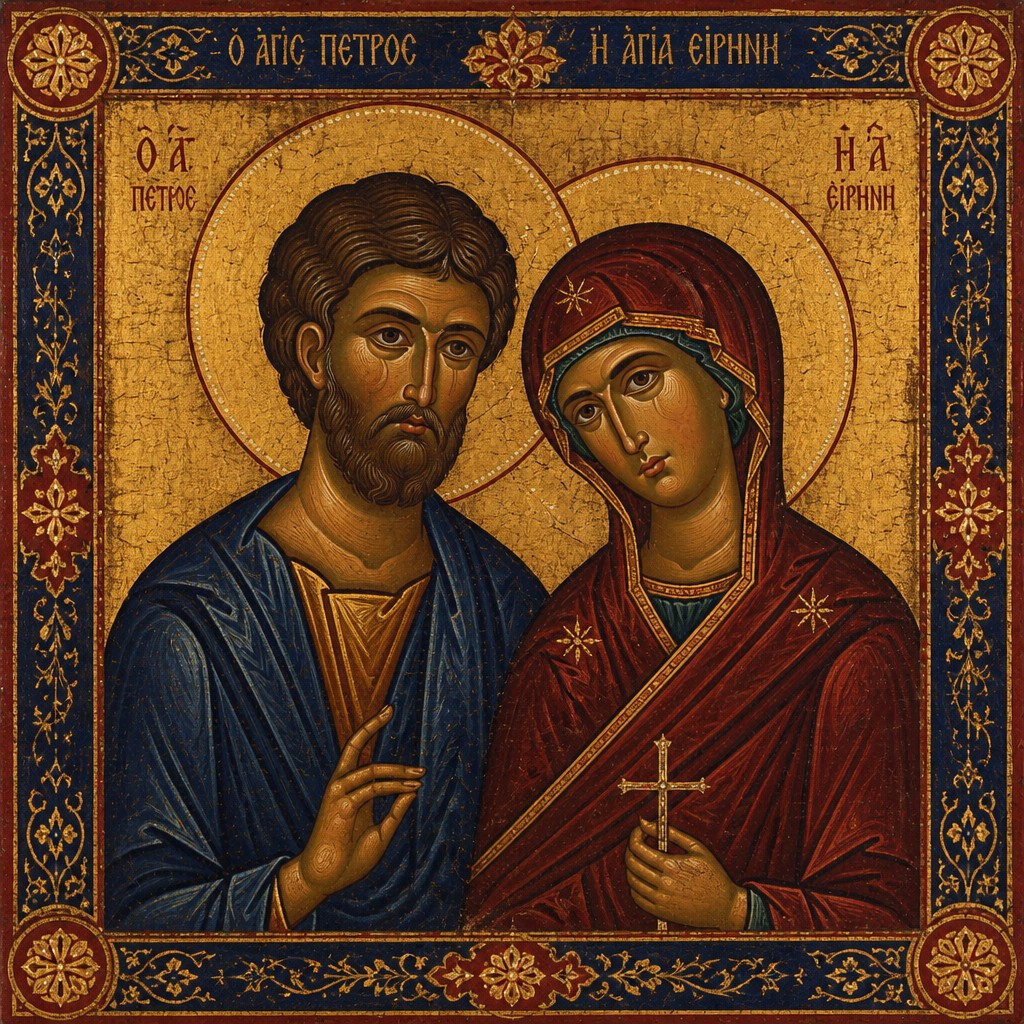
Try It On Your Photos
Upload any photo and convert it into Orthodox Icon Religious Art — drag the sliders to compare before and after.
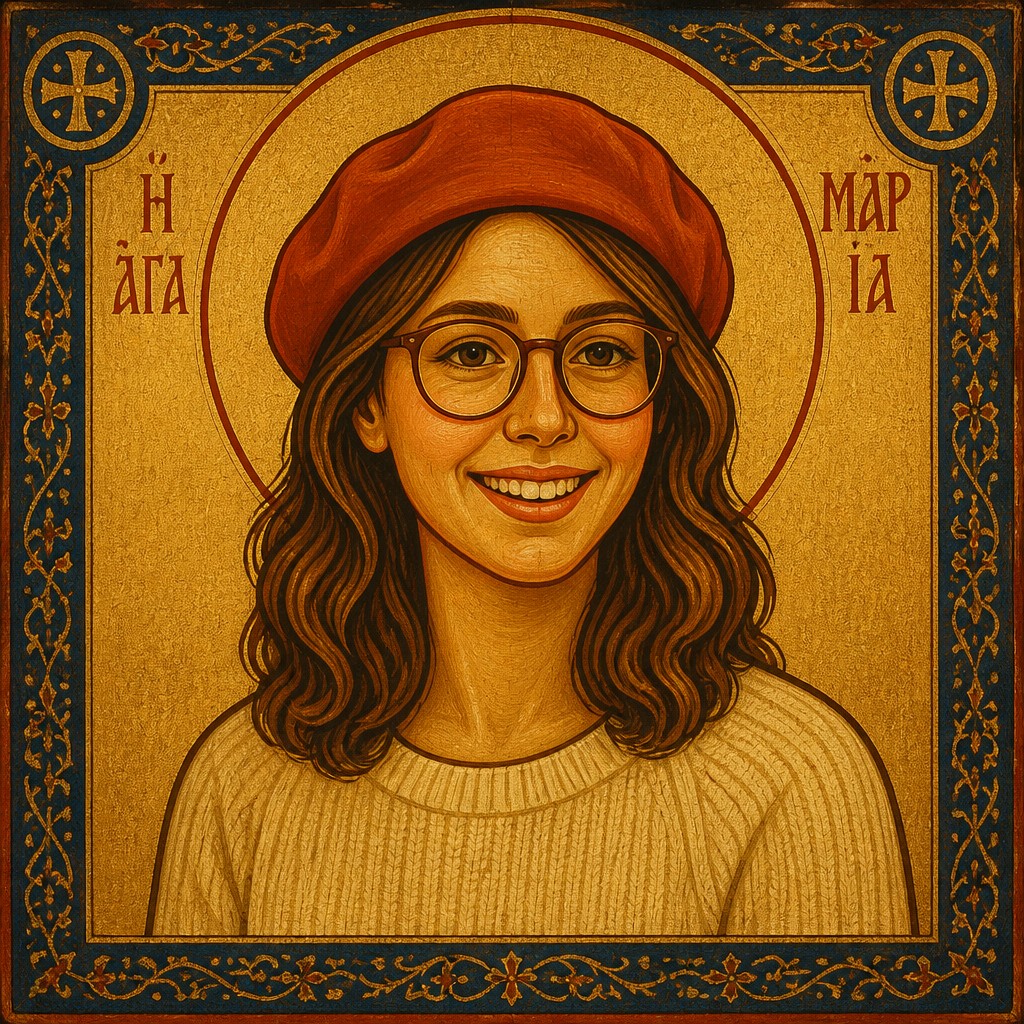

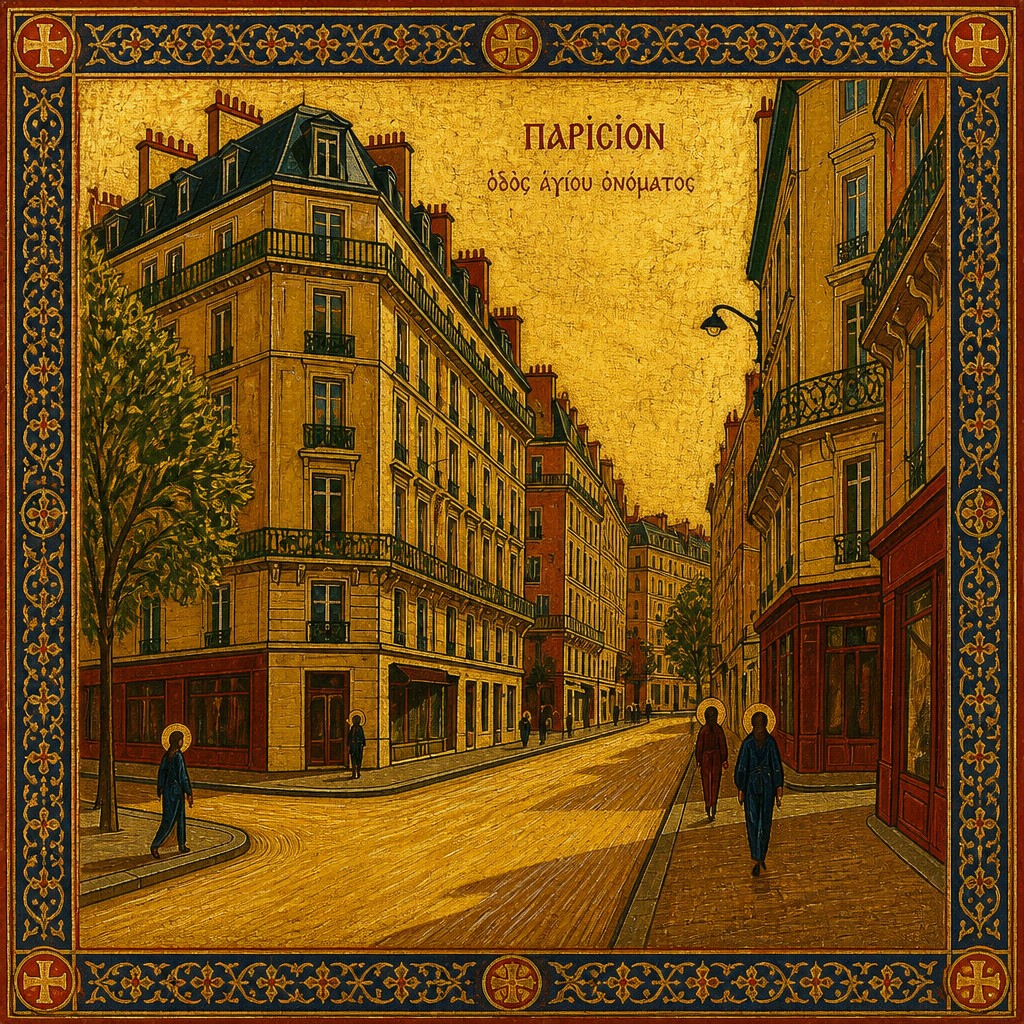

What Defines Orthodox Icon Religious Art
The signature details, up close
Frontal, hieratic composition
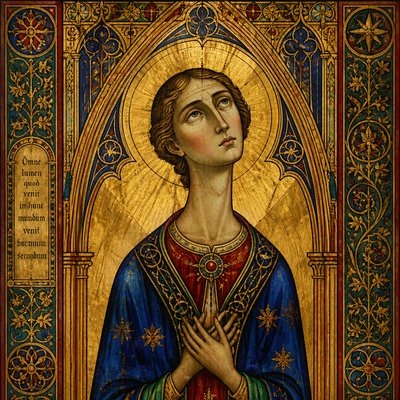
Figures are typically shown facing the viewer directly, or arranged in a clear sacred hierarchy. The composition emphasizes presence and authority rather than movement or casual interaction.
Gold ground and sacred light
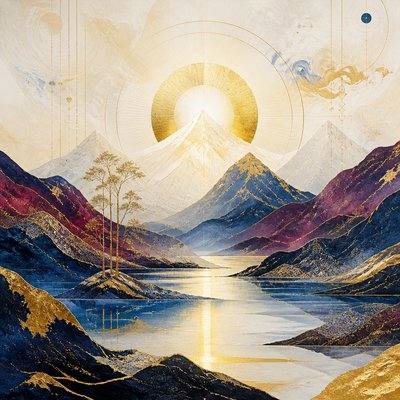
A luminous gold background stands in for heavenly space and removes the image from ordinary time and place. Light is suggested as spiritual radiance, not as a natural source casting shadows.
Inverse perspective
Instead of receding realistically, architectural and spatial elements often open outward toward the viewer. This reinforces the sense that the sacred image addresses the observer from beyond ordinary space.
Elongated, stylized forms
Bodies are slender, faces are refined, and gestures are economical, with anatomy subordinated to meaning. Proportions are intentionally altered to convey spiritual elevation.
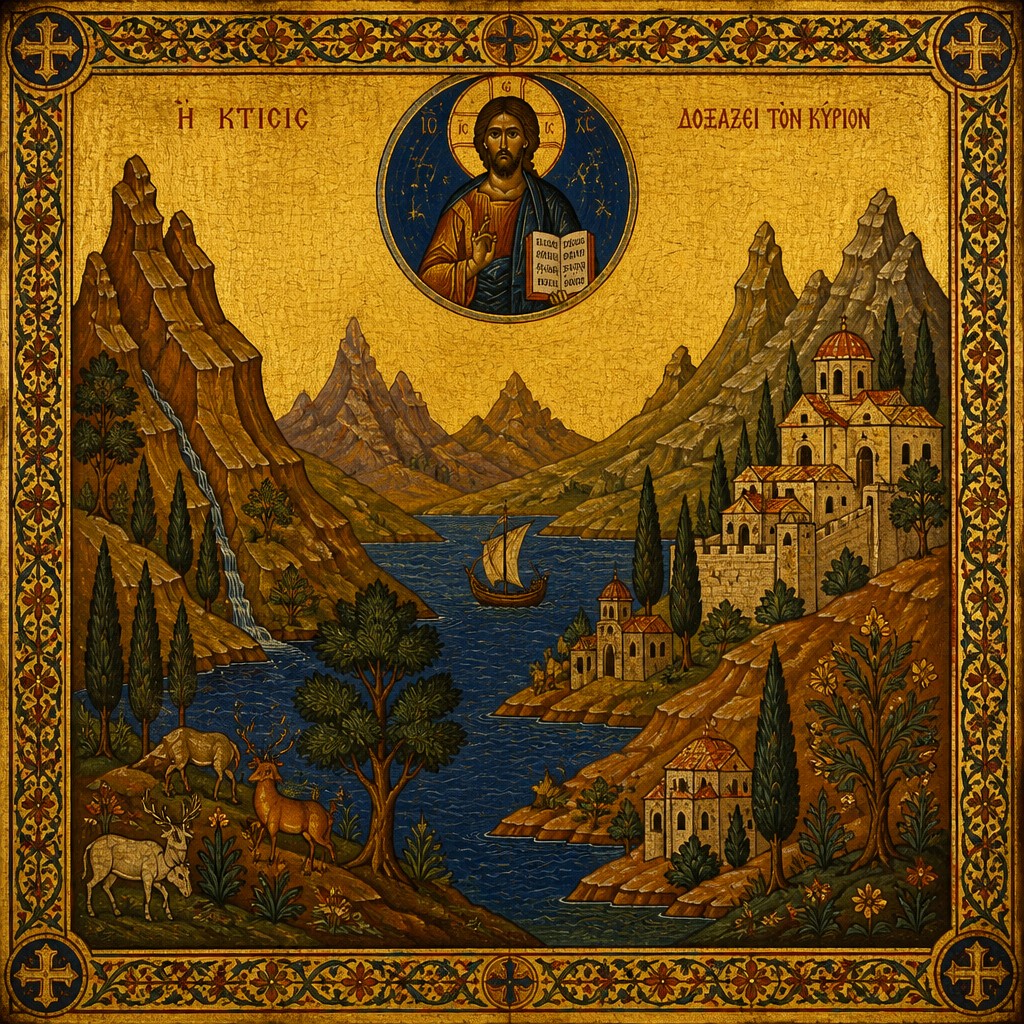
Bold contour and clear modeling
Dark outlines, firm drawing, and controlled highlights define forms with legibility. Modeling is restrained and symbolic, avoiding the soft atmospheric effects common in Renaissance painting.
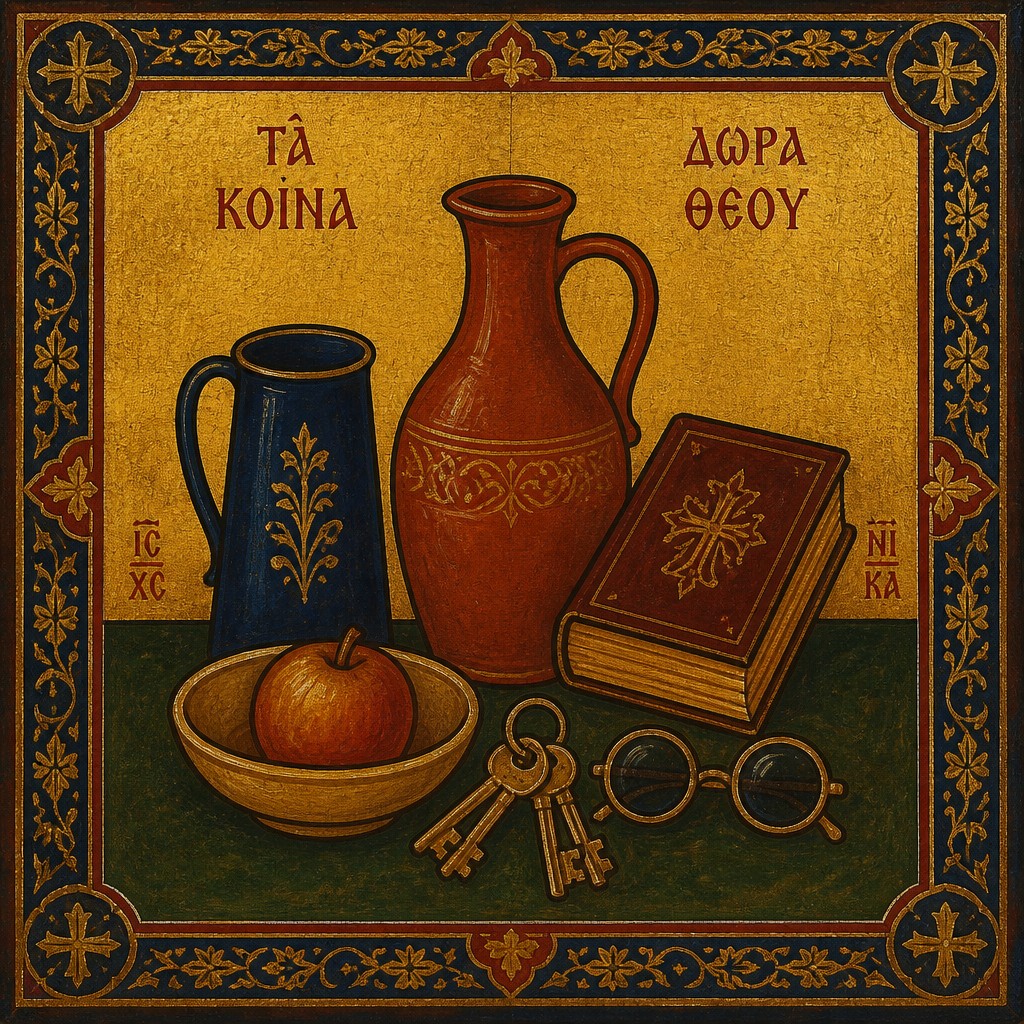
Rich but disciplined color
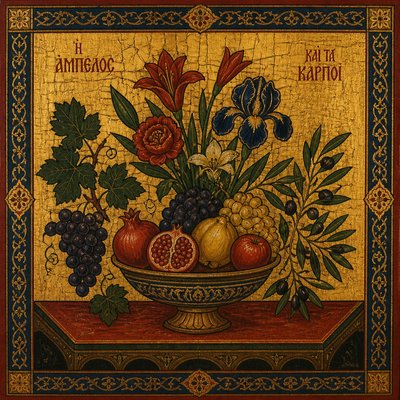
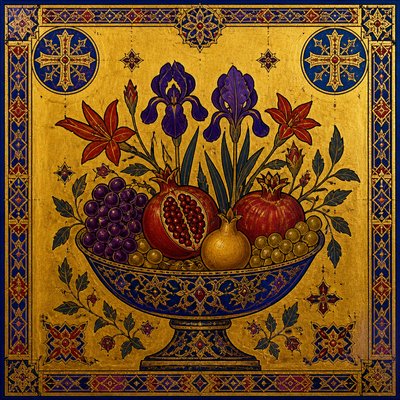
Ochres, vermilions, deep blues, greens, and whites are used with high symbolic clarity. Color functions theologically and narratively, helping identify holy figures and liturgical significance.
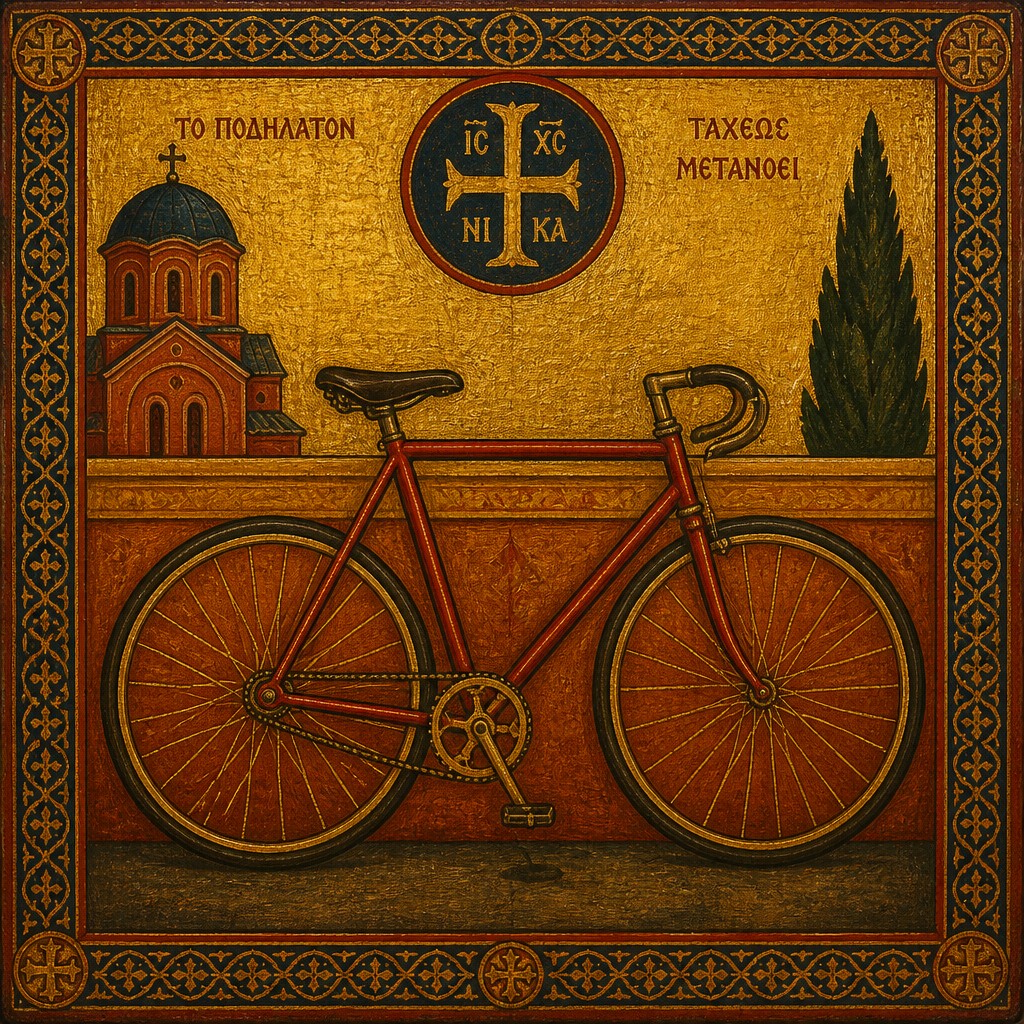
Aged-panel material presence
Traditional icons are painted on wood panels, often with visible craquelure, worn gilding, and a devotional patina. These material traces contribute to the sense of continuity and sacred endurance.
Try It
Create Videos in Orthodox Icon Religious Art
Styles aren't just for stills — describe a scene or animate an image and get a short video rendered in Orthodox Icon Religious. Press play to see this pond come to life.
Make a VideoOrthodox Icon Religious Prompt Ideas
Start from an idea — each one opens the generator with the style ready to go. See all 40 Orthodox Icon Religious prompts →
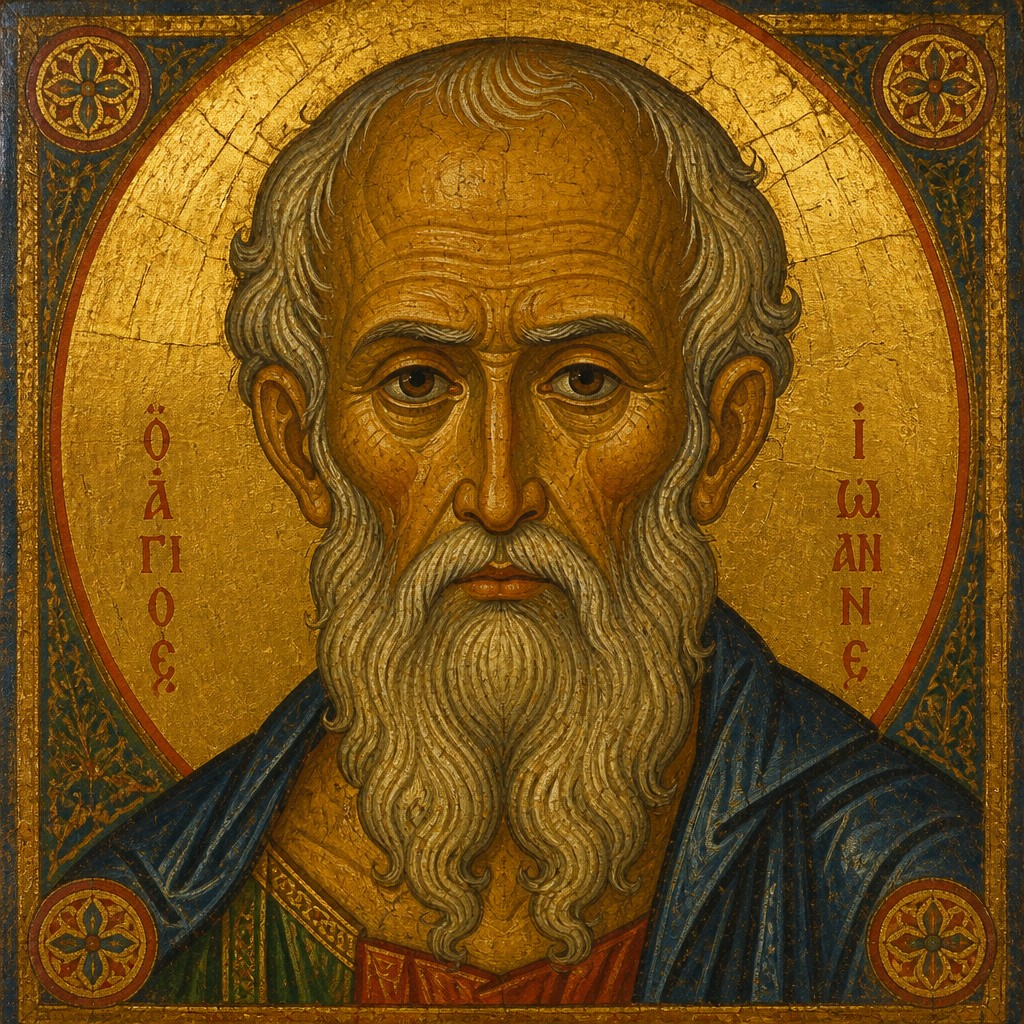
“close-up portrait of an elderly person with expressive weathered features”
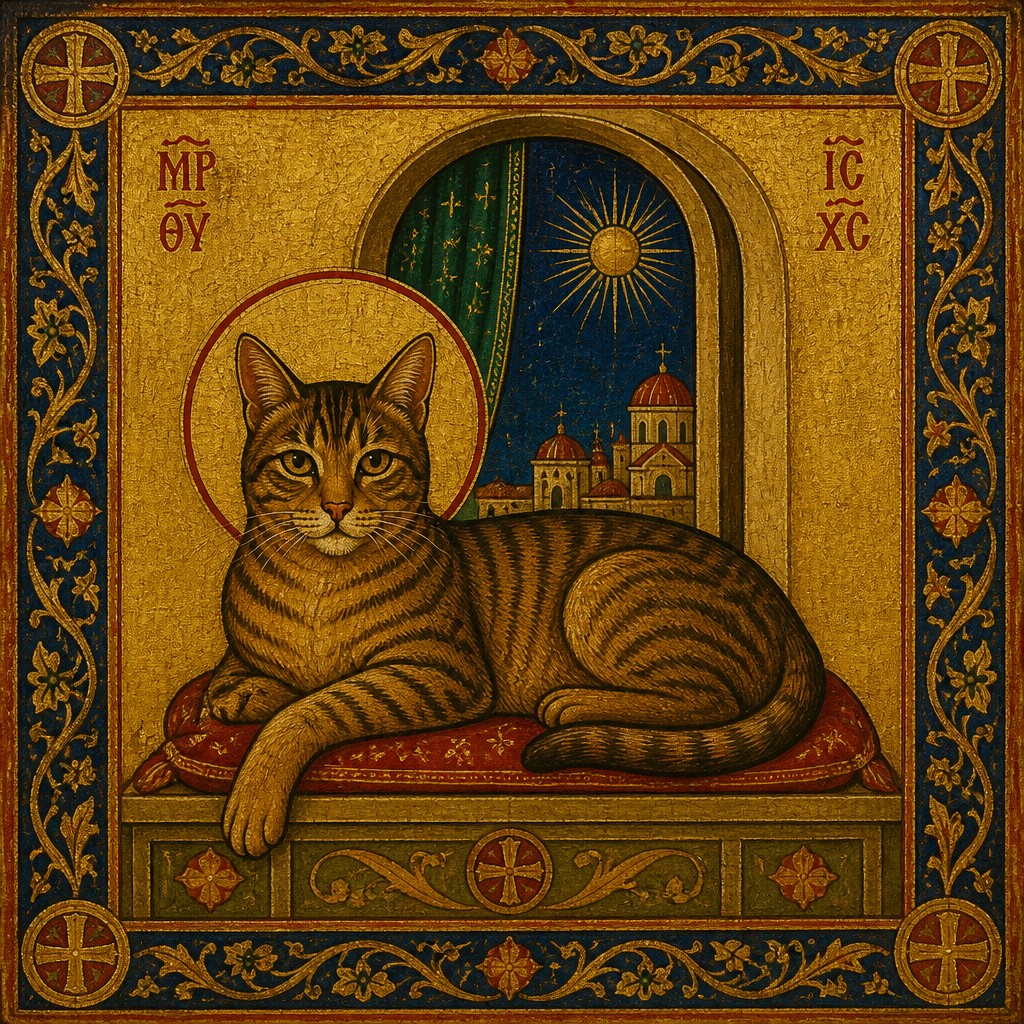
“a cat lounging in a sunlit window”
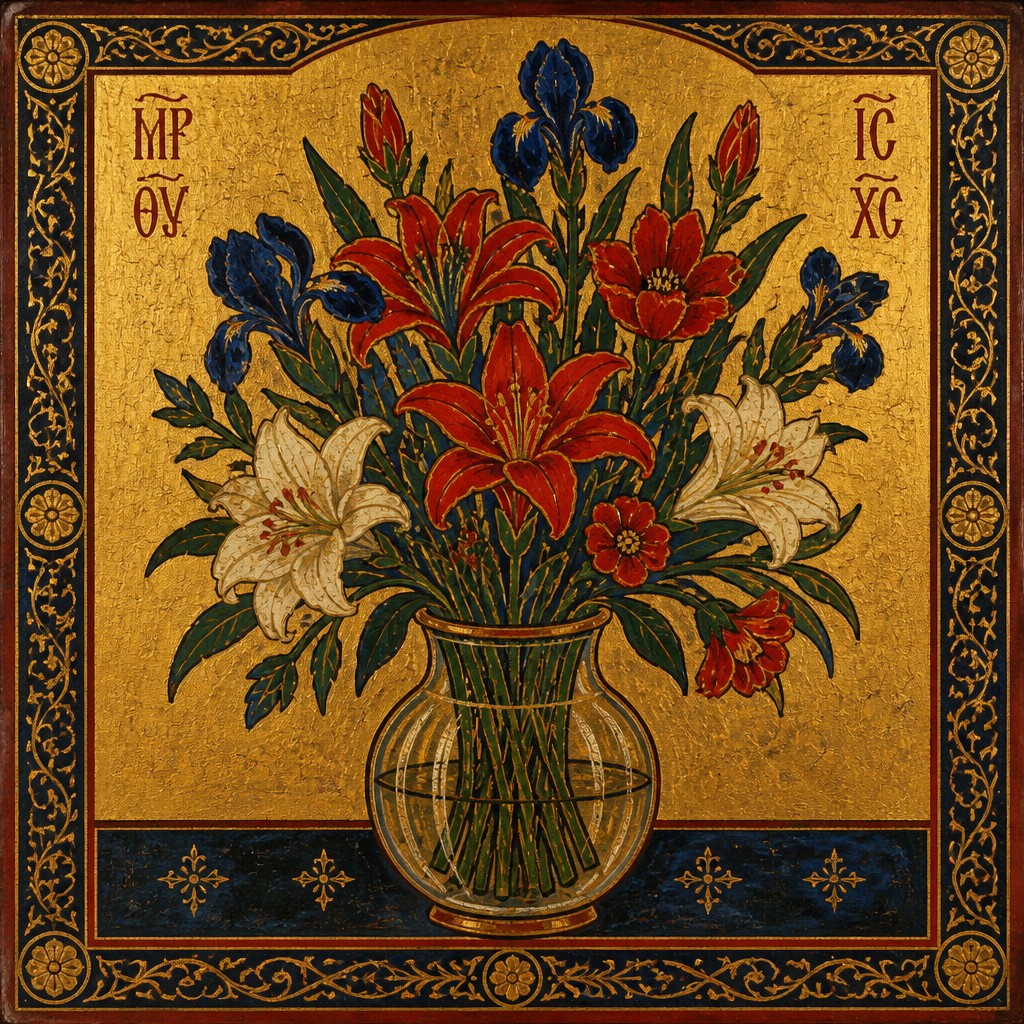
“bouquet of flowers in a glass vase”
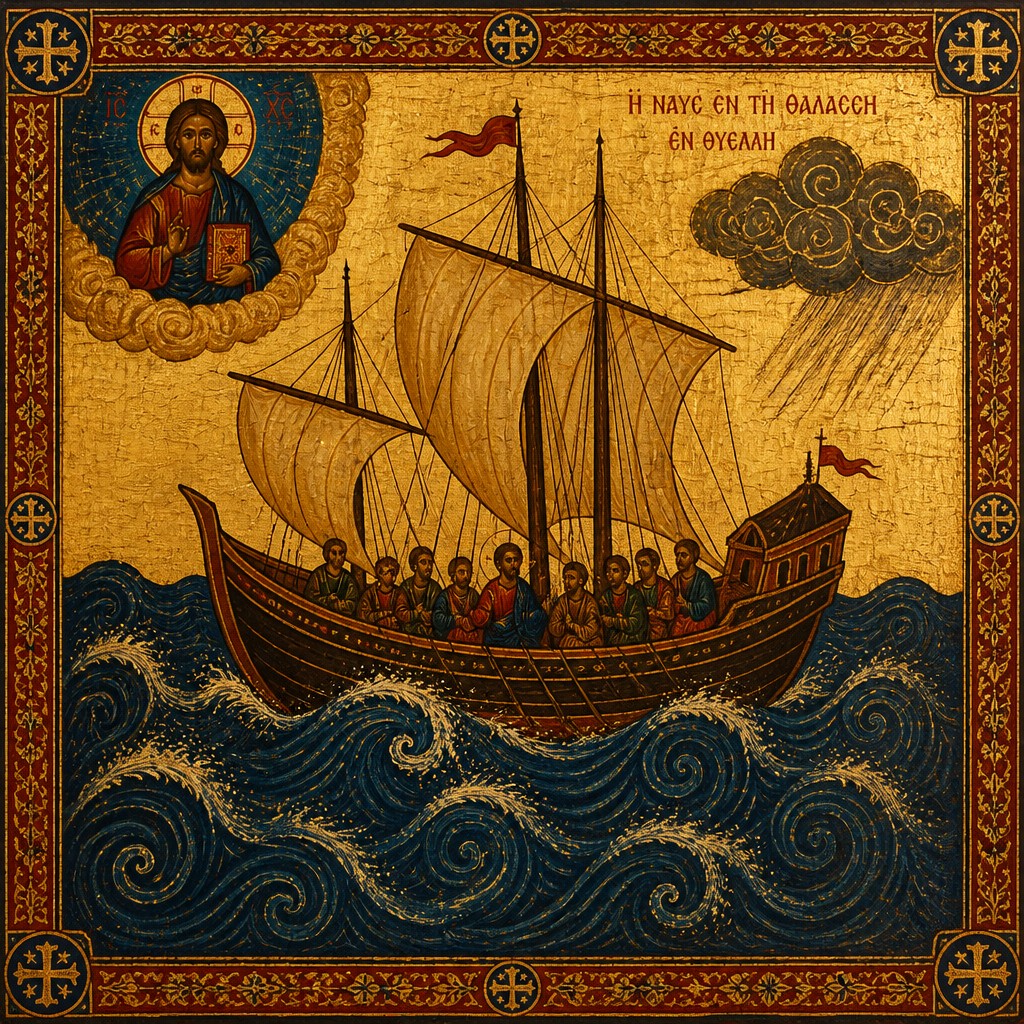
“sailing ship on a stormy sea”
How to Create Orthodox Icon Religious Art
Master the craft step by step — or skip straight to creating. Read the full guide →
- 1
Build the image as a sacred sign, not a snapshot
Start with a simple, frontal arrangement and make the main figure large, centered, and readable. Reduce incidental detail and let every shape support theological meaning or narrative clarity.
- 2
Use icon-painting materials and handling
Traditionally, icons are made on a prepared wood panel with gesso, egg tempera, and gold leaf. Layer color from dark to light in controlled passes, and keep transitions crisp rather than painterly.
- 3
Model with light from within
Avoid ordinary cast shadows and realistic atmospheric depth. Use highlights, contour, and calibrated color shifts to make faces, drapery, and architecture feel illuminated by an inner radiance.
- 4
Respect canonical visual grammar
Choose recognizable Orthodox icon subjects such as Christ Pantocrator, the Theotokos, saints, feasts, or angels, and arrange them according to traditional hierarchies. When adapting a modern subject, preserve the icon's syntax: symmetry, solemnity, and symbolic clarity.
- 5
When generating digitally, specify the sacred materials and composition
Use prompts that mention egg tempera, gold leaf, inverse perspective, frontal pose, elongated proportions, and Byzantine stillness. Strongly describe the color palette and the aged-panel surface so the image keeps the proper iconographic look.
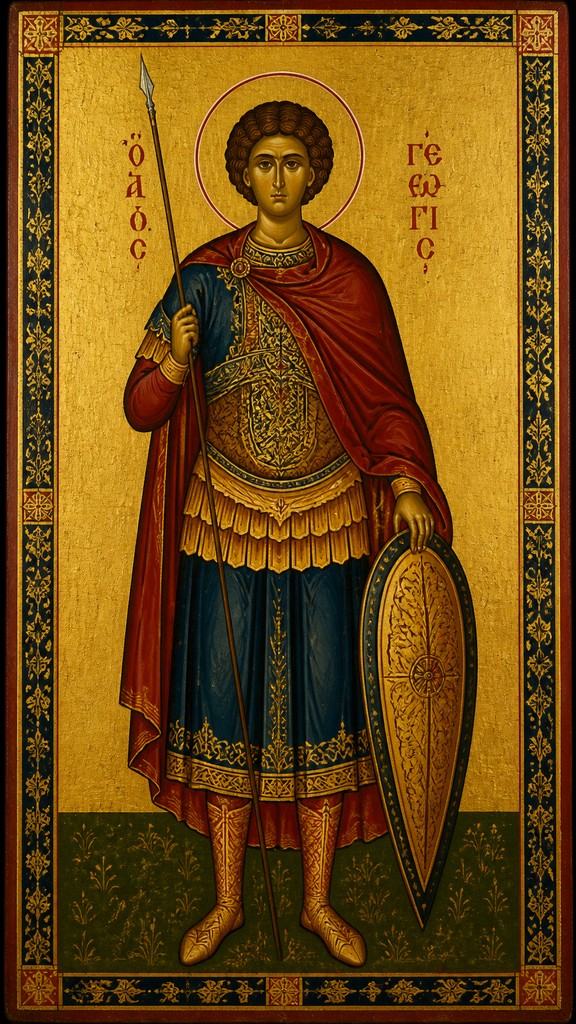
The Story
History & Origins of Orthodox Icon Religious
Orthodox icon painting emerged from the early Christian and Byzantine worlds, where the icon became a central devotional object in churches, homes, and processions. Its theological foundations were shaped by the doctrine of the Incarnation and defended after the Byzantine Iconoclasm of the eighth and ninth centuries; the restoration of icons in 843 is commemorated in the Eastern Church as the Triumph of Orthodoxy. Over time, regional schools developed across Byzantium, Greece, the Balkans, Rus', and later the wider Orthodox diaspora, but all remained rooted in canonical subjects and inherited compositional formulas.
The style continued through post-Byzantine traditions after the fall of Constantinople in 1453, and it remained vital in places such as Mount Athos, Crete, Novgorod, Pskov, and later Russia. Canonical iconographers, including a prominent Byzantine-trained fresco painter, a major Russian icon painter and monastic artist, and a distinguished late medieval icon master, helped define some of its most admired forms. In the modern era, icon painting has also experienced revival and conservation, with contemporary iconographers continuing to work within traditional methods and ecclesiastical guidelines.
Influences: Orthodox icon painting belongs to the broader Byzantine artistic tradition and is related to medieval Christian mural painting, manuscript illumination, and mosaic, especially in Constantinople and the eastern Mediterranean. Its canonical clarity and spiritual abstraction also distinguish it from Western Renaissance naturalism and later Baroque drama; where leading early Renaissance and High Renaissance painters, a pioneering naturalistic religious painter, and a leading Baroque master pursued optical realism and embodied space, icon painting preserved a liturgical image-language designed for prayer and contemplation.

Frequently Asked Questions
What defines Orthodox icon religious art?
It is defined by canonical sacred imagery, frontal presentation, gold grounds, flattened space, and stylized figures. The style is intended to convey theological truth and holy presence rather than realistic physical illusion.
How is an icon different from a realistic religious painting?
A realistic religious painting tries to depict people and events as they might appear in the natural world. An icon uses established visual conventions to present the subject as spiritually transfigured, so proportion, perspective, and light are intentionally non-naturalistic.
Why do Orthodox icons use gold backgrounds?
Gold symbolizes the divine light and heavenly realm, so it replaces ordinary landscape or interior space. It also helps separate the sacred image from everyday time, making the icon feel timeless and reverent.
What are common subjects in this style?
The most common subjects include Christ Pantocrator, the Virgin Mary, saints, angels, major feasts, and biblical scenes. Icons are also made for church iconostases, private devotion, and commemorative purposes.
Can I use this style for modern subjects?
Yes, but the result should still follow iconographic structure: frontal dignity, symbolic clarity, and restrained gesture. Modern subjects work best when treated as solemn portraits or archetypal figures rather than as casual contemporary scenes.
What materials are traditionally used to make icons?
Traditional icons are typically painted on wooden panels with gesso ground, egg tempera, and gold leaf. Many also include burnished highlights, inscriptions, and patterned borders, with later varnish or age producing the characteristic surface texture.
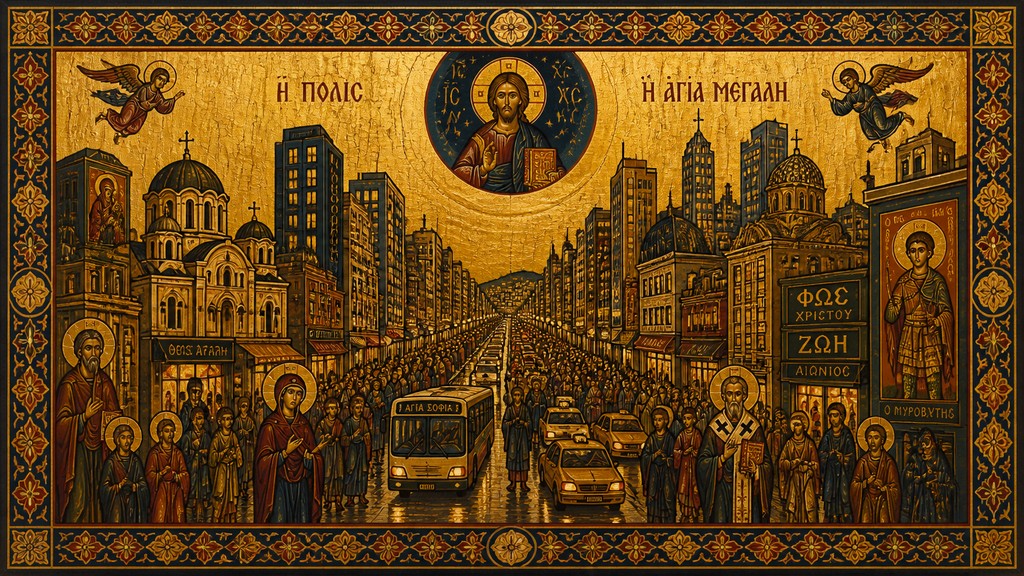
Create your first Orthodox Icon Religious artwork
Describe anything — or upload a photo — and see it in Orthodox Icon Religious Art in seconds.
Make Something with Orthodox Icon Religious
Related Styles
Discover similar art styles