Sustainable Architecture Art
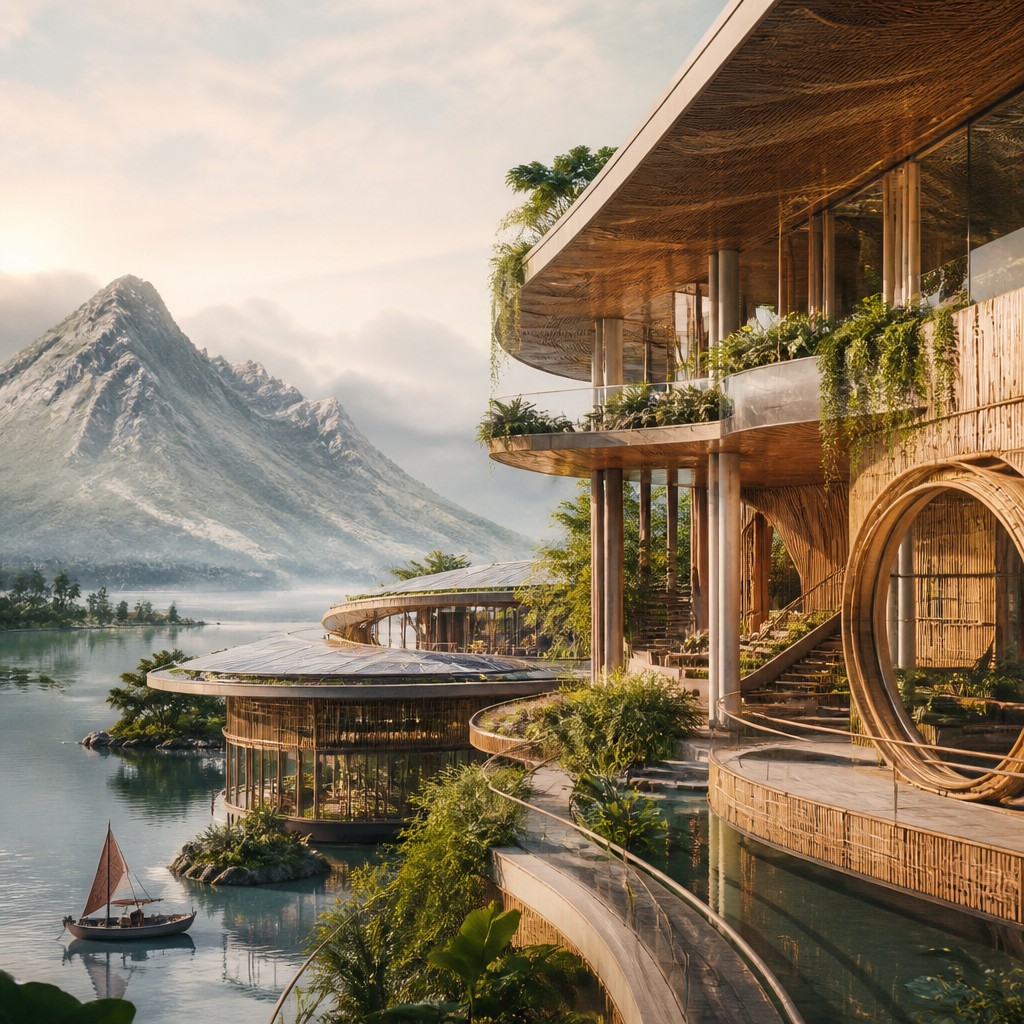
Eco-conscious architecture with green roofs, passive solar forms, renewable materials, and nature-integrated design.
Instantly rendered in Sustainable Architecture — or transform a photo
Sustainable Architecture Gallery
Tap any artwork to explore it
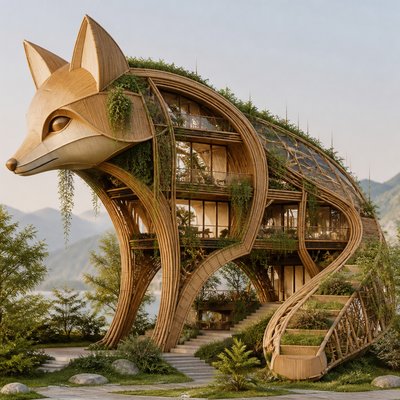
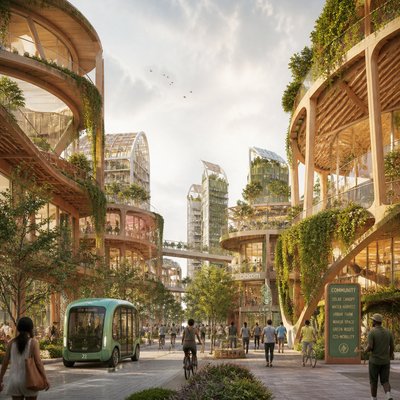
What is Sustainable Architecture Art?
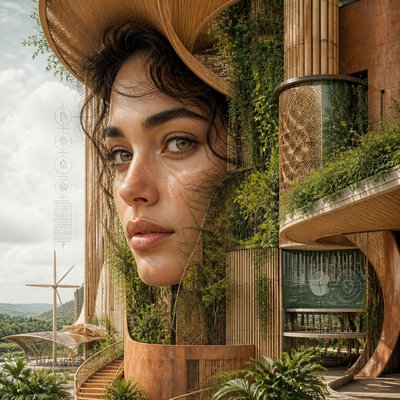
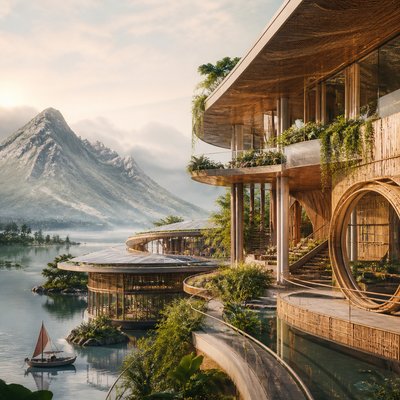
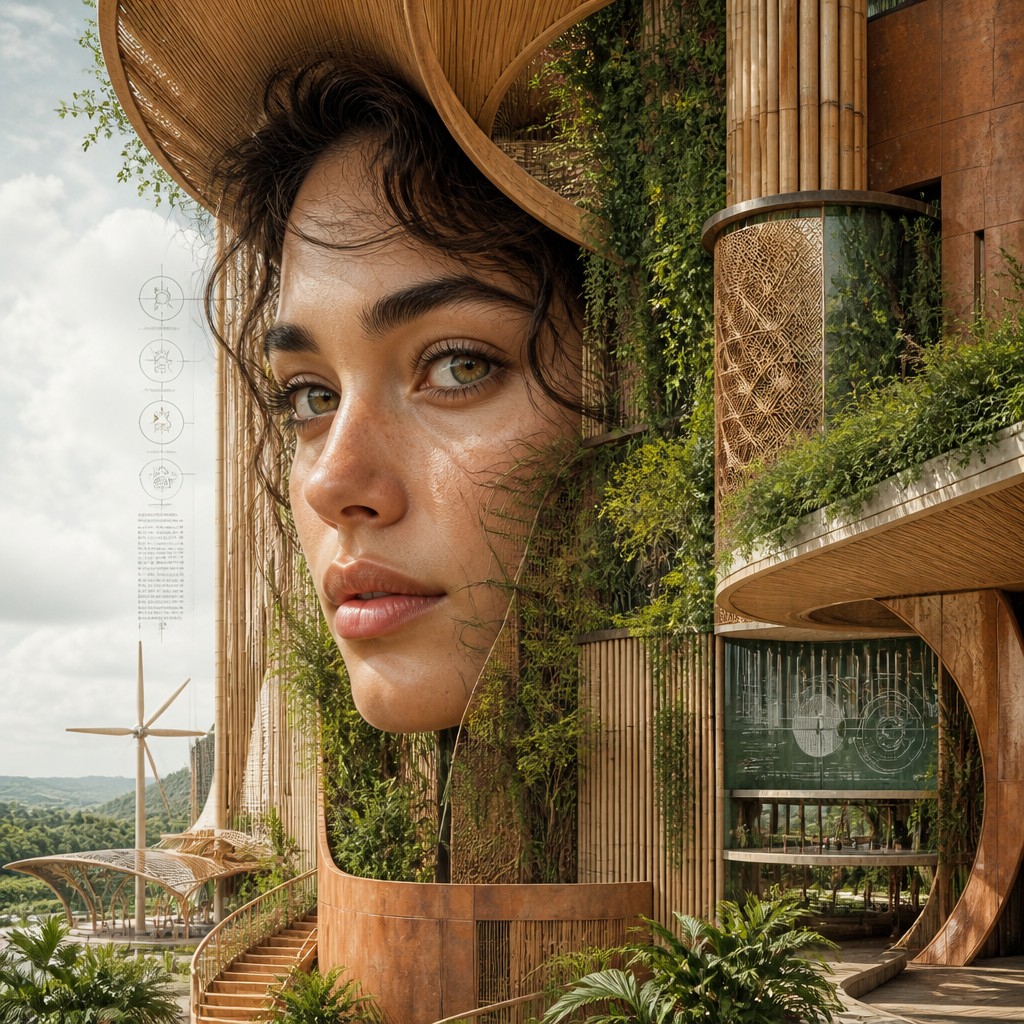
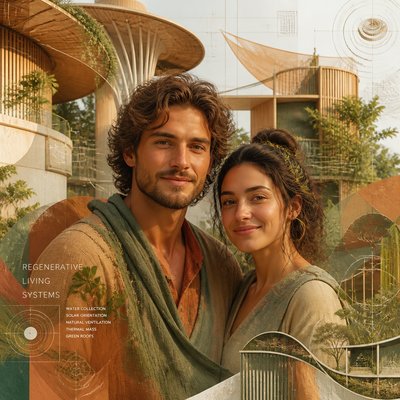
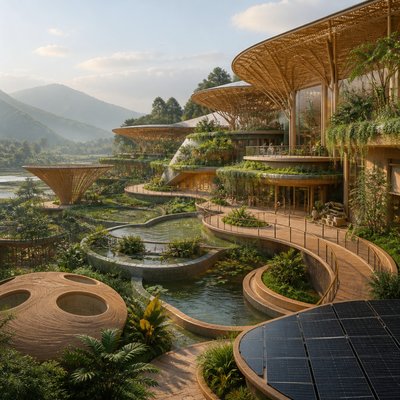
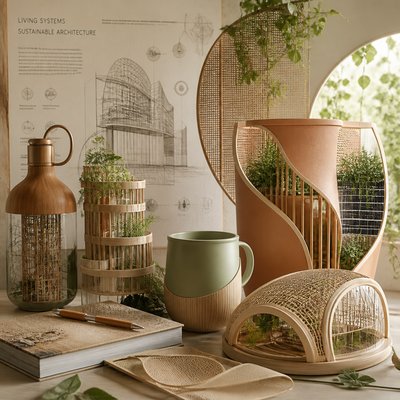
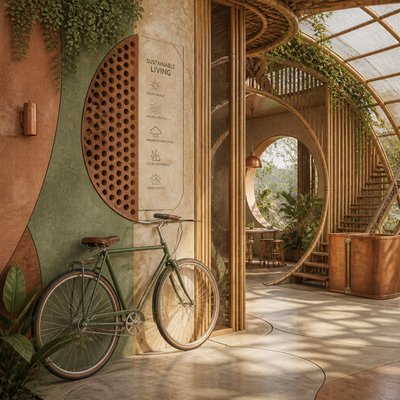
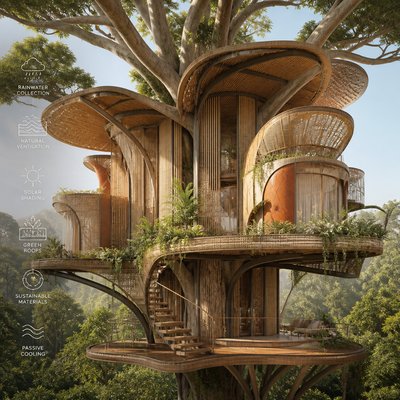
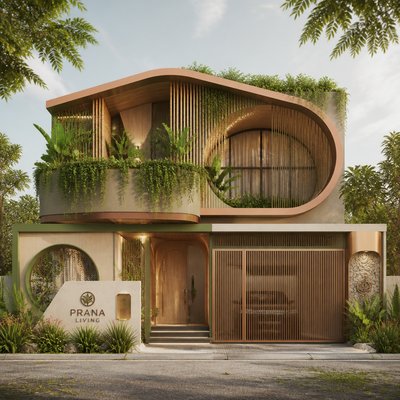
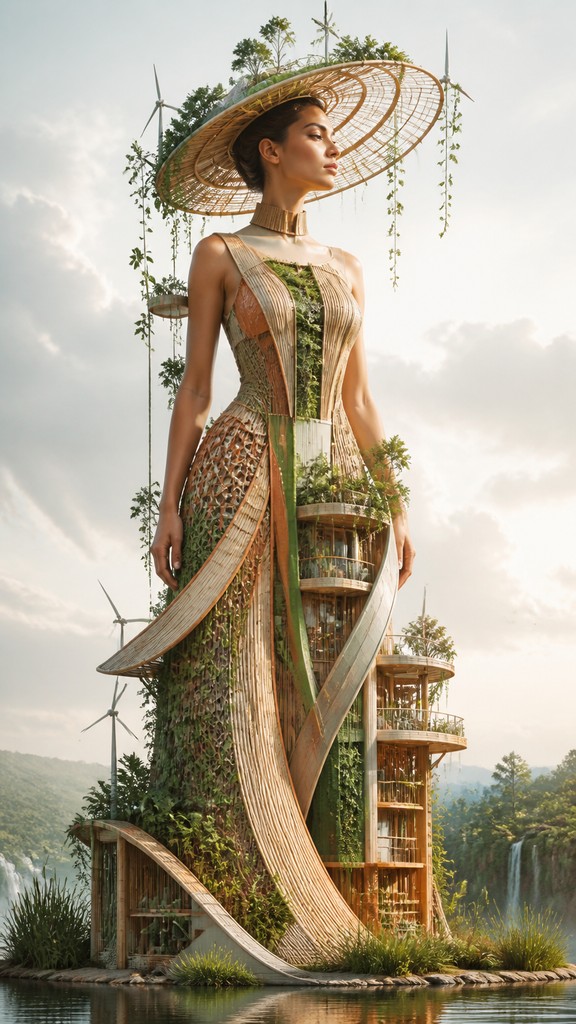
Sustainable Architecture Art is a contemporary visual style centered on buildings designed to look environmentally responsible, habitat-aware, and technologically calm. It typically shows green roofs, solar shading, rainwater systems, timber, bamboo, rammed earth, recycled metals, and planted terraces integrated into forms that feel efficient rather than ornamental. The emphasis is less on a specific historic movement than on the visual language of ecological design: architecture that appears to belong to its landscape.
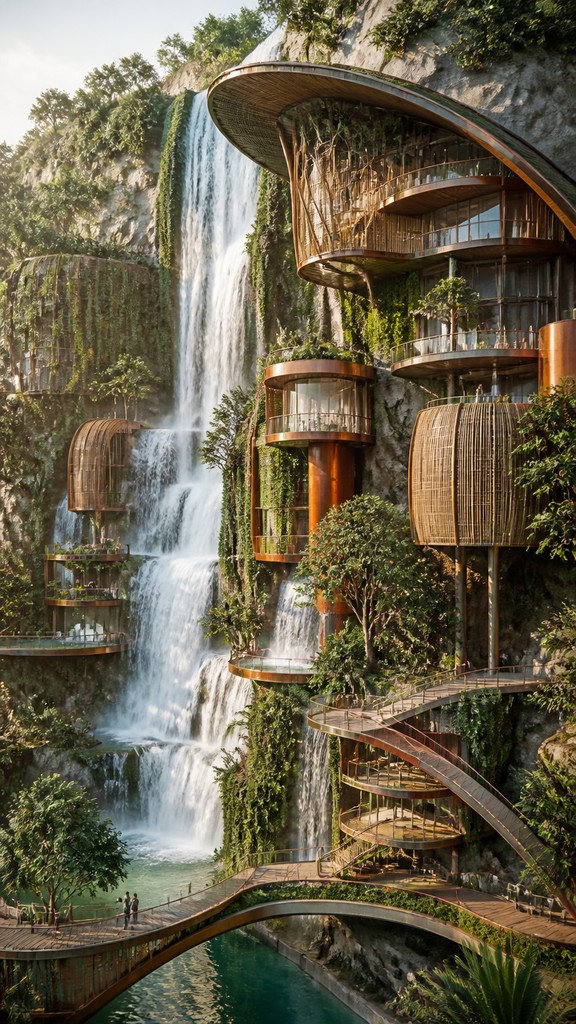
Its visual identity combines architectural clarity with organic softness. Facades are often rendered in earthy tones, daylight is diffused and natural, and vegetation is woven into roofs, balconies, courtyards, and structural gaps. The style looks this way because it reflects real sustainable design priorities: passive solar orientation, breathable open plans, local materials, and a deliberate merging of building and environment.
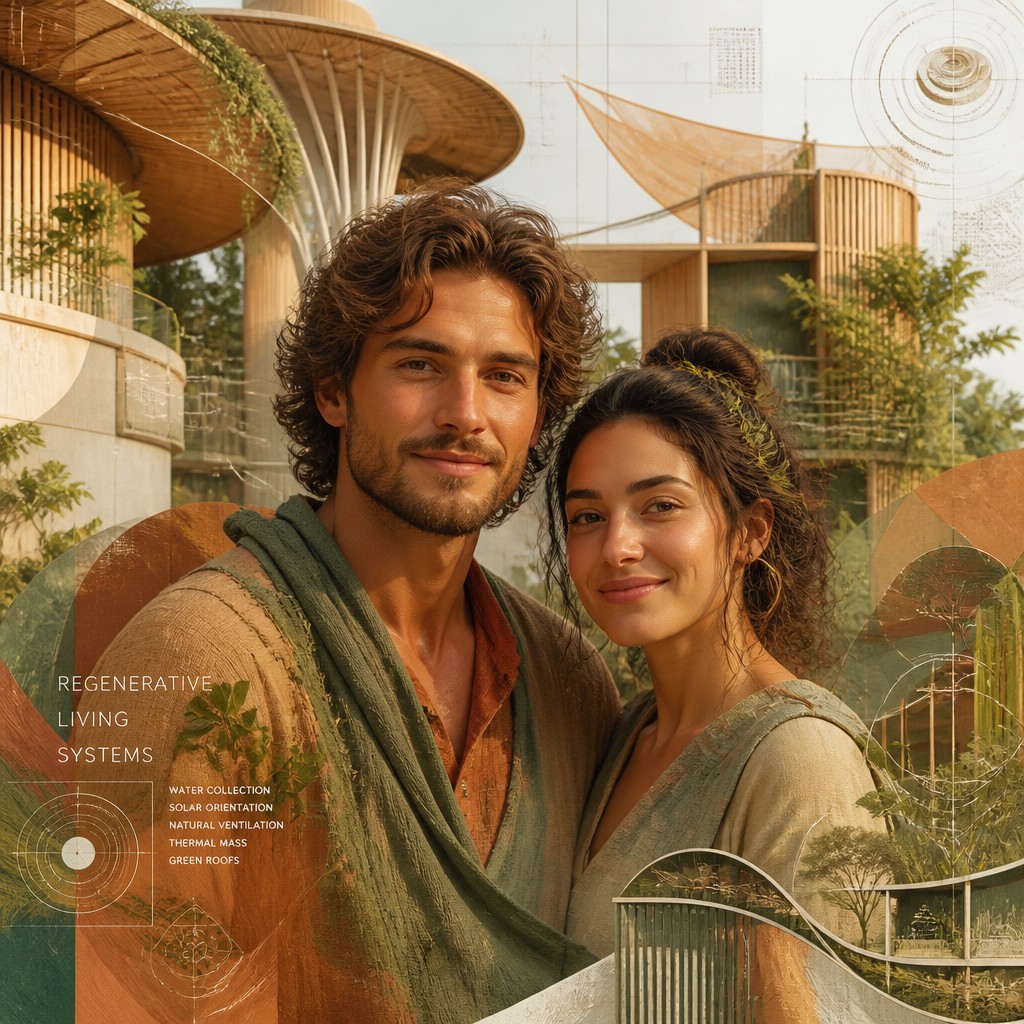
Try It On Your Photos
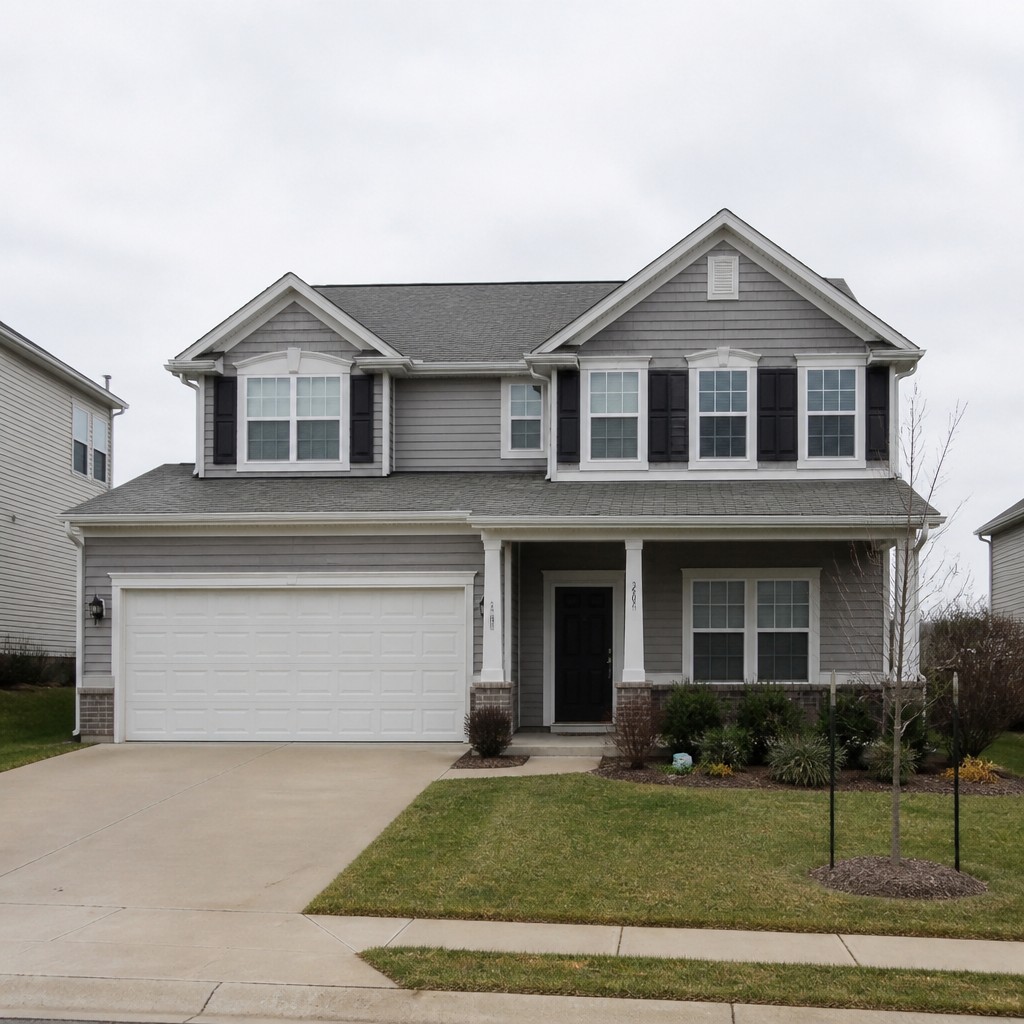
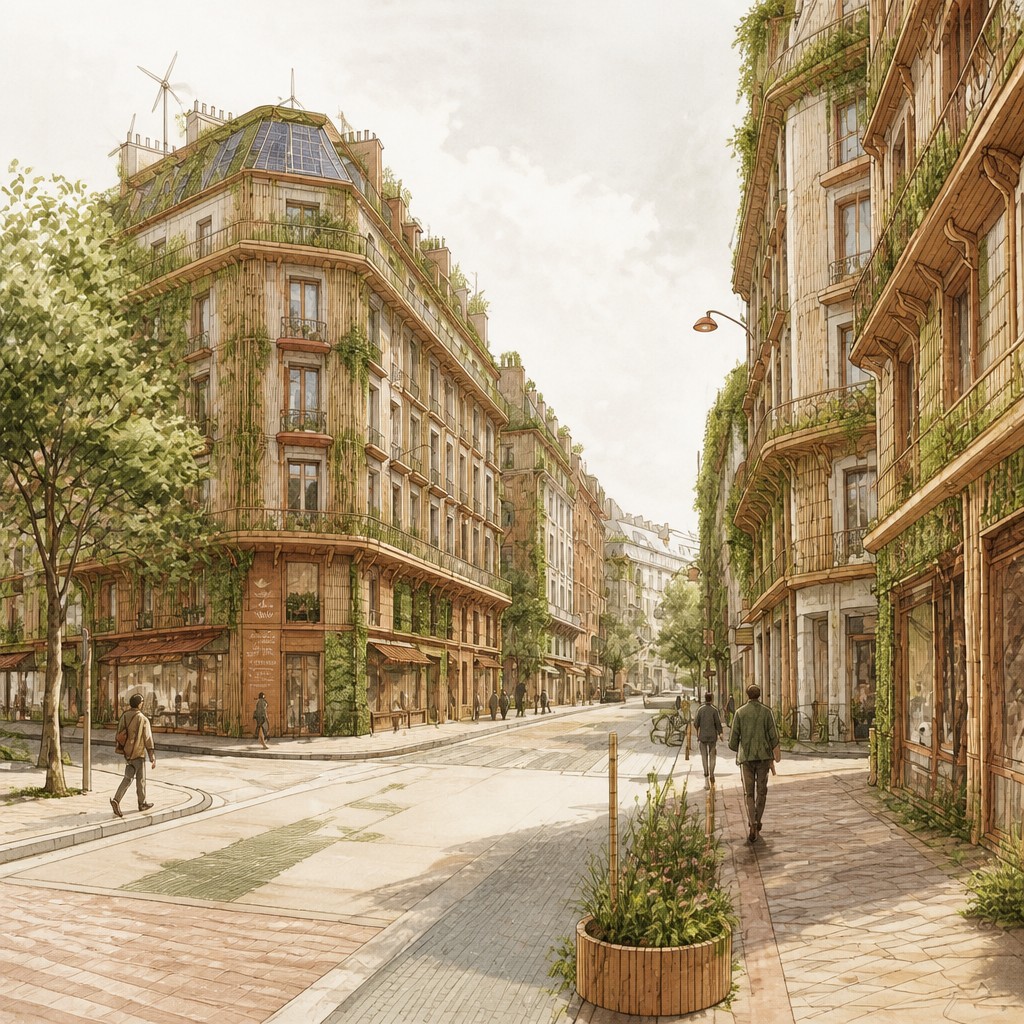
Upload any photo and convert it into Sustainable Architecture Art — drag the sliders to compare before and after.
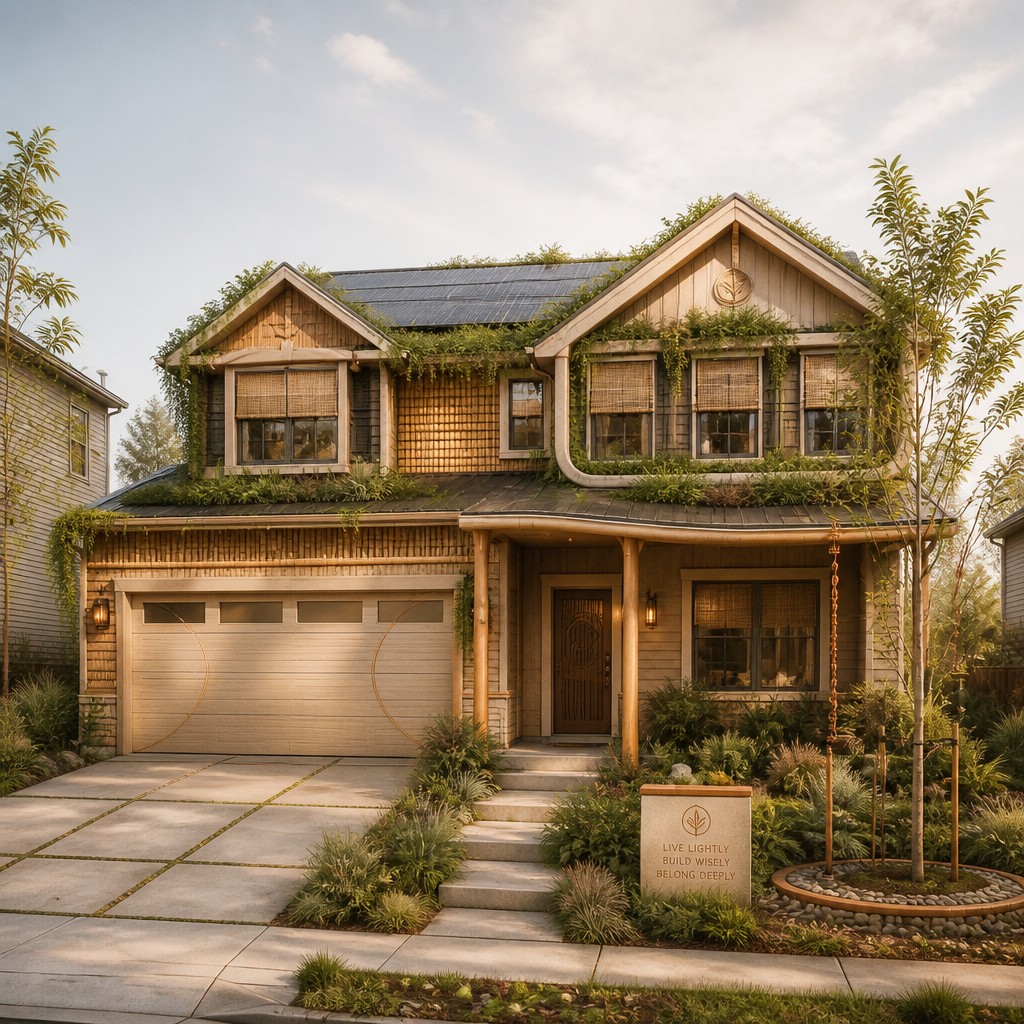



What Defines Sustainable Architecture Art
The signature details, up close
Green roofs and planted terraces
Vegetation is not decorative afterthought but a core architectural element. Roof gardens, vertical planting, and balcony planters signal insulation, stormwater management, and habitat support.
Natural and renewable materials
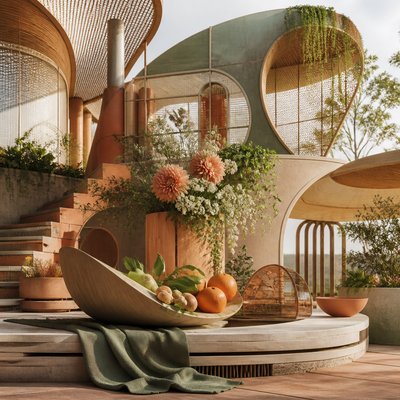
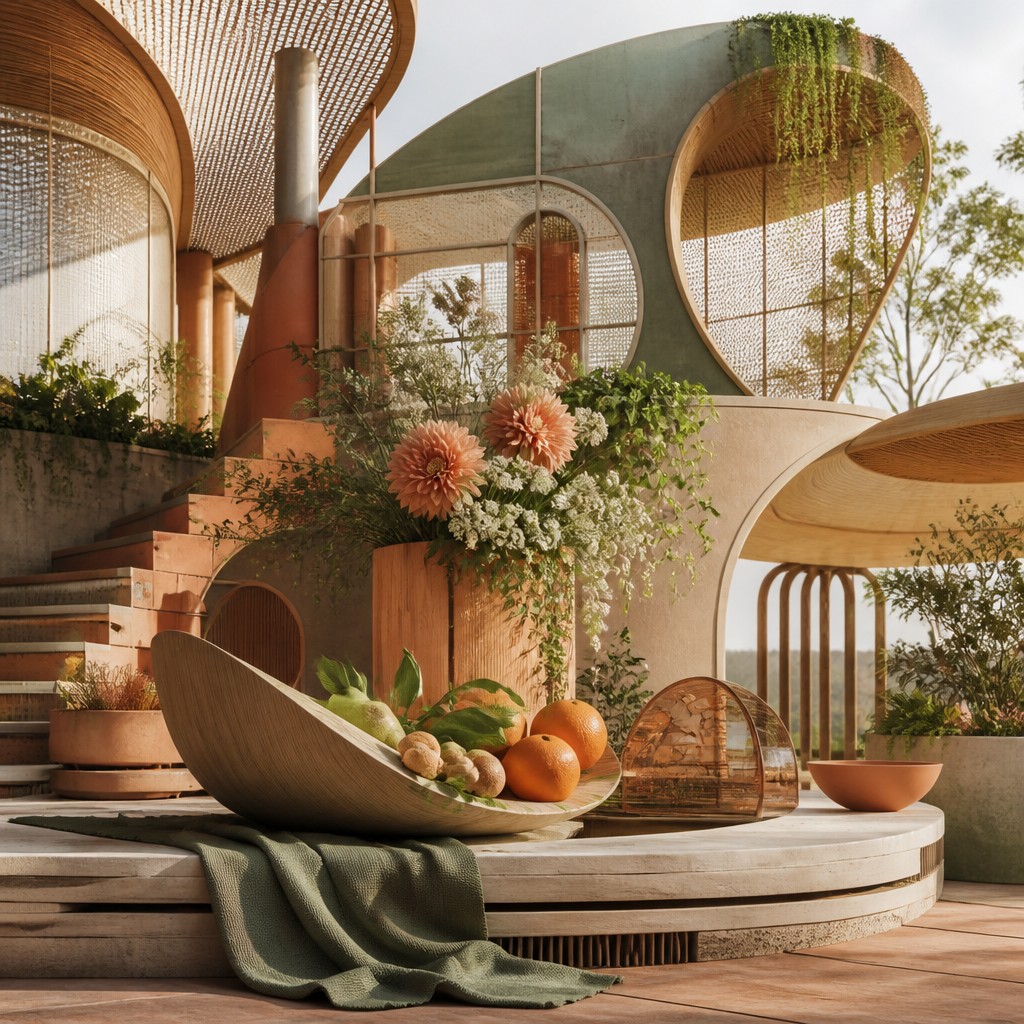
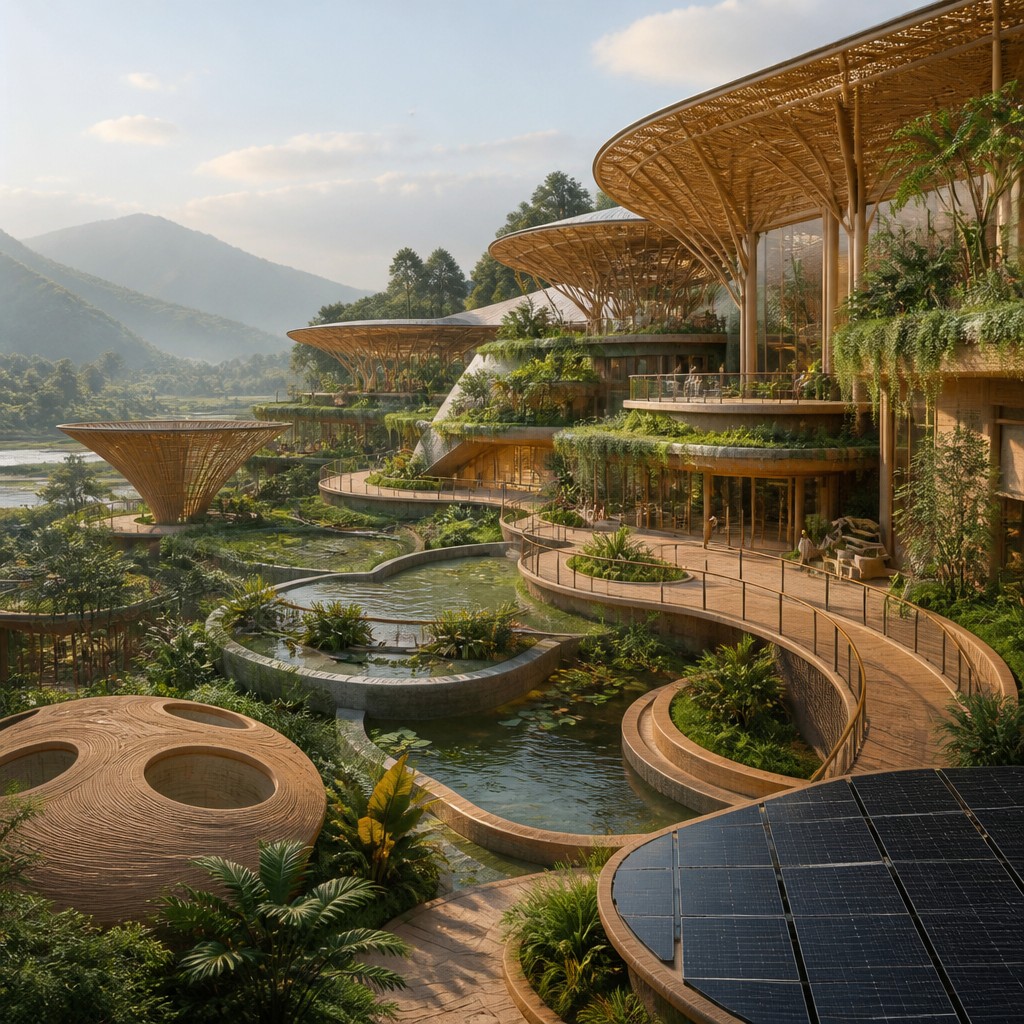
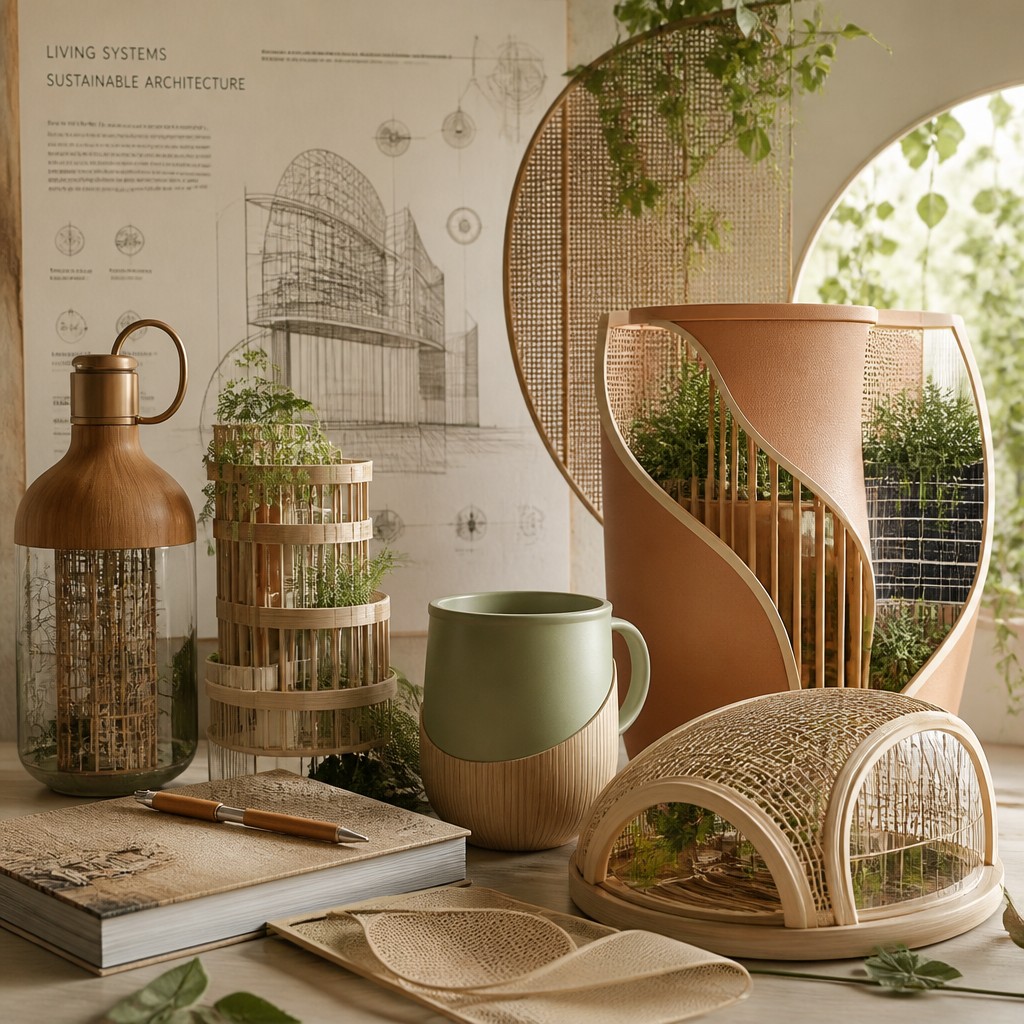
Wood, bamboo, stone, clay, cork, and reclaimed metal are common visual cues. Their textures often remain visible to suggest low-impact construction and tactile warmth.
Passive solar clarity
Forms are shaped to catch or modulate daylight with overhangs, louvers, clerestories, and open courtyards. The lighting usually feels soft, balanced, and energy-aware rather than dramatic.
Organic geometry with structural precision
Buildings often combine clean lines with curved edges, flowing rooflines, or leaf-like silhouettes. This creates a balance between engineered order and natural adaptation.
Earth-toned palette
Warm terracotta, sage green, sandy beige, weathered copper, and muted gray dominate. The palette reinforces a sense of environmental integration and material honesty.
Breathable, open spatial design
Porches, atriums, shaded walkways, cross-ventilated interiors, and translucent partitions are common. These features visually communicate comfort through airflow and daylight rather than mechanical excess.
Try It
Create Videos in Sustainable Architecture Art
Styles aren't just for stills — describe a scene or animate an image and get a short video rendered in Sustainable Architecture. Press play to see this pond come to life.
Make a VideoSustainable Architecture Prompt Ideas
Start from an idea — each one opens the generator with the style ready to go. See all 40 Sustainable Architecture prompts →
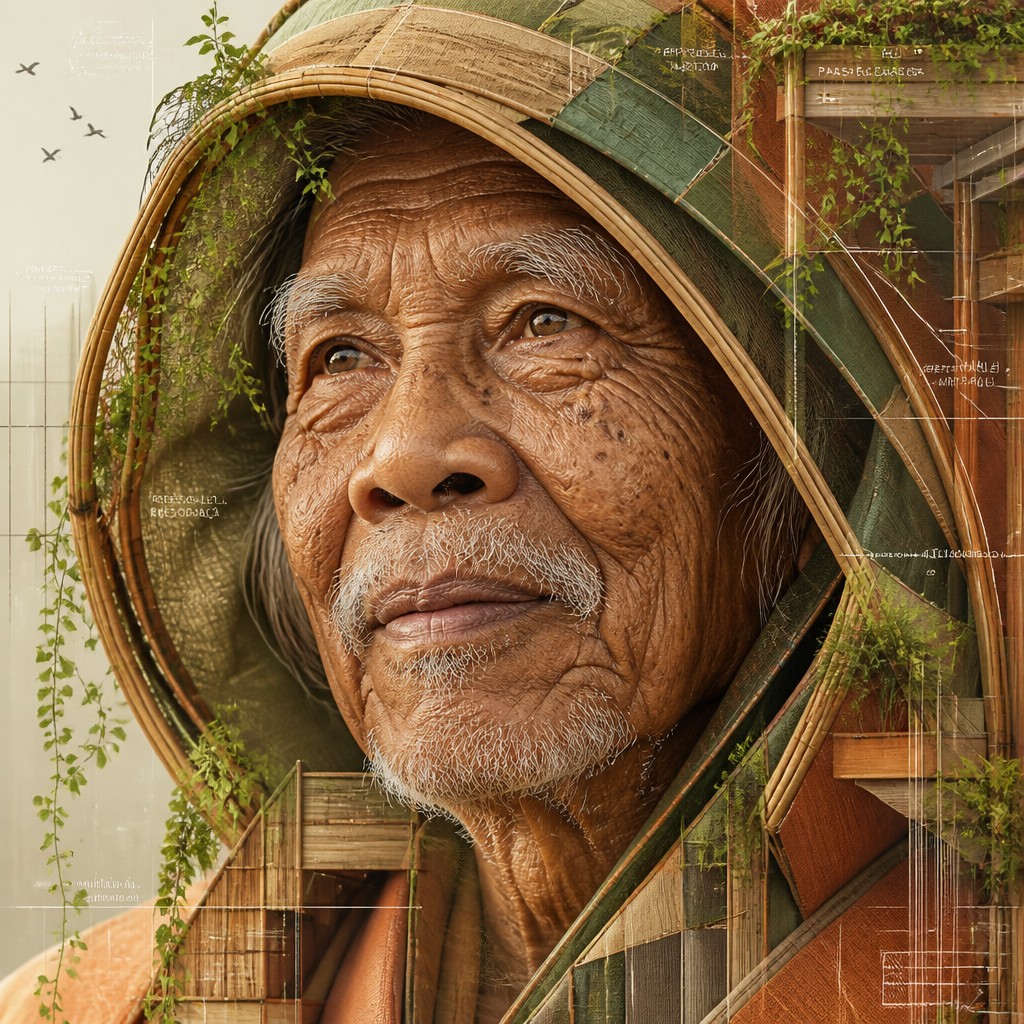
“close-up portrait of an elderly person with expressive weathered features”
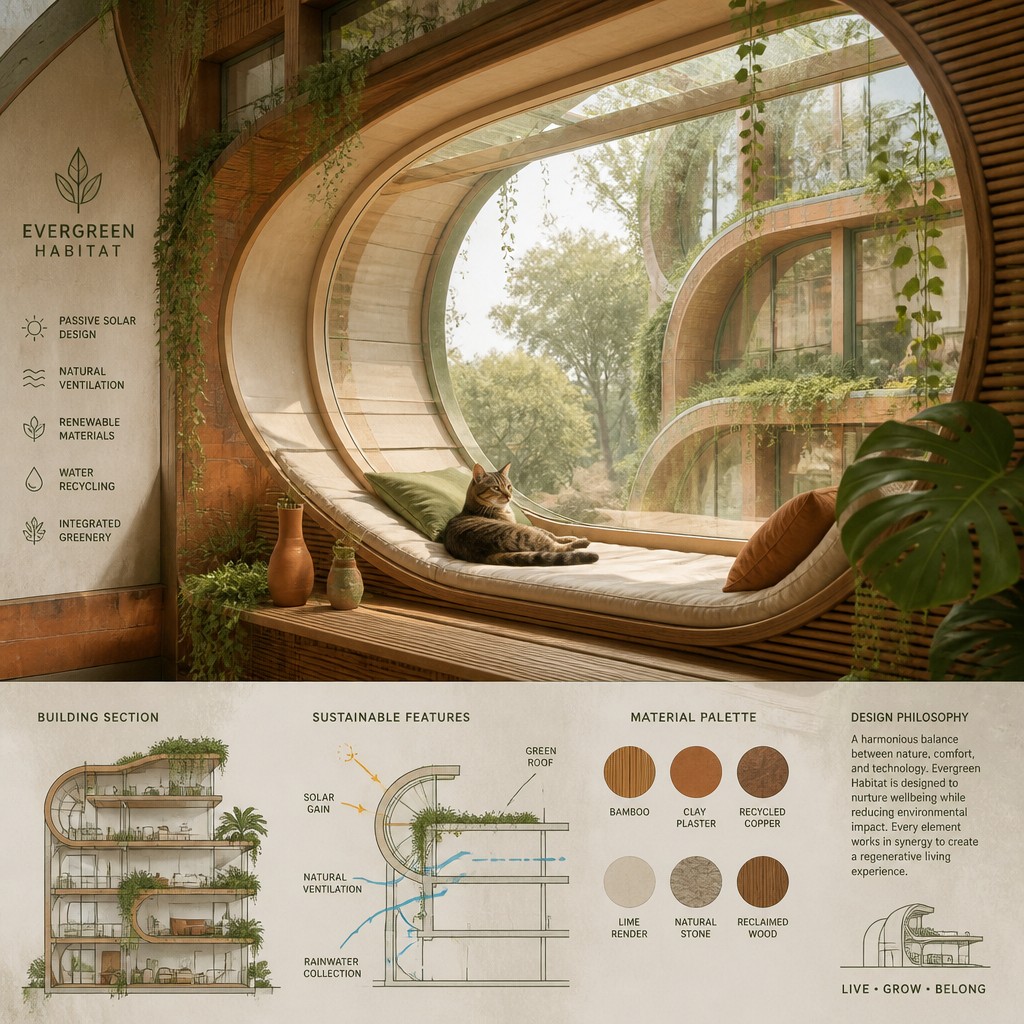
“a cat lounging in a sunlit window”
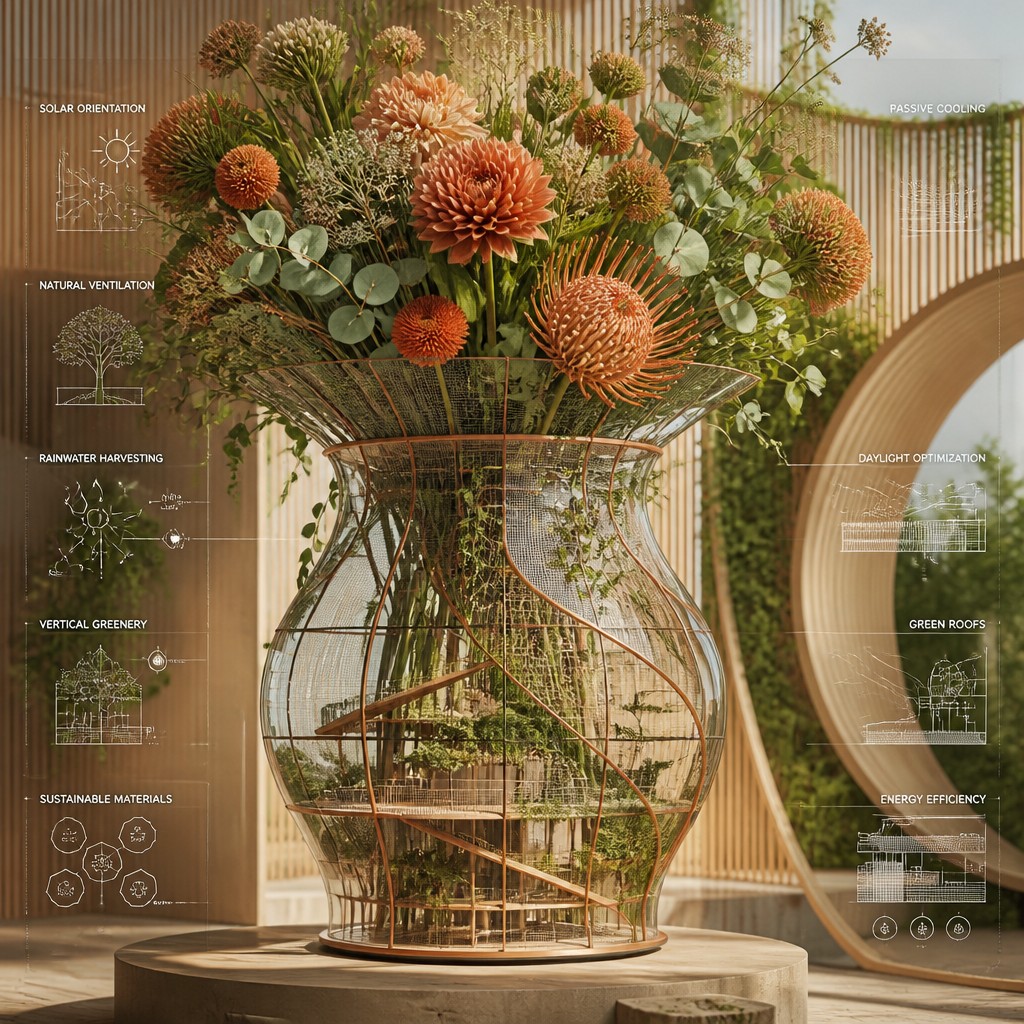
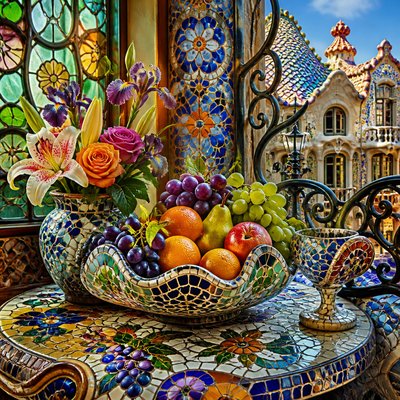
“bouquet of flowers in a glass vase”
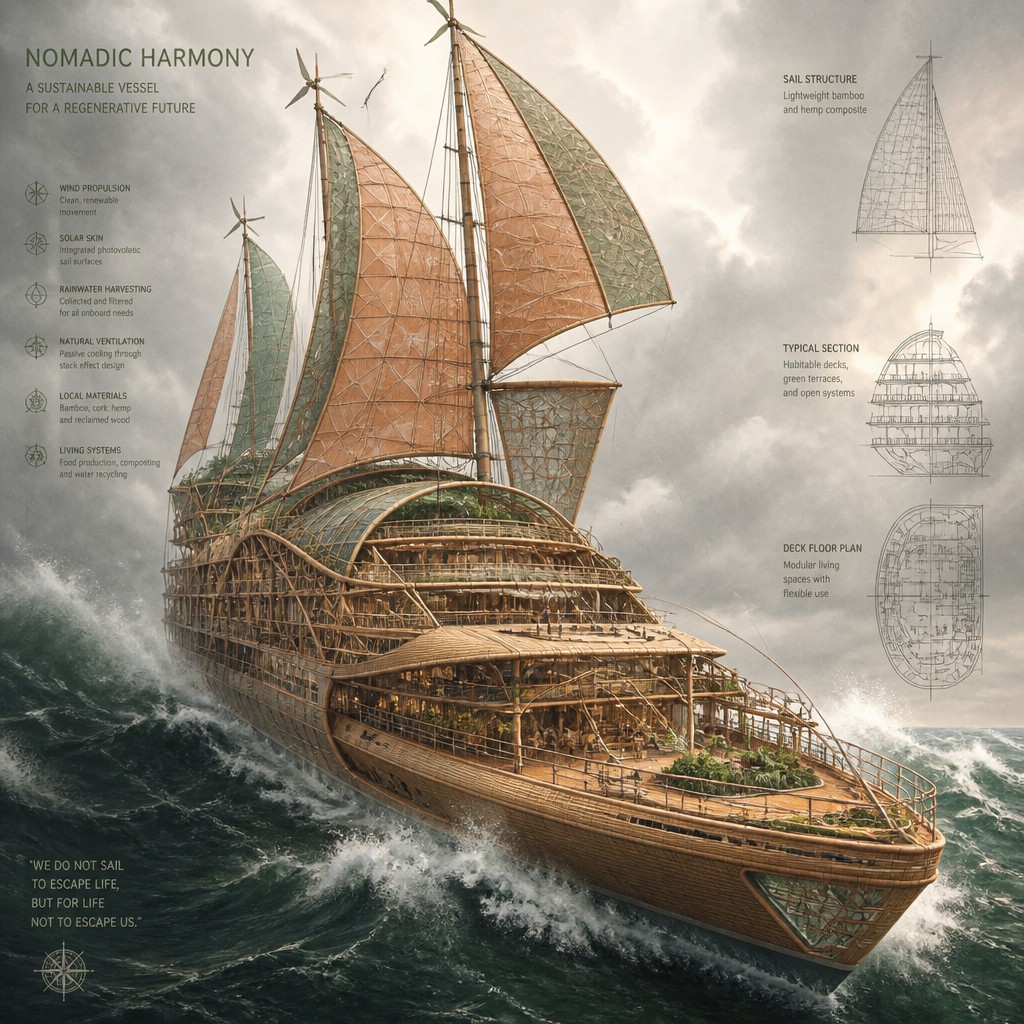
“sailing ship on a stormy sea”
How to Create Sustainable Architecture Art
Master the craft step by step — or skip straight to creating. Read the full guide →
- 1
Start with climate logic
Design the building around sun path, shade, airflow, and water management before adding details. In traditional work, sketch roof angles, overhangs, and courtyards first; in digital or prompt-based work, specify passive solar orientation, natural ventilation, and rainwater capture.
- 2
Use materials that read as responsible and local
Show visible grain in timber, woven bamboo textures, rammed-earth walls, recycled metal panels, or low-gloss glass. These surfaces should look durable and tactile rather than polished or futuristic in a cold sense.
- 3
Integrate greenery into the structure
Place plants where they serve form and function: on roofs, along terraces, in planters that act as balustrades, or within courtyards. For image generation, ask for living greenery woven into the composition rather than simply surrounding the building.
- 4
Keep lighting soft and believable
Render in diffused daylight, morning haze, or golden overcast conditions that flatter material textures. Avoid harsh neon effects; the style usually depends on natural illumination that makes the architecture feel habitable.
- 5
Balance precision with organic softness
Use crisp architectural perspective and structural logic, then soften edges with curves, vines, and atmospheric layering. The strongest images feel engineered yet human, advanced yet environmentally modest.
- 6
Phrase prompts in functional, specific language
Combine subject, setting, materials, and ecological features: for example, a coastal research center with solar shading, timber lattice, rooftop gardens, and rainwater channels at sunset. Specificity helps the image avoid generic 'futuristic eco-building' clichés.
The Story
History & Origins of Sustainable Architecture
Sustainable Architecture Art emerges from late 20th- and early 21st-century environmental design rather than from a single historical art movement. Its visual lineage connects to green architecture, biophilic design, ecological urbanism, and the broader rise of climate-conscious planning. As sustainability became a major concern in architecture, renderings and concept art began to emphasize energy efficiency, natural materials, and visible greenery as markers of responsible design.
Aesthetic influences also come from modernist architectural illustration, utopian eco-city proposals, and vernacular building traditions that use climate-smart forms and local materials. In image culture, the style developed through architectural visualization, concept art, and speculative design imagery that presents future-facing buildings as if they already coexist with their surroundings.
Influences: This style draws from green architecture, biophilic design, ecological urbanism, and vernacular climate-responsive building traditions. In its cleaner, diagrammatic clarity it also relates to modernist architectural visualization and concept art, while its nature-integrated forms echo the organic sensibility of influential early modern organic architects and later prominent Scandinavian modernist designers, though it is broader and more contemporary than any one architect’s work.
Frequently Asked Questions
What defines Sustainable Architecture Art?
It depicts buildings that visually communicate environmental responsibility through materials, form, and landscape integration. Common signs include green roofs, passive solar shading, natural textures, and vegetation incorporated into the architecture itself.
Is this a historical art movement?
No single historical movement owns it. It is a contemporary aesthetic lineage drawn from green architecture, biophilic design, and ecological planning, then translated into illustration, concept art, and architectural renderings.
How is it different from generic futuristic architecture?
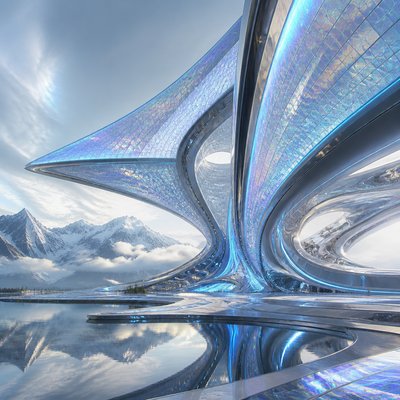
Generic futurism often emphasizes sleek surfaces, advanced technology, or dramatic spectacle. Sustainable Architecture Art instead prioritizes climate logic, local materials, and visible harmony with nature, so the future looks restrained and livable rather than purely high-tech.
What subjects work best in this style?
Homes, schools, museums, transit hubs, resorts, research centers, and urban housing all work well because they can show practical sustainability features. Landscapes such as hillsides, wetlands, coasts, and arid sites also strengthen the climate-responsive narrative.
How can I make a traditional artwork in this style?
Use perspective drawing or gouache, watercolor, or marker rendering to show clear structure and soft environmental atmosphere. Emphasize material texture, planted roofs, and warm natural light, then keep the palette grounded in earth tones and greens.
Where is this style commonly used?
It appears in architectural concept art, urban design presentations, sustainability branding, editorial illustration, and speculative futures imagery. It is also useful for visualizing proposals for eco-resorts, campuses, and community planning projects.

Create your first Sustainable Architecture artwork
Describe anything — or upload a photo — and see it in Sustainable Architecture Art in seconds.
Make Something with Sustainable Architecture
Compare Sustainable Architecture
Related Styles
Discover similar art styles